© ROOT-NATION.com - Use of content is permitted with a backlink.
I can’t call myself a “pro gamer.” I love single-player experiences, arcade racing games, and I might occasionally launch Fortnite to lose a couple of games and have fun. Nothing close to esports. But as a family man living in a two-bedroom apartment, a good headset is a must. Whether I want to enjoy video games without distracting my wife or jump on an early-morning Zoom call, a pair of over-ear headphones or Apple EarPods is always nearby.
That’s why, when ATK Gear reached out to test its new Horizon Gaming Headset, I already had a few use cases beyond gaming to put them to the test.
Disclosure: ATK Gear provided the ATK Horizon headset for review. No payment was provided, and all opinions are my own.

Read also: Reviews of other equipment for audiophiles
TABLE OF CONTENTS:
Specifications
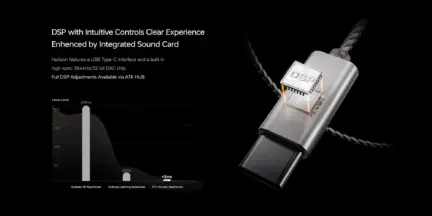
ATK Horizon comes in two versions: one with a 3.5 mm jack and one with a USB-C cable with built-in DSP, which is the version I tested. I went with the USB-C version for two reasons: to test the built-in DSP and software, which works only with USB-C headsets, and because most devices in my home have already ditched the 3.5 mm jack for USB-C. That gave me a chance to test ATK Horizon with a wider variety of devices, not just a PC.
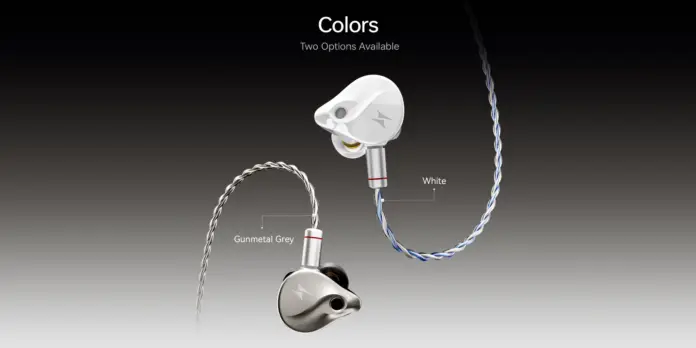
The headset also comes in two colors: White and Gunmetal Gray. The latter is the color I got.
| Device name: | ATK Horizon Gaming In-ear Earphones |
| Connection type: | 3.5 mm or USB-C |
| Color: | Gunmetal Gray/White |
| Driver: | 10 mm, Dynamic |
| Impedance: | 16 Om ± 15% (@1KHz) |
| Sensitivity: | 110 ± 3 db/Vrm (@1KHz) |
| Microphone: | Yes, with AI Noise cancellation |
| Earphone cable: | Replaceable, with 2 pin connector |
| Connection mode: | Wired |
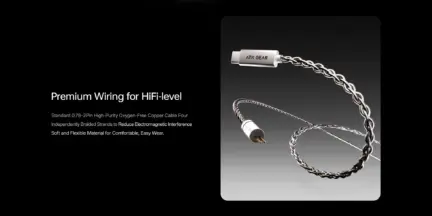
| Cable: | 3 ft (1.2 m), made of 4-strand Oxygen-free copper, non-tangle, USB-A extender available |
| Control: | 3-button, iOS/Android compatible |
| Additional features: | USB-C version only: integrated DSP, ATK Hub Software with EQ and Mic sensitivity adjustment |
Also worth checking out:
Unboxing, Look & Feel
The unit came in a nice black box, tightly packaged in a sleeve with a photo of ATK Horizon and some specs. As soon as you open it, you’re presented with the CNC-machined faceplate of the in-ear headset and the box of accessories.
That’s when I realized it was the limited-time launch edition of the headset. It came with three additional pairs of ear tips, a USB-A male-to-USB-C female extension cable, and a leatherette pouch.


What if you’re less lucky than me? You’ll receive the headset itself, four pairs of ear tips (1× Small, 2× Medium, 1× Large), and a 3 ft USB-C or 3.5 mm cable.

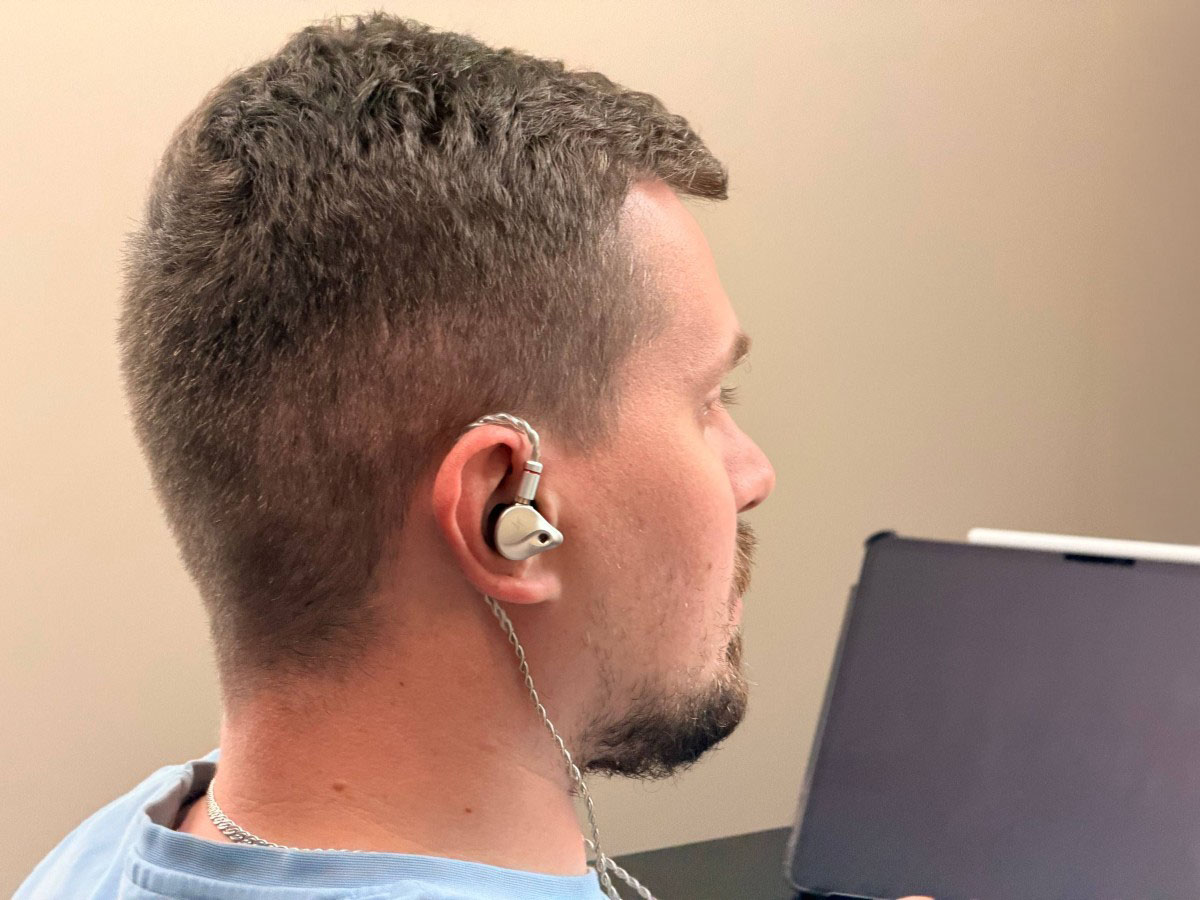
What I found genuinely impressive was the quality of the components: no weird plastic smells, no cheap materials – everything feels solid. The CNC-machined faceplate looks clean, with no visible defects. The translucent plastic parts don’t look hazy. The brass nozzles are shiny and add a premium touch, even if they will mostly be covered by ear tips. And mind you, those ear tips don’t feel like cheap, no-name knock-offs either.

Another big improvement over my old KZs is the cable. The 2-pin connectors stay firmly inside the headset, even after multiple adjustments. Plus, ATK really meant it when it said the cable doesn’t tangle. Regardless of how I put it in the pouch, it’s always ready to go: take it out, plug it into your PC, tablet, or smartphone, and that’s it.
Speaking of the pouch, it looks and feels good enough to get my wife’s seal of approval. I’ll probably never see that bag again after the review.


Also worth checking out:
Setting Up ATK Horizon
So, I found my perfect set of ear tips, plugged the headset into my desktop computer, and it just worked. No drivers, no third-party software required.

Since I have the USB-C version of ATK Horizon, all buttons and the microphone worked properly across desktop, iPad, and iPhone, which is neat. I always forget my play/pause hotkeys on PC, so having a physical button on the headset is genuinely handy.

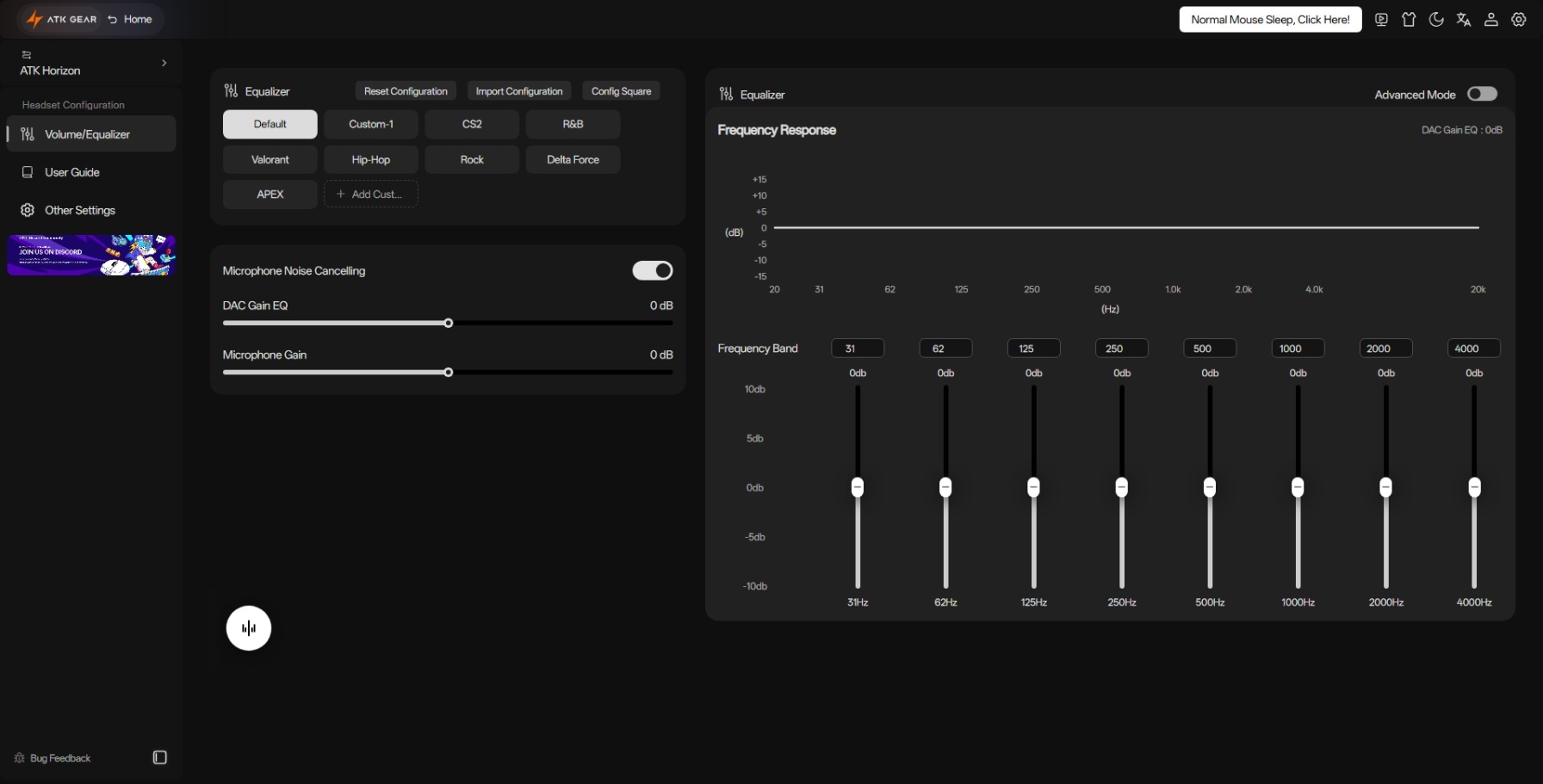
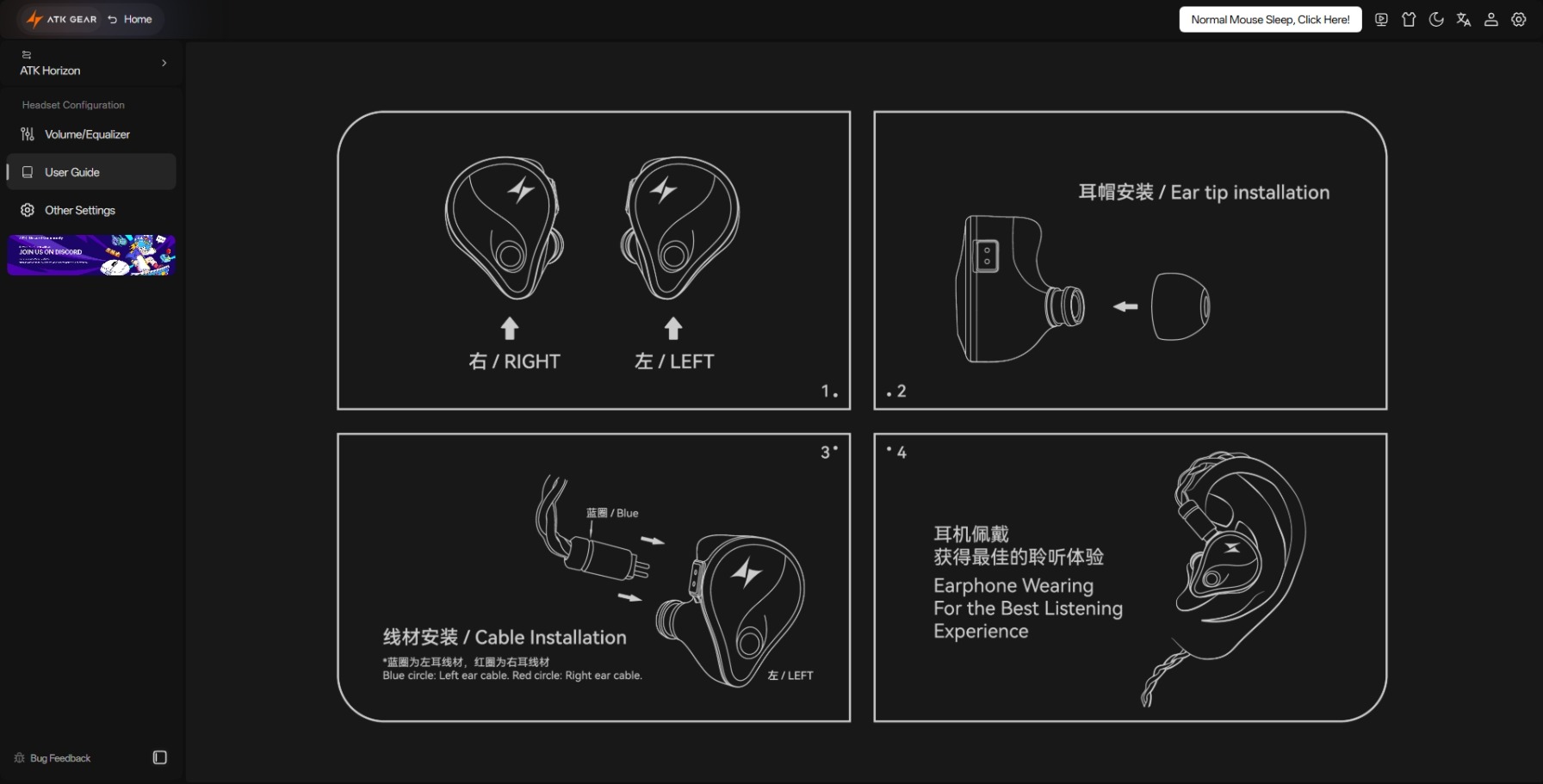
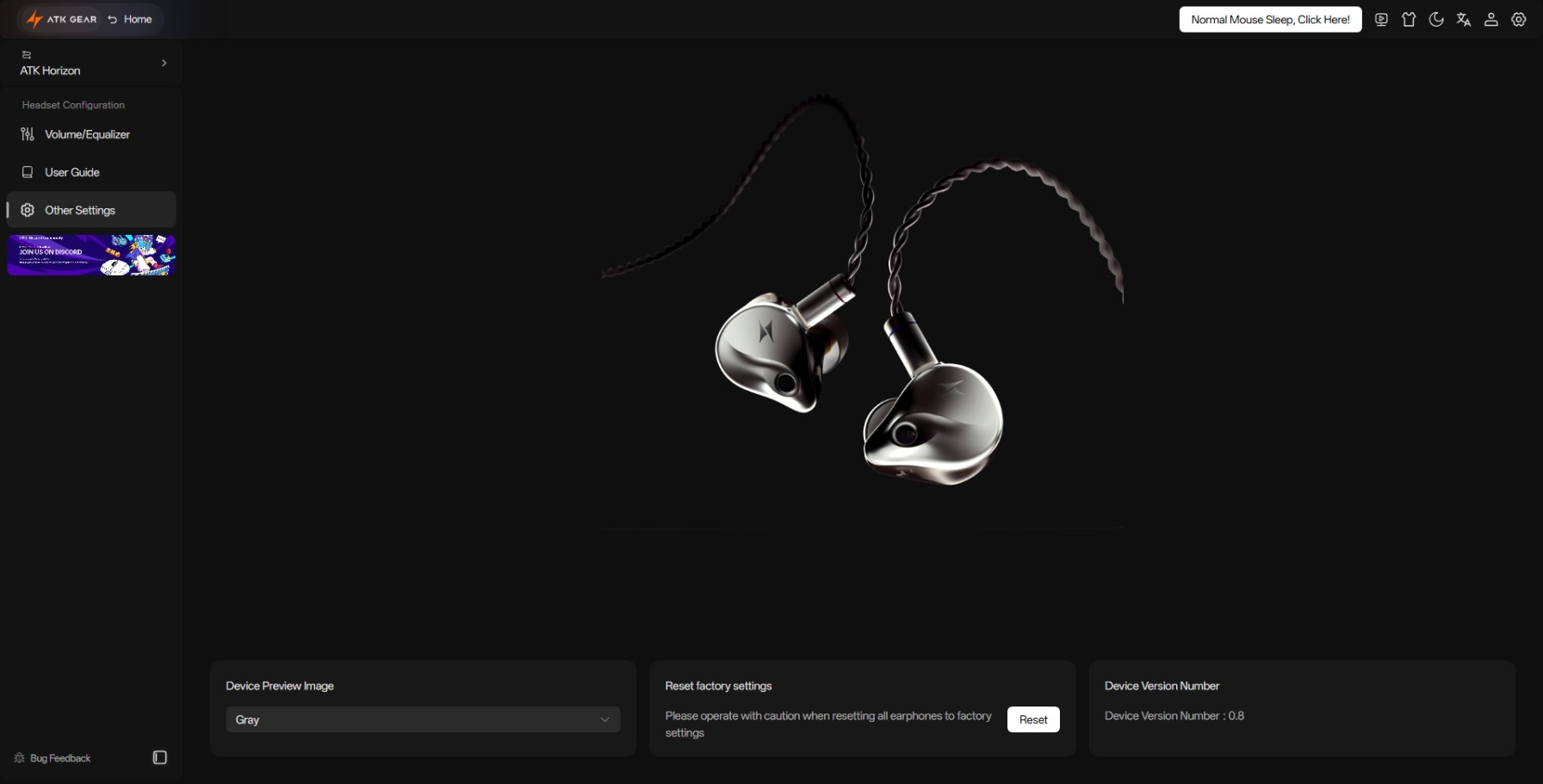
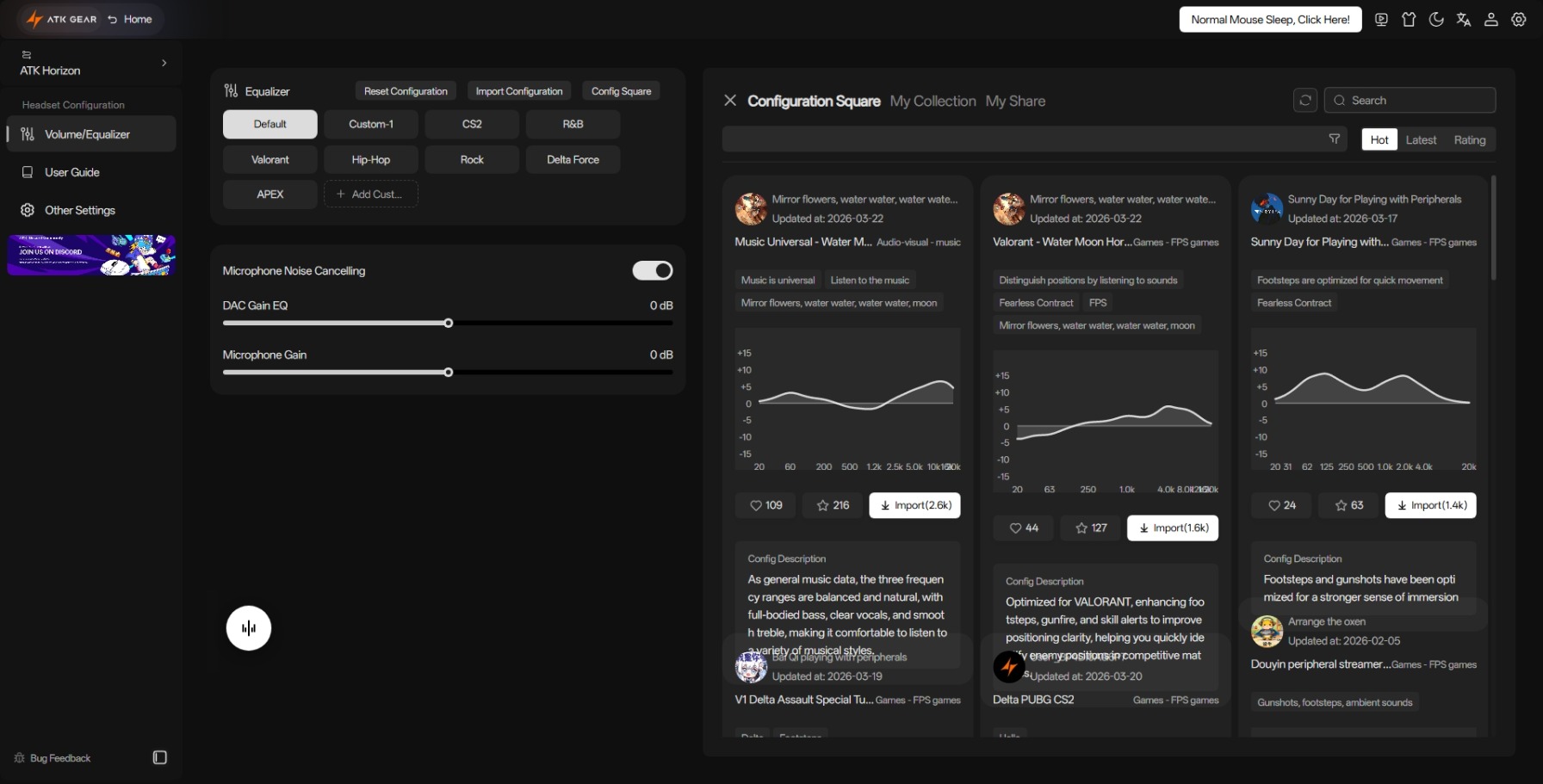
The good news is that you don’t have to install anything locally. While ATK Hub is available for Windows and Android as an APK, you can also run it in the browser, and all major features are available there. Since I’m not a huge fan of bloatware, I used the web interface to tweak ATK Horizon settings.
The interface is easy to navigate, with only three tabs: Volume / Equalizer, User Guide, and Other Settings. It also lets you download community presets from the “Config Square” and even reset the headset’s firmware.
Just keep in mind that, while there is an English translation, it is incomplete. Many parts of the interface were still in Chinese. The web interface also supports only Microsoft Edge and Google Chrome. I had zero luck launching it on Firefox or any mobile browser on my iPhone.
Gaming with ATK Horizon
Where I had better luck was using the ATK Horizon as a gaming headset. After all, this is how ATK positions it.
At first, I decided to play some Counter-Strike 2 while wearing it. It was also a good chance to evaluate whether the CS2 equalizer preset in ATK Hub makes any difference to gameplay and allows me to score better.

Good news: the CS2 preset makes a noticeable difference to the sound, with gunshots sounding louder and footsteps becoming more pronounced.


Listening to Music with ATK Horizon
But Drum’n’Bass is not the only genre where the headset shines.
Most EDM genres sounded absolutely great with ATK Horizon – whether it was a new Tech-Trance collab from Armin van Buuren, Hannah Laing, and Wippenberg, or a 10-year-old Prodigy remix of Plan B’s “Ill Manors,” which merges British hip-hop and rave. The bass is captivating, the vocals are clear, and the soundstage is wide.
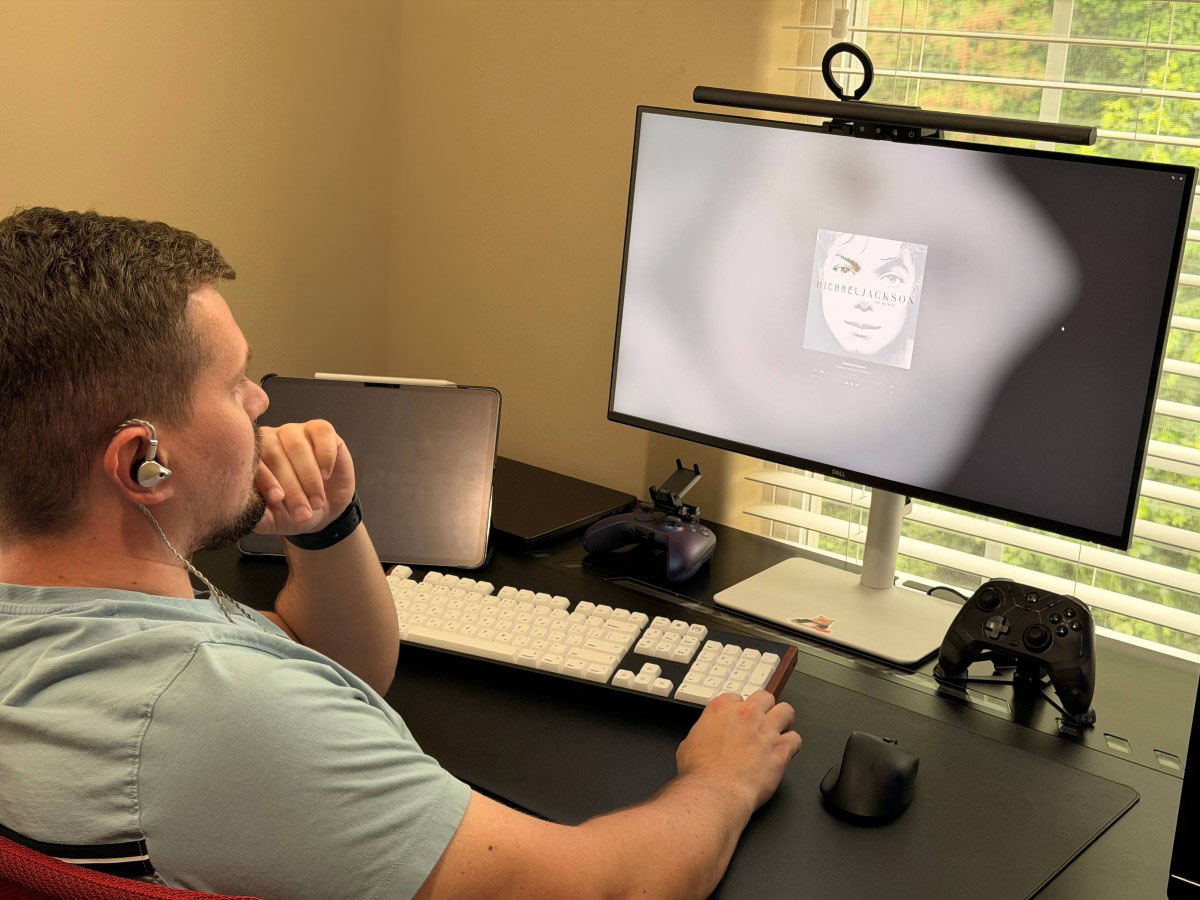
Other genres sound equally enjoyable. I rediscovered Lighthouse Family’s rendition of “Ain’t No Sunshine” and Michael Jackson’s “Whatever Happens” while testing ATK Horizon. R&B sounds especially good on this headset, helped by a dedicated equalizer preset.

For example, I tried Fall Out Boy’s “My Songs Know What You Did in the Dark,” which sounds absolutely horrible in Dolby Atmos when you’re using Apple earbuds. The kick drums get lost in the chorus, backing vocals sit somewhere too far away, and the whole thing feels oddly flat.
ATK Horizon brings it back. The song sounds juicy, the kick drum returns, and the backing vocals are actually audible. Somebody, let the Apple engineers hear this.
The ATK team informed me that they are aware of the issue and are working on a resolution. Whether that comes through another firmware update, a hardware revision, or maybe a new cable remains to be seen.
Using ATK Horizon as a Headset
Thankfully, none of this affects the built-in microphone. I used ATK Horizon on multiple calls, and people on the other end noticed that my voice was clear and easy to hear.

I also tested it side-by-side with the unspoken standard of wired earbud microphones: Apple EarPods with USB-C.
EarPods are still hard to beat for pure clarity, but I found ATK Horizon less sensitive to my movement, especially with microphone noise cancellation turned on. That’s especially useful when there is a noise source nearby, whether it’s a dishwasher or an A/C unit.

Overall, whether for music, gaming, or phone calls, I found ATK Horizon to be a great headset.
Also worth checking out:
Pricing and Competition
Interestingly, I believe ATK Horizon is a great value. At the regular price of $84.98 for the USB-C variant or $69.98 for the 3.5 mm option – often discounted to $59.98 and $49.98, respectively – they are pretty inexpensive, given the quality of materials and sound.
Availability is also solid. You can find a pair on the ATK Gear website, Newegg, Amazon in the US, and AliExpress if you don’t mind waiting or live outside the United States.
Is there an alternative?
There are plenty of gaming IEMs on the market. However, you can mostly divide them into two categories:
- Well-known brands, like Sony and Sennheiser, might offer better sound, stronger brand recognition, or more refined tuning, but they also cost roughly two to three times more than ATK Horizon.
- Linsoul products… And I mean a lot of them. Open Linsoul’s gaming or IEM sections, and you’ll see a whole universe of brands and models: Kiwi Ears, Simgot, ZiiGaat, Tangzu, KZ, Moondrop, HIDIZS, and many others. You’ve probably seen some of them on Amazon without realizing they all belong to the same crowded budget-to-midrange IEM ecosystem. The quality has significantly improved since I got my KZ ZST about 10 years ago, but the sheer variety is overwhelming. It’s hard to choose one or two options to recommend, and reviews are all over the place. So I would say it’s the embodiment of Google’s “I’m Feeling Lucky” button. You might hit gold, or it might be a total miss.
So, given the competition, ATK Horizon looks like a solid value if you don’t want to spend hours researching the differences between dozens of Linsoul-style IEM options or spend extra money on Sony or Sennheiser.
Verdict
My gaming skills have not improved, but I found plenty of joy in using ATK Horizon for things beyond gaming: from taking calls to listening to my favorite songs.
I also believe the esports audience will find them exciting. The CS2 preset actually makes footsteps and gunshots more pronounced, the headset is comfortable enough for long sessions, and the microphone is more than good enough for voice chat.
There are still minor inconveniences that need ironing out, like the faint white noise and the web interface that needs a more complete English translation. I also wish the original cable were a little longer.
But given how good ATK Horizon already is, I have confidence that ATK Gear will figure these things out.
Where to Buy ATK Horizon
- ATK Gear – $49.98 (3.5 mm) / $59.98 (USB-C)
- Amazon – $49.98 (3.5 mm) / $59.98 (USB-C)
- Newegg – $69.98 (3.5 mm) / $84.98 (USB-C)
- AliExpress – $54.21 (3.5 mm) / $69.79 (USB-C)