





© ROOT-NATION.com - Use of content is permitted with a backlink.
This year, our correspondent is reporting directly from the Mobile World Congress 2026 pavilions in Barcelona, where technology brands from around the world have been showcasing their latest products over several days. Among them, Xiaomi made a notable impression, presenting a wide range of devices and even a concept supercar. Here is a summary of the most interesting announcements from Xiaomi at MWC 2026 – based solely on what we observed on site, without unnecessary embellishment.
TABLE OF CONTENTS:
Video report
Xiaomi 17 Smartphone Series
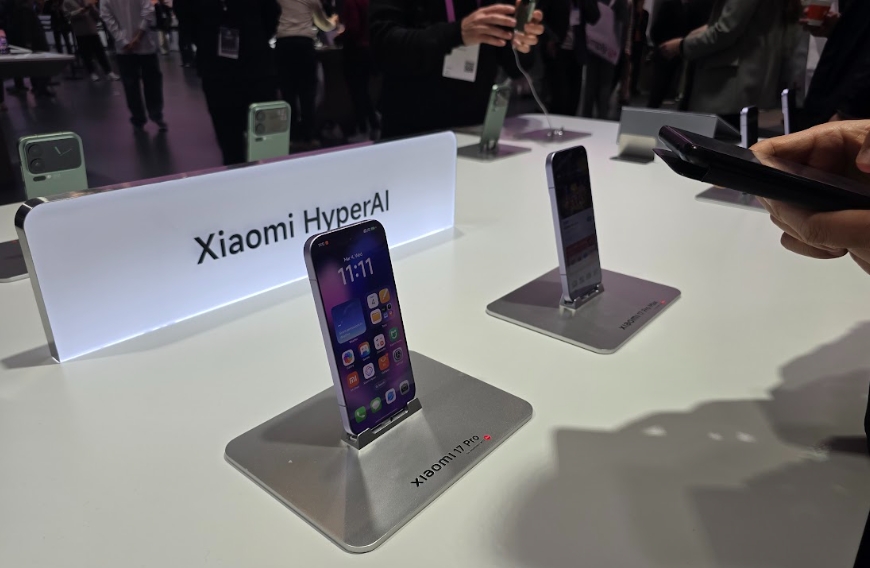
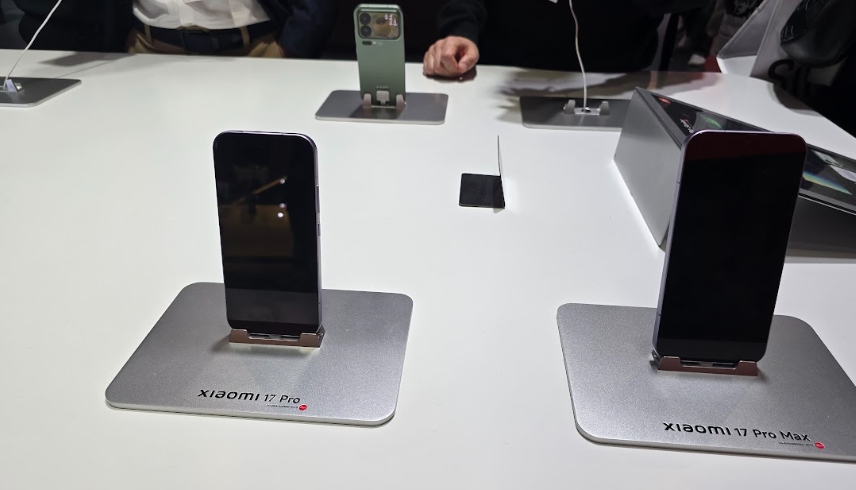
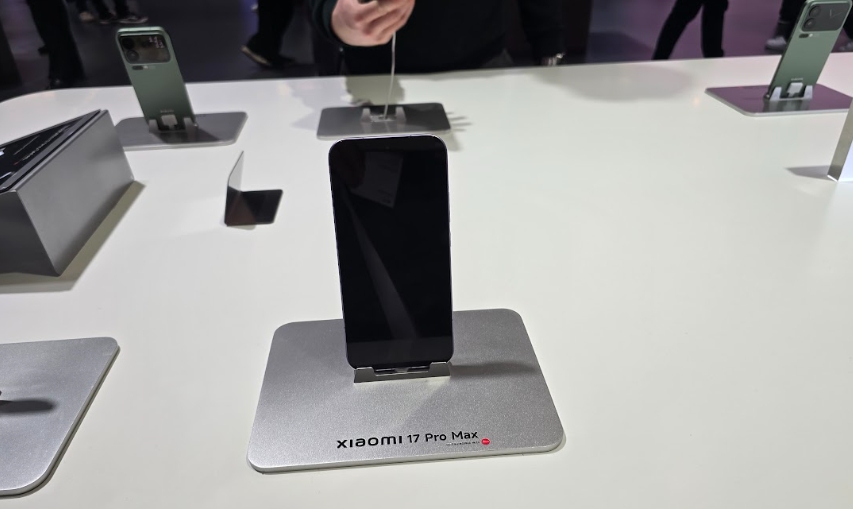
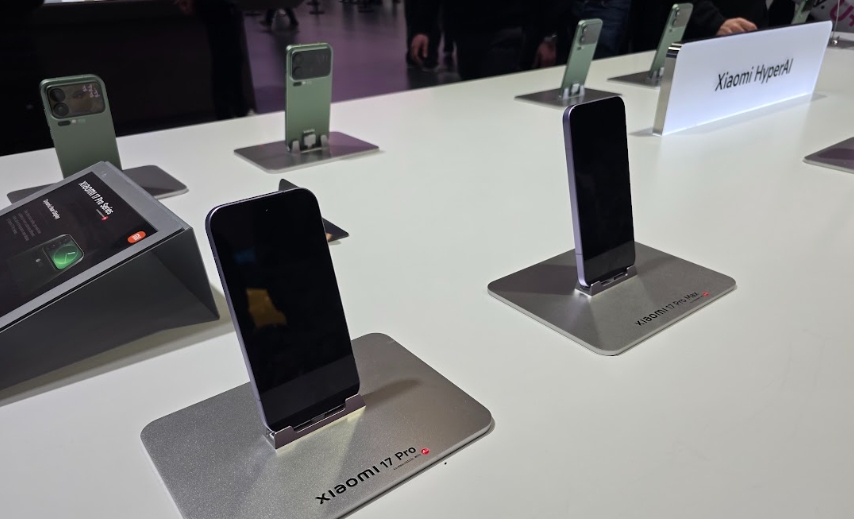
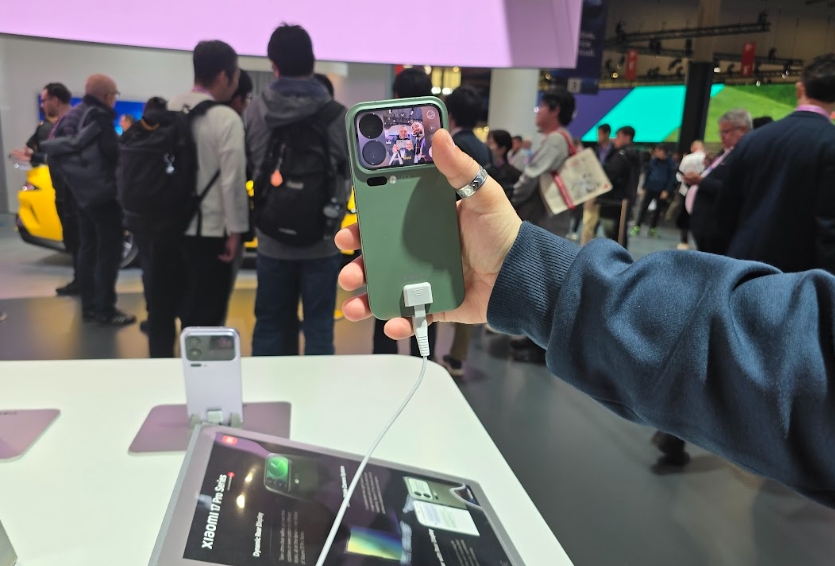
Xiaomi unveiled its new Xiaomi 17 lineup, marking the next stage in mobile technology development. The series includes the Xiaomi 17, Xiaomi 17 Ultra, and the Leica Leitzphone powered by Xiaomi. These models aim to set a new standard in mobile photography.
The Xiaomi 17 Ultra is the thinnest and lightest Ultra model in the company’s history, measuring 8.29 mm in thickness and starting at 218.4 g in weight. The device features a flat body with minimal bezels and a redesigned camera module that protrudes less than previous models. It is available in White, Black, and Starlit Green. The Xiaomi Guardian Structure includes Xiaomi Shield Glass 3.0, offering 30% improved drop resistance compared to the Xiaomi 15 Ultra, a rear panel made of high-strength fiberglass, an aluminum frame, and IP68 dust and water protection.
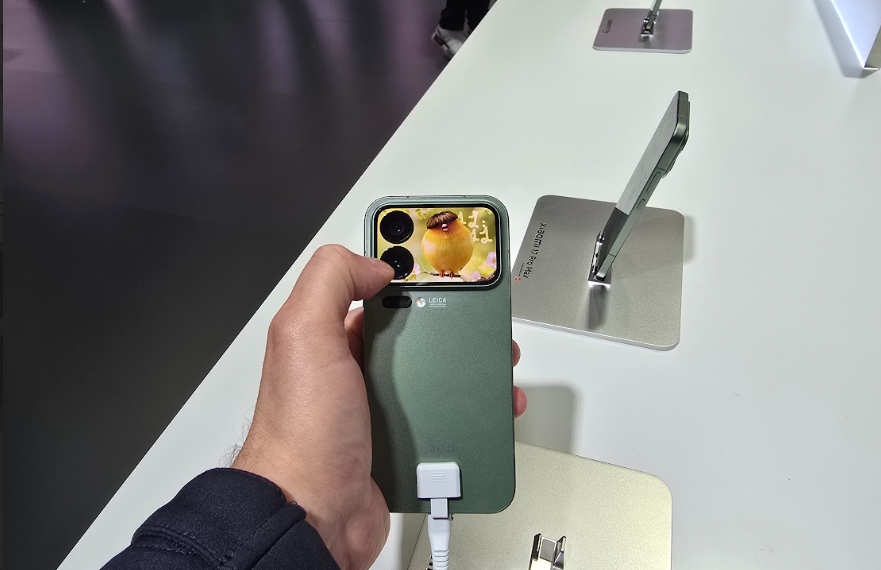
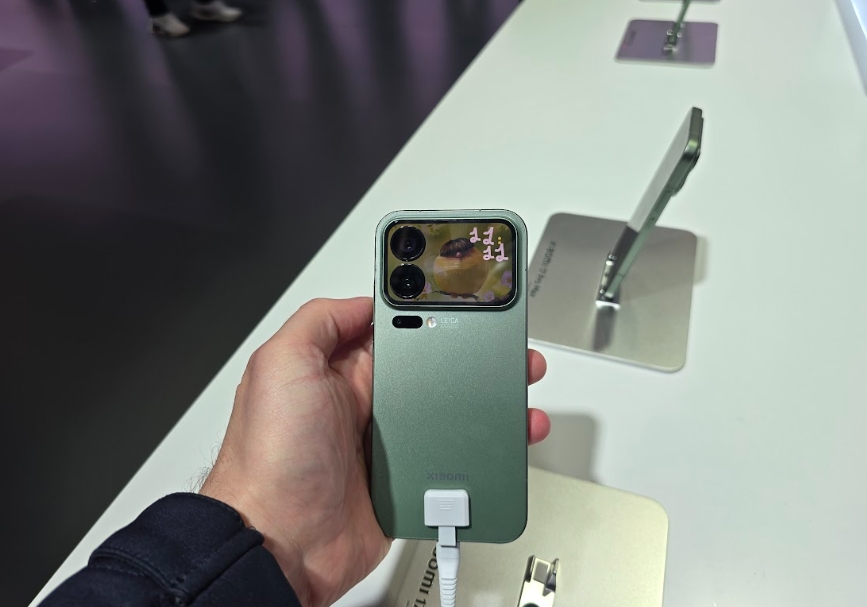
The Xiaomi 17 Ultra is equipped with the brand’s first 1-inch LOFIC sensor. The Light Fusion 1050L sensor uses capacitor technology to increase full-pixel capacity and enhance HDR processing efficiency.
Additionally, the device features a 200 MP Leica 75–100 mm telephoto camera with mechanical optical zoom. Built to Leica APO standards, it delivers high image quality with minimal aberration across the zoom range and provides an equivalent focal length of up to 400 mm (17.2x). Video capabilities include 4K recording at 120 fps with Dolby Vision or ACES Log on both the main and telephoto cameras.
Two accessories are available for the Xiaomi 17 Ultra. The Xiaomi 17 Ultra Photography Kit features a lightweight construction, a strap, a two-stage shutter button, a dedicated video button, and IP54 protection. The Photography Kit Pro adds a PU leather grip, an integrated 2000 mAh battery, a removable shutter button, and a Fastshot interface. The series is powered by the Snapdragon 8 Elite Gen 5 Mobile Platform, built on a 3 nm process, with a third-generation Qualcomm Oryon CPU, Adreno GPU, and Hexagon neural processor. Configurations include up to 16 GB of RAM and up to 1 TB of storage, using LPDDR5X memory and UFS 4.1 storage technology.
The Xiaomi 17 Ultra is equipped with a 6000 mAh battery supporting 90 W HyperCharge and 50 W wireless charging. The Xiaomi 17 features a 6330 mAh battery with 100 W HyperCharge and 50 W wireless charging support. Both models use Xiaomi Surge Battery technology, which incorporates 16% silicon content to increase energy density.
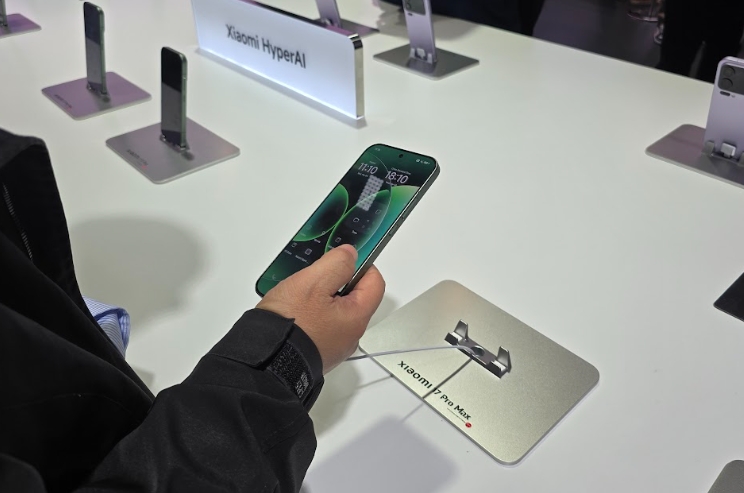
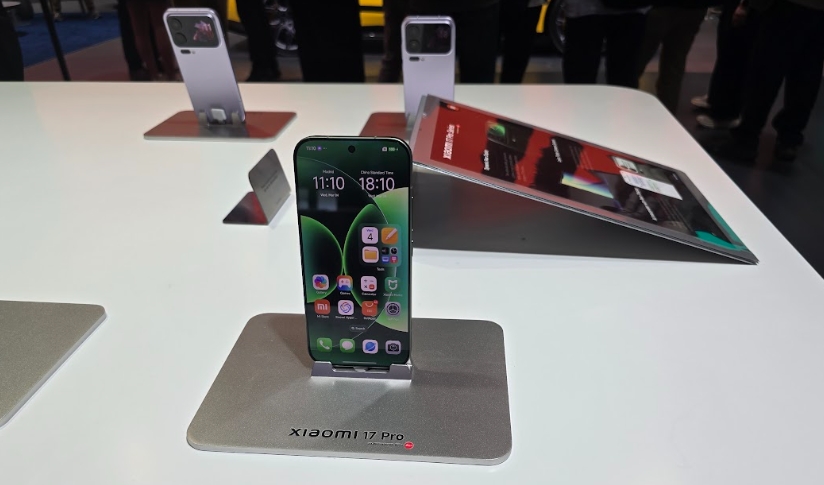
The more compact Xiaomi 17 measures 8.06 mm in thickness and weighs 191 g, combining a powerful computing platform, enhanced imaging capabilities, and a high-capacity battery. The smartphone is available in Venture Green, Alpine Pink, Ice Blue, and Black. It features an updated camera design, reduced frame curvature, and ultra-thin bezels measuring 1.18 mm. Its Xiaomi Guardian Structure construction includes a 6M42 aluminum frame, Xiaomi Shield Glass protection, and IP68 certification.
The Xiaomi 17 Ultra has a 6.9-inch Xiaomi HyperRGB OLED display with a resolution of 2608×1200 and Xiaomi Shield Glass 3.0 protection.
For imaging, the compact Xiaomi 17 uses a 1/1.31-inch Light Fusion 950 sensor with 2.4 µm 4-in-1 Super Pixels and a 13.5 EV dynamic range. A Leica 60 mm telephoto lens supports portrait photography, 5× optical zoom, 10 cm macro shots, and 20× AI Ultra Zoom. The front camera is 50 MP with improved autofocus. Video recording supports 4K at 60 fps with Dolby Vision and Log 4K at 60 fps.
The Xiaomi 17 display measures 6.3 inches, uses an OLED CrystalRes panel at 2656×1220 resolution, supports adaptive 1–120 Hz LTPO refresh rates, and reaches peak brightness of 3500 nits. Both models support HDR10+, Dolby Vision, 68 billion colors, TÜV Rheinland certification, and eye-comfort technologies.
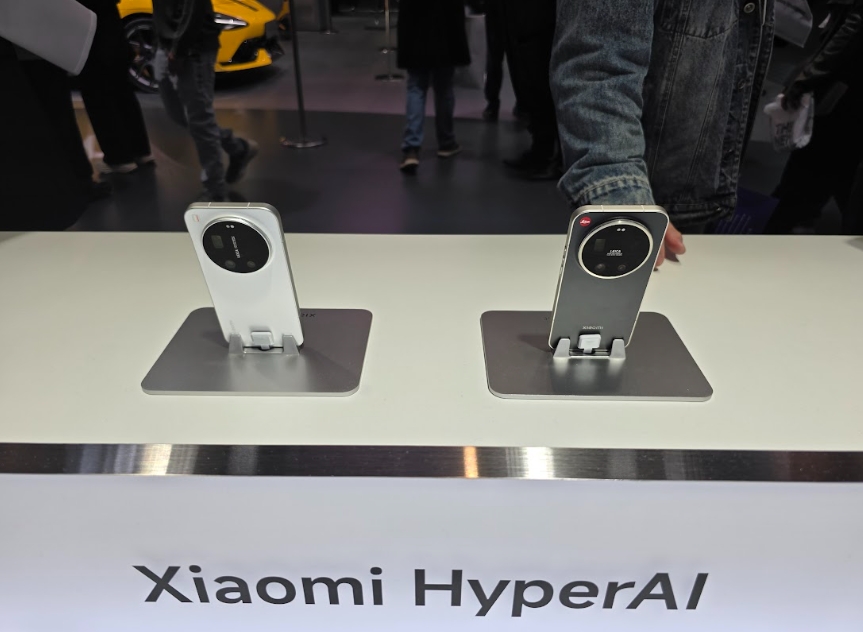
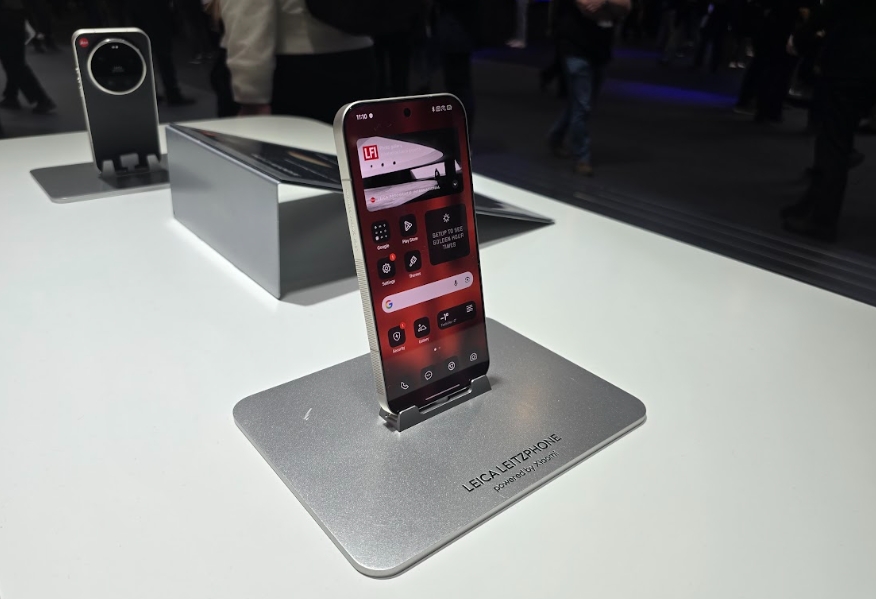
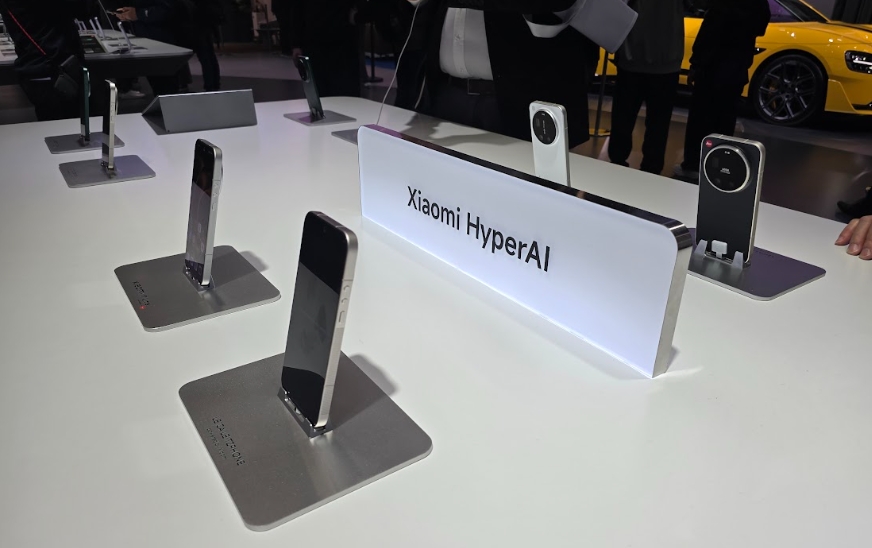
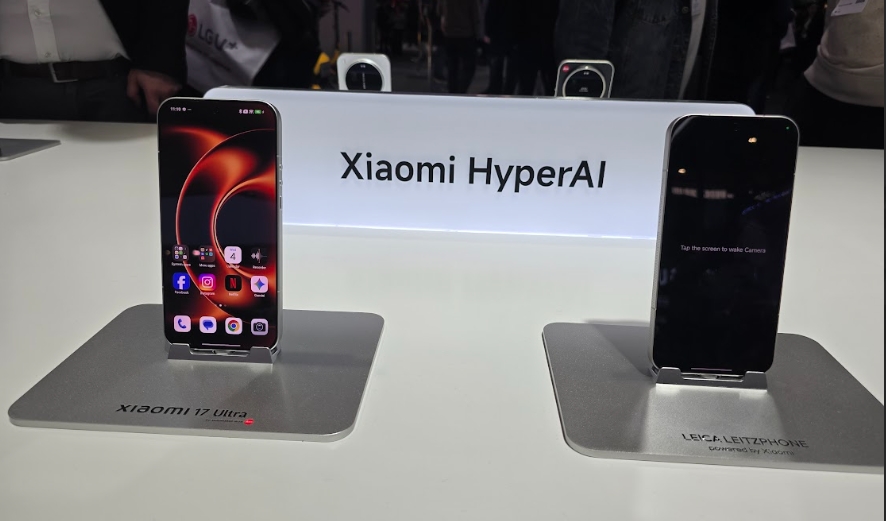
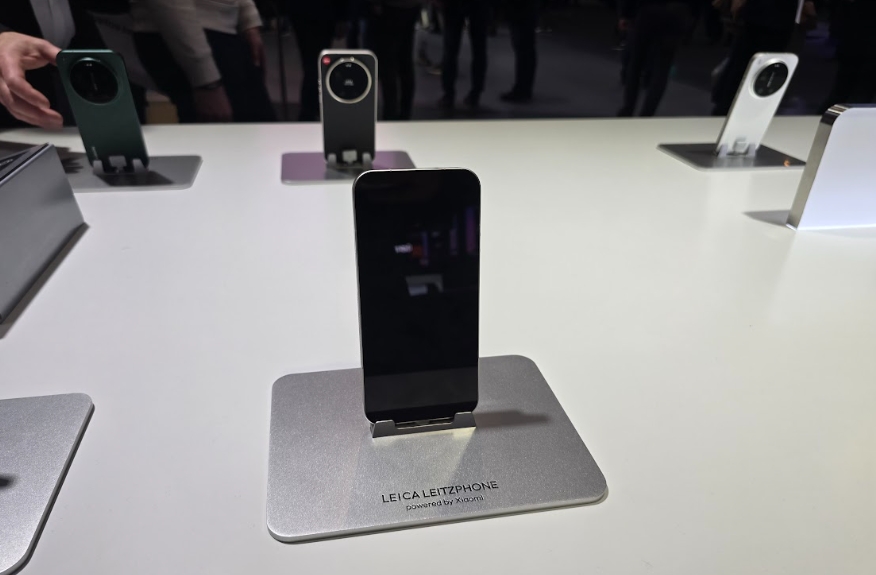
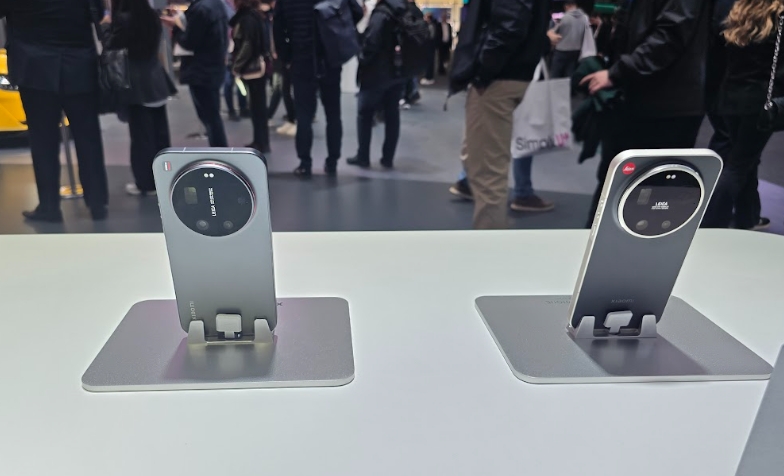
To mark the 100th anniversary of Leica, the Leica Leitzphone powered by Xiaomi was introduced. The smartphone features an aluminum body with a nickel-anodized finish, a Leica-branded interface, and a physical Leica Camera Ring. The Leica Essential mode replicates the shooting characteristics of Leica M9 and Leica M3 cameras using MONOPAN 50 film.

The Xiaomi 17 is available in 256 GB and 512 GB versions across four colors. The Xiaomi 17 Ultra comes in 512 GB and 1 TB configurations in three colors. The Leica Leitzphone powered by Xiaomi is offered with 1 TB of storage in black. Accessories for the Ultra include the Photography Kit, available in three colors, and the Photography Kit Pro, offered in black.
Read also: Xiaomi 15T Pro Review: Leica Optics, 144 Hz Display, and MediaTek 9400+
Xiaomi Pad 8 Tablet Series
Xiaomi introduced the new Xiaomi Xiaomi Pad 8 and Xiaomi Pad 8 Pro series – lightweight tablets with AI-powered productivity features, representing the most powerful and thinnest tablets the company has offered on international markets. Both models feature an 11.2-inch 3.2K display with up to 800 nits of brightness and a smooth 144 Hz refresh rate. With a body thickness of just 5.75 mm and a weight of 485 g, each device is equipped with a large 9200 mAh battery. The series runs on Xiaomi HyperOS 3, delivering PC-level productivity features and system-level intelligence through Xiaomi HyperAI. HyperOS 3 enhances multitasking, providing a user experience comparable to that of a personal computer.

The Xiaomi Pad 8 Pro model is equipped with the Snapdragon 8 Elite Mobile Platform, providing maximum performance for resource-intensive tasks, with an 81% increase in CPU and 103% increase in GPU. Support for 67W HyperCharge ensures fast charging. The main camera is 50 MP and the front camera is 32 MP, with up to 512 GB of memory available for large amounts of data. The version with matte glass and a new generation display with anti-glare coating, which reduces glare by 44%, provides an improved tactile experience when working with a stylus.

The more compact Xiaomi Pad 8 is powered by the Snapdragon 8s Gen 4 Mobile Platform. The CPU performance has increased by 32% and the GPU by 67%. A 45W fast charger is supported. The device features 13 MP and 8 MP cameras for standard image capture, and storage options of up to 256 GB accommodate applications, photos, and media files.

The series also includes the Xiaomi Focus Pen Pro, a 17.5 g stylus with pressure sensitivity and support for pinch and double-tap gestures, intended to facilitate document editing and creative tasks. Additional accessories, such as keyboards and cases for the Xiaomi Pad 8 and 8 Pro, provide options for adapting the tablet for work and creative use.

The Xiaomi Pad 8 will be available in three colors: Pine Green, Gray, and Blue. The Xiaomi Pad 8 Pro is also offered in Pine Green, Gray, and Blue. The Xiaomi Pad 8 Pro Matte Glass version is available in Gray.
Read also: Xiaomi 14 Review: Compact Flagship
Xiaomi Watch 5
Xiaomi also introduced the international version of the Watch 5 smartwatch. A notable feature of this model is the integrated contactless interface control system, implemented at the hardware level.

The system functions by capturing and processing data from electromyography (EMG) sensors, photoplethysmography (PPG) sensors, and an inertial measurement unit (IMU). Integrating EMG, PPG, and IMU allows the device to monitor hand and finger movements accurately. For instance, a finger pinch can terminate a phone call, while a rubbing gesture can silence an alarm.
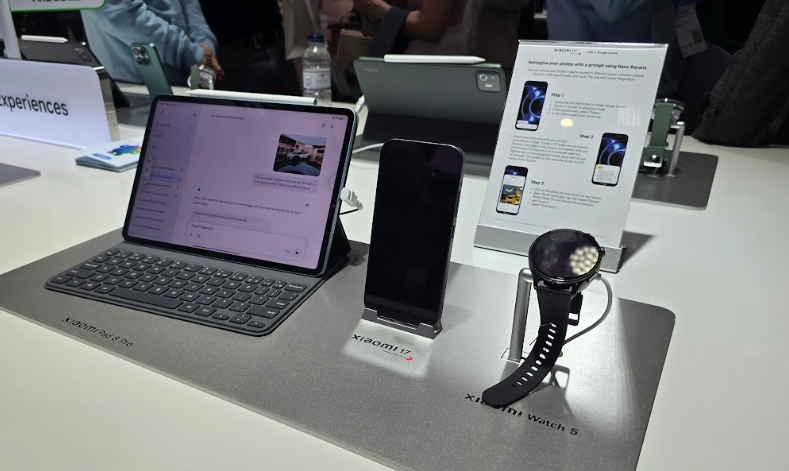
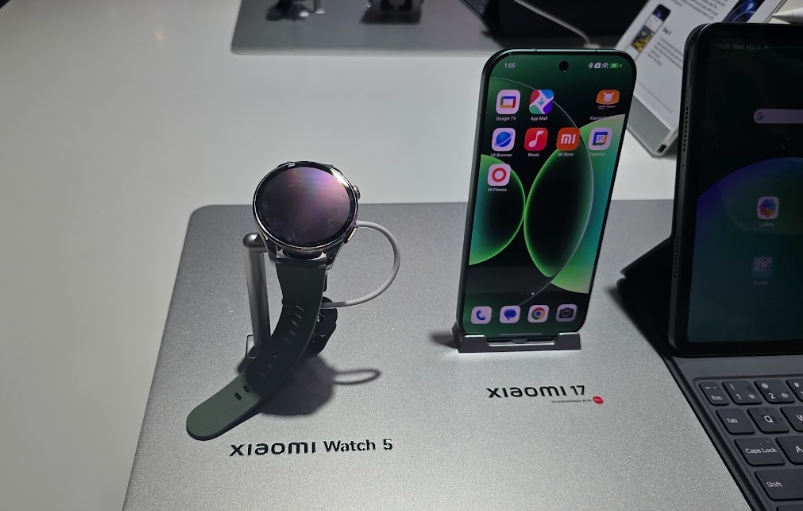
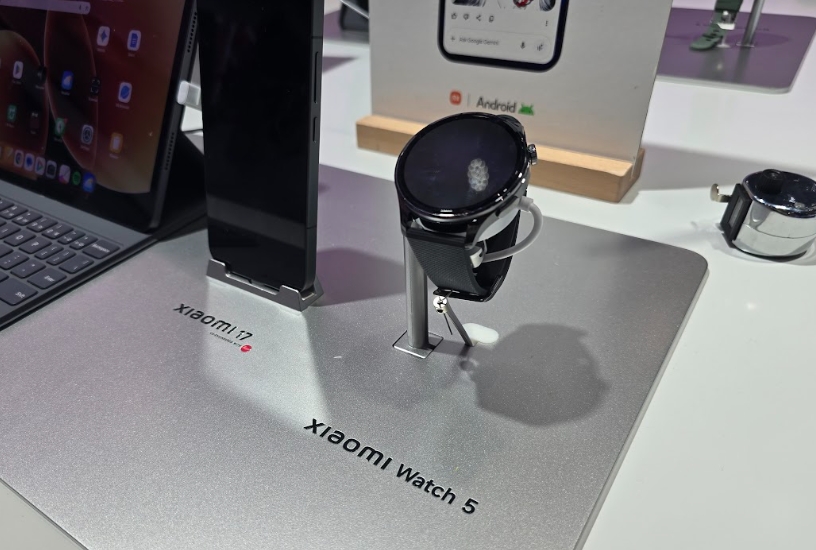
The Watch 5 is equipped with a 930 mAh battery, utilizing silicon-carbon battery technology. The smartwatch supports activity tracking, heart rate monitoring, and smartphone notifications. Its software interface is optimized for interaction with the integrated sensors. The device provides continuous, around-the-clock monitoring of physiological metrics, including sleep stage analysis and daily workload assessment.
Read also: Flagship Pad Mini 2: Leak reveals Xiaomi’s plans for a new tablet
Home Appliances
In addition to smartphones and consumer electronics, Xiaomi presented a range of household devices for its smart home ecosystem. These include the Mijia Air Conditioner Pro Eco-Europe, the Mijia Refrigerator Cross Door 502L, and the Mijia Front Load Washer Dryer Pro 9kg. The company continues to expand its lineup of large home appliances, focusing on energy efficiency, integration with the Xiaomi Home app, and smart control features.
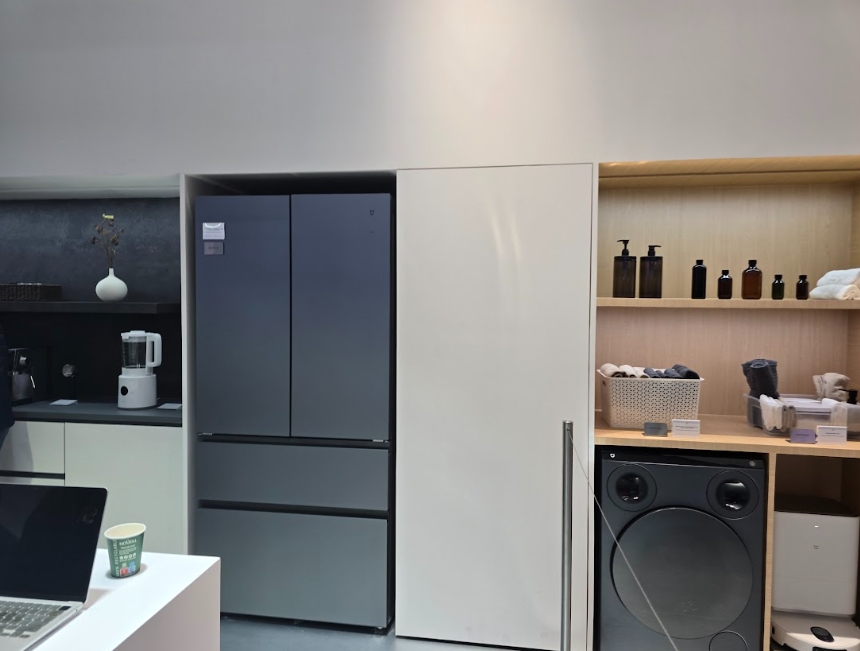
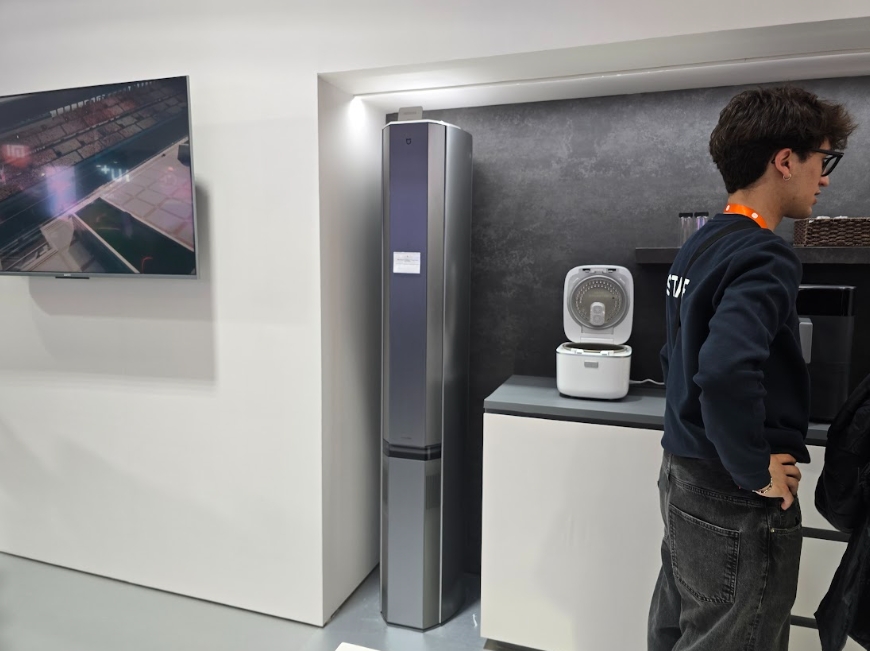

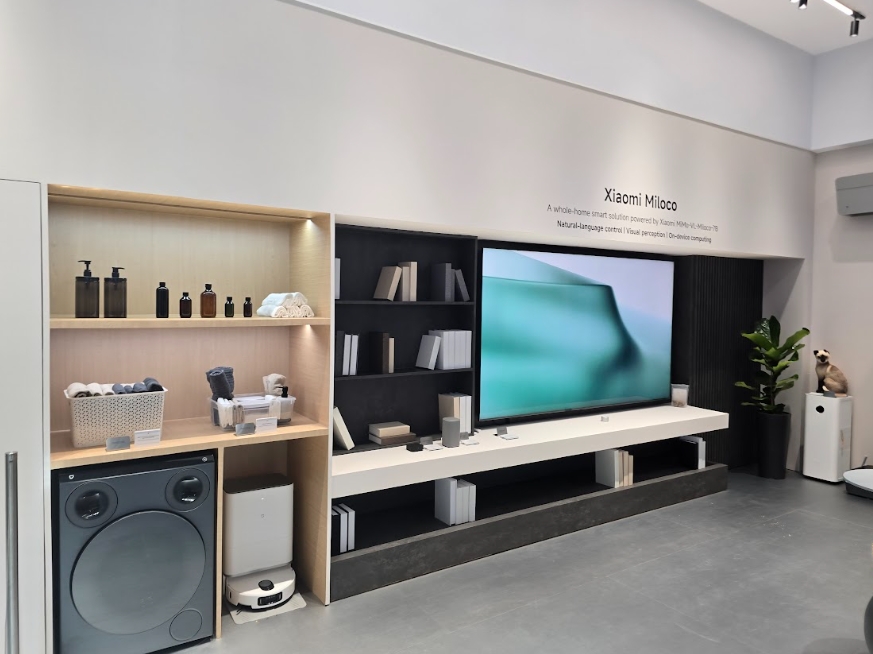
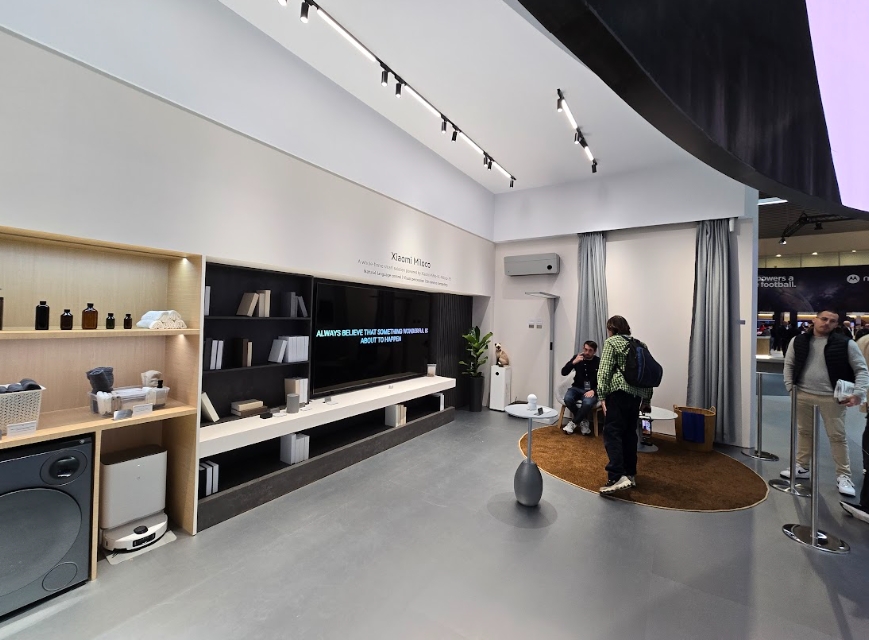
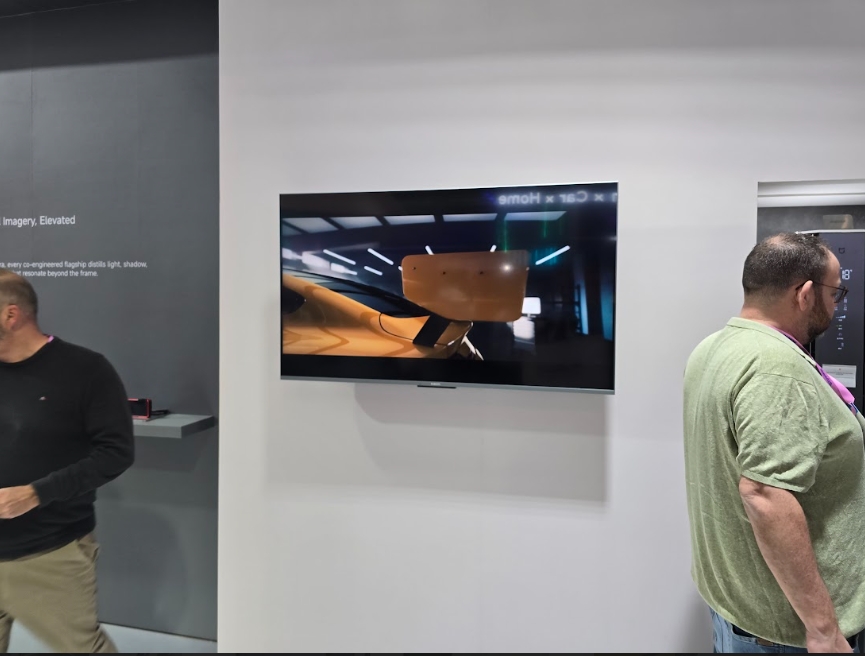
The Mijia Air Conditioner Pro Eco-Europe is available in models with up to 3.5 kW capacity and supports both cooling and heating. It features an inverter compressor, A+++ energy efficiency rating, and can be controlled via an app or voice assistants. The Mijia Refrigerator Cross Door 502L offers a total capacity of 502 liters, a No Frost system, an inverter compressor, and multiple temperature zones for food storage. The Mijia Front Load Washer Dryer Pro combines washing and drying in a single unit, utilizing a Direct Drive motor, automatic detergent dosing, and steam modes for antibacterial treatment and fabric care.
Read also: Xiaomi Smart Pet Fountain cat drinker review
Vision Gran Turismo Concept
Xiaomi also unveiled the Vision Gran Turismo concept supercar. The company plans to launch Xiaomi Auto in international markets in 2027. The model was developed in collaboration with Gran Turismo series producer Kazunori Yamauchi, who personally tested the vehicle in June of the previous year.
The company also announced that its production vehicle, the SU7 Ultra, will be the first mass-production model from the Chinese brand to be featured in the racing game Gran Turismo 7.
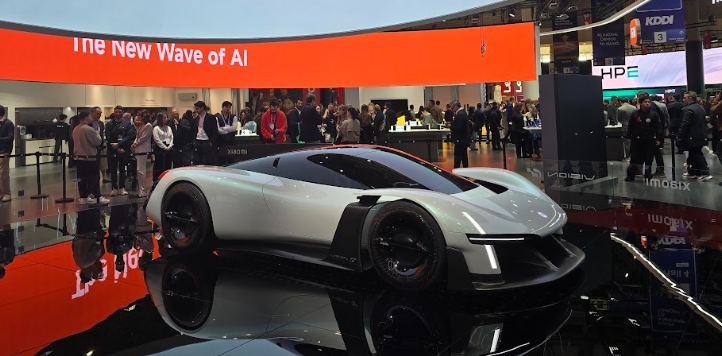
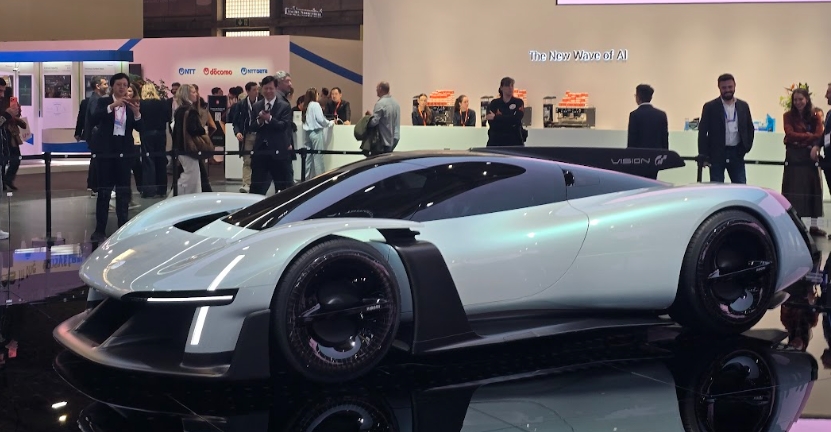
The hypercar’s exterior features a low-slung body with pronounced sculpted lines, scissor doors, a carbon fiber rear wing, and T-shaped lighting elements. The overall design emphasizes radical aerodynamics with a focus on optimizing airflow. The interior includes a butterfly-style steering wheel, a panoramic display, and cocoon-shaped seats. The concept is not intended for mass production and serves primarily as a showcase of the company’s technological capabilities.
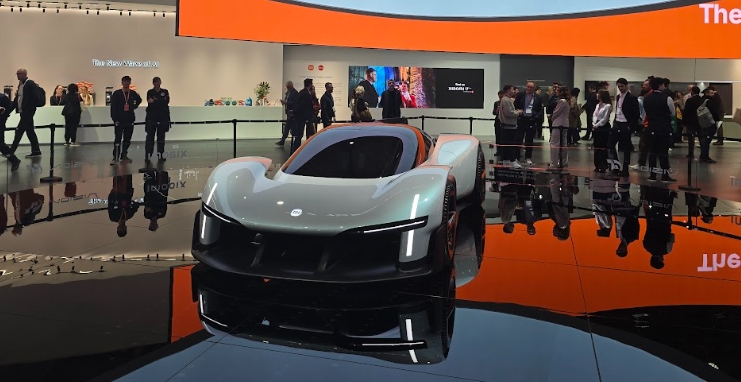
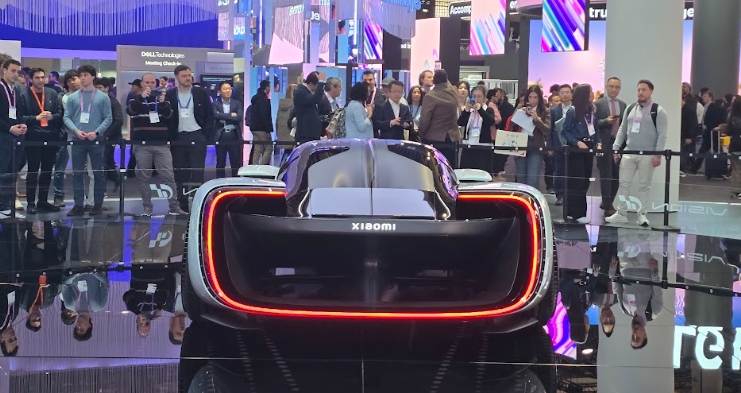
The Vision GT is built on a 900-volt platform using silicon carbide technology. For comparison, most current electric vehicles operate on 400-volt systems, while higher-end models, such as the Porsche Taycan, use an 800-volt architecture. Xiaomi reports a power output of 1,900 hp (1,417 kW), exceeding the 1,337 hp of the Ferrari Vision Gran Turismo.
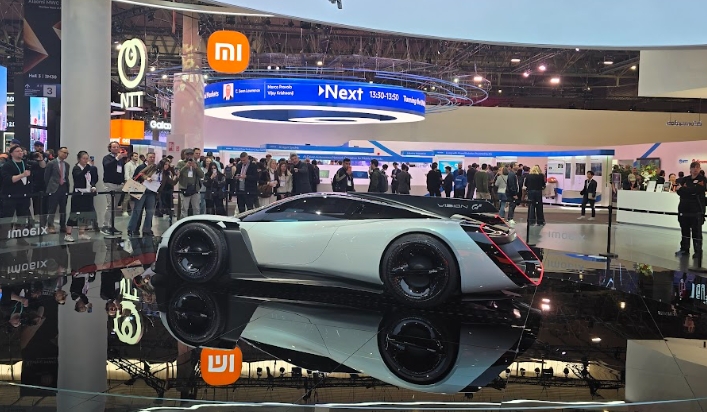
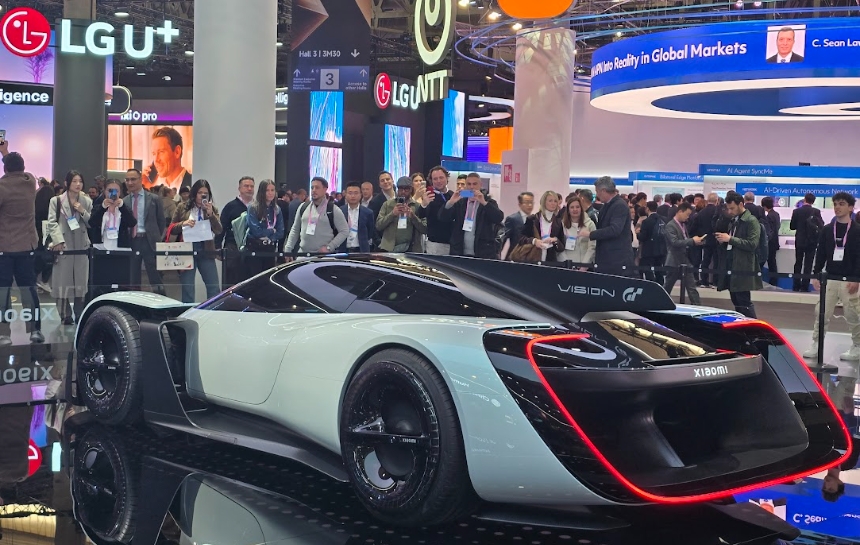
The company plans to begin international sales in 2027. According to sources, by the end of 2025, Xiaomi’s global division had established a dedicated team to prepare for entry into external markets.
Read also:
- Report from Motorola Booth at #MWC2026: Foldable Smartphones, Mid-Range Performers, and New Earbuds
- Apple unveils the MacBook Neo, its most affordable Mac with an iPhone chip and a 13″ display
- Lenovo unveils new wave of consumer AI devices at #MWC2026

