





© ROOT-NATION.com - Use of content is permitted with a backlink.
During the first half of 2026, the European region installed 8.8 GW of new wind capacity, marking a 30% increase compared to the previous year. This puts Europe on track to achieve record-breaking figures in wind energy for all time, however, the industry association WindEurope cautioned that this positive momentum could stall if government agencies fail to address existing structural challenges related to permitting procedures, grid investment, and overall electrification.
According to WindEurope’s fall report, the addition of new capacity during the reporting period was made possible by an active summer construction season. This capacity is sufficient to power approximately 7 million European households and to replace fossil fuel imports equivalent to 25 shipments of LNG tankers per year. The organization now forecasts that by the end of 2026, the continent will have installed 24 GW of new wind power capacity, which is seen as the start of a large-scale ramp-up to annual figures of around 30 GW in the 2030s.
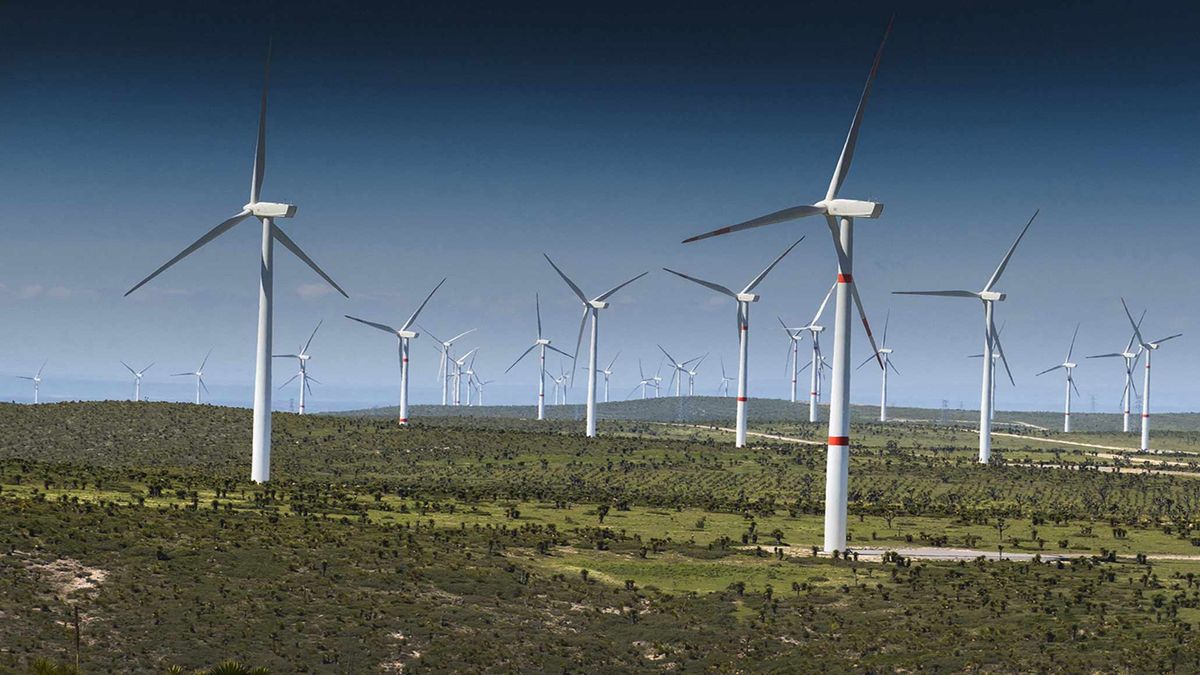
Onshore wind power accounted for 74% of the total new installations, reaching 6.5 GW. Germany topped the rankings with a total contribution of 3.4 GW, followed by the United Kingdom with 789 MW and Spain with 612 MW. Denmark, Poland, Portugal, and France also saw significant increases, while Ukraine, despite the ongoing war, added over 400 MW on its own.
Investment volumes are keeping pace with construction, as capital raised for new wind projects in the first half of 2026 totaled €9 billion ($10.4 billion). This funding has enabled the development of 5.2 GW of new capacity, which is scheduled to be installed over the next few years, including 4.5 GW onshore and 0.6 GW offshore.
National governments allocated more than 17 GW of wind capacity through auctions during the first half of 2026 and intend to put another 26 GW up for tender in the second half of the year. WindEurope representatives called this the largest volume of wind energy capacity ever put up for auction in Europe in a single year.
In light of this, the association now forecasts that the European region will reach a total of 436 GW of installed wind capacity by 2030, with the European Union accounting for 342 GW, which corresponds to 27% of total electricity demand in the EU. Regarding existing structural barriers, obtaining permits remains a key bottleneck for the industry, as noted in the report.
Germany issued permits for more than 9 GW of new onshore wind farms in the first half of 2026 and is well on its way to setting another record. WindEurope attributed this to the early and thorough implementation of European standards for permitting procedures. At the same time, the number of permits issued declined during the same period in Spain, France, the United Kingdom, Italy, and Ireland.
WindEurope CEO Tinne van der Straeten noted that 2026 could very well be a record year for wind energy, but the current pace should not be taken for granted. She added that upcoming government decisions regarding licensing, auctions, grids, and electrification in the coming months will either strengthen this momentum or halt it.
The association called on European Union leaders and national governments to focus on five key areas, the most significant of which are finalizing and implementing European rules for the permitting system, completing the package of measures on European grids to eliminate connection backlogs, and channeling revenues from the Emissions Trading System (ETS) toward industrial electrification through the Innovation Fund and the Industrial Decarbonization Bank. Other critical steps include setting a mandatory renewable energy target for 2040 and transitioning to standardized bilateral contracts for difference (CfDs) during auctions, rather than continuing to experiment with their structure.
Read also: An Energy Breakthrough During the War: Ukraine Has Become One of the Top 4 Battery Markets in Europe