




© ROOT-NATION.com - Use of content is permitted with a backlink.
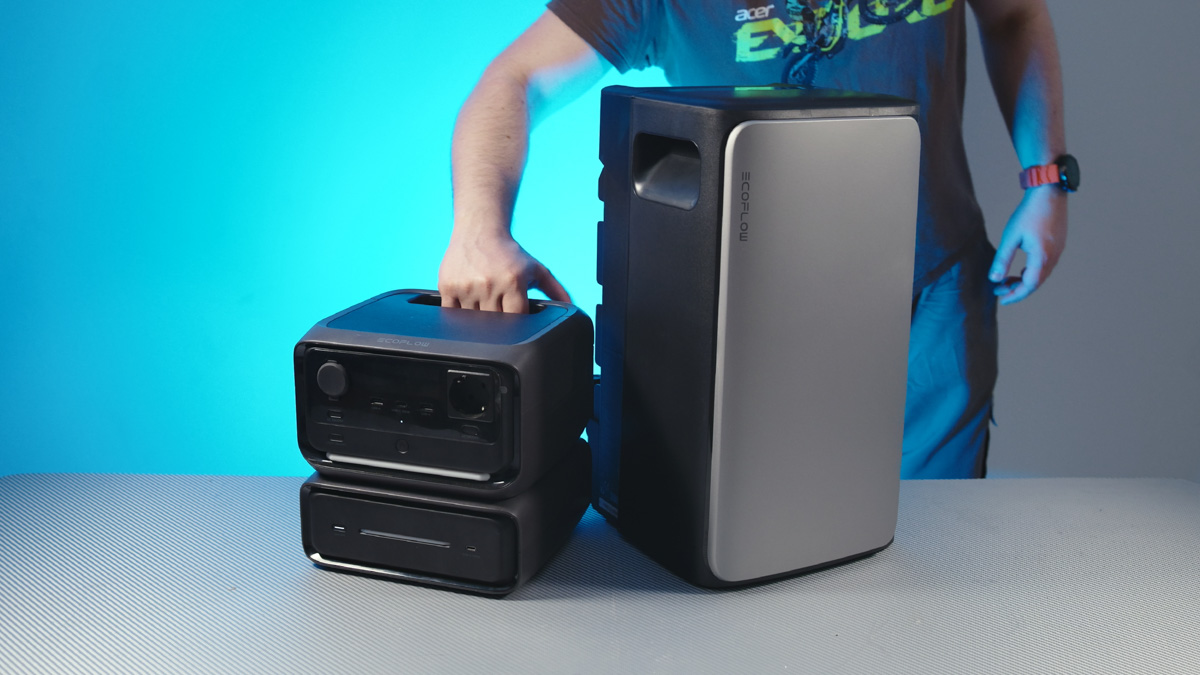
In this highly focused and timely piece, I want to discuss energy independence and some of its less obvious factors. Using the EcoFlow Stream Ultra as an example should not make you focus solely on this system – it simply serves as an ideal case for illustrating the theory, demonstrating practical application, and explaining both cost and benefits.
Read also: All reviews of portable power stations
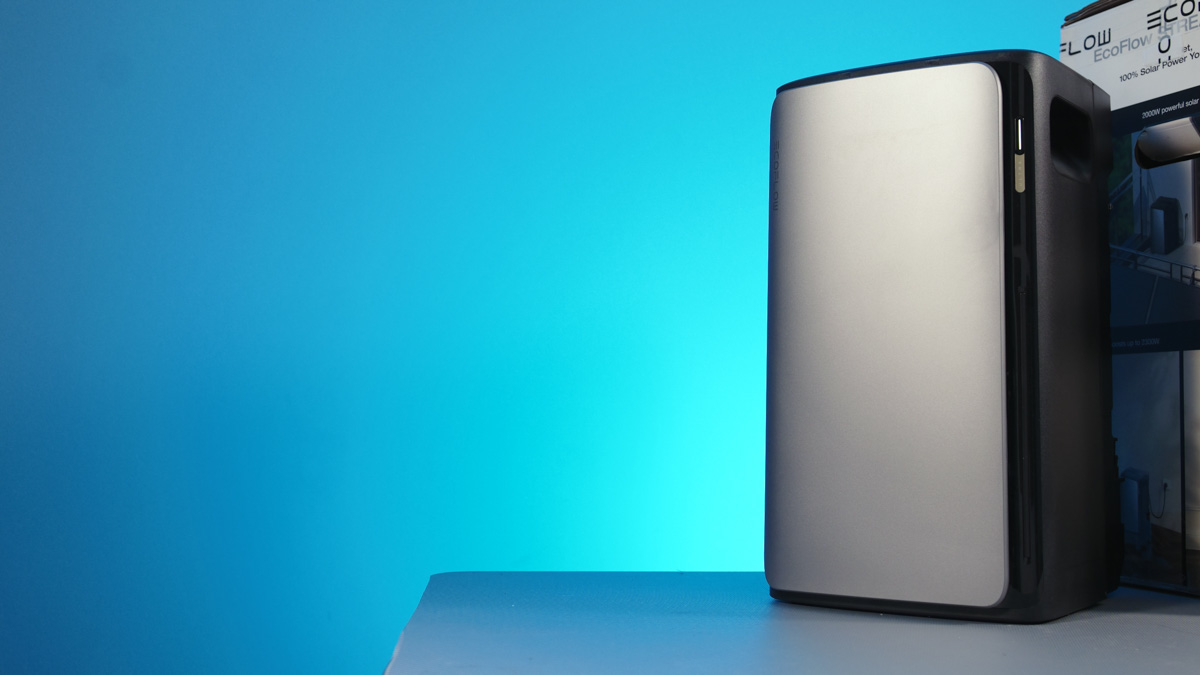
TABLE OF CONTENTS:
Background
As a reminder, a detailed review of the EcoFlow Stream Ultra, including its variations, is already available. In brief, it is a 1,200 Wh inverter paired with a 1,920 Wh LFP battery, housed in an elegant casing with NEMA 4 protection and certified to IP65, UL1741, and IEEE1547 standards. The battery is rated for 6,000 cycles and comes with a 10-year warranty.
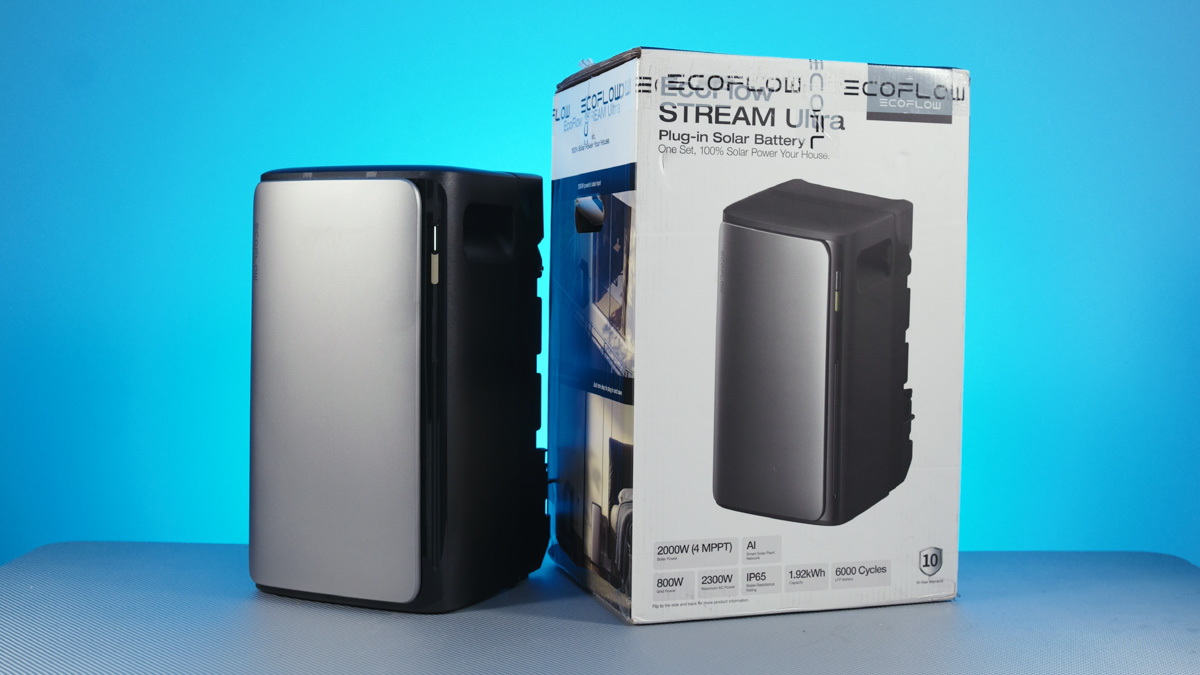
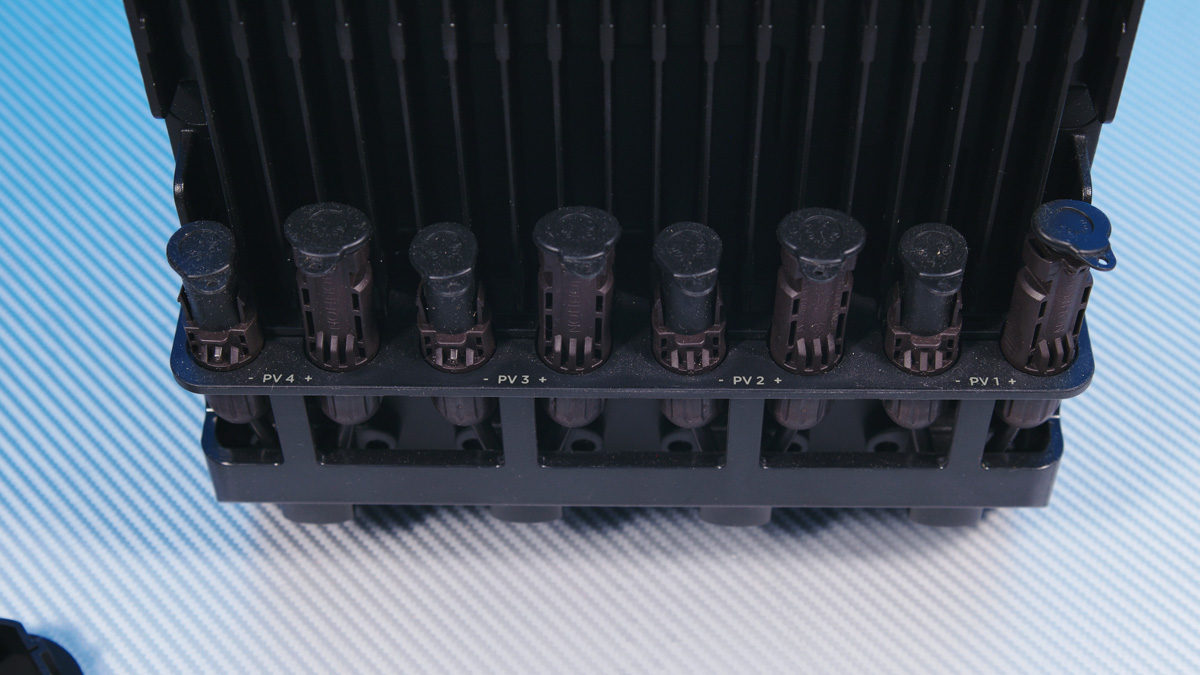
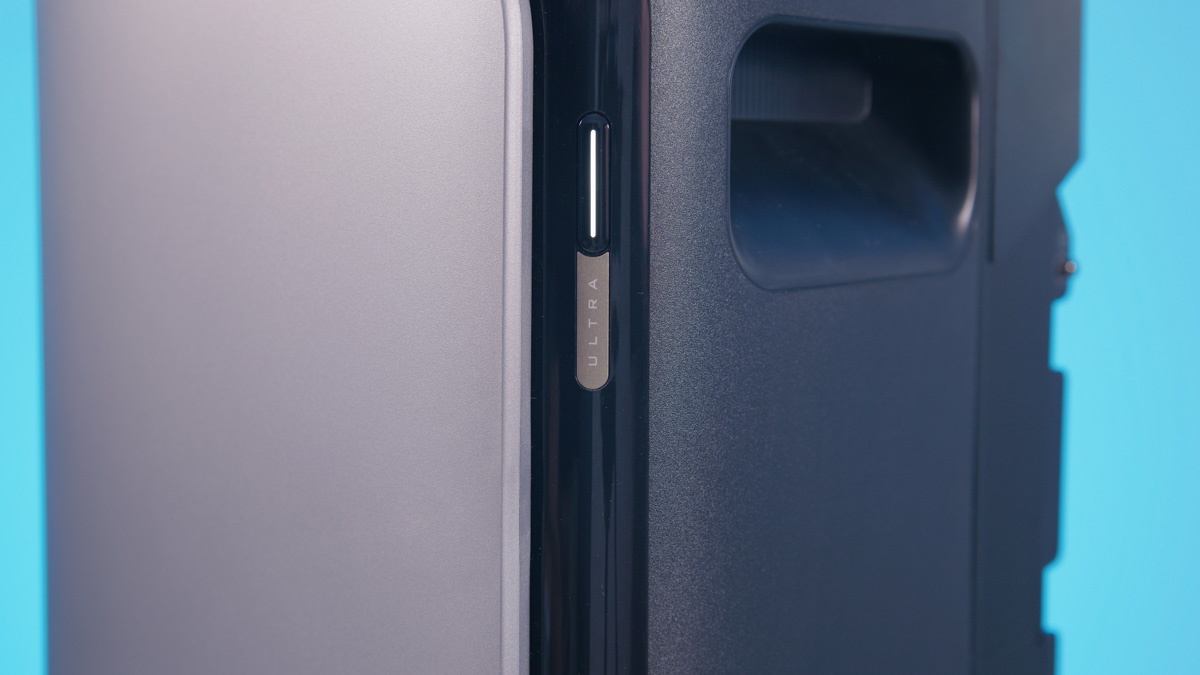
The case also features two European outlets (certified NEMA 5-15/NEMA 5-20), power and AC indicators, two carrying handles, and a removable cover over the connectors. For our focus, however, the key elements are the proprietary spring-clamp power connectors for input and output, along with four MPPT ports.
The input and output connectors allow the Stream system to be expanded with additional capacity. By connecting an extra EcoFlow Stream AC/AC Ultra battery (a more affordable option) to the EcoFlow Stream Ultra, the total capacity can be multiplied, reaching up to 12 kWh.
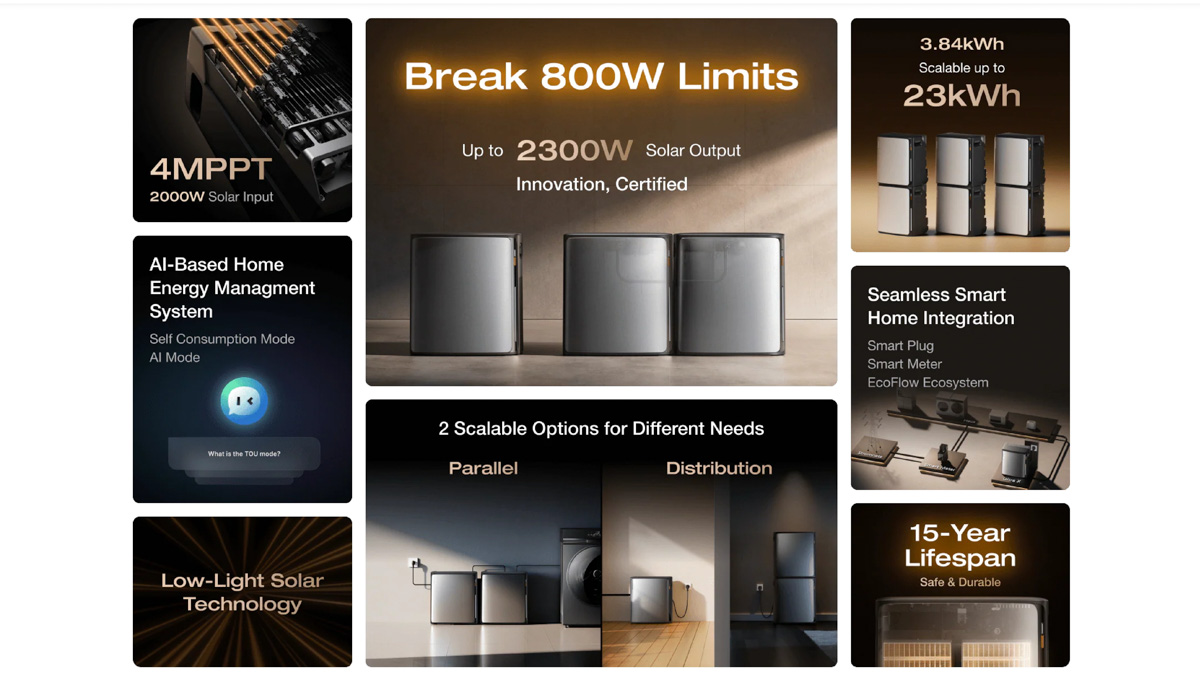
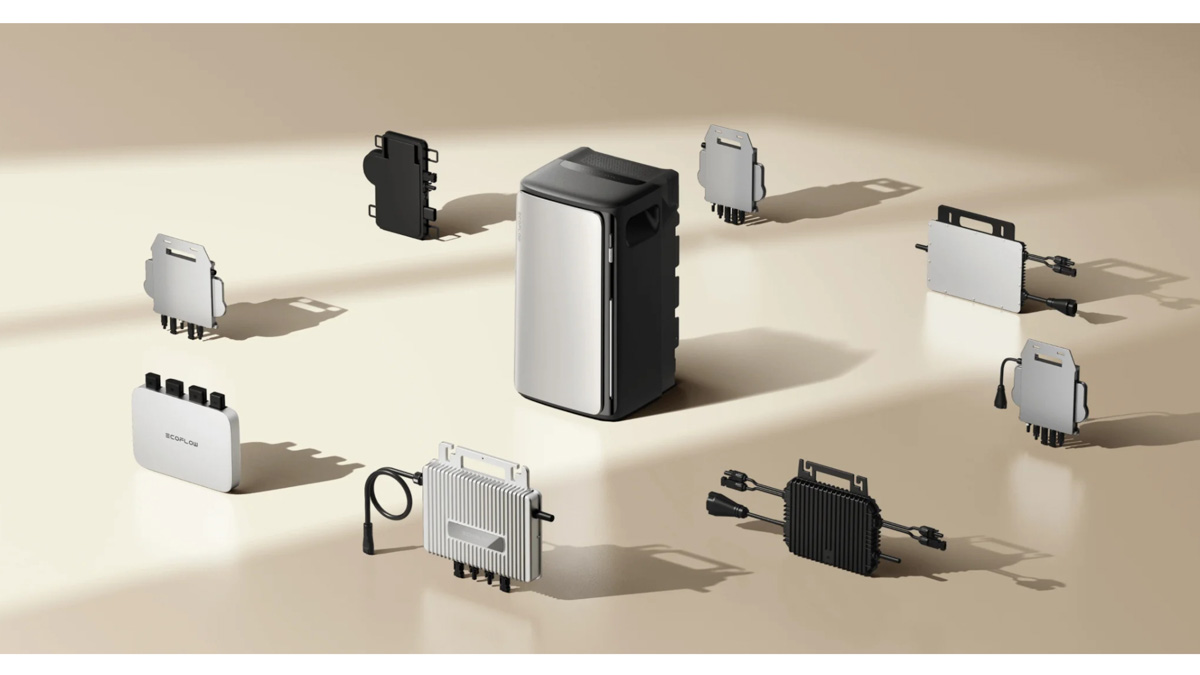
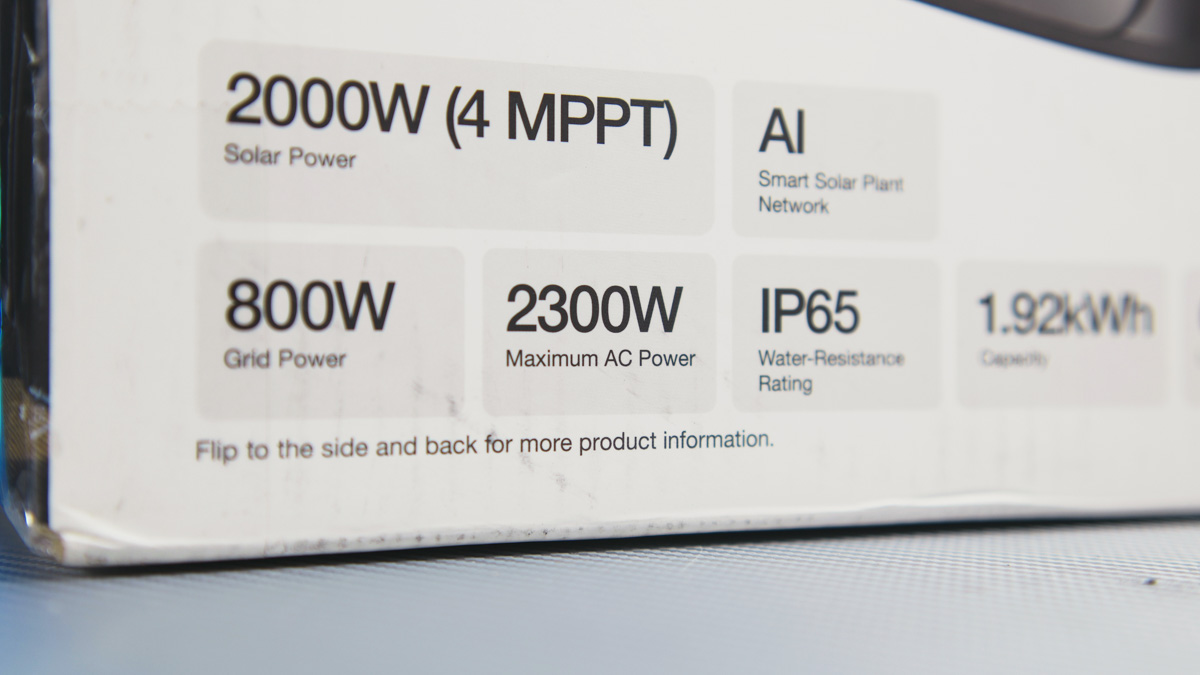
The 500 W MPPT controllers allow the Stream Ultra to be charged at a maximum power of up to 2 kW (or even 3.2 kW when using the EcoFlow STREAM Microinverter).
Why four MPPT controllers instead of just one? It’s simple – four strings of 1–2 panels each can be positioned in different locations, at different angles, and the panels themselves can even have varying capacities. With a single string, this flexibility isn’t possible; all panels would need to be installed in one location at the same angle.
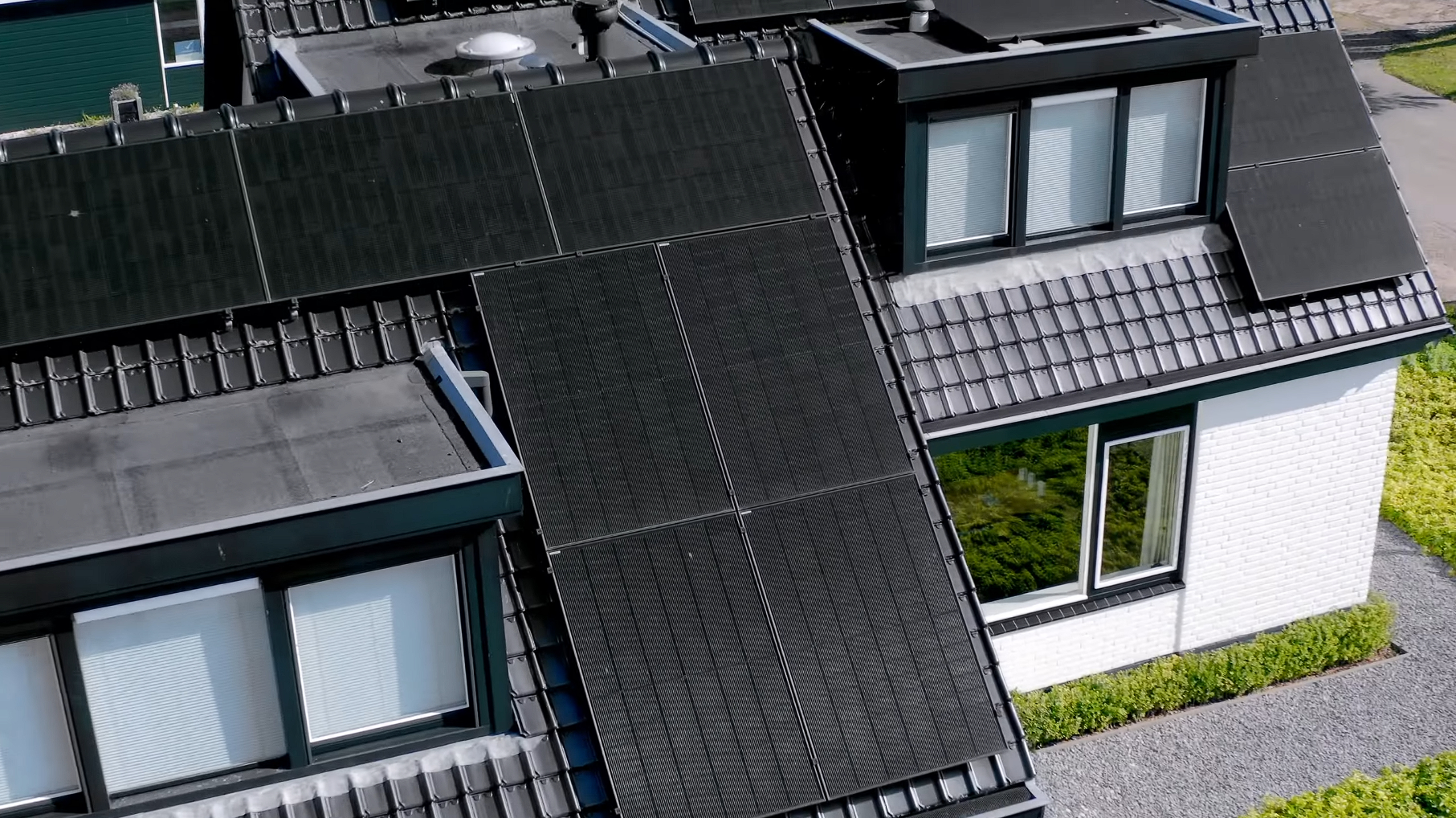
Obviously, this requires a substantial number of solar panels – which EcoFlow also manufactures and supplies to Ukraine. The performance of the panels, as well as the overall system, can be monitored through the company’s mobile software, the EcoFlow App (iOS/Android).
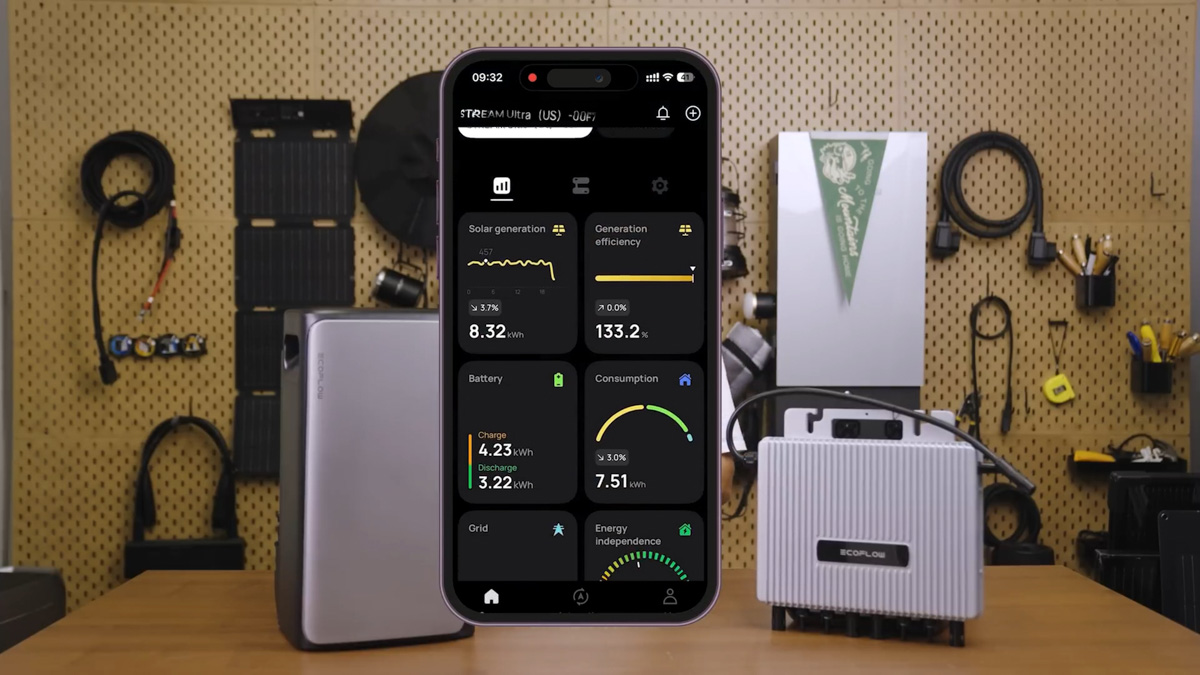
It is also important to note that the EcoFlow Stream Ultra can be integrated directly into the electrical system of an apartment or house. During a power outage – which is precisely why this topic is relevant – the system can supply up to 1,200 W to the grid.
Advantages and benefits of EcoFlow Stream Ultra
And this brings us directly to the discussion of energy independence. The Stream Ultra is one of the most accessible, reliable, compact, and versatile systems currently available on the market. At the same time, it is not a record-holder in any particular category.
A maximum output of 1,200 W is already insufficient for devices like an electric grill. A raw capacity of around 2 kWh can be achieved using an inverter with car batteries, and there are energy independence systems that can even be built into walls.
However – as mentioned in the review – the EcoFlow Stream Ultra can serve as the foundation for your energy independence, and it is particularly well-suited for a small home in a private sector. Multiple units can be distributed throughout different areas of the house.
This setup can provide, first, a guarantee of independence from the grid in approximately 95% of cases, and second, energy savings during normal operation when solar panels are connected. Your energy consumption is effectively reduced by the amount generated. While it won’t cover all your needs, it can reliably power a modern refrigerator, gaming PC, TV/projector, router, and charge essential gadgets – all simultaneously.
If that capacity isn’t enough, you can opt for the EcoFlow Stream Ultra-X, which can supply 2,300 W to the grid while still using the existing solar panels. For the “final level,” enabling full grid independence if needed, there are the EcoFlow PowerOcean DC Fit systems, offering capacities from 5 to 15 kWh and output power ranging from 3.3 to 5 kW.
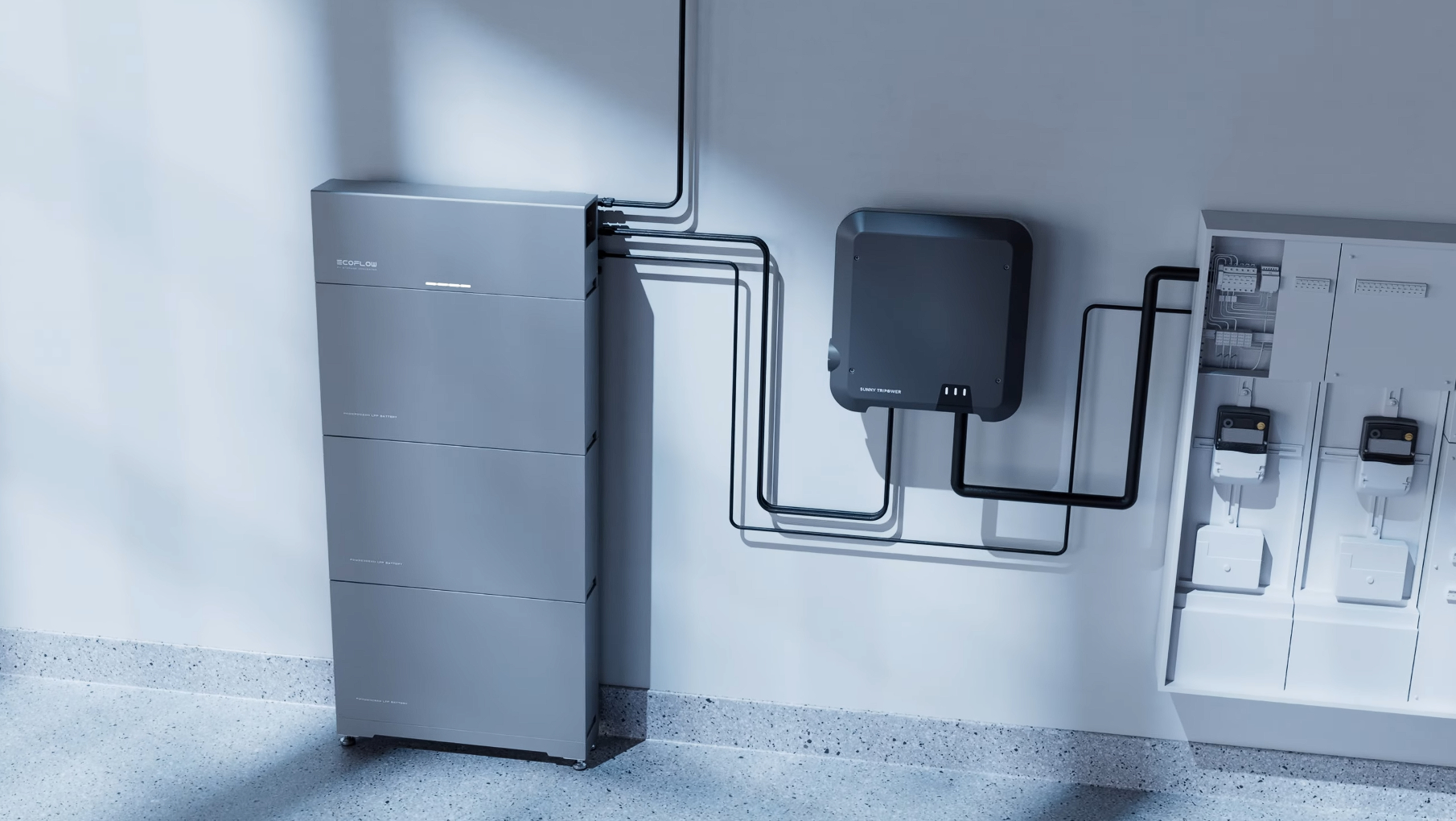
Additionally – and this is important, though often overlooked – an energy-independent home does not place a load on the grid. Current stabilization shutdowns occur precisely because demand is too high. Reducing the deficit by 1.2 kW alone may not make a significant difference, but equipping an entire neighborhood with systems like the EcoFlow Stream Ultra could offset the demand of a 160 kVA transformer.
A few neighborhoods equipped this way could reduce, or even eliminate, power outages. Of course, this requires manually disconnecting from the grid. For example, our editor with a similar system disconnects from the external grid during the day, powering the house solely from the battery and solar panels, while the battery recharges at night.
If you genuinely want to contribute to enduring the attempts of our adversaries to harm the nation, your support can take this form as well. Energy independence is a form of independence, and Ukraine has been defending it for decades.
Practical pitfalls
However, that’s in theory. In practice, much depends on the specific situation. For example, I have had an EcoFlow Stream Ultra for some time, which I primarily use as an emergency power source. Its main limitation is the 1,200 W output, which is insufficient to power an entire apartment during a blackout.
Simply put, during a blackout in a multi-unit building WITHOUT a gas stove – and I have an electric one – priority power needs to go to cooking appliances. Connecting a refrigerator and even a basic travel kettle already overloads the Stream Ultra. On top of that, there are other devices, from lighting to routers, that I don’t want to switch off manually every time. And no, you can’t manage this through the EcoFlow app either.
It’s also worth noting that a ~2 kWh capacity would power my refrigerator for at most three hours, while power outages can last much longer. Additionally, the refrigerator won’t stay cold for extended periods unless you have cold storage solutions, which I discussed in my article on floor-mounted air conditioners.
Furthermore, connecting microinverters requires an electrician and a reasonably reliable electrical system that can support it. In one of my previous apartments, converted from a commercial to a residential building, there were issues with microinverters because the wiring itself was poor (as was the roof insulation, for example), even though installing solar panels on the roof was relatively straightforward.
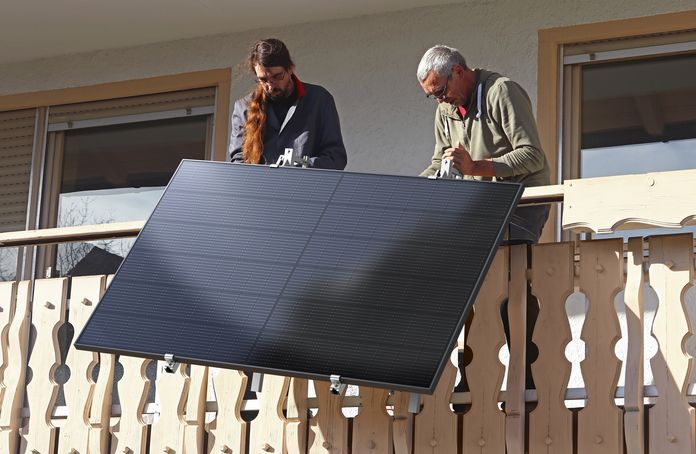
Simply purchasing an EcoFlow Stream Ultra will not provide energy independence. Even pairing it with a set of four 400 W solar panels will not achieve that.
You need space to install the panels, wiring that can be switched to a microinverter, and a baseline energy consumption below 1,200 W. Any additional load would need to be covered, for example, with an EcoFlow River 3 Max.
Conclusions
However, as a concluding point, when the EcoFlow Stream Ultra is properly integrated into a home energy system (assuming all conditions are met), it can provide either partial or full energy independence.
With the help of solar panels, you can reduce electricity costs to nearly zero. During blackouts, you won’t be left in the dark and will always be able to cook, heat drinks, or even regulate temperature with an air conditioner. Overall, you will also contribute to energy independence not only for your home but for the country as a whole.
Read also:
- EcoFlow EB300 and EB600 Batteries Review: Are They Finally the Best Option?
- EcoFlow River 3 Max Review: A Portable Power Station with Modern Features
- Maxxter YG5-3.5KW Backup Power System Review

