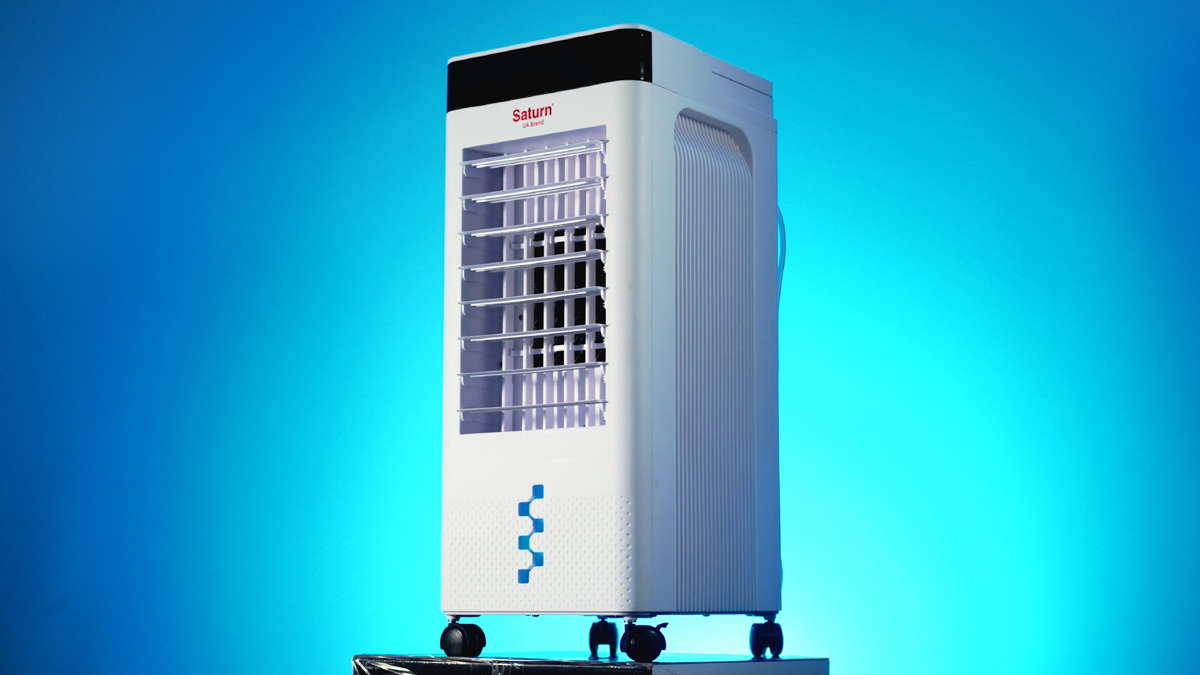

© ROOT-NATION.com - Use of content is permitted with a backlink.
Before we dive in, let me give you a heads-up right away: no, portable climate systems without exhaust hoses do NOT perform like full-fledged air conditioners running on refrigerant. But! Devices like the Saturn ST-AC2010 – often called air coolers or evaporative coolers – do have their place and do serve a purpose. In fact, this little unit is the only reason I can sit through a heatwave and edit videos in over-ear headphones with faux leather cushions – without feeling like my head’s about to melt.

TABLE OF CONTENTS:
Specifications
- Power: 65 W
- Rated voltage: 220-240 V
- Rated frequency: 50-60 Hz
- Rated current strength: 0.27 A
- Air volume: 300 m³/h
- Water tank: 7 l + 1 l
- Maximum wind speed: 7.5 m/s
- Area: 10-20 м²
- Ice compartment: 2
- Speeds: low/medium/high
- Vertical louvres: automated
- Horizontal louvres: manual
- Self-off timer: 1-12 hours
- Castor wheels: lockable
- Removable dust filter
- Remote control: yes
- Removable water tank
- Dimensions: 326×271×625 mm
- Weight: 4.7 kg
Saturn ST-AC2010 video review
What are the types of air conditioners
Let’s start with why this situation even exists in the first place. The device in question clearly isn’t a traditional air conditioner. In fact, it’s not really an air conditioner at all. Technically, it’s just a floor fan with some added features. As our editor-in-chief put it, it’s essentially a fan blowing over a damp cloth. Is that an exaggeration? Not entirely.
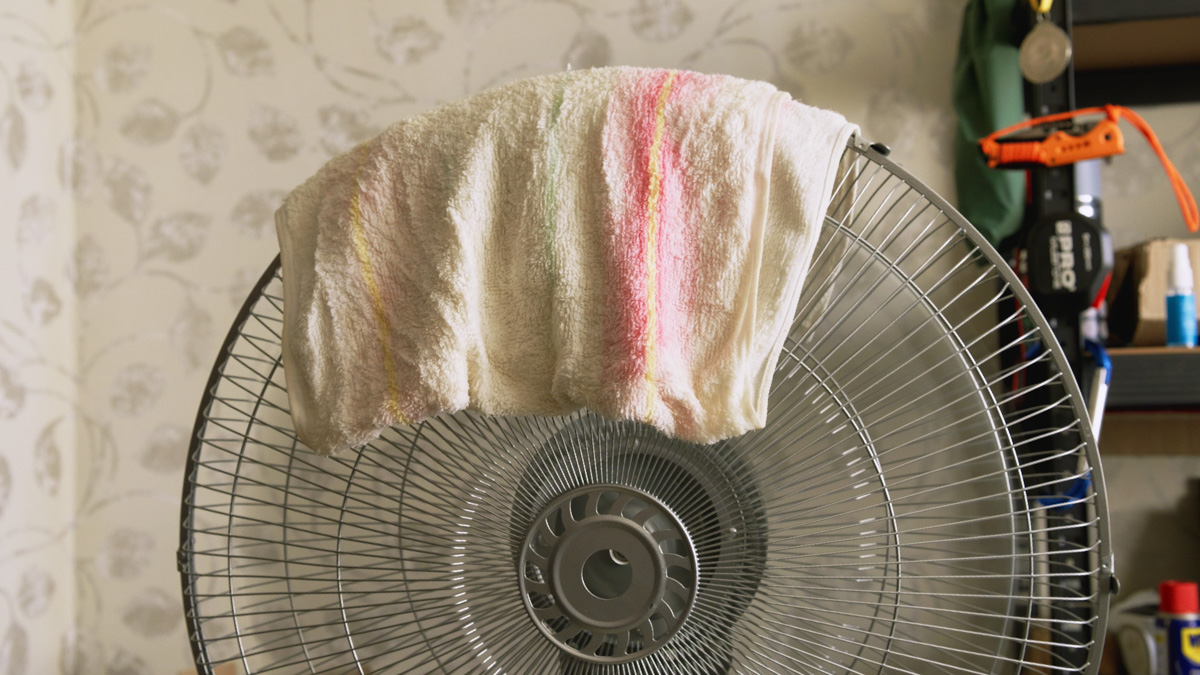
In very simple terms – yes, it’s true. That comparison holds up, if you ignore the fact that the “cloth” in this case holds up to 6 liters of water and can be cooled down to nearly 0ºC for an extended period.
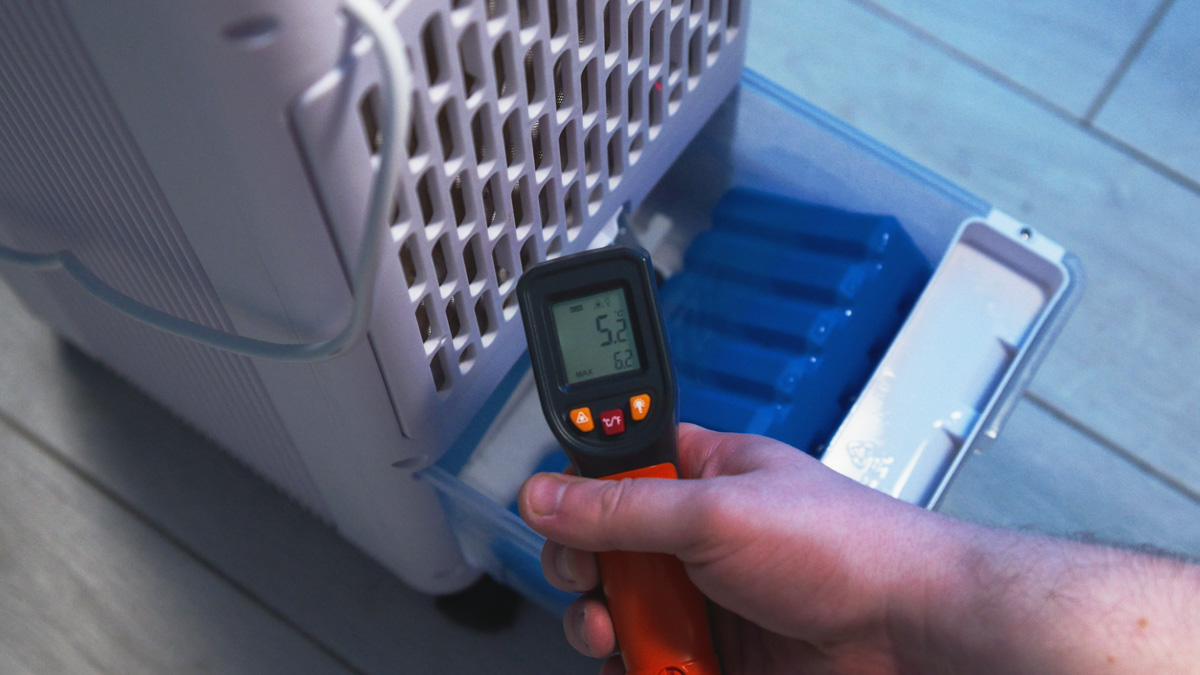
So how does a traditional air conditioner work? It uses a refrigerant – typically a gas like freon – that changes from a gaseous to a liquid state, transferring heat in the process. The system pushes cool air into the room and expels the warm air, along with condensation, outside.
These systems are highly efficient, capable of cooling or heating large areas. But they typically consume 1000 watts or more and are anything but portable. In some apartments – like mine – installing one isn’t even allowed. And then there’s the cost, which usually starts around 15,000 to 20,000 UAH, not including installation.
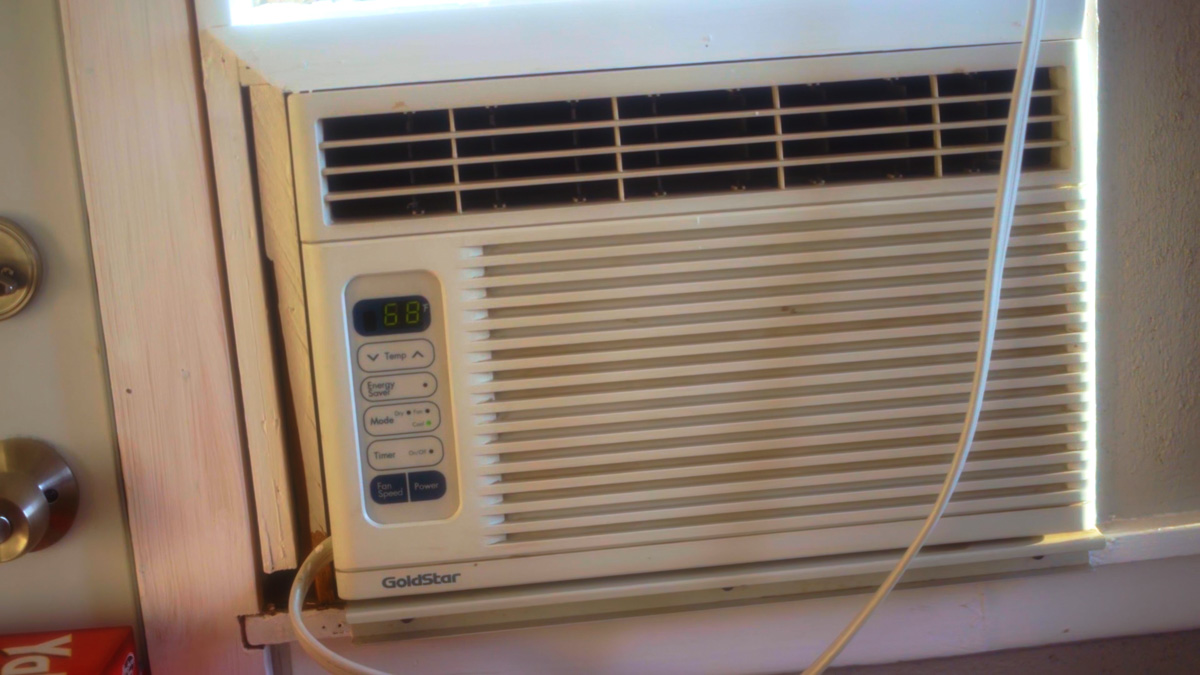
There’s also a similar type of system – floor-standing, like the Saturn AC2010 – but with a large exhaust hose that needs to be routed outside. The basic cooling principle is the same: it uses a refrigerant cycle. These units tend to be less powerful and less efficient than split systems, but they still allow precise temperature control. However, the hot air still has to be vented outdoors through that hose.
Which means that in hot weather, you need to run the hose outside, usually through a window. That often requires either drilling a hole – something I can’t do – or partially opening a window and sealing the gaps around the hose. And the price for this kind of portable air conditioner typically ranges from $200 to $500.
Climate control systems
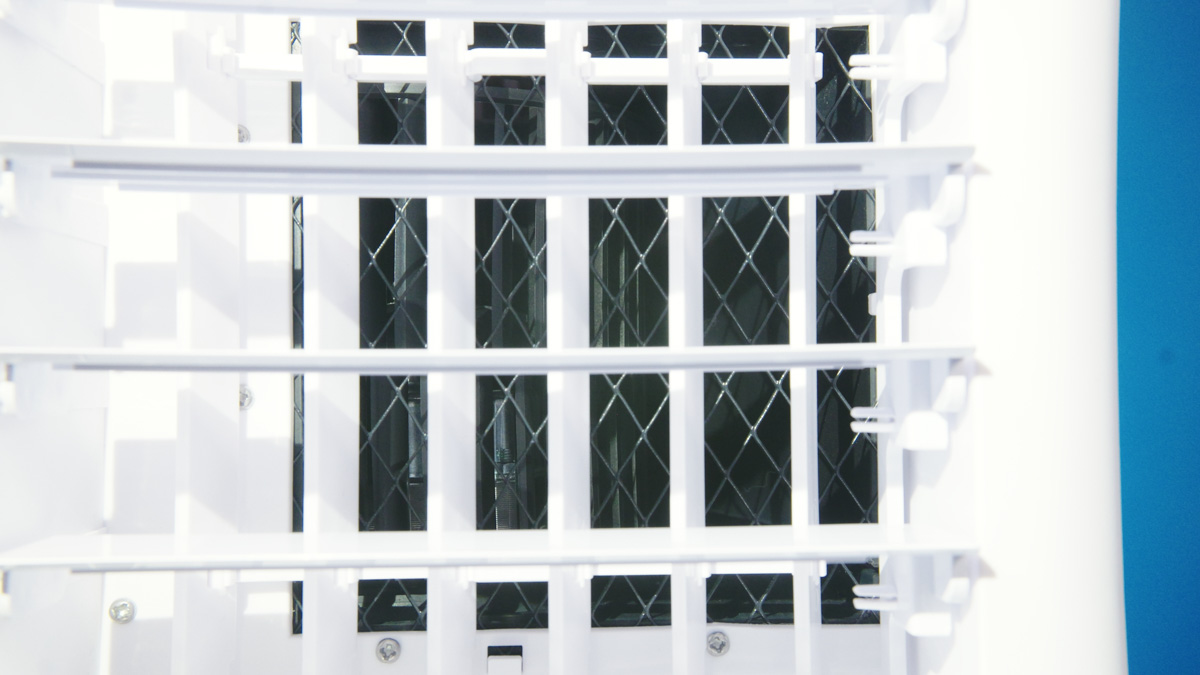
So what does a climate system like the Saturn ST-AC2010 actually do? Inside, there’s a fan. At the air intake, there’s typically a mesh – often made of paper. Below that, there’s a water tank. Water is pumped up and flows down through the mesh, soaking it. The fan then blows air through the damp mesh, cooling and humidifying it before pushing it out the front. As I said earlier – it’s basically a fan with a wet cloth.
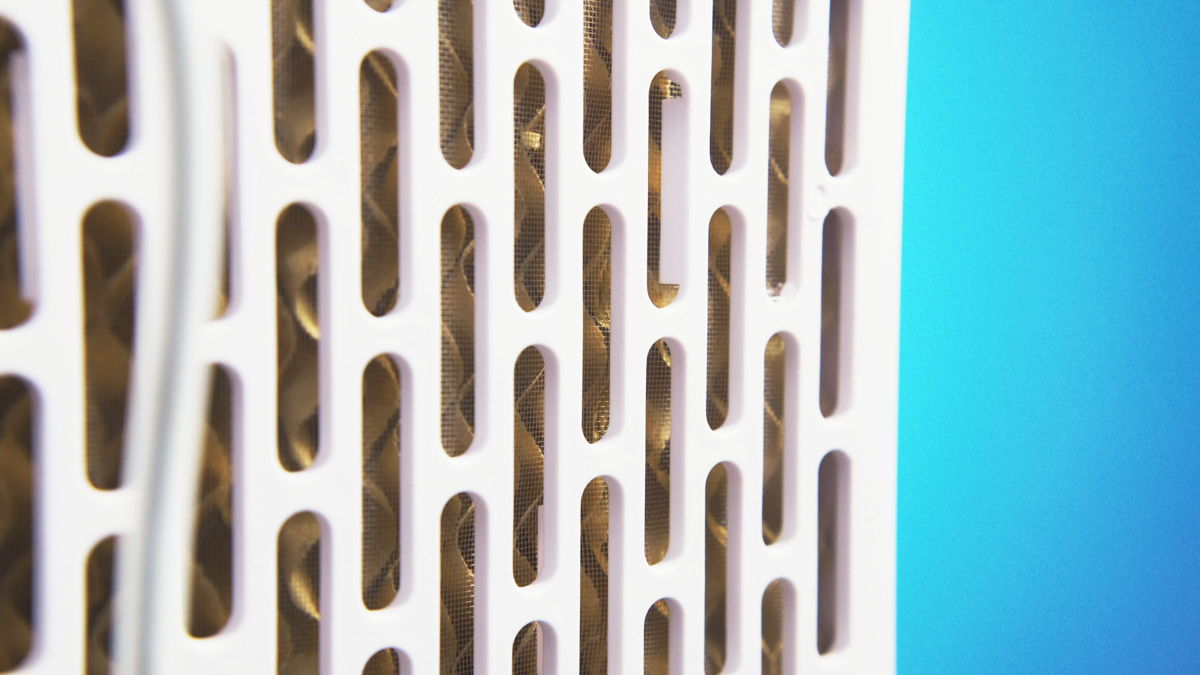
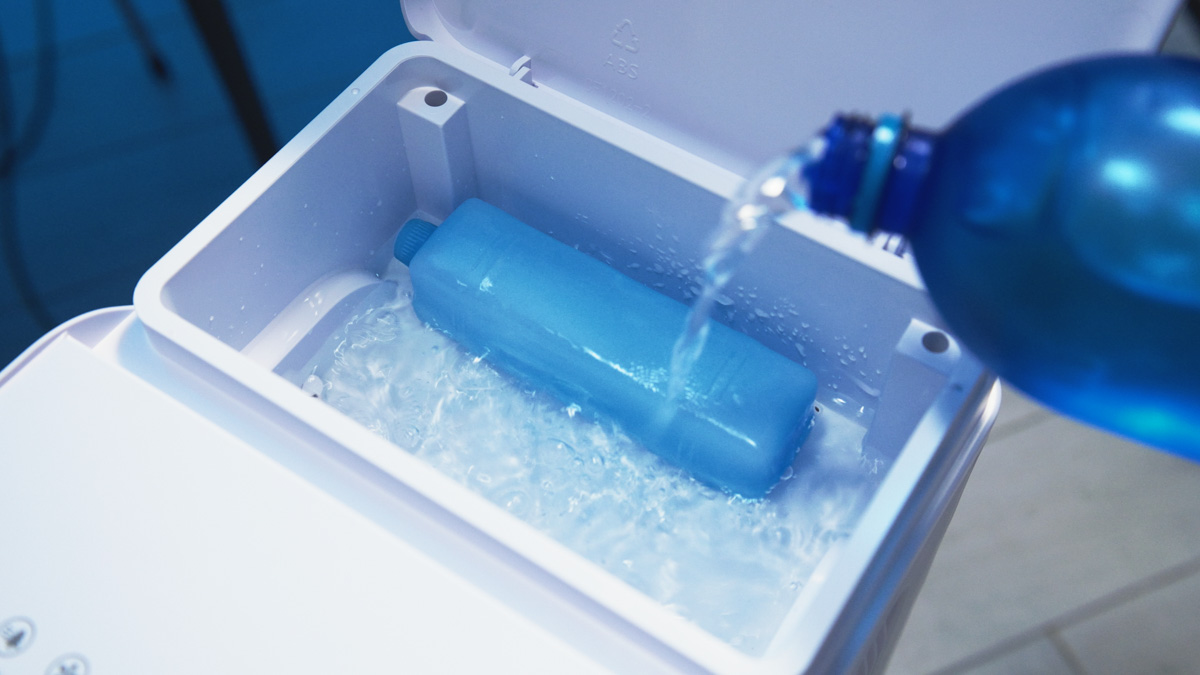
But there are a few important details to note. First, the water can be chilled – and significantly so. In fact, the AC2010 even comes with two small ice packs included. You freeze them in a freezer or fridge, then place them into the water tank. As they melt, they release cold into the water, which in turn helps cool the air passing through the system.
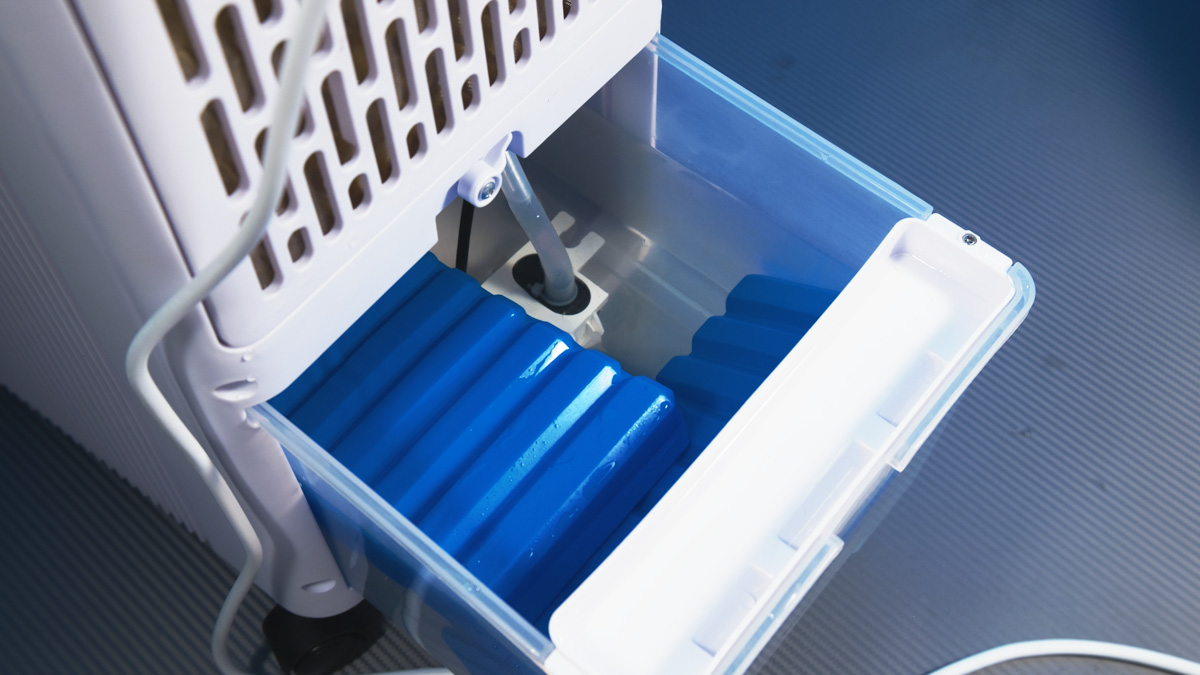
These ice packs are fairly inexpensive, especially the ones designed for camping use. They’re also useful during blackouts, as they help keep items in your fridge or freezer cooler when the power goes out. You can use frozen water bottles as an alternative, but the dedicated ice packs are more compact, more efficient, and won’t burst if overfilled.
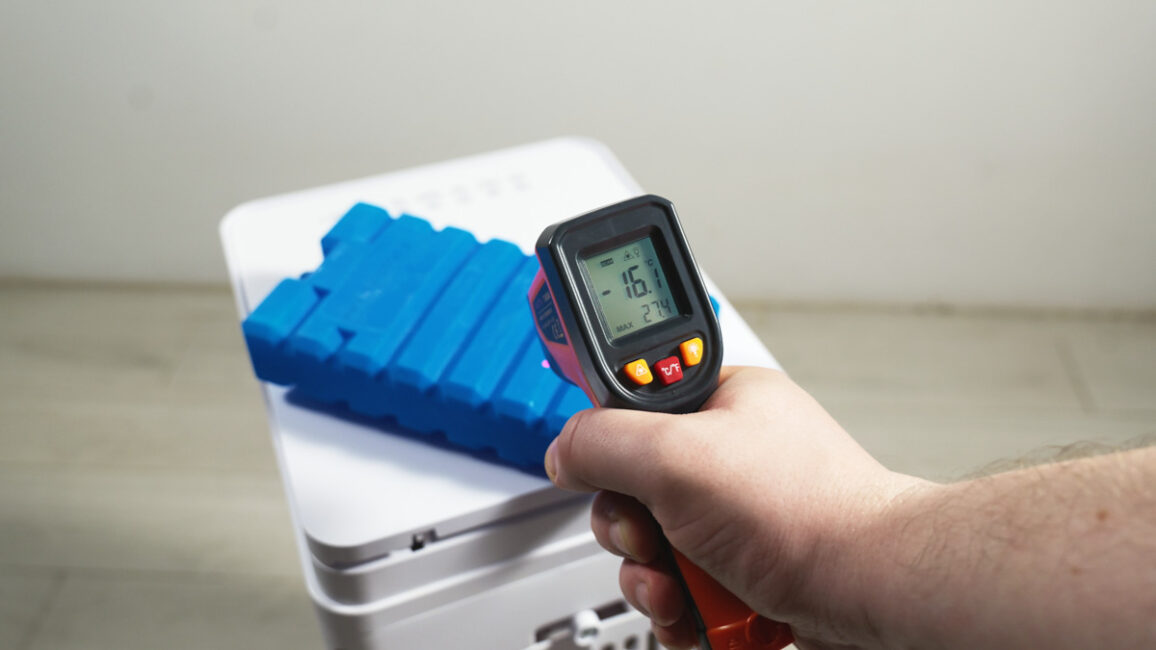
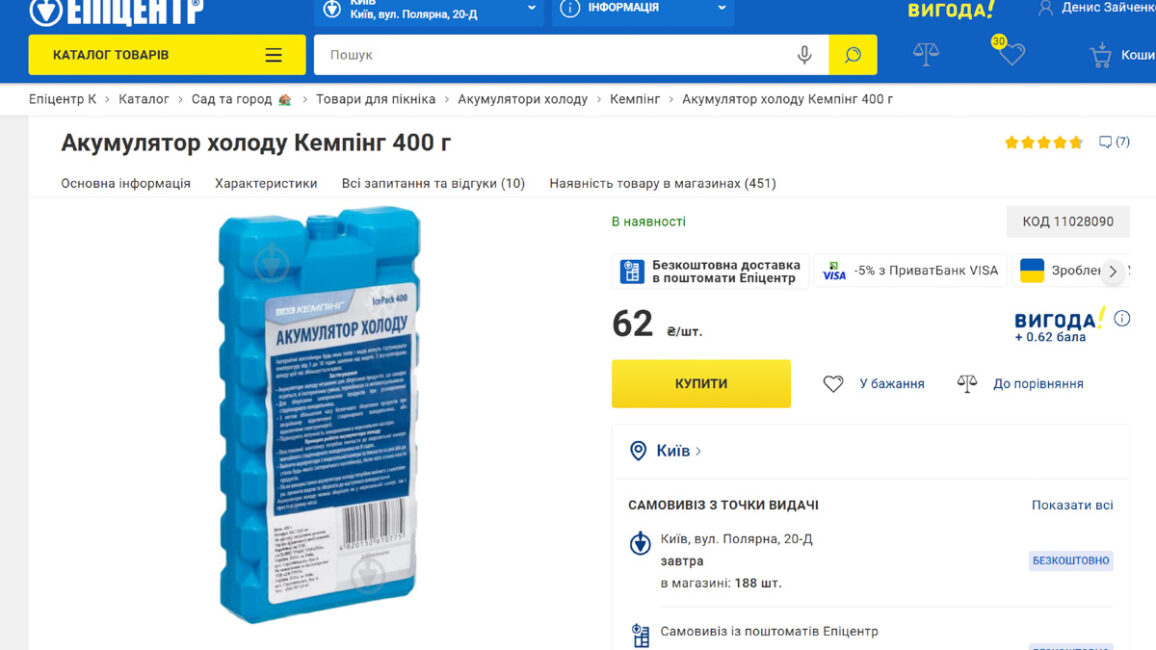
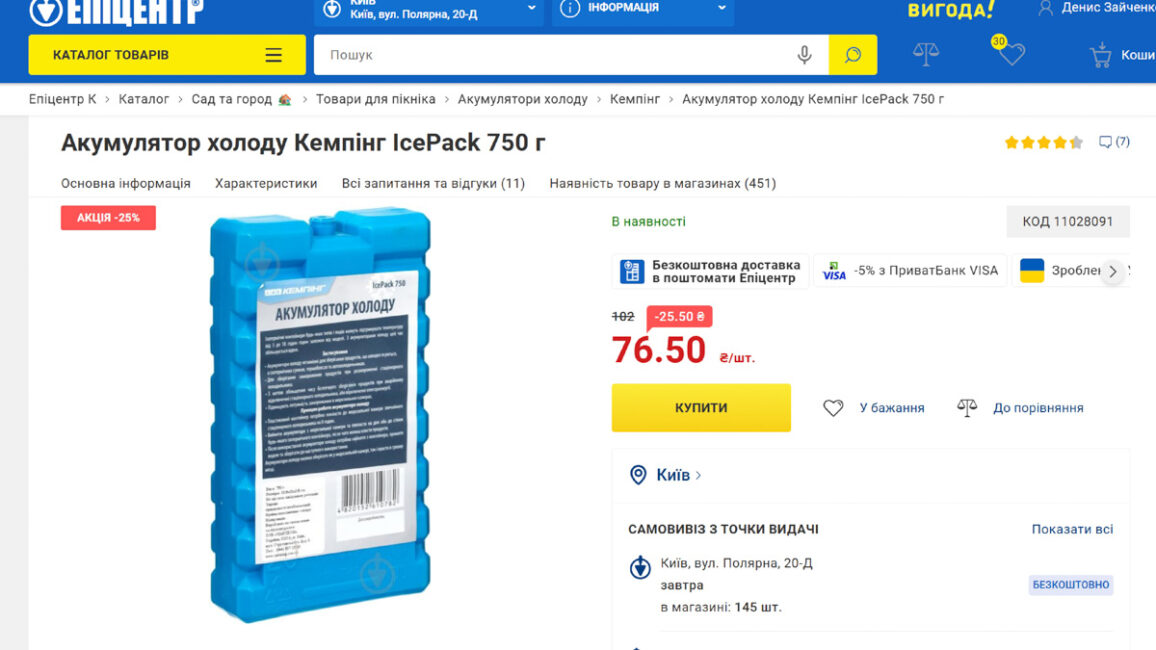
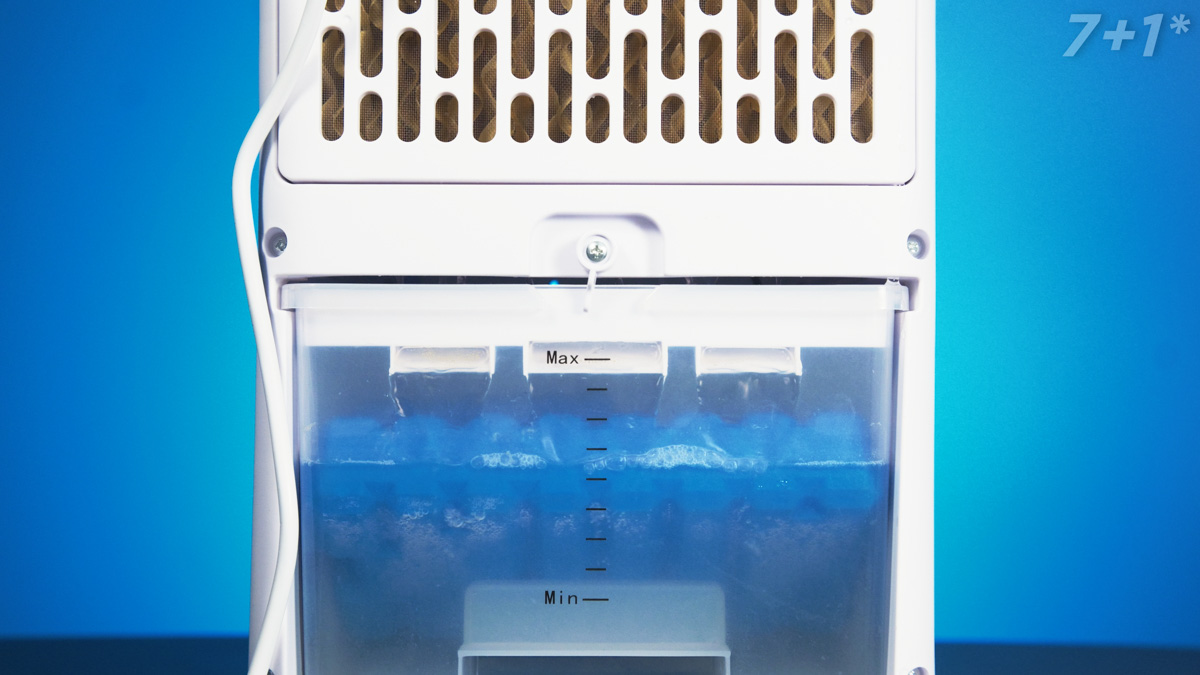
For the Saturn ST-AC2010 specifically, I purchased four large ice packs and two medium-sized ones. They fit perfectly into the water tank. I place one of the packs near the top where the small water fountain is located – this helps reduce how much water is pushed out from the bottom. I also fill the tank with cold water straight from the refrigerator.
How it works
The Saturn ST-AC2010 is particularly sensitive to running in cooling mode when there isn’t enough water in the tank – and it doesn’t have the ability to automatically shut off cooling in that case. What it does offer are three fan speeds, two natural breeze simulation modes, and an automatic shut-off timer that can be set from 1 to 12 hours. You can also turn off the display light, adjust the horizontal louvers to swing about 90 degrees left and right, and manually set the vertical louvers’ angle. Plus, it comes with a remote control.
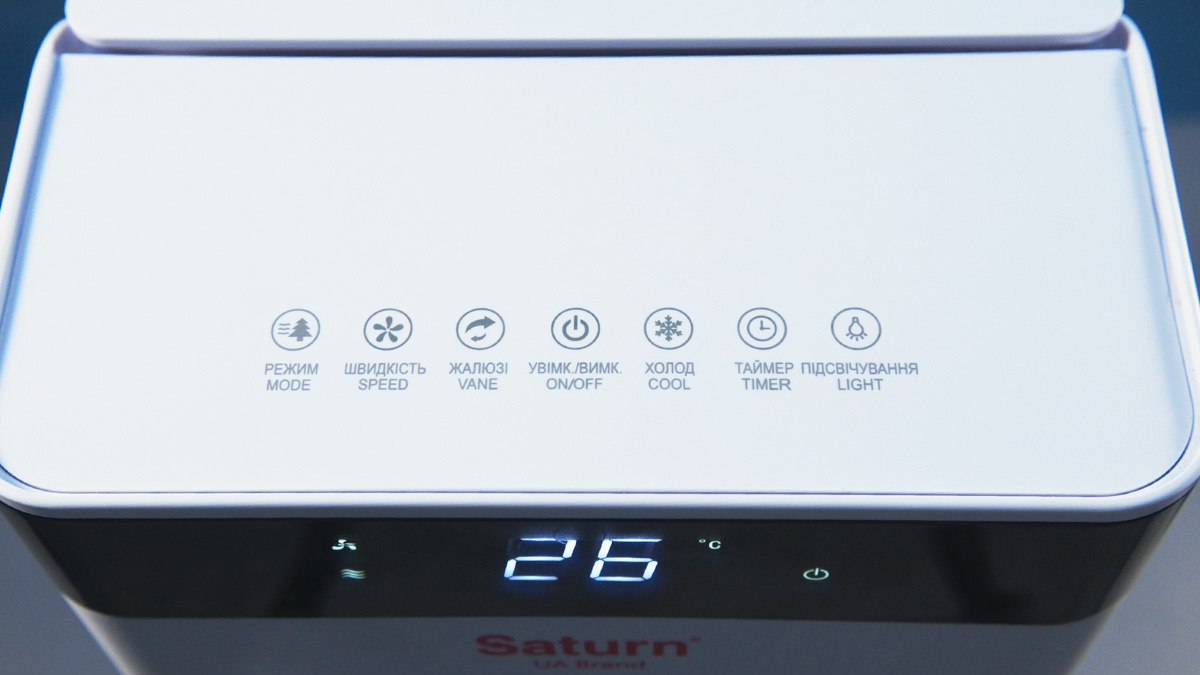
To be honest, there are much cheaper models than this Saturn, which costs around $60. For example, I was interested in the Chinese model Zepline ZP-107, priced similarly, but some versions don’t include a remote control. Plus, at least I’m familiar with the Saturn brand.
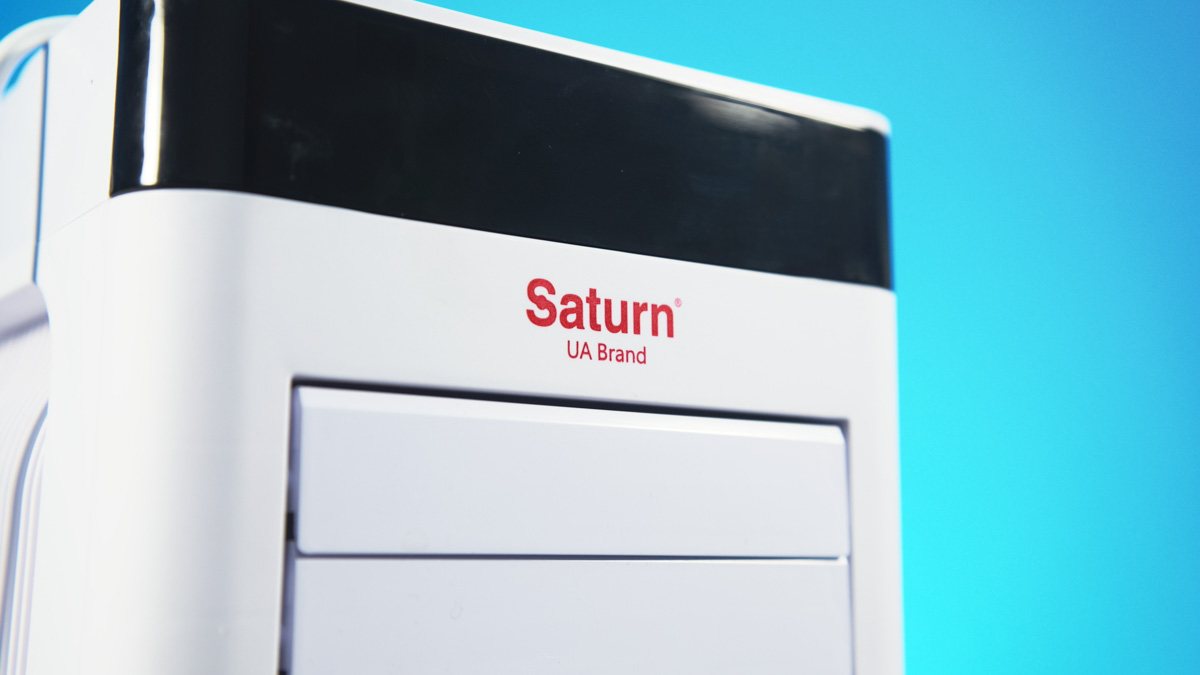
At the same time, $60 for a unit like this is still relatively budget-friendly. I’ve seen models that cost significantly more – $140, $240 – and offer additional features like heating functions and HEPA filters. The AC2010 has none of that; it’s a very basic device.
Experience with use:
The main question, however, is this: does it actually help, and by how much? Testing in hot conditions showed that when fully loaded with cold water and using all three ice packs, the unit can lower the air temperature by around 3 to 4 degrees Celsius in 30-degree heat. This effect isn’t for the entire room; the recommended coverage area for a unit like this is up to 25 square meters.
That said, it’s enough for me to have a directed stream of cool air that prevents my ears from getting so sweaty that I can’t comfortably wear my Jabra Evolve2 65 Flex headset. Meanwhile, I’m working at a gaming laptop – the ASUS ROG Strix Scar 15 – that can produce up to 200 watts of heat under my hands.
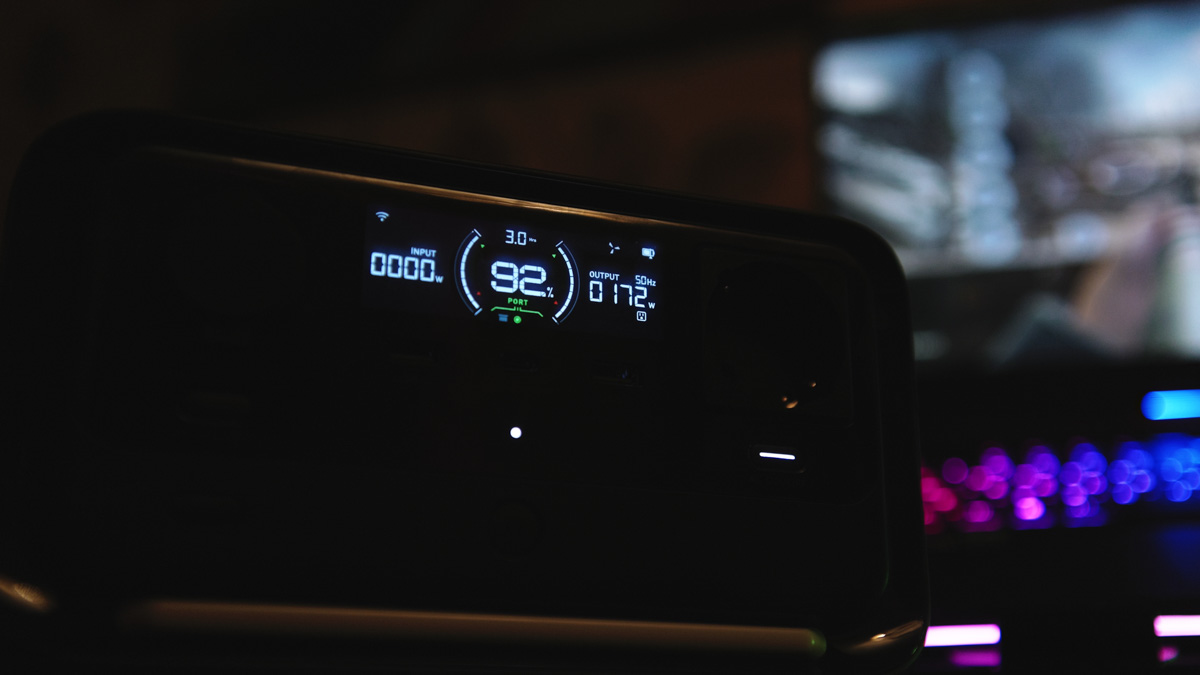
This is exactly why I stopped using a regular floor fan. When you’re in a closed room, a fan just circulates the air, and eventually, that airflow won’t help – you end up in something like a sauna. With the AC2010, it’s different: it not only moves air but cools it as well, effectively offsetting some of the heat generated by my laptop.
To put it simply, imagine a hot summer day with no breeze, then remember how a light summer breeze feels on you. It’s the same here – but the breeze is cold. It’s also quiet enough that I’ve had no trouble falling asleep with it running, even at maximum speed.
Thanks to the adjustable louvers that can direct airflow upward, you can run the unit quietly in the background while you sleep. It’s quiet enough not to disturb you, and since the air isn’t blowing directly on you, there’s little risk of catching a chill overnight. Just set the timer to turn it off, and you’re good.
By the way, a nearly full tank of cold water with two ice packs – holding a bit over a liter total – lasts about 5 to 6 hours. So it won’t run through the entire night. I usually set the timer for 4 hours, and while it’s cooling, I fall asleep and get decent rest. Without it, I doubt I’d sleep that well. Though, to be fair, we haven’t had a peak heatwave recently.
As for noise levels, it’s quite reasonable – around 35 dBA at the lowest fan setting when measured nearby. The sound is pleasant since the fan is vertical. In cooling mode, there’s also a gentle water trickling noise, which some might find soothing. You can eliminate that sound entirely by placing an ice pack of the right shape on top.
Before wrapping up, one important note: be sure to check that the water hasn’t developed an odor if it’s been sitting for a long time without replacement. Essentially, it’s like an aquarium, and just like in an aquarium, the water needs to be changed regularly.

Even if the water is filtered, I wouldn’t recommend using tap water directly. In my case, the tap water quality is simply terrible. Cleaning the internal pump components from mineral buildup or residue in this type of climate system can be extremely difficult.
Conclusions
In conclusion, I won’t claim that the Saturn ST-AC2010 can replace a full air conditioner – especially since it lacks heating functions and HEPA filtration. However, it does help me sleep. It can cool a portion of a room to a comfortable temperature, adds humidity to the air, operates quietly, is compact, and consumes up to 65 watts at most. So, if you don’t have better options, like in my case, I can recommend it without hesitation.
Read also:
- Introducing the XGIMI Brand: How to Choose a Projector
- Reliable Driverless Cars: Why Full Autonomy Remains Out of Reach
- AI in Medicine: Is the Future Already Here?