

© ROOT-NATION.com - Use of content is permitted with a backlink.
I’ve shared quite a few positive thoughts about the EcoFlow River 3 series, calling it revolutionary in two ways right off the bat. There’s actually a third aspect I saved for later, but it’s worth mentioning as well. This concerns the additional batteries, the EcoFlow EB300 and EcoFlow EB600. The video focuses on the EB300, but the EB600 is also significant.
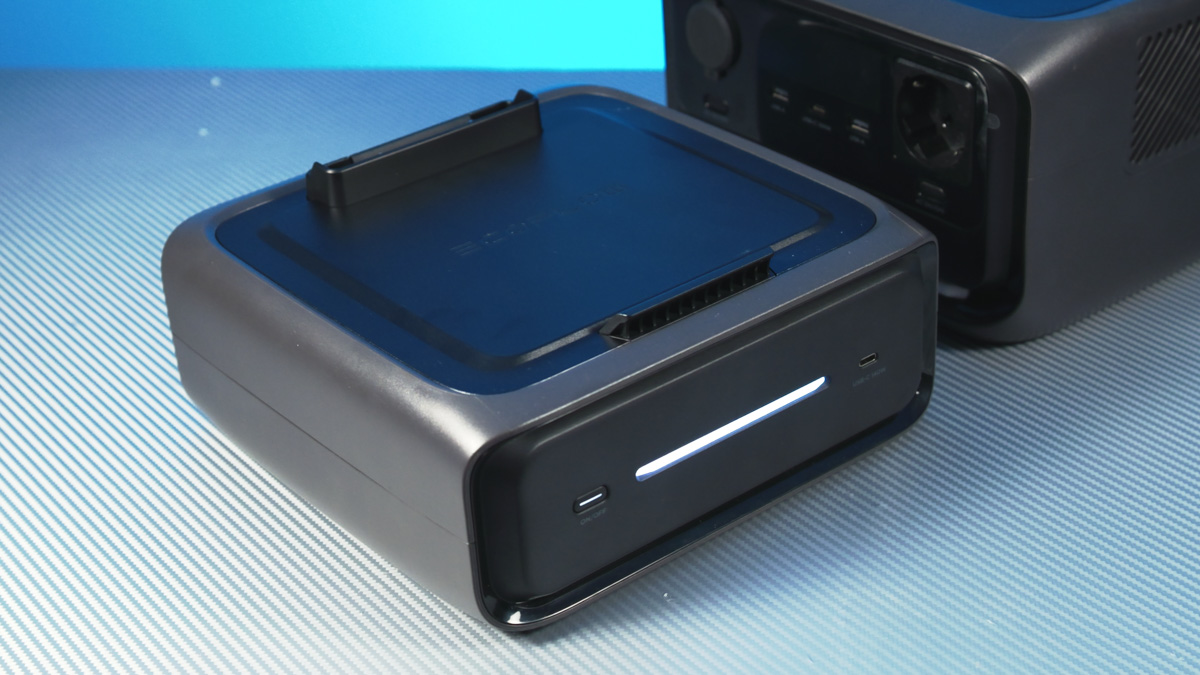
TABLE OF CONTENTS:
Specifications
- Nominal power: 300 W
- Capacity: 286 Wh
- Charge cycles: 3000 times
- USB Type-C: up to 140 W output
- Charging speed: 0-100% in 3.5 hours
- Operating temperature: 20-30 °C
- Weight: 3.5 kg
- Dimensions: 234×224×110 mm
- Battery type: LiFePO4
Video about EcoFlow EB300
Package contents
The EB300 comes bundled with the EcoFlow River 3 Plus to form the EcoFlow River 3 Max. When the EB600 is included, the package is called the River 3 Max Plus. If there’s no additional battery included and no extra support features, then it’s simply the River 3 or the River 3 UPS – the main difference between those two being the UPS functionality.

In the previous lineup, there were three models – River 2, River 2 Pro, and River 2 Max – none of which supported additional batteries. The River 3 Plus changes that by offering battery expansion. As a result, the current lineup includes five models instead of three. However, from the manufacturer’s perspective, they essentially need to focus on just two models. The River 3 and River 3 UPS differ only by the UPS feature, while the River 3 Max and Max Plus are essentially the River 3 Plus paired with extra batteries.
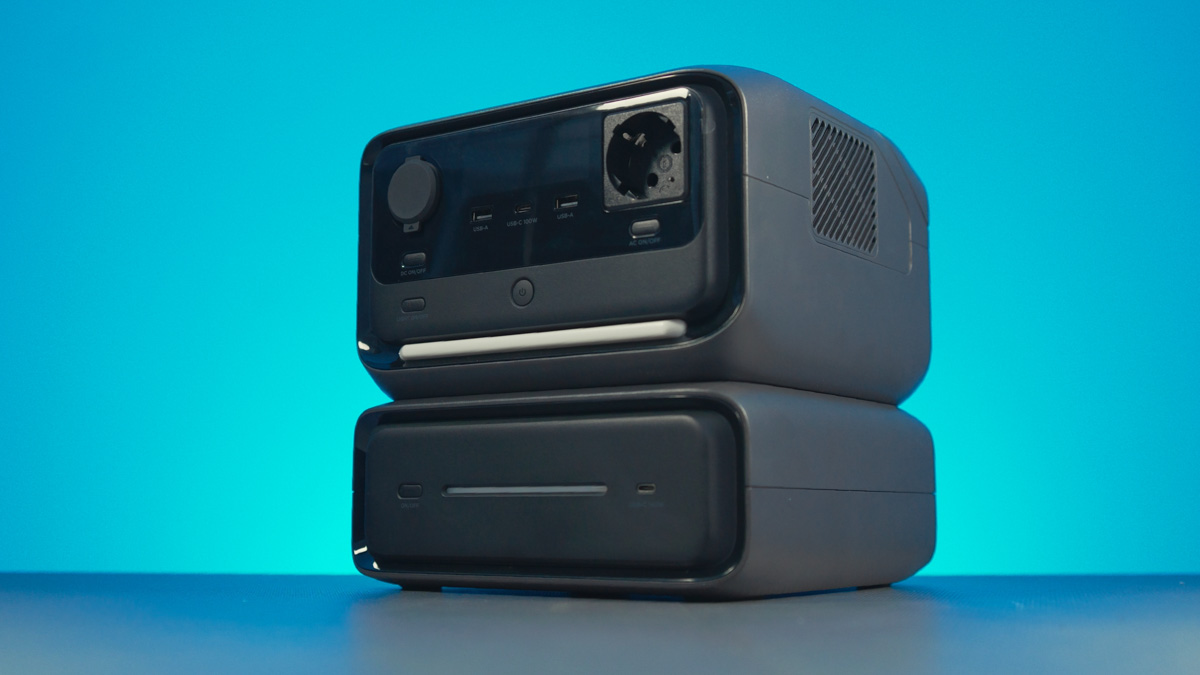
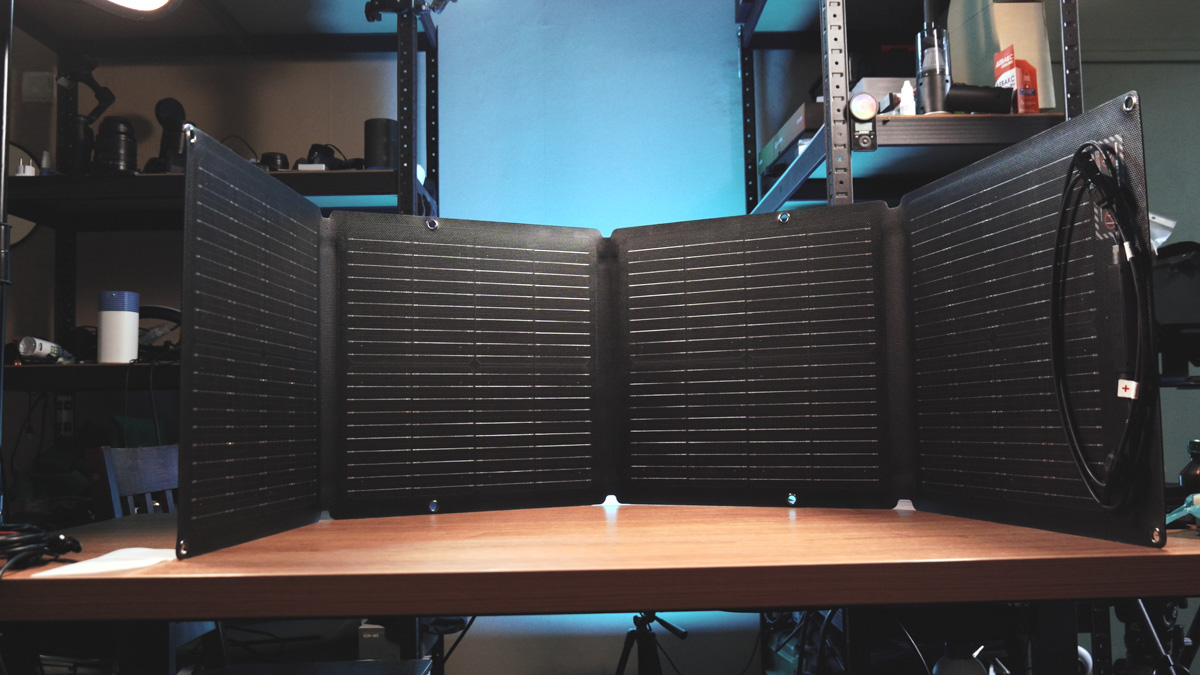
This approach simplifies production and logistics by unifying the lineup, and it encourages users to invest in something EcoFlow, in my opinion, has largely overlooked – additional accessories. And I’m not just talking about cables or solar panels. Selling an extra battery, which offers clear practical benefits, is much more straightforward and reasonable than pushing solar panels, if you ask me.
This isn’t just because the batteries are reasonably priced, but also due to their very secure mounting system. The battery won’t come loose on its own, even without support from underneath. In fact, the lock mechanism is so solid that sometimes it’s hard to intentionally detach it. Another advantage is that the batteries can be charged and discharged independently, thanks to a 140W USB-C port on the unit that supports both input and output. Essentially, it functions as a powerful 286Wh portable power bank.
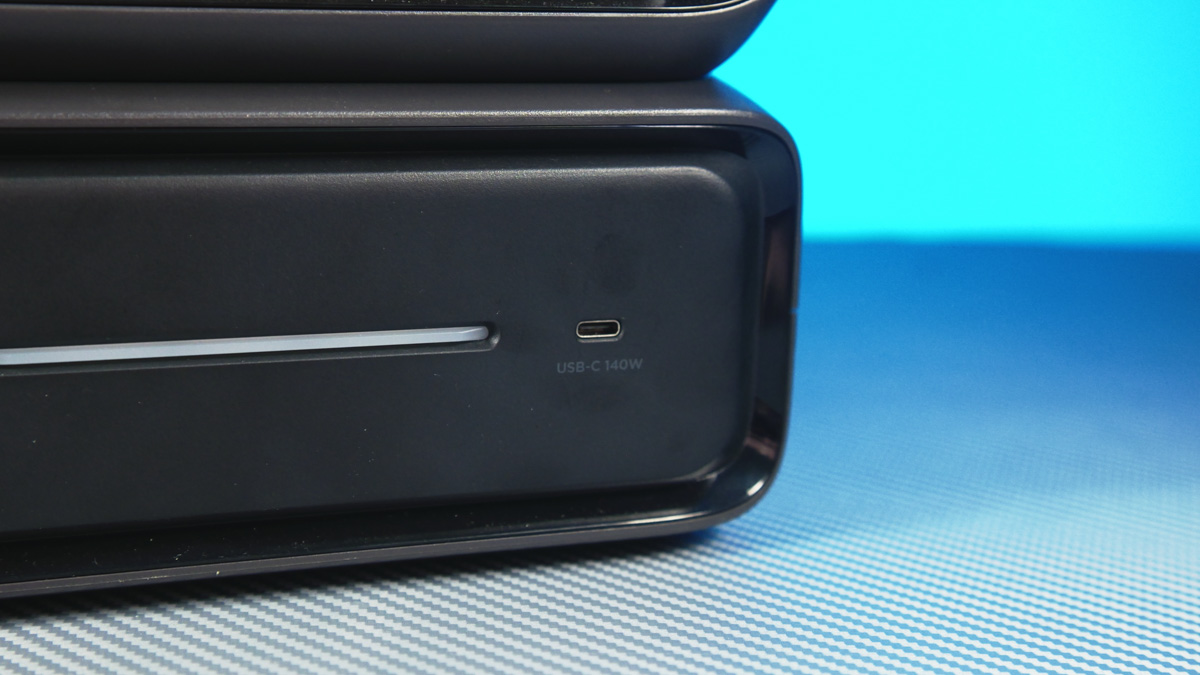
What does this mean in practice? Even if you buy the River 3 Max and later add an EB600 battery separately, you won’t need to discard or sell the EB300. It still has value because it contains durable LFP cells backed by a five-year warranty. Also, a quick reminder: charging the EB300 doesn’t require connecting it to a charging station – you can simply use the USB-C port.
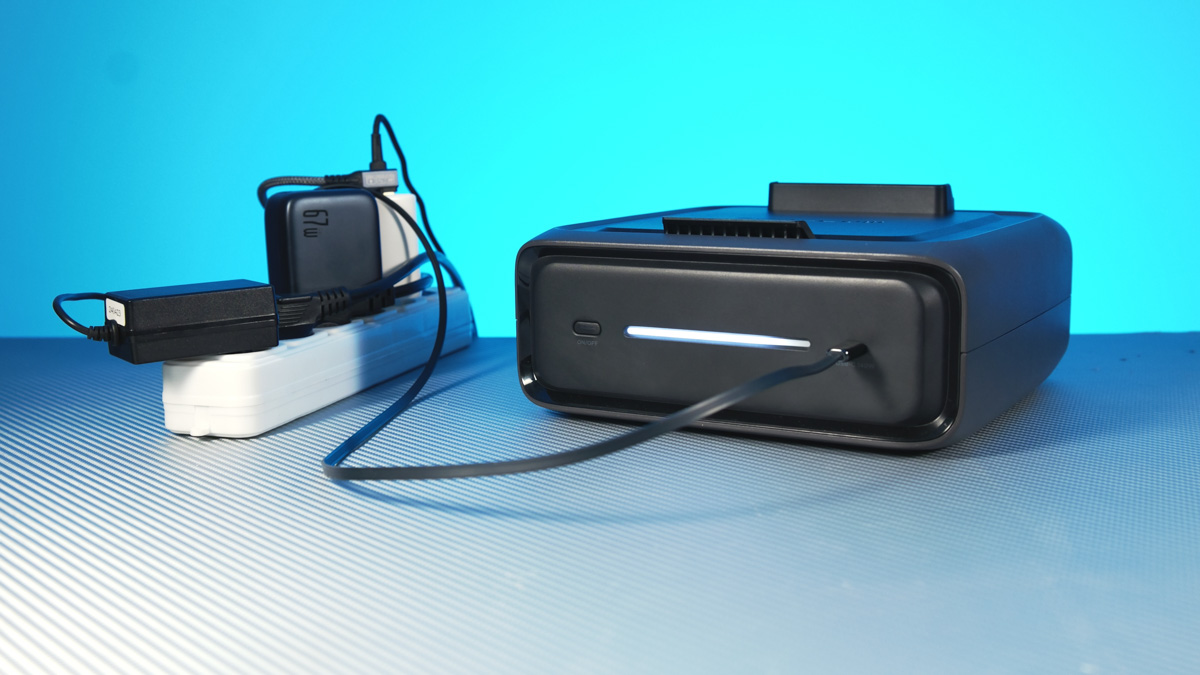
A brief note on using the EcoFlow River 3 Max: the built-in UPS function not only challenges the traditional UPS market but also pushes the charging station itself to be significantly more energy-efficient. With my River 2, for example, leaving it on for a week could drain about 30% of the battery simply due to internal components running. It had to be turned off when not in use.
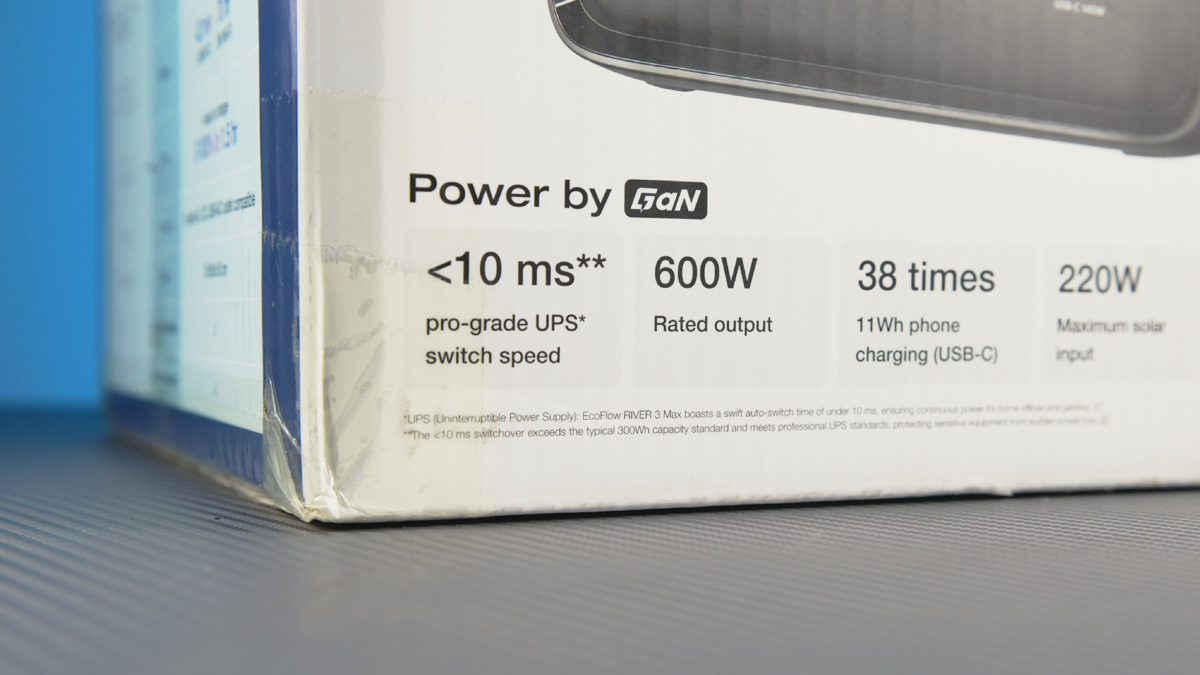
The River 3 Max has a very low self-discharge rate. Unlike the River 2, its UPS function doesn’t keep the internal components running constantly. In other words, the charging station doesn’t need to be fully active to provide backup power. This results in almost negligible self-discharge, which helps extend battery life and reduces operational noise.
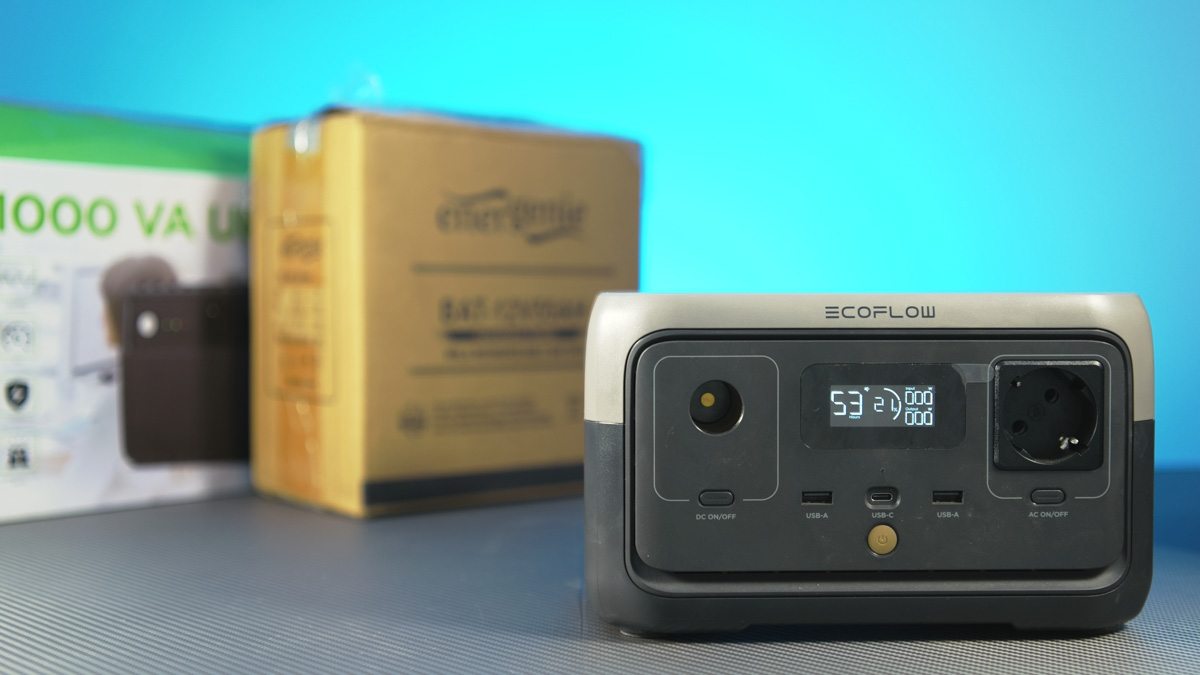
To clarify, I’m comparing the River 3 Max mainly to the River 2, but the River 3 should behave similarly – specifically the River 3 UPS version. As for the standard River 3, I don’t really recommend it. It offers too few advantages overall. Aside from being more portable, it’s not significantly better than the River 2, maybe just quieter. In fact, the entire new lineup is surprisingly quiet.
Conclusions
EcoFlow is finally making additional batteries more mainstream, using them as a way to increase product variety. The idea itself is quite compelling. For these reasons, it’s reasonable to expect that the EcoFlow EB300 will have a significant impact on the portable power station market.
Read also:
- The Third World War of Browsers: Has It Already Begun?
- OpenAI’s New Superpower: What Is a ChatGPT Agent?
- AI in Medicine: Is the Future Already Here?
Where to buy EcoFlow EB300