





© ROOT-NATION.com - Use of content is permitted with a backlink.
Samsung recently held its annual Galaxy Unpacked Summer 2025 event, where it laid out its latest vision for the mobile technology landscape.
The long-anticipated launch of Samsung’s new foldables – the Galaxy Fold7 and Flip7 – finally took place. The world held its breath. Samsung’s stock likely jumped a couple of centimeters. After months of leaks, rumors, and teaser content appearing more frequently than online casino ads, the South Korean tech giant officially unveiled what is essentially the same product – just with a new number attached.
These new devices are marketed as a “reimagining of the user experience” in the foldable segment. In practice, though, it seems the only thing truly reimagined is how to charge more for the same formula.
If you’re expecting a glowing tribute, now might be a good time to put your phone down. This isn’t a love letter to Samsung – it’s more of a melancholic ballad about missed potential and marketing sleight of hand.
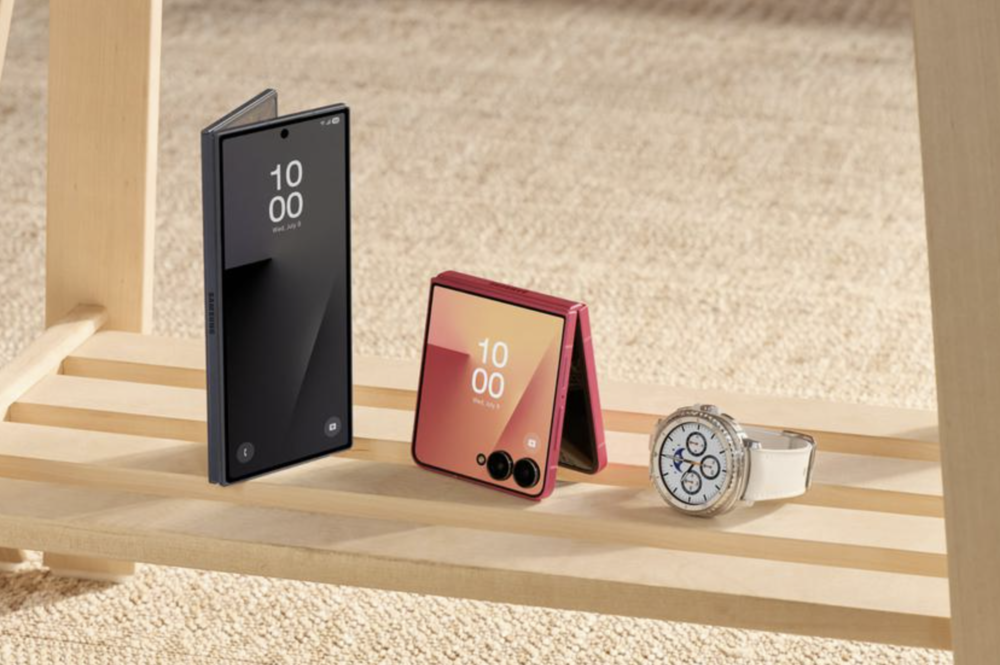
I still remember the unveiling of the first Galaxy Fold. It felt like a turning point – the dawn of the future. Foldable smartphones! A complete rethinking of the form factor! Finally, an end to bulky slabs in our pockets. And yet, years later, we’re still waiting for that future to actually arrive. Samsung continues to roll out new generations with enthusiasm, each time promising a “completely new level of experience.” But somehow, that experience still seems stuck somewhere between “oh, the screen protector peeled off again” and “why do these apps look like they were attacked by a mole?” Meanwhile, Motorola has quietly taken the lead in the clamshell market. In Q1 2025, it held a 40% share – something Samsung likely didn’t expect when this race began.
I’ve tested nearly every Galaxy Fold – every one except, apparently, the Fold7. Samsung Ukraine decided we didn’t need to review it. Maybe they were worried we’d tell it like it is. But I did spend six months using the Fold4, and that was exactly the kind of “unconventional experience” where you’re both intrigued and constantly thinking about switching back to a normal phone – without needing a therapist. The display? It didn’t survive the first cold snap – its protective film peeled off like a moody teenager storming out after an argument. Apps? Almost half had no idea what to do with the inner screen. Overall, software optimization felt like a student showing up to an exam hoping to wing it.
And yet, I loved that phone. Because I genuinely appreciate when technology dares to be different – even when it stumbles.
But enough nostalgia – let’s talk about the “stars” of yesterday’s presentation.
Read also: Network-Centric Warfare: How Warfare Is Evolving in the 21st Century
TABLE OF CONTENTS:
Samsung Galaxy Fold7
From the very beginning, the size and proportions of the Galaxy Fold have been a point of contention. When folded, its aspect ratio is narrower than that of a typical smartphone – as if someone decided the ideal phone form factor should resemble a loaf of bread. Many politely refer to it as “tall and narrow,” but let’s be honest: it’s just awkward to use. And now, here comes the Galaxy Fold7. Still the same oddly shaped device, and no one even pretended it would be different. Despite whatever minor adjustments may have been made, the ergonomics still feel like they belong in a parallel universe.
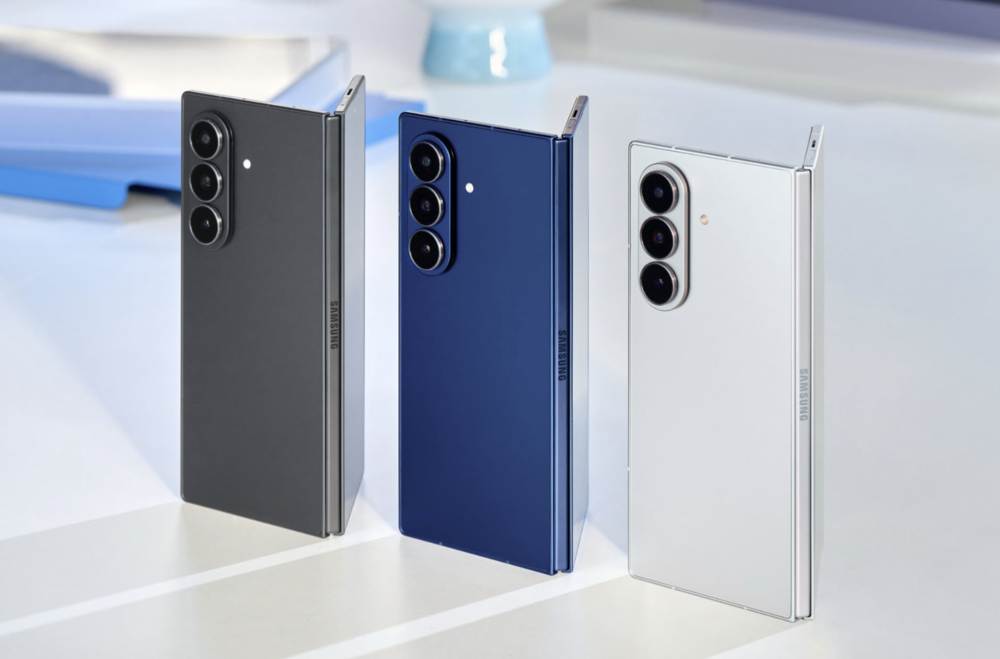
Samsung has long treated the outer display on the Fold series like a spare tire – technically usable, but ideally not too often. It’s as if the company’s engineers have never actually used a Fold in real life. Otherwise, how do you explain the fact that, nine times out of ten, I relied solely on the external screen? Answering calls, messaging, checking email – all of it happened without ever opening the so-called “portal to another dimension.” Unfolding the main display feels like taking a tank to the grocery store. Sure, it’s impressive – but why would you?
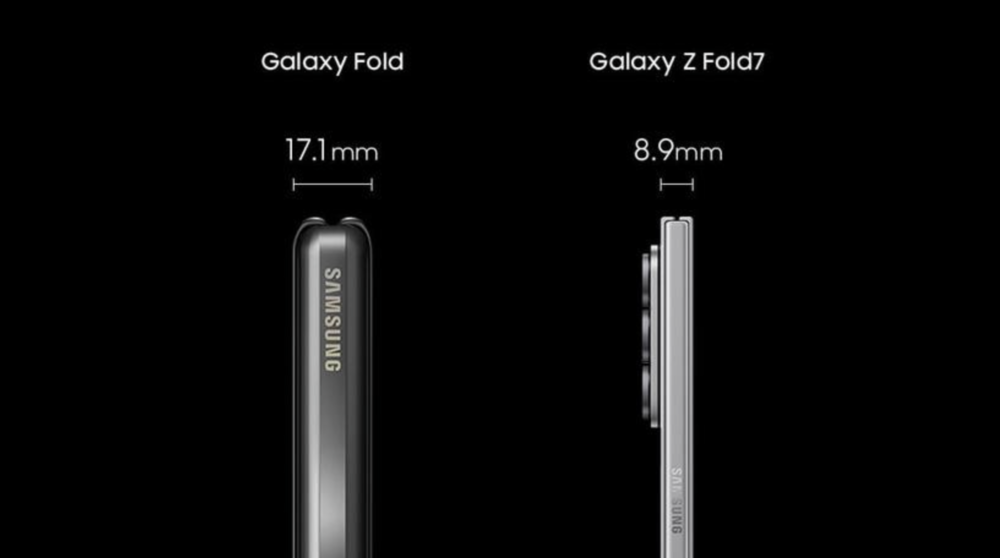
Now, about the thickness. It feels like Samsung HQ has adopted an internal belief system – a cult of sacred thinness. Everything must be slimmer, lighter, more delicate. The Fold7 follows suit – it’s thinner than before. Great news! Now it’s even easier to break. The frame is made from something called “Advanced Armor Aluminum™,” and the back panel is titanium – as if this phone were designed not for your pocket, but for the International Space Station.
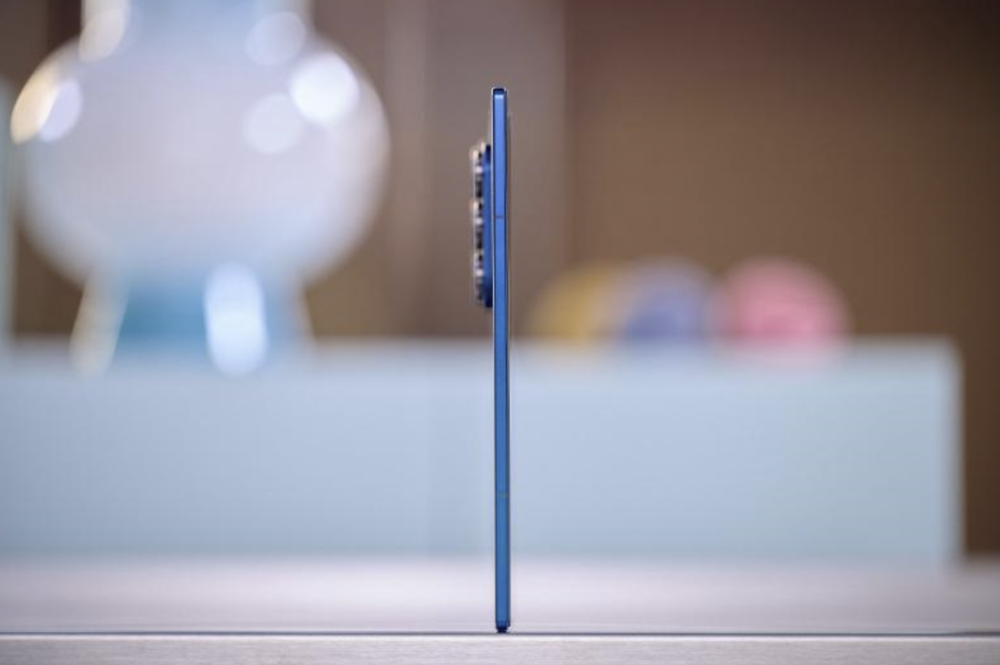
Elegance above all – durability is apparently optional. Let’s not forget we’re still talking about a foldable smartphone. Ask around and you’ll hear the same story: a year, maybe a year and a half, and the hinge starts heading for early retirement.
And now – brace yourself – they’ve brought back the regular selfie camera with a hole in the corner of the screen, replacing the under-display one from before. Brilliant! Because nothing says cutting-edge design like a black dot interrupting your content. Surely that’s what will hold the whole structure together.
But here’s the real kicker: Samsung has dropped the stylus. Yes, the S Pen – the very reason some people chose the Fold in the first place. It’s gone. And so is Wacom support. No handwriting, no sketching. And no alternative announced either. Just a silent farewell. It’s like Ferrari releasing a new model and saying, “We removed the steering wheel. You’ll manage with the pedals.”
The cameras alone could be the subject of a stand-up routine. It feels like someone found a pallet of sensors from the Galaxy S25 Ultra gathering dust in a warehouse and decided, “Why not just throw them in here?” The race for megapixels has reached a new level of absurdity. 200 megapixels? For what purpose – printing photos large enough to cover the side of a building?
The level of innovation is about the same as with a new chip flavor – different packaging, but the same content inside.
To sum up: all the hype around the “revolutionary” Fold7 feels like praising a restaurant because the waiter no longer spits in your soup. Samsung increasingly reminds me of Microsoft – pretending evolution is revolution, and bug fixes are breakthroughs. Unfortunately, for anyone expecting something genuinely new, the Fold7 is just another rebrand of old issues wrapped in the loud word “innovation.”
Read also:
Samsung Galaxy Flip7/Flip7 FE
А ось тут ситуація переходить із розряду «не дуже вдало» в жанр повноцінної комедії. Samsung decided it simply had to release a “budget” version of the Flip7 – note the quotation marks, which are definitely warranted – and without much thought, copied Motorola. Yes, Motorola, which until recently was known as the nostalgic brand with physical buttons, and now surprisingly leads trends. But Samsung is an innovator, right? The thing is, this time their innovations are so subtle you need a magnifying glass under good lighting to spot them.
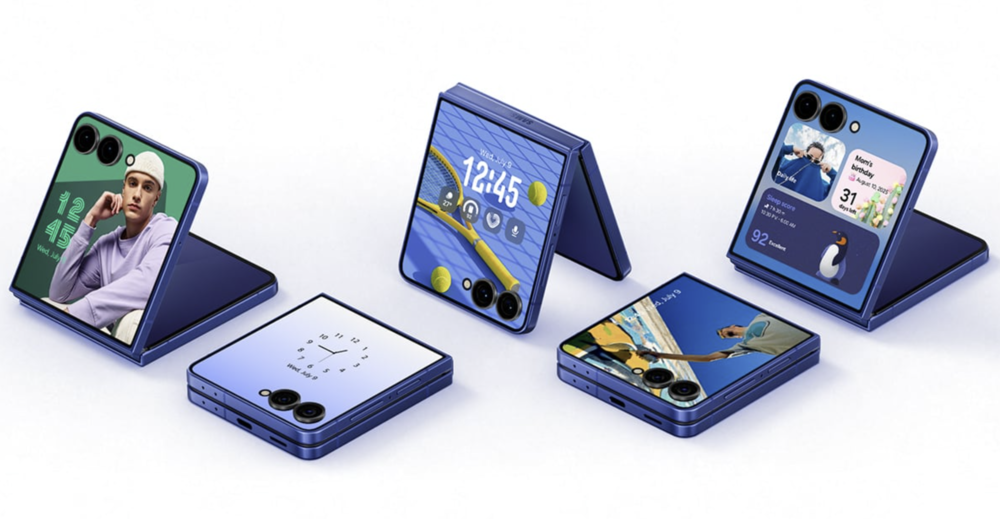
Some enthusiastic fans – or perhaps PR staff – will loudly insist: “The external screen got bigger!” “The hinge has been improved!” “The processor is updated!” “The cameras were replaced!” And yes, all of that sounds impressive. Like a wedding toast after the sixth glass – loud and heartfelt, but not entirely convincing. Because in reality, nothing fundamentally new has happened. As always: the packaging has changed, but the chocolate inside remains the same.
According to the Korean designers’ vision, the Galaxy Flip7 was supposed to be a phone for those who value compactness, style, and a subtle hint of nostalgia for the days of mirrors and clamshells. On paper, it checks all the boxes – the form factor, color options, even a bit of mirrored glamour. But when I looked at it, all I saw was the Motorola Razr 60 Ultra. And that’s not just an association – it’s almost a mirror image. Samsung talked for so long about the auxiliary screen becoming fully functional that it seems even they grew tired of believing it. The result? If you want to run apps on the external display, you’re expected to install MultiStar, press seven buttons, dance a little hip-hop – and maybe, just maybe, you’ll get it to work. Meanwhile, Motorola’s approach works out of the box. Food for thought.
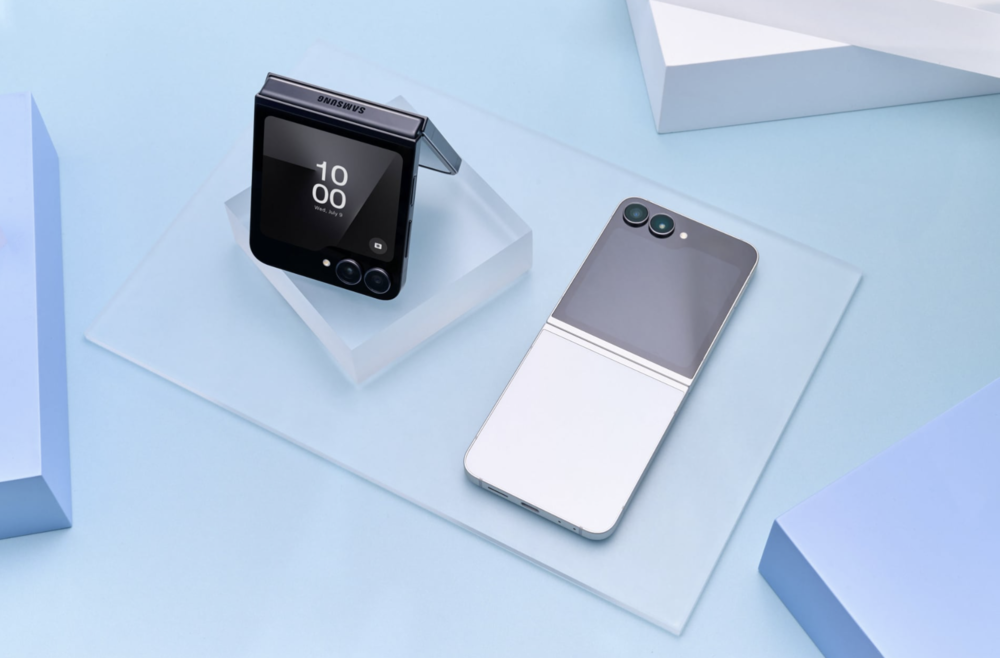
Regarding the hinge – the usual claims apply: “stronger, smoother operation, supports any angle.” As always. But honestly, the only angle you really want to look at this phone from is the angle of disappointment. Yes, it sits comfortably for selfies, Instagram shots, or that mirror selfie where you show off your folding phone. But the Flip7, like its predecessors, has never been about the cameras. Photos are more of a bonus – like the napkin that comes with a pizza box: nice to have, but not the reason you ordered it.
And now – let’s give a round of applause for the Galaxy Flip7 FE. The “younger sibling,” clone, duplicate, the “Christmas gift you get when the main one’s already gone to your older brother.”
Are there any differences? Maybe in size, cameras, or processor, but they’re so minor you’d only notice them if you were playing “Find 10 Differences.” The real question is: why release an almost identical model with a different name? Perhaps so users can pause and reflect on what marketing really means – and just how far it’s gone in the search for logic. Про нові годинники я навіть писати не хочу, бо там вже багато років нічого нового, а інколи навпаки – відкат назад. Я хочу поговорити ще про деякі “інновації”.
Read alsо: Samsung Galaxy S25 Ultra Review: A Flagship Without Improvements
Artificial intelligence from Samsung
To be honest, and speaking candidly: I don’t know about you, but I’m already tired of the whole artificial intelligence topic. It feels almost physical. Open the fridge – there’s AI. Turn on the kettle – it tells you it wants to optimize your morning routine. And Samsung, of course, didn’t stay out of this hype train. I still clearly remember the grand launch of Samsung AI – promises of a bright future, revolution, breakthrough. But in reality, it’s just a collection of “features” that either don’t work or work well enough to make you want to turn them off immediately.
Let’s be honest – most users don’t just avoid these “miracle features,” many aren’t even aware they exist. Or if they do know, they might have accidentally turned them on once, got startled, and now pray with every update that the feature doesn’t activate again. Want to write a message? The AI suggests rewriting it in Shakespearean style. Looking for a cat photo? It shows you a beach instead. Truly convenient – no arguments there.

As expected, the Samsung Galaxy Unpacked Summer 2025 event featured another parade of “innovations” centered around “we’ve added even more AI, and now it will control everything.” It sounds like the trailer for a dystopian film. And yes – Gemini is now integrated into all Samsung services. That’s it – you’re no longer really the owner of your phone; it decides what’s convenient for you. Scrolling through your feed? It rewrites the news for you. Writing a message? It corrects your thoughts. Want to take a photo? It’s already taken one and decided it’s better than what you would have shot yourself.
And the main question is – who is this all for? The average user doesn’t need any of it. And the more advanced users are already fed up. All these “AI companions,” “generative tools,” and “contextual suggestion modes” sound impressive in press releases. In reality, it feels like turning your phone into a pocket-sized Nostradamus that never gets anything right but confidently tells you how to live.
Maybe it’s time to stop? Maybe it’s time to accept a simple truth: sometimes less is more. Not every assistant is actually helpful. Sometimes, you just want a phone that makes calls, takes photos, and doesn’t constantly require you to agree to a new AI privacy policy.
Read also: “Superintelligence” – Breakthrough or Marketing Hype? An Analysis
Prices for new Samsung products
For several years now, we’ve been promised that soon – just a little longer – prices for foldable smartphones will start to drop. After all, competition, mass production, and technology becoming more accessible should drive costs down. So, what do we have? That’s right – a loud promise wrapped in marketing fluff and served on a plate with a price tag comparable to an apartment on the secondary market in Khmelnytskyi.
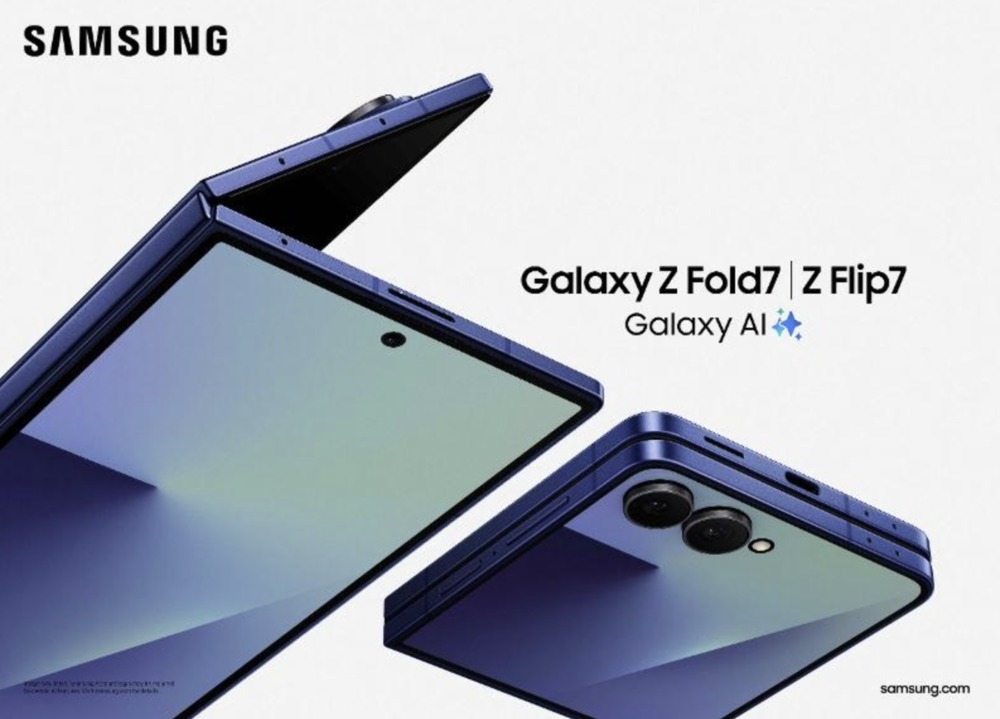
The prices for the Galaxy Fold7 and Flip7/Flip7 FE have long since stopped being just numbers – they’ve become a form of mockery toward common sense. The Galaxy Fold7 12/512 GB model costs $2,050, and the 1 TB version is already $2,170. At those prices, you’d expect the phone not only to fold but also to talk, make coffee, and offer a hug during tough times.
The Flip7 isn’t far behind: $1,200 for the 12/256 GB model, and $1,240 for the 512 GB version. And that’s with a “special promotional offer,” which, translated from marketing speak, means: “a slightly less painful price.” And now, the funniest part – the so-called “budget” Flip7 FE. Here, Samsung really went all in. The 8/128 GB and 8/256 GB models both cost $1,010. Because who needs logic when you have big numbers and the word “value” printed in bold?
It seems Samsung just decided: if the phone folds, the price should fold too… but only upwards.
Against this backdrop, it’s hard not to ask a rhetorical question: where is the promised price drop? Hey, Samsung, we still believed in your stories about “affordable innovation”… No, wait, scratch that – we don’t anymore. It’s even hard to laugh now, because the situation looks like the company isn’t really sure why they’re still doing this – but stopping feels awkward. They started once, so now they have to carry this folding cross to the very end.
What’s next? A Galaxy Fold Ultra Premium Deluxe priced at $3,600 with promises that this time it’s truly a “revolution”? Or a Flip8 that folds twice as fast, but costs as much as a brand-new Dacia Logan? For now, this isn’t the segment of the future – it’s an exclusive club of disappointed optimists who keep believing that “this time, it really worked.”
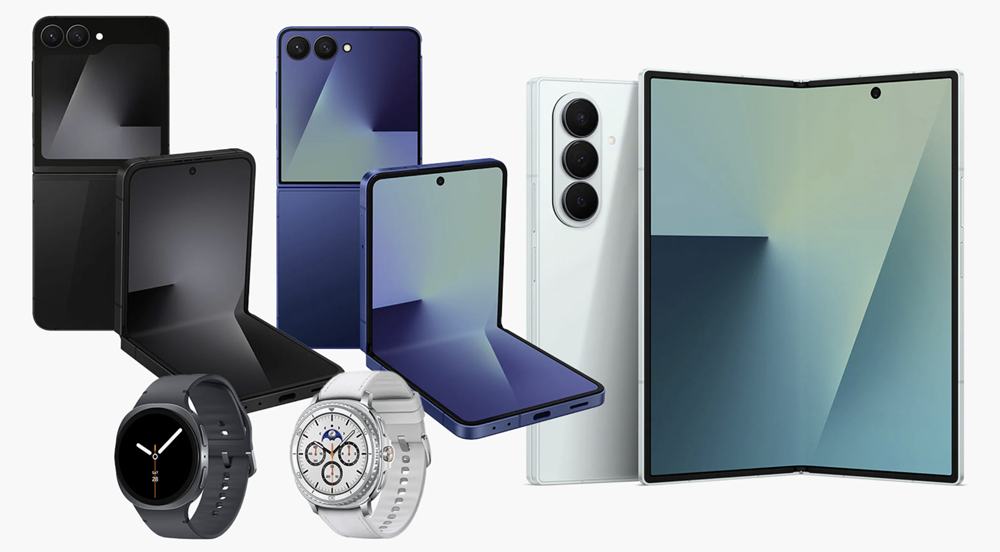
The Galaxy Fold7 and Flip7 are like that relative who shows up to every birthday wearing the same jacket – just with a different button – and asks, “So, noticed the update?” Samsung promised a revolution but delivered evolution – without enthusiasm or creativity, but with plenty of polished slides.
The Fold7 got thinner. Great, now it’s even less suited to survive real-world use. A slimmer hinge, more delicate screens – it all feels like Samsung’s engineers live in a place where it’s always 22°C, dust-free, no humidity, no kids or cats, and zero reality. And the Flip7? It honestly seems like just a Flip6 with a new case.
Promised innovations? You’ll have to look for them under a microscope. Technical features that two years ago seemed like real progress now feel like a desperate attempt to squeeze every last drop out of the form factor. And you know what? We’re still talking about the same issues – peeling films, glitches, unimpressive cameras, and prices that make you reconsider selling a kidney.
Revolution? Evolution? No. It’s classic stagnation. Only every year, the price tag at that spot just gets thicker.
Read also:
- Samsung Innovations: How OLED and QLED Are Reshaping the Premium TV Market
- Why Quantum Dot Displays Stand Out: The Case of Samsung

