





© ROOT-NATION.com - Use of content is permitted with a backlink.
Network-centric warfare (NCW) is no longer just a theory – it’s on the verge of becoming a practical reality. Let’s take a closer look at what this concept actually means.
Picture a traditional army as a collection of powerful but disconnected components – like a group of strongmen on a battlefield, each acting independently. Tanks, aircraft, and ships operate in isolation. Communication between them is fragmented, basic, and often delayed. One unit might shout into a radio, another catches only part of the message, and some hear nothing at all. Each sees only what’s directly in front of them. Coordination is more a matter of chance than design, and a shared understanding of the battlefield remains out of reach.
Now contrast that with the idea of a modern military functioning like a living organism. Every part – whether it’s a fighter jet in the air, an infantry soldier in a trench, a drone operator, an artillery crew, or even a satellite in orbit – is connected. They share the same picture of the battlefield, exchange information in real time, and make coordinated decisions. This isn’t just about physical force anymore – it’s about intelligence. And this intelligence knows when to strike, when to defend, and when to disappear from enemy view.
This is what defines network-centric warfare – a shift in military thinking where information holds more value than firepower, and the speed of data exchange can outweigh the impact of any tank. This isn’t speculation about the future; it’s already happening. Ukraine is among the first countries not only to experiment with this approach but to make it a core element of its defense strategy. In an environment where speed and coordination can determine the outcome, networked systems have effectively become a new kind of weapon.
Read also: Strange Relationship Between Microsoft and OpenAI
TABLE OF CONTENTS:
Network-centric warfare: what is it?
It’s important to clarify from the start: network-centric warfare (NCW) is not just a hardware upgrade. It’s not about simply adding a few digital tablets to an armored column. Instead, it represents a fundamental transformation of the entire logic of warfare. This change affects not only the tools used but also the way of thinking. It’s no longer about how thick your armor is or the size of your caliber. What matters now is how quickly you can see, understand, and act.
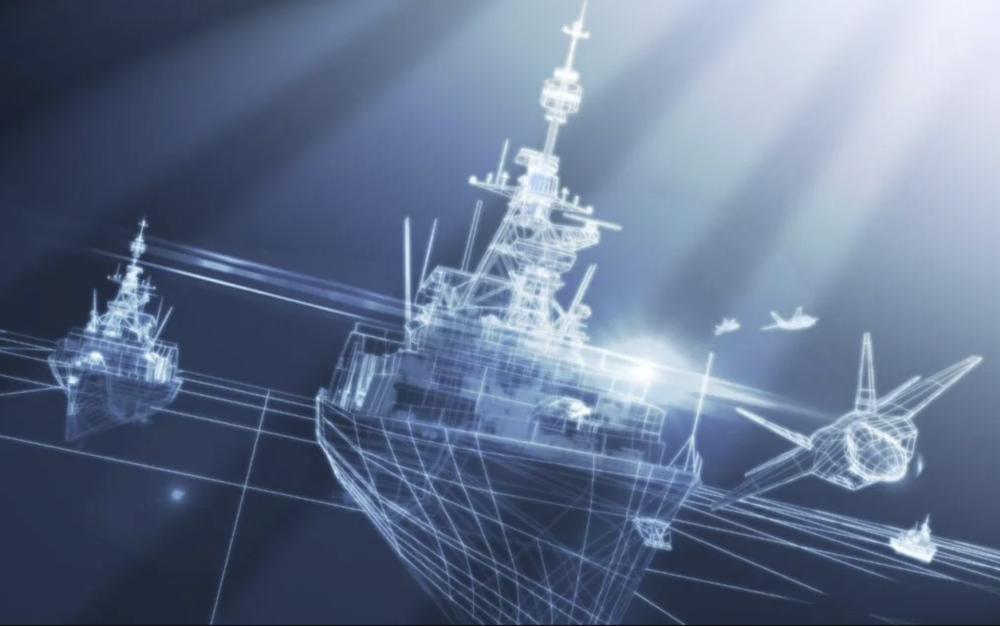
At the core of this philosophy is the network-centric doctrine, which is built on three pillars that change everything:
Shared situational awareness – where everyone has a common understanding of the overall picture
- Speed of command – where decisions are made in seconds rather than minutes
Self-synchronization – where units coordinate themselves without direct orders because they already know what needs to be done
This isn’t just a polished theory from Pentagon presentations. It’s already a reality on the battlefield. It’s a situation where information becomes a weapon – one that acts faster than any projectile.
Let’s look at some of the technologies forming the backbone of this transformation. The Polish tactical communication system RADION provides reliable data exchange at the platoon level. Link 16, a NATO standard, enables real-time sharing of combat information between aircraft, ships, and ground forces. Meanwhile, the AEGIS combat system on U.S. destroyers serves as an example of how networked sensors, AI, and automated decision-making combine into a single operational unit capable of detecting, tracking, and neutralizing targets before they even realize they’re under threat.
This is what combat looks like when victory goes not to the physically stronger side, but to the one that receives data first – and acts on it before anyone else.
Read also: Online Safety: How to Protect Your Data – Even When You Let Your Guard Down
The birth of the network-centric doctrine: from steel to information
For much of the 20th century, military power was primarily a physical phenomenon – a total concentration of armor, steel, and explosives. Victory was measured by the tonnage of ships, the number of guns per square kilometer, and the ability to bring all that force together at the right place and time. The simple logic was: bigger is better. More tanks, more aircraft, more infantry. Whoever had the bigger fist won.
This way of thinking focused on individual combat platforms – cruisers, fighters, or tanks – that operated, made decisions, and fired within their own capabilities. While these units were part of larger formations like brigades, divisions, or armies, their interaction was mostly direct and limited – through radios, signals, or set patterns. True synergy between them was lacking. At best, there was coordination; at worst, chaos amid the noise of battle.

But by the end of the century, the old logic began to crack under the pressure of a new reality. The information revolution transformed everything – from financial markets to social networks. The military was no exception. A new doctrine emerged, drawing strength not from the weight of equipment but from the volume of data.
In the traditional paradigm, the sensor, commander, and shooter were all physically located on the same platform. A tank crew could only see what was directly ahead. A ship’s radar scanned the horizon only within the range of the vessel itself. Decisions were made with delays, based on limited and often outdated information.
In the past, an army’s strength was the sum of its parts. Today, however, it’s different. Strength is no longer just an addition; it’s a multiplication – enabled by connections and data linking everything from satellites to soldiers. It’s about a network that turns disparate platforms into a single organism. In this new reality, victory goes not to the one with the most hardware, but to the one who sees first, understands first – and fires first.
Information moved slowly, mostly through voice communication – typically radio. This channel was fragile: prone to interference, vulnerable to human error, and time-consuming even for transmitting basic coordinates or orders. One misplaced emphasis could cause artillery to strike the wrong target. One lost connection could leave an entire unit isolated in an information vacuum.
The result? Chaos. Delays, confusion, endless “Can you repeat that?”, “Say again,” and “I didn’t hear you.” The battlefield was shrouded in what military leaders call the “fog of war” – a term first coined by Carl von Clausewitz in the 19th century but still painfully relevant today. Commanders lacked a clear picture and instead had to piece together fragments of situational awareness: broken reports, outdated maps, and rumors picked up over the radio. Without a complete picture, decision-making turned into guesswork. Choices were based less on facts and more on intuition, experience, and often sheer luck.
This model, which relied on physically overwhelming the enemy through frontal assaults, was painfully slow, extremely costly, and increasingly ineffective in environments where speed means survival and every second of delay costs lives. It may have worked in the 20th century, but in the age of drones, satellites, and digital sensors, it simply can’t keep up with the pace of modern warfare.
Read also: Gabe Newell’s Starfish Neuroscience Сhallenges Neuralink
Silicon Valley revolution
The concept of network-centric warfare didn’t emerge in isolation within military think tanks. It was a direct response to the information revolution that, during the 1980s and 1990s, was reshaping business, logistics, and global markets. As the world evolved, the military took notice.
The first to recognize this shift were Vice Admiral Arthur K. Cebrowski and analyst John Garstka – both from the U.S. Navy and, interestingly, both of Polish descent. They closely studied how civilian companies like Wal-Mart and Dell were gaining competitive advantages not through more warehouses or managers, but through information networks that stitched their entire operations into a unified system.

Wal-Mart learned to manage the supply of millions of products in real time. Its logistics operated like a nervous system: a sale of toothpaste in Arizona would instantly trigger a signal to a supplier in China. Dell built custom computers within days rather than months, thanks to data networks connecting manufacturing, warehouses, and customers. In finance, networks enabled thousands of transactions to be completed in milliseconds – allowing firms to win the race before competitors even pressed the button.
Cebrowski and Garstka recognized a new principle: strength lies in networks, speed, and shared awareness. They asked a simple question – if it works in business, why shouldn’t it work on the battlefield?
In 1998, the U.S. Naval Institute’s magazine Proceedings published their article, “Network-Centric Warfare: Its Origin and Future.” It became a manifesto for a new era in military operations.
This paper was the first public and clear formulation of the network-centric warfare (NCW) concept. Its core idea is transforming information advantage into combat power. How? By linking three key elements into a unified network:
- sensors (radars, UAVs, satellites)
- decision makers (commanders)
- and weapons (from infantryman to missile).
This integration delivers the essentials: a shared picture, rapid response, coordinated actions, and significantly improved survivability on the battlefield. It’s not just about efficiency – it’s about gaining an advantage.
But the main breakthrough wasn’t technological. It was conceptual. Armies that had long operated with rigid hierarchies and massed forces needed to shift toward a model where success depends on flexibility, decentralization, and rapid data exchange.
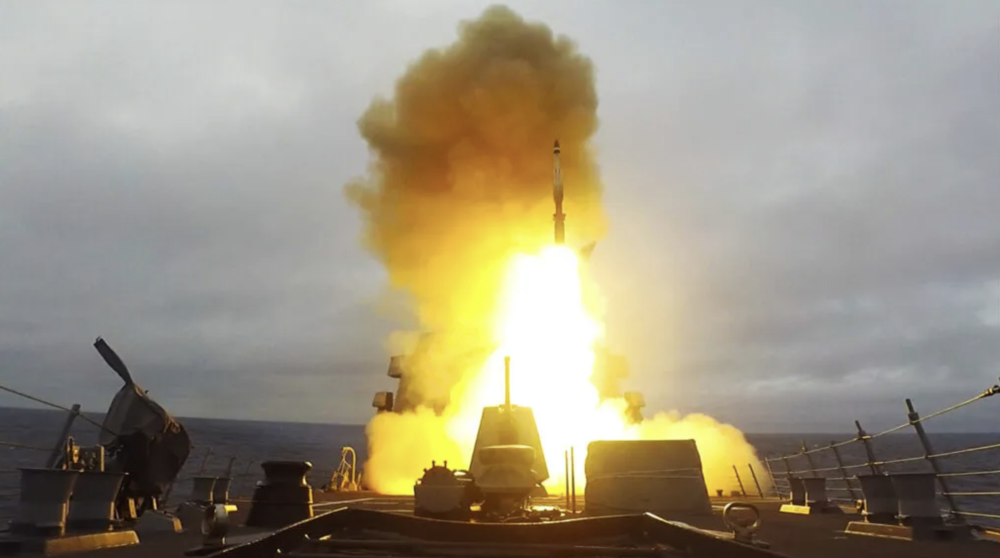
Traditional military doctrine was a product of the industrial age. It relied on mass production, large formations, rigid command hierarchies, and concentrated physical force. Armies were organized around machines and battalions rather than the connections between them.
In contrast, the network-centric model reflects the information age in warfare. It is based on distributed networks, adaptive structures, and real-time interaction. This approach enables the effect of a massive strike without assembling thousands of soldiers in one place. Instead of a frontal assault, it delivers precise, coordinated attacks that can incapacitate the enemy before they even realize what is happening.
Implementing NCW required the military to do something few organizations can: completely rethink itself. From soldier training to command structures, from equipment to organizational culture. Those who adapted gained an advantage. Those who didn’t risk being left behind.
Read also: ChatGPT Destroys the Competition: Era of Super Apps Has Arrived
Three pillars of the new war
The strength of the network-centric doctrine rests on three interconnected pillars. Together, they create a positive feedback loop that exponentially enhances combat effectiveness.
Shared situational awareness
The first pillar of network-centric warfare is shared situational awareness. Without it, the entire NCW concept falls apart like sand without cement. It’s the foundation – the nervous system – of the digital battlespace.
In traditional warfare, each participant held their own piece of reality. A general in headquarters saw one thing, a tank operator on the front line another, and a pilot in the air yet something else. The data was fragmented, often conflicting or outdated. Decisions were made in the fog, blindly. Today, the situation is fundamentally different.
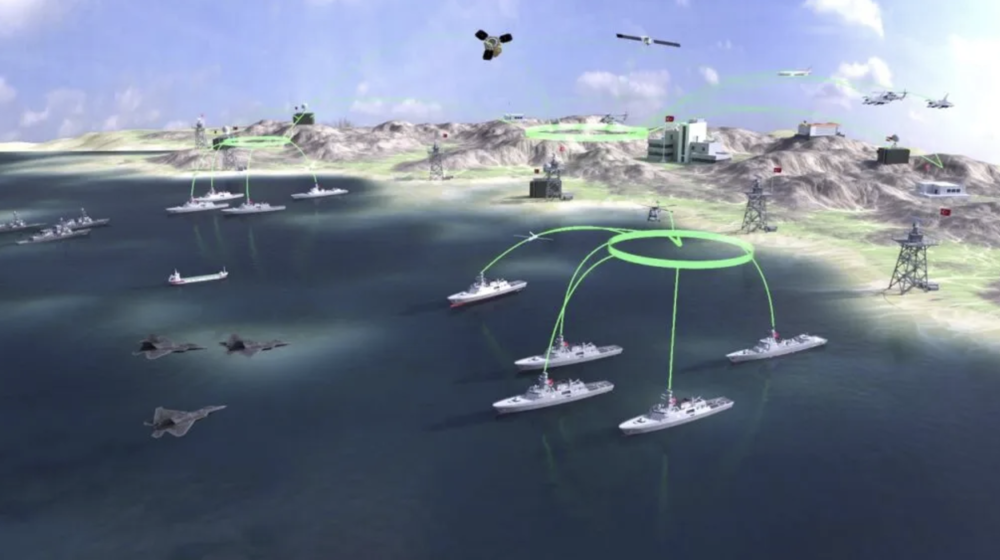
In the NCW model, everyone – from the highest command to individual combat crews – has access to a single Common Operational Picture (COP). This is more than just a map; it’s a live, interactive digital representation of the battlefield in real time.
COP automatically displays:
- positions of own forces
- data on the enemy from all available sources – satellites, drones, radars, ground reconnaissance
- changes in the situation – not in hours, but in seconds.
It’s not just about seeing – it’s about understanding. A commander doesn’t just see a dot on the screen; they recognize whether it’s a kamikaze drone, an enemy battalion tactical group, or a squad of infantry. They also know how to respond, because nearby data shows friendly forces, potential threats, and possible courses of action.
This shared picture is the primary antidote to the “fog of war.” It reduces chaos, minimizes guesswork, and enables decisions based not on intuition but on clear, verified information. Most importantly, it allows for synchronized action among everyone involved in the fight.
This represents a new level of battlefield awareness. It’s not just reacting – it’s anticipating. Not just seeing – but understanding. And not just acting – but doing so in harmony with the entire system.
Read also: Gabe Newell’s Starfish Neuroscience Сhallenges Neuralink
Faster team
Shared situational awareness is more than just a clear map. It directly leads to the second fundamental pillar of NCW: dramatically speeding up the command process.
In traditional warfare, time was the enemy. Commanders spent valuable minutes – sometimes hours – addressing the simplest questions:
- ‘Where are you now?’
- ‘What do you see?’
- ‘Where is the enemy?’
- ‘Is your flank still holding?’
This process was slow, fragmented, and heavily reliant on human factors. By the time information reached higher command, was verified, and orders were issued, the situation on the front had often changed. And once again, commanders found themselves lost in the “fog of war.”
Network-centric environments break this cycle. All the answers are already available. Thanks to the Common Operational Picture (COP), commanders see the situation in real time. They no longer search for facts – they immediately analyze and make decisions.
This changes the very framework of decision-making.
American strategist John Boyd once outlined the decision-making process as the OODA loop: Observe – Orient – Decide – Act. The goal is to complete this cycle faster than the opponent, thereby gaining the advantage.
Within NCW, this cycle is effectively compressed. Observation and orientation happen almost instantly. Decisions are based on current, comprehensive data. Actions are coordinated with others in the network automatically or with minimal delay.
The key principle: respond faster than the enemy can think. Outpace not by strength, but by tempo. Stay one step ahead – not because you’re stronger, but because you’re faster. And not just physically faster – mentally faster.
In modern warfare, victory doesn’t go to the first to pull the trigger. It goes to the one who first sees and understands the need to act – before the enemy even realizes the threat is near.
Self-synchronisation
This is, without exaggeration, the most radical – and at the same time least intuitive – aspect of network-centric warfare. Self-synchronization is the point where the old command model is turned completely upside down.
In traditional armies, everything depended on hierarchy. The commander acted like a conductor, deciding who does what and when. Without clear orders, units didn’t move. Without permission, they didn’t act. Even when facing obvious threats, they waited for commands from above. The system worked, but it was slow – and sometimes too late.
The network-centric model operates on a different philosophy. Units no longer require micromanagement. If they understand the commander’s overall intent (for example, “secure Hill X”) and have access to the Common Operational Picture, they can make decisions independently. Crucially, they can coordinate their actions without orders from above.
A tank platoon spots a gap on the right flank and adjusts its route to close the breach without waiting for instructions. Infantry detects enemy drone movement and requests cover from the nearest air defense unit directly through the network. A pilot sees a destroyed enemy surface-to-air missile system and immediately moves into position for an attack without awaiting headquarters’ confirmation.
This is no longer chess, where every piece moves only on command. It’s a swarm. A school of fish. A complex but coordinated ecosystem where each element observes the others and adapts instantly. Such a system lives and breathes in real time. It’s fast. Flexible. And resilient – because even if one element drops out, the others pick up the initiative.
Self-synchronisation is the culmination of everything NCW offers:
- the big picture
- fast decision-making
- autonomous coordination without delays.
This is the level of combat where command doesn’t drag the army along; instead, the army moves on its own – in unison, toward a shared objective.
Read also: Strange Relationship Between Microsoft and OpenAI
The digital circulation of the modern battlefield
Concepts alone are worthless without support. For network-centric warfare to function in real combat, it requires infrastructure – live, reliable, resilient. A nervous system that connects every element on the battlefield – from satellites in orbit to infantry in the trenches. A network that ensures a continuous flow of data.
This flow is the digital bloodstream of the modern army. It enables seeing, thinking, and acting faster than the enemy. Without it, the common operational picture falls apart, command slows down, and self-synchronization becomes impossible.
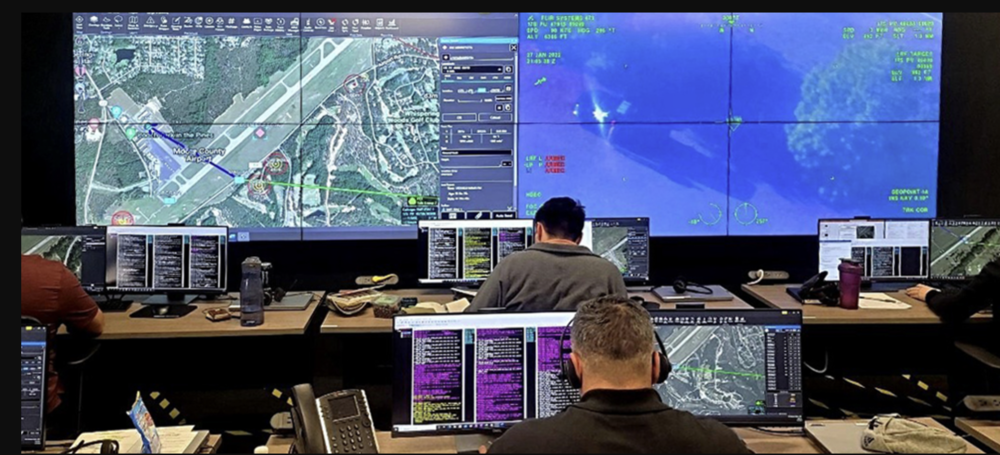
Let’s look at three core systems that form this digital bloodstream across different levels – from tactical to strategic:
- Link 16 is NATO’s standard for data exchange, connecting aircraft, ships, and ground forces into a unified combat network. It enables fast, reliable, and secure data transmission – whether it’s a British fighter jet, an American destroyer, or a Polish air defense battery.
AEGIS is the U.S. Navy’s integrated combat system that turns a warship into a floating command center. With distributed architecture, sensors, radars, and missile systems, everything functions as a single digital organism. AEGIS doesn’t just detect a threat – it often neutralizes it before the target even knows it’s been seen.
ADION is a next-generation Polish tactical communication system. It’s lightweight, mobile, and encrypted – designed for real-world combat conditions and the needs of modern maneuver units. Its role is to maintain a steady flow of information at the tactical level: platoon, company, battalion.
It’s systems like these that make network-centric warfare not just a theory, but a practical reality on the battlefield. They act as the arteries and nerves through which the most critical resource flows – information. And with information comes advantage. And survival. Let’s take a closer look at how this works in practice.
Read also: When AI Nudges Toward Death: The Illusion of a Safe ChatGPT
Link 16: the digital language of war
Imagine a battlefield where every branch of the military speaks a different language – air forces in French, navies in English, ground troops in German. Now try coordinating an airstrike, providing cover for an amphibious landing, or simply avoiding friendly fire. For decades, this kind of fragmented communication was the norm, even among allied forces.
Link 16 changed that. It became NATO’s digital common language – essentially the Esperanto of modern warfare. Today, every F-35 uses it, including Israel’s Adir variant. So do ships, aircraft, air defense systems, ground units, and even satellites.
Link 16 is a highly secure, jamming-resistant tactical data exchange system. Think of it as an encrypted military internet that stitches together the entire combat ecosystem in real time – from AWACS aircraft in the sky to missile batteries on the ground. It’s not just numbers being transmitted; it carries intelligence, target coordinates, commands, text, and even voice communications.

At the heart of Link 16 is TDMA (Time Division Multiple Access) technology. Each second is divided into thousands of microsecond-long “windows,” with every user assigned a precise time slot within the shared spectrum. There’s no overlap, no interference – each node “speaks” during its micro-moment, like soloists in an orchestra playing in perfect sync.
To prevent jamming, Link 16 also employs FHSS (Frequency Hopping Spread Spectrum). The transmission constantly “hops” between 51 frequencies within the 960–1215 MHz band. For an enemy, it’s like trying to hit a target that vanishes and reappears in a new location every second – making interception or disruption extremely difficult.
Link 16 is the backbone of the Common Operational Picture (COP). An F-35 pilot doesn’t just rely on their own radar – they see what the AWACS detects hundreds of kilometers away, what ground-based radars track, and what an AEGIS-equipped ship has locked onto. All of this comes together into a single, integrated battlespace view.
The result? Far greater situational awareness. Far more precise decisions. And far faster reactions.
After Link 16 was integrated into F-15C fighters, air combat effectiveness soared – kill-to-loss ratios improved by over 150% compared to aircraft relying solely on voice communications. This is a vivid demonstration of how information superiority translates directly into combat power.
Initially, Link 16 was limited to line-of-sight communication. But in 2024, during joint experiments with the U.S. Space Development Agency (SDA), a breakthrough occurred: Link 16 successfully transmitted tactical data via low Earth orbit satellites. The implication is clear – this digital language of warfare now flows not only from sky to ground, but also through space.
Read also: When Allies Turn into Rivals: The Core of the Musk–Trump Conflict
AEGIS: the digital shield and spear of the fleet
If Link 16 is the language of network-centric warfare, then AEGIS is its most eloquent and heavily armed speaker. Its name isn’t a marketing invention – it’s a direct reference to the legendary shield of Zeus. But this shield doesn’t just defend; it sees, analyzes, and strikes first.
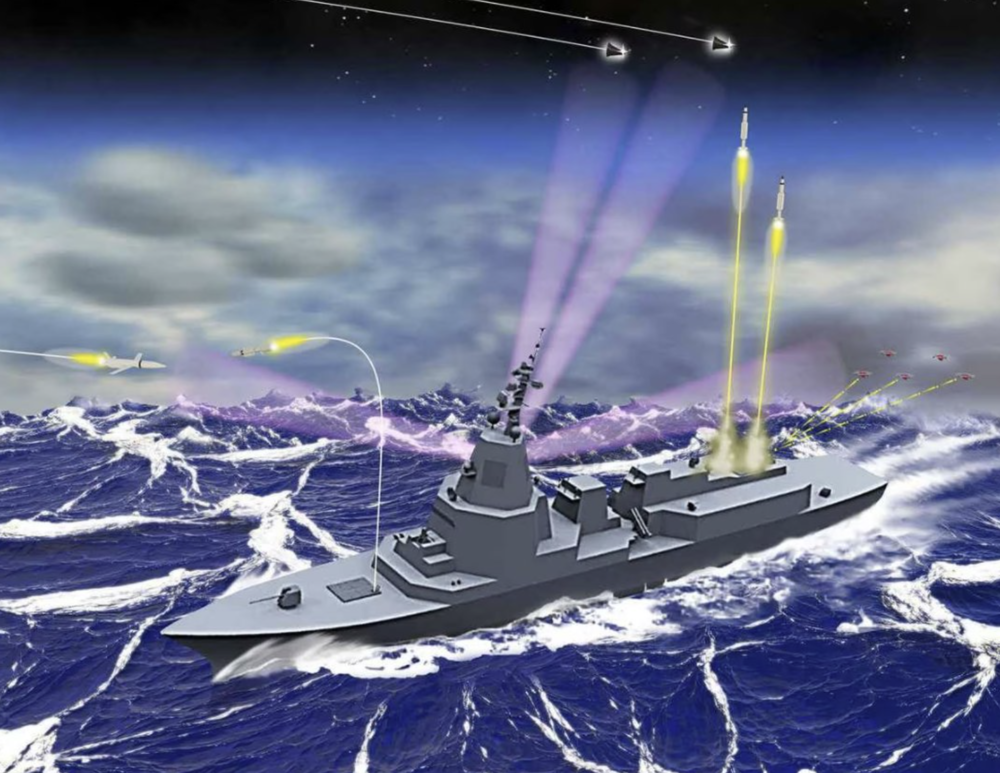
AEGIS isn’t just a system – it’s a full-fledged ecosystem. A true digital brain of the ship, it transforms a vessel into an integrated node on the modern battlefield. First deployed in the 1980s on Ticonderoga-class cruisers and Arleigh Burke-class destroyers, AEGIS has come a long way – and today, its capabilities go far beyond merely defending a ship.
AEGIS is a “system of systems.” It seamlessly integrates radars, sensors, computers, algorithms, and weapons into a single automated architecture. Its mission: to detect, classify, and neutralize any airborne, surface, or missile threat before it gets close enough to strike.
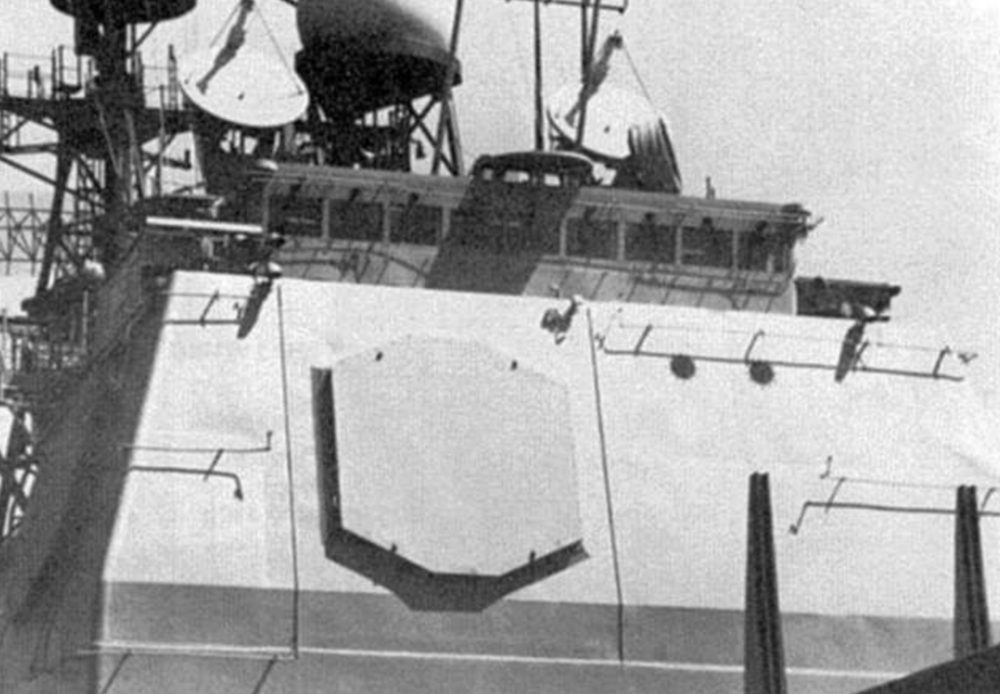
The AN/SPY-1, and now the more advanced SPY-6, are more than just the eyes of a system. They are multifunctional 3D radars with electronic scanning capabilities, able to detect everything moving in the air and on the water within a radius of hundreds of kilometers.
Unlike traditional rotating radars, they do not spin but instead “draw” the situation instantly using electronic beams. They can track over 100 targets simultaneously, guide missiles to them, and scan the horizon for new threats. This technology functions as an electronic shield for the fleet, rather than just a simple radar mounted on a ship’s deck.
Command & Decision serves as the decision-making center. Powerful real-time computing systems analyze data from all sensors, identify threats, prioritize targets, and suggest the most effective way to neutralize them to the operator. Essentially, the ship is capable of autonomous tactical thinking.
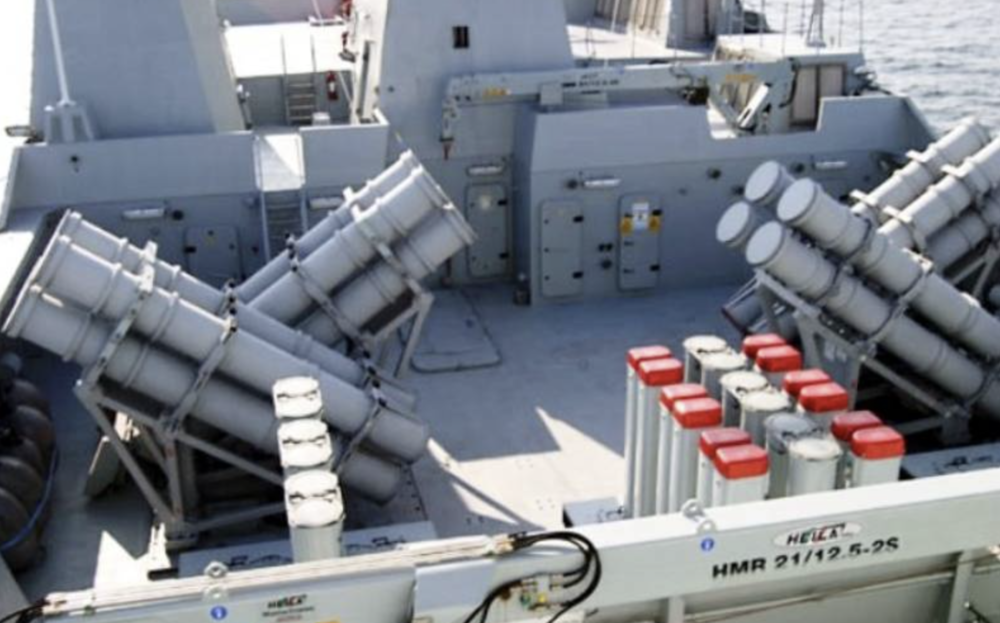
The VLS launcher system functions as a versatile combat platform. From the same missile cells, the ship can launch SM-2, SM-6, SM-3 missiles (for missile defense), or even Tomahawks, which can strike ground targets over 1,500 kilometers away. This means a single ship can both defend the airspace and strike enemy command centers on the other side of a continent.
The key point is that AEGIS no longer operates in isolation. Thanks to protocols like Link 16, AEGIS is not just a defender of its own ship. It acts as a mobile command center that can receive data from external sources, such as the F-35, and even launch missiles at targets it cannot directly detect. It can serve as the eyes for one unit and the hands for another.
This is why ships equipped with AEGIS are a central maritime element of the U.S. and NATO missile defense systems. They protect not only the fleet but also cities, bases, and critical infrastructure. Their role continues to grow.
Contrary to some misconceptions, AEGIS is not outdated. It continues to evolve through ongoing upgrades. In 2025, during the Stellar Banshee exercises, AEGIS successfully detected and destroyed a hypersonic missile for the first time. This is more than just an upgrade; it demonstrates that the fleet’s digital shield is prepared for the challenges of future warfare.
Read also: Microsoft, how many more interns will decide what Windows should be?
RADION: Polish voice in the digital chaos of battle
If AEGIS and Link 16 operate at the strategic level, RADION functions as the frontline soldier in information warfare. In environments where decisions are made in seconds and combat occurs in narrow streets or behind hills, it’s crucial for every unit to have more than just a radio – they need a network that is dynamic, adaptable, and resilient to interference. This is where the Polish tactical communication system RADION, developed by Transbit, comes into play.
RADION is an intelligent combat network designed to provide digital, secure, and interference-resistant communication at the lowest tactical level. In situations where decisions happen rapidly and an operator’s voice on the radio may be the last heard by their unit, this system enables the creation of flexible, self-organizing radio networks based on IP. It functions as a digital ecosystem where each node not only listens but also understands and responds.
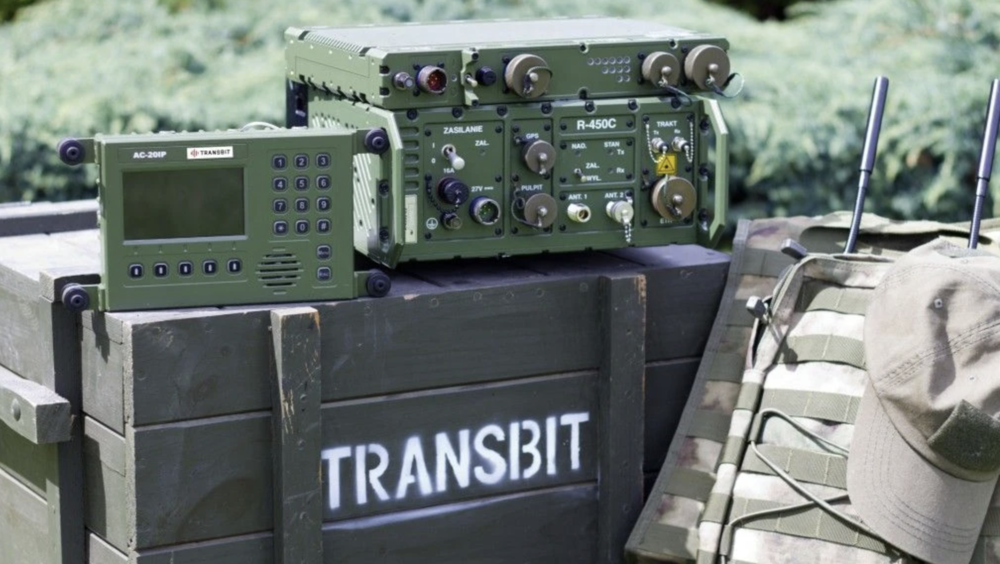
The core of RADION’s mobile component is the software-defined radio station R-450C. This device is more than a simple radio – it acts as a dynamic node within a MANET (Mobile Ad-hoc Network), where each station functions as a receiver, transmitter, and relay. If a direct connection is unavailable, the signal automatically finds an alternative route through nearby nodes. The network essentially rebuilds itself in real time to maintain communication.
On the technical side:
- Band: 225-400 MHz
- Range: up to 30 km
- Bandwidth: up to 8 Mbps
- Supports VoIP, position and command transmission, even video (not 4K, but quite combat-ready)
- Security: AES-256 + fast frequency hopping in accordance with NATO standards
The R-450C operates in demanding conditions – on armored vehicles, in mobile command posts, and in environments with severe radio interference. Most importantly, it delivers stable performance.
However, not all operations happen on the move. For establishing high-speed fixed connections, RADION offers the R-460AM, a Polish equivalent of HCLOS (High Capacity Line-of-Sight). This device enables the linking of forward headquarters with the main network and supports the transmission of large data volumes, such as maps, drone video feeds, and air defense coordination signals.
Figures:
- Range: up to 50 km
- Bandwidth: up to 400 Mbps
- An “information artery” type channel that keeps dozens of combat elements in a single reality.
The system has moved beyond the laboratory and is now in active use by one of Poland’s key defense units – the Naval Missile Division (MJR). Here, RADION connects command vehicles, radars, and NSM launchers, enabling full digital synchronization of strikes.
The most significant breakthrough, however, is its integration with the U.S. IBCS system as part of the Wisła missile defense program. The Polish R-460AM became the first non-American radio station approved for the IBCS network, which is currently the most advanced air defense combat system in the world. This is more than a vote of confidence – it demonstrates that Polish engineering can compete on the same level as major U.S. defense industry players.
Read also: Everything You Need to Know About NVIDIA DLSS 4.0 and Reflex 2: What They Offer and Why They Matter
The future of network-centric warfare: between dominance and vulnerability
Network-centric warfare has already transformed the modern battlefield – this is undeniable. However, like any technological revolution, it brings not only advantages but also new, sometimes critical, vulnerabilities. Its greatest strength – information superiority – is also its most fragile point. What once made armies faster and deadlier can now become their Achilles’ heel.
In the future, warfare will no longer be just a competition between platforms but a race to control the army’s “digital nerves.” The deeper combat units integrate into a unified network, the more pressing the question becomes: what happens if that network is disrupted, hacked, or poisoned from within?
Let’s start with the obvious. In the digital age, there’s no longer a need to destroy a tank with a missile if you can blind its sensors, jam its GPS, or feed false coordinates into its system. Potential adversaries like Russia and China have already identified NATO’s C4ISR systems as primary targets for their electronic warfare forces.
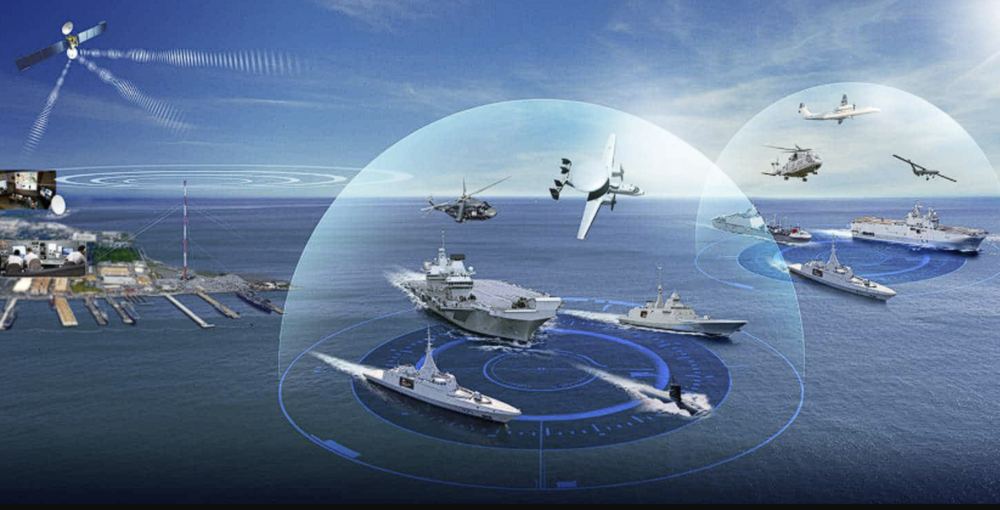
Cyberattacks have become the new artillery. They’re not loud but can be deadly effective. Leaks of critical data, or worse, injecting misinformation into the common operational picture (COP), can cause chaos – friendly fire incidents, false targets, lost momentum, and damaged trust in the systems.
Electronic warfare (EW) can jam communication signals, disrupt command transmissions, or even cut an entire unit off from the network. In these conditions, a combat vehicle essentially becomes a pile of metal – without information, it’s blind, deaf, and disoriented.
There is a paradox: an excess of information can be as dangerous as a shortage. Today’s commanders no longer suffer from a “fog of war” but rather from information overload. The constant stream of data – much of it outdated or irrelevant – can overwhelm thinking and complicate decision-making.
Experience from the Iraq war confirms this: in complex urban environments, information superiority doesn’t automatically translate into tactical advantage. Too many channels, too much noise, and too little time. While analysts sift through clouds of telemetry, the enemy can strike.
Another invisible but critical vulnerability is the reliance on satellite infrastructure. Navigation, communication, and data transmission all depend on orbital systems that cannot be assumed to be invulnerable.
A clear example is Starlink. In 2022, Russia openly threatened to destroy or disable parts of the network, forcing Elon Musk to navigate a delicate balance between business interests and geopolitical tensions.
The destruction of even a few key satellites using anti-satellite weapons (ASAT) could blind the entire digital combat system or disrupt its ability to operate in coordination. When command, communication, and intelligence function as a single system, its collapse can bring down an entire army.
Network-centric warfare is not only about speed and advantage but also about a delicate balance. The side that first masters not only how to use the network but also how to protect it from disruption, misinformation, and overload will gain a decisive edge in future conflicts.
Future victories will not only be won on the battlefield – they will take place in the cloud, in code, and across the spectrum. Control over these domains will mean control over the conflict itself.
Read also: Are Noise-Canceling Headphones Harmful? Insights from Audiologists
The next frontier: The smart grid
Network-centric warfare is evolving. It has moved past the phase of simply “connecting everything to everything.” The focus now is on the quality of the network itself – its intelligence, its ability to learn, adapt, and make autonomous decisions. The next stage of this evolution is a network that thinks.
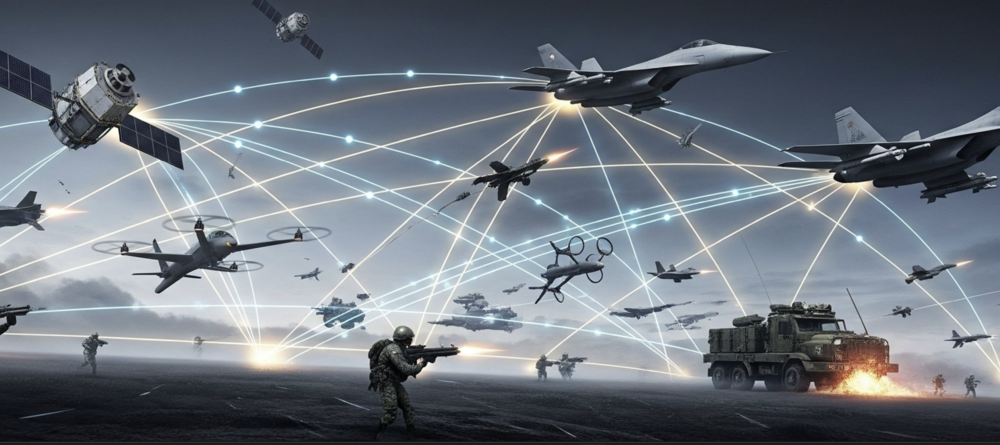
The primary goal is not just to link sensors, commanders, and weapons into a single information framework. The challenge is to make this framework capable of responding, understanding, and predicting. This is no longer just a technical issue – it’s a matter of artificial intelligence.
AI – information overload antivirus
The challenge is clear: too much data can overwhelm a commander, turning the battlefield into a flood of numbers. This is where AI shifts from being a trendy addition to an essential tool. Only algorithms can process terabytes of telemetry, intelligence, and signals from drones and satellites in real time – without human panic, bias, or fatigue.
The point isn’t that AI “knows better.” It’s about delivering filtered, verified, and structured information – not as a chaotic stream, but as a set of actionable decisions: here is the priority threat, its coordinates, and suggested response options with estimated outcomes.

This is no longer theoretical. This is how AEGIS operates, and how the initial elements of the IBCS system function. Interestingly, it’s the AI-enhanced network that enables drone swarms to act as a unified intelligent entity.
Swarms: a new type of combat brain
Autonomous swarms aren’t about uniform attacks – they represent dynamic tactics without a human controller. On the battlefield, drones operate like a school of fish: each unit senses the environment, coordinates movement with others, and adapts its behavior in response to losses or changing threats. This is self-synchronization in action, enabled by MANET, onboard computing, and machine learning.
Such autonomy without centralized control offers maximum speed and minimal vulnerability. This is no longer science fiction but the foundation of future combat platforms.
Goal: multi-domain integration
None of this operates in isolation. The next logical step is to unify all domains of warfare – land, sea, air, space, and cyberspace – into a single system. The goal isn’t just connectivity but ensuring that a fighter jet, submarine, orbital satellite, and cyber unit all share the same real-time picture.
This is the direction IBCS is heading, and it’s only the beginning. The future isn’t just about integrating platforms; it’s about integrating data to create a single “truth” for all levels of command.
A new type of soldier: an analyst with a rifle
This leads to a profound transformation in the concept of a military professional. Whereas physical training, marksmanship, and knowledge of field commands were once sufficient, today’s soldier must understand data, work with algorithms, and both trust and critically assess AI-generated recommendations.
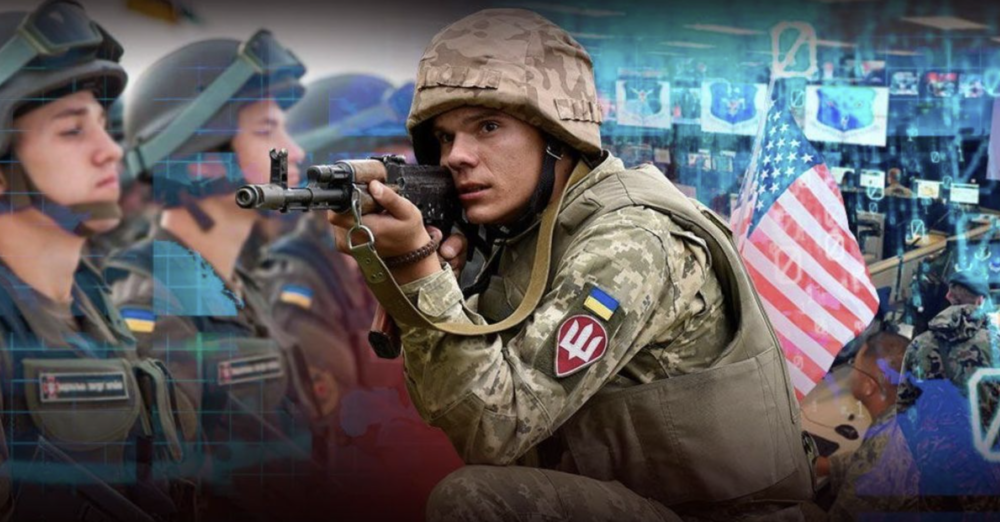
The commander of the future will be more than just a tactician – they will also be an analyst. They’ll need to interpret the battlefield not from a map but from a multidimensional data stream – and do so faster than the enemy can react.
This means military education must evolve. Armed forces will have to develop a new profile: not just a soldier, but a soldier-analyst, an expert in situational awareness who serves as an interface between machine processing and combat intuition.
Read also: Use It or Lose It: How AI is Changing Human Thinking
Philosophy instead of technology
Network-centric warfare is no longer just a collection of gadgets. It represents a new paradigm for thinking about conflict. It is reshaping military affairs much like gunpowder, railroads, or aviation did in the past. This is no longer a matter of choice – it has become the new standard. Those unable to integrate, interpret, and maintain control over the network risk being left behind.
Read also:
- All About Microsoft’s Majorana 1 Quantum Processor: Breakthrough or Evolution?
- Tectonic Shifts in AI: Is Microsoft Betting on DeepSeek?
- Biomimicry: How Nature Inspires Engineers to Innovate

 is rapidly becoming a reality. Today, we’ll take a closer look at this concept of modern warfare.)