




© ROOT-NATION.com - Use of content is permitted with a backlink.
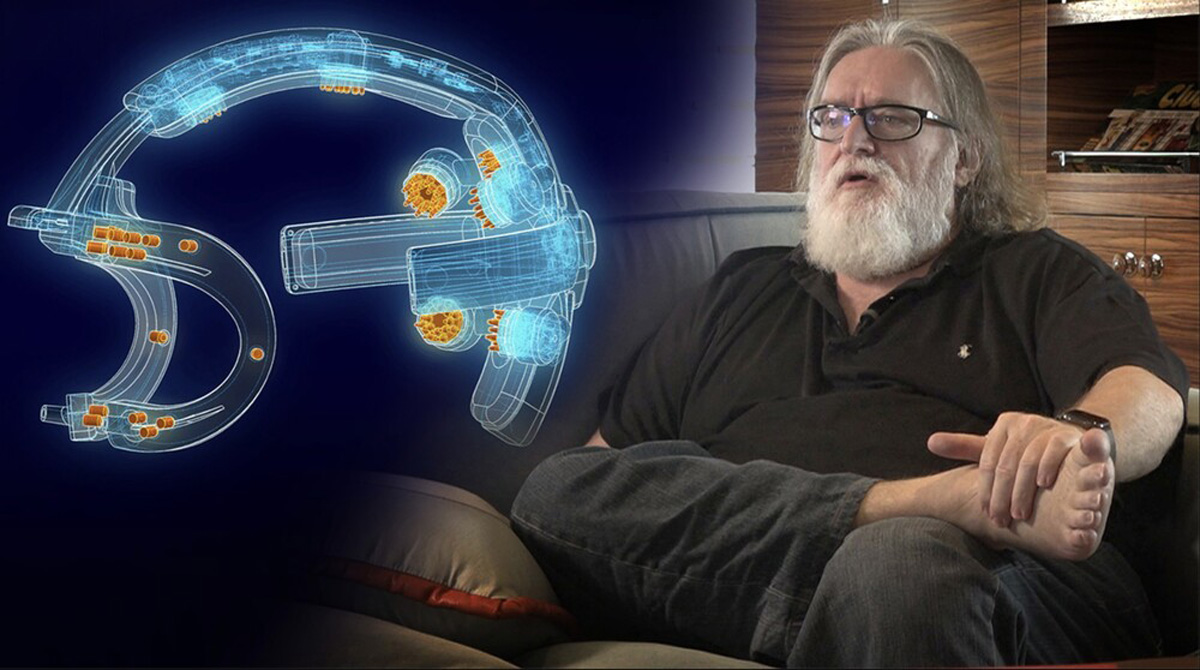
Today we’re taking a look at the progress of Gabe Newell’s Starfish Neuroscience – an ambitious project aiming to rival Elon Musk’s Neuralink.
Gabe Newell, still best known for his contributions to the gaming world, has in fact been playing a very different game for over a decade – one with much higher stakes. Behind the scenes, he’s been quietly building his own brain–computer interface empire, and now it’s time to reveal what he’s been working on.
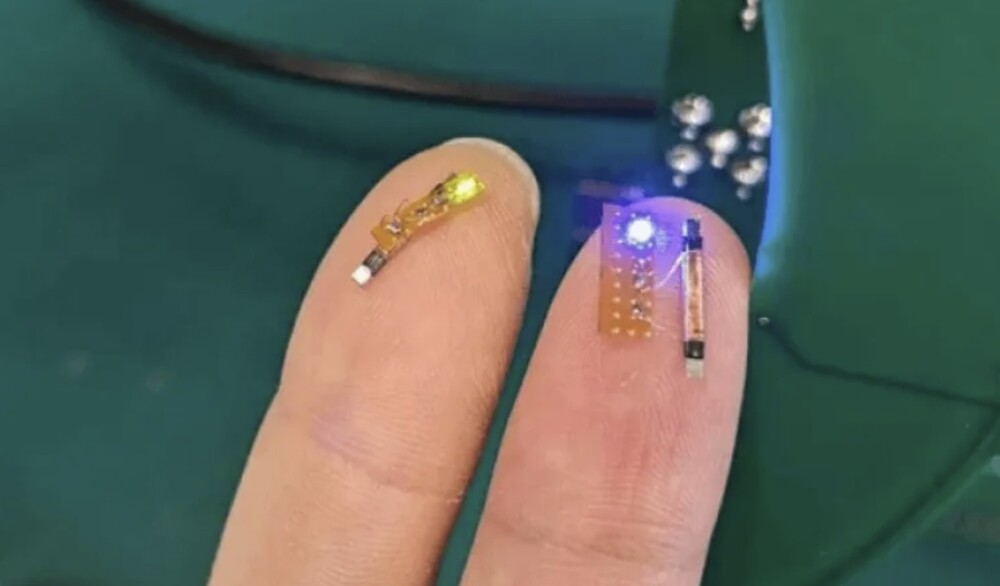
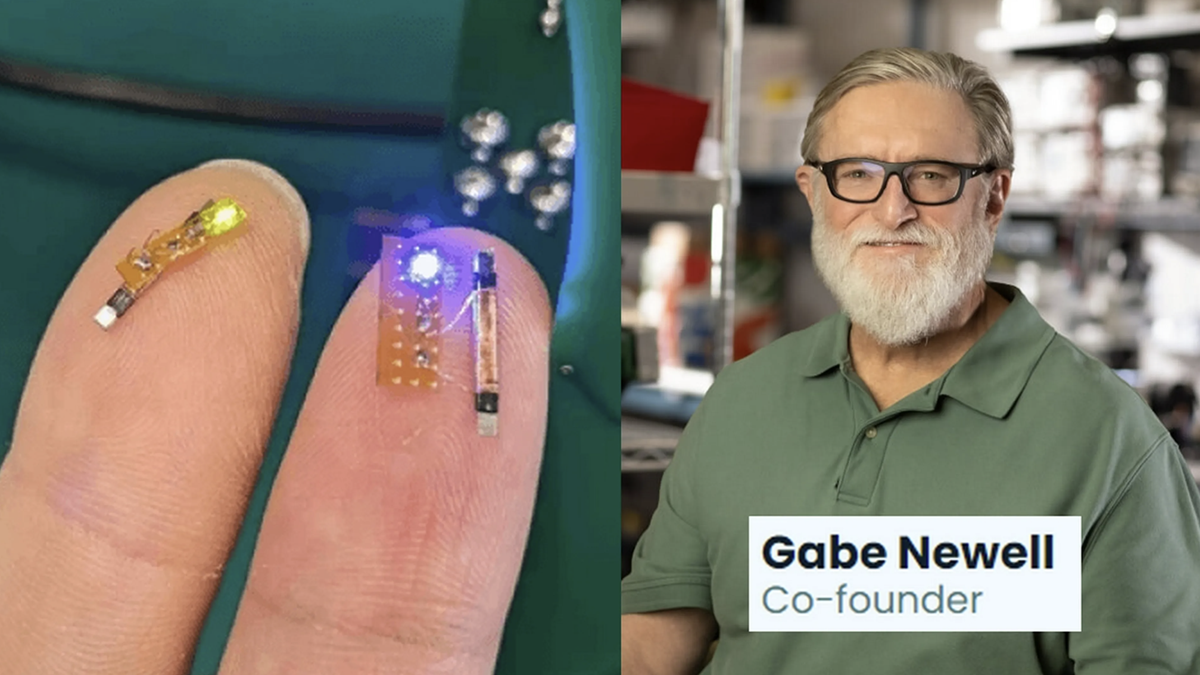
His company, Starfish Neuroscience, has just revealed a major breakthrough: the first brain implant designed to interface directly with multiple regions of the brain. The microchip, measuring just 2×4 mm and consuming only 1.1 mW of power, is a direct answer to Elon Musk’s Neuralink. But Newell is taking a different approach – less spectacle, more focus on real, functional technology.
At first, his goal was to revolutionize gaming – to push it toward full, immersive experiences. But that vision has since evolved. Now, it’s no longer just about entertainment. Newell’s focus has shifted to treating neurological disorders, expanding the limits of human perception, and perhaps even laying the groundwork for a new layer of reality. The game goes on – but this time, it’s no longer just about games.
Read also: Online Safety: How to Protect Your Data – Even When You Let Your Guard Down
TABLE OF CONTENTS:
The valve revolution: From half-life to brain interfaces
Gabe Newell is more than just a player in game development – he’s a strategist who’s consistently stayed ahead of the curve. As the co-founder of Valve Corporation – the company behind Half-Life, Portal, Counter-Strike, and Steam – he’s proven time and again that technology is more than a vehicle for entertainment. It’s a tool for transformation.
But today, Newell is crossing a new threshold. His latest pursuit isn’t about games – it’s about creating a direct link between the human brain and computers. What once sounded like science fiction is now shaping up to be a new kind of platform. This isn’t just about immersive experiences anymore – it’s about accessing consciousness itself, treating the brain, and rethinking the very nature of reality.
A new era is beginning – and once again, Gabe Newell is among those helping to define it. His interest in brain–computer interfaces isn’t just another tech curiosity; it’s part of a carefully considered strategy that’s been maturing for over a decade. Even in Valve’s early years, the company was already exploring the intersection of psychology and gameplay – studying how a player’s body and brain respond to on-screen events. The idea of reading emotions wasn’t a pipe dream; at one point, Valve even considered developing a VR headset equipped with sensors embedded in the earlobes.
At first glance, these might seem like minor details – but it was exactly this kind of observation that sparked an entirely new direction. Valve began digging deeper into brain–computer interfaces (BCI), and by 2019, it presented its first public results at the Game Developers Conference (GDC). At the time, few grasped the scale of what was unfolding. What seemed like a side project was, in fact, the opening move in a much larger game – a game centered not just on interaction, but on controlling the very experience of consciousness.
Steam is more than a platform. It’s a testing ground for the future
In 2024, Steam generated an impressive \$10.8 billion in revenue – but the real story isn’t about the numbers. It’s about scale and influence. With over 89,000 games and 33 million users online at once, Steam offers a near-perfect testing ground for brain–computer interface (BCI) technology in a live, real-world environment. If the future needs a point of entry, this might just be it.
Valve doesn’t just own a platform – it owns attention. And in the coming wave of technological change, attention might be the most valuable currency. Gabe Newell understands this better than most. He’s made it clear: companies that ignore brain–computer interfaces are heading toward technological extinction.
His vision goes far beyond VR or motion controllers. What he’s aiming for is a world where the brain connects directly with the digital realm – no screens, no hands, no physical barriers. Steam, in this context, is just the entry point into something much bigger.
Starfish Neuroscience – Gabe Newell’s secret project
Back in August 2019 – well before brain–computer interfaces (BCIs) became a buzzword – Gabe Newell made a move that few noticed at the time: he quietly registered a company called Starfish Neuroscience. No press release, no media leaks. Just silence – and work.
For years, the team operated in the background, developing neural interface technologies away from the spotlight and far from competitors’ radar. It wasn’t until last year that the company’s website finally changed, offering the first real hint: this is no longer a side project. The game has officially begun.

The Starfish team wasn’t assembled by chance. Alongside Gabe Newell is Alan Yates, a renowned engineer and one of the architects behind the Lighthouse tracking system for Steam VR. But the expertise doesn’t stop there – neuroengineers, physicists, and AI specialists also form part of the group, actively shaping the architecture of a new kind of interaction. This future interface skips screens, mice, and even hands – relying solely on signals, the brain, and machines.
Read also:When AI Nudges Toward Death: The Illusion of a Safe ChatGPT
Starfish Neuroscience philosophy: Less intervention – more control
While Neuralink focuses on surgery, coin-sized implants, and complex operations, Starfish Neuroscience is taking a different approach – one that’s quieter, more precise, and strategically thoughtful. Their concept revolves around minimally invasive interfaces that are so small and efficient, implantation resembles a technical procedure rather than a medical surgery. No pain, no lengthy rehabilitation – just a direct channel between brain and machine.

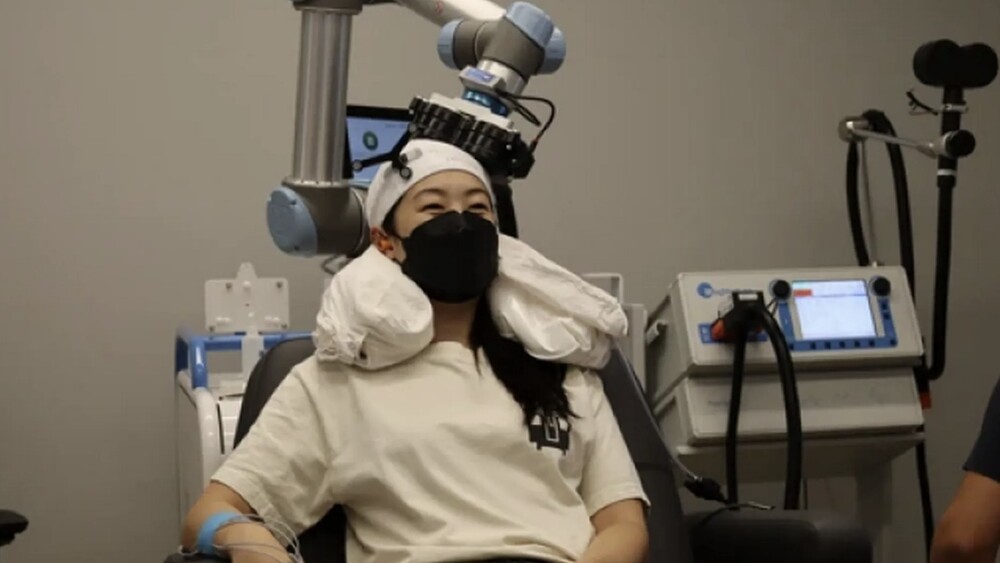
This isn’t science fiction – it’s already at the prototype stage. The company is also developing a robotic transcranial magnetic stimulation (TMS) system capable of precisely targeting specific brain regions without any incisions. Conditions like depression, bipolar disorder, and other neurological issues are all within Starfish’s scope. Here, the focus moves beyond just interfaces – it’s about rebooting neural reality itself.
Read also: How to Prevent Your Laptop from Overheating
A small feature, big possibilities
The Starfish Neuroscience chip is more than just another brain implant – it’s a clear example of how far progress can go when the focus is on results rather than hype.
Measuring just 2 by 4 millimeters and manufactured using TSMC’s 55-nanometer process, it’s a stark contrast to the bulky Neuralink N1 implant, which is 23 by 8 millimeters. This isn’t just an implant – it’s a micro-operator. Nearly invisible, yet with the potential to set a new standard in neurotechnology.
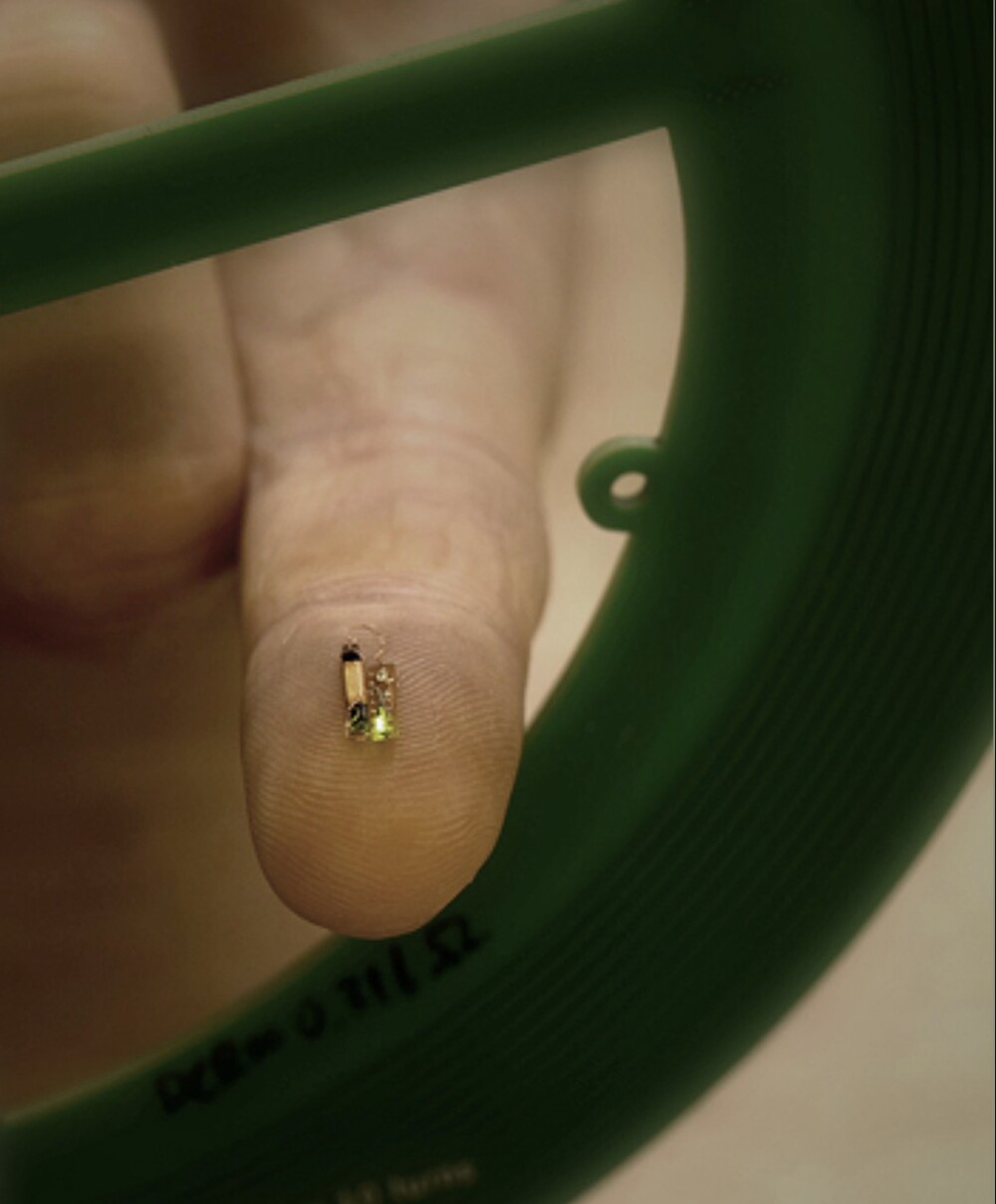
The chip’s power consumption is just 1.1 milliwatts during recording. By comparison, Neuralink requires around 6 milliwatts and needs regular recharging, which isn’t very convenient – for now, at least.
Inside, it features 32 electrode slots, with 16 channels capable of simultaneously reading brain activity at 18.75 kHz. This device doesn’t just listen to the brain – it can respond. It supports biphasic stimulation, has built-in signal processing, and low-bandwidth wireless interfaces, enabling the system not only to read thoughts but to maintain a full two-way dialogue with the brain.
Add to that automatic parameter adjustment, built-in diagnostics, and continuous monitoring of impedance and voltage – and you get a device that doesn’t just “work,” but can adapt to changes in brain tissue in real time. This isn’t just a chip; it’s a foundation for a new kind of human-machine interaction.
Read also: Neuralink Telepathy chip: what it is and how it works
Competition with Neuralink: David versus Goliath
At first glance, both companies share the same goal: connecting the brain to machines. But a closer look reveals that Elon Musk’s Neuralink and Gabe Newell’s Starfish Neuroscience are taking fundamentally different paths, based on contrasting visions of what the brain interface of the future should be.
Neuralink, which received FDA approval in May 2023, focuses on scale – deploying 1,024 electrodes spread across 64 ultra-thin threads. While technologically ambitious, in practice the system remains unstable: one of the first patients experienced detachment of 85% of the threads from the brain. This isn’t just a failure; it’s a serious warning about the vulnerabilities inherent in relying on physical integration.

Starfish takes a different approach. Rather than focusing on a single area – like Neuralink’s emphasis on the motor cortex – Newell’s team aims to work simultaneously with multiple regions of the brain. This is not just an engineering choice but a response to a key challenge in neuroscience: most serious neurological disorders aren’t the result of a single faulty node but rather a breakdown in communication across entire neural networks.
Starfish explicitly states that growing evidence points to disruptions in the integrity of neural circuits as the root cause of many diseases. Conditions like depression, epilepsy, and anxiety disorders are no longer viewed as localized “breakdowns,” but rather as disrupted rhythms in the brain’s orchestra – where it’s crucial not only to detect the individual instruments but also to understand how to restore overall harmony.
Unlike Neuralink, which has already begun clinical trials, Starfish is still in the early stages of development and is actively seeking partners. The company is particularly interested in collaborators specializing in wireless power transmission, communication technologies, and custom design of neural implants.
Read also: Everything You Need to Know About Dolby Atmos FlexConnect Wireless Technology
From Half-Life to The Matrix: a new level of reality
Long before brain-computer interfaces became mainstream, Newell saw them as more than just technology – he viewed them as a tool to “hack reality.” In a 2020 interview with IGN, he stated plainly: “We are much closer to the Matrix than people realize.” This isn’t just a cyberpunk fan’s quote; it marks the starting point for creating an entirely new experience of existence.
Valve has been testing its brain-computer interface for years in an environment where the technology is immediately challenged by emotions – video games. In collaboration with OpenBCI, the company is developing Galea, a next-generation headset integrated with the VR Index. This device is more than just an immersive tool – it acts as a direct link to human consciousness. The system can already detect whether a player is bored, happy, scared, or frustrated.
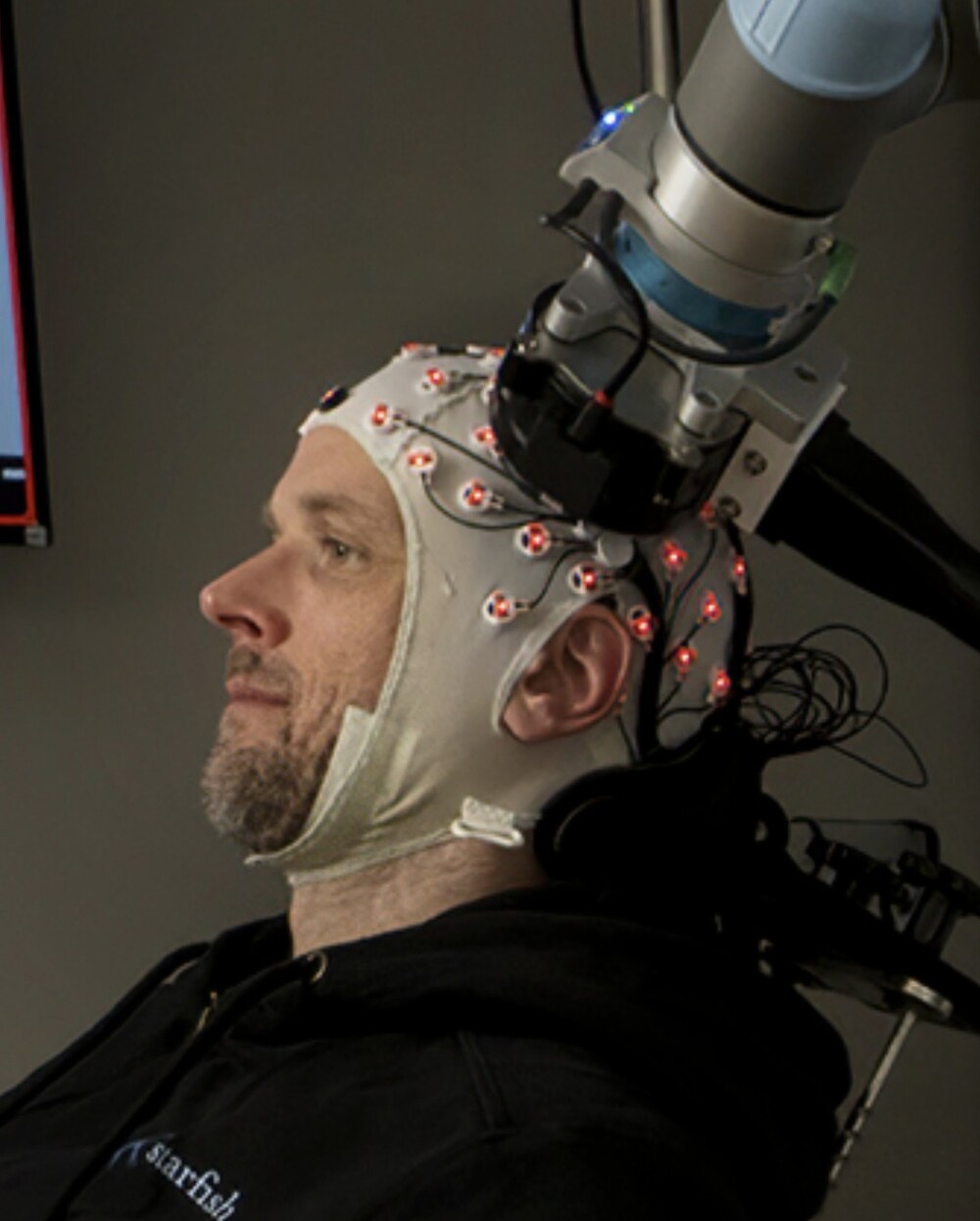
Newell envisions the next step as dynamic, real-time difficulty adjustment and fully personalized worlds that not only read your emotions but respond to them. Beyond that lies something deeper: transmitting sensations, altering emotions, experiencing oneself as another person, and directly writing information into the brain.
Read also: Everything You Need to Know About NVIDIA DLSS 4.0 and Reflex 2: What They Offer and Why They Matter
“Meat peripherals” and future perception
According to Newell, everything we currently call “gaming” still passes through the filter of the body – through what he calls “meat peripherals”: eyes, hands, hearing, reactions. This process is slow, limited, and inefficient. He believes the real breakthrough will come when we connect directly to the brain. At that point, the physical world will seem like a primitive version of reality – flat, dull, and blurred compared to what can be created inside the mind.
This is not fantasy – it’s almost a technical specification at this point. According to Newell, connecting to the motor and visual cortex has proven less complicated than expected. The real challenge lies in creating authentic sensations, like cold or heat, where the immune system becomes involved. The brain is ready, but the body is a more complex system than it appears.
Read also: Use It or Lose It: How AI is Changing Human Thinking
A pipe dream or a reality?
As of now, Starfish Neuroscience is in the early stages of commercialization. The company is deliberately avoiding bold claims about fully developed power systems or ready-made implantation methods. This is part of their strategy. Instead of spreading resources thin across multiple fronts, Starfish focuses on what matters most – the electrophysiological core of the system. In other words, the chip that will serve as the heart of future neural interfaces.
In the context of the explosive growth of the BCI market, this approach could be the most forward-thinking decision. Rather than building the entire ship at once, Starfish focuses on creating its engine – the chip – thereby avoiding the challenges already troubling competitor projects. A prime example is Neuralink, which struggles with critical implant instability and physical disconnection of the threads. Starfish opts for precision over showy power.
Another key factor is Gabe Newell’s commercial intuition. The man who turned Steam into a platform generating over \$10 billion in annual revenue clearly understands how to scale technology, ensure its stability, make it attractive for developers, user-friendly, and most importantly – profitable.
And if someone thinks that brain interfaces are a risky venture, for Newell it’s just another level.
Read also: Are Noise-Canceling Headphones Harmful? Insights from Audiologists
From smartphones to smart brains
The competition between Starfish Neuroscience and Neuralink is set to be intense. However, Starfish has an advantage that Elon Musk’s company lacks: a minimally invasive multiregional architecture. This isn’t just an alternative approach – it represents a fundamentally different method for neural interfaces. This distinction could give Starfish a decisive edge in the field.
The success of this project could do more than open new possibilities for treating complex neurological disorders. It has the potential to fundamentally reshape how we think about entertainment, education, communication, and the very way we interact with digital environments.
Naturally, the idea of directly connecting the brain to electronic systems raises not only excitement but also concern. We are approaching a point where concepts like privacy, identity, and even free will may need to be reconsidered. These issues are no longer theoretical – they are becoming practical challenges.
The question is no longer whether brain-computer interfaces will become widespread. Instead, the focus is on when this will happen – and who will control this new reality. Whoever holds that control stands to gain the most benefit.
Read also:
- Tectonic Shifts in AI: Is Microsoft Betting on DeepSeek?
- All About Microsoft’s Majorana 1 Quantum Processor: Breakthrough or Evolution?

