




© ROOT-NATION.com - Use of content is permitted with a backlink.
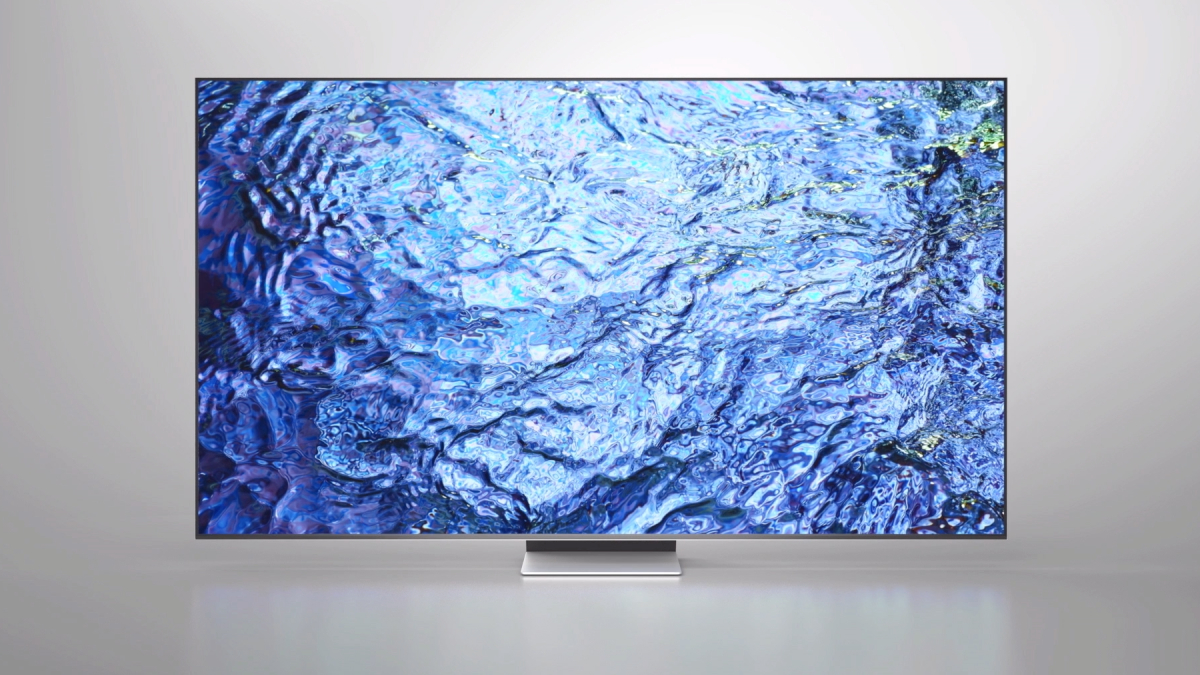
For 19 consecutive years, Samsung has maintained its position as the global leader in the TV market, focusing on quality, innovation, and cutting-edge technology. In 2024, the company once again ranked first worldwide in terms of sales – particularly in the premium segment.

At the core of this success are Samsung’s QLED TVs, which have earned international certification for true quantum dot technology, as well as recognition for color accuracy and environmental sustainability. Nearly all Samsung TVs – except for a few models like the 32T4500, 32T4510, 43T5300, 43LS05B, and 115QN900F produced in Vietnam – are manufactured in the EU and meet European quality standards. Let’s take a closer look at what this means in practice.
TABLE OF CONTENTS:
19 years of leadership in the global TV market
According to research firm Omdia, Samsung held a 28.3% share of the global TV market in 2024, maintaining the top position it has occupied since 2006. This continued success is largely driven by the company’s focus on innovation in flagship and extra-large screen TVs, as well as the integration of AI technologies. Samsung has further solidified its lead in both the premium and ultra-large display segments. In the premium category – defined as TVs priced over \$2,500 – Samsung commands nearly half of the global market, with a 49.6% share. In the 75-inch and larger segment, the company also leads with a 28.7% market share.
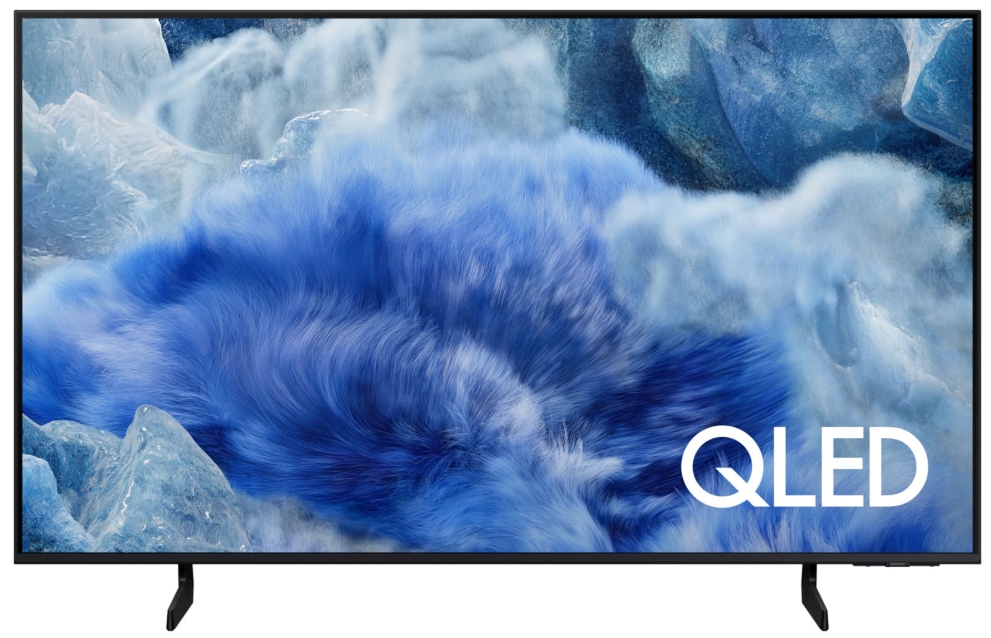
Samsung continues to hold a leading position in both the QLED and OLED segments, reflecting the company’s strong presence in the premium TV market. In the QLED category, Samsung commands a 46.8% share, with 8.34 million units sold – clearly demonstrating its dominance. Globally, the QLED segment itself has grown significantly, surpassing 10% of total TV sales for the first time. In the OLED category, Samsung sold 1.44 million units in 2024, capturing 27.3% of the OLED TV market. Compared to the previous year, this represents a 42% increase in unit sales and a 4.6% rise in market share. These figures point to growing consumer demand for Samsung’s OLED technology and the company’s expanding footprint in this segment.
At CES 2025, Samsung introduced its new Vision AI technology – an innovation in AI-powered display systems that goes far beyond traditional entertainment features. Vision AI is designed to analyze user preferences, intent, and behavioral patterns to deliver a highly personalized and seamless viewing experience. This marks a significant step forward in the evolution of smart home displays.
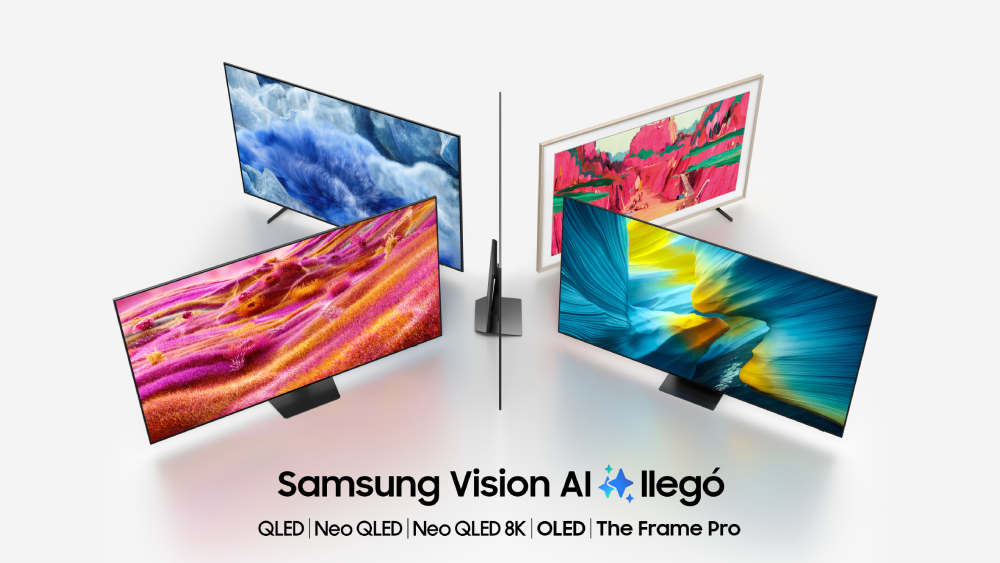
This year, Samsung is also expanding access to its digital art platform, the Samsung Art Store, which was previously exclusive to The Frame series. The service is now available on Neo QLED and QLED models, allowing more users to explore and display personalized digital artwork. With this move, Samsung continues to reinforce its leadership in the TV market while reshaping home entertainment and art through innovative technologies.
Read also: Why Quantum Dot Displays Stand Out: The Case of Samsung
Leadership in the QLED segment
Samsung has long established itself as a leader in the QLED TV segment, which is based on quantum dot technology. This approach marked a major breakthrough in display development, significantly improving image quality, increasing brightness, and expanding the color range – resulting in a more vivid and immersive viewing experience. It’s this adoption of quantum dot technology that has helped Samsung secure a dominant position in the premium TV market.

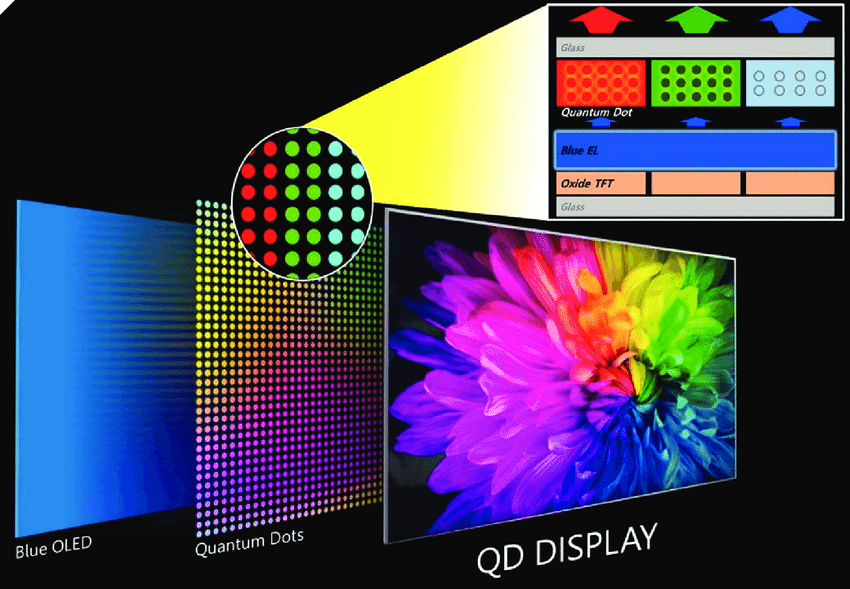
QLED stands for Quantum Dot Light Emitting Diode – a technology that relies on nanocrystals known as quantum dots. These tiny particles, often just a few nanometers in size, emit specific wavelengths of light when illuminated. Thanks to their unique optical properties, quantum dots can deliver vibrant, accurate colors while keeping energy consumption low. Unlike traditional LED panels, where light passes through multiple layers of filters, QLED displays use quantum dots to enhance color reproduction more efficiently. This results in improved contrast, sharper detail, and a more vivid image overall.
Samsung continues to invest heavily in advancing its quantum dot technology, enabling the production of TVs with higher brightness, improved color accuracy, and better energy efficiency. As a result, the company sold over 8 million QLED TVs in 2024, capturing 46.8% of the global market in this segment. This figure reflects the strong popularity of QLED devices among consumers who prioritize image quality and long-term performance.
Quantum dot technology also offers a wide color gamut, enabling the reproduction of more shades than traditional displays. This is particularly important in the premium segment, where users expect the highest image quality. Additionally, QLED TVs deliver high brightness levels, ensuring comfortable viewing even in well-lit rooms, along with a long lifespan without significant degradation in performance.
Samsung Vision AI, integrated into the latest QLED TV models, enhances the user experience by automatically adjusting the image based on ambient lighting and the content being viewed. This optimization maximizes the potential of quantum dot technology, delivering visuals that are sharper, richer, and more natural.
Read also:Main Differences Between LED, OLED, and QLED in TVs
TÜV Rheinland certification
In May of this year, Samsung announced that its latest QLED TV series received the “True Quantum Dot” certification from TÜV Rheinland, an international certification body based in Germany. This certification confirms that Samsung QLED TVs meet global standards for quantum dot display design.
According to TÜV Rheinland, Samsung TVs incorporate components identified in the International Electrotechnical Commission (IEC) technical report 110/1749/DTR as quantum dot technology – specifically, the presence of a QD matrix and a blue LED. This IEC report, along with the TÜV Rheinland certification, helps clearly define the standardization of the technology.
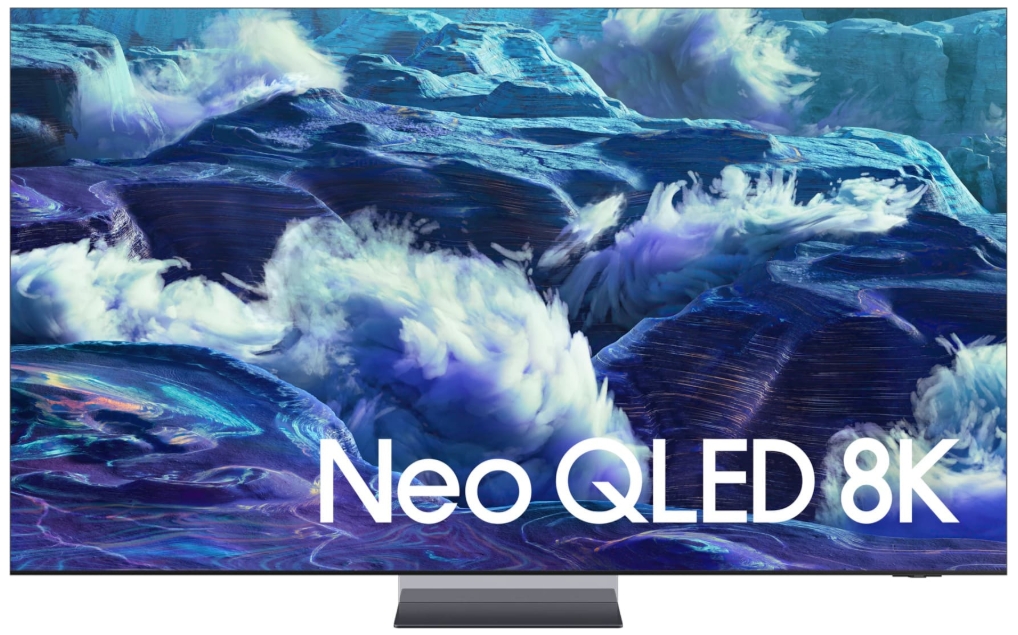
During the certification process, TÜV Rheinland analyzed the light spectrum emitted by Samsung QLED TVs and confirmed clear separation of red, green, and blue colors – a key indicator of accurate color reproduction. Thanks to the use of quantum dots, these TVs deliver bright and precise colors, unlike displays made from other materials where colors can blend or images become less sharp. This certification officially recognizes Samsung QLED TVs as true quantum dot displays, further distinguishing the company’s products from competitors and strengthening consumer confidence in its premium TV technology.
The certification covers several TV series, including Neo QLED 8K models (QN990F, QN950F), Neo QLED 4K models (QN90F, QN85F, QN80F, QN70F), and QLED 4K models (Q8F, Q7F, Q6F).
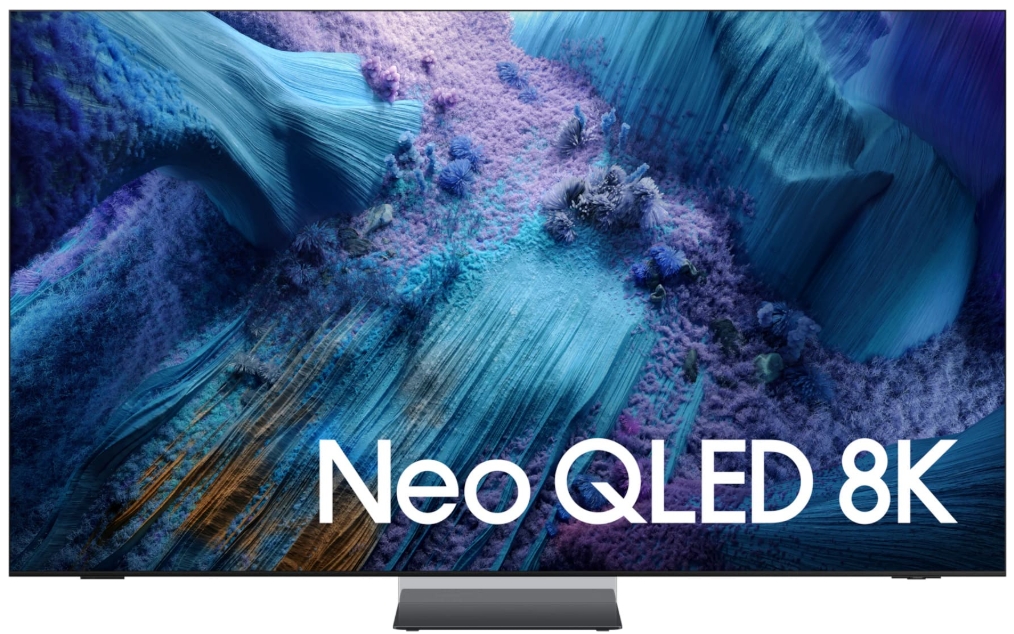
Quantum dots are extremely small nanomaterials, tens of thousands of times thinner than a human hair. They are known for their ability to produce bright and accurate colors based on the wavelength of light. Integrating quantum dots into display panels has become a key technological milestone in the development of premium television models.
Additionally, Samsung’s quantum dot technology has been recognized by the global testing organization Société Générale de Surveillance (SGS) for its environmentally safe design that is free of cadmium – a toxic heavy metal posing health and environmental risks. While some QLED TVs do contain cadmium, its use is regulated as a hazardous substance under Directive 2011/65.
Samsung continues to maintain a strong leadership position in the TV market by combining innovation, vibrant picture quality, and environmental responsibility. With true quantum dot technology, advanced AI features, and recognition from global experts, Samsung’s TVs are positioned not just as devices, but as integral parts of modern lifestyles. The company appears poised to keep accelerating its growth.
Read also:

