



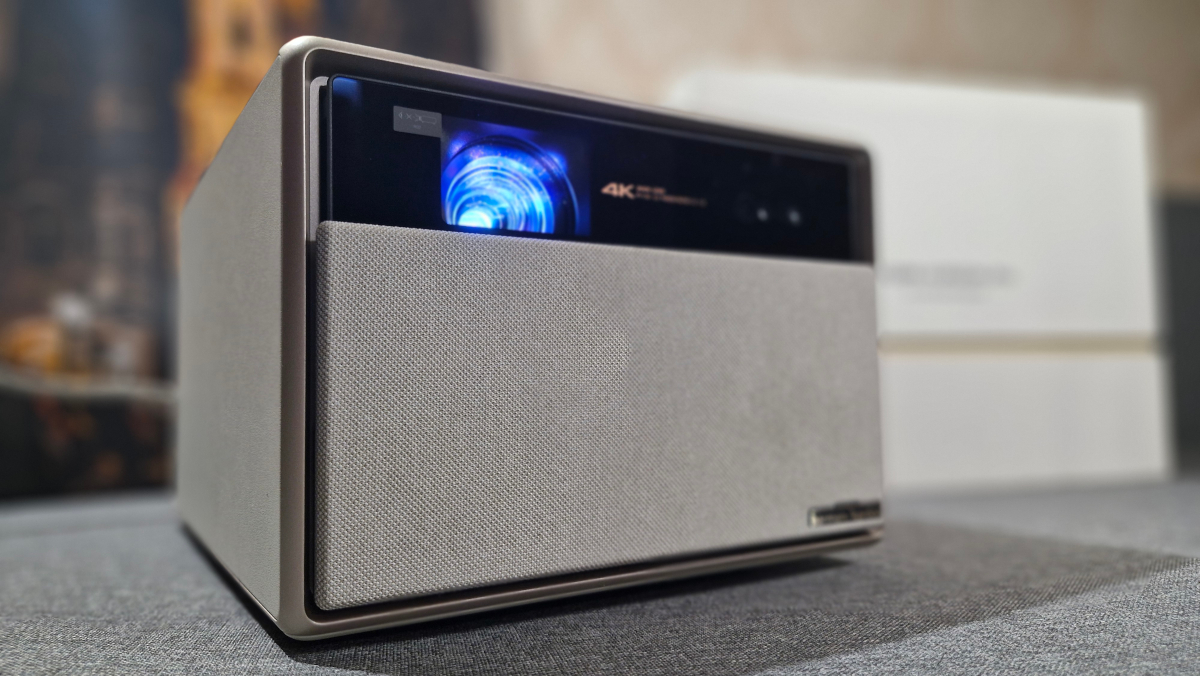

© ROOT-NATION.com - Use of content is permitted with a backlink.
Since XGIMI has released a wide range of new projectors on the market – from the affordable MoGo 2 Pro to the high-end AURA 2 – I decided to provide an overview of the current lineup. The most useful way to do this is by offering a guide based on different user needs.
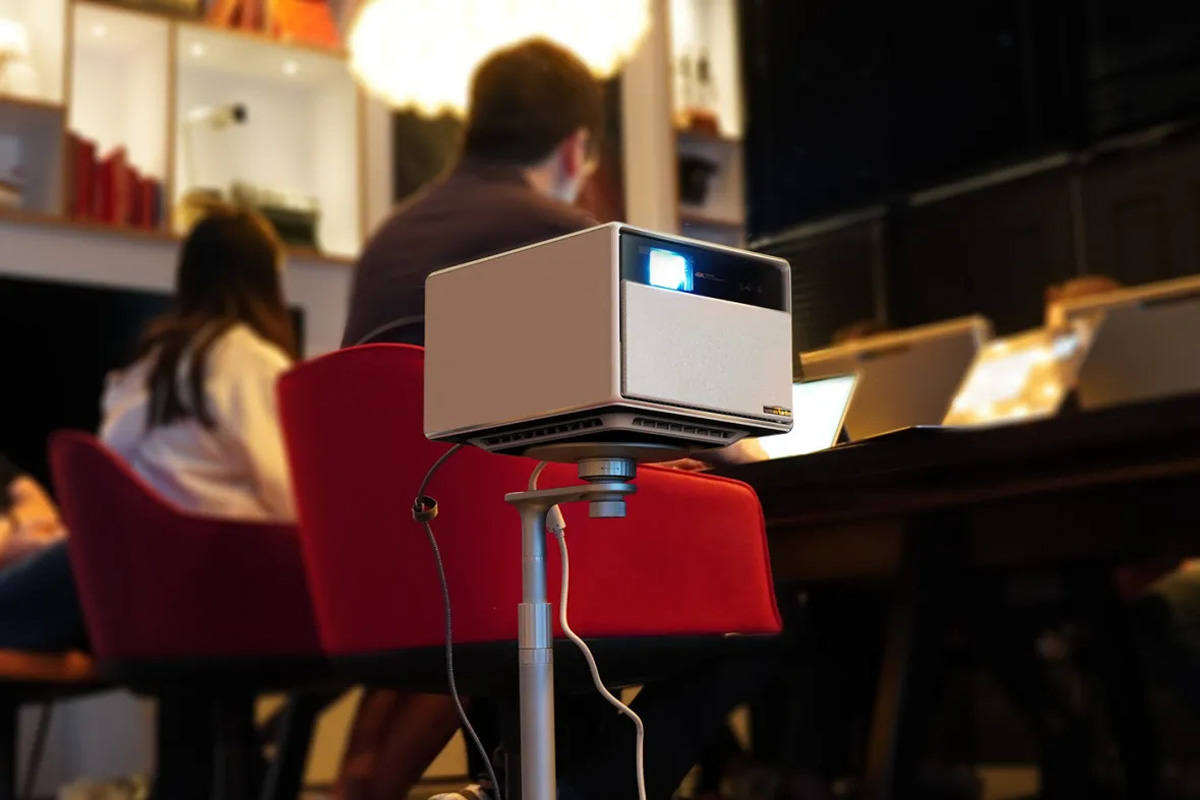
I will divide all models into several categories using two main classifications: portable projectors and home theater systems. It’s also worth noting that these categories can be influenced by additional factors – such as whether you plan to improve image quality using XGIMI’s proprietary UST ALR Screen, increase portability for larger models with the Floor Stand accessory, or mount the projector to the ceiling using the official mount designed for the XGIMI HORIZON.
But first, a brief historical overview. XGIMI was founded in 2013 in Chengdu. The company went public on the Shanghai Stock Exchange in 2021, and by 2024 it had become the world’s number one in home projector shipments and revenue – holding 6.2% and 10.5% of the market respectively, according to IDC data. Its founder, Apollo Zhong, stated that the brand’s mission was to “bring cinema back home.” Judging by the products, it’s fair to say they have largely succeeded.
Notably, over the years, XGIMI has partnered with companies like Texas Instruments, Harman Kardon, and even Google directly. Since its founding, the company has sold more than 6.5 million devices, earned over a hundred international awards, secured nearly 1,100 patents, and attracted investments exceeding one billion yuan. Naturally, this has allowed XGIMI to build a comprehensive product lineup. Now, let’s take a closer look at what they offer.
TABLE OF CONTENTS:
Portable projectors
Let’s start with the most portable option. The XGIMI Elfin Flip stands out for its built-in hinge integrated directly into the body, making it highly compact and easy to position. It runs on XGIMI OS, a straightforward and responsive system that launches content quickly without unnecessary features. Thanks to its adjustable tilt mechanism, the Elfin Flip can be aimed at the ceiling or set at an angle without needing extra stands.
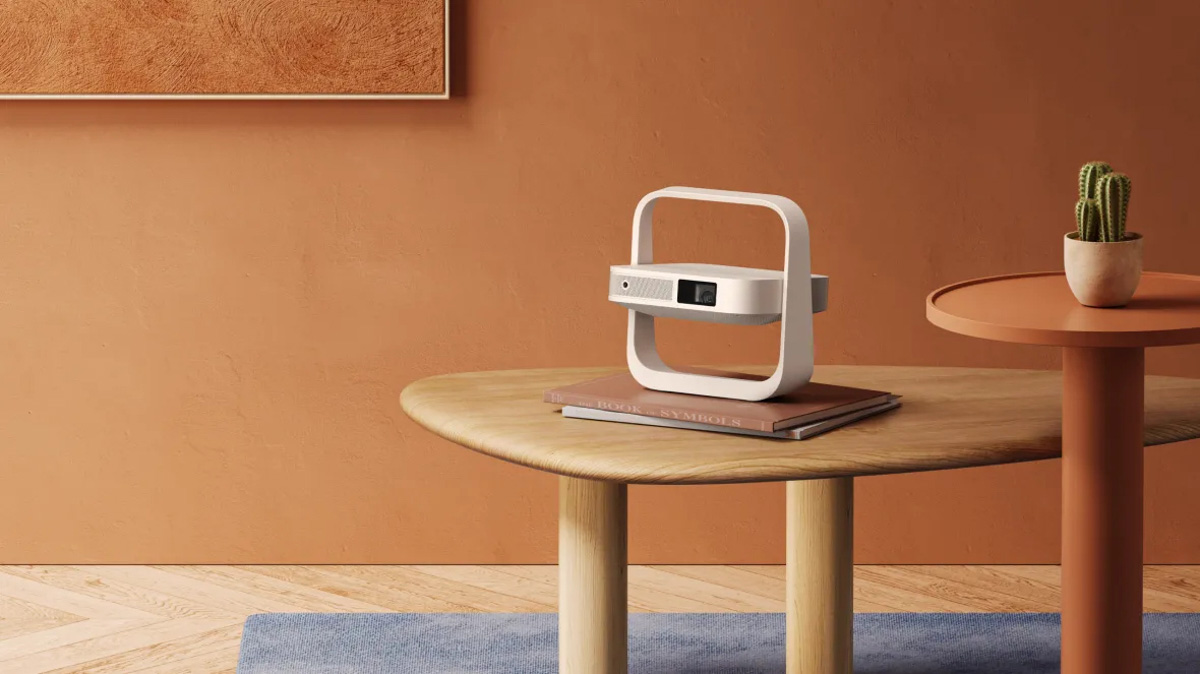
Despite its compact size – it weighs just 1.18 kg – the Elfin Flip is versatile. It supports HDR10 and can project images ranging from 80 to 150 inches with a brightness of up to 400 nits. The projector also automatically corrects trapezoidal distortion, ensuring a properly aligned picture. It’s suitable for gaming as well, with an input lag of just over 26 milliseconds.
The XGIMI MoGo 3 Pro is another portable-focused projector. It offers a wider projection range, from 40 to 200 inches, with a slightly higher brightness of up to 450 nits. Like the Elfin Flip, it features a built-in hinge for easy positioning, but it also supports USB-C connectivity and can be powered using XGIMI’s proprietary PowerBase Stand. Notably, the MoGo 3 Pro is XGIMI’s first portable projector to come with Google TV and full Netflix certification straight out of the box, making it a convenient choice for streaming anywhere.

The XGIMI Halo+ takes versatility in a different direction – it includes a built-in 3,200 mAh battery, allowing for up to 2.5 hours of playback even during a power outage. Like the MoGo 3 Pro, it can be powered via USB-C at 65W, but it also has the added ability to function as a power bank, which is a particularly practical feature for use on the go or during emergencies.
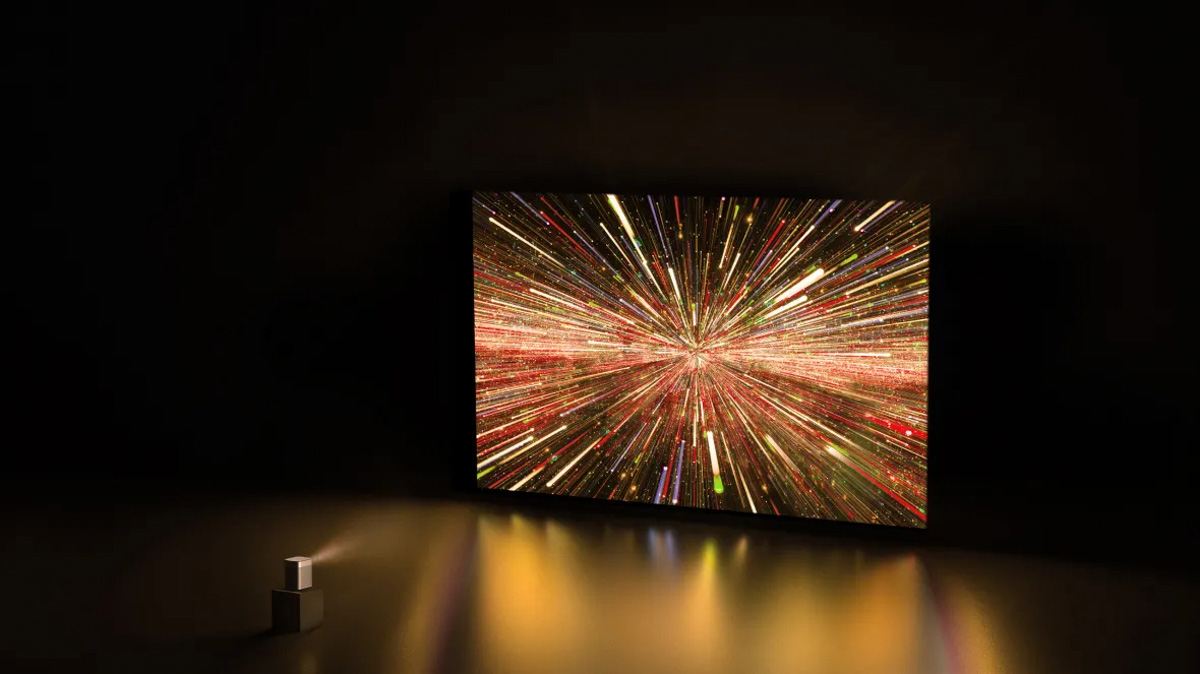
The Halo+ also stands as the flagship among XGIMI’s portable projectors. It offers the longest battery life in the lineup, the loudest audio in its class, and low input lag – making it a viable option even for console gaming. It delivers up to 900 nits of brightness, includes autofocus, and operates quietly at around 30 dBA.
All of these portable projectors support Full HD resolution and feature Harman Kardon speakers ranging from 6 to 16 watts. They come equipped with Wi-Fi 5 and Bluetooth up to version 5.1, making them well-suited for movie watching on the go – or simply in different rooms around the house.
Home cinema systems
The priority of these particular models is clearly different. Models like the Horizon and Horizon Pro, Horizon S Pro and Horizon S Max, Horizon Ultra, and Aura 2 focus on delivering the highest possible image quality. In other words, these are not portable movie projectors for the backyard or a picnic – they are designed to replace traditional televisions. And as such, they emphasize brightness, reliability, and minimal portability.
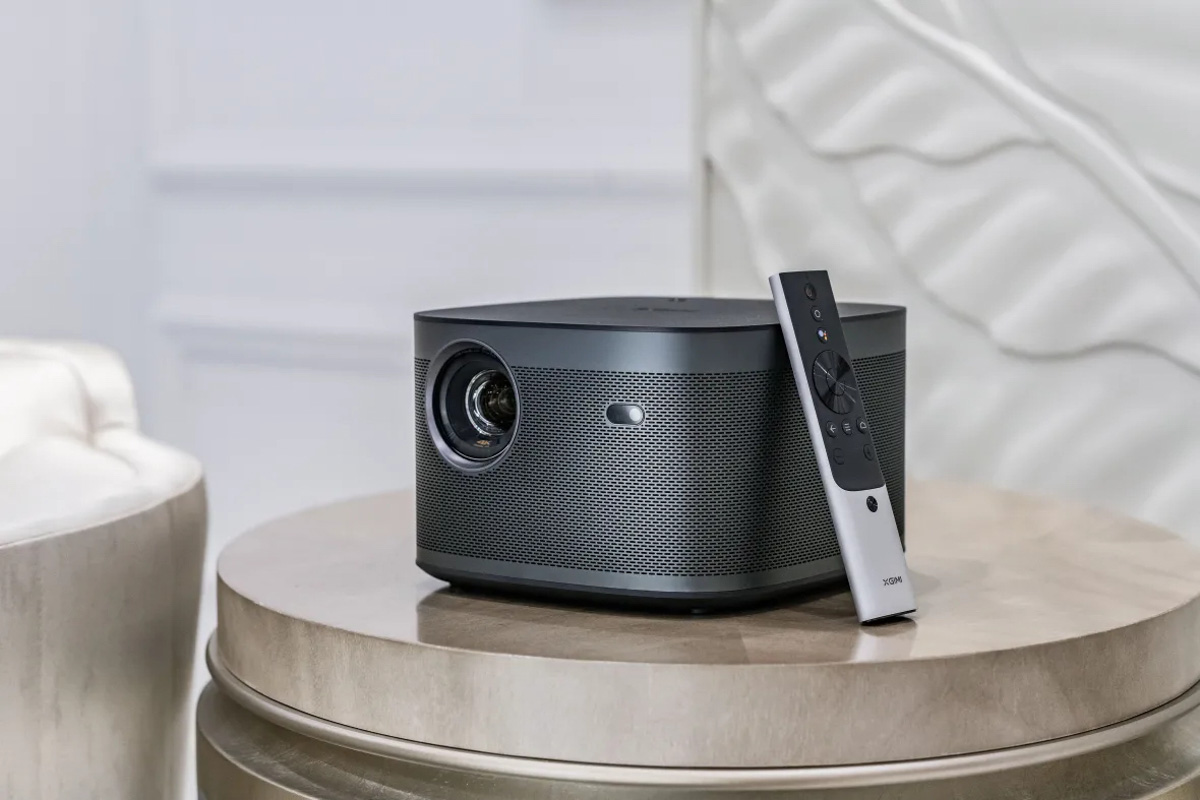
The entry-level model in this category is the XGIMI Horizon, featuring peak brightness of 2200 nits, a 16-watt audio system, and autofocus. The XGIMI Horizon Pro offers similar specs but adds 4K output – meaning sharper text, more detail in HDR content, and better performance on large screens of 120″ and above. Both models support Bluetooth 5, Wi-Fi 5, Android TV, automatic keystone correction, and autofocus. Each weighs just under 3 kg.
Next are the models where image quality goes hand in hand with sophisticated design – perfect for a thoughtfully arranged home theater room.
The XGIMI Horizon Ultra (which we reviewed recently) belongs to the premium segment, where design plays just as important a role as image quality. With brightness up to 2300 nits, autofocus, and advanced keystone correction via the ISA 3.0 system, it’s both a powerful and stylish choice.
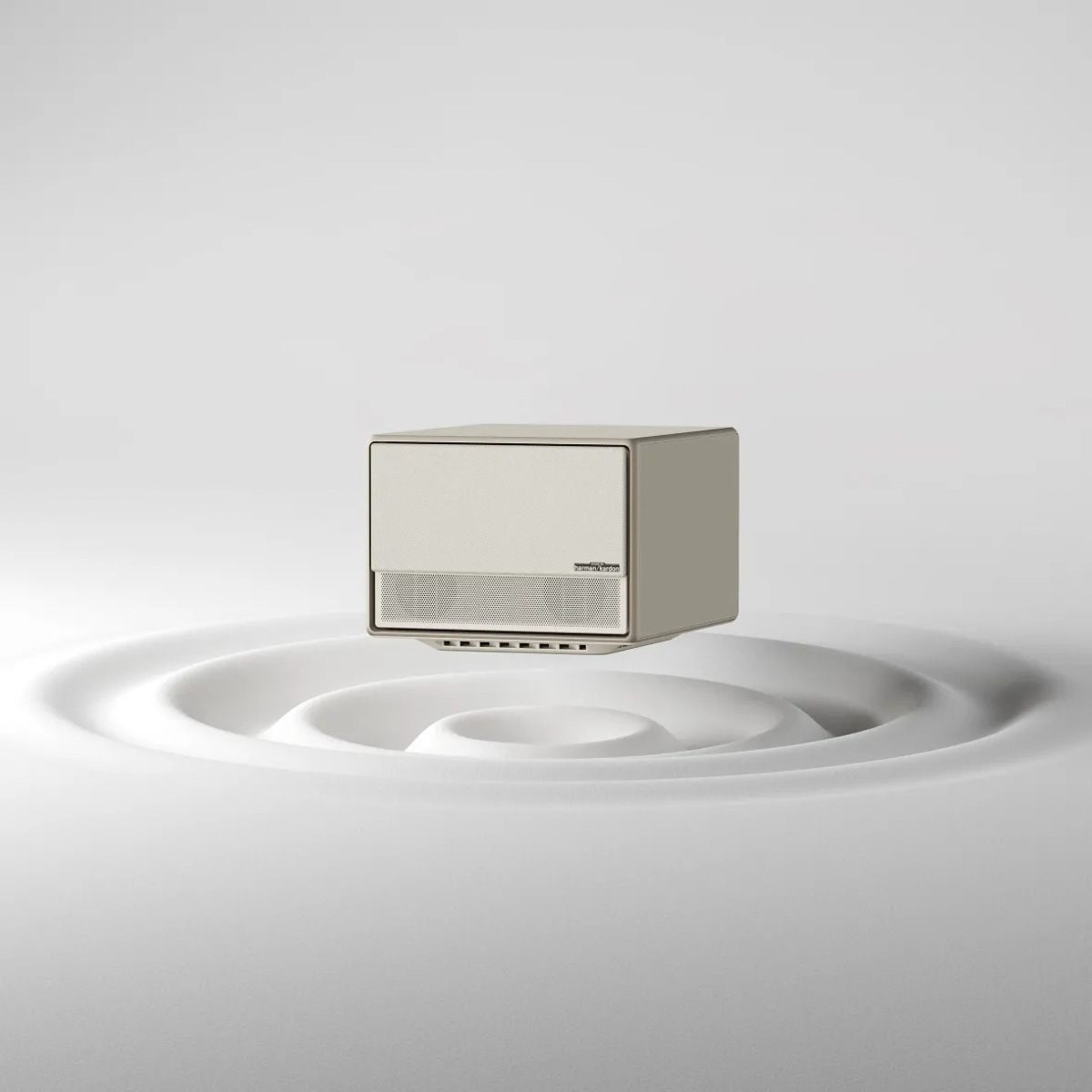
Its main feature is the Dual Light illumination system, which helps deliver solid color accuracy and contrast for its price point. The projector also includes a 24-watt speaker system and support for Wi-Fi 6. Notably, it’s the first XGIMI model to offer Dolby Vision support, adding more depth and range to color reproduction. The Horizon Ultra is also the only projector in the lineup with a premium fabric finish, designed to blend into open spaces and interior-focused setups.
The XGIMI Horizon S Pro and Horizon S Max share a similar fabric-covered design, but stand out with a built-in mounting bracket and a noticeable leap in specs. Both models support keystone correction and autofocus via the ISA 5.0 system, deliver 24-watt Harman Kardon audio, and can project 4K images up to 200 inches in size.
Where they differ is in brightness: the Horizon S Pro reaches up to 1700 nits, while the Horizon S Max pushes that all the way to 3000 nits – making it the brightest projector in XGIMI’s lineup. The S Max also features Triple Light technology, aimed at maintaining vivid colors even in well-lit rooms. Meanwhile, the S Pro leans closer to the Horizon Ultra in terms of color quality, but offers a more flexible, installation-friendly design.
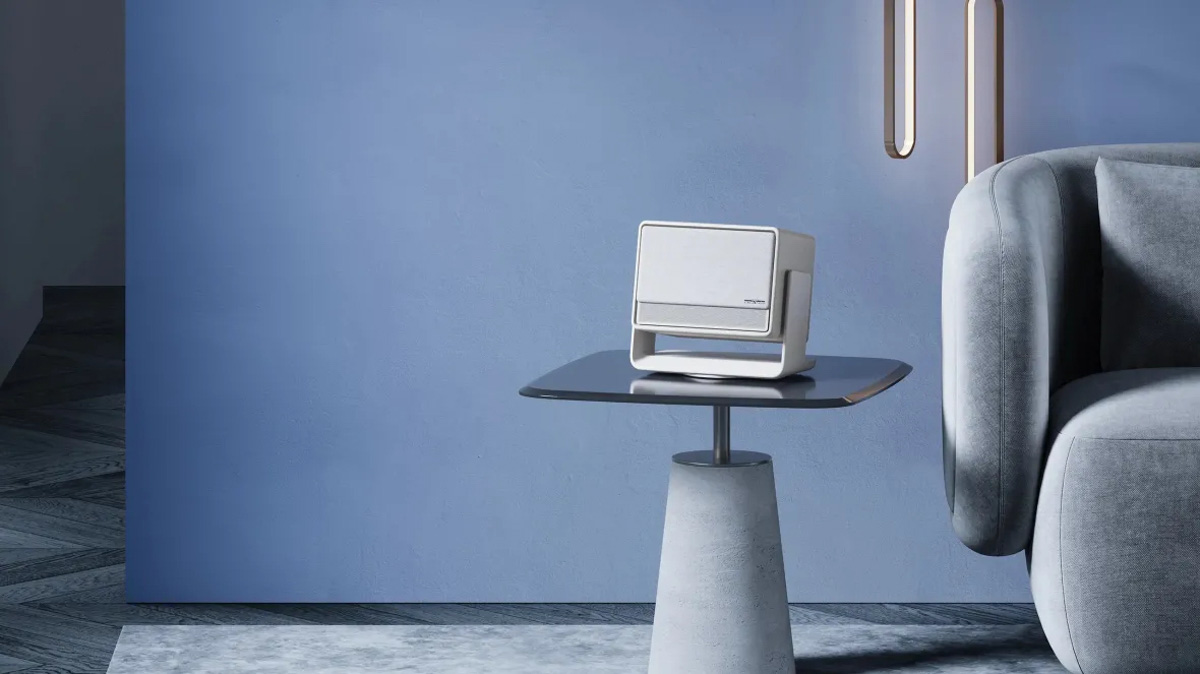
XGIMI’s flagship model, the 9-kilogram Aura 2, is designed as a true home theater centerpiece. It’s an ultra-short throw laser projector capable of producing an image up to 150 inches in size while positioned just 20 to 30 cm from the wall. This format is particularly well-suited for smaller rooms or setups where there isn’t enough space to install a traditional projector at a distance.

The image quality of the Aura 2 competes with premium OLED TVs, offering a contrast ratio of up to 1,000,000:1 and brightness reaching 2300 ISO lumens. It also supports Dolby Vision, DTS Virtual\:X, holds IMAX Enhanced certification, and features a 60-watt Harman Kardon sound system, combining to deliver a cinema-like experience without compromise.
While the projector can easily produce a 150-inch image, similarly sized TVs typically cost ten times as much.
Conclusions
When choosing an XGIMI projector, don’t hesitate to ask yourself some key questions: How do you plan to use the projector? Where will you set it up? Do you need maximum brightness? Is portability important, such as the ability to run on a power bank? Are high-quality audio and compatibility with gaming consoles or PCs priorities? And of course, what is your budget? The difference between models like the MoGo 2 Pro and the AURA 2 is significant across nearly every feature and specification.
Read also:
- Everything About Tempest – The UK’s Sixth-Generation Fighter Jet
- Reliable Driverless Cars: Why Full Autonomy Remains Out of Reach
- AI in Medicine: Is the Future Already Here?

