





© ROOT-NATION.com - Use of content is permitted with a backlink.
Twenty years ago, the U.S. military helped kick off the race toward driverless vehicles by sending a fleet of advanced robotic cars across the Mojave Desert as part of large-scale trials organized by the Defense Advanced Research Projects Agency (DARPA). By 2015, autonomous driving technology had made significant progress, and the industry was actively discussing the possibility of integrating self-driving cars into everyday life on a large scale.
But the promised widespread adoption never materialized. Several traditional automakers and startups shut down their projects, citing high costs and technical challenges. Regulatory bodies also tightened oversight of new technologies following a series of crashes involving vehicles equipped with partial automation systems.
&pp=ygUVREFSUEEgVXJiYW4gQ2hhbGxlbmdl
Companies that are still making progress in the field are doing so cautiously, well aware of the reputational damage that could follow any injuries or fatalities involving autonomous vehicles. Waymo, a subsidiary of Alphabet (Google’s parent company), launched a driverless taxi service in March in the fourth-largest U.S. city, in partnership with Uber Technologies. In June, Tesla began offering a “robotaxi” service with around 10 to 20 Model Y vehicles operating under driver supervision in select areas of Austin, Texas. This is a far cry from Elon Musk’s 2019 promise to deploy one million robotaxis within a year.
Read also:AI in Medicine: Is the Future Already Here?
TABLE OF CONTENTS:
Leading companies in the field of unmanned transportation
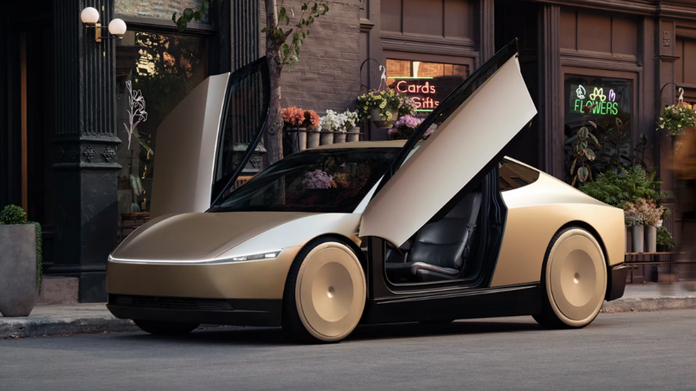
Elon Musk has expressed plans to eventually offer a fully autonomous taxi service using a purpose-built, two-seat vehicle called the Cybercab. A prototype without a steering wheel is expected to enter production in 2026. However, Tesla has a track record of missing deadlines, and it remains unclear how the company intends to move from advanced driver-assistance systems to true autonomy. U.S. federal regulators have launched investigations into Tesla’s driver-assistance features, which the company has marketed as full self-driving, following several crashes – one of them fatal. The National Highway Traffic Safety Administration also confirmed it is investigating incidents involving Tesla robotaxis breaking traffic laws during their first day of paid operation in Austin.
Waymo currently shows the most tangible progress, with its robotaxis already performing reliably on U.S. roads. The company also plans to integrate its autonomous driving technology into Toyota vehicles – a move that could help bring the technology to a broader market.
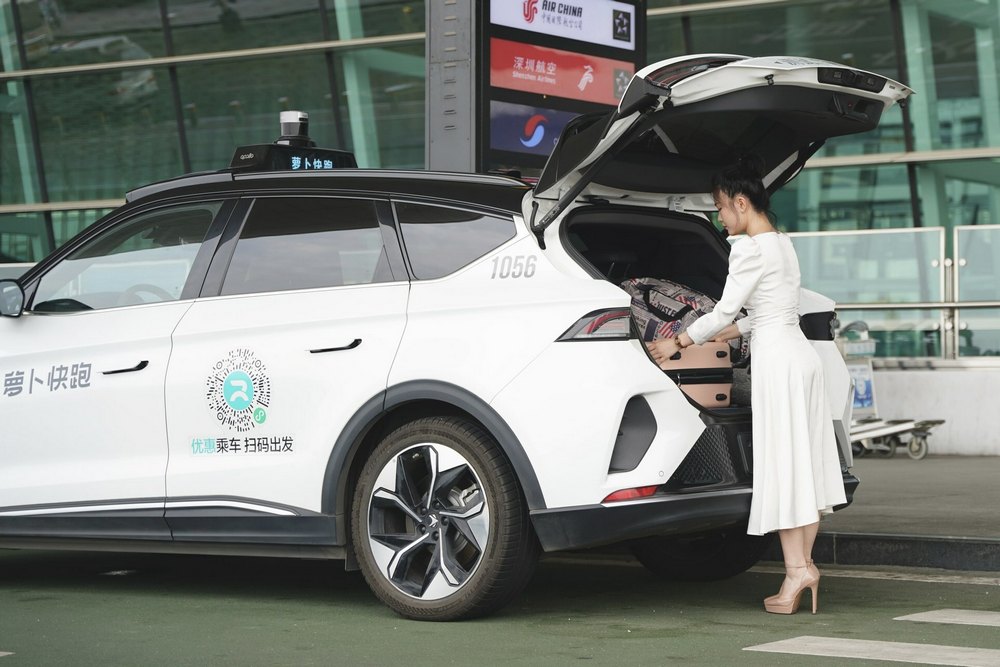
China has become one of the leading hubs for innovation in autonomous driving, with dozens of startups actively developing robotaxi services – some of which have already expanded internationally. For example, WeRide secured an additional $100 million in funding from U.S. partner Uber in May and plans to extend its robotaxi operations to Dubai and Europe. Baidu is preparing to test and launch its autonomous service, Apollo Go, in European markets. The company currently operates one of China’s largest robotaxi fleets in cities like Beijing and Guangzhou.
However, despite these advances, it’s not uncommon for each step forward to be accompanied by major setbacks.
Read also: “Superintelligence” – Breakthrough or Marketing Hype? An Analysis
Which companies have faced difficulties in developing self-driving cars
In October 2022, Ford and Volkswagen shut down their joint self-driving car project, Argo AI – a venture once seen as promising and employing over 2,000 people. Ford wrote off its $2.7 billion investment in the project and shifted focus to a new division centered on driver-assistance technologies. Volkswagen CEO Oliver Blume also canceled Audi’s plans to develop a fully autonomous vehicle due to slow progress, although the company continues limited development through partnerships with suppliers like Robert Bosch GmbH, Mobileye Global, and Horizon Robotics.

Apple invested heavily in a project aimed at developing a vehicle with Level 4 or 5 driving automation, but in February 2024, the company decided to shut it down.
General Motors also ended operations at its autonomous vehicle unit Cruise last year, following an incident in October 2023 where one of its robotaxis struck a pedestrian in San Francisco. Since then, GM has shifted its focus toward developing autonomous vehicles for private ownership and enhancing its Super Cruise driver-assistance features. In May, the company hired Sterling Anderson, a former head of Tesla’s Autopilot program.
In May, Aurora Innovation announced the return of human drivers to its autonomous trucks in Texas, reversing course less than three weeks after launching commercial service in the area. The company explained that the decision to move the “observer” from the rear of the cab to the driver’s seat was made at the request of the truck manufacturer Paccar.
Read also:Network-Centric Warfare: How Warfare Is Evolving in the 21st Century
Why hasn’t full autonomy been realized yet?
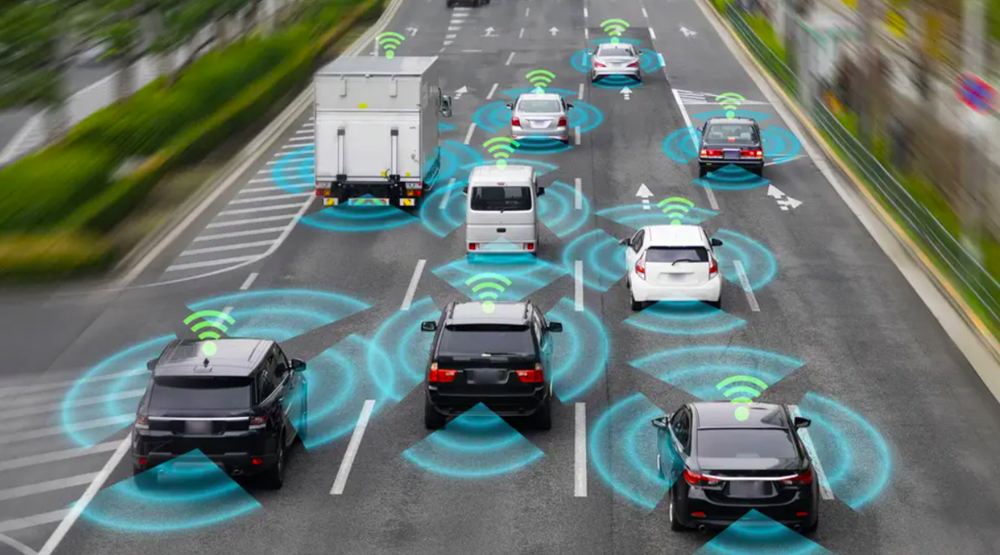
Achieving full autonomy in vehicles remains an extremely complex challenge. To safely transport a passenger without human intervention, Level 5 autonomous driving systems must flawlessly handle any situation that could arise anywhere in the world, under all weather conditions and at any time of day. This requires the integration of numerous sensors and high-performance computers capable of processing vast amounts of data in real time. Such technology demands significant resources during development and is very costly.
Fully autonomous vehicles must also be prepared to handle many situations that have never occurred in the real world before. Extremely fast maneuvers may require immediate decisions in complex – and sometimes ethical – scenarios that are difficult even for humans. For example, in a critical situation, should the vehicle swerve sharply and risk hitting an elderly couple, or continue straight and collide with a child? These dilemmas raise significant moral and legal questions.
Although statistically autonomous vehicles may be involved in fewer accidents than human-driven cars, government regulators tend to take machine errors much more seriously. This is partly because developers and manufacturers promote autonomous systems as safety-enhancing tools, so any failure to meet that promise tends to generate heightened public concern.
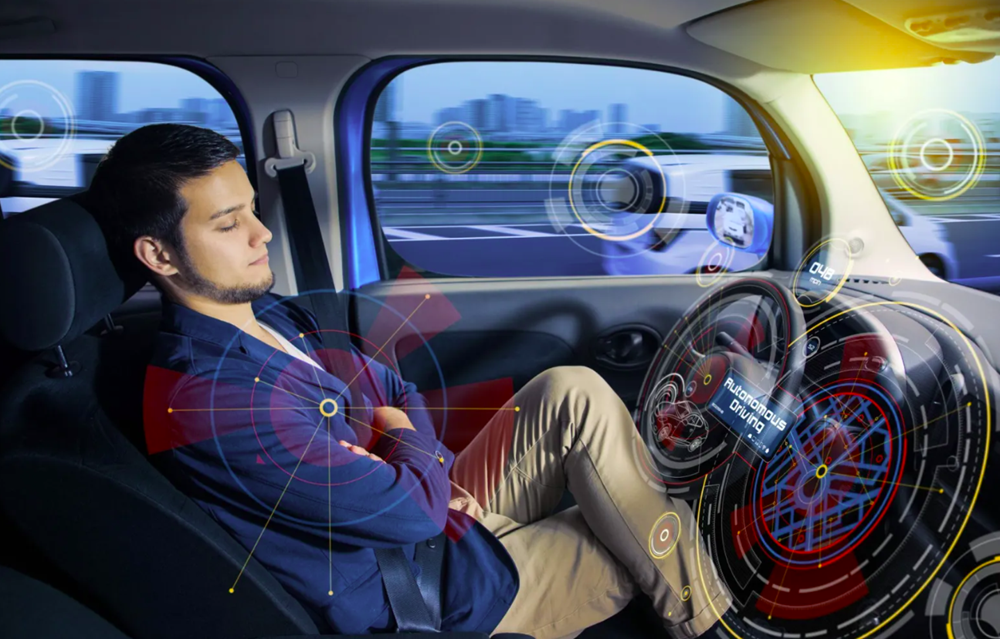
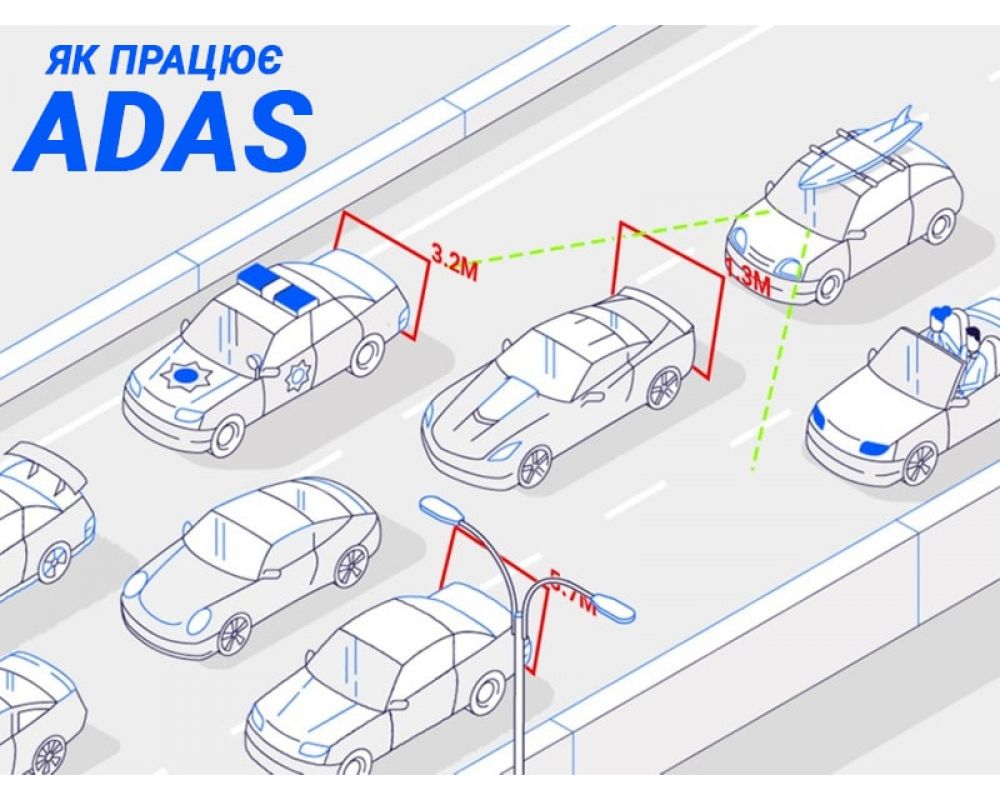
An alternative to full autonomy today is advanced driver-assistance systems (ADAS). These systems are designed to support drivers in various situations, such as parking, lane changes, or obstacle avoidance. Using cameras, radar, and other sensors, ADAS can not only warn drivers about potential dangers but, in some cases, temporarily take control of the vehicle to prevent a collision.
Read also:History and Achievements of SpaceX: Elon Musk’s Great Space Passion
How intelligent are these systems?
Automakers are increasingly incorporating ADAS into their vehicle models. The development of these technologies can be traced back to the introduction of anti-lock braking systems more than 40 years ago. Today, modern ADAS include features such as automatic emergency braking and self-parking capabilities.

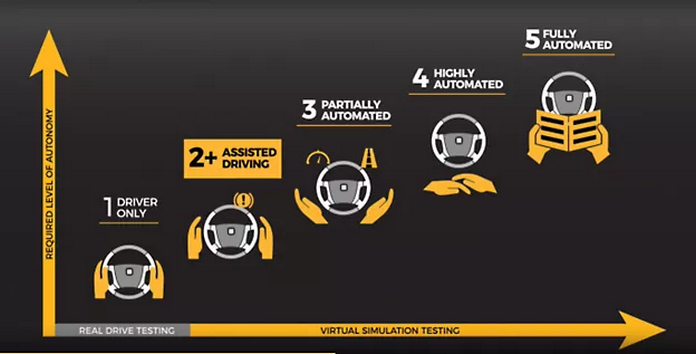
The intelligence level of these systems depends on the degree of automation, classified on a scale from 0 to 5. At level 0, functionality is limited to driver alerts, such as a warning sound when drifting out of a lane. Tesla’s Autopilot, despite being marketed as nearly autonomous, actually corresponds to level 2, since it requires continuous driver engagement – similar to a pilot overseeing automated systems without handing over full control.
Mercedes-Benz has already introduced Level 3 autonomy, which allows drivers to take their hands off the wheel and eyes off the road under certain conditions and on limited stretches of road in Germany and the U.S. Meanwhile, robotaxis undergoing testing in the U.S. and China are considered Level 4 systems. However, their autonomy is limited – they operate only within specifically designated areas. Fully autonomous Level 5 vehicles, capable of operating anywhere and under all conditions without human intervention, remain an unattained goal.
Read also:AUTO-VOX Kit Review: Solar Wireless Rear View Camera Installed in 5 Minutes
Who has already implemented ADAS?
ADAS is now standard practice among nearly all leading automotive brands, though the most advanced versions tend to be reserved for higher-end models. For example, General Motors introduced the Super Cruise system on the Cadillac CT6 back in 2017, allowing drivers to briefly take their hands off the wheel.
Mercedes’ electric flagship sedan, the EQS, features automatic stopping and emergency call functions if the driver becomes incapacitated. In the U.S., the company offers its Level 3 Drive Pilot system for $2,500 per year, but it is currently approved only for use on select highways in California and limited areas of Nevada.
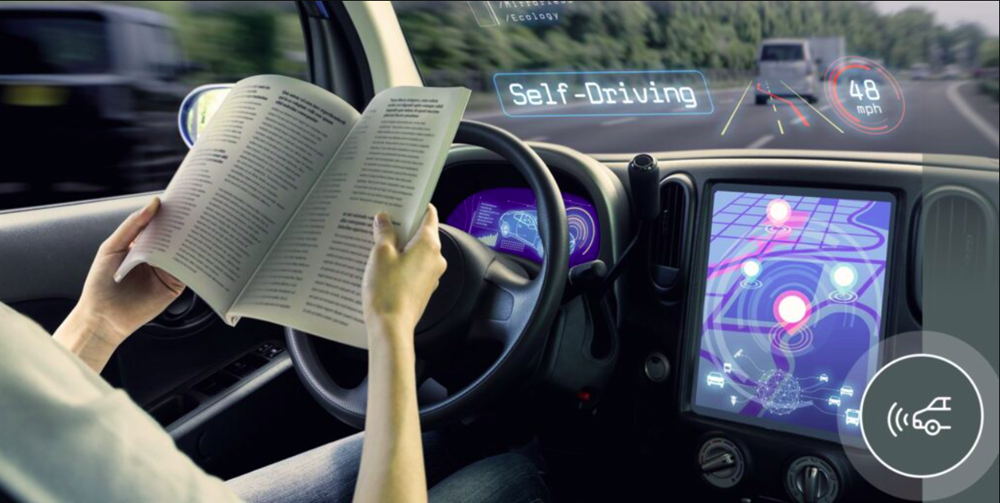
Volvo Car AB has made lidar sensors for 3D scanning a standard feature on its electric SUV, the EX90. This high-cost technology – originally used during the Apollo 15 mission for lunar mapping – provides more accurate environmental detection around the vehicle compared to cameras.
Chinese manufacturers are also actively integrating driver-assistance systems into budget models. For example, in February, BYD announced that all its vehicles priced from \$12,300 would come standard with features under the brand name God’s Eye. Additionally, BYD plans to incorporate software developed by Chinese AI startup DeepSeek.
In Europe, ADAS systems have already become mandatory, while in Ukraine their presence varies depending on the manufacturer, trim level, and vehicle class. However, there is a growing trend toward adopting European standards, driven both by importers and the potential alignment of Ukrainian regulations with EU norms.
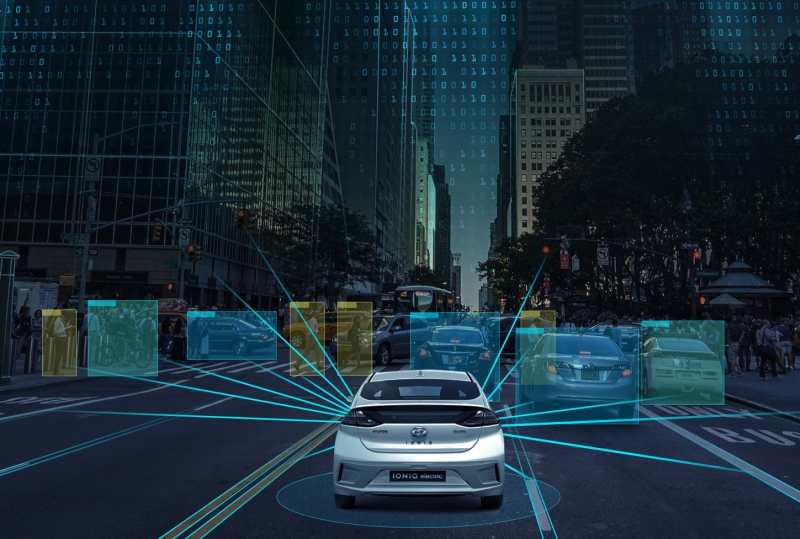
In Ukraine, driver-assistance systems are not yet mandatory at the government level. However, new cars officially sold or imported from abroad often come equipped with the same features found in EU countries. It’s now common to see models in dealerships offering automatic emergency braking, lane-keeping assistance, adaptive cruise control, blind-spot monitoring, as well as rearview cameras and parking sensors. These features are increasingly appearing even in budget models, although the most comprehensive sets of driver-assistance systems are typically found in mid-range and premium vehicles. Additionally, since 2014, all new cars have been required to include tire pressure monitoring systems. Many used cars imported from Europe also come with some level of ADAS functionality, though availability and performance depend on the vehicle’s trim and condition. Overall, the Ukrainian automotive market is gradually moving toward integration with European safety standards.
Read also:Field Tests of the M2 Bradley and CV90: Which Infantry Fighting Vehicle Comes Out on Top?
What are the advantages of partial automation?
Partial automation in vehicle control offers several important benefits, making it an attractive intermediate step on the path to full autonomy. One key advantage is that even individual automated features – such as automatic emergency braking – can significantly improve road safety. In the U.S., for example, national transportation safety agencies have recognized the effectiveness of these systems to the extent that, starting in 2029, all new vehicles will be required to include automatic emergency braking. This move underscores the practical value of partial automation, which is already saving lives today.
Additionally, maintaining active human involvement in driving is often seen as an advantage rather than a drawback. In unpredictable situations or electronic failures, having a driver ready to quickly take control adds a layer of safety and reduces the ethical concerns associated with fully handing decision-making over to a machine – especially in life-threatening scenarios. At the same time, achieving full autonomy requires massive investments and complex infrastructure changes, making its implementation more costly and time-consuming. In this context, partial adoption of automated systems represents a practical and more realistic path for technological development in the near future.
Read also:AI Hallucinations: What They Are and Why They Matter
What are the problems associated with ADAS?
At the same time, ADAS systems are not without risks. Public attention often focuses on fatal incidents involving these technologies, especially when Tesla vehicles are involved. Although Elon Musk claims that Autopilot saves lives, the data he cites to support this is disputed. Since 2016, the National Highway Traffic Safety Administration (NHTSA) has launched dozens of investigations into crashes involving ADAS, most of them involving Tesla vehicles. One notable investigation, focusing on collisions between Tesla cars and emergency vehicles (fire trucks and police cars), led to a major software update affecting over 2 million vehicles. This became the largest recall in the company’s history. NHTSA found that Tesla had not taken adequate measures to prevent improper use of the technology by drivers. Several months after the update, the repercussions of these incidents continue to provoke widespread discussion.
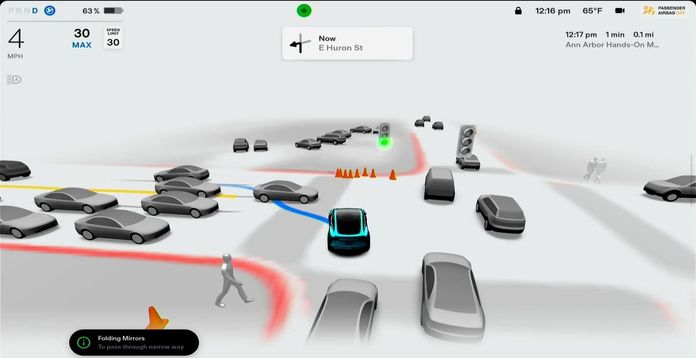
Since final decisions still rest with human drivers, the risk of careless or improper behavior cannot be ruled out. For example, some drivers misuse adaptive cruise control by using it to maintain speeds above the legal limit, which undermines the intended safety benefits of the technology. This conclusion was reached by the Insurance Institute for Highway Safety in a 2022 study. At the same time, even engineers at automakers can lose focus during testing – prolonged monitoring of automated systems in monotonous driving conditions can lead to fatigue or inattentiveness, even among professionals.
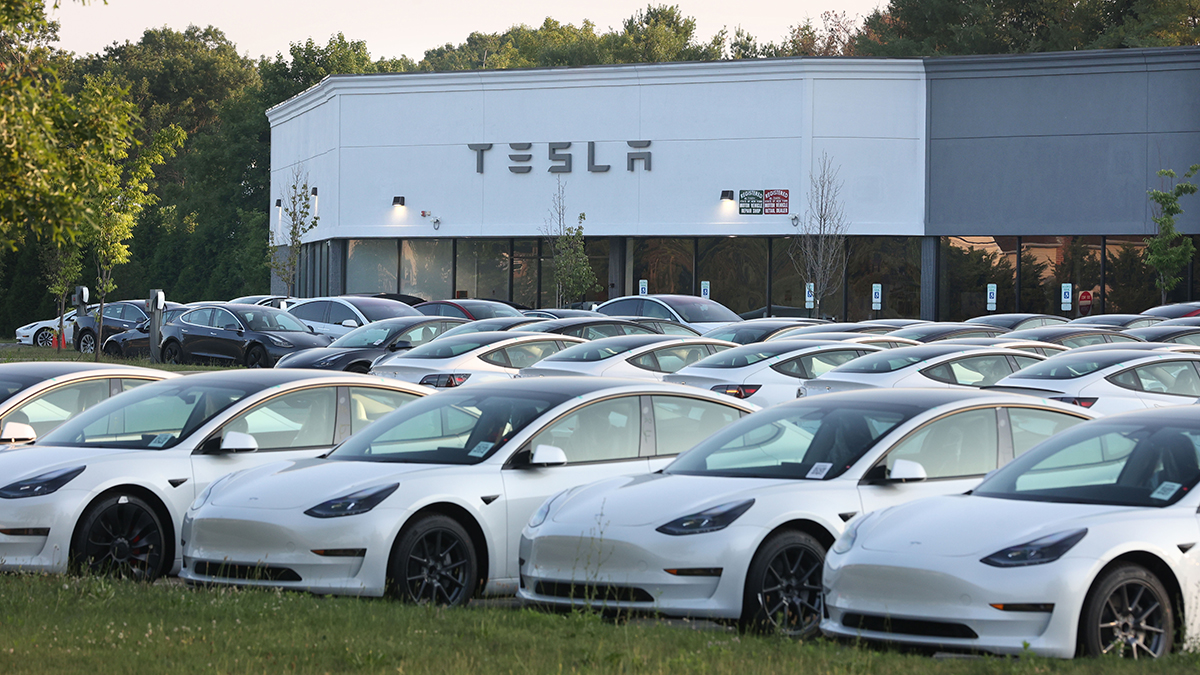
All of this leads to an important question: where is this heading? Back in 2015, then-Ford CEO Mark Fields predicted that fully autonomous vehicles would be on the roads within five years. The following year, Elon Musk claimed Tesla would complete a fully driverless trip from Los Angeles to New York by the end of 2017. However, these ambitious goals remain unmet. According to analysts at S\&P Global Mobility, who published their assessment in 2023, true Level 5 autonomous vehicles are unlikely to appear before 2035, if at all. That said, there has recently been some cautious optimism in the industry about accelerated progress. One factor potentially influencing this is Elon Musk’s advisory role in the Trump administration, which could lead to regulatory easing favorable to autonomous vehicle manufacturers.
Read also:Space Travel at the Speed of Light: When Will It Become a Reality?
Forecasts
Predictions about the arrival of fully autonomous vehicles have often proven overly optimistic. In 2015, then-Ford CEO Mark Fields anticipated that driverless cars would be on the roads within five years. The following year, Elon Musk announced Tesla’s plan to complete a fully autonomous trip from Los Angeles to New York by the end of 2017, but this ambitious goal remained unmet. According to analysis by S&P Global Mobility, true Level 5 autonomous vehicles are unlikely to appear before 2035, and even then, their widespread adoption is expected to proceed gradually.
Recently, there has been cautious optimism about the potential acceleration of autonomous driving technology development. In particular, Elon Musk’s involvement in the Trump administration is seen as a possible factor that could encourage regulatory updates favorable to the industry. However, even with improved regulations, the deployment of fully autonomous vehicles will remain a complex and lengthy process due to numerous technical, ethical, and infrastructure challenges that require comprehensive solutions and significant investment.
Read also:
- History and Achievements of SpaceX: Elon Musk’s Great Space Passion
- Škoda Karoq Sportline Test Drive: Just a Visual Refresh?
- Mazda CX-30 SPORT BLACK Review – What Can a Compact SUV Do?
- Mitsubishi Eclipse Cross Review: True Japanese Car – Modern on Outside, Conservative on Inside

