




© ROOT-NATION.com - Use of content is permitted with a backlink.
The rapid rise of artificial intelligence is driving major technological shifts across multiple sectors, and healthcare is no exception. In fact, the transformation happening in medicine is accelerating quietly but significantly – what we’re seeing now may only be the beginning.
According to updated data from the U.S. Food and Drug Administration (FDA), the number of AI- and machine learning-based medical solutions is expected to surpass 1,000 by 2025. For context, there were just 26 such tools in 2017. This isn’t just steady growth – it’s an exponential curve that’s beginning to reshape the very foundations of modern healthcare.
What we’re witnessing isn’t a slow evolution but an almost vertical surge. The numbers reflect more than just growth – they provide clear evidence of a profound technological shift at the core of healthcare systems.
Below are several concrete examples of AI- and machine learning-based solutions that, in many cases, have outperformed experienced medical professionals in diagnostic accuracy and decision-making.
A key point to keep in mind is that these AI solutions are tools designed for professionals. They are far more powerful and complex than consumer-facing algorithms – such as those used for detecting depression via smartphone apps.
Of course, this isn’t about questioning the expertise of healthcare providers. On the contrary, AI aims to enhance their work. By automating routine tasks, it allows medical professionals to focus on the complex and unpredictable aspects of care – areas where algorithms still fall short.
Ultimately, the question isn’t about whether humans or machines are better. The real goal is different: to save and heal as many people as possible.
Read also: “Superintelligence” – Breakthrough or Marketing Hype? An Analysis
TABLE OF CONTENTS:
MAI-DxO – medical superintelligence from Microsoft
On June 30, 2025, Dominic King and Harsha Nori published a significant post on the Microsoft AI blog titled “The Path to Medical Superintelligence 1.” In this article, the company introduced in detail its new development – Microsoft AI Diagnostic Orchestrator, or MAI-DxO – a complex system with the potential to change the landscape of medical diagnostics.
MAI-DxO is not just another medical algorithm. It functions as an intelligent “orchestrator” that coordinates multiple leading language models simultaneously, including OpenAI’s GPT, Google’s Gemini, Meta’s Llama, and Anthropic’s Claude. This approach mimics a panel of expert physicians, where each contributes their perspective, but the final decision is a synergistic, carefully balanced, and highly accurate outcome.
In a recent experiment, MAI-DxO was tested on 304 complex clinical cases published in the reputable New England Journal of Medicine. The results were striking: the system achieved an accuracy rate of 85.5%, compared to just 20% for a group of experienced physicians. This isn’t just a statistic – it represents a fourfold advantage of AI over human expertise in highly challenging scenarios.
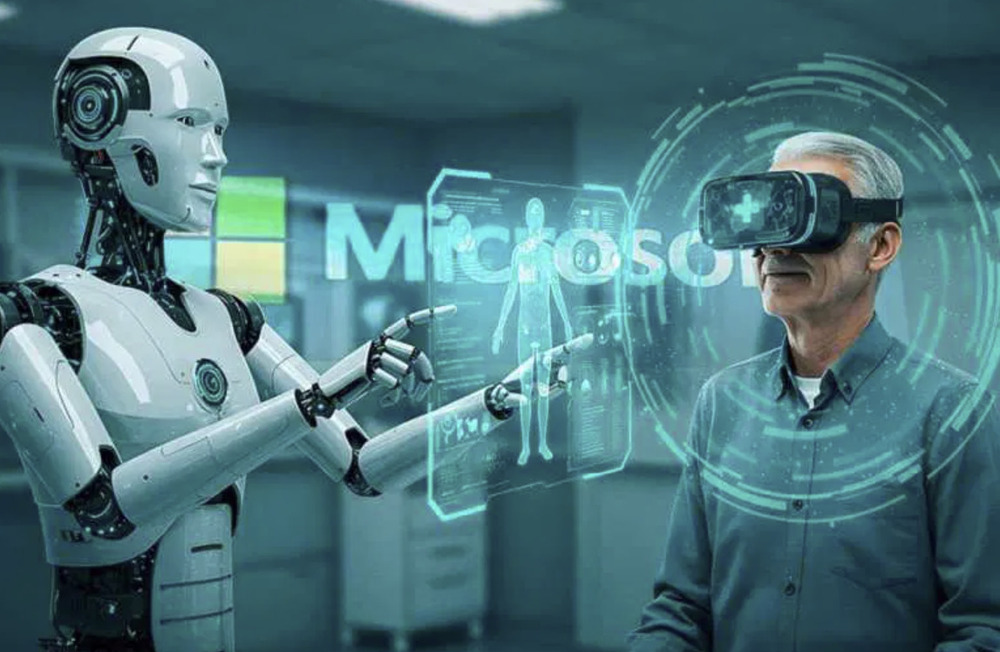
What’s behind this breakthrough? MAI-DxO isn’t a standalone model but an orchestrator platform that leverages the strengths of multiple leading LLM architectures in real time. Rather than relying on a single source of “truth,” the system combines responses, weighs different perspectives, and selects the most well-founded diagnosis. This approach not only improves accuracy but also significantly reduces costs – about 20% less than a human doctor and up to 70% less compared to using a single AI model.
That said, Microsoft emphasizes that MAI-DxO is not a replacement for doctors but a tool designed to enhance their capabilities. Humans remain central to the process, especially in areas requiring empathy, ethical judgment, and direct patient interaction.
As of mid-2025, MAI-DxO remains a laboratory technology. It still faces real-world clinical trials, practical validation, and regulatory approval. However, if its effectiveness is confirmed, it could become the first full-scale LLM-based system capable not just of assisting but fundamentally transforming medical diagnostics on a global level.
This case is significant because it clearly demonstrates that the era of generative AI in medicine is no longer speculative. Earlier machine learning systems were narrowly specialized, while MAI-DxO operates on a different level: it’s a flexible, scalable, and self-learning “medical superbrain.” And this is just the beginning.
Read also: Strange Relationship Between Microsoft and OpenAI
HeartFlow FFRct analysis – AI predicts a heart attack
In the traditional approach – what we’ll refer to as “pre-AI medicine” – detecting cardiovascular diseases at the stage when surgical intervention is being considered (or ruled out) typically involved at least a CT angiography. In some cases, this wasn’t sufficient, leading to the use of invasive coronary angiography. Although considered the “gold standard,” this procedure carries risks such as bleeding, complications, hospitalization, time requirements, and patient anxiety.
The main issue extends beyond physical discomfort. A systemic problem lies in the high number of “negative” procedures where angiography ultimately reveals no critical stenosis requiring urgent cardiac surgery. This leads to unnecessary stress for patients, increased workload for physicians, and wasted medical resources.
In 2014, the U.S. FDA approved a technology introducing a new approach: Fractional Flow Reserve from CT (FFRct) analysis of coronary blood flow. This goes beyond traditional medical imaging – using data from coronary computed tomography angiography (CCTA), the system generates a personalized 3D model of the patient’s coronary arteries. Then, in a cloud environment, it simulates actual blood flow and calculates parameters indicating whether there is functionally significant vessel narrowing.
In other words, FFRct provides diagnostically valuable results without the need for catheters, surgery, or associated risks. Most importantly, it delivers this accuracy non-invasively.
This isn’t just about patient comfort – it has a real impact on mortality. A large study conducted by the UK’s National Health Service (NHS), involving 90,000 patients, found that using FFRct was linked to a 14% reduction in cardiovascular deaths. That’s a significant figure that cannot be overlooked.
What does this mean in practice? Faster and more accurate identification of patients who truly need intervention. A reduction in unnecessary procedures. And, as a result, better use of financial, time, and human resources. Even in resource-limited settings, the system helps ensure care reaches those who need it most.
It’s important to stress that FFRct is not an autonomous system meant to replace doctors. Rather, it serves as a decision-support tool. Similar to other AI applications – such as diabetic retinopathy screening – it doesn’t remove the physician from the process but instead enhances their expertise. The relationship is one of collaboration, not competition.
The medicine of the future isn’t about humans versus AI. It’s about humans working alongside AI. FFRct stands as one of the clearest examples of this emerging reality.
Read also: ChatGPT Destroys the Competition: Era of Super Apps Has Arrived
Detection of prostate abnormalities by Paige.AI
Настав час поговорити про ще одне технологічне досягнення, яке вже увійшло в історію медицини. Компанія Paige.AI створила проривний інструмент – Paige Prostate – першу в світі систему штучного інтелекту для діагностики раку, яка отримала офіційне схвалення FDA. Це сталося у 2021 році, і з того моменту межа між людською діагностикою та алгоритмічним аналізом у патології почала стрімко стиратися.
Traditional oncology relies heavily on microscopy, where pathologists manually examine tissue samples to identify signs of malignancy. However, even experienced doctors can make errors. For general practitioners without specialized training, the risk of misdiagnosis increases significantly. This is where Paige Prostate comes into play.
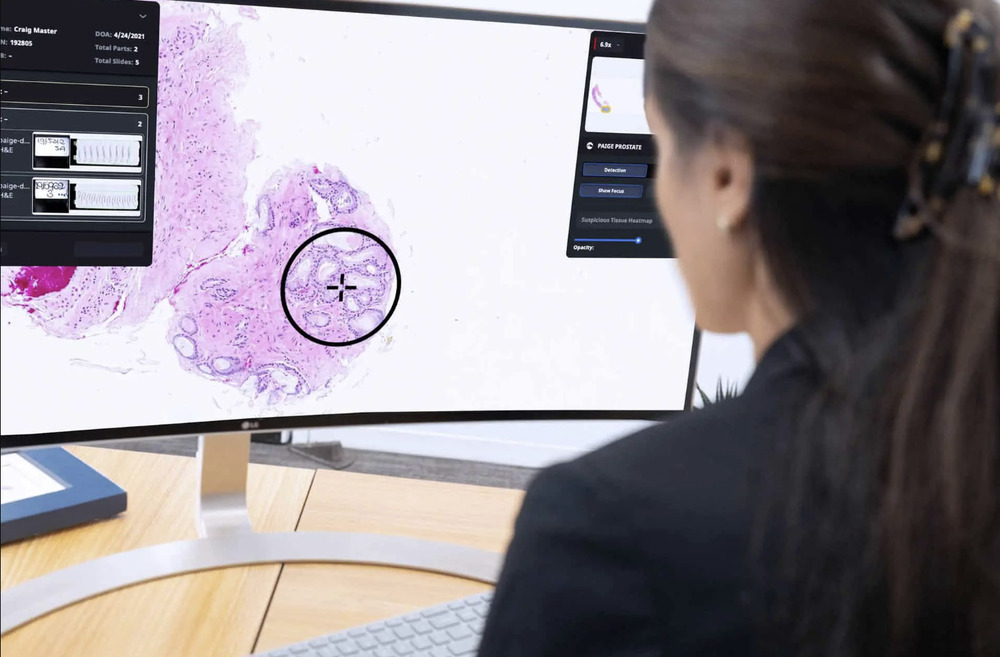
This isn’t an automatic diagnosis but an intelligent support system. It analyzes digitally scanned images of entire prostate biopsy samples, detecting even the smallest anomalies. Paige Prostate acts as a highly sensitive safety net, ensuring that critical details aren’t overlooked. Suspicious areas are highlighted and flagged for further review by a qualified pathologist.
The results are impressive. Using Paige Prostate has reduced false diagnoses by 70%. When operating autonomously, the system demonstrated a sensitivity of 97.4% and a specificity of 94.8% – levels previously considered achievable only by the top specialists in oncopathology.
Perhaps most interestingly, studies have shown that general pathologists without specialized training, when working alongside Paige Prostate, achieve the same level of diagnostic accuracy as highly qualified specialists working without AI. In other words, diagnostic precision is no longer heavily dependent on geography, the specific clinic, or the individual practitioner. This fundamentally changes the model of healthcare delivery.
The implications are clear: fewer referrals for second opinions, reduced delays, and faster decision-making. And when it comes to cancer, time is everything.
Paige Prostate isn’t just another medical algorithm. It’s an example of how artificial intelligence can do more than assist – it can genuinely elevate the overall quality of healthcare systems. Quietly, but with maximum efficiency.
Read also: Gabe Newell’s Starfish Neuroscience Сhallenges Neuralink
IDx-DR from Digital Diagnostics – autonomous vision diagnostics
Diabetic retinopathy is a leading cause of vision loss among working-age adults. The problem isn’t that the condition is untreatable, but rather that treatment is often delayed. Early detection and timely intervention can completely change the outlook. However, this requires regular screening of the retina – a challenge for many patients.
Why is this difficult? Access to ophthalmologists isn’t always straightforward or convenient. This is especially true for millions of diabetic patients managed by primary care physicians who often lack both the equipment and specialized training needed for eye examinations.
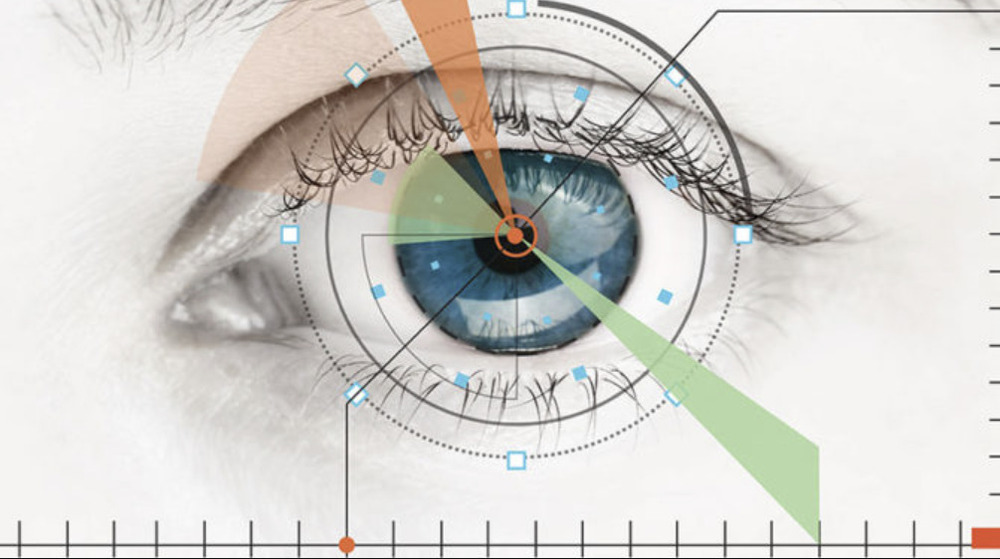
This is where IDx-DR comes in – a breakthrough algorithm that represents more than just technology; it marks a turning point in global medical practice. It is the first fully autonomous AI-based diagnostic system to receive FDA approval (in April 2018). Not as a support tool, but as an independent decision-maker operating without a specialist’s involvement.
Here’s how it works: a digital image of the retina, captured using a fundus camera (such as the Topcon TRC-NW400), is submitted for analysis. The algorithm doesn’t perform complex classifications or count microaneurysms – it answers one crucial clinical question: is there evidence of more than mild diabetic retinopathy that warrants referral to an ophthalmologist? The answer is a simple yes or no.
A simple question – with significant consequences. How effective is it? Very. A 2025 meta-analysis covering over 13,000 participants across 13 independent studies reported a sensitivity of 95% (correctly identifying patients with the condition) and a specificity of 91% (correctly excluding healthy individuals). These are results that only top specialists can rival – and even then, not consistently.
Unlike many emerging technologies still confined to the lab, IDx-DR is already in practical use today. Unlike promising systems like Blindsight, which may one day replace human vision, IDx-DR is currently substituting for specialist ophthalmologists in the screening process.
Perhaps even more importantly, IDx-DR is changing the model of interaction in healthcare. Previously, a diagnosis could only be made after a physician’s analysis. Here, it’s different: IDx-DR independently generates a diagnostic conclusion and recommendation – either to refer the patient to a specialist or to schedule a follow-up screening in 12 months. This result is sent directly to the primary care physician, eliminating intermediate steps, delays, and unnecessary costs.
This represents a paradigm shift. AI in medicine used to assist doctors. Now, it makes decisions independently where appropriate – doing so quickly, at scale, and with high accuracy.
IDx-DR is more than just a tool. It serves as proof that autonomous diagnostic systems can operate effectively within healthcare systems – not sometime in the future, but right now.
Read also: When AI Nudges Toward Death: The Illusion of a Safe ChatGPT
Lunit INSIGHT MMG: a new generation of mammography
Lunit INSIGHT MMG is an AI system that aims not just to assist but to fundamentally reshape breast cancer screening. Approved by the FDA in 2021, this technology has already demonstrated its effectiveness in clinical practice. More than that, it has outperformed human diagnostics in the most challenging cases where traditional methods often fall short.
This technology is particularly relevant for patients with dense breast tissue – cases where malignant lesions can effectively “hide” against the background of normal tissue, often going unnoticed even by experienced radiologists. The Lunit algorithm detects these lesions with a level of accuracy previously thought unattainable without additional diagnostic methods.
The system is not fully autonomous; rather, it functions as a “second digital reader.” It analyzes mammograms, highlights suspicious areas, and assigns each an “malignancy score” on a scale from 0 to 100%. In Sweden, where the technology underwent extensive clinical trials, a single radiologist supported by Lunit AI achieved a cancer detection rate of 4.3 per 1,000 screenings – higher than that of a pair of experienced specialists, who detected 4.1 per 1,000. Moreover, the rate of unnecessary recall was three times lower: 7.1% compared to 22.5%. However, the most interesting – and perhaps most concerning – aspect lies beyond the technical details.
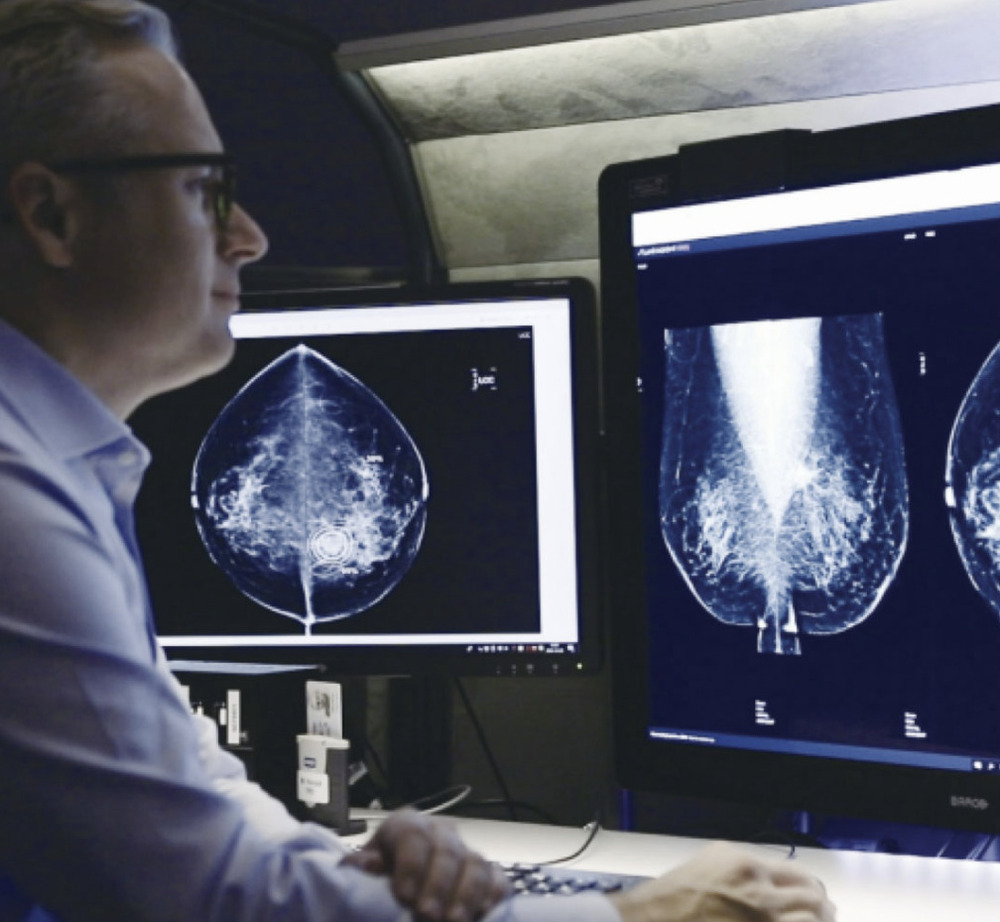
The ScreenTrustCAD study conducted in Sweden revealed a paradoxical finding. When suspicious areas were detected solely by AI – without human confirmation – radiologists chose to recommend additional examinations for only 4.6% of these cases. Essentially, they didn’t fully trust the machine’s alerts, even when they indicated potentially serious pathology.
What’s most concerning is that cases identified exclusively by AI were more often confirmed as true cancers than those detected only by radiologists. This means that human skepticism toward artificial intelligence is no longer just an abstract ethical issue – it has become a direct clinical risk that could cost patients their lives.
This case clearly shows that improving algorithms is only half the battle. The real challenge lies in transforming physicians’ mindsets and rebuilding trust in new tools. Without this shift, we risk not a medical revolution but a conflict – between accuracy and habit, between AI and human ego, between potential and reality.
Lunit INSIGHT MMG isn’t just an example of technological progress. It’s a mirror in which medicine must confront its own limitations – and decide whether it’s ready to overcome them.
Read also: Everything You Need to Know About Dolby Atmos FlexConnect Wireless Technology
HealthOST: a solution for diagnosing bone diseases from Nanox.AI
HealthOST is an AI system that redefines the very concept of osteoporosis diagnostics. Approved by the FDA in April 2022, it requires no new exams or special protocols. Instead, it makes use of what already exists: routine chest or abdominal CT scans performed for entirely different reasons. The algorithm analyzes these images with a single clear purpose – to detect vertebral compression fractures, which often go unnoticed by doctors but serve as silent early indicators of osteoporosis.
The problem is widespread, systemic, and chronically underestimated. Estimates suggest that fewer than 30% of such fractures are included in CT reports – even when clearly visible on the images. Why? Because a radiologist’s attention is typically focused on the primary clinical question – say, pneumonia or trauma. Everything else is often dismissed as an “incidental finding” that’s given little consideration. Meanwhile, real fractures remain undiagnosed, overlooked, and untreated.
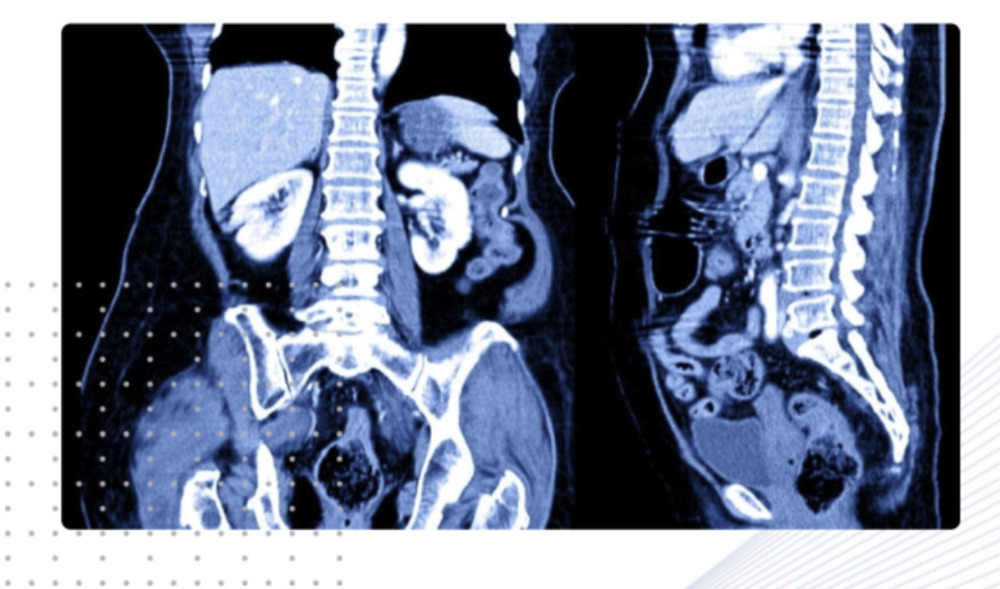
HealthOST is changing that. In one study, it detected 92% of moderate compression fractures that had been completely missed in the original radiology reports. In the large-scale ADOPT project, conducted in partnership with the UK’s National Health Service (NHS), the AI system analyzed a vast archive of historical CT scans and identified more than 3,450 new patients with compression fractures – achieving a detection rate six times higher than the national average.
This isn’t just about statistics. It’s a powerful example of how AI can shift healthcare from reactive to proactive – without additional tests, without extra costs, simply by looking where we usually don’t. The system reviews millions of existing CT scans, uncovers critical insights buried in archives, and brings back patients who had long fallen off the radar.
But this also raises the central issue. AI can detect – but it cannot prescribe. It can raise a flag – but it cannot persuade. What happens next is up to people: the healthcare system, the physician who receives the alert, the structures in place to respond. Because even the most advanced algorithm is just a call – unless someone picks up.
Read also: ERNIE Bot: What’s Behind China’s AI Success
da Vinci 5: Digital surgeon
The da Vinci 5 surgical system, approved by the FDA in March 2024, marks the beginning of a new chapter in global surgery – the era of tactile robotics.
This isn’t just a platform upgrade – it’s a fundamental leap forward. For the first time in the history of da Vinci systems, surgeons regain the “sense of touch” that had been lost in all previous generations of robotic surgical platforms.
The da Vinci 5 surgical system, approved by the FDA in March 2024, marks the beginning of a new chapter in global surgery – the era of tactile robotics.
This isn’t just a platform upgrade – it’s a fundamental leap forward. For the first time in the history of da Vinci systems, surgeons regain the “sense of touch” that had been lost in all previous generations of robotic surgical platforms.
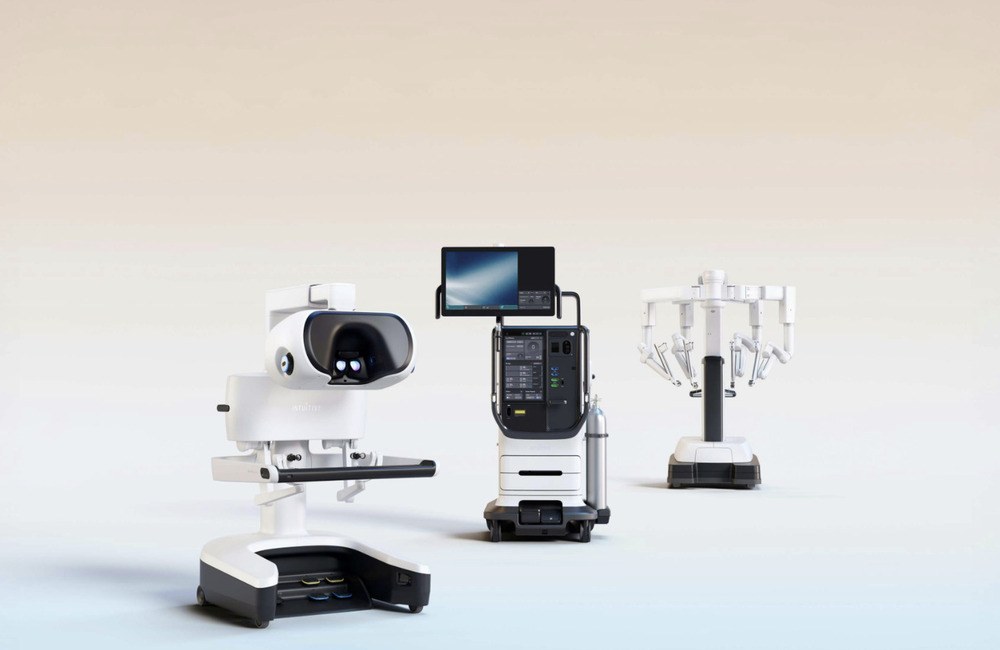
For the first time, the machine doesn’t just “see” – it can “feel.” But the true revolution lies in the data. The da Vinci 5 boasts 10,000 times more computing power than its predecessor and has finally learned to analyze the course of surgery in real time.
Its AI-powered Case Insights module collects telemetry – pressure, movement kinematics, video from each stage – and builds an objective picture of the surgical technique. This is no longer just a procedure – it’s training with instant feedback.
In the past, surgeons could only guess how well they performed a procedure. Now, the system autonomously identifies surgical stages – such as suturing or dissection – and compares the surgeon’s actions against a reference database. If, for instance, 20% more force than necessary was applied during coagulation, the surgeon will be informed immediately after the operation.
The da Vinci 5 isn’t just a tool. It’s a personalized coach – one that understands context and helps refine surgical mastery.
The robot is evolving from a mere telemanipulator into a new class – an intelligent partner in surgery. And that changes everything: training, standards, the very approach to the profession. Because, as we know, truly great doctors never stop learning.
Read also: Everything You Need to Know About NVIDIA DLSS 4.0 and Reflex 2: What They Offer and Why They Matter
Varian Ethos: Radiotherapy planning
We’ve already seen artificial intelligence in cancer diagnostics. We’ve seen it streamline hospital workflows, saving precious minutes. Now comes an even greater breakthrough – AI that plans the treatment itself.
AI-powered radiation therapy planning is becoming the new standard in the fight against cancer. Systems like Varian Ethos are radically transforming oncology care. What used to take days can now be done in just minutes (!) – and it’s not just about speed, but about a whole new level of precision and personalization.
In traditional radiation therapy, treatment planning is a complex and largely manual process. Medical physicists pore over CT scans, outline the tumor boundaries, mark critical organs, and calculate beam trajectories. It’s a precise but extremely labor-intensive task that can take hours – or even days. And this is often the bottleneck that delays the start of treatment.
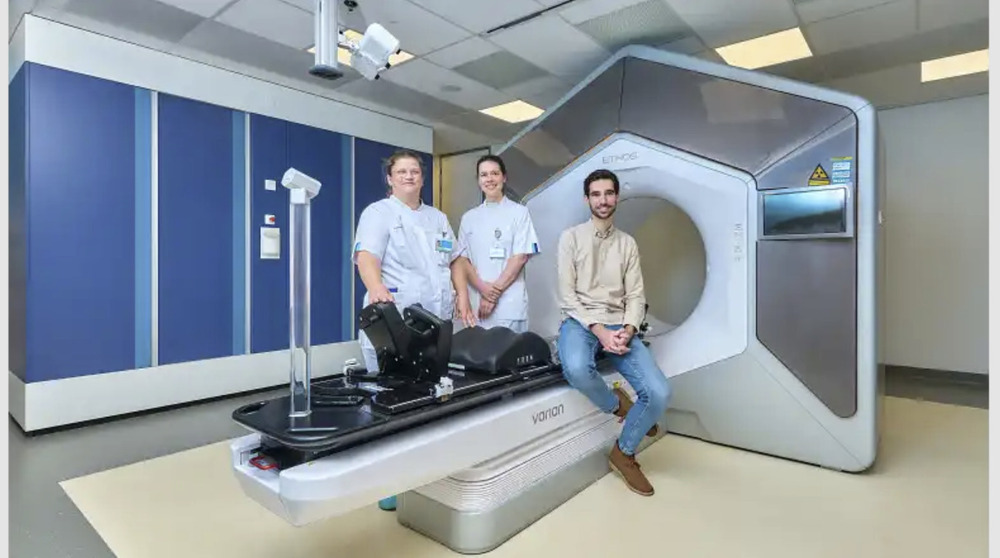
Artificial intelligence is fundamentally changing how this process works. Deep learning algorithms automatically outline tumors and healthy organs, while advanced systems like Ethos generate a complete, optimized treatment plan from scratch within 5 to 20 minutes. This means the plan is created from the ground up in just minutes, replacing what used to be hours of routine work.
This is more than a technical demonstration. Studies show that in 87% of complex head and neck cancer cases and 99% of cervical cancer cases, AI-generated treatment plans are clinically acceptable without any further adjustments.
Furthermore, the system reduces the safety margin around the tumor by an average of 40%. This translates to less radiation exposure for healthy tissues and, consequently, fewer side effects.
The real breakthrough, however, lies in speed. This enables what until recently seemed unrealistic: real-time adaptive radiation therapy. During treatment, a patient’s anatomy changes – tumors shrink, organs shift slightly. A traditional static plan created at the start no longer matches the actual situation by the third, fifth, or tenth day. Manually updating the plan daily is practically impossible. With this system, scanning before each session, automatic replanning based on current data, and delivering an accurate, personalized dose can all happen within minutes.
Radiation therapy is evolving into a dynamic system – flexible and continuously optimized daily for each patient. This shift goes beyond convenience; it fundamentally improves treatment quality. It offers greater precision, fewer complications, and better chances of recovery.
Viz.AI: Stroke diagnostics
Viz.ai is more than just a diagnostic tool. It acts as a digital coordinator addressing the biggest challenge in ischemic stroke treatment – lost time.
The Viz LVO stroke detection module, which received FDA approval in 2018, marked the start of a new era. Here, artificial intelligence goes beyond image analysis and intervenes directly in the medical workflow. Stroke isn’t simply a diagnosis – it’s a race against the clock, where every minute of delay results in the loss of millions of neurons.
In the traditional model, the process typically goes like this: the radiologist reviews the scan, then passes it to the neurologist, who informs the neurosurgeon. A decision is made, and only then is treatment initiated. Meanwhile, irreversible changes are already occurring in the brain.
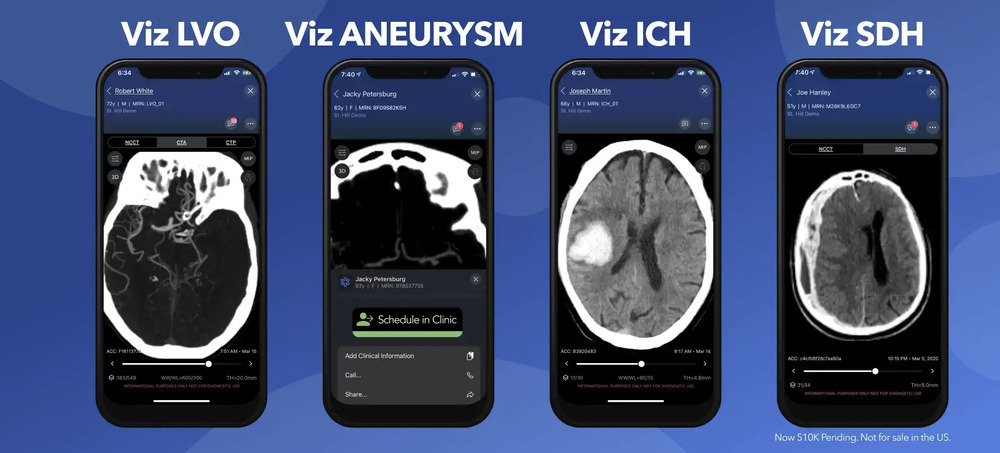
Viz.ai reduces this process to just a few minutes. The algorithm automatically detects signs of a large vessel occlusion (LVO) stroke on CT or angiography scans and almost instantly sends push notifications with critical images to the entire medical team simultaneously – directly to their smartphones. Neurosurgeons, neurologists, and radiologists all see the same information at the same time and make decisions in parallel rather than sequentially.
The result? A large multicenter study found that the time to intervention was reduced by an average of 31 minutes. In stroke treatment, those 31 minutes can mean the difference between full recovery and lifelong disability – or even between life and death.
Most importantly, Viz.ai does more than assist with diagnosis. It manages the entire process, acting as a digital coordinator that eliminates chaos and delays in medical logistics. It’s no longer just a tool but an organizational layer that enhances the overall efficiency of the hospital.
We’re used to seeing AI as a “smart eye” that reads medical images. Viz.ai, however, functions more like a “smart brain” that initiates and accelerates the entire decision-making process.
Read also: AI Hallucinations: What They Are and Why They Matter
Sepsis ImmunoScore: AI detects sepsis
Sepsis ImmunoScore is the world’s first AI algorithm officially approved by the FDA for diagnosing sepsis. Approved in December 2023, it marks a new stage in addressing one of the most complex and deadly medical conditions.
Sepsis is more than just an infection complication. It is a systemic response that can rapidly impair kidney, lung, and heart function within hours. The biggest challenge lies in early detection. Initial symptoms are vague, and traditional warning systems often generate a high volume of false alarms, which can demotivate staff and lead to alert fatigue.
Sepsis ImmunoScore changes this approach by offering probabilistic analytics that account for the complexity of clinical settings rather than relying on fixed signals. Developed by Prenosis, the algorithm analyzes 22 parameters from electronic medical records – including lab results and physiological data – and classifies patients according to risk levels: low, medium, high, or very high.

The numbers speak for themselves:
- 0% in-hospital mortality in the low-risk group
- 18.2% mortality in the very high-risk group.
This is more than just a prediction. It provides precise risk stratification that helps doctors prioritize care. A “very high risk” classification is not merely a warning – it signals the need for immediate intervention. Meanwhile, a “medium risk” level indicates closer monitoring without unnecessary escalation, allowing resources to be focused where they are most needed.
This is the core strength of Sepsis ImmunoScore. It doesn’t attempt to replace the clinician. Instead, it communicates in clinical terms – using probabilities rather than definitive judgments. The AI doesn’t dictate actions; it offers a clear, evidence-based risk profile that complements clinical intuition and experience.

Here, artificial intelligence is not an autonomous system but a tool that works in harmony with the physician. This is an example of how AI is being integrated into practical medicine. It’s not hype or science fiction – just objective analytics that are saving lives every day. And this is only the beginning; the most significant breakthroughs are yet to come.
Read also:
- Techno-feudalism – A New Form of World Order
- Use It or Lose It: How AI is Changing Human Thinking
- Tectonic Shifts in AI: Is Microsoft Betting on DeepSeek?


You can ONLY really understand “AI in Medicine” IF you understand what AI is about in the most fundamental manner!
Well, everyone SHOULD of course get what AI is REALLY all about but most people CHOOSE not to want to understand it …
Like with every criminal inhumane self-concerned agenda of theirs the psychopaths-in-control sell and propagandize AI to the timelessly foolish (=”awake”) public with total lies such as AI being the benign means to connect, unit, transform, benefit, and save humanity.
The official narrative is… “trust official science” and “trust the authorities” but as with these and all other “official narratives” they want you to trust and believe …
“We’ll know our Disinformation Program is complete when everything the American public [and global public] believes is false.” —William Casey, a former CIA director=a leading psychopathic criminal of the genocidal US empire
“Repeating what others say and think is not being awake. Humans have been sold many lies…God, Jesus, Democracy, Money, Education, etc. If you haven’t explored your beliefs about life, then you are not awake.” — E.J. Doyle, songwriter
The 2 major OFFICIAL deceptive fake FEAR-MONGERING narratives or phony pretexts (ie, lies, propaganda) nearly everyone, including “alternative news” sources, have been spreading is (1) that the TRULY big threat is that AI just creates utter chaos in society and that it might achieve control over humans (therefore it must be regulated, ie monopolized by the typical criminal governments); and (2) that we, the US, have to invest heavily in AI technological development so as to stay ahead of other nations, such as China (https://archive.is/pBzAt).
The TRUE narrative (ie empirical reality) virtually no one talks about or spreads is that the TRULY big threat with AI is that AI allows the governing psychopaths-in-power to materialize their ultimate wet dream to control and enslave everyone and everything on the whole planet, a process that’s long been ongoing in front of everyone’s “awake” (=sleeping, dumb) nose …. https://www.rolf-hefti.com/covid-19-coronavirus.html
The proof is in the pudding… ask yourself, “how is the hacking of the planet going so far? Has it increased or crushed personal freedom?”
“AI responds according to the “rules” created by the programmers who are in turn owned by the people who pay their salaries. This is precisely why Globalists want an AI controlled society- rules for serfs, exceptions for the aristocracy.” —Unknown
“Almost all AI systems today learn when and what their human designers or users want.” —Ali Minai, Ph.D., American Professor of Computer Science, 2023
“Who masters those technologies [=artificial intelligence (AI), chatbots, and digital identities] – in some way – will be the master of the world.” — Klaus Schwab, at the World Government Summit in Dubai, 2023
“COVID is critical because this is what convinces people to accept, to legitimize, total biometric surveillance.” — Yuval Noah Harari, member of the dictatorial ruling mafia of psychopaths, World Economic Forum [https://archive.md/vrZGf]
“Scientists at the end of the war (WWII) were hanged for what scientists today are doing and getting away with.” — Dr. Barrie Trower, in 2012
“The whole idea that humans have this soul, or spirit, or free will … that’s over.” — Yuval Noah Harari, member of the dictatorial ruling mafia of psychopaths, World Economic Forum [https://archive.md/vrZGf]