





© ROOT-NATION.com - Use of content is permitted with a backlink.

For several years, Audi has been designing instrument panels that resembled moving tablets, but now it has decided to take a different direction. The German automaker announced that the interiors of its next-generation cars will feature fewer giant displays, but will bring back the tactile controls and premium materials that made older Audi models so special.
Of course, this isn’t something that will happen in a week or even a month. Models set to debut over the next few years – including the new Q7 and Q9 – will retain the current dashboard design. At the same time, they will already hint at Audi’s new direction and feature genuine slate trim, underscoring the emphasis on using authentic materials.

Read also: AERONAUT – everything that flies above the ground: aviation, UAVs and drones, rockets, and space
Audi’s Technical Director, Rouven Mohr, told the Australian publication GoAuto that the company aims to integrate technology more discreetly into future interiors, rather than making it the central element of the design, as is the case with the Q7. “Audi (in the) past was always leading infotainment development. We always tried to combine the latest technology from the digital world, but doing it in a very subtle, well-integrated way, – Mohr said. – In the future, (Audi will) integrate the Radical Next interior design…we want to be very subtle on the display size and haptic elements.”
This is a significant shift in direction, as Audi was one of the manufacturers that, at one time, bet on interiors with an ever-increasing number of screens, abandoning the MMI rotary controller. But the company acknowledges that many buyers, especially in Europe, North America, and Australia, still value controls that can be operated without taking their eyes off the road.

Given that key competitors have also recently revamped their dashboard designs, it’s no surprise that Audi has also been considering changes. BMW’s new Panoramic iDrive system combines a display that stretches from pillar to pillar along the base of the windshield with a central touchscreen. And Mercedes has transformed the dashboards of some of its cars into massive digital displays.
Read also: Car Reviews
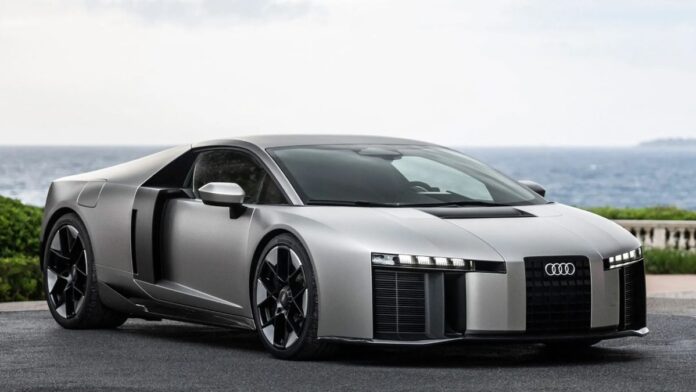
It’s been only three years since Audi introduced its current digital dashboard design on the A5, but the automaker is now exploring a different direction. The recent Nuvolari concept features a very understated interior that includes a traditional instrument panel with a visor and a vertically oriented, tablet-style display positioned low on the center console.

The Concept C roadster, unveiled last year – which resembles the TT and showcases a vision for a 2027 production model – also has a understated interior, but this time the display was mounted horizontally in the center of the dashboard. Both concepts feature rotary controls on the steering wheel.
Read also: From Netherlands to Spain: Demanding Real-World Test of BMW iX2 eDrive20

“We believe it’s part of our DNA to also have some physical elements – buttons and turning wheels, Rouven Mohr said. “And every one of these should have the classical Audi click and touch and feel.”
Read also:
- Europe remains the main driver of growth: Global EV sales exceed 2 million
- Acer Nitro ES Series 4 Select Electric Scooter Review: Comfortable, Versatile, and Long-Lasting