





© ROOT-NATION.com - Use of content is permitted with a backlink.
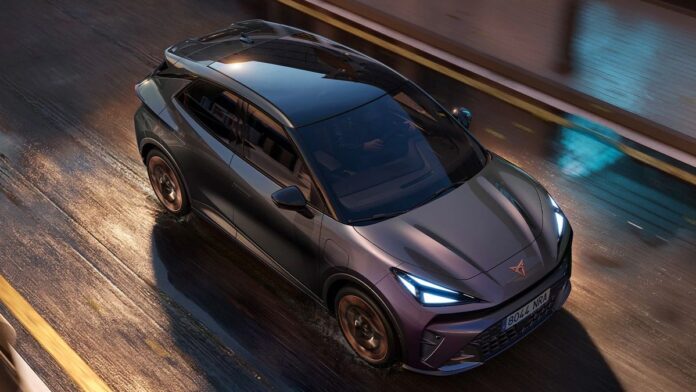
Cupra has already become a full-fledged independent brand and continues to actively strengthen its position. As part of this plan, the Spanish manufacturer has introduced the new, smallest model in its lineup, the Cupra Raval, proving that electric vehicles can be not only practical but also emotional. While most electric cars are getting bigger and heavier, this compact hatchback relies on a bright character and aims to stand out among city cars. Its main competitor when it enters the market in the summer of 2026 will be the Renault 5.

The Cupra Raval looks quite aggressive even in a static position. The car is just over 4 meters long, which makes it convenient for narrow city streets. At the same time, the compact dimensions do not mean a cramped interior: thanks to the 2600 mm wheelbase, the wheels are maximally extended to the edges of the body, which provides more space for passengers. The luggage compartment is also a pleasant surprise, with a capacity of 441 liters, which is more than some much larger cars.
The model is based on the new MEB+ platform from the Volkswagen Group, which was developed specifically for compact electric vehicles. Unlike larger models, such as the Cupra Born or Volkswagen ID.4, which typically have rear-wheel drive, the Raval has front-wheel drive. This solution helps to reduce costs and optimize interior space.
Read also: Škoda Kodiaq Sportline (2025) Review: Balanced Family SUV with Sporty Character

Buyers will be offered several options for powerplants. The base version is equipped with a 114 hp electric motor and a 37 kWh battery. This configuration provides a range of approximately 300 km. It does not claim to be dynamic, and the charging speed is limited to 50 kW. The next version, Raval Plus, retains the same battery, but receives 133 hp and much faster charging – up to 88 kW, which allows you to replenish the charge from 10% to 80% in about 23 minutes.

For those who need a longer range, there is the Endurance package. It is equipped with a 52 kWh battery that allows you to travel about 450 km. The power of this version is 208 hp, and the maximum charging speed reaches 105 kW. This variant combines sufficient dynamics with practicality for daily use.
Read also: How Škoda Driver Assistance Systems Work: From Sensors to Algorithms
The most powerful version is the VZ modification. It also uses a 52 kWh battery, but the power is increased to 222 hp. Acceleration to 100 km/h takes 6.8 seconds, making the model a direct competitor to the Alpine A290. Due to the increased power, the range is reduced to about 400 km, but for fans of dynamics, this seems like an acceptable compromise.

Engineers did not limit themselves to a more powerful engine. The VZ version has a lowered suspension by 15 mm and a 10 mm wider track. It uses an electronic limited-slip differential that improves traction in corners. It also has an e-launch function that provides a quick start from a standstill, accompanied by an artificial engine sound through the speakers, which adds emotion to the model.
The interior looks modern. There is a 10.25″ display in front of the driver, and a 12.9″ touchscreen takes center stage. At the same time, the manufacturer has practically abandoned physical buttons, which makes it difficult to control some functions, such as temperature, through touch elements. At least the steering wheel still has conventional buttons. The VZ Extreme version comes with 3D fabric sports seats and 19-inch wheels in a bright Sulfur Green color.

When it hits the market this summer, the Cupra Raval is expected to start at around €26,000. The manufacturer is betting that the younger audience will choose the more aggressive and expressive style of this model instead of the softer design of the Renault 5.
Read also:
- The first Lamborghini electric car has been canceled: Lanzador will become a hybrid
- How Škoda Integrates Digital Services into Everyday Life