





© ROOT-NATION.com - Use of content is permitted with a backlink.
The global electric vehicle market in early 2026 demonstrated a deeply uneven development, driven by energy instability, transforming government strategies, and the specific needs of individual regions.
Benchmark Mineral Intelligence (BMI), a battery supply chain analyst group, recorded sales of 4 million electrified vehicles in the first quarter, a three percent drop from the previous year. However, March was a month of strong recovery, with sales reaching 1.75 million units, up 66% compared to February and 3% compared to March last year. Charles Lester, BMI’s head of data, notes that despite the March rebound, key markets are still under structural pressure, which is exacerbating territorial disparities.
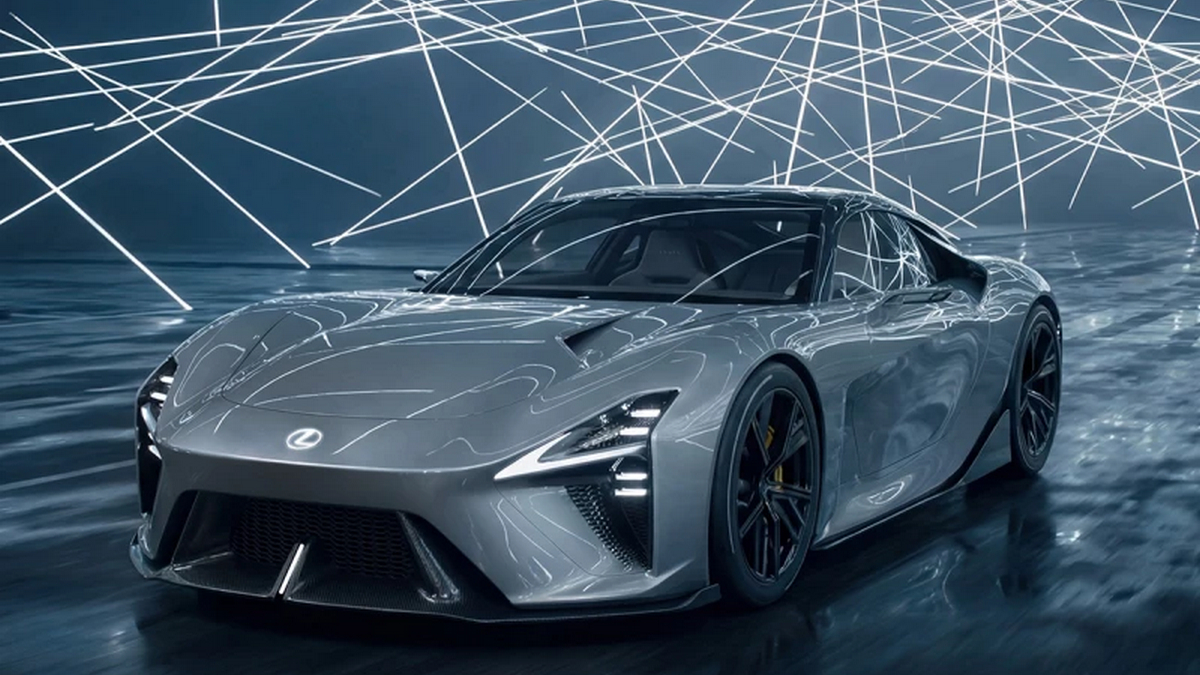
The European continent has become the main driver of the industry due to the energy crisis caused by the fighting in the Middle East. In March 2026, the threshold of half a million electric cars sold in a month was crossed for the first time, an absolute historic achievement. Demand grew by 72% month-on-month and 37% year-on-year, setting records for both pure electric vehicles (BEVs) and plug-in hybrids (PHEVs).
Rapidly rising fuel prices and the risk of fuel supply disruptions have changed drivers’ priorities. On the largest German online marketplace Mobile.de, the number of requests for electric models jumped by 50% in March compared to February, while interest in classic gasoline and diesel cars waned.
A similar picture was observed in the UK, where the renewal of registration numbers coincided with the fuel crisis, resulting in a 31% increase. In France, even price restrictions from TotalEnergies did not save from the panic demand for electric cars, which soared by 69%. Record-breaking figures were also recorded in Italy, Spain, Belgium, and a number of other European countries, with Chinese brands such as Leapmotor already controlling a significant share of the Italian electric vehicle market.
Despite its status as a global leader, China ended the quarter with 1.9 million vehicles sold, down 21% year-on-year. The March doubling of sales is explained by a seasonal recovery after the holiday lull, rather than a steady trend, as the market reacts painfully to the removal of subsidies. However, the domestic decline is offset by aggressive expansion abroad: exports of eco-friendly vehicles from China increased by 120% in the first quarter, reaching almost one million units.
At the same time, North America was stagnant. Quarterly sales in the United States and Canada fell by 27% and 25%, respectively, amounting to only 320 thousand units. The abolition of federal incentives in the second half of 2025 and the lack of infrastructure undermined manufacturers’ confidence. In particular, Honda has stopped developing new electric cars, including the joint Afeela project with Sony.
In contrast to the traditional giants, new markets are showing explosive growth: in the first quarter, sales in other regions of the world jumped 79% to 600 thousand units. In Oceania, the fuel crisis caused by the conflict with Iran led to a 20% rise in gasoline prices, which provoked a radical consumer response. In New Zealand, electric car registrations soared by 263% in March, and Australia set a new monthly high. Similar trends are observed in Asia, where South Korea has doubled the number of registrations, and Japan has finally begun a large-scale transition to electricity due to rising energy costs.
Read also:
- A radical electric crossover: Nissan unveils the new Juke
- Ukrainians are actively buying electric cars: What happened