
© ROOT-NATION.com - Use of content is permitted with a backlink.
In some ways, comparing two budget smartphones like the Nubia V70 and Nubia V70 Max is more serious – and more contentious – than it might initially seem. Why? Because the budget segment typically targets two very different types of users: those who simply need a basic device for calls, and those who scrutinize every spec – every megahertz, gigabyte, milliamp-hour, and megapixel – before making a decision.
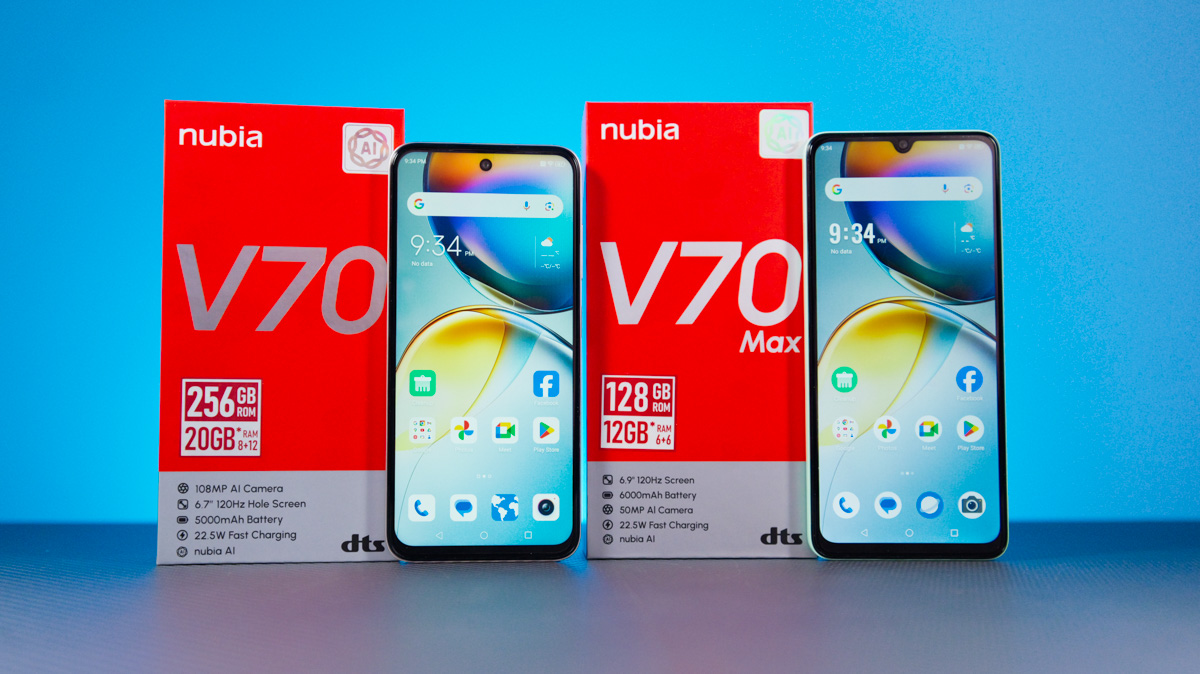
TABLE OF CONTENTS:
Market position
Here, the Nubia V70 Max holds a clear advantage: it’s priced at around $90, making it the most affordable device I’ve reviewed in recent years. The regular Nubia V70 comes in slightly higher at $160, placing it in the more conventional budget category that doesn’t dip below the psychological $100 mark. It’s also worth noting there’s a third model – Nubia V70 Design – which sits between the two in terms of price.
Package contents
It’s reasonable to assume that anyone spending under \$200 on a smartphone isn’t likely to invest much in additional accessories. That’s why the box should include all the basics: a charger, a USB-C cable, ideally a case, a SIM ejector tool, and the usual warranty card and user manual.
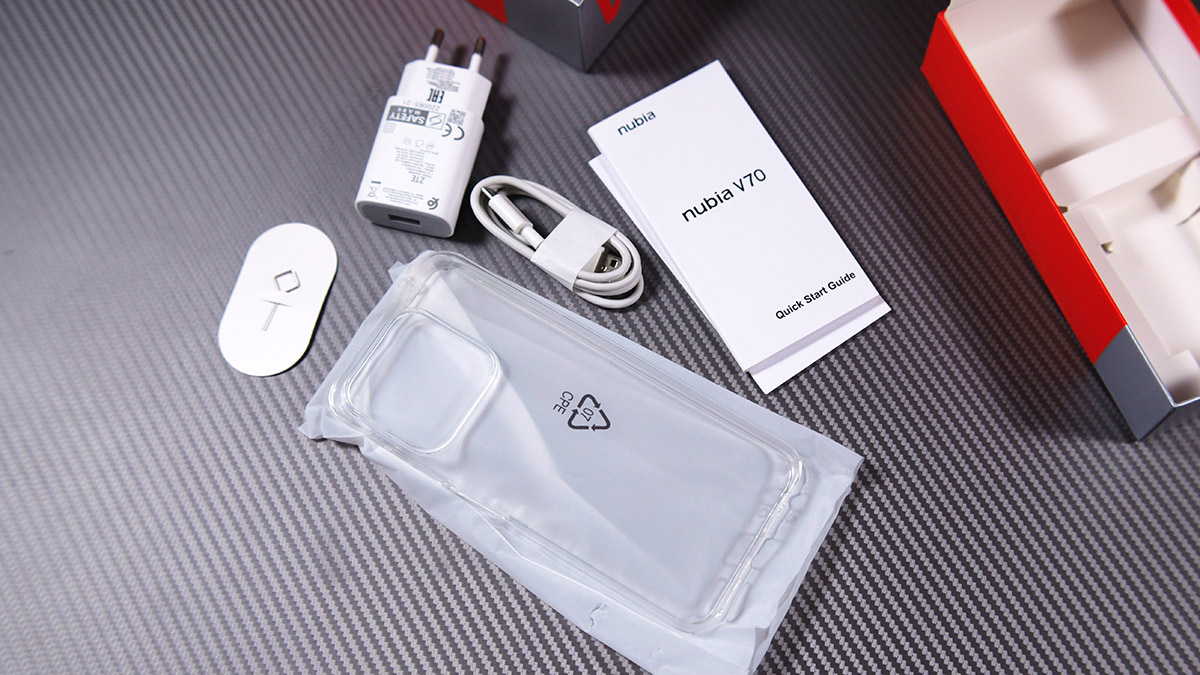
Both devices include all these items. The chargers are also identical, offering up to 22.5W with a USB Type-A port. Both smartphones come with pre-applied screen protectors. I had hoped to see wired earphones included as well, but many manufacturers no longer include them in the box.
Design
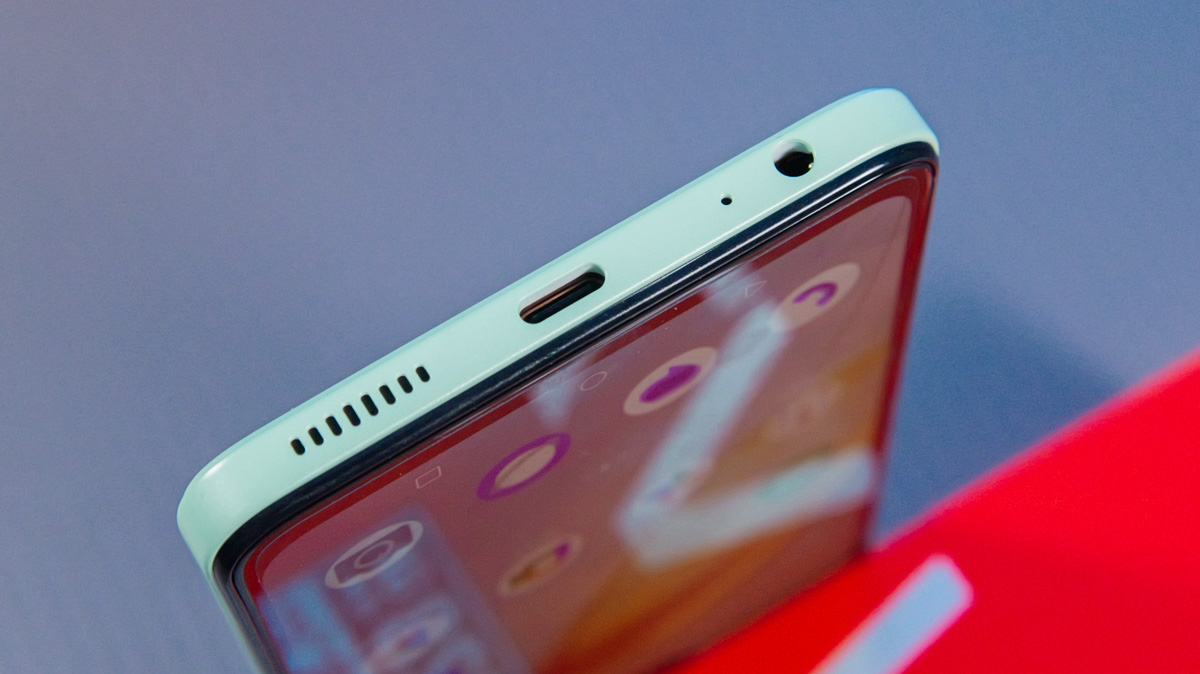
I expected wired earphones because both the Nubia V70 and V70 Max feature 3.5mm headphone jacks on the bottom edge. Alongside the jack, you’ll find a microphone, a USB Type-C port, and a speaker. The V70 also has a second microphone at the top.
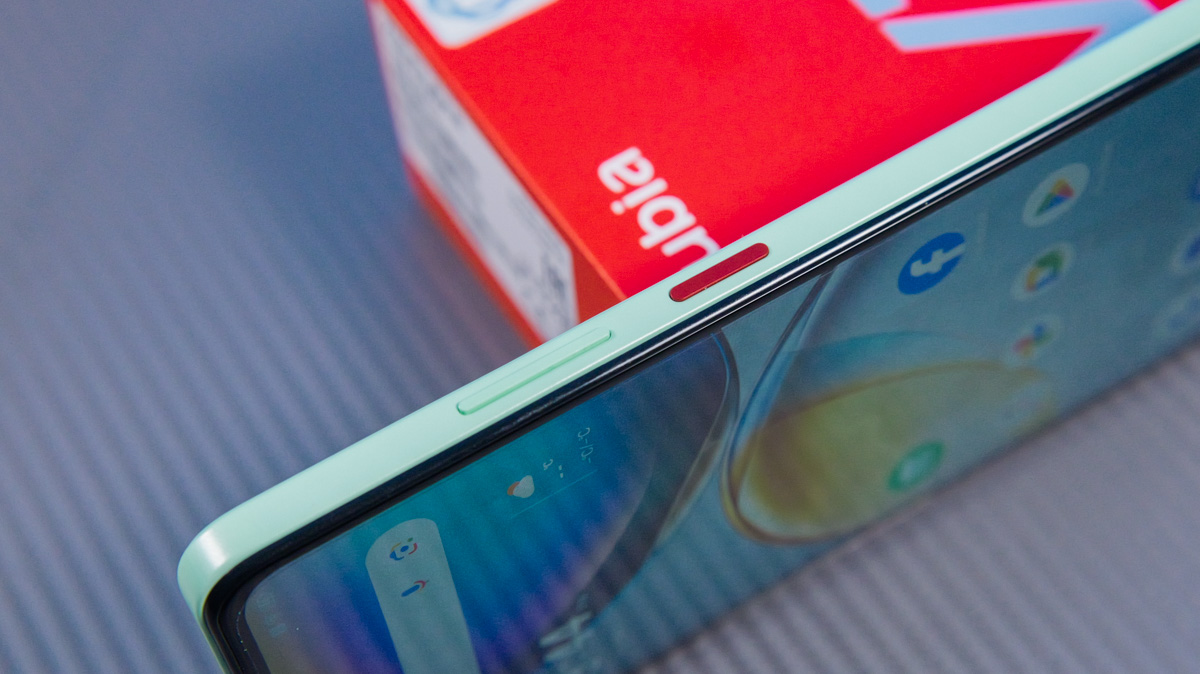
Both devices have the SIM tray on the left side, while the right side houses the volume buttons and the fingerprint scanner. The fingerprint scanner is integrated into the power button, which is a feature I really appreciate and miss when it’s absent. The power button is also finished in a contrasting color, different from the main body.
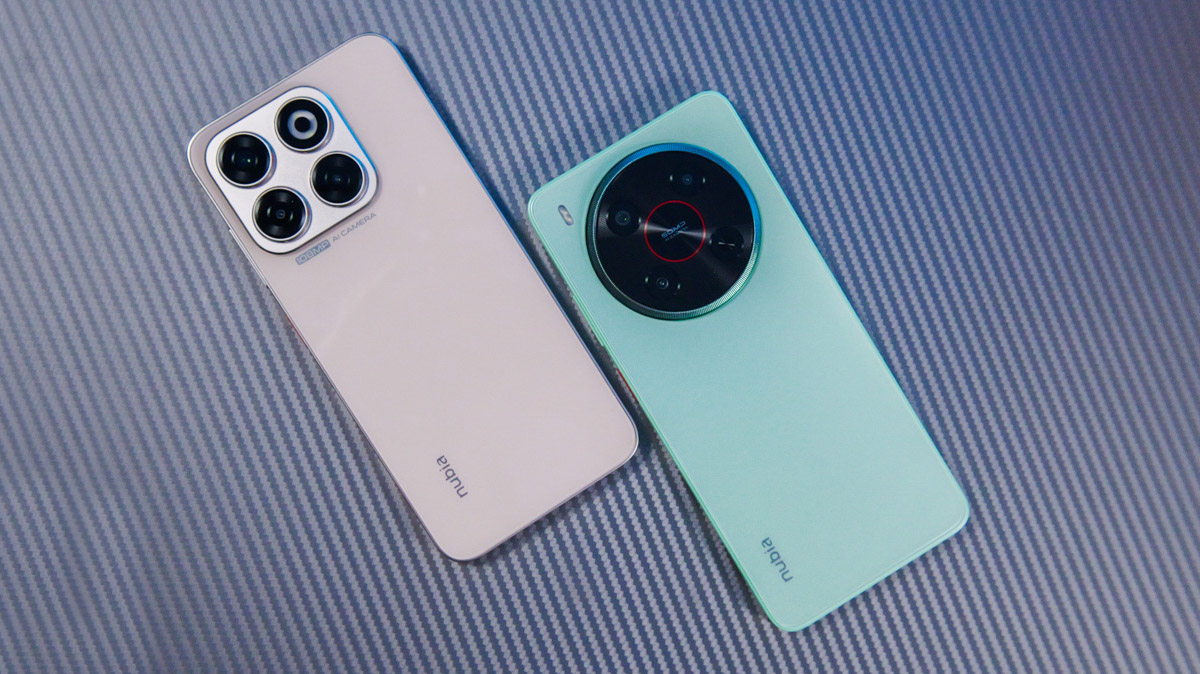
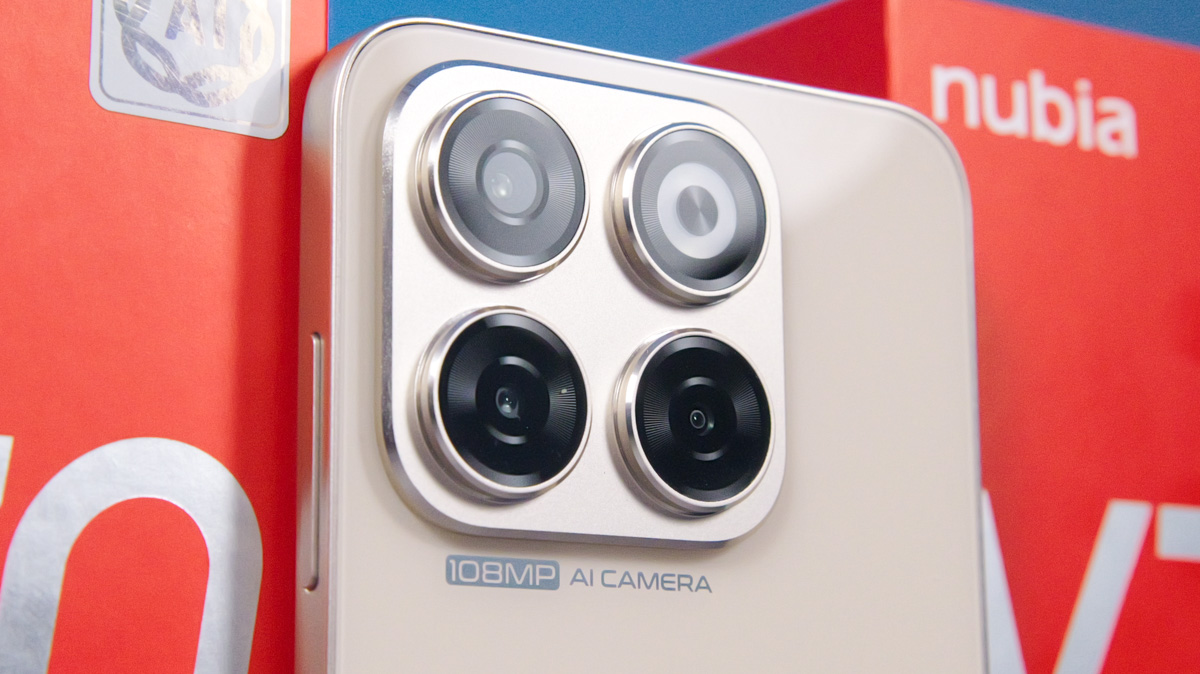
The designs of the two smartphones differ significantly. The Nubia V70 features a traditional camera module inspired by Apple, with four “modules,” but only one is an actual camera, and one is a flash. The camera bump protrudes noticeably, yet the phone still sits steadily on its back.
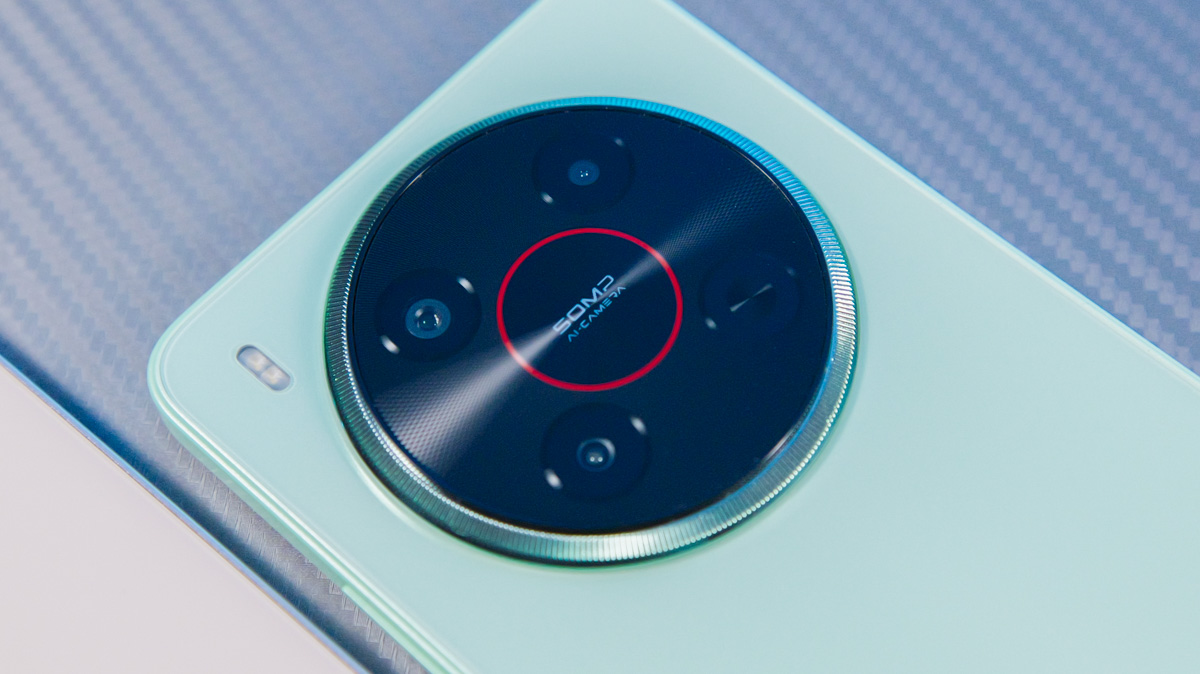
The Nubia V70 Max has a rounded camera module with a beveled edge and a noticeable textured area around its base. It also has four modules, but two are covers, since the flash is positioned separately to the side.
I wouldn’t call the front of either phone bezel-less, but the V70 Max stands out more in this regard, with a notably large chin and a teardrop-style notch rather than a punch-hole for the front camera. Interestingly, the V70 Max is probably the cheapest smartphone with an IP54-rated body protection. The V70, on the other hand, doesn’t have any official protection.
Displays
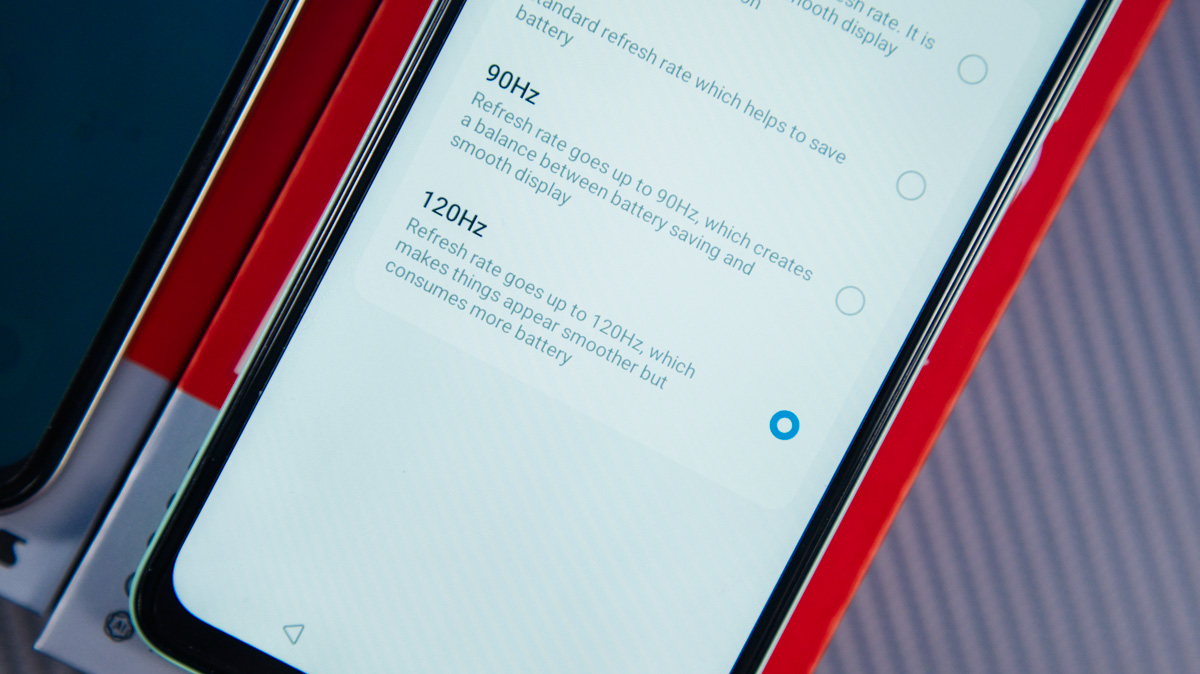
Both smartphones have IPS HD displays with a 120 Hz refresh rate. Yes, even the V70 Max, which costs around 4000 UAH, offers this. The V70 Max also has a larger screen at 6.9 inches compared to 6.7 inches on the V70. However, the V70 Max’s display is noticeably dimmer at maximum brightness – around 300 nits compared to about 400 nits on the V70 – and has a strong red tint. Fortunately, this red tint can be easily corrected using the built-in color adjustment settings found in the “Display” menu.
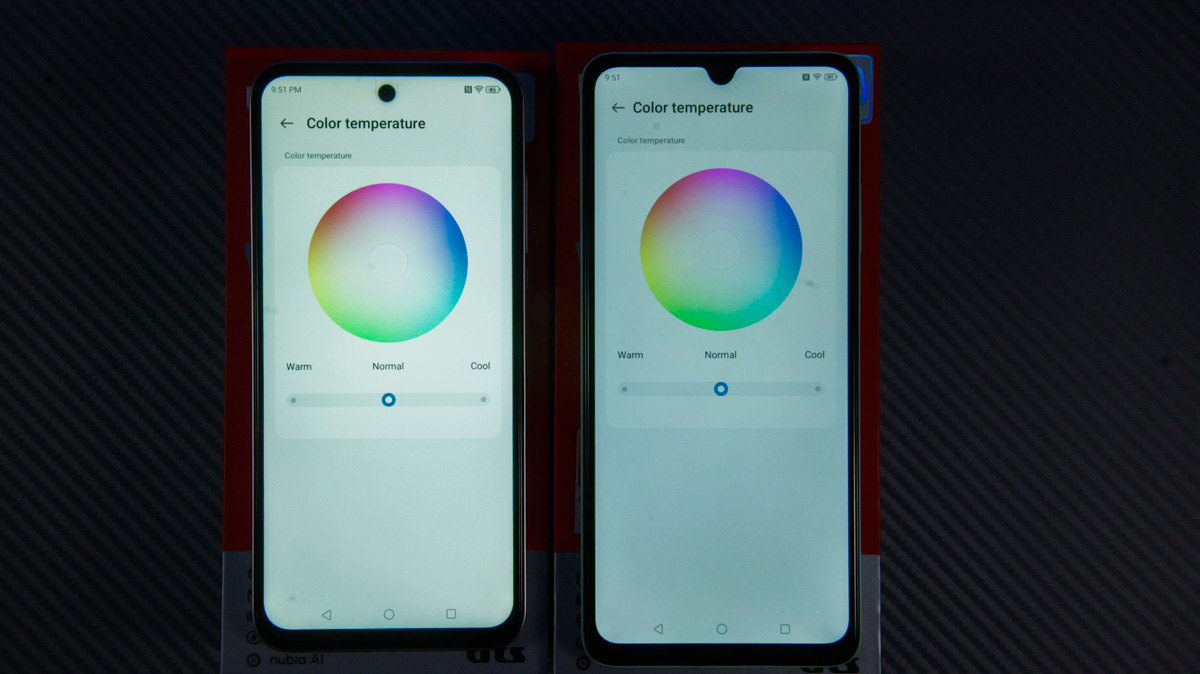
I also noticed a noticeable ghosting effect, which is especially visible on the V70 Max. Given the price point, using a 120 Hz HD panel without any compromises would be unrealistic. Overall, though, I’d rate the displays positively.
Performance
The performance of both smartphones is basic. They use Unisoc Tiger SoCs: the V70 has the T616, while the V70 Max uses the T606. Both chips were released in 2019 and feature eight cores – two Cortex-A75 and six Cortex-A55. The main difference is that the T616 runs at a 400 MHz higher clock speed. Both have the same Mali-G57 GPU.
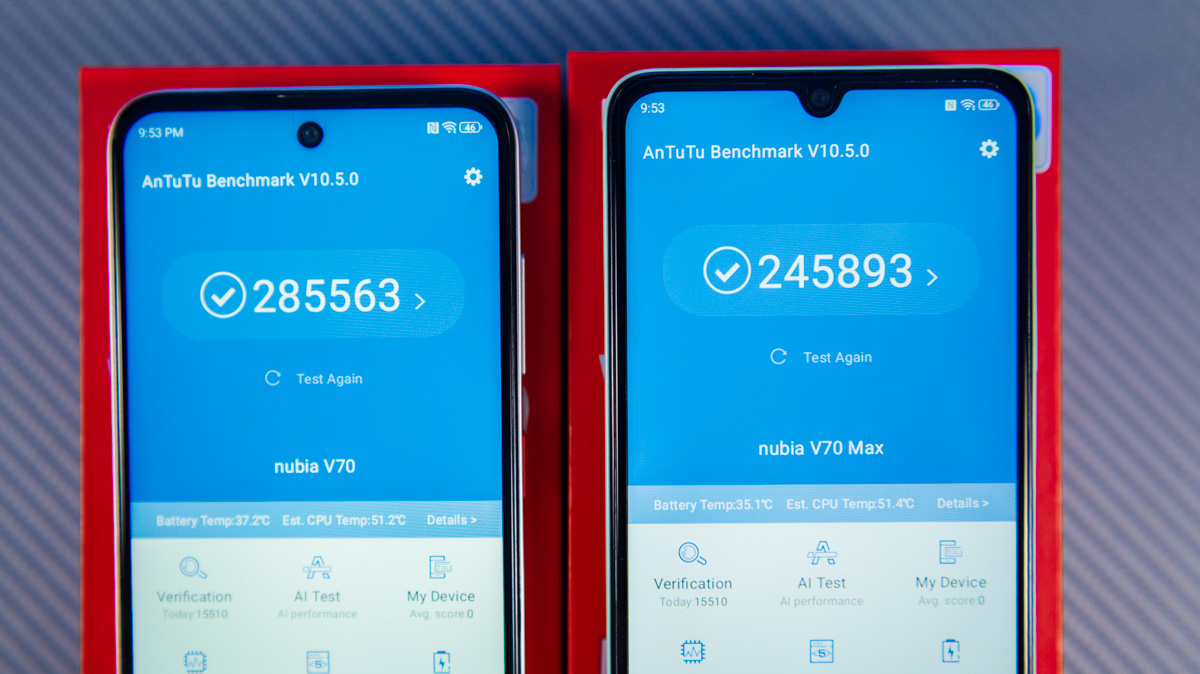
AnTuTu benchmark results were quite close, with the V70 scoring around 285,000 and the V70 Max about 245,000 points. Notably, the V70 Max also ran hotter during testing, reaching a peak temperature of nearly 38°C compared to 28°C for the V70. Neither phone is designed for gaming, which is clear from these results.
Regarding storage, the Nubia V70 has 8 GB of LPDDR4 RAM running at 1866 MHz and 256 GB of storage. The exact type isn’t specified, but given the maximum speeds around 250 MB/s – which is the same as in the V70 Max, where the storage is UFS 2.0 – the likely answer is that both use UFS rather than eMMC. This is notable since eMMC is still common in devices at similar price points.
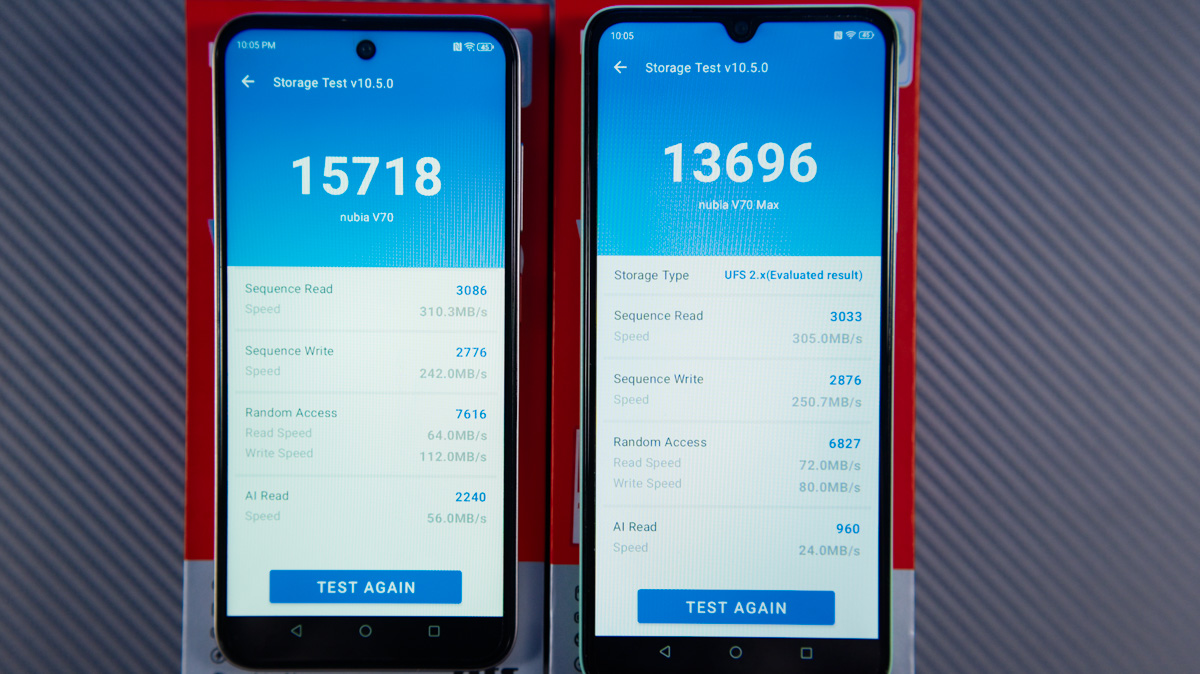
The Nubia V70 Max comes with 128 GB of internal storage and 6 GB of RAM. Both phones support RAM expansion – up to 12 GB for the V70 Max and 6 GB for the V70. On the plus side, both devices offer microSD support and dual SIM capability.
Data transfer and media capabilities
Since the SoCs in both devices are nearly identical, their data transfer capabilities are also very similar. They support Wi-Fi 5, NFC, Bluetooth 5.2, and GPS/GLONASS/Beidou. Both use USB-C with a 2.0 standard.
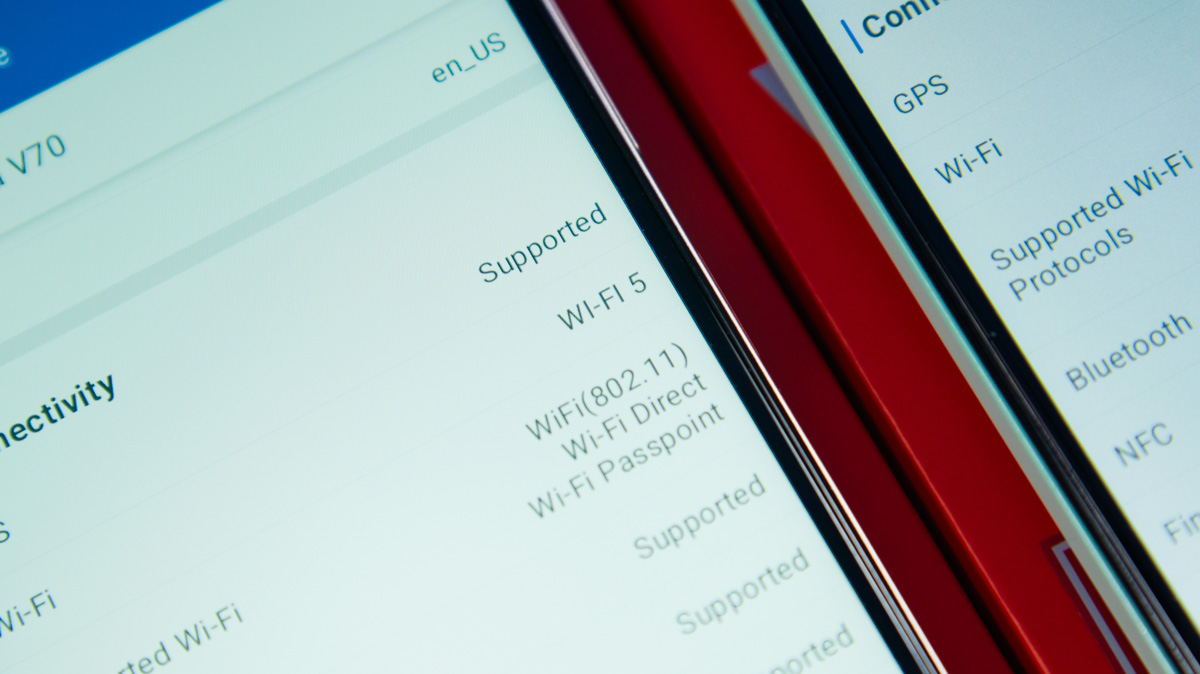
The media capabilities are basic, with speakers offering average sound quality and volume – typical for budget smartphones. It’s also worth noting that both devices include 3.5mm headphone jacks.
Software package
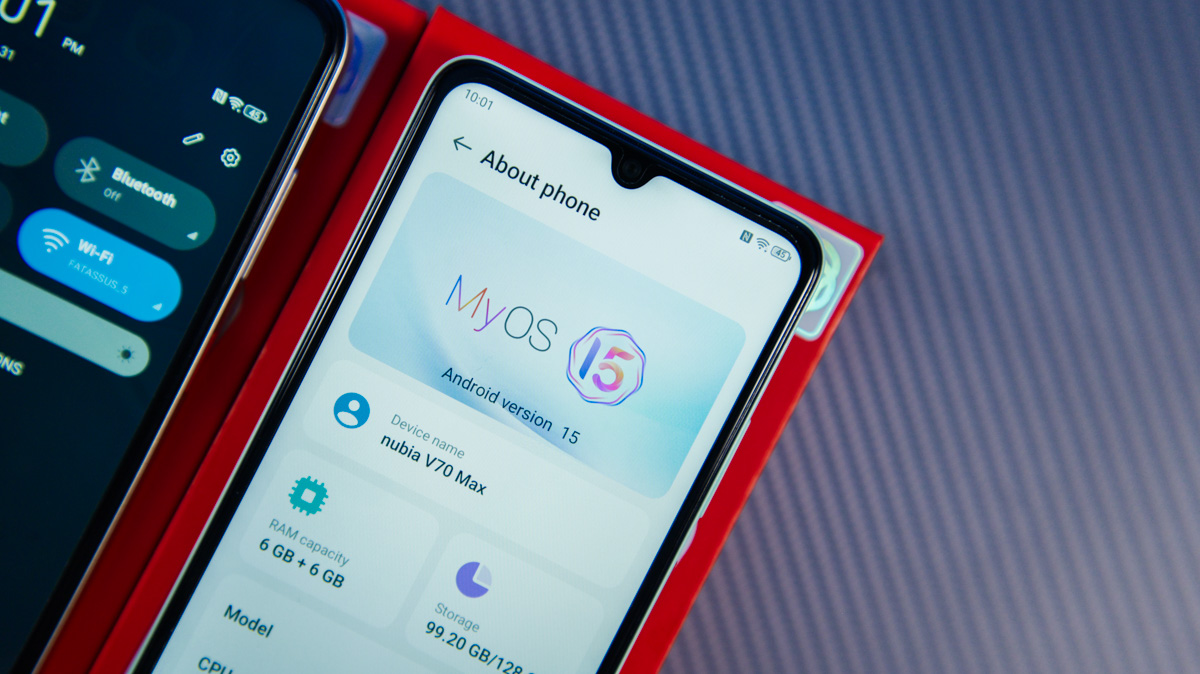
Both smartphones run on Nubia’s custom MyOS interface. At the time of this review, the Nubia V70 Max had been updated to Android 15, while the Nubia V70 was still on Android 14. Despite this, both devices share the same set of smart features. This includes Nubia’s Z-SmartCast technology, which allows screen casting to TVs. Additionally, there is an option to enable looping when swiping through the home screens, so that moving past the last page brings you back to the first.
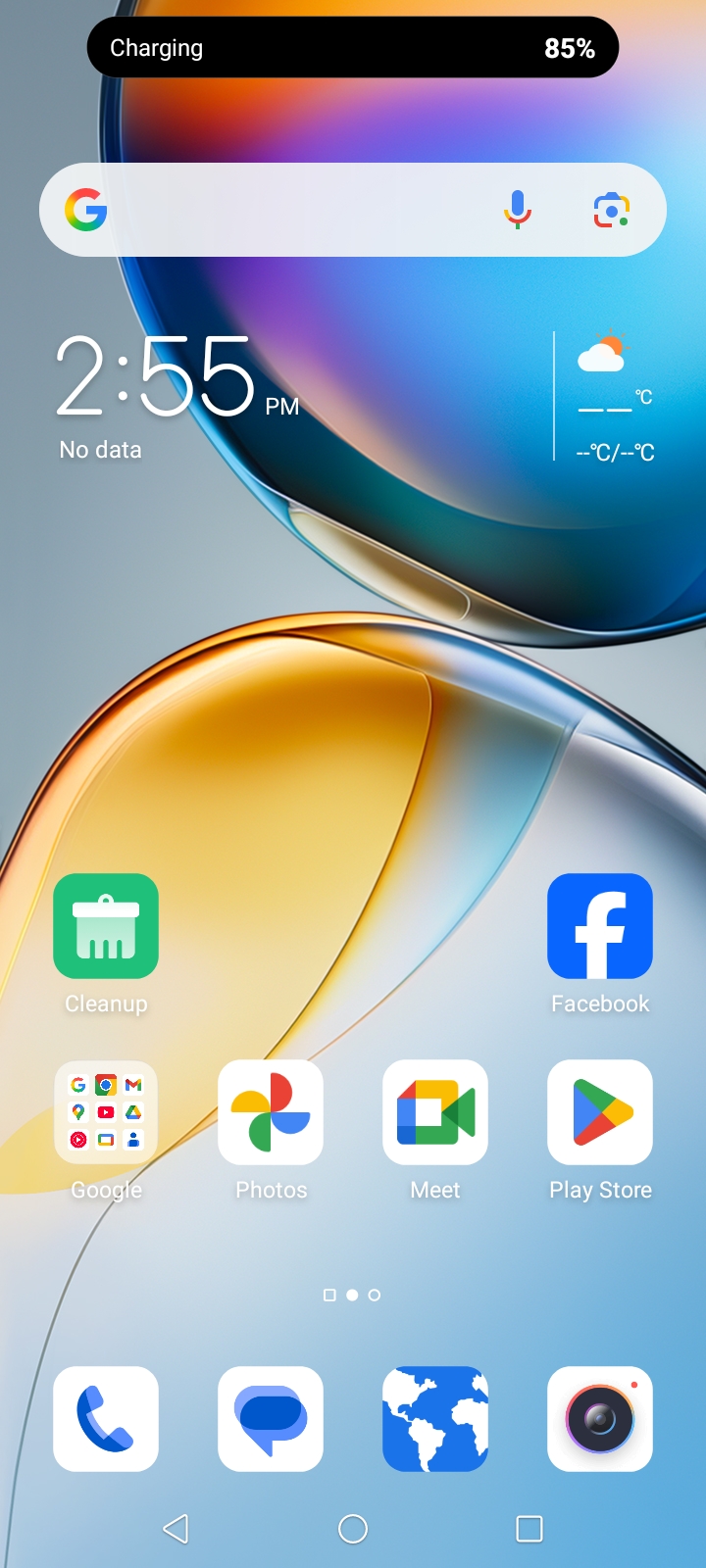
There are three home screen modes available: the standard layout with all icons on pages, a drawer-style mode with icons at the bottom, and a simplified mode featuring larger icons and a more straightforward interface. This simplified mode can be especially helpful for older users, particularly on the V70 Max.
System navigation is customizable with a variety of gestures, some of which resemble Motorola’s gesture controls. The phones also support app cloning and have a feature similar to Apple’s Live Island for filling the top screen space. Interestingly, the dark mode is tucked away within the battery settings, alongside power-saving options, capacity limits, and usage statistics. Both devices come with a number of pre-installed apps and games, although these can be removed fairly easily.
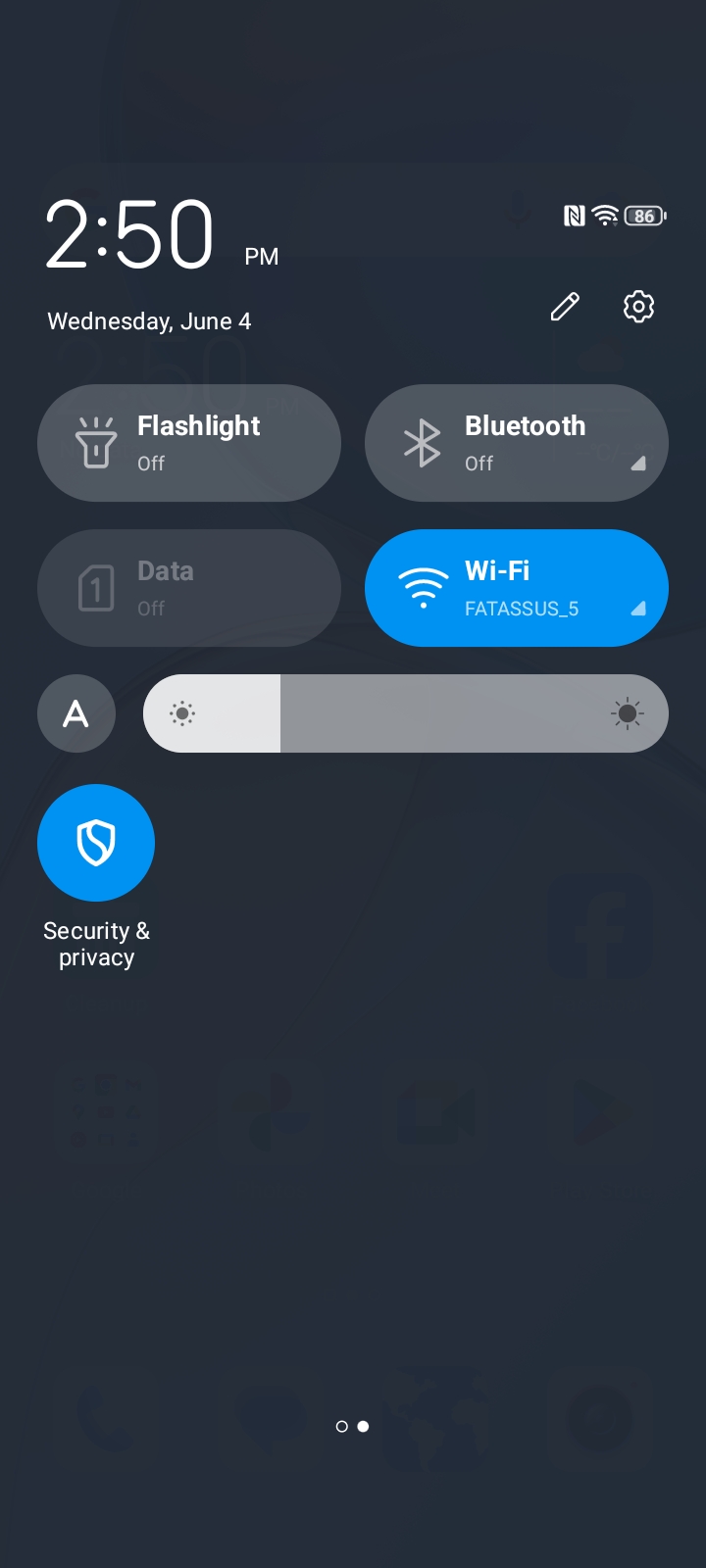
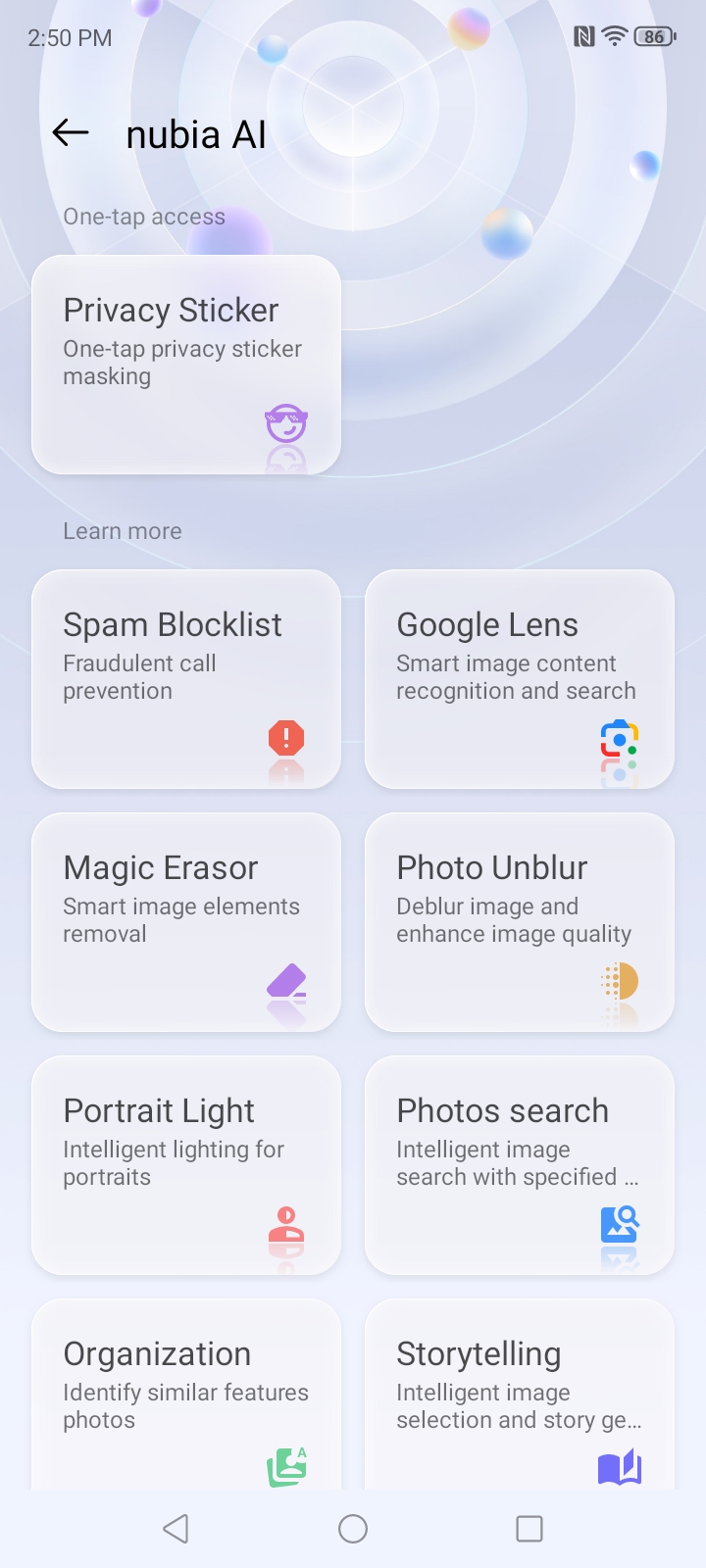
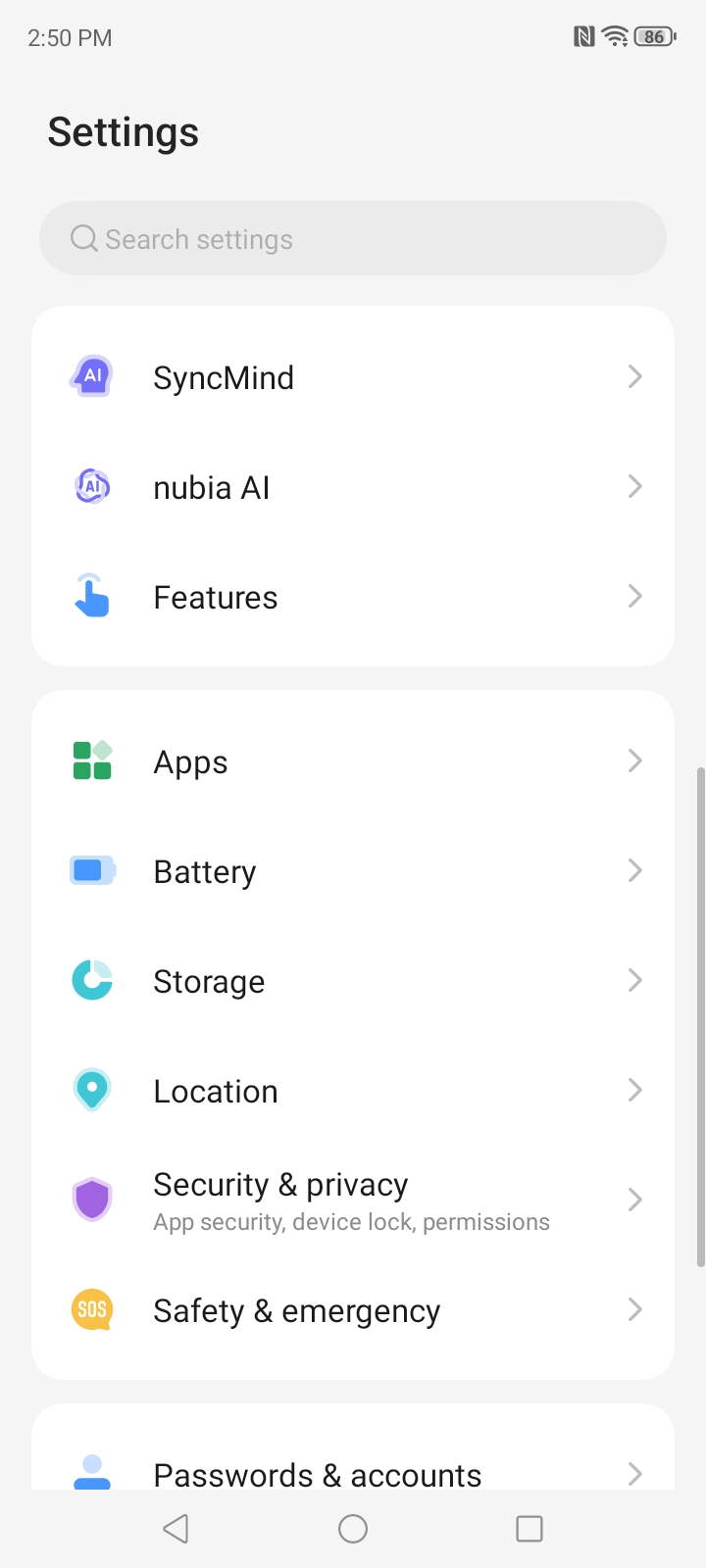
The manufacturer includes a range of AI features, with the V70 offering roughly twice as many as the V70 Max. Both phones use AI for app management and power optimization, but the V70 also has a dedicated “Nubia AI” app. This app can blur parts of photos with stickers to protect privacy, block spam, integrate with Google Lens, perform image searches, adjust lighting, and generally enhance photo clarity.
Cameras
The camera on the Nubia V70 Max is very basic. It has a 50 MP main sensor with an f/1.8 aperture that produces standard photos, but images tend to be soft and noisy, especially in low light and on the preview screen. There is a secondary 2 MP sensor with an unclear purpose, and zoom is digital only. The front-facing camera is 8 MP and lacks autofocus.
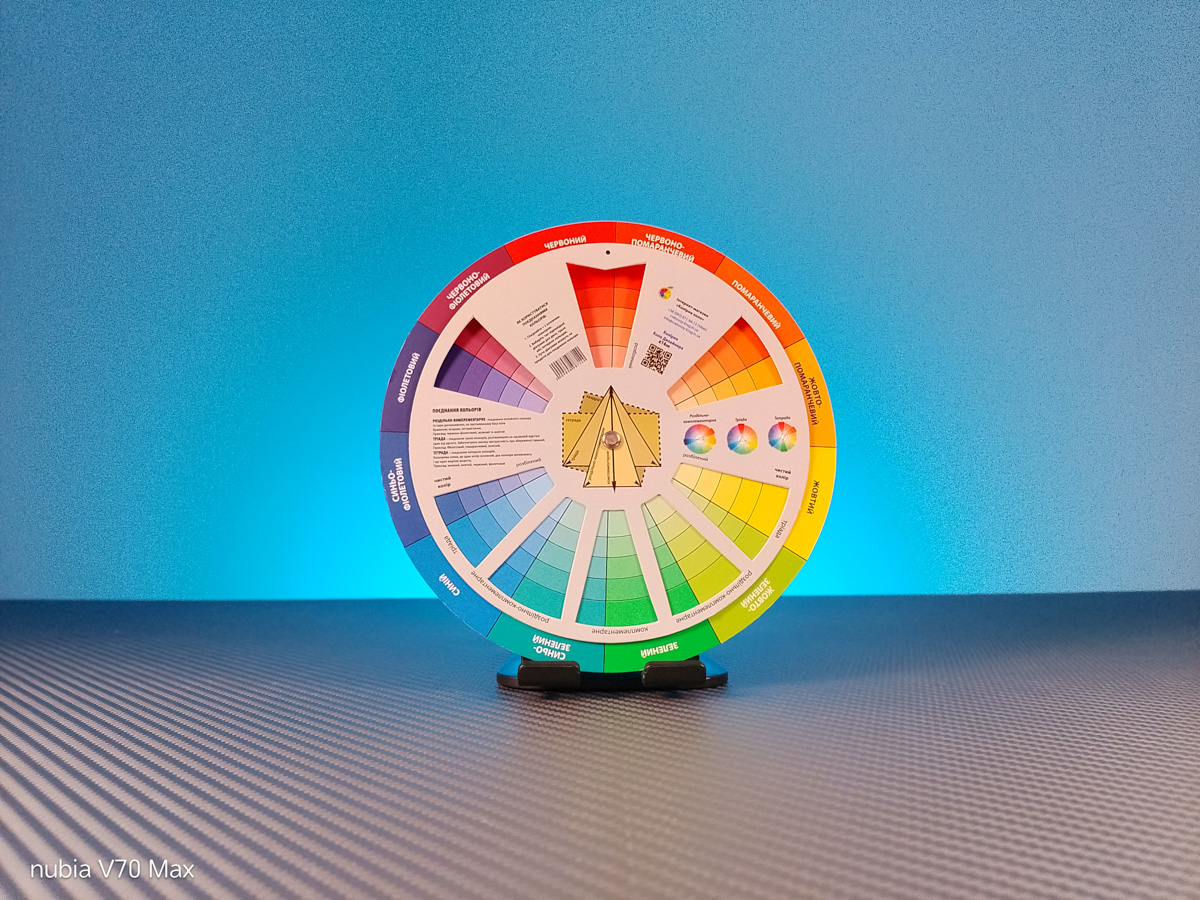
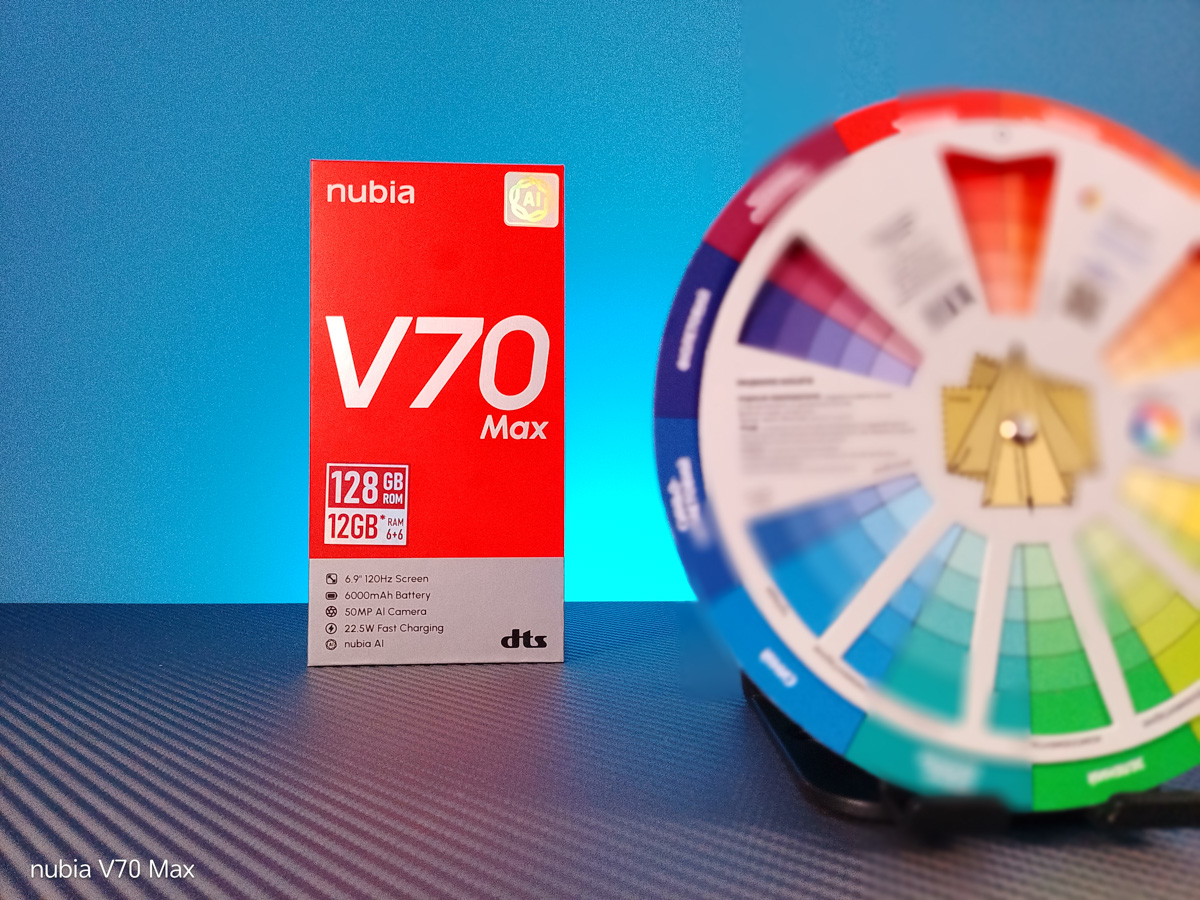



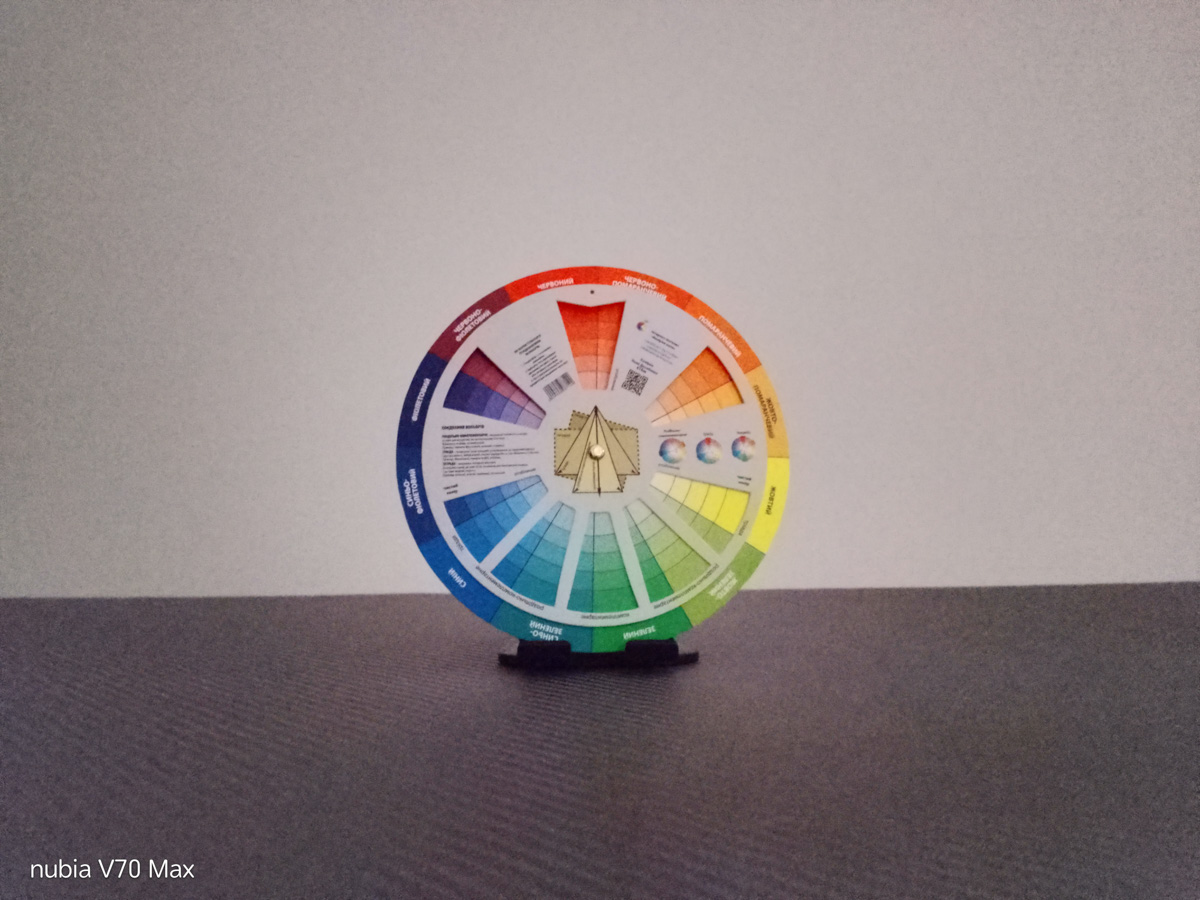
FULL RESOLUTION PHOTOS OF THE NUBIA V70 MAX ARE HERE
The Nubia V70 also has a single main camera module, but it features a 108 MP sensor with an f/1.8 aperture. The image quality is noticeably better, with significantly less noise. Photos are sharper and generally more pleasing compared to the V70 Max.





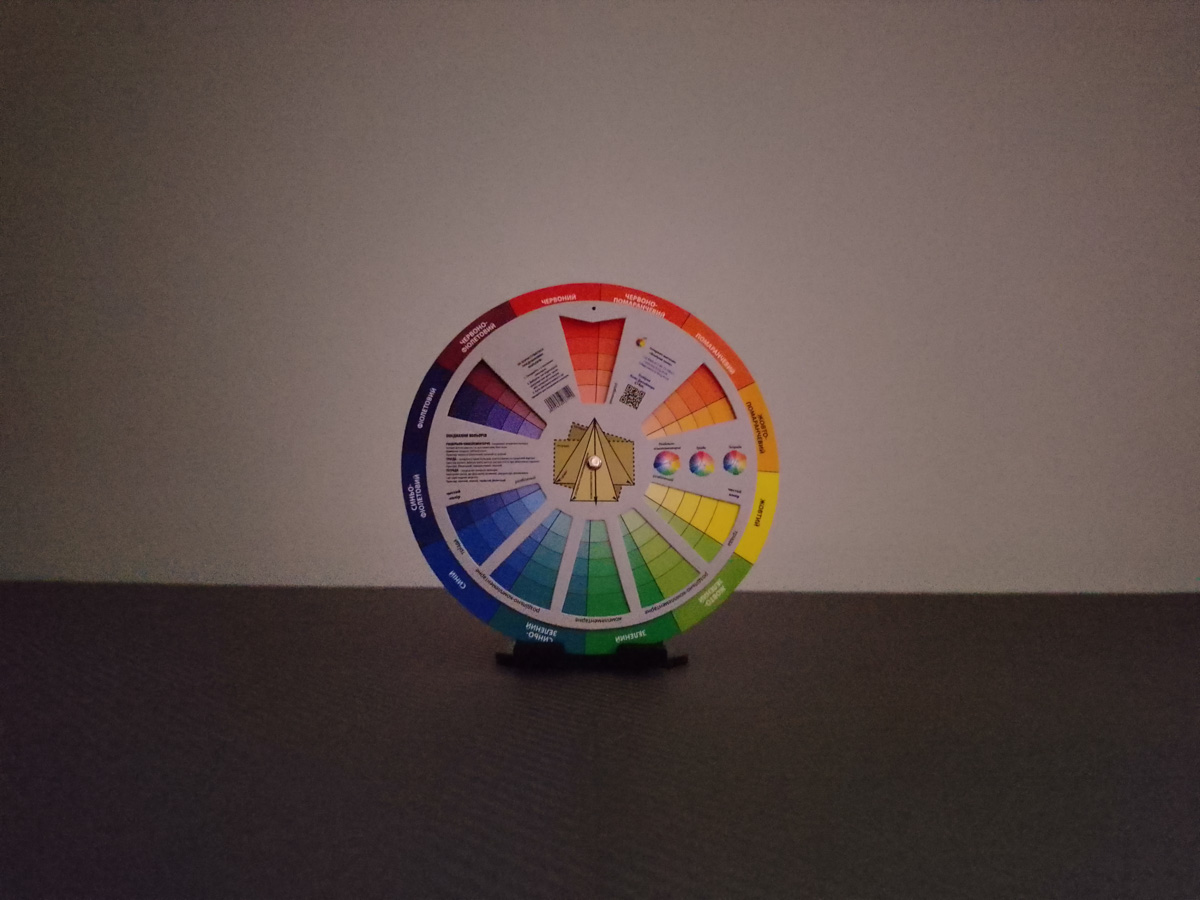
FULL RESOLUTION PHOTOS OF THE NUBIA V70 ARE HERE
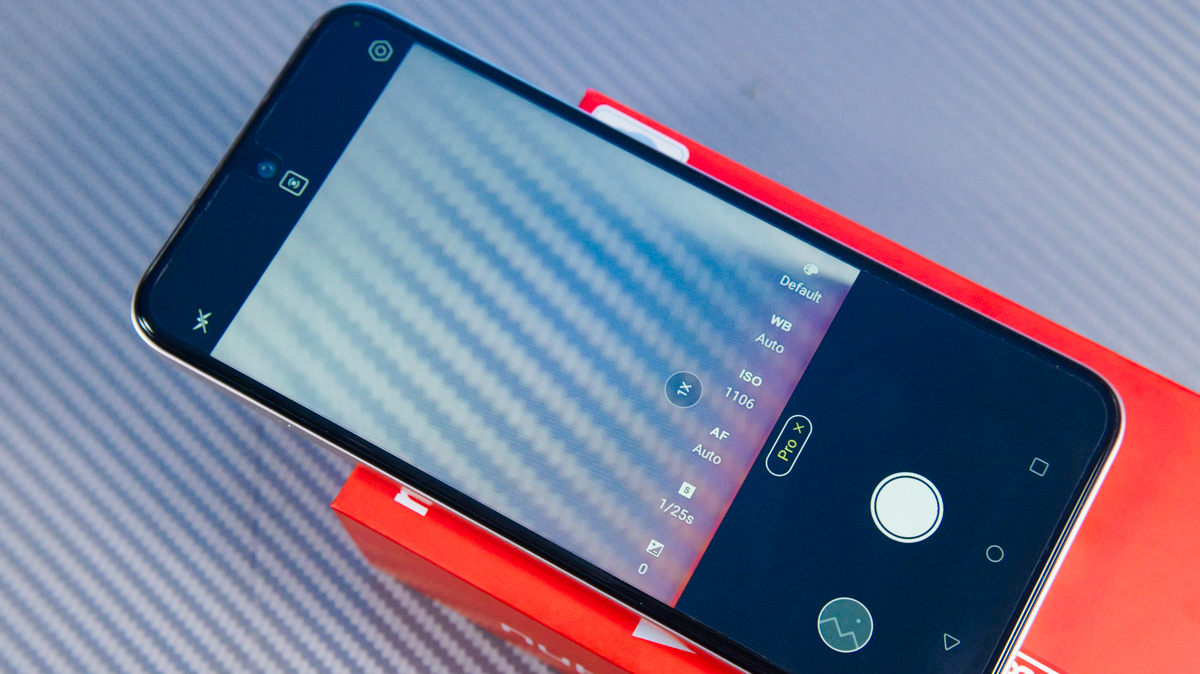
Regarding shooting modes, the Nubia V70 offers a professional photo mode, panorama shots, refocus, and portrait mode. Video recording is limited to Full HD at 30 fps, despite some sources claiming that the V70 supports 4K video.
Battery life
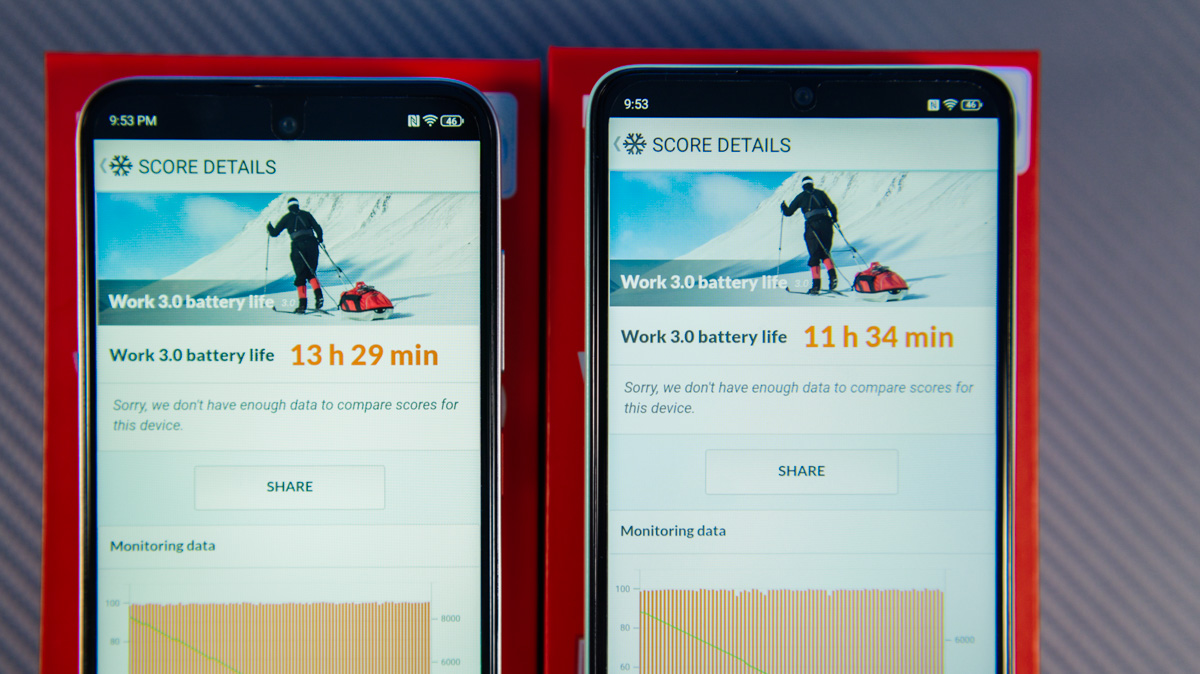
Despite the Nubia V70 Max having a larger 6000 mAh battery – 1000 mAh more than the V70 – in the PCMark Battery 3.0 test, the V70 Max lasted only 11 hours and 30 minutes. The V70 outperformed it by about two hours.
Charging performance favors the more expensive model. Despite both using chargers with the same power rating, the Nubia V70 draws more power and charged from 5% to 99% in 2 hours and 20 minutes. Meanwhile, the V70 Max took 3 hours and 10 minutes to charge from 3% to 99%.
Conclusions
Both devices have their own appeal. The V70 Max could be a good option for older users thanks to its large display, durable body, and simplified interface with bigger icons. However, in most other aspects – from the screen and memory to the camera and battery – the V70 performs noticeably better. This, of course, is reflected in its higher price.
Read also:
- Review of Nubia’s New Releases: Comparing Neo 2 5G, Focus 5G, and V60 Design
- Nubia REDMAGIC 9 Pro Review: Stylish Gaming Smartphone
- Motorola Razr 60 Ultra Review: True Flagship Foldable Phone