





© ROOT-NATION.com - Use of content is permitted with a backlink.
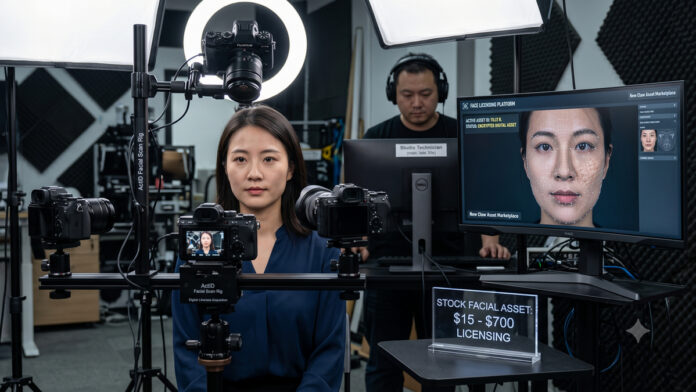
Creating AI-generated dramas requires actors, so Chinese platforms are turning real people’s faces into stock assets. Currently, citizens have the opportunity to earn money by granting AI content developers the rights to use their likenesses, although controlling the subsequent distribution of these digital faces proves to be much more difficult.
Residents of China can now grant access to their faces for AI systems, similar to how photographers sell photos to stock photo sites. AI content creators can now make these digital copies speak, move, and play various roles in short dramas or commercials.

Read also: AERONAUT – everything that flies above the ground: aviation, UAVs and drones, rockets, and space
According to Rest of World, participants in such programs earn between $15 and $700 through platforms like ActID and New Claw.
For film studios, these marketplaces serve as a source of virtual performers, eliminating the need to organize traditional on-set filming. Participants receive clearly defined payment terms; however, once digital files leave the service, the agreement can no longer guarantee the good faith of every buyer.
The mechanism for renting one’s likeness operates according to a specific model. It is reported that approximately 800 users are registered on the ActID platform, of whom roughly 300 grant licenses for their own faces. Content creators pay between 99 yuan (about $14.6) and 500 yuan (about $74) per episode, and the platform takes a 10% commission.

The New Claw platform allows participants to upload their own photos and set a minimum licensing fee of 500 yuan (about $74) per image. Buyers have the right to use the acquired images in AI projects as specified in the contract.
Typically, a standard stock photo captures only a single facial expression in a specific setting. In contrast, a licensed AI appearance can embody a character that appears continuously, giving buyers significantly more freedom of action and creating many more opportunities for face owners to identify instances of misuse.
AI’s enormous need for a large number of faces stems from China’s growing demand for AI-generated entertainment. This keeps digital avatars in use even when their real-life owners have never set foot on a film set.
Data from the China Network Broadcasting Association shows that AI was used in over 95% of the 128,000 micro-dramas that aired during the first quarter of 2026. Studios producing media content on such a large scale need characters that can be quickly licensed and brought into production. A single photo shoot can secure an exceptionally long acting career without the need to live in trailers or attend grueling press tours.

The question of whether it’s possible to regain control over one’s own face remains complex. Chinese law requires mandatory consent for the processing of biometric data and prohibits the falsification of a person’s appearance without proper authorization. Facial licensing platforms add to this with contracts and technical restrictions designed to keep buyers within agreed-upon usage limits.
The process of complying with these rules in practice appears complicated. The Guangzhou Internet Court has heard approximately 700 AI-related cases over the past three years, including lawsuits involving face swapping and copyright infringement.
Anyone considering renting out their face to an AI service should not only consider the financial compensation but also carefully verify how the service monitors unauthorized use. A formal contract can clearly define the group of people authorized to use your image, but it cannot eliminate every illegal copy that appears online.
Read also: Everything You Need to Know About AI Browsers: A Loud Debut, a Quiet Finish