





© ROOT-NATION.com - Use of content is permitted with a backlink.
I’ll start by saying that I’ve been waiting for the Cougar SC140 ARGB and Cougar SC140 ARGB RB for over five years. Five years ago, when I reviewed Cougar Aqua 240 liquid cooling systems, I mentioned – and I still stand by this – that I would never recommend 240 mm or 360 mm AIOs as actively as I do 280 mm and 420 mm models. But to make those larger units viable, you need 140 mm fans, which Cougar hadn’t offered for a long time. And now, here they are: the Cougar SC140 ARGB and SC140 ARGB RB! I’ll also briefly mention the Cougar Apolar 120, because it’s hard to talk about Cougar fans without it.
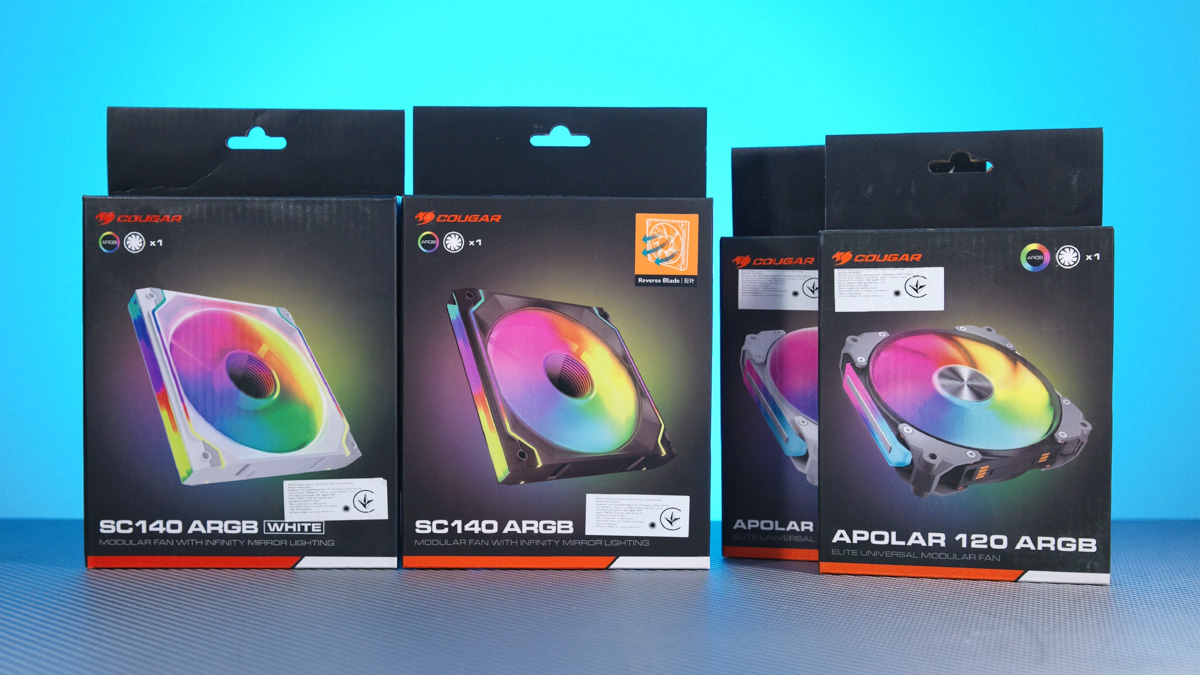
TABLE OF CONTENTS:
Video review of Cougar SC140 ARGB and Cougar Apolar 120
Market positioning
Let’s start with the price. A single Cougar SC140 ARGB, as well as a single Cougar SC140 ARGB RB, in either black or white, costs around $30 or €25. This immediately places these models in the premium segment – not the most expensive, but definitely premium.
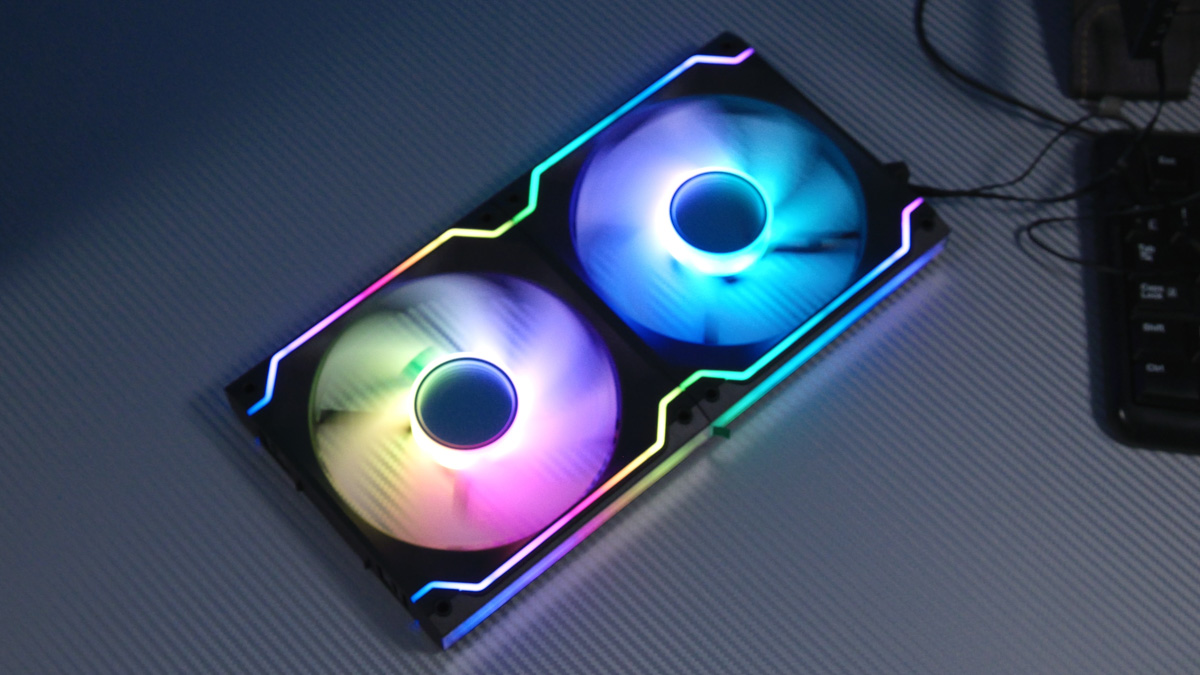
The situation with the Cougar Apolar 120 is a bit different. Black models are priced at $25 or around €20, while the white versions are more expensive than the SC140, costing $29.
Cougar SC140 ARGB
The main advantage of both the SC140 and Apolar is their wireless connectivity. This isn’t about Qi charging, but rather the placement of contacts on half of each fan’s frame for daisy-chaining. In other words, you only need to connect one fan, and the others will operate alongside it as long as their contacts are properly aligned with a neighboring fan.
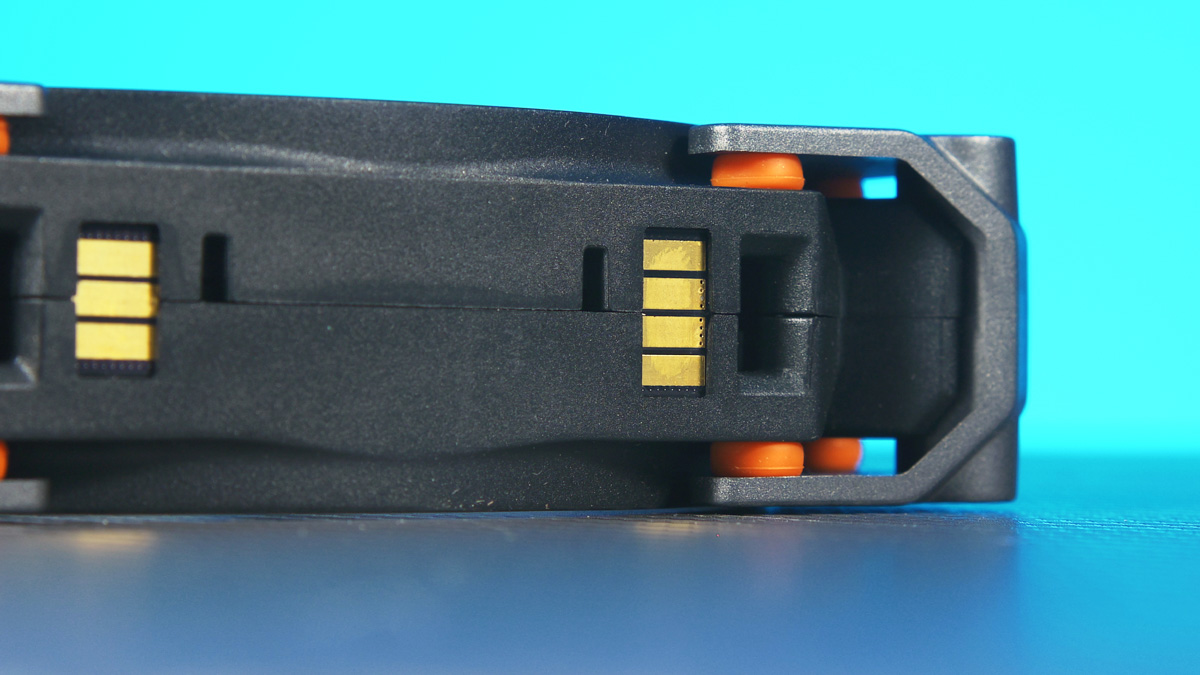
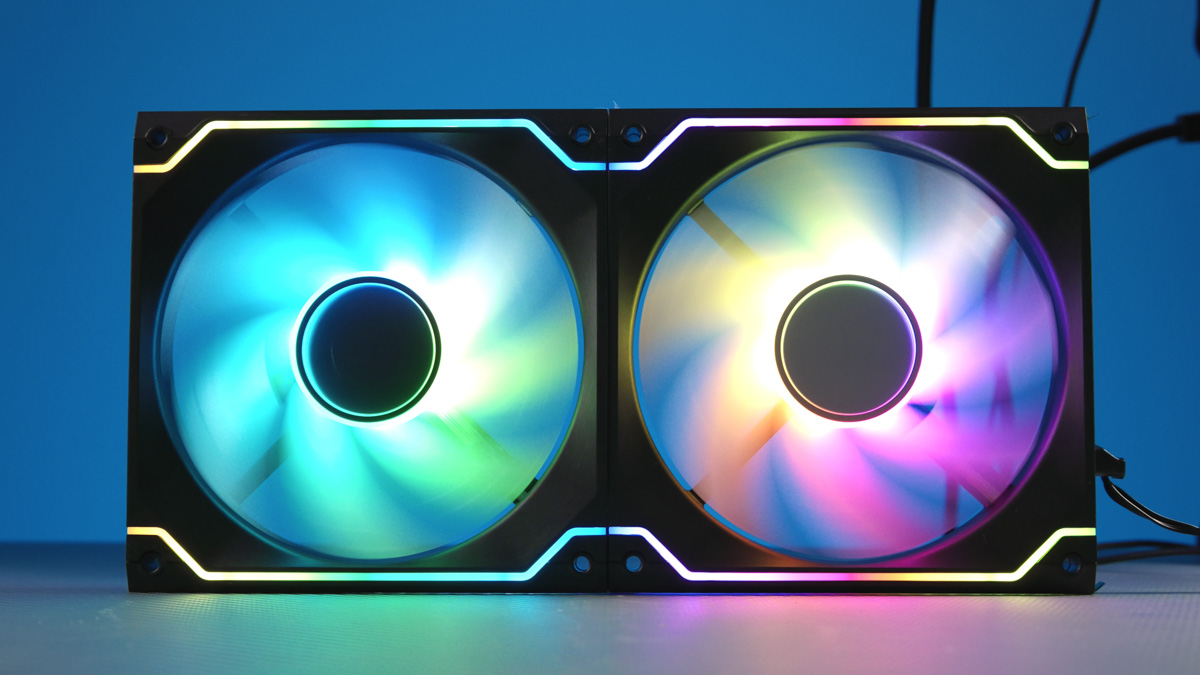
This isn’t Cougar’s proprietary technology – the concept has been around for years. However, the fact that Cougar entered the 140 mm fan market with this design is a very smart move. The same goes for the RGB implementation: a central “infinity mirror,” RGB strips along the sides from contact to contact, and a deep section at the edges where no contacts are present.
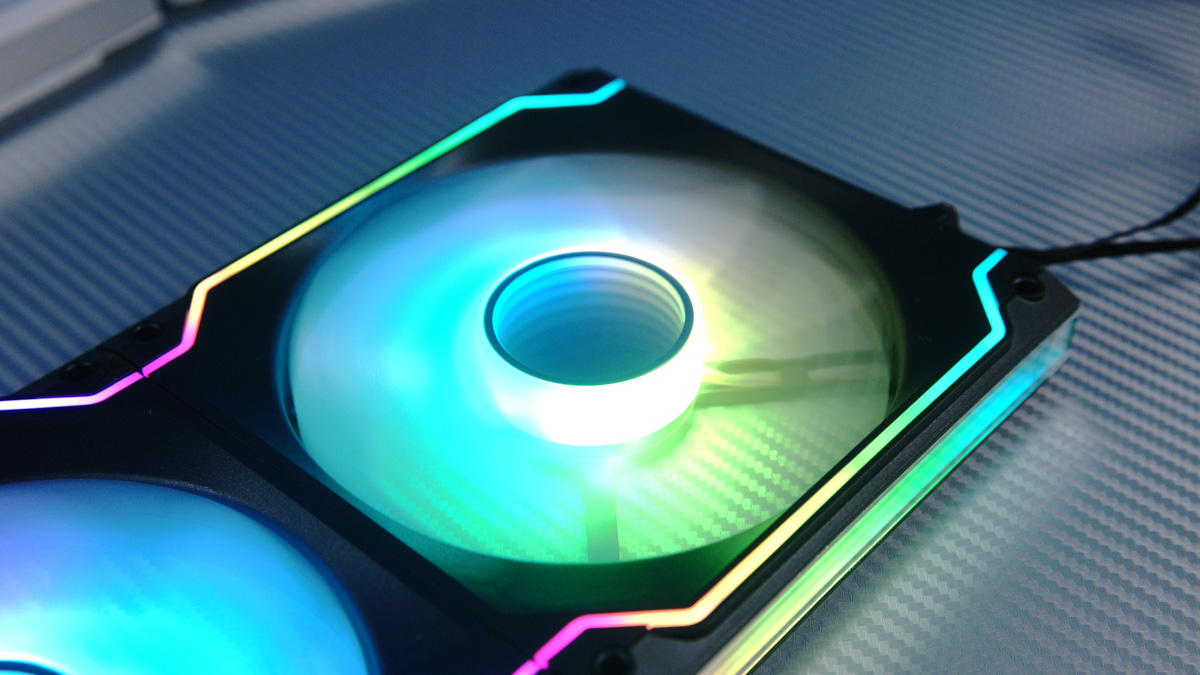
Another important – and I mean genuinely important – point is that the SC140 differs from the SC140 RB in that the airflow in the RB version is reversed, pardon the rhyme. This allows these specific models to be used in “aquarium-style” cases, where intake fans sometimes face the user directly, such as in the Cougar FV270.
Cougar Apolar 120
Meanwhile, the Cougar Apolar 120 has less RGB lighting, as it is absent in the center, and there is no option with reversed airflow.
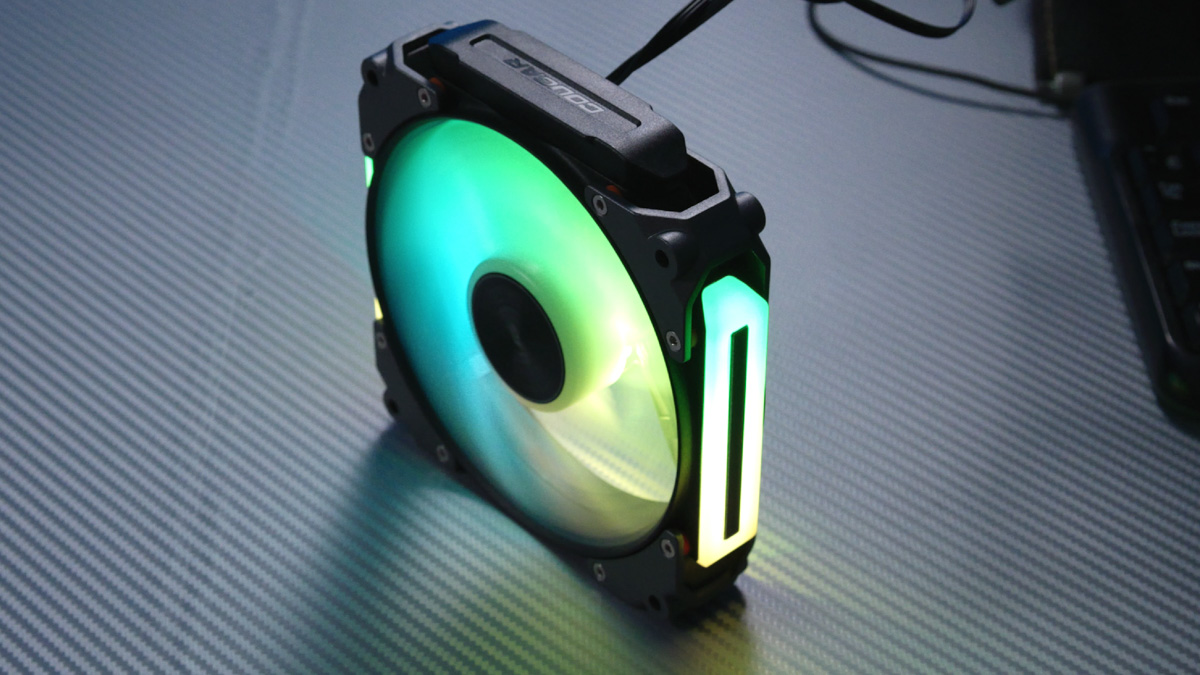
So why the higher price? Because the frame is different – metal, with reinforced vibration dampers. There are four dampers per mounting hole, whereas other manufacturers typically use about half as many.
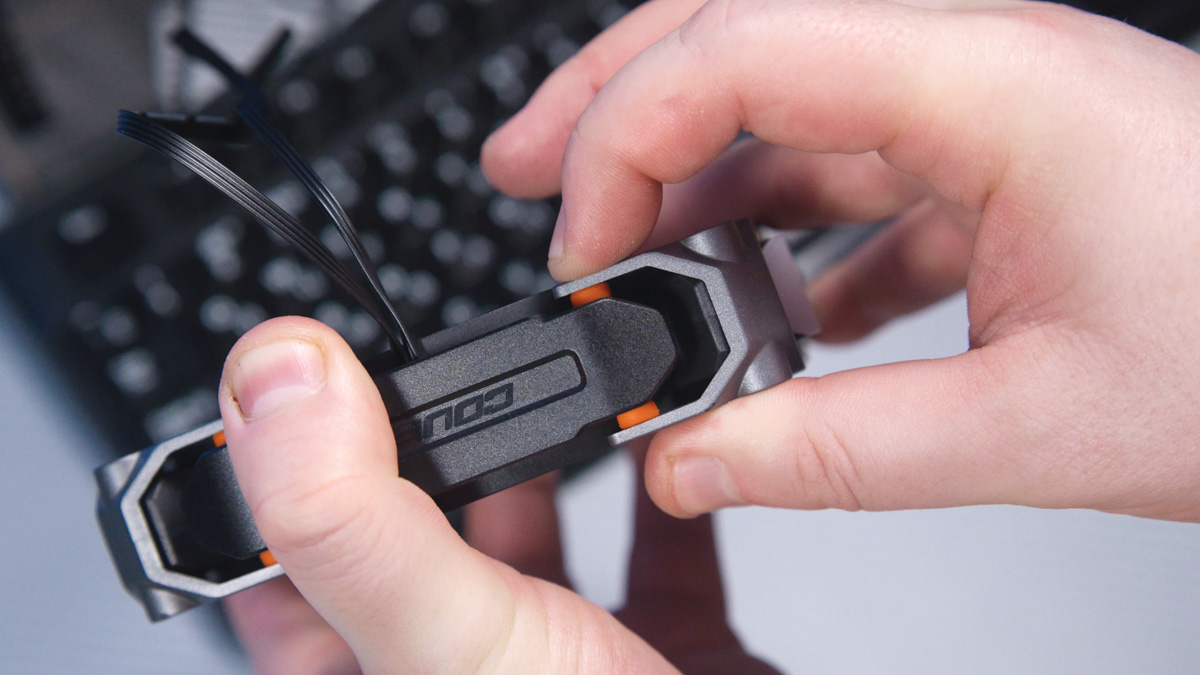
Interestingly, there’s almost no metal here, yet the weight is higher. Not by much – roughly 40 g more compared to the smaller model – but still noticeable.
I’ll stand by my point: even with premium design and reinforced dampers, I wouldn’t recommend 120 mm models over 140 mm. However, if you have no other option and only space for 120 mm, the Cougar Apolar fans will work. As for the sound – judge for yourself.
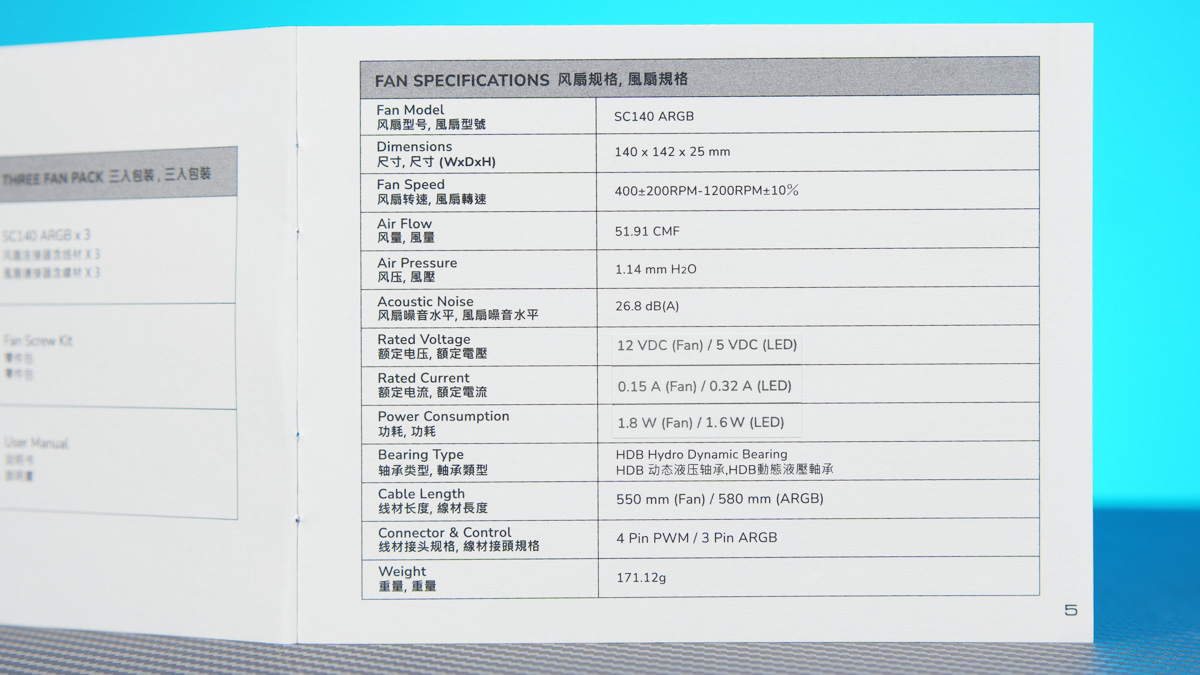
Undoubtedly, the sound is also affected by the fact that the SC140 operates at 400–1,200 RPM, while the Apolar runs at 600–2,200 RPM. This results in higher static pressure for the 120 mm model – nearly 2.6 mm versus just 1.15 mm – and a higher airflow rate, 75 CFM compared to 51 CFM. On the other hand, the 140 mm model has a longer cable, 580 mm versus 490 mm, which may be important for some users.
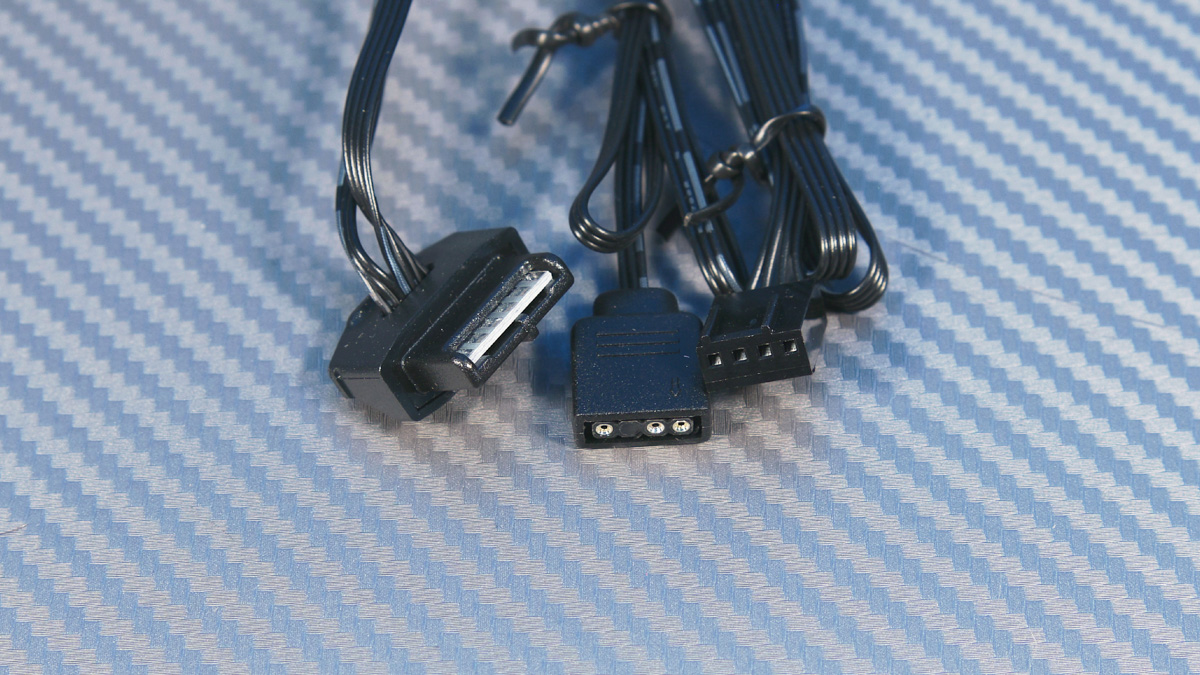
Regarding the connectors, they are included and unique to each model. Personally, I prefer the SC140 connectors, as they are easier to install and remove. The Apolar 120 cables are stiffer and more robust, though in this case, the extra durability doesn’t have much practical impact.
Conclusions
I waited for these fans and was not disappointed at all. The Cougar SC140 ARGB and Cougar SC140 ARGB RB are exactly what I wanted to see paired with the manufacturer’s 420 mm liquid coolers. I’ll go further – the Cougar Apolar 120 also surprised me, particularly with its metal frame, quality vibration dampers, and… a bit of its price. But in this case, the cost is justified.
- SAMA SM360 Pro Cooling System Review: Strong Performance, Weak Software
- ASUS TUF RTX 5080 16GB: Is the status quo finally over?
- be quiet! Pure Rock Pro 3 Review: Powerful, Advanced, and Surprisingly Affordable

