




© ROOT-NATION.com - Use of content is permitted with a backlink.
Rare earth metals are increasingly becoming a focal point of global attention. But what exactly makes them so essential – and why is there growing international competition surrounding them? Let’s break it down.
Chances are you’ve already checked your social media today – maybe posted a selfie, liked a photo, or ordered coffee through an app. If so, you’ve once again relied on your smartphone. It’s a familiar and convenient device – practically an extension of your hand. But these gadgets aren’t made from thin air. Without rare earth metals – which may sound like something out of a fantasy novel – there’d be no processor, no display, and no virtual “likes” to hand out.
Rare earth elements are built into virtually all modern electronics – from phones and laptops to magnets, jet engines, military equipment, wind turbines, and countless other technologies that keep our world running. Without them, there’d be no scrolling through feeds, no video calls with friends or family, and no way to read this article.
Read also: How Chinese Companies Circumvent the US Ban on AI Chips
TABLE OF CONTENTS:
Why rare earth metals?
Despite the name, this isn’t a term from an alchemy textbook. It refers to a specific group of 17 chemical elements: 15 lanthanides, plus scandium and yttrium. If you’ve ever taken a close look at the periodic table, you might recall that the lanthanides are the elements tucked away in a separate row beneath the main layout. This group starts with lanthanum and ends with lutetium – which is where the term “lanthanides” comes from.
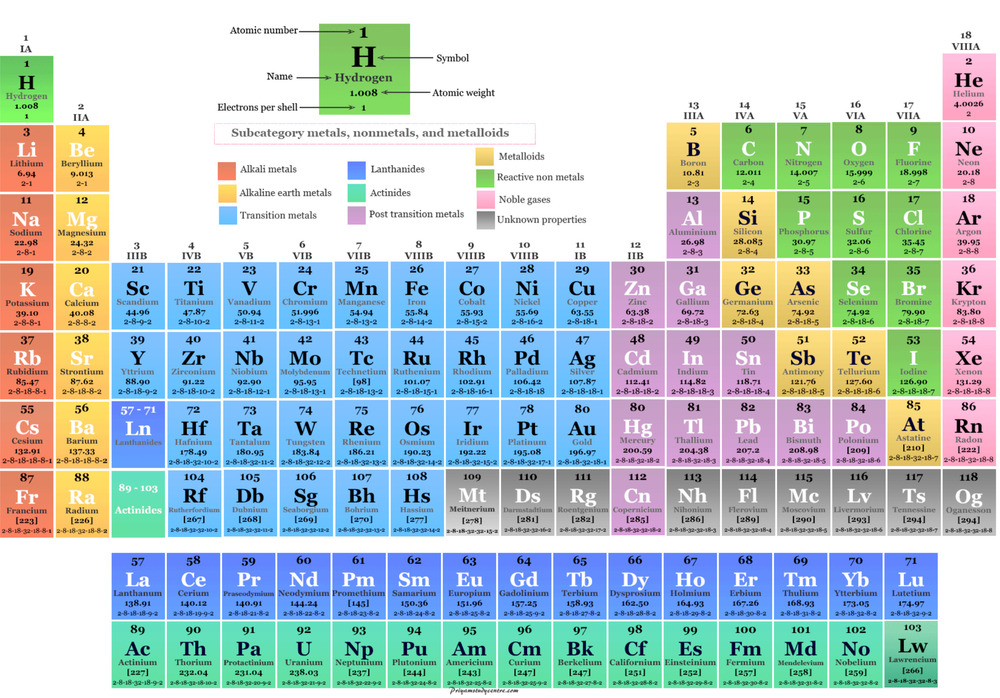
The term “rare earth metals” can be misleading. These elements aren’t particularly rare – in fact, many of them are relatively common in the Earth’s crust. What sets them apart, aside from their wide range of uses, is that they tend to be found in dispersed, hard-to-extract deposits. Mining them often requires significant investment and infrastructure, especially in regions where extraction is technically challenging or environmentally sensitive. In that sense, their rarity is more about accessibility than actual abundance.
These elements aren’t just technical jargon for chemists – they’re fundamental to the infrastructure of the modern tech-driven world. Take neodymium, for example: it’s a key component in high-strength magnets used in everything from satellite systems to wind turbine rotors. Europium plays a crucial role in LCD displays and fluorescent lighting. Ytterbium is essential for optical fiber production and solar cells. And that’s just the beginning. Elements like cerium, praseodymium, samarium, terbium, dysprosium, holmium, erbium, and thulium each serve highly specialized functions across various industrial sectors. Together, they form a critical, if often invisible, backbone of today’s advanced technologies.
It’s important to clearly distinguish between the terms “rare earth metals” and “critical raw materials.” These aren’t interchangeable, despite how they’re often used online or in oversimplified explanations. Rare earth metals refer specifically to a defined group of 17 elements. In contrast, critical raw materials is a much broader category – it includes any resources considered essential for the functioning of modern economies, the advancement of technology, and the geopolitical competitiveness of nations.
What qualifies as “critical” depends heavily on context. The European Union, the United States, China – all maintain their own lists of strategically important materials, shaped by national priorities, supply chain access, and geopolitical considerations.
So, to put it simply: all rare earth metals are critical raw materials, but not all critical raw materials are rare earths. Think of it like the relationship between squares and rectangles, if geometry makes more sense to you.
It’s worth keeping that in mind the next time you take a selfie or turn on your TV. The modern world doesn’t run on code alone – it runs on chemistry too, in the most literal sense.
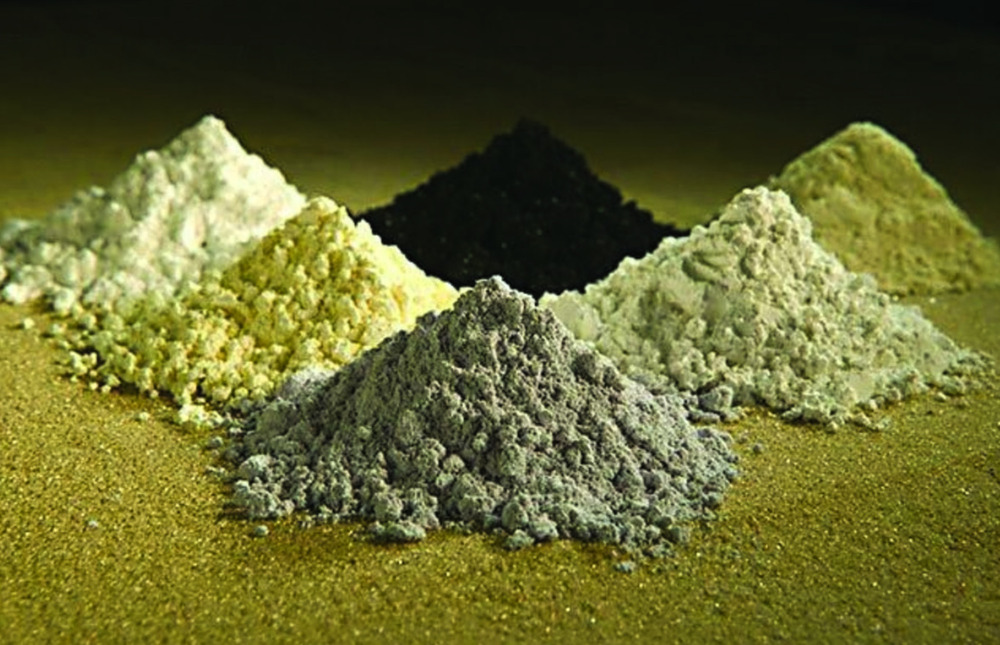
Rare earth metals were first discovered in the late 18th century. In 1787, Swedish army lieutenant Carl Axel Arrhenius found a unique black mineral in a small quarry near Ytterby, close to Stockholm. This mineral was a mixture of rare earth elements. The first individual element to be isolated was cerium, in 1803.
However, it wasn’t until the 1960s, with the rapid growth of the semiconductor market and especially the mass production of color televisions (which used europium), that global demand for these elements began to rise sharply. Today, rare earth elements play a crucial role in technology, and as the world shifts away from fossil fuels toward energy systems based on renewables, demand for them is expected to grow exponentially.
As I mentioned earlier, mining these materials involves significant costs, but for businesses – especially those with political backing – that’s often not a major obstacle.
Just a couple of days ago, it was reported that China has reduced shipments of critical metals and minerals to Western defense manufacturers. This move has delayed production and forced companies to scour global supplies to secure the materials needed for everything from missiles to fighter jets. So why has this caused so much concern?
Read also: How Taiwan, China and the US are fighting for technological dominance: the great chip war
China dominates the rare earth metals market
That’s a significant factor. China is responsible for over 60% of the world’s rare earth element production. Furthermore, Beijing controls around 85% of the global processing capacity for these metals.
This situation isn’t accidental or coincidental. It reflects a deliberate, strategically planned, and systematically executed policy by China that has been developed over several decades.
Back in 1987, Chinese leader Deng Xiaoping visited Baotou in Inner Mongolia, near one of China’s largest rare earth deposits, where he made a nearly prophetic statement:
“In the Middle East, they have oil; in China, we have rare earth elements.”
This statement later became not just a guiding concept but a practical roadmap for an entire industry. Beijing quickly realized that in the 21st century, controlling critical raw materials means controlling not only markets but also the direction of global technological development.
As early as the 1980s, China began making significant investments in the mining and processing of rare earth metals. But it wasn’t just about building capacity. At the same time, Beijing quietly but effectively pursued a strategy to push out competitors through tactics like dumping, export restrictions, discrediting rivals, and artificially lowering the price of its own products.
The result: mining operations in the US, Australia, and Canada became economically unviable, mines were shut down, and dependence on China’s supply rapidly increased.
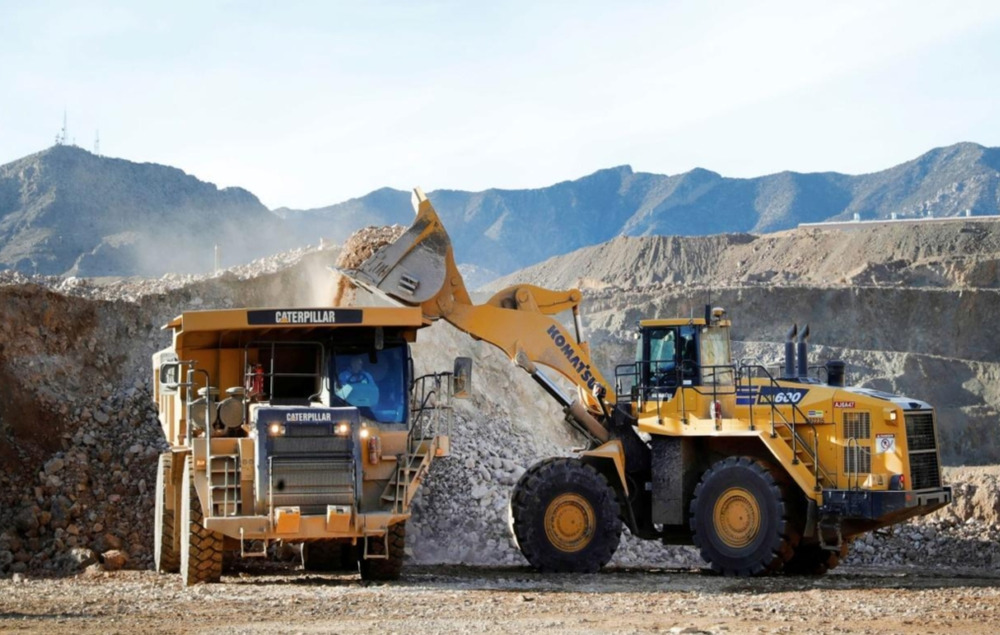
By the early 21st century, China had established near-monopoly control over the global rare earth elements market. This status hasn’t just been maintained – it has been actively reinforced. And this influence extends beyond economics.
Beijing openly uses these resources as a geopolitical tool: imposing export restrictions, raising tariffs, and adjusting environmental regulations to make it as difficult as possible for competitors to access these materials.
However, this dominance comes with its drawbacks. Chinese authorities are increasingly aware that the environmental damage caused by rare earth mining is not just a rhetorical concern but a strategic threat. Extracting these metals is not only a complex technical challenge but also places a significant strain on the environment:
- The ore must be crushed and subjected to complex chemical processing.
- This process generates hundreds of thousands of liters of toxic wastewater daily, containing uranium, thorium, and other hazardous substances.
- Large-scale CO₂ emissions and contamination of water, soil, and air have become standard in mining regions.
- In many cases, there is a noticeable increase in cancer rates among local communities and workers.
There is also the issue of resource depletion. Extracting lower-grade ores requires increasing amounts of energy, chemicals, and overall expenditure, which raises serious questions not only about the economic viability of the process but also its sustainability in the long term.
The concentration of such a critical industry in the hands of a single country – one that is increasingly at geopolitical odds with the West – is a legitimate cause for concern. As a result, a global race is underway to secure new sources of rare earth metals. This competition isn’t limited to geological surveys or investment forums; it also plays out behind diplomatic scenes, in closed-door negotiations, and at times involves private military contractors.

The struggle for access to strategic raw materials is only one part of the equation. Equally important is building reliable, diversified, and shock-resistant supply chains – ones that won’t collapse due to a single political decision in Beijing.
Beijing has made its position clear:
- Rare earth elements are considered state property.
- Export of purification technologies is prohibited.
- Export of gallium and germanium – both critical for microelectronics – is also restricted.
These measures are already having a significant impact on markets for microchips, electric vehicles, and renewable energy technologies. Ahead of us lies even tougher competition – one in which those who still believe that global trade operates as a purely “free market” are likely to lose out.
Also interesting: Cryptography: What It Is and How It Works
The African paradox
China is actively investing in rare earth production projects around the world, including in Australia, Canada, and Tanzania. This makes Africa a key region in the global raw materials landscape – especially when it comes to rare earth elements.
It’s on this continent that the interests of not only China but also another major global power – the United States – are increasingly colliding. Washington has no intention of allowing Beijing to dominate the playing field unchallenged.
Africa is not just a continent marked by poverty, conflict, and a legacy of colonialism. It’s also a repository of strategic raw materials – and increasingly, a focal point in the global struggle for resource control. Roughly 30% of the world’s reserves of critical minerals are located here.
Take the Democratic Republic of the Congo, for example: it holds over 70% of the world’s known cobalt deposits – a metal essential to electric vehicles and modern battery technologies. Nearby, Gabon is home to the world’s second-largest manganese deposit, making it the third-largest producer globally. And that’s only the tip of the iceberg.
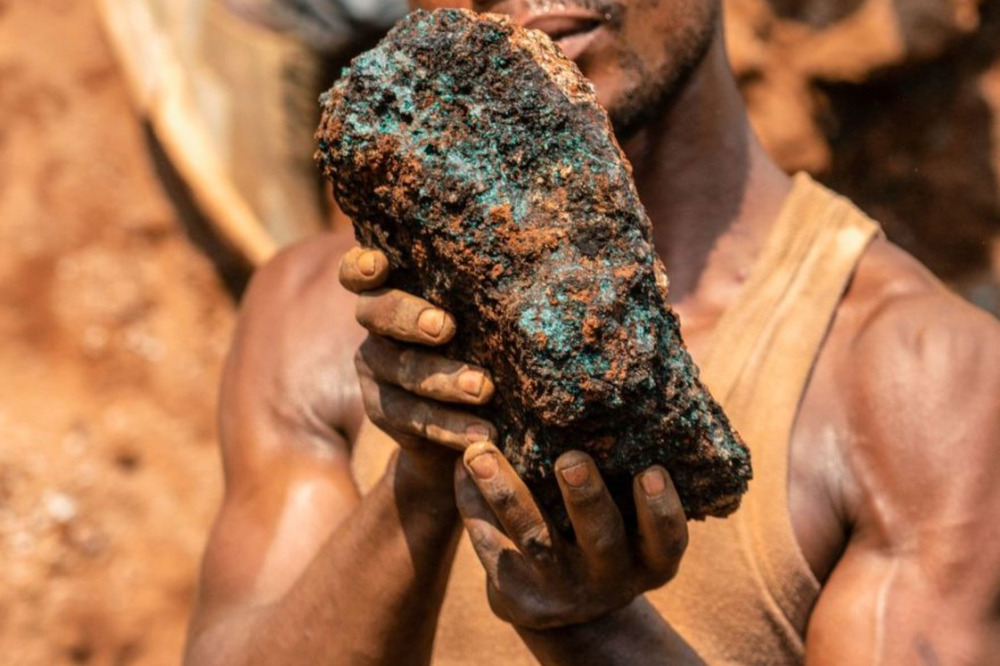
China has been deeply involved in the African resource market for years. But more recently, the United States has been stepping up its presence as well – driven by its reliance on imports for at least 14 critical minerals, with no viable options for domestic substitution.
The paradox of modernity
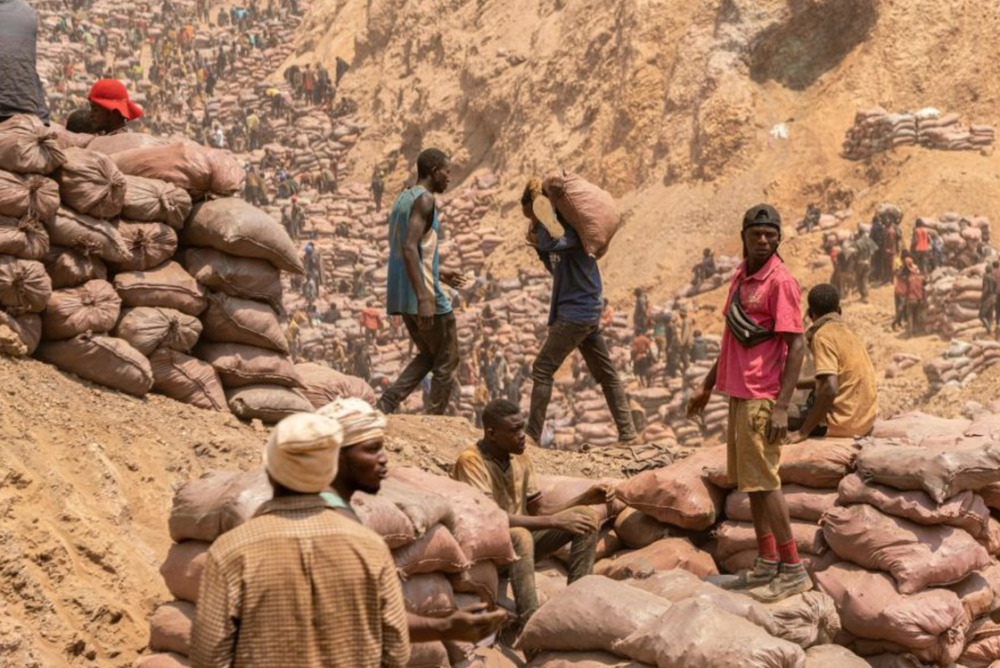
There’s a deep – and somewhat ironic – paradox at the heart of this competition. Developed nations, which drive technological and economic progress, increasingly lack their own raw materials, having exhausted many of them during the 20th century. Meanwhile, the countries that still possess vast reserves of critical resources are often underdeveloped, politically unstable, plagued by chronic corruption, and lacking strong institutional capacity.
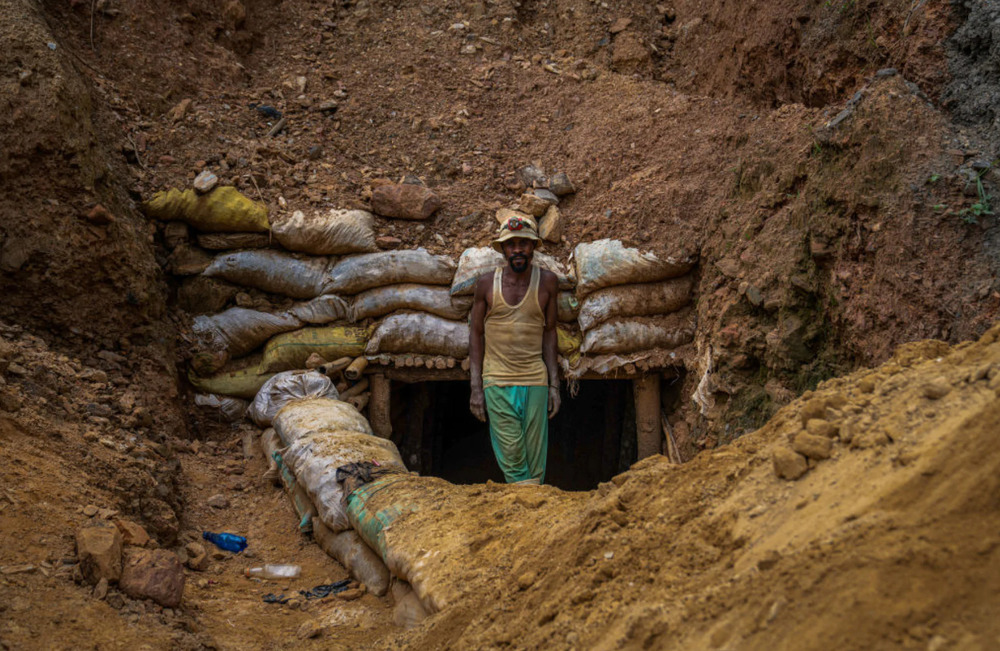
This dynamic creates fertile ground for oligarchic exploitation. In many cases, extraction is controlled by a small group of elites or multinational corporations. Profits rarely reach local communities, while residents often live in poverty next to mines that fuel the global industrial system. Control is largely superficial, and accountability is almost entirely absent.
China: not just an investor
In this environment, China is often seen by African elites as a convenient, generous, and politically “low-maintenance” partner – and not without reason. Beijing doesn’t demand human rights reports, doesn’t lecture on democracy, and doesn’t insist on sustainable development. In return, the Chinese government offers loans, infrastructure, equipment, and rapid project rollouts.
Since 2020, China has invested over \$25 billion in Africa’s mining sector under the Belt and Road Initiative. Each year, China imports around \$10 billion worth of critical minerals from the continent. Chinese companies now dominate most African rare earth mining projects – often operating without adherence to international standards.
China also actively engages in information warfare, leveraging historical memories of colonialism to shape narratives. The West is portrayed as arrogant, hypocritical, and ultimately harmful. The United States, in particular, is cast as a hegemon accustomed to issuing orders. By contrast, China presents itself as a “new kind of partner” – one that claims to seek only mutually beneficial cooperation.
Losses and opportunities
Undoubtedly, this creates a window of opportunity for African countries – provided there is competent governance, transparency, and institutional development. However, in practice, the opposite is more often observed: a growing dependence on exports, rising external debt – especially to China – and a gradual loss of control over strategic infrastructure, which is often pledged as collateral for Chinese loans.
And what does this mean for Europe?
Despite growing concerns, there’s no reason to panic. Yes, China plays a central role in the global supply chains for critical raw materials. Yes, it controls access to a significant number of deposits. But China isn’t entirely self-sufficient either – it remains heavily dependent on buyers, including those in Europe.
Beijing has invested billions into mining and processing, not to impose a strategic blockade on the West, but to turn a profit. If Europe stops buying, the business model falls apart. So, while the idea of China cutting off the EU from key resources makes for a dramatic geopolitical scenario, it’s unlikely to happen in practice.
The takeaway is straightforward. We live in an era of interdependence where success won’t come to those with the largest reserves, but to those who can build transparent, resilient, and legitimate supply chains. Most importantly, it means not compromising core principles in exchange for a ton of concentrate.
Read also: AI in Medicine: Is the Future Already Here?
Challenges for the West
So, how has China’s main geopolitical rival, the United States, responded? To put it mildly, the U.S. largely overlooked Africa’s strategic importance for years. Decades of neglect, a lack of sustained presence, and the mistaken belief that Africa was too distant or insignificant. That perspective shifted once it became clear that without critical minerals from Africa, there would be no viable green technologies, no meaningful transition to electric vehicles, and no significant role in the global tech landscape.
The Biden administration has initiated a reset in relations with Africa, focusing on economic development, infrastructure, and shared supply chains. The pledged $55 billion in investments is more than a political statement – it’s an attempt to build an alternative to China’s model. In 2022, the U.S. signed agreements with Zambia and the Democratic Republic of Congo to establish a complete battery supply chain for electric vehicles – from mining to assembly.
Meanwhile, construction has begun on the continent’s first nickel processing plant in Tanzania, supported by the U.S. In South Africa, the Phalaborwa Rare Earth Project has been announced, with the first rare earth metals expected by 2026.
The Trump administration has continued this approach, though so far its efforts have focused more on joint agreements and projects with Ukraine. We’ll cover that in more detail later.
It’s worth noting that U.S. initiatives aim not only at securing access to raw materials but also at building mutually beneficial partnerships. The U.S. is expanding its presence beyond the mining sector – through networks focused on clean energy technologies (CTEN), alliances on electrification, healthcare, telecommunications (HETA), and investments by the U.S. Trade and Development Agency (USTDA) in countries like Morocco, Kenya, Nigeria, and others.
These projects are not simply about “give us your resources, and we’ll provide a loan,” as seen in China. Instead, they focus on building a collaborative development ecosystem. It’s a longer and more complex approach, but one that has the potential to change the rules of the game.
Unlike the U.S., the European Union recognized its vulnerability regarding strategic raw materials much earlier. In 2020, the EU approved its Critical Raw Materials Action Plan, officially acknowledging that without access to rare earth metals and key minerals, digitalization, decarbonization, and energy autonomy in the EU would be impossible.
In 2022, Ursula von der Leyen publicly stated:
“Rare earth elements are already replacing gas and oil as the foundation of our economy. By 2030, our demand for them will increase fivefold.”
The European Union is beginning to recognize that energy dependence on Russia was a lesson not to be repeated in the minerals sector – this time, with China.
In March 2024, the European Union adopted the Critical Raw Materials Act (CRMA). The law identified 34 key materials, 17 of which are considered strategic. These include not only rare earth metals but also common materials like copper, which is essential for developing next-generation energy networks.
The main targets for 2030 are:
- 10% of consumption should come from extraction within the EU
- 40% should be processed within the EU
- 25% of waste and scrap should be recycled
- No single country should supply more than 65% of any strategic raw material
The goals are ambitious, logical, and necessary. However, as often happens in Europe, progress has been slow. While China continues mining, building infrastructure, and exporting, Europe is still focused on planning, negotiating, and developing regulations.
The EU acknowledges that complete self-sufficiency is unattainable since most rare earth elements are located outside its borders. Therefore, the priority is diversifying supply sources and building resilient supply chains. Even so, political differences persist. For example, Hungary, an EU member, and Serbia, a neighboring non-member, are pursuing close cooperation with China. France and Norway have their own deposits, but extraction has yet to begin. Across the continent, the only viable path to meaningful progress appears to be collaboration.
Beyond internal cooperation, a significant advantage for Europe is its partnership with the United States, its closest strategic ally. Recently, the EU and the US announced a joint policy focused on coordinated procurement of critical raw materials from African countries as a way to reduce supply chain risks. In this context, the EU has already signed an agreement with Namibia for the supply of key raw materials. Additionally, the EU is reportedly negotiating a similar deal with the Democratic Republic of Congo. European officials have also indicated plans to pursue agreements with other African countries, including Rwanda, Gambia, and Zambia. However, it’s important to note that, for now, Europe’s approach is dominated more by theory and declarations than by concrete actions.
Read also: Gabe Newell’s Starfish Neuroscience Сhallenges Neuralink
Ukraine and rare earth metals: facts, risks, prospects
Ukraine theoretically holds about 5% of the world’s reserves of critical raw materials. This includes not only rare earth metals but also strategic resources such as lithium, graphite, cobalt, nickel, titanium, uranium, zirconium, niobium, and scandium. These elements represent a key peripheral resource set for global technological competition in the 21st century.
Six rare earth element (REE) deposits have been registered in Ukraine, but only the Novopoltavske deposit in the Zaporizhzhia region holds real economic value – based on Soviet geological assessments from 1970 to 1991. Other promising sites – Yastrebetske, Kalynivske, Lozovatske, Petrivo-Hnutivske, and Azovske – are either partially located in temporarily occupied territories or have only been superficially explored without modern independent verification. As a result, while Ukraine’s claim of holding 5–10% of global reserves can be made, it should be viewed cautiously, with the caveat that the data is conditional and unconfirmed.
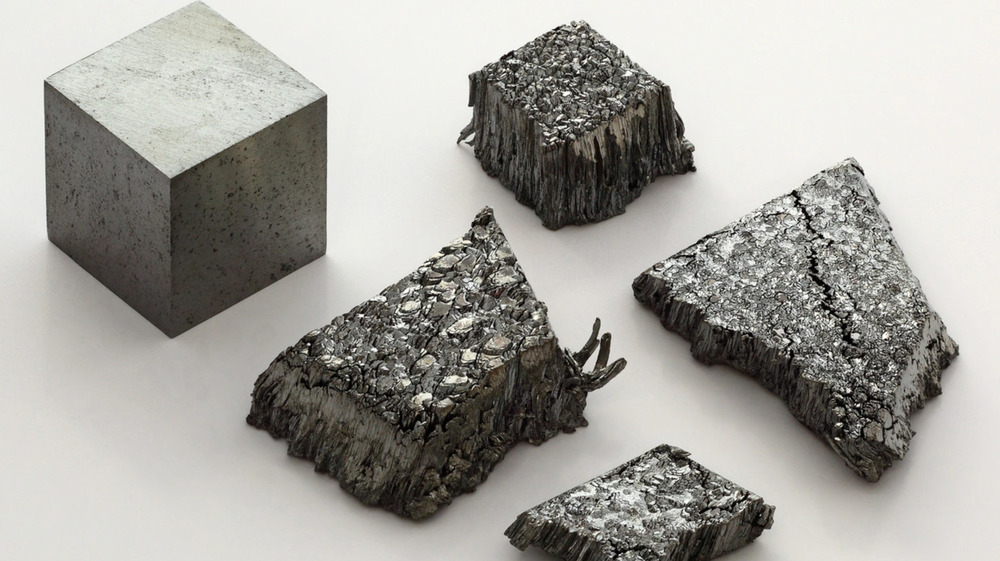
The distribution of deposits in Ukraine is scattered, reflecting the complex geopolitical situation. Scandium, zirconium, and lithium deposits have been found in the Zhytomyr and Cherkasy regions. In the southeast, particularly around the Azov deposit, there is a diverse mineralogy including neodymium, lanthanides, cesium, and tantalum. However, approximately 33-53% of Ukraine’s rare earth deposits are located in areas temporarily controlled by Russia – namely in Donetsk, Luhansk, Kherson, and parts of Zaporizhzhia regions. This presents a clear geopolitical risk that reduces the investment appeal of these potentially rich deposits.
Lithium presents a separate case. Ukraine potentially holds one of the largest deposits in Europe – over 500,000 tons, or about 2% of global reserves. However, extraction is not taking place due to a lack of infrastructure and the fact that part of the deposits lie within occupied territory. A similar situation applies to titanium ores: before 2022, Ukraine accounted for 5-7% of the world’s ilmenite and rutile production, but some processing plants have since stopped operations, and logistics have been disrupted.
According to official balance data, Ukraine has 9,800 tons of cobalt and over 200,000 tons of nickel. However, these figures reflect reserves rather than active production and are somewhat outdated. Currently, cobalt is obtained as a byproduct during ferroalloy processing rather than through targeted mining. The same applies to uranium: reserves have been identified, but the country lacks the technological capacity for a full extraction cycle.
One point to be clear about is that most of Ukraine’s “elemental resources” represent potential rather than established results. All geological information is based on outdated Soviet-era reports. No modern, independent assessment of reserves has been conducted, and some data remain classified as secret. European and American analysts tend to view Ukraine’s claims of “geological wealth” with cautious skepticism at best. Some geologists openly state that the economic feasibility of developing many of these deposits is uncertain.
Economic projections are also not particularly optimistic. Even in a hypothetical scenario where Ukraine reaches 20% of global rare earth production – a highly unlikely outcome in the coming decades – the potential annual revenue would not exceed \$3 billion. In the context of the global economy, this is neither oil, nor gas, nor even grain. It represents an additional asset, but not a decisive one.
On the map, Ukraine does appear as a geological hub, with resources that modern technologies demand. However, in reality, this remains more of a resource illusion. Without investment in geological exploration, modern extraction technologies, a clear security policy, and political will, these assets will stay as impressive presentations rather than meaningful budget entries.
Read also: Nuclear Waste: What It Is and How It Is Disposed Of
And what’s next for the rare earth metals market?
What can be said about rare earth metals in conclusion? Nothing definitive – and that’s the most accurate statement. The race is just beginning, and its outcome remains uncertain. China holds a clear advantage, controlling 60-70% of extraction and nearly complete vertical integration of processing, creating a dominant supply chain. However, the West, particularly the US and EU, is not strategically disadvantaged. They possess the potential, technical capacity, institutional frameworks, and, importantly, the ability to cooperate. If they manage to synchronize efforts, establish transparent supply chains, and invest in critical geology, the status quo can be challenged.
African countries hold significant reserves of both rare earths and related critical raw materials, and importantly, they have shown a willingness to cooperate. However, the African factor remains uncertain. Stability in the region tends to be temporary, and political alliances are fragile. What appears today as a predictable foundation for long-term partnerships could quickly turn into an uncontrollable geopolitical fault line.
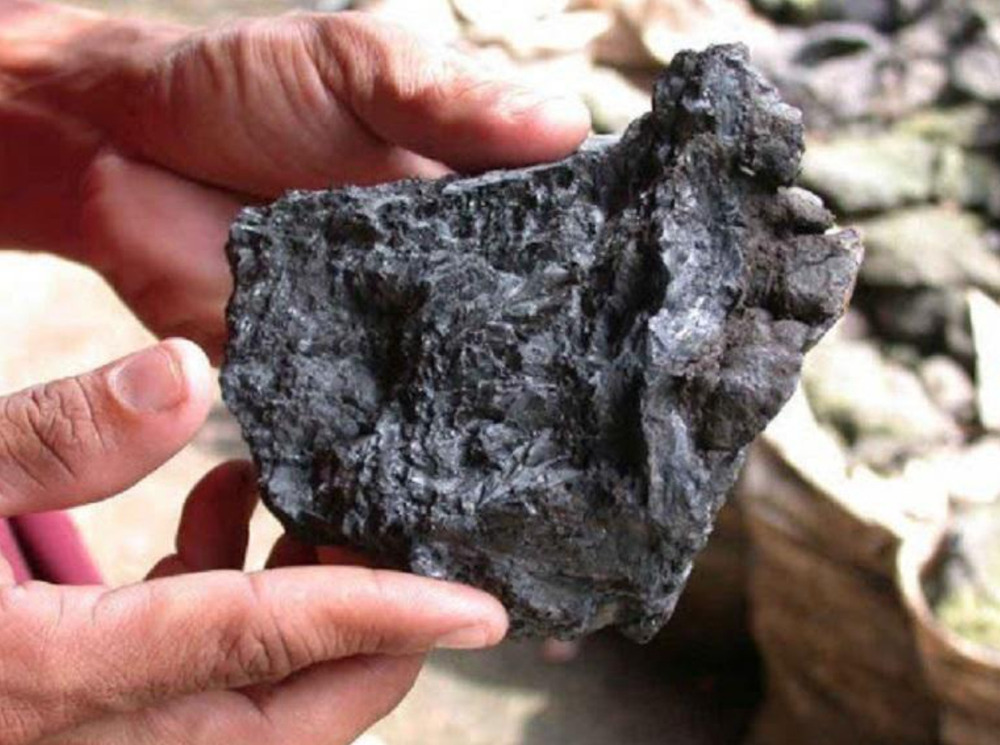
The stakes involve more than just billions in investment – they encompass significant shares of entire economies. This is not about a single industry, as rare earth elements form the technological fabric of the 21st century: from satellites and drones to smartphones, batteries, magnets, displays, and defense systems. These materials are no longer just raw resources; they are fundamental to strategic growth, global competitiveness, and national security.
One thing is clear: the competition for control over these resources will be intense and long-lasting. It will unfold amid high uncertainty, fragile geopolitics, and increasing technological dependence on nearly every element of the periodic table.
Indeed, we are entering what many call “interesting times.” But here, the term “interesting” is less about adventure and more about strategy. As is often the case in such situations, success won’t depend on who has the most resources, but on who manages them most effectively.
The global competition for strategic minerals is no longer a future concern – it is a current battle. The United States is finally emerging from a period of inertia, China remains highly active, and the European Union is caught between planning and the need for action. Meanwhile, Africa stands as the central arena of this struggle.
In the 21st century, resources equal power. However, victory doesn’t go to those who simply possess raw materials, but to those who can integrate them into efficient, long-term, and ethical development chains. This is the central challenge driving the current strategic competition.
Read also:
- Tectonic Shifts in AI: Is Microsoft Betting on DeepSeek?
- “Superintelligence” – Breakthrough or Marketing Hype? An Analysis

