© ROOT-NATION.com - Use of content is permitted with a backlink.
Modern dash cameras have long since evolved beyond niche devices used primarily to provide evidence in the event of a traffic accident. Today, road conditions are more complex, vehicles are more expensive, and potential risks extend well beyond driving itself. A neighboring driver misjudging a parking maneuver, an accidental door dent in a supermarket parking lot, an attempted break-in, or even minor vandalism are often more common than serious collisions. As a result, today’s premium dash cameras increasingly resemble intelligent surveillance systems rather than simple recording devices. In addition to capturing video while driving, they can monitor a parked vehicle, send alerts directly to a smartphone, track the vehicle’s location, and even analyze recorded footage using artificial intelligence algorithms.

The DDPAI Z90 Pro belongs squarely to this new generation of devices. As DDPAI’s flagship dash camera, it combines 4K video recording with a modern Sony STARVIS 2 image sensor, support for multi-camera operation, and a comprehensive mobile ecosystem for remote management and monitoring.
TABLE OF CONTENTS:
DDPAI Z90 Pro Specifications
The review covered the fully equipped configuration, which includes the main front-facing camera, a rear camera, an interior camera module, a GPS/4G module, and a Hardwire Kit for continuous power while the vehicle is parked. In this configuration, the DDPAI Z90 Pro demonstrates its full range of capabilities and clearly illustrates why the manufacturer positions it not merely as a dash cam, but as a comprehensive in-vehicle security solution.
| Specification | Value |
|---|---|
| Display | 3″ IPS |
| Display resolution | 640×360 |
| Processor | HiSilicon Hi3519DV500 |
| Main camera | Sony STARVIS 2 IMX678, 8 МP |
| Rear camera | Sony STARVIS 2 IMX678, 8 МP |
| In-car camera | 5 MP with IR illumination |
| Maximum front camera resolution | 3840×2160 @ 30 fps |
| Maximum rear camera resolution | 2560×1440 @ 60 fps |
| Maximum resolution of the interior camera | 2880×1620 @ 30 fps |
| HDR | Triple HDR |
| Field of view of the front camera | 135° |
| Field of view of the rear camera | 126° |
| Field of view of the interior camera | 148° |
| Front camera aperture | F1.75 |
| Rear camera aperture | F2.0 |
| Interior camera aperture | F1.5 |
| Video format | MP4 |
| G-sensor | 3-axis |
| Wi-Fi | 5 GHz |
| Bluetooth | BLE 5.1 |
| GPS | Built-in |
| Navigation systems | GPS, BeiDou, GLONASS, Galileo, QZSS |
| Internal storage | 64 GB eMMC |
| Memory cards | microSD up to 512 GB |
| Storage system | D²Save Dual Storage |
| Voice control | Yes |
| Parking mode | Yes (with Hardware Kit) |
| Power supply | Supercapacitor |
| Operating temperature | -20°C to +70°C |
| Storage temperature | -40°C to +85°C |
| Power interface | USB Type-C |
| Dimensions | 83 × 67.5 × 46.3 мм |
| Weight | 204.5 g |
What Do These Specifications Mean in Practice?
The DDPAI Z90 Pro is equipped with two modern Sony STARVIS 2 IMX678 image sensors – one for the front camera and one for the rear. These 8-megapixel sensors support video recording at up to 4K resolution while offering high light sensitivity. In practical use, this translates into sharp image quality with a high level of detail in both daylight and low-light conditions, allowing the dash cam to deliver consistently clear footage during both daytime and nighttime driving.

The interior camera is another notable feature. It is equipped with its own 5-megapixel sensor, supports recording at up to 2880 × 1620 resolution, and incorporates infrared illumination. As a result, it can effectively monitor the vehicle’s interior even in complete darkness, making it particularly well suited for taxis, ride-hailing services, and commercial fleet vehicles.
Another key advantage of the Z90 Pro is its support for Triple HDR technology. Unlike conventional dash cams, where HDR processing is typically limited to the front camera, this model applies enhanced image processing across all three recording channels, helping to improve exposure balance and preserve image detail in challenging lighting conditions.

Another feature worth highlighting is the D²Save Dual Storage system. In addition to supporting microSD cards with capacities of up to 512 GB, the dash cam also includes 64 GB of built-in eMMC storage. This dual-storage design improves data reliability and reduces the risk of losing important footage if the memory card becomes damaged or fails.
While the specifications are certainly impressive on paper, the real value lies beyond the numbers. For example, the Sony STARVIS 2 sensor is widely regarded as one of the leading imaging solutions currently available for automotive dash cams. Its high light sensitivity enables the camera to capture clear, detailed footage not only in daylight but also under challenging nighttime conditions.
HDR support is equally important. In a dash cam, it is not merely a marketing feature but a practical necessity. Bright sunlight, tunnels, oncoming headlights, and high-contrast lighting conditions can significantly reduce recording quality. HDR helps preserve more detail in both bright highlights and dark shadow areas, resulting in clearer and more balanced footage.
Another standout feature of the model is its 4G connectivity. This effectively transforms the dash cam into a remotely accessible surveillance camera, allowing users to connect to it from a smartphone and view the vehicle from virtually anywhere in the world.
Read also: Neideso AI Dash Cam N900-4CH Review: Four Cameras for Comprehensive Coverage
Positioning and Price
The DDPAI Z90 Pro is not designed for the entry-level market. It is a flagship model aimed at users who want a comprehensive feature set without having to compromise.

In the budget segment, there are currently dozens of models from companies such as Xiaomi, 70mai and other manufacturers. These devices handle basic road recording well, but their functionality is largely limited to that core task. The mid-range segment already offers better video quality, GPS support, and more convenient mobile applications. However, even in this category, full support for three-camera setups or remote access via 4G remains relatively uncommon.
The DDPAI Z90 Pro competes with devices such as the BlackVue DR970X Plus, Thinkware U3000, Vantrue N5, as well as flagship solutions from 70mai. In this category, buyers are not only paying for video quality, but also for additional capabilities such as:
- a multi-camera recording system
- remote access via mobile data (cellular internet)
- an advanced parking surveillance mode
- intelligent video analysis features
- integration with a mobile ecosystem
If the DDPAI Z90 Pro is viewed simply as a dash cam, its price may seem excessive. However, when it is considered as a comprehensive vehicle monitoring system, the cost appears much more reasonable and logically justified.
Package Contents
The maximum configuration of the DDPAI Z90 Pro makes a strong impression already at the unboxing stage. The manufacturer does not cut corners on accessories and immediately provides almost everything required for a complete installation.

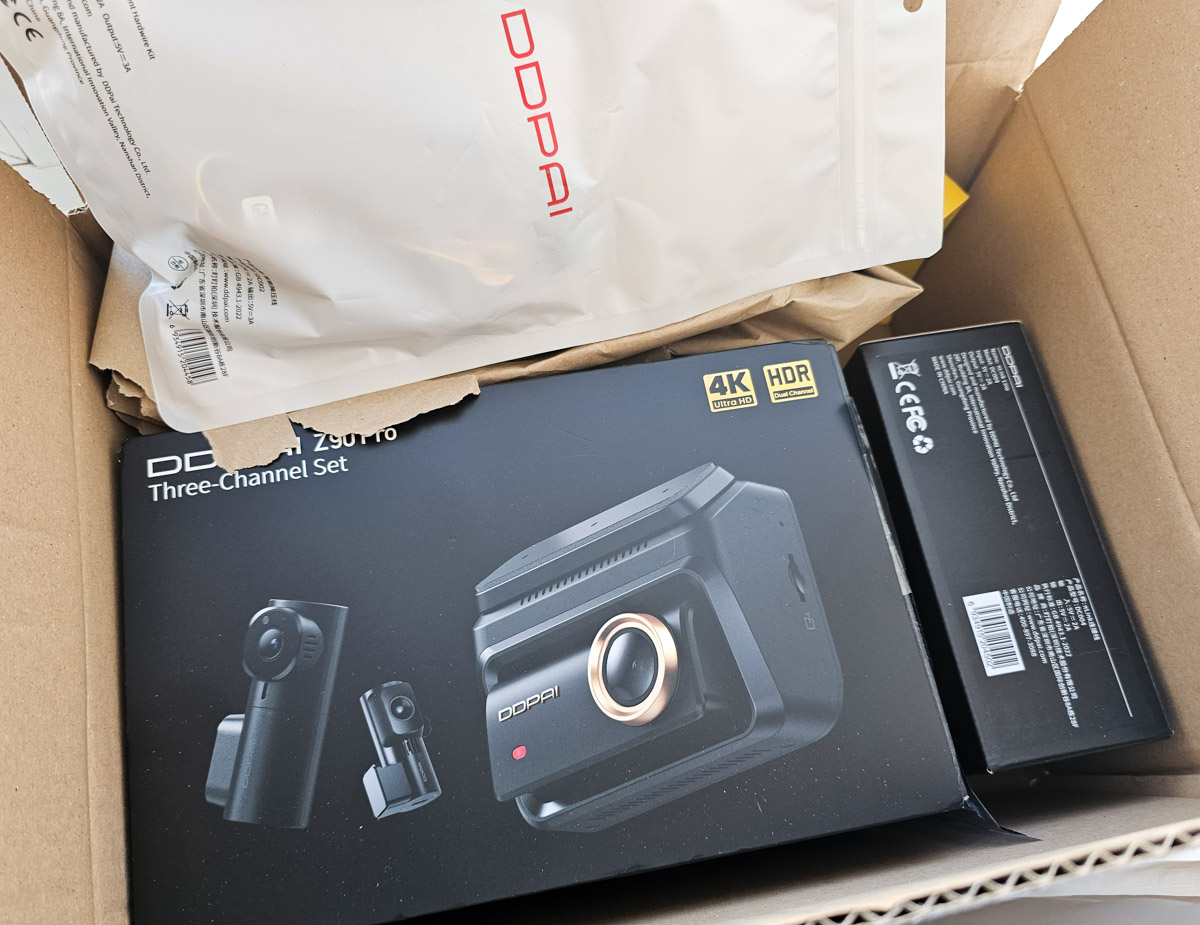
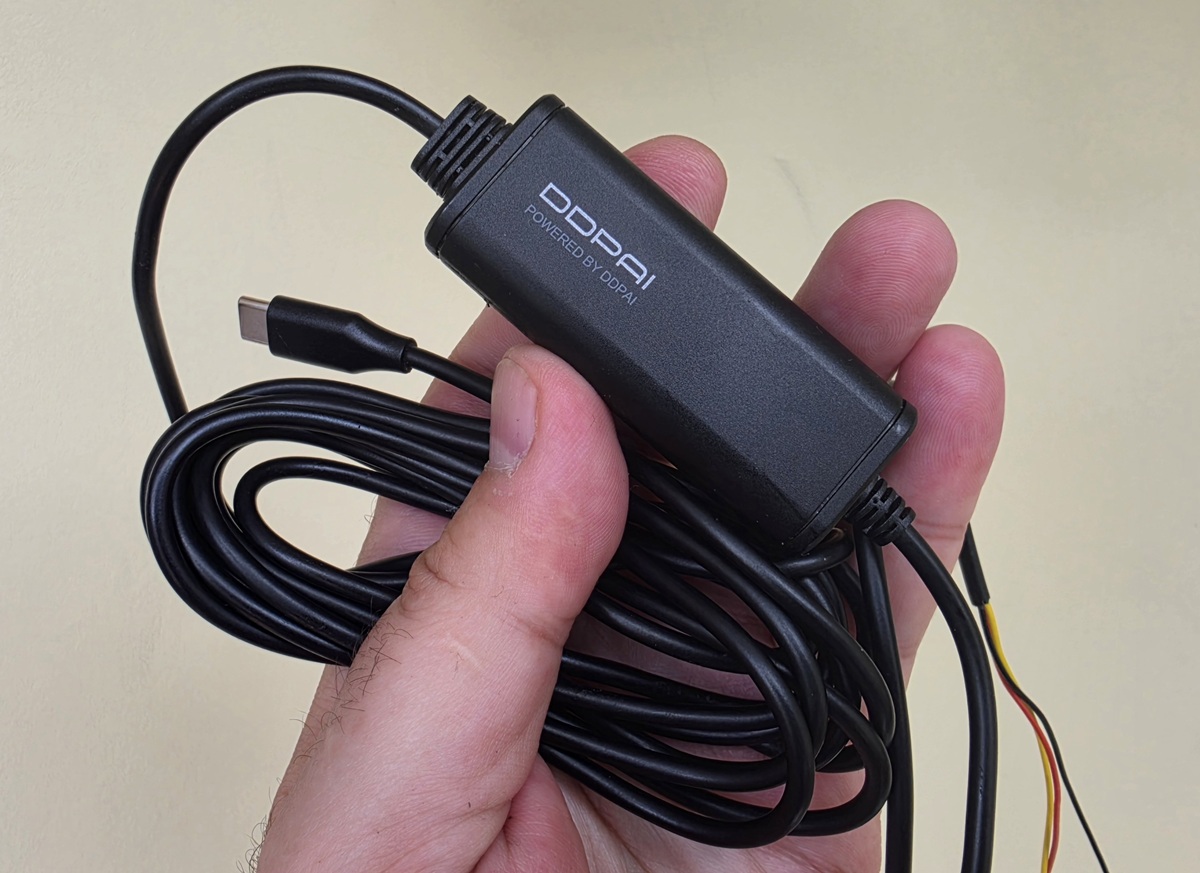
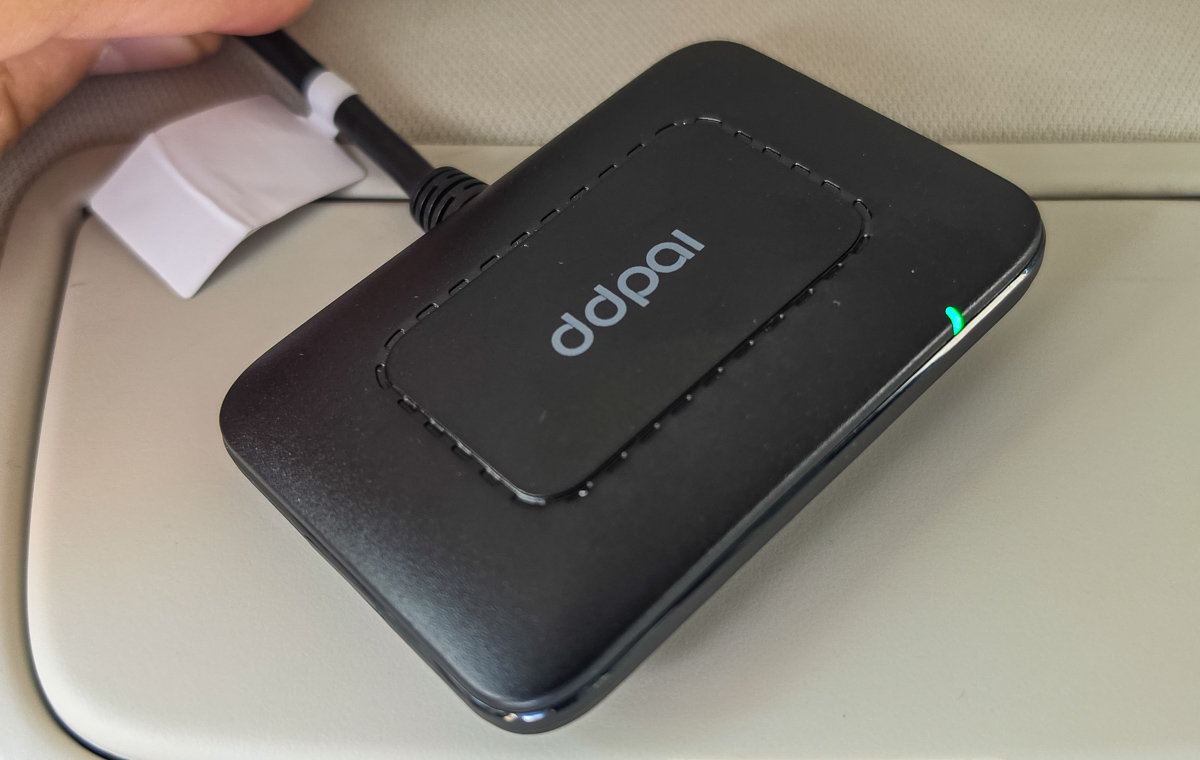
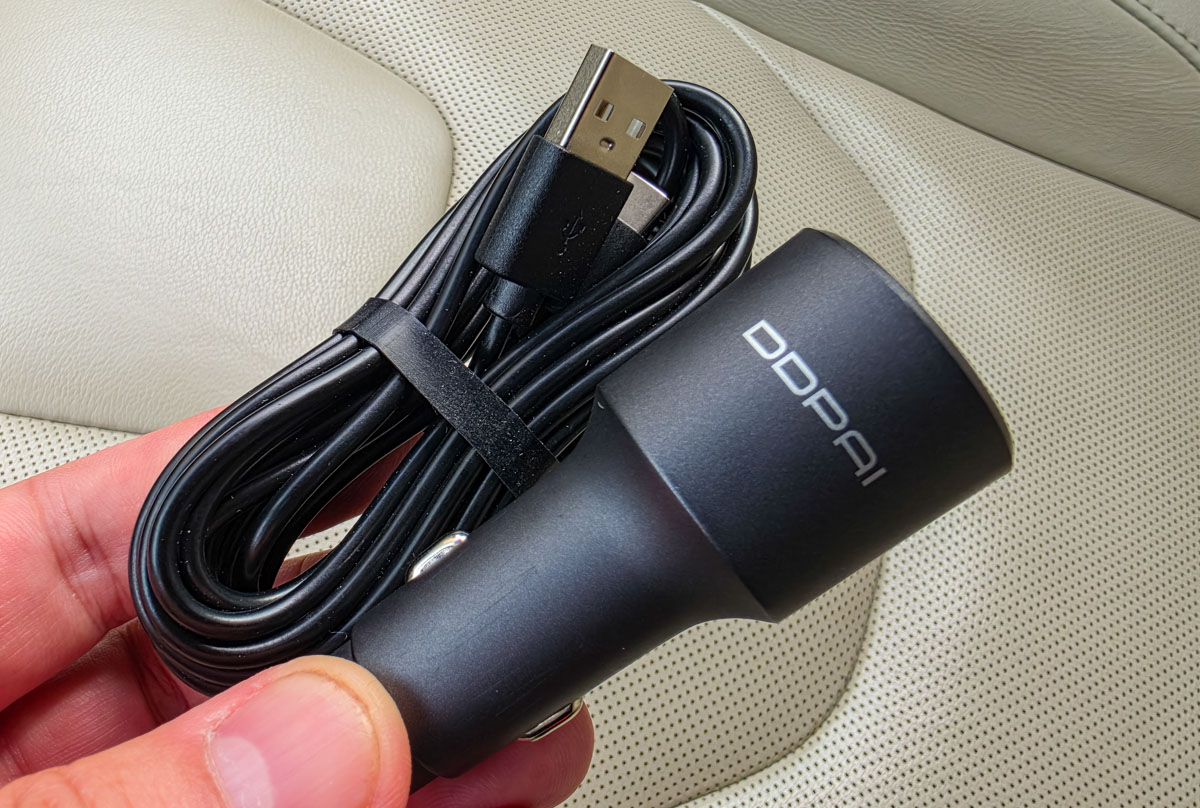
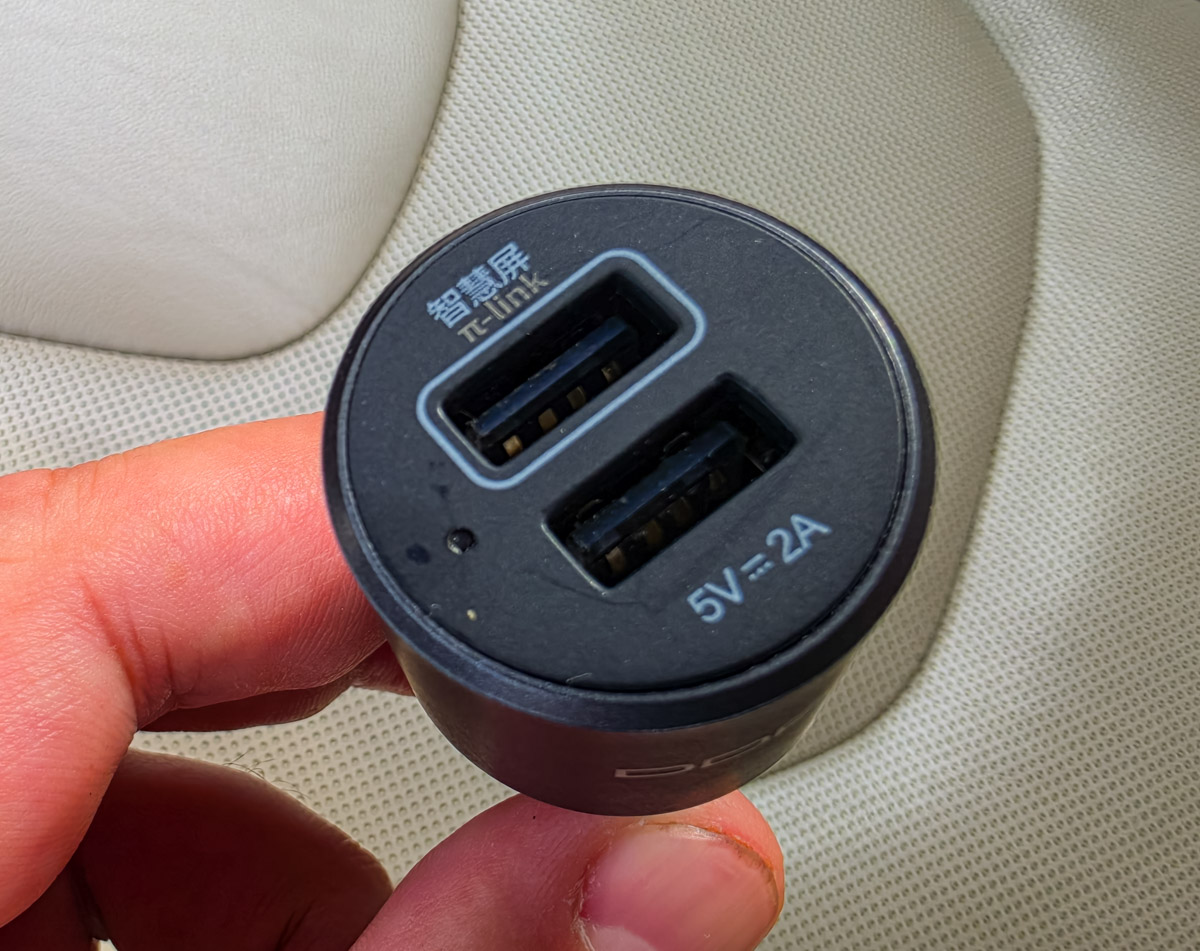
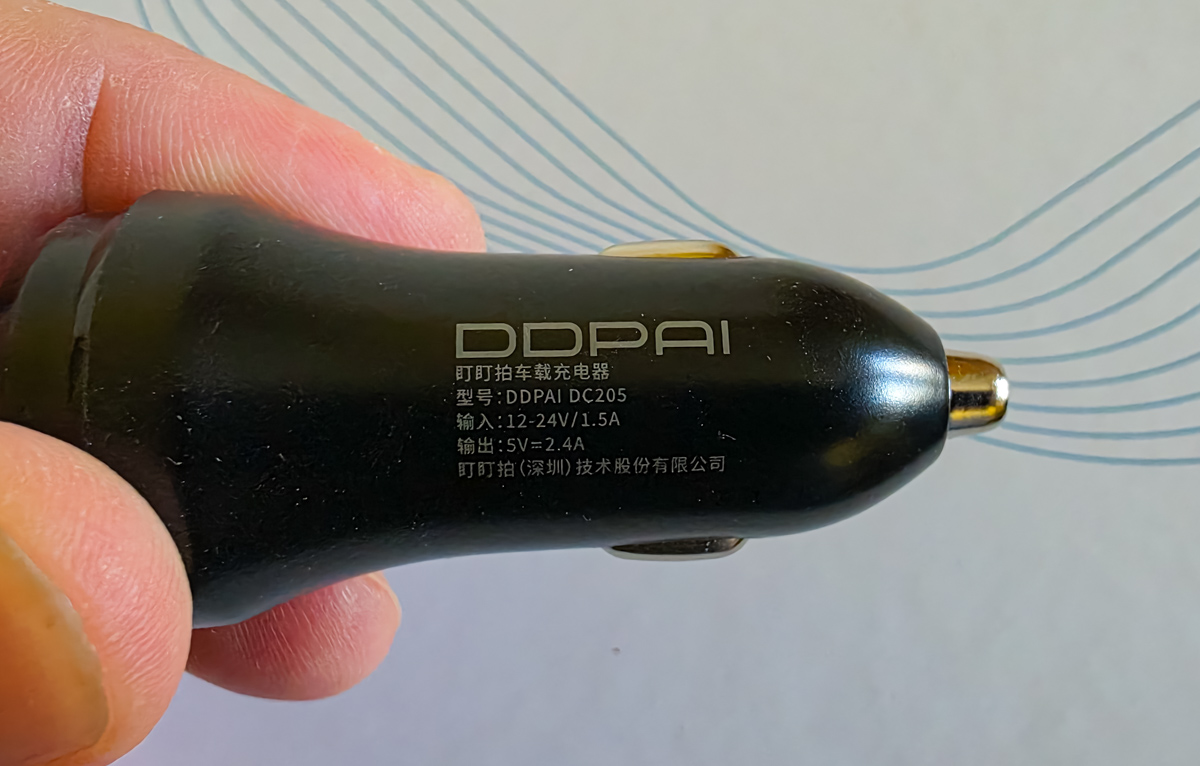
Inside the box, the package includes:
- main dash cam unit
- rear camera
- cabin (interior) camera
- GPS/4G module
- hardwire kit
- connection cables
- three cigarette lighter power adapters
- mounting accessories, including adhesive film and 3M double-sided tape
- installation tool
- documentation
It is especially noteworthy that the package includes a dedicated plastic tool for discreet cable routing under the vehicle’s interior trim. While it may seem like a minor accessory, such details reflect the manufacturer’s attention to real-world user experience and installation convenience.
It is also important to consider that the maximum configuration effectively provides access to the full set of available features out of the box, eliminating the need to purchase additional accessories later.
Read also: AUTO-VOX Kit Review: Solar Wireless Rear View Camera Installed in 5 Minutes
Design, Materials, and Build Quality
DDPAI has already developed a recognizable design language, and the Z90 Pro is no exception. The device looks modern, understated, and does not draw unnecessary attention.
The main unit features a compact body made of matte plastic. This design choice offers several practical advantages. First, the matte surface does not collect fingerprints. Second, the housing minimizes unwanted reflections on the windshield during driving, helping to maintain better visibility and reduce visual distractions.

The quality of materials is at a high level. The plastic feels dense and solid, and the overall construction is monolithic, with no creaks or looseness detected during operation. It clearly gives the impression of a flagship-grade product.
It is also worth highlighting the rear and interior cameras. They follow the same design language and visually complement the main unit. Despite their compact size, they feel robust and well-built, without giving the impression of being temporary or low-cost add-on components.


The GPS/4G module is also very neatly designed, with a relatively slim profile. Once installed, it becomes almost unnoticeable and does not negatively affect the interior aesthetics of the vehicle.

Overall, the DDPAI Z90 Pro gives the impression of a well-designed and solidly built device that should easily withstand several years of intensive use, even under challenging temperature conditions.
Read also: Škoda Kodiaq Sportline (2025) Review: Balanced Family SUV with Sporty Character
Wiring Scheme and Installation Simplicity
In the basic configuration, installing the DDPAI Z90 Pro does not present any particular difficulties. However, with the maximum package, the process becomes somewhat more involved and interesting in terms of setup complexity.

The following components need to be installed:
- main camera on the windshield
- rear camera
- interior (cabin) camera
- GPS/4G module
- hardwire kit
- all components must be connected using the supplied cables according to the wiring diagram provided in the user manual
The most time-consuming part of the installation is cable routing. For a clean and discreet setup, the cables need to be hidden under interior pillars, door seals, and various trim elements inside the cabin.


The installation process itself is not complicated, but it does require patience. If you have previously installed dash cams or other aftermarket automotive electronics, you should not encounter any difficulties. For beginners, however, assistance from a service center may be necessary.


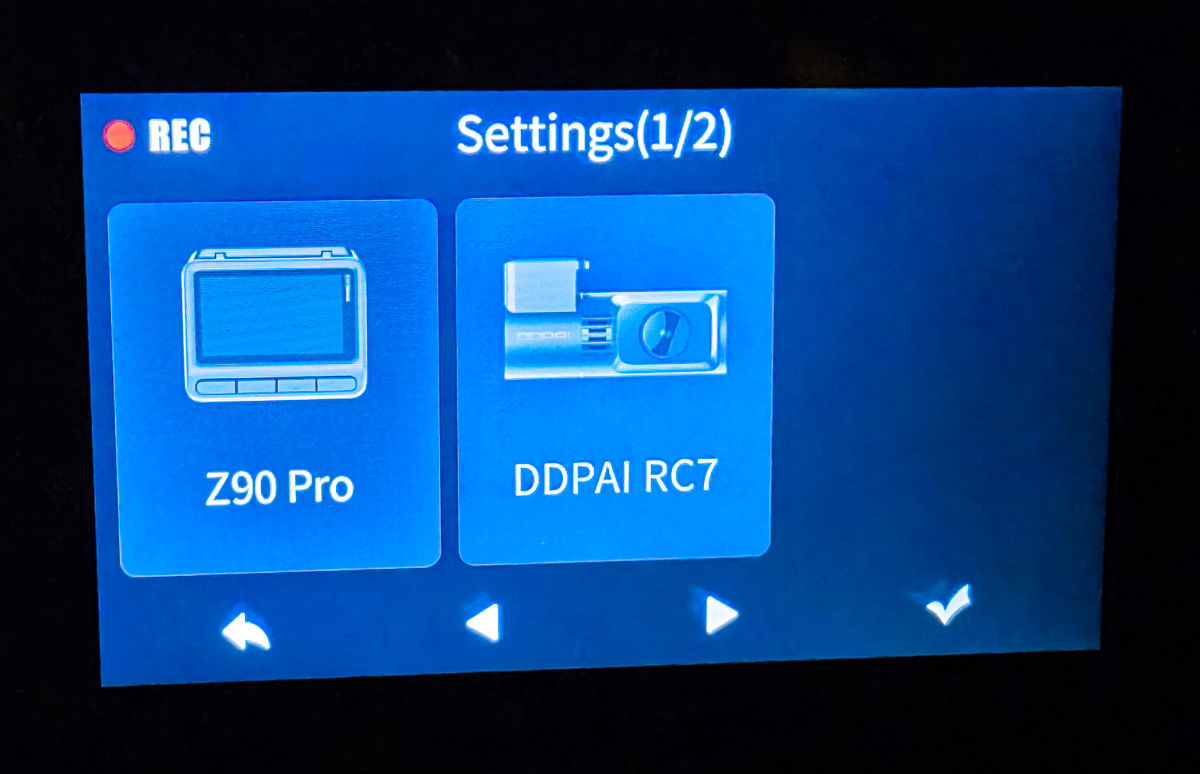
After installing and powering up all components, it is also necessary to perform a pairing procedure between the interior camera and the main unit to integrate them into a single system. This process can be initiated through the settings menu of the main camera, followed by double-pressing the button located on the edge of the interior camera.


The presence of the Hardwire Kit significantly expands the device’s capabilities. It allows the dash cam to be connected directly to the vehicle’s electrical system and ensures continuous operation even after the ignition is turned off. This forms the basis for a full parking surveillance mode and 24/7 vehicle monitoring.

Read also: First Impressions of the Volvo EX30 EV Electric Car: Safety and Space
Video Recording Quality and Features
Video quality is the primary criterion for evaluating any dash cam, and this is where the DDPAI Z90 Pro clearly demonstrates its strengths.
Daytime Recording – Front Camera
During daytime use, the dash cam delivers a very high level of detail. The footage appears sharp and well-saturated, while the wide dynamic range helps prevent overexposed areas even in bright sunlight. License plates remain clearly readable not only at short distances but also while driving in traffic flow. The level of detail is sufficient to distinguish small elements of road infrastructure, traffic signs, and other objects. HDR performance is particularly impressive. Even when driving directly toward the sun, the camera retains an adequate amount of detail and avoids turning large portions of the frame into a washed-out bright area.
As a downside of daytime recording on the front camera, reflections of the dashboard are clearly visible in the footage captured through the windshield. This indicates that a polarizing filter is essentially required to improve image quality. Unfortunately, it is not included in the standard package and is only available with the Master Edition bundle. As a result, users will need to purchase the filter separately either from the official store or via platforms such as AliExpress.

Night Recording – Front Camera
At night, the advantages of the Sony STARVIS 2 sensor become particularly noticeable. Most budget dash cams start to show significant noise, loss of detail, and exposure issues after sunset. The DDPAI Z90 Pro performs considerably more confidently in comparison.
The camera handles urban lighting conditions well, including streetlights, traffic signals, and illuminated advertising signs. Headlight glare from oncoming traffic is present but remains within reasonable limits. It is particularly noteworthy that even in darker sections of the road, the camera continues to retain sufficient detail for subsequent video analysis.
Rear Camera
The rear camera organically complements the main module. Its quality is fully sufficient for recording events behind the vehicle. It is particularly useful in situations such as traffic accidents, parking maneuvers, or driving in dense urban traffic conditions.
Interior Camera
The interior camera opens up new usage scenarios. It can be particularly useful for:
- taxi drivers
- commercial fleet vehicles
- car-sharing services
- family cars
In addition to monitoring the situation inside the cabin, this camera can serve as an additional source of evidence in disputed situations. It also provides a wide field of view that, beyond the interior, can capture angles through the side and rear windows of the vehicle.
Simultaneous Recording from Three Cameras
Support for three-camera recording is one of the key features of the DDPAI Z90 Pro. In practice, the vehicle gains near full circular coverage of events occurring in front, behind, on the sides, and inside the cabin. In many scenarios, this can be significantly more valuable than maximizing the resolution of a single camera alone.
Read also: Škoda Octavia A8 (2025) Test Drive: Updated Bestseller with 1.5 TSI m-HEV Engine
Device Control
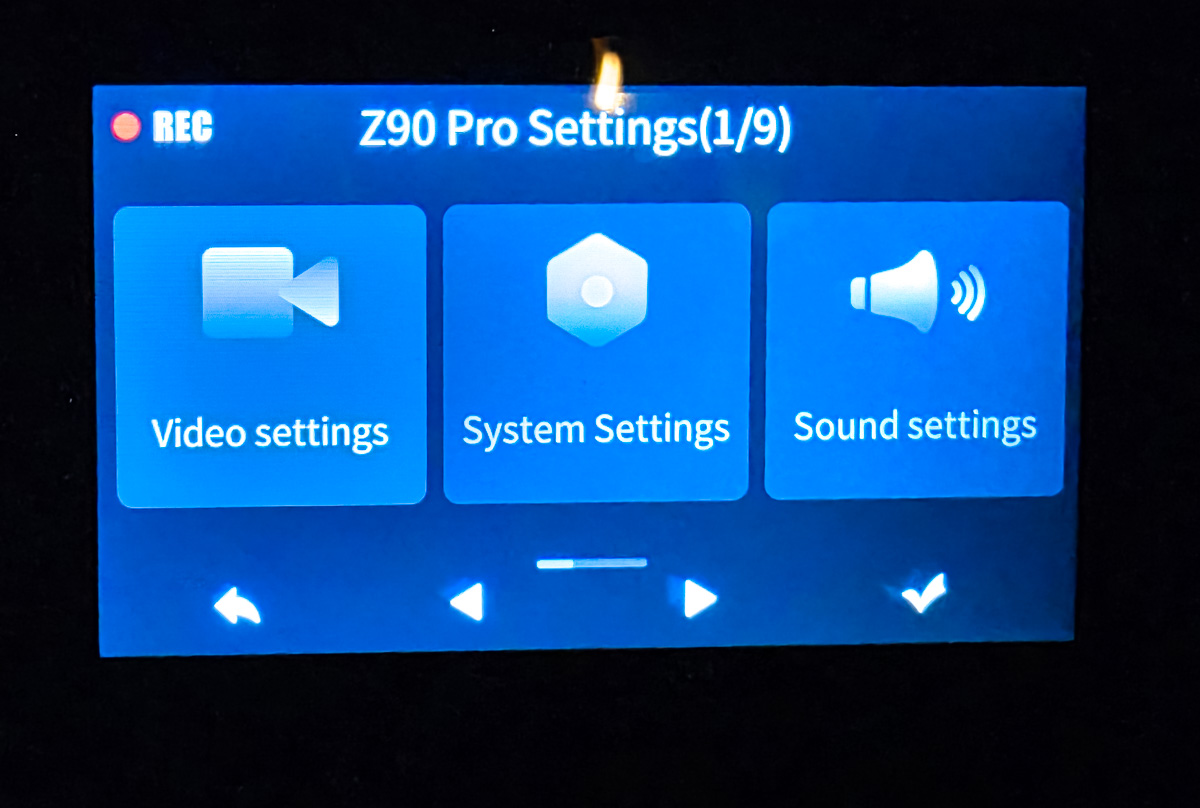
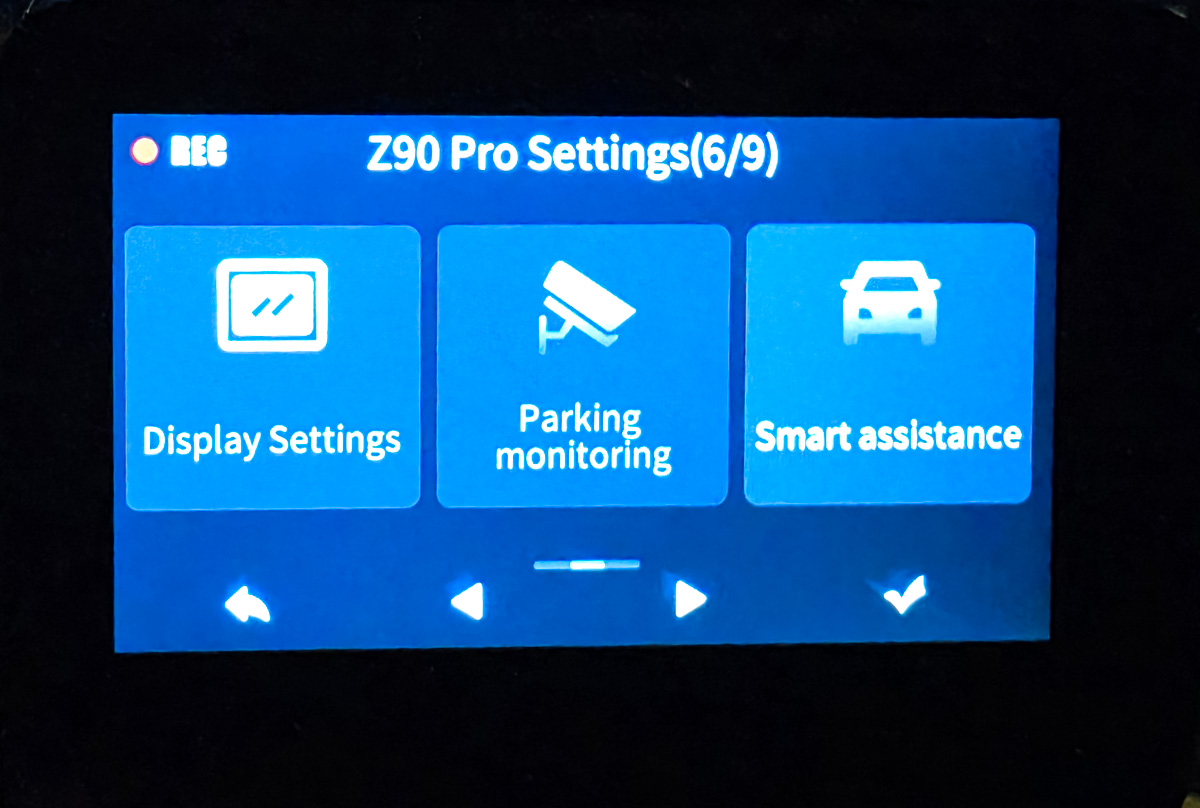
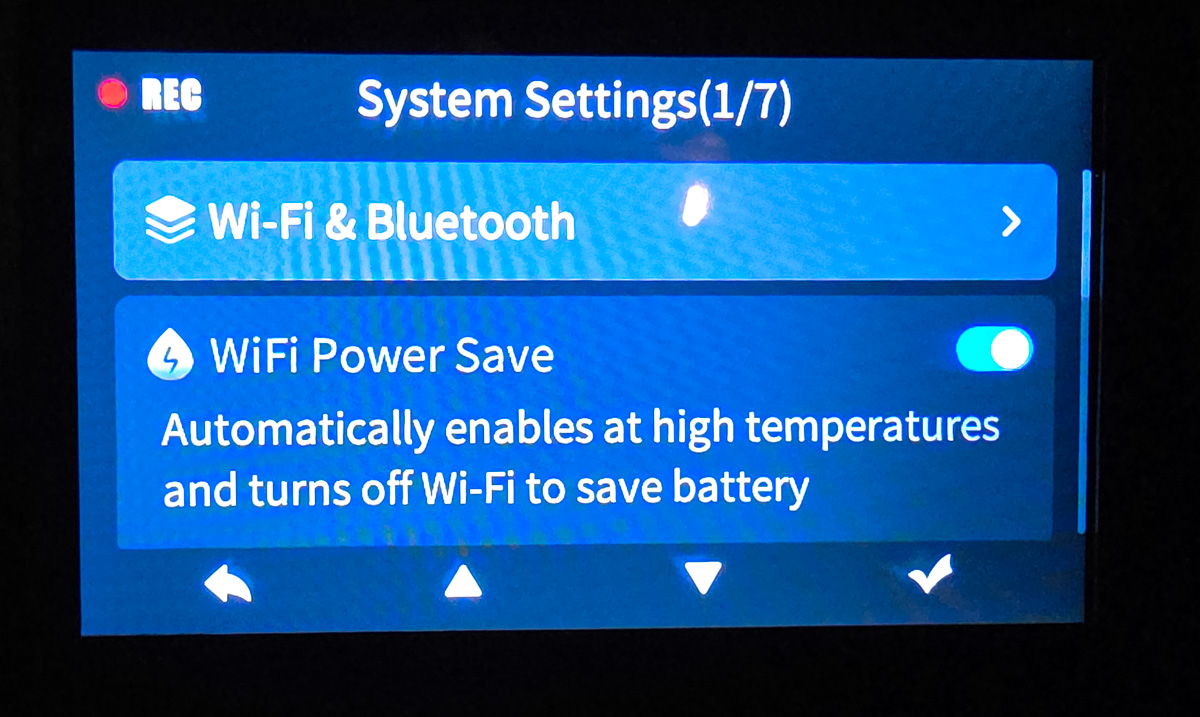
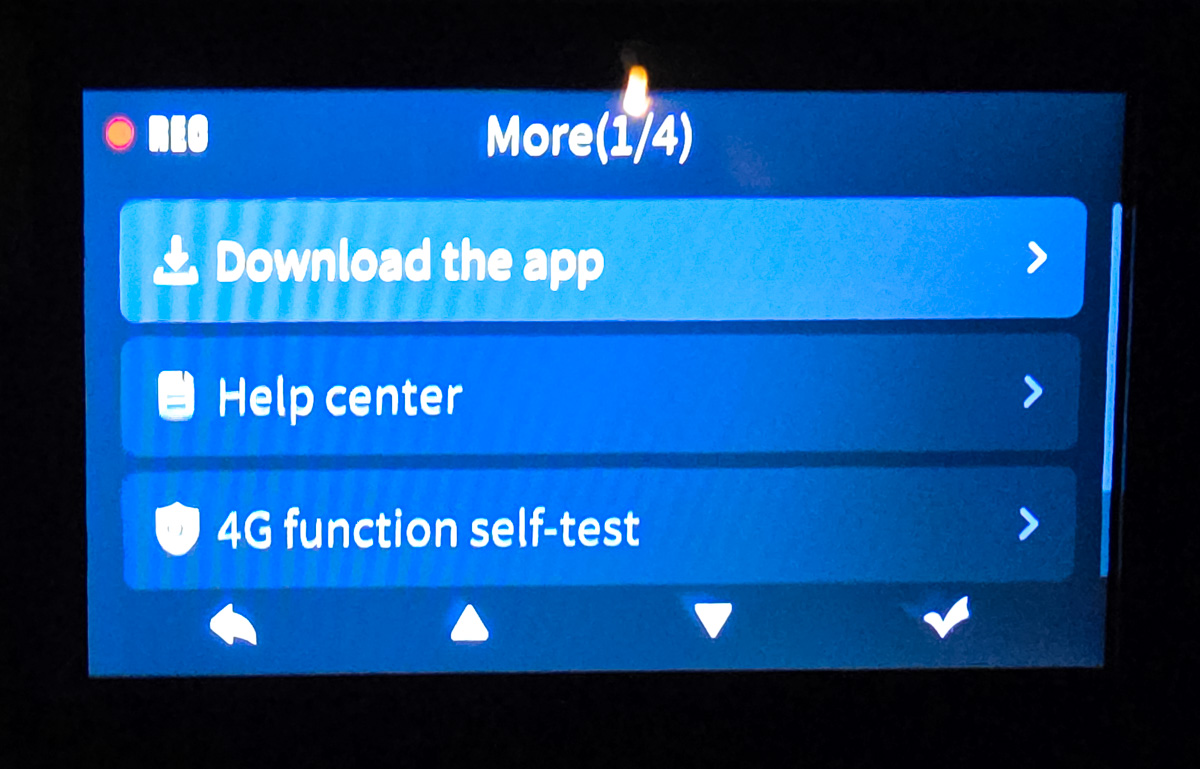
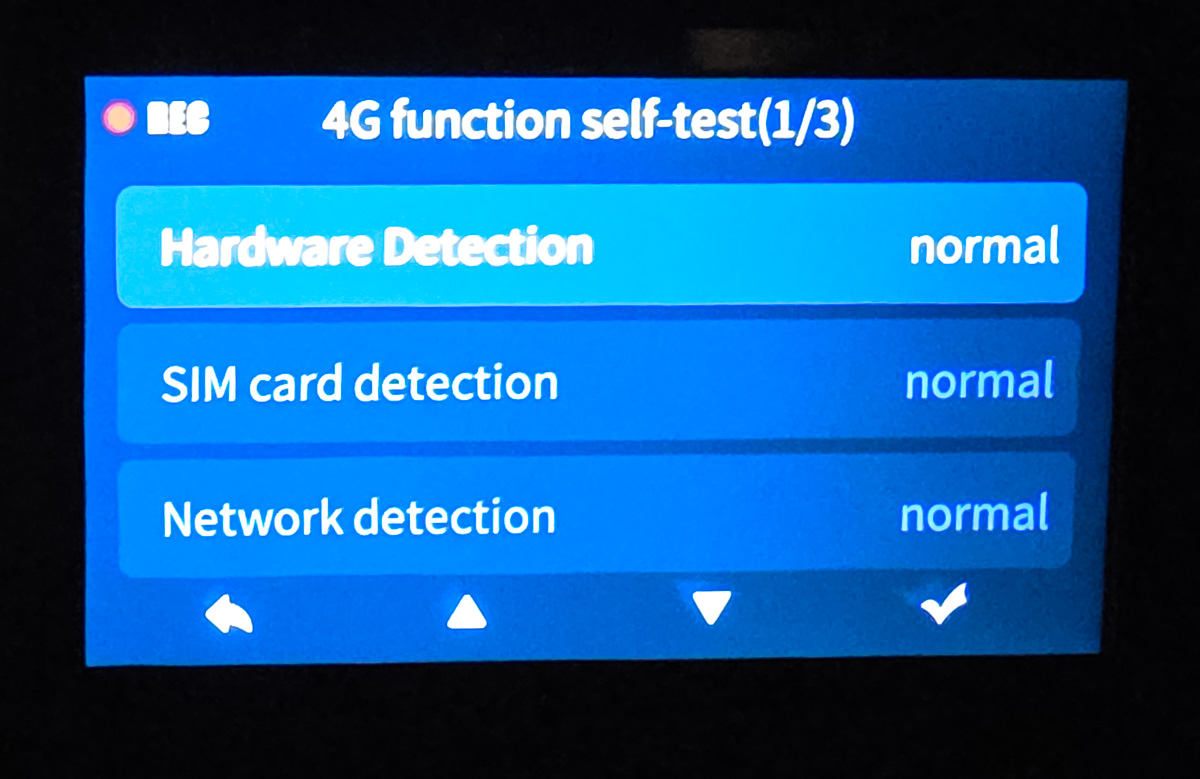
On the dash cam body, there is a row of buttons located beneath the display, allowing quick access to key functions. These include taking a photo, starting video recording, enabling or disabling the built-in microphone, as well as entering the settings menu to adjust device parameters.

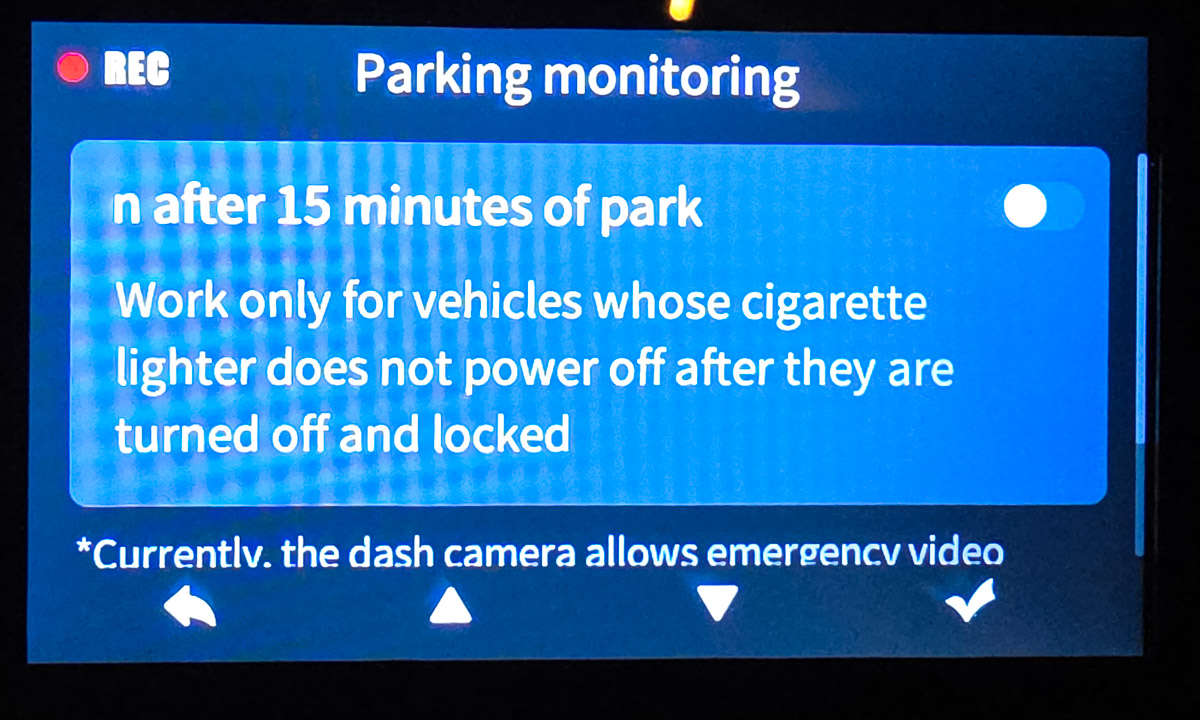
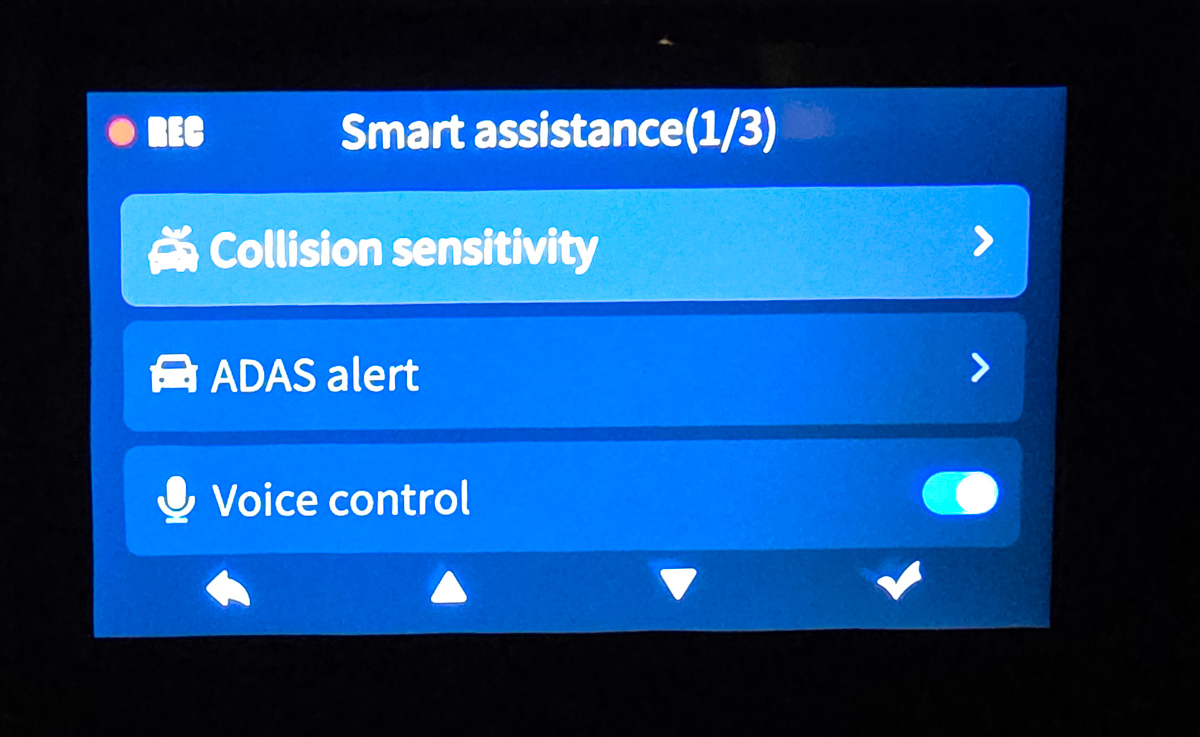
Overall, the menu is simple and intuitive, supporting all essential settings. Below are some screenshots:
Read also: Mazda CX-30 SPORT BLACK Review – What Can a Compact SUV Do?
Smart Features and In-Car Assistant
A modern flagship dash cam is expected to offer more than simple video recording. The DDPAI Z90 Pro includes a set of intelligent features that make interaction with the device significantly more convenient.
These include:
- GPS tracking
- automatic detection of important events
- G-sensor
- ADAS (Advanced Driver Assistance Systems) functions
- voice control
- intelligent recording analysis
During operation, the dash cam provides several smart functions. For example, it can issue driver fatigue warnings and suggest taking a break, notify the driver via sound and on-screen alerts when the vehicle ahead starts moving (useful in traffic jams), warn about potential collision risks, and respond to sudden acceleration or braking with built-in emoji-based indicators.

The automatic event tagging system is particularly interesting. When you have dozens of hours of recorded footage, finding a specific moment can become a real challenge. Here, the built-in algorithms help quickly locate the required segments. In real-world use, this feature proves to be much more useful than it might initially seem – especially for vehicles that are used daily and generate a large volume of video data.
Read also: Mitsubishi Eclipse Cross Review: True Japanese Car – Modern on Outside, Conservative on Inside
DDPAI Mobile Application
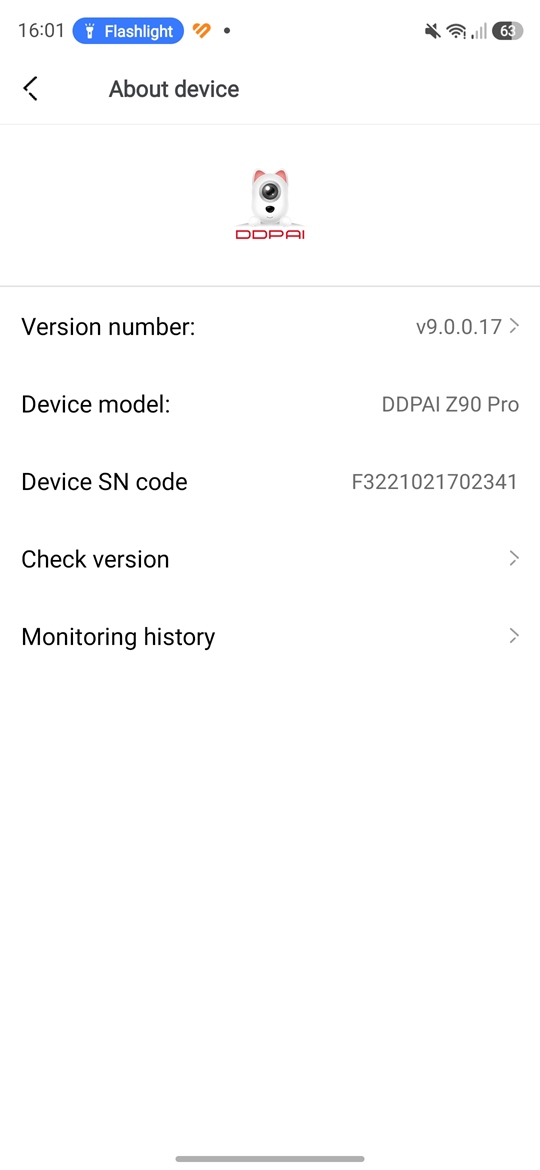
Today, a mobile application is an essential part of any modern dash cam system. In this regard, DDPAI traditionally demonstrates strong performance. The app is available for major mobile operating systems and offers a well-developed user experience with a wide range of functionality.
Android:


iOS:


After the first launch, the user gains access to all device settings directly from a smartphone.

Available features include:
- changing recording settings
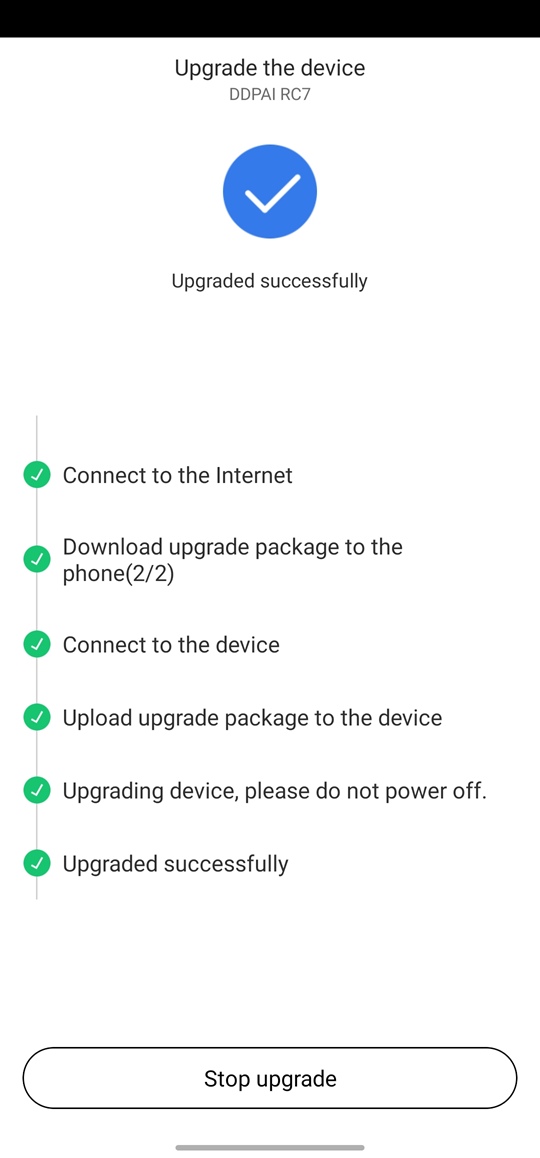
- firmware updates
- video playback
- downloading clips
- viewing GPS routes
- controlling parking mode

The interface looks modern and intuitive. Even users who have not previously worked with DDPAI products can quickly get comfortable with the main functions.
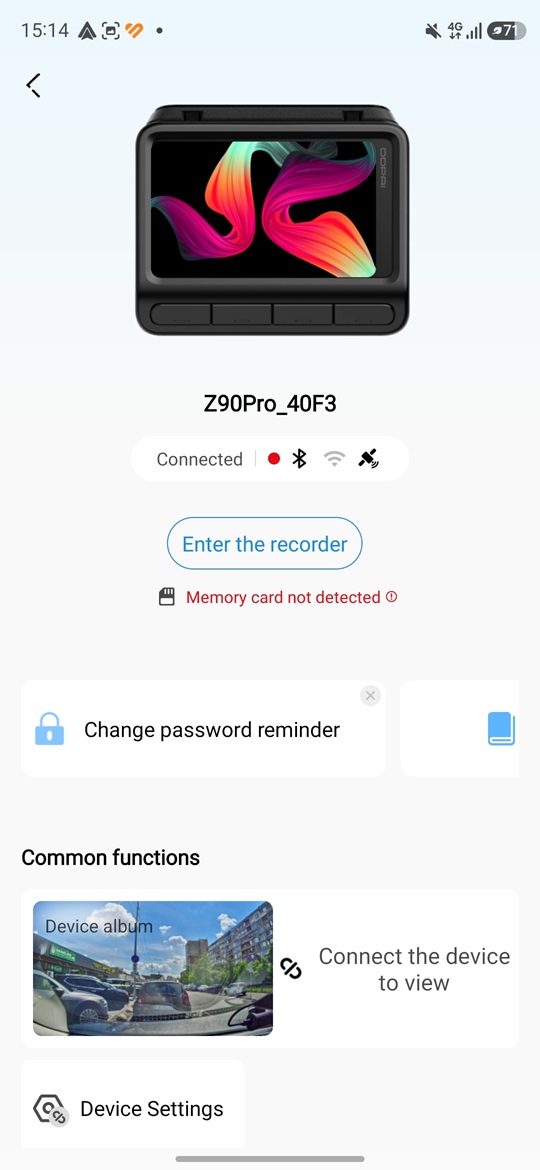
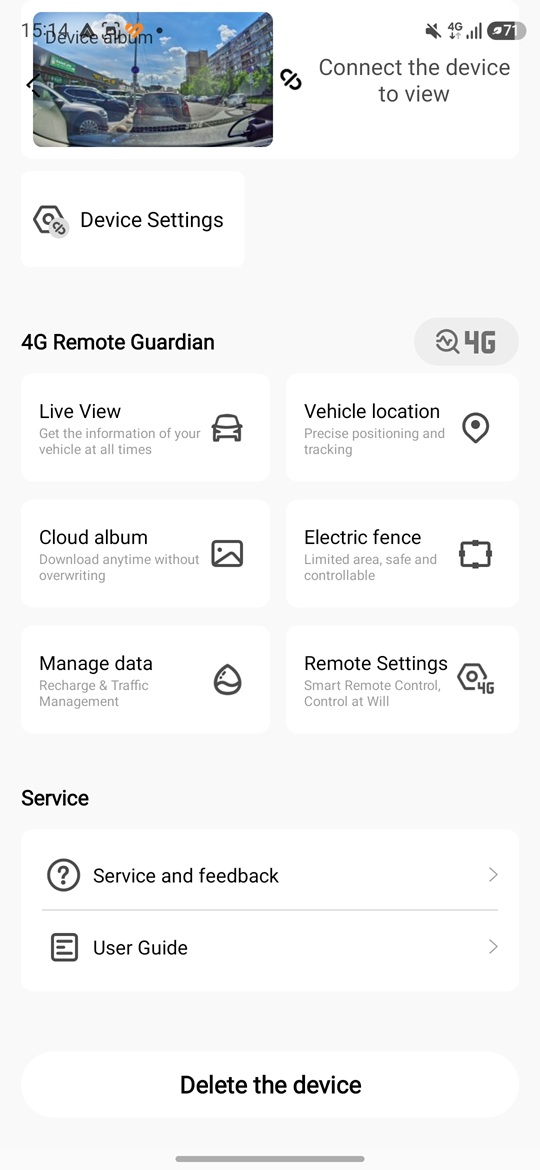

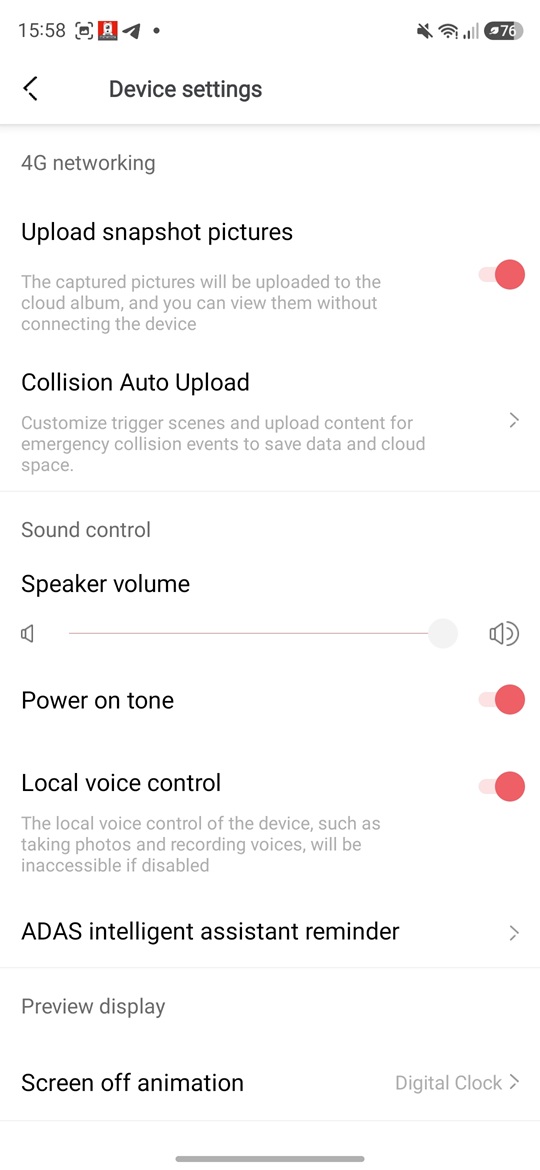
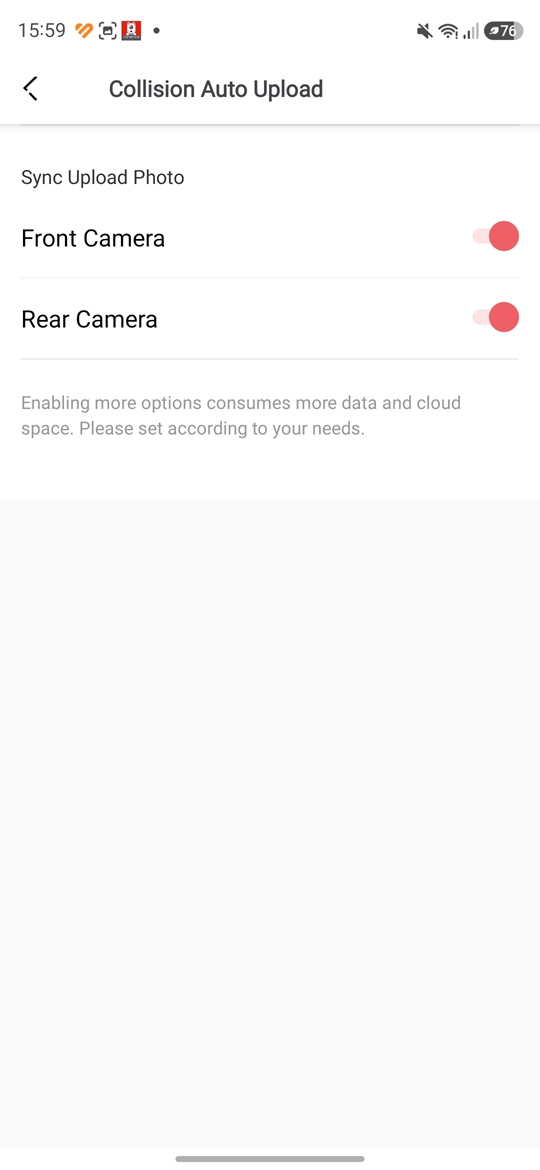
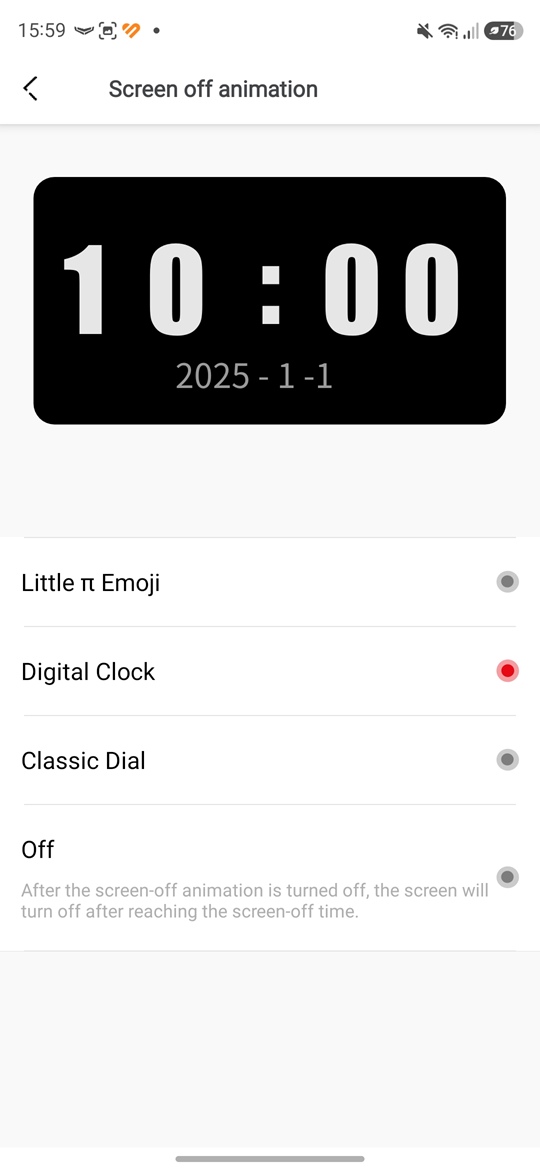
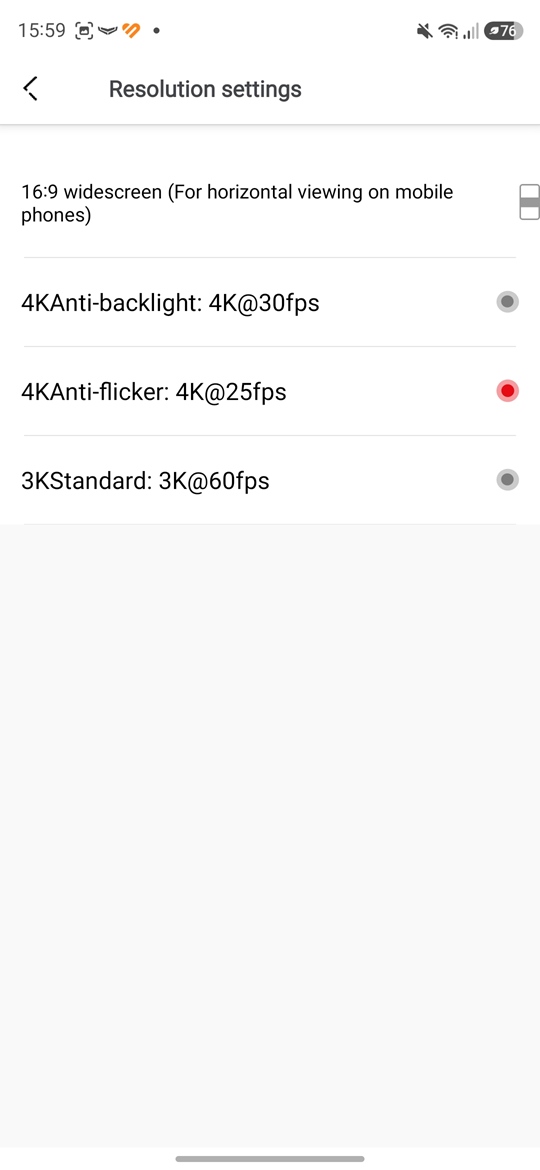
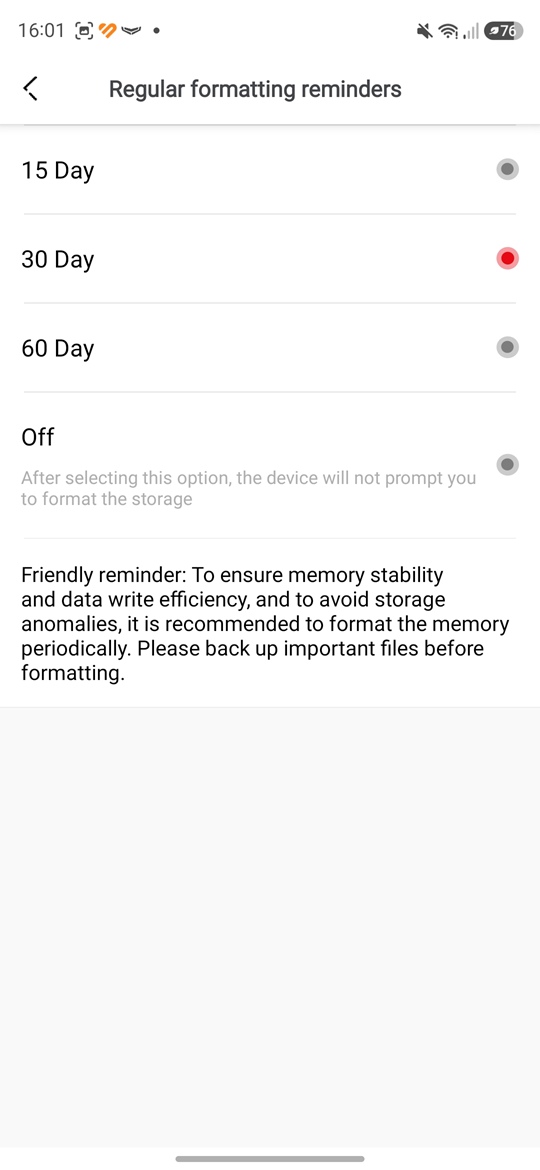
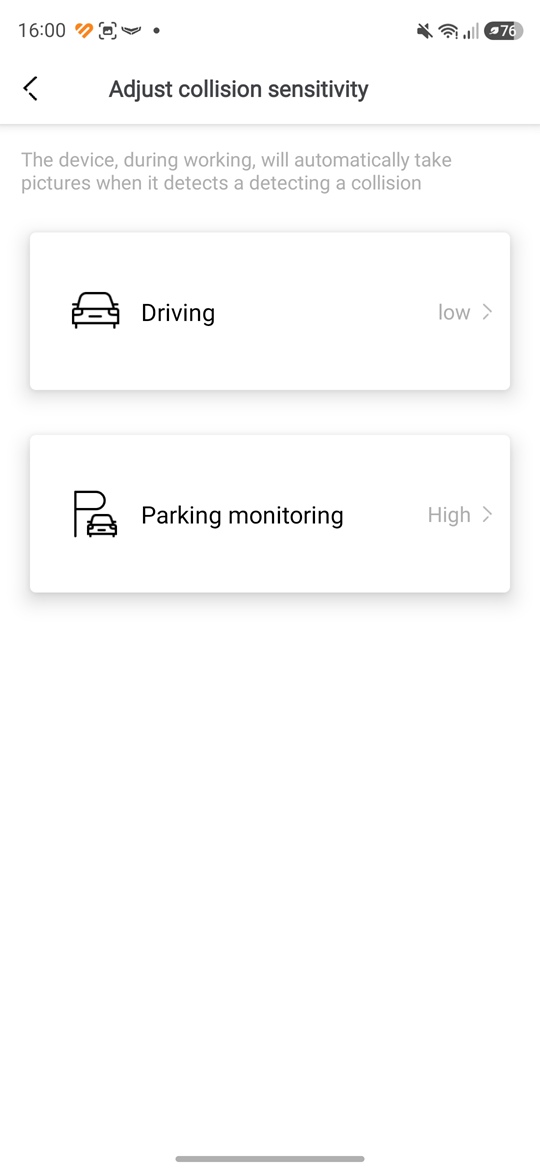
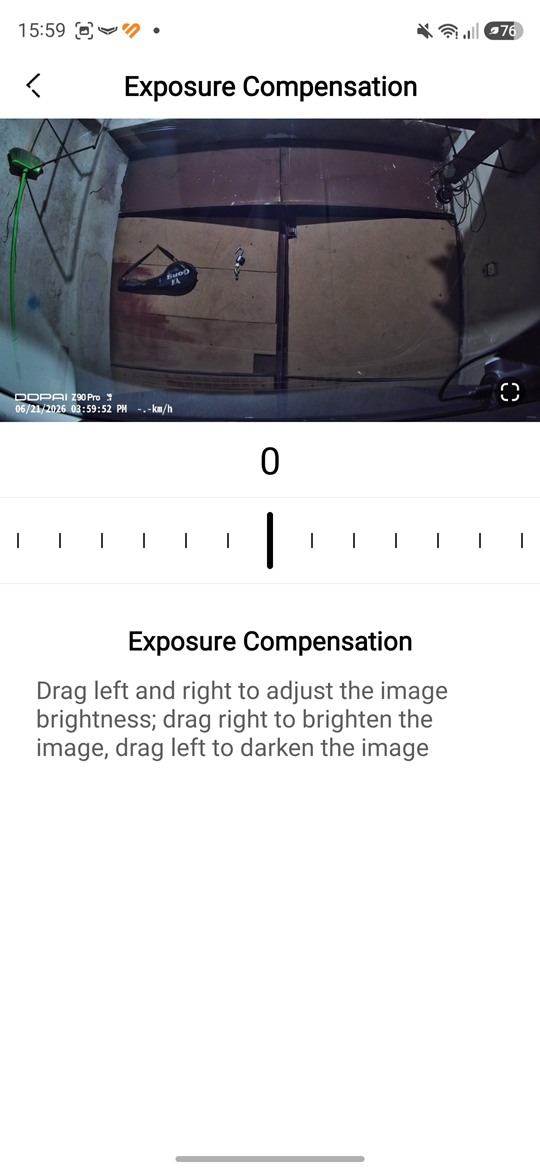
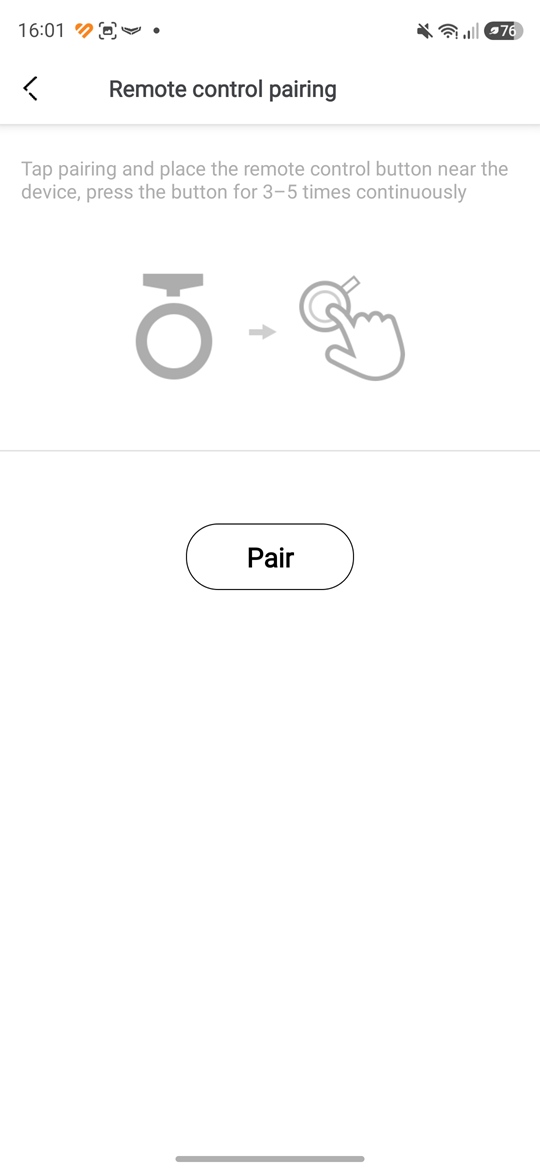
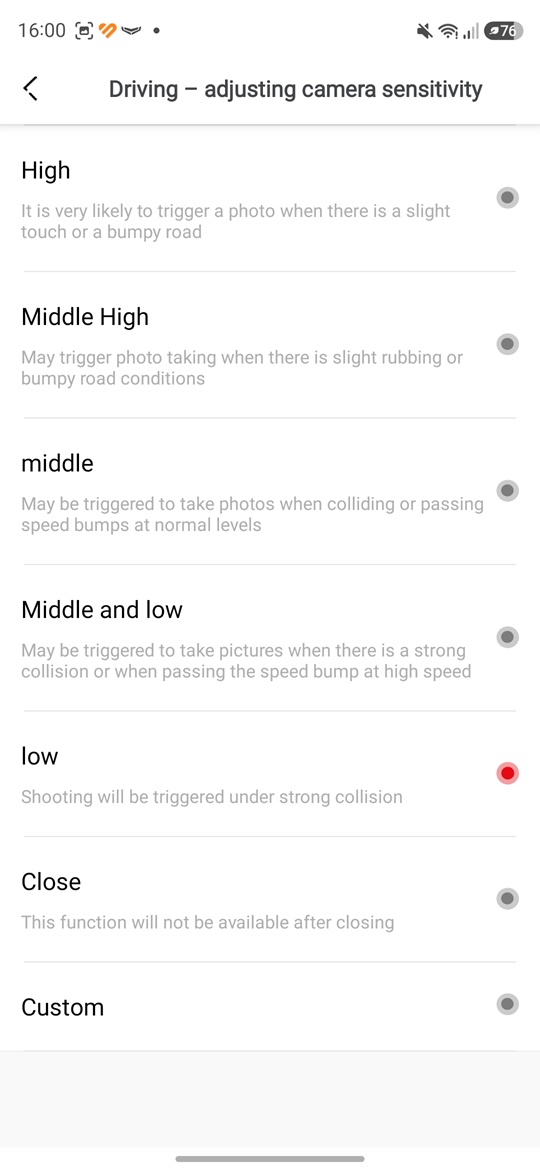
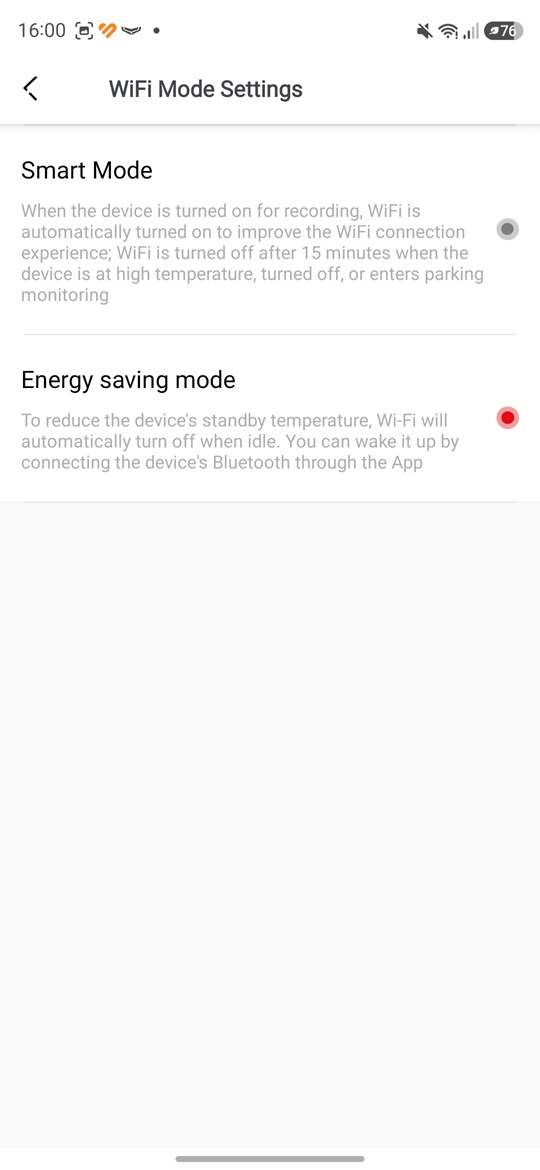
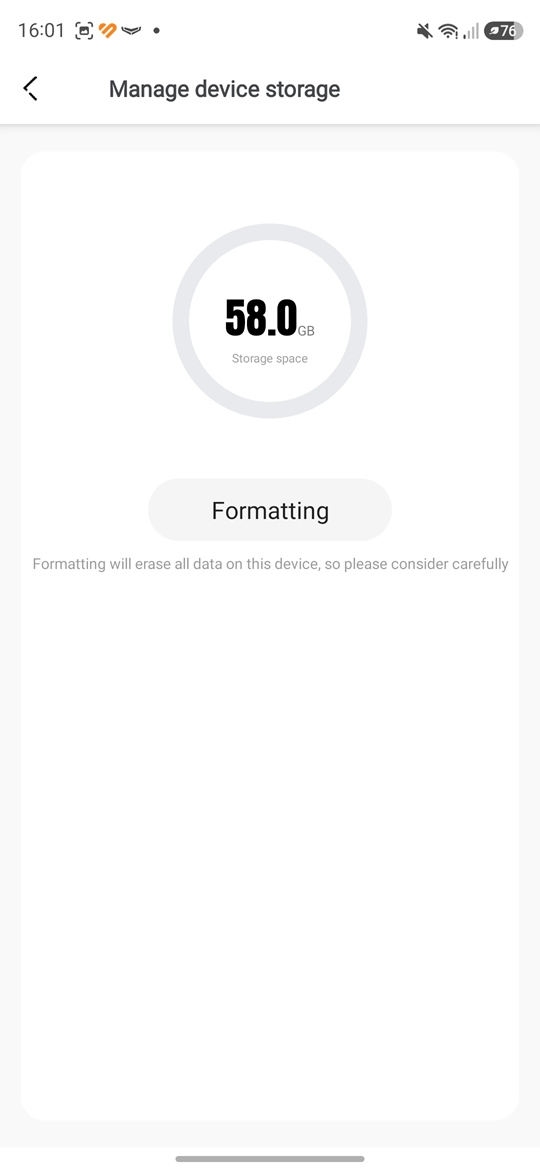
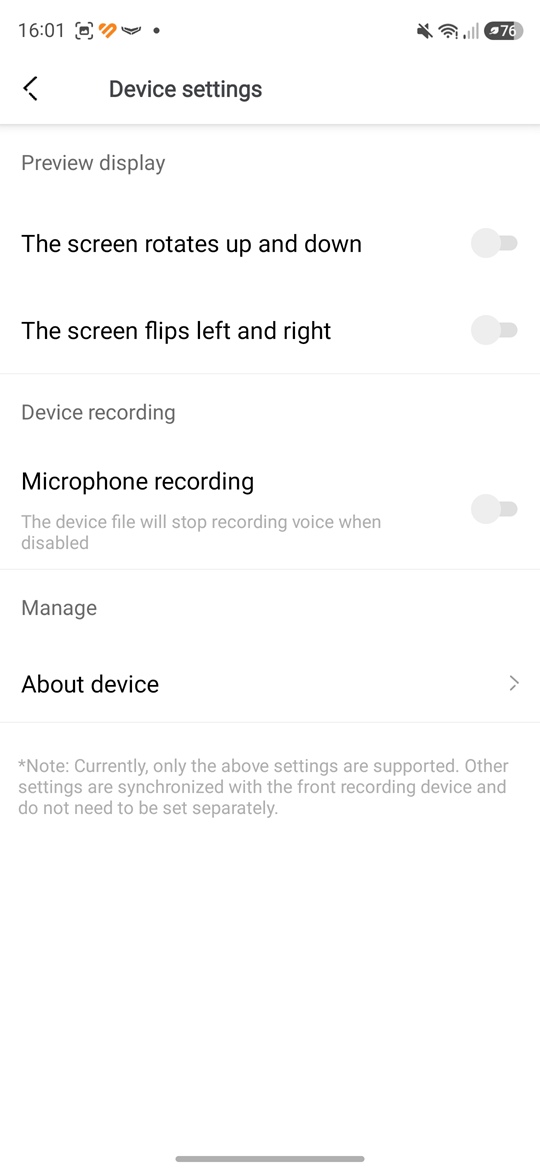
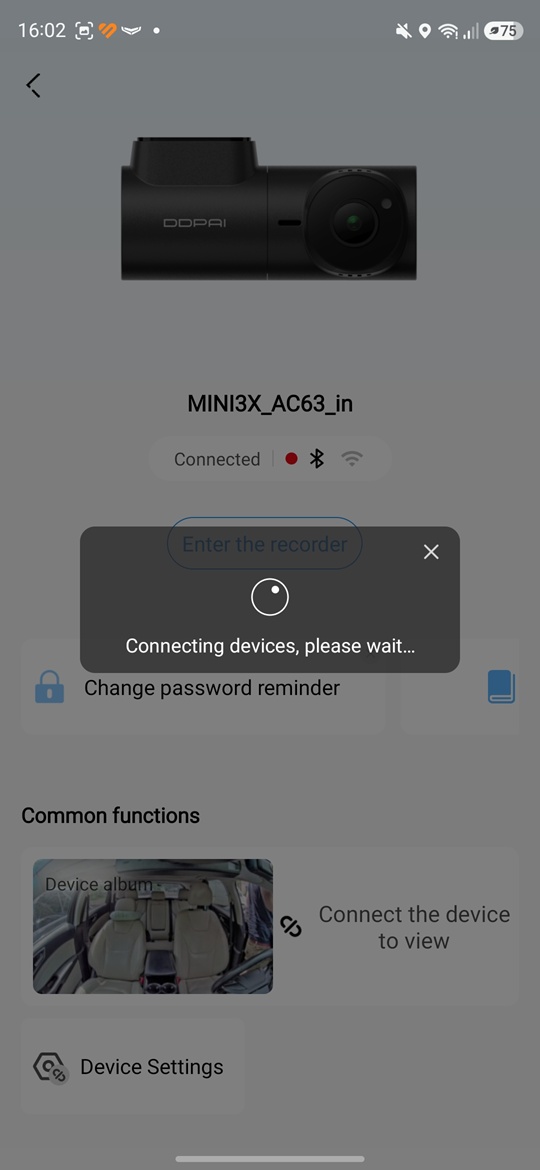
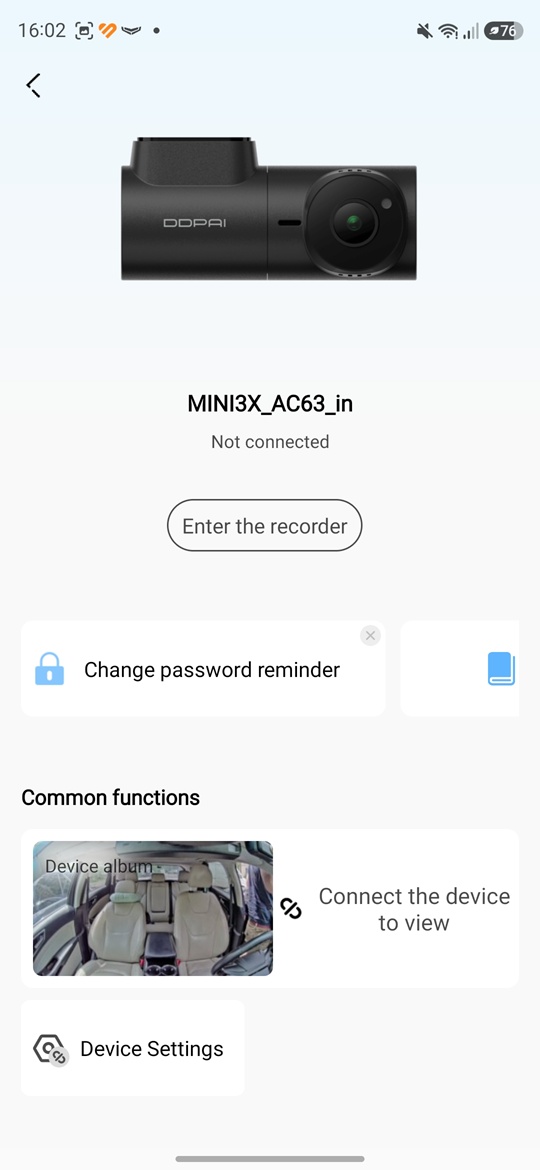
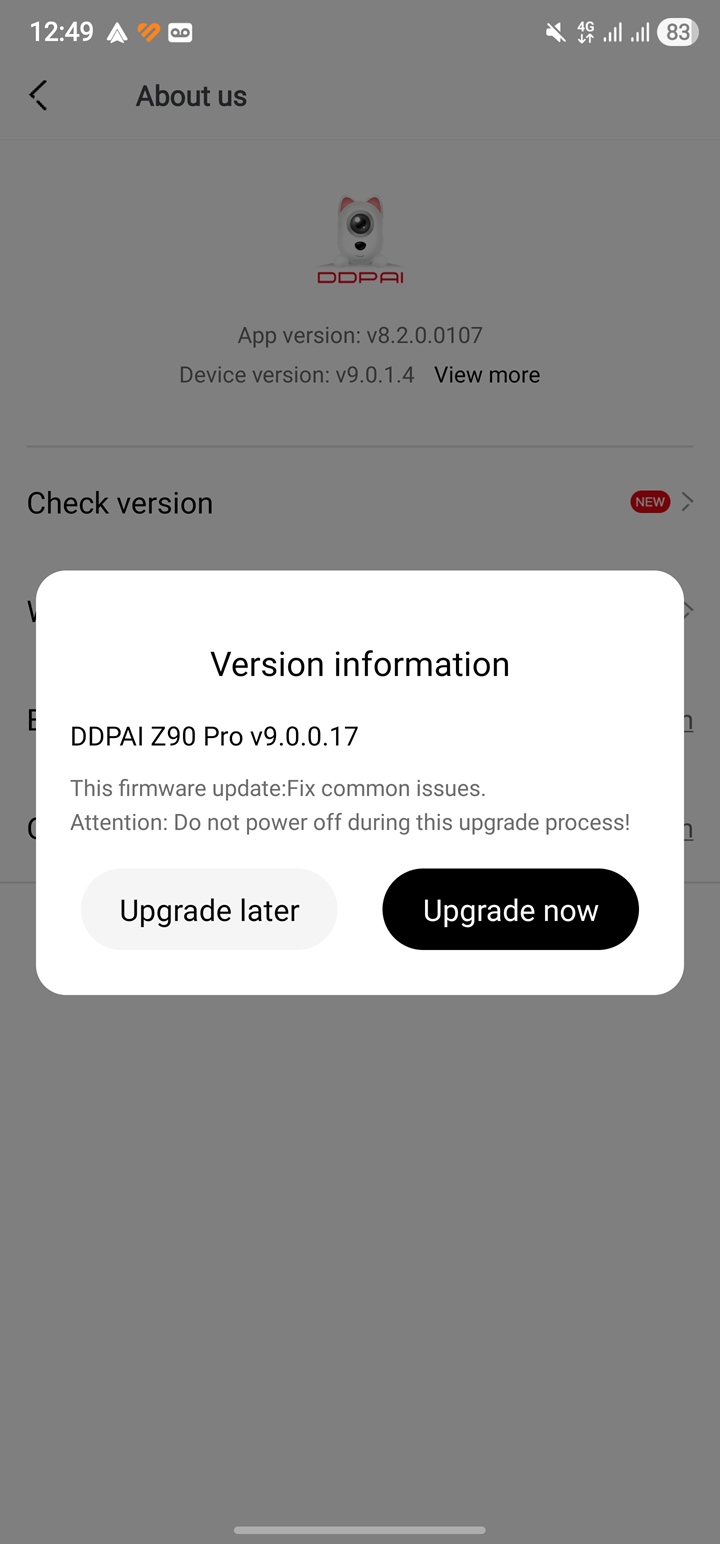

What’s particularly interesting is how playback of recorded videos is implemented. Instead of simply displaying a file list, the app stitches recordings into a continuous trip timeline along the route. It helps locate specific moments using frame previews, intelligent analysis, and markers on the timeline slider that highlight events requiring attention. While viewing videos in the app, users can also see various driving parameters and switch between different camera views.


This video demonstrates how the built-in player’s features work:
Read also: Mazda CX-60 Premium-Sport Review: Not Enough Premium, But Too Much Sport
Remote Connection via 4G
One of the most interesting features in the test configuration is remote system access from a mobile device via a cellular network.
After installing a SIM card, the user can:
- check the vehicle’s status
- view live video remotely
- receive security alerts
- locate the vehicle
In effect, the smartphone becomes a central control hub for the vehicle’s video surveillance system.


Parking Surveillance Mode
This is the feature that most clearly differentiates the DDPAI Z90 Pro from conventional dash cams.
There are two operating scenarios:
If the device is powered via the car’s cigarette lighter socket, the dash cam by default continues operating after the engine is turned off. As a result, the cameras keep recording during parking. However, users should be careful not to leave the adapter connected for extended periods, as this may drain the vehicle battery. Alternatively, the device can be set to power off after 15 minutes via the app or built-in interface. Unfortunately, only this single timeout option is available, and it cannot be adjusted to other intervals.
When the Z90 Pro is connected via the Hardwire Kit, the system also continues operating after ignition is turned off. However, in this case the configuration is significantly more flexible and takes multiple parameters into account. The dash cam independently monitors the vehicle’s battery voltage and automatically shuts down when it drops below a critical threshold. In this setup, additional parking recording modes are also available, such as timelapse recording.
Overall, in parking mode the system can:
- monitor the vehicle around the clock
- detect and record impacts
- respond to movement near the vehicle
- send notifications to the owner
- store video evidence of events
For residents of large cities, this function can be particularly important. Most vehicle-related incidents tend to occur while the car is parked, when the owner is not nearby.

With 4G connectivity, it becomes possible to almost instantly check what is happening with the vehicle after receiving an alert on a smartphone. In this way, the DDPAI Z90 Pro effectively combines the functions of a traditional dash cam with those of a vehicle security system.
Read also: Škoda Kamiq (2024) Review: Is This Compact SUV Crossover Worth Your Attention?
Conclusions
The DDPAI Z90 Pro leaves a very positive overall impression. Formally, it is a car dash cam, but in practice the device’s capabilities extend significantly beyond that.

High recording quality both during the day and at night, support for three cameras, remote access via 4G, a user-friendly mobile application, and an advanced parking mode make it one of the most interesting solutions in its class.

The maximum configuration, featuring the interior camera, GPS/4G module, and Hardwire Kit, is particularly noteworthy. In this setup, the device fully reveals its potential and effectively transforms into a comprehensive vehicle monitoring system.

Of course, the cost of such a package is noticeably higher than that of a basic dash cam. However, the DDPAI Z90 Pro is difficult to compare with entry-level models, as it addresses a significantly broader range of tasks.
Pros
- high-quality recording both day and night
- support for three cameras
- GPS and 4G tracking/monitoring
- built-in storage for video recording
- convenient mobile application
- intelligent video analysis
- effective parking mode
Cons
- high price of the maximum configuration
- more complex installation due to a large number of cables
- full functionality requires installing the Hardwire Kit and a SIM card
- need to purchase an additional anti-glare filter for the main camera
The DDPAI Z90 Pro can be recommended primarily to vehicle owners who are looking for more than just a dash cam, but rather a complete video monitoring and safety system. In this usage scenario, the model performs at its most convincing level.
Where to buy DDPAI Z90 Pro