© ROOT-NATION.com - Use of content is permitted with a backlink.
The smartphone market has been in something of a rut for years. Each new device increasingly resembles its predecessor or a competitor, and few people still expect truly significant changes from yet another product launch. But this year, Samsung managed to surprise even skeptics like me – and it all comes down to the Samsung Galaxy Fold8. It may sound surprising, but Samsung has done more than simply release another foldable smartphone. The company has effectively reworked the entire Fold lineup. The change is significant enough that the Galaxy Fold8 Ultra is now the more direct successor to previous models, while the standard Fold8 adopts completely new proportions and a distinct design philosophy.

In this review, I’ll share my experience using the Fold8 over several weeks, including what I liked about it and which drawbacks became apparent in everyday use. I’ll say right away: it’s an impressive device, but also a highly controversial one that is impossible to feel indifferent about. What’s more, my impressions changed several times throughout the testing period. Even as I finish writing this review, I’m not sure my conclusions about the Fold8 are final. I’m still getting to know it.
Read also: All reviews of foldable smartphones on our website
TABLE OF CONTENTS:
Specifications
Let’s take a closer look at the Samsung Galaxy Fold8’s specifications to better understand what we’re dealing with.
- Form factor: book-style foldable smartphone
- Cover display: 5.5-inch Dynamic AMOLED 2X, 1248×1972 pixels, 428 ppi, adaptive 1–120 Hz refresh rate, approximately 10:16 aspect ratio
- Main display: 7.6-inch Dynamic AMOLED 2X, 1848×2448 pixels, 403 ppi, adaptive 1–120 Hz refresh rate, 4:3 aspect ratio
- Peak brightness: up to 3,000 nits on both displays
- Processor: Qualcomm Snapdragon 8 Elite Gen 5 for Galaxy
- RAM: 12 or 16 GB
- Storage: 256 GB, 512 GB, or 1 TB
- Main camera: 50 MP, f/1.8, Dual Pixel AF, OIS
- Ultrawide camera: 50 MP, f/1.9, 120° field of view
- Cover-screen camera: 10 MP, f/2.2
- Under-display camera: 10 MP, f/2.2, 100° field of view
- Battery: 4,800 mAh
- Wired charging: up to 45 W
- Wireless charging: up to 20 W
- Reverse wireless charging: Wireless PowerShare
- Protection: IP48
- Wireless connectivity: 5G, Wi-Fi 7, Bluetooth 6.0, NFC, UWB
- USB: Type-C, USB 3.2 Gen 1
- SIM: nano-SIM + eSIM or Dual eSIM, depending on the region
- OS: Android 17 with One UI 9
- Folded dimensions: 123.9×81.9×9.7 mm
- Unfolded dimensions: 123.9×161.4×4.5 mm
- Weight: 201 g
- Colors: Graphite, Cream, Lavender, plus an exclusive Pistachio option available through Samsung.com
At 201 grams, the Fold8 is actually lighter than many conventional flagship smartphones, which is particularly impressive considering that it houses two displays, a complex hinge mechanism, and a dual-cell battery.
Positioning and Price
The Samsung Galaxy Fold8 is one of the most expensive smartphones in Samsung’s lineup and on the market overall. Its starting price is around $1,899, while the Fold8 Ultra starts at $2,099. That makes the price gap between the two models relatively small considering their overall price range.

However, it is important to understand that the Fold8 and Fold8 Ultra are now aimed at somewhat different users. The Ultra continues the classic Fold concept, with a tall cover display, a large almost-square inner screen, and a stronger focus on performance and camera capabilities. The Fold8, by contrast, is more compact, shorter, and significantly wider, with Samsung clearly designing it primarily around content consumption.
There are already several serious competitors on the market, including the Motorola Razr Fold, HONOR Magic V6, Google Pixel 11 Pro Fold, and other large foldable smartphones. Motorola, for example, offers a 6,000 mAh battery, 80 W charging, and even stylus support, while the HONOR Magic V6 features a 6,660 mAh battery and IP68/IP69-rated protection. However, there is still hardly a direct equivalent to the Fold8 in terms of its combination of compact dimensions and unusual proportions. As a result, the smartphone is likely to remain a fairly unique proposition for some time. Apple is also expected to enter the foldable smartphone segment, but at the time of writing, the company had yet to officially introduce a foldable iPhone. And, when you think about it, that is a rather unusual situation for today’s smartphone market. Bravo, Samsung.
Package contents
The package is predictably minimalist. Inside the box, you get the Samsung Galaxy Fold8 itself, a USB-C cable, and a SIM tray ejector tool. There is no charger included.

For a smartphone costing nearly $2,000, this package still feels a little underwhelming, although by now we have become accustomed to this approach. This is particularly noticeable given that a 45 W charger is required to take full advantage of the phone’s maximum wired charging speed.
Read also: Motorola Razr Fold Review: An Almost Flawless Foldable
Design, Materials, and Build Quality
The Galaxy Fold8’s design is defined almost entirely by its proportions. The cover display has an aspect ratio of approximately 10:16, while the inner display uses the classic 4:3 tablet format. Most of the smartphone’s strengths and weaknesses stem directly from this design choice.

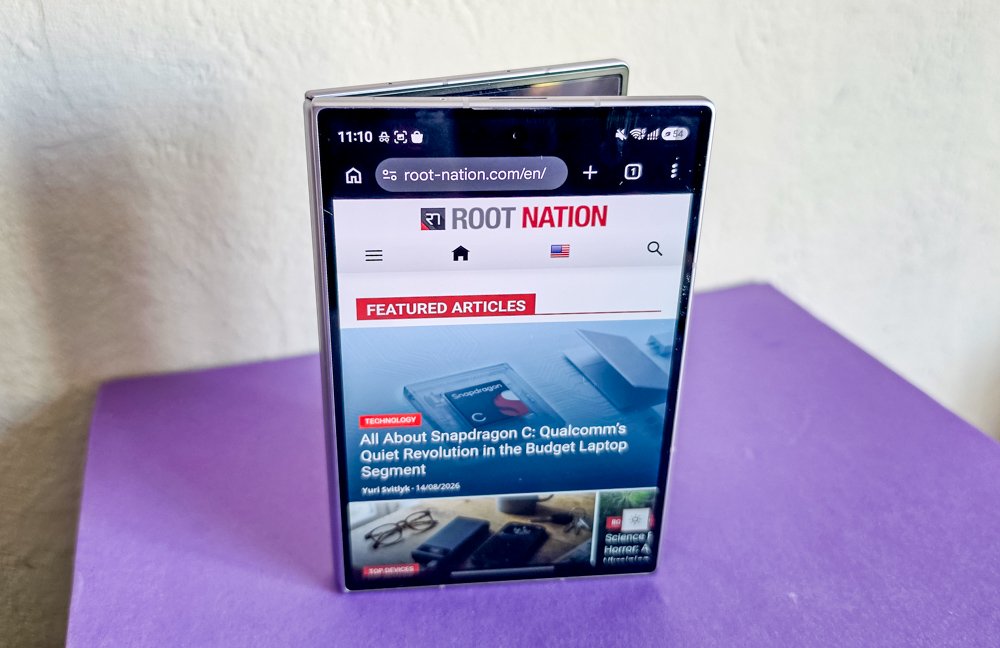
When folded, the Fold8 resembles a small passport or notebook. It is significantly shorter than a conventional smartphone, but also somewhat wider. When unfolded, it becomes almost like a traditional small tablet.

Interestingly, Samsung has taken almost the opposite approach here compared with many previous Fold models. In the past, the cover display was more of a compromise and was primarily intended for quick tasks, while the inner screen was considered the main display. With the Fold8, both modes of use are equally important, simply catering to different types of content.
Otherwise, it is a typical high-end Galaxy Fold in terms of materials and construction. It features an Armor Aluminum frame, Gorilla Glass Ceramic 3 on the front, Gorilla Glass Victus 2 on the back, and the new Armor FlexHinge. Beneath the flexible inner display, Samsung uses two layers of Flex Titanium, which are designed to improve its durability. The phone also carries an IP48 rating, meaning it can withstand immersion in fresh water up to 1.5 meters deep for 30 minutes. However, it still does not offer full protection against fine dust.
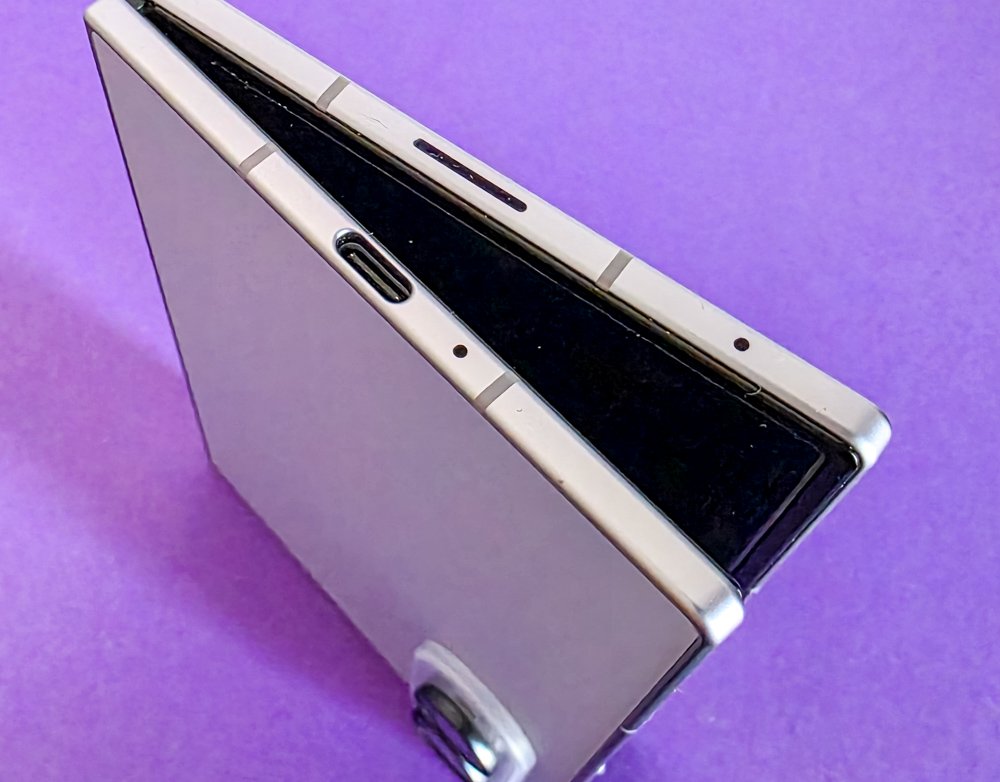
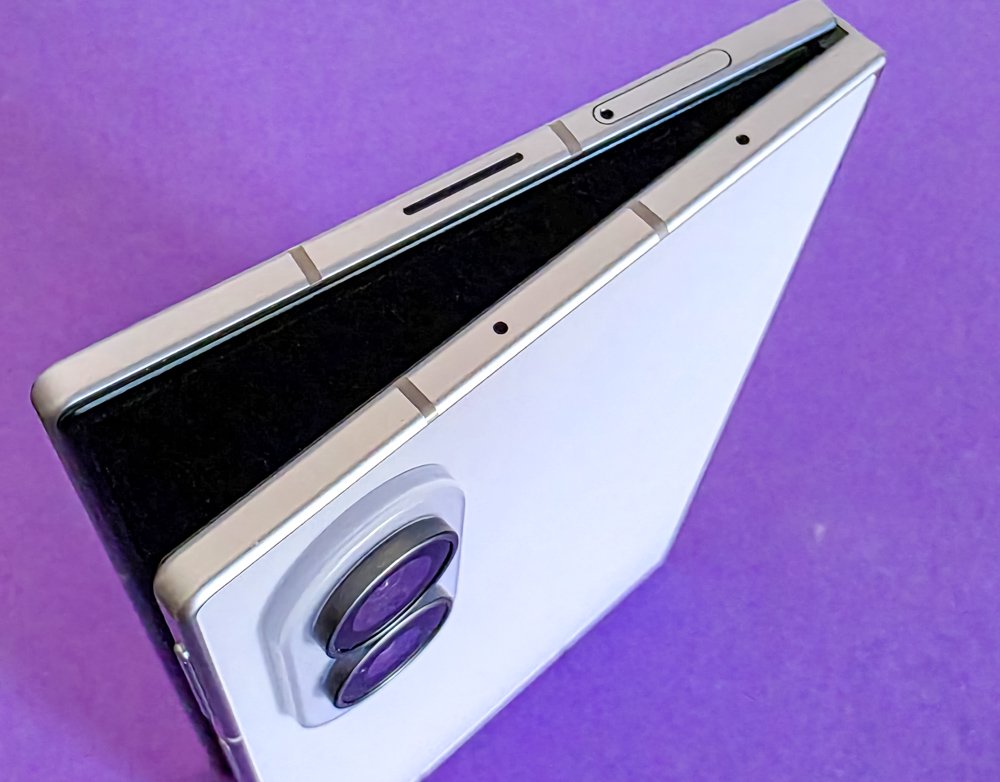
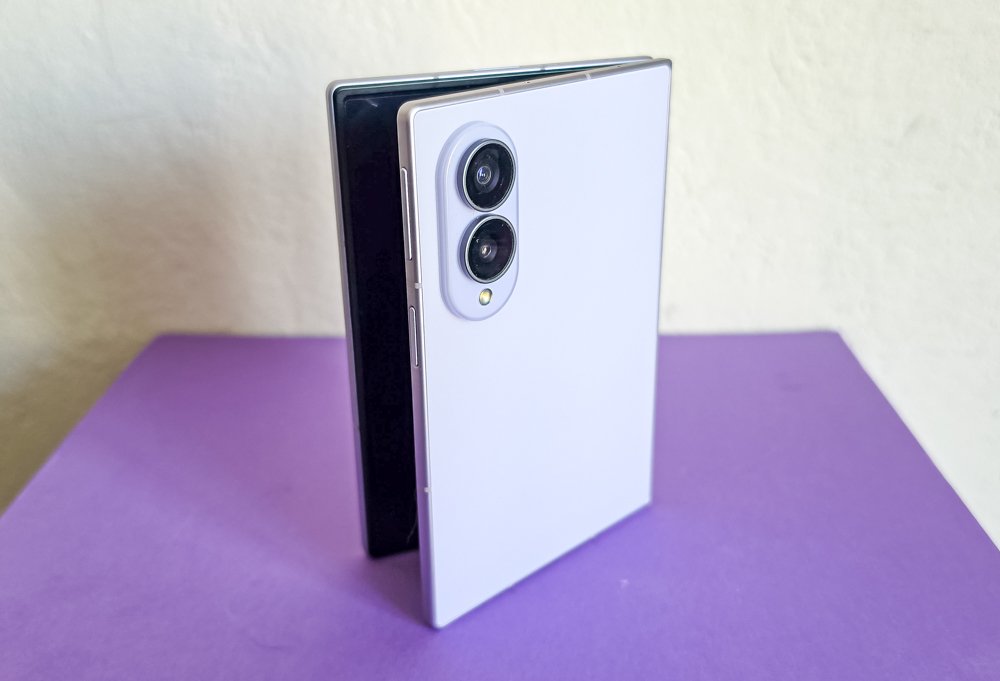
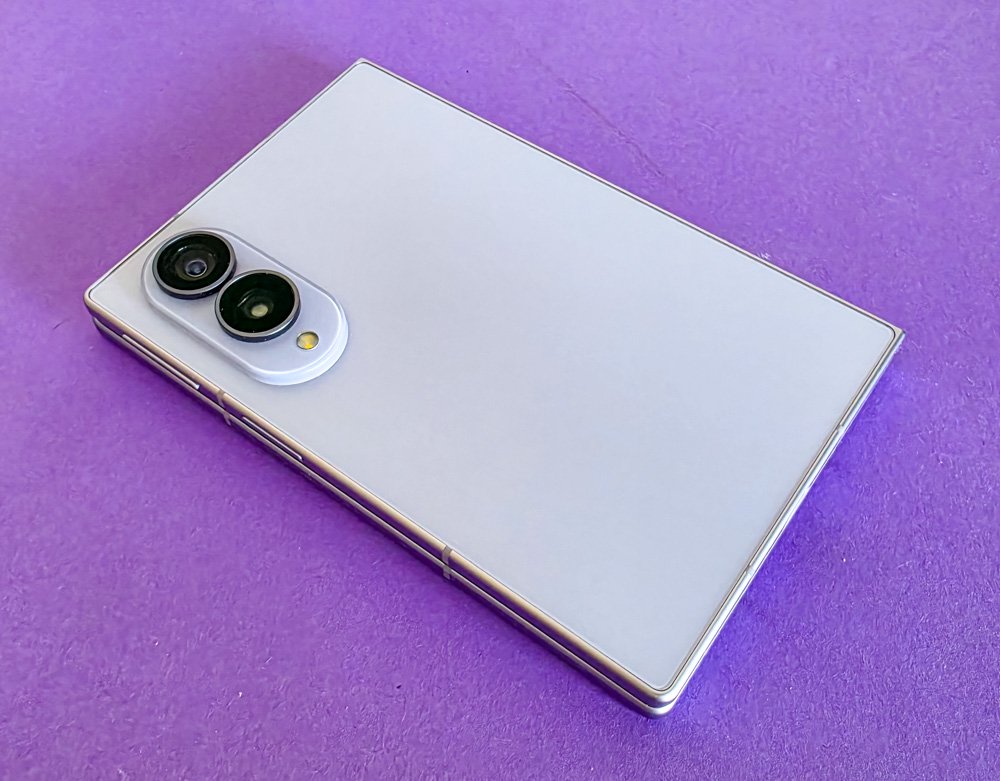
The build quality is impeccable. Samsung has clearly perfected this aspect over the years: there is no flex or play, the two halves align precisely when folded, the hinge feels smooth and solid, and the smartphone has a distinctly premium feel.

The thickness deserves a special mention. At just 4.5 mm when unfolded, it is a figure that is difficult to fully appreciate until you actually hold the Fold8 in your hands.

Read also: Samsung Galaxy S26 Plus Review: Is It Worth the Price?
Ease of Use
The Fold8 is an incredibly thin and refined device when unfolded. I’m genuinely impressed by how the engineers managed to fit two displays, cameras, batteries, a hinge, and all the other hardware into such a slim body. It almost feels like magic, and it is genuinely impressive.

However, the slim design comes with several compromises. The first, and for me the most significant, is the lack of S Pen support. The Fold8 does not have the necessary digitizer, making Samsung’s proprietary stylus unusable. This also applies to the Fold8 Ultra – neither model in this generation supports the S Pen. I find this particularly disappointing. In effect, Samsung has sacrificed a genuinely useful productivity feature in favor of a thinner design.

I personally use a stylus all the time for signing documents. I often receive agreements, invoices, or contracts as PDFs, open them directly on my smartphone, add a document number or date if necessary, and sign them. I also frequently annotate screenshots to show someone exactly which details they should pay attention to. It is extremely convenient, not only for work but also for everyday communication. I tried doing the same with my finger on a touchscreen, and it just isn’t the same. So if the S Pen is an important part of your everyday workflow, using the Fold8 will require some serious adjustments to your habits – or you may need to choose a different smartphone altogether.
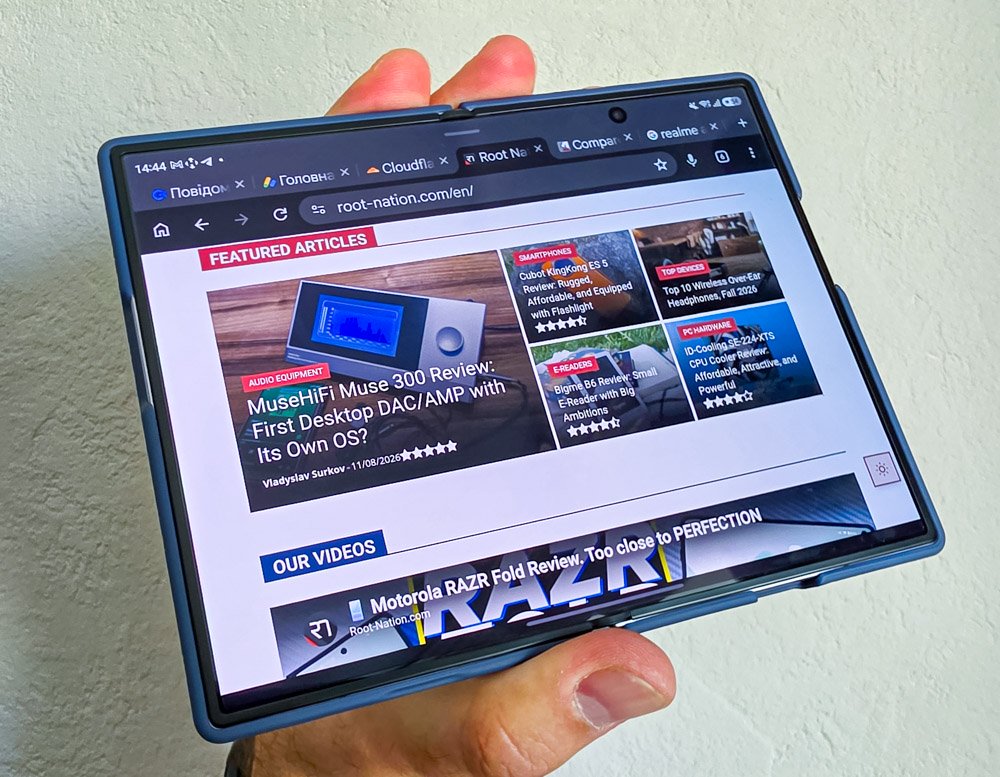
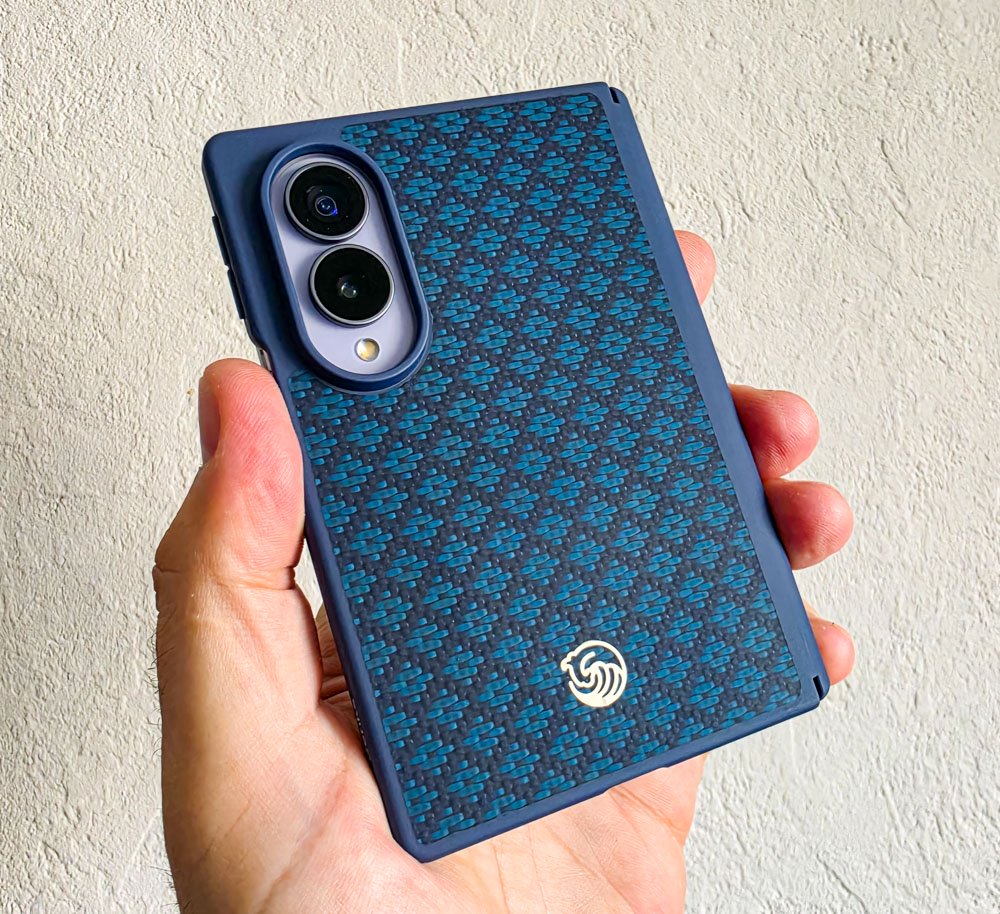
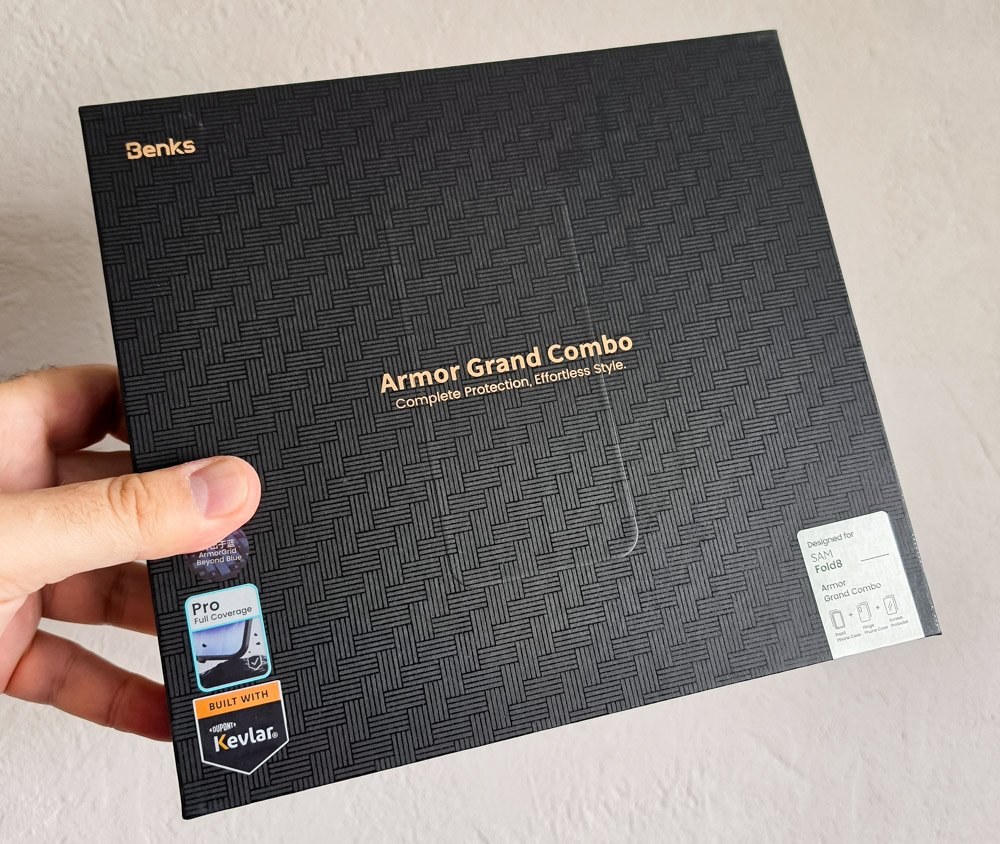
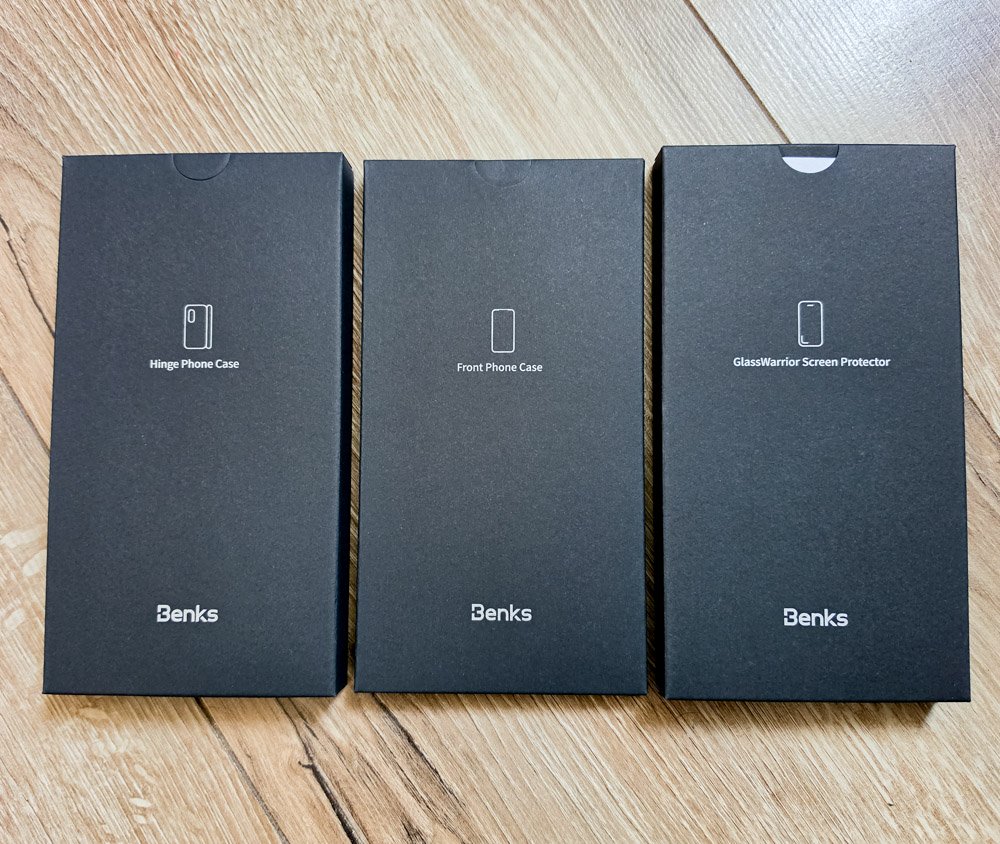
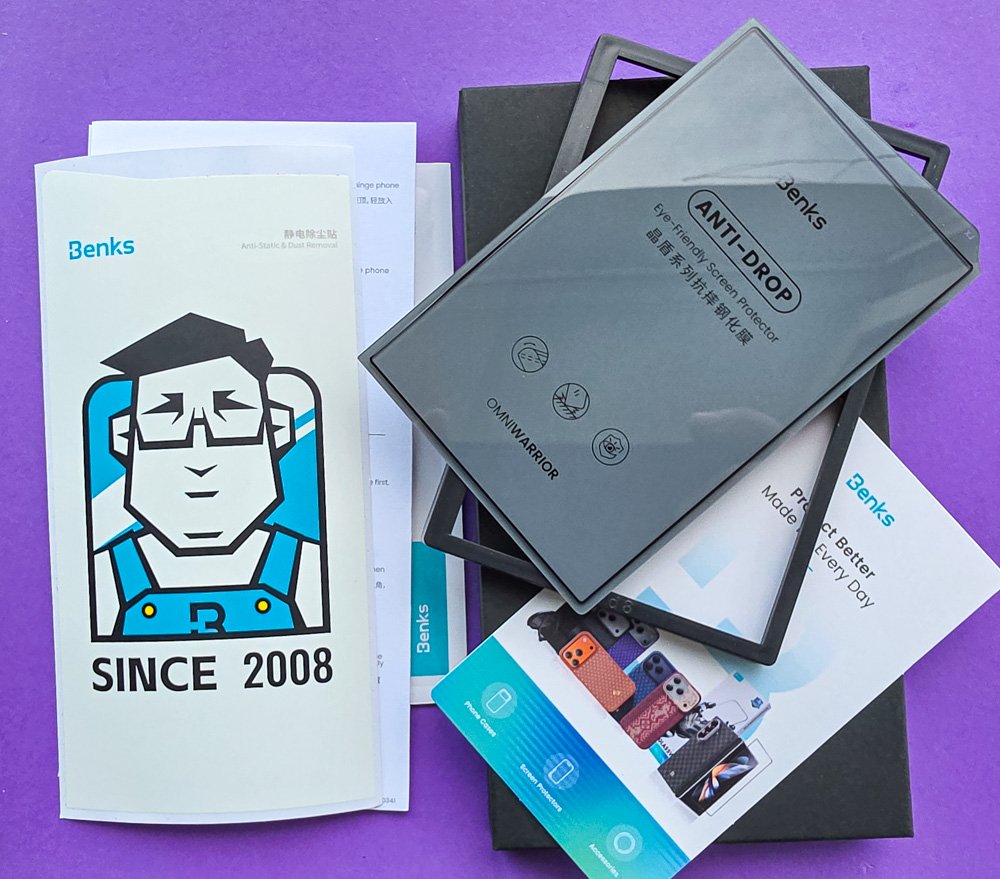
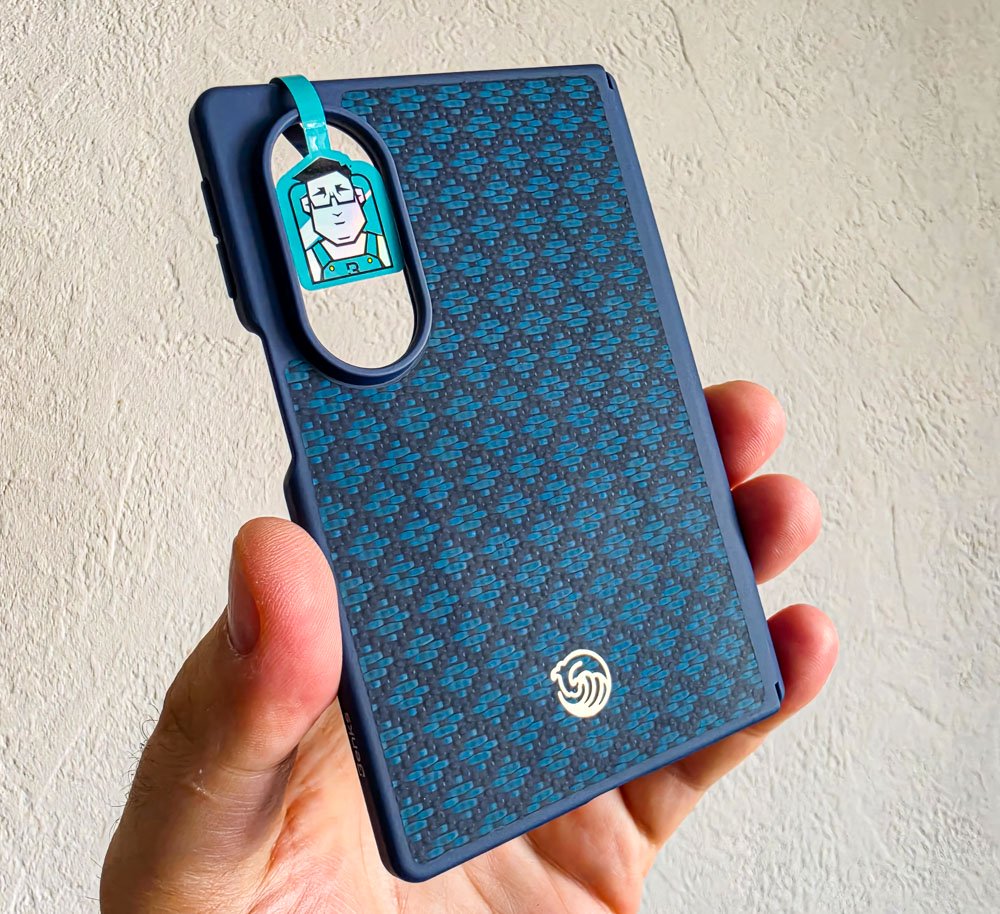
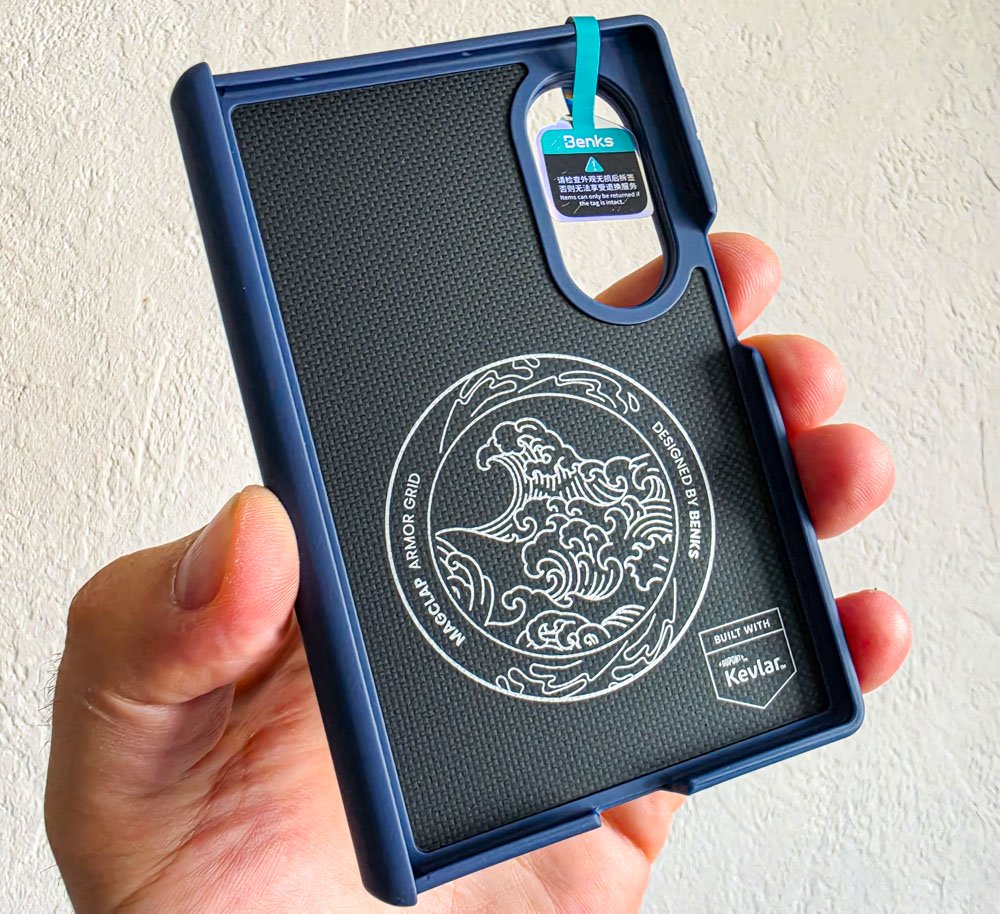
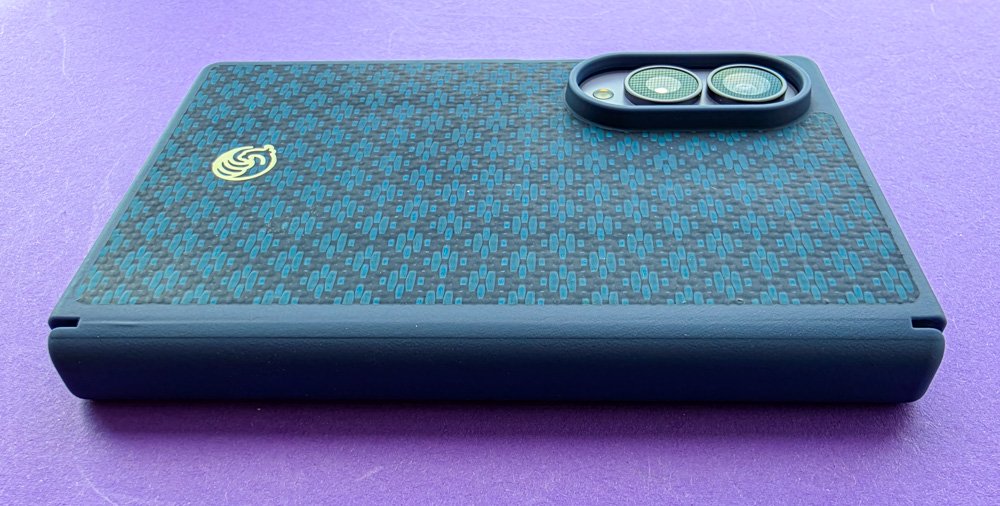
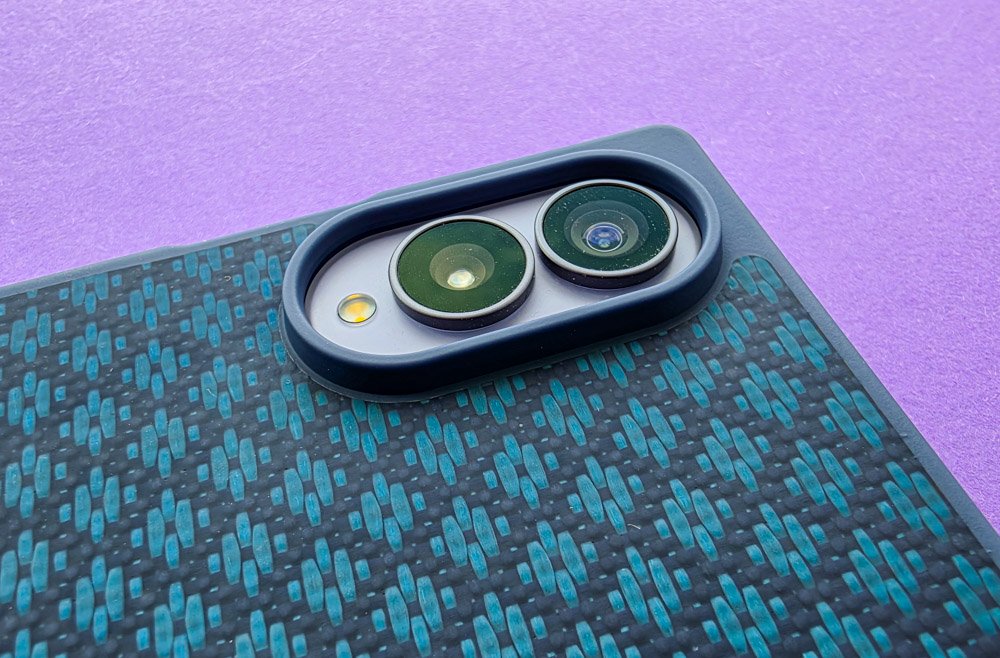
The second issue is that, personally, I don’t find it particularly comfortable to use such a thin device in tablet mode. Maybe my hands are simply too large, but there is barely anything to grip onto securely. Fortunately, this is easy to fix with a case. I was lucky in this regard: shortly after starting the testing, I received the Benks Armor Grid Pro Grand Combo for Samsung Galaxy Fold8. And it is genuinely great. It’s a high-quality, tactile, and durable accessory made with Kevlar.

Yes, this case significantly increases the Fold8’s thickness. But that is exactly what I felt was missing. The smartphone becomes much more comfortable to hold, with grippier surfaces and a more secure grip. It also makes me feel much more at ease when handling such an expensive foldable device.
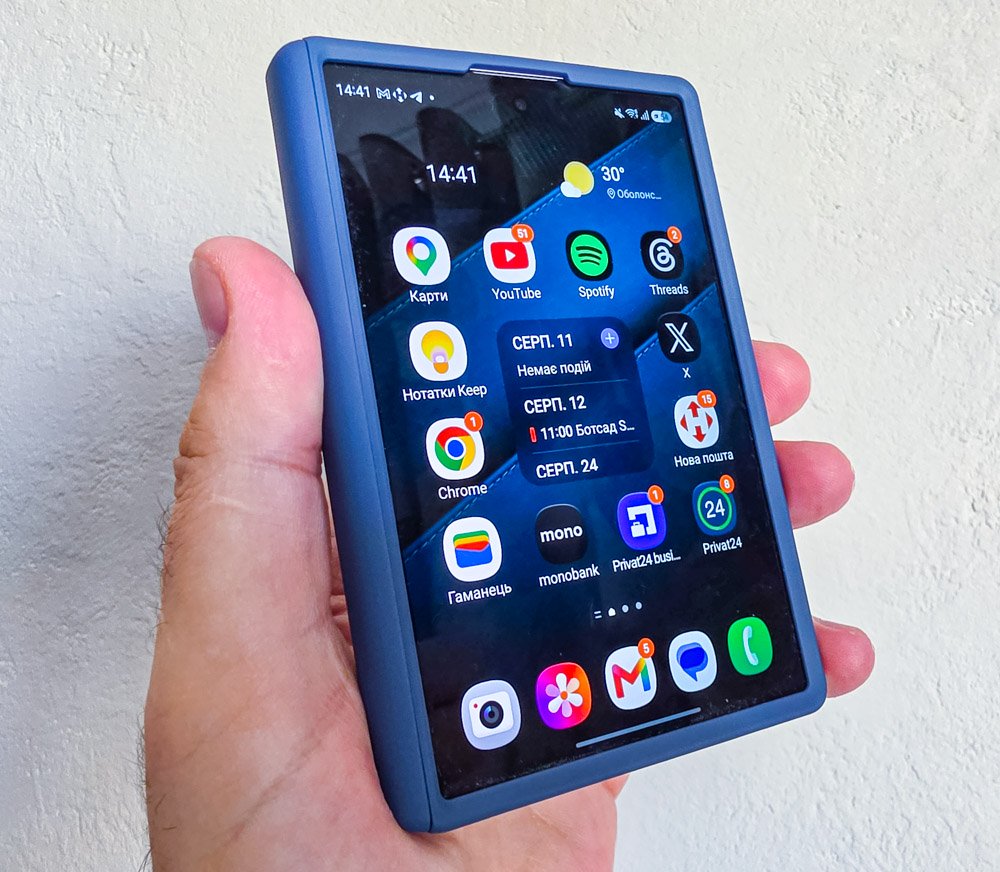
As for using the Fold8 when folded, I found the cover display quite comfortable to use, and it is even possible to operate the smartphone with one hand. In fact, the display feels perfectly adequate for on-the-go use and does not create the sense of compromise that was common with the early generations of the Fold.


Read also: Samsung Galaxy S26 Review: Most Compact Flagship with Minimal Changes
Displays
I don’t want to spend too much time discussing color gamut, refresh rates, and other laboratory measurements. For those details, it’s enough to refer back to the specifications section. In everyday use, I have no complaints about either display. They are vibrant, bright, smooth, and perform exceptionally well in virtually any conditions. Both Dynamic AMOLED 2X panels feature an adaptive refresh rate from 1 to 120 Hz, while the claimed peak brightness reaches 3,000 nits. The inner display also has an anti-reflective coating, which is particularly useful on such a large surface.

And it is the 4:3 inner display that is the Fold8’s defining feature. This aspect ratio works particularly well for browsing, documents, PDFs, books, photos, and many apps. It is no longer an elongated smartphone screen, but almost a genuine tablet-like workspace.

Video is a slightly different story. 16:9 content does not, of course, use the entire display area and leaves black bars, but the image is still physically quite large.
There is another minor issue with the inner display, although it is more related to the camera placement. The front-facing camera cutout is located in the middle of the right half of the panel. In landscape orientation, this is not a problem because the camera sits in the status bar area. However, when you rotate the Fold8 to portrait orientation, the cutout moves to the left side of the display and can actually obscure text in chats or social media feeds.


Rotating the device 180 degrees helps somewhat, moving the camera cutout to the right side, where it is much less intrusive. When the keyboard appears, the cutout is actually positioned outside the main working area altogether. It may seem like a minor detail, but on a device with such unusual proportions, these nuances can have a noticeable impact on the everyday user experience.

Read also: Samsung Galaxy Fold7 Review: Slim and Lightweight Foldable Smartphone
Hardware and Performance
The Galaxy Fold8 is powered by the Snapdragon 8 Elite Gen 5 for Galaxy, a special version of Qualcomm’s current flagship platform. Samsung pairs the smartphone with 12 GB of RAM in the 256 GB and 512 GB configurations, while the 1 TB model comes with 16 GB of RAM. In terms of performance, this is a full-fledged flagship with no major caveats.
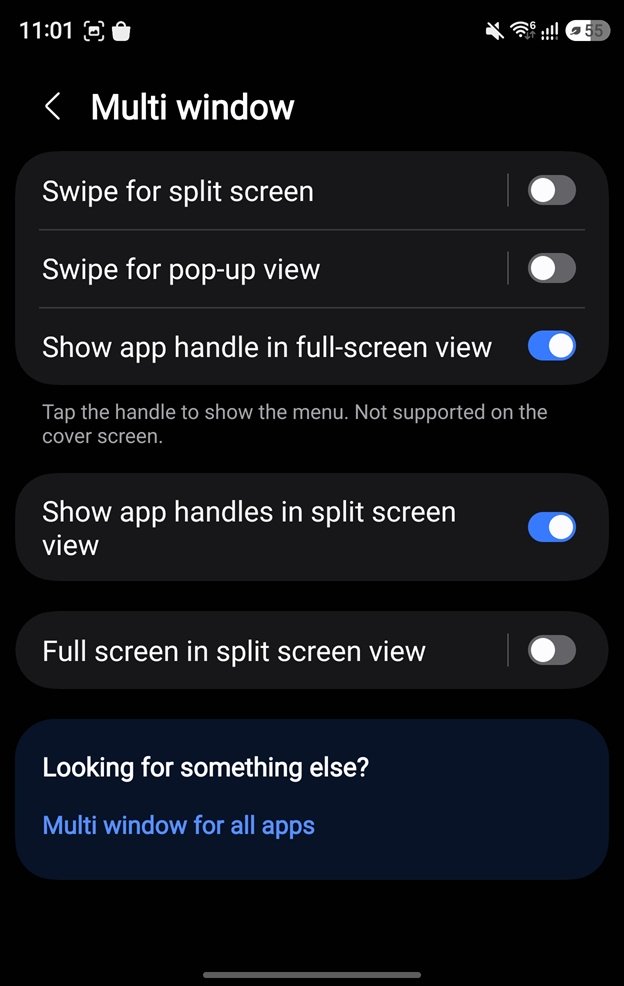
There is more than enough power for browsing, messaging, multitasking, photos, video, and everyday tasks. In fact, the multi-window mode is one of the most logical ways to take advantage of this level of performance, as One UI allows two or three apps to be displayed simultaneously on the large inner screen.

The graphics subsystem supports the modern Vulkan API and hardware-accelerated ray tracing, so gaming is not an issue either. The only thing to keep in mind is that the Fold8’s body is extremely thin, so you should not expect miracles from its cooling system under sustained maximum load. It is an exceptionally powerful smartphone, but its design is not that of a dedicated gaming device with a massive vapor chamber and a thick chassis. For real-world everyday use, however, this is hardly a concern.
Read also: Samsung Galaxy Fold6 Smartphone Review
Cameras
And this is where Samsung has made another compromise. The Galaxy Fold8 has just two rear cameras: a 50 MP main sensor with optical image stabilization and a 50 MP ultrawide camera. There is no dedicated telephoto lens. The main camera can provide a 2× zoom by cropping into the central portion of the 50 MP sensor, but this does not replace a true optical zoom.

For a smartphone priced at nearly $1,900, this is a fairly bold compromise. Especially considering that the Fold8 Ultra exists alongside it, offering a 200 MP main camera and a dedicated 3× telephoto lens. I therefore would not call the Fold8 a camera phone in the traditional sense. Instead, Samsung has opted for a versatile combination of a main and ultrawide camera rather than a broader range of focal lengths.
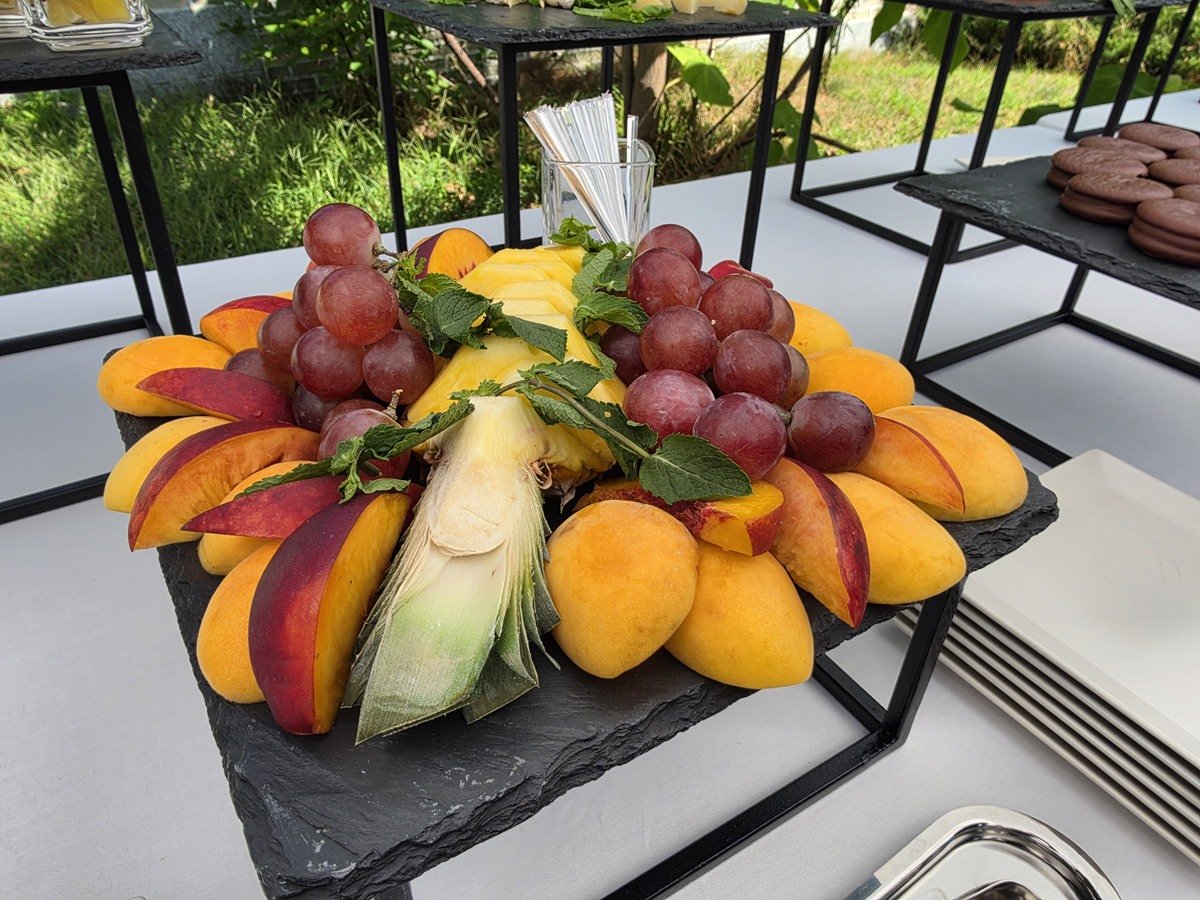
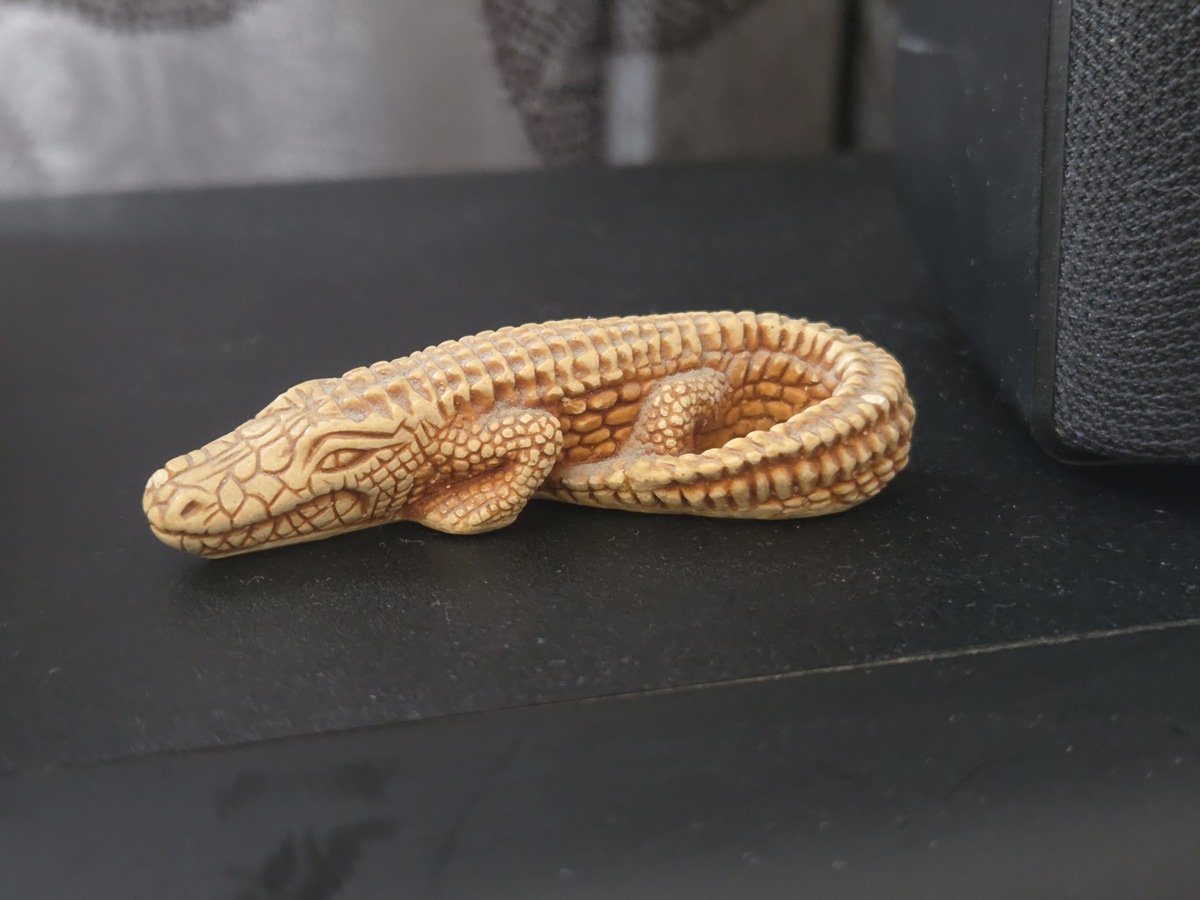
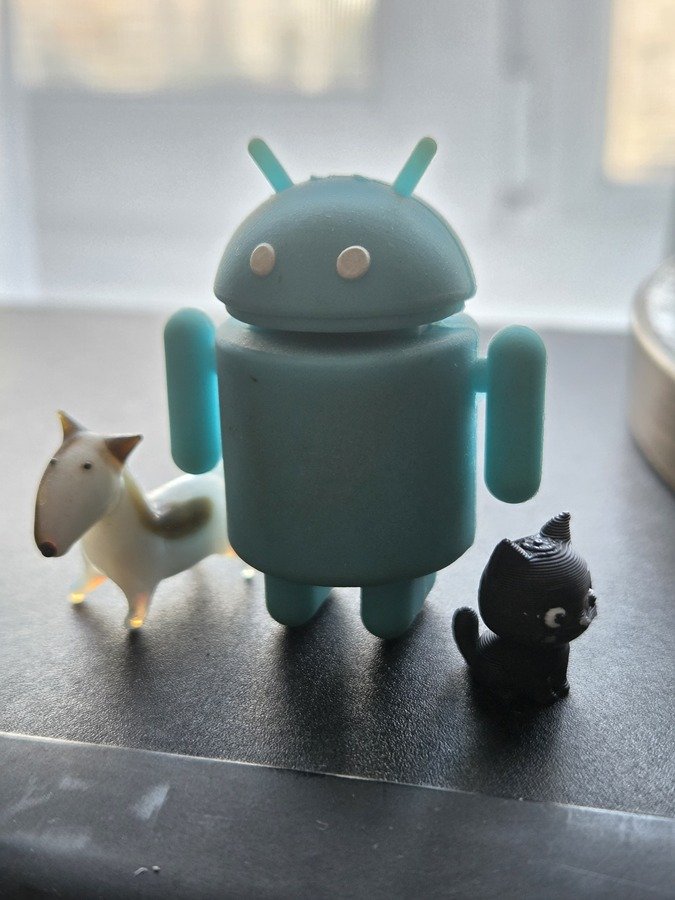
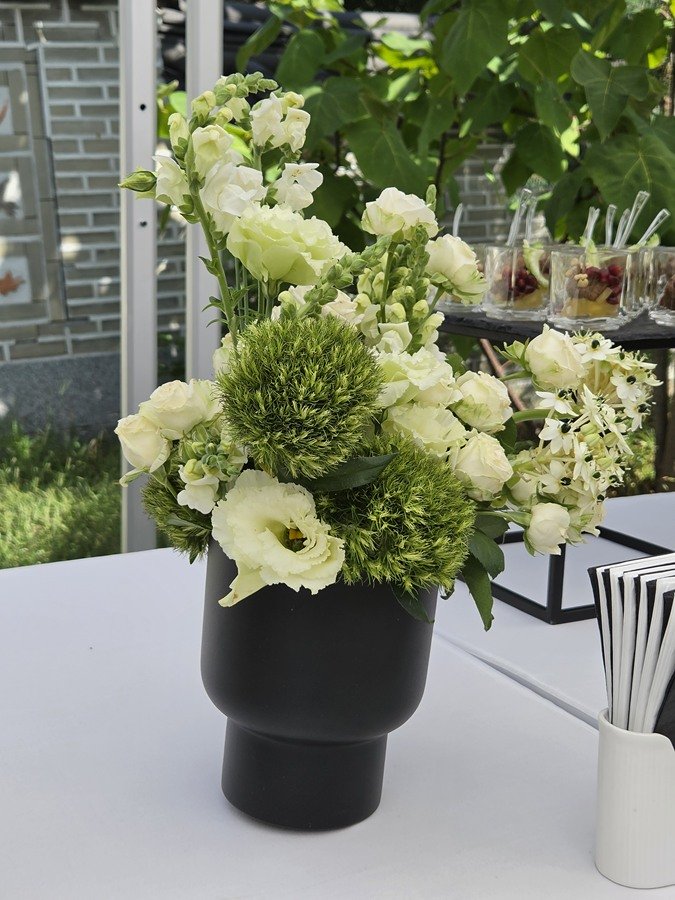
On the other hand, Samsung makes extensive use of software processing through the ProVisual Engine and Galaxy AI. Features include Nightography for photos and video, Dual Recording for capturing different perspectives simultaneously, My FanCam for automatically reframing recorded video around a selected person, and Photo Assist, which enables generative photo editing using text prompts. Another advantage of the form factor is the large inner display. Selecting, editing, and comparing photos on a 7.6-inch panel is simply more convenient than doing the same on a conventional smartphone.
Examples of photography


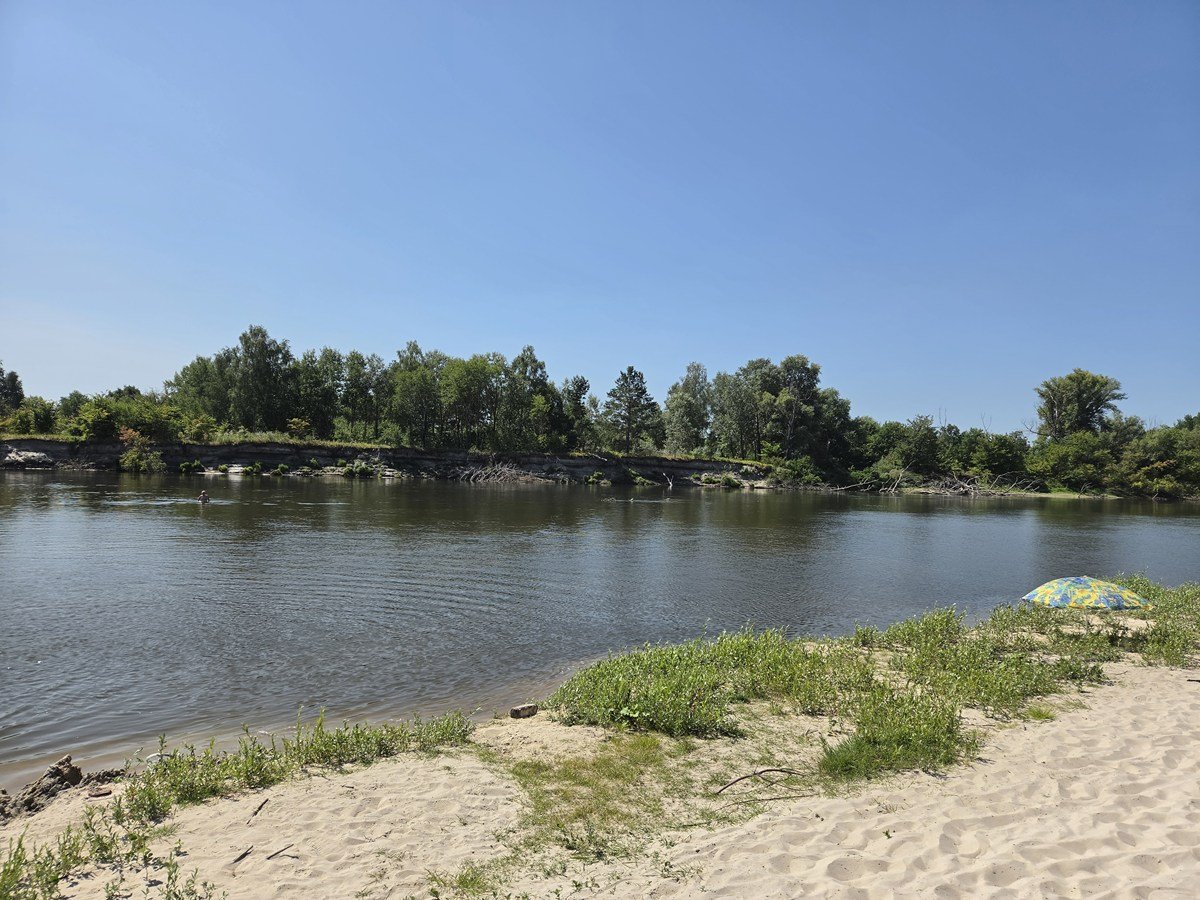
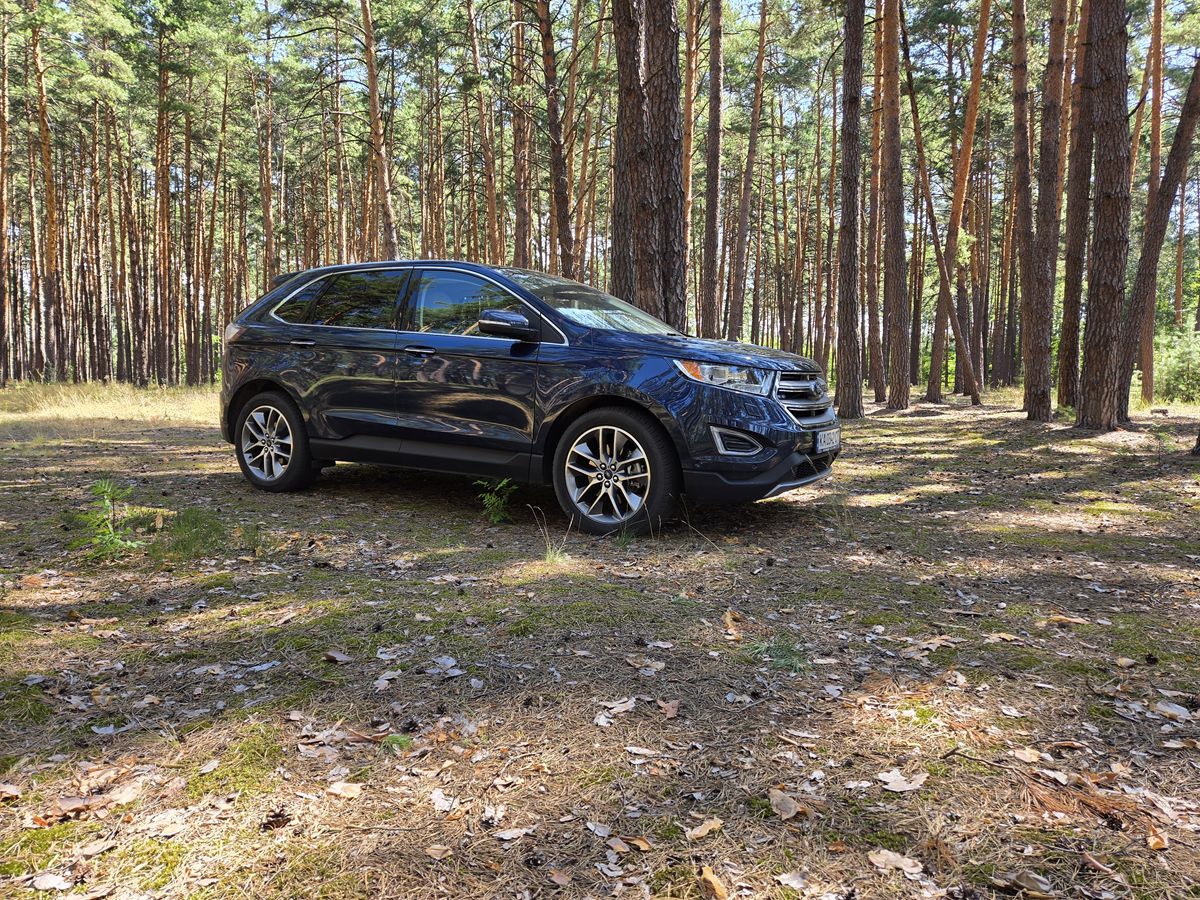
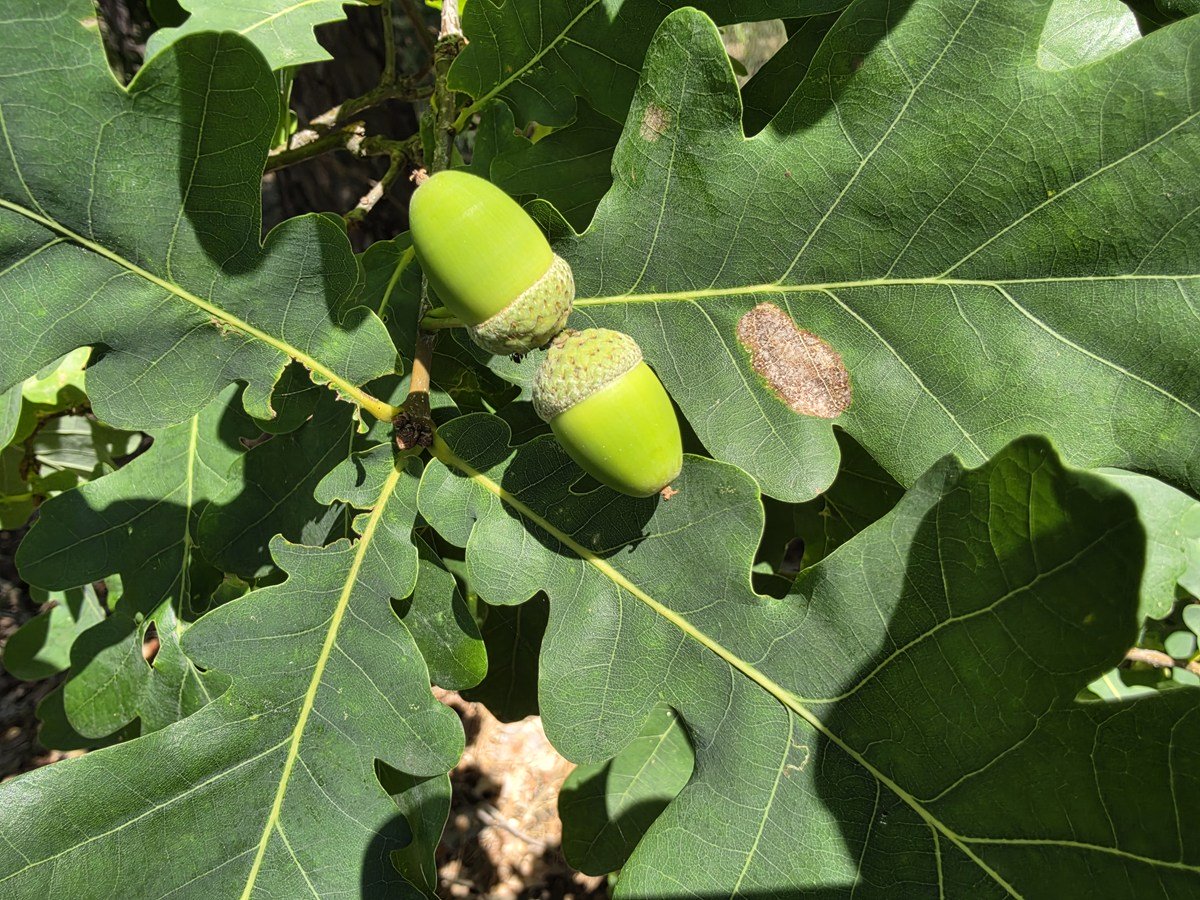

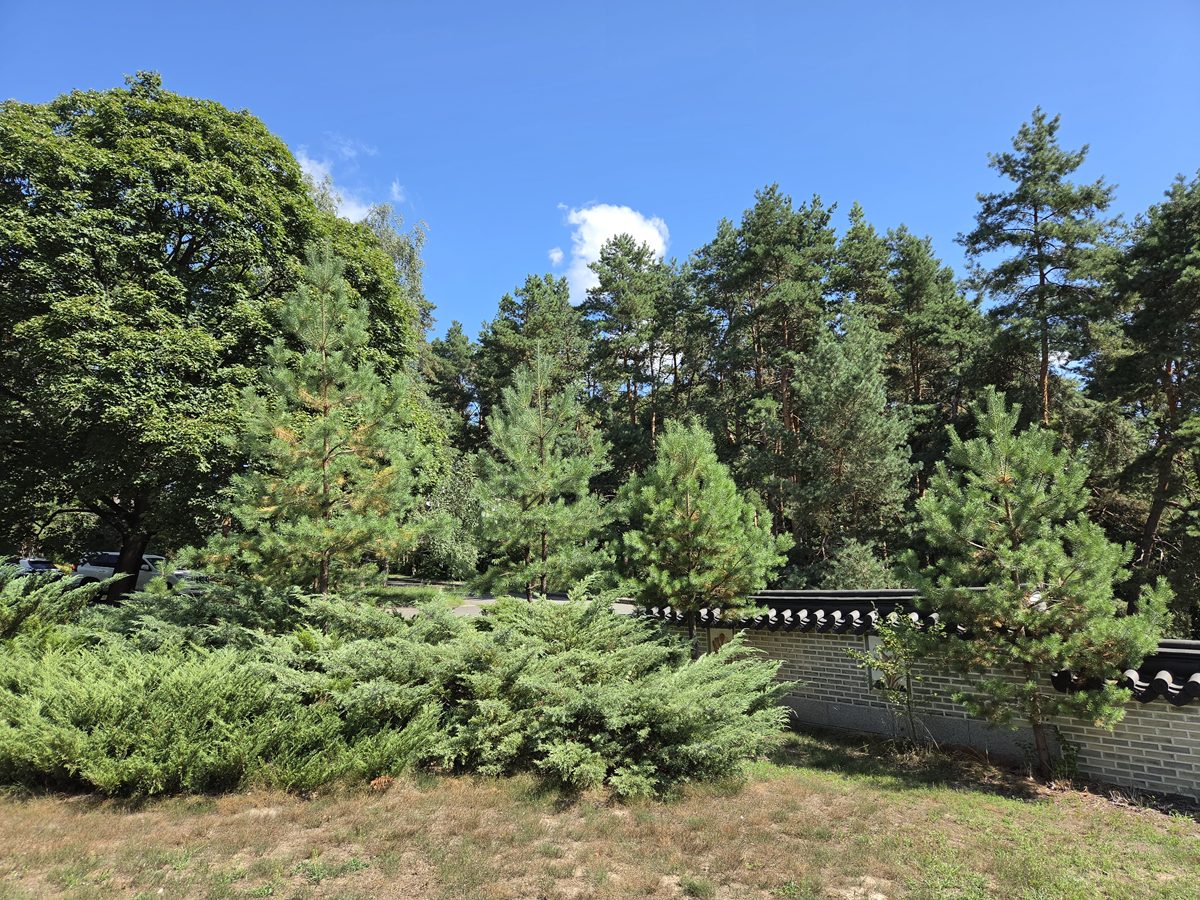







Examples of video recording
VIEW EXAMPLES OF PHOTOS AND VIDEOS IN ORIGINAL QUALITY
Selfie Cameras
For video calls and selfies, the Fold8 features two 10 MP front-facing cameras, one for each display. It is also worth highlighting the option to take selfies using the main camera. To do this, unfold the phone and enable Cover screen preview in the top bar of the Camera app. The cover display then acts as a viewfinder, allowing you to use the 50 MP main camera for selfies and achieve noticeably better image quality than with the front-facing cameras.


Read also: Samsung’s Biggest Update of the Year: Which Smartphones and Tablets Will Get One UI 9.0
Connectivity
The Fold8 delivers everything you would expect from a flagship in terms of connectivity. It supports 5G, Wi-Fi 7 across the 2.4, 5, and 6 GHz bands, Bluetooth 6.0, NFC, and UWB. Positioning is handled by GPS, GLONASS, Galileo, BeiDou, and QZSS. There is support for both nano-SIM and eSIM, with a Dual eSIM configuration also available depending on the region.
The USB-C port uses the USB 3.2 Gen 1 standard, making it suitable not only for charging but also for fast transfer of large files and connecting peripherals. UWB is another useful addition for owners of compatible trackers and other devices within the Galaxy ecosystem.
Read also: Samsung Galaxy S26 Ultra Review: Reference Flagship Without Major Changes
Audio
My impressions of the audio are mixed. On the one hand, despite the extremely slim body, Samsung has managed to fit a proper stereo speaker setup. In practice, the smartphone sounds loud and full, with a reasonably wide frequency range. On the other hand, the speaker placement raises some questions. When the phone is folded and held vertically, the speakers are positioned at the top and bottom.

If you rotate the cover display into landscape orientation, the layout makes much more sense, as you get a proper left and right stereo channel. You can even partially unfold the phone and prop it up in a tent-like position for watching videos.

However, when you fully unfold the Fold8 into tablet mode and use it in landscape orientation, the speakers end up at the top and bottom of the large display. This is a design choice I really don’t understand. Imagine watching a video in full screen or playing a game while the stereo channels are effectively positioned vertically. You can only get a proper horizontal stereo soundstage by holding the tablet in portrait orientation. Great for TikTok and YouTube Shorts, I guess.
My assumption is simple: in such a thin body, the engineers placed the speakers wherever there was physically enough room for them. From a user’s perspective, though, the decision still feels rather odd.
Read also: Samsung Odyssey G7 G70F Review: Monitor with Dual Mode Support
Battery Life
At first glance, 4,800 mAh seems rather modest for a flagship smartphone in 2026, especially one with two large AMOLED displays.
Samsung claims up to 26 hours of video playback. The phone also supports 45 W wired charging, with approximately 63% of the battery charge available after 30 minutes. Wireless charging is supported at up to 20 W, along with Wireless PowerShare for charging earbuds, a smartwatch, or another smartphone.
In practice, however, the 4,800 mAh capacity turned out to be less concerning than it might seem. With my usual usage, the Fold8 easily lasts through a full day. With power saving enabled, I can get roughly a day and a half. In fact, I use power saving mode all the time on my Galaxy S26 Ultra as well. I would recommend giving it a try: in my usage scenario, it genuinely adds around 20–30% to battery life, while I barely notice any reduction in performance or overall usability.
So I wouldn’t call the Fold8’s battery life exceptional, but it has not been a problem for me either. Considering the 4.5 mm thickness and two displays, the results are actually quite impressive.
Read also: Samsung Galaxy Buds4 Pro Review: Capable Flagship Earbuds, but Not for Everyone?
Software and One UI
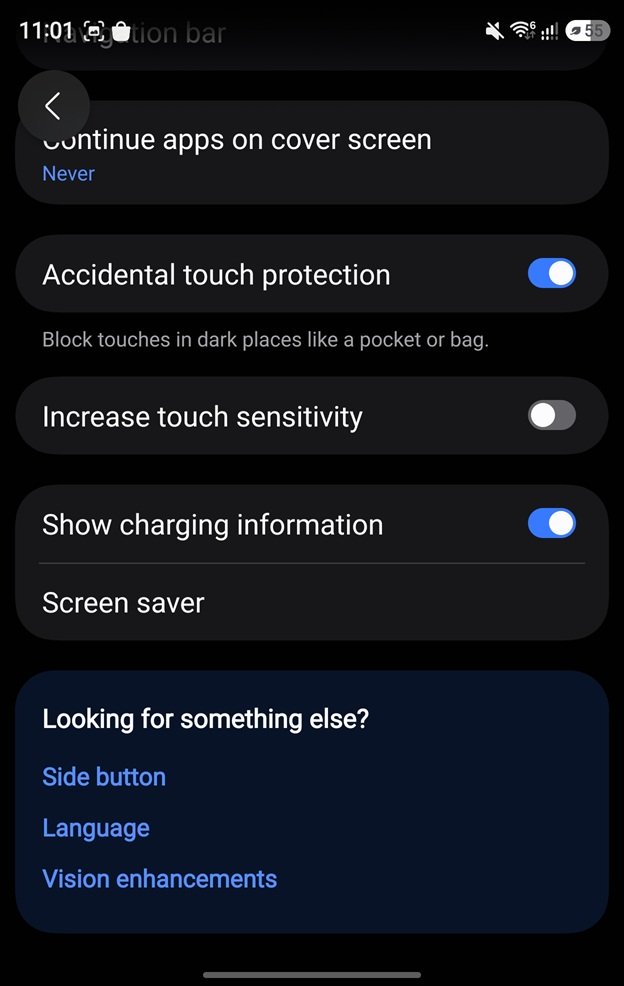
The smartphone runs Android 17 with the new One UI 9 interface. Software remains one of Samsung’s strongest advantages when it comes to foldables. The company has been refining its multi-window interface for years, and the large inner display can now comfortably run two or three apps simultaneously, with the ability to quickly resize and move them between different areas of the screen.
The Fold8 also supports Samsung DeX, allowing you to connect the smartphone to an external monitor or TV and use a full desktop-style interface with windowed apps, a taskbar, and keyboard and mouse support. The connection can be made via USB-C/HDMI or wirelessly to a compatible display, meaning the Fold8 can effectively serve as a compact workstation.
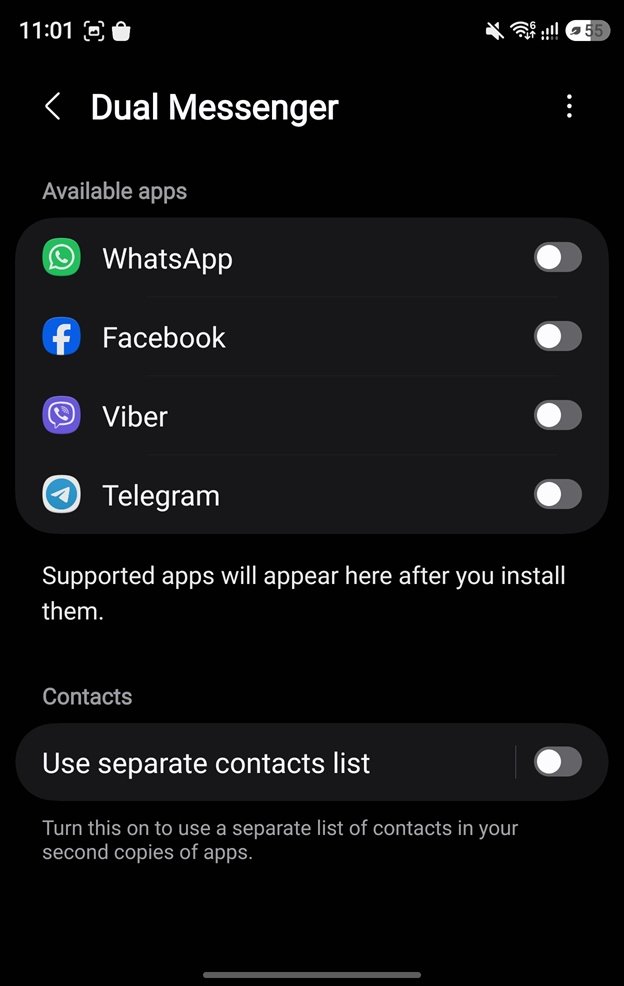
One UI 9 remains one of the most feature-rich Android interfaces on the market. However, it takes some getting used to and, more importantly, some time to configure to your liking. There are a huge number of customization options, as well as Galaxy AI services and pre-installed apps. To be honest, not all of them are equally useful.
If you are setting up the system from scratch, you will need to spend some time tailoring it to your needs. For less experienced users, the sheer number of settings can initially feel overwhelming, and the purpose of some features is not always immediately obvious. But there is a major upside to this approach: almost everything can be customized. Unwanted software can be removed or disabled, intrusive AI features can be turned off, and the interface can be tailored to your preferences.
Samsung also promises up to seven major Android OS updates, along with a long period of security updates.
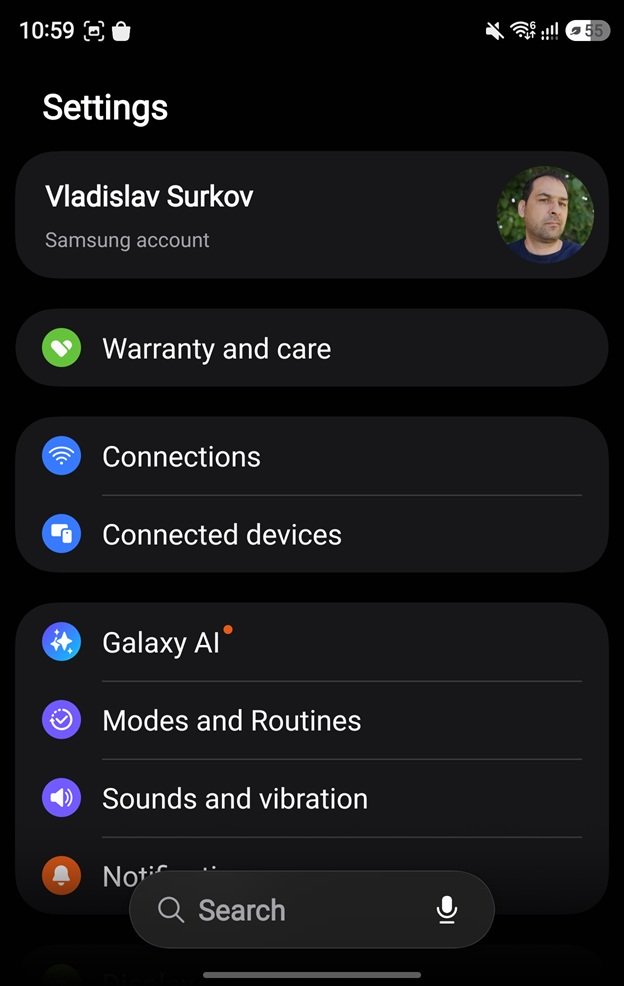
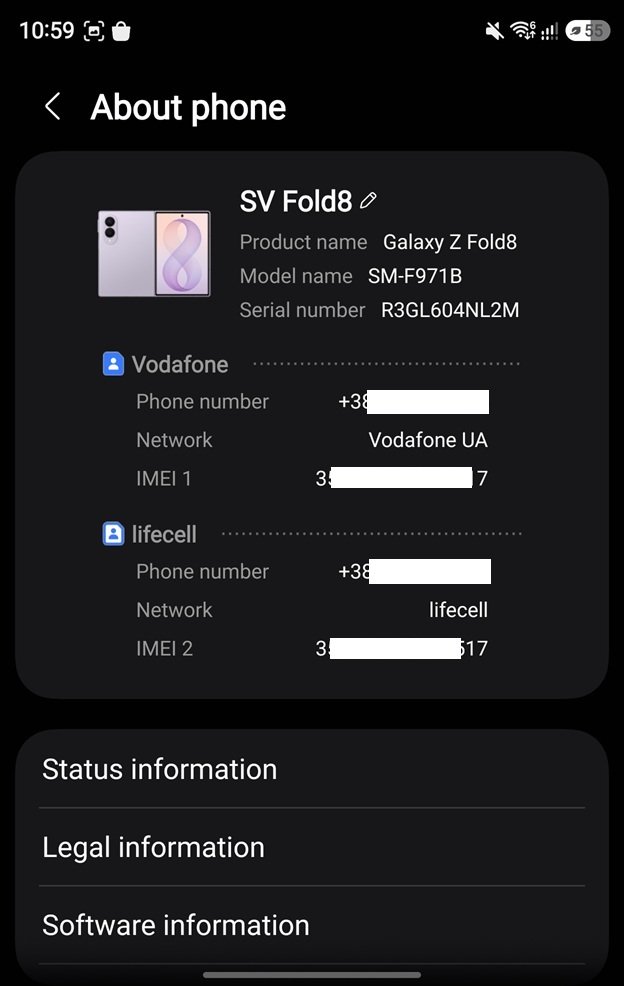
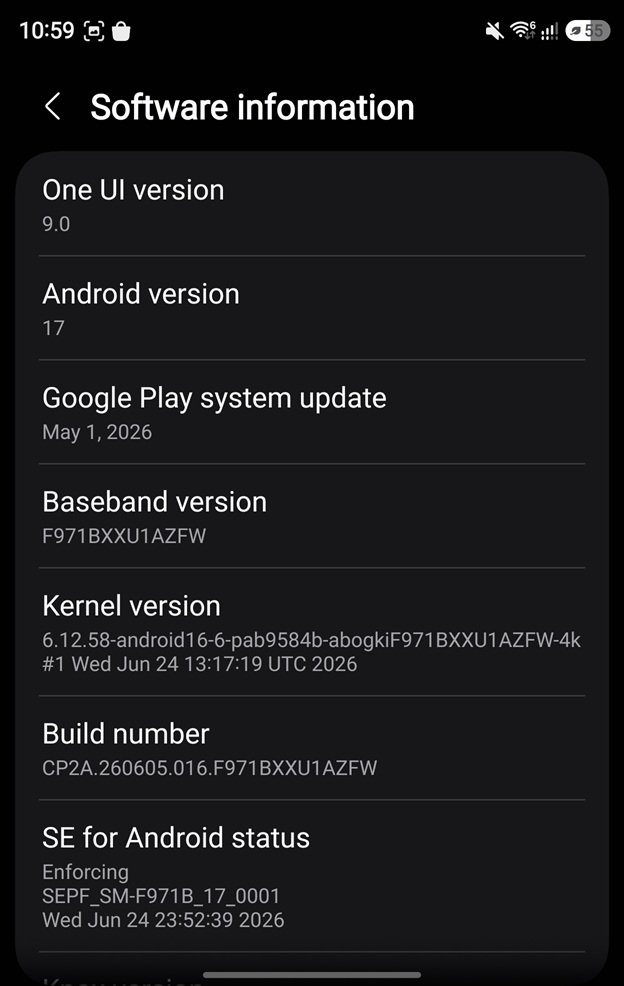
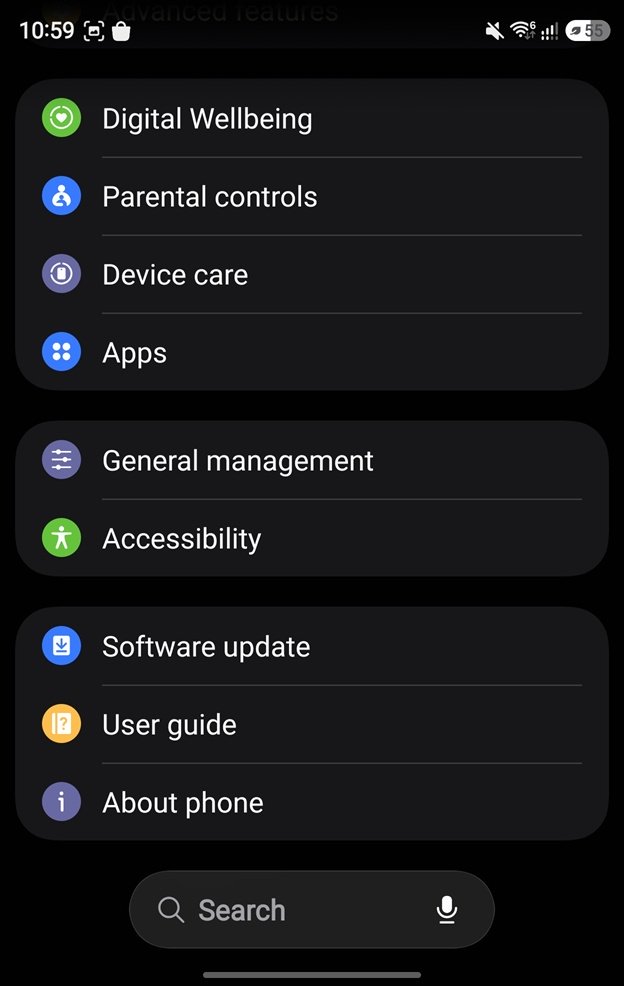
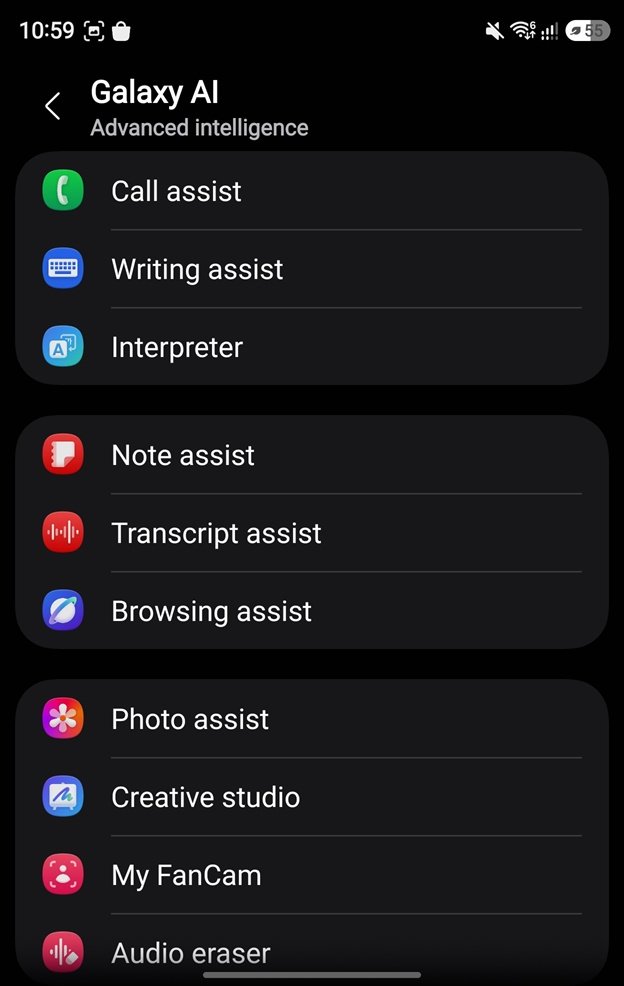
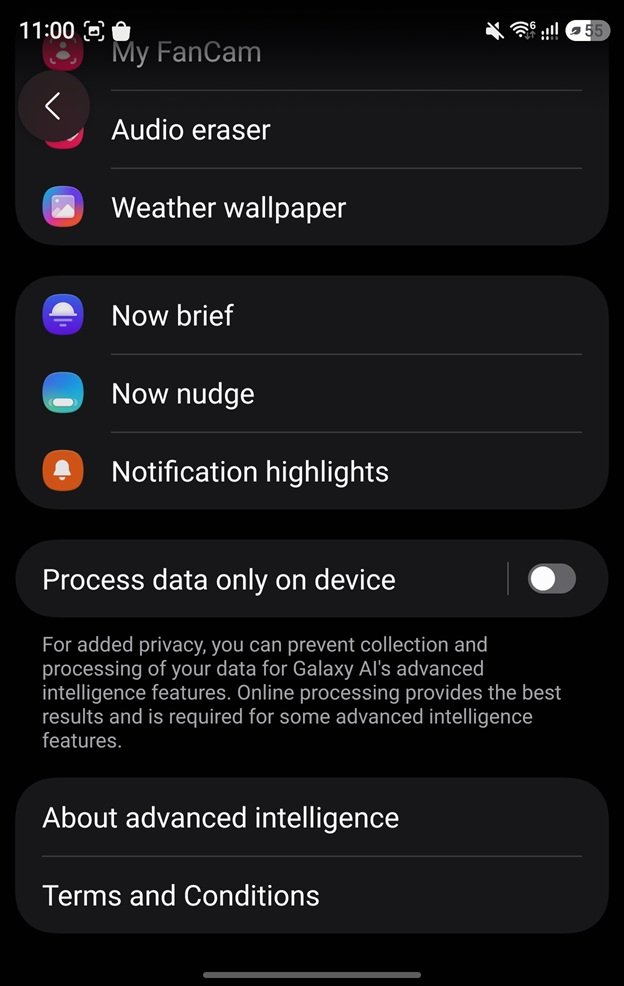
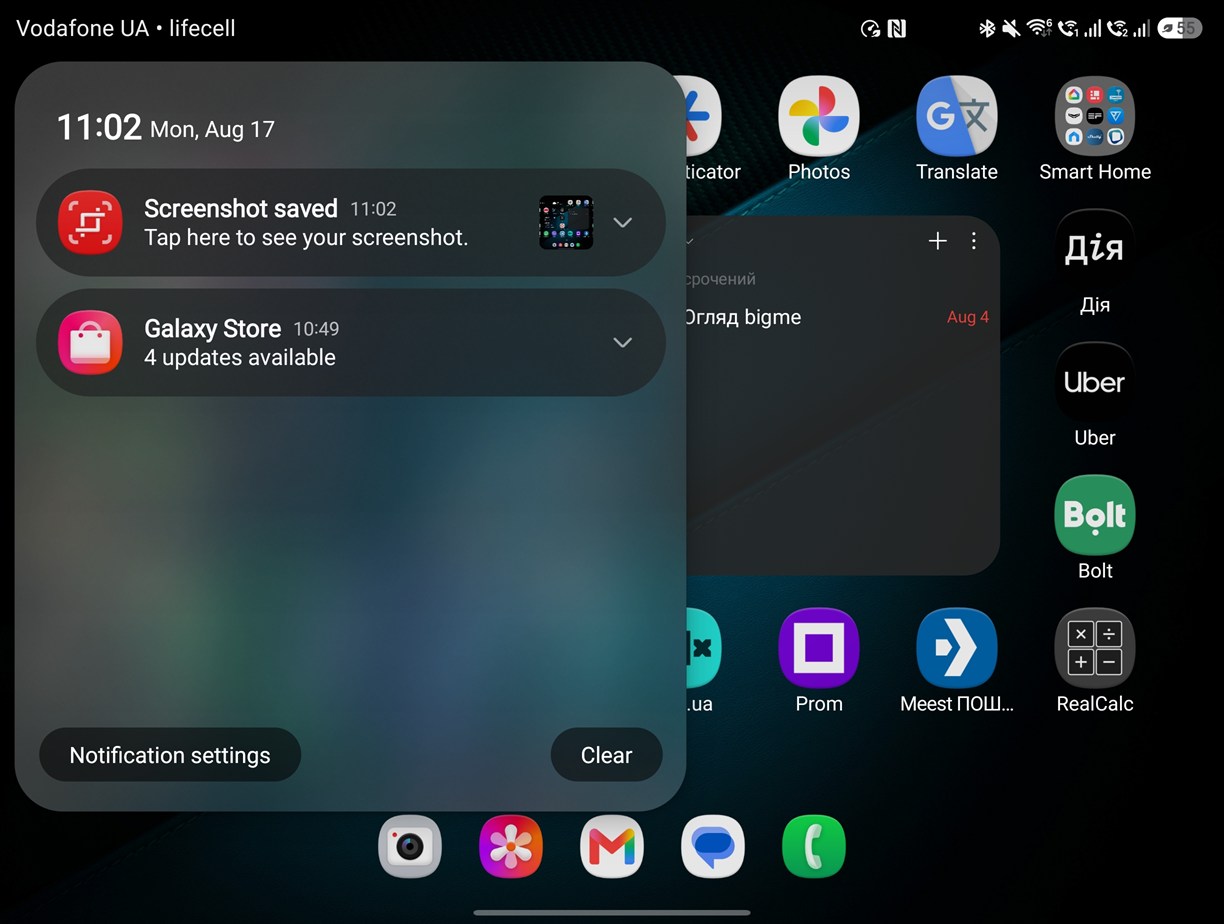
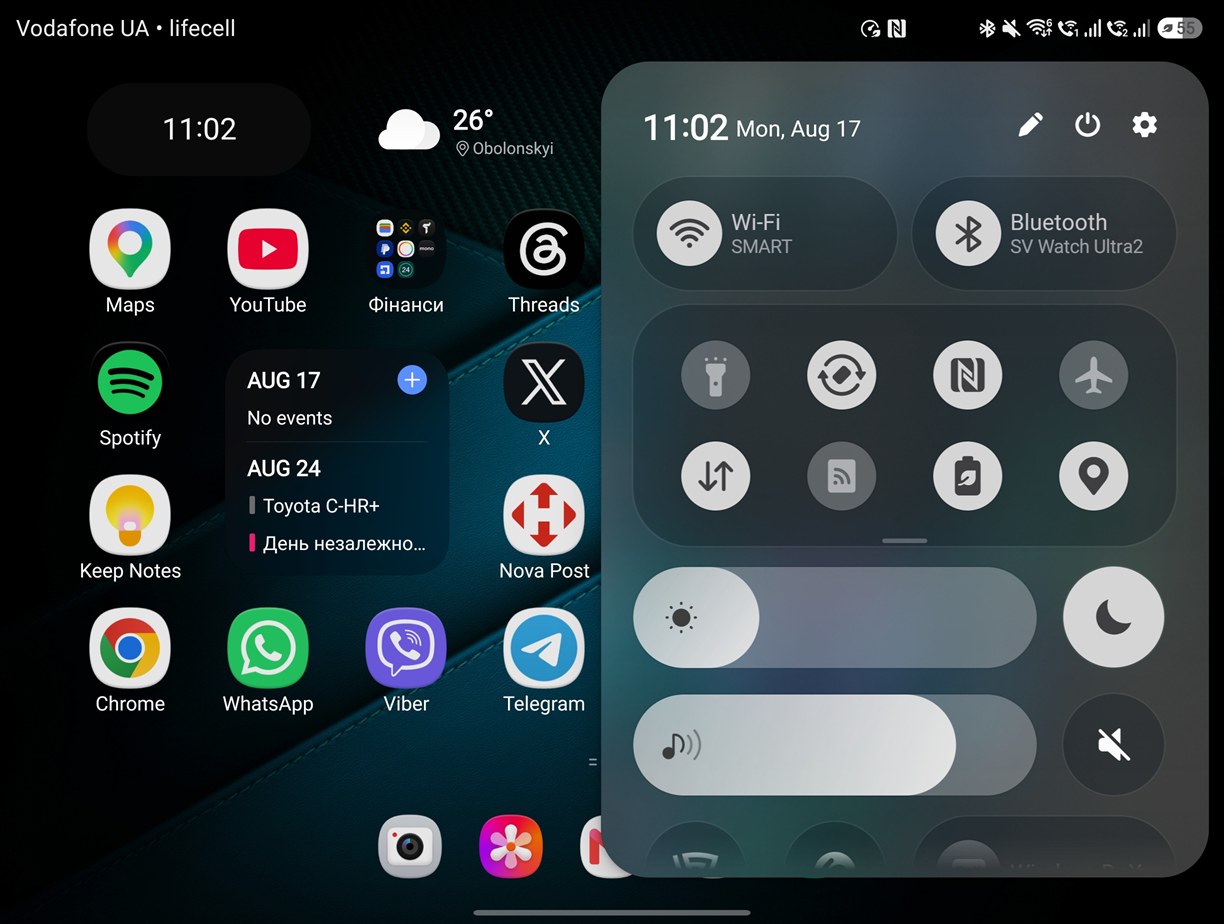
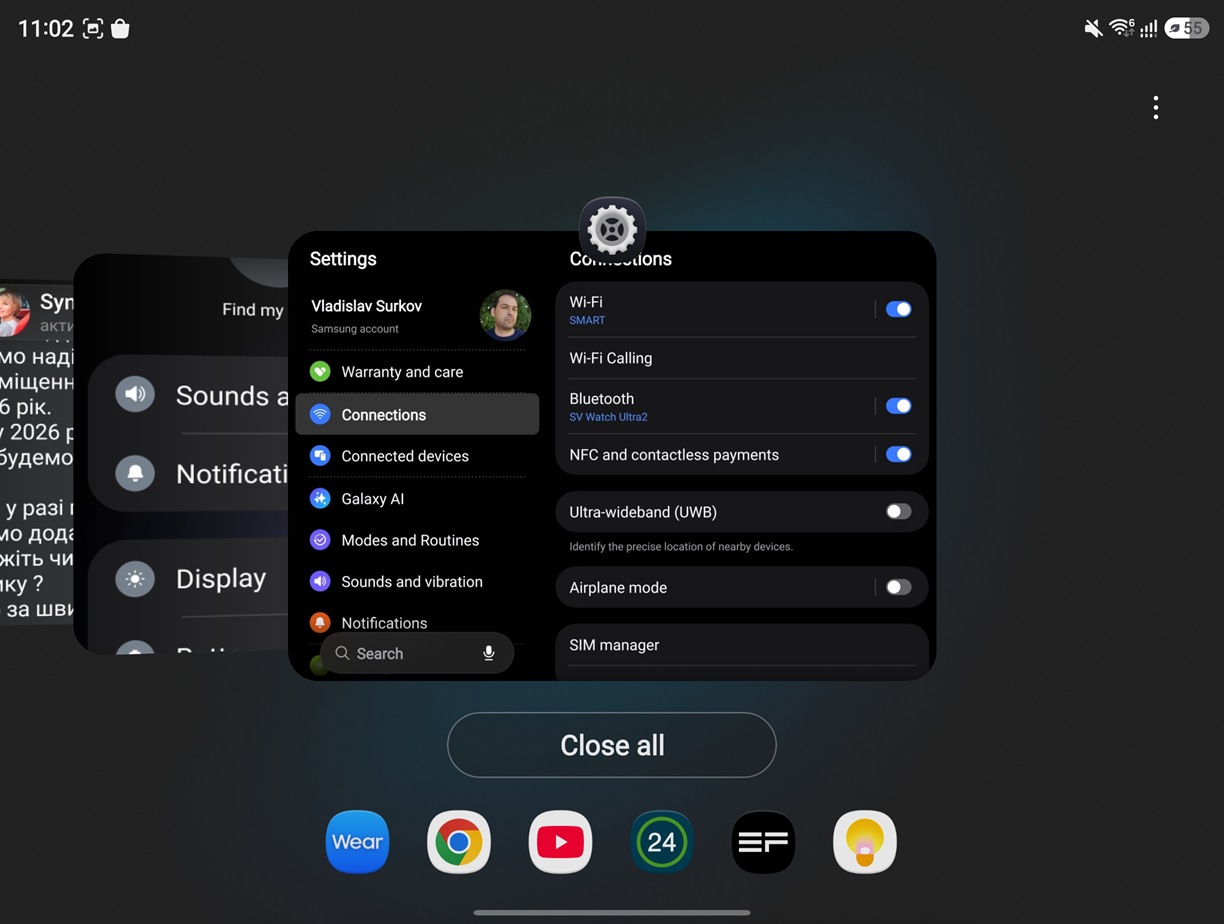
Among the new Galaxy AI features, Samsung is particularly promoting Now Nudge, which provides contextual suggestions for the next action, Photo Assist for generative photo editing, and My FanCam for automatically reframing video around a selected person.
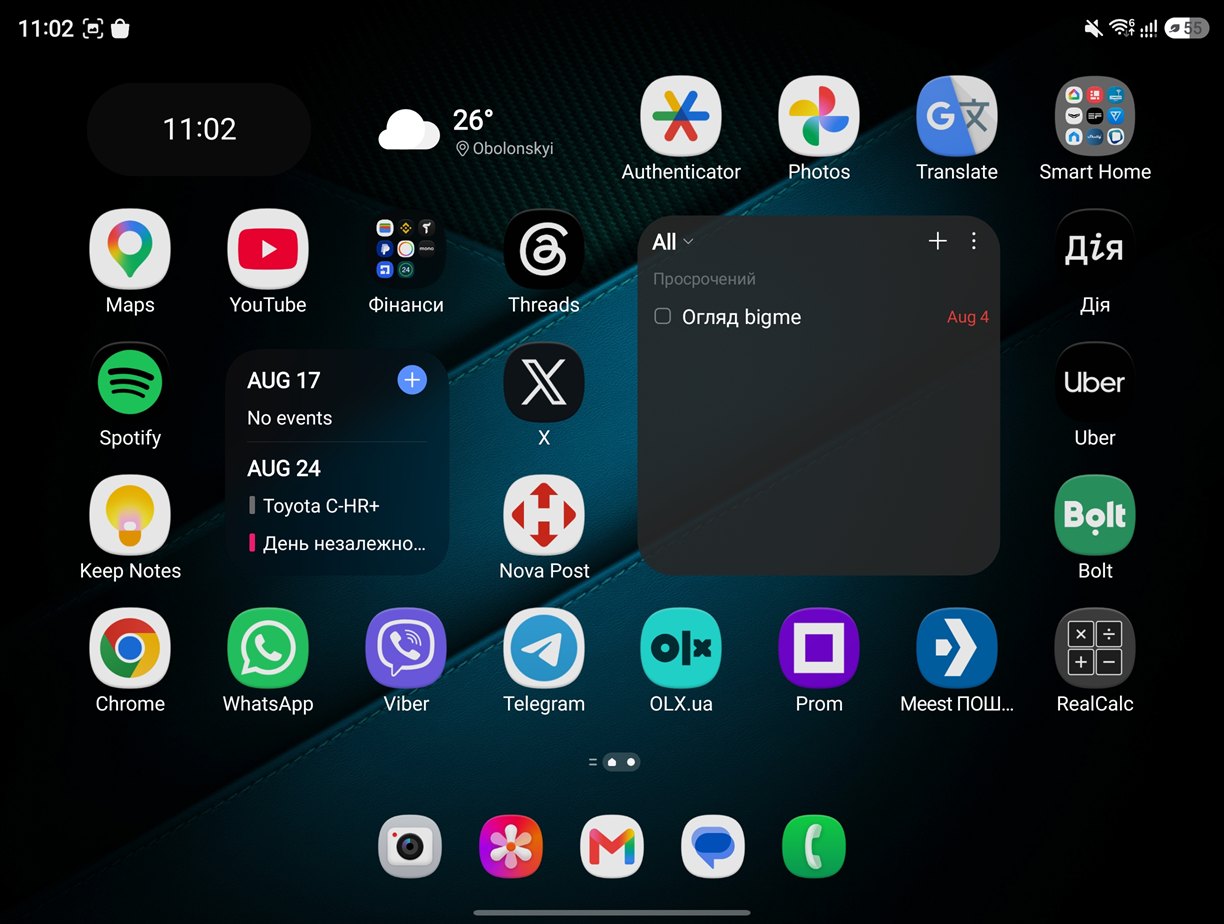
However, the best experience comes if you already own a Samsung smartphone. That is exactly what I did: I transferred all my settings and apps from my previous device using Smart Switch. Essentially, you clone your old smartphone onto the new one and immediately get a familiar software environment, including the same icon layout, photos, screenshots, SMS messages, call history, and much of your other data.
As a result, in my case, all the unnecessary features were already disabled, while everything I needed was installed and configured. It is genuinely one of those small ecosystem conveniences that you start to appreciate after using smartphones from the same manufacturer for several generations.
Read also: MuseHiFi Muse 300 Review: First Desktop DAC/AMP with Its Own OS?
Conclusions
The Samsung Galaxy Fold8 is one of the few smartphones in recent years that genuinely made me reconsider my opinion of a device throughout the entire testing period. More importantly, it made me believe in foldable smartphones as a concept, because I had previously been quite skeptical of them.

Read more in my article: Choosing a Foldable Smartphone: Samsung Galaxy Fold vs. Flip – Which Type Is Better?
At first, the unusual proportions seem almost strange. Then you start to appreciate how convenient the 4:3 inner display is for browsing, photos, documents, books, and multitasking. After that, you notice the compromises again: there is no stylus support or telephoto camera, the body is arguably too thin when unfolded, and the speaker placement in tablet mode feels unintuitive.

And after a few weeks, you may find yourself realizing that you simply don’t want to go back to a conventional smartphone. That is why the Fold8 is difficult to evaluate based on specifications alone. If you look purely at the numbers, competitors can offer a larger battery, faster charging, more cameras, and even stylus support for the same money or less. And for a relatively small premium, there is the Fold8 Ultra, with its 200 MP camera, telephoto lens, and larger displays.

But the Fold8’s main advantage is not its specifications. It is the new form factor. Samsung took the risk of moving away from a design it had been refining for years and introduced two distinct Fold models side by side. And in the end, it is the standard Fold8 that turned out to be the more unconventional and, in my view, more interesting device.
Is it for everyone? Definitely not. If you want Samsung’s best camera phone, you should look at the S26 Ultra or Fold8 Ultra. If you need a stylus, the entire Fold8 lineup is effectively off the table. And if maximum battery life is your top priority, there are already devices on the market with significantly larger batteries.
But if you want a smartphone that genuinely feels like something new rather than another variation on last year’s flagship, the Galaxy Fold8 is currently one of the most interesting options on the market. And perhaps that is the greatest compliment you can give a new smartphone today.
Pros:
- Unique new form factor
- Very compact when folded
- Exceptionally slim and lightweight body
- Excellent build quality and materials
- Stunning 120 Hz AMOLED displays
- Very user-friendly 4:3 inner screen
- Top-tier performance from the Snapdragon 8 Elite Gen 5 for Galaxy
- One of the best implementations of Android’s multi-window mode
- Flexible features of One UI 9
- Decent battery life considering its size
- Wi-Fi 7, Bluetooth 6.0, UWB, USB 3.2
- High-quality stereo speakers
- Long-term software support
Cons:
- Very high price
- No S Pen support
- No telephoto camera
- Wired charging limited to 45 W
- Extremely thin body – not everyone will find the tablet form factor comfortable to hold without a case
- Awkward stereo speaker placement in tablet mode
- The inner camera cutout can occasionally get in the way in portrait orientation
Where to buy Samsung Galaxy Fold8