
© ROOT-NATION.com - Use of content is permitted with a backlink.
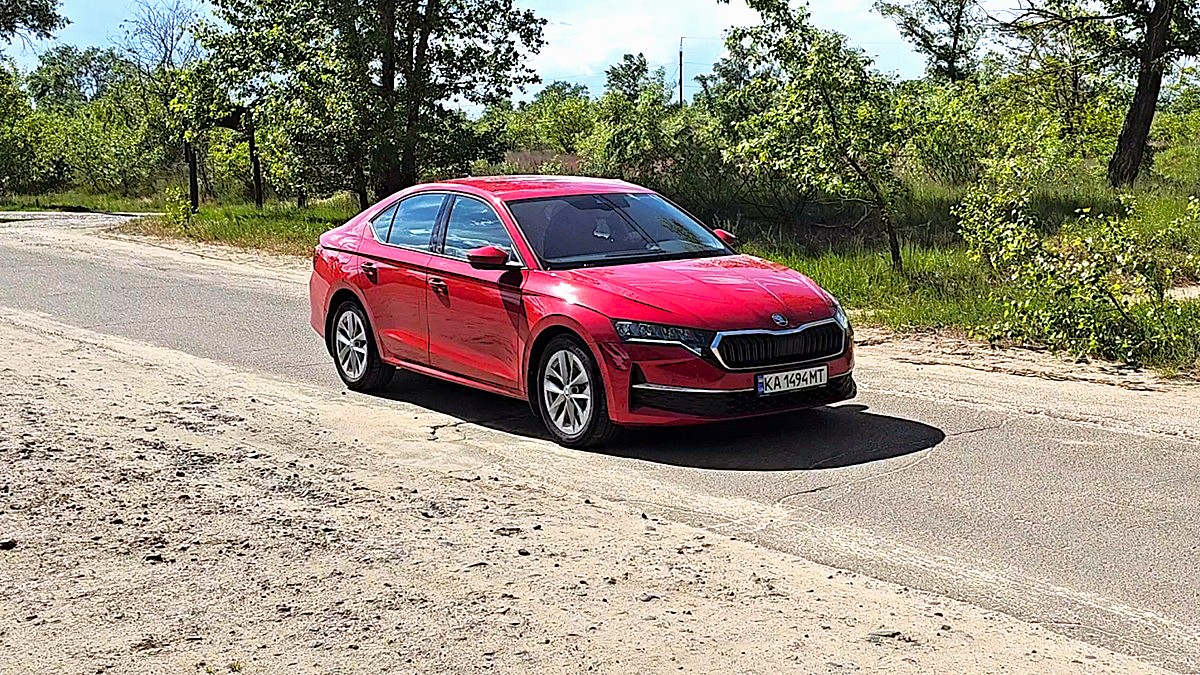
Hello everyone! I’ve previously published a detailed review of the Škoda Octavia A8, which you can still find on our website. But recently, I had the opportunity to revisit this undeniably iconic model and test the updated version. It now features a mild facelift, a refreshed interior, and a new powertrain option. So what exactly has changed? Let’s take a closer look together.
Read also: Škoda Kamiq 2024 Review: Is This Compact SUV Crossover Worth Your Attention?
TABLE OF CONTENTS:
Škoda Octavia A8 (2025) exterior
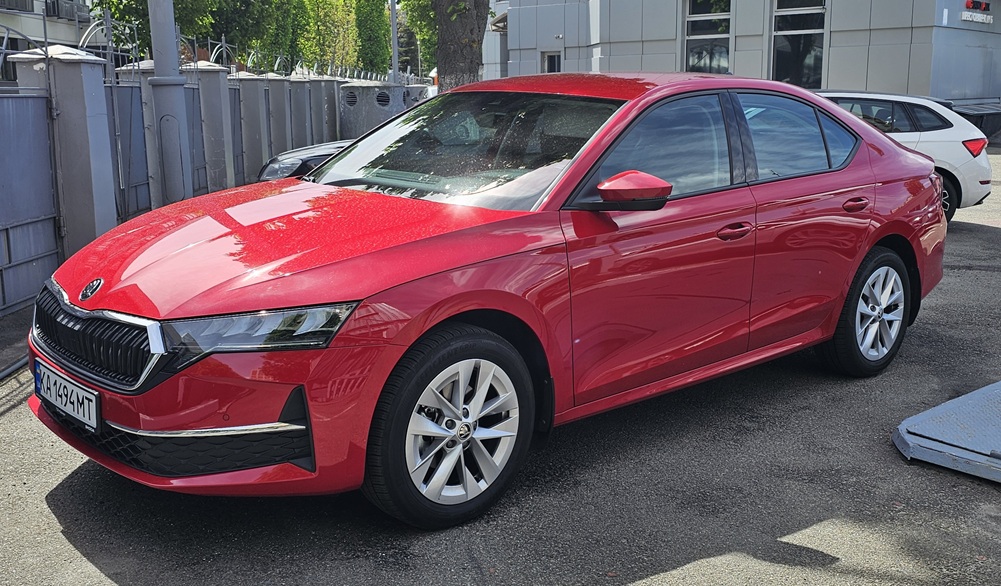
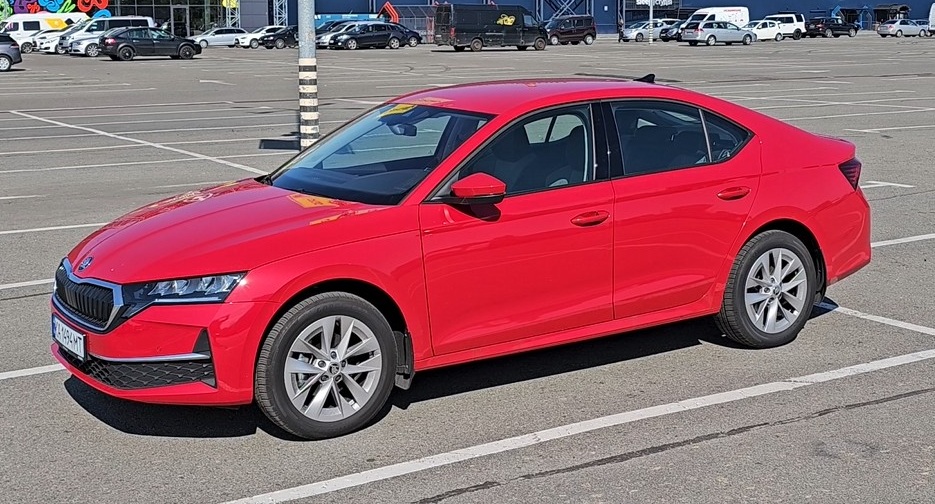
From the outside, the updated Octavia A8 doesn’t feature many noticeable changes. In fact, visual differences are minimal – but just enough to distinguish the new version from the previous one when seen on the road. The front end has received a light facelift, most notably in the shape of the headlights. They now include a small, downward-pointing triangular extension closer to the grille. To match this new design, the grille and front bumper have also been slightly revised to align with the updated headlight shape.
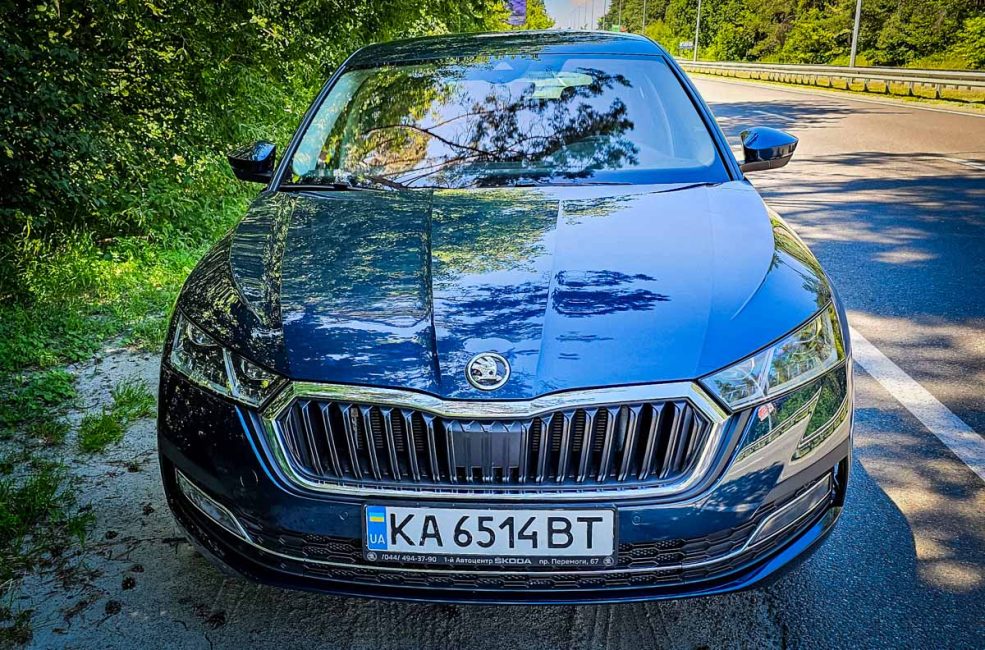
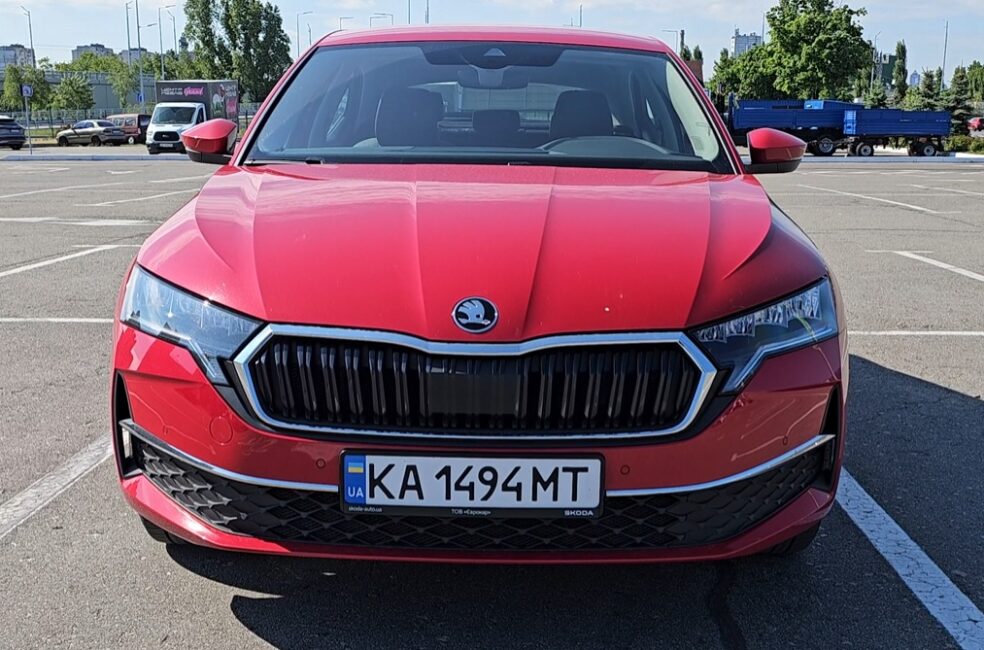
In addition to the revised headlight shape, the internal layout has been completely redesigned. This includes new lighting elements and updated daytime running light (DRL) modules, giving the front end a slightly more modern and refined appearance.
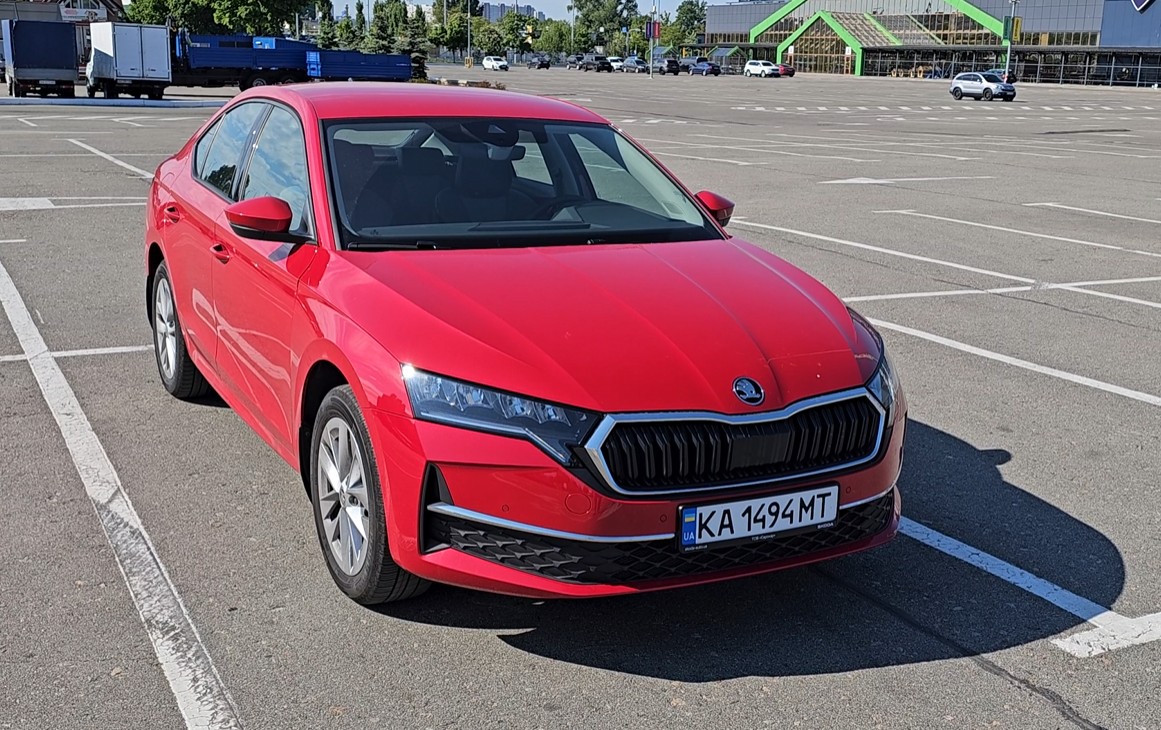
In real-world use, however, nothing has changed – the headlights still feature the same smart lighting system with cutouts, controlled by a camera behind the windshield, which works effectively in fully automatic mode. Additionally, the headlights illuminate the corresponding side areas when the steering wheel is turned.
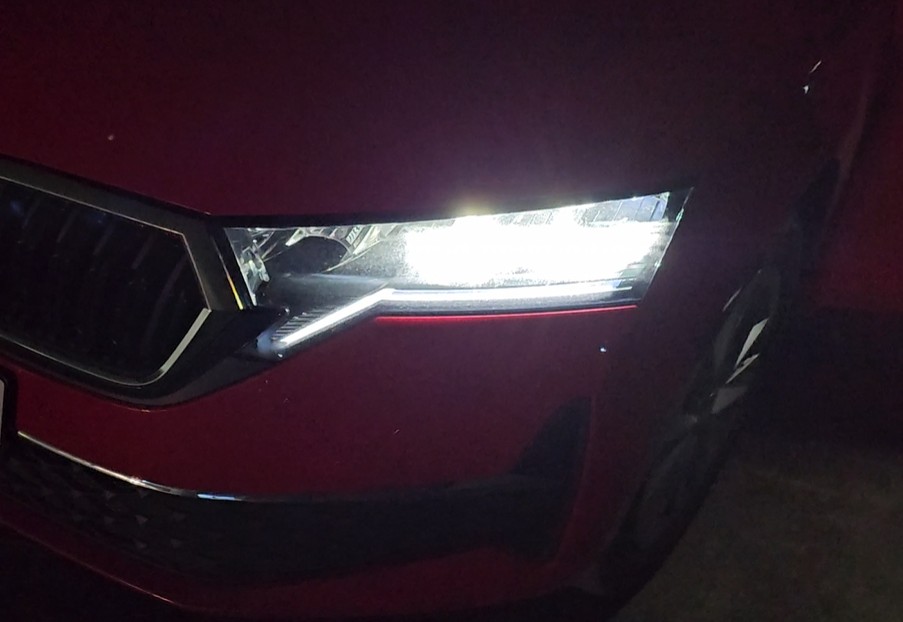
There are also some changes in the shape of the lower grille, but you really have to compare both versions of the A8 side by side to notice them. In reality, these are just variations of the same design. That’s all for the exterior updates – I didn’t find any other noticeable changes.
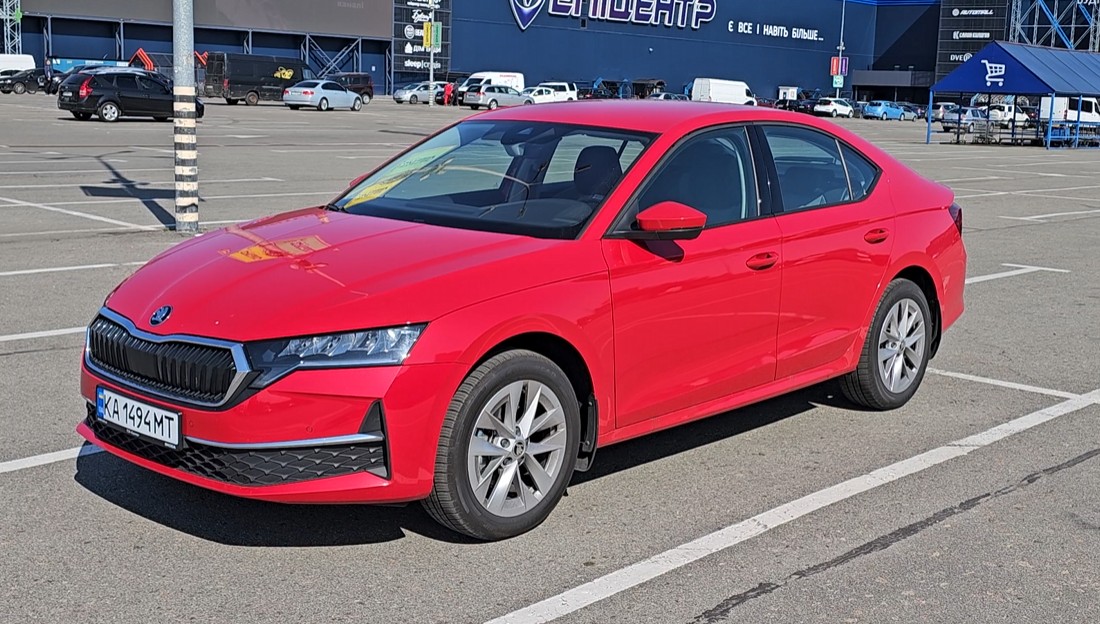
The rear of the car, as far as I understood, has not undergone any changes.
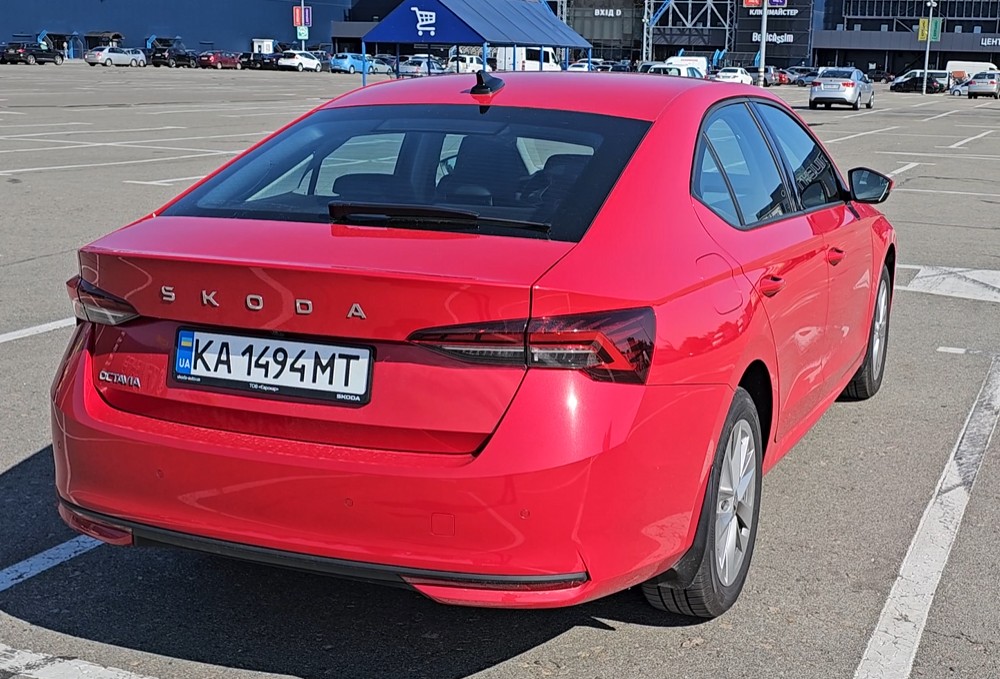
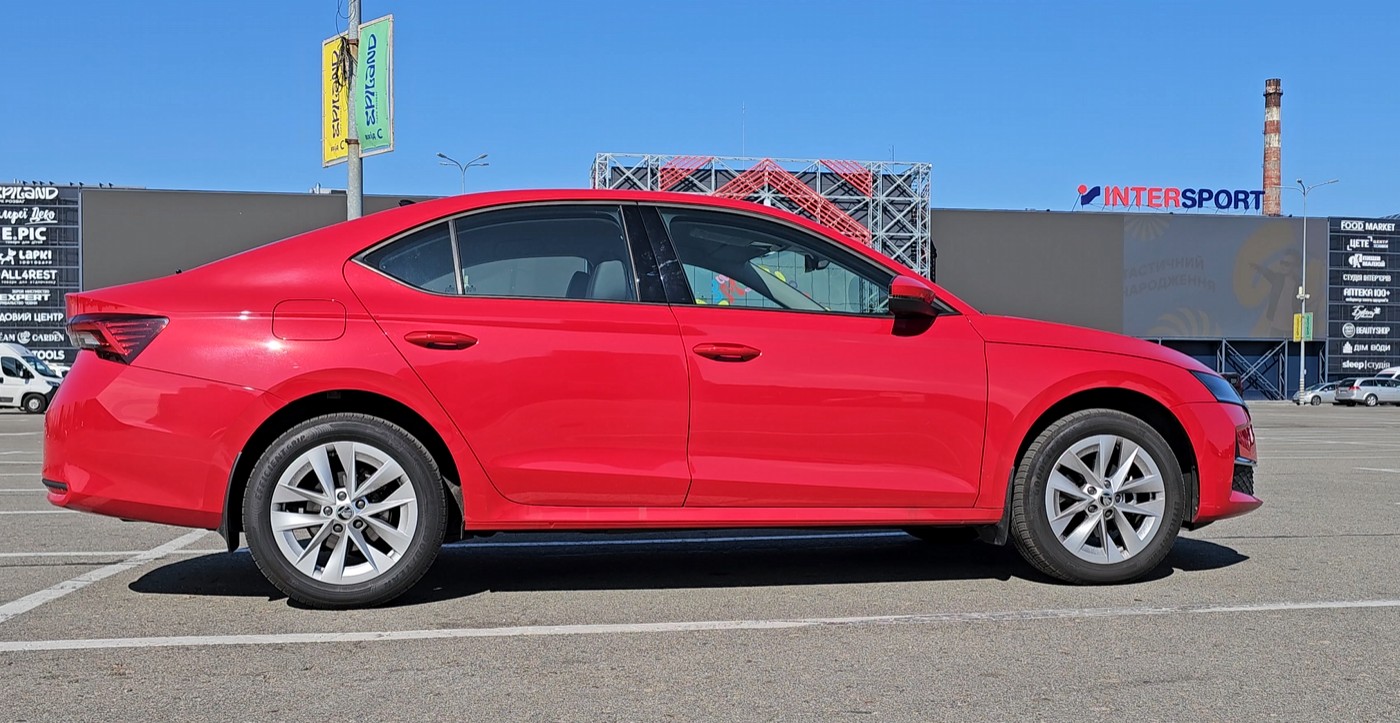
The overall profile of the car also remained the same as before.
Read also: Mazda CX-30 SPORT BLACK Review – What Can a Compact SUV Do?
Škoda Octavia A8 (2025) interior
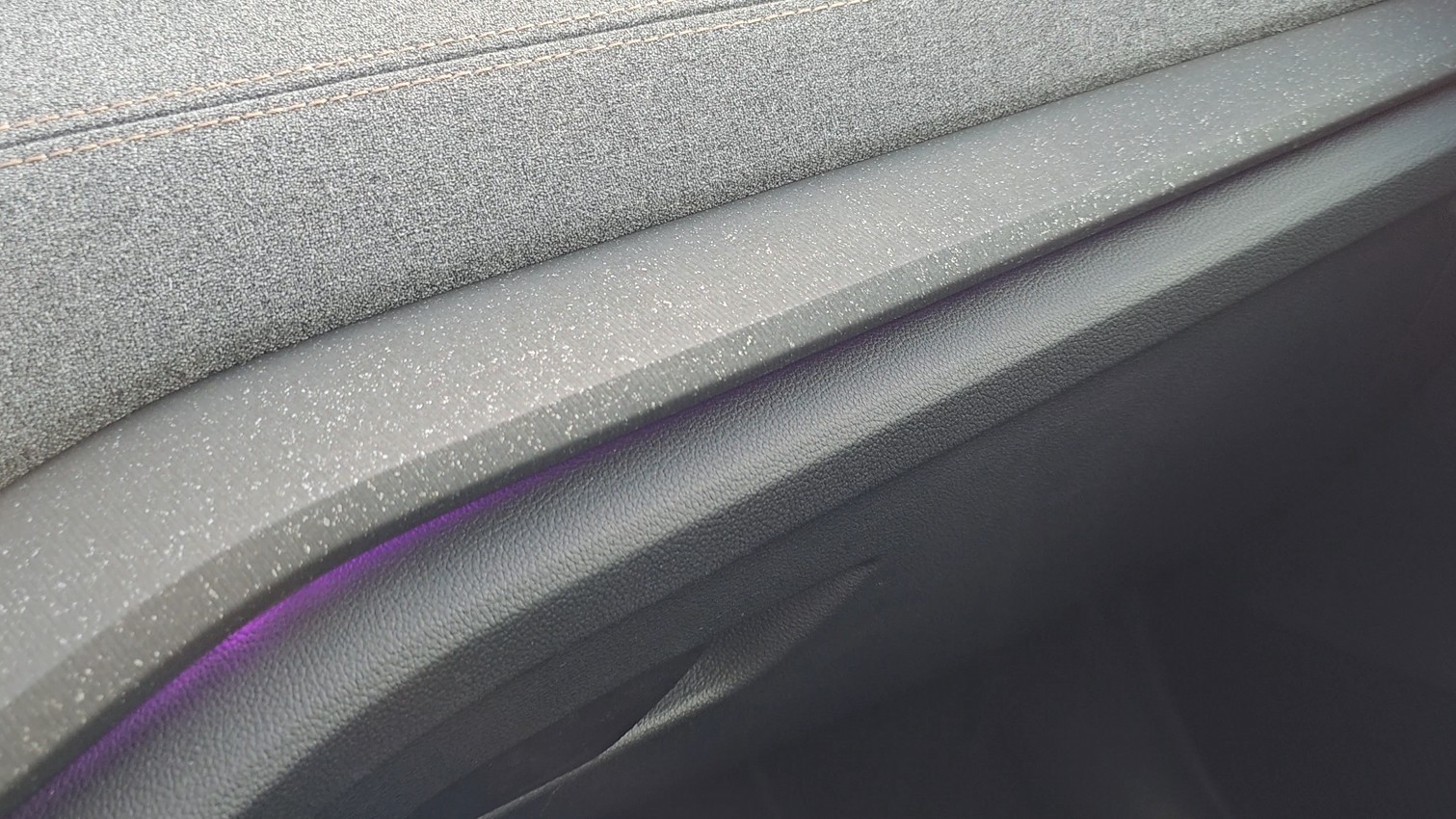
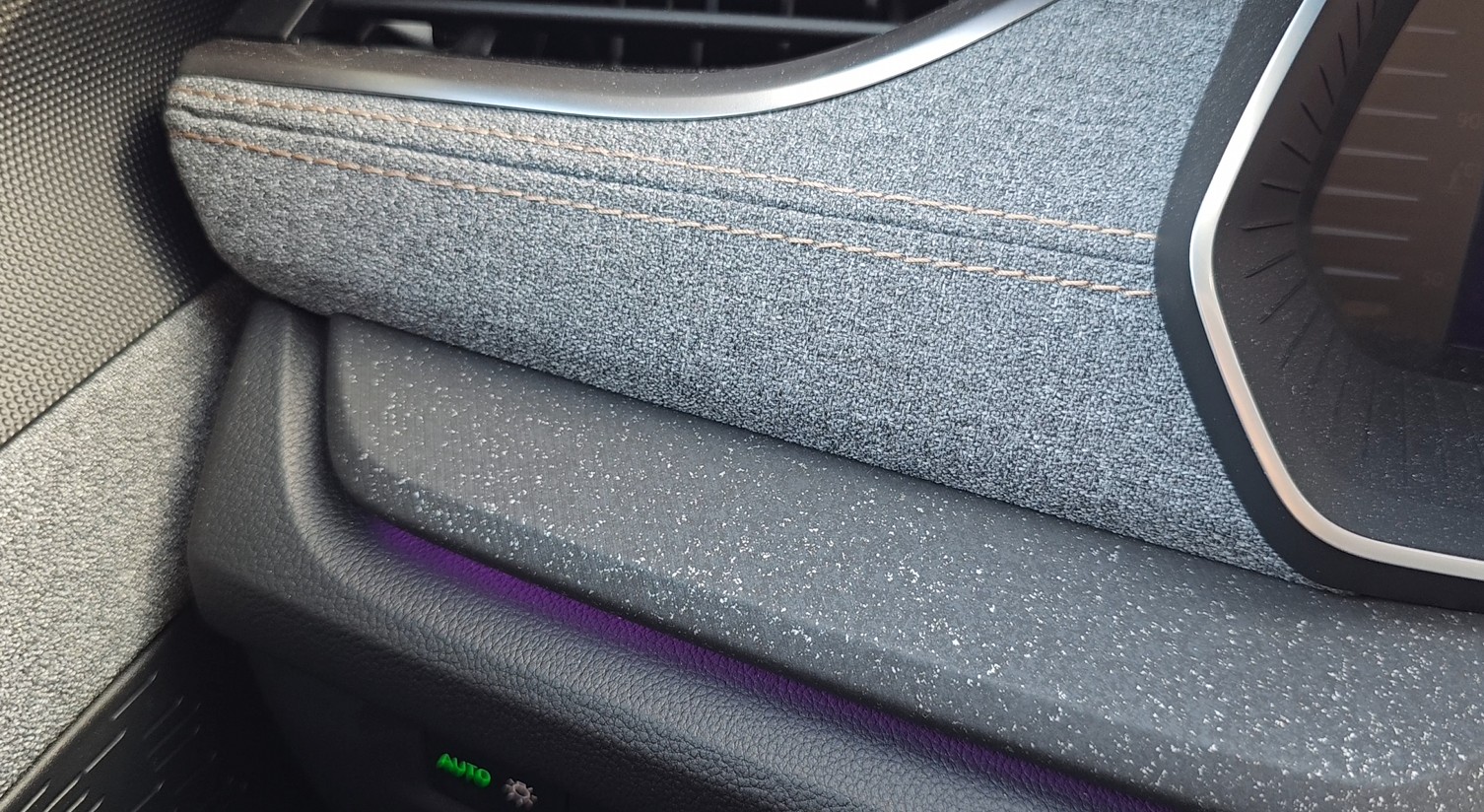
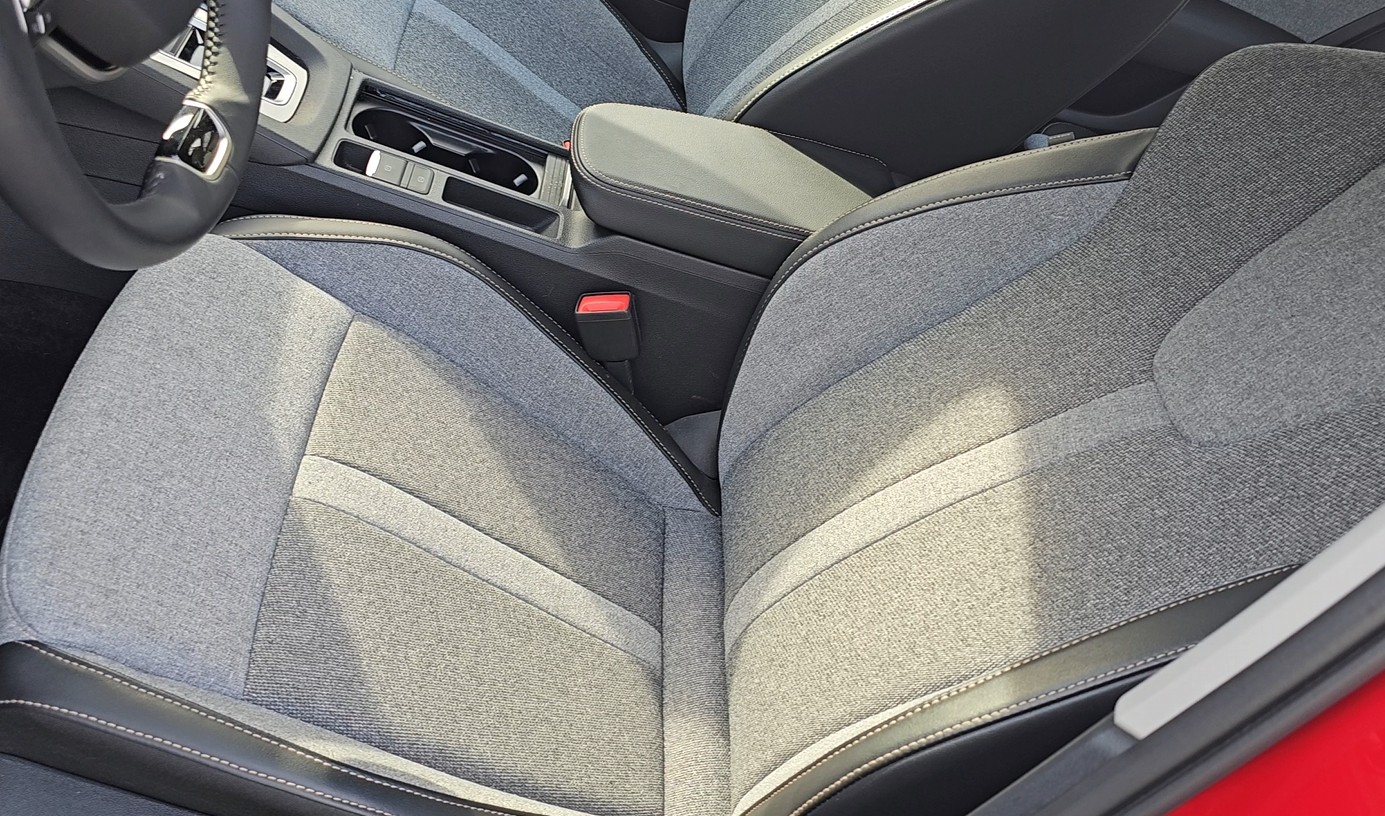
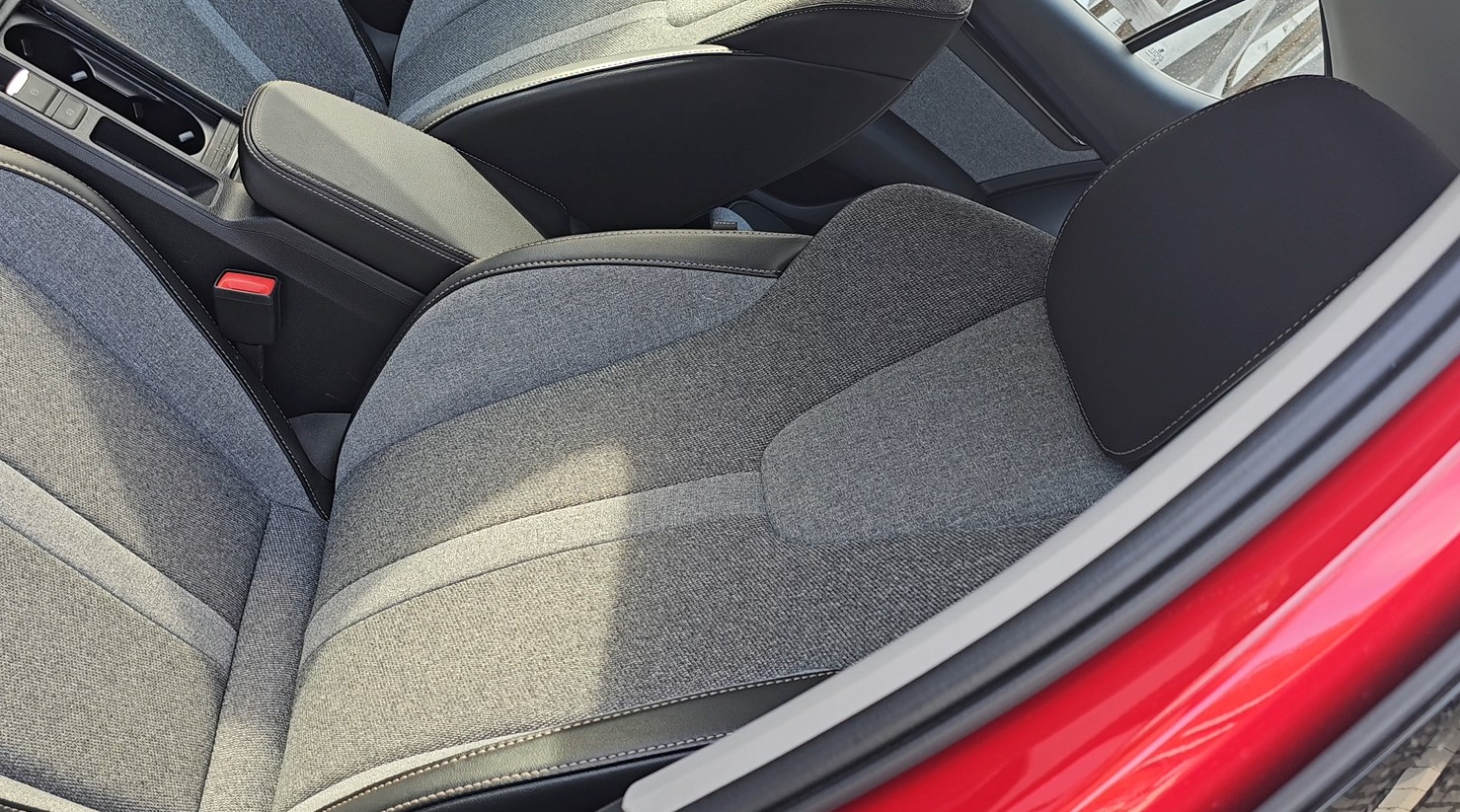
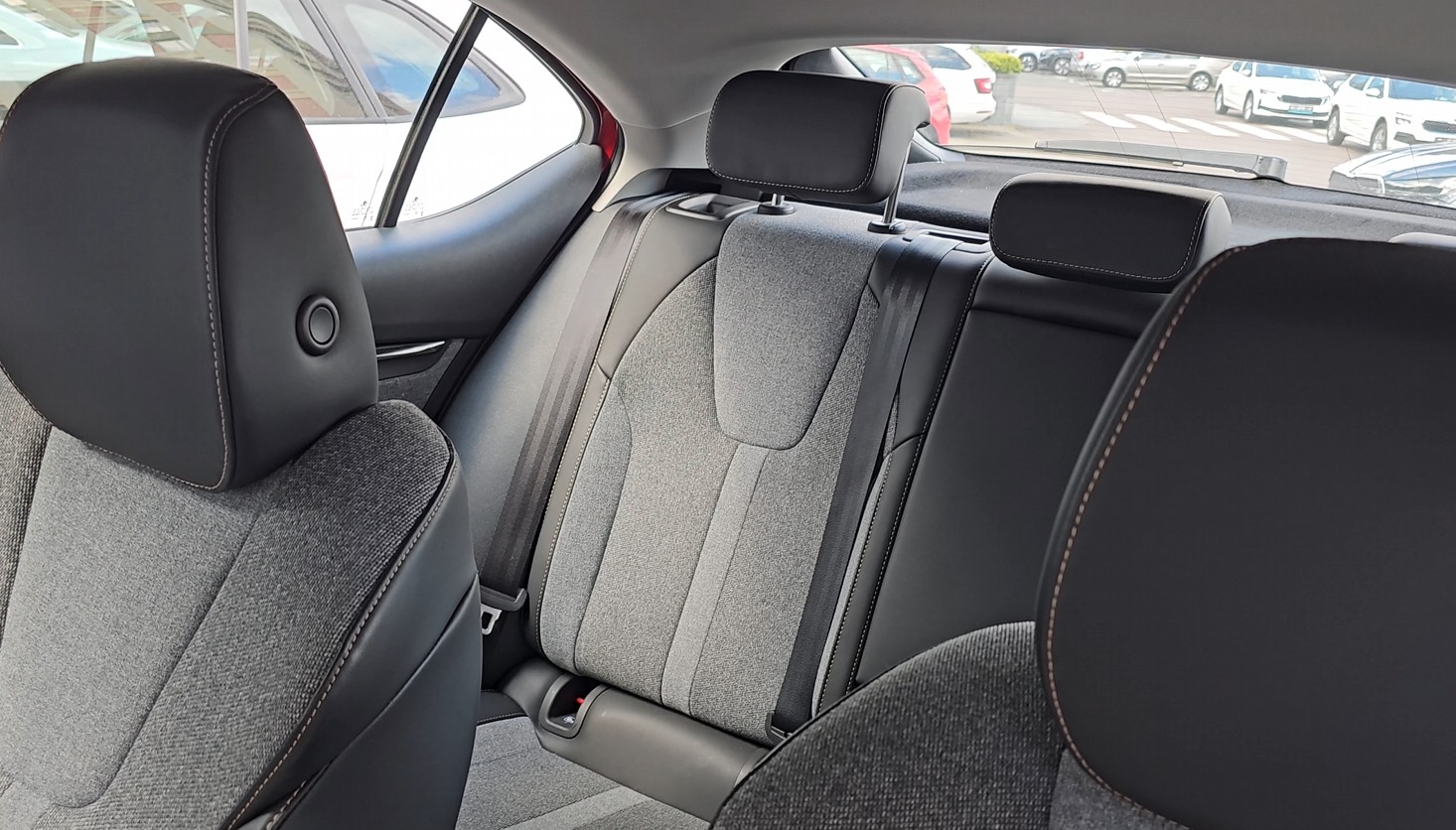
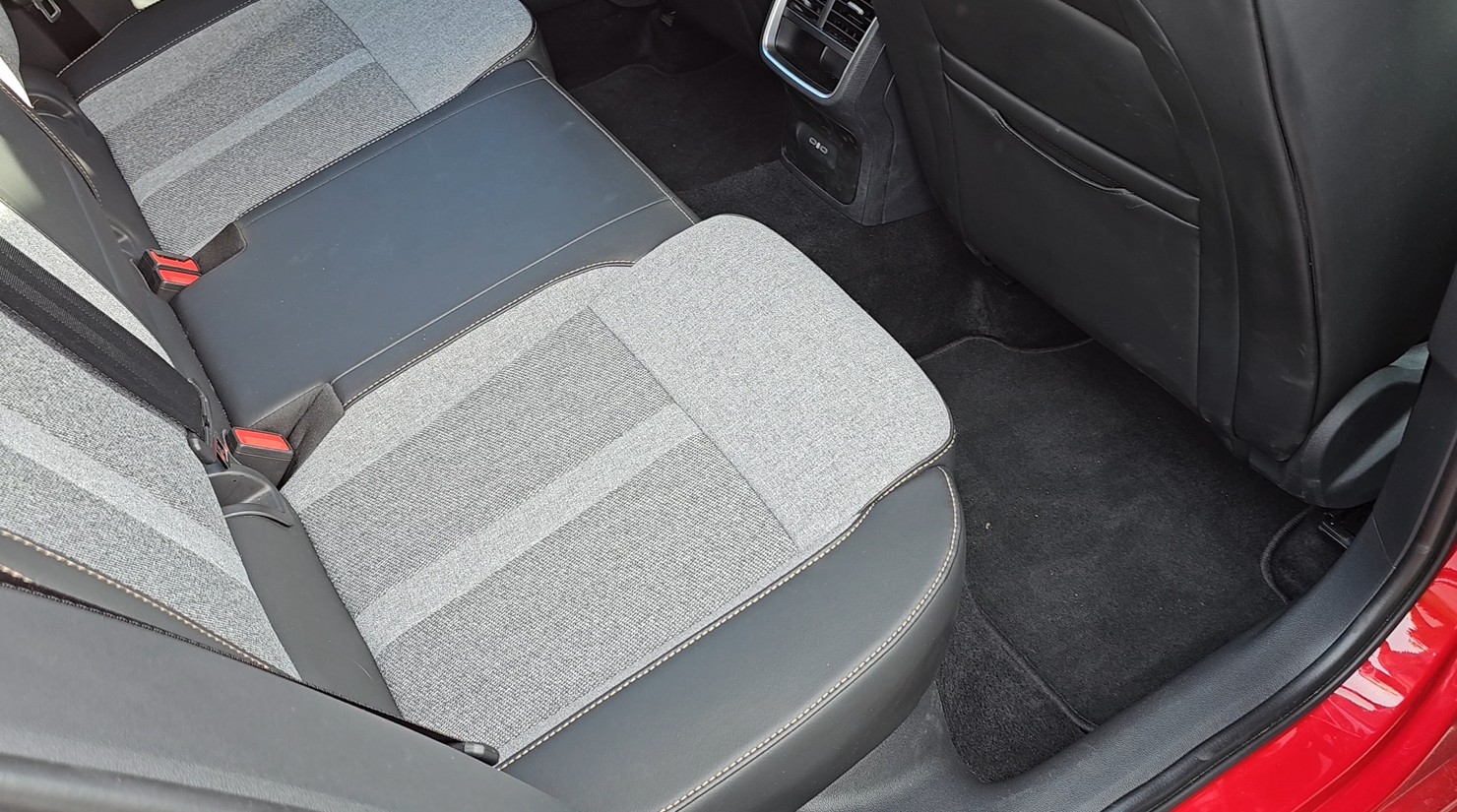
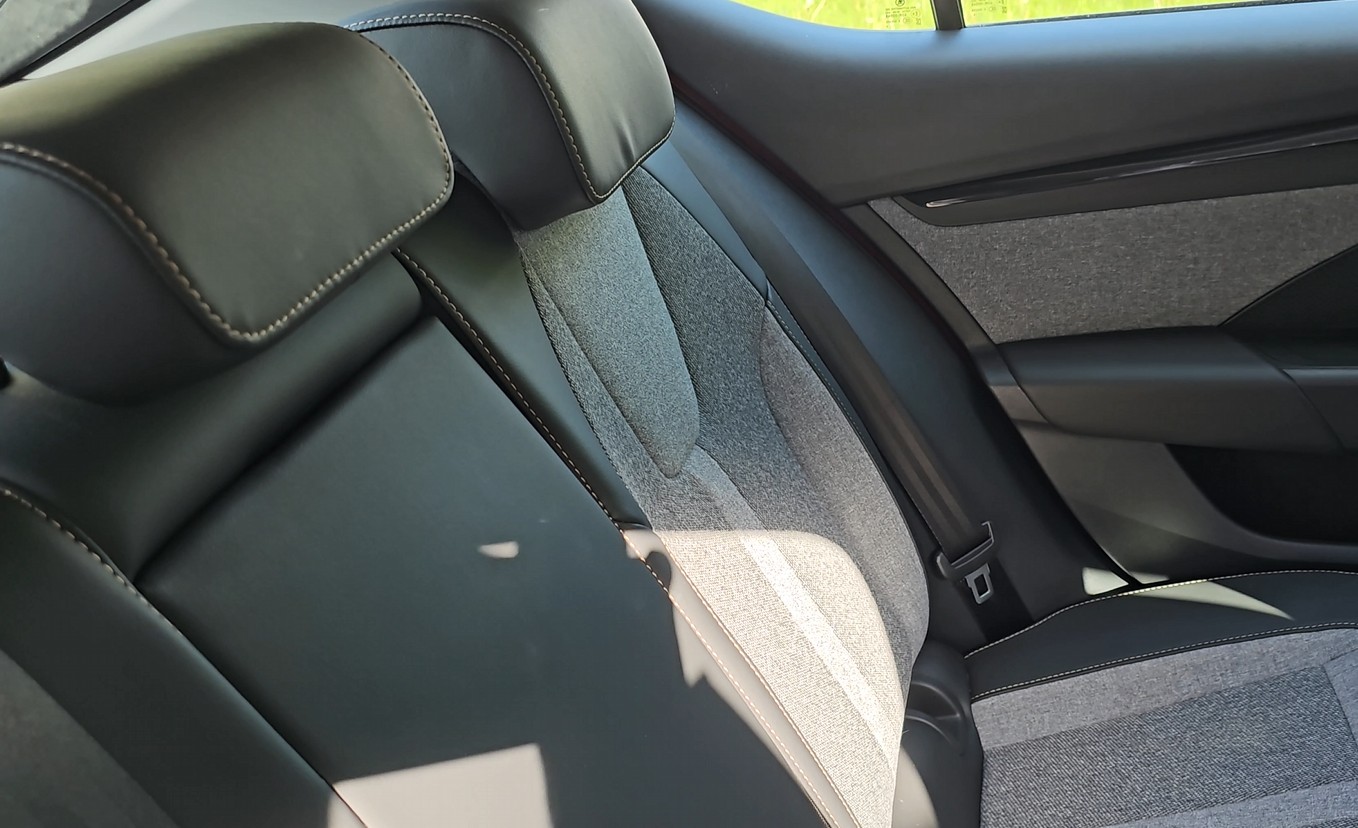
As for the interior changes, they are also quite subtle. Essentially, it’s just new color options and updated materials. For example, the fabric on the dashboard has been refreshed, now featuring an interesting dotted texture on the plastic. Additionally, the manufacturer offers new upholstery materials for the seats.
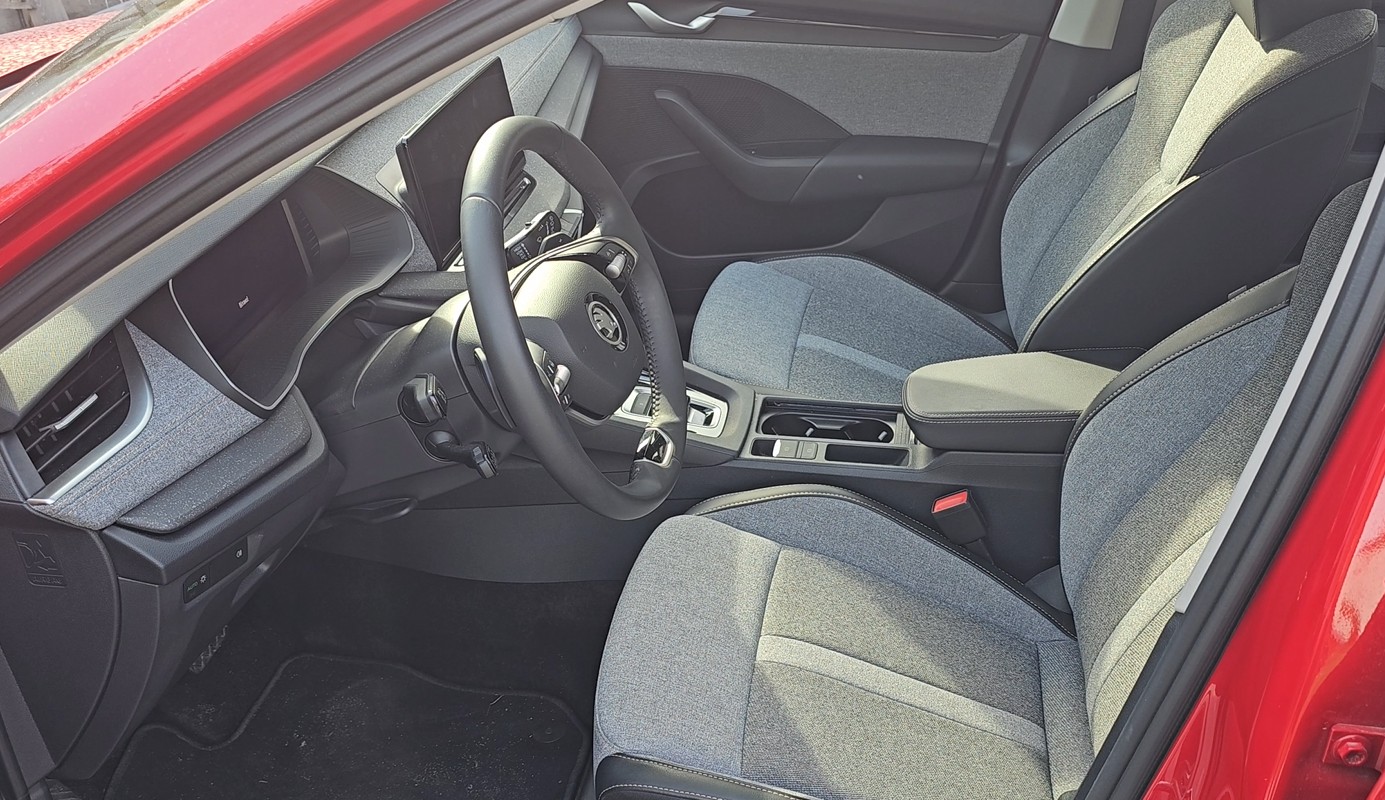
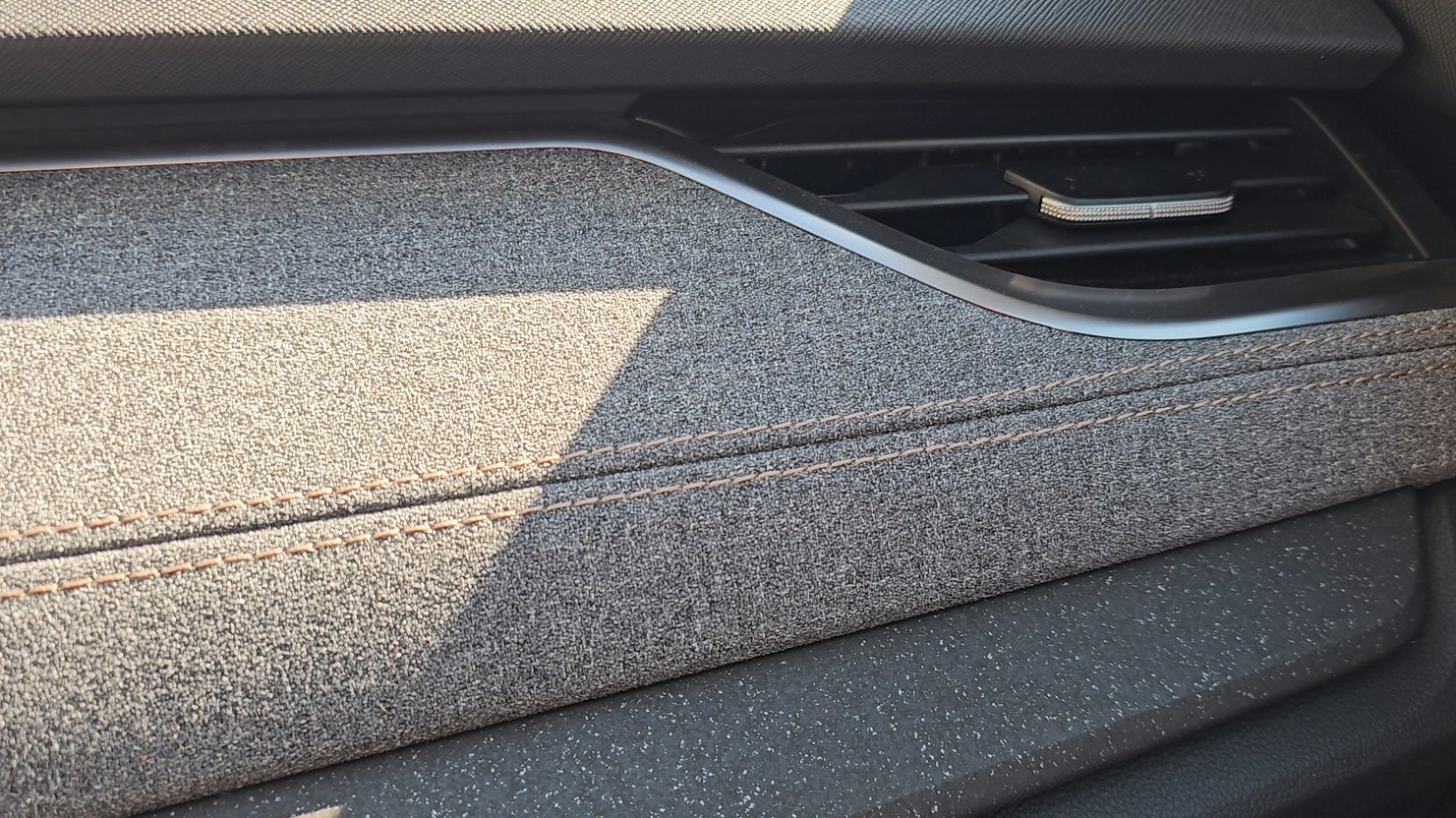
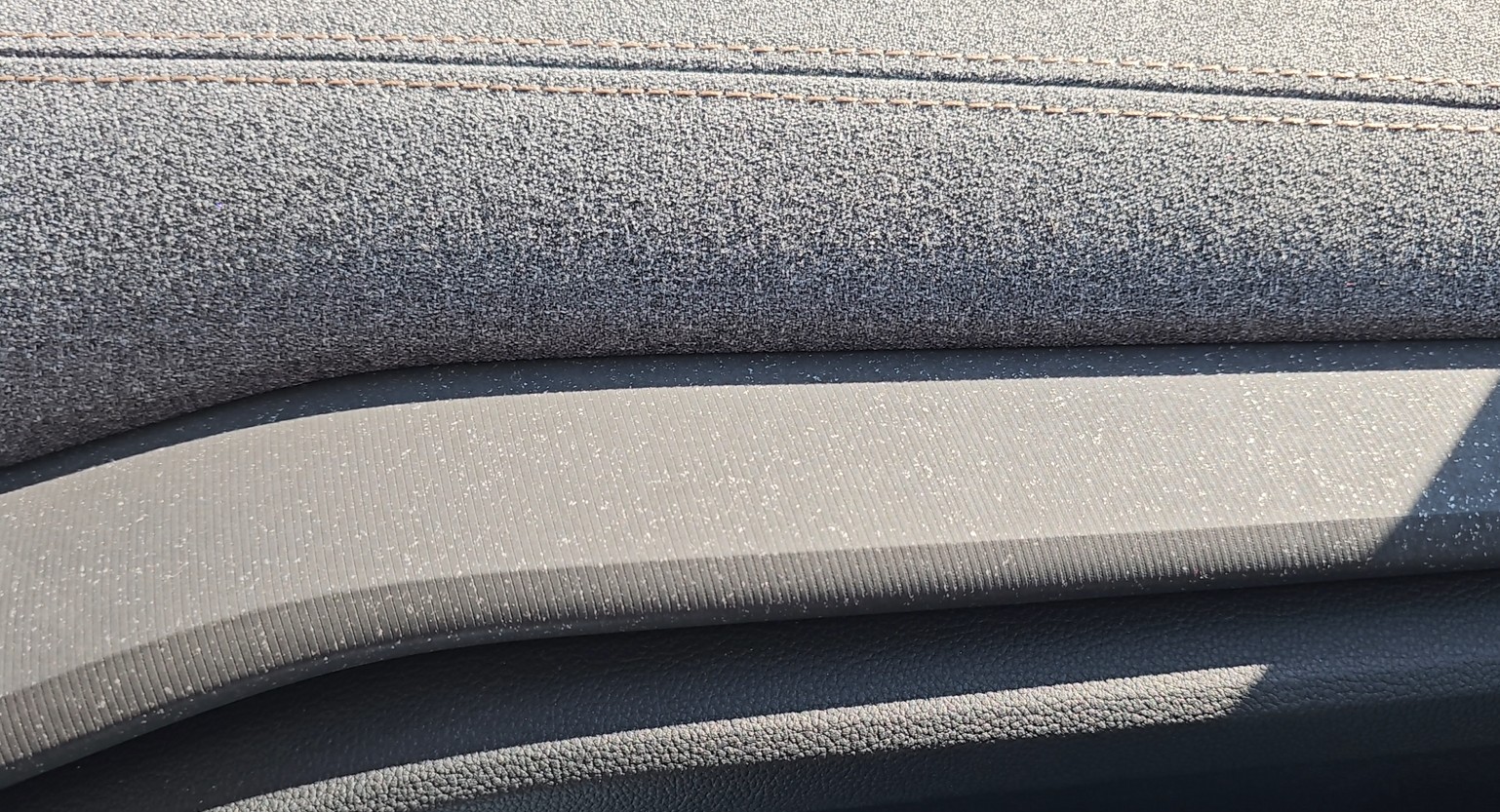

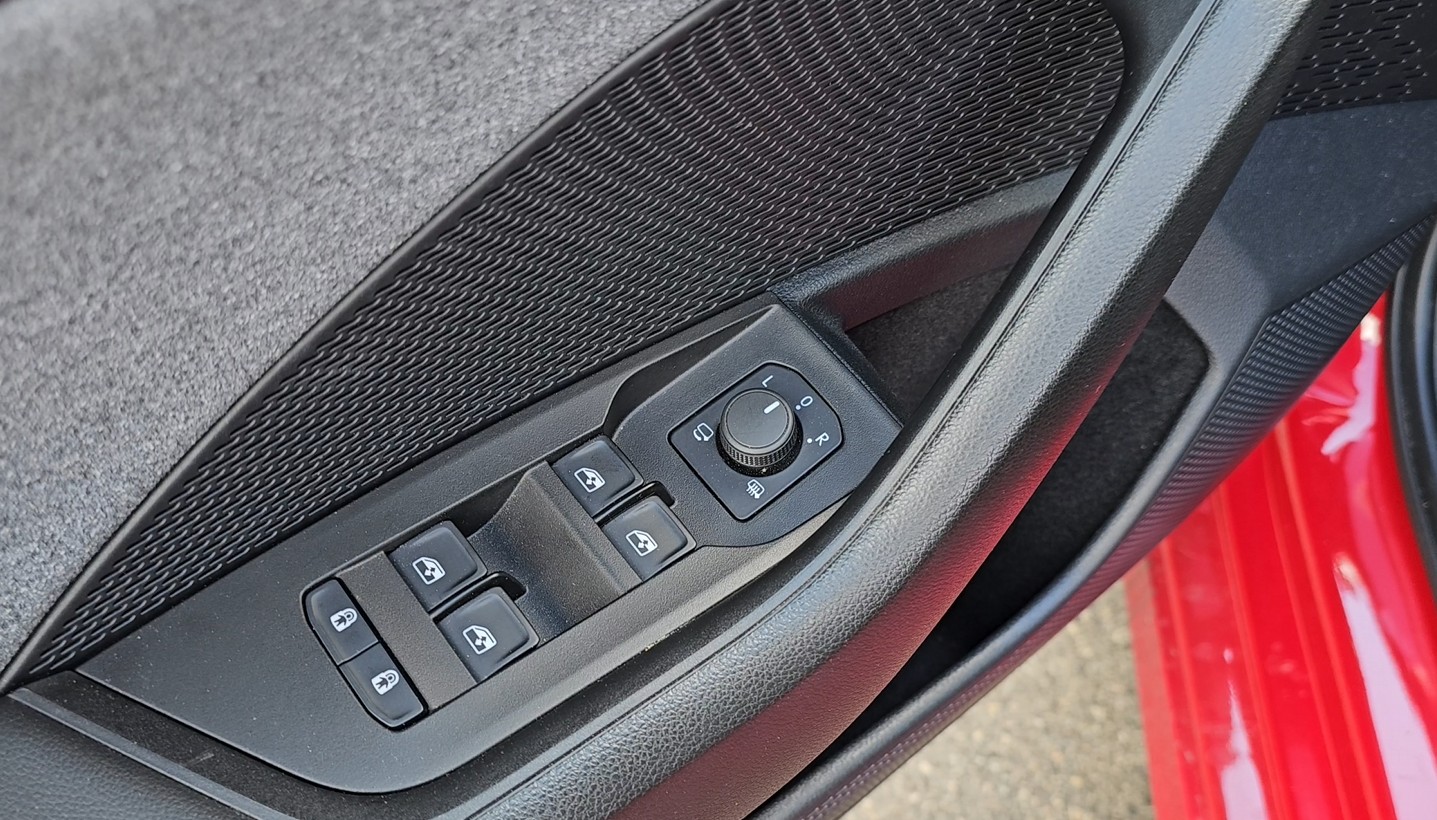
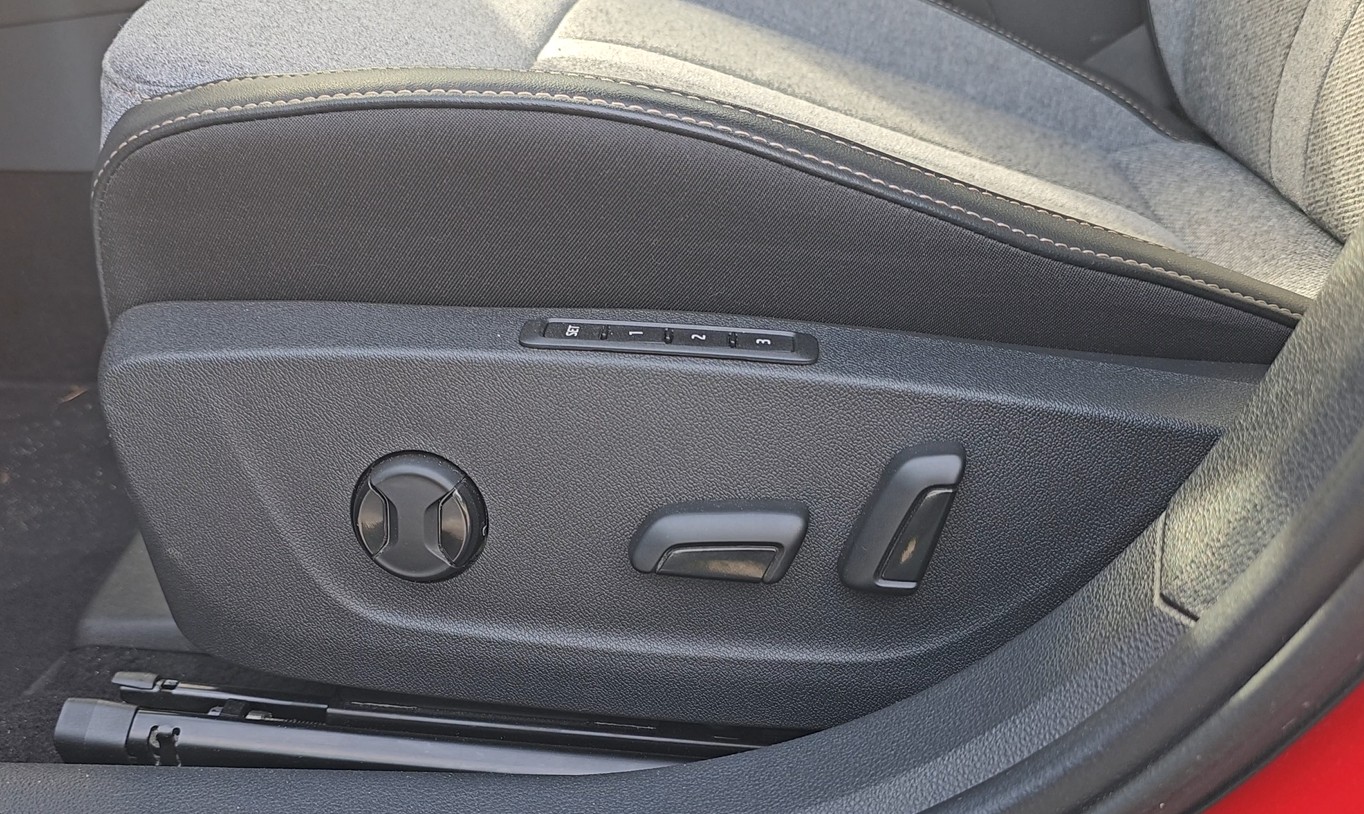
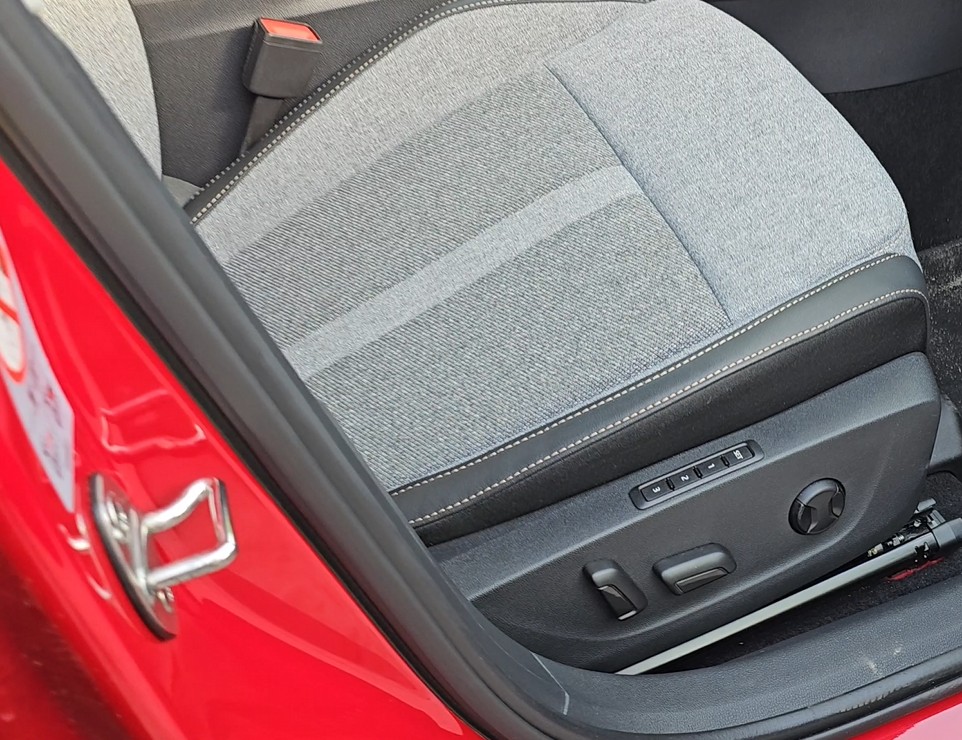
Overall, it’s still the same Octavia A8 interior, known for its comfortable front seats with full electric adjustment and memory settings. There’s also a “convenient entry” feature that moves the seats backward when the engine is turned off, available for both the driver and passenger seats.
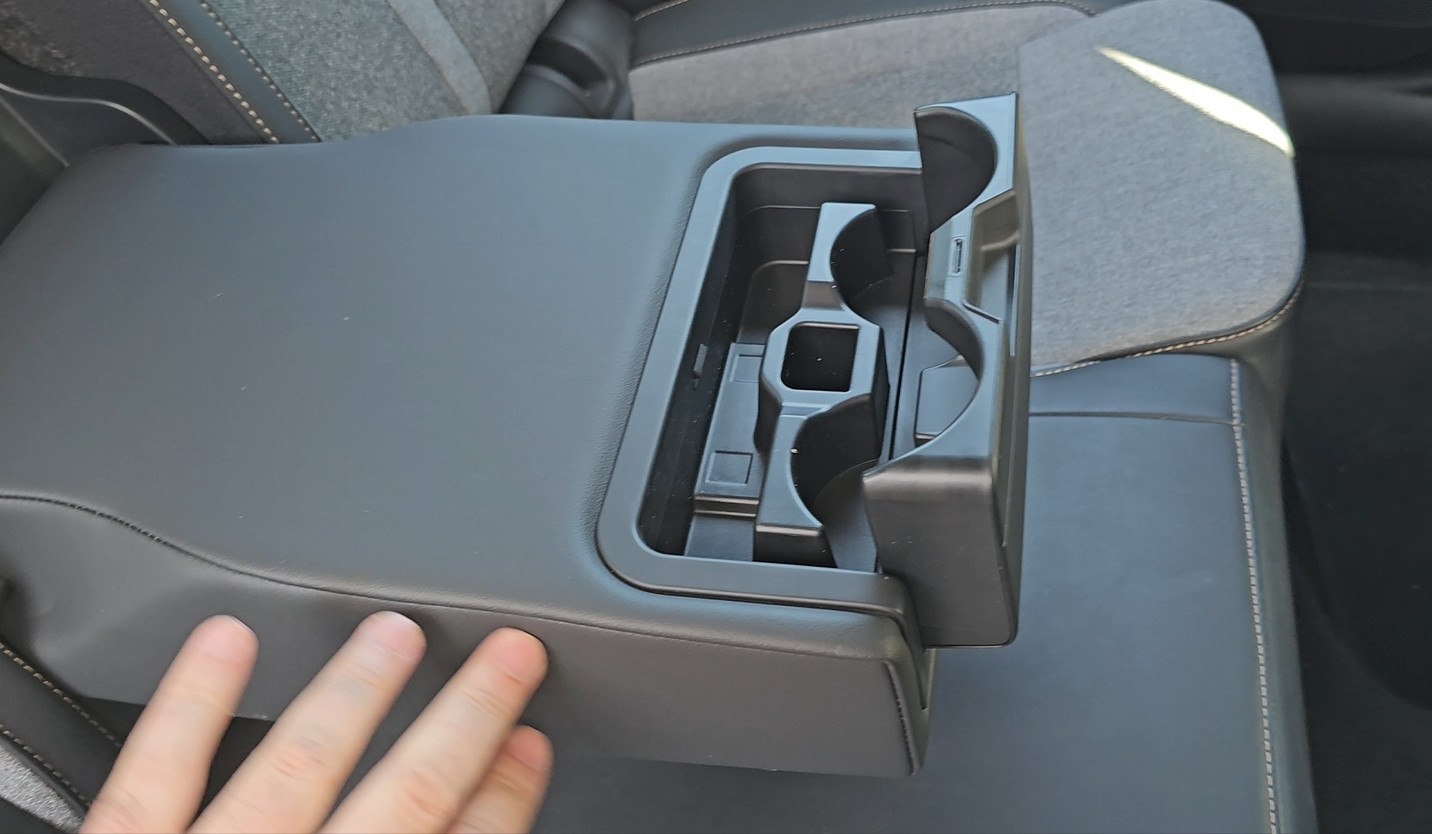
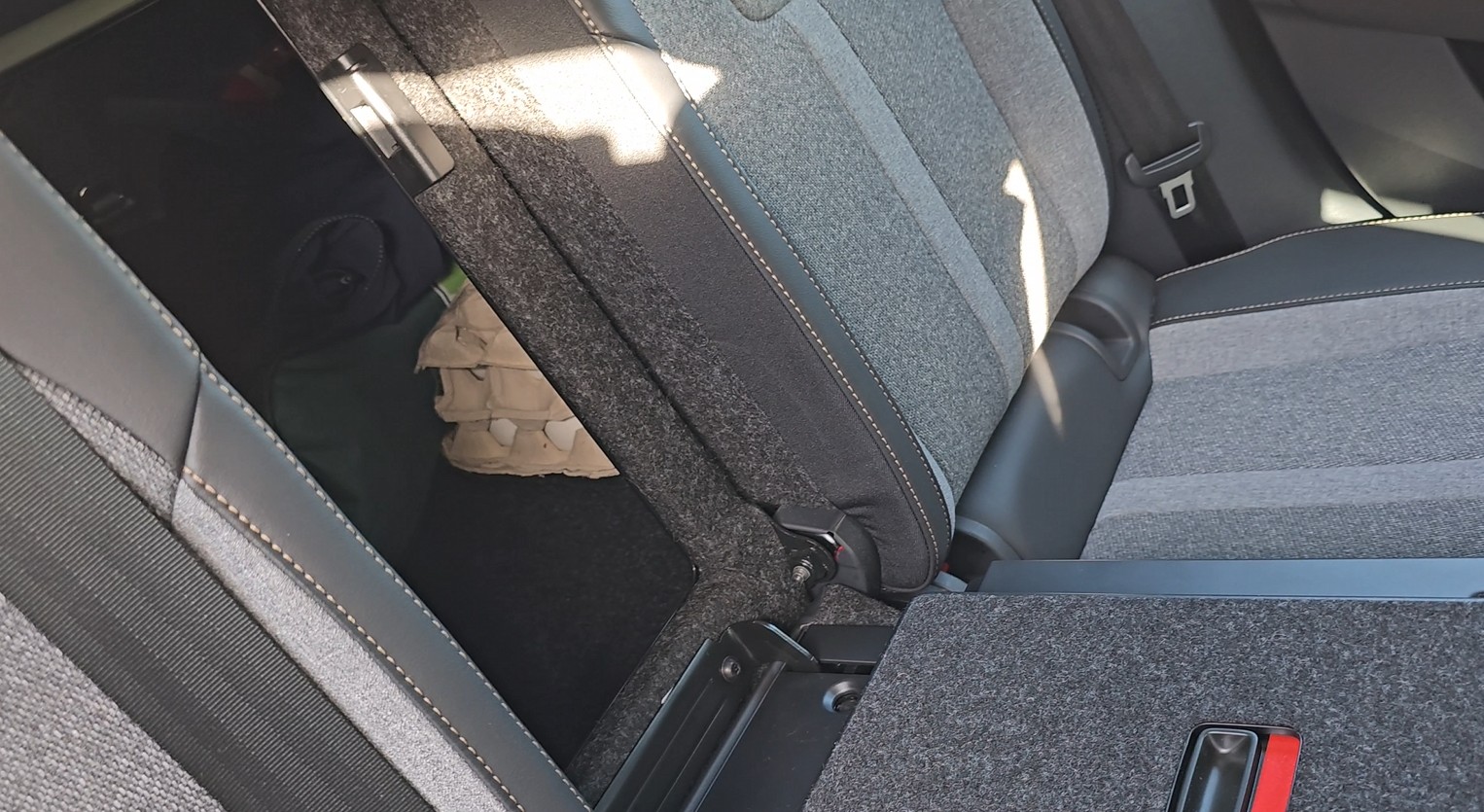
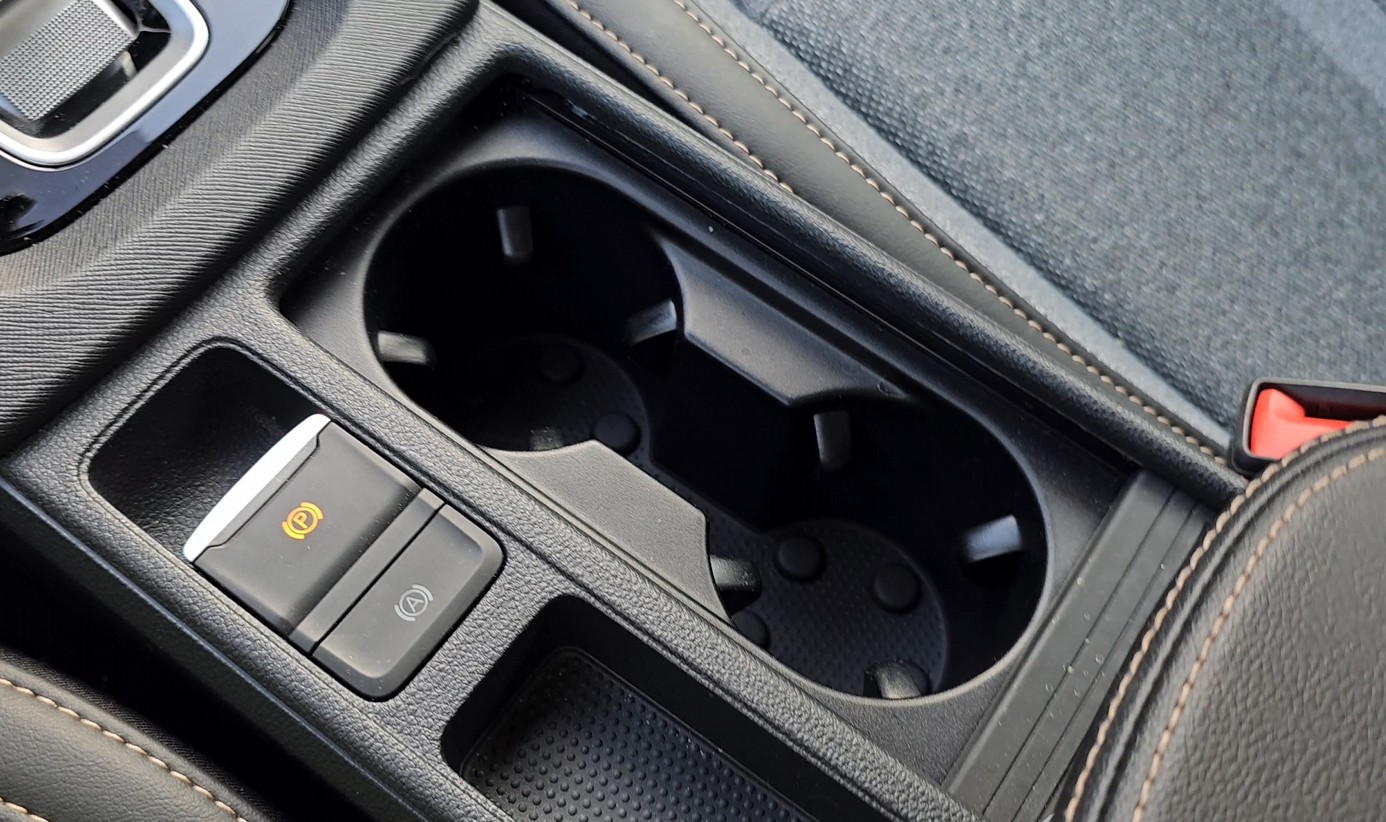
Of course, it’s worth mentioning the practical rear bench seat, which features a fold-down armrest with cup holders and a two-way opening center hatch. This allows access to the trunk and makes it easier to transport long items.
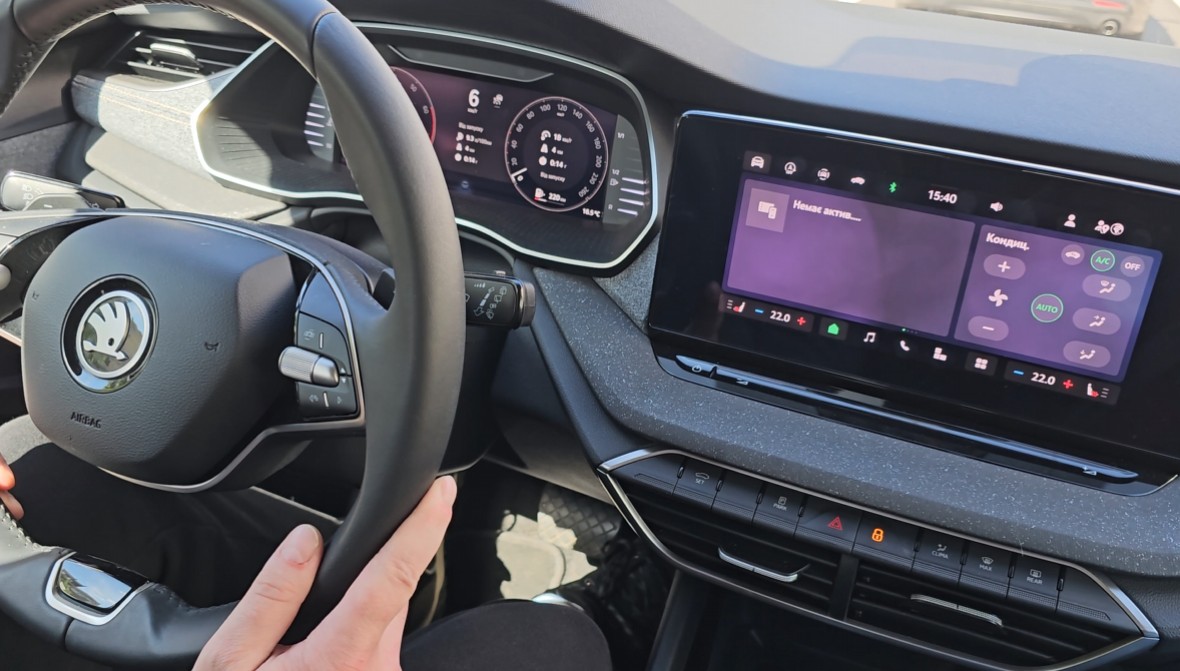
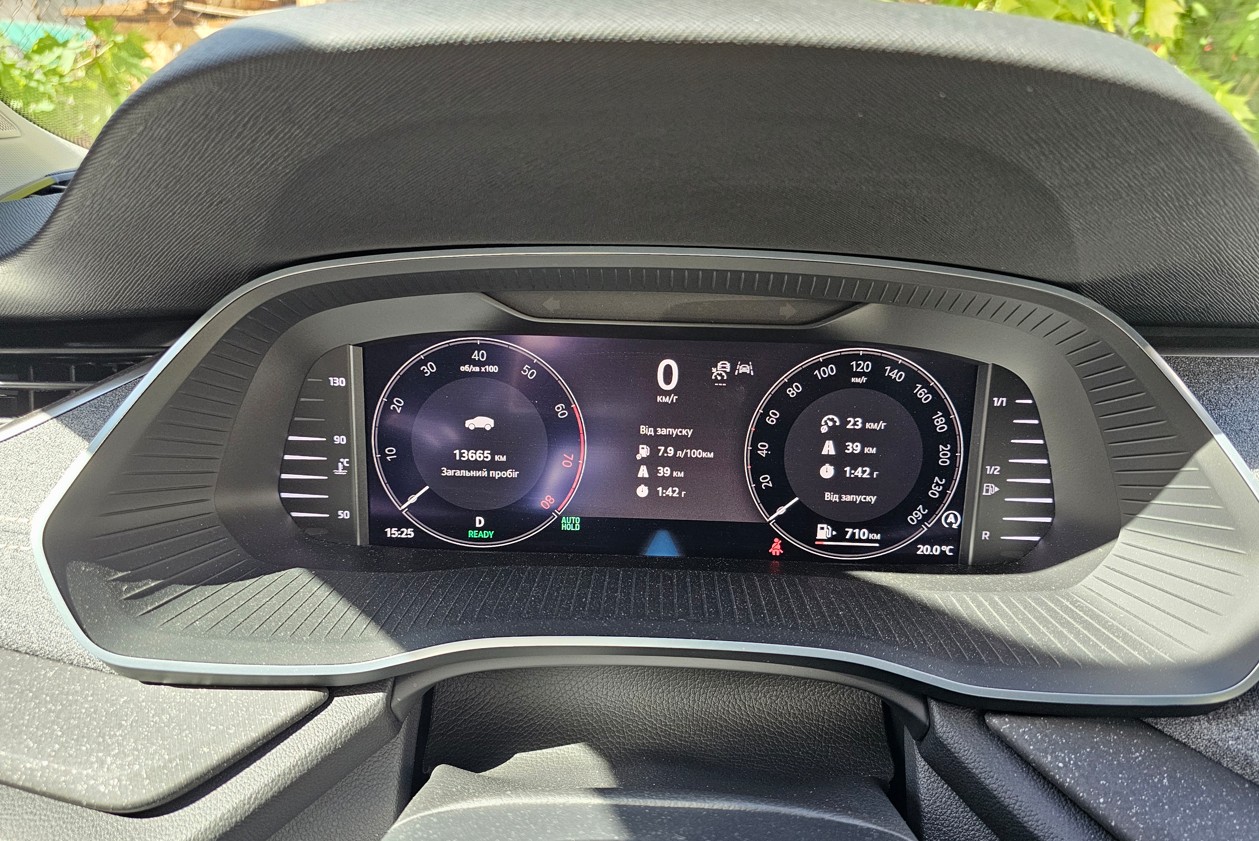
I’d like to highlight the fully digital LED instrument cluster, which offers a variety of display skins and provides detailed information. The large central infotainment screen features a user-friendly interface for adjusting settings, managing driver assistance systems, and accessing detailed vehicle usage statistics.
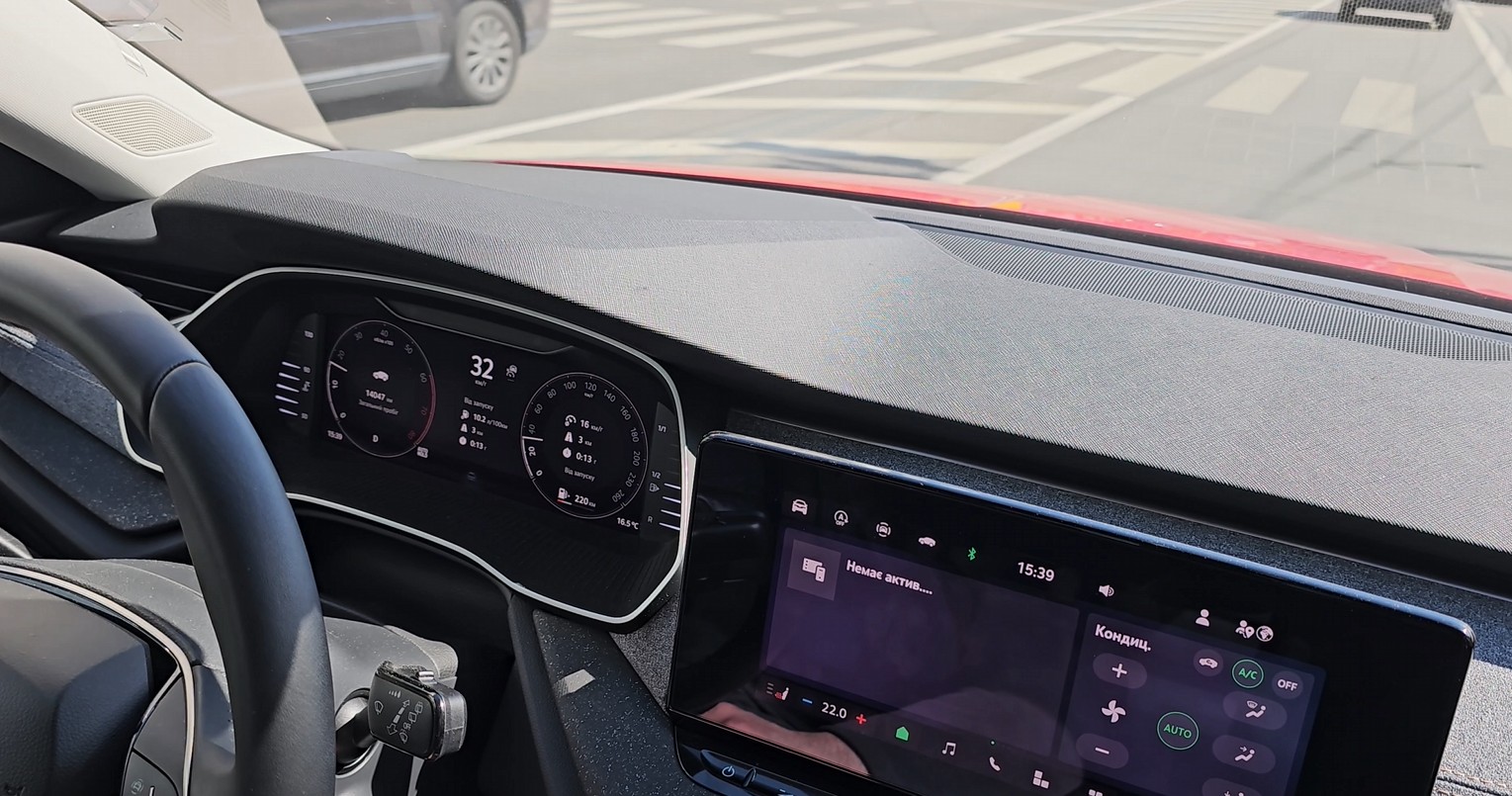

The screen supports touch control, complemented by several physical buttons and a separate touch-sensitive volume control panel. It also allows smartphone connectivity with Android Auto and Apple CarPlay for navigation, music playback, hands-free calling, and notifications. Unfortunately, this connection is limited to wired via one of the USB-C ports. However, wireless charging for smartphones is available simultaneously.
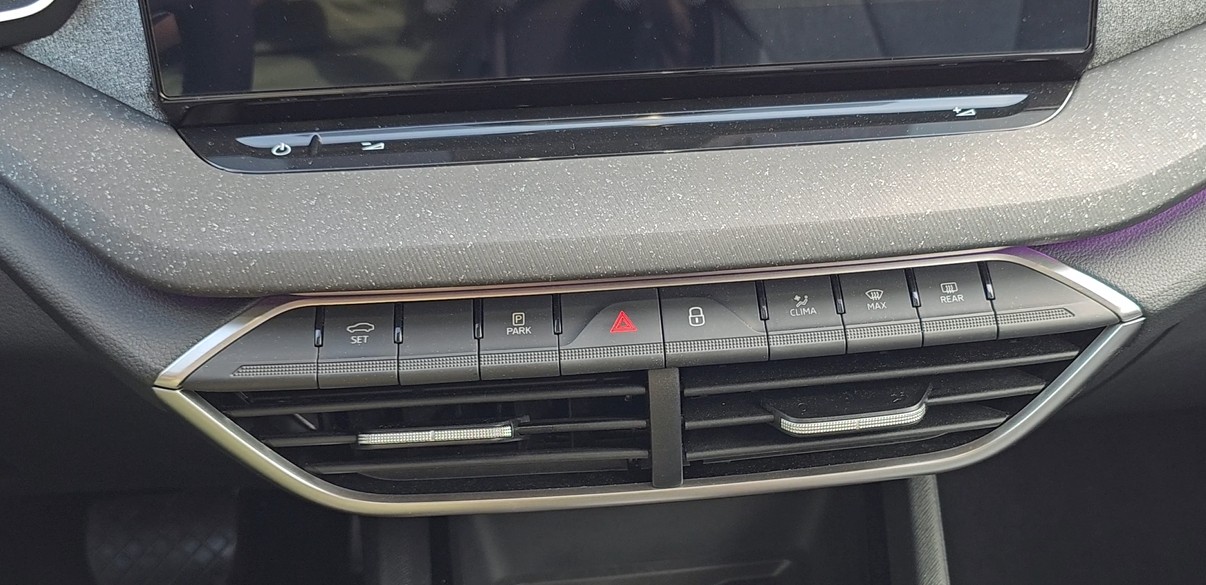
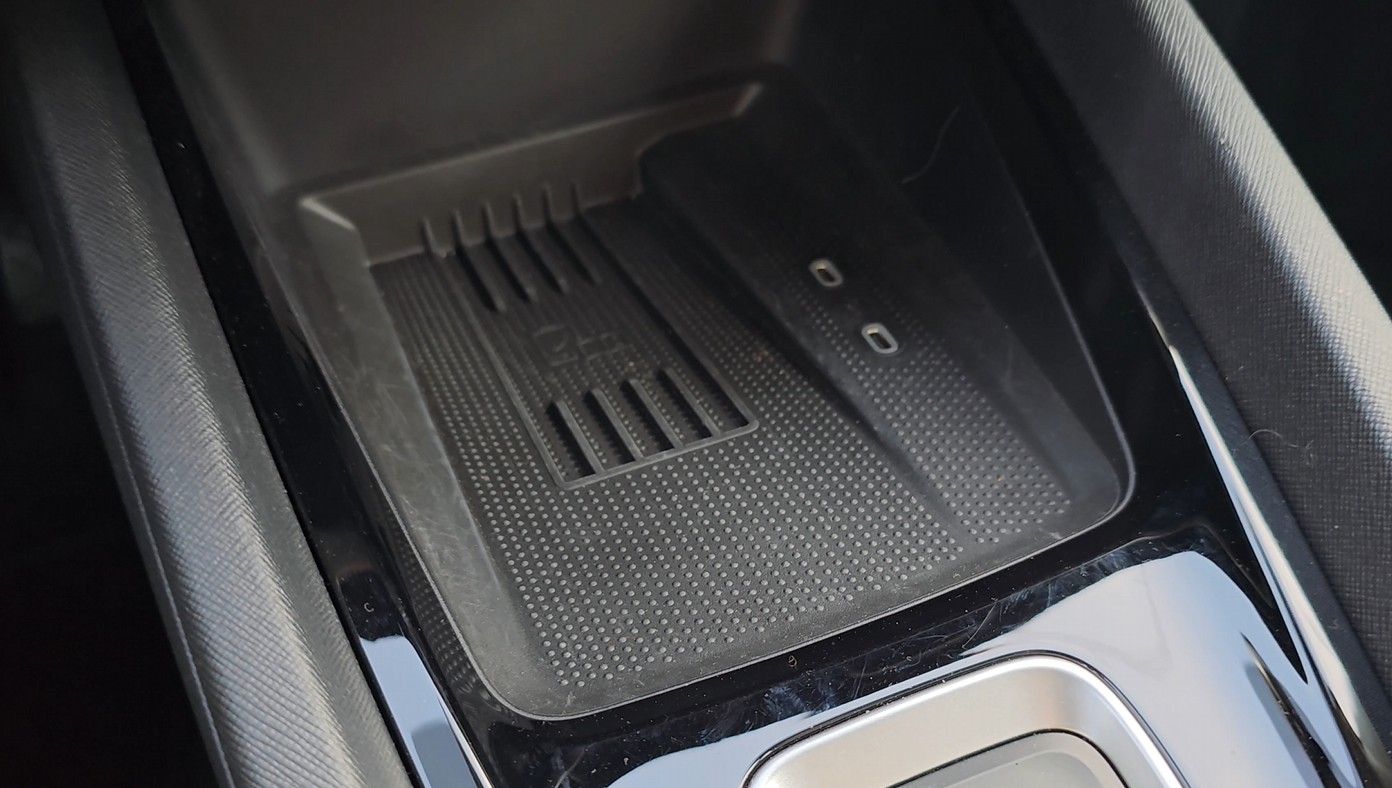
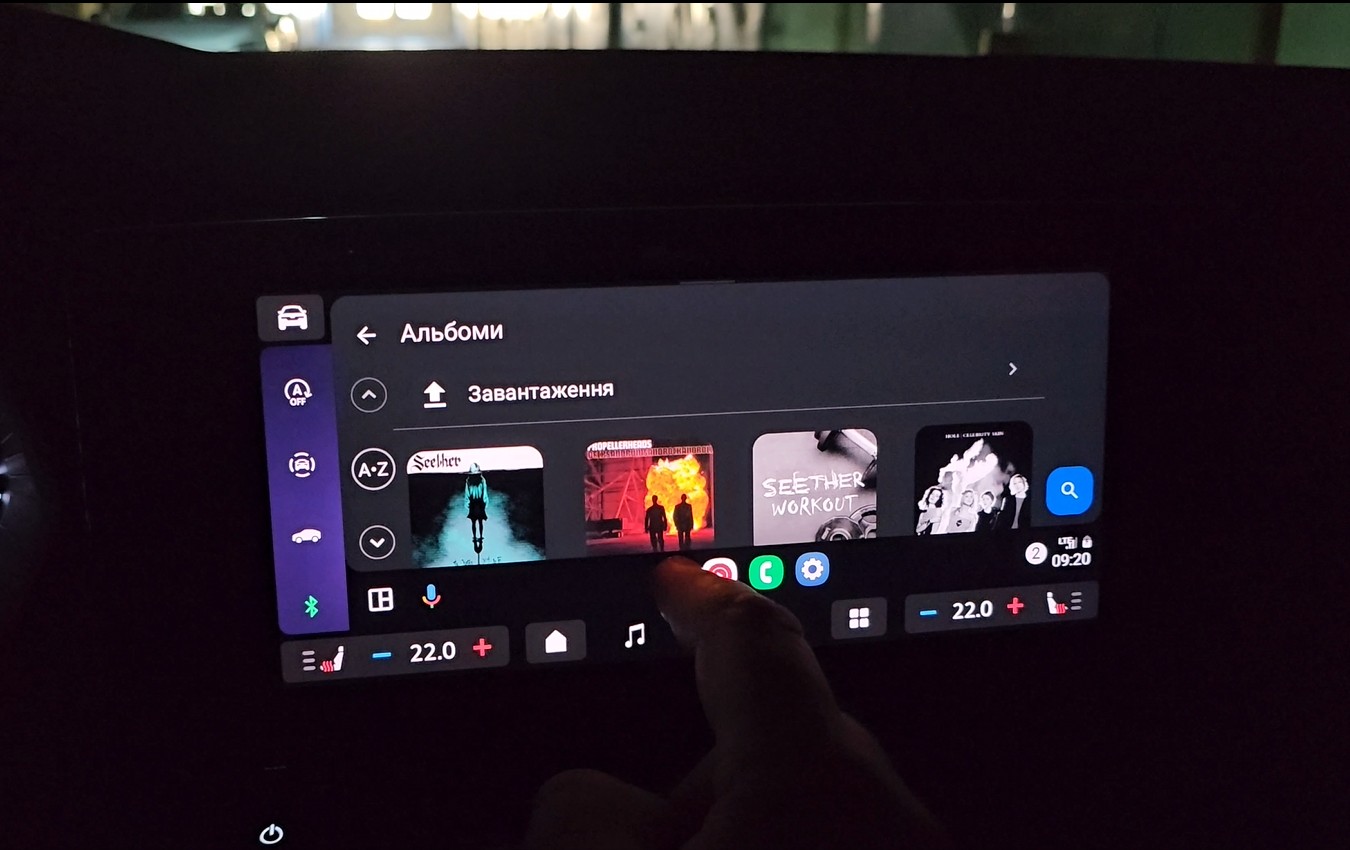
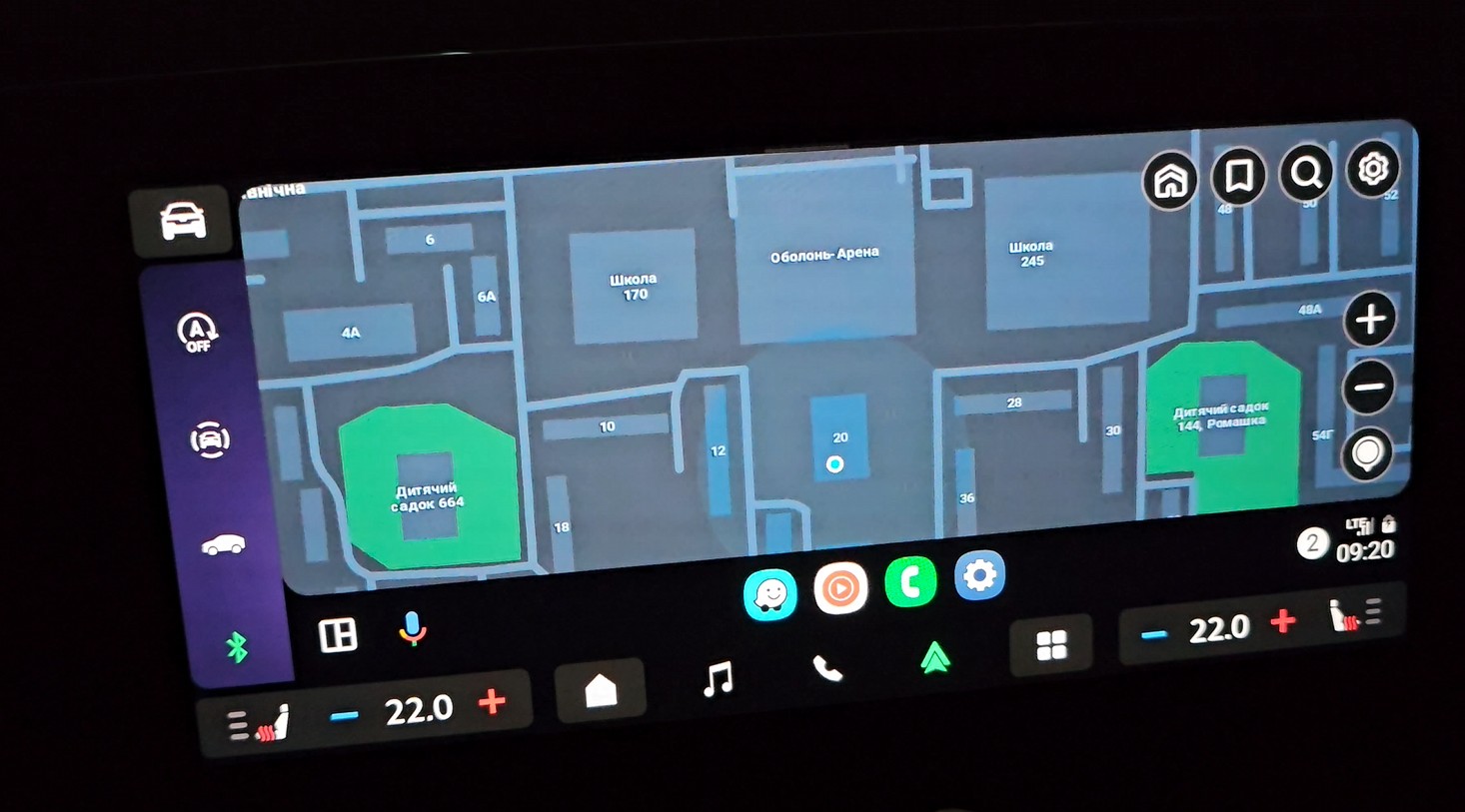
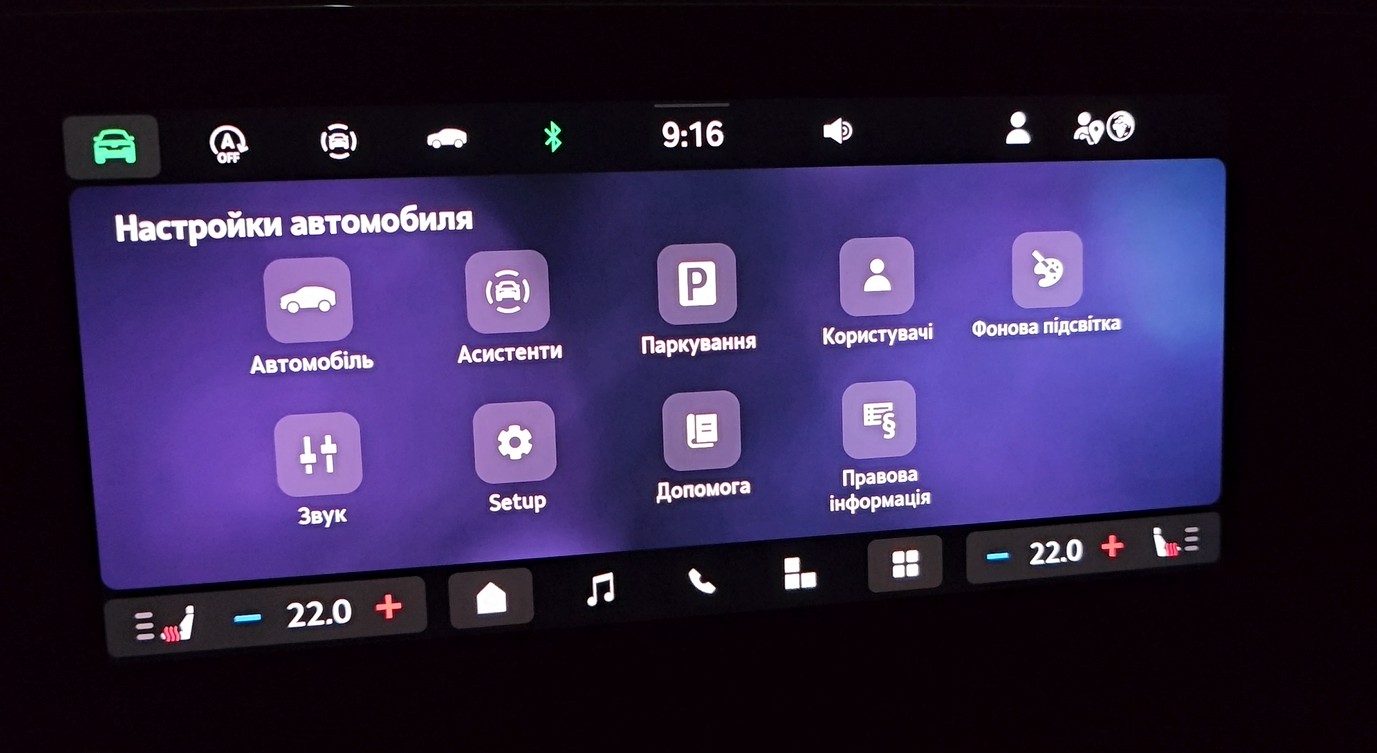
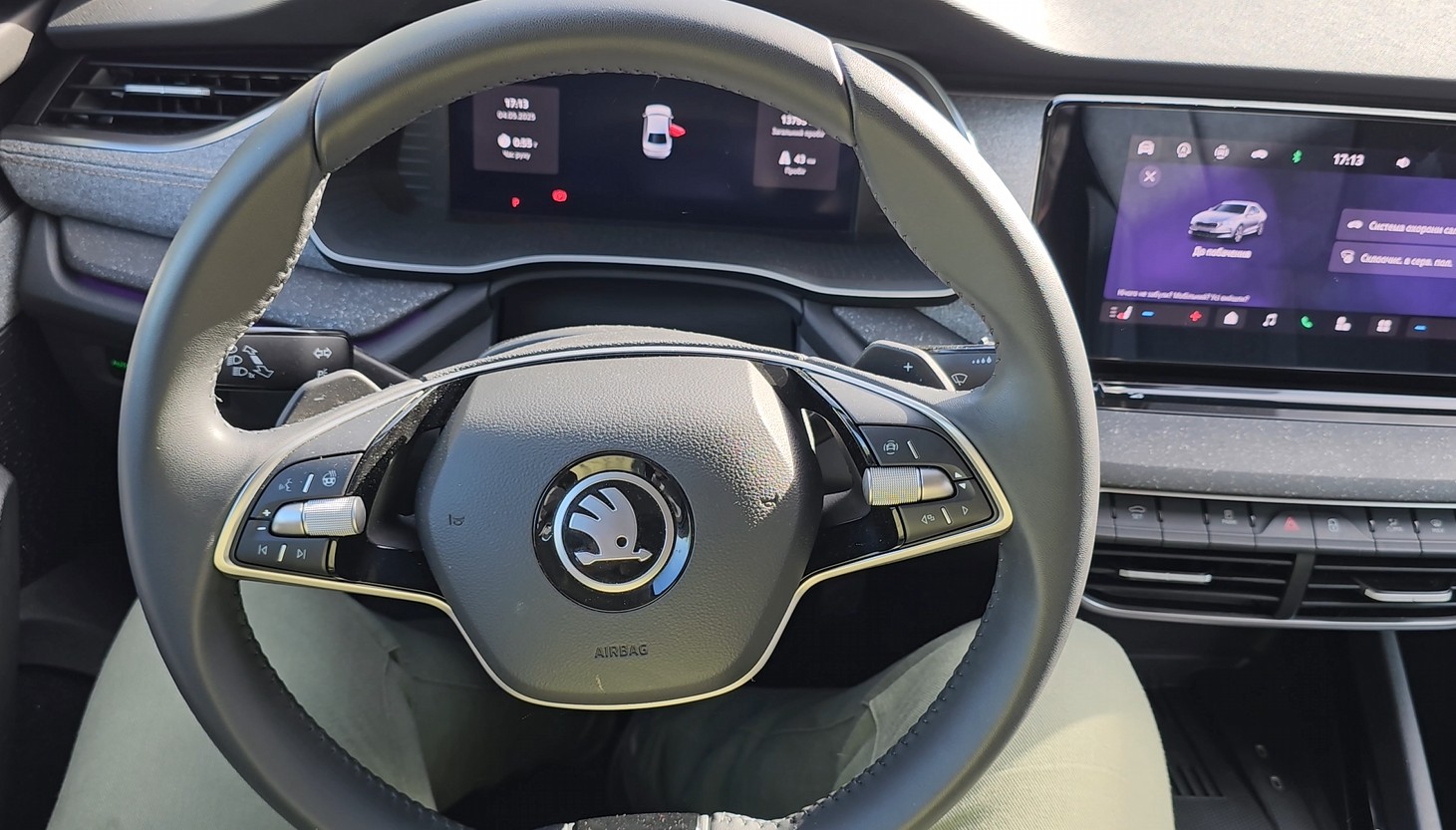
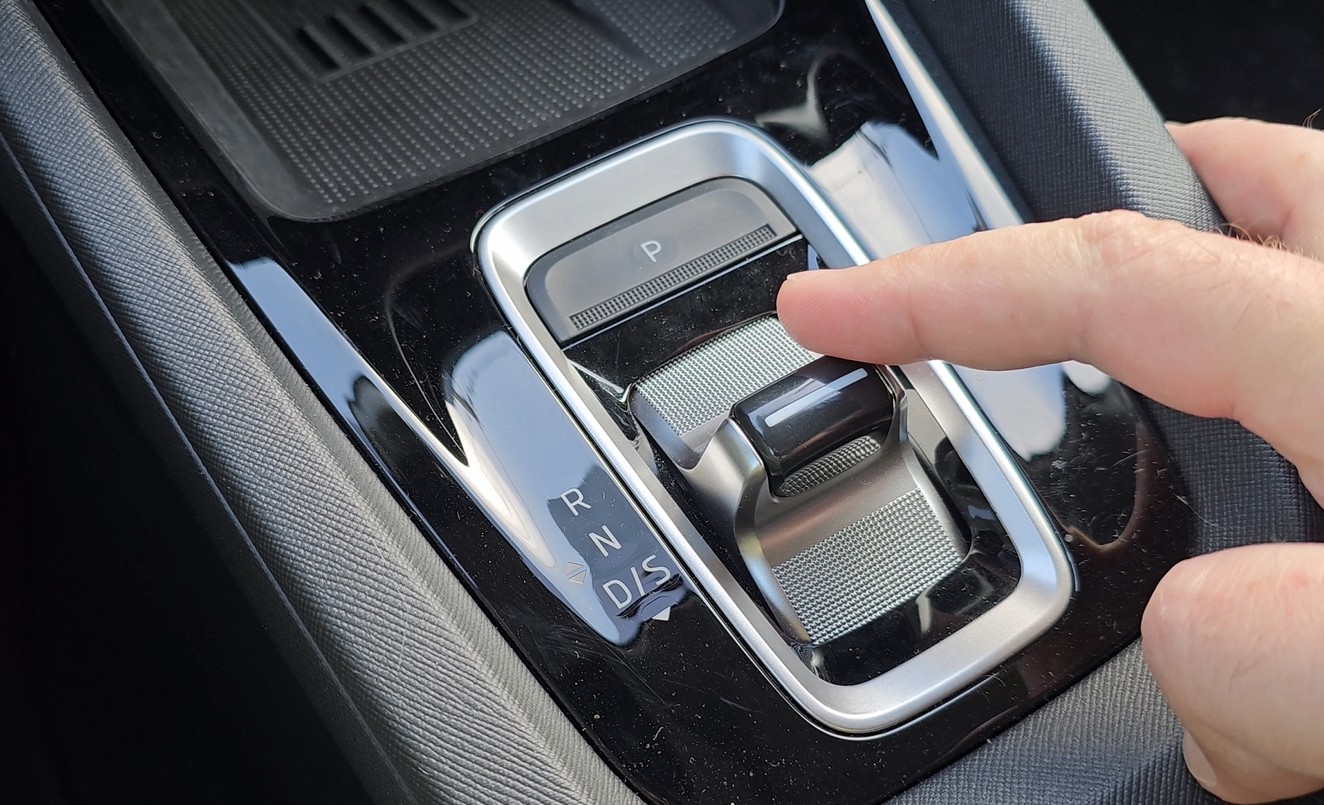
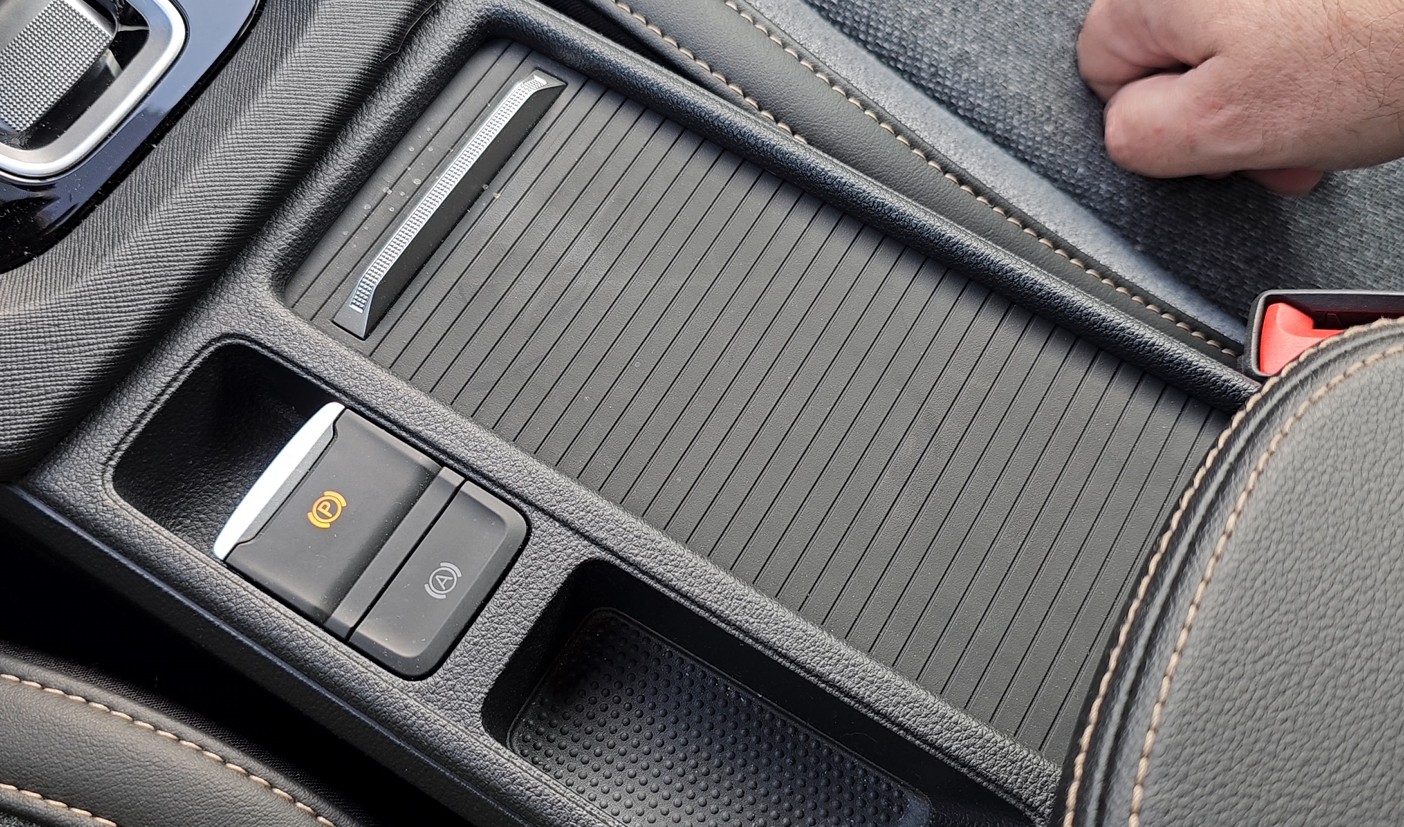
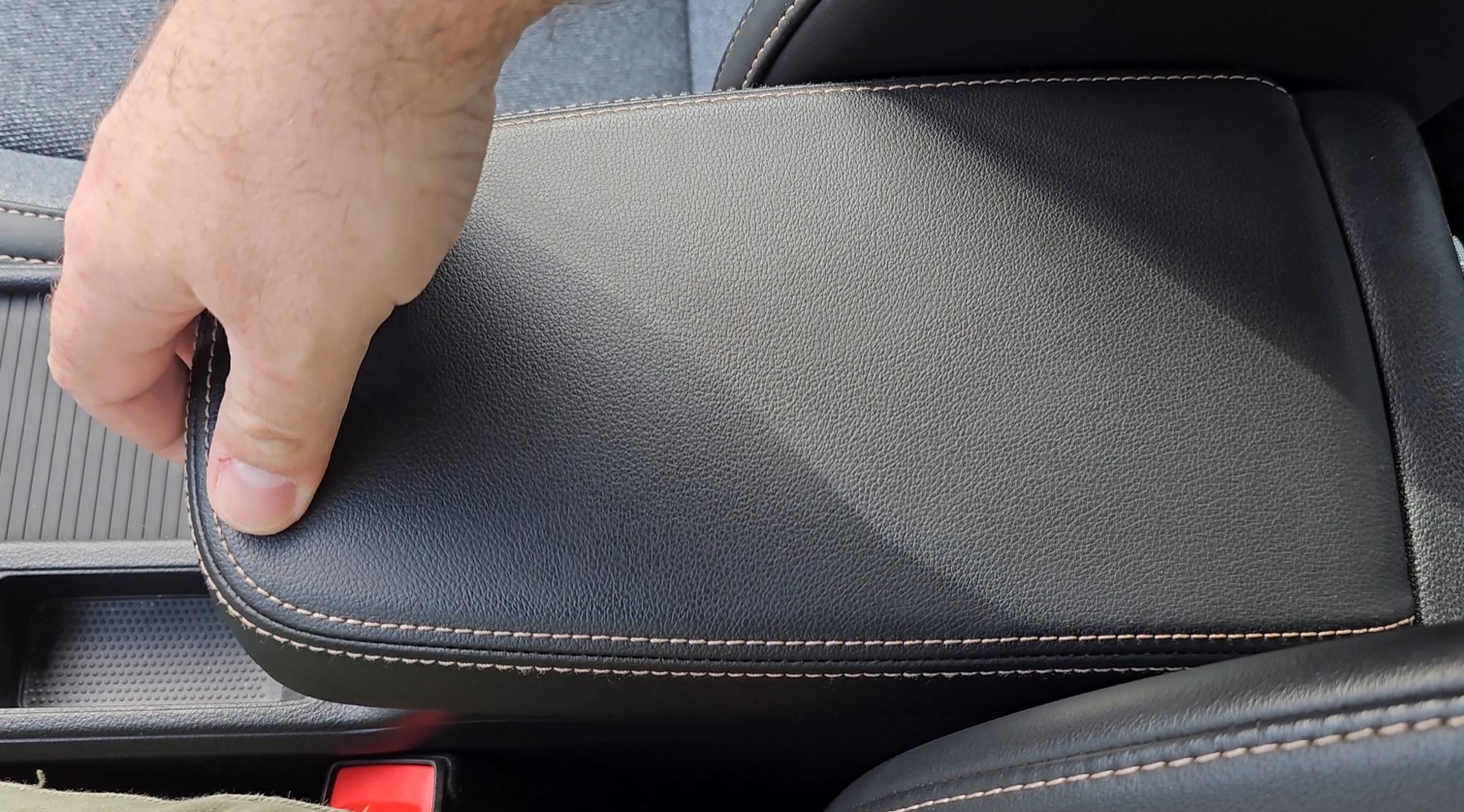
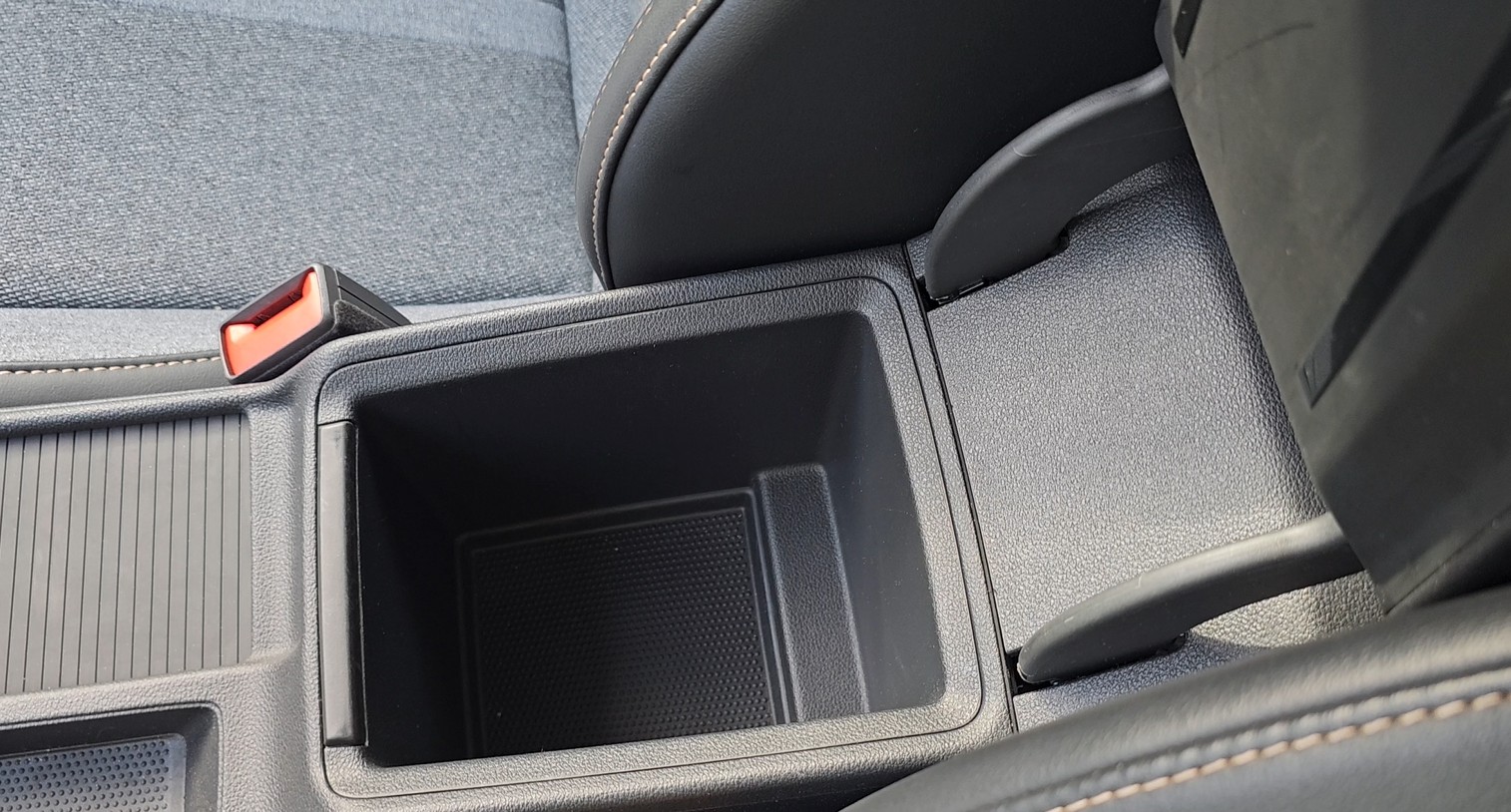
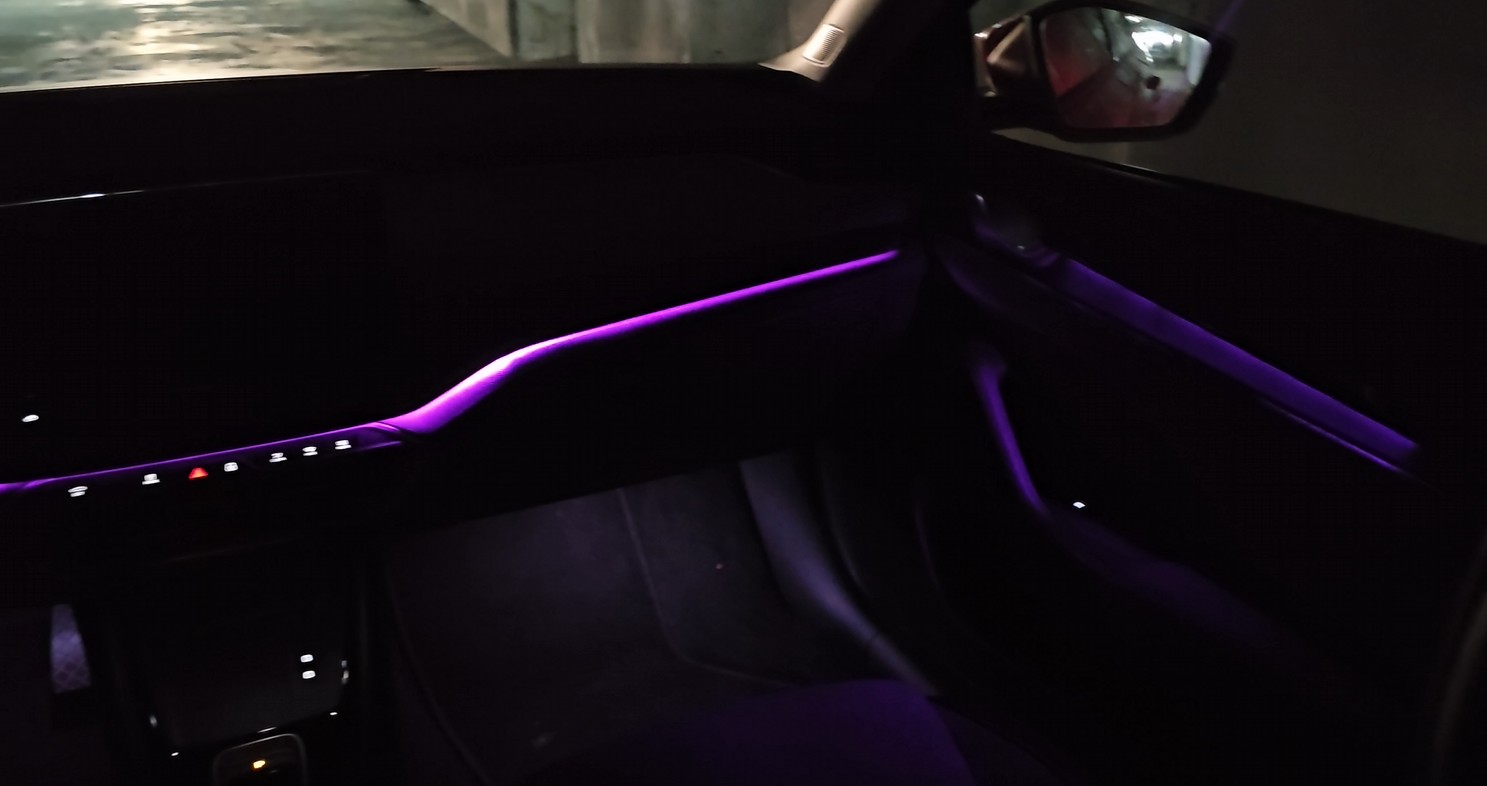
It’s also worth noting the comfortable multifunction steering wheel wrapped in genuine leather, the modern gear selector lever for the automatic transmission, and the sliding central armrest that includes a storage compartment underneath. The vehicle features touch controls for the lighting system, along with impressive ambient lighting around the cabin perimeter and in the footwells for both the driver and passengers, with customizable color schemes.
Read also: Škoda Karoq Review: Compact City SUV Focused on Comfort and Safety
Successful combination: 1.5 TSI m-HEV engine (110 kW, 150 HP) + 7DSG automatic transmission
We’re gradually getting to what I consider the most important aspect of the update. The new powertrain significantly changes the driving experience and overall operation of the car. At first glance, the engine specs seem unchanged – still the standard 150 horsepower. However, the benefits of the hybrid technology are noticeable in two key areas: improved performance and reduced fuel consumption.
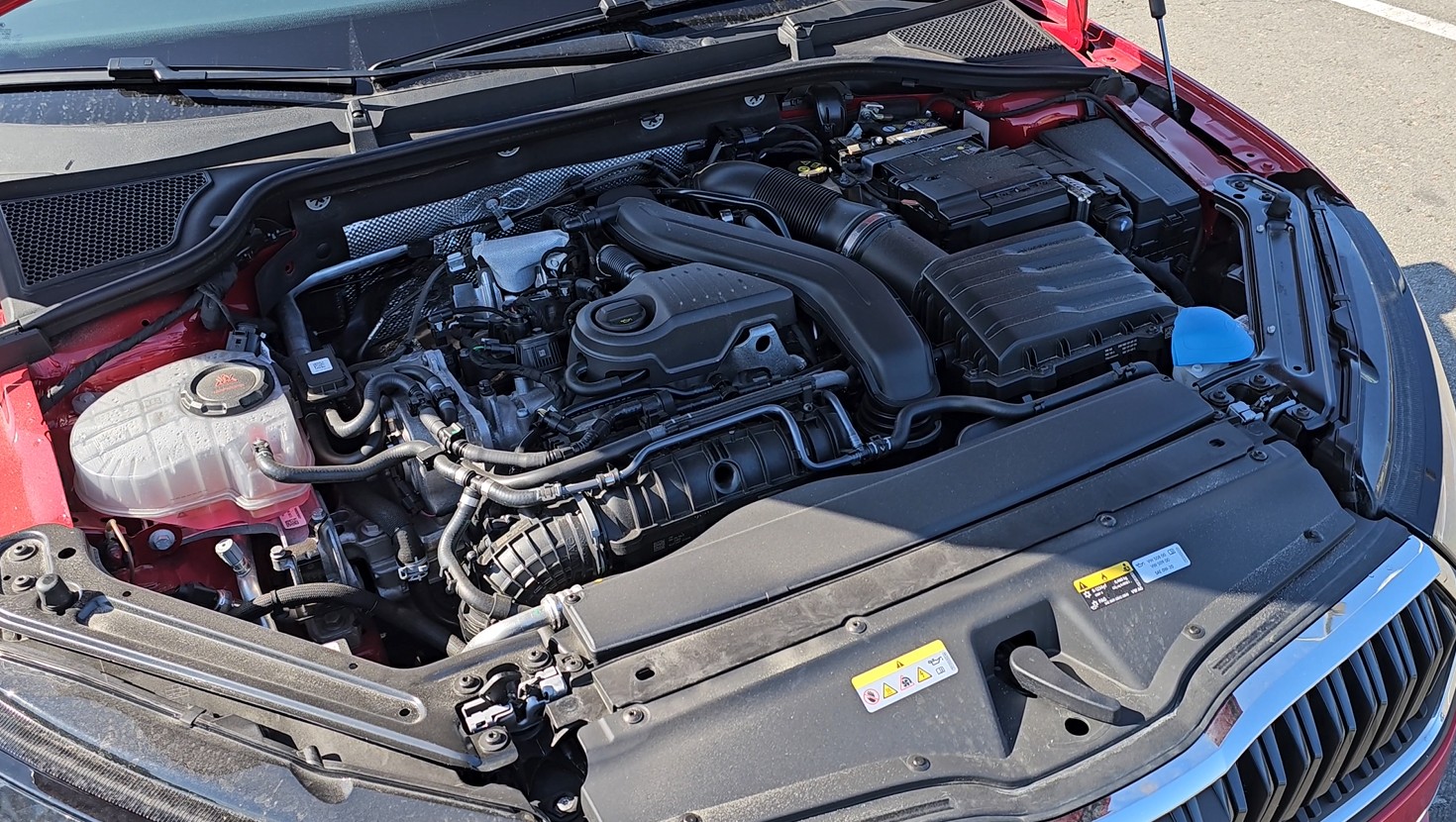
To begin, let me explain what m-HEV technology, or mild hybrid electric vehicle, actually is. Essentially, it’s a regular gasoline engine – in this case, a turbocharged Volkswagen TSI – with one key addition: instead of a standard starter, there’s a more powerful electric motor powered by a separate, higher-voltage battery. In this model, the battery is located under the front passenger seat.
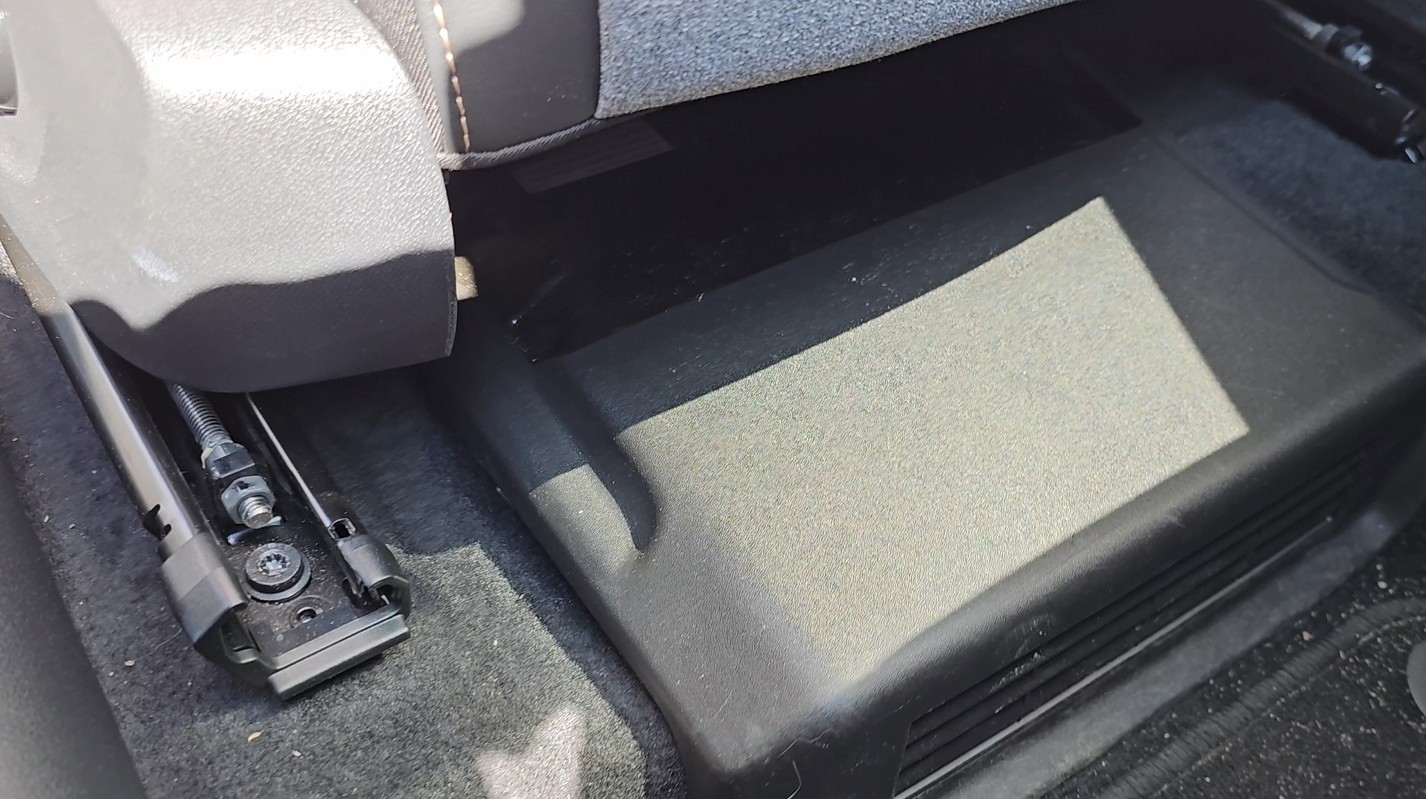
The battery charges itself from the vehicle’s electrical system through energy recuperation while driving – there’s no separate charging port for it. This is a practical advantage of the technology because you don’t have to worry about plugging it in or charging it yourself. At the same time, the electric motor serves purely an auxiliary role – it provides extra torque during acceleration and while driving. So, this is basically an entry-level hybrid powertrain focused primarily on the internal combustion engine, unlike a plug-in hybrid where you can drive on electric power alone.
I have previously encountered a similar hybrid powertrain while reviewing the Mazda CX-60 Premium Sport, and I find this approach practical. The mild hybrid system proves to be sensible and adequately fulfills its intended purpose.
Firstly, the Škoda Octavia’s acceleration from a standstill and its performance during overtaking are genuinely impressive. The increase in torque lasts only a few seconds, during which the car behaves somewhat like an electric vehicle. This brief torque boost is sufficient to confidently complete maneuvers such as overtaking without disrupting other road users.
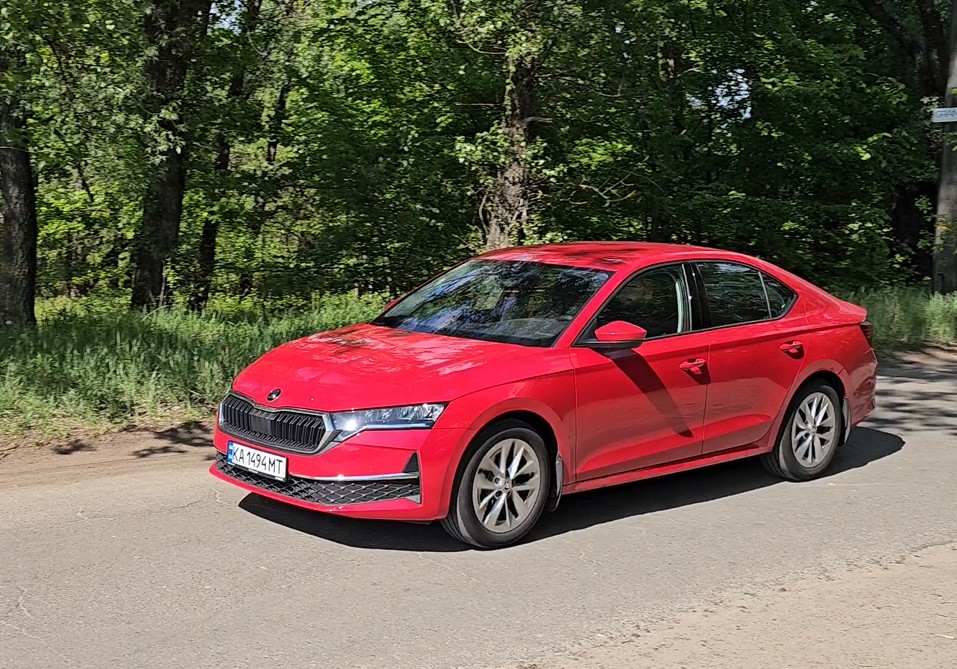
Again, to emphasize, the electric motor’s boost is very brief. The updated Škoda Octavia A8 with the mild hybrid (m-HEV) engine doesn’t stand out with its 0-100 km/h acceleration time, which seems to be around 8.5 seconds. However, the quick initial acceleration from a stop up to 50-60 km/h – and reasonably fast up to 80 km/h – is well suited for city driving with heavy traffic. Beyond that speed, acceleration noticeably slows down.
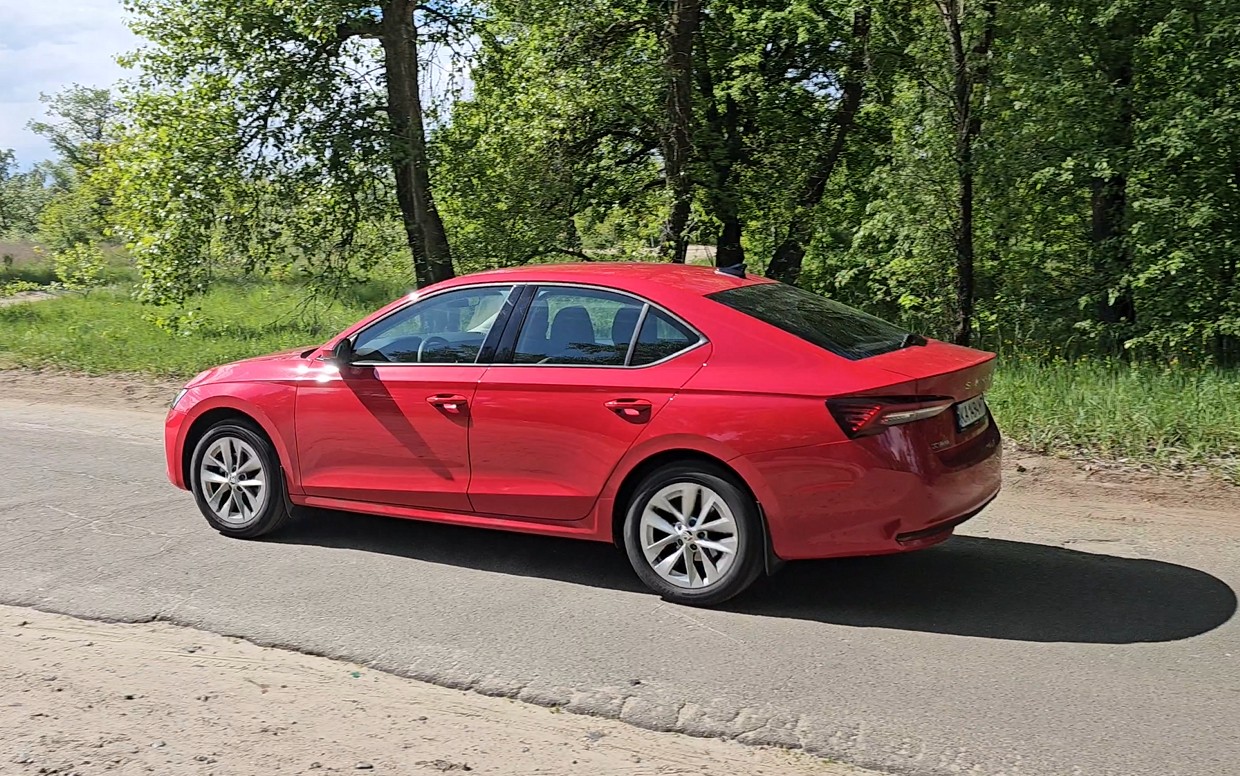
When driving at speeds between 40 and 60 km/h and needing to overtake quickly or change lanes, pressing the accelerator fully makes the car accelerate sharply. The experience is quite impressive, and notably, the electric motor effectively reduces turbo lag. This performance doesn’t require switching to sport mode – the system works well in standard driving mode. However, if you do switch to the transmission’s sport mode, you get additional power from the turbo engine due to delayed gear shifts and higher RPMs after the electric motor’s boost fades. As an experienced driver, I found this feature particularly enjoyable.
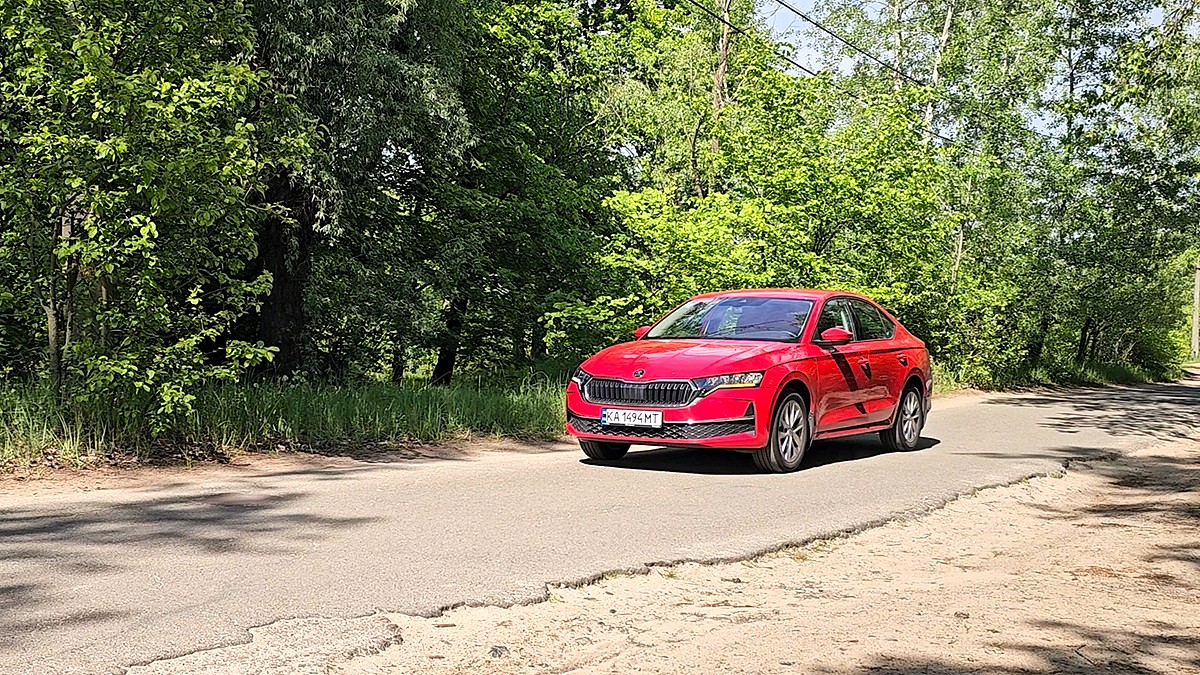
However, these lively driving impressions are likely not just due to the engine. It’s worth noting that the seven-speed DSG dual-clutch transmission in the 2025 Škoda Octavia A8 operates almost flawlessly – shifting gears predictably and on time, allowing the engine to deliver maximum torque exactly when needed.
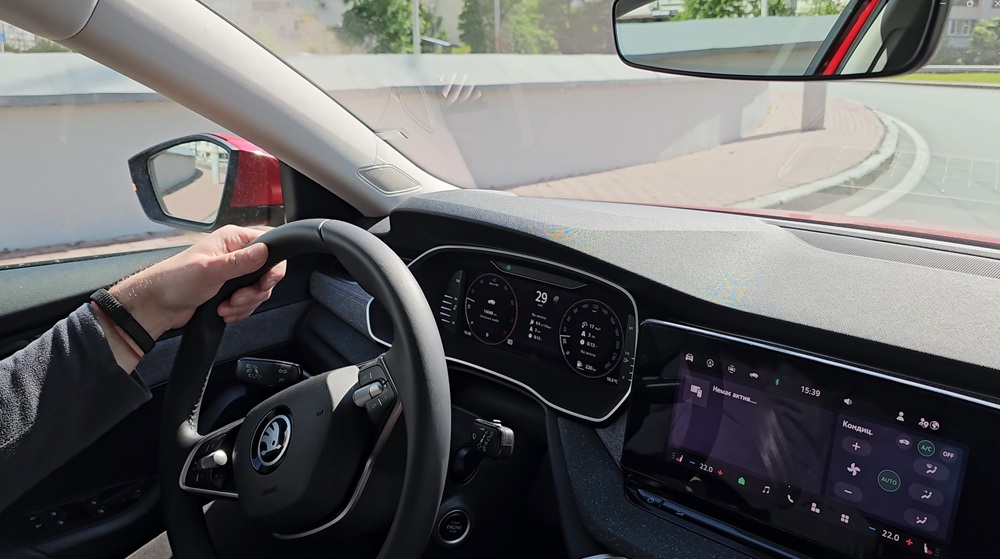
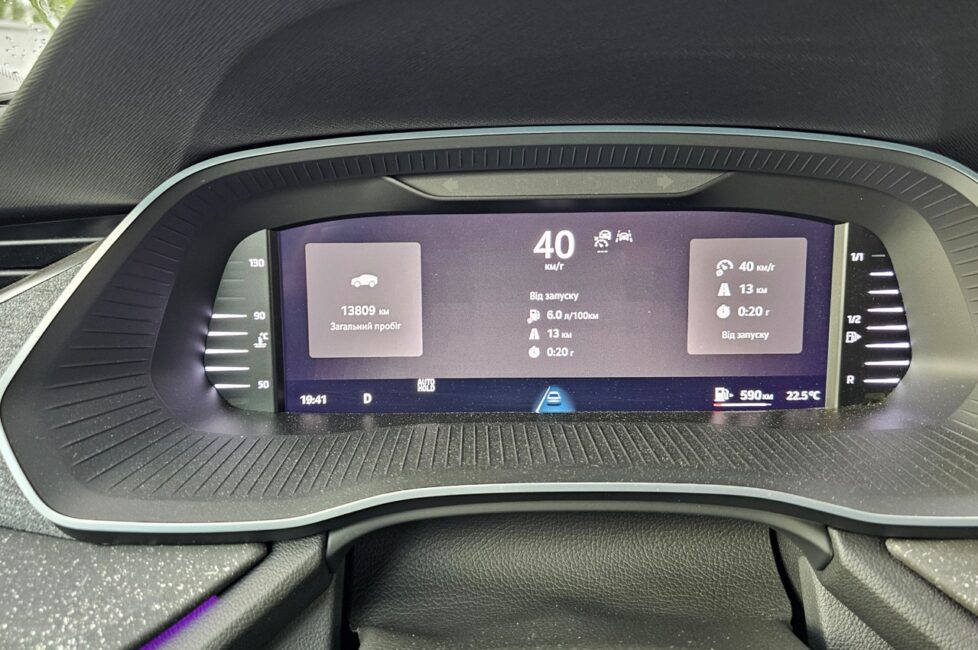
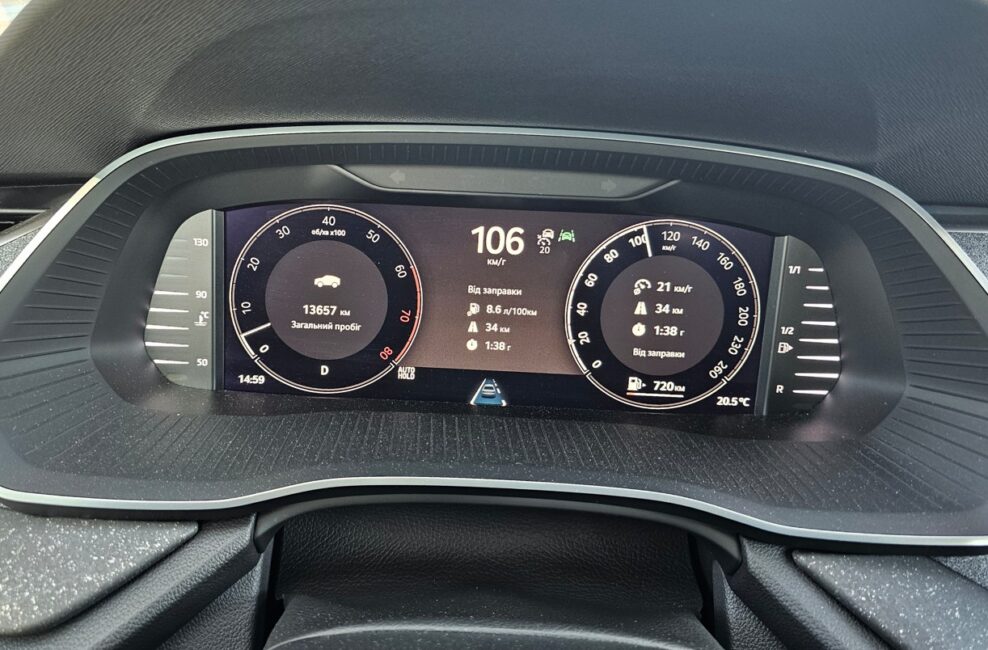
Secondly, the m-HEV powertrain has proven to be quite economical. Roughly speaking, compared to conventional 1.4-1.5L TSI engines with the same 150 hp output, which are also available in the Octavia A8, the mild hybrid setup reduces fuel consumption in urban driving by about 2 to 4 liters per 100 km, depending on traffic conditions and driving style.
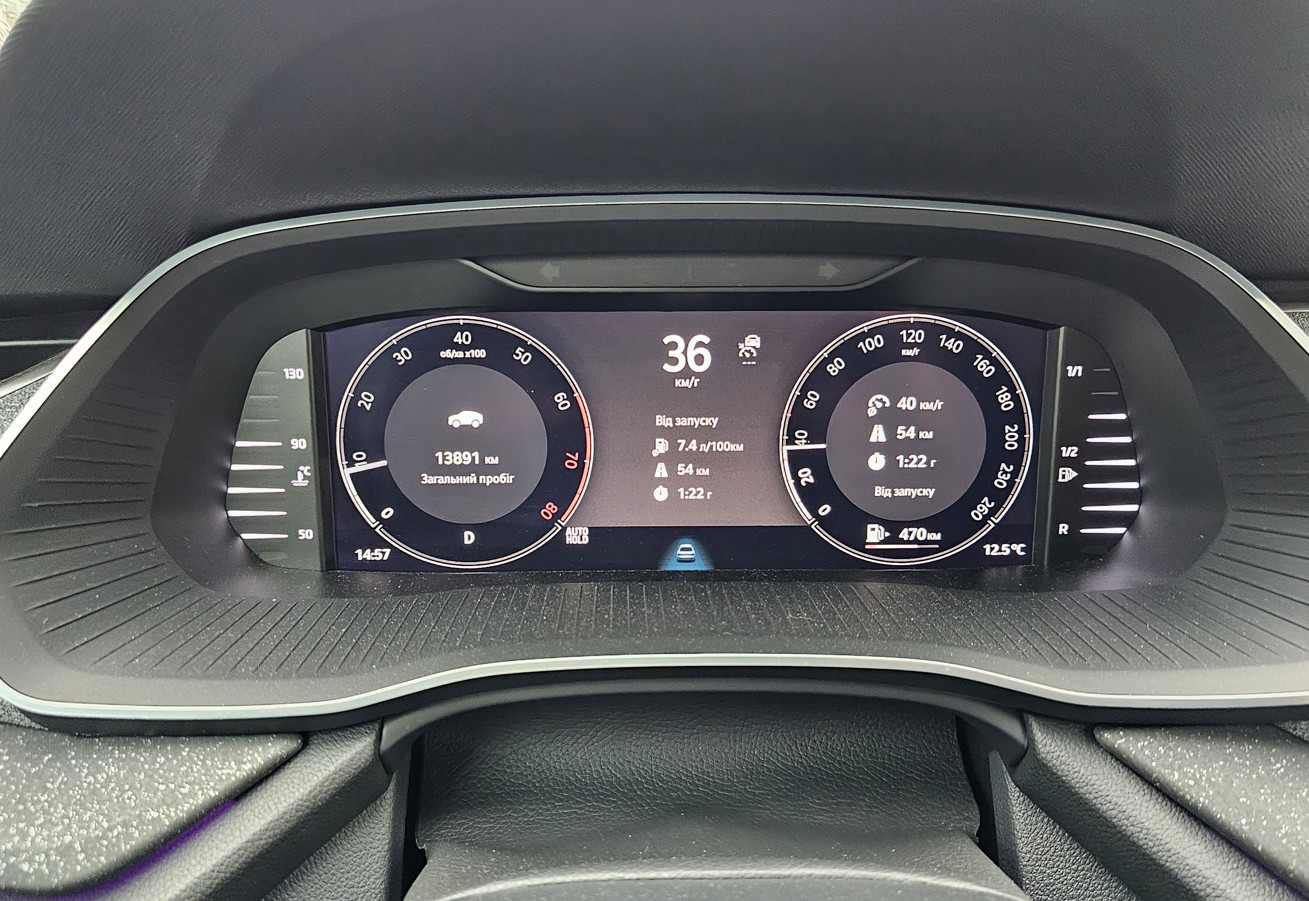
The actual average fuel consumption of 7 to 8 liters per 100 km in Kyiv was genuinely impressive. When driving outside the city, away from traffic lights and congestion, fuel consumption drops further to around 6 liters per 100 km. This is a notable improvement.
Read also: Mitsubishi Eclipse Cross Review: True Japanese Car – Modern on Outside, Conservative on Inside
Conclusions
I’ll wrap up here – thank you for following along as I covered the main updates in the refreshed Škoda Octavia A8. To clarify, this review focused specifically on the differences between the facelifted version and the base model. If you’re interested in more detailed information, I recommend checking out the full Octavia A8 review.
Personally, I find the Octavia lineup to be well-balanced in terms of price and quality. As you’ve probably gathered, I appreciated the driving dynamics, performance, and fuel efficiency of this model equipped with the 1.5 TSI m-HEV engine paired with the 7-speed DSG transmission. It’s an optimal choice for city driving and has long been popular among European buyers, consistently maintaining strong sales for the brand. With these recent updates, the car has improved further, so it’s definitely worth considering if you’re looking for a new vehicle in this segment.