





© ROOT-NATION.com - Use of content is permitted with a backlink.
It is worth starting by noting that I am not particularly fond of glasses as a category. At the same time, I recognize that they are indispensable in many contexts, and many people would not share this view. Three years ago, I underwent laser vision correction specifically to avoid wearing glasses. However, this also expanded the range of situations in which specialized eyewear is useful, and I now own more pairs than before: lightweight glasses for running, wider frames for cycling, brightly tinted ones for hiking, and models with stronger UV protection for mountain trips, in addition to a standard pair of sunglasses kept in the car.
More broadly, the wearable electronics market is undergoing a structural shift. The era of bulky devices that emphasize their technological nature is gradually giving way to the concept of “invisible technology,” where devices are designed to integrate into everyday clothing and remain unobtrusive. Smart glasses have long occupied a niche, experimental segment, often characterized by bulky designs, limited battery life, and, importantly, concerns about privacy due to the inclusion of built-in cameras. The recent global release of the Mijia Smart Audio Glasses by Xiaomi suggests a shift in direction, prioritizing audio functionality, improved ergonomics, and closer integration within a broader device ecosystem.

TABLE OF CONTENTS:
Technical Specifications of Mijia Smart Audio Glasses
For modern users, the concept of open-ear audio has become increasingly important in everyday use. In contexts where situational awareness is necessary, traditional headphones with active noise cancellation (ANC) can reduce environmental perception, which in some cases may introduce safety concerns.
It is important to emphasize that testing and analysis of the Mijia Smart Audio Glasses (Browline model) should not be considered in isolation. Instead, they are evaluated within a broader hardware ecosystem based on the latest HyperOS platform. The central device in this setup is the smartphone Redmi Note 15 Pro, while a Xiaomi Watch 5 is used as an additional tool for hands-free control. This ecosystem-based approach provides a more complete basis for assessing the device’s practical performance and its level of integration with other connected devices.

Audio and Microphones
- Audio type: open-ear acoustic system based on air conduction
- Drivers: SLS0820 ultrasonic emitters with a tone compensation algorithm
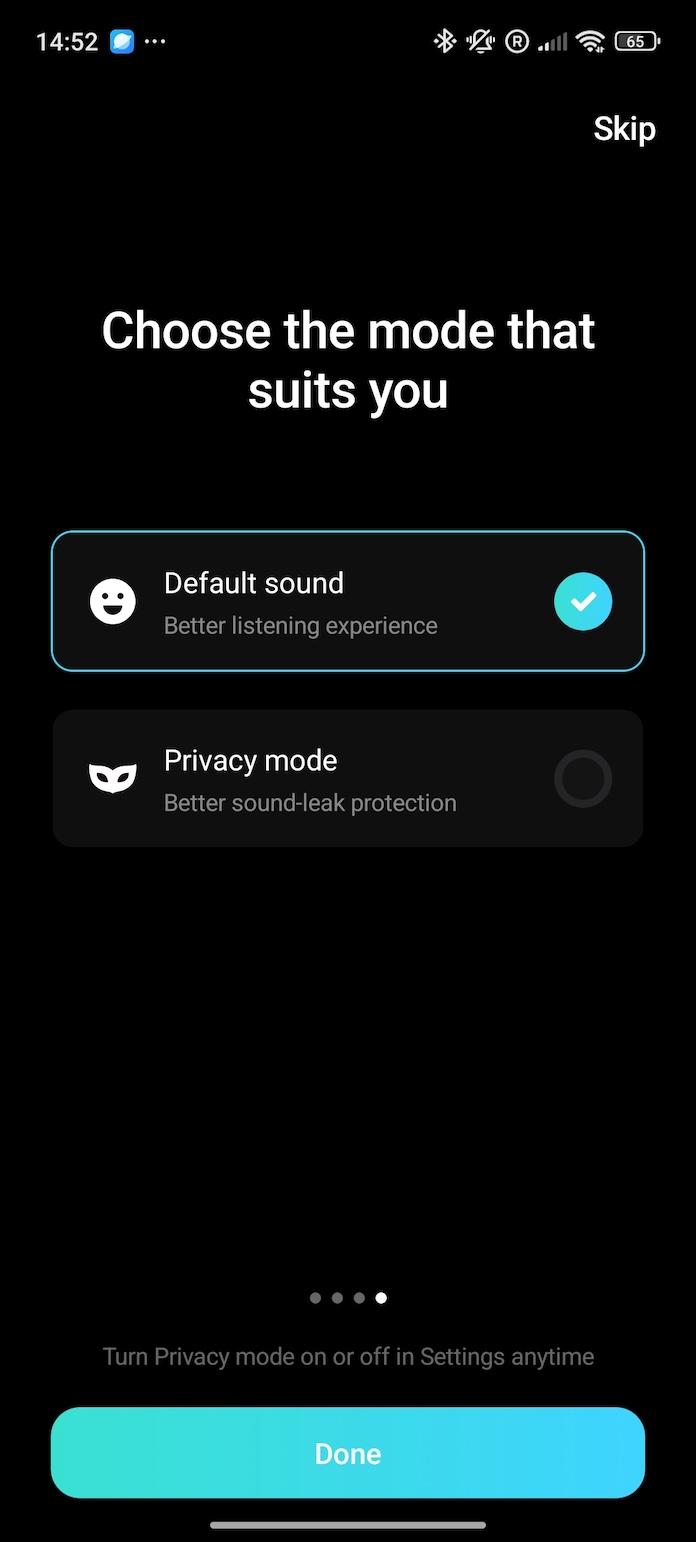
- Privacy protection: reverse sound wave mode designed to reduce audio leakage (limits audibility for nearby bystanders)
- Microphones: four-microphone array with adaptive noise reduction, including wind noise suppression at speeds up to 4.5 m/s
Battery and Runtime
- Capacity: two 114 mAh batteries integrated into the temples
- Music playback time: up to 13 hours of continuous use
- Talk time: up to 9 hours
- Standby time: up to 12 days
- Fast charging: a 10-minute charge provides up to 4 hours of playback
- Full charge time: approximately 1 hour
Design and Build
- Weight: from 27.6 g (Titanium version) to 32.4 g (Browline version), excluding lenses
- Frame design: interchangeable quick-release frames (allowing style changes) and piano wire hinges rated for up to 15,000 bending cycles
- Lenses: support for prescription lenses; standard configurations include blue light filtering or UV400 protection (for sunglasses variants)
- Protection: IP54 rating for resistance to dust and moisture (including splashes and sweat)
Connectivity and Controls
- Bluetooth: version 5.4 with support for Google Fast Pair
- Multipoint: simultaneous connection to two devices
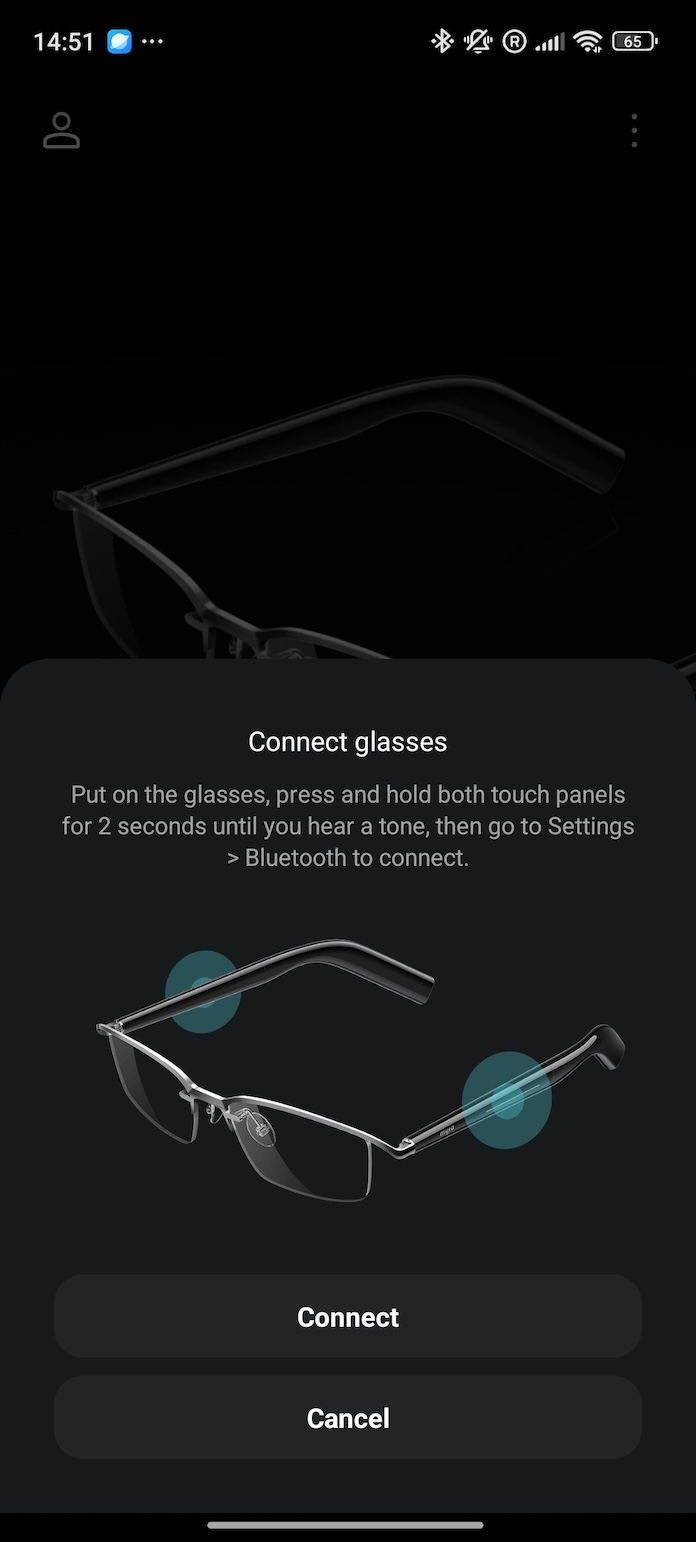
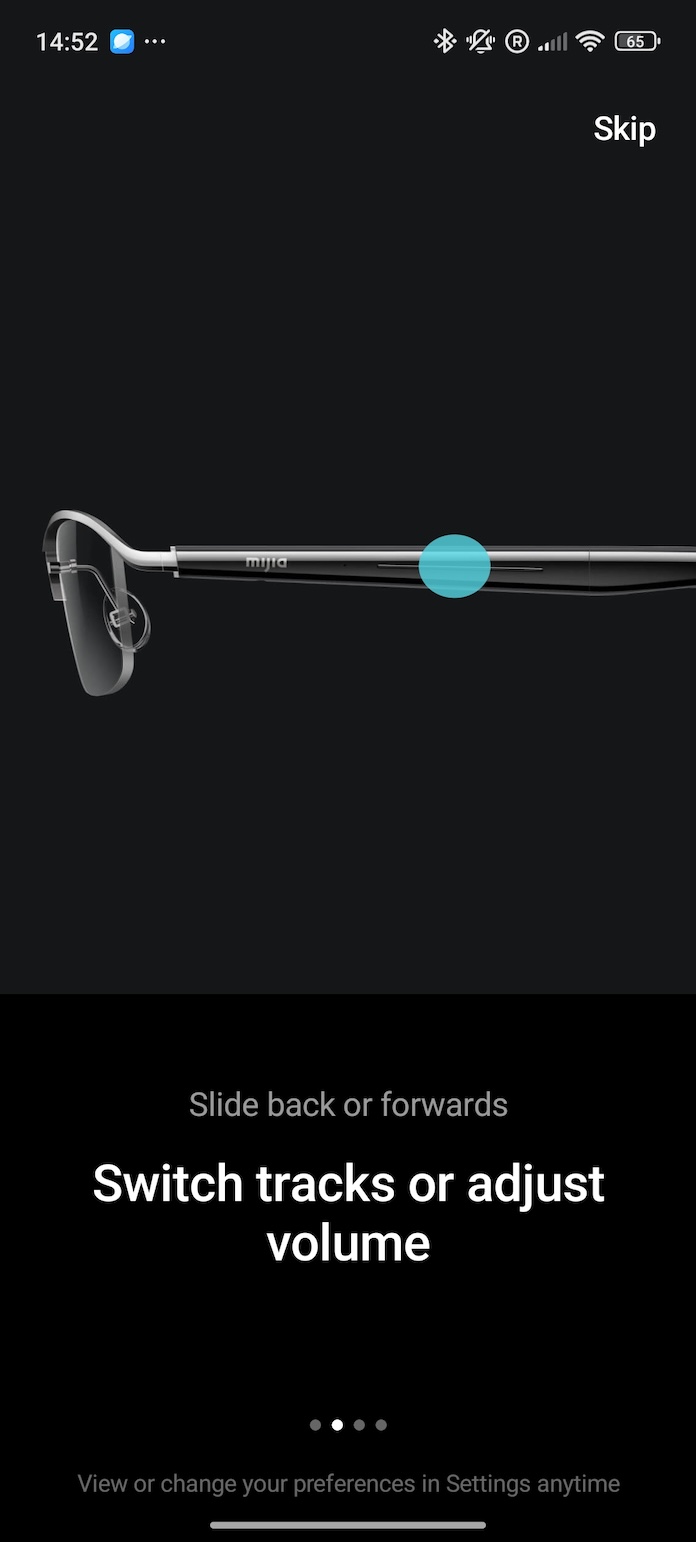
- Controls: touch-sensitive areas on both temples (support for gestures, taps, and press-and-hold actions)
- Wear detection: six-point sensing system; playback pauses automatically when the glasses are removed
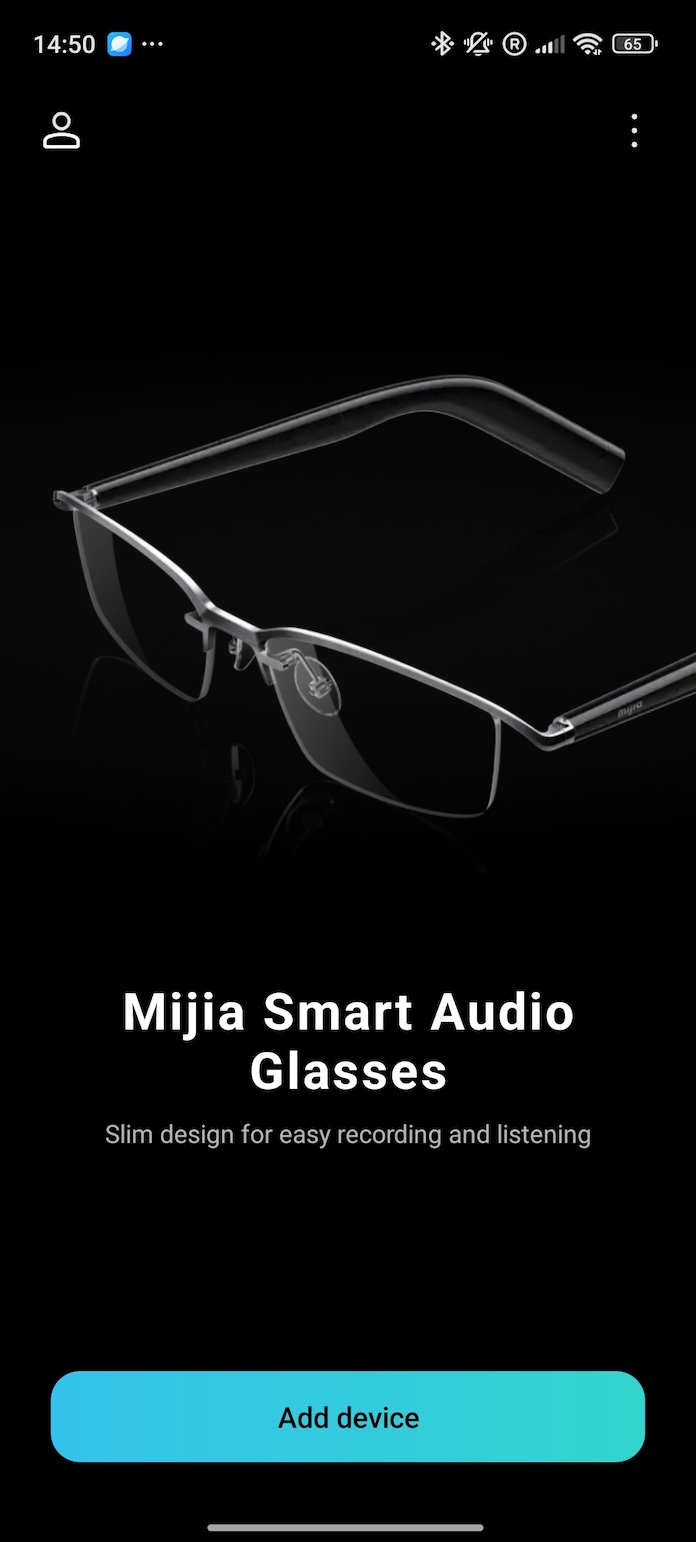
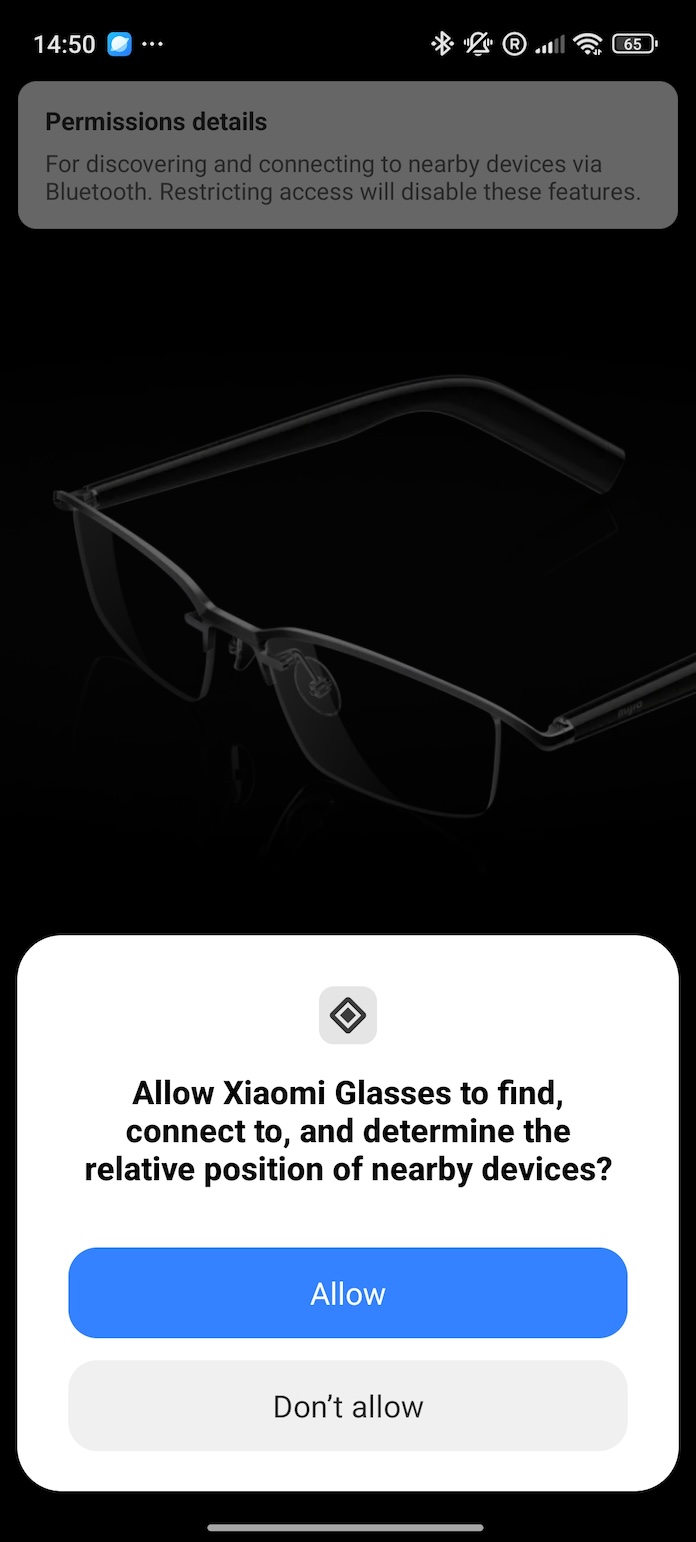
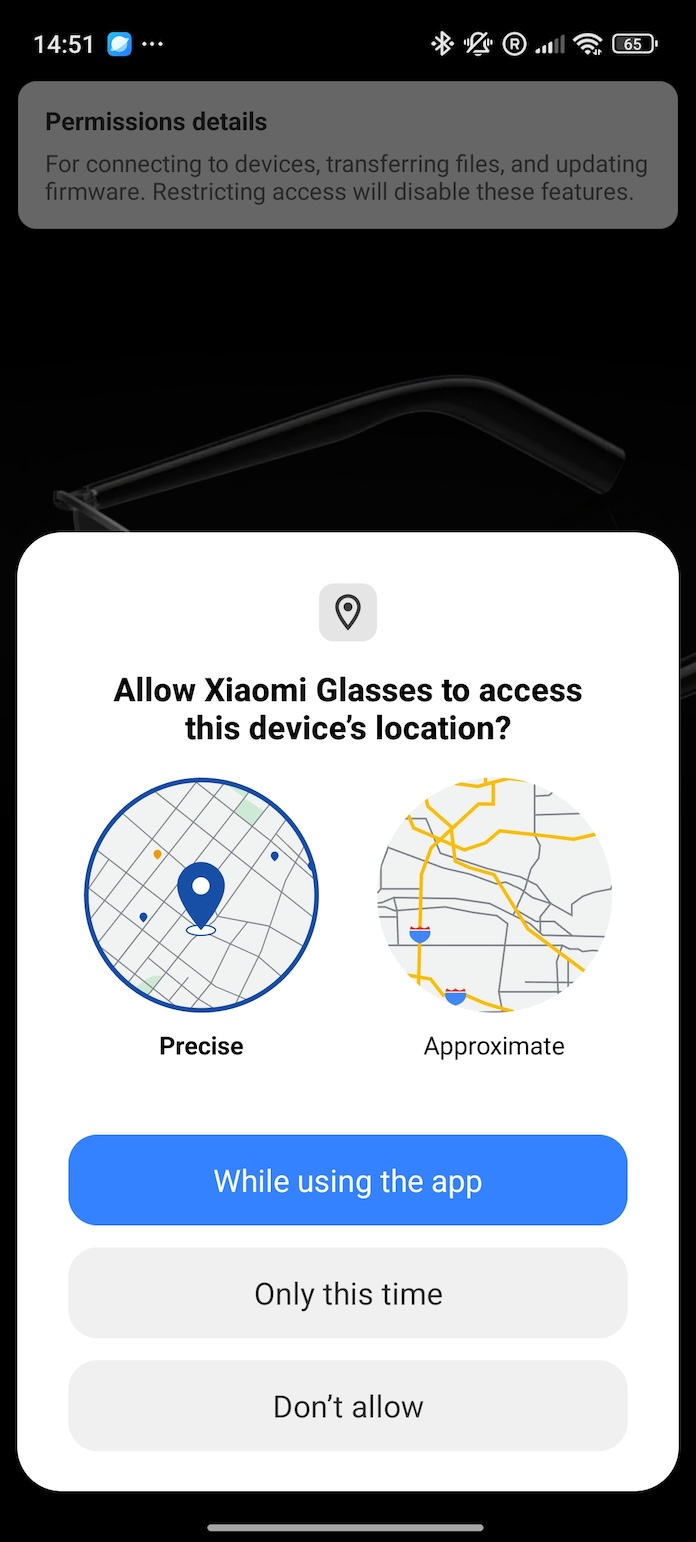
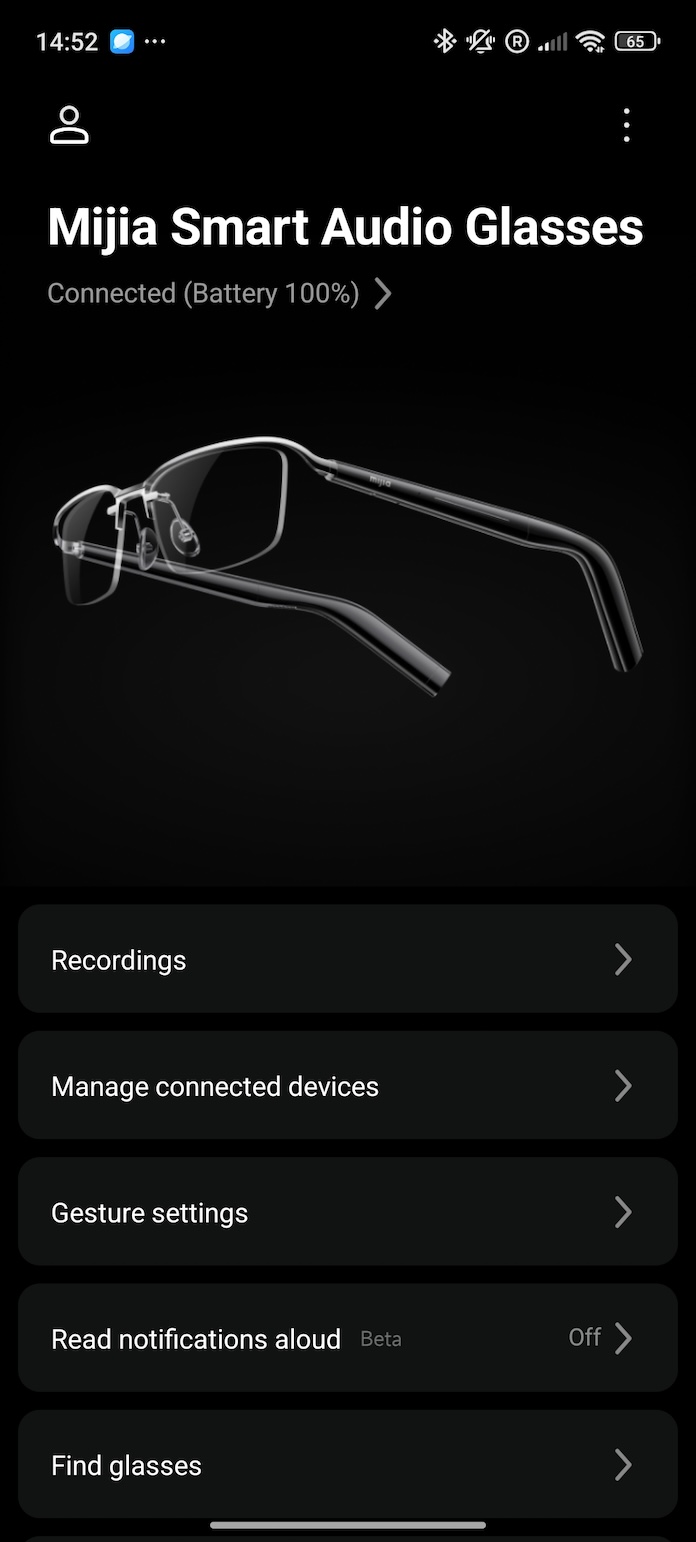
- Companion app: Xiaomi Glasses for gesture customization, device location, and firmware updates



Market Positioning and Privacy Approach
The global smart glasses market currently shows a clear division into two distinct categories. On one side are augmented reality (AR) devices with integrated displays, which, despite ongoing technological progress, remain relatively expensive, niche, and visually bulky. On the other side are audio glasses – products that resemble conventional optical or sunglasses while functioning as wireless headsets with embedded electronics. Within this second category, one of the most visible competitors is the Ray-Ban Meta Smart Glasses, developed in collaboration between Meta Platforms and Ray-Ban. This product line emphasizes integrated cameras and tight coupling with Meta AI for real-time object recognition and contextual assistance.
However, the conceptual approach taken by Xiaomi in the Mijia Smart Audio Glasses differs significantly. The absence of a camera should not be interpreted as a technical limitation; in many everyday scenarios, it represents a deliberate design choice with practical implications. In contexts where privacy considerations are increasingly important, wearing glasses equipped with cameras may raise concerns or discomfort among others. Regulatory frameworks such as General Data Protection Regulation (GDPR), along with internal policies in environments like healthcare facilities, corporate offices, and government institutions, can restrict or prohibit the use of devices such as the Ray-Ban Meta Smart Glasses.
The Mijia Smart Audio Glasses are designed to remain socially unobtrusive. They function as audio companions without drawing attention, avoiding behaviors that might make others feel observed or recorded, and generally aligning with common expectations around personal boundaries in public and private spaces. For a considerable period, this product line was limited to the domestic Chinese market, which created barriers related to software localization. The global release, accompanied by a fully localized and multilingual interface in the Xiaomi Glasses app, has made the device more accessible to a broader European audience, including users in Ukraine. This change removes the need for workarounds involving translation tools and positions the device as a more practical option for users seeking audio-focused smart glasses without integrated video capture.
Package Contents and First Impressions
The unboxing experience sets expectations for subsequent use. Xiaomi takes a restrained, utilitarian approach to the комплект, focusing on essential items while maintaining a sense of product quality.
Inside a minimalist box, the user finds the Mijia Smart Audio Glasses, which stand out primarily due to their low weight. Instead of including a bulky rigid case, the package contains a soft yet structured carrying pouch with a dedicated closure mechanism. This case uses a firm clasp that secures the glasses in place, reducing the risk of accidental opening, while avoiding the simpler drawstring solutions often associated with lower-cost accessories.




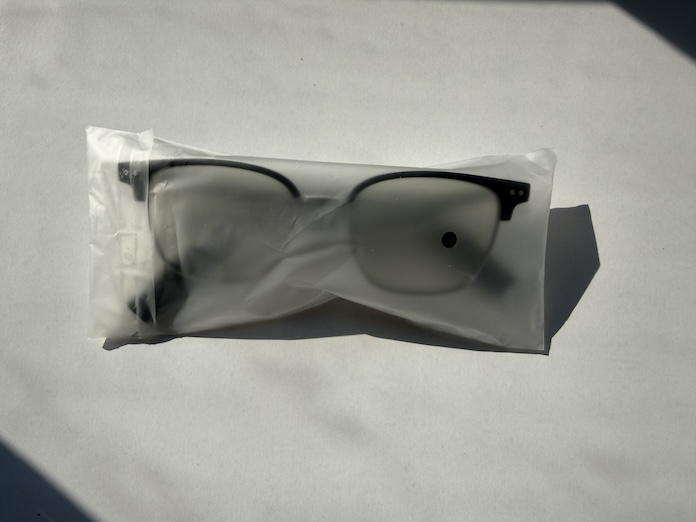

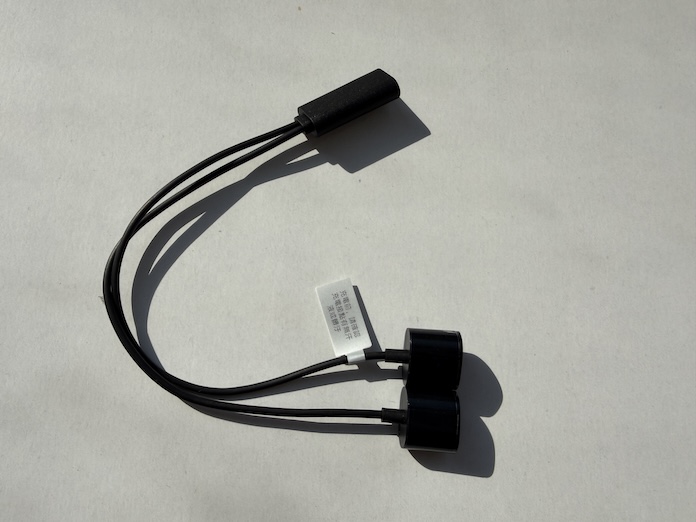
In addition to the case, the box includes a microfiber cleaning cloth for maintaining the lenses and frame, as well as a basic user manual. The charging cable is a more notable element. It uses magnetic pogo-pin connectors that attach to the ends of both temples, allowing the two встроені batteries to charge simultaneously. From an engineering perspective, this approach helps preserve the slim profile of the frame. However, in terms of convenience, a standard USB Type-C charging port integrated directly into the glasses would reduce dependence on a proprietary cable. At the same time, the magnetic connectors are designed to align correctly without user effort, minimizing the risk of incorrect attachment due to polarity – contacts either snap into place or repel. Unlike some other devices in the ecosystem, such as the Xiaomi Watch 5, the included cable terminates in a USB Type-C connector, which simplifies compatibility with common chargers.
Design, Ergonomics, and Build Quality
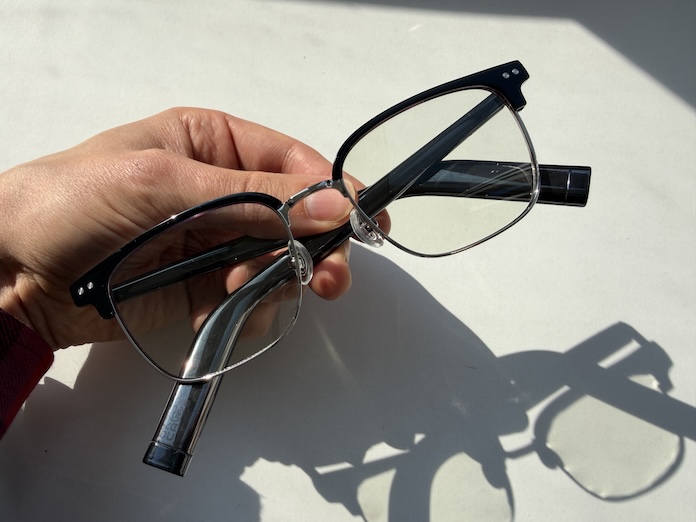
The aesthetics of wearable eyewear are a primary factor in market acceptance. While devices such as smartwatches or smartphones can adopt more expressive or futuristic designs, smart glasses are generally expected to align with conventional eyewear styles and remain visually unobtrusive. In the case of the Mijia Smart Audio Glasses, Xiaomi has focused on reducing the size of integrated components. The temples reach a minimum thickness of approximately 5 mm. Compared to earlier generations, the manufacturer reports a reduction in temple width of 22% at the thinnest point and 27% at the widest point. As a result, the overall appearance is closer to that of conventional mid-profile optical frames rather than visibly “tech-oriented” eyewear.


Frame Variants and Materials of Mijia Smart Audio Glasses
On the global market, the device is offered in three primary frame styles, each intended to serve different use cases and aesthetic preferences.
Titanium
- Materials and construction: premium unibody frame made of β-titanium. The integrated (monolithic) design prioritizes structural rigidity while maintaining very low weight – approximately 27.6 g (excluding lenses).
- Lens properties: filters around 25% of blue light, making it suitable for extended screen use.
- Frame interchangeability: due to the unibody construction, quick-swap frame functionality is not supported.
Browline
- Materials and construction: classic retro-inspired design. The frame combines a plastic upper section with NCVM coating and a thin metal lower rim.
- Lens properties: blocks approximately 25% of blue light, aimed at reducing eye strain during prolonged use of smartphones and computers.
- Frame interchangeability: supports second-generation quick-release mechanism, allowing relatively easy frame style changes.
Pilot-Style
- Materials and construction: classic sunglasses-inspired design with large lens coverage. Intended for driving and general outdoor use.
- Lens properties: HD-TAC polarized lenses with UV400 protection, blocking 99.99% of ultraviolet radiation and reducing glare.
- Frame interchangeability: supports second-generation quick-release mechanism for frame replacement.

For the Browline and Pilot models, a second-generation quick-release system is implemented and integrated into the temples. According to laboratory testing, the mechanism is rated for up to 2,000 attachment and removal cycles. This design allows users to switch between sunglasses frames for outdoor use and clear or computer-optimized lenses for office work while retaining the same smart temples. In addition, the system supports the installation of prescription lenses through third-party optical providers, effectively extending the device’s use case beyond consumer electronics into corrective eyewear applications.
Ergonomics and Durability in Daily Use
Balanced weight distribution is a known challenge in many smart glasses designs. In the case of the Mijia Smart Audio Glasses, the temples are engineered to distribute mass in a way that reduces localized pressure on the nose bridge and ears. This is achieved through the use of high-strength hinges described as “piano wire” type mechanisms, tested for up to 15,000 bending cycles. These hinges allow the temples to flex and adapt to different head shapes without creating excessive clamping force, even during extended wear sessions of several hours.


Durability is supported by an IP54 rating for dust and moisture resistance. This level of protection has not been verified through testing in this context, and deliberate exposure is not recommended. However, it provides a defined baseline for resistance to everyday environmental conditions. In practical terms, this means the internal electronics are protected against sweat during physical activity and light rain during typical outdoor use in variable weather conditions. Full submersion in water is not supported, but exposure to incidental splashes is within the expected operating range. While this level of protection may be sufficient for casual daily use scenarios, it is not intended for intensive sports use in this specific case, and it may not align with all user preferences or activity profiles.
Hardware Platform and Smart Features
The temples of the Mijia Smart Audio Glasses are not only a housing for compact batteries and electronic components but also function as an interactive input surface. Both temples include capacitive touch zones capable of recognizing different gestures, effectively turning the frame into a basic control interface for connected devices.

Touch Controls: Logic and Responsiveness
The gesture recognition system in the Mijia Smart Audio Glasses is designed to be relatively intuitive and can be customized through the companion application. Default interaction patterns include:
- Swipes (forward/backward on the temples): by default, swiping on the right temple adjusts volume, while swiping on the left temple switches tracks (next/previous).
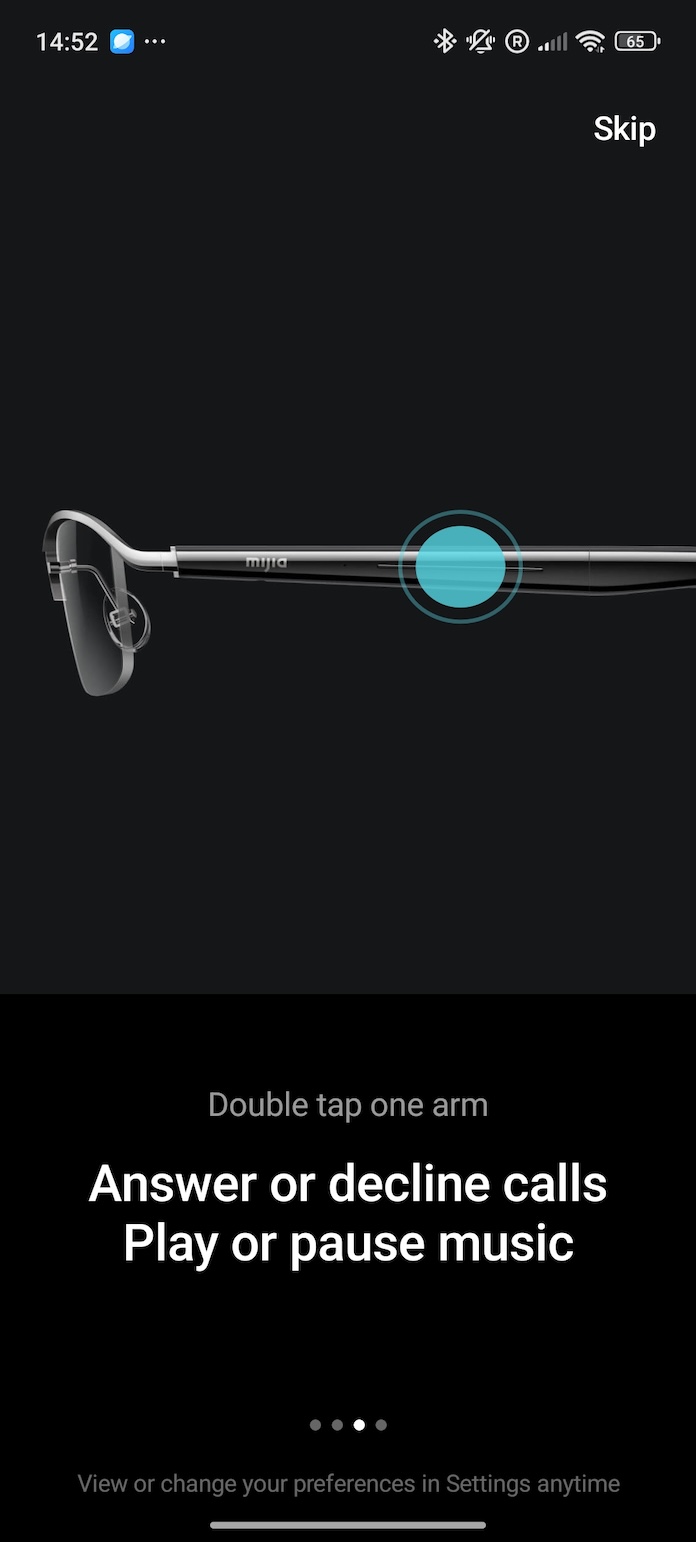
- Double tap: a general-purpose control for play/pause. During an incoming call, the same gesture is used to answer or end the call.
- Long press: used to reject incoming calls when held on the right temple. In idle state, it can trigger the voice assistant on the connected smartphone or start an audio recording function.


In addition to the touch panels, the Mijia Smart Audio Glasses integrate optical proximity sensors that enable automatic wear detection. In practice, this function works as expected: when the glasses are removed, audio playback (music or podcasts) is automatically paused. This reduces the need for manual interaction with a smartphone and also contributes to more efficient battery usage. Playback control can also be managed via a Xiaomi Watch 5, including integration with services such as Spotify. From observed use, the system may occasionally introduce a slight delay of a few milliseconds, but overall it behaves reliably and does not exhibit frequent false triggers. Compared to established reference devices such as AirPods Pro, performance in this area is generally consistent and functionally adequate for everyday use.

Built-in Audio Recording: A Discreet Voice Capture Function
A notable feature of the Mijia Smart Audio Glasses is the ability to record audio directly to the device’s internal memory without requiring a connected smartphone. In practice, a long press on the touch area can initiate recording of ambient sound or conversations. This functionality should be understood in a broader context of responsible use and compliance with local privacy regulations. Recording audio in public or private settings may be subject to legal restrictions depending on the jurisdiction, and users are expected to ensure appropriate consent where required. From a technical standpoint, the feature extends the device beyond playback-only audio wearables, but its practical value is closely tied to how carefully it is used within applicable legal and ethical boundaries.
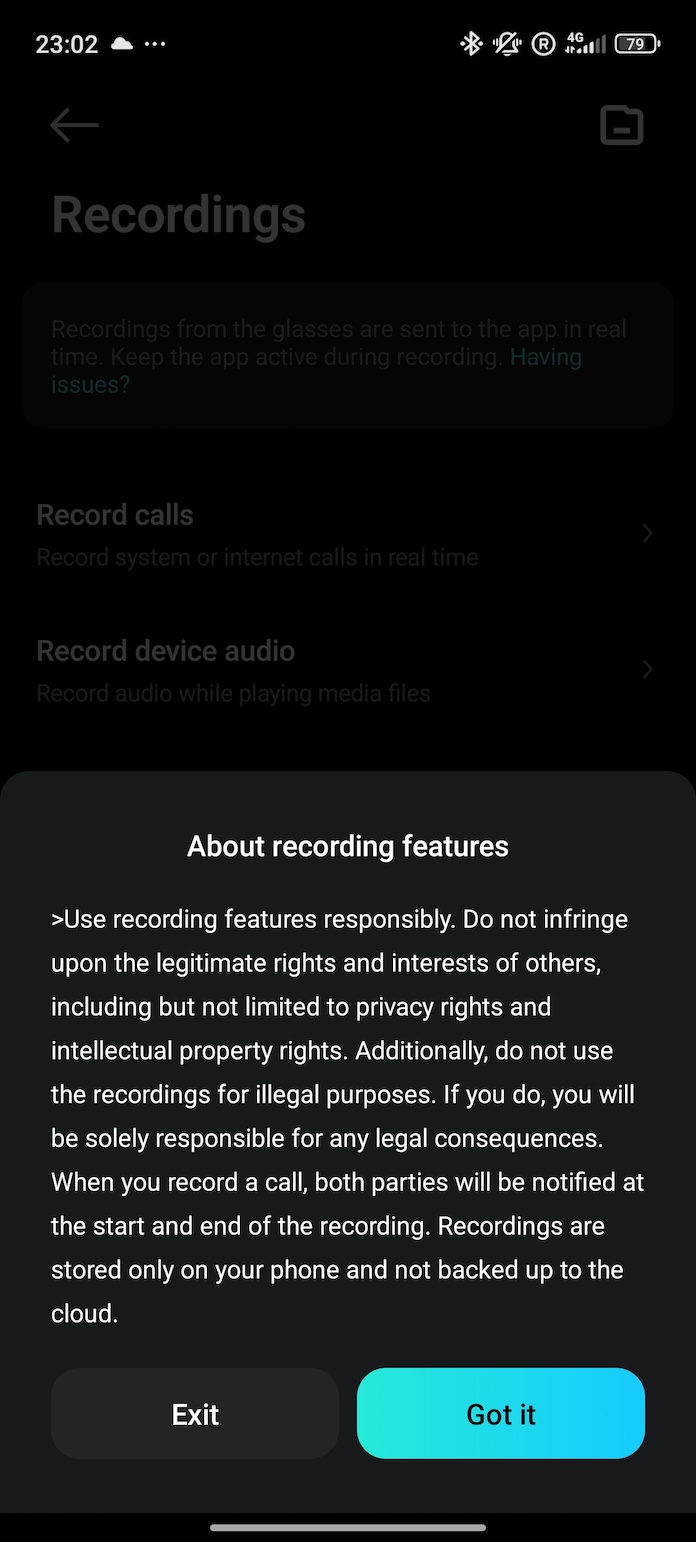







This feature can be relevant for a range of professional and academic use cases, such as journalists conducting on-the-go interviews or students recording lectures while simultaneously taking notes, provided the sound source is within reasonable proximity for acceptable recording quality.
The manufacturer has also implemented a number of privacy-oriented design measures. During active recording, a subtle LED indicator on the inner side of the temple is activated, providing a visual signal that recording is in progress. This is intended to improve transparency for people in the surrounding environment.
Recorded audio is stored in the device’s internal memory in encrypted form. Direct playback or extraction is not intended at the hardware level; instead, files must be transferred to a smartphone via the Xiaomi Glasses application. This design adds a controlled layer of access to stored audio data, limiting exposure outside the intended software workflow.
Acoustic Analysis: Air Conduction and Its Trade-offs
The transition from traditional in-ear headphones, which physically seal the ear canal, to open-ear audio systems typically requires an adjustment in user expectations and listening habits. The Mijia Smart Audio Glasses do not use bone conduction technology, but instead rely on a form of directional air conduction. Ultrasonic SLS0820 emitters are used to shape and direct sound waves toward the ear canal while leaving it physically unobstructed. This approach preserves environmental awareness, since external sounds remain fully audible. At the same time, open-ear designs generally involve trade-offs in perceived audio isolation and bass response compared to sealed in-ear systems, which is an expected limitation of the format rather than a device-specific flaw.
Read also: Review and Comparison of Redmi Note 15 Pro and Redmi Note 15 Pro 5G
Acoustic Profile of Mijia Smart Audio Glasses
A closer acoustic analysis shows that this form factor has clear strengths and limitations that follow directly from physical constraints. The most noticeable and unavoidable trade-off is reduced low-frequency performance. In an open-ear design, it is not physically feasible to generate the same level of acoustic pressure in the bass range as sealed in-ear or over-ear headphones. As a result, bass-heavy genres such as electronic music, hip-hop, or metal may sound comparatively flat or less impactful, which can be perceived as a limitation by users who prioritize low-end reproduction.
The performance profile changes significantly in the mid and high frequency ranges. In these bands, the system provides clear vocal reproduction and good intelligibility. Spoken content such as podcasts, audiobooks, and voice messages is rendered with a high level of clarity and articulation.
The open design also contributes to a wider perceived soundstage, as audio is not confined within the ear canal. Instead of an isolated “in-head” presentation, sound is perceived as more spatially distributed and integrated with the surrounding environment. This can be beneficial in everyday use scenarios such as walking in urban areas, including moderately noisy streets or cafés, where maintaining environmental awareness remains important.

Privacy Mode: Claims and Practical Reality
Every open-type device is affected by sound leakage, where surrounding people can hear what the user is listening to. To mitigate this limitation, Xiaomi engineers have introduced a so-called Privacy Mode. According to the available documentation (which I reviewed for this article), the technology uses a dedicated diaphragm combined with a more complex algorithm for generating a reverse acoustic field (inverted sound waves). The underlying concept is that the system produces waves in anti-phase relative to the sound propagating outward, with the aim of canceling it out. In principle, this is similar to how active noise cancellation systems operate.
Practical testing across different acoustic environments yields mixed results. While Privacy Mode does noticeably reduce the radius of sound dispersion around the user’s head, it achieves this by significantly degrading the listening experience for the wearer. The audio becomes immediately muffled, “muddy,” and flattened, losing spatial detail and sounding somewhat comparable to listening through a thick barrier or underwater.
In addition, there are clear physical limits to the approach. In a completely quiet environment such as an office, university library, or medical reception area, the sound remains partially audible to people in close proximity (up to approximately one meter away). This has also been informally confirmed in user comparisons, which align with basic acoustic principles: sound isolation of this type cannot fully eliminate leakage in open designs. As a result, the mode is most reasonably used in specific situations involving short, sensitive voice messages in transit. For everyday use, more conventional approaches to maintaining privacy remain more effective than relying on this type of implementation alone.


Communication capabilities: Microphones and AI algorithms
If music playback quality can be described as situational and somewhat compromised, the voice capture and transmission system is one of the strongest aspects of the Mijia Smart Audio Glasses, placing them among the better-performing headset solutions in this category. The device is equipped with a four-microphone array operating in combination with noise suppression algorithms. These microphones continuously work together with AI-based processing to reduce background interference.
The system is designed to isolate the user’s voice from urban noise, traffic hum, and, more challenging for most headsets, wind noise. According to the specifications, wind compensation is supported at speeds of up to approximately 4.5 m/s.
Field testing generally aligns with these claims. On the receiving end, speech is reported as clear and natural, without noticeable metallic artifacts or excessive compression. The hands-free form factor also eliminates the need for handling a phone or positioning a microphone manually, which makes the device practical for longer calls or remote meetings while on the move. That said, performance still depends on environmental conditions. In very loud surroundings, speech intelligibility degrades, which is expected for most consumer-grade wearable audio systems rather than a limitation specific to this model.
Software: Xiaomi Glasses App
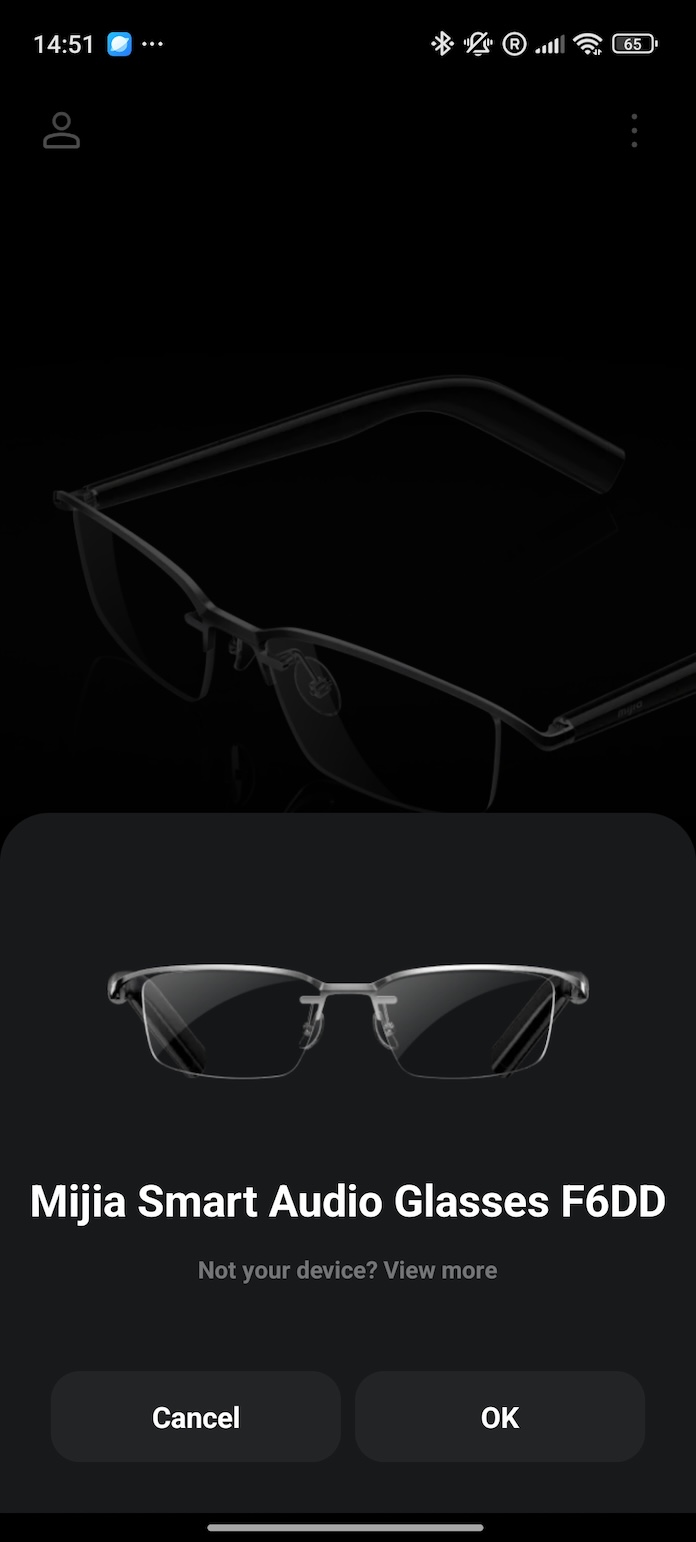
All configuration and control of the device’s advanced parameters is handled through the proprietary Xiaomi Glasses App, available on both iOS and Android. Even without installing the application, the Redmi 15 Pro immediately recognized the glasses and prompted a pairing request (this method was also used during testing).


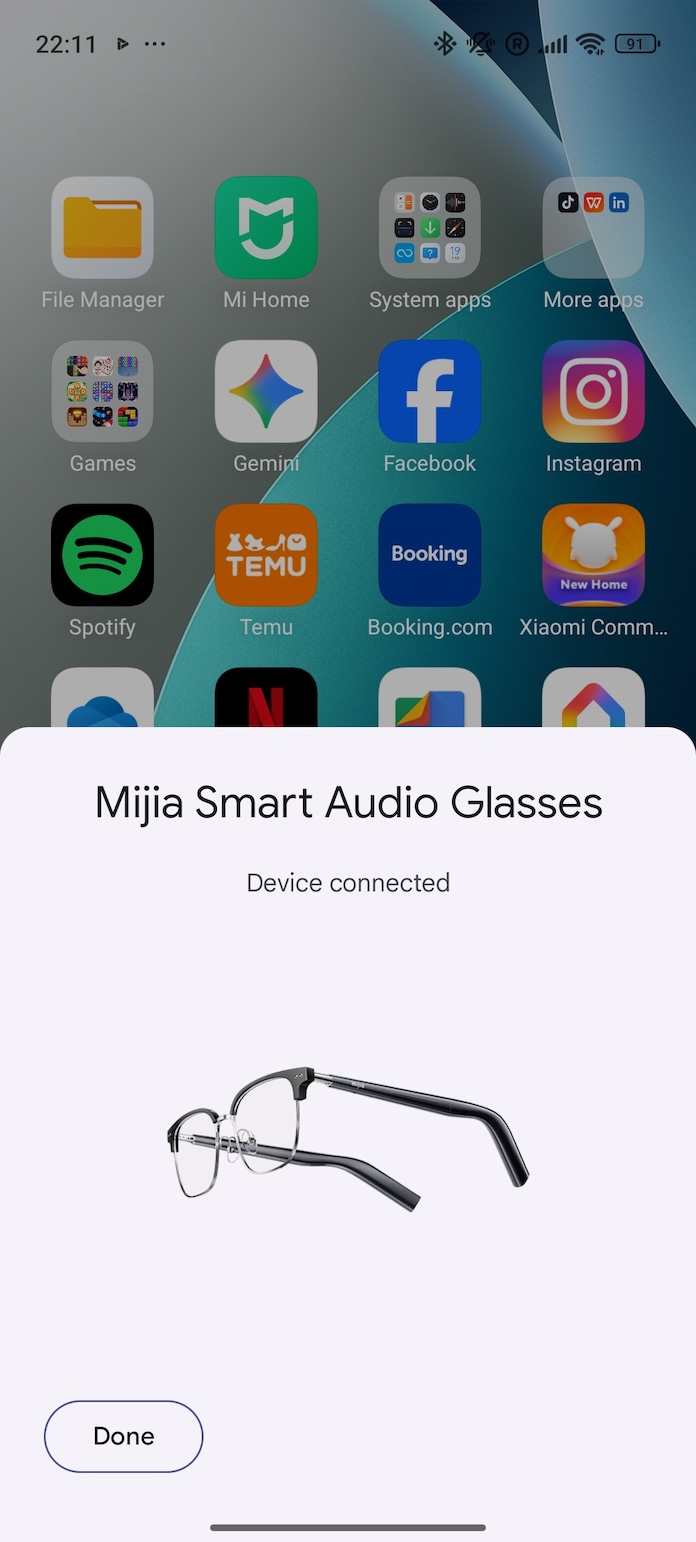
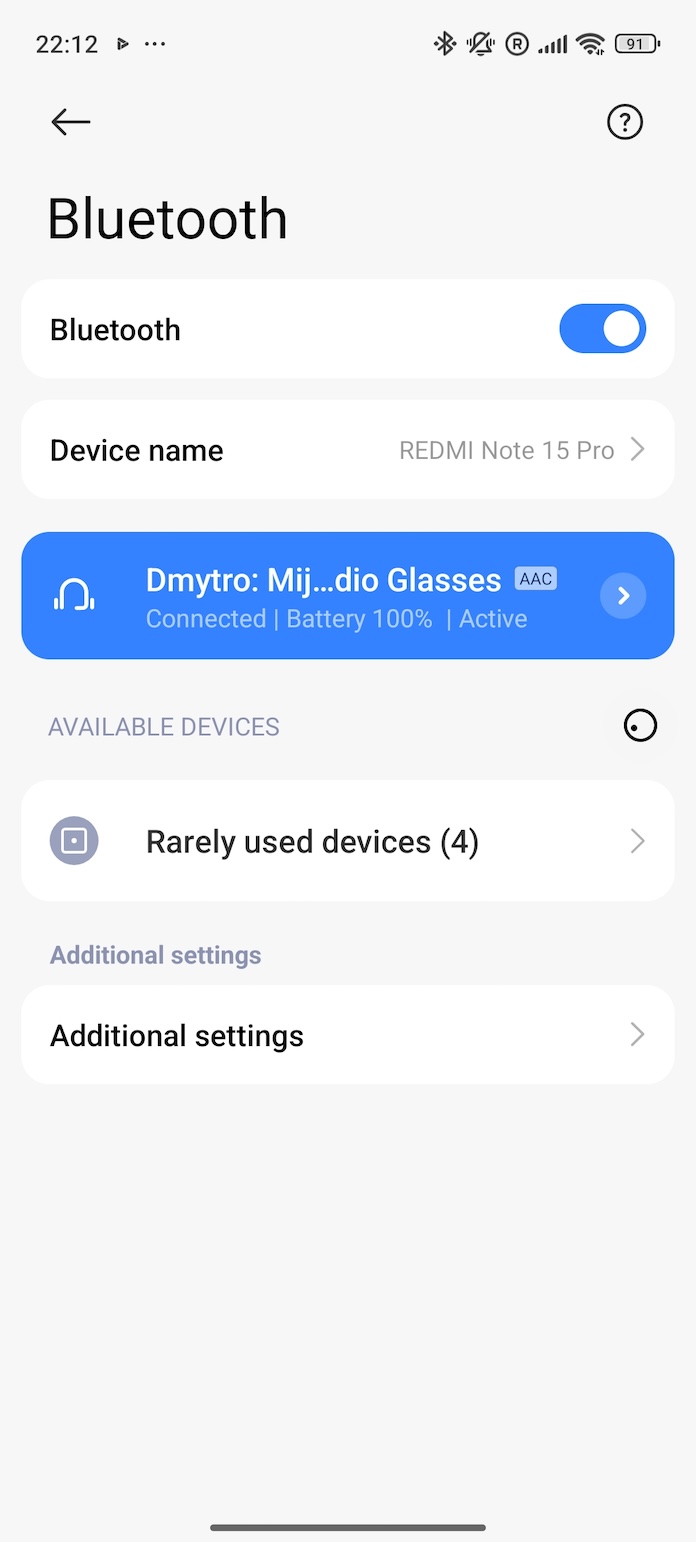
With the application installed, the full set of core device features becomes accessible. For an extended period, the app was available only in Chinese; however, with the release of the global version of the device, it received full English and multilingual support, which removed a significant barrier for users outside the domestic market. The application follows a minimalistic design approach with a relatively straightforward interface that is not overloaded with secondary elements. After completing the basic setup – installing the app, signing in with a Xiaomi account, and granting the required permissions (Bluetooth and location access) – the pairing process with the glasses completes quickly and without noticeable delays.




Key features and application menu
- Gesture control (Gesture Settings): allows detailed customization of how the touch panel responds to swipes and taps, enabling adaptation to individual usage patterns.
- Recording management (Recordings): a dedicated section for accessing audio files stored on the glasses and exporting them to the smartphone’s file system.
- Dual Connection (Multipoint): a switch that enables simultaneous connection to two devices (e.g., a smartphone and a work laptop), with audio source switching based on priority.
- Firmware updates: a section for downloading over-the-air (OTA) software updates and bug fixes, used to keep the device software up to date.
- Find My Glasses: a device locator function intended for short-range search in a room environment, which triggers an audible signal from the glasses to help identify their position.
- Notification readout: configurable voice reading of incoming messages from messaging apps or system notifications, allowing the user to receive updates without interacting directly with the smartphone.
Autonomy and charging innovations
Efficient power consumption is typically one of the most critical constraints for wearable electronics intended for all-day use. The Mijia engineering team addresses this issue through optimized power management algorithms and energy-efficient chipsets.
According to official specifications and test results, the claimed continuous audio playback time at 50% volume (AAC codec) is up to 13 hours. This is a strong result for this category of devices and places it ahead of many competing solutions.
In continuous voice call mode – where microphones operate continuously alongside AI noise processing – the device is rated for up to 9 hours of operation. In practical use, charging was required roughly every three to four days, often when the battery level was still around 20–30%.
For a typical mixed usage pattern (notifications, several hours of music during commuting, and intermittent calls), a full charge is generally sufficient for approximately 1.5 days of operation. In standby mode, the device can remain operational for up to 12 days.

Charging is performed using a proprietary but convenient cable with magnetic pogo pin connectors. These attach securely to metal contacts located on the inner ends of both temples. The use of 2C fast magnetic charging technology allows up to 4 hours of audio playback from just 10 minutes of charging. A full charge cycle from 0 to 100% takes approximately 1 hour, which is roughly twice as fast as the previous generation of Xiaomi smart glasses, where charging typically required around 2 hours. The absence of a charging case with a built-in battery (as is common in TWS earphones) may appear unusual. However, this design choice contributes to reduced weight and helps maintain a more conventional eyewear form factor.
Conclusions
A detailed analysis of the Mijia Smart Audio Glasses suggests that open-ear audio technology in a conventional eyewear form factor has moved beyond the stage of conceptual prototypes and reached a level of engineering maturity suitable for practical everyday use. The manufacturer’s decision to avoid integrating built-in cameras, combined with a strong focus on microphone performance, ergonomic design, and long battery life, results in a device that is functionally practical and generally well-suited for everyday social environments.

In my view, a notable drawback that requires developing a consistent habit is the folding sequence of the temples to avoid damage when placing the glasses in the case. Specifically, to ensure compact storage and prevent stress on the hinge, the left temple must be folded first, followed by the right one, rather than the reverse order. At least the unit I tested exhibited this behavior, although it is possible that other revisions do not have this limitation.
Overall analysis leaves little doubt: these glasses represent a significantly more complex and functionally richer device than a simple replacement for TWS earphones.
When used as part of a coordinated setup with the Redmi Note 15 Pro and a premium smartwatch such as the Xiaomi Watch 5, the Mijia audio glasses integrate into a broader connected ecosystem.
In this configuration, device interaction is primarily driven by cross-device connectivity and shared account-level synchronization within the same platform. This reduces the need for manual switching between devices and provides more continuous handling of audio and notifications across form factors. However, the overall experience is better described as a tightly integrated consumer electronics ecosystem rather than a fundamentally new paradigm. While the coordination between devices improves convenience in daily use, the practical effect is incremental – focused on reducing interaction overhead rather than altering the relationship between the user and digital systems in a structural way.
Read also:
- Balcony Solar System, Part 1: EcoFlow Stream Pro (Ultra) – A Residential Energy Independence Solution
- DLSS 4.5: Why This Technology Changes the Approach to Path Tracing
- Quantum Networks as Alternative to Classical Internet: What to Expect

