





© ROOT-NATION.com - Use of content is permitted with a backlink.
The Redmi Note series has traditionally consisted of three smartphones for several years: an entry-level model, a mid-range version with a 5G-capable SoC, and a more advanced variant. We recently reviewed the Redmi Note 15 Pro+ 5G, and now we will compare the younger models – specifically, the Redmi Note 15 Pro (also referred to as Redmi Note 15 Pro 4G) and the Redmi Note 15 Pro 5G.
Read also: Redmi smartphone reviews

TABLE OF CONTENTS:
Specifications (5G/4G)
- Dimensions: 164.0×75.4×7.4 / 164.0×75.4×7.9 mm
- Weight: 210 / 183 g
- Screen: AMOLED 120 Hz, up to 3200 nits in HDR, up to 1800 nits in HBM
- Screen diagonal: 6.83 / 6.77″
- Resolution: 2772×1280 / 2392×1080 pixels
- Body protection: IP68 / IP65
- MicroSD support: no / yes
- Processor: MediaTek Dimensity 7400-Ultra / G200 Ultra
- Cameras: 200 MP with OIS + 8 MP without AF
- Wi-Fi: 6 / 5
- Bluetooth: 5.4 / 5.3
- Battery capacity: 6580 / 6500 mAh
Positioning and Price
Before diving in, a full comparison of the entire Redmi Note 15 lineup will be available on our YouTube channel. It’s worth checking out, as these smartphones share as many similarities as they do differences.
Take memory capacity as an example. Both the Redmi Note 15 Pro and the Redmi Note 15 Pro 5G are available in an 8/256 GB configuration. However, if you want an additional 256 GB of storage, you not only need to choose the 5G model but also pay nearly $100 extra.

The color options also differ between the models. The Redmi Note 15 Pro is available in Matte Black, Glacier Blue, and Titanium Gray. The Redmi Note 15 Pro 5G adds a unique Purple variant with a distinctive and textured finish, which was largely unavailable at the time this comparison was written.
Package Contents
The package for all three smartphones in the series includes a silicone case, a user manual, a SIM ejection tool, and a USB-A to USB-C cable.

As with the higher-end model, this suggests that for maximum charging reliability and compatibility, a branded charger or Type-A power bank is recommended. The impact of this choice on battery performance will become clearer when we discuss autonomy.
Design
In all three models, not just the younger ones, the camera modules are designed as rounded squares – a style carried over from the Redmi Note 14 series.

On the Redmi Note 15 Pro 5G, the design follows the same approach as the Redmi Note 15 Pro+ 5G, featuring a smooth transition from the plastic body to the metal frame – polished at an angle rather than parallel to the back cover. In the younger Redmi Note 15 Pro, the transition is sharper, and the camera area is uniform in material.

It’s worth noting that the Redmi Note 15 Pro 5G has a plastic body with a noticeably more textured, grippy surface. The specific Glacier Blue color on the Redmi Note 15 Pro is perhaps the most aesthetically pleasing I’ve seen in the series in person. It features a slightly smoother but still substantial textured finish, providing good grip without feeling slippery.

Interestingly, despite the camera module design, the overall aesthetic of the Redmi Note 15 Pro feels more refined than that of the Redmi Note 15 Pro 5G. The back panel transitions more smoothly into the frame, and the display is noticeably more curved – making it closely resemble the design of the Redmi Note 15 Pro+ 5G.

All other ergonomic features are the same across the three models. At the bottom, there is a USB-C port (480 MB/s), a SIM card tray, a speaker, and a microphone. The top houses another speaker and microphone. On the right edge are the volume and power buttons. The frame is made of matte aluminum.
Surprisingly, the Redmi Note 15 Pro also supports microSD cards. The slot is hybrid, meaning you cannot use two physical SIMs and a microSD card simultaneously.

In response to the question, “Why would anyone need a memory card in 2026?” it’s worth remembering blackout scenarios and the fact that a smartphone remains the most energy-efficient device for watching movies and series. In this context, 256 GB of storage is more of a practical necessity than a luxury.

The Redmi Note 15 Pro is the only model among the three without IP68 protection, offering only IP65 water and dust resistance. Overall dimensions are similar across the lineup, though small differences of a few millimeters can affect case compatibility. Despite this, all three smartphones feel comfortable and secure in hand.
Displays
Both the Redmi Note 15 Pro and Redmi Note 15 Pro 5G feature nearly identical displays: AMOLED panels with a 20:9 aspect ratio, 120 Hz refresh rate, 1920 Hz PWM, HDR10+, and full DCI-P3 coverage. The panels use 12-bit color (10 + FRC), and the glass is protected with Gorilla Glass Victus 2, the same as on the higher-end model. Always-on Display functionality is available on all three devices in the series.
Both the Redmi Note 15 Pro and Redmi Note 15 Pro 5G feature nearly identical displays: AMOLED panels with a 20:9 aspect ratio, 120 Hz refresh rate, 1920 Hz PWM, HDR10+, and full DCI-P3 coverage. The panels use 12-bit color (10 + FRC), and the glass is protected with Gorilla Glass Victus 2, the same as on the higher-end model. Always-on Display functionality is available on all three devices in the series.

However, the Redmi Note 15 Pro has a lower resolution – 2392×1080 pixels compared to 2772×1280 – resulting in a lower pixel density of 388 PPI versus 447 PPI. Peak brightness is reported to be the same, reaching 3200 nits in HDR and up to 1800 nits in High Brightness Mode (HBM).

The under-display optical fingerprint scanner on all three smartphones is both accurate and fast.
Performance
This is where the biggest difference between the three devices lies. The Redmi Note 15 Pro uses a MediaTek MT6789TI (G99) processor – or, according to the official website specs, a MediaTek Helio G200 Ultra. Regardless of the naming discrepancies, the important point is performance: it scores around 580,000 points in AnTuTu.

By comparison, the Redmi Note 15 Pro 5G, powered by the Dimensity 7400 Ultra SoC, scores nearly 1 million points in AnTuTu. The top-tier model, equipped with the Qualcomm Snapdragon 7s Gen 4, reaches slightly over 1 million points.

These scores, while somewhat abstract, are meaningful for comparison. The processor in the entry-level model is roughly 50 % slower than in the higher-end variants, and the GPU is about 300 % slower. In practical terms, while the older models can easily reach 60 FPS on medium settings in demanding modern games, the younger model may barely achieve 30 FPS.

All three models use UFS 2.2 storage, delivering gigabyte-per-second speeds in sequential tests. The good news is that overheating is not an issue.

Smartphones heat up during stress tests, but they do not lose performance.
Software
All three smartphones in the Redmi Note 15 Pro series run HyperOS 2 based on Android 15. In our flagship review, we discussed the main differences between HyperOS, “stock” Android, other custom skins, and even MIUI. Here, we’ll focus on the key points.

HyperOS 2 represents the latest generation of Xiaomi/Redmi custom skins and is relatively well-balanced compared to alternatives. It includes a number of unique and unexpected features that are not found in competing devices.

For example, it allows boosting speaker volume up to 200 % – and even 400 % on higher-end models (up to 300 % on the entry-level version). Personally, I also prefer the redesigned dropdown menus in the quick settings panel.

There are also expected features, such as RAM expansion using internal storage, an AI assistant, and gesture controls. At the same time, the OS occasionally falls short in functionality compared to “stock” Android – for example, audio settings are more limited, with three sliders in HyperOS versus five in competing systems.
Cameras
As noted on all three devices, the camera modules are labeled “200 MP OIS Camera.” This means all three smartphones share the same primary camera: 200 megapixels, 23 mm equivalent focal length, 2.24 µm pixel size, f/1.7 aperture, and a 1/1.4‑inch sensor. Phase-detection autofocus is also included.
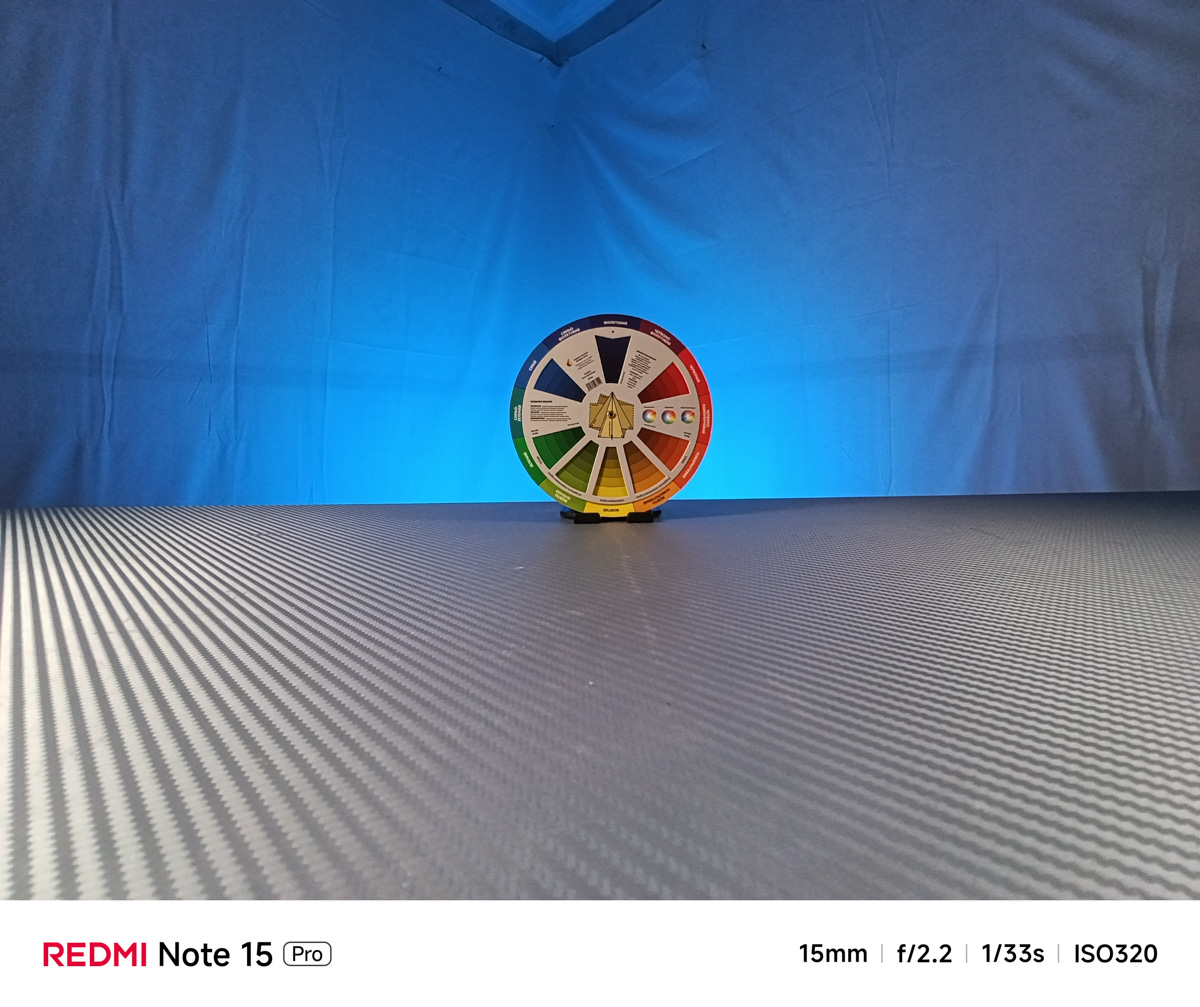
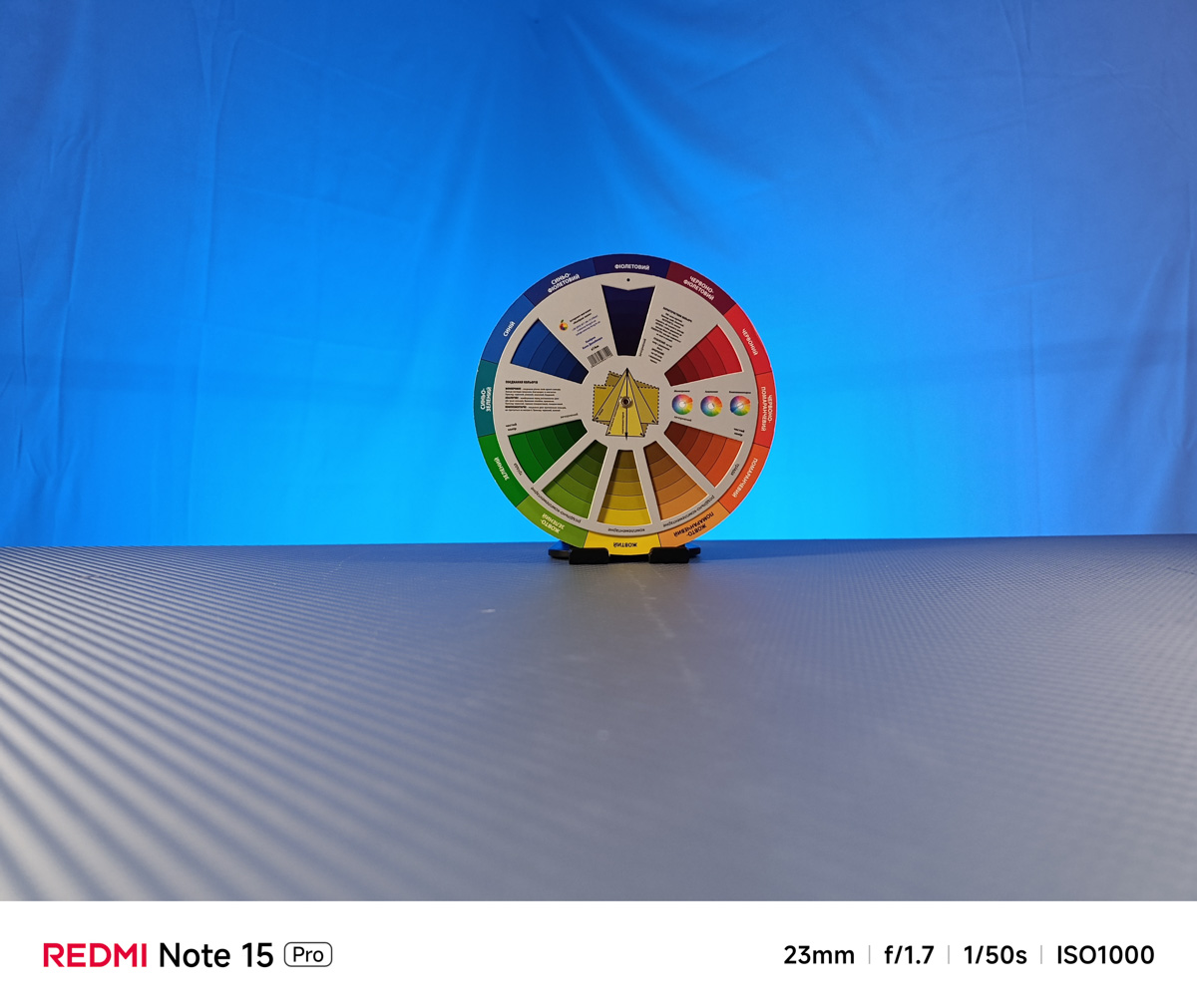
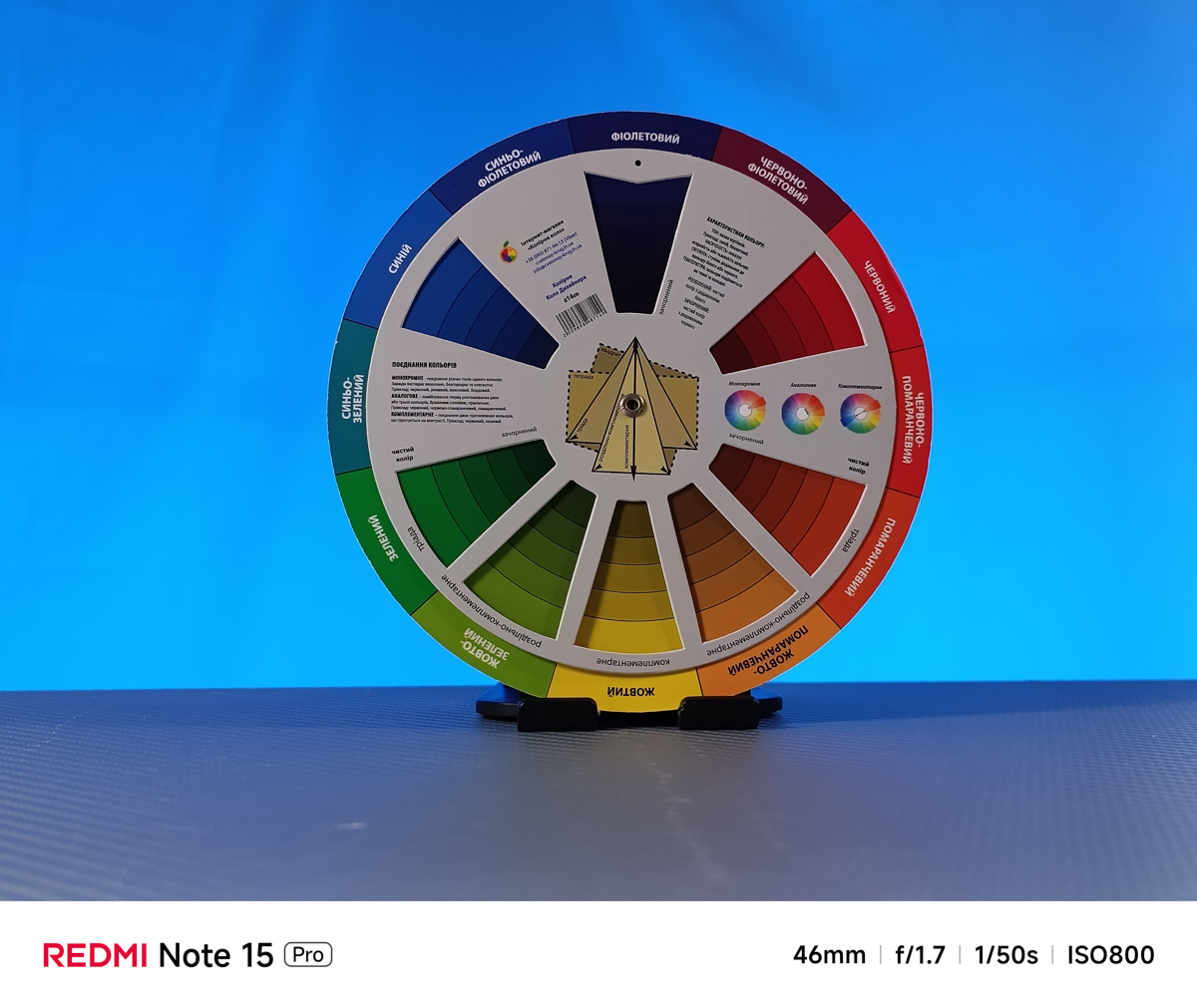
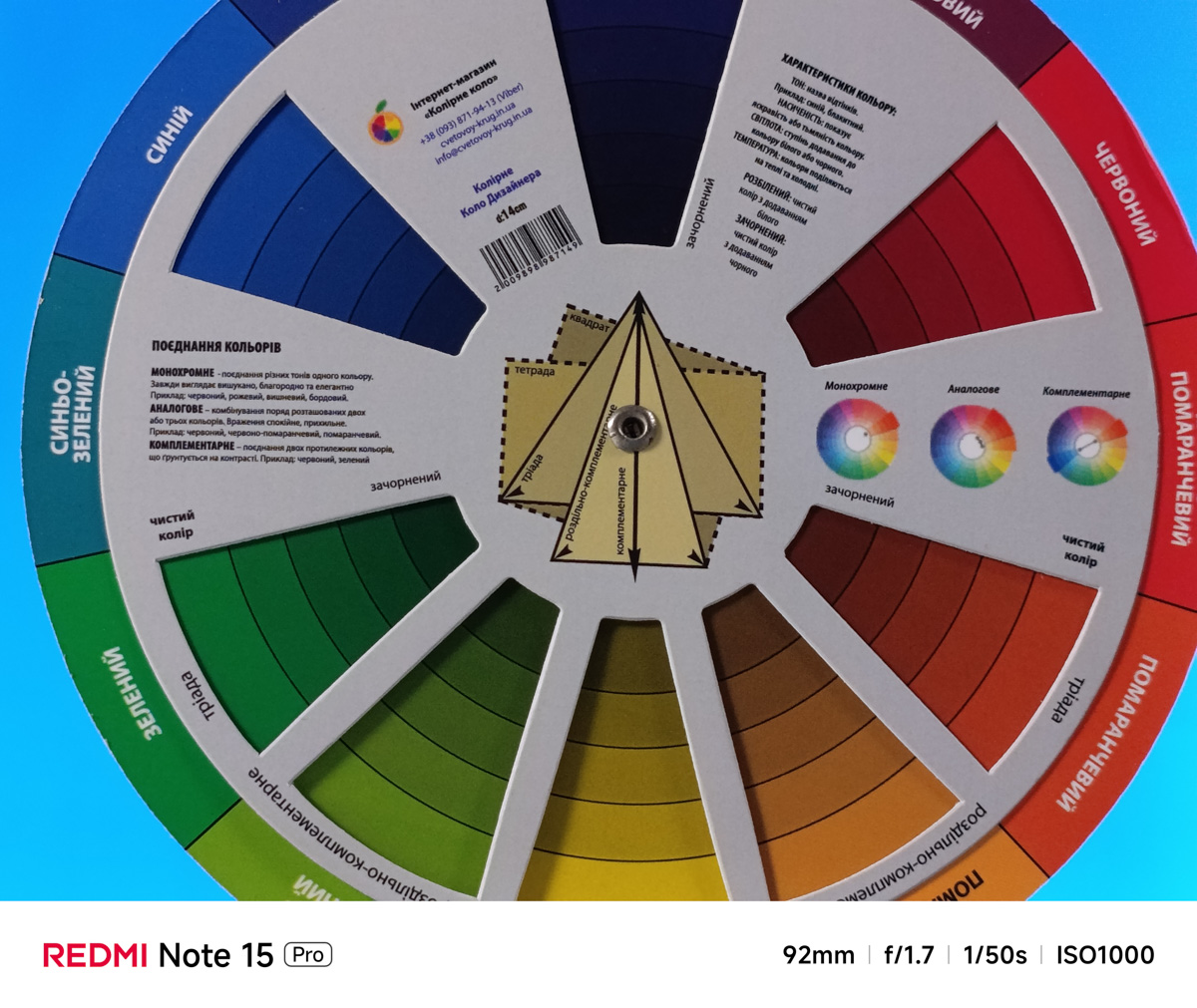
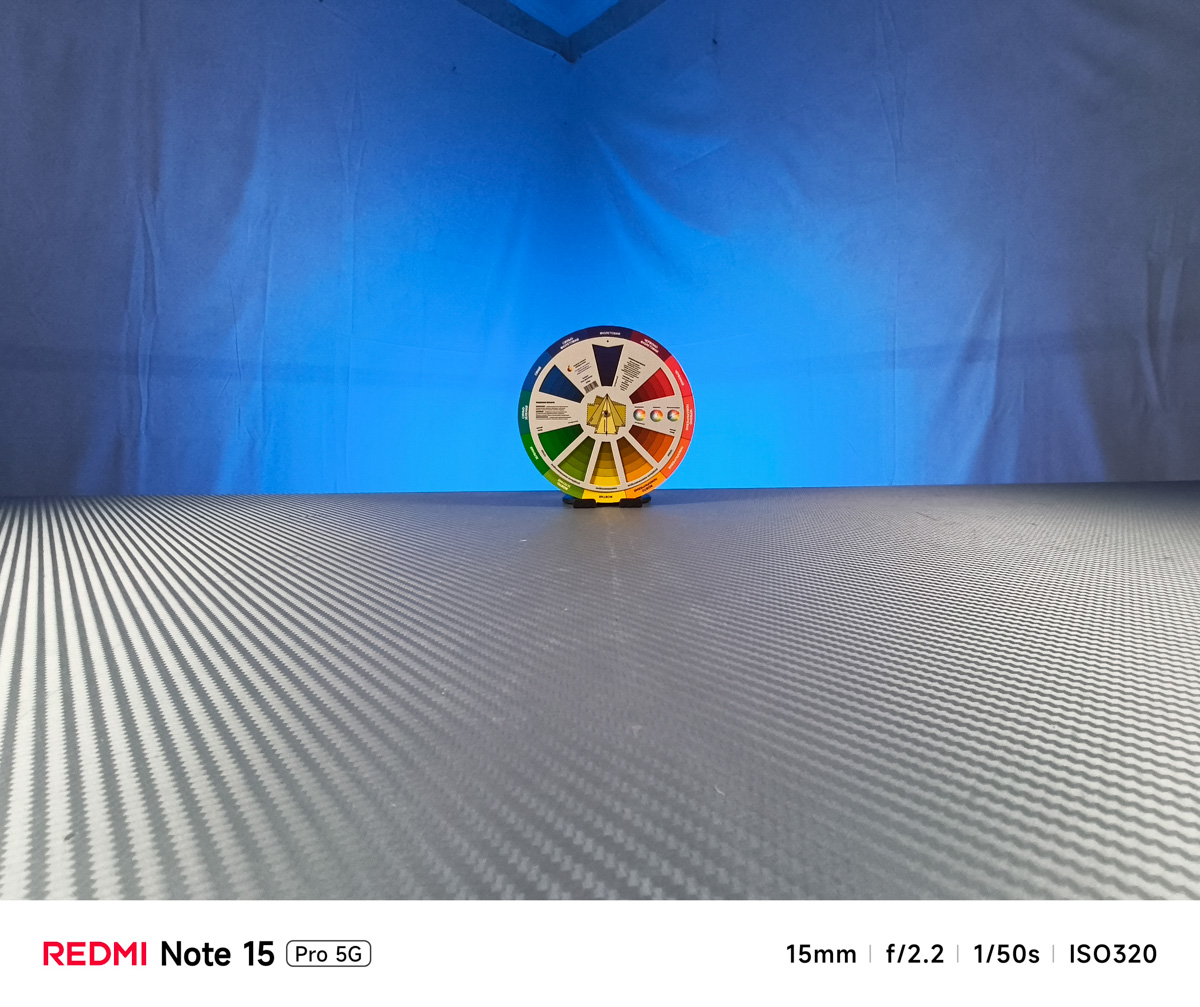
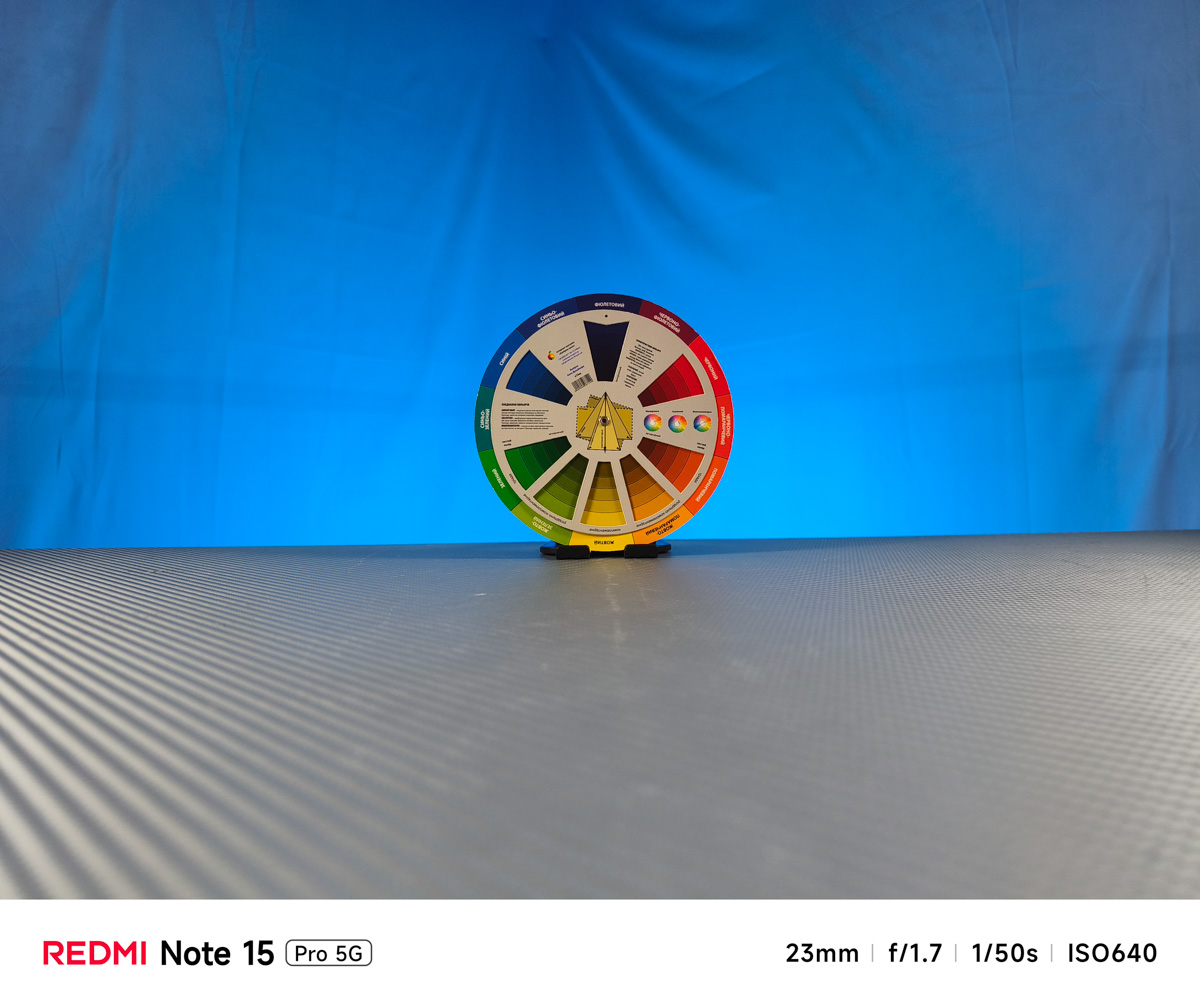
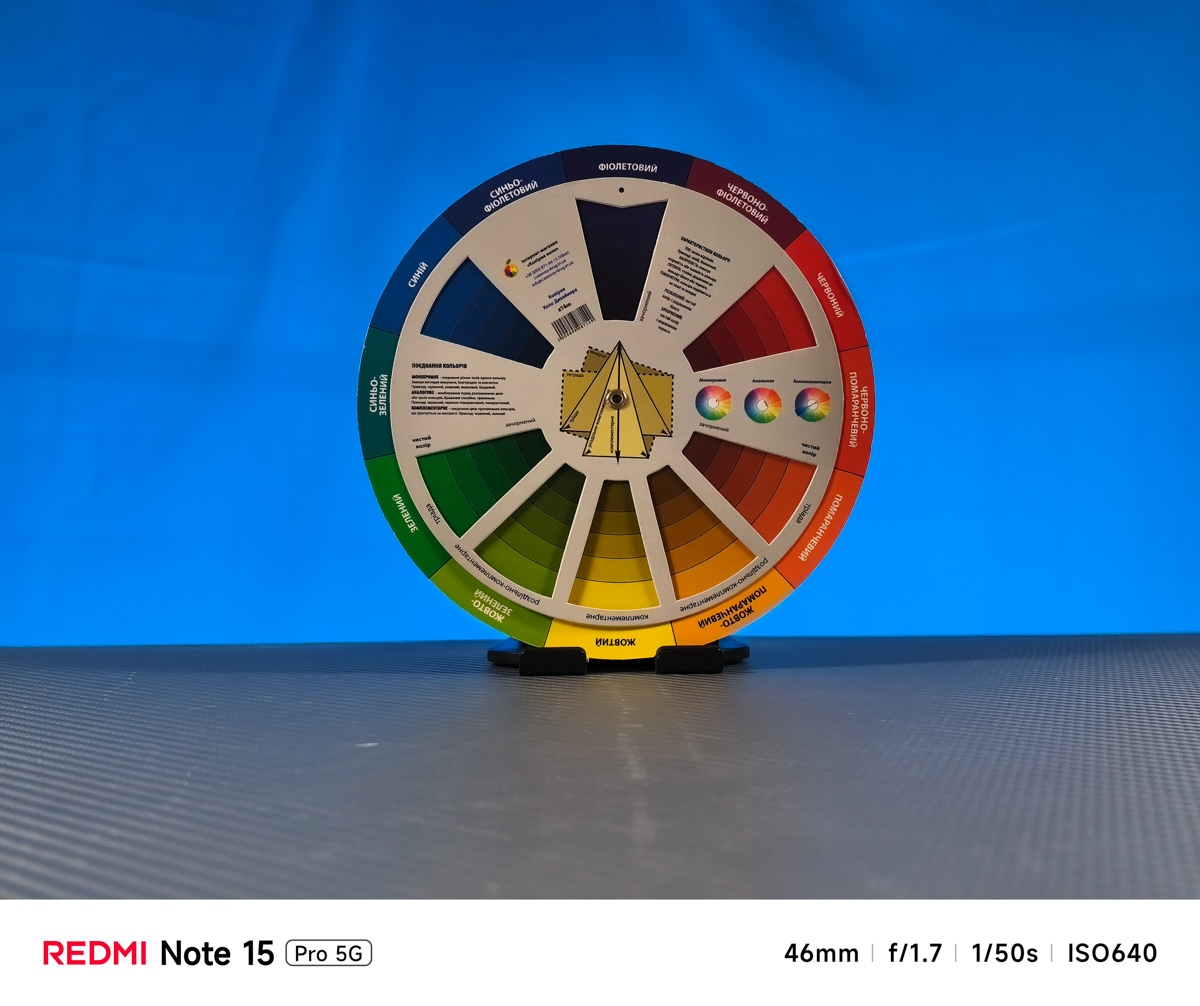
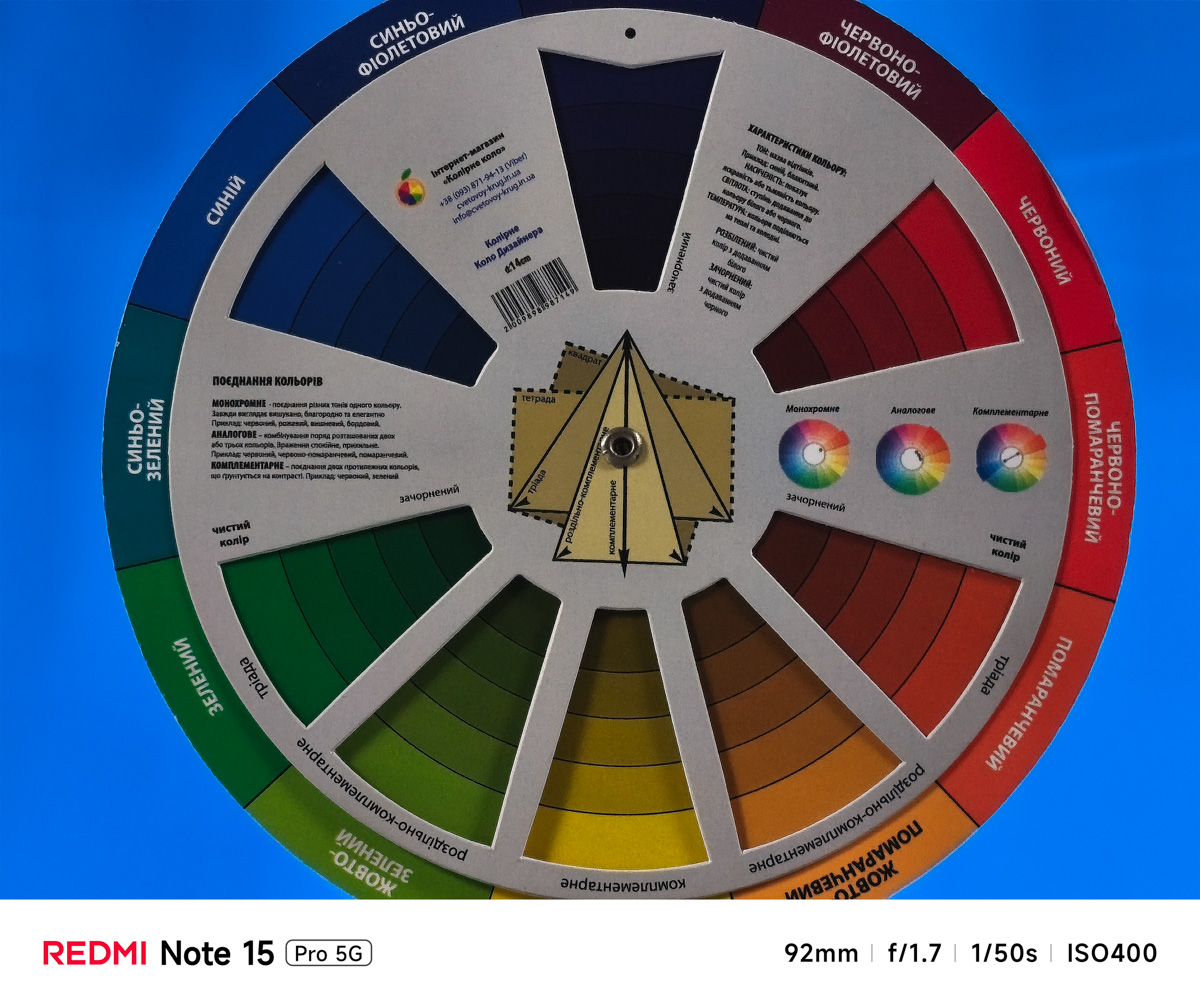
It’s important to keep in mind the limitations of the ISP (Image Signal Processor). The weaker the system-on-chip, the more restrictions are imposed on the sensor. For example, video recording is limited to FHD 60 fps on the entry-level model, 4K 30 fps on the mid-range 5G version, and 4K 60 fps on the top-tier model – even though the camera modules themselves are identical.
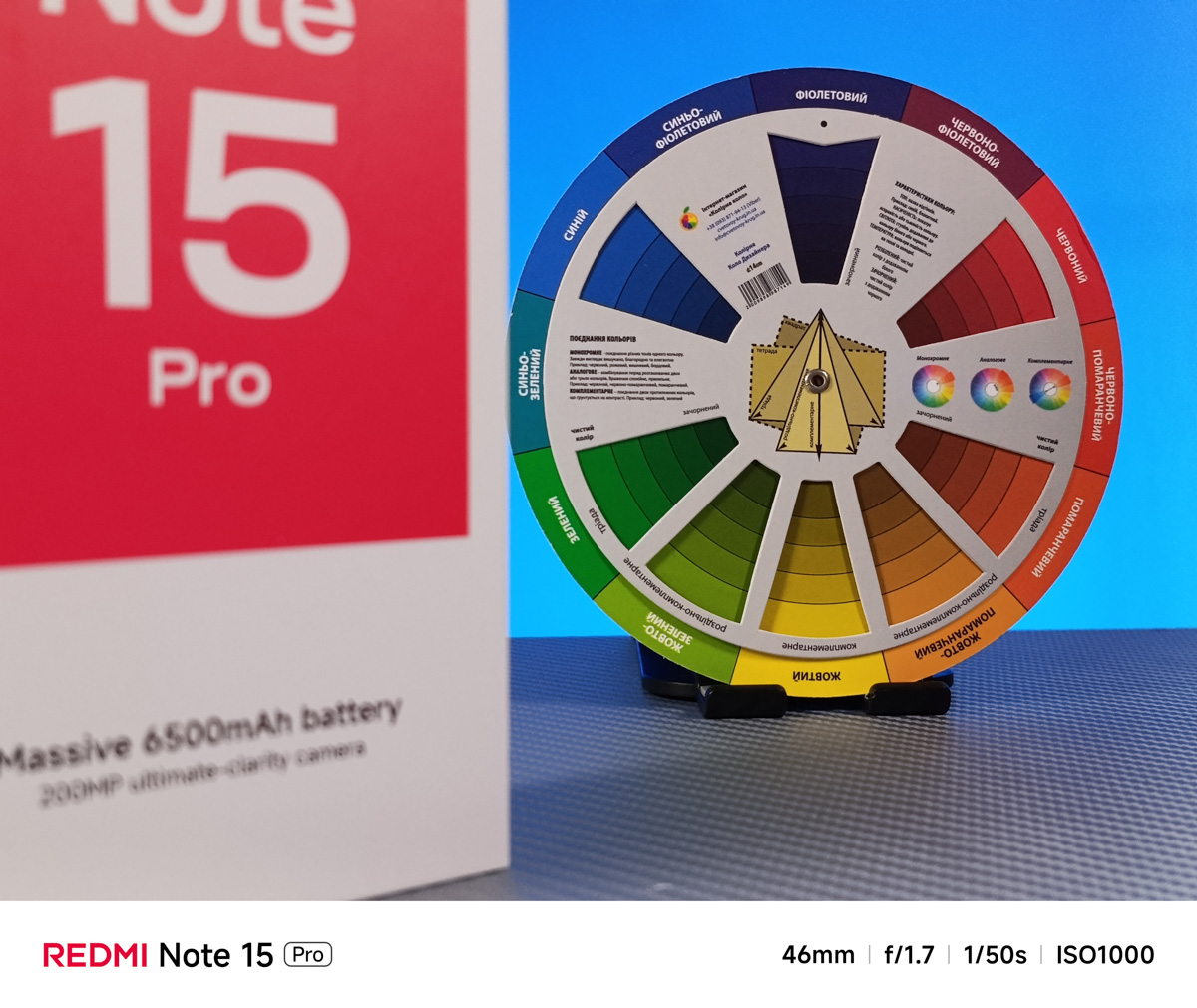
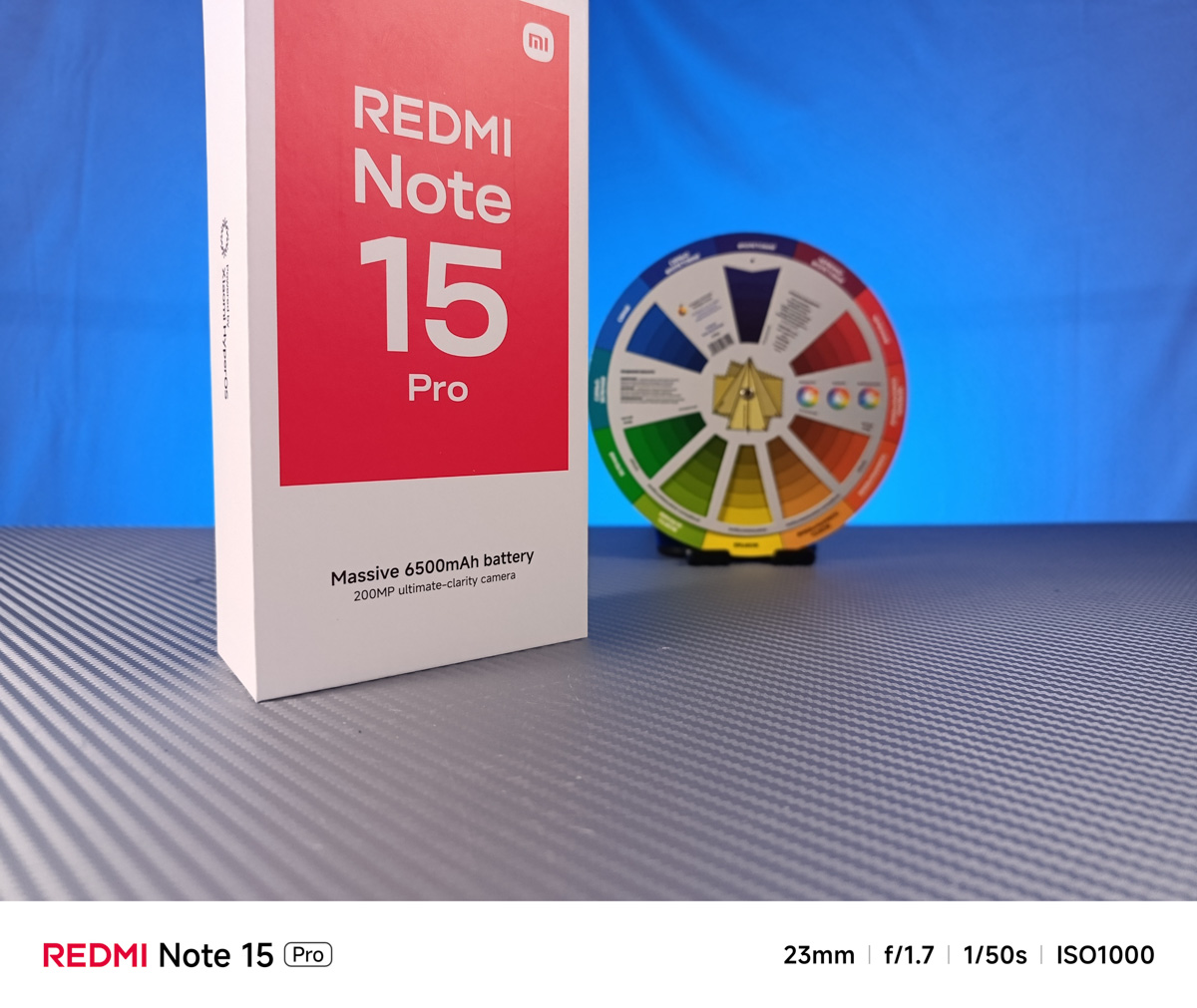
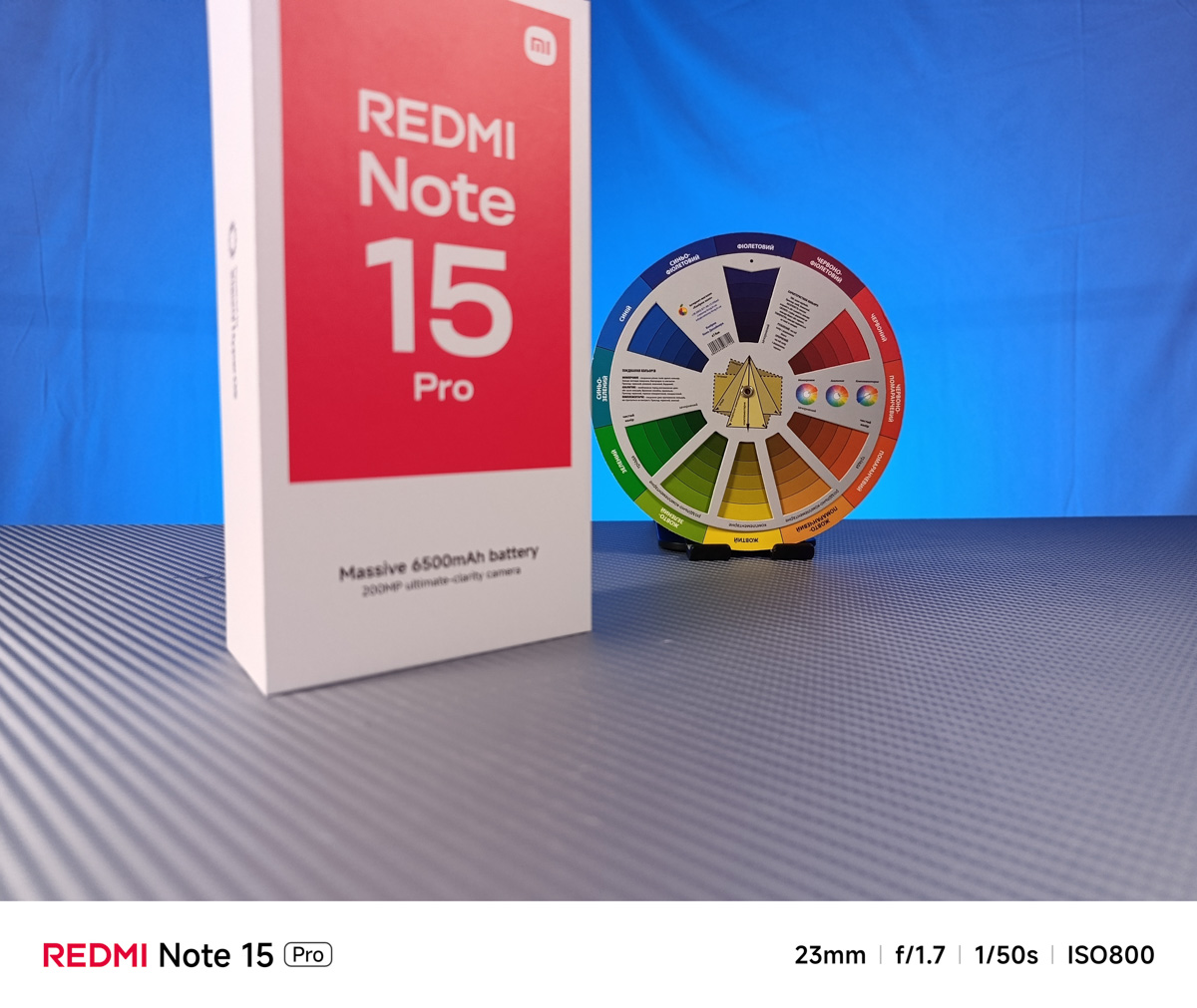
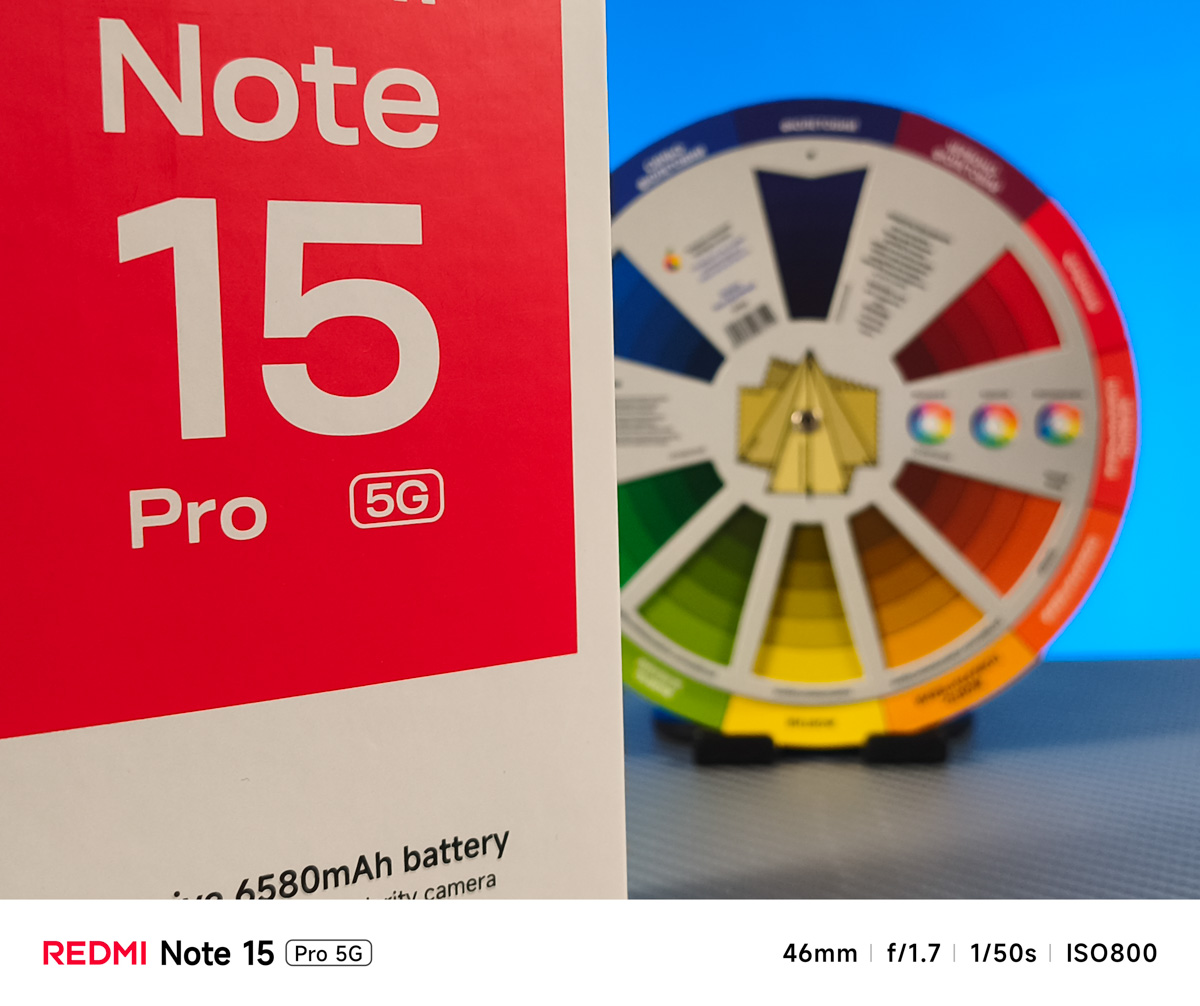
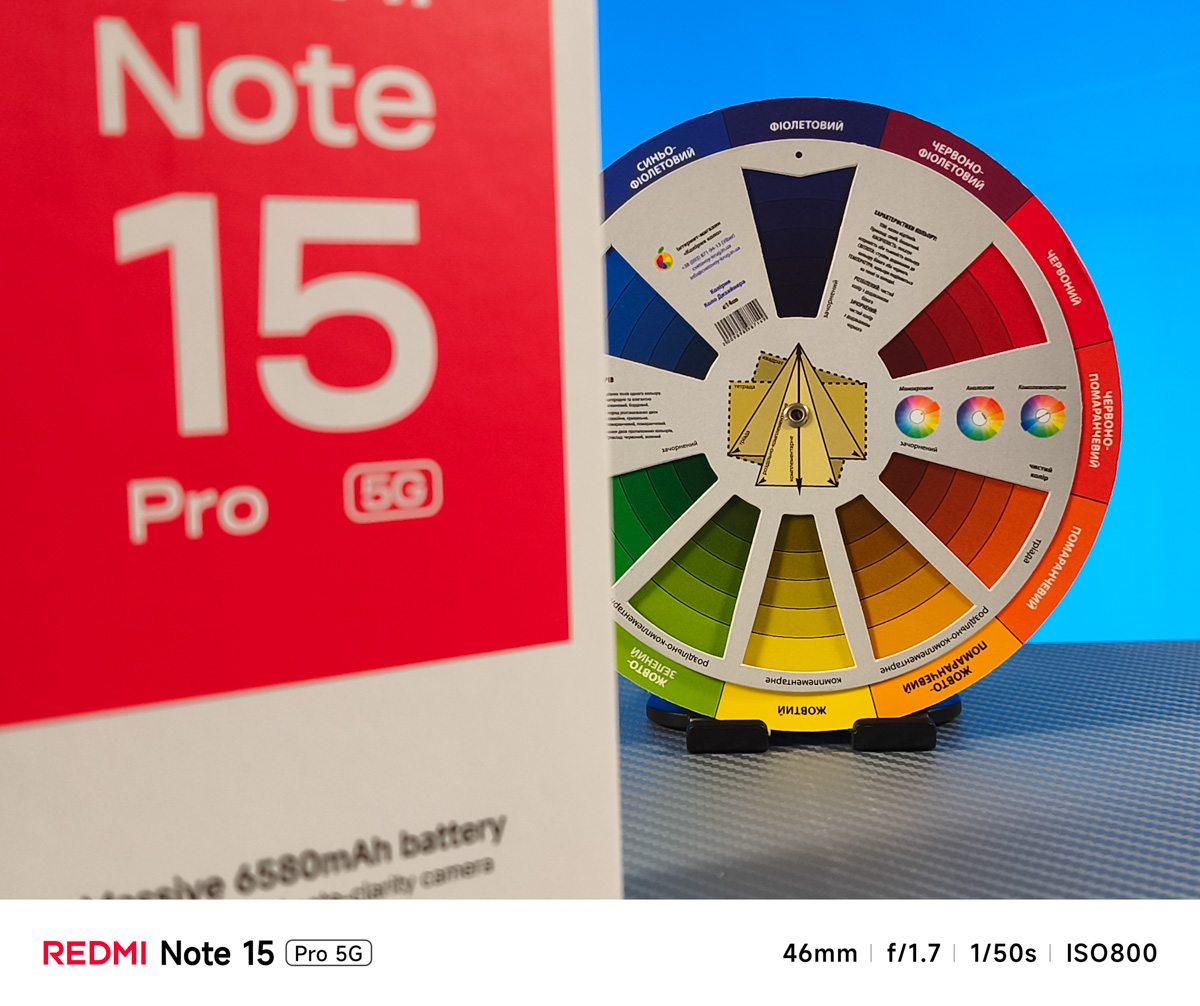
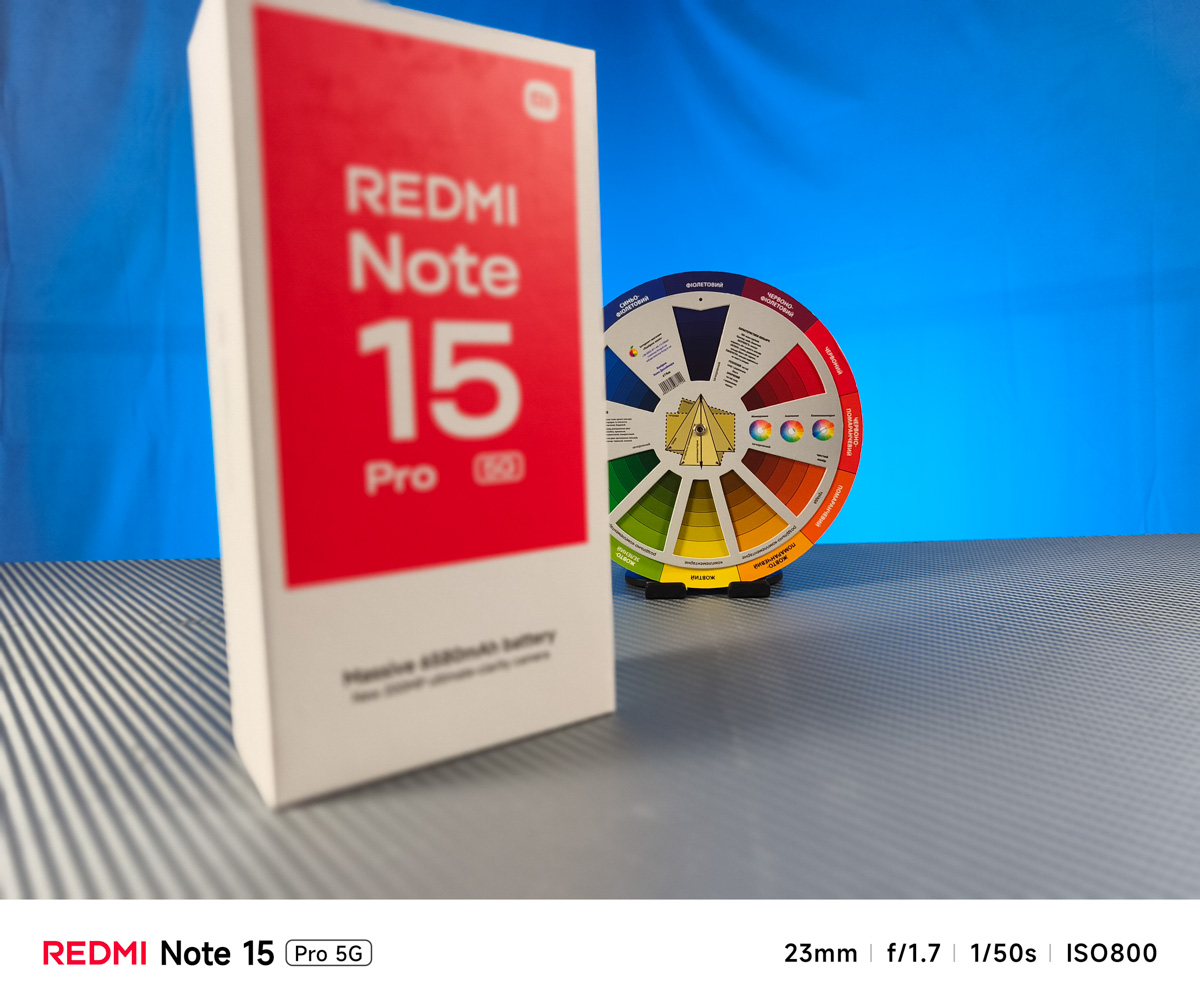
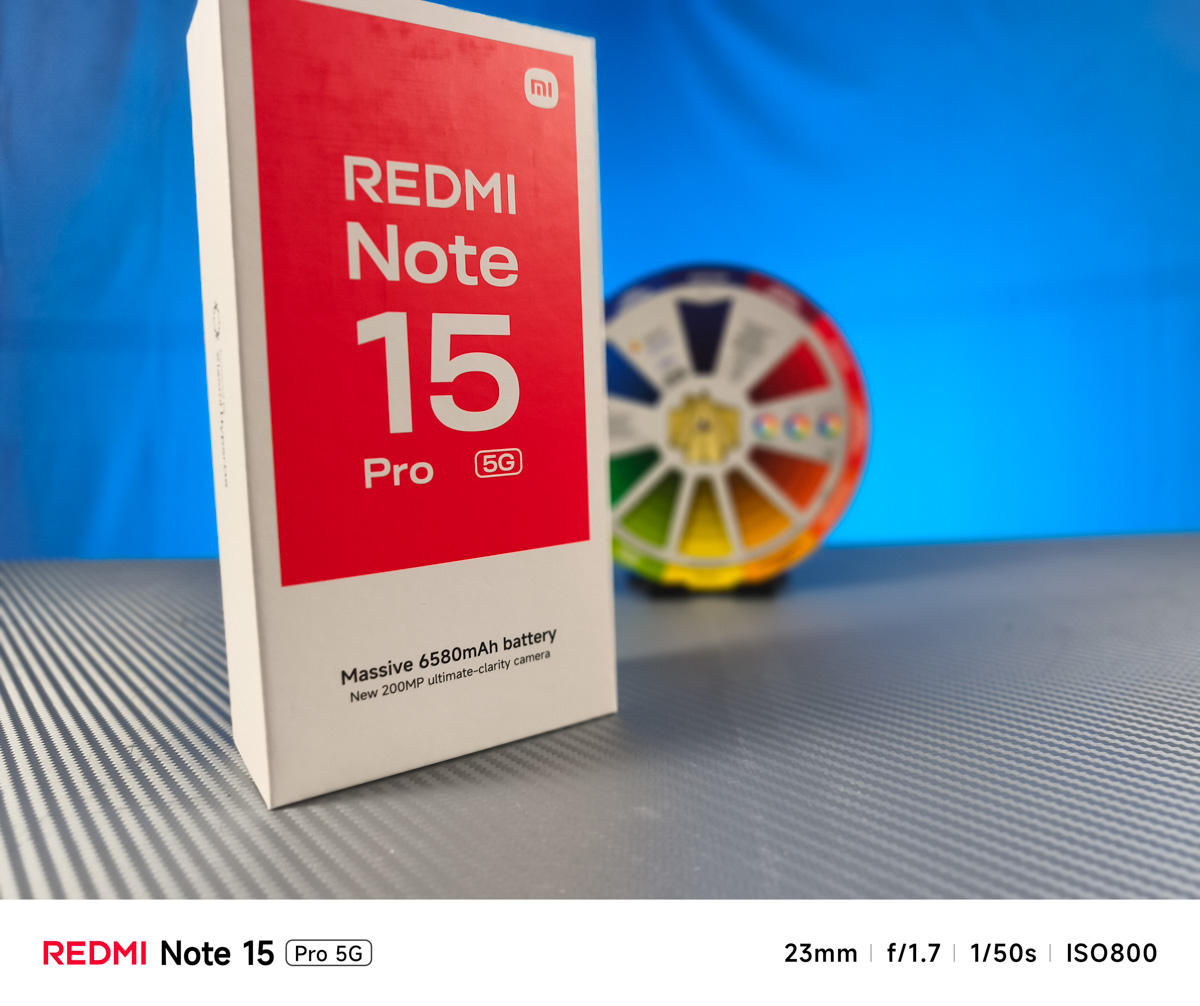
The 8 MP ultra-wide module is also identical across the models: f/2.2 aperture, 15 mm equivalent focal length, 0.56 µm pixel size. It lacks autofocus and stabilization, and video recording is limited to FHD 30 fps. Its quality is basic and drops noticeably in low-light conditions. However, at a price of around $280, this is far more acceptable than on the top-tier model costing nearly $465.
Redmi Note 15 Pro:


Redmi Note 15 Pro 5G:


Differences appear in the front-facing cameras: the entry-level model has a 20 MP sensor, while the mid-range 5G model uses a 32 MP sensor. Both have an f/2.2 aperture, likely around 22 mm equivalent focal length, and neither has autofocus. Video recording is limited to FHD 30 fps on the entry-level and FHD 60 fps on the 5G version.
Examples of night photography:
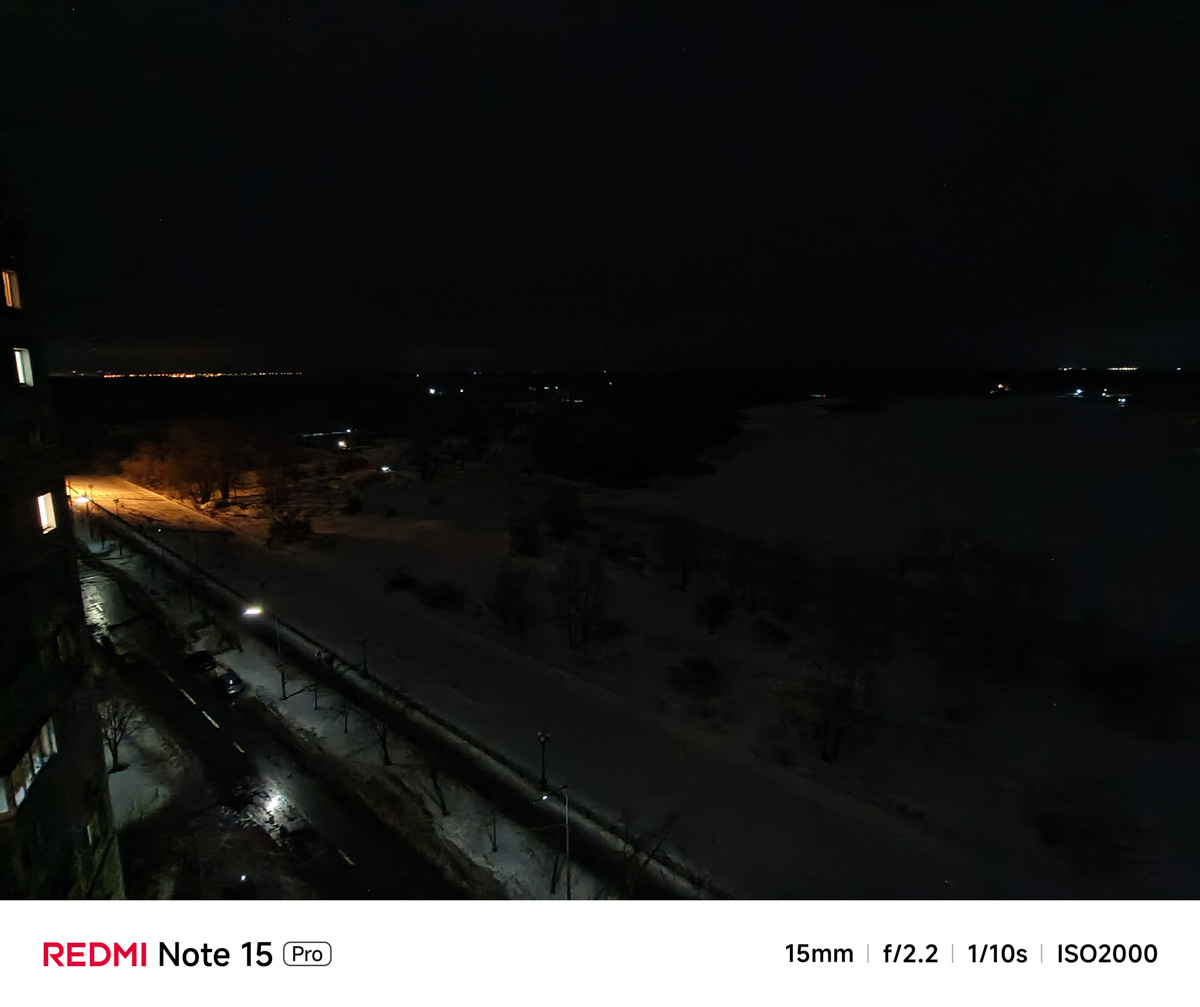

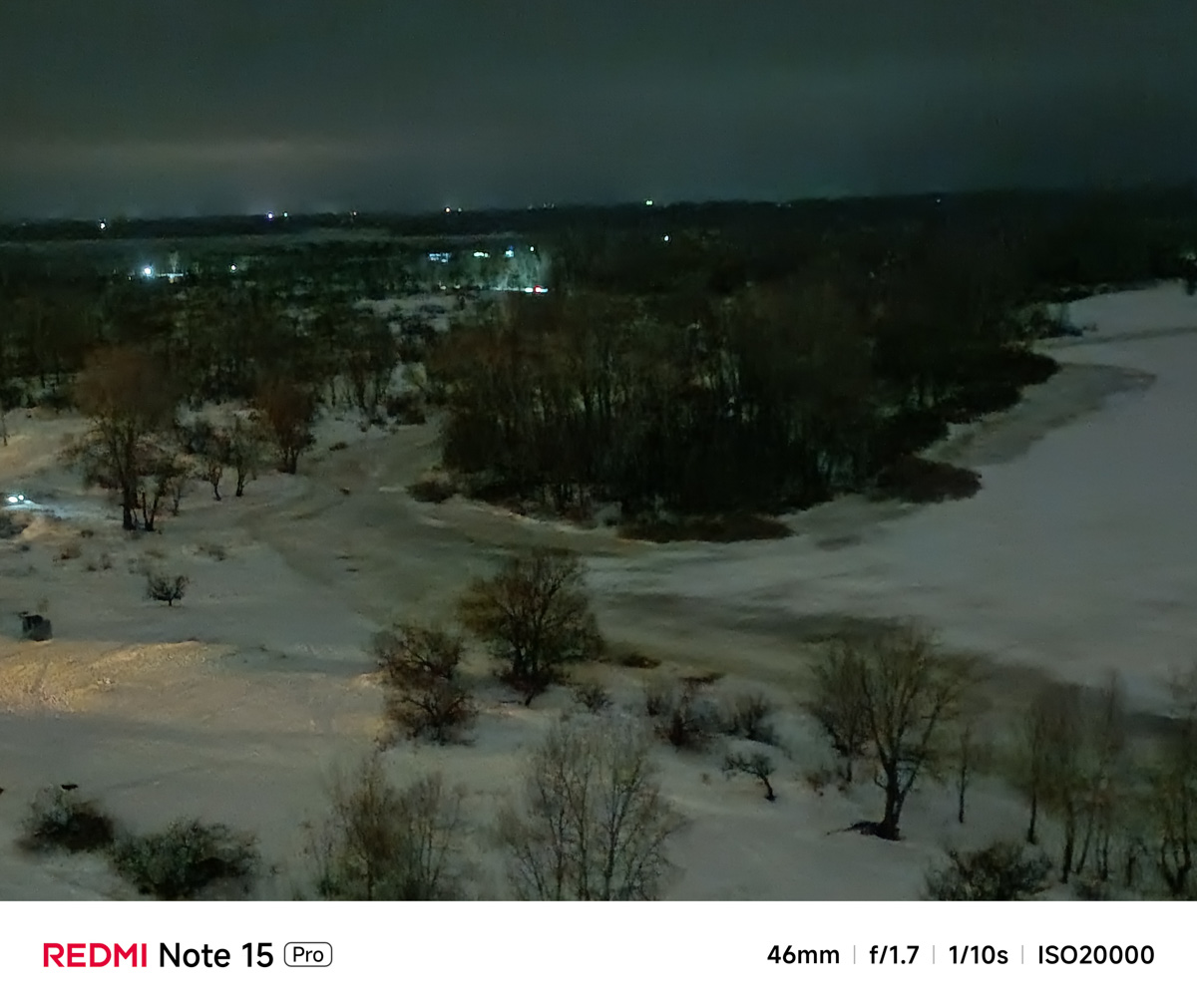
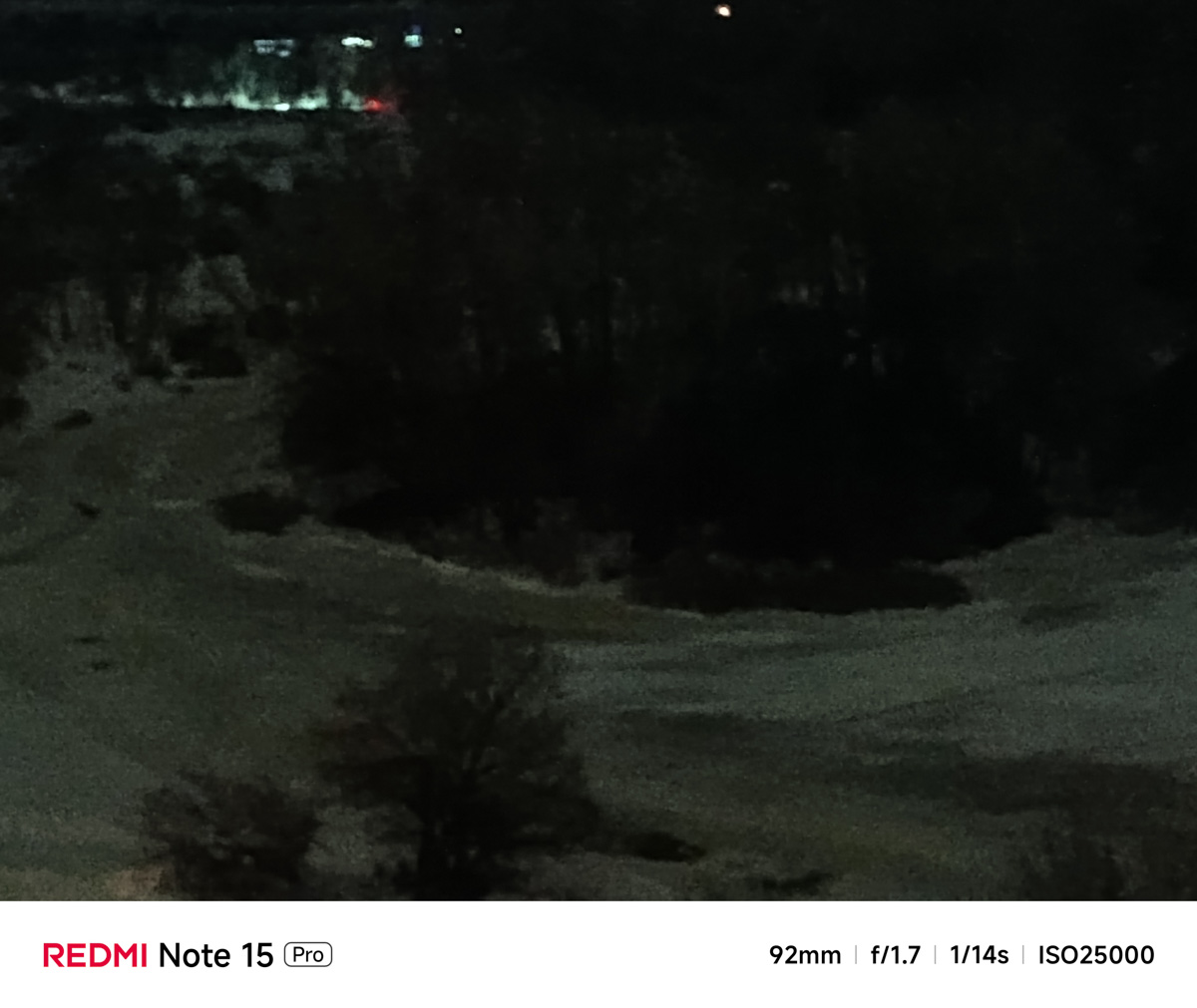
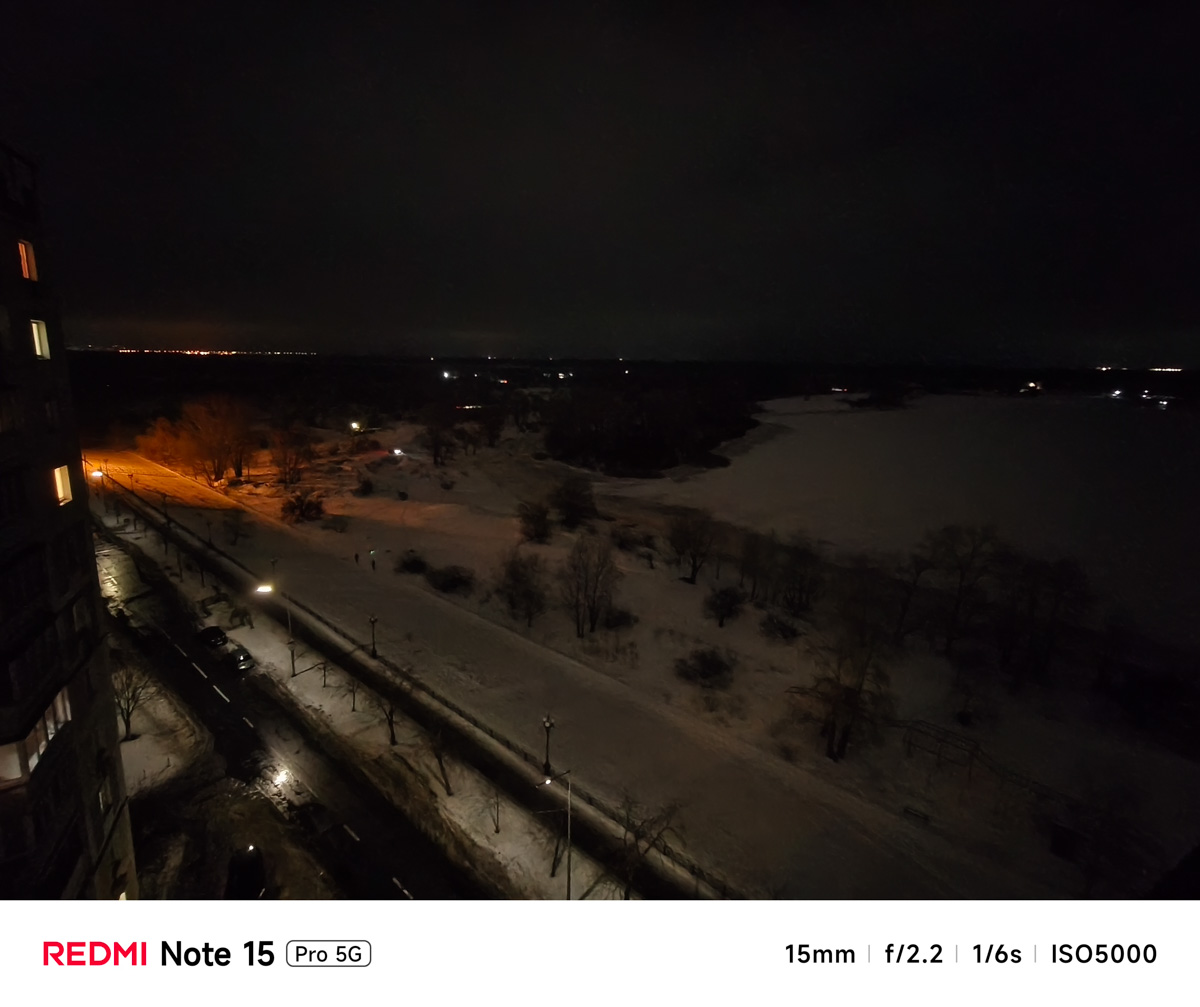
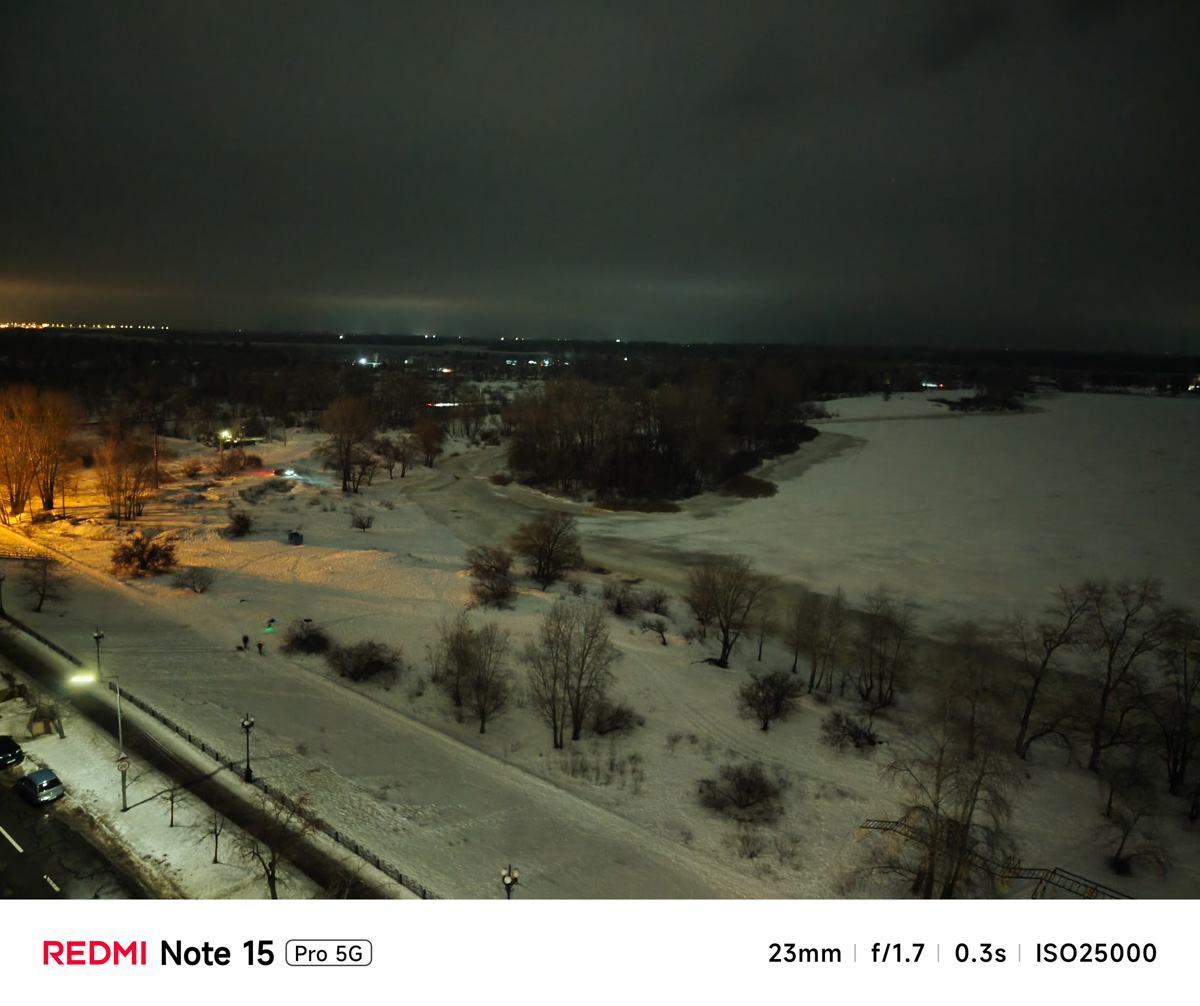
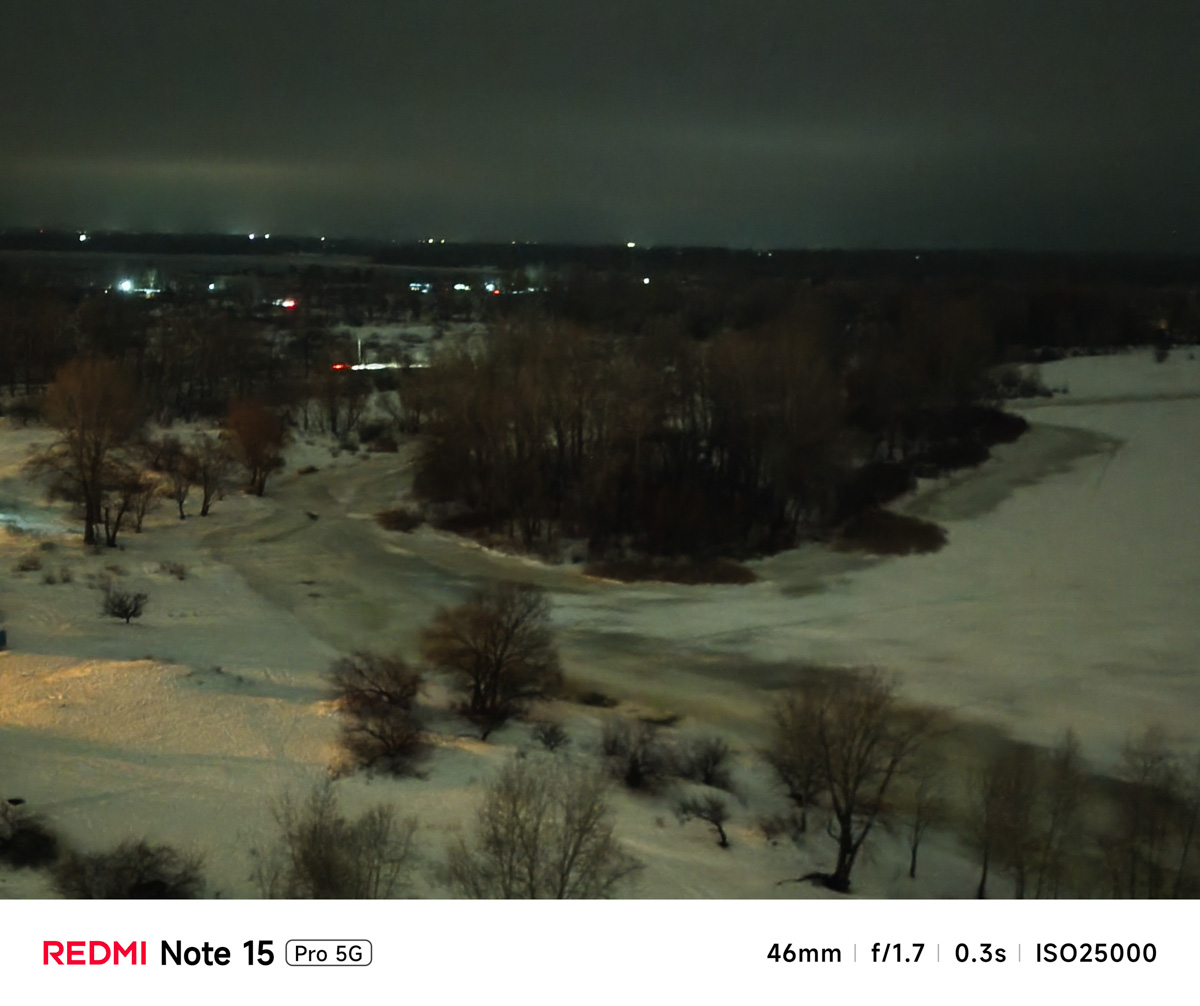
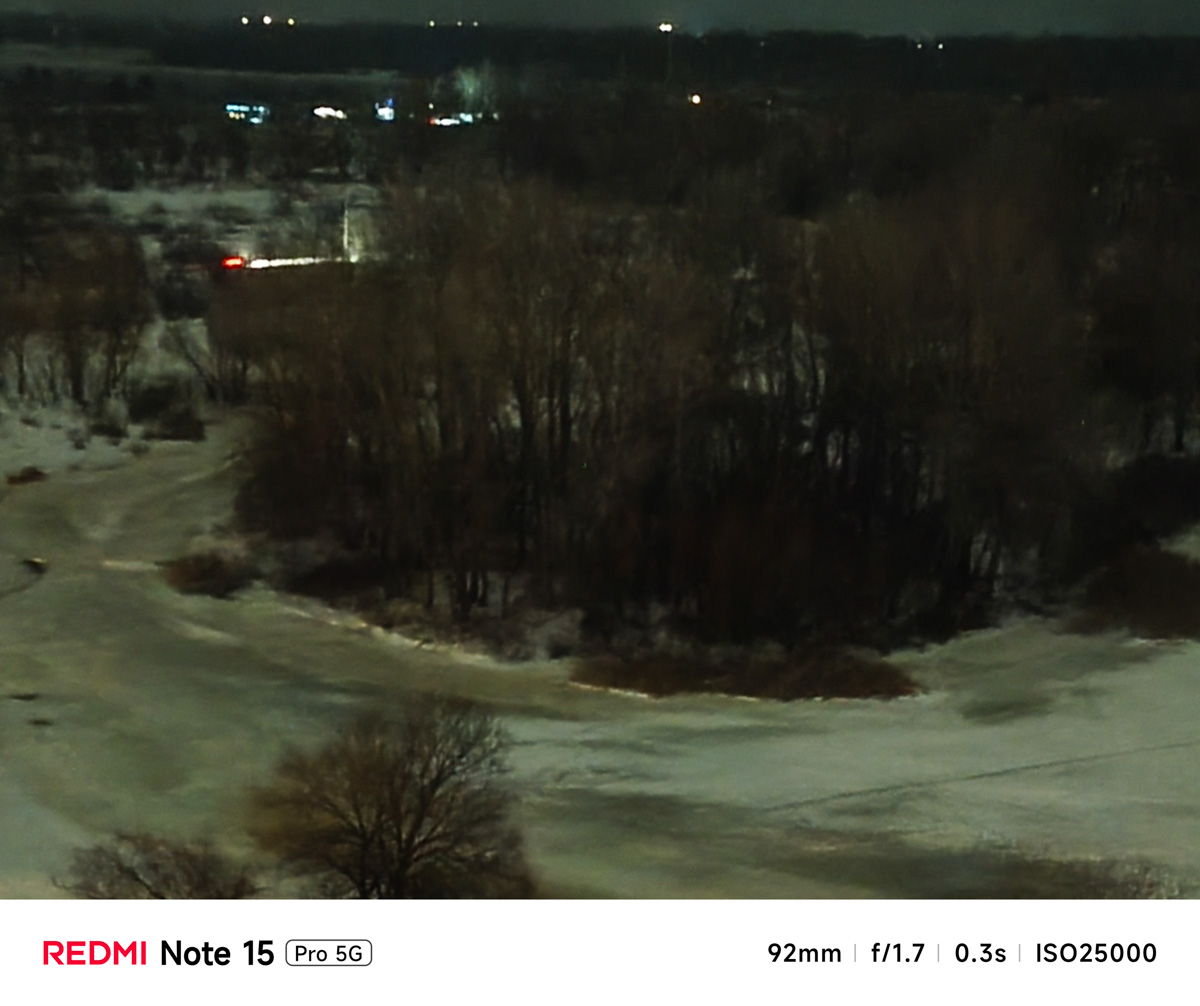
Interestingly, the camera software differs less between the models than I expected. So, don’t expect a full professional video mode on any of them. However, all include a watermark feature with customizable settings, standard focal length adjustment, and distortion correction. On the entry-level model, the presence of focus peaking and zebra patterns (accessible in Pro mode after enabling in the options) is a particularly nice touch.
PHOTOS AND VIDEOS IN FULL RESOLUTION Redmi Note 15 Pro
PHOTOS AND VIDEOS IN FULL RESOLUTION Redmi Note 15 Pro 5G
Connectivity and Audio
Since the Redmi Note 15 Pro and Redmi Note 15 Pro 5G use different SoCs, they support different connectivity standards. The entry-level model has Bluetooth 5.3, while the 5G version uses Bluetooth 5.4. Wi‑Fi support differs as well: Wi‑Fi 5 versus Wi‑Fi 6. The younger model also lacks eSIM support. Both devices include NFC and location services. In terms of audio codecs, AAC is supported, but AptX is not available on either device, as the SoCs and audio chips are not from Qualcomm.
On the speaker side, all models deliver similar performance. They feature stereo sound with Dolby Atmos support. In this regard, the entry-level model stands out for offering good volume and quality at its price, making it highly competitive.
Battery Life
The Redmi Note 15 Pro and Redmi Note 15 Pro 5G are equipped with 6,500 mAh and 6,580 mAh batteries, respectively. Surprisingly, both fell just one hour short of the top-tier model in the PCMark Battery Test, delivering around 16.5 hours of runtime.

Maximum charging speed for both models is 45 W, allowing the smartphones to fully charge in about an hour – provided you use a compatible charger or power bank. As a reminder, the included cables are USB-A to USB-C.

There is also some variability in practice. For example, using the same ZMI No. 20 power bank and the same cable, the Redmi Note 15 Pro 5G charged in about an hour, while the Redmi Note 15 Pro took two and a half hours. This highlights the importance of using official or certified chargers for consistent performance.
Summary
It’s clear that the Redmi Note 15 Pro and Redmi Note 15 Pro 5G target different audiences. The entry-level model looks appealing but has basic performance, while the 5G version is more capable, versatile, and better suited for gaming. Battery life, the high-quality display, and the versatile main 200 MP camera are strengths shared by both models.
Read also:
- Garmin Venu 3 User Experience: Is It Worth Buying in 2026?
- Prospects for DDR SDRAM: Future Developments and Key Challenges
- HATOR Arc 3 Review: Flagship Computer Chair from Ukrainian Brand



Tried note 15 pro in a store and it felt very stable (maybe due to that mediatek d7400 ultra), no lag while switching apps