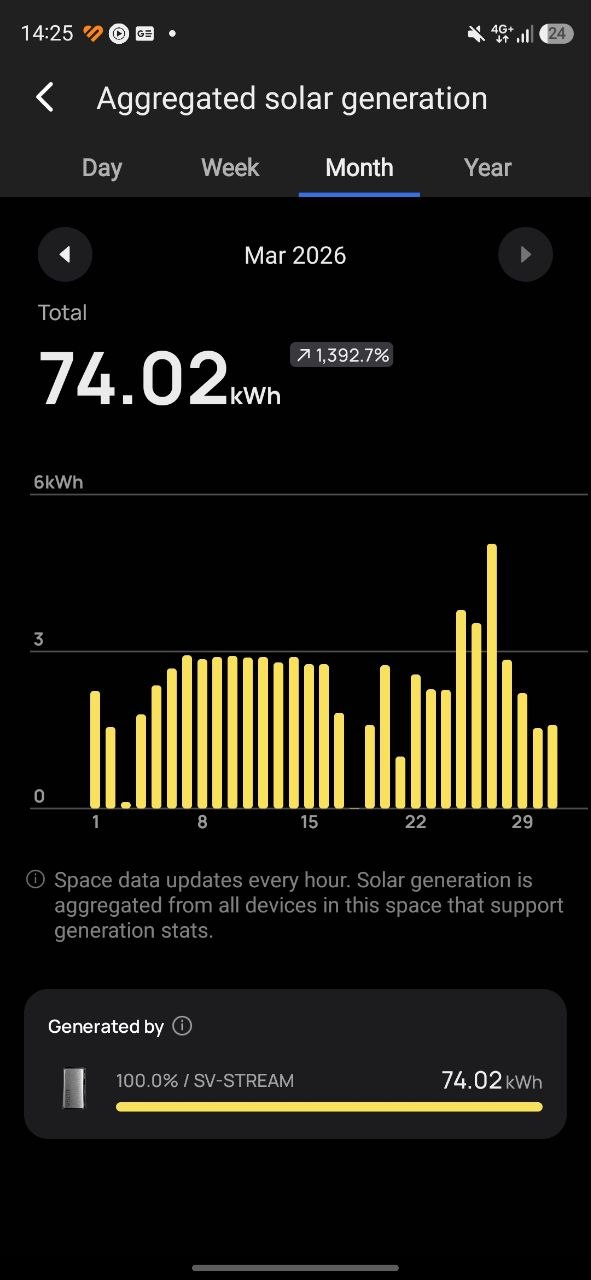
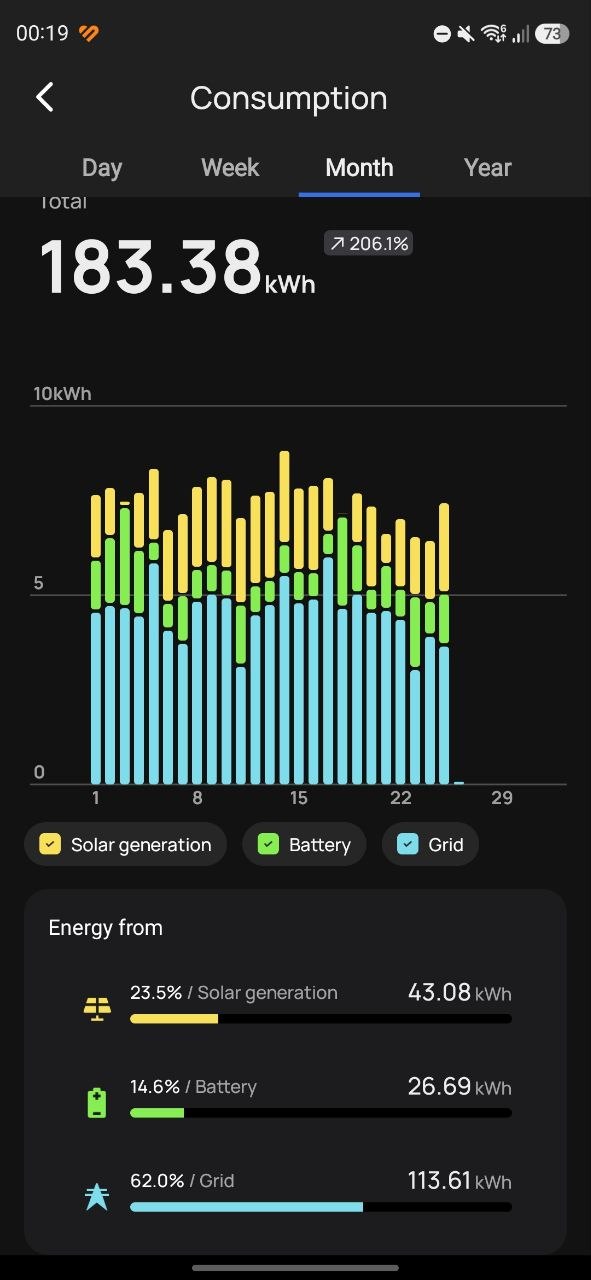
One sunny winter day, I stepped out onto the enclosed balcony of my apartment. Outside, the temperature was around –15°C, while inside the balcony it reached approximately +33°C. These were typical conditions for a couple of weeks in January in Kyiv. The contrast highlighted how much solar energy was available, despite not being actively utilized.
At the time, I already had a 200 W portable solar panel that had been unused for several years. In addition, there were several portable power stations in my household. This prompted a simple test: connecting the panel to one of the stations to see whether it could provide a usable charge. The panel was placed on the backrest of a bench and connected to the station. Under these conditions, charging started immediately.
This initial result led to further interest in the idea of setting up a small-scale solar power system on the balcony. At that stage, the scope and practical implications of such a project were not yet clear, but the concept itself proved engaging enough to pursue further.
Disclaimer: This will be a multi-part series. At this stage, approximately four articles are planned, possibly more, as the system continues to evolve. The amount of material and practical observations is substantial, making it impractical to include everything in a single publication. From a technical standpoint, an overly large page would also result in poor performance.
The current plan is to release one article per week (Saturday–Sunday), covering the following topics:
A key factor in this setup is the balcony orientation: one of the balconies faces directly south. The apartment is located on the top (9th) floor, and there are no obstructions such as trees or nearby buildings in front of it. As a result, the area receives consistent direct sunlight throughout most of the day under clear weather conditions.
Even under partially cloudy conditions or variable cloud cover during the day, there is still sufficient sunlight available. As a result, the location can be considered well-suited for solar generation under typical conditions.
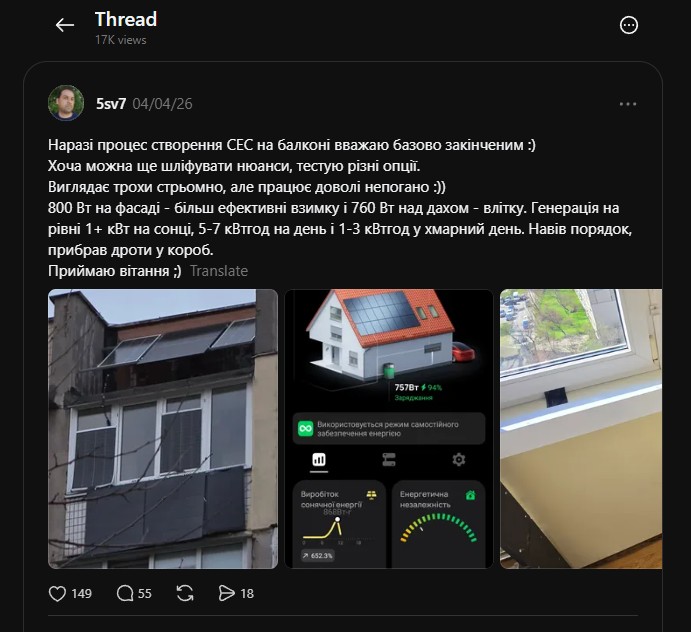
Setup 1: 520 W on the balcony façade vs Setup 2: 800 W on the façade + 760 W above the roof
Of course, not everyone has such favorable conditions. Before deciding whether it makes sense to consider setting up a personal solar power system, it is important to assess the actual sunlight conditions in your location.
If the windows or balcony face north, solar generation is generally not practical. An eastern orientation provides better results in the morning, while a western one is more effective in the afternoon. However, neither option is optimal, as even on clear days sunlight exposure is limited to part of the day.
Intermediate orientations require closer evaluation. It is useful to observe how the sun moves across your location, how long it remains in specific areas, and where shadows appear on the building facade throughout the day. This helps identify the most suitable zones for panel placement.
Only after this assessment should the technical feasibility of installation in those areas be considered. The selection of panels in an apartment setting involves several constraints, and larger or higher-rated models are not always the most appropriate choice. This will be discussed in more detail later.
When considering a balcony-based solar power setup, one of the first decisions concerns the hardware platform. Building a system from individual components is a possible approach, and it was initially considered. However, after learning about the EcoFlow Stream and reviewing how it operates, it became clear that this type of solution better matched the intended use case.
The choice was largely driven by the level of integration the platform offers. Instead of assembling separate components – such as inverters, controllers, and battery systems – the EcoFlow Stream provides a unified ecosystem designed to work together out of the box. This simplifies both initial setup and further scaling.
Another factor is usability. The platform is designed with consumer-level deployment in mind, which reduces the need for in-depth electrical configuration. For a balcony installation in an apartment environment, where space, safety, and simplicity are important constraints, this approach is generally more practical than a fully custom-built system.
Further details on the specific reasons and trade-offs will be covered in the following sections.
An integrated solution instead of a custom-built system
Custom setups based on components such as hybrid inverters and external batteries were considered, but this approach raises several practical concerns. Such systems typically require integration into the electrical panel, involvement of a qualified electrician, and additional materials and components. The final installation can be visually intrusive and may not be well-suited for a residential interior unless there is a dedicated utility space.
Another factor is the level of technical complexity. While the underlying electrical theory may be familiar, practical implementation – such as configuring protection devices, relays, and cable routing – requires specific expertise and time investment. For users without hands-on experience in electrical installations, this creates a dependency on external specialists.
From a maintenance and accountability perspective, custom installations can also introduce uncertainty. In the event of a malfunction or required adjustments, resolving issues may depend on the availability and reliability of the original installer. This is particularly relevant when modifications involve the household electrical system.
In contrast, a solution like the EcoFlow Stream represents a more self-contained approach. It reduces the need for complex electrical work and allows the system to be deployed and managed independently, which can be preferable in an apartment setting. While such solutions may involve certain trade-offs and considerations, they offer a more predictable and controlled setup process compared to fully custom configurations.
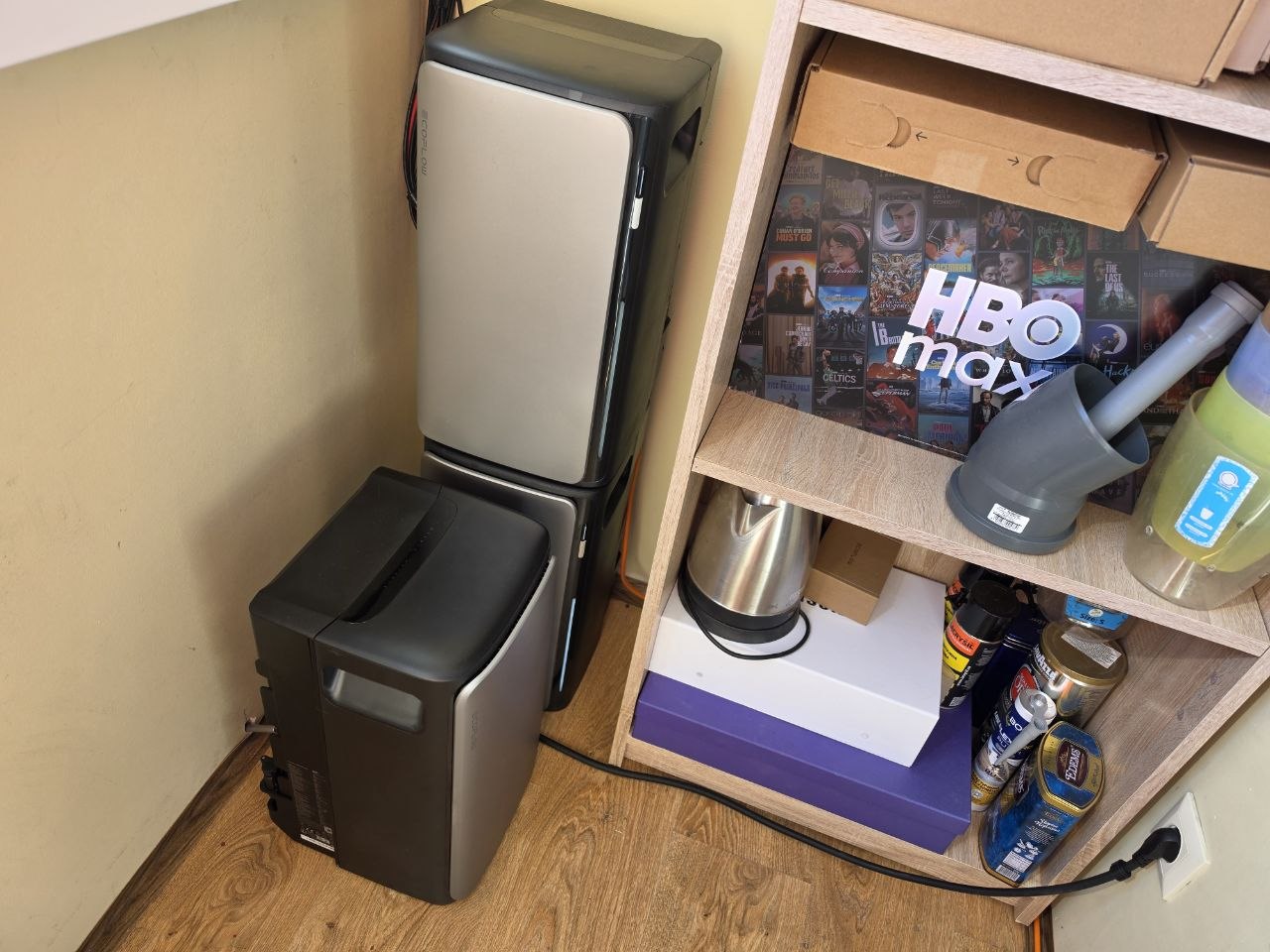
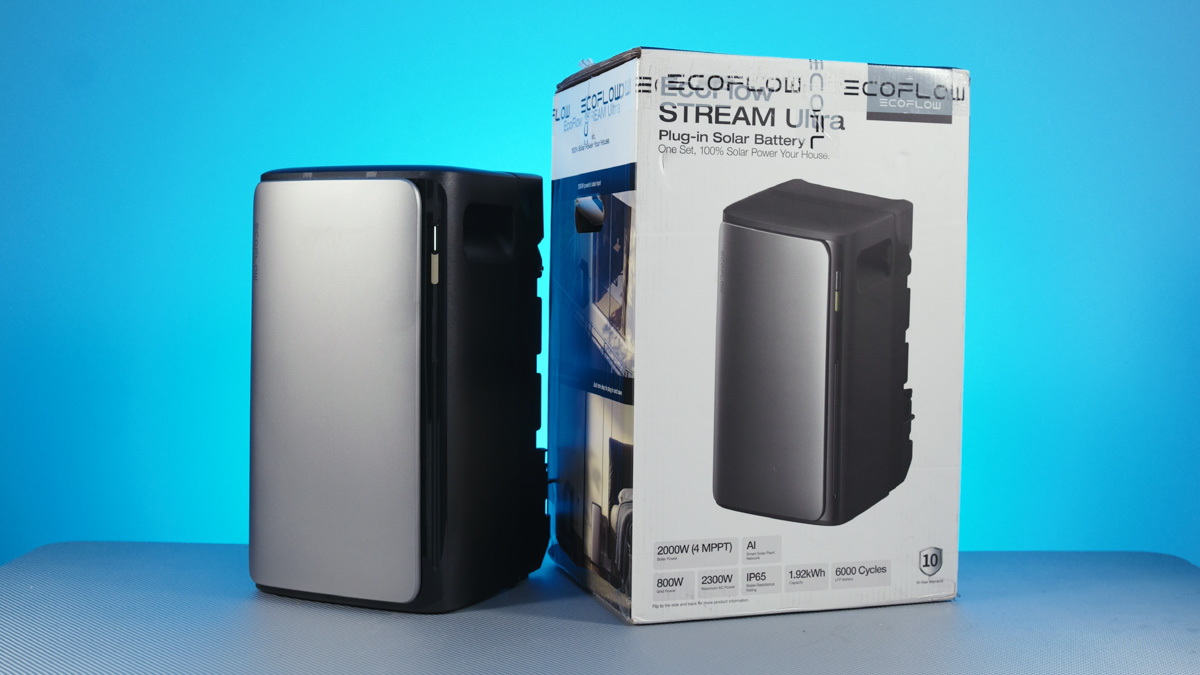
In the case of the EcoFlow Stream, the user effectively gets a complete solar power system delivered as a pre-assembled unit. All core components are integrated into a single enclosure, which remains relatively compact and visually unobtrusive. This type of solution provides a higher level of confidence in terms of component quality and assembly standards, as manufacturing is handled at the factory level with adherence to baseline safety requirements. An additional practical factor is the availability of an official global 10-year warranty, along with local representation, service infrastructure, and technical support.
Most importantly, to start and connect the EcoFlow Stream, it is sufficient to plug the device into a nearby electrical outlet. This does not require any specialized electrical knowledge, as it is a routine action performed almost daily. Next, the system is connected to the internet, and the device is added through a mobile application to the home virtual environment. After this setup, the mini solar power system becomes operational. In practical terms, the process is reduced to three steps: purchase, installation, and activation.
Wide range of installation options for a solar power system
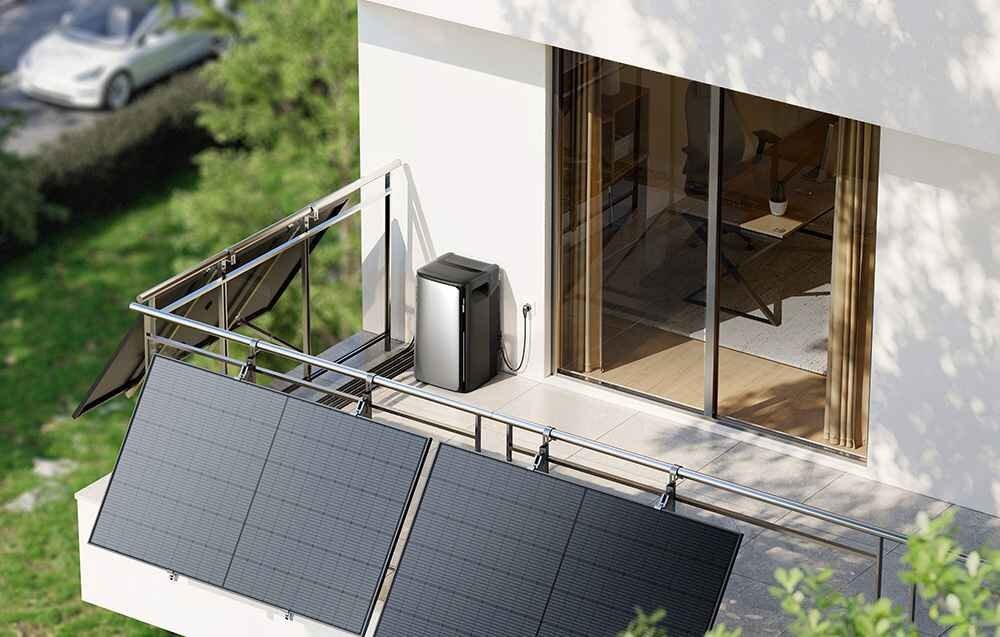
The EcoFlow Stream can be installed either indoors in a heated room or on a closed or open balcony. The main requirement is the availability of an AC outlet connected to the household electrical system, along with basic environmental protection such as a canopy or similar shelter from weather conditions.
This is relevant in practical terms. In my case, the apartment’s incoming electrical line and circuit breaker panel are located in a storage room near the entrance. In principle, this would be a suitable place for installing an inverter with batteries. However, space there is limited, as the room is used for storing food supplies, long-term storage items, and household consumables.
At the same time, the balcony is located on the sunnier side of the apartment, which makes it more appropriate for installing solar panels and the generation part of the system. This configuration deviates from a conventional setup where the inverter is placed close to the main distribution board, due to the increased distance from the generation area.
There are also environmental factors to consider. The balcony is unheated, with winter temperatures dropping to approximately -15 to -20°C. In summer, temperatures can exceed 40°C. When windows are open, the area may be exposed to wind, as well as rain or snow. In some cases, balconies are fully open, which is also a common configuration.
This means we are dealing with conditions that are not particularly favorable for installing electrical equipment. As a result, system components need to be selected with these factors in mind. For example, batteries may require a heating system to ensure stable charging and discharging at low temperatures. In addition, the entire setup would likely need to be placed inside a protective enclosure, which in turn has to be designed and installed on the balcony. During summer, some form of ventilation or even active cooling could also be necessary to maintain acceptable operating conditions. Another factor is noise. Have you ever considered how much sound a typical inverter produces? Most people would not want such equipment operating in a relaxation area like a balcony or terrace, or near a bedroom or living room.
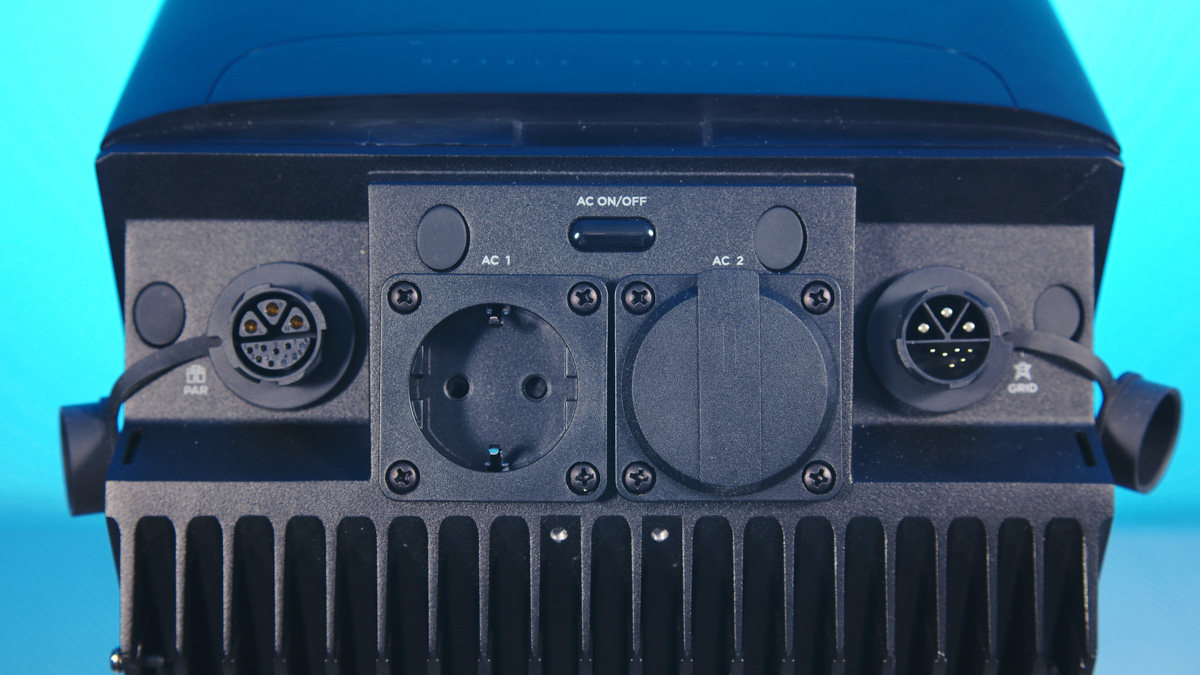
In the case of the EcoFlow Stream, these considerations are addressed by the manufacturer, as the device is designed specifically as a balcony-oriented system. As a result, several integrated features are intended to reduce the need for additional external engineering decisions:
IP65 ingress protection for resistance to dust and moisture.
Battery heating to support operation and charging at low ambient temperatures.
Passive cooling design, resulting in low to near-silent operation.
A compact and visually neutral enclosure, which reduces the need for additional structures to conceal the inverter, batteries, and cabling.
Vertical корпус design aimed at saving installation space, with the option to stack two units vertically where applicable.
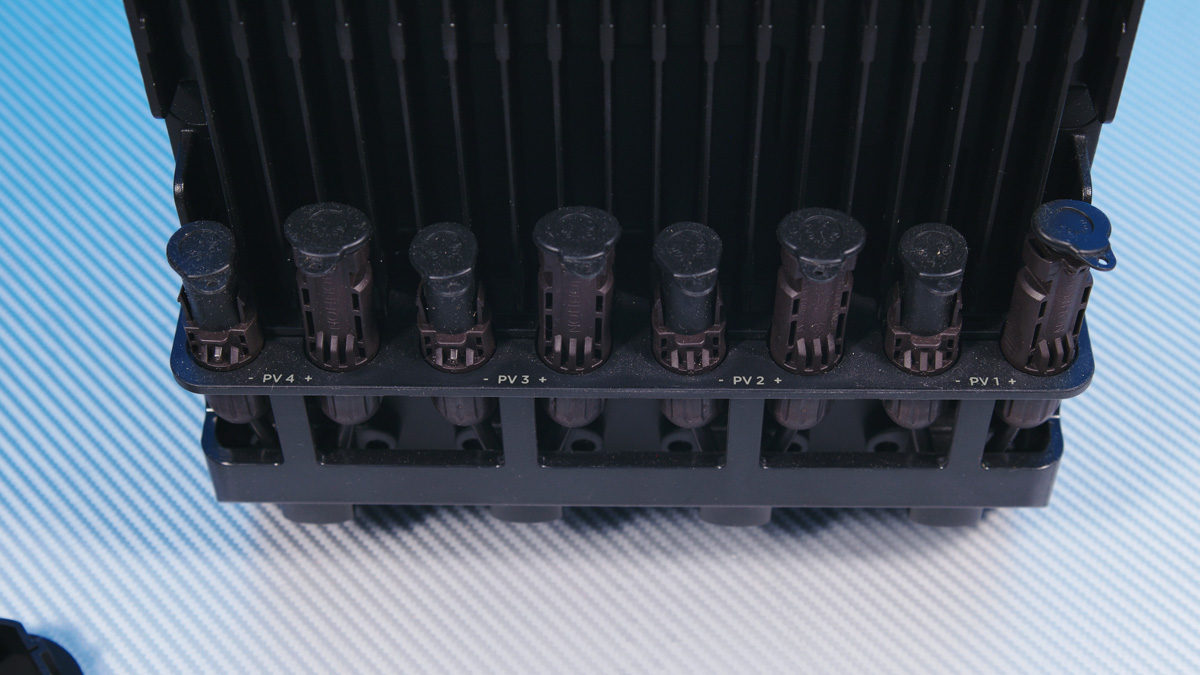
Multiple MPPT inputs for solar panel connection (three to four depending on the version, such as Pro or Ultra).
Inclusion of MC4 connector tools and a basic cable set, which can reduce the amount of additional wiring required, since compatible cables can be relatively expensive when purchased separately.
Overall, the system is positioned as a pre-configured solution intended to reduce installation complexity in constrained residential environments such as balconies.
Fast disassembly and mobility
This can be considered a key advantage for many potential users. The EcoFlow Stream system can be dismantled within a few minutes – by disconnecting the cables and unplugging it from the socket – and moved to another location. This is particularly relevant in rental housing scenarios, or in situations where rapid relocation of valuable equipment may be required, which is a realistic use case in certain conditions. It also enables transportation of the solar power system in a vehicle trunk, for example between an apartment and a country house, potentially on a regular weekly basis.
The system is designed to be handled by a single person, as individual modules weigh approximately 20 kg.
In contrast, a conventional stationary setup is significantly less convenient to relocate. It typically requires removing a wall-mounted inverter, disconnecting it from the electrical network, transporting batteries, and disassembling additional components. In practice, such a process is time-consuming and often impractical without a clear necessity.
Scaling and system expansion
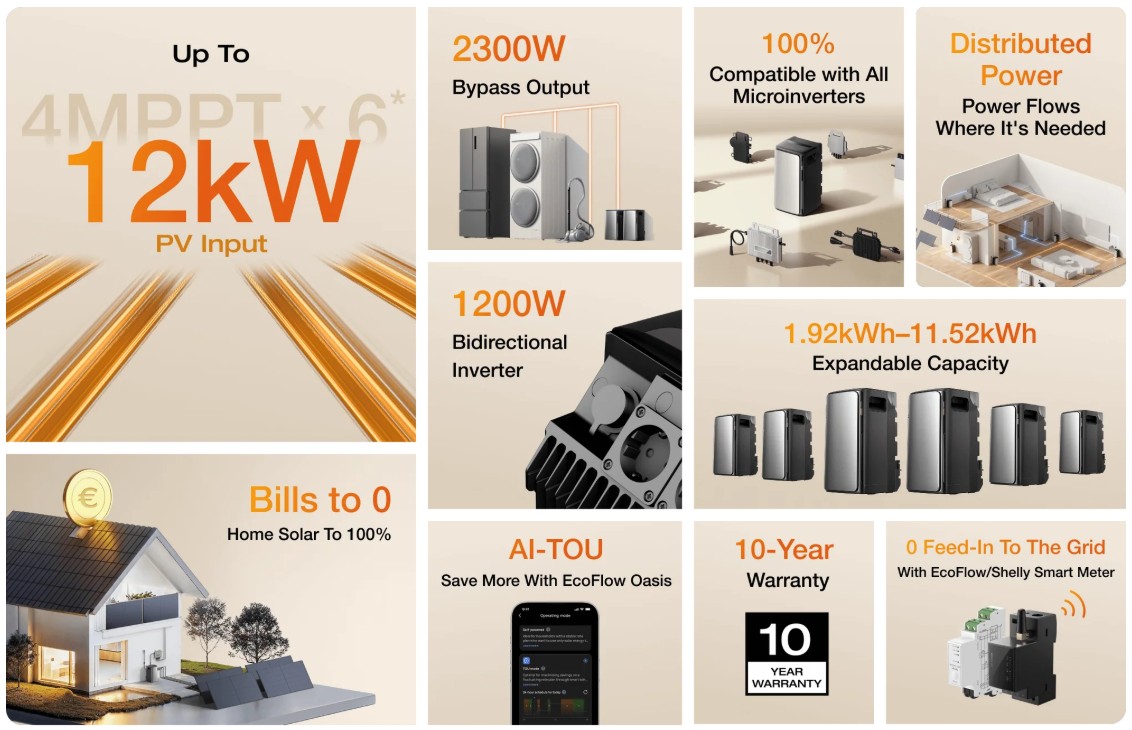
The EcoFlow Stream system is designed to allow modular expansion of a residential solar installation. If there is a need to increase storage capacity, output power, or the number of photovoltaic input connections, additional EcoFlow Stream units can be added to the system – up to a claimed maximum of six modules, corresponding to approximately 12 kWh of storage capacity. In addition, the system may be integrated with compatible microinverters (operating without battery storage) and other energy storage components, depending on configuration and compatibility.
Expansion can be implemented either by direct interconnection of modules (daisy-chain or parallel cabling) or by distributing units across different physical locations within the same property, such as multiple rooms, balconies, terraces, or sheltered outdoor areas. In all cases, the units must remain connected to the same electrical phase and integrated into a shared Wi-Fi network.
According to the system concept, this allows coordinated operation across multiple units, including load distribution, battery charge and discharge management, and coordination of solar input sources, even when components are not physically co-located within a single enclosure. These capabilities depend on the manufacturer’s ecosystem and software-level coordination between units.
Price and competitiveness
In terms of pricing, the system is positioned in a relatively competitive range, including when compared to DIY assembly options. The cost is approximately 700–800 EUR, depending on the specific configuration. For this price, the unit integrates several functions in a single enclosure: a hybrid microinverter for connecting photovoltaic panels with an input capacity of up to 2000 W (3–4 strings of approximately 500 W / 60 V each), a 1920 Wh battery, and an AC output power rating of up to 2300 W.
The AC output can be distributed across two operational modes:
grid-tied feed-in via a connection cable, with an adjustable range of approximately 800–1200 W, or
two built-in backup sockets, providing up to 1200 W, with the possibility of reaching up to 2300 W when two modules are operated in parallel.
Overall, the system consolidates multiple components that would otherwise typically be assembled separately in a conventional installation.
I realise that this point regarding the AC output might seem a bit confusing at the moment, but I’ll explain everything in detail below. If you want to assess the value for money of this solution, simply try to put together a custom system with similar specifications using non-generic components, then add the cost of additional materials, parts and specialist services, as well as the time required to complete the project (selection, purchase and installation). You’ll then immediately realise that the cost of the EcoFlow Stream is quite reasonable, especially when you consider the brand’s reputation, the quality of the components, the lack of installation costs, the instant start-up, and all the other aspects.
Software
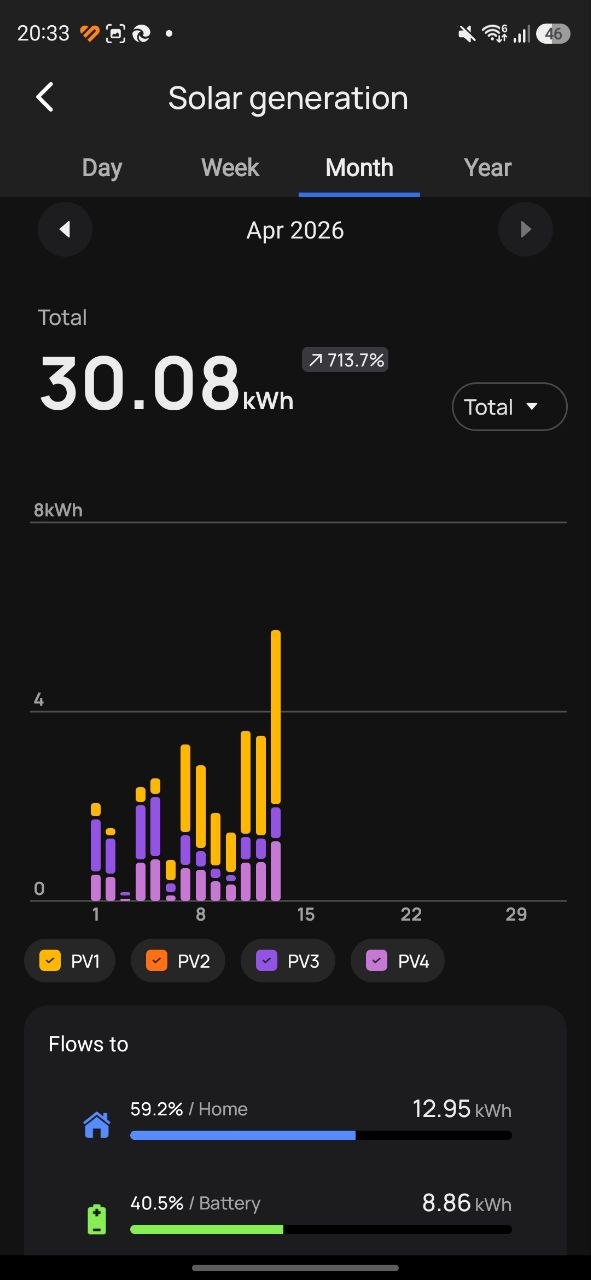
Another important advantage of the EcoFlow Stream, which is not always obvious at the time of purchase, is its proprietary software. At this stage, it is reasonable to rely on experience: this aspect may in fact be one of the key differentiators of the product. From a decision-making perspective, the previously described hardware characteristics were sufficient to justify the choice of the Stream system. However, actual usage reveals additional functionality enabled by the software layer that is not immediately evident during selection. These capabilities significantly expand the practical control and monitoring options available to the user and strengthen the overall perception of the EcoFlow ecosystem as a platform for managing a balcony-based solar installation. Further details can be discussed separately.
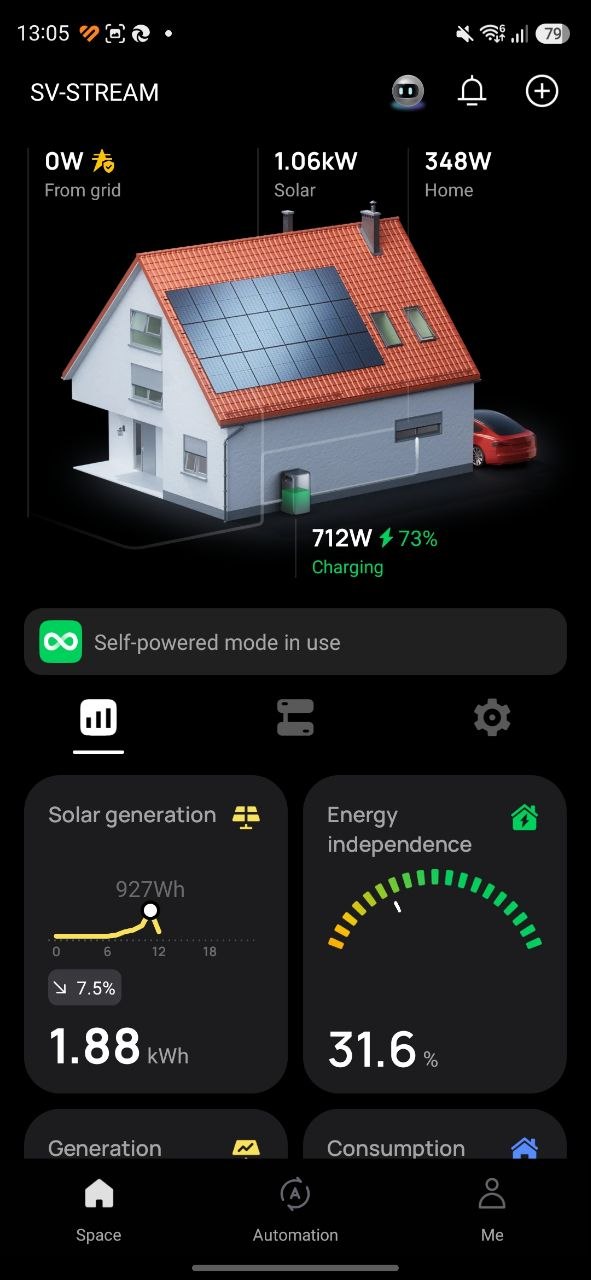
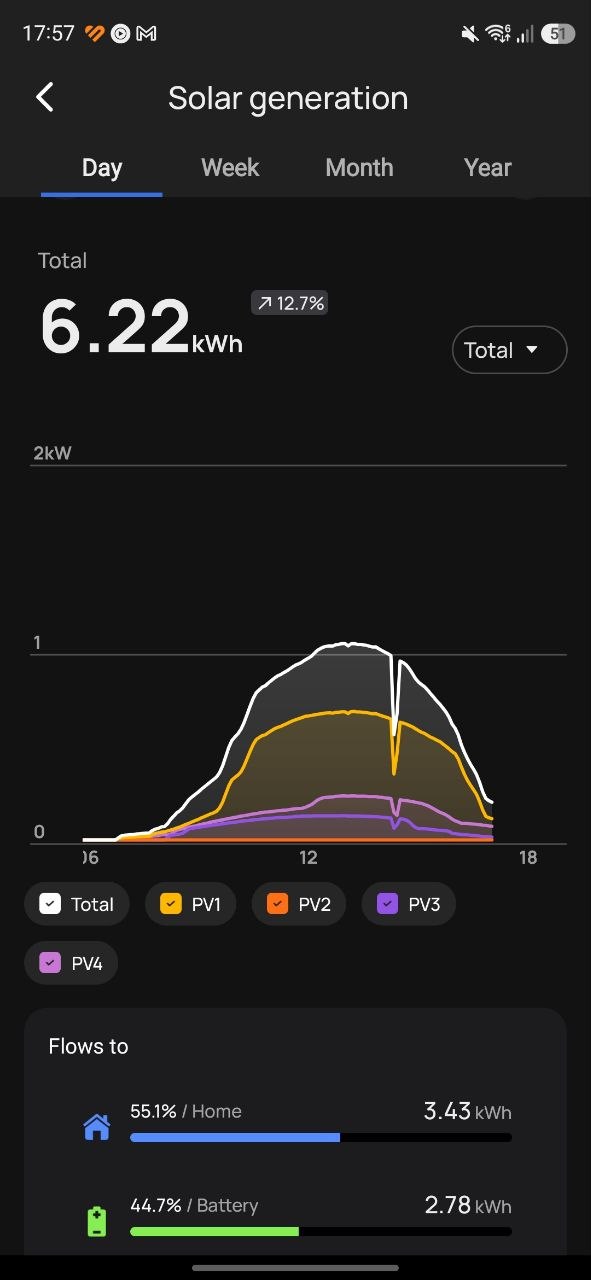
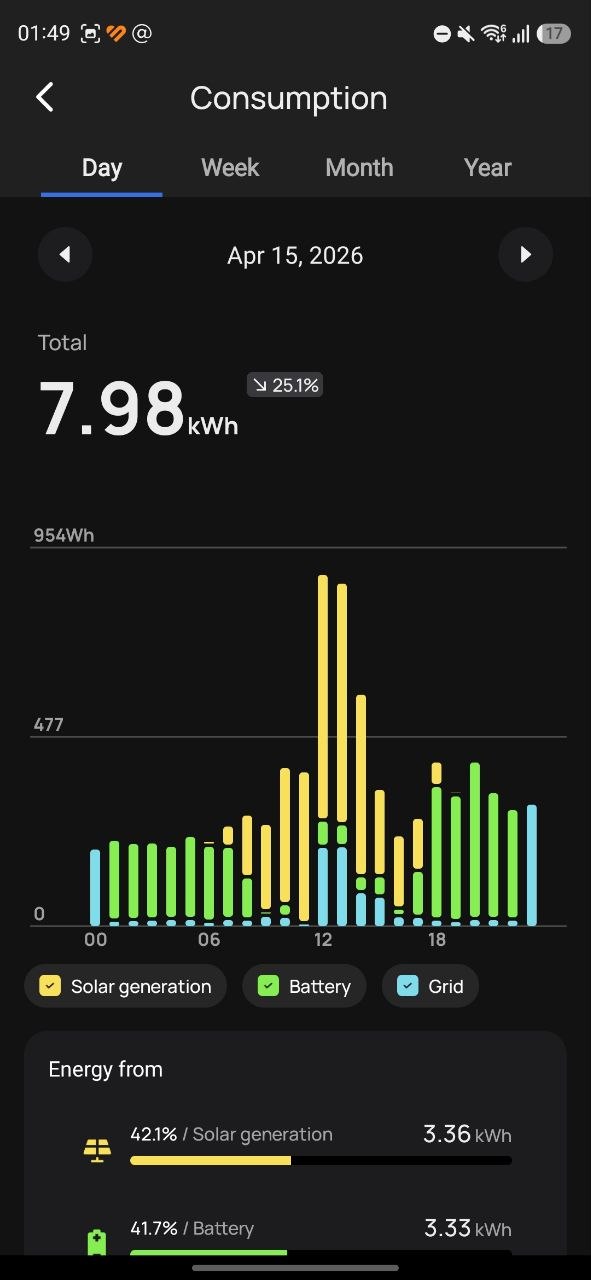
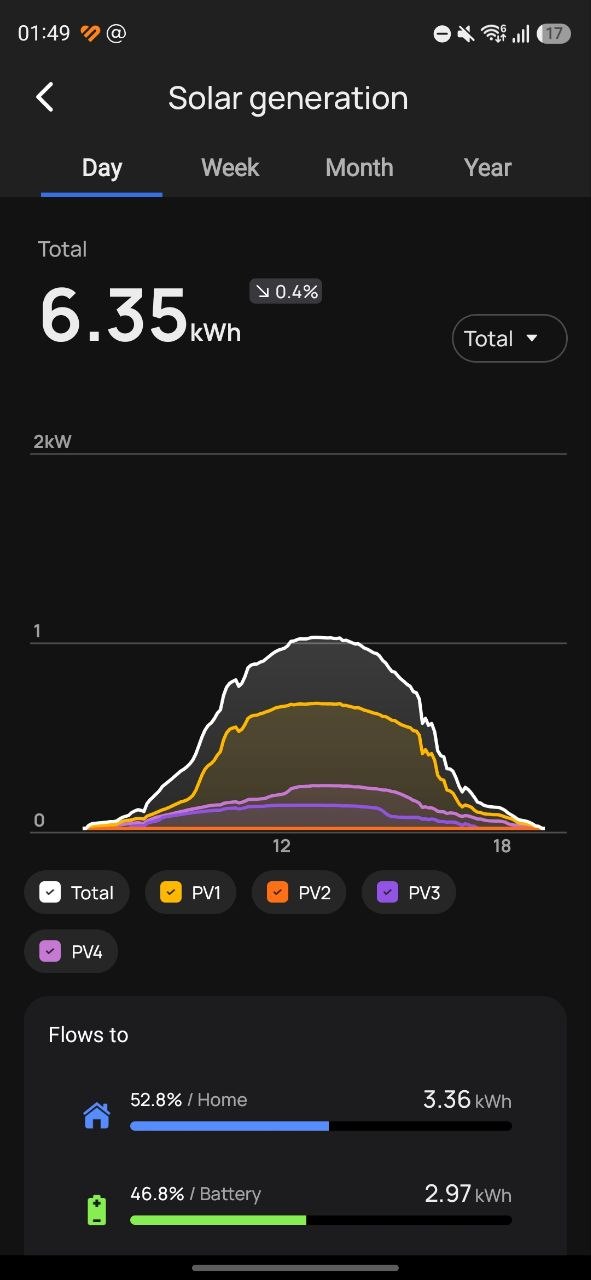
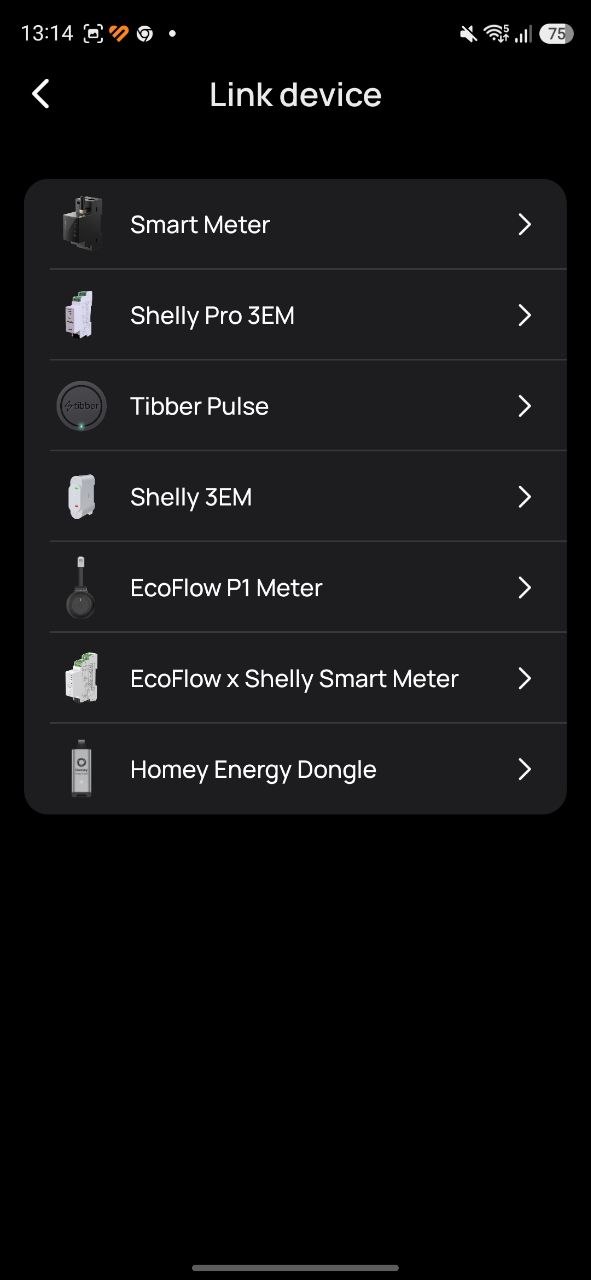
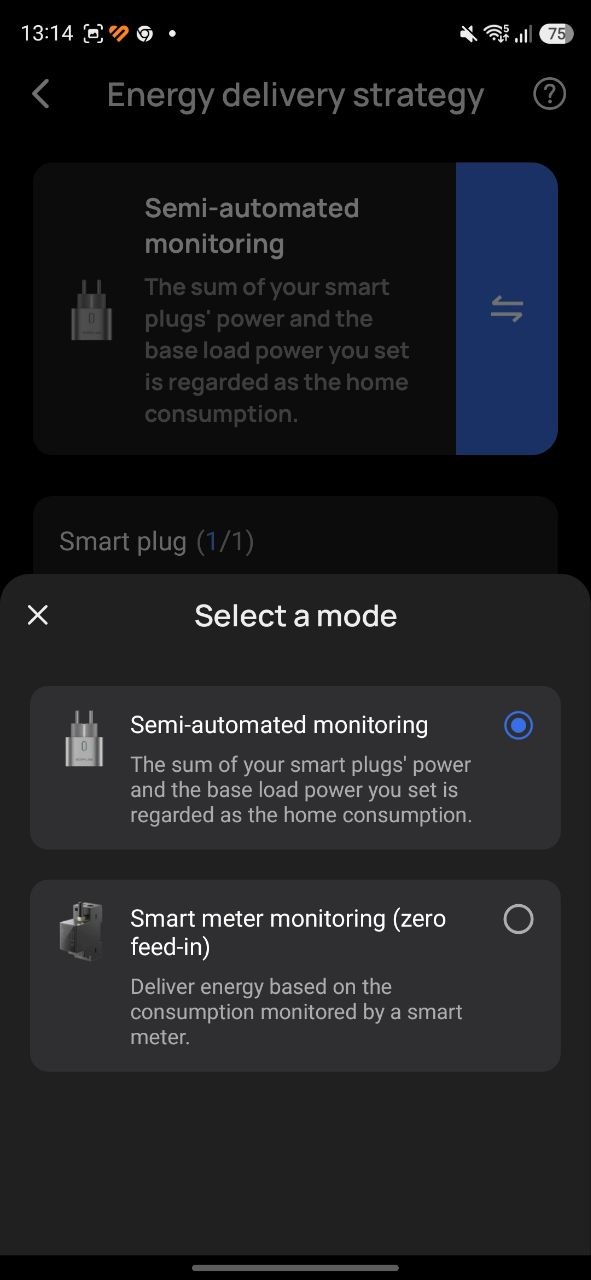
EcoFlow Stream Mobile App
1 - 12
Developed device ecosystem
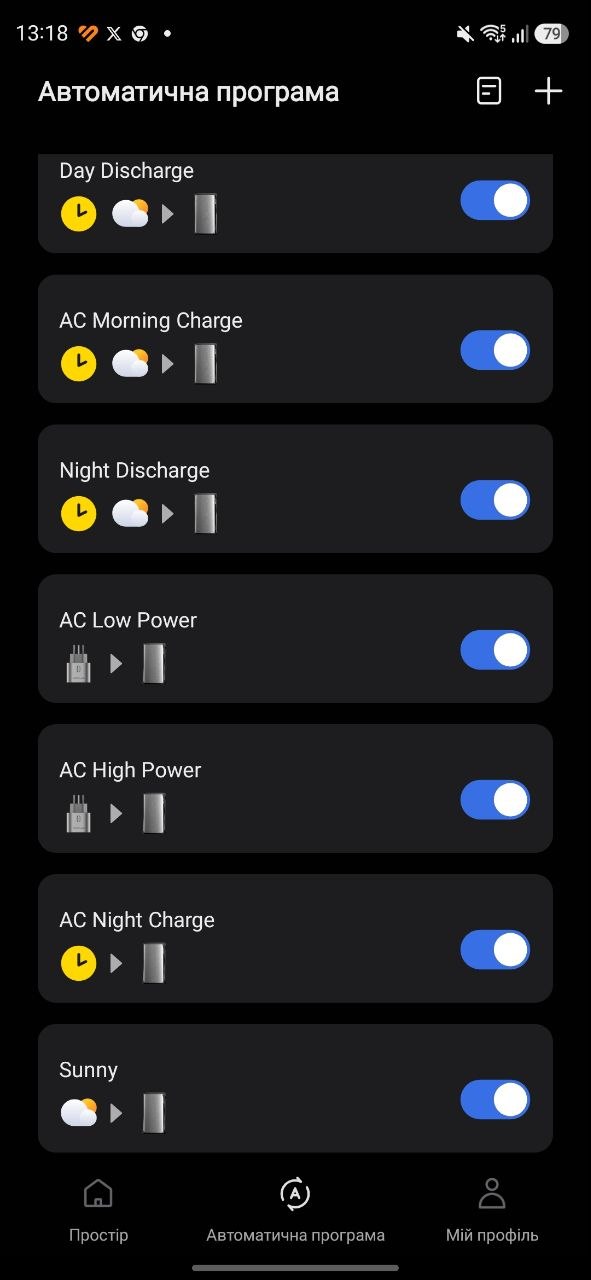
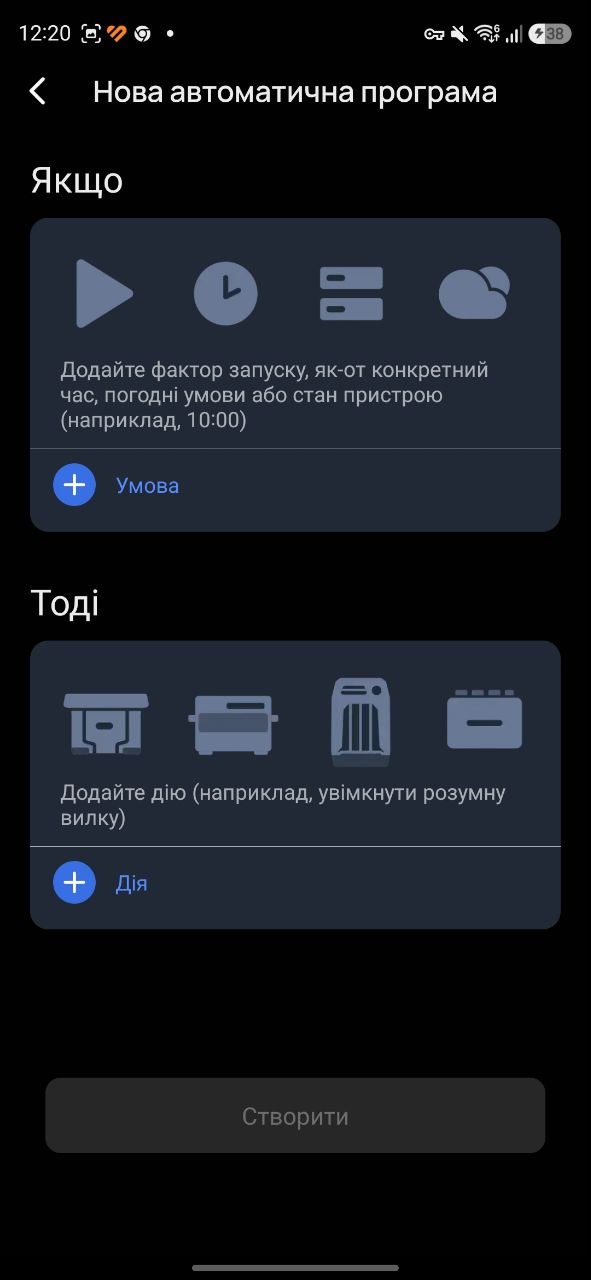
Another less obvious aspect during the selection of a solar power system platform is the ecosystem enabled by the software layer. In practice, the full scope of these capabilities often becomes clear only after the system is installed and in active use. Out of the box, the system can operate in a basic mode with minimal configuration, and in some cases without any significant setup. However, to achieve higher efficiency and better energy optimization, users typically move toward more advanced usage scenarios. These involve automation of energy flows and reduction of manual intervention, instead of manually switching power states depending on time of day, weekday, battery status, or changing weather conditions.
To support such scenarios, the system can be extended with additional smart devices. This creates a broader ecosystem that includes a range of compatible equipment from both the manufacturer and third-party vendors, such as smart plugs, energy meters, relays, switches, and various sensors. Together, these components enable more automated management of energy consumption and generation within the system.
This section provides a brief overview of the EcoFlow Stream Pro system. From a technical perspective, the Stream Pro and Stream Ultra versions are essentially identical. The primary difference is the number of MPPT inputs (ports for connecting solar panels): the Pro version includes 3 MPPT channels, while the Ultra version provides 4.
In addition, there is a lower-cost variant available, the EcoFlow Stream AC Pro. This version does not support direct solar panel input and functions primarily as an additional battery module within the Stream ecosystem. At the same time, it retains AC output capabilities, allowing it to be used independently as an energy storage unit or as a backup power source.
In general, any module in the Stream lineup – whether Pro, AC Pro, or Ultra – can be configured to operate as a backup power station. This enables use cases such as emergency power supply during outages. In setups with dual-rate electricity metering, the system can also be configured to charge during off-peak hours and discharge during peak hours, improving overall energy cost efficiency.
During the 2025–2026 winter period, when Ukraine’s energy infrastructure experienced significant strain, EcoFlow Stream products were in some cases positioned in the market as part of the broader Delta Lite category. This appears to have been a marketing alignment strategy aimed at associating the product with a more widely recognized product line, rather than introducing the Stream brand independently.
Structurally, however, EcoFlow Stream is not simply a portable power station. It is designed as an integrated, modular solar energy system combining three core functions: photovoltaic input management via MPPT controllers, energy storage through batteries, and AC power conversion via an inverter stage.
How EcoFlow Stream works – core principles and nuances
The key feature of the EcoFlow Stream system is its ability to feed energy – either stored in the battery or generated in real time by solar panels – into the household electrical system. It does this by converting DC (direct current) into AC (alternating current) and supplying it directly to the home network through the same socket to which the unit is connected. This operation is enabled by a built-in on-grid (grid-tied) hybrid inverter.
In this operating mode, the amount of power that can be injected into the household grid is typically limited by regulatory and technical constraints. In Ukraine, this value is around 800 W (similar to most European countries, with minor variations). Through the mobile application, it may be possible to increase this limit up to approximately 1200 W. In that case, the user explicitly accepts responsibility for operating outside the default configuration by confirming a corresponding setting in the app. Whether such an increase is appropriate depends on several factors, including the condition of the household electrical installation and whether it is technically prepared to handle higher continuous feed-in power.
Operating principle and key nuances of EcoFlow Stream
A key characteristic of the EcoFlow Stream system is that its grid-feeding (power injection) mode only operates when an active AC grid is present. The system synchronizes with the existing household electrical network, meaning it requires a stable grid reference to function in this mode. During a power outage, this mode is automatically disabled.
In practical terms, this is a self-consumption optimization mode. If the household’s current energy consumption is lower than the output capacity of the EcoFlow Stream, the system can cover the entire load using stored or solar-generated energy. If consumption exceeds the system’s output, the remaining demand is supplied by the external grid and recorded by the household electricity meter as usual consumption. While the principle is straightforward, an important technical aspect is that the system must have real-time information about household energy consumption in order to regulate its output correctly.
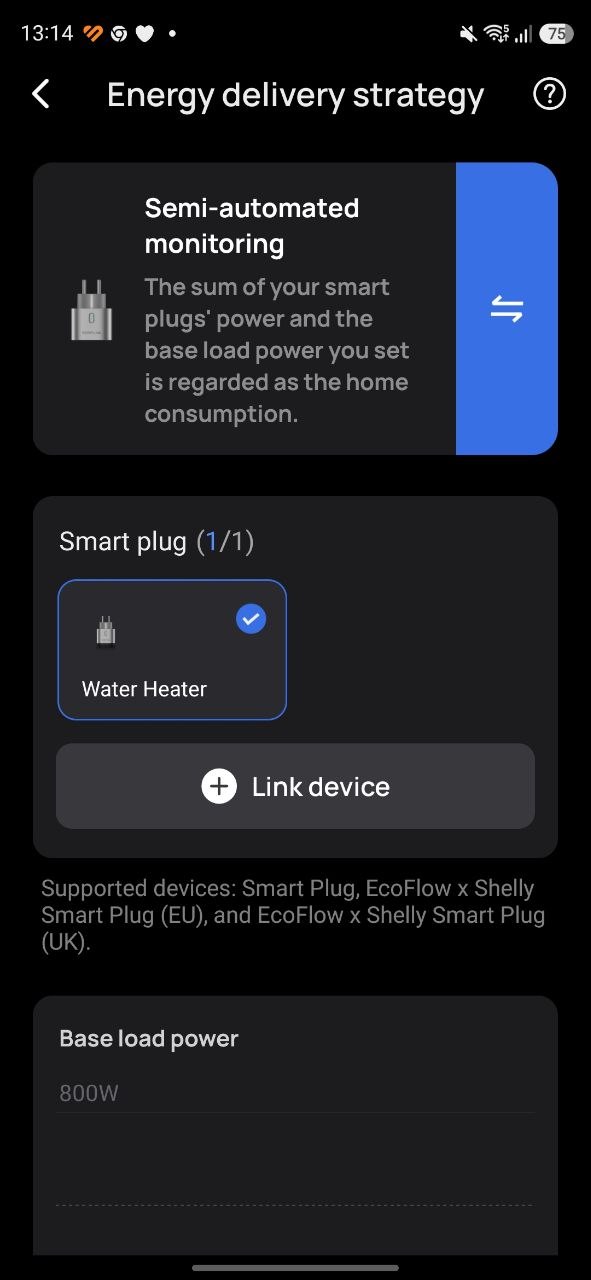
If no consumption data is available, and the system were to operate at a constant maximum output, it could potentially export excess energy beyond the intended point of use. In multi-apartment buildings, this may lead to energy flowing into shared distribution lines. Depending on the type of electricity meter, such conditions may result in the exported energy being incorrectly registered as consumed energy. To prevent this, the system relies on consumption monitoring devices such as a smart energy meter (Smart Meter) or smart plugs (Smart Plug), which provide real-time load data and allow the system to dynamically adjust its output.
The energy meter is installed on the incoming line of your apartment’s electrical system, before the main circuit breaker panel and downstream of the utility provider’s meter. It measures real-time household electricity consumption and power demand, and transmits this data to the EcoFlow Stream system.
Based on this information, the system continuously adjusts its output so that it matches actual consumption without exceeding it. This helps ensure that energy is supplied only within the limits of what is being used at any given moment, minimizing unintended energy flow outside the intended circuit. In this configuration, the goal is to prevent any export of generated energy beyond the apartment’s internal electrical system. An alternative approach is semi-automated monitoring using smart plugs. In this case, individual appliances or groups of devices are connected through smart sockets, which also report real-time consumption data. The Stream system can then use this information to adjust its output dynamically based on the measured load of those specific devices.
It is also possible to combine a Smart Meter and a Smart Plug. In this setup, the smart meter ensures zero export control, while smart plugs allow for more granular automation of system behavior. For example, it becomes possible to selectively enable or disable power contribution to specific devices without physically interrupting power delivery through the outlet itself.
In practice, this means that loads can be powered either entirely from the grid or with additional power support from a system such as EcoFlow Stream, with automatic switching between these modes. Control can be based on schedules (time of day or days of the week) or system conditions such as battery state of charge, current generation levels, or weather data.
But what should be done if the fixed grid goes down, for example during blackouts? This is a very relevant issue in Ukraine. It turns out that EcoFlow Stream can also be useful in such scenarios, as the device can operate as an off-grid inverter when needed. Each module also includes two backup power outlets.
These outlets can be used to power devices when there is no centralized electricity supply, similarly to a standard power station. In practice, this can be implemented in different ways. A simpler approach is to use extension cords, or to isolate part of the existing home wiring and make it autonomous – either permanently or via two-position switches. The key requirement is to ensure that when grid power is restored, the EcoFlow Stream is not simultaneously connected to the same circuit, since this can create a loop condition on the AC side, potentially leading to malfunction or damage.
Alternatively, a separate parallel circuit can be built within the household to support this operation model. In the following section, I will describe my own experience and how I approached this setup. In any case, there are several nuances that can be considered limitations of EcoFlow Stream when used in off-grid operation.
The first limitation is the output power of a single module, which is 1200 W when using one unit. This is not necessarily low in practical terms. It is sufficient to simultaneously power network equipment (routers, modems, fiber-optic terminals), a security system with cameras and sensors, a TV, a desktop computer or several laptops, lighting, and other similar household loads.
Based on my experience, the average instantaneous consumption of essential devices in a three-room apartment is around 300–500 W, with peaks not exceeding approximately 600 W. However, certain appliances such as refrigerators may require a high inrush current at startup, which can exceed what a lower-power EcoFlow Stream outlet can handle. In such cases, the system may shut off due to overload protection. It is sometimes necessary to attempt restarting the outlet several times before the refrigerator compressor successfully starts. Once running, the refrigerator’s power consumption drops significantly, and the EcoFlow Stream can handle it without issues.
In general, I have seen frequent complaints specifically about using a single Stream module as a backup power source for refrigerators. It is important to emphasize that this applies to a single module configuration. When two modules are connected in parallel, the outlet output increases to 2300 W, which is a substantially higher capacity for a typical apartment setup. In this configuration, in addition to the previously mentioned devices, it becomes possible to run appliances such as a coffee machine, microwave, toaster, or even two higher-power consumers simultaneously.
There is also another undocumented workaround for compensating for the limited output power of the built-in EcoFlow Stream socket. If you already have a more powerful power station, it is preferable to place it between the solar power system and the standalone household circuit. In this configuration, if the station supports uninterruptible power supply (UPS) mode, it effectively addresses another key limitation of EcoFlow Stream – the lack of built-in UPS functionality. Many of the issues observed with the Stream outlet tend to occur during transitions between grid loss and grid restoration.
When power is cut, there is typically a 1–2 second interruption before supply is restored. This can cause connected devices to reboot or shut down completely, requiring manual restart (for example, televisions or desktop computers). From a practical standpoint, this is undesirable. Additionally, during both disconnection and reconnection of the grid, voltage fluctuations can occur. EcoFlow Stream does not always handle these transitions smoothly, since multiple loads may simultaneously require higher startup power.
For this reason, it is more reliable to use either a higher-capacity station with UPS functionality, or a dedicated device that can handle short-term surge loads and maintain power during these critical switching moments. In this setup, the station effectively acts as a buffer layer and most of the time operates in bypass mode, passing power from the solar system through to the loads. Another advantage is that such a station can also be charged from solar input and serve as a final backup layer. When the Stream batteries are fully depleted and output stops, the station can still provide backup power for a limited period.
In principle, with automation through a smart plug, it is possible to configure a scenario where the system dynamically switches power sources based on load conditions. For example, when power consumption exceeds a defined threshold (such as when a toaster or coffee machine is turned on), the autonomous Stream outlet is temporarily disabled. At that point, an uninterruptible power supply (UPS) system allows a higher-capacity station to take over and supply the household load for a period of time. Once the load decreases again, power delivery from the Stream outlet is restored, and the secondary station resumes charging, returning to full capacity when conditions allow.
In practice, this kind of switching can operate smoothly and without noticeable interruptions in my setup. I will describe the configuration process in more detail later.
Does EcoFlow Stream suit absolutely everyone? Of course not. In practice, it is more of an energy-saving and optimization solution than a full-fledged backup power system, although it can perform that role within certain constraints.
If you have multiple high-power consumers that must operate during outages – such as an electric stove, oven, or water pump – then it is more appropriate to consider higher-capacity systems designed specifically for backup power scenarios. Similarly, in the case of a large house with consistently high daily electricity demand, EcoFlow Stream is unlikely to be sufficient as a standalone solution. In such situations, a more suitable approach is typically a higher-power inverter system with a robust MPPT controller, a larger battery bank, and properly designed solar arrays – often organized into one or two uniform strings of panels positioned for optimal solar exposure.
Accordingly, EcoFlow Stream is best suited for a balcony-based solar power setup in an urban apartment, where a distributed configuration of multiple low-power MPPT inputs is often required. In such conditions, users may need to combine a variety of different solar panels in order to make use of the limited available surface area for solar installation. Alternatively, it can also be a practical solution for seasonal solar systems used in dachas or small gas-heated houses, where electricity demand is relatively moderate and not concentrated around high-power appliances.
Summary of Part 1
That’s probably it for today, as it makes sense to stop here – the first article has already grown to an unreasonably large size. I hope the information provided was useful. In the next part, the focus will shift more toward the practical side – my hands-on experience of setting up a solar power system based on EcoFlow Stream and its initial configuration via the EcoFlow mobile app. I will also cover how I went from using a single Stream Pro module to three units in total – two Stream Pro units plus one Stream Ultra – connected in parallel.
We will look at what this provides and what nuances appear when adding additional system modules. If you need personal consultations or have questions about the Stream system right now, there is no need to wait – you can use the comment feature under this article or follow me on social media, where I actively share experience from this project: X (Twitter), Theads. See you next week.
Co-founder of Root Nation. Editor, CEO. I don't care about nameplates and I don't worship brands. Only the quality and functionality of the gadget matters!
Thank you for supporting Root-Nation!Ads are now disabled on this device. Sign in with Google to easily restore Ad-Free in other browsers and on your other devices.