
© ROOT-NATION.com - Use of content is permitted with a backlink.
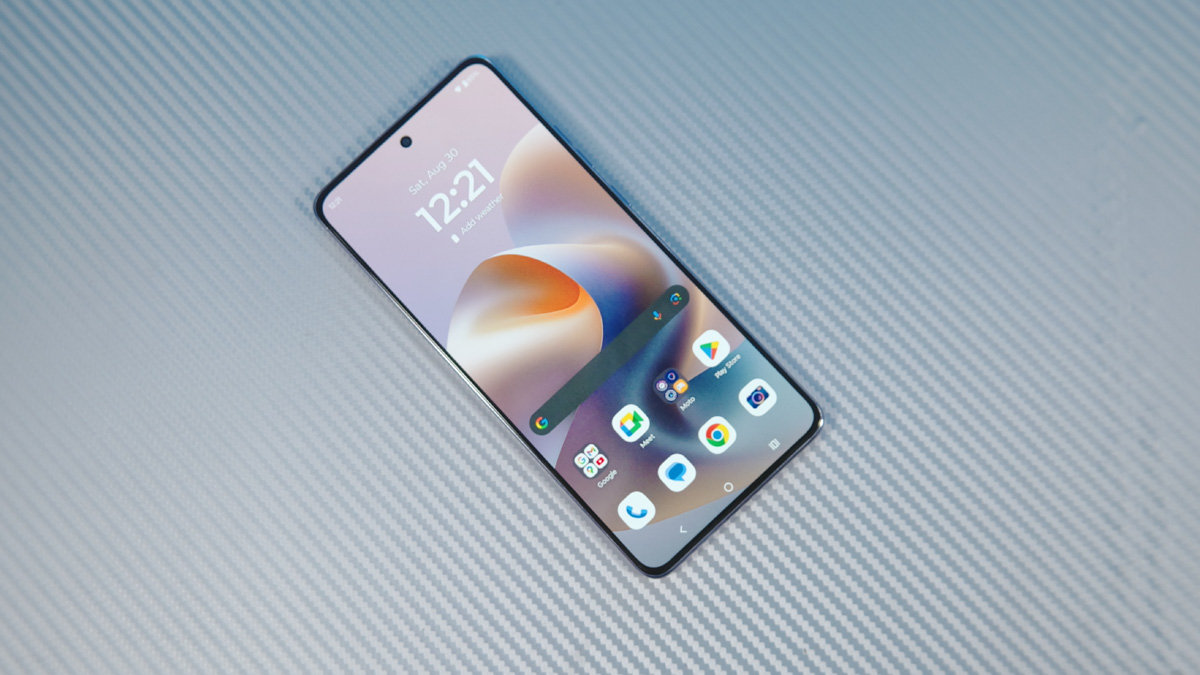
The Motorola Moto G86 makes a strong first impression and remains engaging throughout use. That said, it would be hard to call it flawless. Where the phone falls short, the shortcomings are significant. We’ll get to those points shortly.
Read also: Motorola smartphone reviews
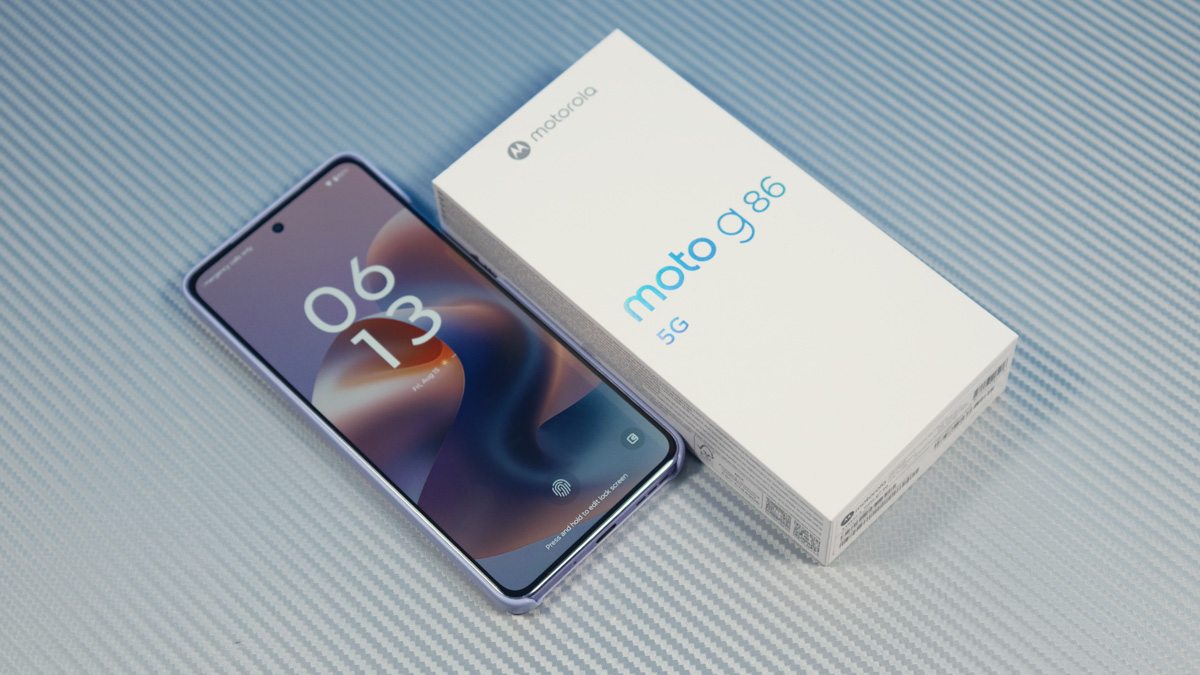
TABLE OF CONTENTS:
Video about Motorola Moto G86 5G
Specifications
- Display: P-OLED, 6.67″, Super HD (2712×1220), 446 ppi, HDR10+, brightness up to 4500 nits, refresh rate up to 120 Hz, Gorilla Glass v7i
- Processor: MediaTek Dimensity 7300, 8 cores (4×2.5 GHz Cortex-A78; 4×2.0 GHz Cortex-A5), 4 nm
- Graphics processor: Mali-G615 MC2
- RAM: 8 GB (expandable)
- Storage: 256 GB UFS 2.0
- Memory card support: microSD up to 2 TB
- Main camera:- 50 MP wide-angle module, 25 mm, f/1.9, Sony LYT-600, 1/1.95″, 0.8 µm, dual pixel PDAF, OIS
– 8 MP ultra-wide angle, f/2.2, 12 mm, 118˚, 1.12 µm, AF
– Video: 4K@30 fps, 1080p@30/60/120 fps, gyro-EIS
- Front camera: 32 MP, f/2.2, 0.7 µm, video recording 4K@30 fps, 1080p@30 fps, gyro-EIS
- Shell: Android 15 + Hello UI
- Wireless technologies: dual-band Wi-Fi 6 (802.11), Bluetooth v 5.0, NFC, GPS, GLONASS, GALILEO, BDS, QZSS
- Body protection: MIL-STD 810H + IP69
- Battery capacity: 5200 mAh
Price and configuration
Let’s start with the price – $270 or €240. That gets you the 8/256 version in any of the four color options: the orange-red PANTONE Chrysanthemum, the blue-gray PANTONE Spellbound, the green-gold PANTONE Golden Cypress, or the lilac PANTONE Cosmic Sky.
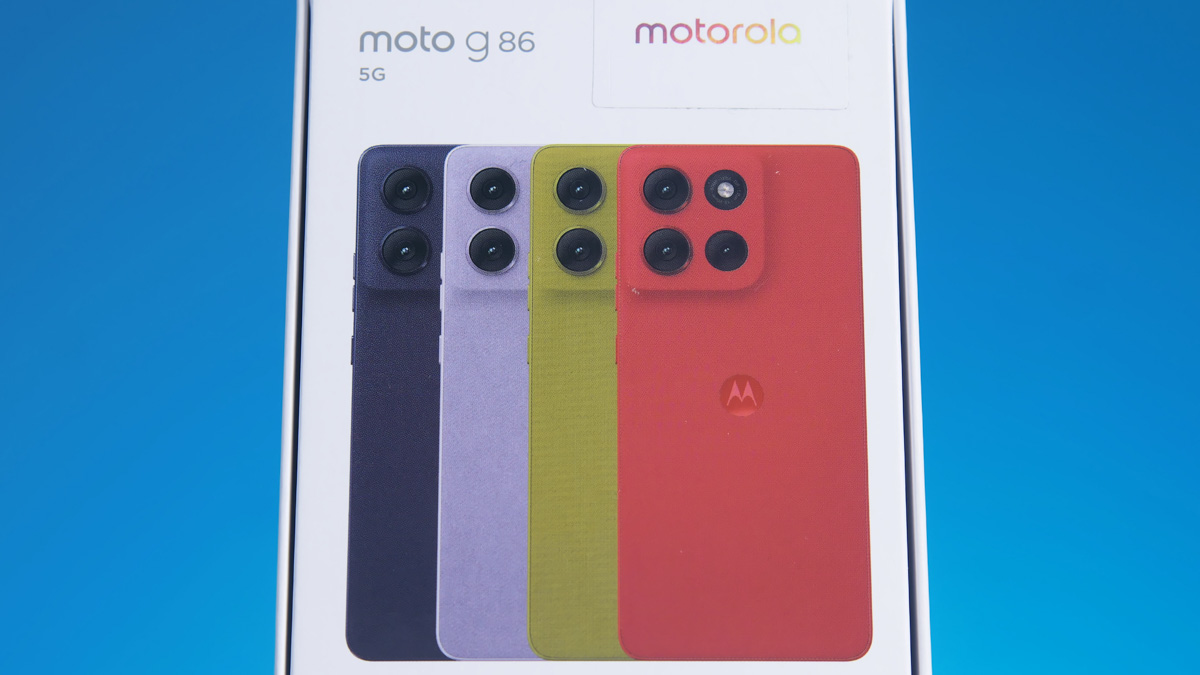
The smartphone comes with a rather minimal package. Inside the box you’ll find a case, a USB-C to USB-C cable, and a SIM tray ejector. A charging brick is not included. Interestingly, and somewhat unexpectedly, the case comes pre-installed on the phone itself. This makes the box more compact, since there’s no need for extra space just to store the case during shipping.
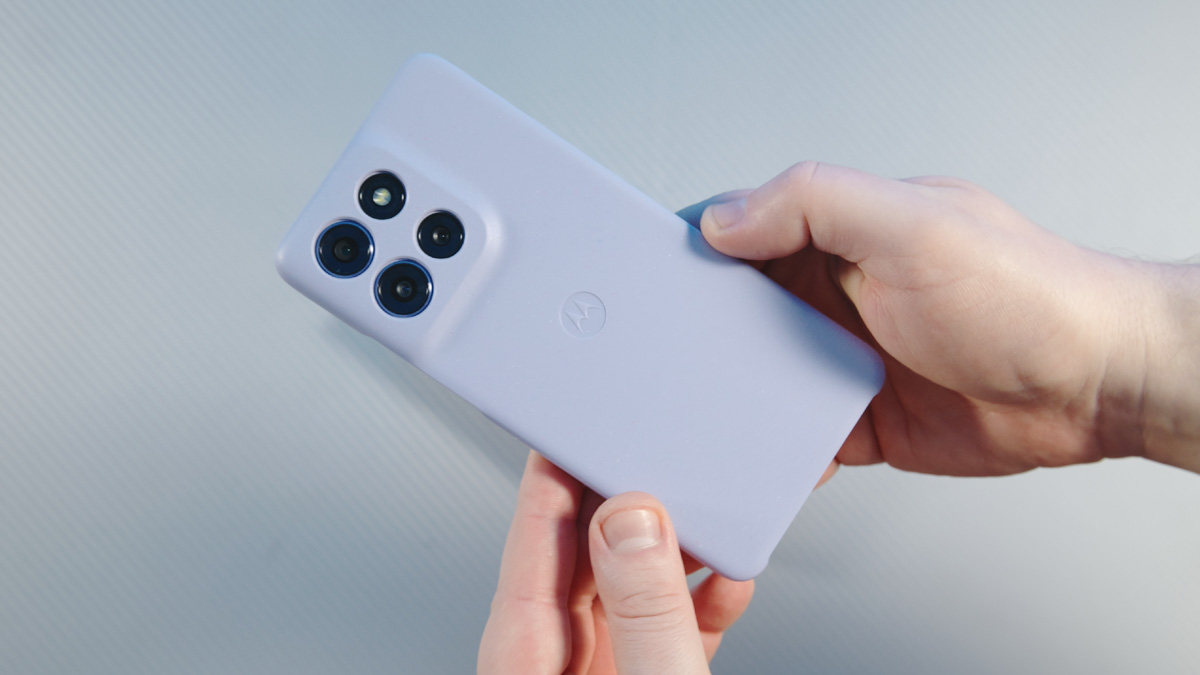
I found the case itself to be well thought out. As is typical for the brand’s eco-friendly approach, it’s made from recycled plastic with a texture that feels pleasant in hand. The color also matches the phone’s body, keeping the overall look consistent.
Design
The first detail that stands out is the two-segment mirrored frame wrapping around the phone’s edges. If it were made of metal, I could easily say the Motorola Moto G86 looks like a device priced nearly twice as high. The design isn’t just refined in shape – it feels deliberate and well-finished.
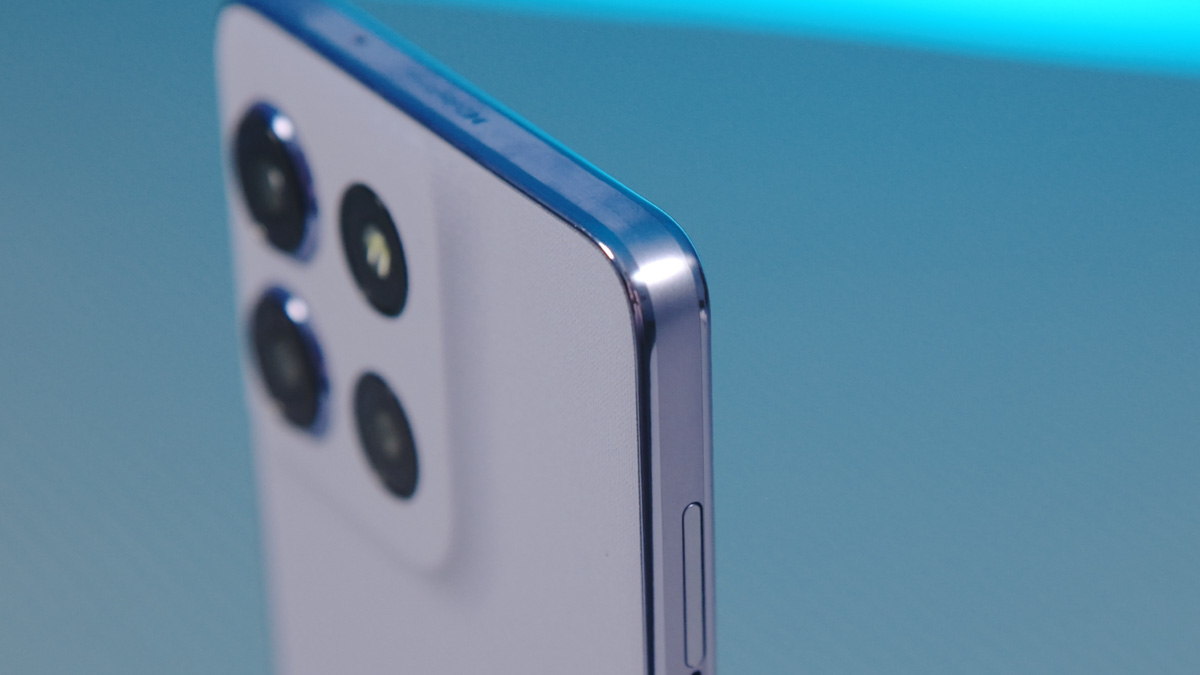
Another positive aspect is the design of the main camera module, which blends smoothly into the back panel in a style reminiscent of the Oppo Find X3 Pro. Depending on the chosen color, the back can feature different textures. Cases, however, always use the same finish, which in my experience feels similar to fabric.
Ergonomics
Ergonomically, the device leaves little to complain about. It weighs 185 g, measures 161.2 × 74.7 × 7.8 mm, and features a 6.67-inch display. The phone feels compact and comfortable in hand, with a straightforward button layout. The volume and power buttons sit on the right edge, while the SIM card slot is positioned on the left.
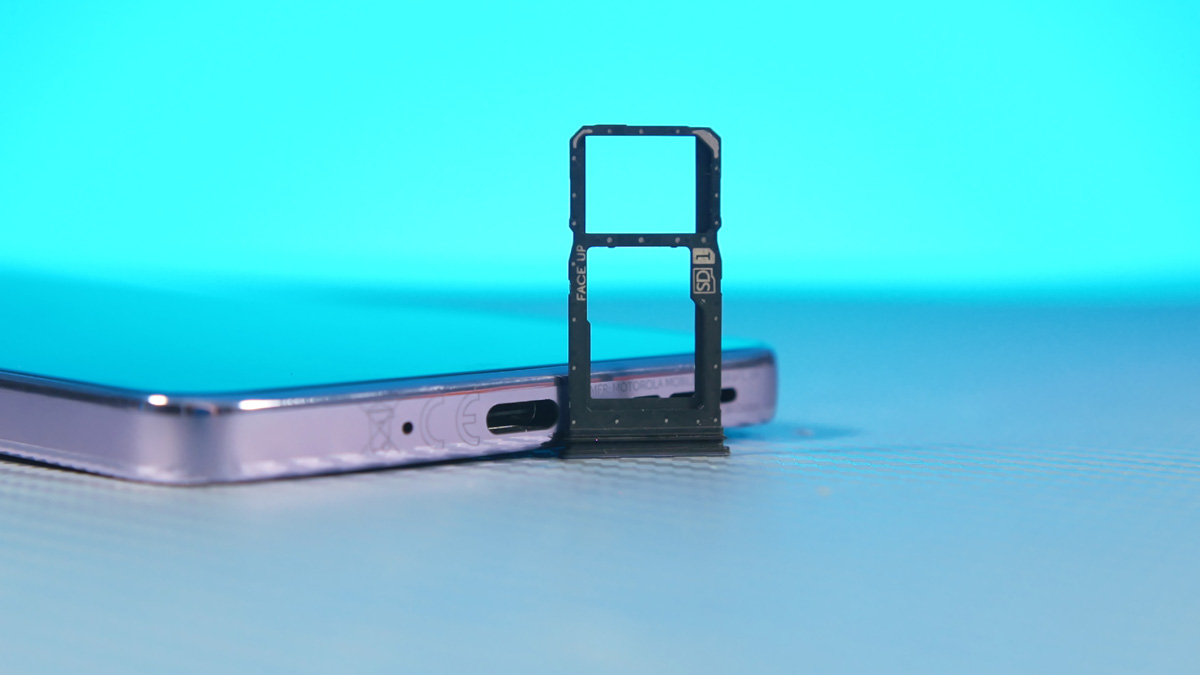
The bottom edge houses the USB-C port, speaker, and microphone. Up top, there’s a secondary microphone along with a Dolby Atmos logo.
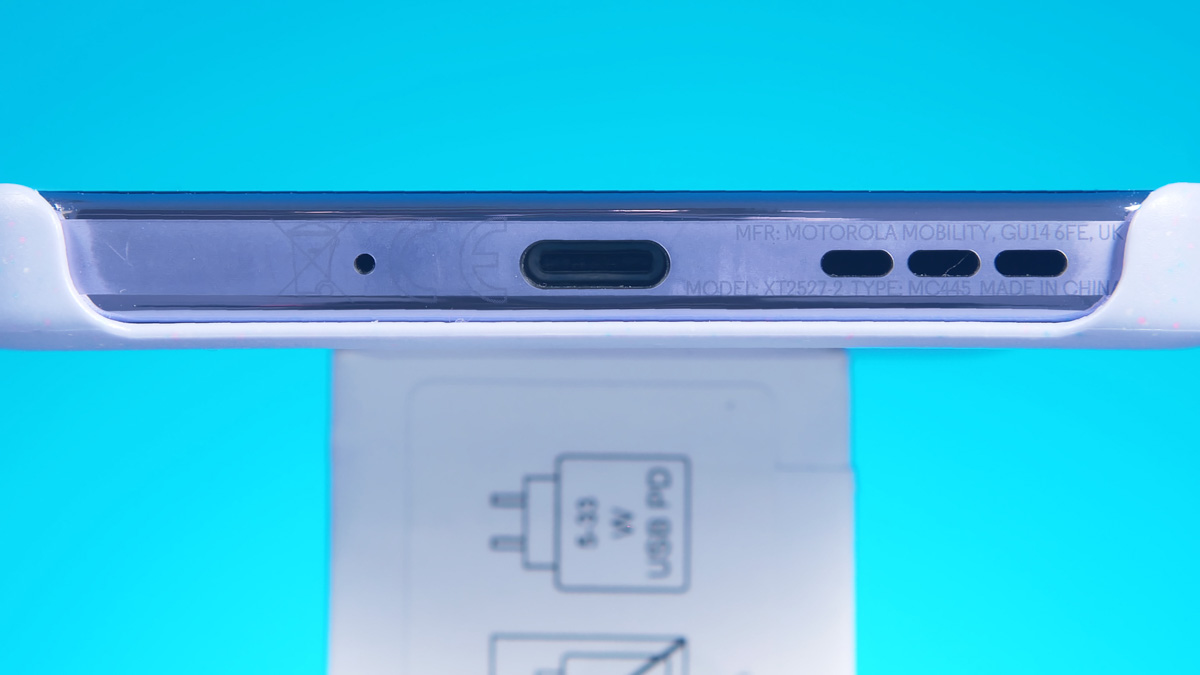
The body is rated IP69K and even meets MIL-STD 810H standards. If that sounds standard to you, you’re probably used to seeing it on higher-end Motorola models like the Edge 60 Pro. But it’s worth remembering that the Moto G86 costs roughly half as much. Getting this level of durability at this price point is extremely rare – almost like spotting a unicorn under a rainbow.
Display
In my view, Motorola has outdone itself here. The Moto G86’s display is exemplary for its price range. It’s a P-OLED panel with a resolution of 2712×1220 pixels and a 120 Hz refresh rate. Peak brightness reaches a flagship-level 4500 nits in HDR10 mode, while the maximum sustained brightness goes up to 1500 nits. On top of that, PWM modulation is kept under 800 Hz.
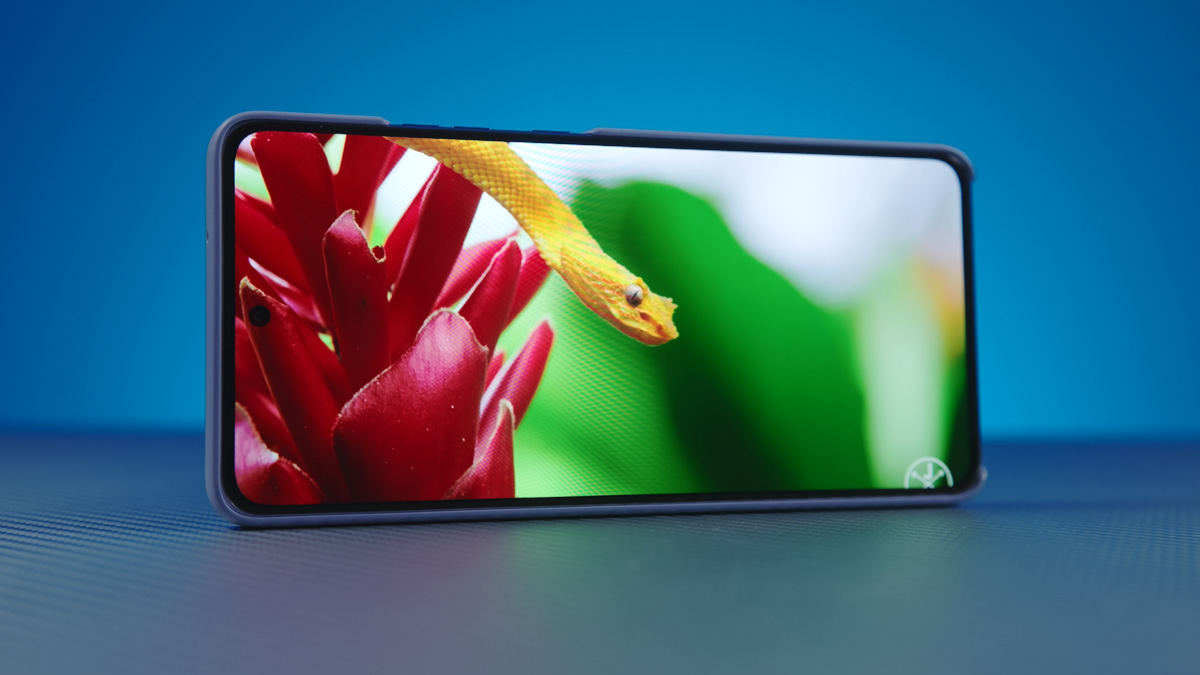
Add the ability to fine-tune color tones and the protection of Corning Gorilla Glass 7i, and you get an almost perfect display for a mid-range device. In fact, the Edge 60 Pro had a similar panel. The fingerprint scanner is also under the screen – still in the same somewhat awkward position.
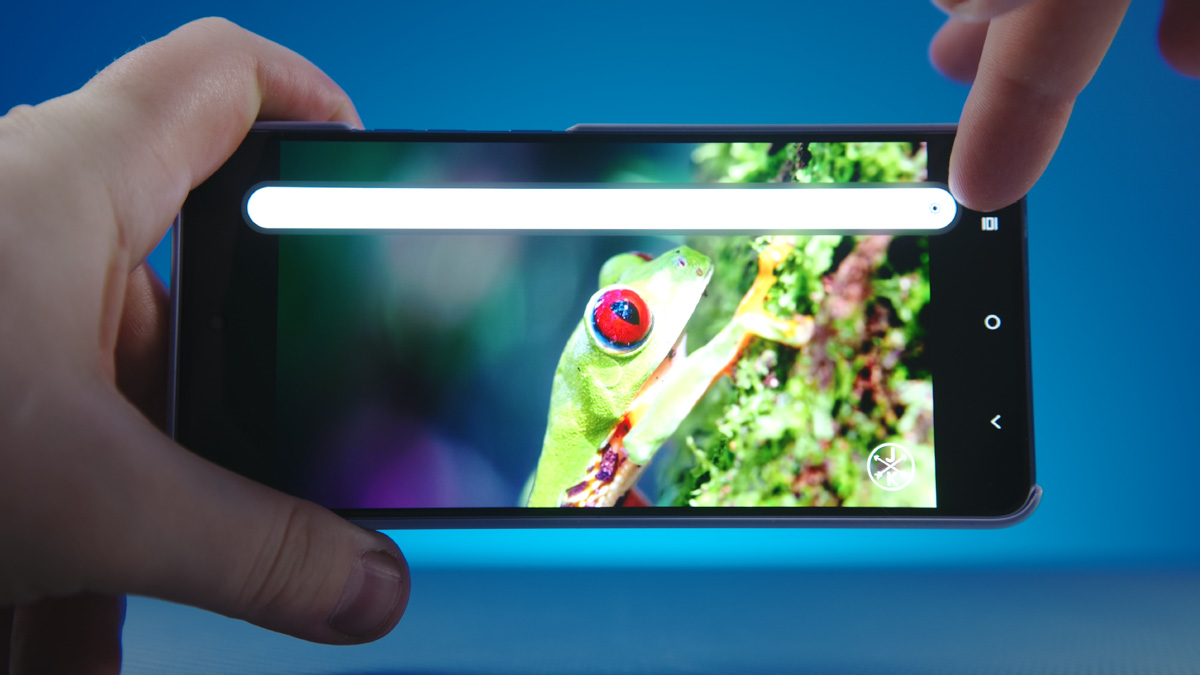
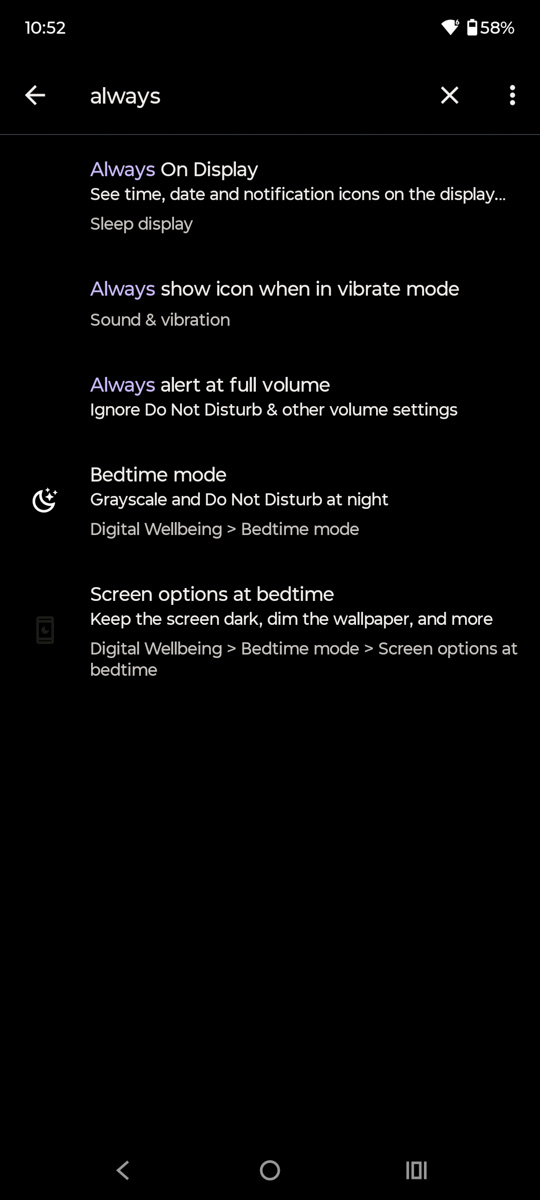
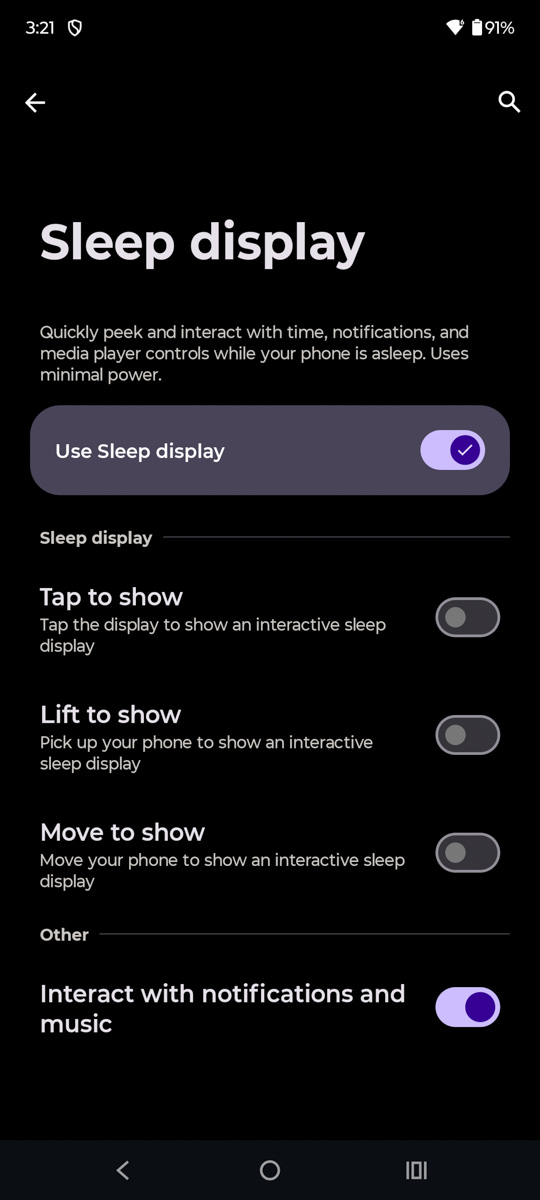
The display has two main drawbacks. First, there’s no factory-applied screen protector, and while the panel isn’t a waterfall type, scratch protection is basic. Second, there’s no option to enable a permanent Always-On Display.
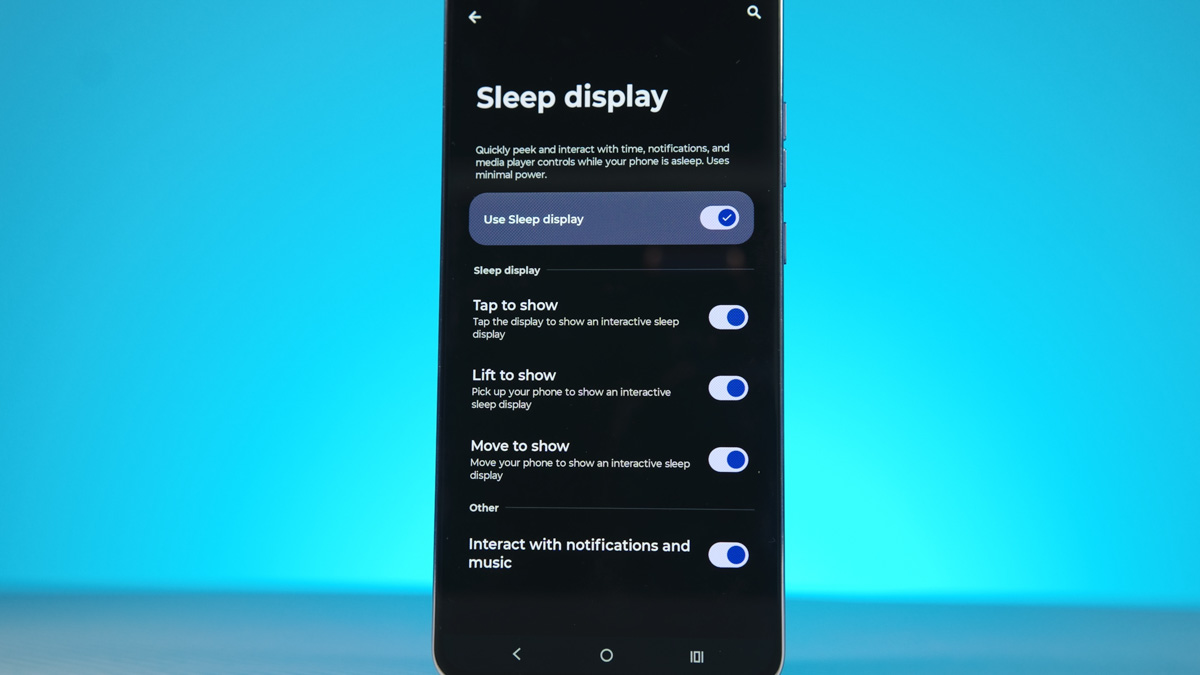
The Moto G86 includes a Sleep Display feature, which activates the screen not only for notifications but also when you tap on it, pick it up, or even just move it slightly.
Performance
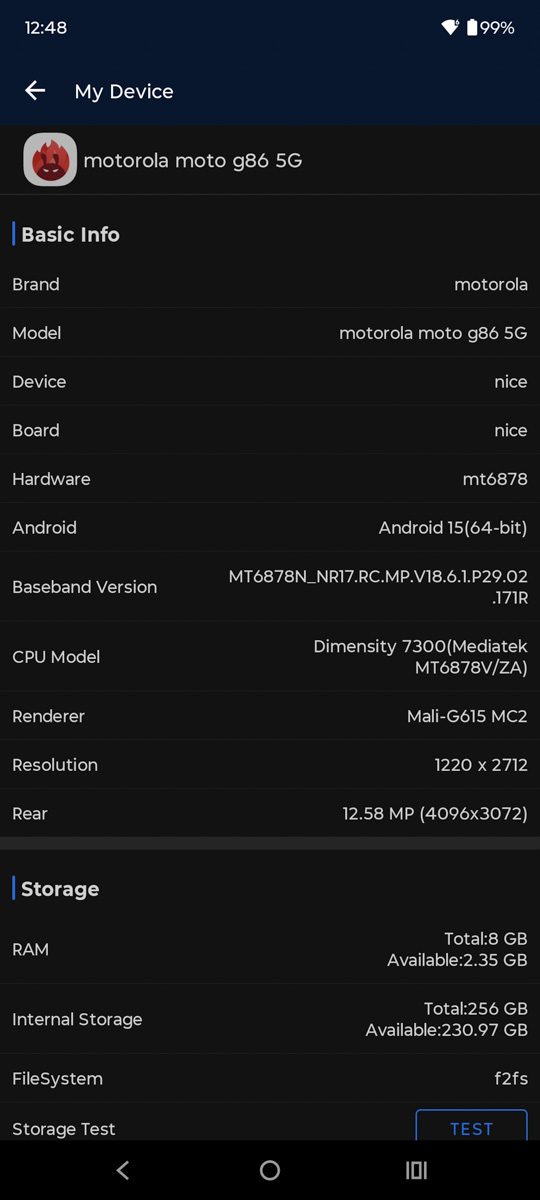
The Moto G86 is powered by a MediaTek Dimensity 7300 SoC. It has eight cores: four Cortex-A78 cores clocked at 2.5 GHz and four Cortex-A55 cores at 2 GHz. Built on a 4nm process, it features a Mali-G615 MC2 GPU and scores around 660,000 points in AnTuTu.
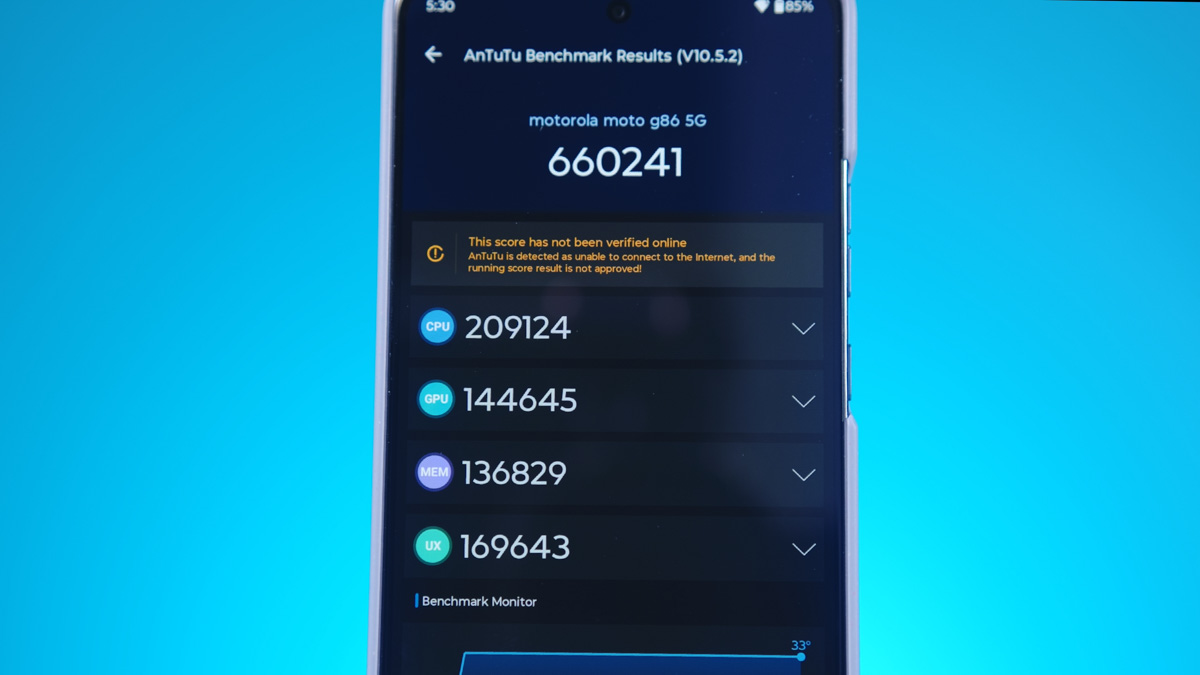
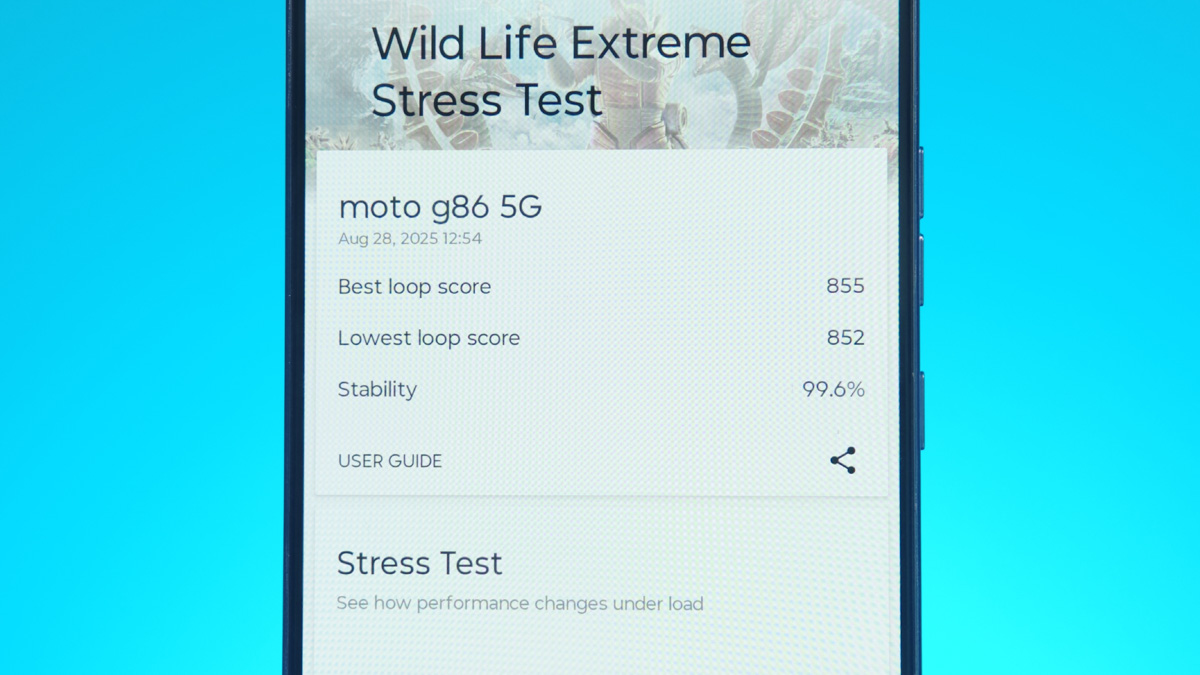
In practical terms, gaming is possible, but not at maximum settings – and not always even on medium settings. The 120 Hz refresh rate also can’t be fully utilized in demanding games. On the plus side, cooling is not an issue: in the 3DMark Wild Life Extreme stress test, the phone lost only 1% of its performance.
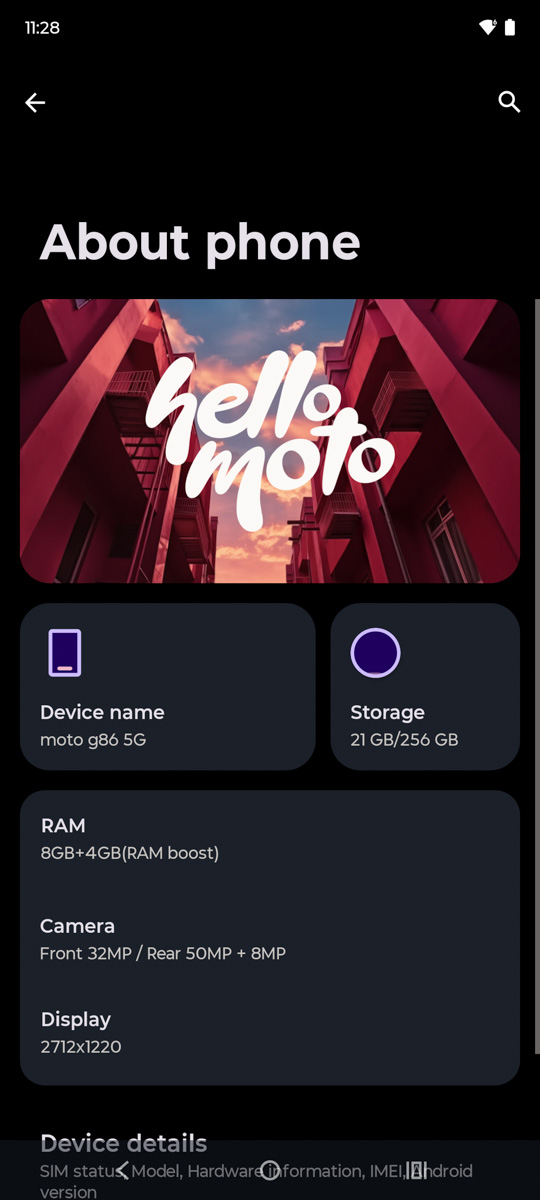
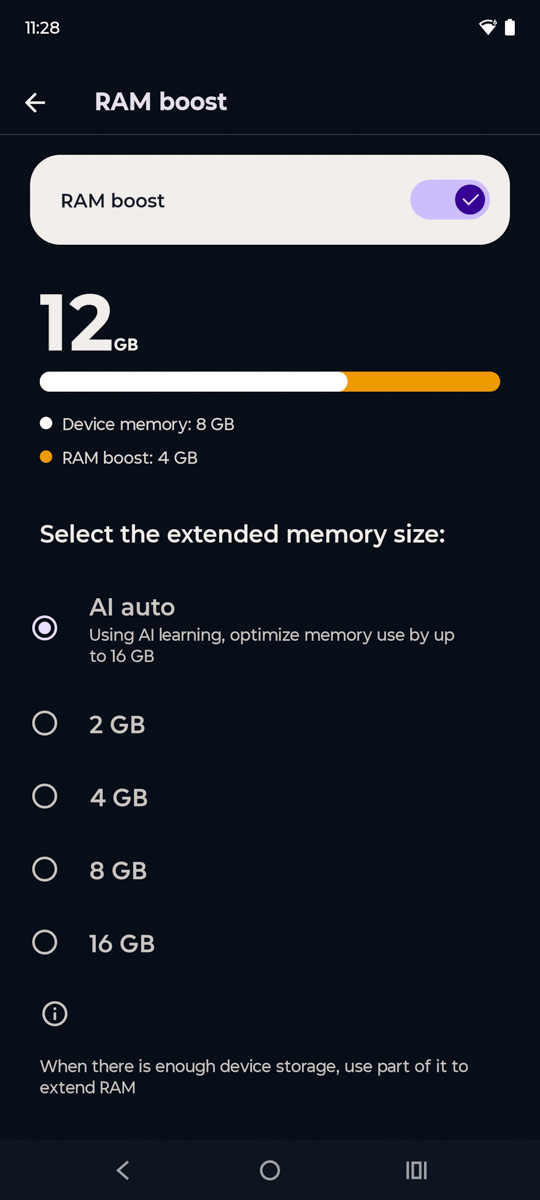
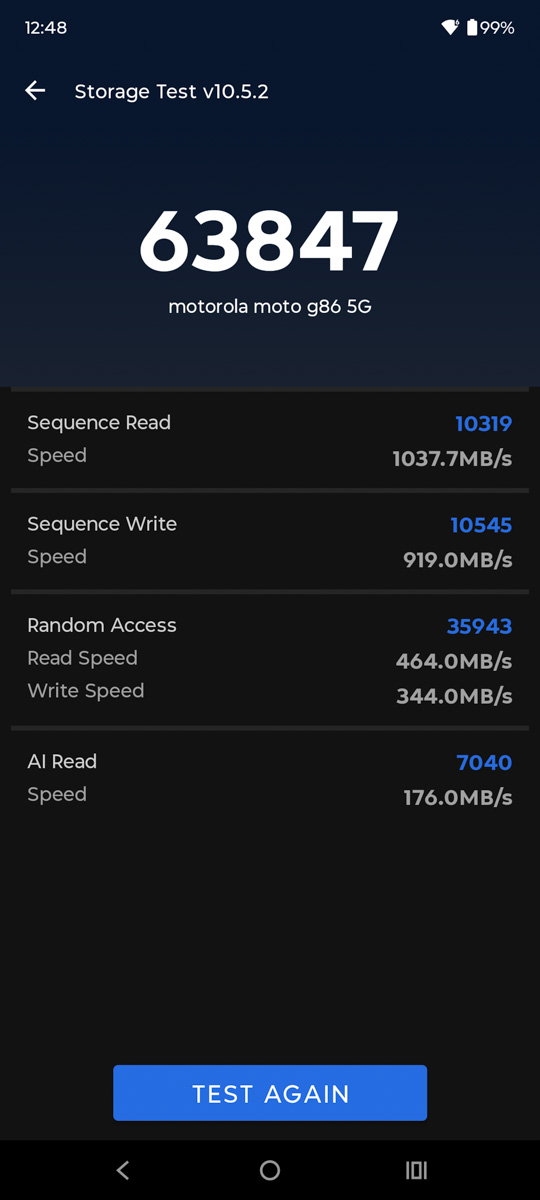
There’s little to complain about regarding memory. Aside from the 8/256 GB configuration, there’s also a 12/512 GB option. The phone supports both a SIM card and a microSD card. The only limitation is the internal storage speed, which tops out at 1 GB/s – essentially UFS 2.0. On the bright side, up to 16 GB of this storage can be allocated as virtual RAM.
Data transfer, media capabilities
Here, the Moto G86 shows its first real gap. The modem itself is decent, with support for Wi-Fi 6, Bluetooth 5.4, NFC, and multiple satellite systems (GPS/GLONASS/GALILEO/BDS/QZSS). USB-C, however, is limited to version 2.0 with 480 MB/s speeds. The phone also supports Motorola Smart Connect, but there’s no desktop mode.
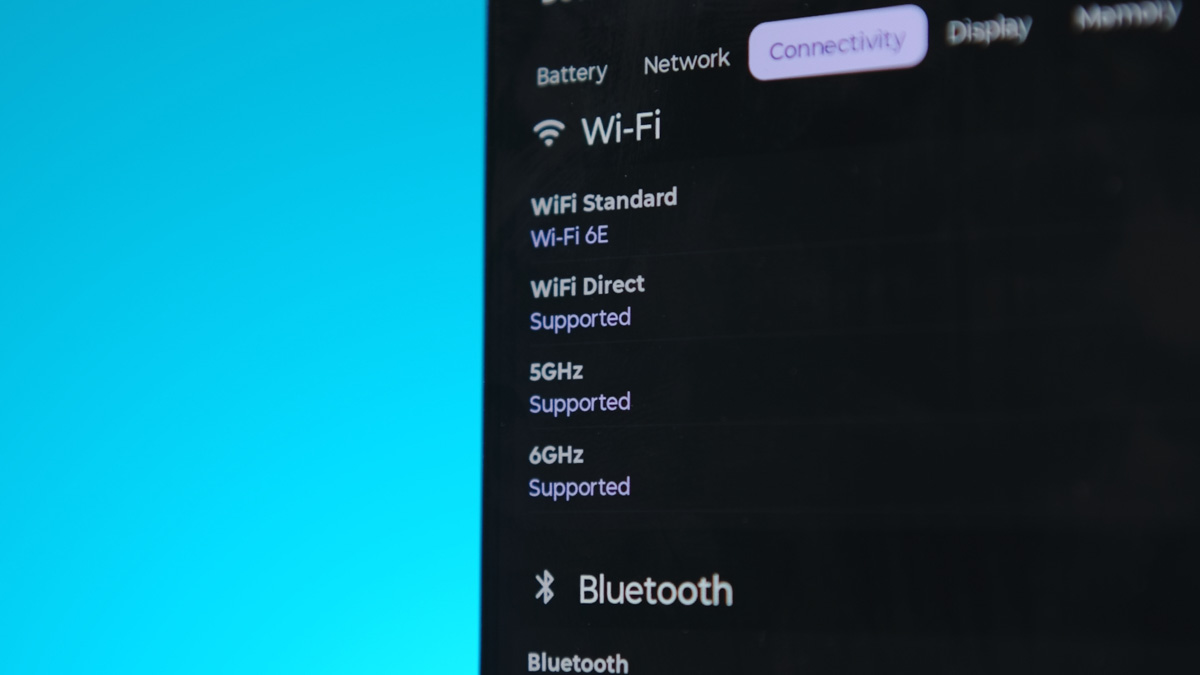
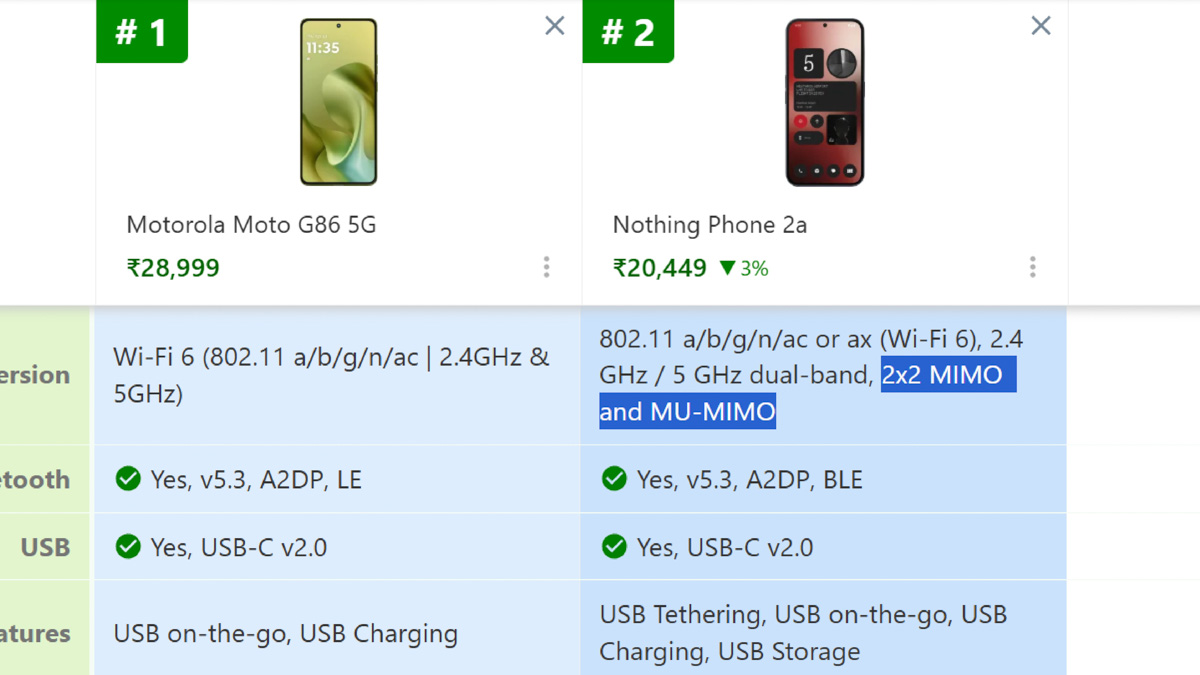
And here’s the downside: based on the specs I’ve seen, the phone lacks 2×2 MIMO support. This means it uses a single antenna for both sending and receiving data, which can slow down your internet under heavy load. For comparison, even the OnePlus Nord CE 5 5G and Nothing Phone 2a – both cheaper devices, with the latter noticeably so – include 2×2 MIMO.
In terms of media capabilities, the phone offers stereo sound and supports Dolby Atmos. The audio comes through loud and clear, without harsh distortions, though I’ll go into more detail on sound quality in the video review.
Cameras
The Motorola Moto G86 5G has two main rear cameras. The primary sensor is a 50 MP, 25mm wide-angle lens with an f/1.9 aperture, a 1/1.95″ sensor size, and 0.8 μm pixels. The secondary camera is an 8 MP ultra-wide 12mm lens with an f/2.2 aperture and 1.12 μm pixels. The front-facing camera is 32 MP with an f/2.2 aperture and 0.7 μm pixels.
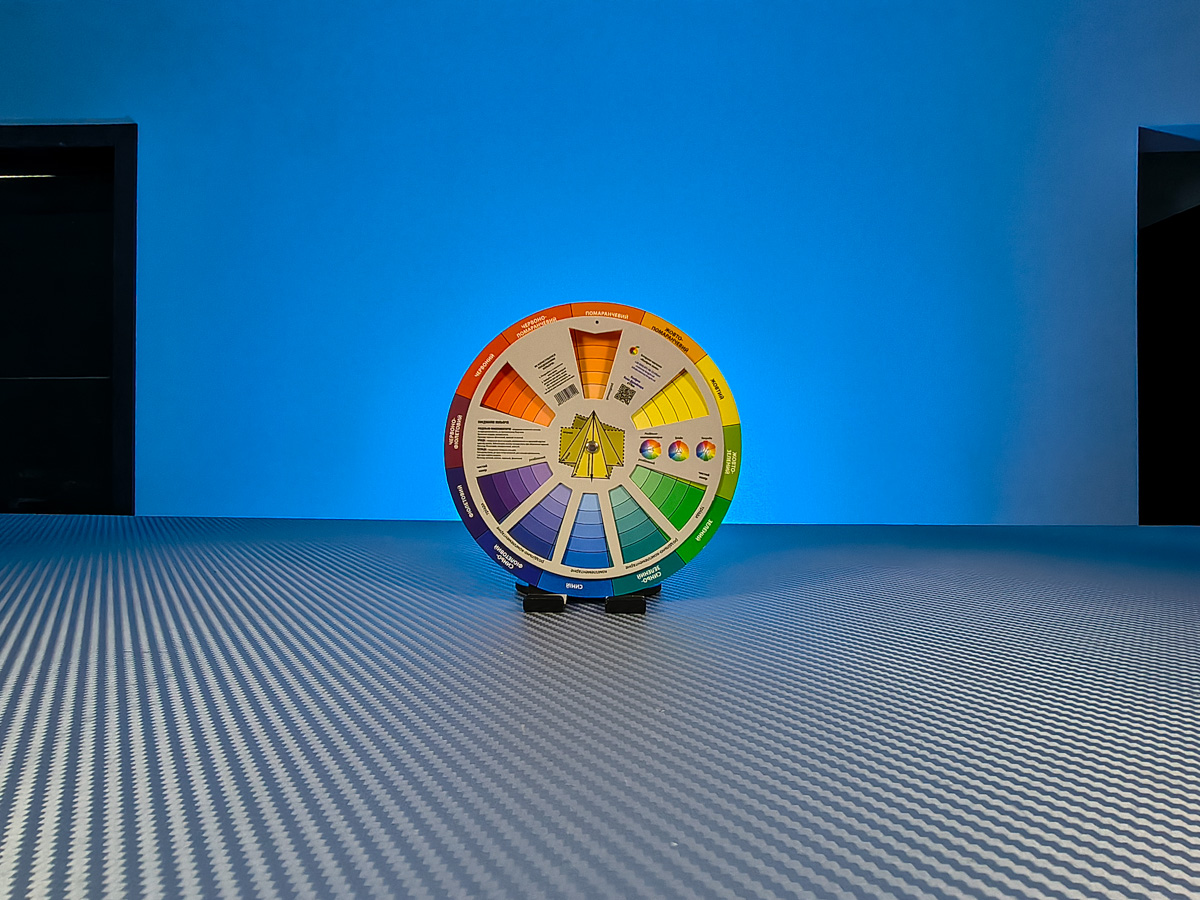
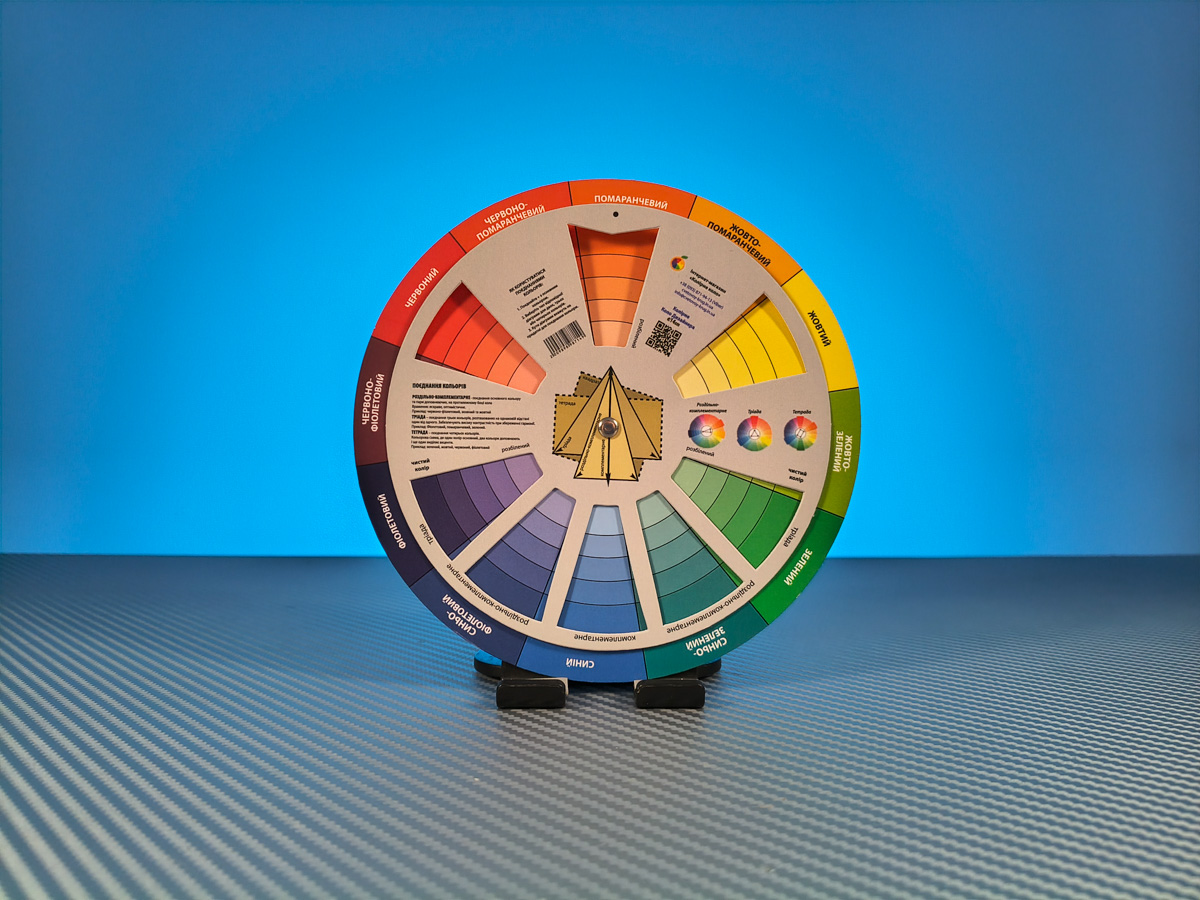

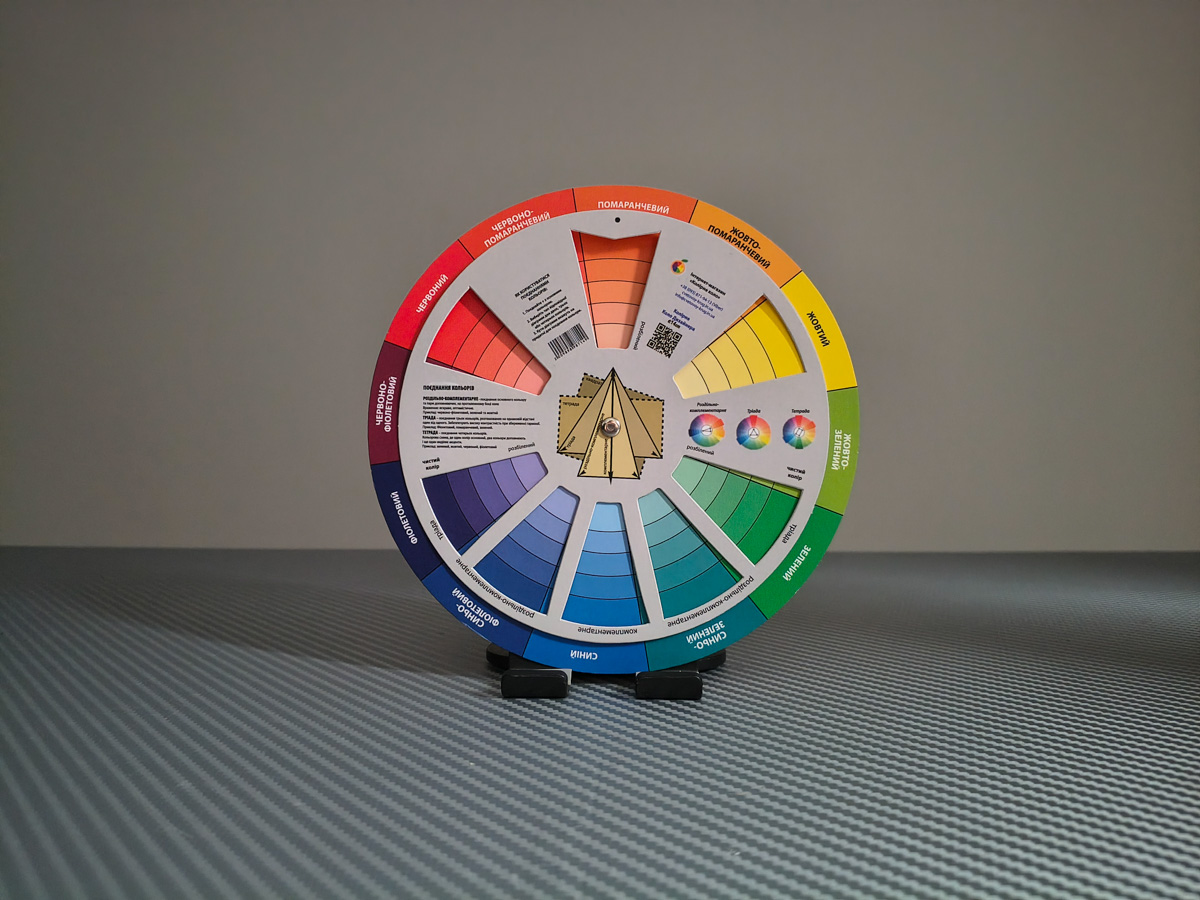
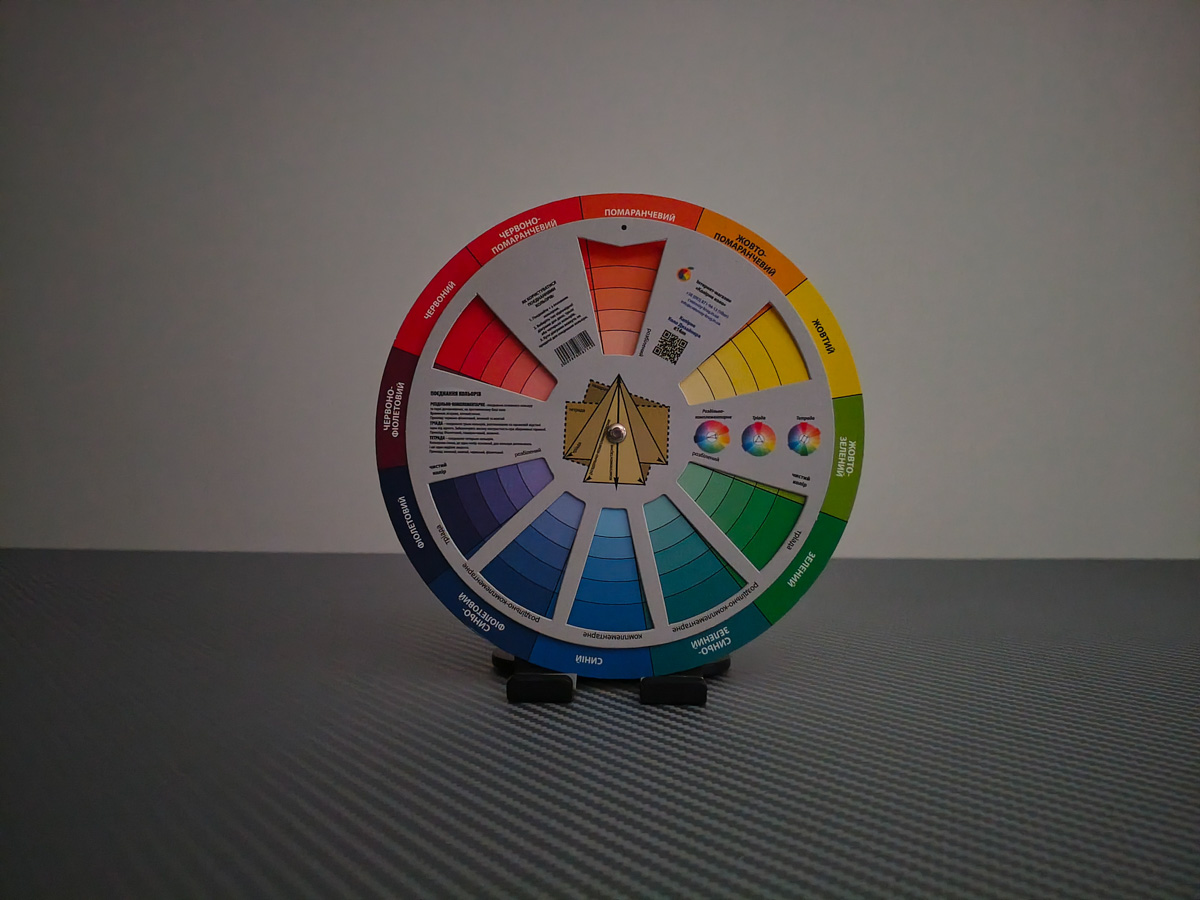
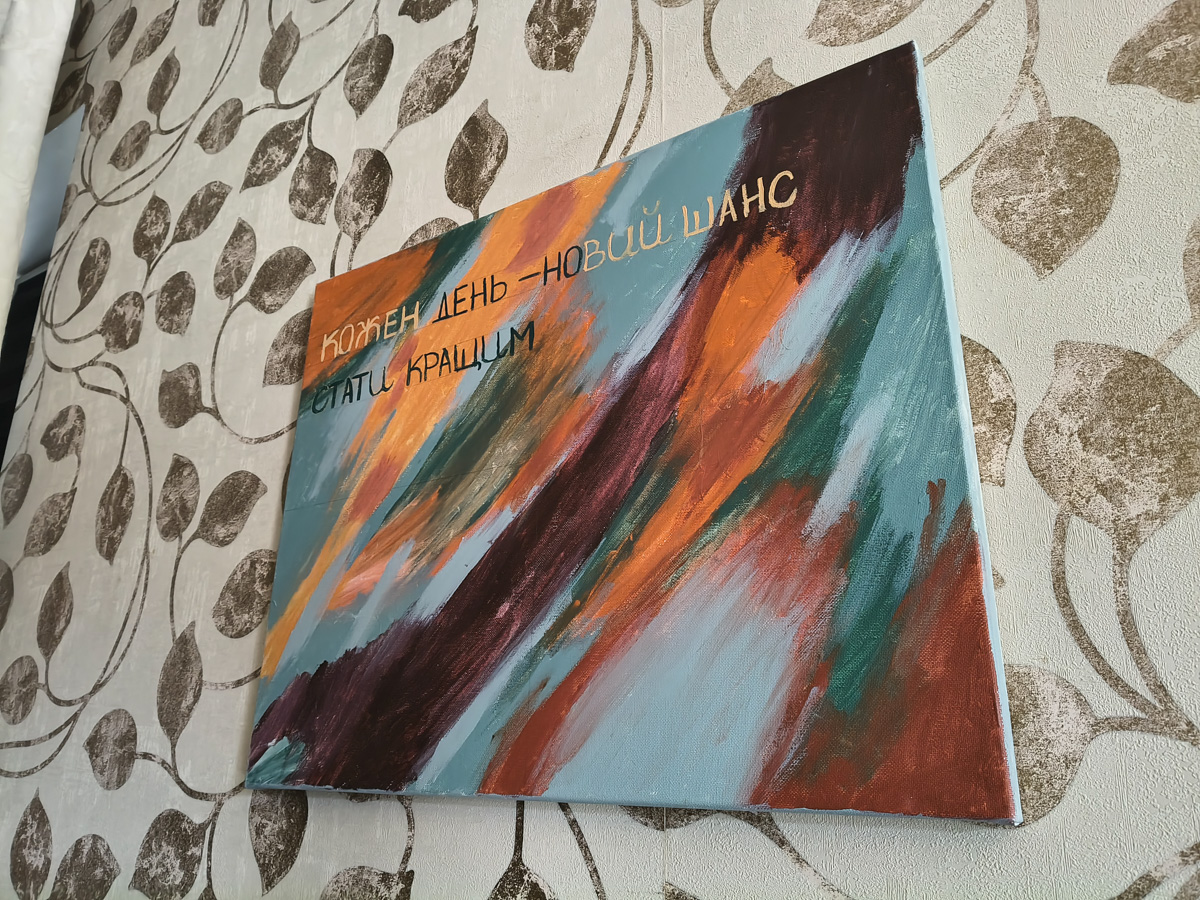


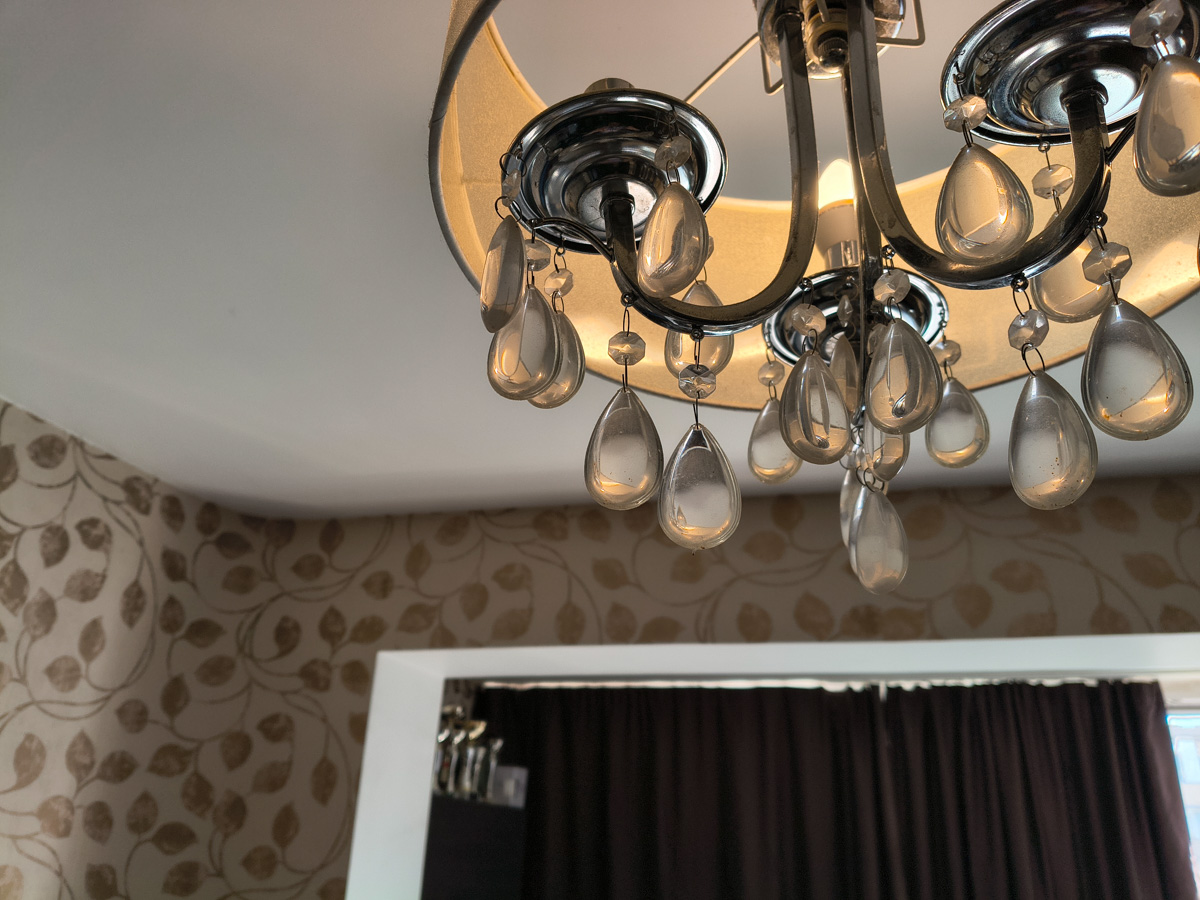
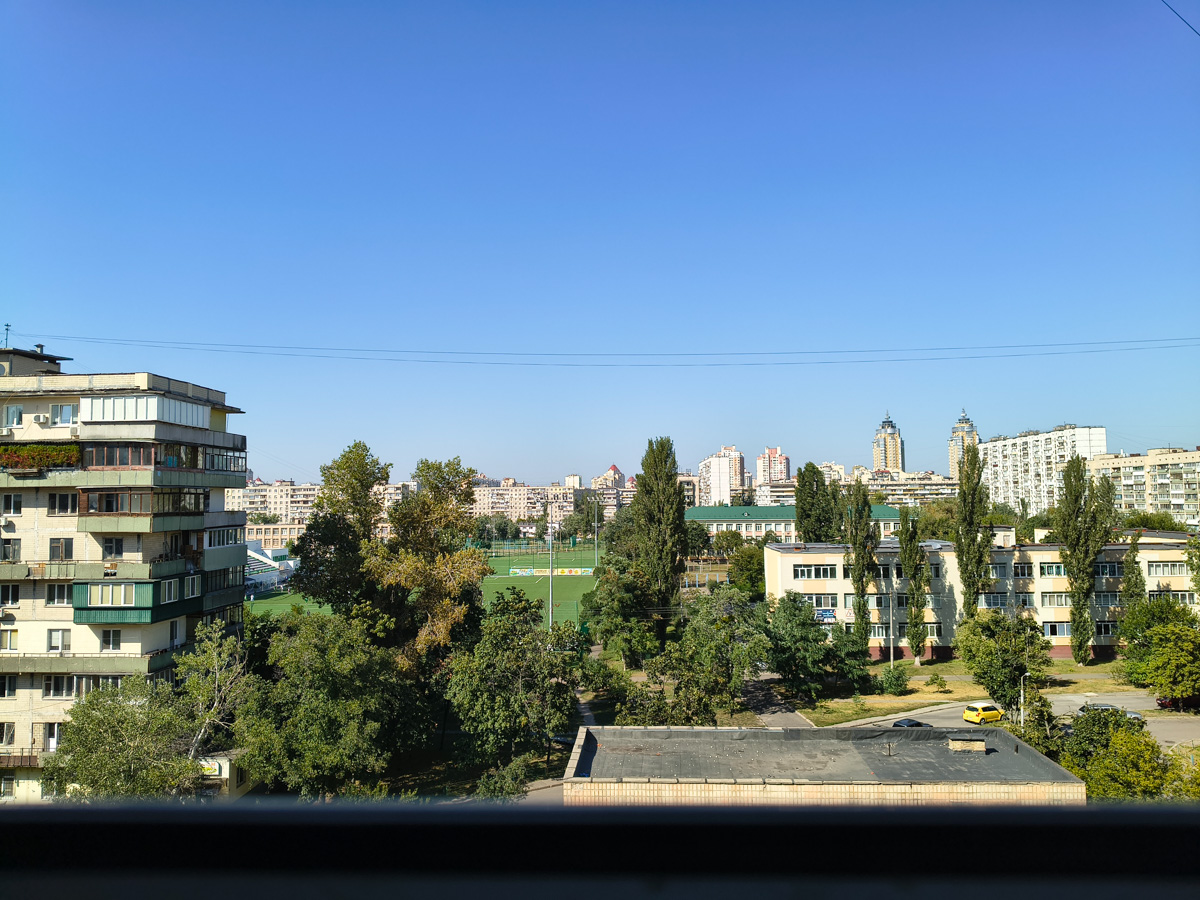
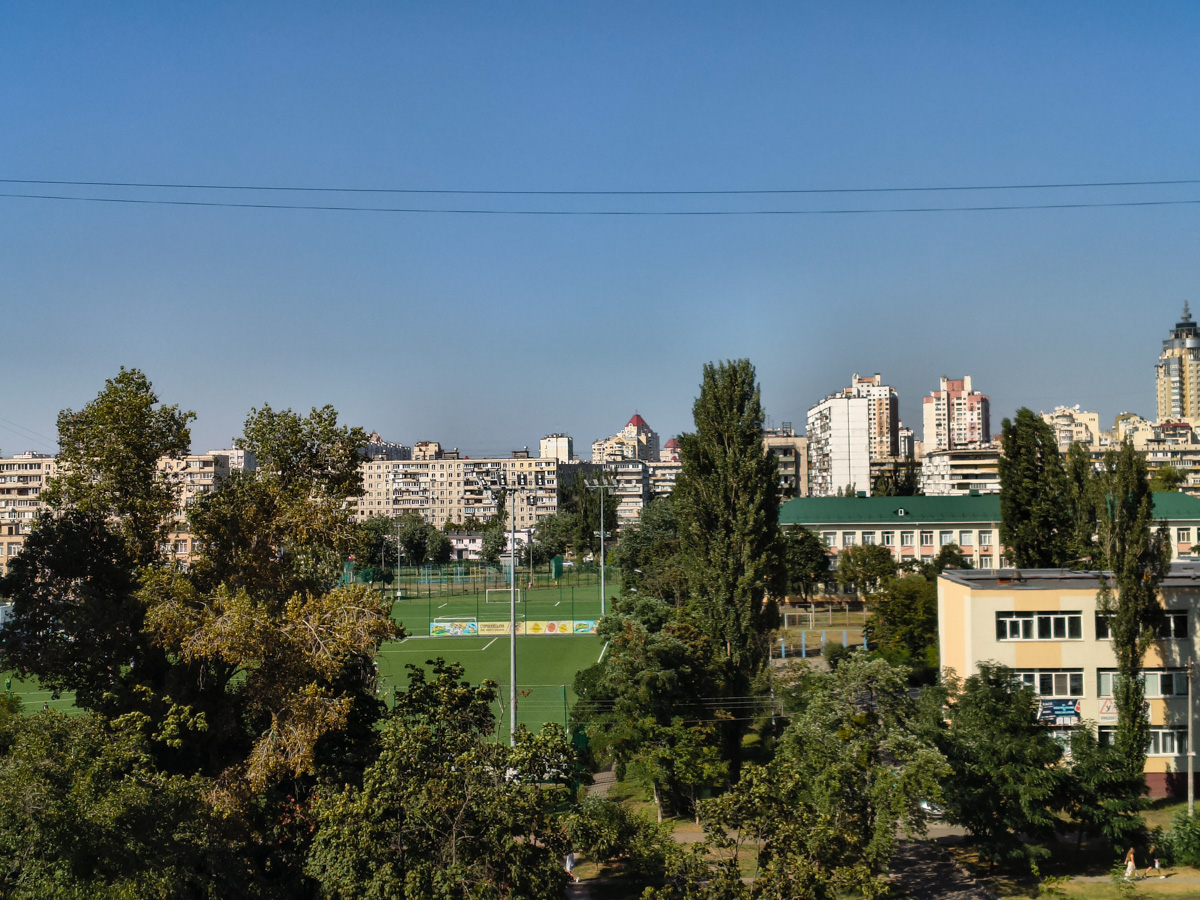

PHOTOS AND VIDEOS IN FULL RESOLUTION – FOLLOW THE LINK HERE
On the positive side, the main camera modules include autofocus, with the 50-megapixel sensor featuring optical image stabilization and PDAF.
Overall, expectations for the camera are modest, and it delivers accordingly. In good lighting, the main sensor produces respectable photos with solid detail and vibrant colors. The portrait mode also performs well, considering the phone’s category. In low light, image quality drops noticeably, which isn’t surprising, though the night mode helps to mitigate this to some extent.
The 32-megapixel front-facing camera produces decent results too, although portrait shots occasionally show minor inaccuracies.
One useful addition is MotoAI, which automatically adjusts photos and selects optimal settings for each scene. Importantly, the images don’t look overly processed, though the improvements are noticeable right away, with brighter colors and sharper detail without the need for manual editing.
Video recording is supported at 4K 30 fps, with stabilization that works reasonably well. This applies to both the main and the front cameras.
Software
The Motorola Moto G86 ships with Android 15 and Motorola’s custom Hello UI. We’ve covered this interface before, and not much has changed over time. It remains a refined, fast, and feature-rich skin. Most updates focus on gesture controls and Motorola’s proprietary features, without adding the extra bloat seen in something like HyperOS.
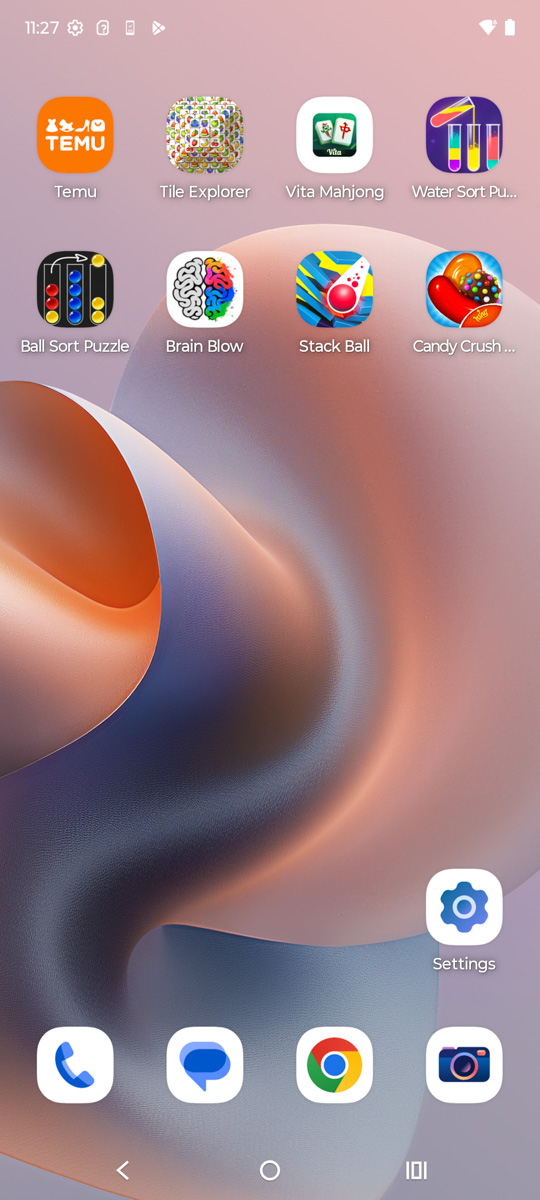
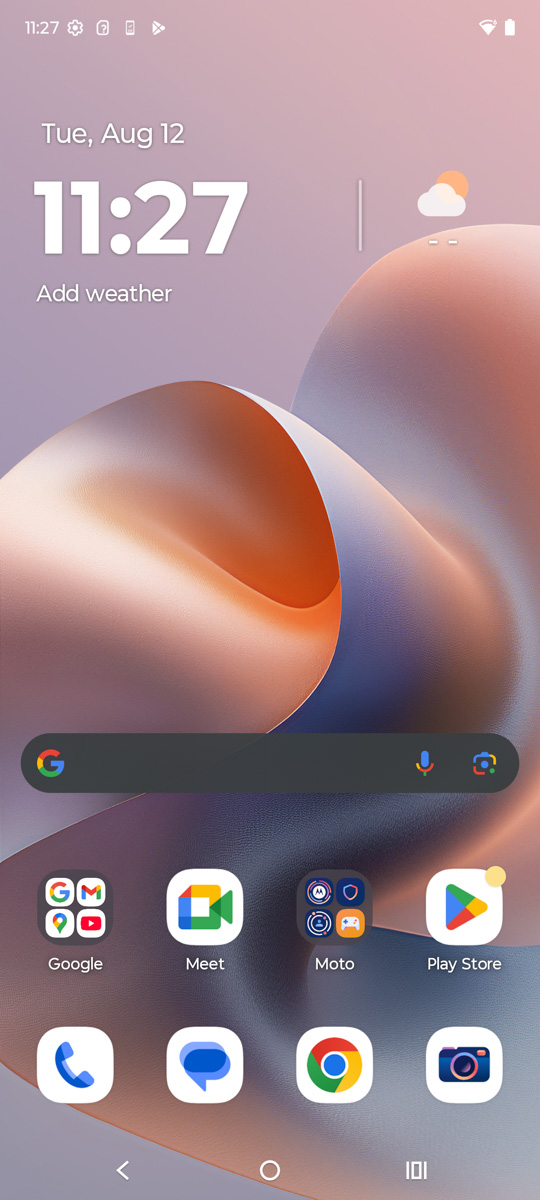
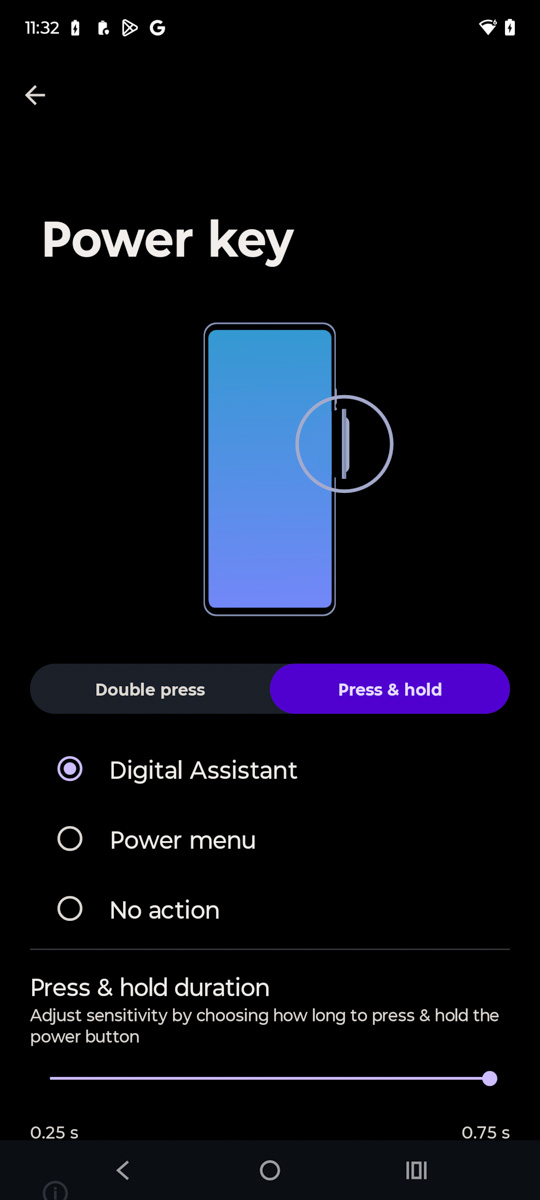

On the downside, there’s a permanent lack of a professional video mode, and the phone comes with a rather heavy set of pre-installed games. Technically it’s bloatware, though it can be easily removed.
Battery life
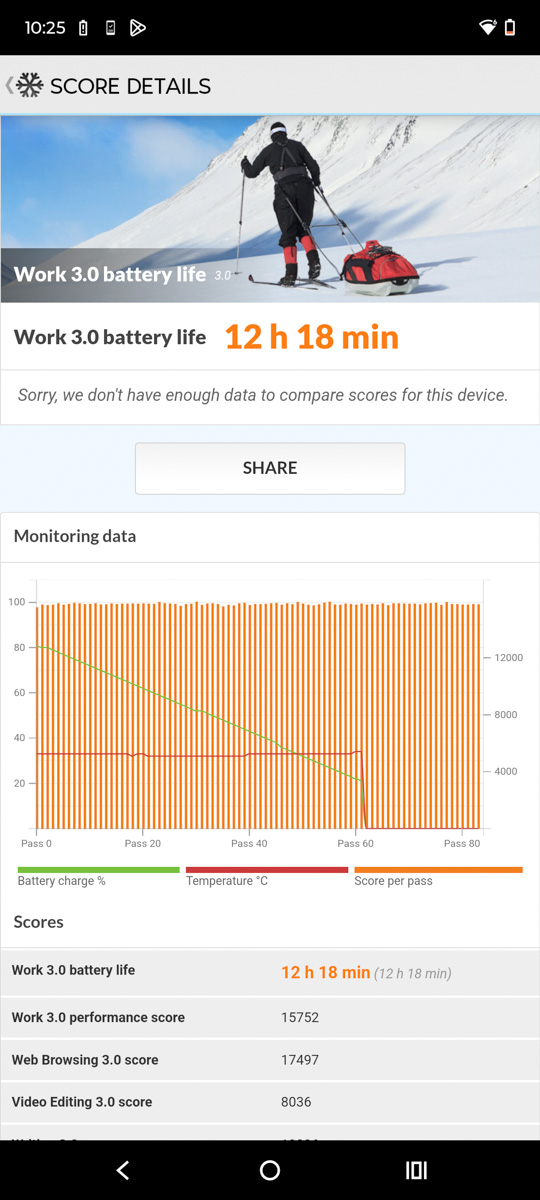
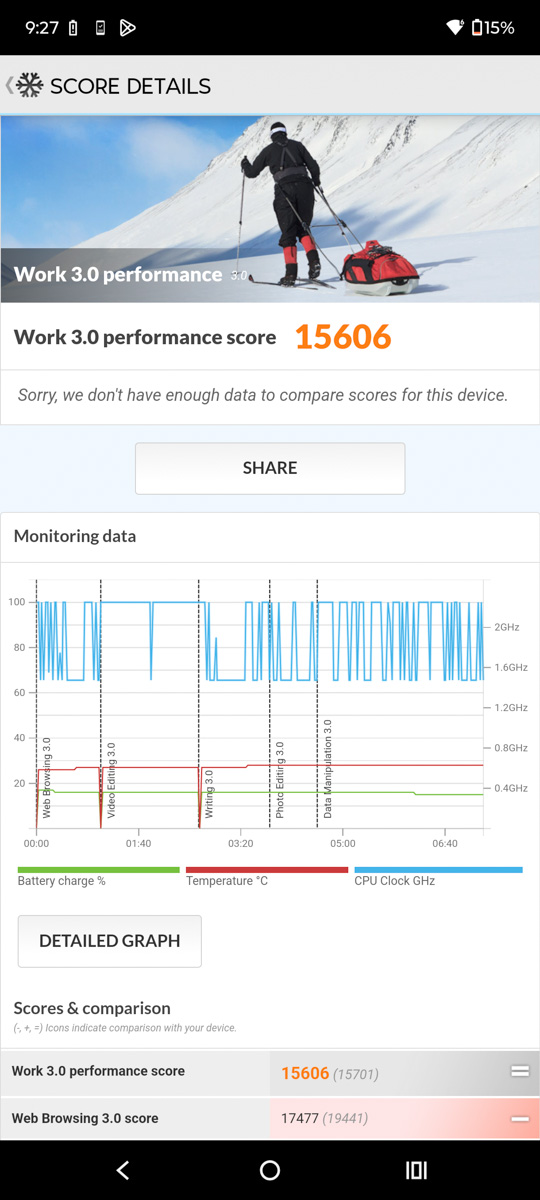
The phone has a 5200 mAh battery, which lasted about 12 hours in the PCMark Battery Test Work 3.0. Wired charging is supported up to 30 W, but there’s no wireless charging. To test charging speed from 1%, I used the 125 W charger from the Motorola Edge 50 Ultra.
- 25% – 12 min
- 50% – 27 min
- 95% – 61 min
Conclusions
This smartphone positions itself strongly in the lower-midrange segment. It’s no longer a budget device, but it isn’t a true mid-tier phone either. In this category, it offers an unusually high-quality display, solid performance, well-integrated design, decent battery life, and satisfactory cameras. The main shortcoming is the single antenna for data transmission, but considering how strong everything else is, the Moto G86 comes highly recommended.
Read also:
- Motorola Moto Buds Loop Review: More Than Just a Stylish Accessory
- JSAUX accessories for portable consoles review, part 2: Backpack, docking station with M.2 SSD and adapters
- Moto Watch Fit Review: A Practical Companion for an Active Lifestyle
Where to buy Motorola Moto G86