





© ROOT-NATION.com - Use of content is permitted with a backlink.
Meta wasn’t the first to enter the smart glasses market, but it was the first to release commercially successful smart glasses. At the same time, these devices have a mixed reputation due to privacy concerns, as they are equipped with small cameras that allow users to record everything happening around them – often without other people even noticing. It appears that these privacy concerns have prompted Apple to postpone the launch of its own smart glasses and devote more time to refining the technology.
Read also: AERONAUT – everything that flies above the ground: aviation, UAVs and drones, rockets, and space
Of course, Meta has included certain safeguards in the glasses, including a light indicator that signals when a photo or video is being taken, as well as the ability to automatically stop recording if the system detects signs of tampering with this indicator. However, these measures are not enough to win the public’s trust.

According to Bloomberg insider and journalist Mark Gurman, privacy has become a top priority for the Vision division, which is working on Apple’s smart glasses. Instead of simply urging users to trust their glasses, the tech giant wants to emphasize features such as on-device data processing, the absence of facial recognition, and the absence of a highly sensitive environmental analysis mode – similar to the one used by Meta – that continuously analyzes the user’s surroundings.
Where to buy Ray-Ban Meta Wayfarer (Gen 2)
At the same time, Apple will not allow contractors to view footage recorded by its glasses. “In addition, the company is developing a whole range of new hardware and software features related to privacy protection that are not found in current products,” says Gurman.

Apple is currently considering two possible ways to address this issue. The first involves completely eliminating the camera from the smart glasses. In this case, users would still have access to AI features, audio, and phone calls, but the ability to record video would be unavailable. According to Gurman, Apple has already created a prototype of a similar concept during the development of its smart glasses.
Read also: How Wearables and AI Glasses Are Rewriting the Logic of Technological Civilization
The second option involves having a camera, but it won’t take photos or videos; instead, it will be used exclusively to transmit data about the surrounding environment to AI features. Rumor has it that a similar feature may also appear in AirPods with cameras.
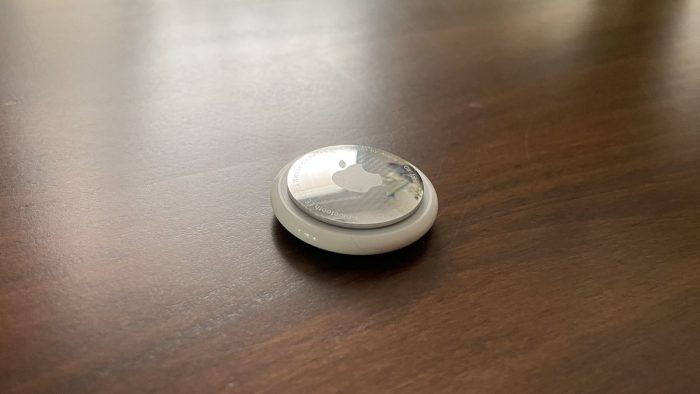
Despite all the privacy concerns, the ability to take videos and photos is one of the most appealing features of smart glasses. Therefore, omitting this feature could significantly reduce the practical value of such devices. This situation is somewhat reminiscent of the story of the Apple AirTag – a product that was originally designed to track personal belongings but later began to be used to stalk people or even commit theft.
According to the journalist, Apple’s original plan was to launch the smart glasses later this year. However, the company now appears to intend to announce them at the Worldwide Developers Conference in June 2027, with the official release postponed until the end of next year.