
© ROOT-NATION.com - Use of content is permitted with a backlink.
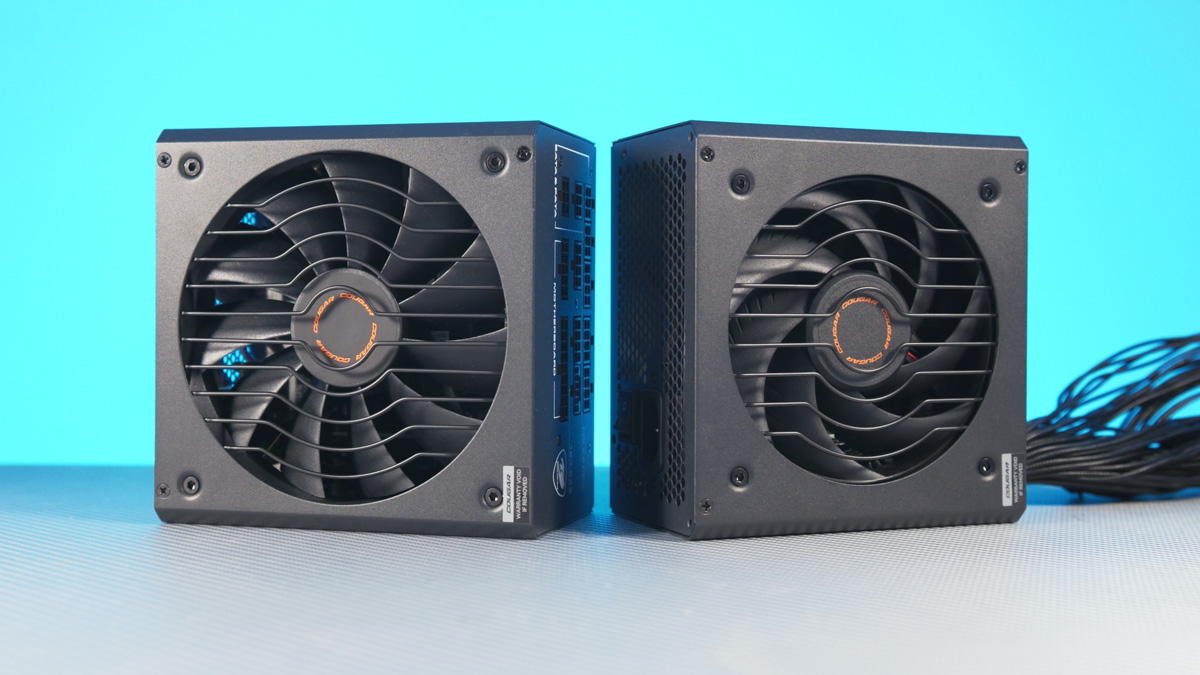
When I received two power supplies, the Cougar Cougar GST 850 and Cougar GLE 850, I faced a task of a kind I particularly enjoy. These units are more similar than different, and identifying the distinctions clearly and accessibly presents a challenge – one that I am always willing to take on.
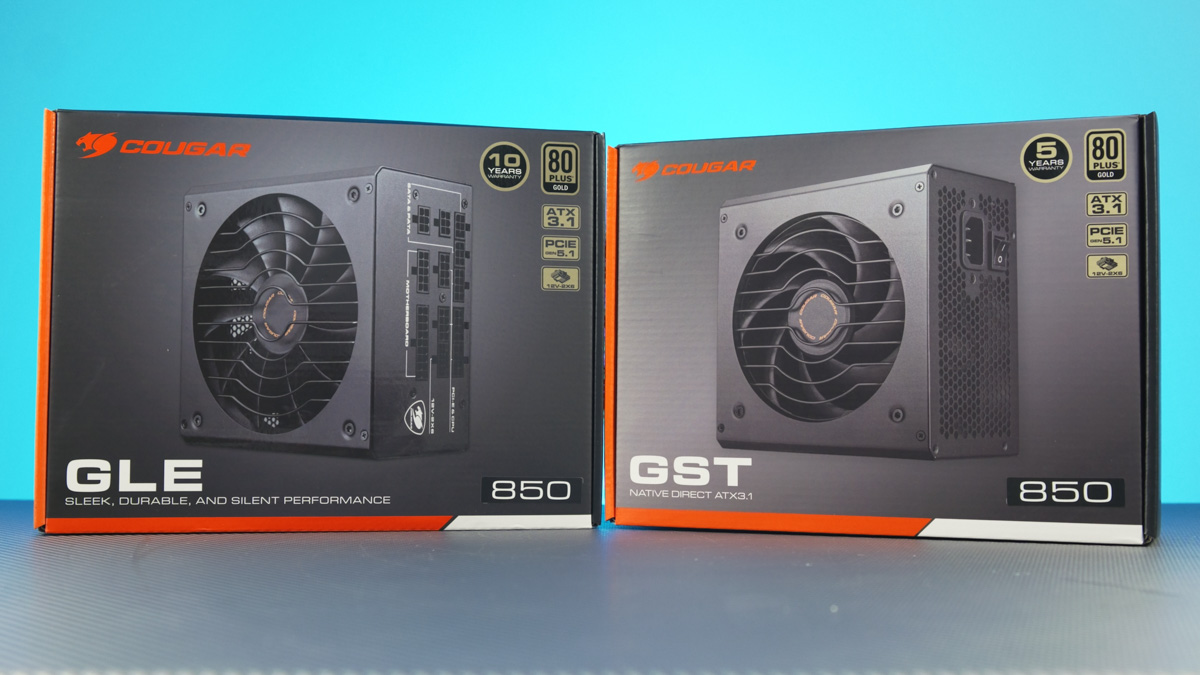
TABLE OF CONTENTS:
Video about Cougar GLE 850 and Cougar GST 850
Market position
The prices of the two units are fairly close, though they differ somewhat. The Cougar GST 850 is around $90, though at the time of testing it was $100. The Cougar GLE 850 is listed at nearly $150, but is currently available for $122.
Similarities
And this naturally implies that the two models must have some differences. Starting with the similarities: both are mid-range, modern power supplies. Specifically, they support ATX 3.1, PCIe 5.1, and carry an 80 Plus certification – in this case, 80 Plus Gold, which means 90% efficiency at one-fifth load and 92% at half load.
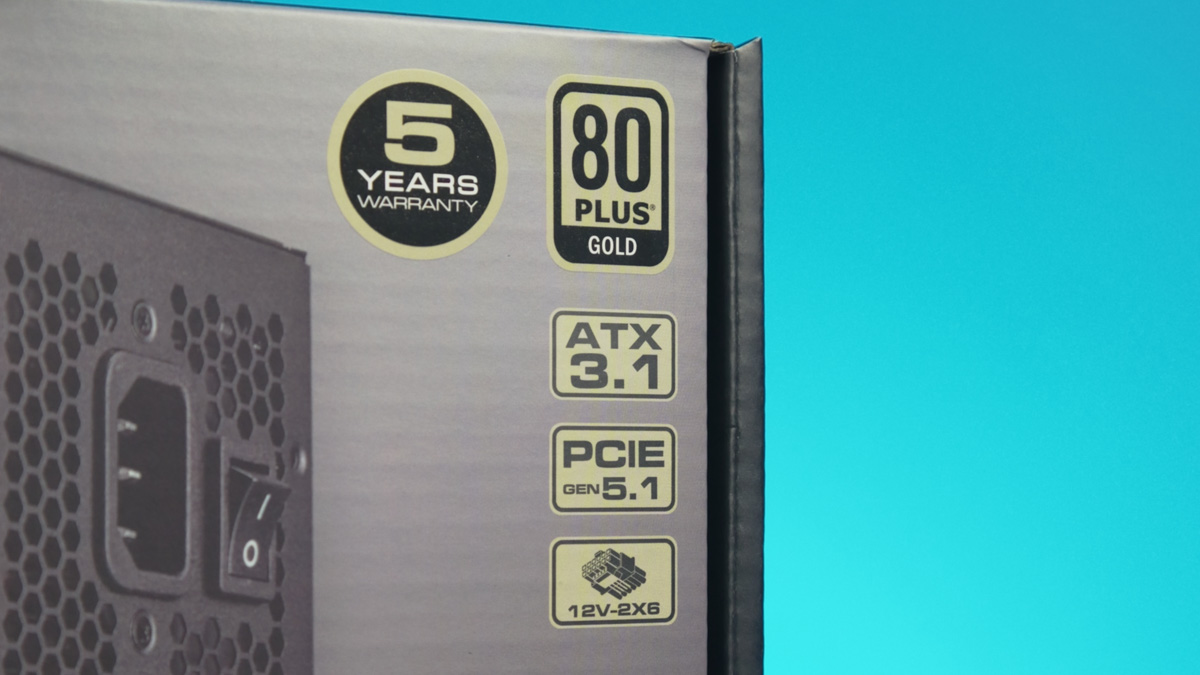
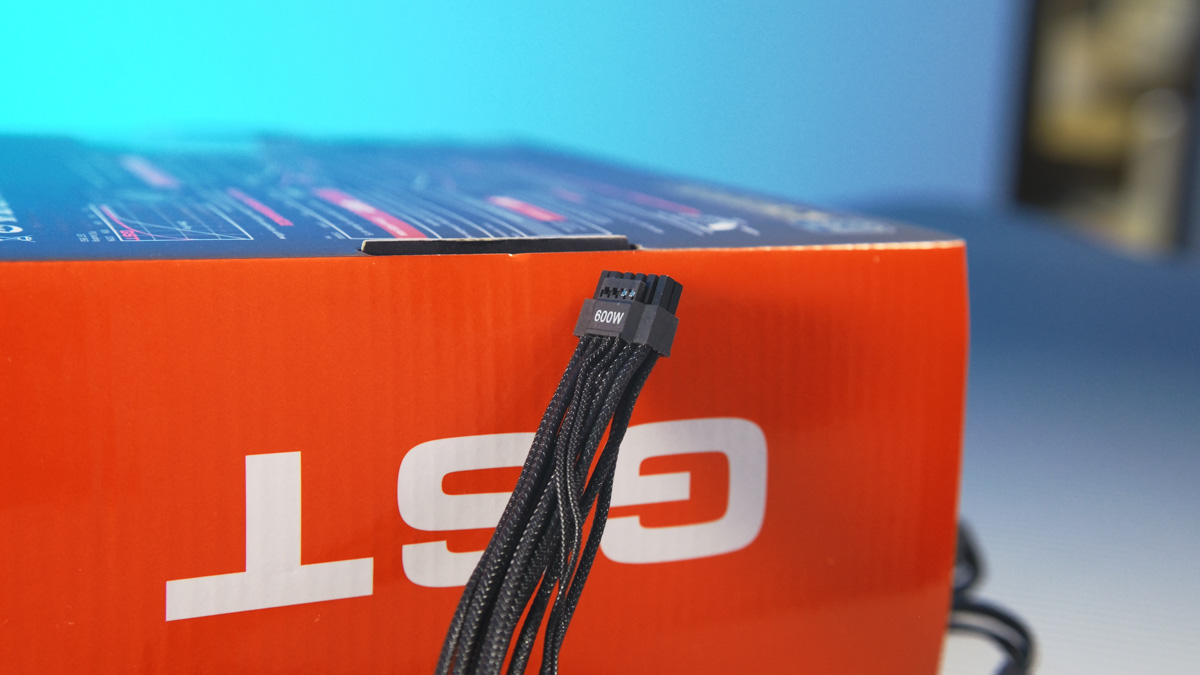
With ATX 3.1 support, the power supplies can handle temporary power spikes of up to 200%. The package also includes updated 12V-2×6 cables for connecting all modern NVIDIA graphics cards and some recent AMD Radeon models.
Next comes something more interesting. The capacitors are reportedly Japanese, rated for up to 105°C, which is fairly standard for Cougar in this price range. Even more notable are the fans. Neither model supports a Zero RPM mode, but the manufacturer claims noise levels of up to 20 dBA at around 80% load.
Differences
Now, moving on to the differences. For example, the GST 850 box contains a minor inaccuracy. It mentions a 135 mm fan, although it also notes 120 mm nearby. This is a misprint – the GST 850 actually has a 120 mm fan, as the unit measures 140 × 150 × 86 mm. The Cougar GLE 850 is larger at 150 × 150 × 86 mm and genuinely features a 135 mm fan.

Next, the Cougar GLE 850 features a fully modular design, unlike the GST 850. Interestingly, the more modern a power supply is, the bigger the issue with extra cables. This is because the 12V-2×6 cables are made thick and somewhat stiff to prevent issues with connector movement during installation.
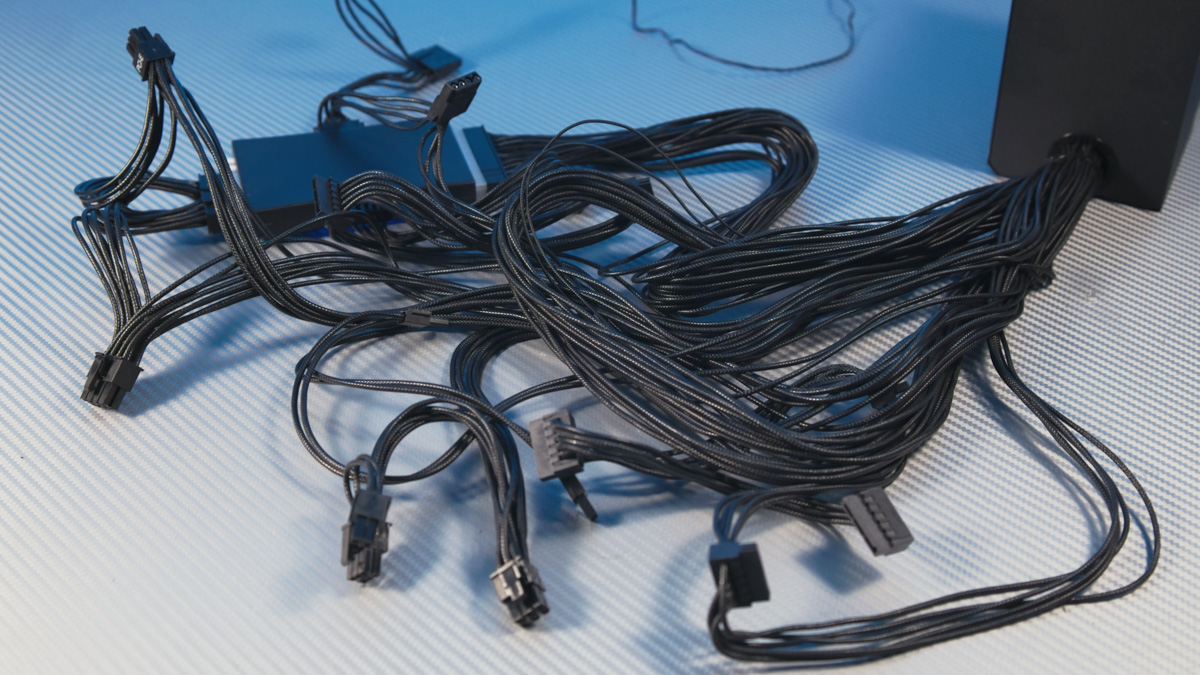
And the cables are quite difficult to route discreetly within a build. Why hide them? In case you have an AMD graphics card that requires the standard PCIe 6+2 pin connectors, the power supply fortunately provides two dual 6+2-pin cables – that is, two cables each with two 6+2-pin connectors.
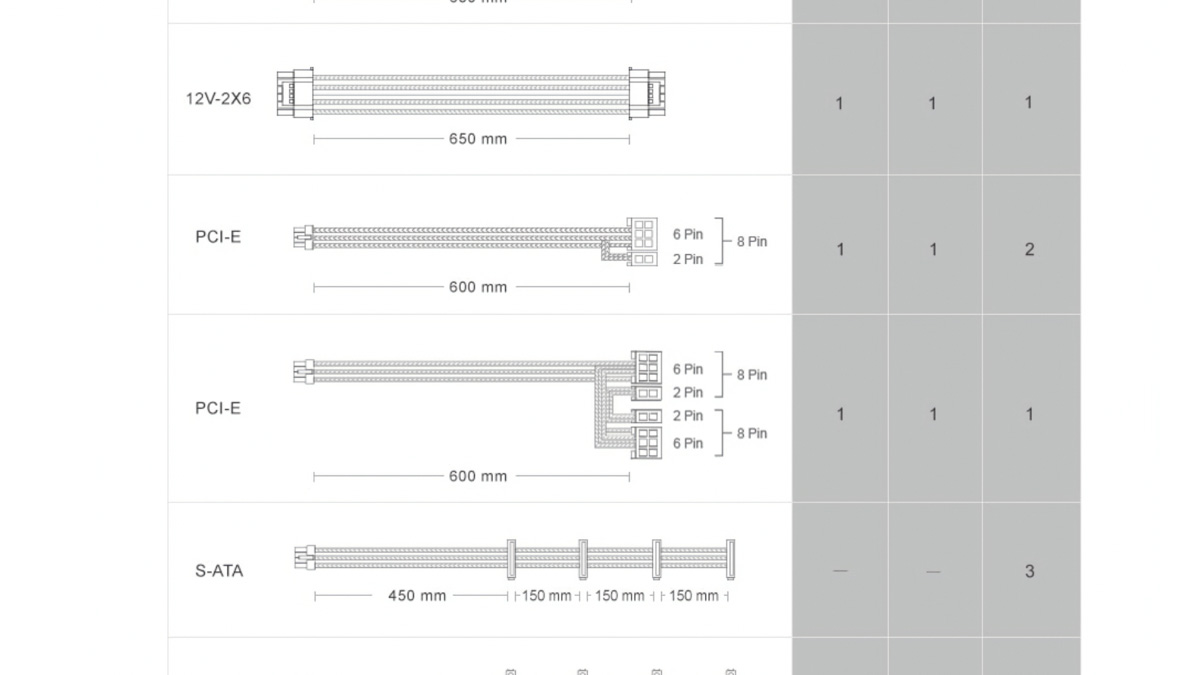
It’s also interesting how the additional cables are organized in the GST 850. For the first time in my experience, the SATA and MOLEX connectors are separated. That is, each cable carries either SATA or MOLEX connectors, but not both. Specifically, the 850 W version includes two SATA cables and one MOLEX cable.
Additional features of the Cougar GLE 850
Meanwhile, on the Cougar GLE 850, the main page – though not the box – features prominent claims about Cybenetics certification. For those unfamiliar, Cybenetics is similar to 80 Plus but more comprehensive, covering both efficiency and noise levels. In this case, the unit has a Cybenetics Gold rating for efficiency and Cybenetics A- for noise, meaning the maximum noise ranges from 25 to 30 dBA.
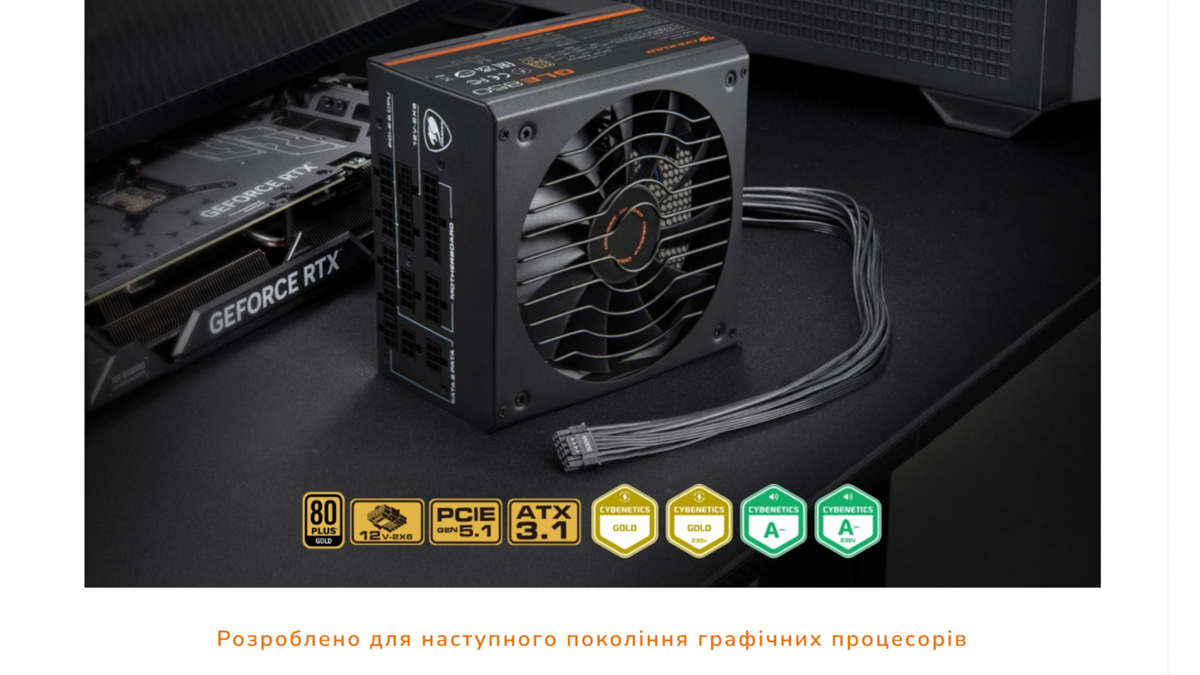
To clarify, that’s the MAXIMUM noise, as the minimum is claimed to be below 20 dBA – though a Zero RPM mode is still missing. Additionally, the GLE 850 features slightly longer cables, generally about 50 mm longer, but only in the 850 W version (there are also 650 W and 750 W models). For example, the motherboard cable is 610 mm instead of 550 mm, and the GPU cables are 600 mm instead of 550 mm, and so on.
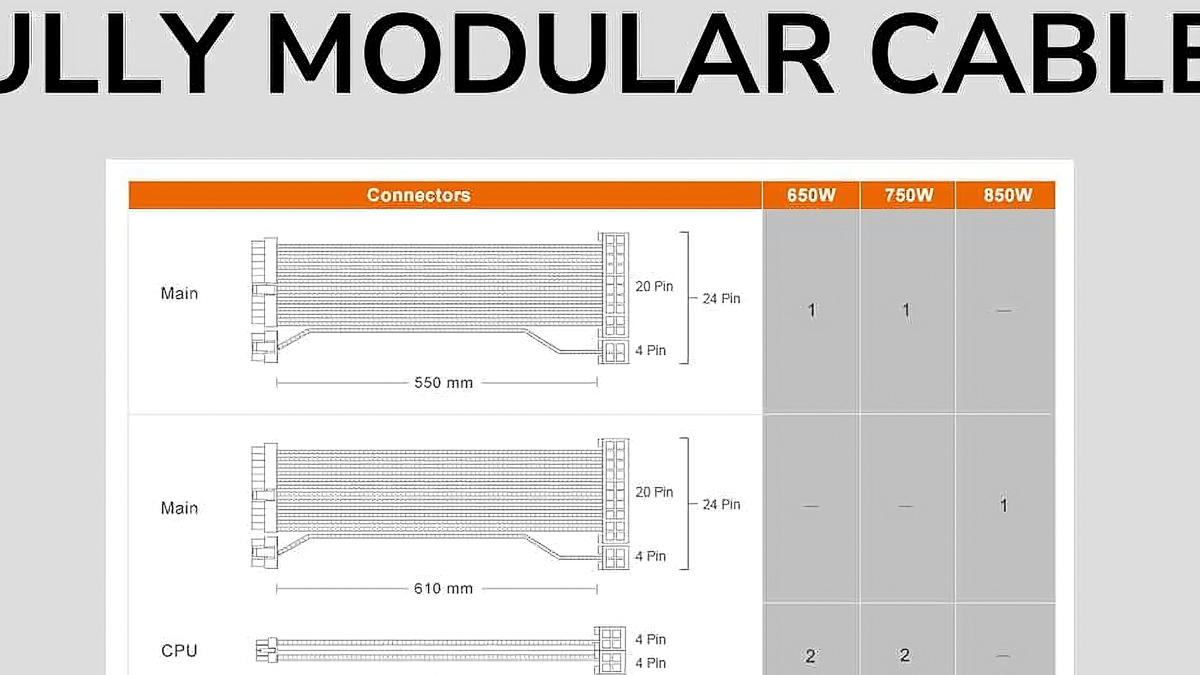
It’s worth noting that the PCIe cable implementation is better on the GLE 850, as it has only three cables: one with dual 6+2-pin connectors and the others with single connectors. This means that for a graphics card requiring three 6+2-pin PCIe connectors, the GLE 850 can allocate three separate channels, reducing the load on each cable, whereas the GST 850 cannot.
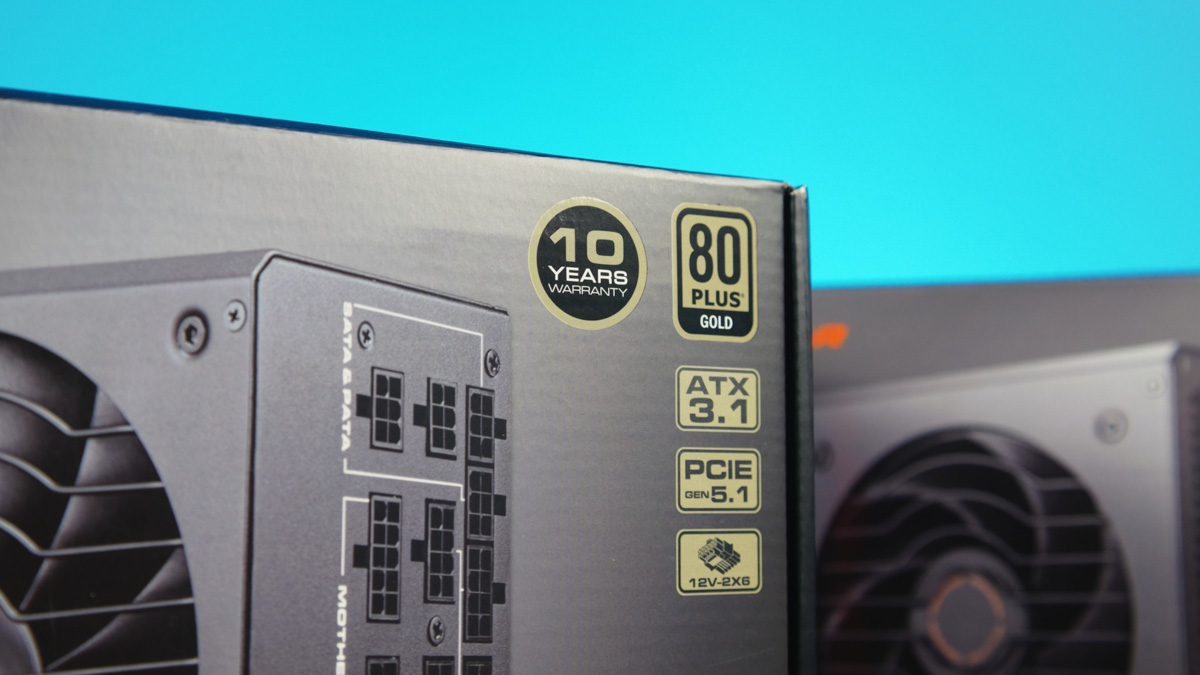
This rarely makes a practical difference, but it’s a nice feature to have – along with the extended warranty, which is 10 years compared to 5 years for the cheaper model.
Summary
Indeed, the Cougar GLE 850 is the superior unit. Its price is justified, and the rare 1 kW version can be comfortably recommended for cost-optimized builds with an RTX 5090. The Cougar GST 850, on the other hand, is well suited for systems with an RTX 5080 – provided you can find a way to manage the extra cables within the case.
Read also:
- Review of Cougar SC140 ARGB/ARGB RB and Cougar Apolar 120 fans
- YUNZII QL75 Retro Typewriter Keyboard Review: Modern Mechanical Design with Vintage Aesthetic
- Nubia Neo 3 GT Review: Budget Smartphone for Mobile Gaming
- TV Show Enthusiast, a Mechanic Cinderella, and a Gosling Mother: A Selection of Notable Books Featuring Robots