





© ROOT-NATION.com - Use of content is permitted with a backlink.
2026 is likely to become both a logical continuation and a turning point for the global technology industry. Below is my outlook on the technology landscape in 2026. While the years 2023–2025 can be described as a period of rapid experimentation, widespread adoption of artificial intelligence, and restructuring of supply chains, 2026 is expected to mark a phase of structural stabilization and more systematic use of new technologies.
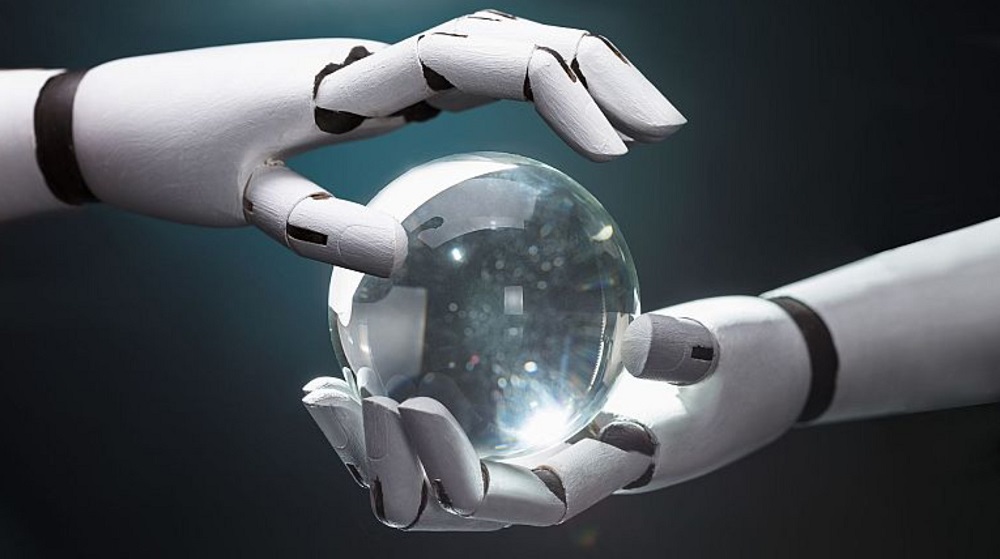
The world is entering a phase in which innovations no longer exist in isolation. Artificial intelligence, new processors, mobile devices, computers, communication networks, and “smart” ecosystems are increasingly interconnected, forming a unified digital environment that is reshaping not only markets but also everyday user habits.
Read also: AI Hallucinations: What They Are and Why They Matter
TABLE OF CONTENTS:
Artificial Intelligence: From a Tool to a Digital Environment
By 2026, artificial intelligence is expected to no longer be perceived as a standalone technology or a passing trend. Instead, it will function as a foundational layer of digital infrastructure, similar to the role once played by the internet or cloud computing.
The Era of Agentic and Autonomous AI
A key shift will be the widespread adoption of so-called agentic systems – autonomous AI models capable not only of responding to prompts, but also of planning actions, analyzing their environment, and independently executing complex, multi-step tasks. In business contexts, this will translate into the automation of entire functions, ranging from analytics and logistics to technical support and marketing.

At the same time, agentic AI is expected to gradually enter everyday life. Digital assistants will be able to manage schedules, finances, purchases, and smart home devices, effectively taking on the role of a personal manager.
Local AI and the Push for Privacy
An important trend will be the shift of some AI workloads from the cloud directly onto user devices. This is driven by several factors, including privacy concerns, reduced latency, lower pressure on data centers, and improved energy efficiency of new processors.
By 2026, local AI is likely to become a competitive differentiator for smartphones, laptops, and even household appliances. It will enable complex tasks – such as image, voice, and video processing, as well as data analysis – to be performed without a constant connection to the cloud.
Read also: How Taiwan, China and the US are fighting for technological dominance: the great chip war
The Other Side of Progress
As AI capabilities expand, so do the associated risks. Automated cyberattacks, next-generation synthetic content, identity spoofing, and autonomous malicious software are likely to pose significant challenges for governments, businesses, and users alike. As a result, 2026 may also be characterized as a year of reassessing cybersecurity in the age of artificial intelligence.
Will the AI Bubble Burst?
Discussions about an “AI bubble” are becoming increasingly common. Record levels of investment, inflated expectations, and numerous startups without clear business models resemble patterns seen in overheated markets in the past. However, artificial intelligence differs in important ways from many previous technology-driven hype cycles.
AI is no longer an abstract promise. It is already embedded in search engines, office software, smartphones, industry, defense, and logistics. Even if some companies fail, the underlying technology will remain. The more likely scenario is not a sudden collapse, but a gradual and potentially painful market correction: weaker players exiting, reduced funding for marginal projects, and a consolidation of resources within large ecosystems.
The key question, therefore, is not whether the AI bubble will burst, but which companies and approaches will survive the period of adjustment. Afterward, artificial intelligence may become less prominent in public discourse, but significantly more influential – as infrastructure rather than a passing trend.
Read also: Use It or Lose It: How AI is Changing Human Thinking
Smartphones: Evolution Without Revolution, but With a New Purpose
By 2026, the smartphone market is entering a phase of maturity. The period of radical experimentation with form factors is gradually coming to an end: foldable displays, under-display cameras, and unconventional designs remain niche solutions rather than mass-market trends. Manufacturers increasingly recognize that users are no longer easily impressed by form or materials alone.
Competition is shifting away from design toward functionality and device “intelligence.” The smartphone is no longer positioned as a universal gadget “for everything,” but is instead evolving into a personalized tool that can adapt to the specific life scenarios of its owner.
AI as the Heart of the Smartphone
By 2026, artificial intelligence will no longer be an add-on to the operating system. It will serve as the architectural foundation of mobile platforms, influencing the performance of all key components – from cameras and connectivity to power management and security.
Smartphone cameras will evolve from simple image capture to comprehensive scene analysis. AI will recognize lighting conditions, objects in the frame, motion, depth, shooting context, and even the user’s likely intent – whether it’s a quick snapshot, an artistic photo, or a work-related record. Photography will become a collaboration between sensor and algorithm, rather than relying solely on optics.
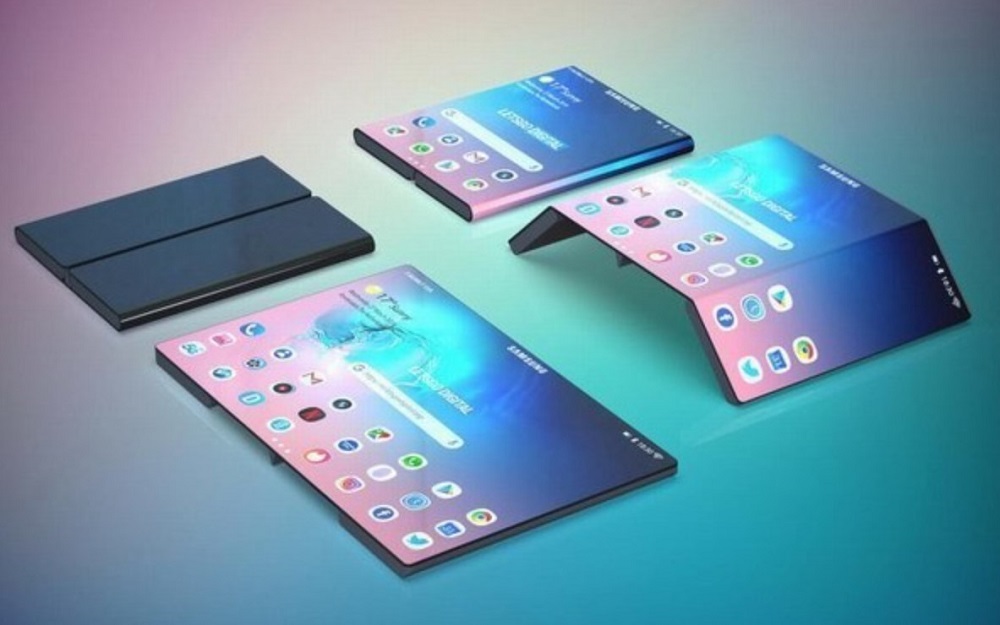
Voice assistants are also undergoing a fundamental transformation. They are gradually moving away from the reactive “query–response” model toward a proactive interaction approach. The smartphone begins to suggest actions independently: sending reminders, optimizing routes, proposing responses, and analyzing the user’s schedule, behavior, and habits. Over time, this shifts the way users interact with their devices – fewer direct commands, more contextual engagement.
By 2026, the smartphone is evolving into a personal intelligent terminal that does more than execute tasks; it accompanies the user in daily life, adapting to their routines, needs, and priorities.
Local AI and the Push for Autonomy
A distinct trend is the development of local artificial intelligence. Increasingly, computations are performed directly on the smartphone without relying on cloud services. This reduces latency, improves system responsiveness, and partially addresses privacy concerns.
At the same time, local AI imposes new demands on hardware: more powerful neural processing units, faster memory, and greater energy efficiency. Smartphones are gradually approaching the internal architectural complexity of a full-fledged computer, but in a much more compact form factor.
Read also: Silicon–Carbon (Si-C) Batteries: An Overview of a New Trend in the Smartphone Market
Rising Costs and Hardware Constraints
Alongside functional evolution, the market faces harsh economic realities. The rapid expansion of AI data centers and growing demand for server solutions continue to put pressure on chip and memory manufacturers. In this competitive environment, the mobile segment is at a relative disadvantage.
In 2026, this may lead to further increases in smartphone prices, particularly in the mid-range and flagship segments. New memory standards, more powerful processors, and increasingly complex camera modules drive up production costs, which in turn raises the final price for consumers.
Manufacturers will try to balance innovation with cost, but the room for maneuver will continue to narrow. Affordable, all-in-one smartphones with flagship-level capabilities are likely to become a thing of the past.
Further Specialization as a Survival Strategy
Amid rising costs and increasing technological complexity, the smartphone market is moving steadily toward specialization. Universal models designed to “fit everyone” are gradually giving way to devices optimized for specific use cases.
Some smartphones focus on mobile gaming and maximum performance. Others prioritize photography and videography, emphasizing cameras and content processing. A third category targets AI tools, business tasks, and extended battery life. Users are increasingly choosing not based on brand or design, but on the role the smartphone will play in their daily lives.
In other words, 2026 is unlikely to bring a revolution in smartphone appearance. Instead, this period may see the most significant internal transformations in mobile devices in the past decade – changes that are structural rather than aesthetic.
The smartphone is no longer simply a “screen with apps.” It is becoming an intelligent intermediary between the user and the digital world. While this evolution is occurring without flashy launches or radical design changes, its impact is likely to be far greater than any aesthetic revolution.
I’ve covered the emergence of new, improved silicon–carbon batteries for smartphones in a separate article for those interested in learning more.
Laptops: The Shift to “Personal AI Stations”
In 2026, laptops are undergoing a deep conceptual transformation rather than a purely external one. Their design, form factor, and overall layout are evolving gradually, without drastic changes. What is fundamentally shifting is the role these devices play in users’ digital lives.
Laptops are gradually moving beyond being just “portable computers” or a compromise between performance and mobility. They are evolving into personal computing hubs optimized for working with artificial intelligence, data, and complex computational tasks. Essentially, a new class of devices is emerging – personal AI stations focused on efficiency rather than universality.
New Processors and Local Neural Networks
The driving force behind this transformation is next-generation processors with powerful built-in neural units. By 2026, these components are no longer auxiliary – they become central elements of laptop architecture.
As a result, a significant portion of AI computations moves from the cloud directly onto the device. Users gain the ability to work with large language models, computer vision systems, generative graphics, and analytical tools offline or with minimal internet dependency. This is particularly important for professionals handling sensitive data or working in environments with unreliable connectivity.
Offline video editing with AI tools, local rendering, intelligent photo processing, AI-assisted programming, and analysis of large datasets are gradually transitioning from high-end workstations to the portable laptop segment.
Balancing Performance and Battery Life
However, increasing computational power inevitably raises concerns about energy consumption. In 2026, manufacturers will need to strike a careful balance between the performance of local AI and device battery life.
New processor architectures, optimized neural units, and smarter power management allow laptops to handle complex AI tasks without drastically reducing runtime. At the same time, battery life becomes more than a technical specification – it turns into a strategic advantage in competing for professional users.
Evolution of Displays and Form Factors
Alongside internal changes, user interfaces are also evolving. By 2026, OLED displays will no longer be confined to the premium segment and are gradually becoming standard even in mass-market models. This shift is driven both by decreasing costs and by growing demands for image quality in professional use cases.
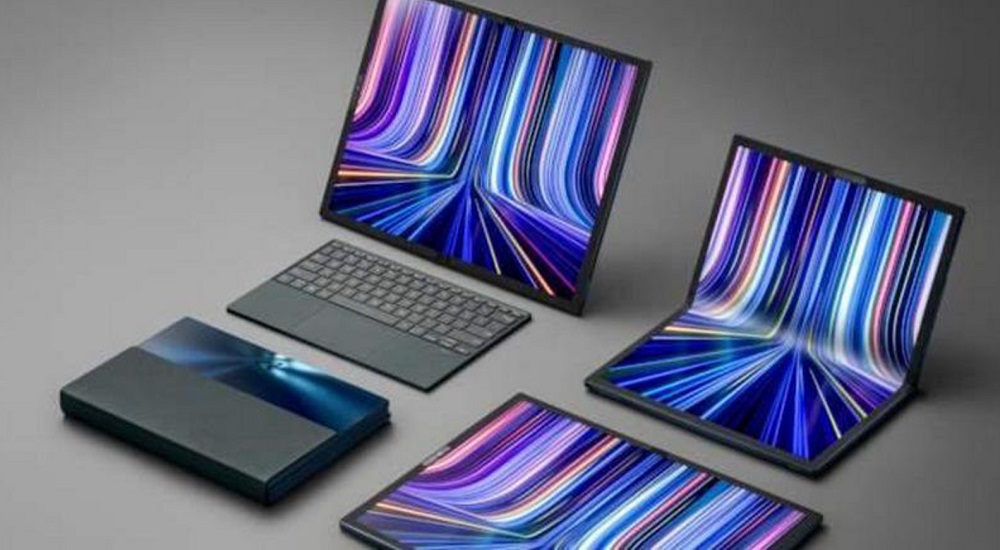
We will also see more laptops featuring dual screens, expanded touch panels, and experimental keyboard and trackpad layouts. These designs are primarily aimed at creative professionals, developers, and multitasking specialists for whom screen space and interface flexibility are critical.
Laptop form factors are no longer rigidly fixed. They adapt to different use cases – from traditional desk work to mobile creative sessions on the go.
The Changing Role of Laptops in the Work Ecosystem
By 2026, laptops are increasingly becoming the central work tool, capable of replacing desktop PCs for most professional tasks. Connectivity with external monitors, docking stations, and peripherals positions them at the core of a personal work ecosystem.
This is particularly relevant for professionals working with code, data, graphics, video, or AI models. For these users, the laptop is no longer a “temporary solution” but a full-fledged platform for daily work.
At the same time, this shift is changing how devices are chosen. Users are asking less whether a laptop is “powerful enough” and more how effectively it integrates with their specific tools and workflows.
A Quiet Shift to a New Class of Devices
The year 2026 is unlikely to bring dramatic design revolutions for laptops. Instead, it may mark the point at which this device category fundamentally redefines itself. Laptops will no longer be seen as a compromise between mobility and performance.
They are evolving into personal AI stations, capable of operating autonomously, efficiently, and contextually, adapting to the specific user and their tasks. This quiet yet systemic transformation may prove far more significant than any external design changes.
Read also: Structural Crisis of the DRAM Market and Its Impact on Consumer Electronics
Other Technologies: A Quiet but Deep Transformation
While most attention is focused on artificial intelligence, smartphones, and computers, less visible technological areas are undergoing equally profound – but much quieter – transformations. These innovations rarely take center stage at product launches and often lack flashy appeal, yet they are steadily shaping the everyday environment – from homes and communications to urban infrastructure.
Smart Homes and Appliances: From Preset Scenarios to Self-Learning
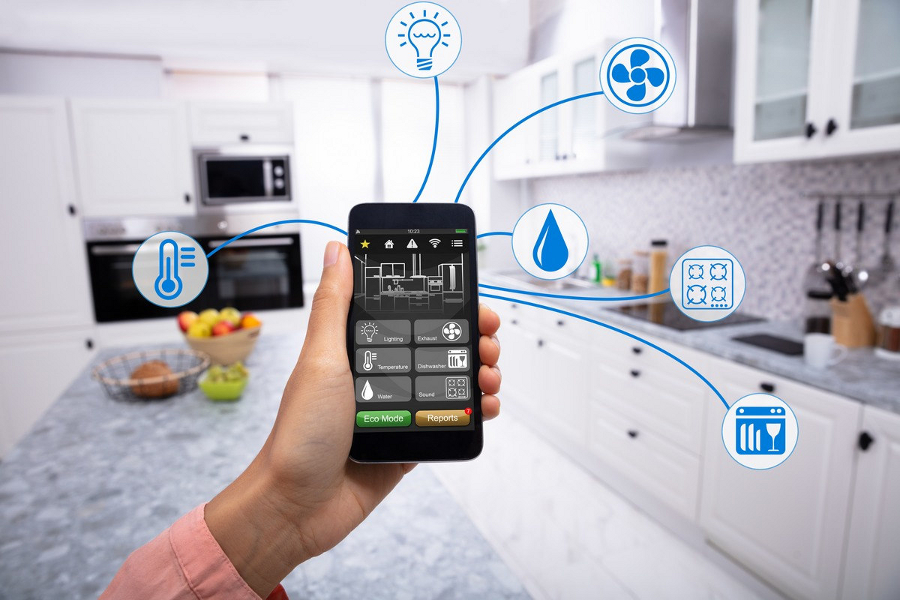
By 2026, the concept of the “smart home” is moving beyond basic scenario-based automation. Household appliances no longer respond solely to user commands – they begin analyzing behavioral patterns and developing their own models for interacting with residents.
Refrigerators, air conditioners, lighting systems, washing machines, and other devices no longer operate in isolation. They exchange data with each other, taking into account occupancy, time of day, weather, energy rates, and even the habits of household members. The result is a unified ecosystem that optimizes home operations without constant manual intervention.
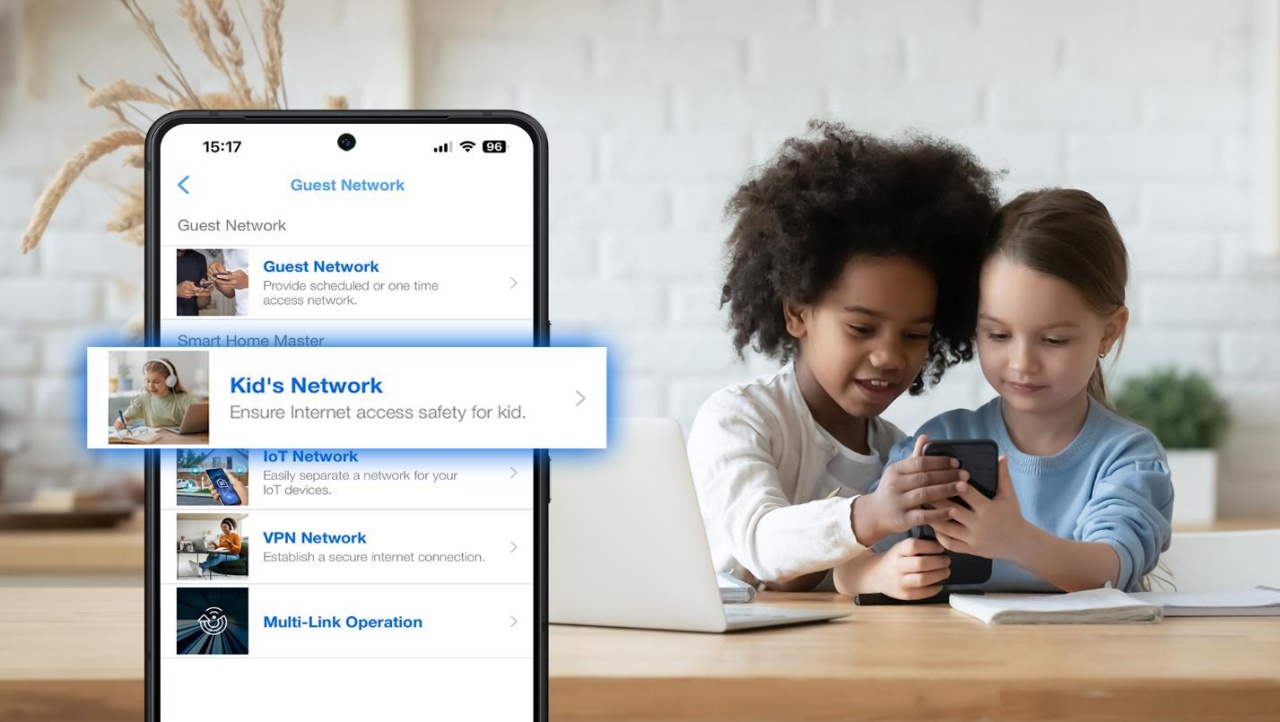
In 2026, the “smart home” is no longer just about convenience at any cost – it’s about efficiency and energy savings. Systems are capable of predicting peak loads, shifting energy-intensive tasks to more favorable time slots, and adapting to changes in consumption.
At the same time, a key challenge remains: ecosystem fragmentation. Even in 2026, users must choose between several major platforms, sacrificing universality in favor of stability.
Read also: Windows as an Agentic Operating System: Current State and Future Prospects
Networks and Connectivity: Intelligence Over Speed
Despite the buzz around 6G, in 2026 this technology will remain largely a topic for research and strategic planning. Real changes will occur at a subtler – but far more impactful – level: AI-driven network management.
AI-managed networks are gradually taking over functions that were previously handled manually or through pre-defined algorithms. They analyze real-time traffic loads, predict peak periods, optimize routing, and reduce latency where it matters most.
Energy efficiency also plays a key role. Networks are learning to automatically power down or put parts of the infrastructure into sleep mode when demand drops. At the scale of cities and countries, this translates into real resource savings – not just impressive numbers in reports.
The Ukrainian Context: 5G as Endless Waiting
Against this backdrop, the Ukrainian reality looks starkly different. Discussions about 5G have been ongoing for several years – with presentations, concepts, and optimistic announcements – but by 2026 the country remains in a stage of anticipation, where “talk” continues to replace concrete implementation.
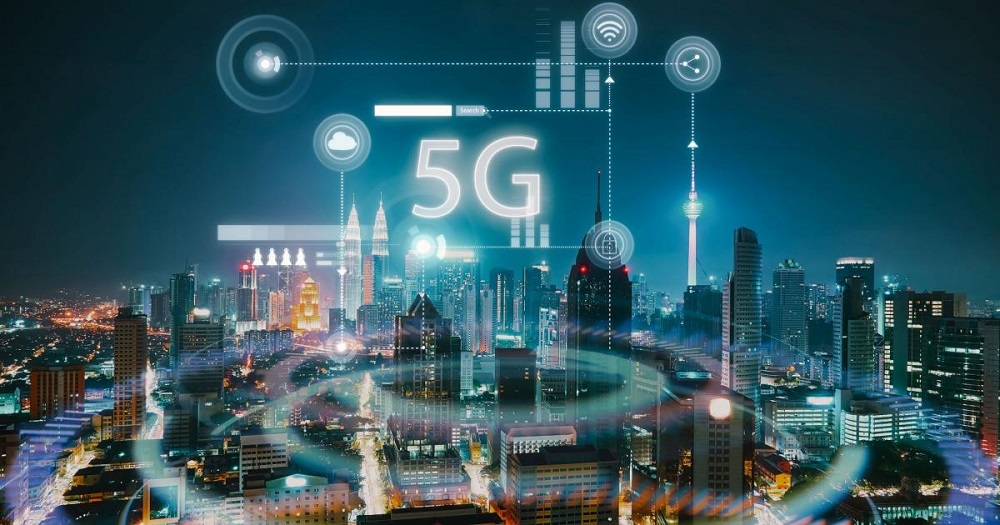
The causes are well known: war, damaged infrastructure, financial constraints, and regulatory delays. At the same time, this creates a risk of a technological gap – while the rest of the world moves toward AI-driven network management, Ukraine is still grappling with basic deployment of previous-generation standards.
Robotics and Autonomous Systems: A Gradual Move into the Real World
By 2026, robotics is finally moving beyond laboratories and demo halls, but without dramatic breakthroughs. There is no mass influx of robots into daily life; instead, adoption is cautious yet steady in practical applications.
The focus is primarily on logistics, industry, and healthcare. Autonomous platforms handle routine, hazardous, or monotonous tasks, reducing personnel workload and increasing process predictability. In urban infrastructure, robots are appearing for maintenance, monitoring, and repairs, though their presence remains limited.
The main constraints are less about technology and more about regulatory, ethical, and social considerations. Autonomous systems require new rules of responsibility, safety standards, and public trust. These factors, rather than computational capabilities, will determine the pace of their adoption.
Changes Without Fanfares
In 2026, the most significant technological shifts are happening not in the headlines that grab attention, but quietly in the background. “Other technologies” – from smart homes to networks and robotics – are reshaping the environment slowly, almost imperceptibly, yet systematically.
This is not a revolution in the conventional sense. It is a process in which technologies gradually stop being isolated products and become part of the fabric of daily life. It is in this quiet transformation that the foundation for the next technological decade is being laid.
2026 as a Point of Maturity
The year 2026 is unlikely to be remembered for dramatic technological breakthroughs or sensational announcements. There will be no “first iPhone effect,” sudden shifts in form factors, or revolutionary standards that instantly reshape the market. Instead, this year may prove far more significant strategically – as the moment when technologies move decisively from experimentation to everyday use.
Most of the key innovations showcased in previous years through demos, concepts, and presentations will, in 2026, become fully integrated into real products and services. They cease to be newsworthy novelties and begin operating quietly in the background, without requiring constant user attention.
In this context, artificial intelligence stops being the star of the show and becomes infrastructure. It is no longer marketed as a standalone feature or unique capability; instead, it is embedded into operating systems, applications, services, and devices. AI becomes invisible yet omnipresent – a fundamental element of the digital environment, much like internet connectivity or electricity.
Smartphones and laptops are losing their traditional universality, but gaining a new kind of meaning. They become more personal, autonomous, and context-aware, adapting to individual users and their specific tasks. Devices increasingly require less direct control and more often anticipate needs, adjusting to a person’s habits, rhythms, and priorities.
Equally important is that technologies in 2026 become less visible. They no longer seek attention through flashy effects or bold promises. Instead, their influence grows subtly – shaping workflows, daily life, communication, and decision-making. Technology stops being merely a set of “tools” and increasingly functions as an environment in which human activity unfolds.
In effect, 2026 could mark the point at which humanity stops “using technology” in the traditional sense. Technologies are no longer perceived as separate, external, or supplementary. People begin to live within a technological environment, often without consciously noticing its presence.
It is in this subtlety that the hallmark of maturity lies. Technology ceases to surprise – but it starts setting the rules of the game.
Read also:
- Atomic Horizon: How Humanity Pushes Chips to Edge of Possibility
- Breakthrough Development: Scientists Create Artificial Muscles Activated by Ultrasound
- What’s Wrong with AI Browsers?

