




© ROOT-NATION.com - Use of content is permitted with a backlink.
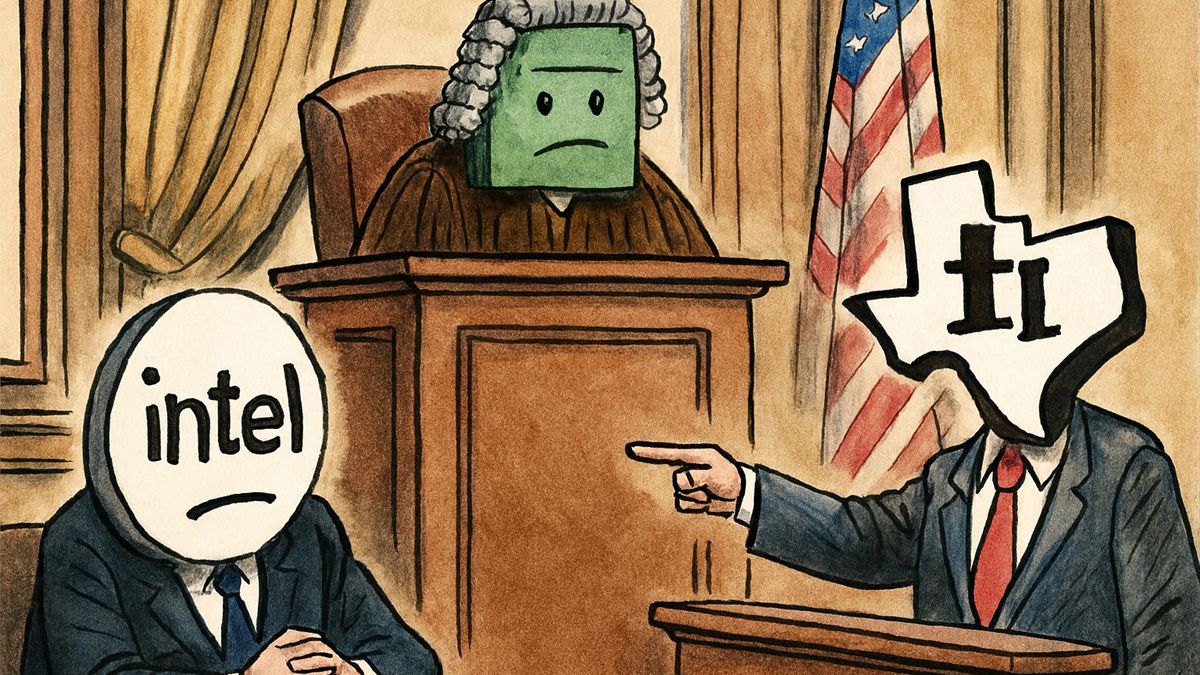
Are American manufacturers AMD, Intel, and Texas Instruments really implicated in the deaths of civilians in Ukraine? Let’s examine the issue.
The conflict in Ukraine continues to take new forms and once again extends beyond the battlefield – this time into U.S. courtrooms. Ukrainian civilians affected by Russian attacks have filed a series of lawsuits against three major American semiconductor manufacturers – Intel, AMD, and Texas Instruments – as well as the distributor Mouser Electronics. The plaintiffs seek to establish corporate responsibility for the fact that these companies’ products allegedly ended up being used in the aggressor’s military systems.
Read also: Trump vs. Microsoft: Conflict That Could Escalate into Scandal
TABLE OF CONTENTS:
Chips of War: Lawsuits Against Silicon Valley
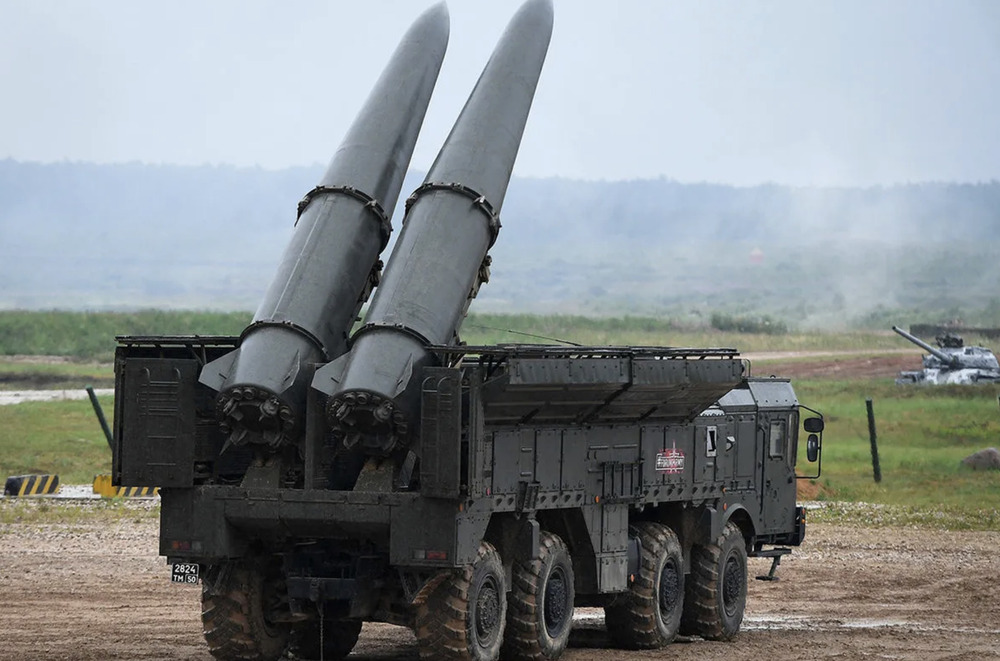
The core of the allegations centers on the systematic involvement of Western technology in the war against Ukraine. According to the plaintiffs, U.S.-made microchips have been identified in Russian strike drones, Kh-101 cruise missiles, Iskander-M ballistic missiles, as well as Iranian-made Shahed drones that Russia has widely used to attack Ukrainian cities.
Over several years, these systems have become instruments of violence against the civilian population. They have been used in strikes on residential areas, energy infrastructure, hospitals, and transportation hubs, resulting in hundreds of civilian deaths and thousands of injuries.
The lawsuits filed on behalf of affected Ukrainian civilians focus not only on the presence of American-made components in Russian weapons, but also on the conduct of the manufacturers themselves. The plaintiffs’ lawyers rely on the legal concept of willful ignorance. This refers to situations in which companies cannot credibly claim a lack of knowledge, because the totality of circumstances suggests that they knew – or at least should have known – that their products were reaching the aggressor state and being used for military purposes.
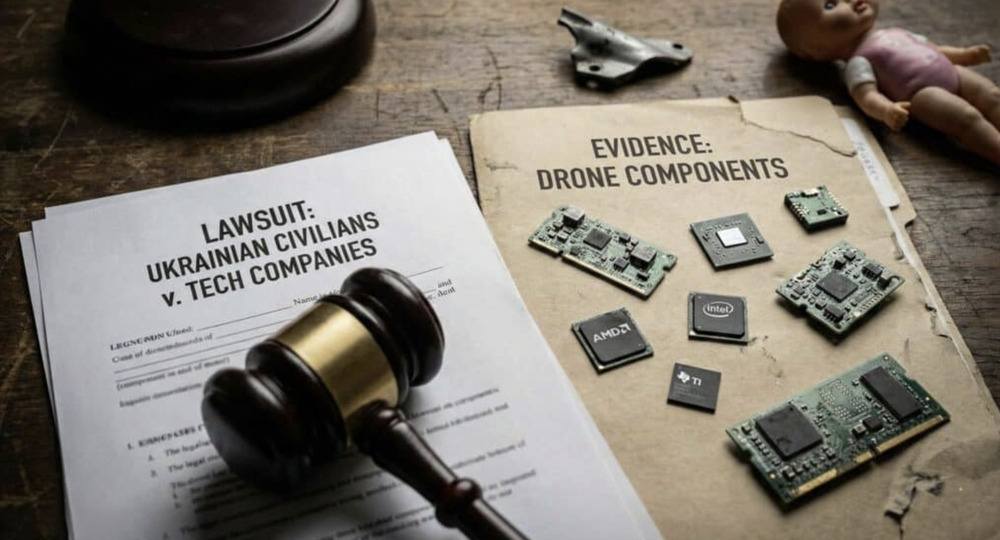
Among the defendants are three major Silicon Valley corporations that play a central role in the global semiconductor market. The plaintiffs argue that their microchips were used in navigation, guidance, and control systems – components without which modern missiles and unmanned aerial vehicles cannot operate. According to the claims, this was not a matter of isolated or accidental violations. Instead, the lawsuits describe persistent supply chains that continued to function despite sanctions and export controls, relying on intermediaries, so-called gray re-export schemes, and third countries.
Lawyers emphasize that in today’s high-technology environment, manufacturers bear responsibility not only for product quality, but also for oversight of end use – particularly when it comes to dual-use components. In their view, the companies limited themselves to formal compliance with regulations, without implementing effective mechanisms for tracking, auditing, or blocking high-risk deliveries. This passivity, according to the logic of the lawsuits, amounts to a form of willful ignorance regarding the consequences.
As a result, the case goes beyond individual legal claims. It raises a fundamental question: where does commercial neutrality end, and where does shared responsibility for war crimes begin, when civilian technologies become critical components of weapons used to kill civilians.
Read also: How Taiwan, China and the US are fighting for technological dominance: the great chip war
Documented Cases of Attacks
The lawsuits are not based on abstract allegations, but on five specific, carefully documented incidents in which lawyers trace a direct link between the use of precision-guided weapons and the presence of Western-made microchips within them. Each of these strikes targeted clearly defined civilian objects and formed part of a systematic campaign aimed at intimidating the Ukrainian population.
- March 2023 – Rzhyshchiv. An Iranian-made Shahed drone struck a student dormitory. At least nine people were killed, and dozens were injured. The attack was notable in that there were no military targets in the vicinity, and the strike occurred at night, when civilians were inside the building.
- April 2023 – Uman. A Kh-101 cruise missile destroyed a multi-story residential building. Twenty-three civilians were killed, including children. This incident became one of the most high-profile examples of precision-guided weapons being used not against military targets, but against residential housing deep in the rear areas.
- June 2023 – Kryvyi Rih. A missile strike on civilian infrastructure killed 12 people. The city, located far from the front line, once again became a target of demonstrative violence aimed not at achieving a military objective, but at exerting psychological pressure on the civilian population.
- July 2024 – Kyiv. The strike on the Okhmatdyt Children’s Hospital became a symbol of complete disregard for international humanitarian law. Thirty-three people were killed, including patients and medical staff. The facility, which is under special protection according to international conventions, was deliberately and intentionally targeted.
- April 2025 – Kryvyi Rih. An Iskander ballistic missile struck a playground in a residential area. Twenty people were killed, including nine children. This attack became one of the most shocking examples of escalating terror against civilians, targeting not just buildings but a space meant for children’s daily life.
Taken together, these incidents, according to the plaintiffs, form an evidentiary basis demonstrating a direct causal link between the use of American-made components and the mass deaths of civilians. The cases are not portrayed as isolated tragedies, but as a recurring pattern in which advanced technologies become part of a mechanism facilitating war crimes.
Read also: Windows as an Agentic Operating System: Current State and Future Prospects
How the Products Allegedly Reached Russia’s Arsenal
According to the plaintiffs, U.S.-made microchips did not enter Russia’s military‑industrial complex through direct channels. Instead, they were routed through multi‑layered supply chains involving networks of intermediaries in third countries – primarily China, Iran, and Bulgaria – as well as via open online platforms selling electronic components.
Lawyers argue that this fragmented structure made it possible to bypass formal export restrictions while maintaining the outward appearance of lawful transactions.
According to the case materials, online sales in small batches played a distinct role, effectively making it impossible to identify the end user. Through such channels, critical dual‑use components entered Russian weapons programs without direct contracts and without obvious irregularities in the accompanying documentation. This created a convenient “sanctions gray zone,” in which responsibility becomes diffused among manufacturers, distributors, and intermediaries.

The plaintiffs emphasize that tools for stricter control did exist. Manufacturers could have implemented enhanced end‑user verification procedures, restricted sales of sensitive components on open platforms, strengthened audits of distributors in higher‑risk countries, and applied technical mechanisms to track shipments. According to the lawsuits, the failure to implement such measures forms the basis for the claims of willful ignorance.
Analysts view the situation more broadly, seeing it as an indicator of systemic weaknesses in the global logistics of high‑tech components. The case highlights a problem where sanction regimes formally exist but prove insufficiently effective within the context of a globalized semiconductor market. As a result, civilian technologies designed for the digital economy can, with few barriers, be integrated into the military arsenal of an aggressor state.
In this sense, the issue extends beyond the responsibility of individual companies, raising questions about the overall architecture of international control over dual‑use technologies – a system the war in Ukraine has exposed as both vulnerable and lagging.
Read also:
- End of Specs Race: How Many Megapixels Can Human Eye Actually Perceive?
- Atomic Horizon: How Humanity Pushes Chips to Edge of Possibility
Legal Aspects of the Case
The lawsuits were filed under Texas state law, the jurisdiction where the key defendants are based or conduct significant business. The choice of Texas is deliberate: state law there provides expanded avenues for holding corporations accountable in cases where their actions or inaction have resulted in the deaths of civilians outside the United States.

The lawsuits include several interrelated grounds:
Negligence and Gross Negligence – The plaintiffs argue that the companies failed to implement basic and enhanced control measures despite clear risks that their products could be used for military purposes by the aggressor state.
- Wrongful Death – Claims are brought on behalf of relatives of civilians killed in attacks involving weapons containing American-made components.
Breach of Duty of Care – A central element of the lawsuits, this claim holds manufacturers responsible not only for the product itself but also for the foreseeable consequences of its use when the risks were apparent or systemic.
Lawyers emphasize that the case goes beyond a typical corporate dispute. “This lawsuit raises a fundamental question for technology manufacturers – where is the line between business operations, ethical responsibility, and compliance with international norms,” the plaintiffs’ representatives state. In their view, in a world of globalized supply chains, companies cannot limit themselves to formal regulatory compliance while ignoring obvious humanitarian risks.
Lawyers also highlight the potentially precedent-setting nature of these lawsuits. If successful, they could reshape how technology corporations approach accountability, prompting companies to revise export policies, strengthen oversight of distributors, and implement effective mechanisms to track the end use of critical technologies. Essentially, the case seeks to establish a legal principle: technological neutrality does not absolve companies of responsibility when its consequences include civilian deaths.
Read also: Weapons of Ukraine’s Victory: 1KR1 “Sapsan” Operational-Tactical Missile System
Companies’ reaction
Public statements from the companies involved vary significantly in tone and transparency, highlighting the complex legal and reputational landscape they face.
Intel, in its official position, stated that following the start of the full-scale war, it completely ceased business operations in Russia and Belarus and operates in strict compliance with U.S. export laws and international sanctions regimes. The company emphasizes that it does not make direct shipments to the aggressor state and does not control unauthorized re-exports through third parties. However, plaintiffs note that the dispute concerns not only formal shipments after 2022, but also long-standing systemic gaps in supply chain oversight that have existed for years.
AMD and Texas Instruments have so far refrained from public comment. Analysts suggest that this silence is a common early-stage legal strategy, as any statement could be used against the company in future proceedings. At the same time, the lack of response creates an information vacuum that is quickly filled with speculation and reputational risk.
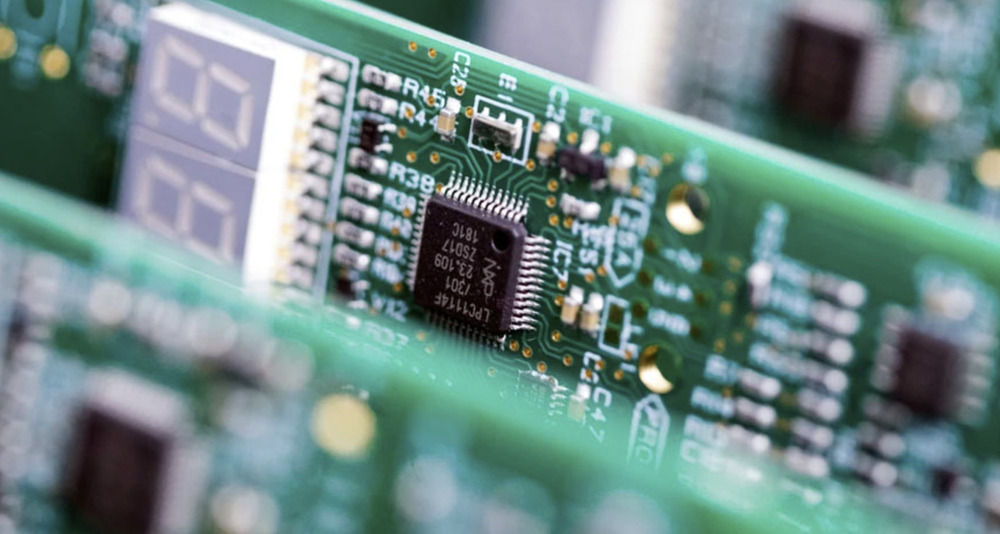
Mouser Electronics, one of the largest global distributors of electronic components, has stated that it will respond solely through the courts, avoiding public media discussions. This approach signals an intent to confine communication to the legal arena and minimize public pressure, while also underscoring the seriousness of the claims.
Analysts predict that the legal proceedings could stretch over several years. The reasons include the difficulty of establishing causal links within global supply chains, the multi-jurisdictional nature of the case, and the need to analyze sanction regimes that have evolved continuously since 2014, and particularly after 2022. Ultimately, the process may become not only a courtroom battle but also a prolonged test for the entire semiconductor industry – evaluating its willingness to take responsibility not just for profits, but also for the consequences of its technological presence in a war.
Read also:
- Breakthrough Development: Scientists Create Artificial Muscles Activated by Ultrasound
- Can a Modern Human Live to 150 Years?
Implications for the Microchip Industry
This lawsuit is exceptional, extending far beyond a standard compensation claim. Its significance lies in several dimensions, each of which could potentially reshape established practices in the global technology market.
First, the lawsuits are filed not by states or international organizations, but by private individuals – people directly affected by missile strikes and drone attacks. This shifts the focus from abstract geopolitics to personal accountability and tangible human losses, bringing the realities of war into the realm of civil litigation under Western jurisdiction.
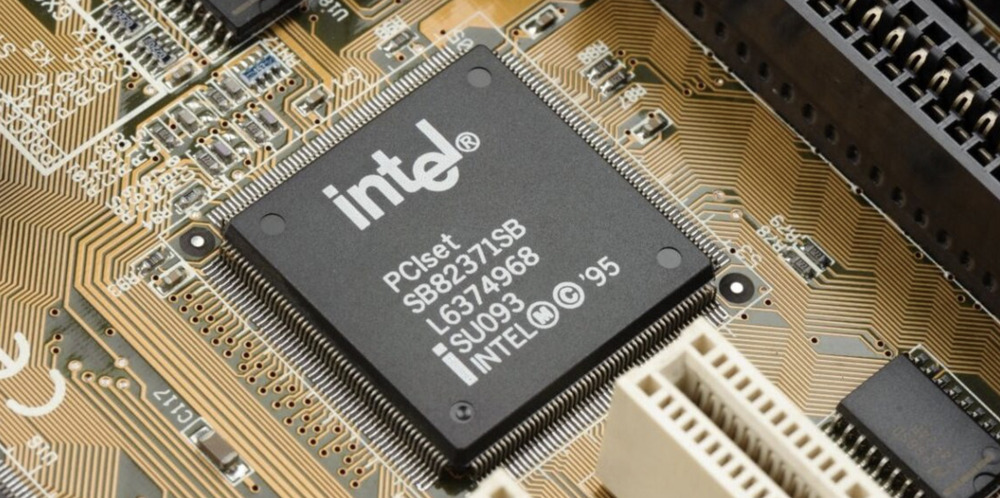
Second, the case places the responsibility of technology corporations at the forefront – companies that have traditionally viewed themselves as neutral suppliers of components. The very fact that a court must assess their role in the weapons supply chain calls into question current approaches to dual-use technology exports and could lead to a significant tightening of global control regulations.
Third, the case illustrates that modern warfare has long extended beyond the front lines. It now encompasses courtrooms, financial statements, supply chains, and corporate policies. Legal proceedings have become another instrument of pressure, and economic interactions are emerging as a battlefield as consequential as military operations.
“Technological luxury and business interests can no longer exist apart from ethics and human lives,” emphasize the plaintiffs’ attorneys.
This statement effectively articulates a new paradigm for the high-tech industry, where profitability can no longer be the sole measure of success.
Analysts note that regardless of the court’s final ruling, the very existence of this lawsuit already exerts a cooling effect on the market. Its implications could extend far beyond microchip manufacturers, compelling the entire high-tech sector – from software developers to global distributors – to reassess export control policies, risk management practices, and adherence to international humanitarian standards. In this sense, the case could mark a turning point, after which technological neutrality can no longer serve as an excuse.
Read also:
- How Chinese Companies Circumvent the US Ban on AI Chips
- Rare Earth Metal Situation: Whoever Controls the Resources, Rules the World
- How to Spot Fake Photos: New Challenges of the Digital Age

