





© ROOT-NATION.com - Use of content is permitted with a backlink.
I don’t want to sound alarmist, but doesn’t modern warfare increasingly resemble something out of Black Mirror? Nations are no longer just stockpiling missiles and tanks – they’re putting money into advanced technologies: invisible beams, devices designed to influence the mind, and weapons that “scream” to affect a person’s psychological state. Traditional armies and ground battles are fading into the background, while the battlefield is being filled with strange, unsettling, and almost sci-fi types of weaponry.

This marks a new era of weaponry, where fear and technology are so closely intertwined that older methods of warfare already feel outdated. While much of it still seems like science fiction, some of these technologies are already in use or undergoing testing, raising the question: what if the future of war looks nothing like what we’ve known before? Here’s a look at nine of the strangest – and most mysterious – examples of futuristic weapons.
TABLE OF CONTENTS:
Laser systems in the navy
Lasers, once confined to science fiction and action films, are gradually making their way into actual military use. For instance, the British Navy plans to equip four warships with laser weapons by 2027. The DragonFire system can hit a one-pound coin from a kilometer away, or a quarter from 966 meters, and is capable of bringing down drones at ranges of up to five kilometers.
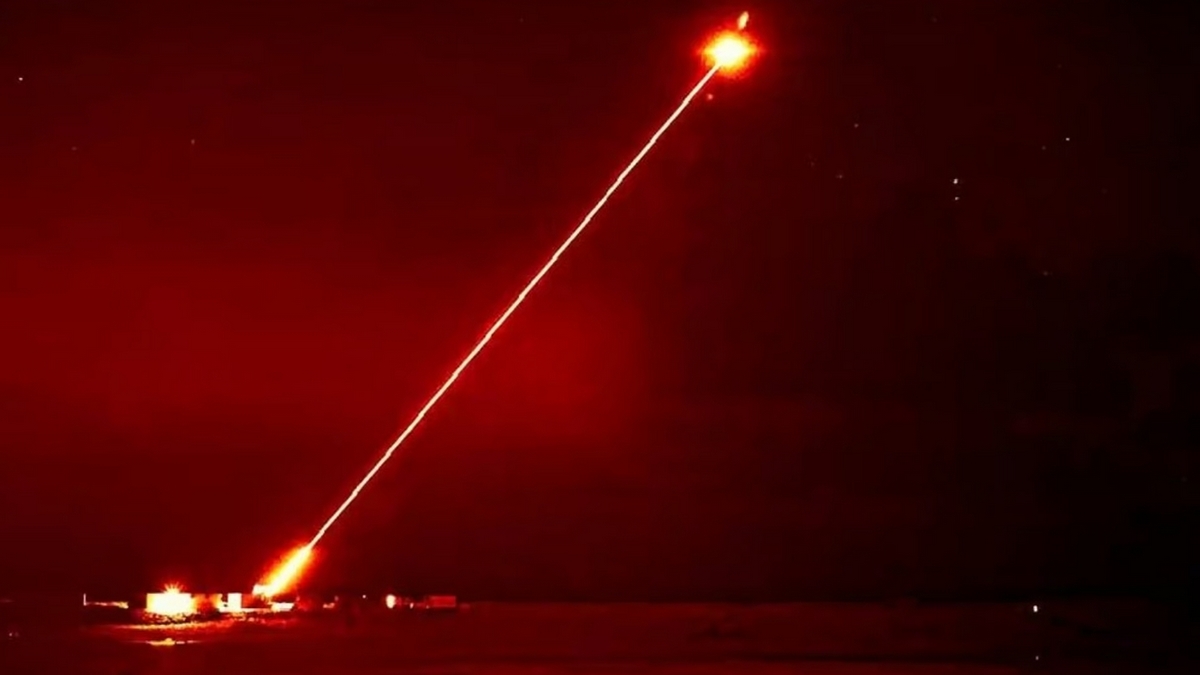
The system works by generating a powerful laser beam created through multiple fiber-optic cables combined into a single, concentrated stream. This beam can cut through metal, disable guided missiles, or even detonate munitions near a target. DragonFire is designed to balance precision and effectiveness with relatively low operating costs. Each shot is estimated at about \$13, and since it relies on energy rather than conventional ammunition, it can be considered effectively renewable.
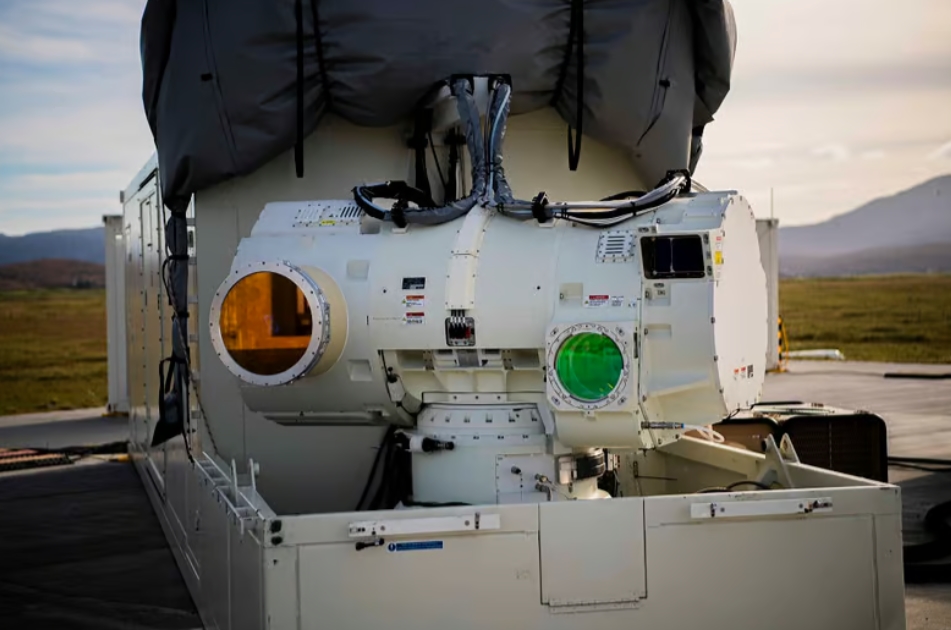
Systems like DragonFire are primarily designed for short-range defense. However, lasers can also be used offensively, notes Dr. Sidharth Kaushal, senior research fellow at the Royal United Services Institute, a defense and security think tank. “One example is how the Chinese used directed-energy weapons against U.S. pilots flying over their base in Djibouti, East Africa. It doesn’t necessarily kill the pilot, but it can effectively blind them.” Lasers highlight how modern weaponry is becoming increasingly complex, precise, and potentially harmful to humans in ways beyond traditional firepower.
Read also: The First American Attack Aircrafts: Development Path, Part 1
Microwave weapon against drones
Directed-energy weapons remain one of the fastest-developing areas in defense technology, and their use extends beyond lasers. A key branch of this field is high-power microwave (HPM) weaponry, designed to counter the growing threat of drones – particularly when dealing with coordinated swarms of networked UAVs.
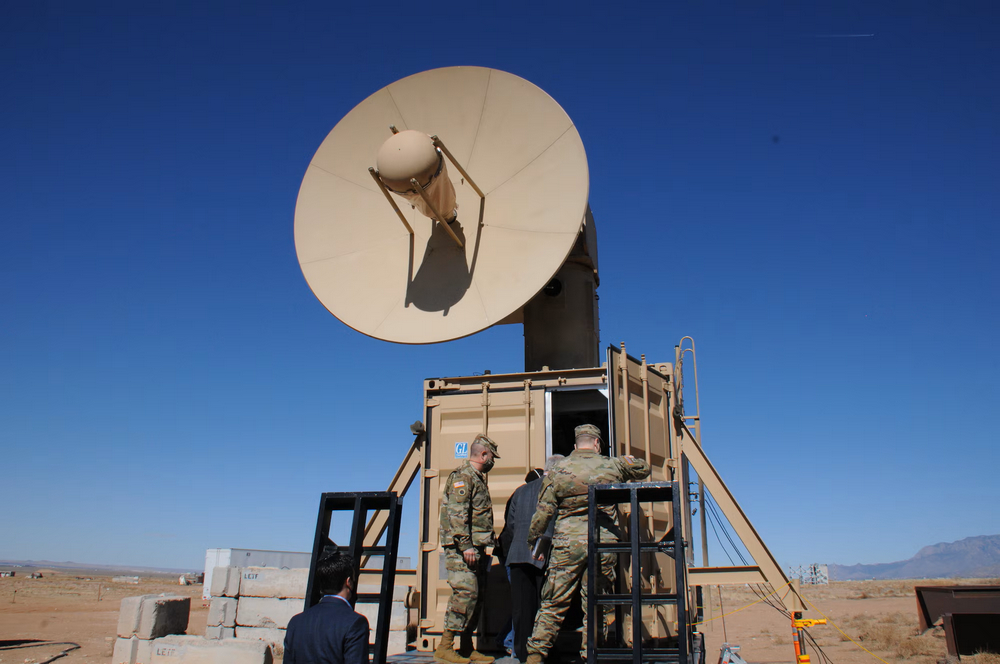
Unlike lasers, HPM systems use longer wavelengths and can disable multiple targets at once. They work by emitting a continuous stream of energy that’s around 150,000 times more powerful than a household microwave oven. “Essentially, it uses radio-frequency energy to destroy the electronics inside a system,” experts explain. In 2023, the U.S. military showcased the Tactical High-Power Operational Responder (THOR), a truck-mounted system with a gimbal that directs a wide microwave beam at incoming drones. During the demonstration, several drones were successfully disabled.
Another emerging technology is radio-wave-based weaponry. In 2024, the British military demonstrated a system that uses radio-frequency emissions to disable drones at distances of up to one kilometer. Each “shot” costs just $0.13, making it a highly economical and efficient counter-drone solution.
Read also: First American Attack Aircrafts, Part 2: Alternative Projects of the Early 1920s
Autonomous AI-based weapons
Autonomous combat systems powered by artificial intelligence increasingly evoke the imagery of films like Terminator, with T-1000-style robots turning against humans. What once seemed purely fictional is now a reality: similar systems are already operational within military structures, prompting serious concern among experts about their development and the potential risks they pose.
&pp=ygUTQnVsbGZyb2cgR3VuIFR1cnJldA%3D%3D
“The main risk of autonomous weapon systems lies in the potential loss of human control and the unrestricted targeting of objects, including civilians,” says Dr. Lukasz Olejnik, an independent researcher and visiting fellow at King’s College London. “This is a prohibited area that would violate the Geneva Conventions. Core principles of such technology should uphold distinction, proportionality, and meaningful human oversight. There is a real danger that a fully autonomous system ‘out of control’ could cause disasters, such as misidentifying targets, using excessive force, or unleashing unlimited lethality.”
&pp=ygUOUGhhbGFueCAoQ0lXUyk%3D
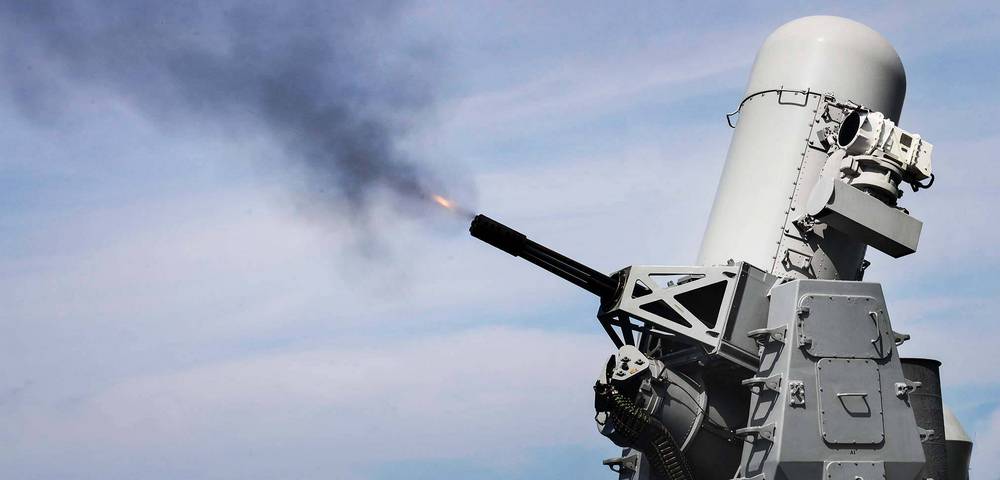
Some autonomous systems have already been in military use for decades. One example is the Phalanx Close-In Weapon System (CIWS), which protects British and other naval vessels by independently identifying threats. On the cruiser USS Cowpens (CG 63), the Phalanx can fire at missile decoys towed by aircraft at rates of up to 4,500 rounds per minute.
Today, artificial intelligence is increasingly integrated into combat strategy, surveillance, and the management of unmanned systems. Many air forces are developing AI-powered drones designed to operate alongside manned fighter jets. Among these are autonomous gun turrets, such as the Bullfrog Gun Turret, which can independently acquire, track, and neutralize targets with a level of precision that surpasses human snipers.

“This means that the final decision to engage in combat remains in the hands of a human operator,” Olejnik emphasizes. “However, manufacturers, operators, and strategists may still worry whether all parties in a conflict will adhere to these rules.”
Read also: American Attack Aircraft, Part 3: The First Production Variants
Sound weapon
In 2016, dozens of U.S. diplomats and other officials in Havana, Cuba, began experiencing unusual symptoms: nausea, dizziness, extreme fatigue, and cognitive impairments that significantly affected their daily functioning. Since then, similar incidents have been reported in other countries, with officials suddenly experiencing comparable effects, sometimes accompanied by strange, loud sounds that often defied explanation.

One possible explanation for what later became known as “Havana Syndrome” is the use of a specific type of sonic weapon by adversaries of the United States. High-intensity acoustic waves can cause pain, discomfort, and even damage eardrums. Other frequencies may also induce discomfort, but numerous attempts to replicate these effects in laboratory settings have been inconclusive and have not fully explained the observed symptoms.
&pp=ygUhTG9uZyBSYW5nZSBBY291c3RpYyBEZXZpY2UgKExSQUQp
Sonic weapons, however, are real and are used in military and law enforcement operations. Acoustic cannons and long-range acoustic devices are deployed to disperse crowds, prevent illegal border crossings, and protect against pirates or suicide attackers. These systems are typically large, mounted on trucks or specialized platforms, making covert use difficult. This raises questions about how such technology could have been deliberately deployed against U.S. officials in Havana – or whether it actually occurred at all.
For example, the USS Blue Ridge is equipped with a Long Range Acoustic Device (LRAD), capable of emitting a focused sound beam to deter or temporarily incapacitate personnel. “Honestly, I’m not 100% sure that Havana Syndrome exists, or at least that it can be explained by hostile state actions,” experts note. Scientific studies of patients with the syndrome have also considered other possible causes, including exposure to microwave pulses or specific sounds produced by insects.
&pp=ygUhTG9uZyBSYW5nZSBBY291c3RpYyBEZXZpY2UgKExSQUQp
Another leading hypothesis suggests that the syndrome could be a manifestation of the nocebo effect, where fear or the expectation of poor health leads to real physical symptoms. Researchers have also considered the possibility of a mass psychogenic illness, in which anxiety and fear of a supposed attack heighten sensitivity to one’s own symptoms.
Read also: Weapons of Ukrainian Victory: The SIVALKA VM 8 Mobile Flamethrower System
Railgun
Electromagnetic artillery appears poised to become a key weapon of 21st-century warfare, and many militaries are exploring this technology. Railguns feature two parallel rails that launch a projectile using electromagnetic force. A rapidly expanding magnetic field can propel munitions at speeds well above the speed of sound, eliminating the need for explosives. All the damage comes from kinetic energy. This also provides a range advantage: the high kinetic energy allows projectiles to travel much farther than is possible with conventional guns, particularly in naval applications.

Electromagnetic railguns can also reduce the cost per shot, particularly for a nation’s naval forces. Their projectiles don’t require explosives, making them both cheaper and safer to store on board warships.
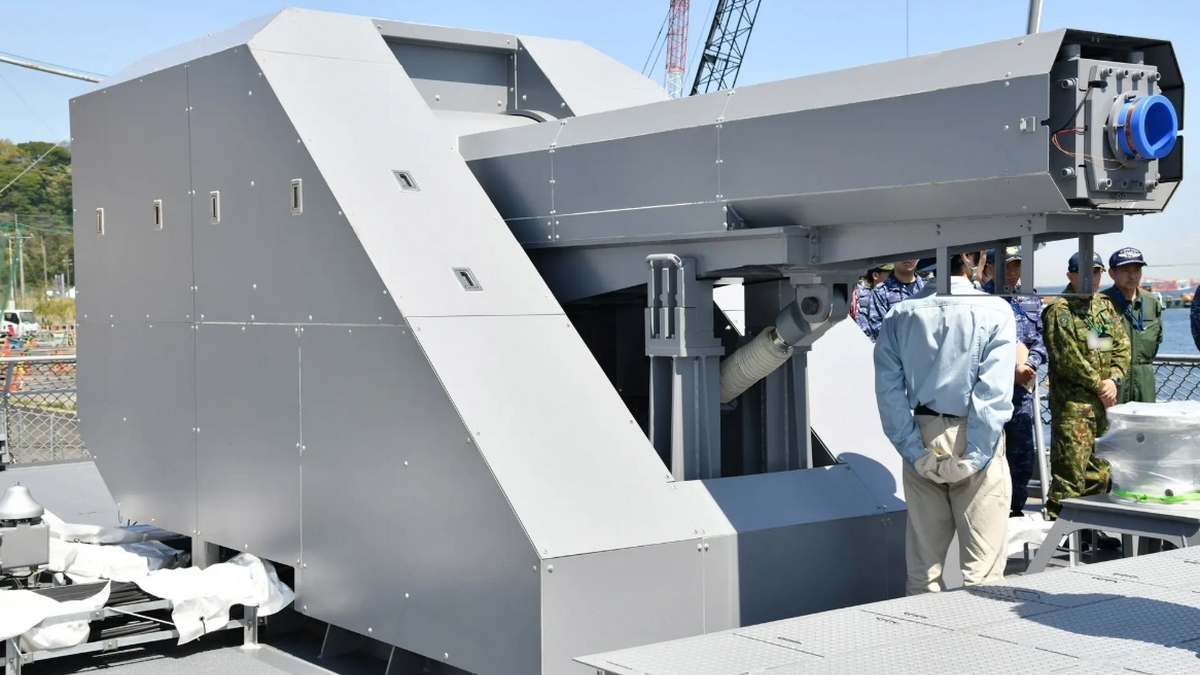
Naval artillery has regained some interest due to its potential for renewed operational use. Modern guns have limited practical application because their effective range is constrained and conditions must be favorable. An example is the 2011 operations off the coast of Libya, when the Royal Navy employed naval guns due to the absence of coastal defense systems. Today, even the least-equipped groups possess anti-ship cruise missiles, making close approaches to shore increasingly risky.
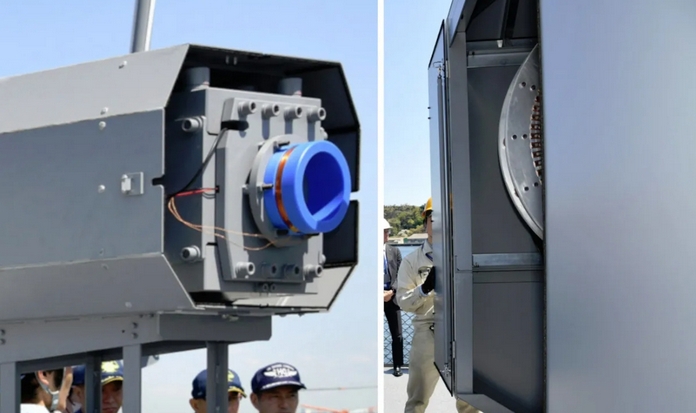
Electromagnetic railguns allow forces to strike coastal targets while remaining at a safe distance from defensive systems. Railgun development has been ongoing for decades, but high energy requirements have stalled many projects, including in the U.S. China and Europe continue to pursue advancements in this technology.
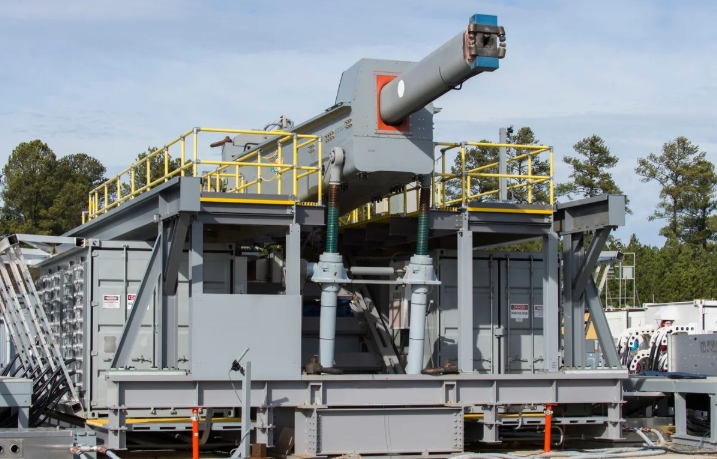
In 2023, the European Defence Agency completed a feasibility study for a new railgun capable of firing projectiles at hypersonic speeds of up to Mach 6 – roughly ten times faster than most aircraft. Test trials are planned at a proving ground by 2028.
Read also: Could Thorium Be a Breakthrough in Energy Technology?
Weapons for crowd control
Directed-energy weapons are being developed not only to counter drones and missiles but also for potential effects on humans, both lethal and non-lethal. At low power levels, these weapons can create intense discomfort without causing lasting physical harm. Because of this, they are considered for crowd-control applications, although the ethical implications of such use remain a topic of debate in many societies.
Among examples of non-lethal weapons designed to affect humans are “laser deterrent” (LDI) technologies. These devices aim to deter or neutralize threats by temporarily impairing vision. Such systems are actively used for crowd control, border security, and repelling hostile attacks.
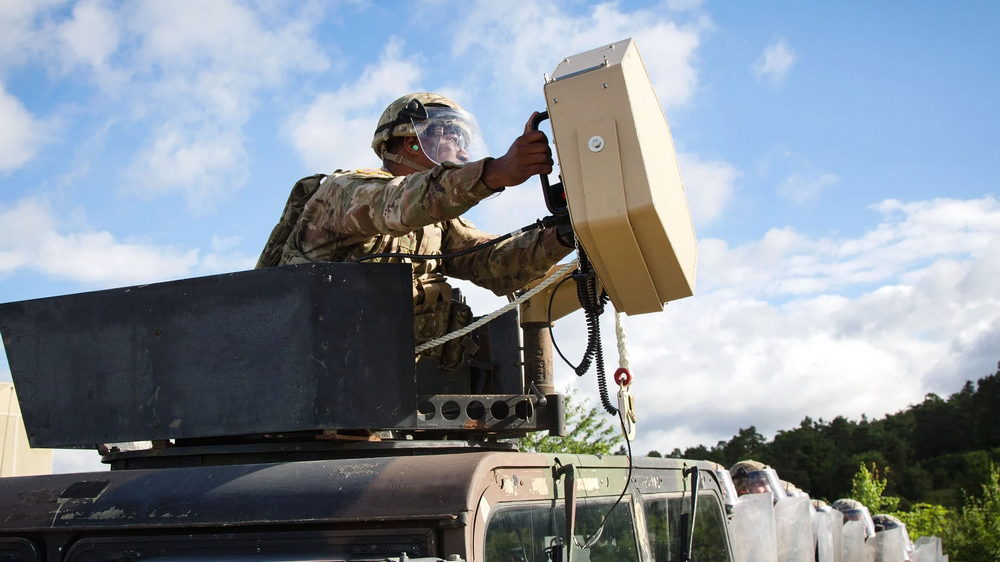
One of the most well-known examples is the Active Denial System, a microwave-based heat beam developed by the U.S. military over 20 years ago. The device emits a beam that heats fat cells and water in human skin, producing intense pain without causing serious injury. Although the system has never been used in actual combat, some participants suffered second-degree burns during field tests.
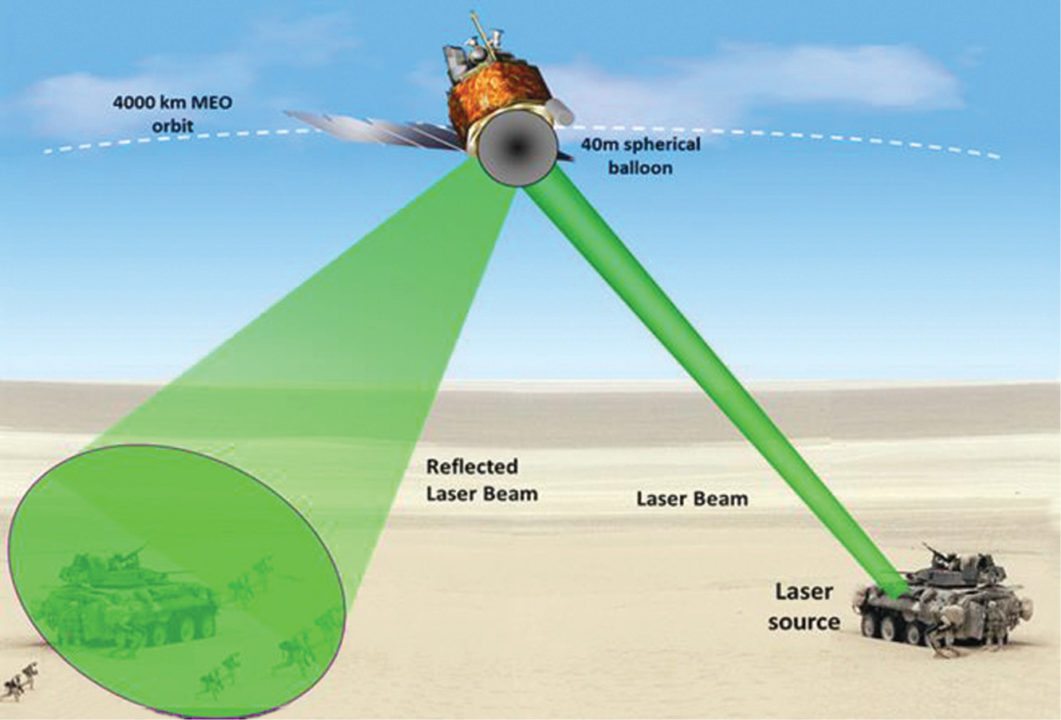
Another modern technology is the Scalable Compact Ultra-Short Pulse Laser System, also developed by the U.S. military. It combines multiple functions: generating acoustic and blinding effects, burning through clothing and skin, and, in certain modes, transmitting voice commands up to 1,000 meters. This system illustrates the wide range of capabilities that contemporary directed-energy weapons have for influencing humans without using lethal force.
Read also: Weapons of Ukrainian Victory: Precision-Guided AGM-154 JSOW Glide Bomb
Orbital bombing system
21st-century warfare may increasingly extend far above the Earth’s surface, into space. While the 1967 Outer Space Treaty prohibits placing weapons of mass destruction in orbit, it does not impose direct restrictions on other types of military activity in space.

Several weapons systems for space have already been proposed and tested, and major military powers such as the U.S., Russia, and China are actively developing related technologies. One category is anti-satellite weapons, which theoretically can disable an adversary’s communication networks or reconnaissance satellites. The challenge is that debris generated from destroying even a single satellite in low Earth orbit can trigger a chain reaction, contaminating orbital paths and making them hazardous for decades.
An even more exotic and potentially lethal form of space weaponry is the concept of orbital bombardment. Originating during the Cold War, this idea involved “rods from God” – tungsten rods dropped from orbit to strike the Earth, causing destruction purely through kinetic energy. While largely speculative, the concept has periodically resurfaced in discussions about its potential relevance.
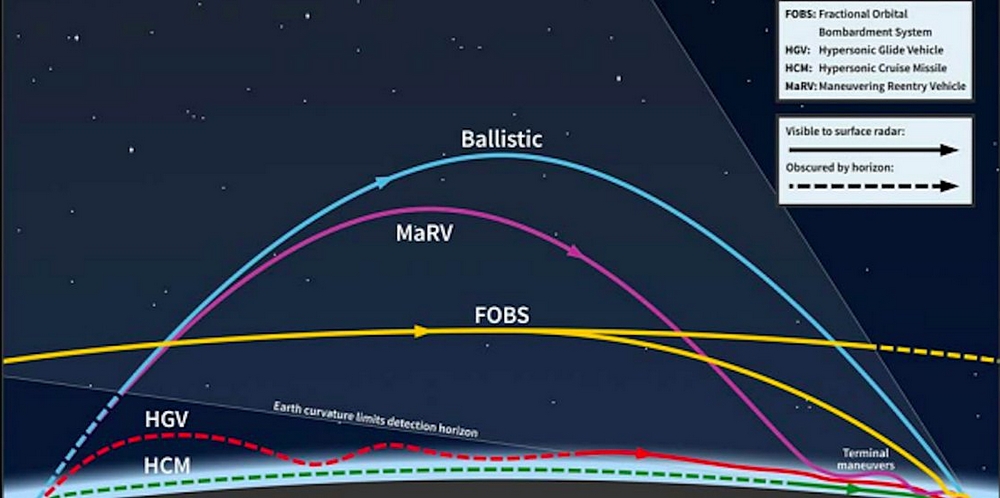
Among more realistic approaches are Fractional Orbital Bombardment Systems, or FOBS. These allow missiles to strike terrestrial targets by following orbital trajectories. The missile first exits the Earth’s atmosphere, then travels along an orbit – similar to a skipping stone – before re-entering the atmosphere, significantly extending its range. Historically, FOBS were relatively inaccurate, but modern technology has changed this. Combining such systems with hypersonic glide vehicles, capable of maneuvering after re-entry to precisely hit targets, creates the potential for an extremely effective first-strike capability.

According to the U.S. Space Force, China tested space-based weaponry using FOBS technology in 2021. Similar programs are believed to be underway in Russia and the United States. Consequently, space is increasingly seen as a potential theater for military operations, where advanced technology and strategic capabilities play a critical role in modern national security and defense.
Read also: 15 Creepiest Space Objects and Concepts That Defy Explanation
New generation unmanned fighter jets
Traditional fighter pilots, the “Top Gun” style aviators, may one day seem as outdated as paperboys or lamplighters. This doesn’t appear far-fetched when considering current drone developments. In March 2025, the U.S. Air Force showcased its first fully autonomous fighters, the YFQ-42A and YFQ-44A. These aircraft are designed to conduct flights and execute combat missions independently, with the YFQ-44A capable of reaching altitudes of up to 15,200 meters and speeds exceeding 1,046 km/h.
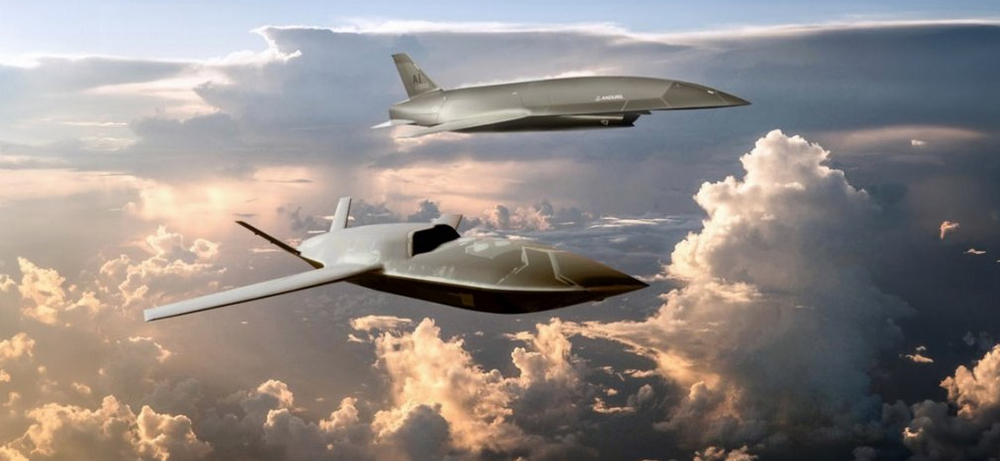
In practice, however, these drones will not operate entirely independently or be controlled by an all-powerful AI in the air, at least at this stage of technological development. They are intended to work alongside manned aircraft as combat partners, following a concept known as Loyal Wingman.
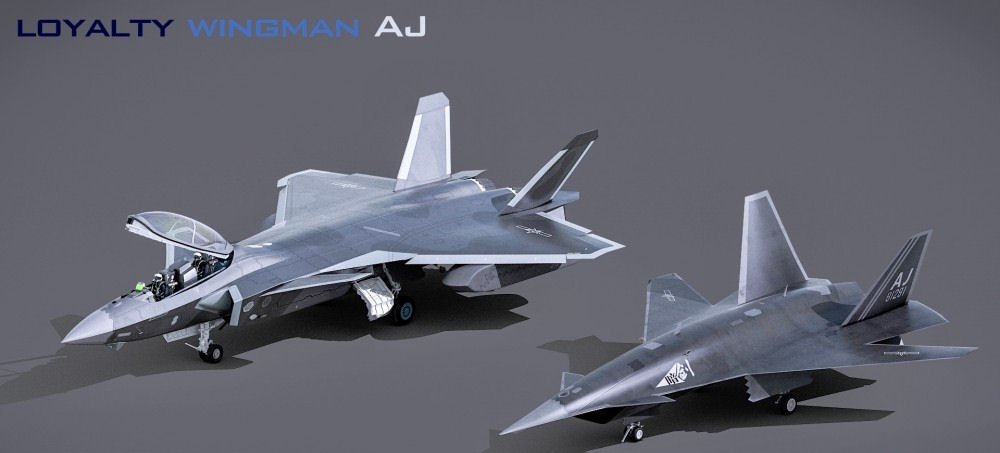
A similar concept has been implemented in other modern unmanned fighters, such as China’s AVIC Dark Sword and Australia’s MQ-28 Ghost Bat. Considering that reconnaissance and surveillance drones are already in active use, and drone swarms are under active development, most military analysts view this as the beginning of a new era of cloud-based combat operations.
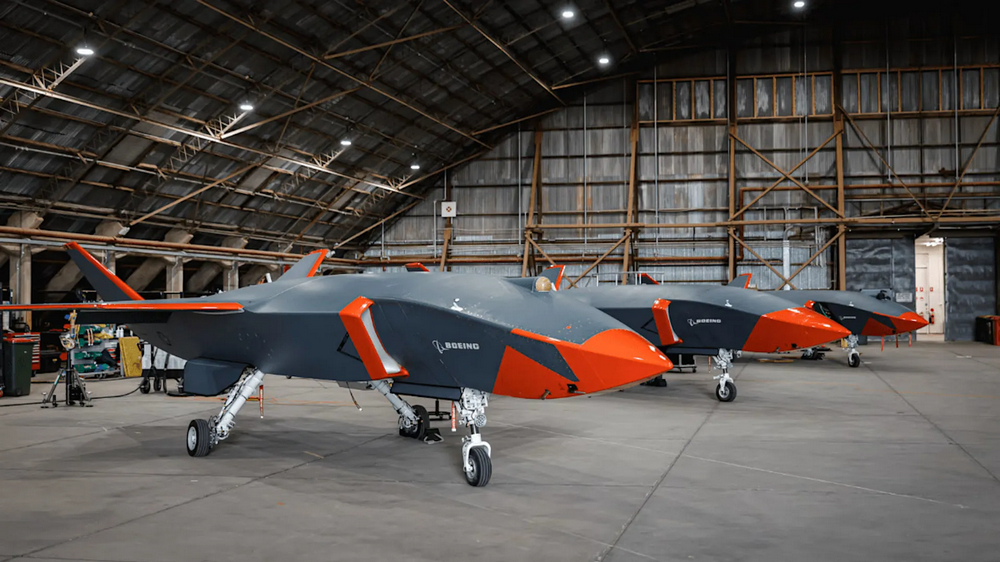
Human pilots have already gained initial experience facing AI-controlled opponents. In 2023, a simulated aerial engagement took place over California involving two F-16s: one piloted by a human, the other by artificial intelligence. The U.S. military did not disclose the outcome of this exercise, but in a similar 2020 simulator test, the AI won all five trials.
The emergence of next-generation unmanned fighters and the integration of AI systems into combat operations point to a potential fundamental transformation of aerial warfare. Traditional pilot skills may gradually be supplemented or even replaced by robotic partners capable of autonomously executing complex maneuvers and battlefield tasks.
Read also: Rare Earth Metal Situation: Whoever Controls the Resources, Rules the World
Neuro-shock weapon
Depending on your level of skepticism, this information could be classified as either “top secret” or “nonsense.” Some reports claim that China is developing a cognitive warfare arsenal capable of inducing sleep, reducing alertness, and affecting decision-making or emotional states in opposing personnel.
The CCP BioThreats Initiative, a research group including former U.S. intelligence and military experts, has published reports since 2023 on purported technologies of this type. One document mentions sonic weapons allegedly capable of influencing the neurobiology of targets. However, available evidence for these claims remains very limited and resembles historical reports from the 1990s about Russian development of so-called “psychotronic” weapons, which involved drugs and directed-energy systems intended to affect human consciousness or will.

The history of mind-control experiments also includes more well-documented examples in the U.S., where conspiracy theories intersected with real programs. The most frequently cited is MKUltra, a CIA initiative that ran from the 1950s to the 1970s, which tested psychological influence techniques, brainwashing methods, and human experimentation. To date, however, there is no verified evidence of the existence of psychotronic weapons.
At the same time, the human brain could be leveraged on the battlefield in other ways. A 2019 U.S. Army report discusses the prospect of cyborg soldiers by 2050. Next-generation troops might gain access to brain-computer interfaces, allowing them to control weapons with thought, or to optogenetic technologies – methods for manipulating neural activity using light and genetic engineering to reduce anxiety in the brain.
Thus, even if individual reports about psychotronic weapons remain contentious, the development of technologies that interact directly with the human brain is becoming a tangible component of contemporary military research.
Read also:
- Weapons of Ukraine’s Victory: AASM/HAMMER Precision-Guided Bombs
- Weapons of Ukrainian Victory: The Robotic KRAMPUS System
- Weapons of Ukrainian Victory: MAGURA V5 Maritime Drones

