




© ROOT-NATION.com - Use of content is permitted with a backlink.
For centuries, humanity has been unsettled by cosmic mysteries and strange theories that remain unexplained. The universe continues to spark imagination, with unknown phenomena challenging our understanding of reality. Among them are particularly unsettling yet fascinating anomalies that serve as a reminder of how little we truly know about the vastness of space.
Today, we’ll look at some of the most unsettling space objects and concepts that still lack a clear explanation. These are the places and phenomena in the universe that inspire both awe and unease – massive black holes, mysterious dark galaxy superclusters, and cosmic structures that seem to operate by rules of their own. We’ll explore what the universe hides in its depths and why these objects remain unsolved puzzles for science.
It’s important to note right away: there are no simple answers or clear formulas in this list. Each of these objects carries an unsettling mystery, challenging our understanding of space, time, and even the nature of matter itself. We’re not just talking about distant star systems, but places where the usual laws of physics seem insufficient and the universe reveals its darker, more terrifying side. Here’s a list of the top 15 most intriguing and unsettling cosmic concepts that remain unexplained.
Read also: How to Photograph the Perseids with a Smartphone Camera
TABLE OF CONTENTS:
Laniakea
Imagine a cosmic void so vast that our usual notions of space and time start to lose meaning. This is Laniakea – a supercluster of galaxies stretching across half a billion light-years, where hundreds of thousands of galaxies drift within an invisible gravitational current. Our Milky Way is just a tiny speck in this colossal ocean, governed by laws that are foreign to us.
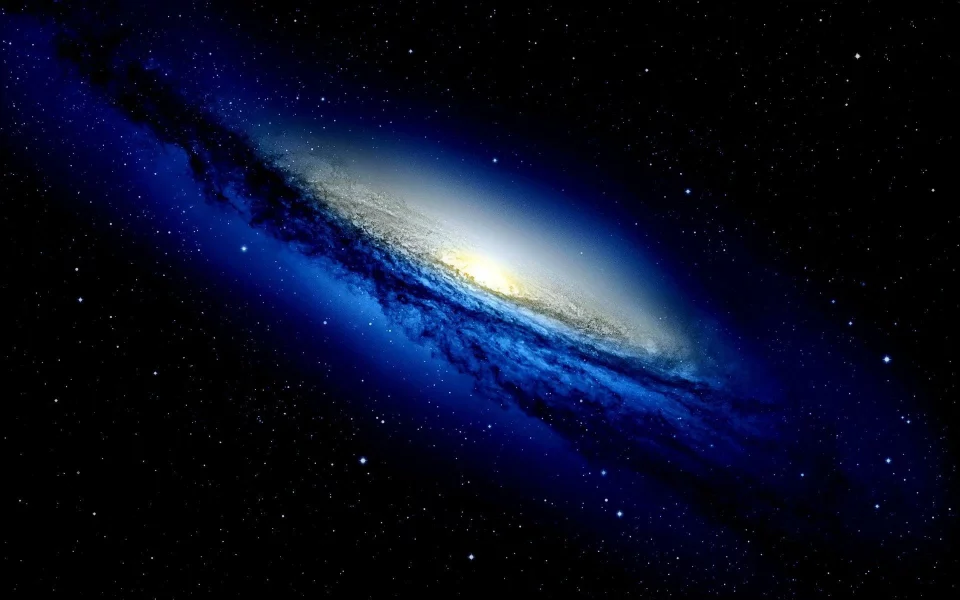
At the heart of Laniakea lies the Great Attractor – an invisible force drawing thousands of worlds toward it, like an unseen hand. Our galaxy, along with hundreds of others in the Local Group, is moving toward it, yet we have no idea what awaits us there. Its presence is detectable only through the motion of stars and galaxies, but no one can say for certain what lies hidden in the darkness.
The total mass of Laniakea, based on scientific estimates, is around 100 million billion times the mass of the Sun. It contains over 100,000 galaxies. This immense supercluster was identified in 2014 through mapping the velocities and distribution of galaxies in the local universe.

Laniakea evokes both awe and fear: our tiny existence among hundreds of thousands of galaxies is staggering, while the mysterious pull of its center serves as a reminder that the universe might be alive and watching us. Perhaps we will never uncover what lies deep within this vast cosmic labyrinth – but that only makes its scale and darkness all the more terrifying and mesmerizing.
Read alsо: History and Achievements of SpaceX: Elon Musk’s Great Space Passion
Great Attractor
The Great Attractor is a cosmic mystery – a massive “magnet” in the universe that exerts an invisible pull on entire clusters of galaxies, slowly drawing even the Milky Way toward it. This phenomenon was discovered in the late 1980s when a team of astronomers led by Lalita Ray noticed that observed galaxies were moving in a direction that couldn’t be explained by the visible mass in the universe. The Great Attractor acts like an unseen hand, drawing billions of stars toward it and leaving the surrounding cosmos in a tense, unsettled balance.
What makes the Attractor truly unsettling is its invisibility. We only observe the effects of its force – massive galaxies accelerating and altering their paths – but the source of gravity itself remains unseen. Some scientists even propose a chilling hypothesis: perhaps it’s not merely a region of dense matter, but part of an enormous cosmic “cage” created by someone or something, and we may never know for whom or what it was intended.
&pp=ygUf0JLQtdC70LjQutC40Lkg0JDRgtGA0LDQutGC0L7RgA%3D%3D
Studying the Great Attractor is like observing a ghost: you can sense its presence, but you cannot see it. Each new measurement of galactic velocities only reinforces its existence and the terrifying force that pulls an entire region of space into an invisible vortex. The Great Attractor remains silent, yet its influence reminds us that the universe may hide structures far more ominous and mysterious than anything we currently know.
Read also: “Superintelligence” – Breakthrough or Marketing Hype? An Analysis
Voids
The concept of cosmic voids was first proposed in the 1970s by Belgian astronomer Robert Kirsh. He noticed that certain regions of the universe appeared unusually empty, with very few galaxies – almost as if the space itself was “hollow.” These regions, later named voids, made a significant impact on the scientific community because they challenged the conventional idea of a uniform distribution of matter in the cosmos.
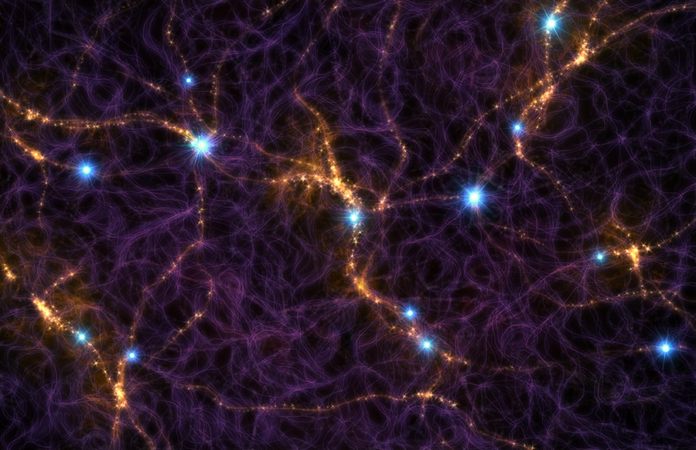
Voids are enormous empty regions stretching hundreds of millions of light-years, nearly devoid of galaxies, gas, or dark matter. Scientists have found that their edges are bordered by dense filaments of galaxies, forming a kind of cosmic “web.” The most unsettling aspect of these voids is the sense of absolute emptiness: when looking at a map of the universe, vast areas appear almost completely vacant. Light passing through these regions is distorted by the gravity of nearby masses, giving the impression that we’re viewing the cosmos through a cosmic lens of fear.
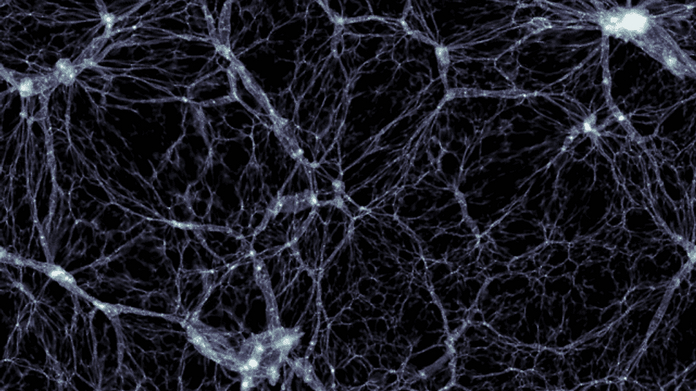
To this day, voids remain some of the most mysterious structures in the cosmos. Scientists continue to study how they form, why they reach such immense sizes, and how they influence the motion of galaxies across vast distances. Observing these emptinesses, it’s hard not to feel that they are more than just empty space – they resemble cosmic ghosts: silent, invisible, and merciless, reshaping the universe and leaving only cold darkness in their wake.
Read also:AI in Medicine: Is the Future Already Here?
Hercules Wall
The concept of the “Hercules–Corona Borealis Great Wall” emerged in the 1980s when astronomers, analyzing the distribution of galaxies across large volumes of the universe, noticed an unusual structure: a massive chain of galaxies stretching over 600 million light-years. This structure, named the Hercules Wall, immediately drew scientific attention because its size and shape exceeded the prevailing notions of how “uniform” the universe could be.
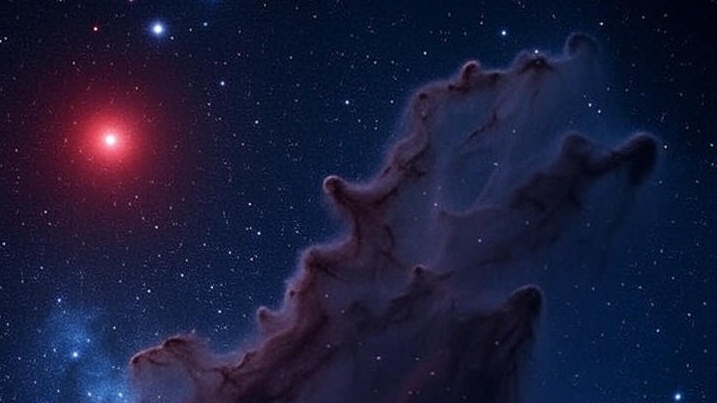
The Hercules Wall is a true cosmic giant, dividing space and influencing gravitational flows around it. For astronomers, it’s more than just a long chain of galaxies – it’s a reminder of the difficulty in grasping the scale and chaotic magnitude of the universe. What’s even more unsettling is the thought that this enormous “structure” may exist independently of us – we don’t know who it’s for, what it contains, or what it observes. Perhaps we are merely accidental witnesses to something that governs the universe by invisible laws, leaving behind only cold, relentless darkness.
&pp=ygUQd2FsbCBvZiBIZXJjdWxlc9IHCQmtCQGHKiGM7w%3D%3D
The most unsettling aspect of the Hercules Wall is its effect on our perception of the cosmos. Imagine structures like this – massive walls and superclusters – that we can barely circumnavigate or fully study, yet which have the power to alter the trajectories of entire galaxies drifting nearby.
Read alsо:6 Fascinating Facts About Gravitational Waves and LIGO
Hanny’s Voorwerp
Hanny’s Voorwerp, or “Hanny’s Object,” appears as an eerie green cloud glowing in the darkness of space. It hovers near the galaxy IC 2497 in the constellation Leo Minor, located hundreds of millions of light-years from Earth. This phenomenon was discovered by a Dutch schoolteacher who noticed the unusual spot while browsing images in the Galaxy Zoo project.
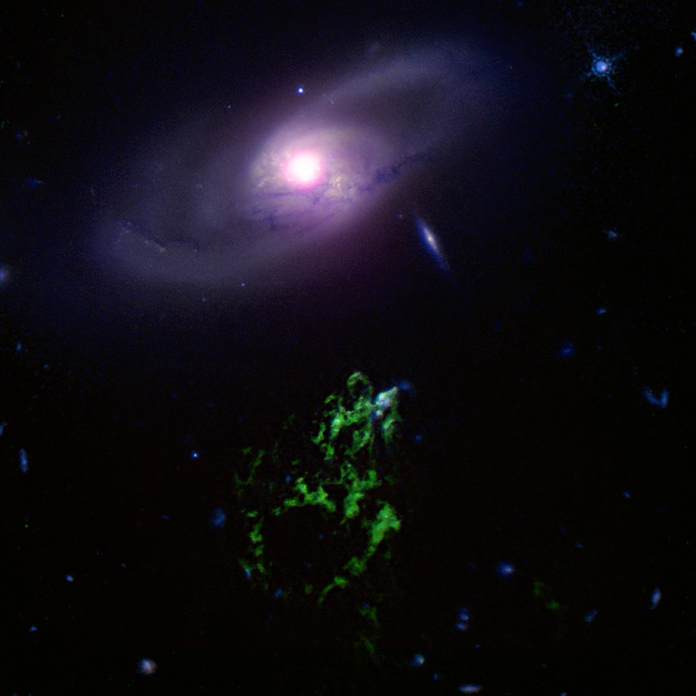
The mystery of Hanny’s Voorwerp lies in its glow, which is a remnant of past activity from the galaxy’s core. At one point, a powerful quasar at the center of IC 2497 emitted such intense light that it illuminated and “ignited” a massive nearby gas cloud. The quasar has since faded, but the echo of its radiation still causes the cloud to glow with an eerie green light, like the ghost of long-extinct stellar energy.
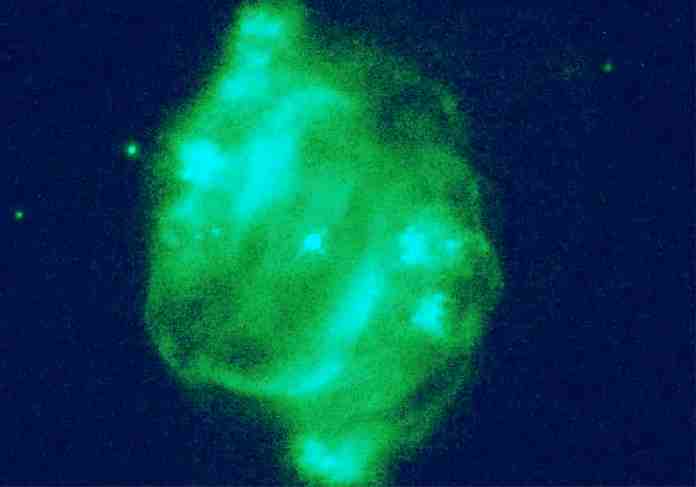
This phenomenon is striking not only for its eerie appearance but also for its sheer scale: the gas structure stretches some 300,000 light-years across. Scientists believe we are witnessing a rare “death echo” of an active galaxy that occurred only about 70,000 years ago. Hanny’s Voorwerp reminds us that even in the depths of the universe, “ghosts” of past cosmic cataclysms continue to glow in the darkness.
Read also:Gabe Newell’s Starfish Neuroscience Сhallenges Neuralink
Iron stars
Iron stars are a hypothetical type of star and one of the most enigmatic concepts in modern astrophysics. Their matter, composed almost entirely of iron, is so dense that no known physical force can melt or stretch it. Fred Hoyle proposed the idea of iron stars in 1970 while studying the final evolutionary stages of massive stars. According to calculations, such stars could form in the universe in roughly 10¹⁵⁰⁰ years – a nearly inconceivably long time, yet theoretically possible.
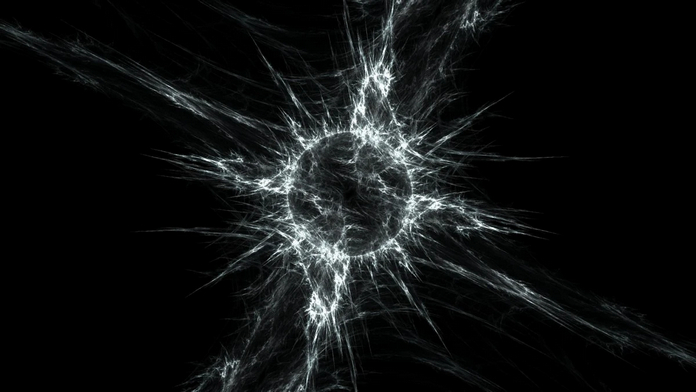
Their gravitational pull is so immense that it warps space and time around them, and any approaching matter could be torn apart. Iron stars are practically invisible; we can only observe the effects of their gravity and the unusual motions of nearby objects. Some researchers even speculate that they might serve as “capsules” of time and matter, where the ordinary laws of physics are distorted.
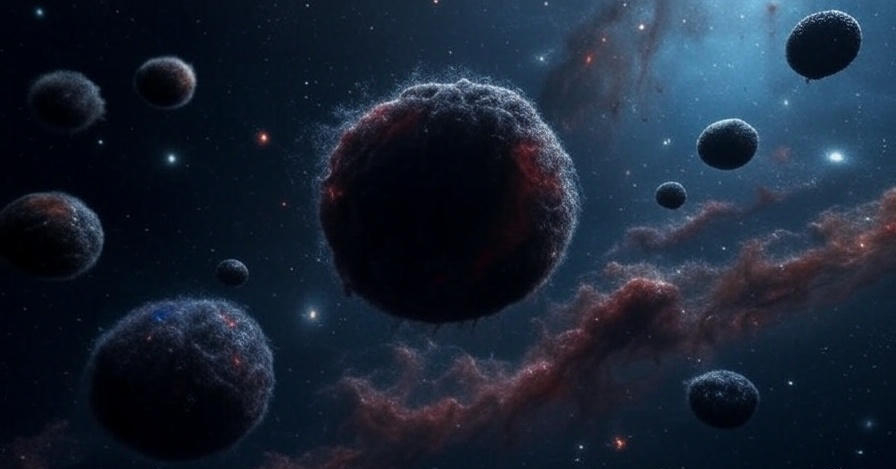
Despite their hypothetical nature, iron stars reveal a chilling yet fascinating aspect of the cosmos. They show that the Universe can produce objects that transcend our understanding of matter, gravity, and time. Each such star is like a silent monster hidden in the darkness, carrying secrets that humanity is not yet capable of unraveling.
Read also:Space Travel at the Speed of Light: When Will It Become a Reality?
Quantum foam
If you’ve never heard of quantum foam, imagine spacetime not as a smooth, even surface, but as a turbulent sea of microscopic waves and bubbles, appearing at incredibly tiny scales. The concept was first proposed by physicist John Wheeler in 1955, describing space not as a smooth fabric but as a boiling, twisting turbulence at Planck-scale distances (~10⁻³⁵ meters). At these unimaginably small scales, miniature black holes, tunnels, and time loops constantly appear and vanish, forming a kind of “foam” of chaotically moving structures.
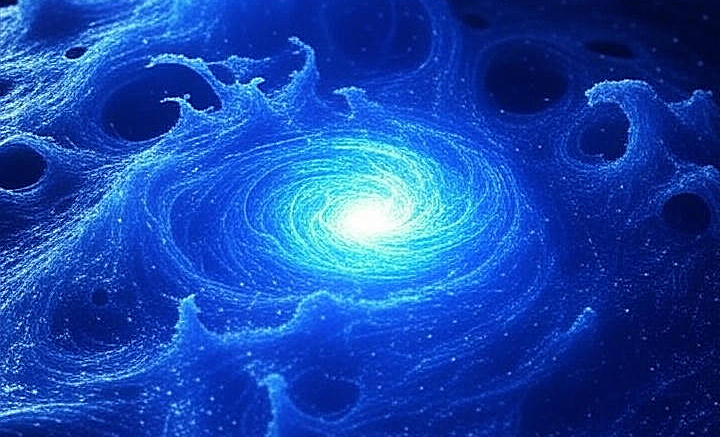
The chilling aspect of quantum foam is that it makes the very fabric of space and time unstable and unpredictable. The familiar laws of physics, which work at macroscopic scales, almost lose their meaning here: space can “tear,” tiny black holes appear, and time warps, flowing chaotically. This invisible foundation of the Universe creates a sense of constant instability, as if the very weave of reality conceals a deep and dark secret.
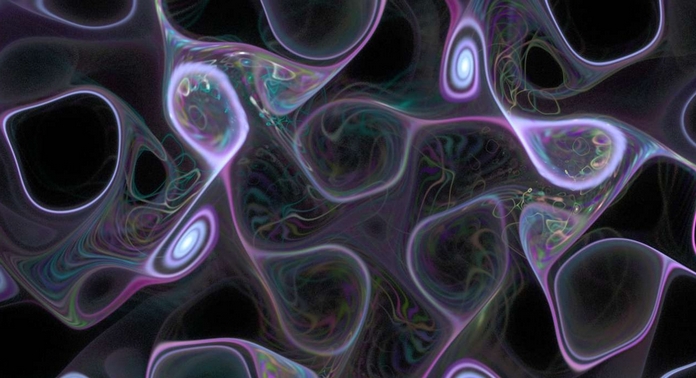
Research into quantum foam remains largely theoretical, as observing such processes is practically impossible. Yet its existence provides a key to understanding the deepest questions of the cosmos: how gravity arises, what space and time truly are, and why our Universe appears stable despite its fundamentally chaotic nature. Every attempt to peer into quantum foam reminds us of just how dark and unknown the cosmos can be.
Read also:Could Thorium Be a Breakthrough in Energy Technology?
The Moon’s Escape
As for our Moon, there’s a hypothesis known as the “Moon Escape” – a mysterious phenomenon that remains one of the most enigmatic ideas in astronomy. The concept emerged in the latter half of the 20th century, when astronomers began modeling the unstable orbits of natural planetary satellites. It describes a scenario in which the Moon, or another large satellite, could escape the gravitational pull of its planet and embark on an independent journey through space, becoming a free-floating object in the Galaxy.
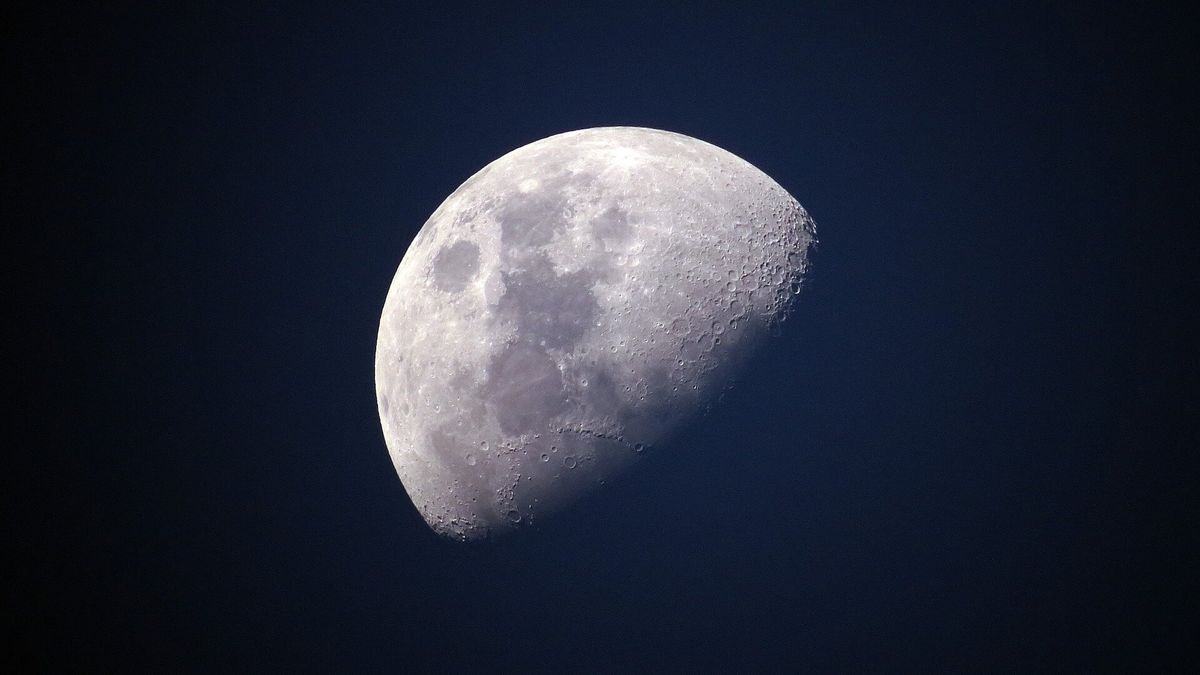
Such a scenario could occur if a satellite’s orbit is altered by interactions with other celestial bodies, a disruption of gravitational balance, or an external event – like an asteroid impact or a close passage by another star system – that “pushes” it. In the case of Earth and the Moon, we know the satellite drifts away by a few centimeters each year due to tidal friction and the loss of Earth’s rotational energy. While the Moon cannot completely escape Earth’s gravity, the very idea that a satellite might one day vanish into the vastness of space is eerie, forcing us to imagine Earth alone beneath the night sky.
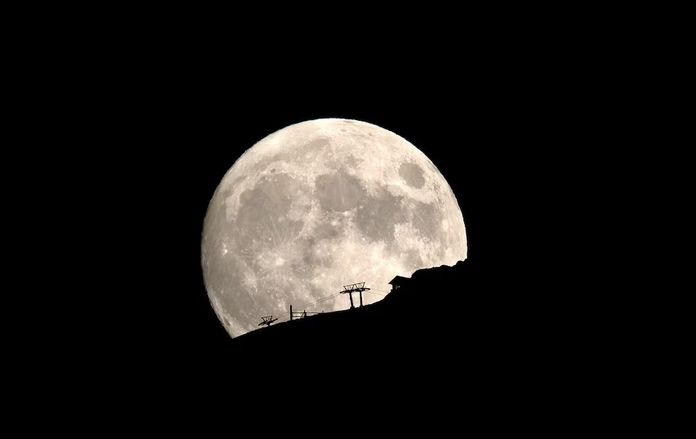
This phenomenon remains purely theoretical and has never been observed in real time, yet it forces astronomers to rethink the dynamics of planetary systems. The Moon’s “escape” illustrates that even seemingly stable objects, like our Moon, may only be temporary gravitational residents in the depths of space. It is both fascinating and unsettling, hinting at the bizarre and unpredictable nature of the universe.
Read alsо: ChatGPT-5 from OpenAI: What the New AI Model Can Do
Pulsar PSR JI748-2446AD
PSR JI748 244 6 AD was first detected in 2021 by a team of astronomers from the European Southern Observatory, led by Dr. Lia Ramirez. This pulsar is unlike any other: its incredibly strong magnetic field and unusual orbit cause time in its vicinity to flow backward. Researchers were astonished when modeling showed that the light emitted by the pulsar moves “in reverse,” creating the effect of a peculiar backward flow of time.
The phenomenon of PSR JI748 244 6 AD has sparked numerous scientific hypotheses. Some researchers believe that its extreme physical conditions create a region where the normal flow of time is altered, and the interaction of gravitational waves and the magnetic field locally “reverses” time. Others suggest that it might be part of a larger cosmic anomaly yet to be explained – perhaps an invisible “time capsule” created by nature or even by an advanced civilization.
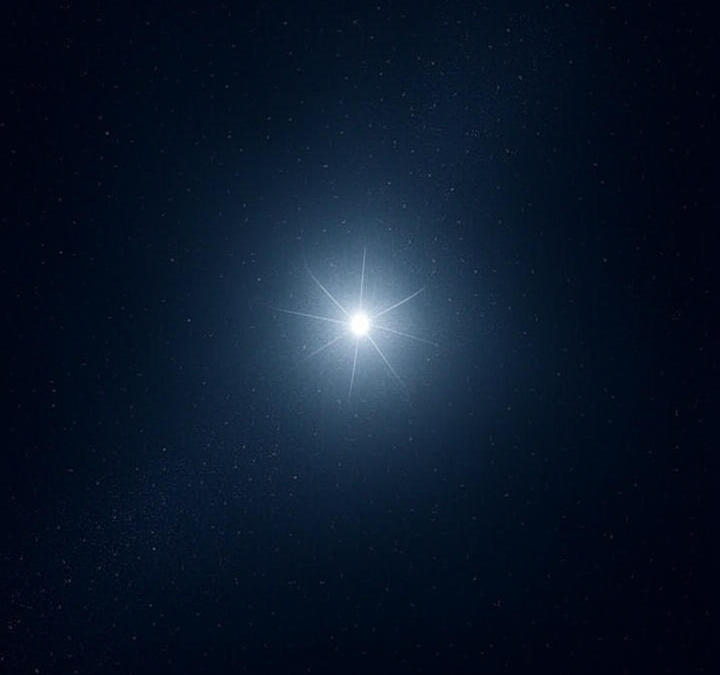
Observing PSR JI748 244 6 AD feels like stepping into a chilling fairy tale: light and time behave unpredictably, and every minute of observation seems both past and future simultaneously. The pulsar silently exists within its anomaly, acting as an invisible “guardian of time,” reminding us that the Universe can be far stranger and more terrifying than we can ever imagine.
Read also: Rare Earth Metal Situation: Whoever Controls the Resources, Rules the World
Dark forest hypothesis
The Dark Forest hypothesis is considered one of the most terrifying and, at the same time, dramatic ideas in modern cosmology and the study of extraterrestrial life. It was popularized by the Chinese author Liu Cixin in his novel The Three-Body Problem, but its roots reach deeper into scientific and philosophical reflections on how civilizations might interact in the cosmos. The idea envisions the Universe as a dark forest, where every intelligent civilization hides, because any contact could turn into a deadly threat.
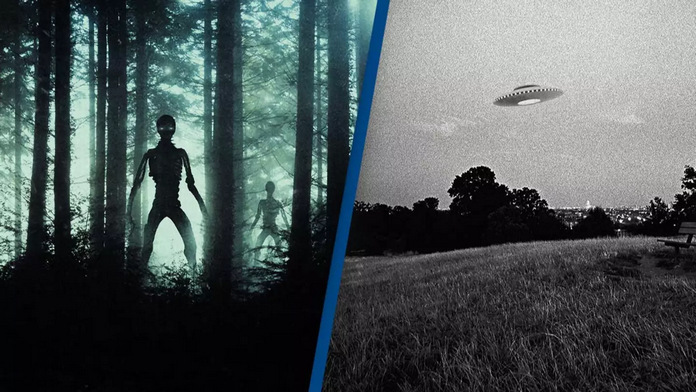
According to this hypothesis, all civilizations behave with extreme caution: they remain silent and conceal their existence, because any signal could serve as a beacon for an aggressive alien. Imagine that even our own cosmic signals could be interpreted as a challenge or a threat by beings we aren’t even aware of. This creates a sense of constant, invisible danger: every beam of light or sound could be a matter of life and death.
&pp=ygUaVGhlIERhcmsgRm9yZXN0IEh5cG90aGVzaXM%3D
The Dark Forest remains a hypothesis, but it forces us to reconsider both the cosmos and our own safety within it. The idea casts a chilling shadow over our understanding of the universe: perhaps we are not alone, yet it would be safer if no one knew of our existence. Silence becomes the most reliable shield, and every light could conceal a potential threat.
Read also:Everything About the Series ‘The Three-Body Problem’ (Spoiler-Free)
Zoo Hypothesis
But this isn’t the only concept attempting to explain the silence of the cosmos and the mysterious absence of contact with extraterrestrial civilizations. There are other theories, such as the Zoo Hypothesis. According to this idea, aliens deliberately conceal their existence, leaving us in an unknowing state. They might be observing humanity from a distance, analyzing our society, technological progress, and behavior, but never intervening. The most unsettling part is that we have no idea who – or what – is watching us; these alien civilizations could be so advanced that their methods of observation remain completely undetectable.
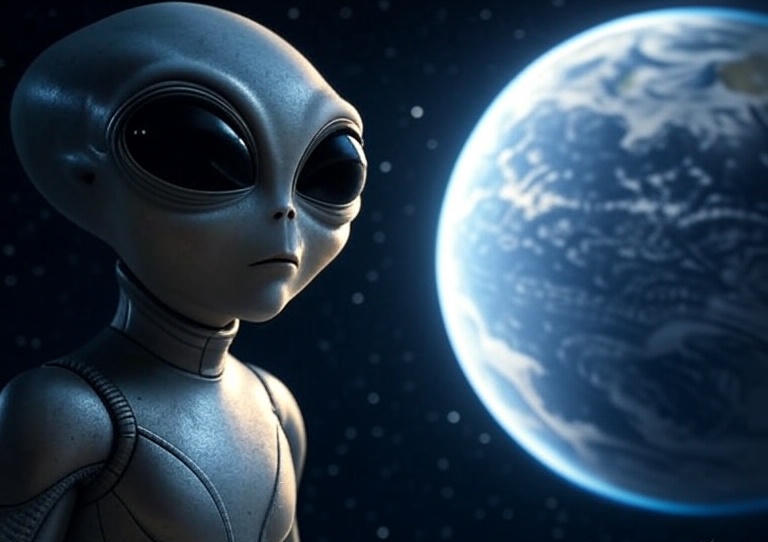
The Zoo Hypothesis raises a host of dark and unsettling questions. Perhaps our lives and civilization are nothing more than an experiment for some unknown entity. Maybe there are “zoo rules” we must follow without even realizing it. Are there limits to this observation? And if we accidentally break them, what might happen to us and our planet? Just contemplating these possibilities creates a chilling sense of how fragile and controlled our reality could be.
&pp=ygUNem9vSHlwb3RoZXNpcw%3D%3D
Although the Zoo Hypothesis remains speculative and lacks direct evidence, it is actively discussed among scientists and science-fiction writers. It forces us to reconsider our place in the cosmos and questions our sense of autonomy. The idea that we might be mere subjects under observation in a vast cosmic experiment is both fascinating and terrifying, turning the infinite Universe into a realm of mysteries we may never unravel.
Read alsо: What Passenger Airplanes of the Future Will Look Like
Ghosts of the past universe
The idea of “ghosts” of past universes emerges at the intersection of theoretical physics and cosmology. Scientists have speculated that traces of universes predating our own might linger in subtle anomalies in the cosmic microwave background or in unusual energy fluctuations. These remnants could leave behind faint imprints – energy, gravitational waves, or warped spacetime structures – that we are not yet able to fully explain. Imagine vast fragments of former worlds drifting invisibly alongside us, quietly whispering of what once existed but no longer does.
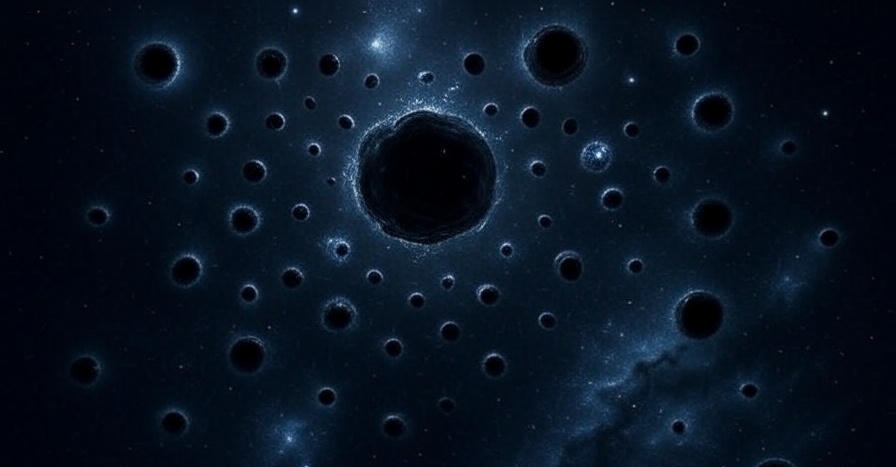
According to some theories, these cosmic ghosts could be remnants of the Big Bang or of previous cycles of the universe, where energy and matter were endlessly redistributed in cycles of creation and destruction. They are like shadows of ancient worlds, lingering in our cosmos as anomalies that defy the usual laws of physics. The most unsettling part is that we can never know when or where we might “encounter” these remnants, as they remain invisible to most observations.
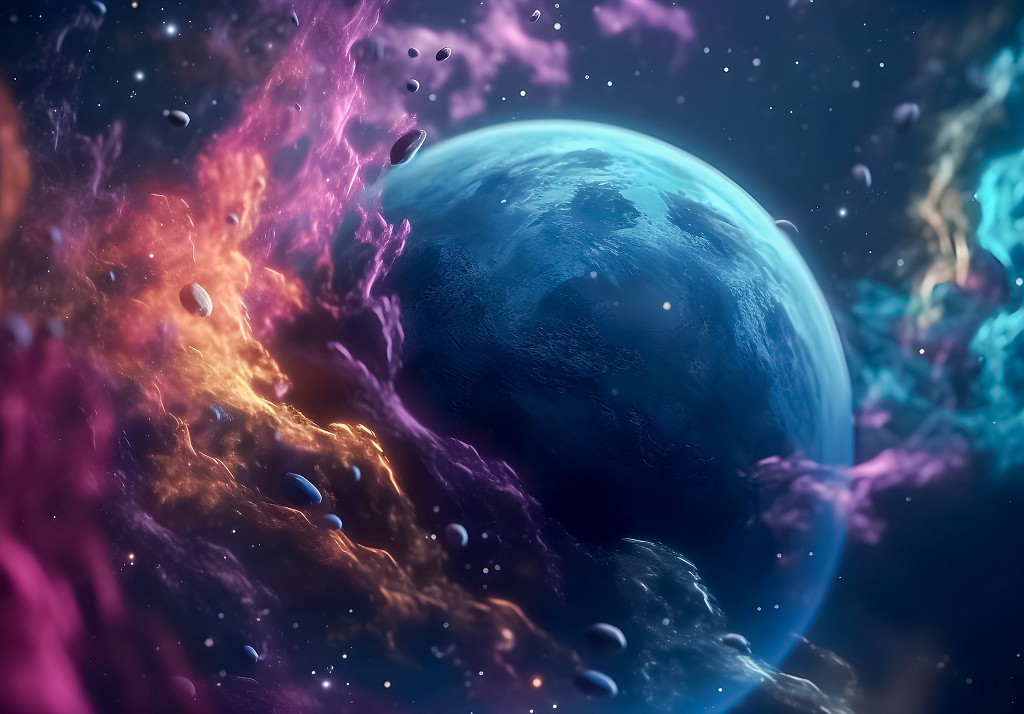
The appearance of these “ghosts” might explain some mysterious cosmic phenomena: anomalous galaxy motions, unusual gravitational deviations, or fluctuations in the cosmic microwave background. Some physicists suggest that these could be remnants of other dimensions or parallel universes that once existed and influenced our spacetime. The idea is as terrifying as it is fascinating, forcing us to wonder: is our universe truly unique, or do we live among the shadows of countless other worlds?
Read also:What passenger trains of the future will look like
Scars from another universe
Physicists suggest that our universe might contain “scars” that could act as pathways through time. These so-called cosmic strings are ultra-dense filaments, roughly the width of a proton and stretching for light-years, believed to have formed shortly after the Big Bang. They emerged when the universe cooled from an extremely hot, energetic state to a calmer environment, leaving cracks and stretches in the fabric of space-time, similar to the marks left on skin after rapid stretching.
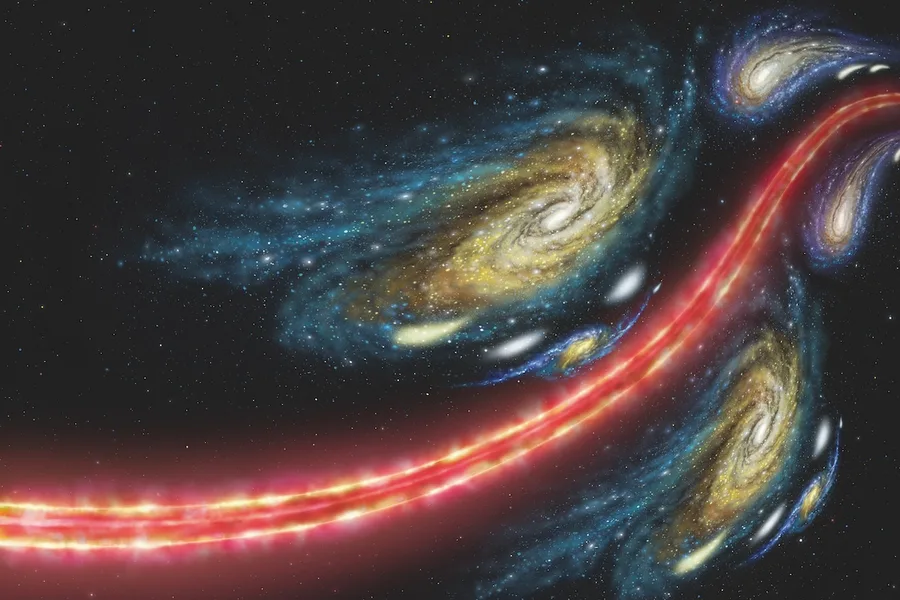
In theory, these cosmic strings could provide a route to time travel. If two infinitely long, parallel strings pass near each other, they distort space-time enough that a traveler following a specific trajectory could return to their own past. This concept is based on Einstein’s general theory of relativity and is known as a closed timelike curve. However, practical time travel remains impossible for now, as it would require extraordinary speeds and energy, and cosmic strings themselves have never been observed.
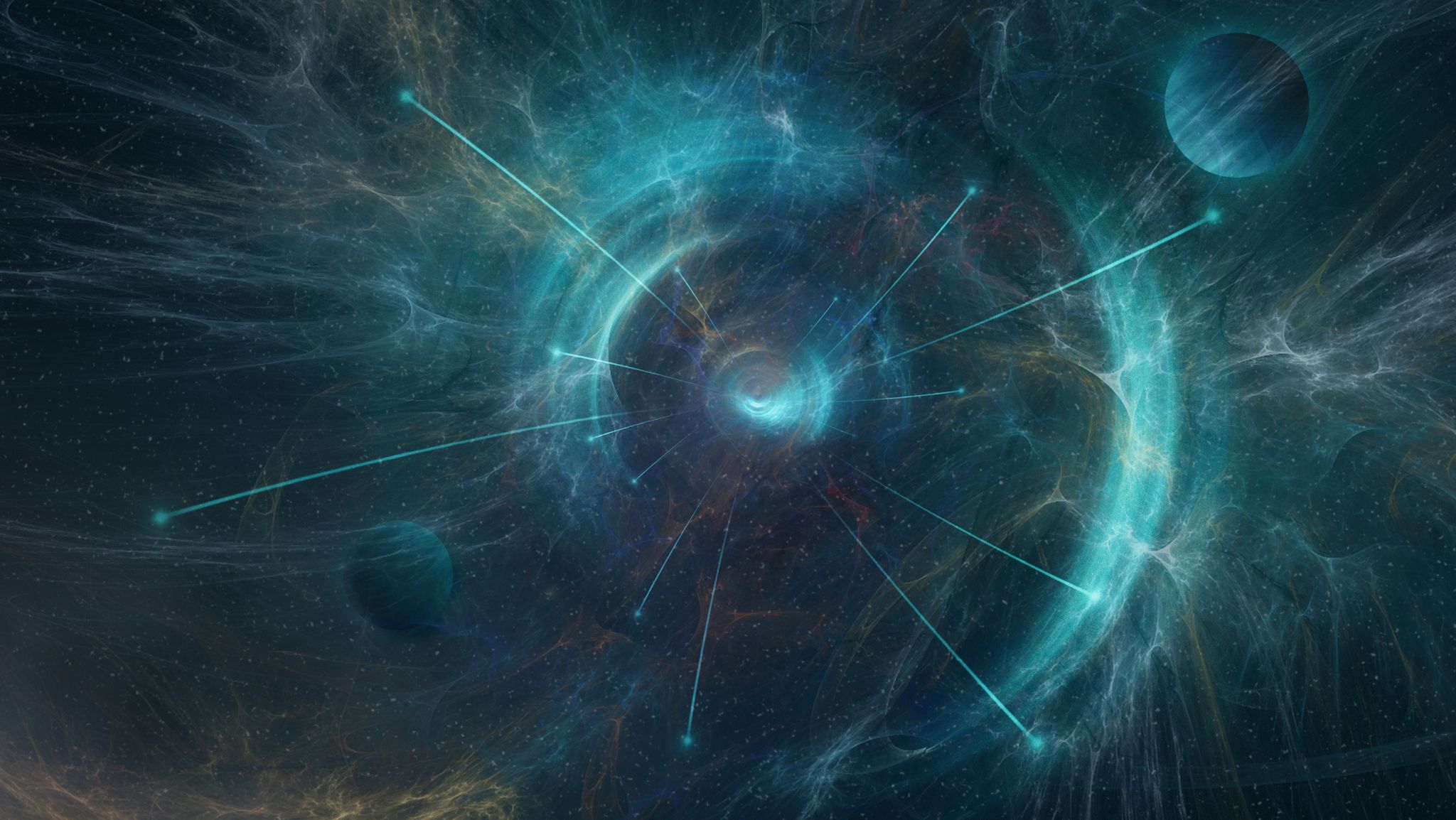
Despite this, scientists hope to get closer to detecting cosmic strings through the NANOGrav project, which measures low-frequency gravitational waves using pulsar signals. Finding these strings would not only confirm traces from the early universe but could also open the door to extraordinary possibilities – from studying the universe’s earliest moments to exploring the potential for time travel.
Read also: Europa Clipper: Everything You Need to Know Before the Launch of the Largest Spacecraft
Hodge’s Object
Hodge’s Object is one of the most mysterious phenomena in space. It was discovered by Swedish astronomer Kenneth Hodge in the 1950s while surveying the sky for dwarf galaxies. At first glance, it appears to be a large cloud of gas and dust, but its size and shape are highly unusual: the center of the cloud is nearly devoid of stars, raising many questions about its origin and nature.
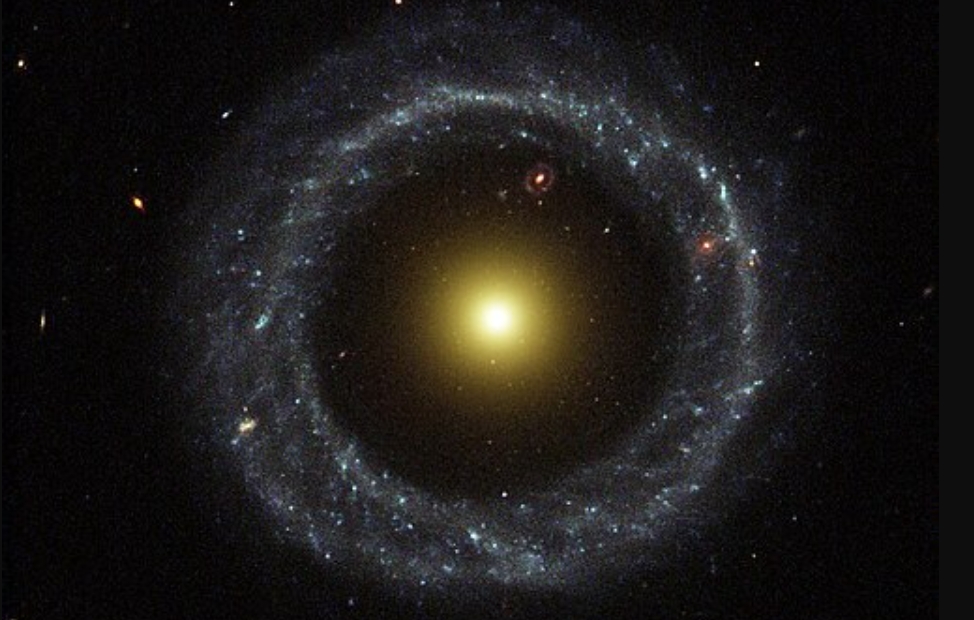
Researchers have long debated the nature of Hodge’s Object. Some suggest it is a giant molecular cloud where star formation has yet to begin, while others propose it could be the remnant of a massive cosmic event or even a “cosmic trap” that absorbs surrounding light and matter. Its origin and how it has maintained its structure for millions of years remain unclear, and its distance only adds to the sense of isolation and mystery.
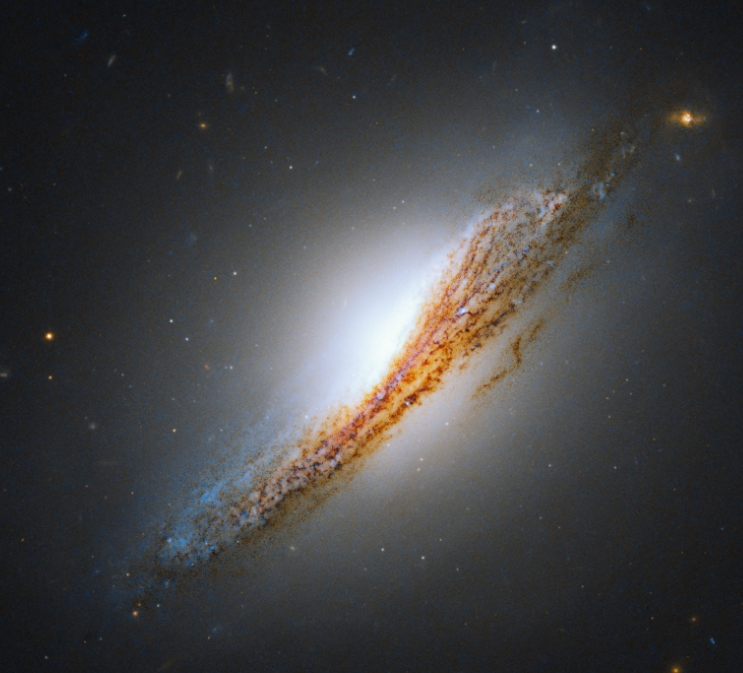
Part of Hodge’s eerie nature lies in how it challenges our understanding of cosmic processes. The object resembles a vast, empty cage in space, a mystery that remains unsolved. It highlights that the universe is full of anomalies and puzzles beyond conventional models, and even our largest, most advanced telescopes cannot fully penetrate its essence.
Planet of eternal darkness
TrES-2b is one of the most unusual and strikingly dark exoplanets, discovered in 2006 by an international team of astronomers as part of the Trans-Atlantic Exoplanet Survey (TrES). It is known as the “darkest planet in the universe,” reflecting less than 1% of the light from its star, making it appear almost completely black in space. This planetary giant seems to swallow light, surrounding itself with an intense darkness that is hard to imagine even compared to a pitch-black night.

TrES-2b belongs to the class of hot Jupiters – massive gas giants that orbit very close to their stars. Its atmosphere contains substances that absorb nearly all incoming light, including both reflected and thermal radiation. This “black mask” gives the impression of a living light absorber, and researchers are still investigating why the planet’s atmosphere is so extraordinarily dark.
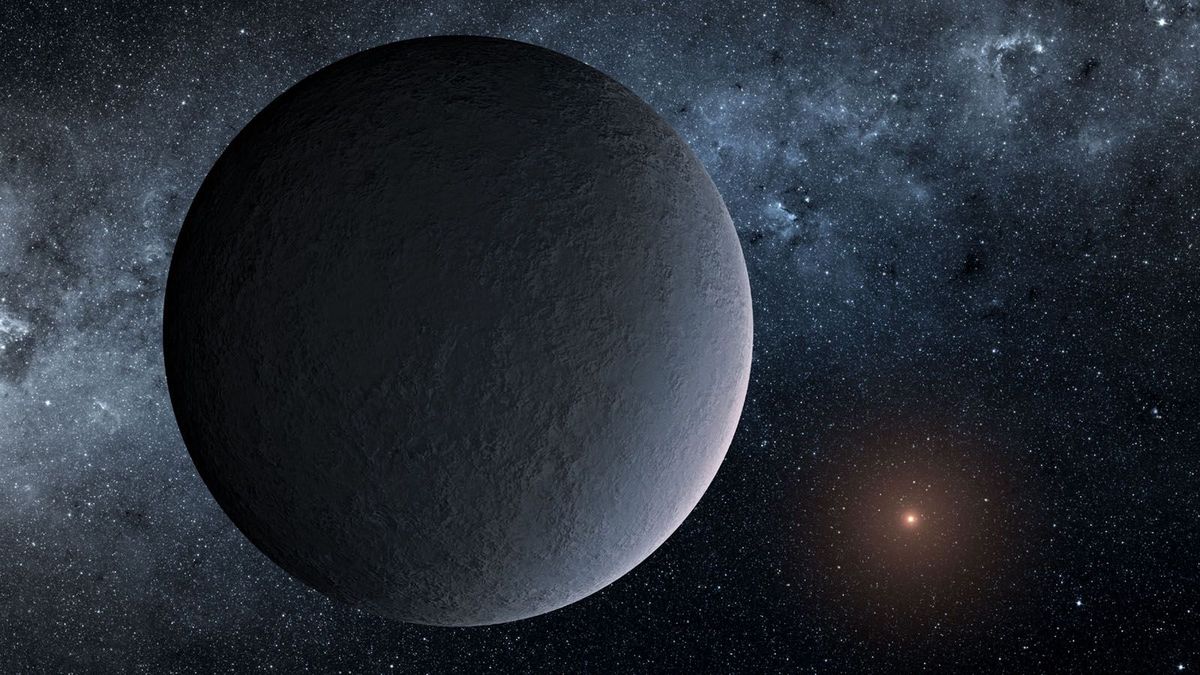
Even though TrES-2b has been known for over 15 years, it remains a source of mystery. Its dark surface, close proximity to a bright star, and extreme temperatures make it uninhabitable, yet scientifically valuable. Studying this “light-absorbing” planet helps astronomers gain a deeper understanding of exoplanetary atmospheric physics.
Read also: Closer Than Ever: What Is the Dead Internet Theory?
Conclusions
The universe is currently filled with mysteries that challenge our understanding. From dark star clusters like Ursa Major III to hypothetical iron stars and scars from other universes, these phenomena show that space does not always follow the familiar laws of physics.
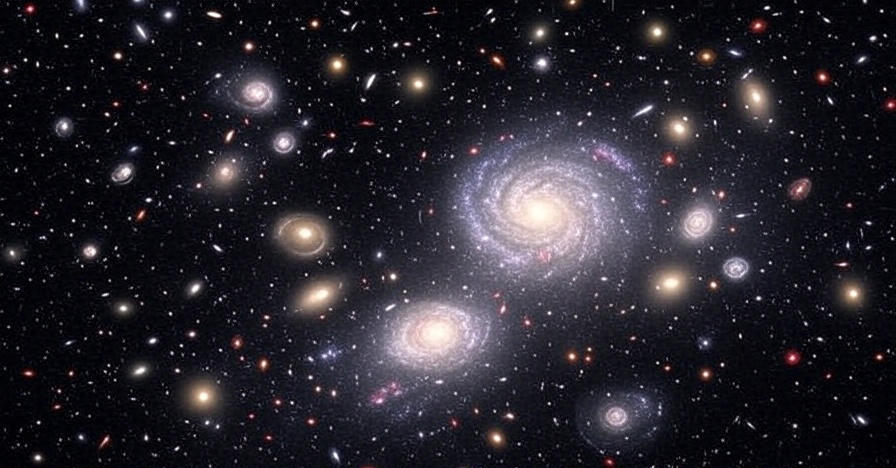
These mysterious objects and concepts highlight how fragile our understanding of reality can be. They serve as a reminder that even in well-studied regions of space, phenomena may exist that challenge conventional models and raise new questions about the origin, evolution, and future of our universe. Each of these objects represents not only a scientific mystery but also a test for the imagination, prompting us to view the cosmos not just as a realm of light and matter, but as a vast book of enigmas, with many pages still waiting to be explored.
Read also:
- The mysteries of Universe that we still don’t know the answers to
- Cryptography: What It Is and How It Works

