




© ROOT-NATION.com - Use of content is permitted with a backlink.
Thorium has the potential to be a major breakthrough in energy production, but there are still obstacles preventing it from becoming mainstream – and so far, China is the only country actively pursuing it.
In Inner Mongolia, a discovery could reshape the global energy landscape. Chinese researchers have identified one of the world’s largest thorium deposits in the Bayan Obo region – a rare and promising nuclear fuel for the future. Preliminary estimates put the reserves at roughly one million tons, with a market value exceeding $178 billion.
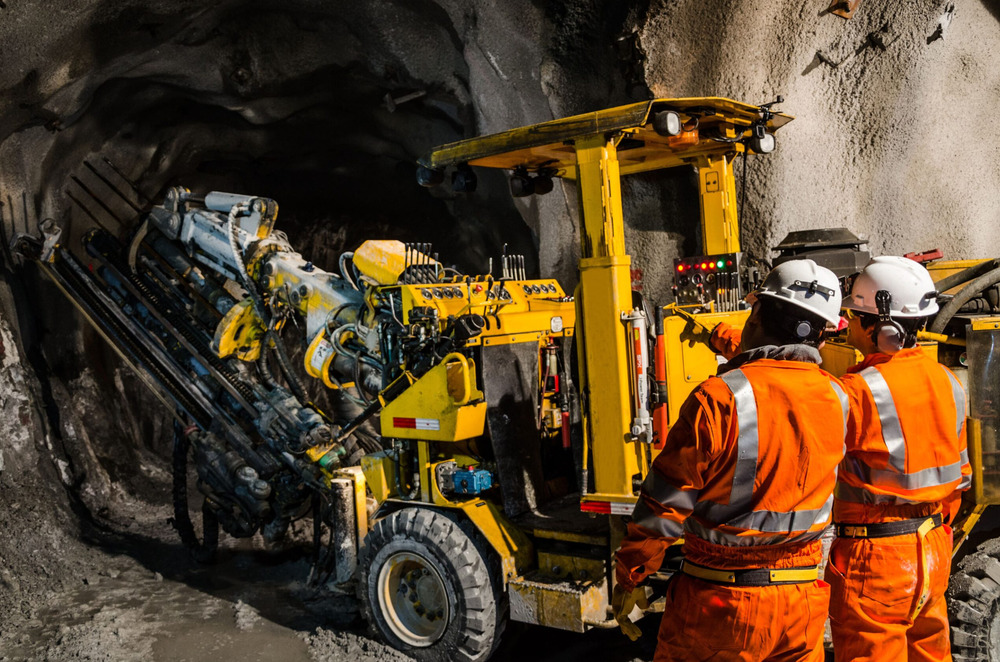
This resource could theoretically supply China with energy for around 60,000 years, potentially paving the way for a near-complete shift away from fossil fuels. If the country can effectively develop and commercialize this deposit, the implications for the global energy landscape could be significant – ranging from lower energy costs to shifts in geopolitical alliances.
Також цікаво: How to Photograph the Perseids with a Smartphone Camera
TABLE OF CONTENTS:
Is thorium the fuel of the future?
Thorium is a silvery, radioactive metal found in significant quantities in the Earth’s crust, mostly as a byproduct of rare-earth element mining. Its main natural isotope, ²³²Th, has an extremely long half-life of about 14 billion years, making it highly stable on a geological timescale.
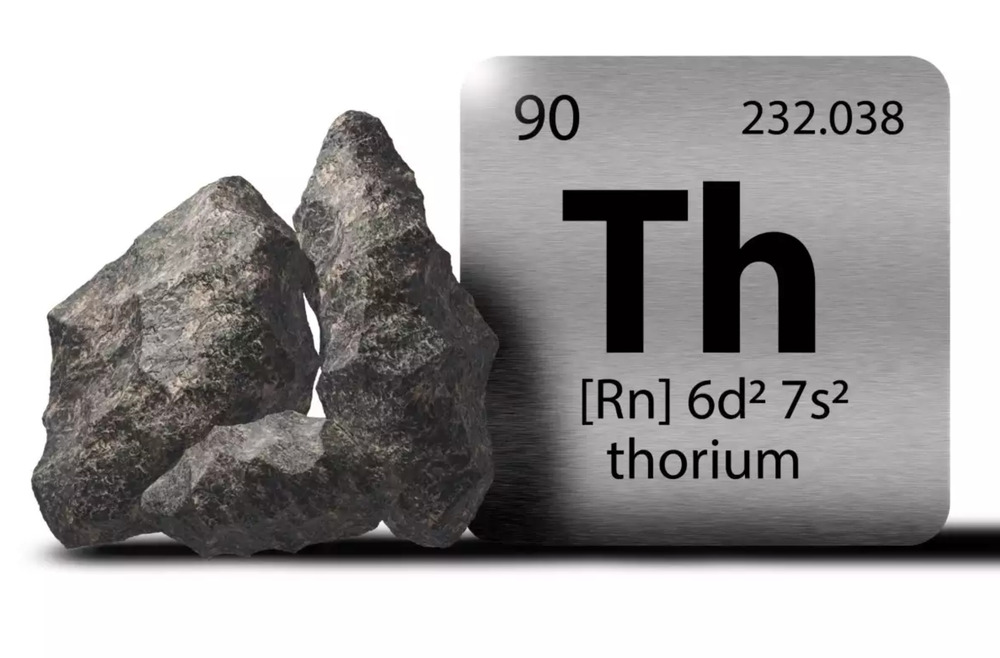
From an energy perspective, thorium is considered one of the most promising alternatives to traditional nuclear fuels. It can generate power more efficiently and with a higher safety margin than uranium, while producing far less radioactive waste and almost no material suitable for nuclear weapons production. Its potential output is striking – researchers estimate that, for the same amount of fuel, thorium could deliver up to 200 times more energy than uranium.
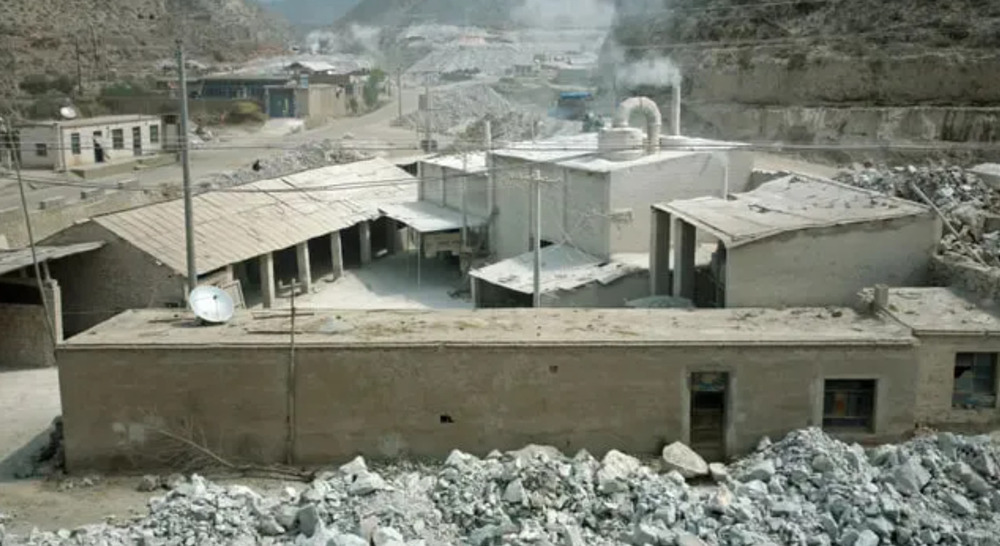
The environmental case for thorium is also strong. In many cases, it’s obtained as a byproduct of rare earth mining, meaning large-scale new extraction projects aren’t necessary and the additional environmental impact is minimal. However, this “byproduct” status has a downside – the nuclear industry is not yet ready for a large-scale shift to thorium fuel due to the lack of established infrastructure for its processing and use.
In other words, thorium is a resource with the potential to reshape the global energy landscape, but realizing that potential will require more than just technology – it will also demand political commitment and significant investment.
Read also: Sex Robot Industry: New Rules in the Age of Technology
How does thorium become nuclear fuel?
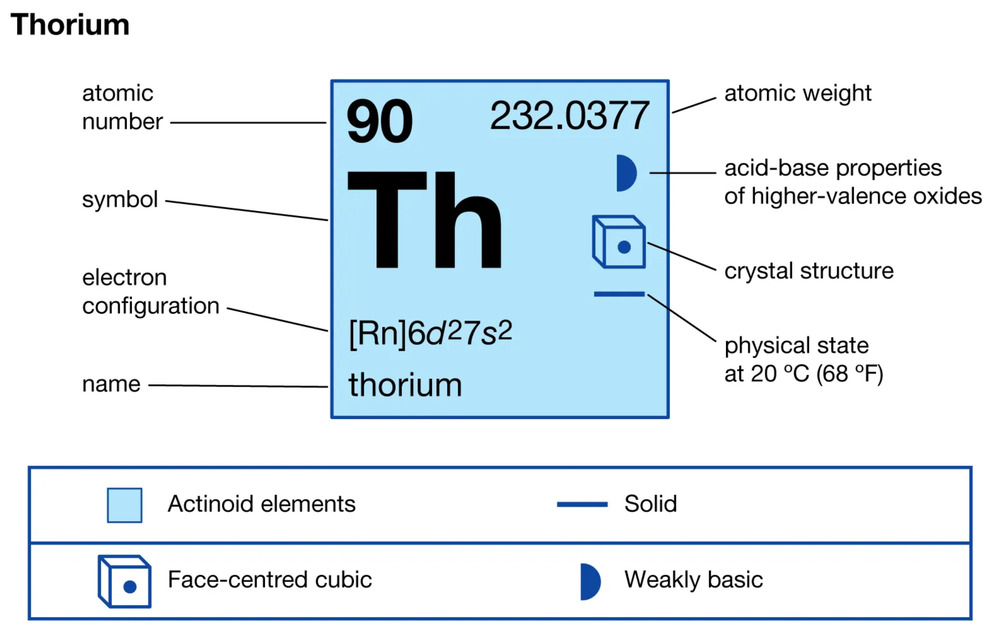
Thorium itself is not a fissile material and cannot be used directly as fuel in conventional nuclear reactors. To unlock its energy potential, the isotope 232Th must be converted into fissile uranium-233 (233U) through neutron irradiation. Starting this process requires what’s often called a “starter” – a small amount of fissile material such as 233U, 235U, or plutonium-239 (239Pu) to initiate the chain reaction.
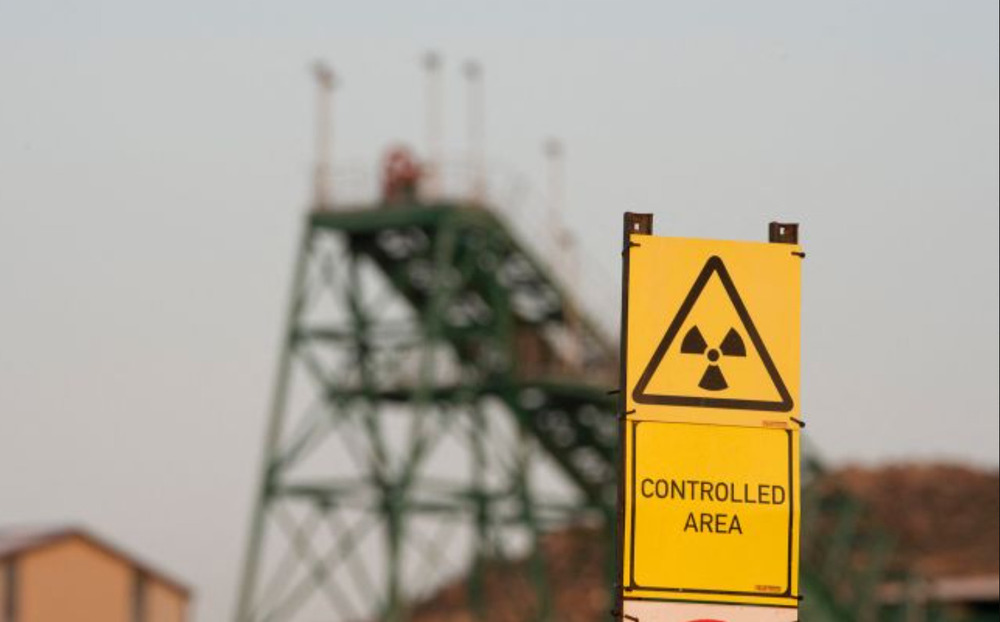
In a nuclear reactor, thorium absorbs a neutron and is transformed into uranium-233 (233U). This newly formed isotope undergoes fission when struck by additional neutrons, releasing large amounts of energy and more neutrons in the process. Those extra neutrons can then convert more thorium into uranium-233, sustaining a self-fueling chain reaction. This approach offers very high fuel efficiency, making it possible to extract the maximum energy from each gram of the original material.
The key advantage of the thorium fuel cycle lies in its relative proliferation resistance. Uranium-233 produced from thorium contains isotopic impurities that make it far less suitable for use in nuclear weapons. This characteristic makes the technology more appealing in an era of rising geopolitical tensions and heightened international oversight on nuclear material proliferation.
Read also: ChatGPT-5 from OpenAI: What the New AI Model Can Do
The Chinese have adopted the technology that the Americans rejected
As far back as the 1960s, American scientists developed and successfully tested the first prototypes of molten salt reactors using thorium. The technology showed significant promise, especially when paired with thorium fuel. However, during the Cold War, strategic priorities shifted. The U.S. focused its resources on pressurized water reactors fueled by uranium, which had the added benefit of producing plutonium for nuclear weapons. Thorium-based systems, which did not offer this capability, were left on the sidelines. Still, the project was never classified, and its findings were made publicly available – a fact that China would later take advantage of.
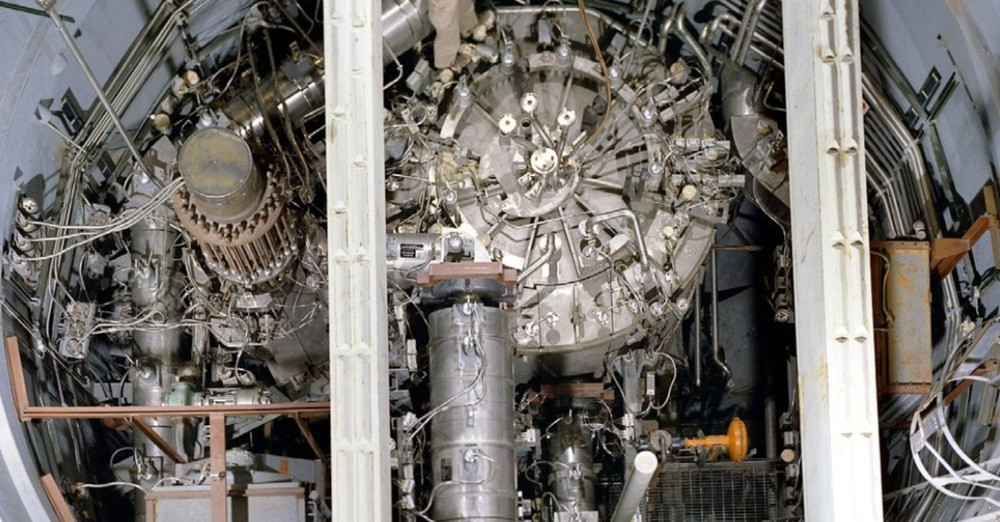
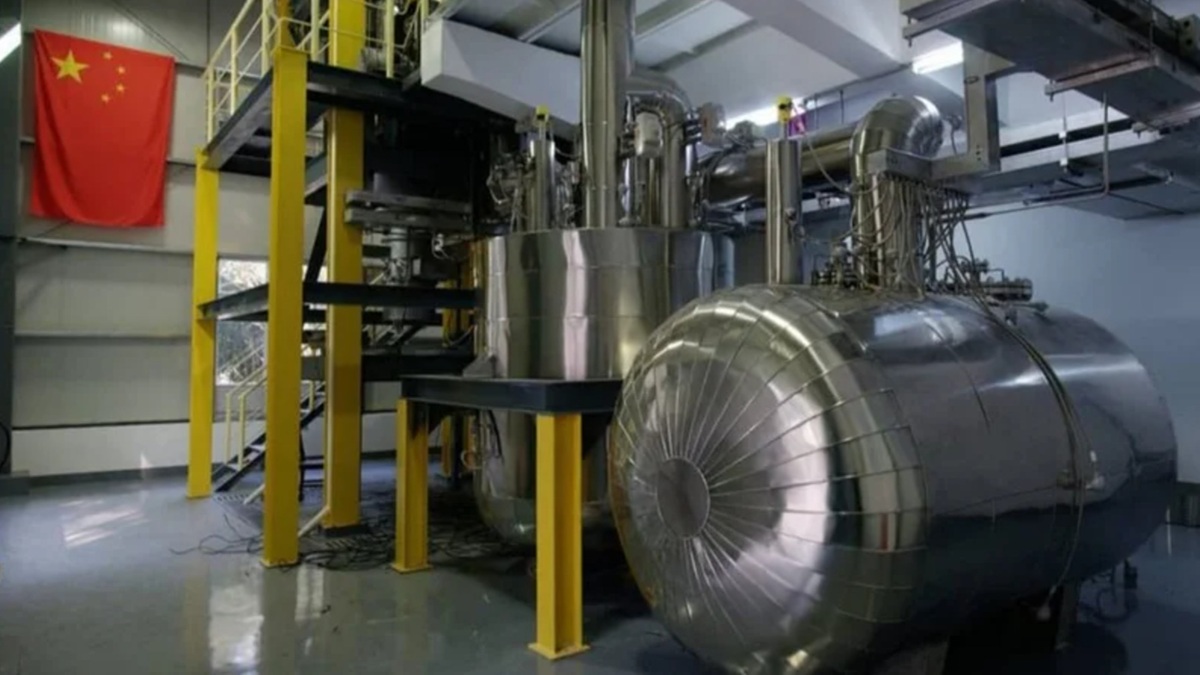
Since 2011, Chinese researchers have been actively reviving this technology, adapting it to modern requirements and their own strategic goals. In 2018, construction began in the Gobi Desert on an experimental thorium molten salt reactor (TMSR). This type of installation is considered among the safest in nuclear power. It features a compact design, no need for water-based cooling, and effectively zero risk of catastrophic core meltdown – scenarios like Chernobyl or Fukushima are physically impossible in this setup. It also produces minimal waste, which is less toxic and loses its radioactivity tens of times faster than that from uranium-based systems.
In effect, China is betting on a technology the West once set aside for political reasons – one that could now prove pivotal for safer and more self-sufficient energy in the 21st century.
Read also: AI in Medicine: Is the Future Already Here?
Why is this important for China?
For China, developing molten salt thorium reactors is more than a scientific experiment – it’s a core element of a long-term energy strategy with multiple dimensions.
First, there’s the matter of energy security. As the world’s largest energy consumer, China imports a substantial share of its fossil fuels. Shifting to thorium-based power could significantly cut reliance on imported oil, gas, and uranium, in turn reducing exposure to external sanctions or volatility in global markets.
Second, TMSR technology aligns well with environmental goals. Amid growing international pressure to reduce greenhouse gas emissions, Beijing aims to position itself as a global leader in “green energy.” Molten salt reactors produce no CO₂ during operation and generate waste that retains hazardous radioactivity tens of times shorter than the byproducts of conventional uranium reactors.
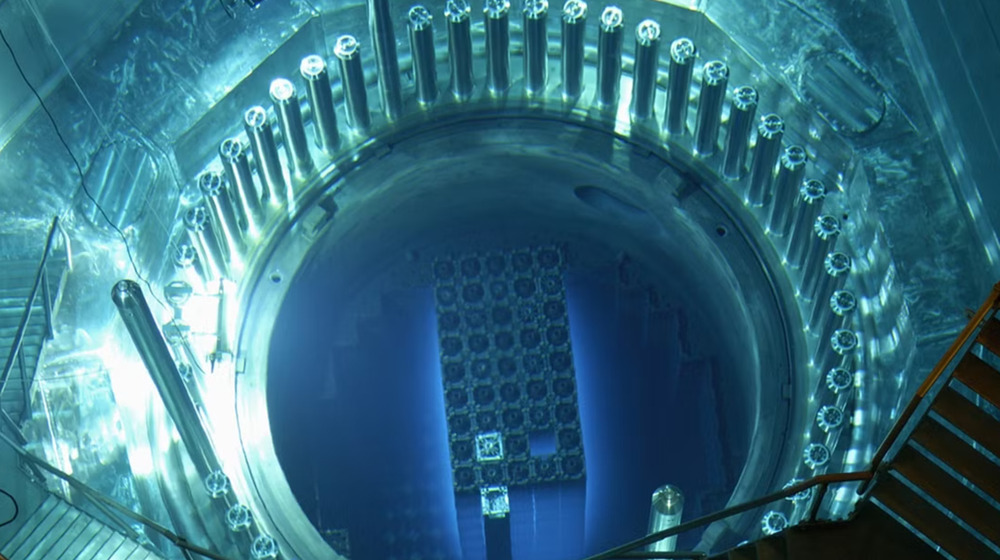
Third, there’s a geopolitical dimension. If China can scale up thorium reactor production and establish technology exports, it could gain influence over the energy policies of developing countries. By offering affordable, safe, and nearly waste-free nuclear power, China could create a new sphere of energy influence, similar to the leverage currently held through oil and gas exports.
In this context, the TMSR represents for China not just an energy safeguard, but also a diplomatic tool and a technological challenge that could reshape the global energy balance over the coming decades.
Read also: Rare Earth Metal Situation: Whoever Controls the Resources, Rules the World
Technological breakthrough in energy
In 2024, China took a symbolic but strategically significant step by commissioning its first 2 MW experimental thorium reactor. This project serves as a prologue to a more ambitious program. Near the city of Wuwei in Gansu Province, construction is already underway on a larger 10 MW facility designed to produce not only electricity but also hydrogen – a fuel with growing relevance for a low-carbon economy. Completion is scheduled for 2030, and this plant is expected to be the first real test of the technology on the path to industrial-scale deployment.
In these reactors, thorium fuel is dissolved in molten fluoride salts, which simultaneously serve as both coolant and carrier for the fissile material. The lack of a need for water cooling makes it feasible to build these facilities in remote, arid regions, while waste is intended to be isolated deep underground to minimize environmental risks. Additionally, the combination of the thorium cycle with molten salt technology makes it difficult to produce weapons-grade material, enhancing the reactors’ safety in the context of nuclear non-proliferation.
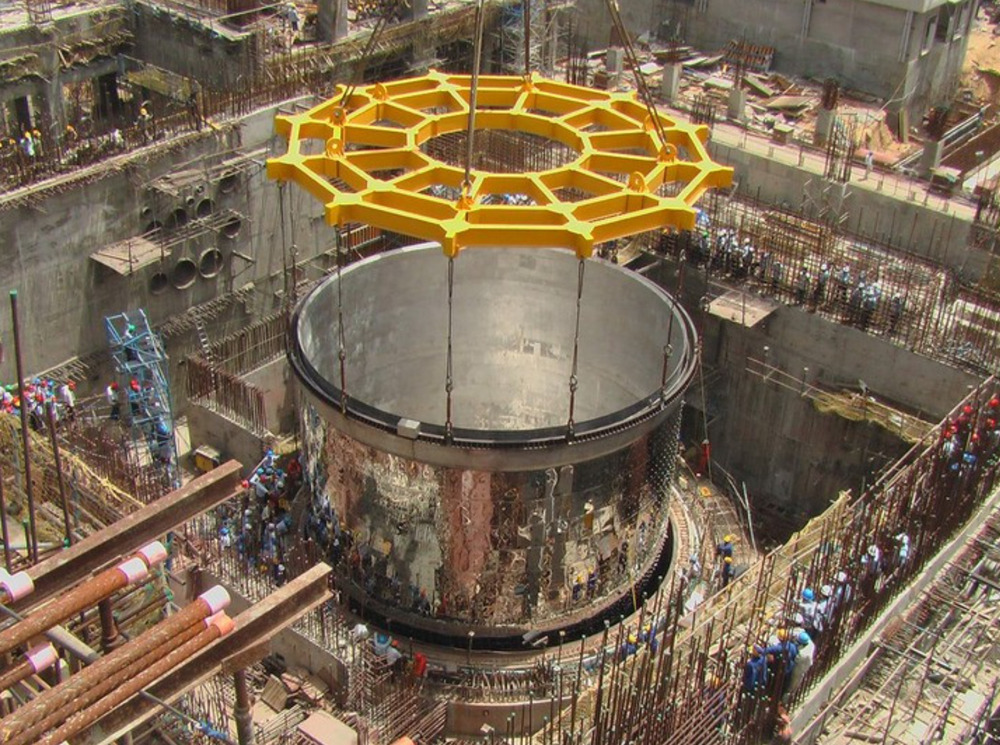
The discovery of large thorium reserves in the Bayan Obo region adds a tangible foundation to this strategy. According to Chinese researchers, over 230 thorium-rich deposits have already been identified in the country, suggesting even greater potential. Analysts at International Banker note that effective development of these resources could significantly reduce – or even eliminate – global dependence on fossil fuels. If China succeeds in scaling up thorium-based energy, it would not only achieve greater energy independence but could also establish itself as a global leader in safe and innovative nuclear power.
Read also: How Chinese Companies Circumvent the US Ban on AI Chips
China and the extraction of rare earth elements
The well-known Bayan Obo deposit, where significant thorium reserves were recently discovered, has long held strategic importance for the global economy. This site supplies roughly 40–50% of the world’s rare earth elements, which are essential for modern high-tech industries. Experts note that China controls over 90% of the world’s processing capacity for these materials, effectively holding a critical link in the global manufacturing supply chain.
Rare earth metals are often described as the “hidden lifeblood” of modern technology. They are essential for producing computer chips, electric motors, next-generation batteries, wind turbine rotors, and even smartphone optical systems. Their importance extends to the defense sector as well, powering everything from precision targeting systems to electronics for aircraft and submarines. According to European Union projections, global demand for these metals could increase sevenfold by 2040, further underscoring their strategic value.
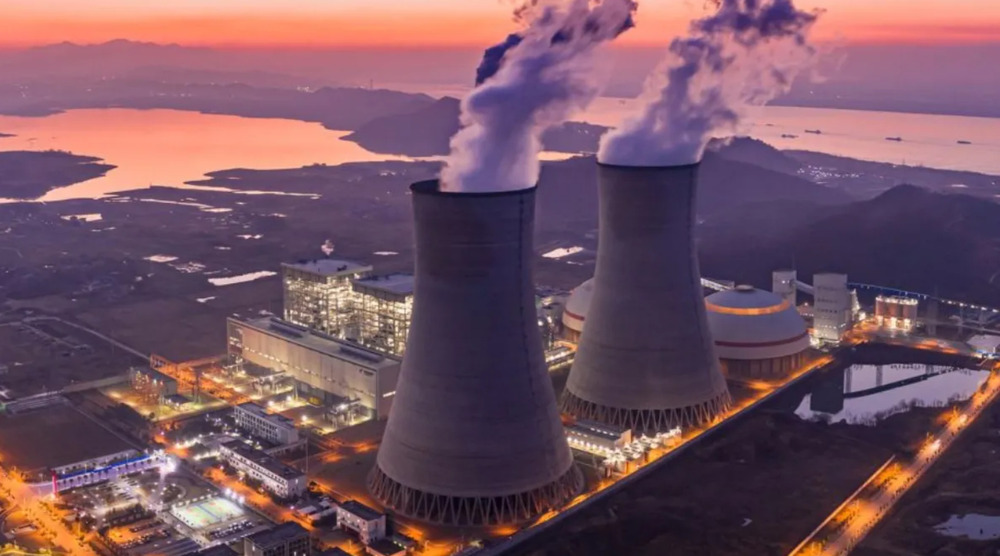
The situation became more complex when the trade dispute between China and the United States expanded into the realm of resource policy. Beijing imposed stricter controls on the export of rare earth products and, in some cases, nearly halted supplies to certain countries, including in Europe. This move sent a clear signal to global markets: China is willing to leverage its resource advantage as a tool of geopolitical influence.
Although representatives from the U.S. and China recently announced an agreement to partially ease export restrictions, it is clear that this “pause” is temporary. Resource issues – especially in light of the discovery of large thorium deposits – will repeatedly resurface in international discussions. Each time, they are likely to become not just economic matters but strategic ones, with the potential to influence the balance of power in global politics.
Thorium has the potential to be a breakthrough, but its integration into the energy sector will likely be gradual, through demonstration reactors and mixed fuel cycles. Widespread adoption will only be feasible once the technology proves its long-term economic viability and reliability. At present, China appears well-positioned to lead this emerging energy shift.
Read also:
- How to Spot Fake Photos: New Challenges of the Digital Age
- Cryptography: What It Is and How It Works
- The Third World War of Browsers: Has It Already Begun?
- OpenAI’s New Superpower: What Is a ChatGPT Agent?

