
© ROOT-NATION.com - Use of content is permitted with a backlink.
I was never much of a Mafia fan. To be honest, I wasn’t a fan at all – I somehow skipped the entire series in my youth and never looked back. Last year, I bought a bundle with all the games and decided to try one of the older Mafia titles. From what little I played, it felt like a GTA-style game but focused on the mafia – solidly made and engaging enough.
Unfortunately, my playthrough ended almost immediately. By the second or third mission, I ran into a critical bug that made it impossible to continue. As is often the case with older games, running them on modern hardware can be hit-or-miss. After a few reinstalls failed to fix the issue, I uninstalled the game and shelved my mafia career for good – or so I thought. That was until I came across the news on our site about the release of Mafia: The Old Country.
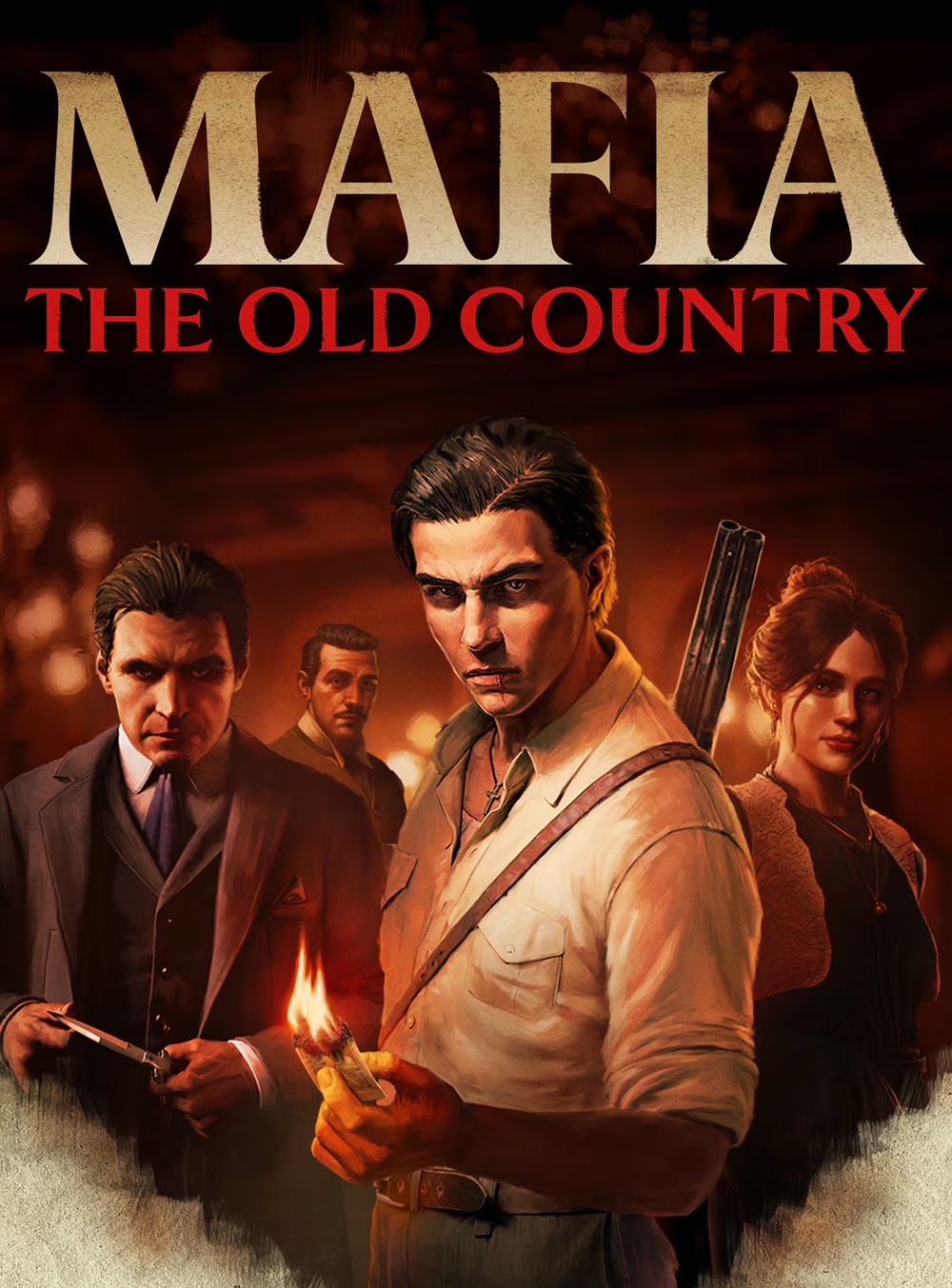
I’m not entirely sure what came over me, but something clicked – I saw the announcement and immediately bought the game. Maybe it was the recent drought of quality releases, or maybe just a random gamer’s impulse, but I didn’t hesitate. It helped that the publisher is 2K, a company with a solid track record behind franchises like Bioshock, and early player feedback was strongly positive. Still, the launch price wasn’t exactly modest – $50.
Of course, I had some doubts that the game might not live up to expectations, but to skip ahead – I don’t regret the impulse buy. It’s a game that can be genuinely enjoyable, though unfortunately only for a short while, as it’s simply very brief. Still, the experience it delivers is memorable. Let’s get into the details.
TABLE OF CONTENTS:
Story and script of ‘Mafia: The Old Country’
On the surface, the story of Mafia: The Old Country might sound fairly predictable – a classic rise of a character (here named Enzo) from the bottom ranks of a criminal organization. It’s the kind of premise we’ve all seen countless times before. And to be fair, at its core, the narrative really is that straightforward. There’s no avoiding the comparison to GTA, no matter how much you try to push it aside.
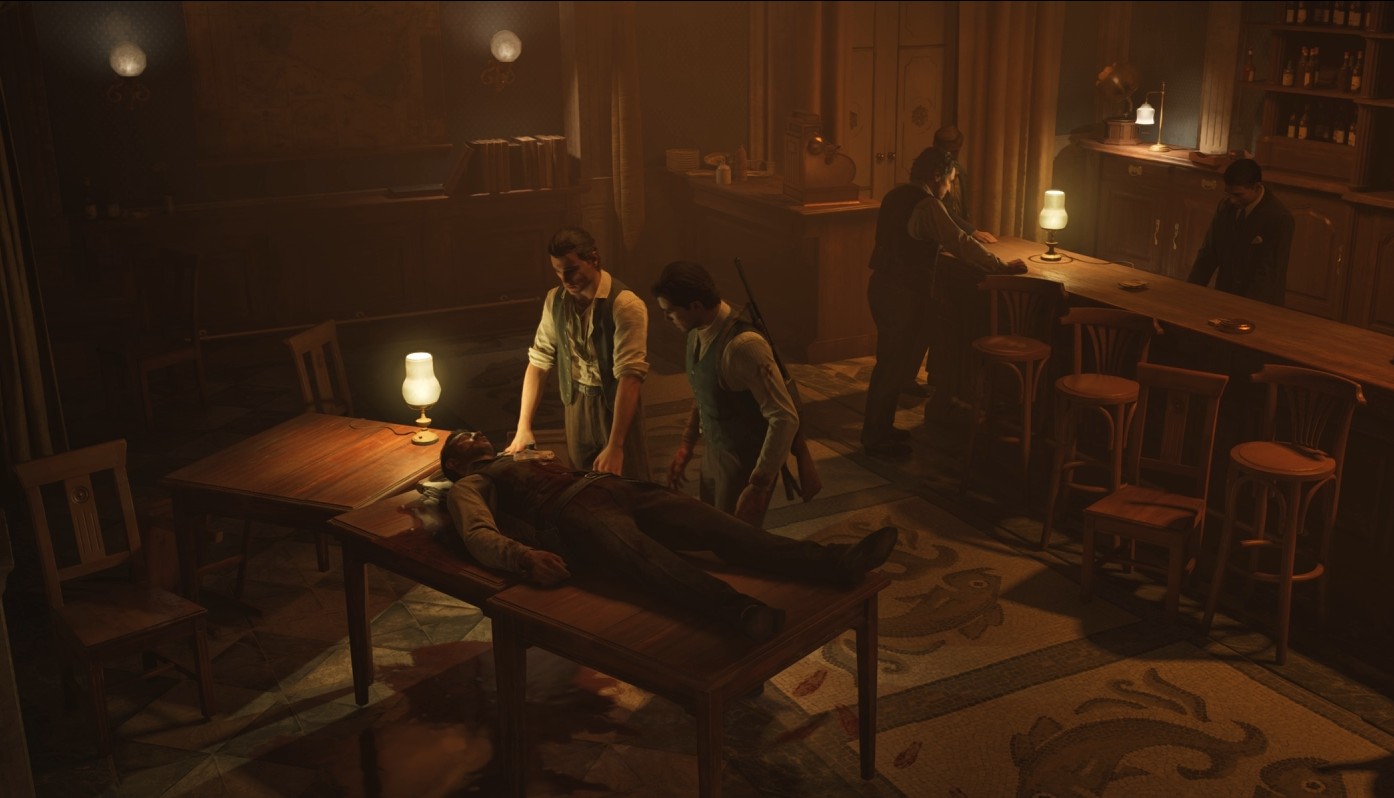
But a familiar story doesn’t necessarily mean a boring one. Ingredients matter, but it’s the preparation and presentation that make the dish. The strength of Mafia: The Old Country lies in its details. The game is rich in atmosphere, layered with Sicilian flavor from the early 20th century, and enhanced by numerous cinematic cutscenes that are impressively well produced. The dialogues effectively convey both the characters’ emotions and the context of events, often relying on facial expressions that need no words at all. If you’ve played The Last of Us, you’ll know exactly what I mean.
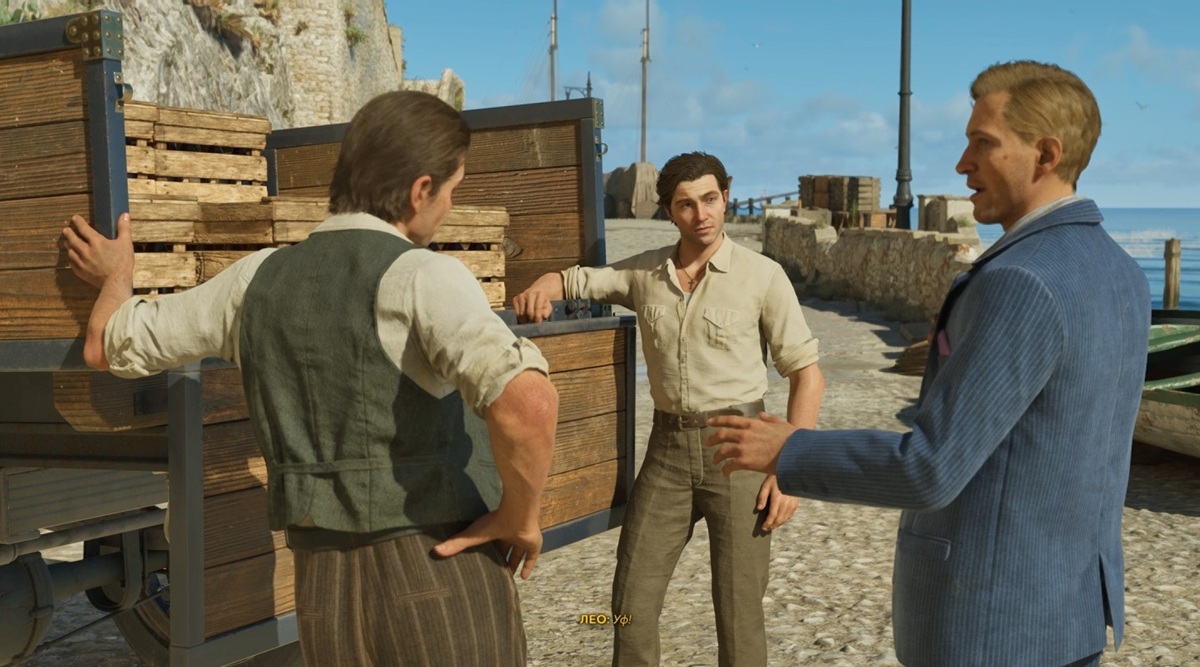
So, while the game’s storyline never really surprised me and the events unfolded in a fully predictable way, that didn’t make it dull or unenjoyable. On the contrary, the narrative pulls you in with its emotional weight and local charm. You want to keep following the story, to see what happens next, and to experience each moment fully. Importantly, the gameplay keeps you focused on the script and doesn’t encourage wandering off into side activities. For instance, despite the world’s scale and visual appeal, there’s little incentive to explore it beyond the main plot.
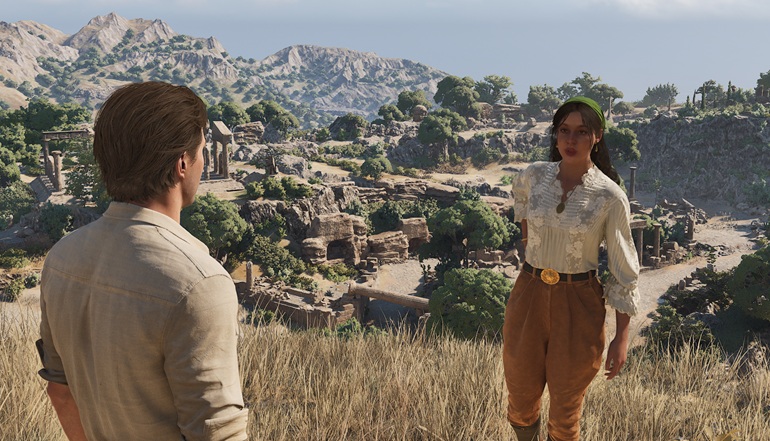
At the same time, the game gives you the impression of a vast, living, open world – but in reality, that’s more illusion than fact (I’ll touch on the world of Mafia: The Old Country in more detail later). Still, that illusion is crafted so well that it becomes part of the appeal. If you’re tired of endless freedom in open-world games and just want to focus on a well-directed narrative, this game delivers exactly that.
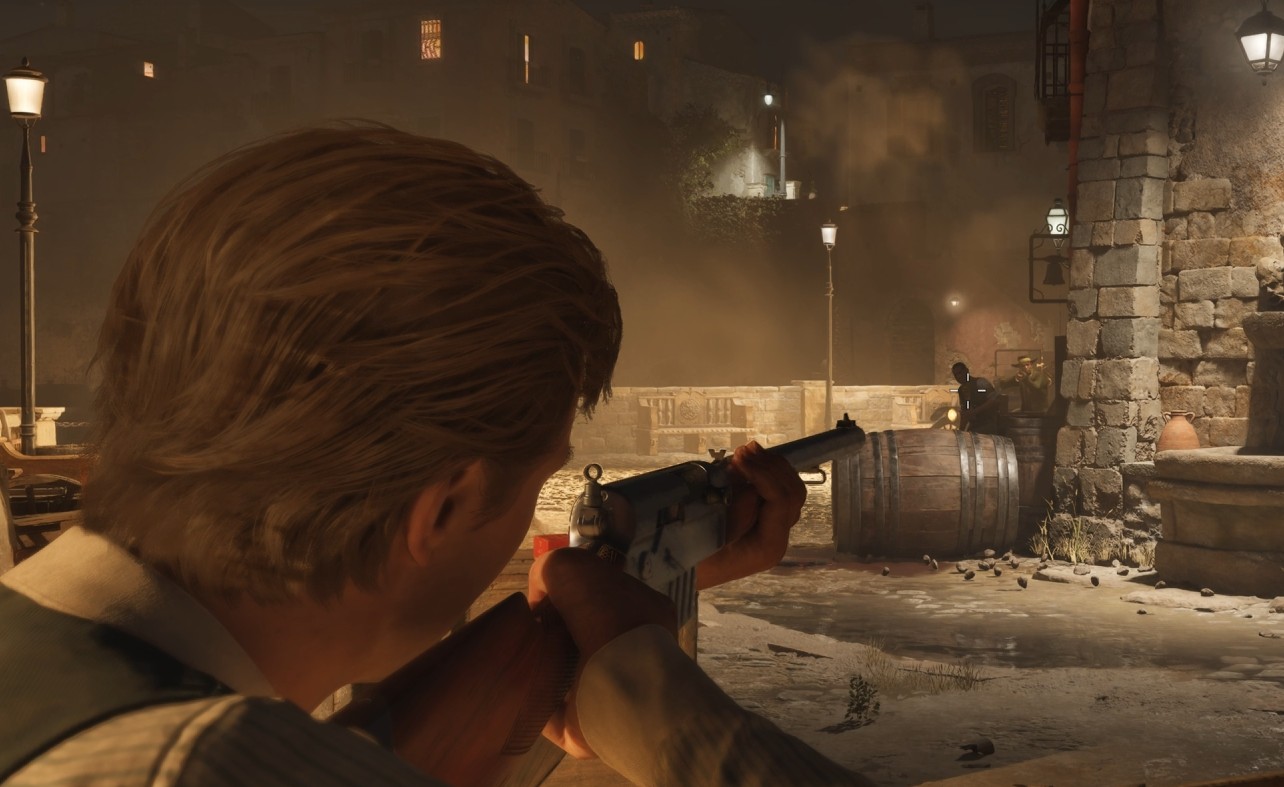
I’m not even sure which element carries more weight here – the cinematic side or the interactive gameplay. At times, it feels like the cutscenes, where you’re simply watching events and dialogues unfold, are just as significant as the moments when you’re actually controlling the character.
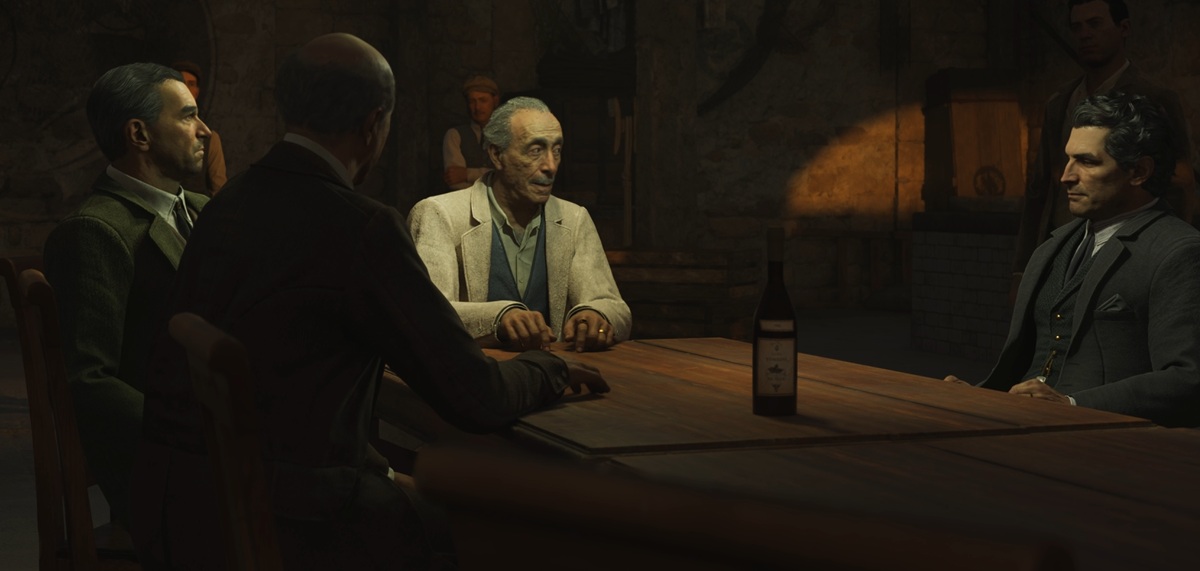
In practice, Mafia: The Old Country feels more like an animated film where you occasionally step in to play the main character, carrying out straightforward tasks and moving from one marker to the next, with lengthy cutscenes filling the gaps. There’s no real variation in how events unfold – you don’t shape the pacing or alter the storyline. You simply follow the script as it’s laid out.
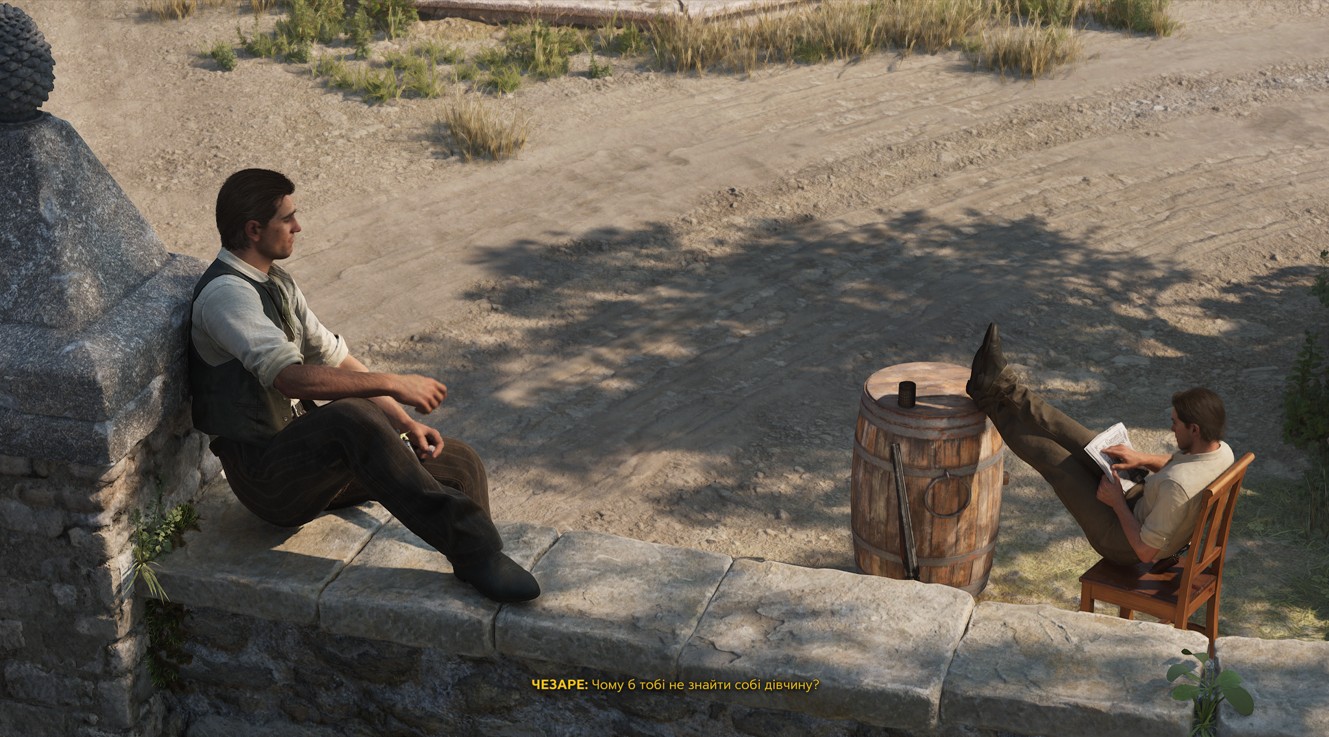
The world of Mafia: The Old Country is vivid, colorful, and slightly theatrical. The game’s events unfold against some of the most picturesque landscapes, surrounded by mountains with winding dirt roads that descend into valleys filled with vineyards and orchards.
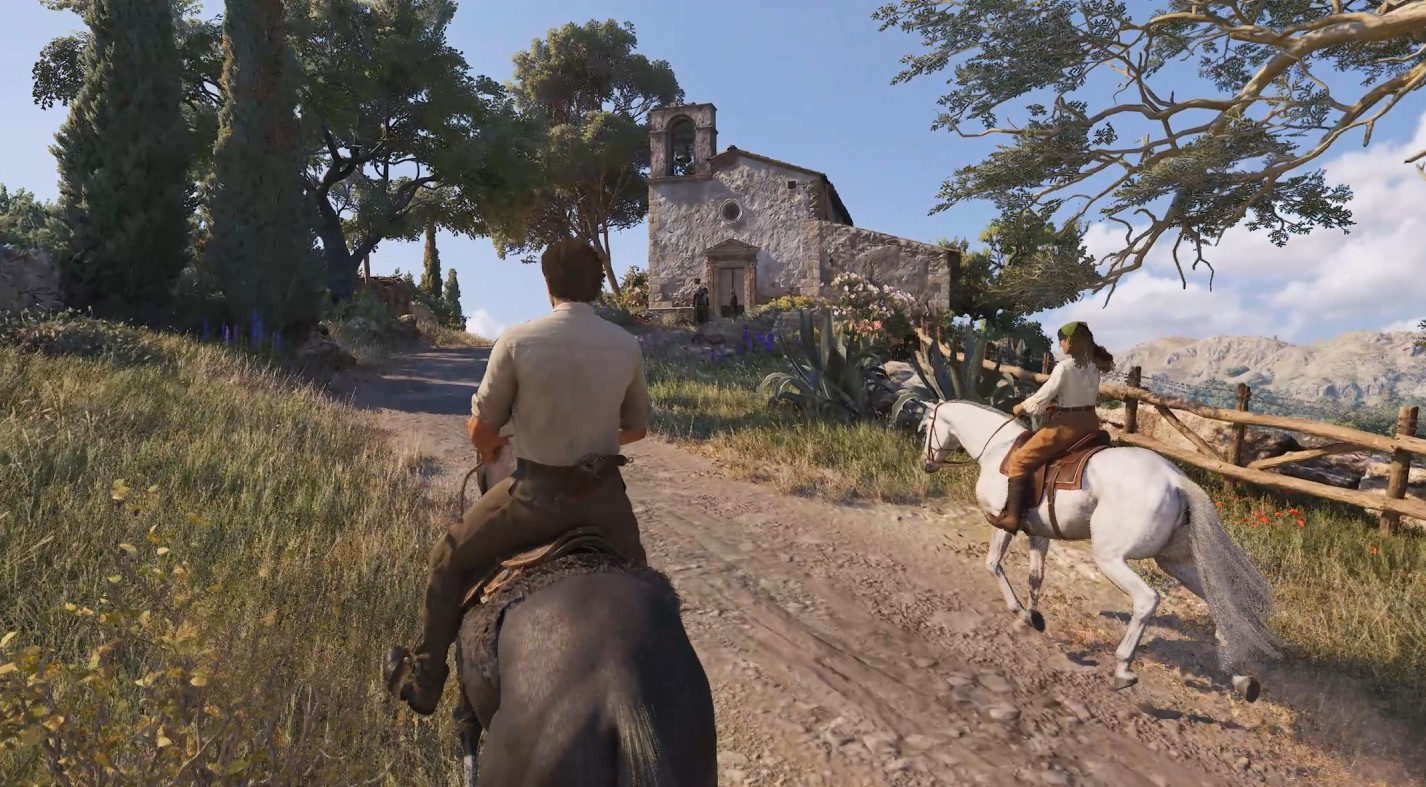
The roads pass by villages and villas before turning into the cobblestone streets of a southern coastal town, guiding you along the shoreline over aqueduct-like bridges spanning mountain rivers that flow into a calm, blue-pink sea.
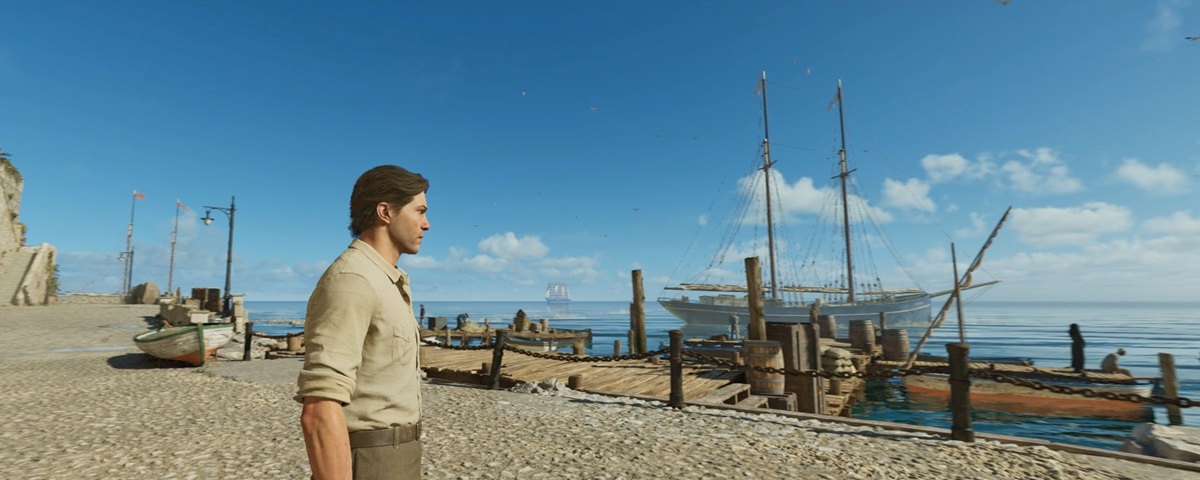
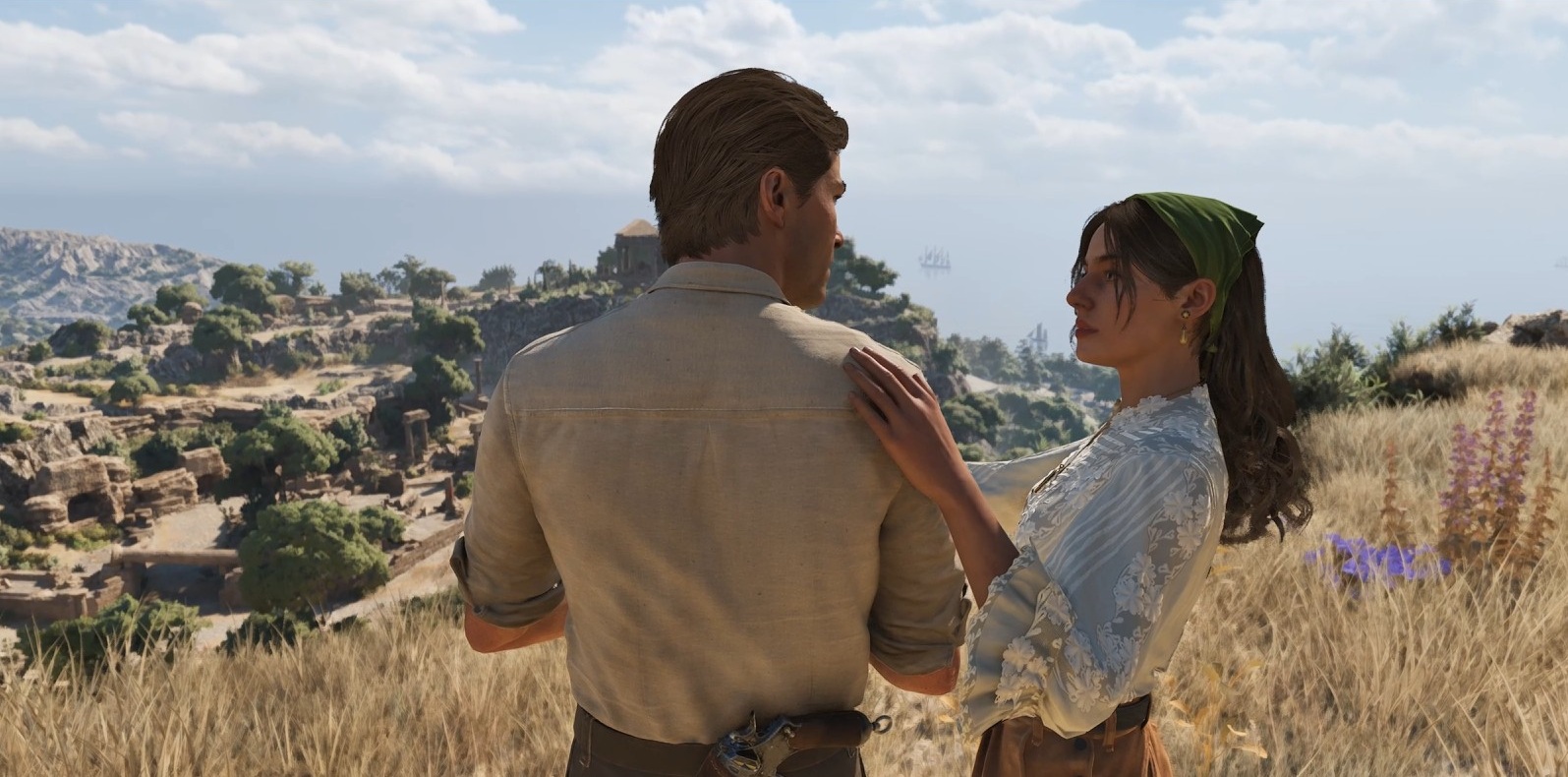
Around you, nature thrives in abundance – everything blooms and flourishes. Sunny Sicily truly is beautiful. Yet against this stunning backdrop, brutal and bloody events unfold. Alongside the gardens, human treachery, greed, and intense hatred also flourish, fueled by traditional clan rivalries and a fanatical religiosity tinged with medieval mysticism. At the same time, Sicily is a land of genuine brotherhood and, naturally, passionate love – because in such a place, it’s impossible not to fall for the most beautiful, yet utterly unattainable, girl, whose love is forbidden under threat of death.
Graphics
Let’s start with the technical setup. I play on PC, specifically a high-end gaming laptop, the ASUS ROG Strix SCAR 17 G733PY-LL020X, equipped with a top-tier NVIDIA RTX 4090 16 GB GDDR6 graphics card. This allows me to run most games on ultra settings with all effects maxed out, and Mafia: The Old Country is no exception.
It’s also worth noting that I play on a large, curved ultrawide screen – a 43-inch Philips Brilliance 439P9H/00 with a 32:10 aspect ratio and a resolution of 3840×1200 pixels. This setup enhances the sense of presence and immersion, especially during nighttime scenes.
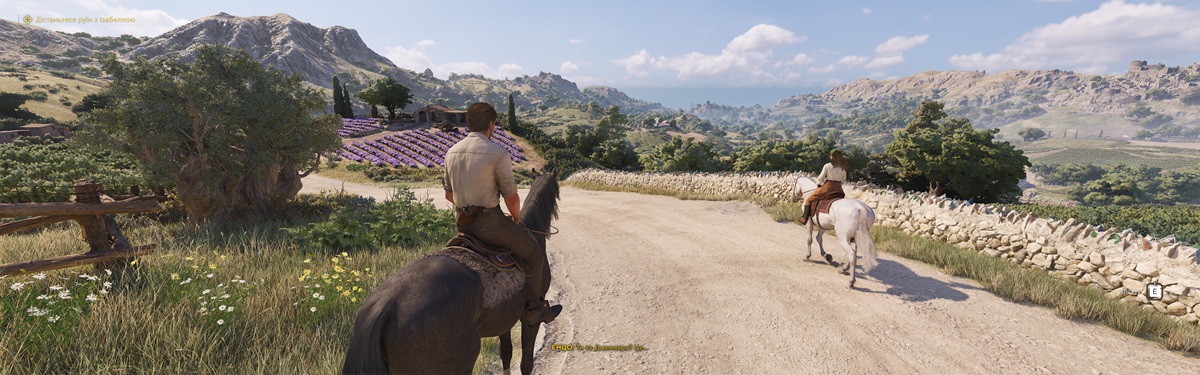
It’s worth noting that this time the developer, Hangar 13, moved away from their in-house Fusion Engine. The new game runs on Unreal Engine 5, which brings highly detailed, high-polygon models, advanced lighting algorithms, quality background blur, impressive motion effects, and highly realistic facial animations. The game world is filled with meticulously crafted small details – from character hair and skin, including wrinkles and pigmentation, to clothing, quirky early 20th-century cars, and captivating Mediterranean architecture.
As a result, I was able to fully enjoy the graphics in Mafia: The Old Country. And yes – the visuals are genuinely impressive, with all the strengths of Unreal Engine 5 expertly utilized. Overall, the game delivers what is likely the highest level of graphics currently available in the mainstream gaming segment, or at least very close to the top tier.
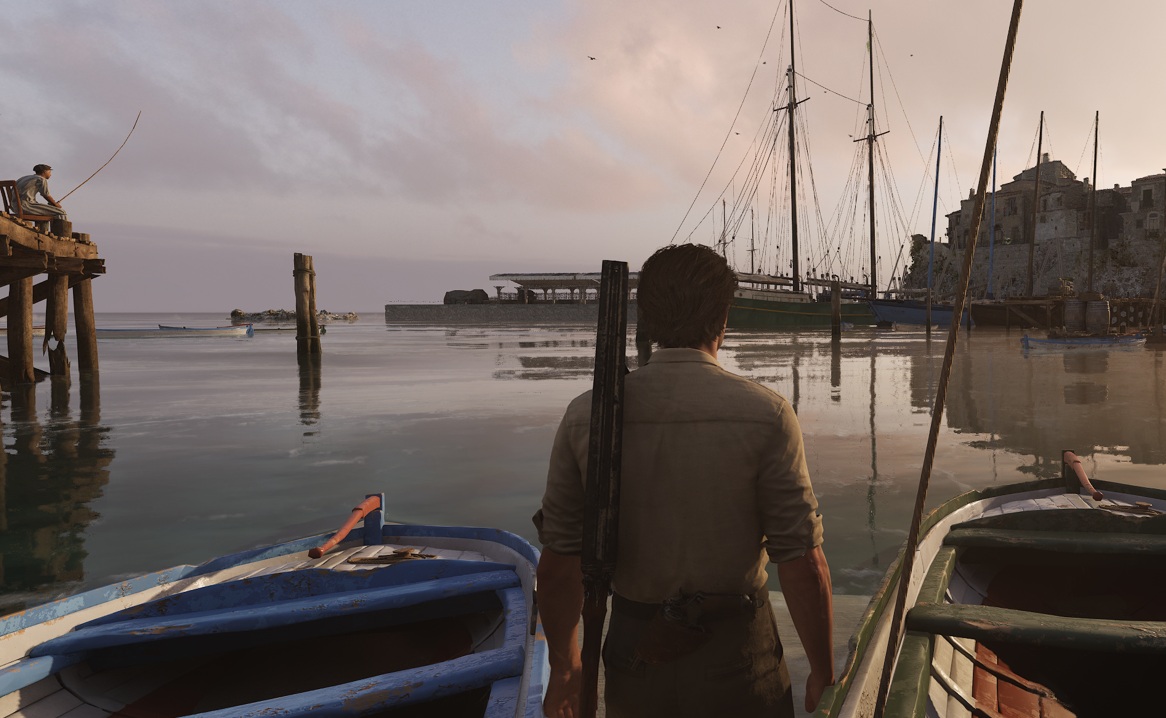
I don’t think it’s necessary to describe the graphics in too much detail – words can only go so far. You can easily find numerous playthrough videos on YouTube, but it’s always better to see it firsthand. I can assure you, if you run Mafia: The Old Country on a powerful system, the visuals won’t disappoint; in fact, you’ll likely be impressed by the designers’ work.
Gameplay and game mechanics
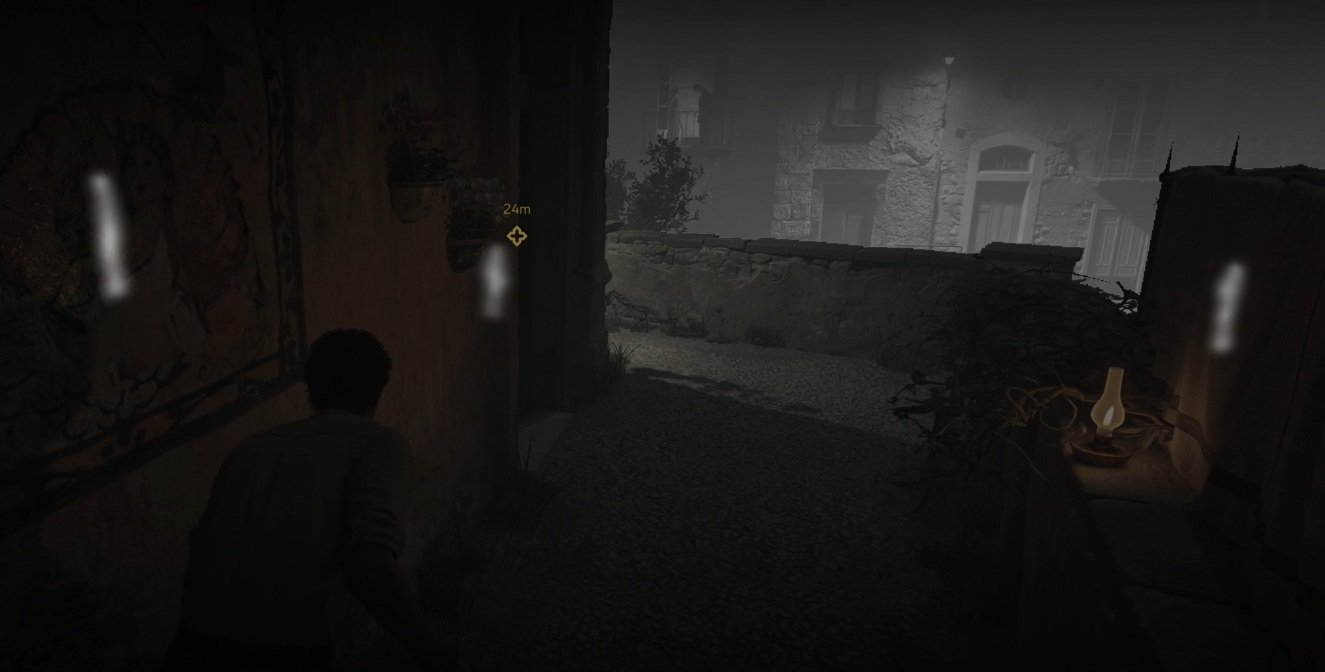
The gameplay in Mafia: The Old Country revolves around three main elements: stealth, combat, and chases (or escapes). The protagonist also has a key “gift” – enhanced spatial hearing that lets him “see” through walls, predicting the positions and movements of enemies behind obstacles. Sound familiar? Yes, this is very reminiscent of The Last of Us, which I happened to play recently, so the comparison is quite striking.
After receiving a mission, you can travel to the objective either on horseback or by car. Initially, this feels a lot like RDR2 – thanks to the horses – and later, when driving, it resembles GTA. As in those games, these journeys are often accompanied by dialogue or stories from companions, which helps you better understand the narrative and immerse yourself in the customs and traditions of rural Sicily.
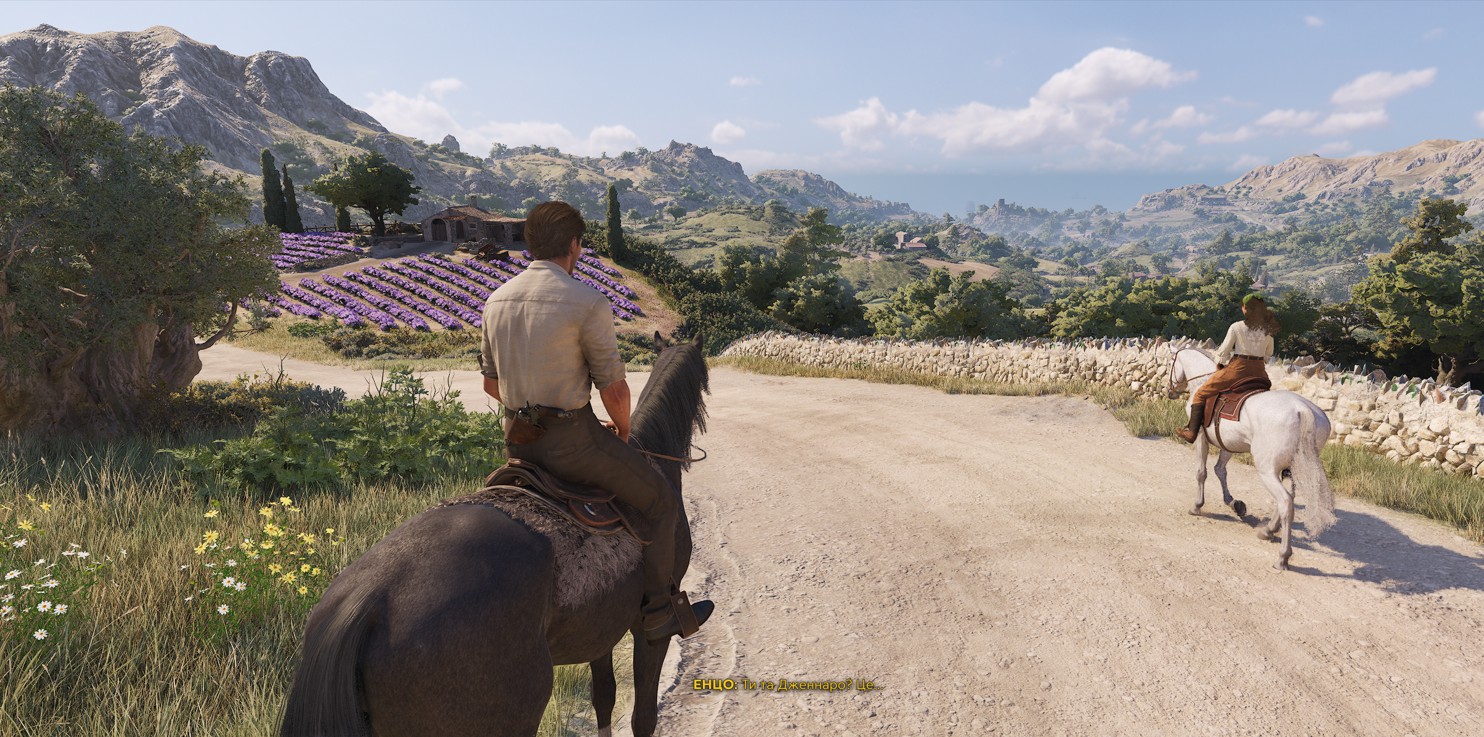
You rarely get to move around the map freely. As I mentioned earlier, the story keeps you tightly on track, leaving little room for deviation. In practice, you can’t stray far from your team without failing the mission.
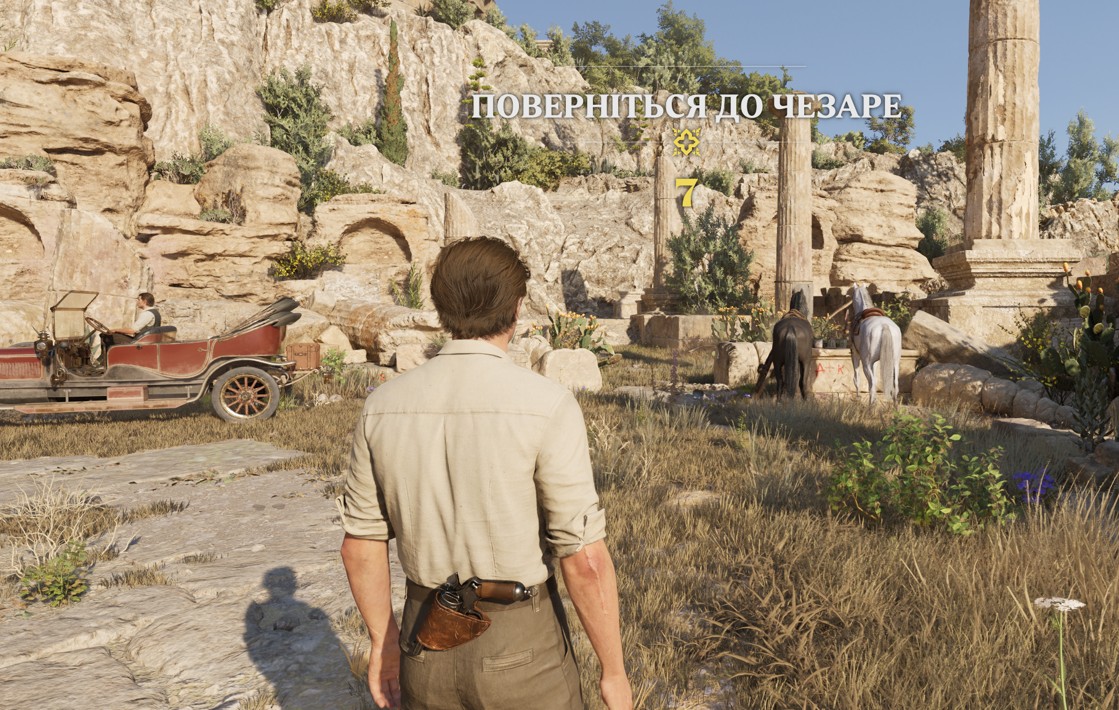
Most of the time, your adventures are accompanied by your best friend Cesare, or sometimes several companions. Depending on the scenario, they might assist you in completing the mission, stay at a specific point while handling side tasks for the overall objective, or simply “stand guard” nearby to cover your retreat.
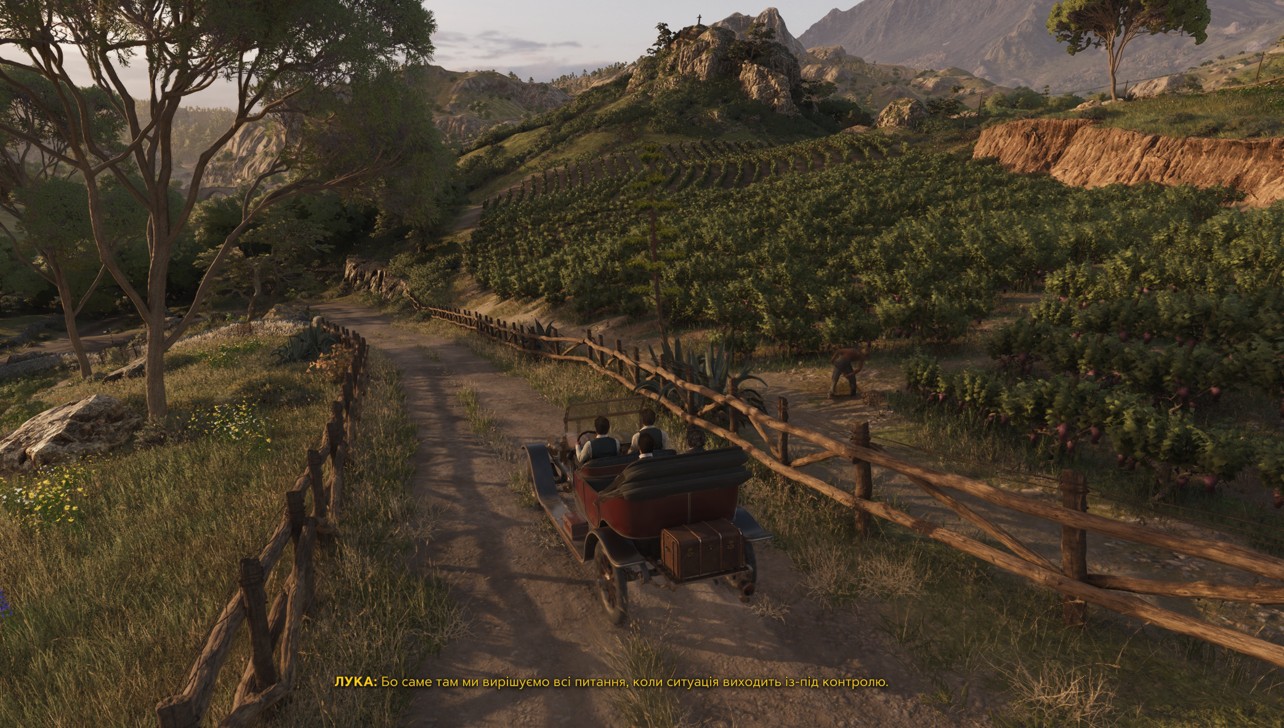
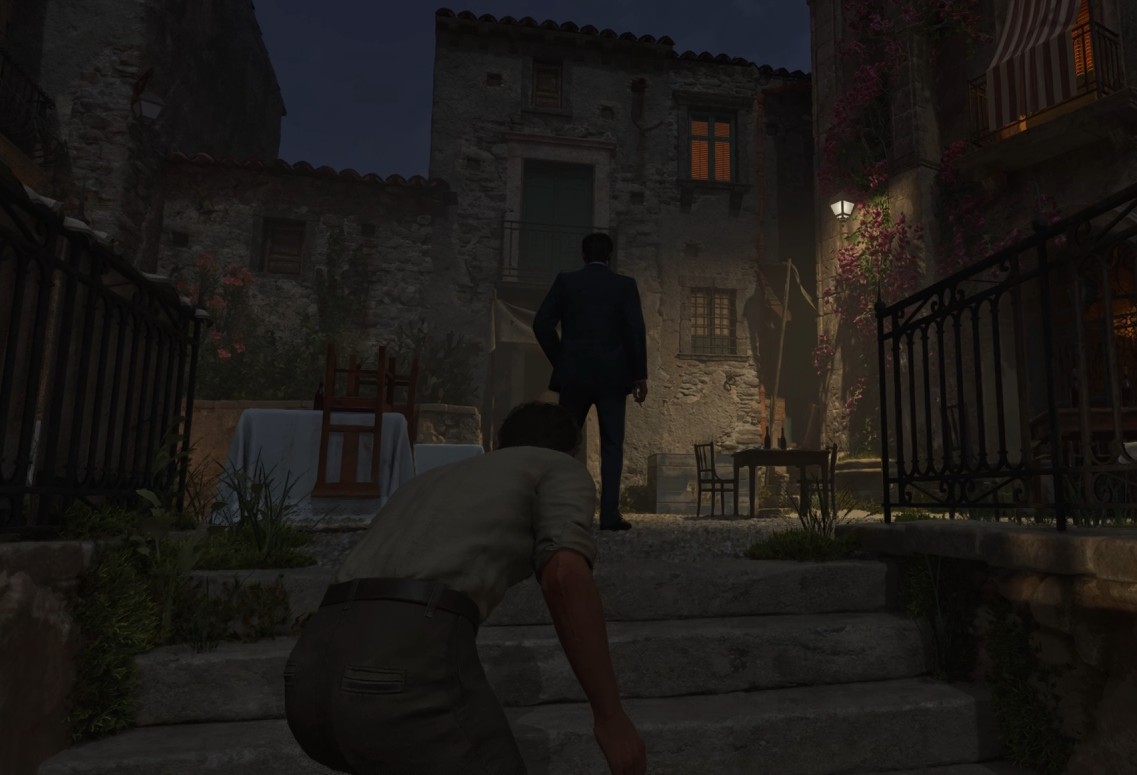
During missions, you generally have two main approaches: act stealthily or engage in open combat. You can also mix the two strategies. For example, I like to start quietly, sneaking up from behind to eliminate enemies – either with a thrown knife or a stealthy chokehold.
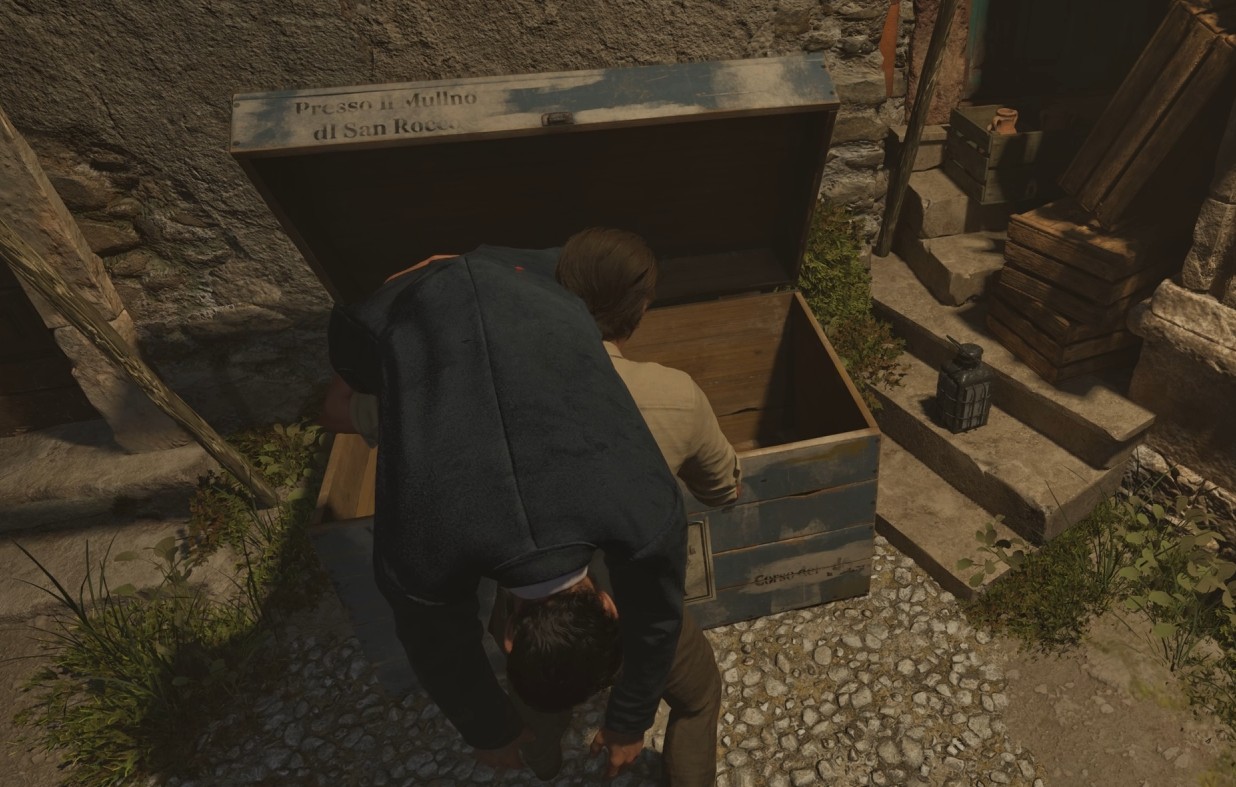
After a stealth kill, it’s best to hide the bodies in designated containers so guards don’t spot them and trigger an alarm.
If you do get spotted, it’s time to open fire and fight your way through, clearing a path through enemies to reach the mission objective.
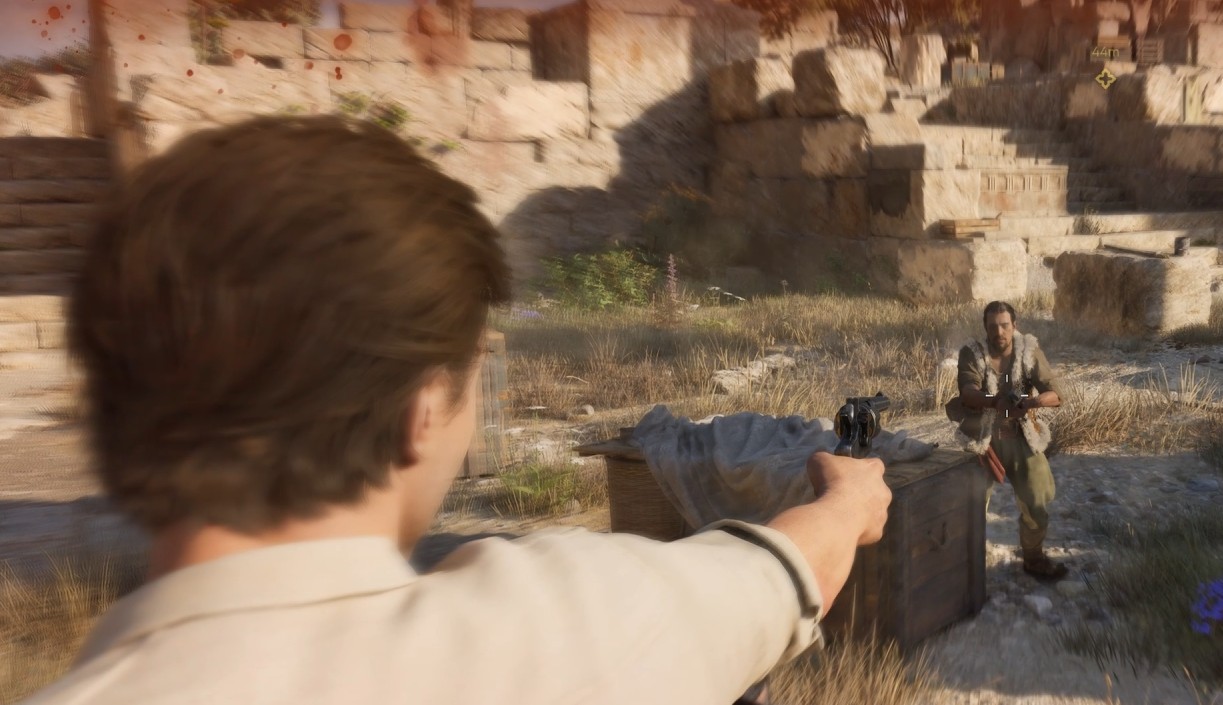
Of course, nothing stops you from just barging through doors if you feel confident. But keep in mind that your ammo is limited, and even on medium difficulty, there are moments when bullets are scarce. Luckily, you can replenish them by searching the environment and the bodies of fallen enemies. Generally, it’s better not to shoot indiscriminately – precise headshots are much more effective, as in any shooter. One well-placed shot can take down an enemy, whereas firing at the body can waste three, four, or even five rounds.
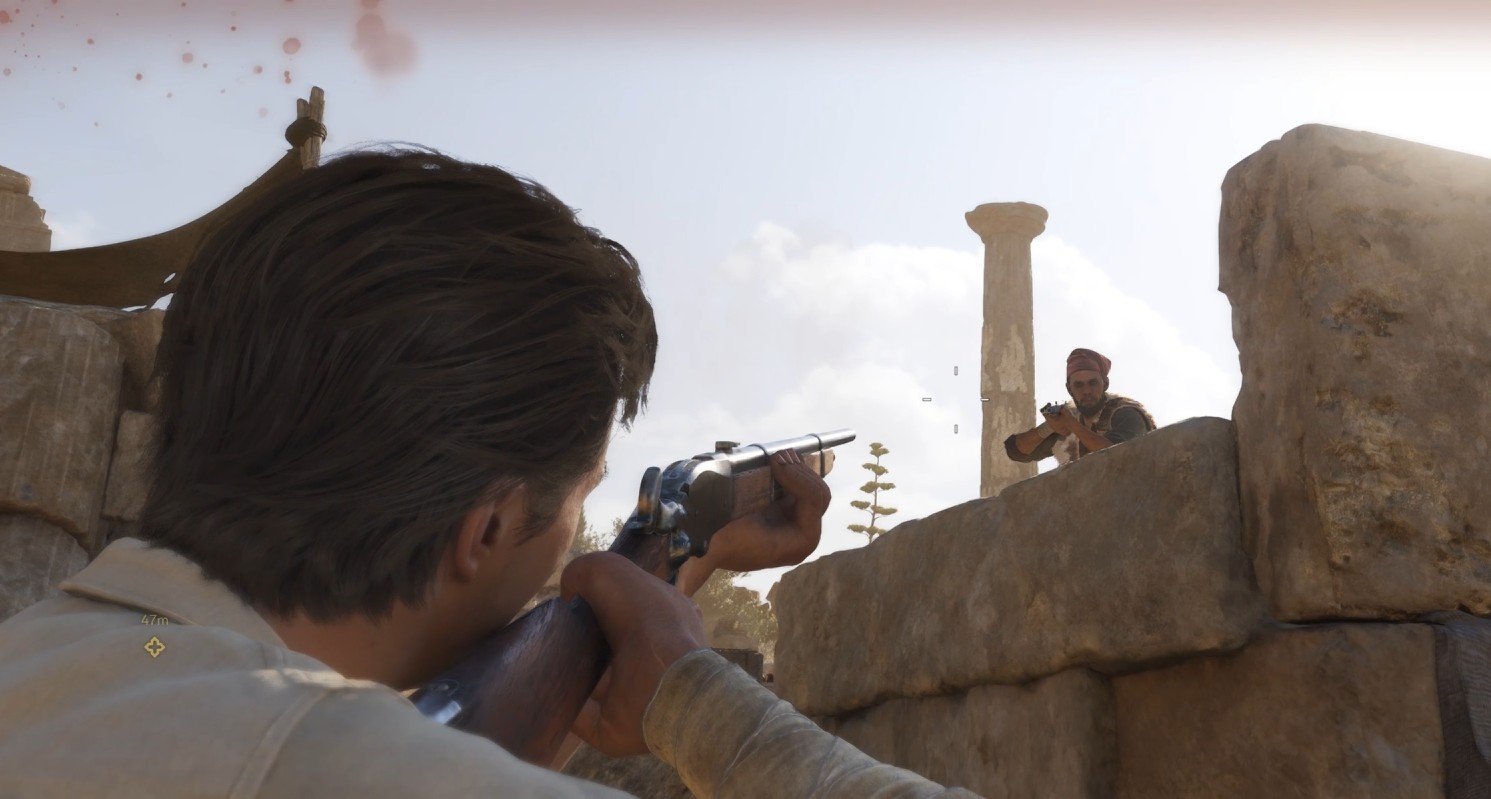
In some missions, it’s not necessary to kill every enemy. You can simply sneak past guards using your wall-sense ability, or distract them by throwing coins or bottles to make them move out of your way. Yes, this is very similar to The Last of Us, and there’s no point in denying it – but why not?
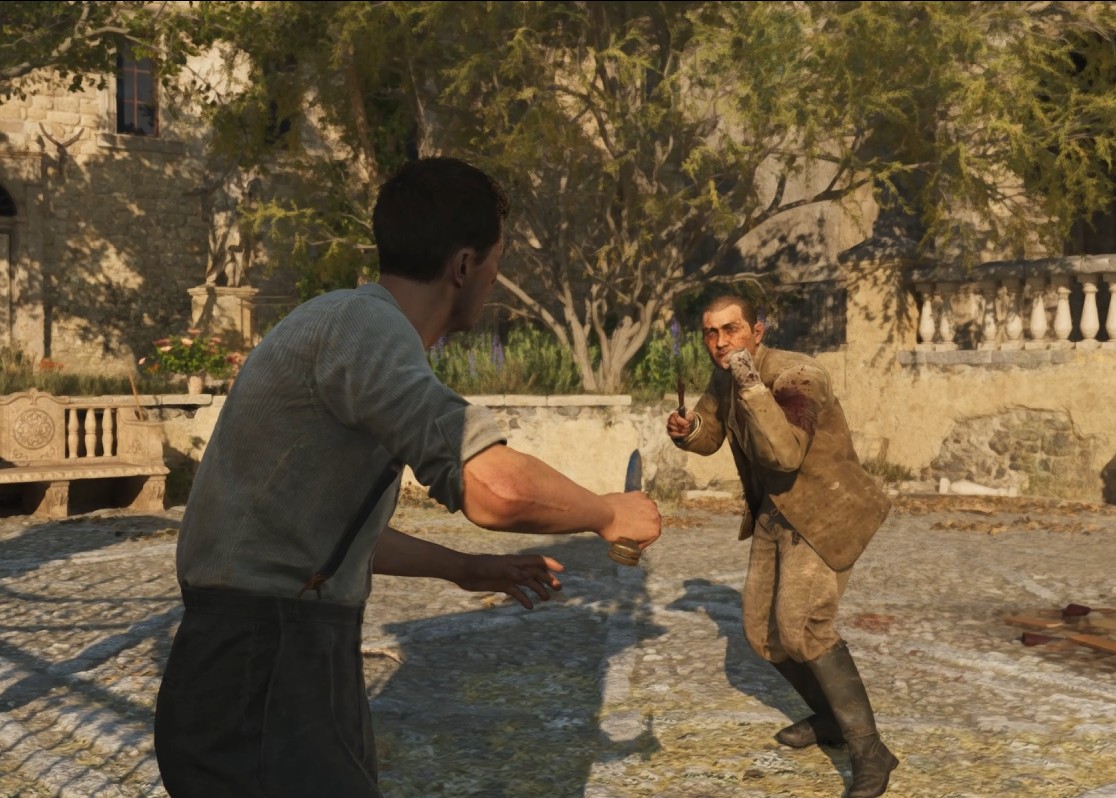
Another significant aspect of Mafia: The Old Country’s gameplay is knife combat. In almost every mission, you face a “final boss” in close-quarters combat using melee weapons. Throughout the game, Enzo must learn and constantly refine his knife-fighting techniques. This involves mastering several types of strikes – thrusts, slashes, and combinations – as well as blocking enemy attacks and performing dodges. Timing and correct execution are crucial.
Honestly, I never managed to complete these encounters on the first try. It usually takes several attempts, as each successive enemy has their own moves and the difficulty gradually increases. Knife combat is intense and challenging, providing a solid adrenaline rush – but after all, isn’t that exactly why we’re here?
Another cool feature: in Mafia: The Old Country, you’ll take part in a few races – both on horseback and in cars.
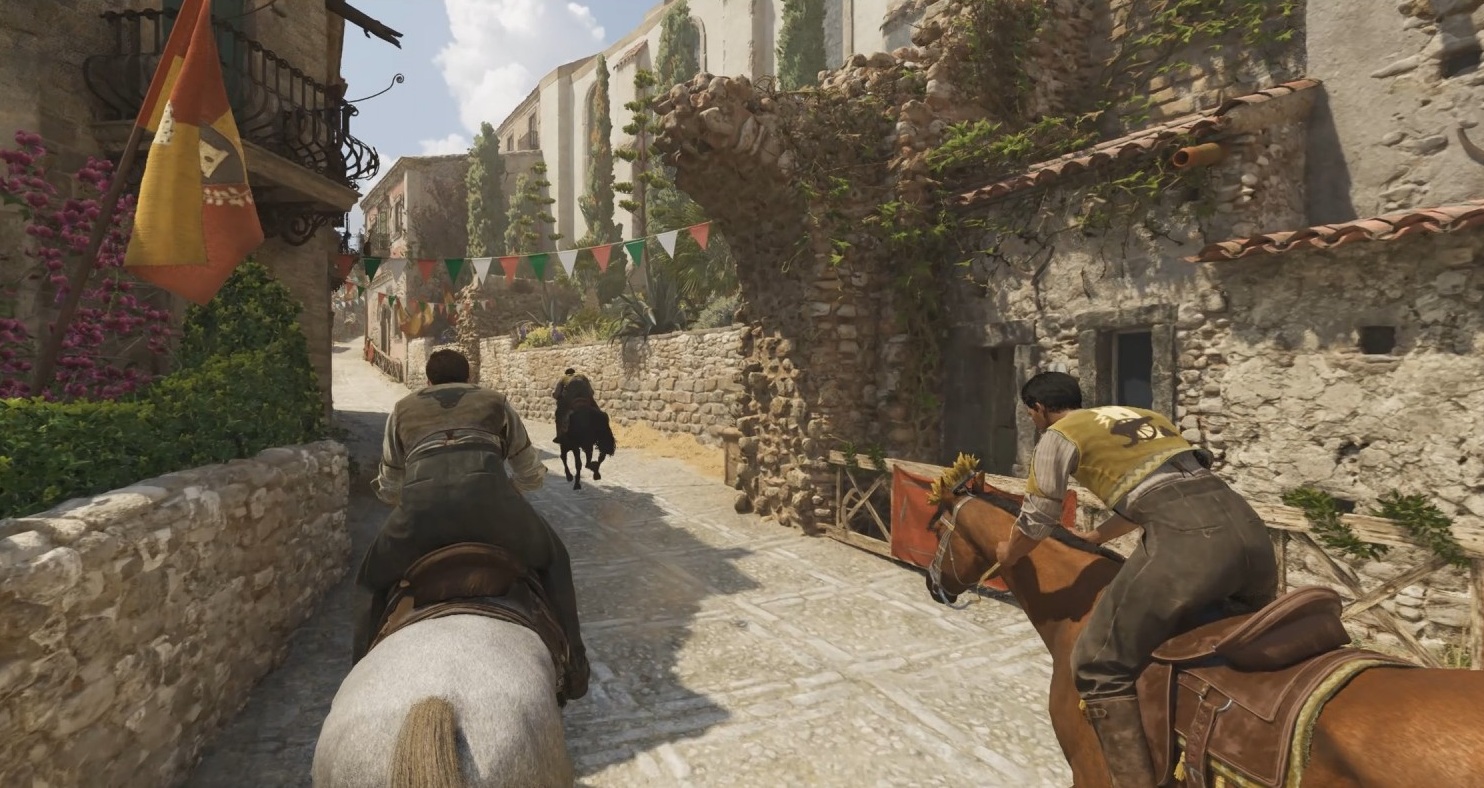
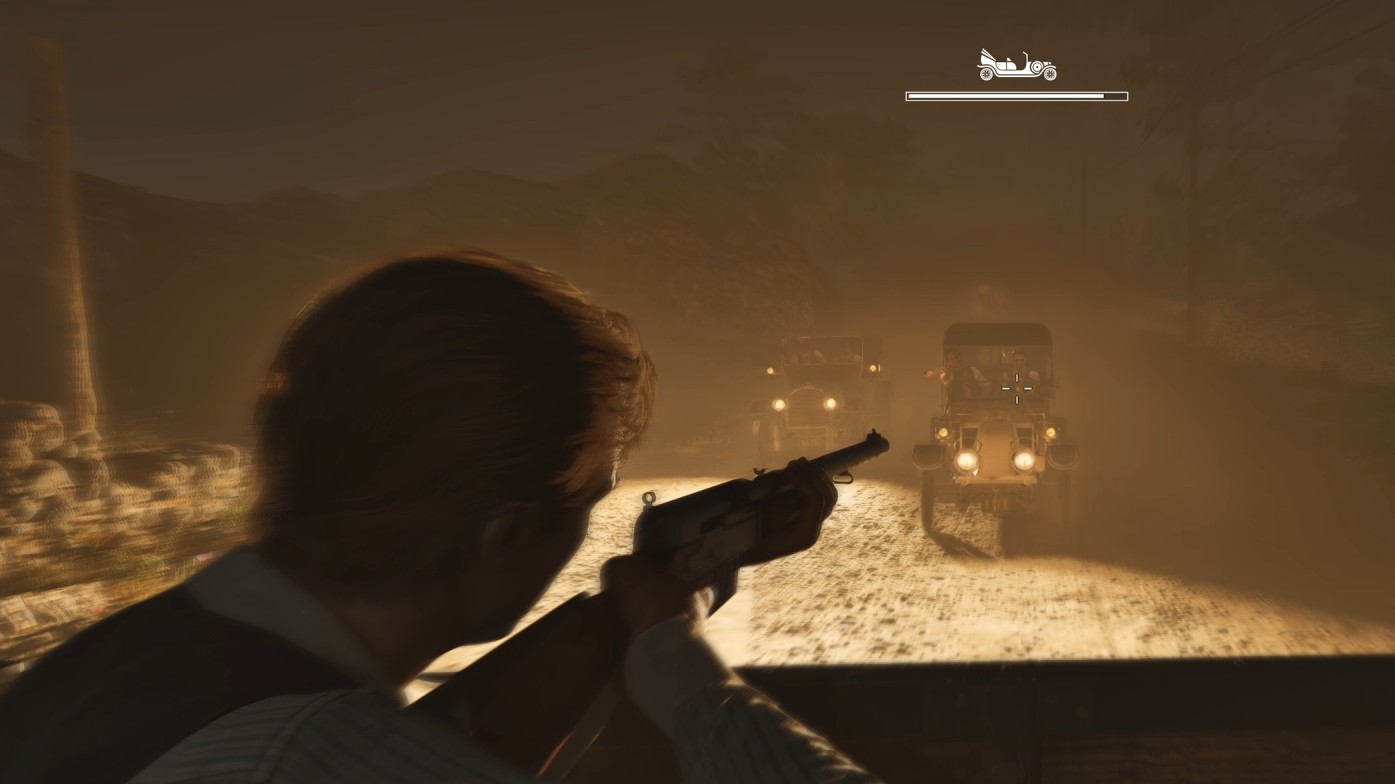
You’ll also have a few moments where you chase enemies – or, once, escape in a car while shooting at pursuers. This is very much in the spirit of RDR2 or Cyberpunk 2077. These sequences are limited, but given the overall short length of the game, they provide a welcome break in the main “mafia” storyline.
Economy, shopping, personalisation Enzo, collections of items
The game includes an advanced system for character progression and customization, but in practice, I didn’t see a clear purpose for it. It doesn’t affect the storyline at all – I didn’t engage with it and still completed the game without any issues.
Mafia: The Old Country has in-game currency called “dinari,” which you can technically spend, though it’s not always clear how or when. For example, there’s Pasquale’s shop where you can buy weapons and supplies. However, during missions, you’re mostly locked into the scripted path, so opportunities to visit the shop are rare. On top of that, you can simply take weapons from defeated enemies or find them in the environment. During my entire playthrough, I visited the shop only once, as part of the story, to purchase my first knife.
There’s no shortage of weapons in the game, nor are there unique models that can only be purchased in shops. The selection is fairly limited: three pistols and a sawed-off, three rifles, a double-barrel shotgun, and a couple of pump-action shotguns. Medkits and grenades can also be found during missions by searching corpses, desk drawers, or by using a knife to open small safes scattered along your path. In the end, the dinari just accumulate without being spent.
Additionally, you can find “Trinakria” relics – ancient artifacts that can be exchanged for money. But again, money isn’t really necessary in the game. I collected these relics but never exchanged them for dinari.
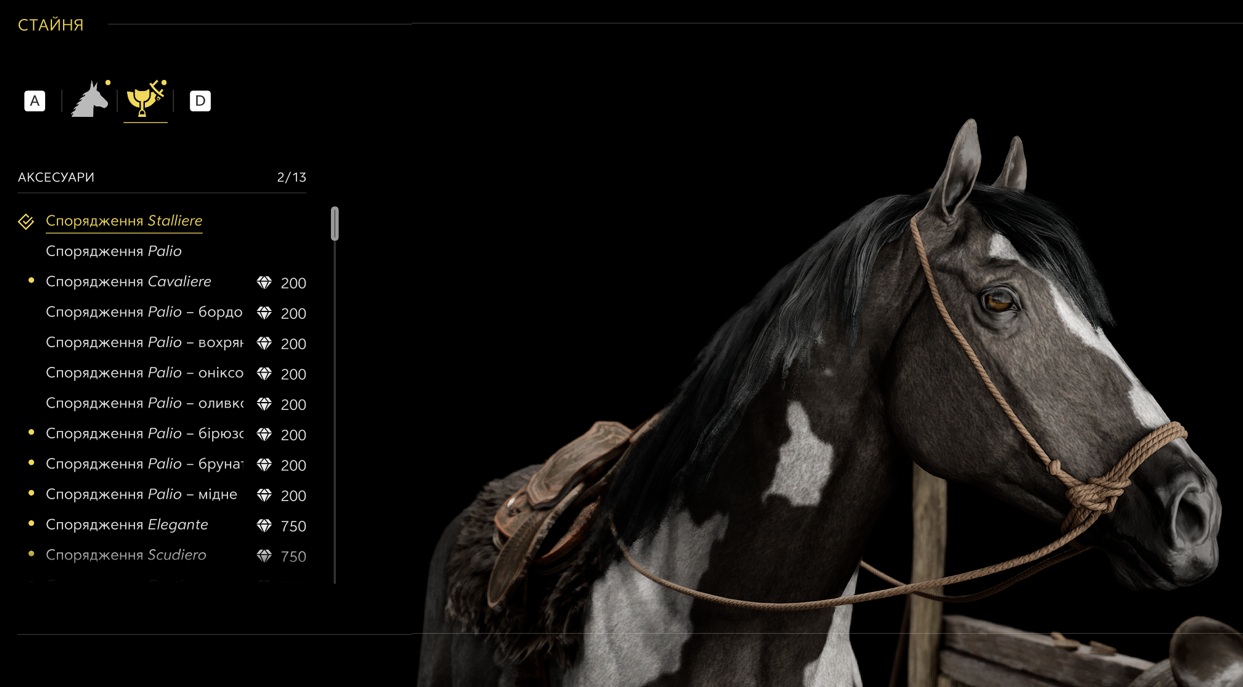
Well, I lied – there is one thing you can spend money on: unlocking horses in the stable. Still, I don’t see much point in this, as your choice of horse has no impact on completing the game.
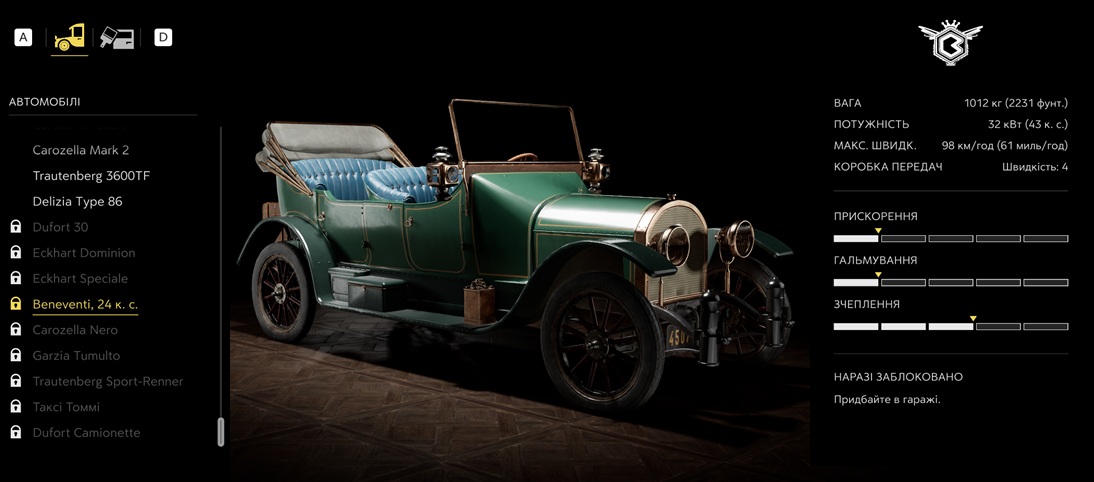
The same goes for cars. During the game, you’re occasionally asked to choose a horse or a vehicle for a trip, but only a couple of times. Why there are a dozen or so cars in the garage isn’t immediately clear – though I’ll explain that later. Again, for the purpose of completing the story, it doesn’t really matter, since most of the time you travel to missions with another character in a car provided by the script.
The same applies to clothing, which you can buy and store in Enzo’s apartment wardrobe. But changing outfits serves no practical purpose – unless you simply enjoy customizing your character’s appearance, which I can’t rule out.
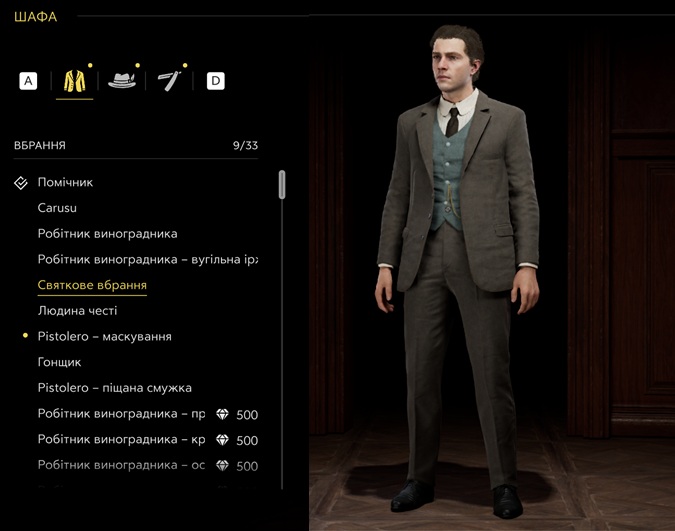
You can also customize the main character’s appearance – changing hairstyles, sideburns, or stubble length. If you never got enough of playing with dolls as a kid and want to turn Enzo into a Ken-like figure, the wardrobe offers plenty to do.
Knives, however, are a different matter. When I had the chance, I chose a knife that can be thrown at enemies from a distance. Just remember to pick it up after each kill until you upgrade it to one that collects automatically. Different blades provide various advantages, such as increased throwing range or higher damage in close combat. Some of the more expensive knives even restore Enzo’s health bar after each stealth kill.
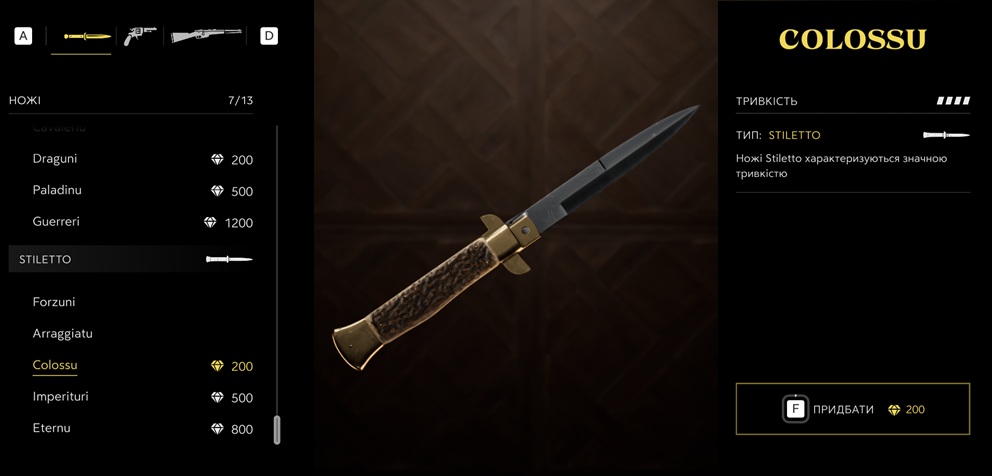
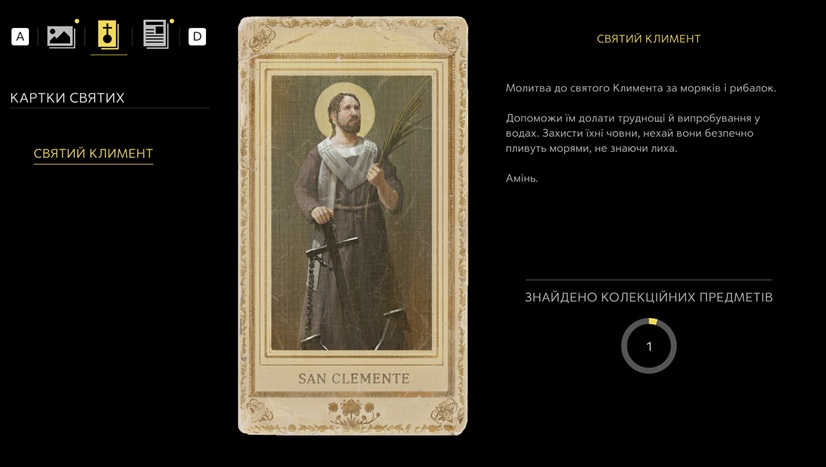
The game also lets you collect various items – notes, newspapers, posters, and saint icons. Again, these don’t provide much practical benefit; they mainly help immerse you in the period’s atmosphere. Occasionally, a note might include a code for a safe you need to crack to complete a mission, but that’s about it.
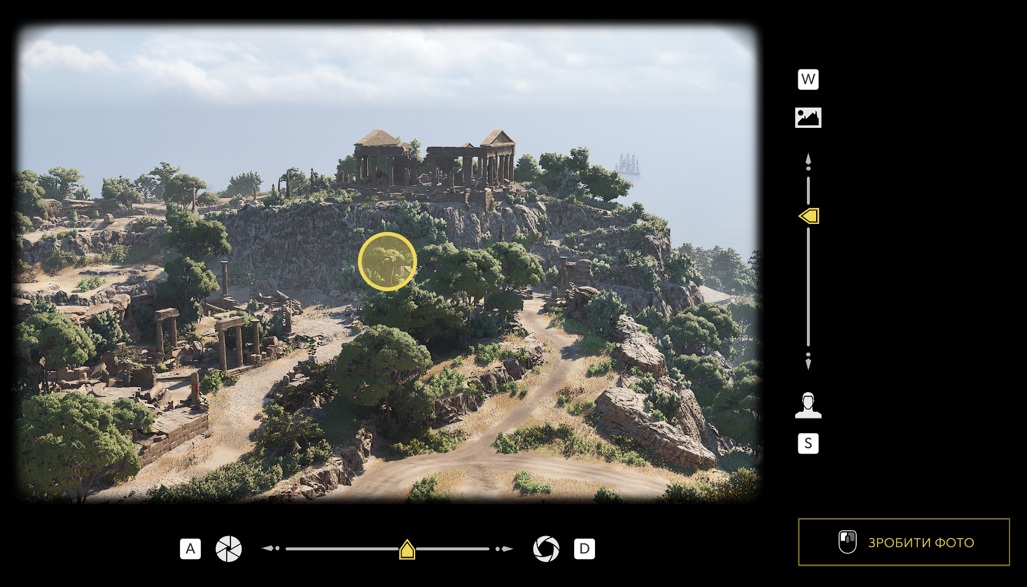
Another feature is the camera and the photo collection. This tool is used only a few times during missions, but you can also find key spots in the game world to take scenic shots and create keepsake photographs.
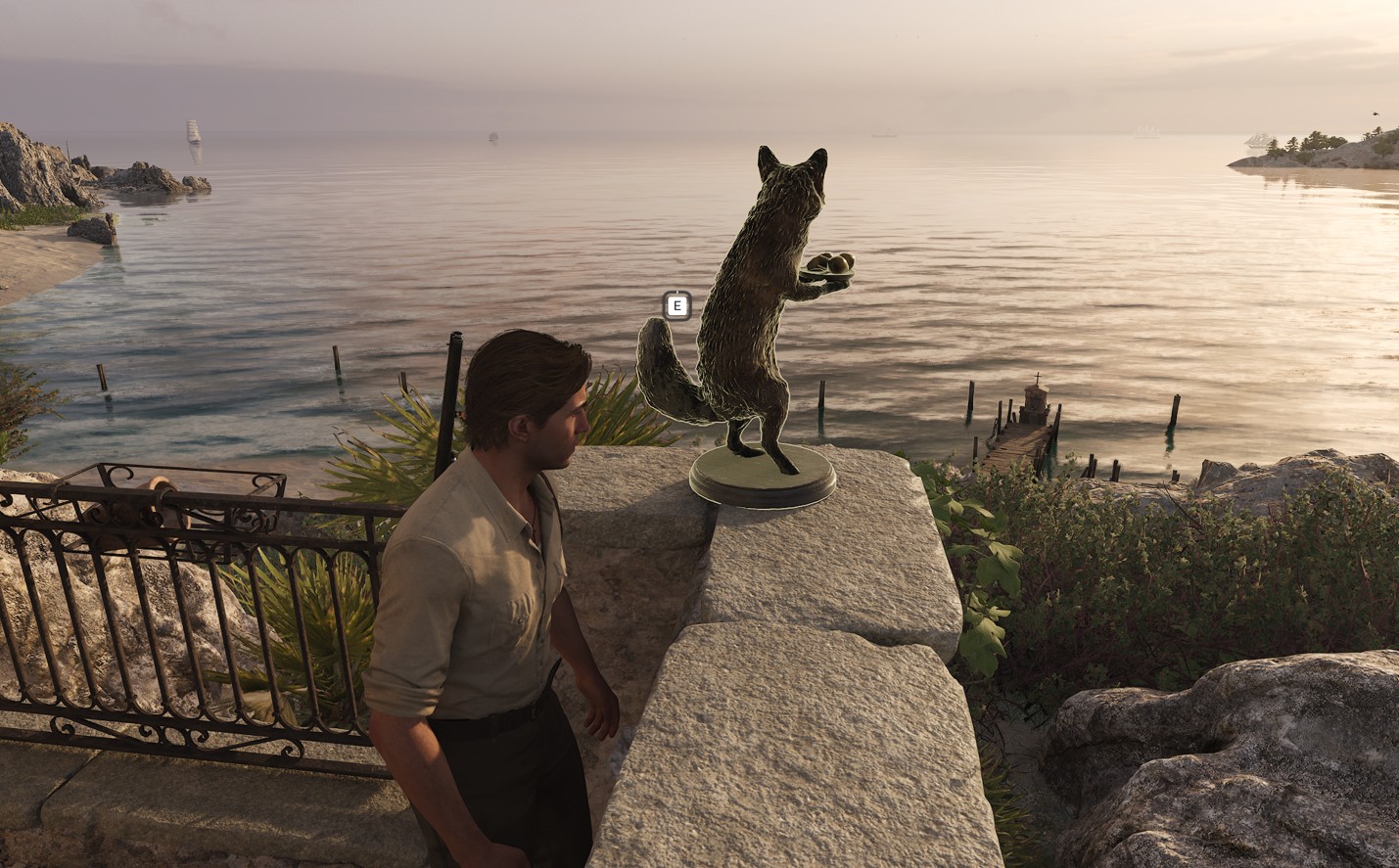
The most puzzling collectible is the “mysterious fox figurine.” These small statues are scattered throughout the world, and you can pick them up and add them to your collection. The purpose? Probably just for fun.
World features in ‘Mafia: The Old Country’
The game’s world feels a bit unusual. The overall map is relatively small compared to GTA V or RDR2. In principle, it’s open, though with certain limitations. As I mentioned, during missions you don’t have the opportunity to explore freely, which makes it feel similar to The Last of Us, since you move step by step between markers and can’t deviate much from the path. To explore the world without restrictions, the game includes a separate “Exploration” mode.
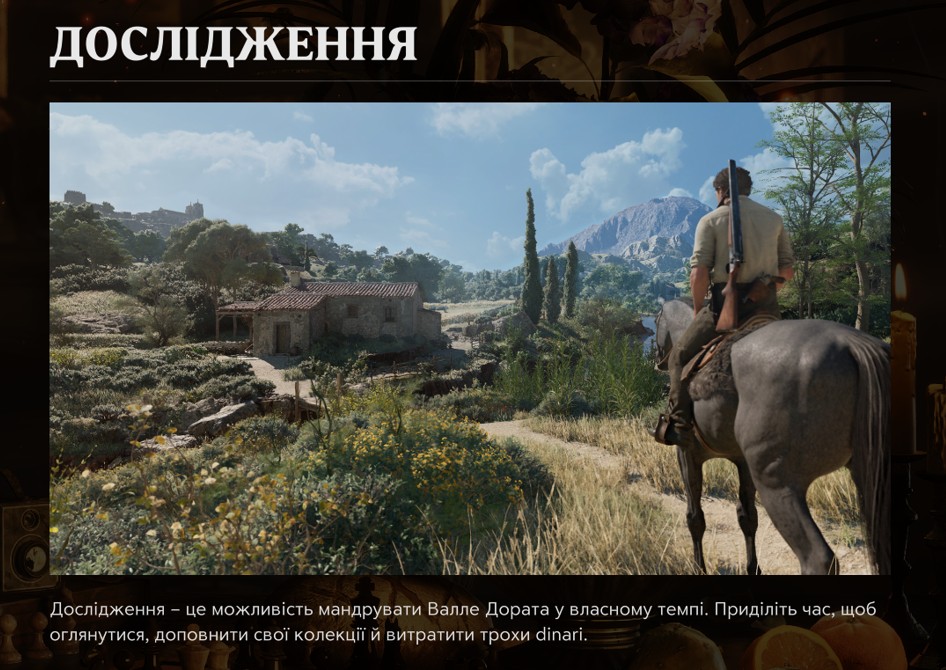
Accessing Exploration mode is far from obvious – it’s hidden in the main menu under “Replay Chapter.” Naturally, I never looked there during the story, as I just pressed “Continue.” I only discovered the free exploration feature after completing the game, while preparing this review. Well, better late than never – let’s start moving around the map.
The mode starts in Enzo’s apartment. You can change outfits, gear up, then choose a horse from the stable or a car from the garage, and finally set out to explore Sicily. Alternatively, you can use fast travel to key locations via the world map screen.
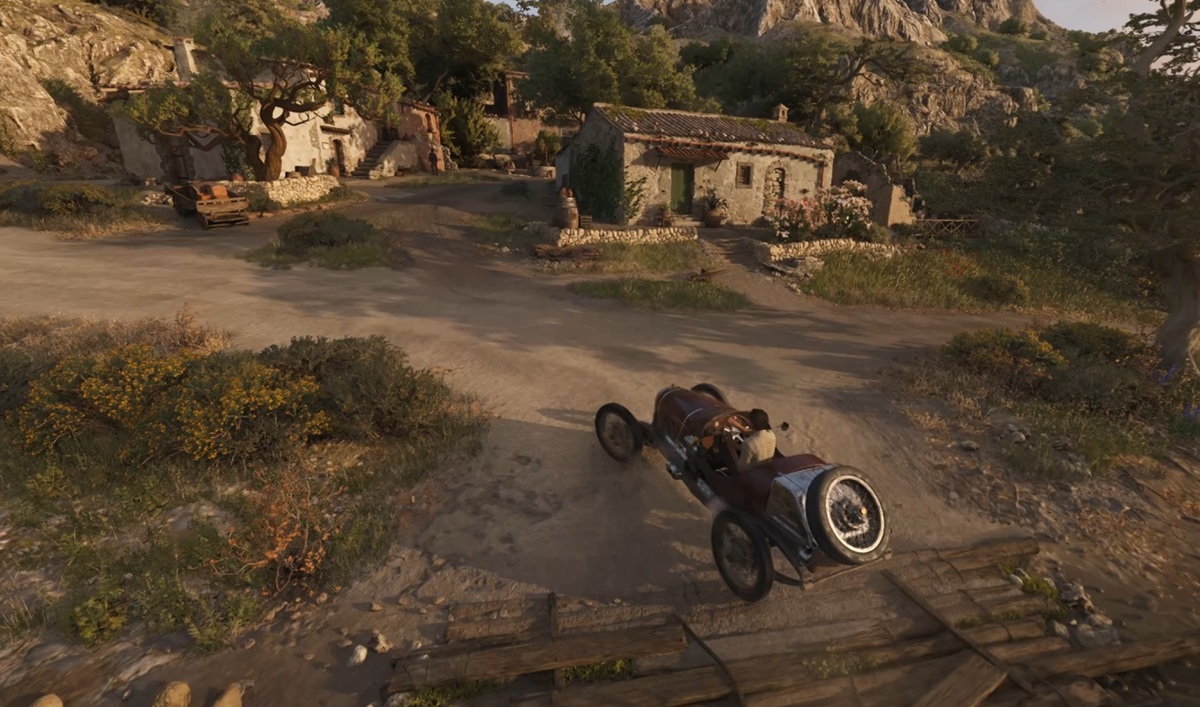
Here, while traveling through the valley, it becomes clear that the world isn’t fully open. You can move along roads, paths, riverbeds, and some fields, run through city streets and along the waterfront, and even step onto the beach.
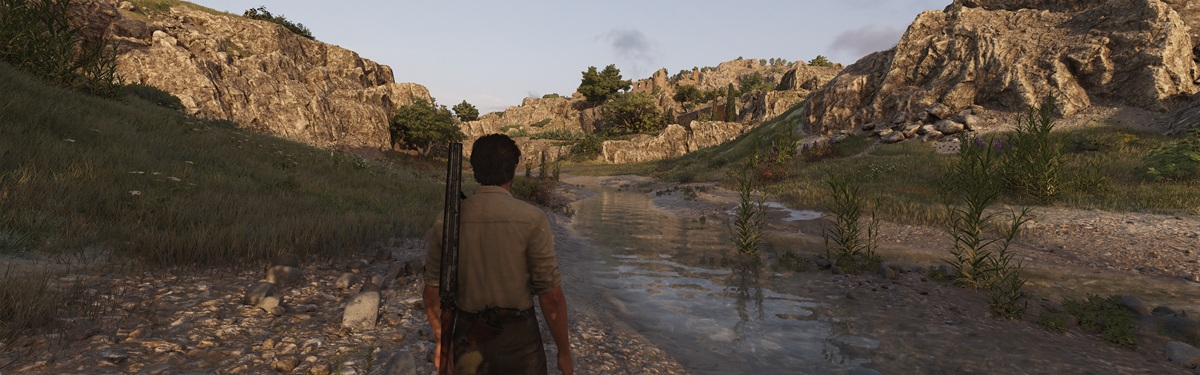
However, you can’t enter any buildings at all. Accessing areas you visited during missions is impossible, as all gates are locked and any alternative paths that were usable during the story are simply inactive.
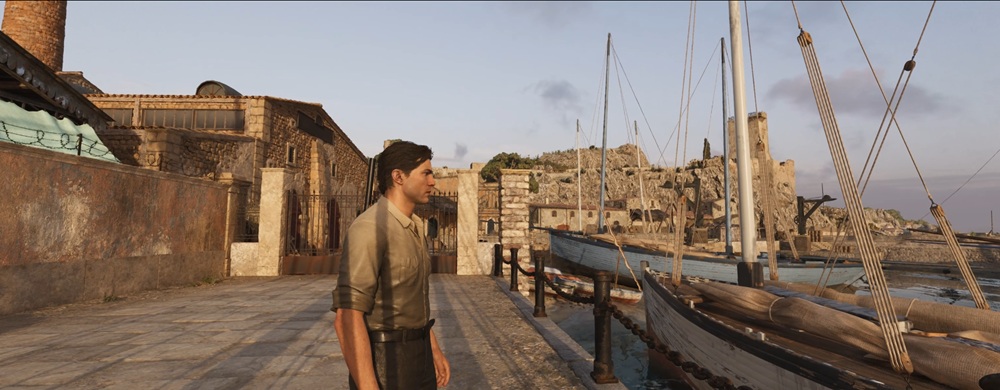
In most “populated” areas along the roads, fences are built – either stone walls topped with sharp glass shards or wooden fences with barbed wire. You can’t climb over them.
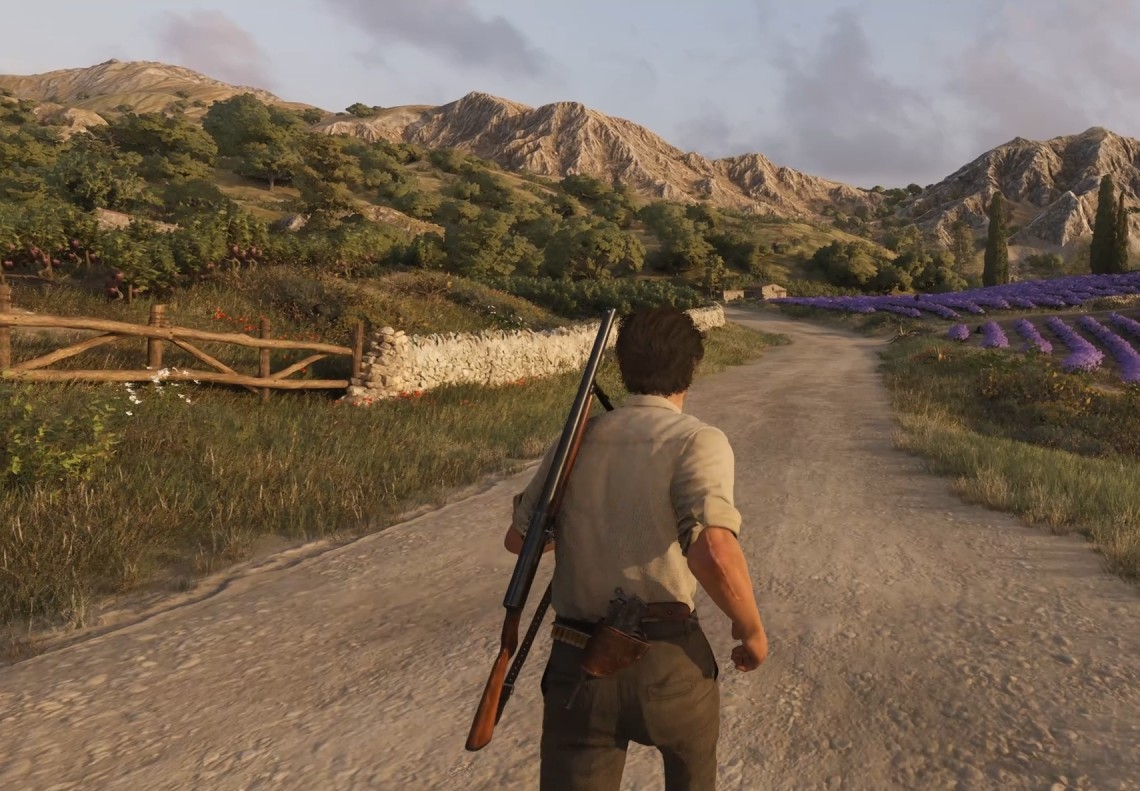
You can enter the grounds of villages, some isolated rural estates, or industrial areas, and visit old ruins. However, I didn’t find anything particularly interesting in these locations. Occasionally, you might come across collectible items, but that’s about it. It seems that collecting these items is the main purpose of Exploration mode.
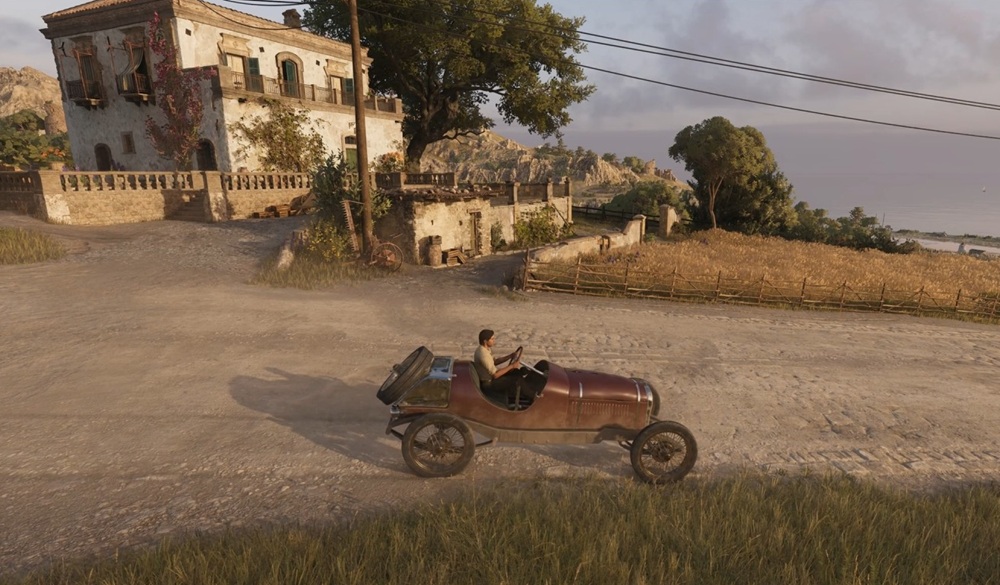
Before leaving your apartment, you can choose a weapon to take with you on your travels. But what’s the point? You can’t use it against civilians – the aim simply deactivates when targeting a person. There are no enemies, at least none I encountered. That leaves only the option of shooting at pots, which break quite realistically when hit.
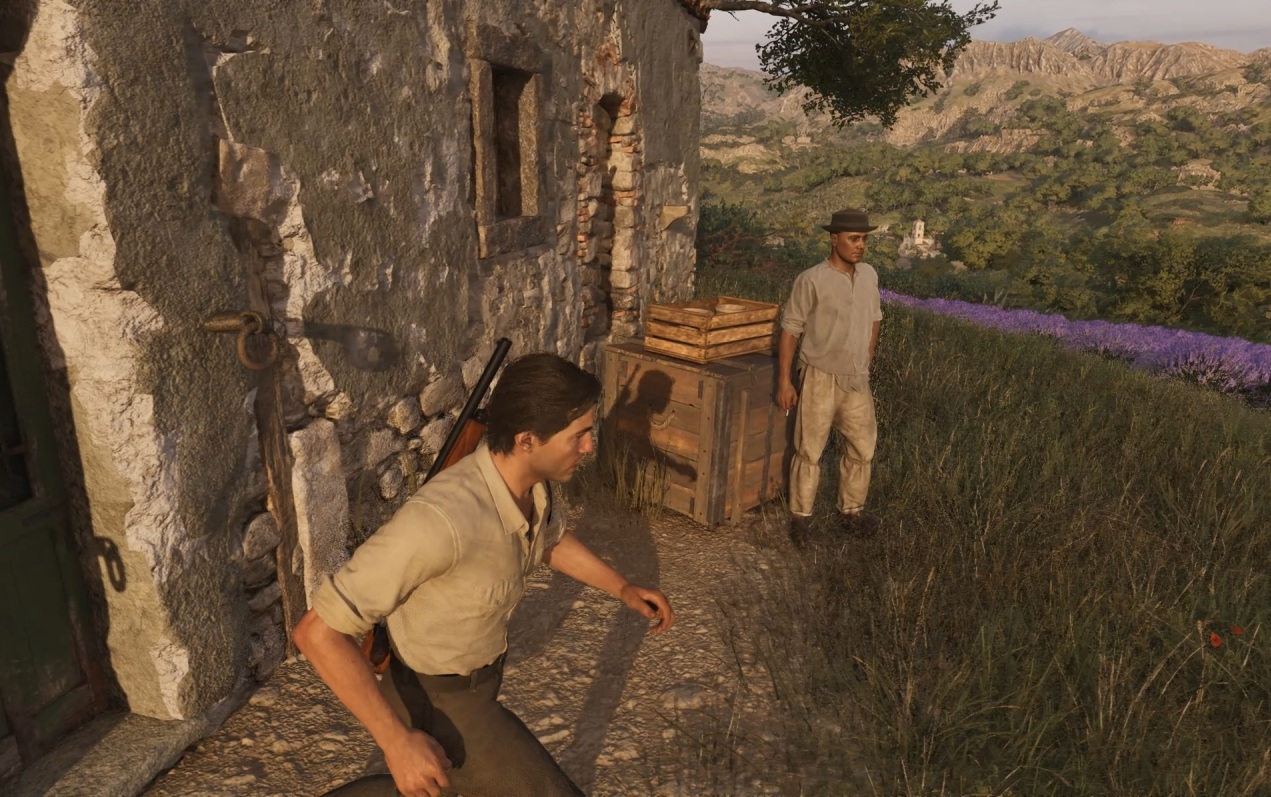
Just to test the open-world mechanics, I tried running over an old woman in a field with a car. I hit her about a dozen times. She cursed at me but never died, getting back up each time. She even tried to dodge the car, and a few times she actually succeeded.
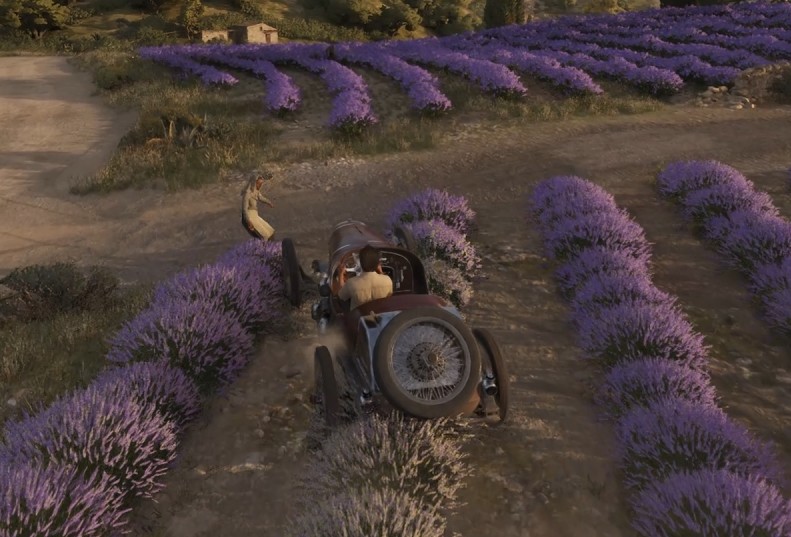
Here’s the point: in Exploration mode, you can’t kill anyone at all. The only exception is yourself – if you jump from a height, you die and are then returned to your apartment, where you can start exploring again.
Oh, and almost forgot – Enzo can’t swim. You can wade into the sea up to about waist-deep, but you can’t go any further.
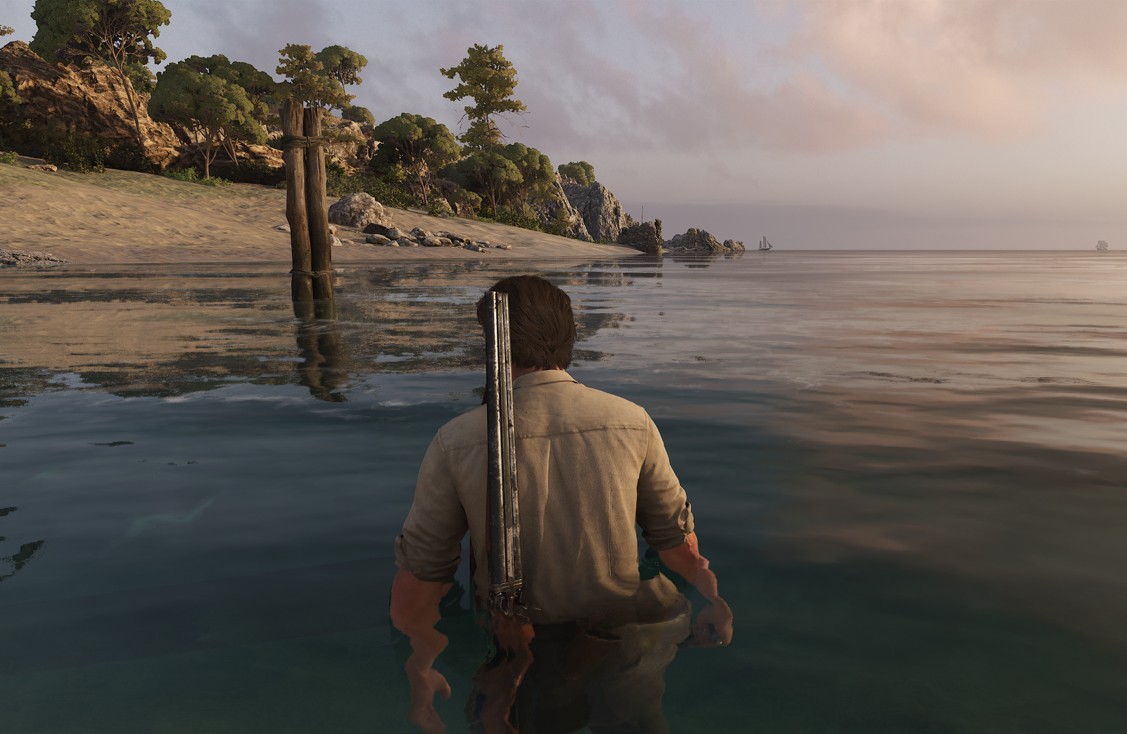
If you jump into the sea from the port pier, you immediately sink, but a moment later you respawn at the point you jumped from. On the shore, there are scattered boats – when I jumped unsuccessfully once, I ended up trapped in a triangle between two boats and the water. There’s no way out: you can’t climb onto the boats from above, nor can you go further into the water. Your only option is to exit to the main menu.
Conclusions
Overall, Mafia: The Old Country isn’t perfect, and I wouldn’t call it completely original or unique. Perhaps that’s partly because I’m not familiar with the previous entries. What I did notice is that the game borrows many mechanics and ideas from other well-known titles. But is that necessarily a bad thing? Probably not – at this stage in game development, it’s difficult to create something entirely new within this genre. The positive side is that the developers have adopted some of the best gameplay mechanics from other games, refining and improving them rather than diminishing their quality.
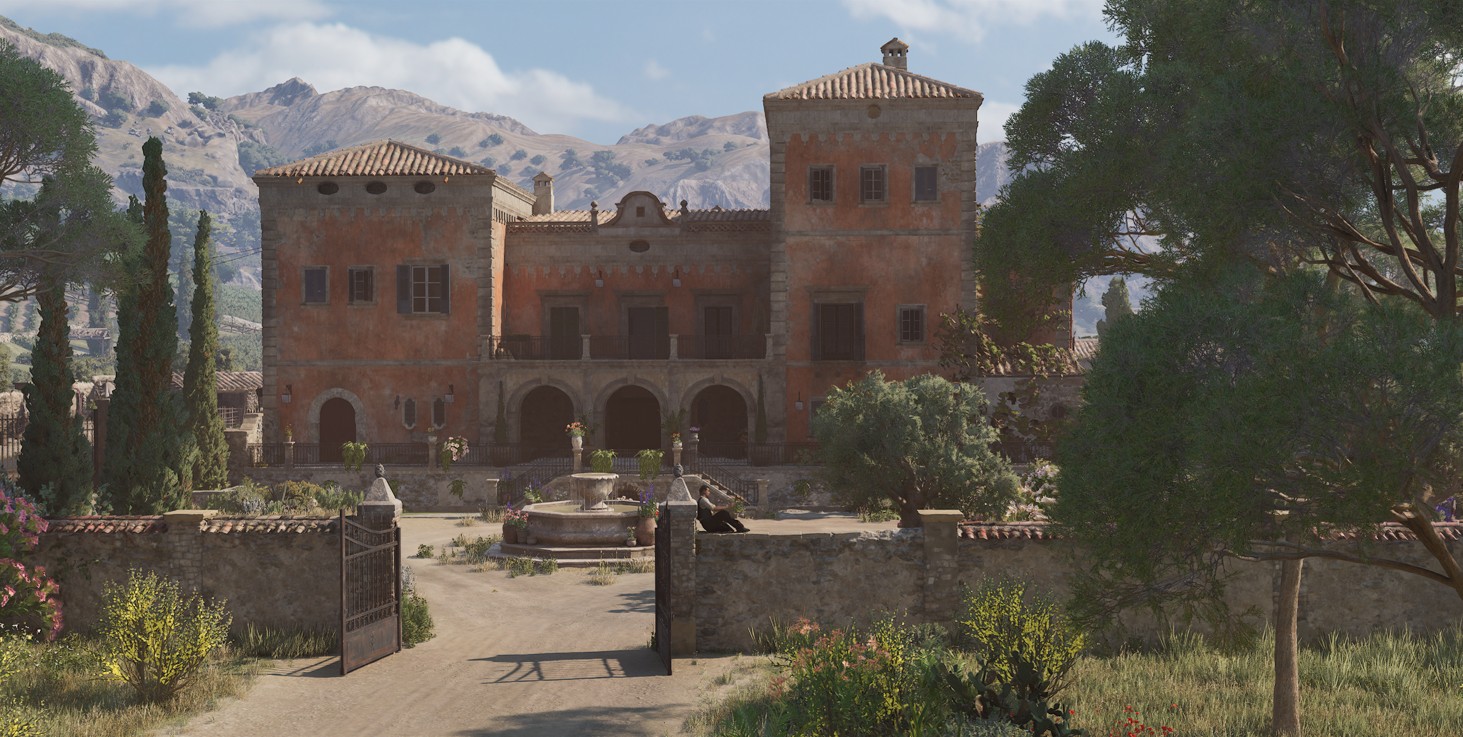
The main strengths of Mafia: The Old Country are its detailed and engaging story, impressive graphics and effects, and strong sense of immersion in both time and setting. The game also delivers a good dose of adrenaline and offers a solid escape from real life during gameplay. On top of that, it’s very stable and well-optimized right from the start – at least on high-end hardware, everything ran smoothly for me. I didn’t encounter any bugs throughout my playthrough, which is unusual these days when many games are released in a rough state and require patches. Mafia: The Old Country is an exception in that regard, running reliably right out of the box.
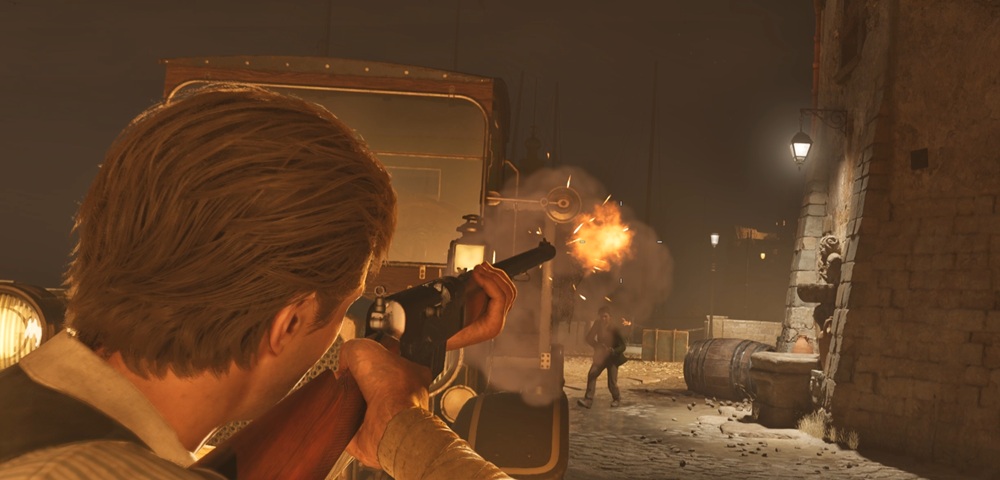
The main drawback of the new Mafia is its short story. I managed to complete the game in about four to five days, playing a few hours each evening, totaling roughly 16 hours. Naturally, I was a bit disappointed that the story ended so quickly. On the other hand, this could be an opportunity for future DLC – I’d be very interested in a continuation or a parallel story set in the same world. Especially since, in my view, the Valle Dorata setting isn’t fully explored, leaving room for further expansion.
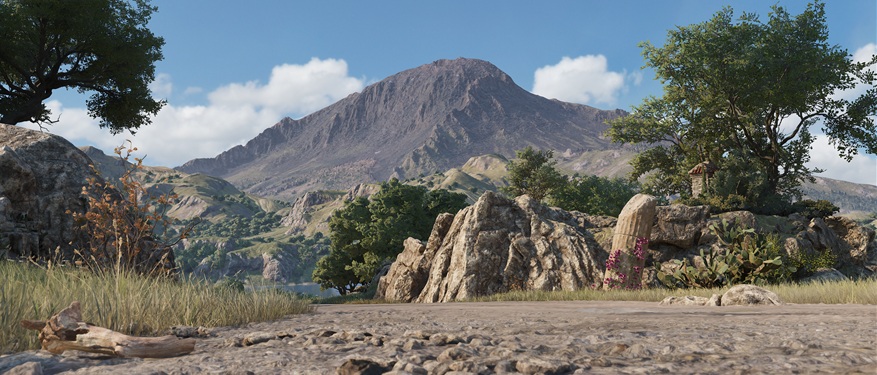
Was the game successful? I’d say yes. I can confidently recommend it, even considering its relatively high price. If you have patience, you could add it to your wishlist and wait for a discount or sale. But for fans of action-adventure shooters, skipping Mafia: The Old Country would really be doing yourself a disservice.