© ROOT-NATION.com - Use of content is permitted with a backlink.
I’ll begin this review of the EcoFlow Trail Plus 300 DC by noting that it differs from the Trail 200 and Trail 300 in much the same way that the ASUS ZenBook A16 differs from the ASUS ProArt PX13 GoPro Edition. Technically, both are laptops, and conceptually they occupy a similar space. However, the deeper you look into the details, the less alike they become in practice. On one hand, this makes the product lineup more difficult to navigate, as the relationship between price and feature set becomes less intuitive. On the other hand, it makes the device genuinely interesting, as it offers considerably more than its positioning might initially suggest.
Read also: All reviews of power stations

TABLE OF CONTENTS:
Specifications
- Capacity: 288 Wh
- Dimensions: 206×115×123 mm
- Weight: 2.26 kg
- USB Type-C: 3, up to 140 W
- USB Type-A: 2, up to 12 W
- Car socket (cigarette lighter) 1
- Battery technology: NCM
- Extras: carrying handle with Type-C, torch
- XT-60: yes
- Display: yes
- Warranty period: 36 months
EcoFlow Trail Plus 300 DC Video review
Price and Positioning
From a pricing perspective, the Trail Plus 300 DC is clearly the premium model in the lineup. It is priced at approximately €200, or around $225. By comparison, the Trail 200 DC is officially available for $155, while the Trail 300 DC is positioned slightly above that price point.
Shared Characteristics
It is worth referring to my review of the lower-tier models, as the Trail Plus 300 DC is built on a platform that is largely shared with the Trail 300 DC. Like its sibling, it is essentially an oversized power bank without an AC outlet. As a result, it does not require an internal inverter, allowing it to rely entirely on passive cooling.

Battery capacity, meanwhile, reaches 288 Wh, which is substantial for a device of this class. For comparison, the EcoFlow River 3 Plus offers a capacity of 286 Wh. Here, however, you are effectively getting a power bank with a comparable energy reserve in a significantly more compact and lightweight form factor. I’ll return to that point later in the review.

In addition to its impressive battery capacity, the Trail Plus 300 DC offers a pair of 140 W USB-C ports, as well as 18 W USB-A ports with support for low-current charging of devices such as electric shavers and wireless earbuds. The unit also features an IP30-rated enclosure, an XT60 connector, and a 12 V automotive socket for powering compatible accessories.

For example, by connecting a Gembird dual-port 20 W USB Type-C charger to the 12 V socket, I can power studio lighting from a single power bank while keeping all of the device’s native USB ports available for other equipment. The same approach also works for devices such as a router and its optical network terminal (ONT). In practice, the integrated 12 V output should not be overlooked, as it significantly expands the range of possible use cases, including powering compact studio setups.
EcoFlow Trail Plus 300 DC: Distinctive Features
What sets the EcoFlow Trail Plus 300 DC apart? First, despite its larger feature set, it is approximately 300 g lighter than the Trail 300 DC, bringing its total weight to just over 2 kg.

It is also – and this was perhaps the biggest surprise – more compact than the lower-tier models in at least one key dimension. Its width has been reduced to 89 mm, compared to 124 mm for the Trail 300 DC. At the same time, it is slightly taller and deeper, measuring 124 mm instead of 114 mm in height and 240 mm instead of 211 mm in depth. The top surface has also been redesigned, replacing the flat profile with a gently curved one.

How was EcoFlow able to maintain the same battery capacity while reducing both the size and weight of the device? The answer lies in the battery chemistry. Instead of the LFP cells used in the lower-tier models, the Trail Plus 300 DC employs an NCM (nickel–cobalt–manganese) battery. This chemistry offers a significantly lower cycle life, with the battery rated for more than 800 charge-discharge cycles, compared to approximately 3,000 cycles for the LFP-based models. NCM cells are also less tolerant of prolonged exposure to high temperatures, although they generally deliver better performance in cold environments.

Overall, the design priorities behind the EcoFlow Trail Plus 300 DC are clear: reducing weight while expanding functionality. To that end, the device adds a third USB-C port, each capable of delivering up to 140 W of output. It also features a significantly upgraded integrated flashlight – a full-size dual-color unit with a 180-degree illumination angle and a maximum output of 3 W.
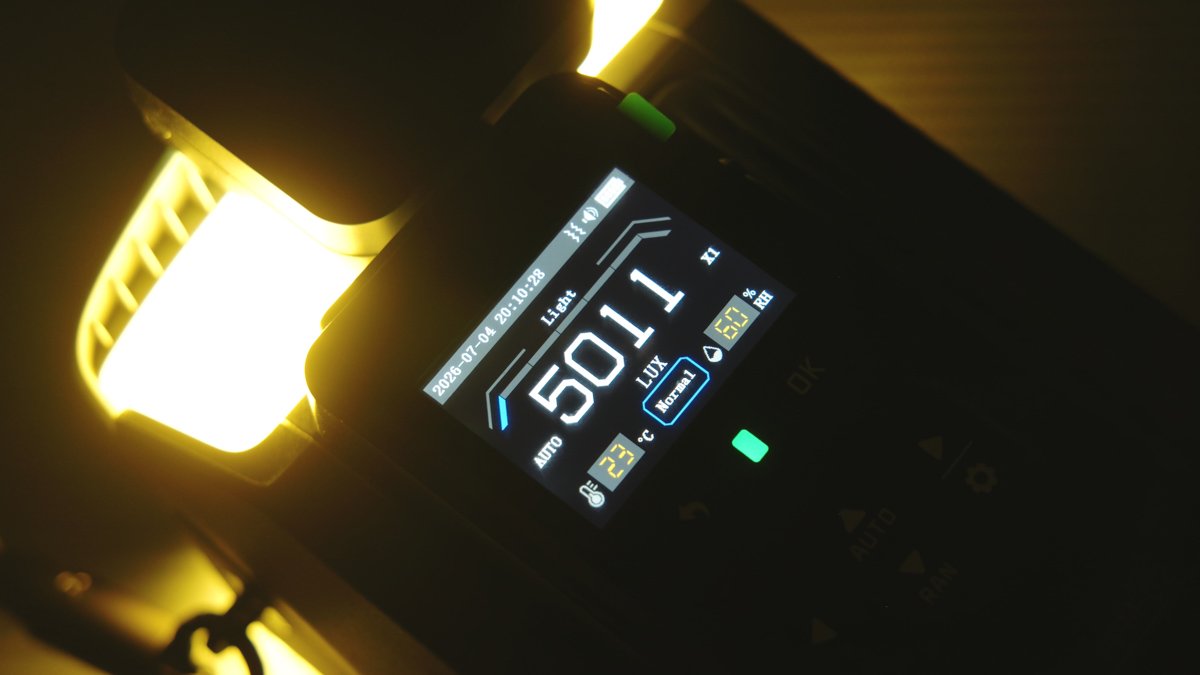


Another notable addition is a built-in 140 W USB Type-C cable integrated directly into the carrying handle.

The Trail Plus 300 DC also introduces full software support, allowing users to monitor battery status and port activity, control the 12 V DC output, configure charge and discharge limits, adjust the flashlight’s brightness and color temperature, and even customize the display’s brightness and timeout settings. None of these software features were available on the earlier models.
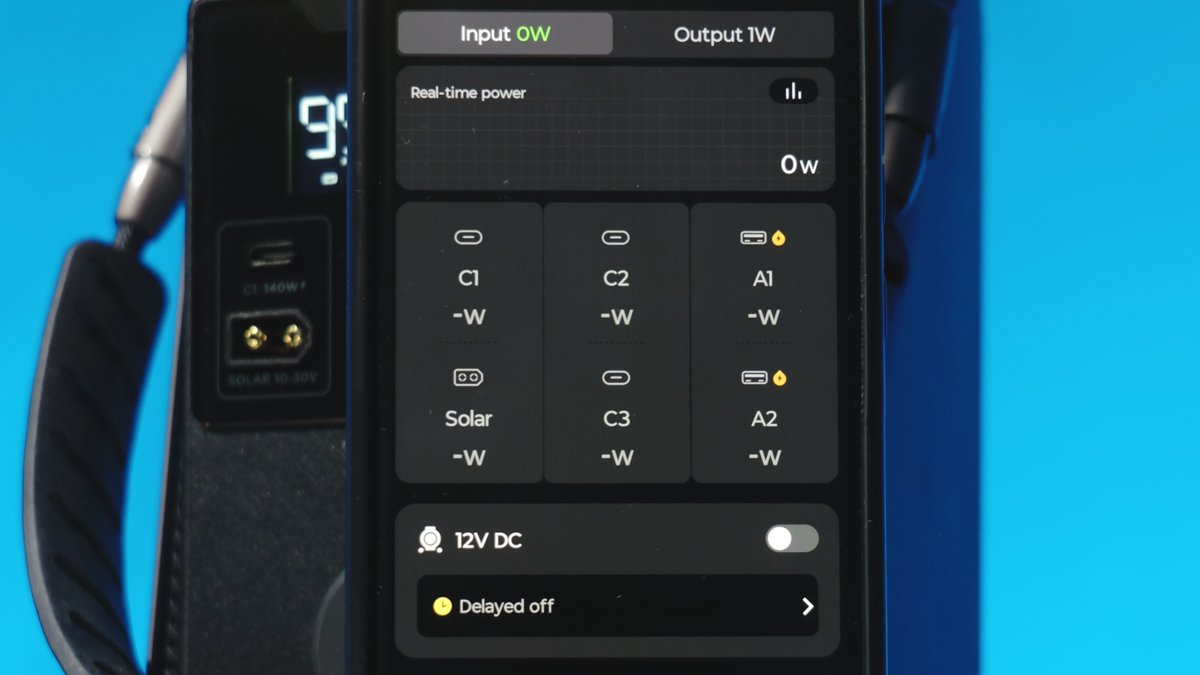
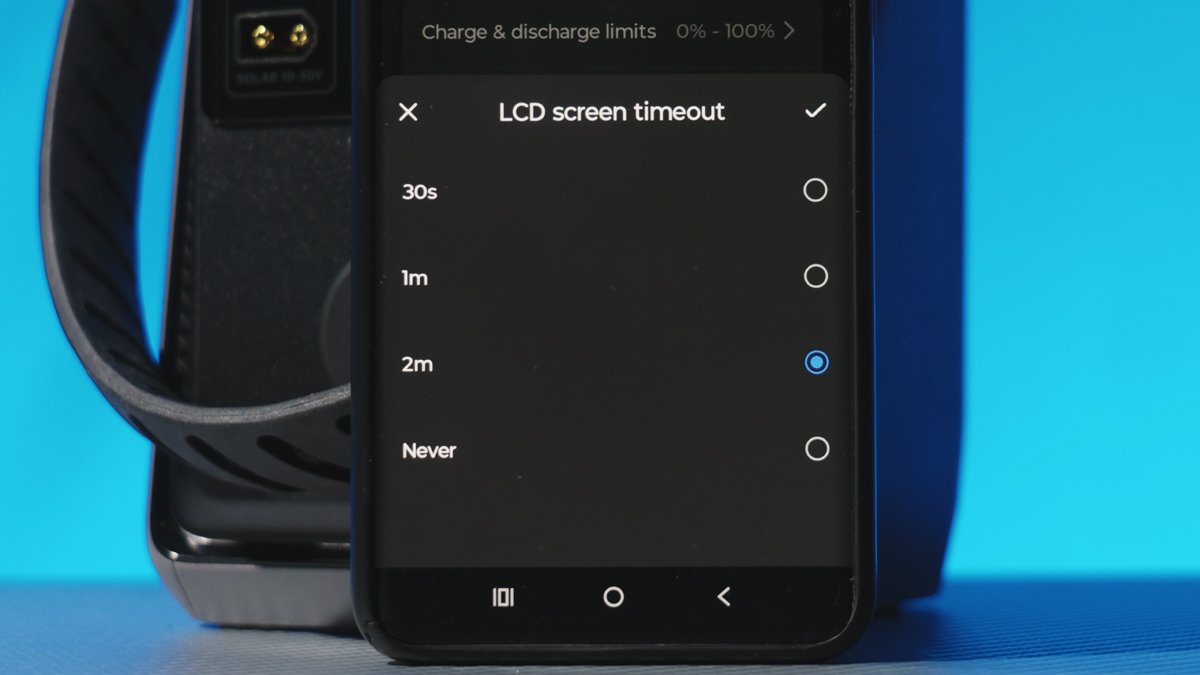
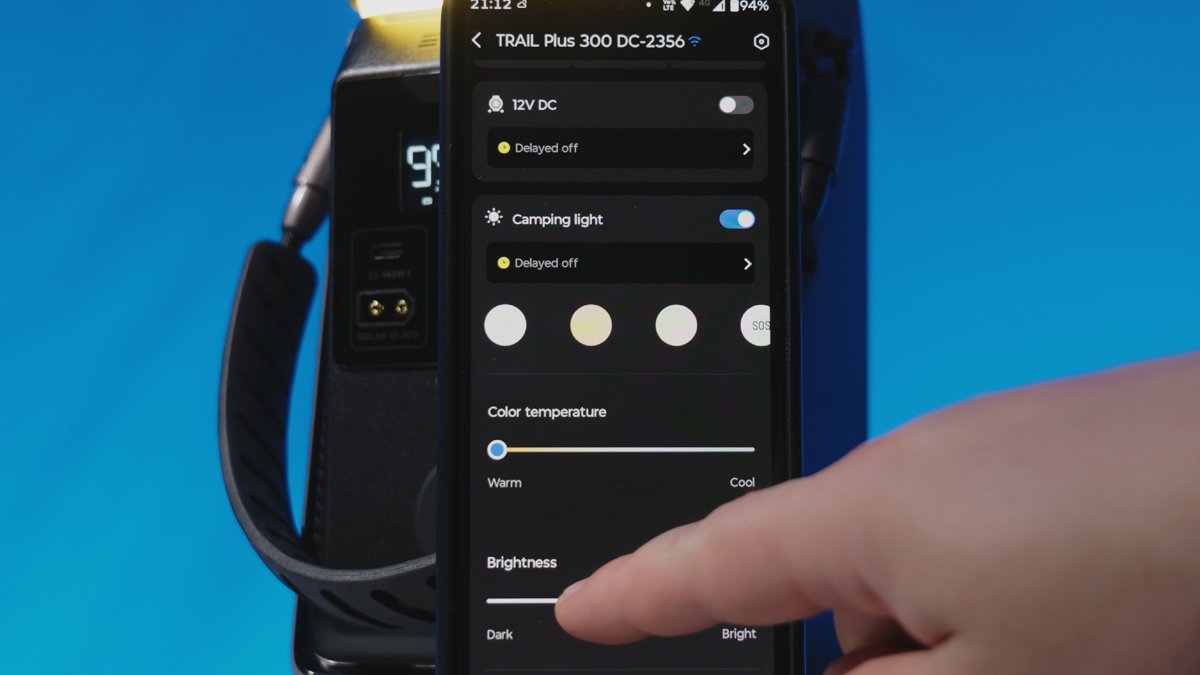
One limitation, however, is the inability to configure automatic shutdown for the output ports, which would have been a useful addition. This brings me to my practical experience with the device. In my case, the EcoFlow Trail Plus 300 DC has served as a temporary replacement for the EcoFlow Rapid 320 W charging station. It fulfills a similar role by requiring only a single power input while providing multiple outputs for charging and powering a range of devices.
Hands-On Experience
In practice, I use a large number of USB-powered accessories, making this type of device particularly useful. Since the Trail Plus 300 DC supports pass-through charging and accepts up to 140 W of input power, it can remain connected to the mains while simultaneously serving as a high-capacity charging hub. In this configuration, it provides four native USB ports, with the option to add two more by connecting a dual-port USB charger to the integrated 12 V automotive socket.

In practice, this allows me to keep most of the devices I use on a daily basis connected at the same time. These include the Tozo NC9 earbuds, the Bigme B751C smart e-reader, the GoPro Hero 12 Black action camera, the Motorola Edge 50 Ultra smartphone, the Lenovo Tab K11 Plus tablet, the Prestigio Click&Touch 2 keyboard, the Ulanzi D100H wireless module, the SmallRig DMW-BLK22 battery charger, and several other USB-powered accessories.



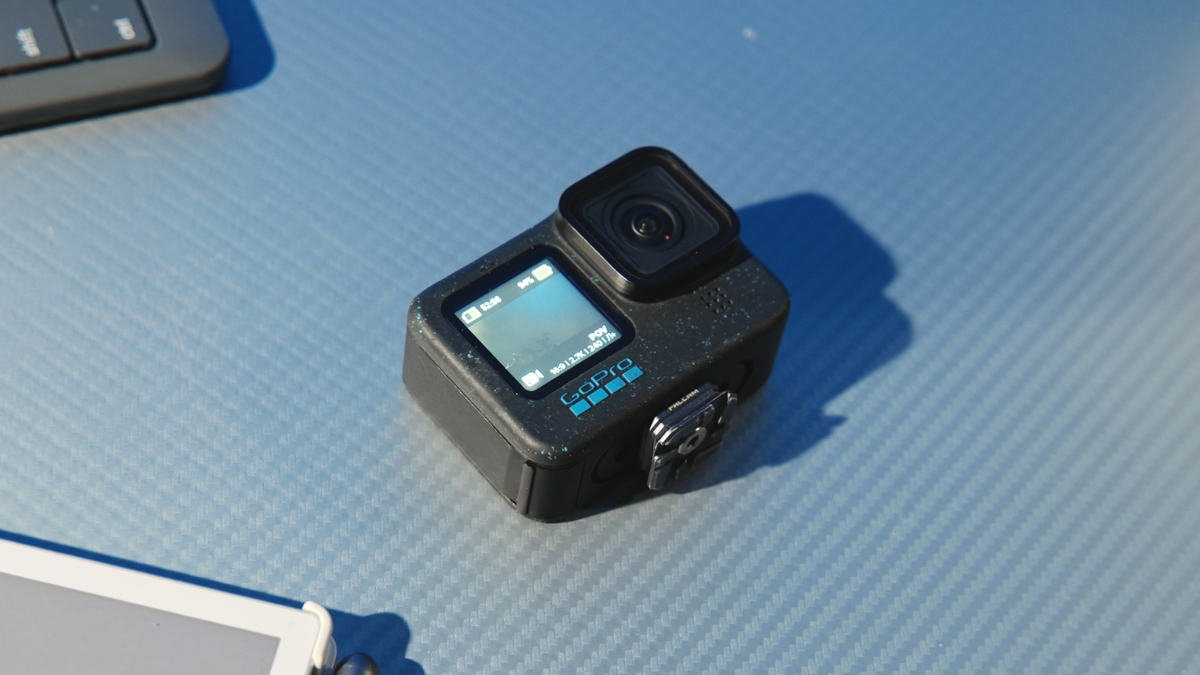

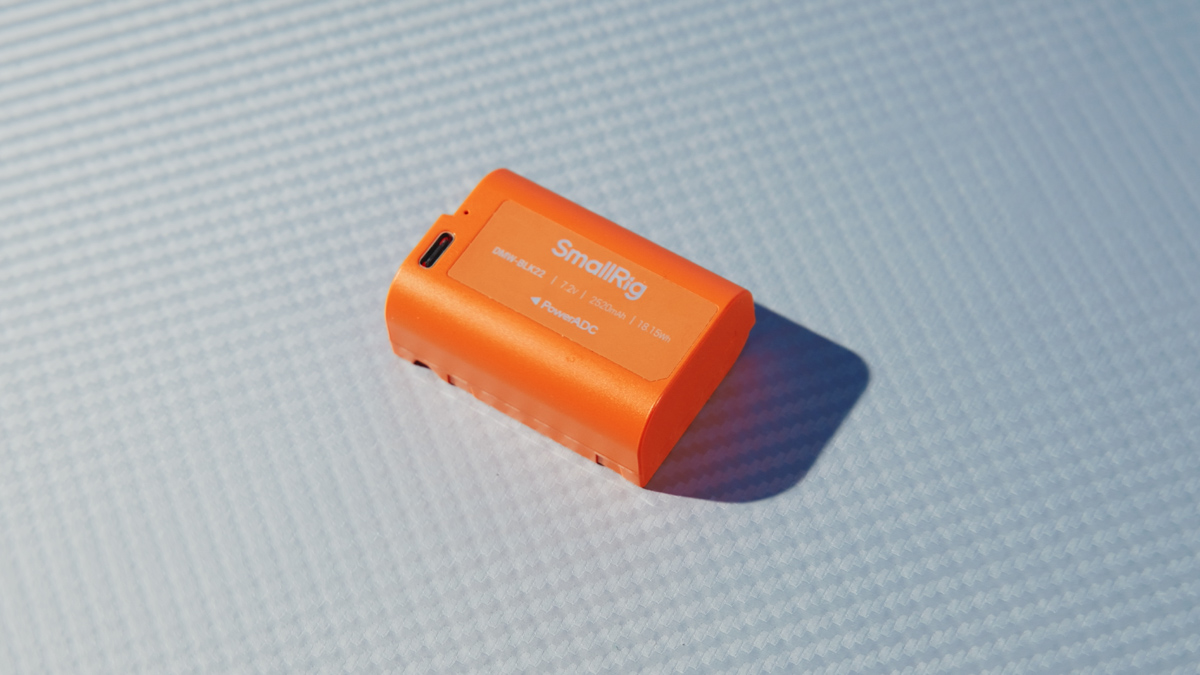
As a result, I now have a dedicated charging hub for all of these devices – one that continues operating even during a power outage. In addition to charging multiple accessories, it can power a 15 W studio light for up to 19 hours or keep my ASUS ProArt P16 laptop running for nearly three hours.

Admittedly, NCM batteries offer lower long-term durability than LFP cells. Even so, if the unit were to undergo one full charge-discharge cycle per day – for example, due to a daily power outage – the battery in the EcoFlow Trail Plus 300 DC would still be expected to provide more than two years of reliable operation while retaining at least 80% of its original capacity.

That said, if you experience power outages on a daily basis, the Trail 300 DC is likely the more practical choice. It offers the same 288 Wh battery capacity, supports pass-through charging, and includes a 12 V automotive output. The trade-offs are the lack of software integration and one fewer USB-C port compared to the Trail Plus 300 DC.
Drawbacks
One limitation I encountered involves charging other power banks from the Trail Plus 300 DC. Using standard USB Type-C to Type-C cables can be unreliable in this scenario, so in practice it is often necessary to use a USB Type-C to Type-A cable instead.

Another minor drawback is the placement of all I/O ports on the front panel. Having at least one connector on the side or rear of the unit would make cable management considerably more convenient in many use cases. The enclosure is also not designed for wet environments. Its IP30 rating provides protection against solid objects but offers no resistance to water ingress.
Conclusion
Overall, this neatly summarizes the Trail Plus 300 DC‘s positioning. While it is capable of fulfilling the same roles as the lower-tier models, it is clearly designed with portability and travel use in mind.

Whether you’re charging devices by the campfire with the mountains in the background or bringing it back home to keep your router running via a DC-to-USB Type-C adapter, the Trail Plus 300 DC adapts well to a wide range of scenarios. High-capacity, well-designed, and highly versatile, it is a portable power solution that I can confidently recommend.
Where to buy EcoFlow TRAIL Plus 300 DC