



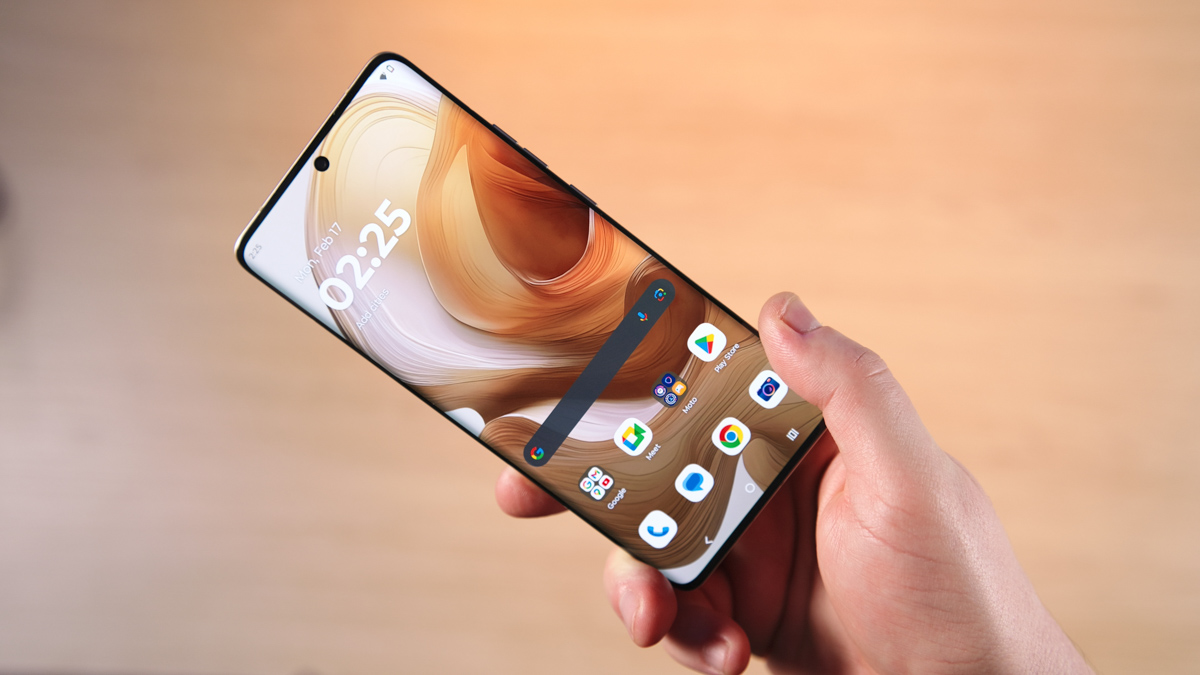

© ROOT-NATION.com - Use of content is permitted with a backlink.
The Motorola Edge smartphone series has undergone a complex yet illustrative evolution – from an experimental project to one of the brand’s key lineups. The series demonstrates that advanced mobile technology does not necessarily require a flagship price, and that a well-considered balance of performance, functionality, and cost can establish a distinct position in the market.
Read also: Motorola smartphone reviews
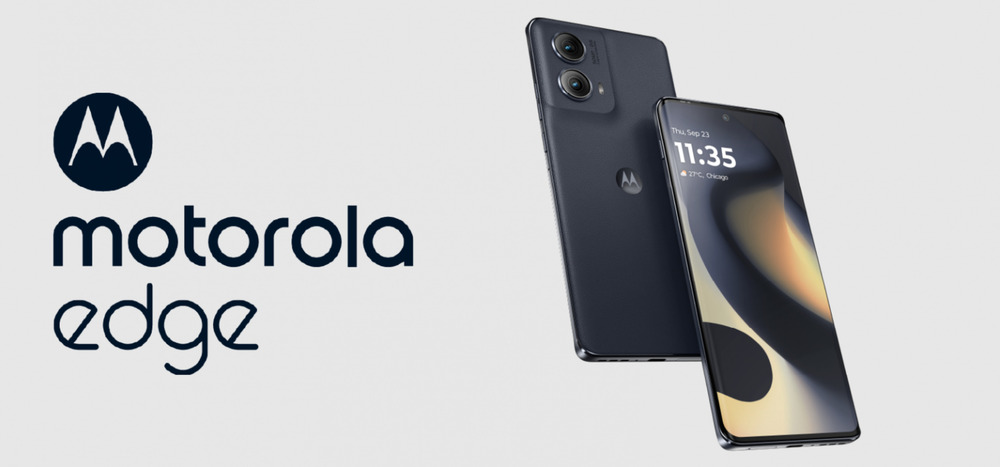
Next, we will examine the history of the series’ development, its key milestones, and the technological breakthroughs that have shaped the company’s current identity. We will also assess the objectives Motorola has set for the coming years. This is a story not only about smartphones but also about the revival of a brand that once played a defining role in the future of mobile communications.
Read also: Motorola RAZR V3 Retro Launcher Now Available for Any Android Device
TABLE OF CONTENTS:
Early Steps
At the beginning of 2020, Motorola, a brand with an almost iconic history in mobile technology, sought to reassert itself in a segment it had long neglected – the premium market. After an extended focus on budget and mid-range devices, the company made an ambitious move with the launch of the Motorola Edge and Edge+. This was more than a typical product release; it signaled Motorola’s intent to return to the higher tier of smartphones, where Samsung, Apple, and other tech leaders had long held dominance.
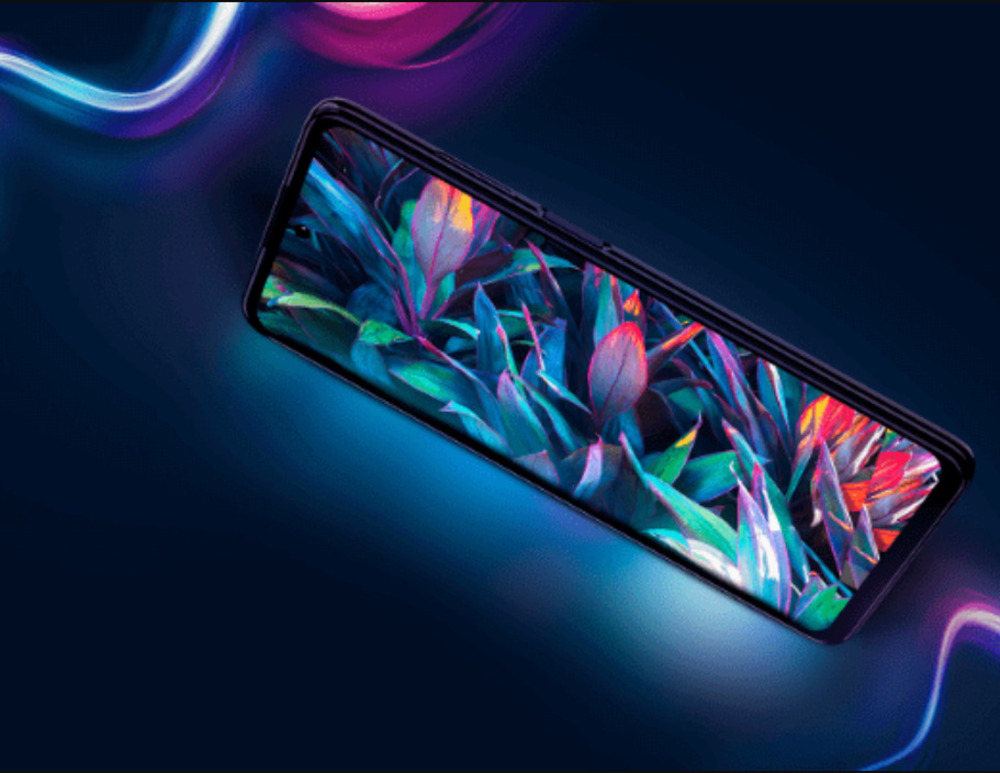
A key feature intended to emphasize the devices’ premium character both visually and technologically was the Endless Edge display – a dual-curved AMOLED screen creating a pronounced “infinity” effect. This design element not only enhanced the phone’s visual appeal but also reflected Motorola’s renewed willingness to experiment with form and the user interaction experience.
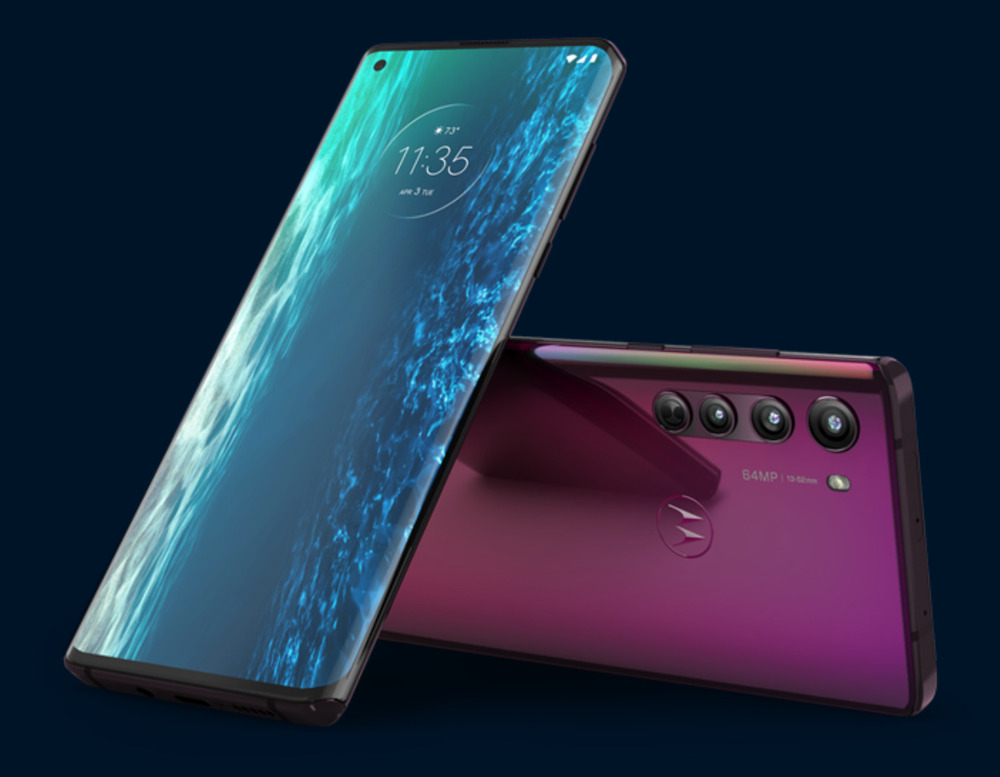
From a technical perspective, the Motorola Edge was equipped with the Snapdragon 765G – a capable chip aimed at the upper mid-range segment – while the Edge+ was a true flagship featuring the Snapdragon 865, a 108-megapixel camera, a large battery, and 5G support. With these devices, Motorola positioned itself as a competitor to the Samsung Galaxy S series, seeking to combine “stock” Android, high performance, and the brand’s characteristic user-friendly approach, long appreciated by fans since the classic Razr phones.
Market reaction was cautiously positive. Reviewers highlighted the impressive display, well-balanced camera, and clean software experience without unnecessary bloat. At the same time, they noted the high price, limited availability outside the U.S., and lingering uncertainty regarding Motorola’s update policy – a historically weak point for the company.
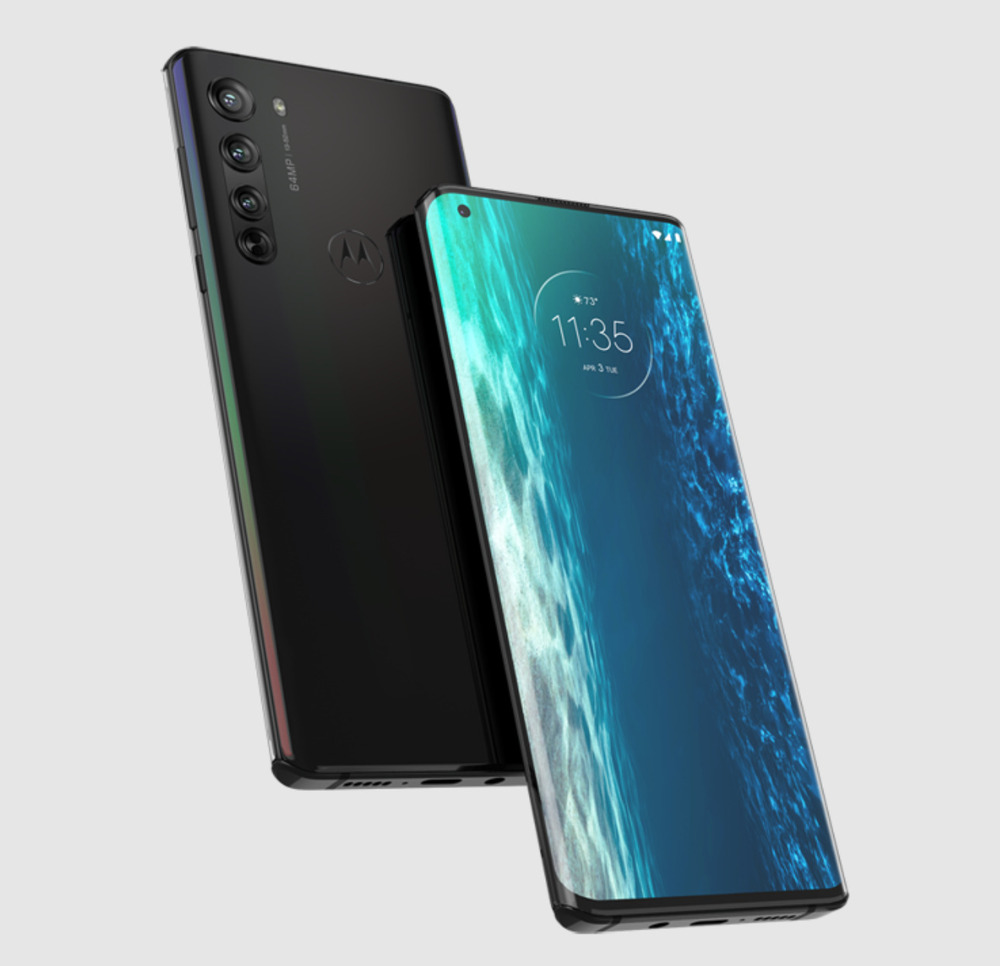
Despite mixed reviews, the Edge series represented a significant milestone: it brought Motorola back into the premium conversation and laid the groundwork for further experiments – from the foldable Razr to successive Edge generations with improved camera systems and a stronger focus on software stability.
It was not a triumph, but it marked the first tangible step in rehabilitating the brand in the high-end smartphone segment – a reminder that Motorola remains capable of producing not just functional devices, but also distinctive products with their own character.
Second Generation: Edge 20 Series (2021)
In 2021, Motorola continued to redefine its flagship strategy with the launch of the Edge 20 series, comprising three models: Edge 20 Lite, Edge 20, and Edge 20 Pro. This time, the company focused not only on design and the “novelty effect” but also on rational market segmentation: each model was clearly positioned for a specific type of user, ranging from technology enthusiasts to those seeking an optimal balance between price and features.
Motorola Edge 20 Pro – the main tech flagship
The Edge 20 Pro drew the most attention in the series. For the first time in the brand’s history, the smartphone featured a periscope telephoto lens with 5× optical zoom, positioning Motorola among manufacturers capable of delivering advanced mobile photography comparable to the Galaxy S21 or Huawei P series. The primary 108 MP camera used a Samsung sensor, supported 8K video recording, and included optical image stabilization.
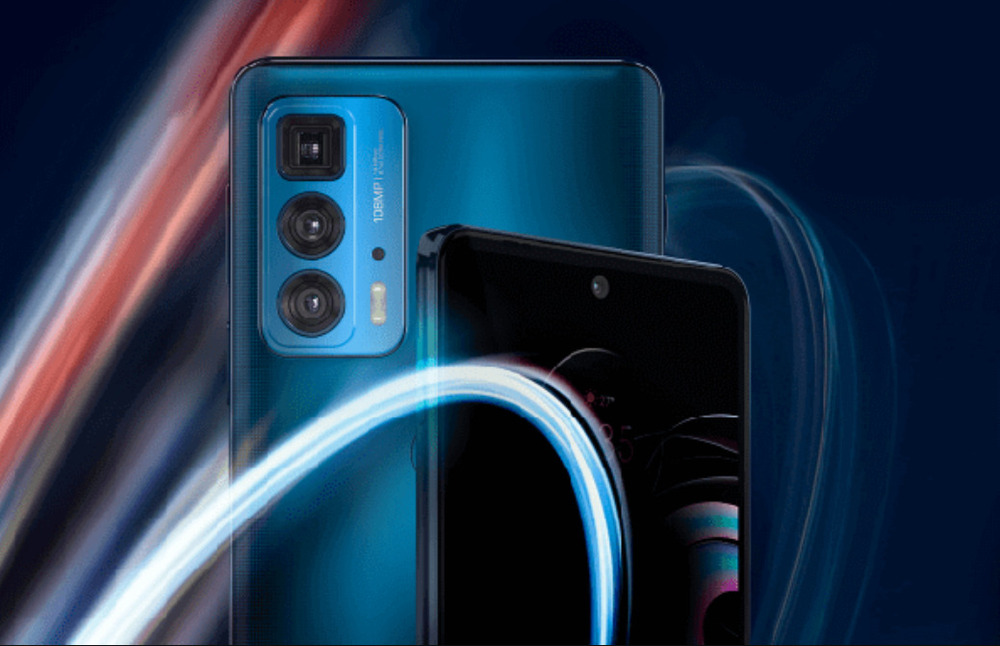
The device was powered by the Snapdragon 870 – a flagship-level processor offering a balance of high performance, energy efficiency, and thermal stability, positioned as a compromise between the Snapdragon 888’s raw power and heat management. It was complemented by 12 GB of RAM, 256 GB of storage, and a 4,500 mAh battery with 30 W TurboPower fast charging.
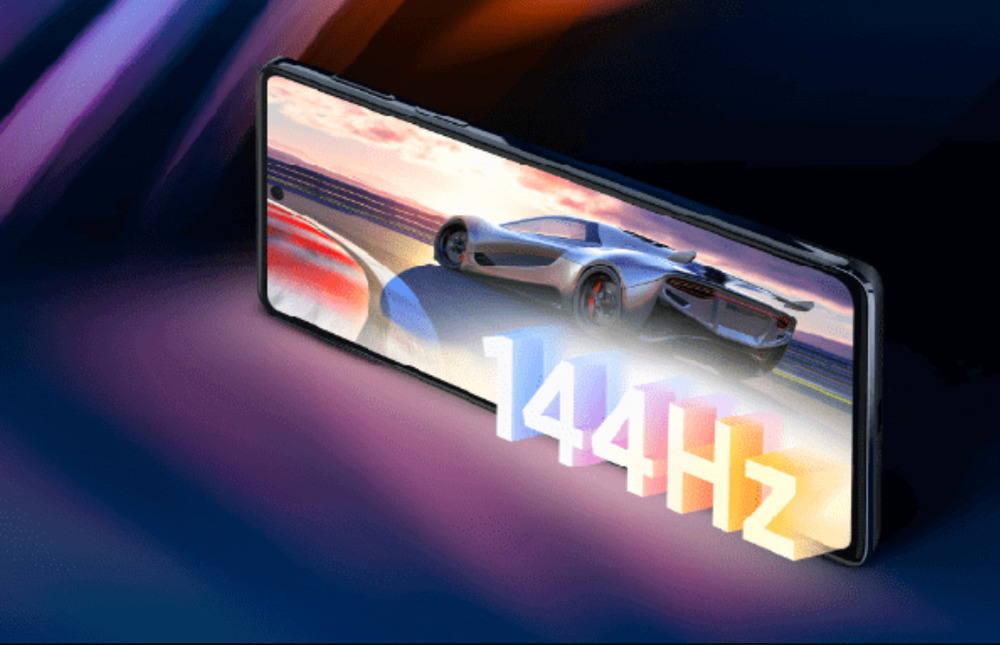
The display was a standout feature: a 6.7-inch OLED panel with a 144 Hz refresh rate, HDR10+ support, and accurate color reproduction. Overall, these specifications created a device that could be considered a true next-generation Motorola flagship – technologically advanced without unnecessary embellishment.
Read also: Motorola Moto G86 Review: Smartphone That Outclasses the Competition
Motorola Edge 20 – balanced mid-range
The mid-range model, Edge 20, effectively represented the “sweet spot” of the series. It retained the 144 Hz OLED display, was powered by the Snapdragon 778G, and featured a triple camera setup (108 + 16 + 8 MP). Its standout characteristic, however, was its remarkably slim body, measuring just 6.99 mm in thickness, making it one of the thinnest 5G smartphones of its time.
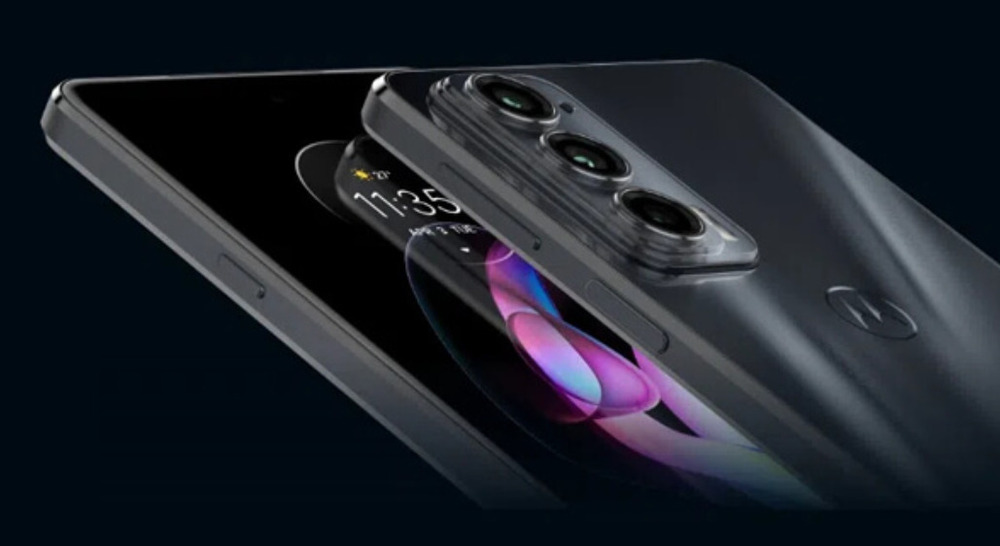
Motorola positioned the Edge 20 as a smartphone for users seeking a flagship experience without the flagship price: a powerful processor, an excellent display, fast and responsive interface, and stock Android without additional modifications.

Motorola Edge 20 Lite – affordable yet modern
The entry-level model, Edge 20 Lite, was aimed at mainstream users. It featured a MediaTek Dimensity 720 chip, a 108 MP camera, a 90 Hz OLED display, and a large 5,000 mAh battery.
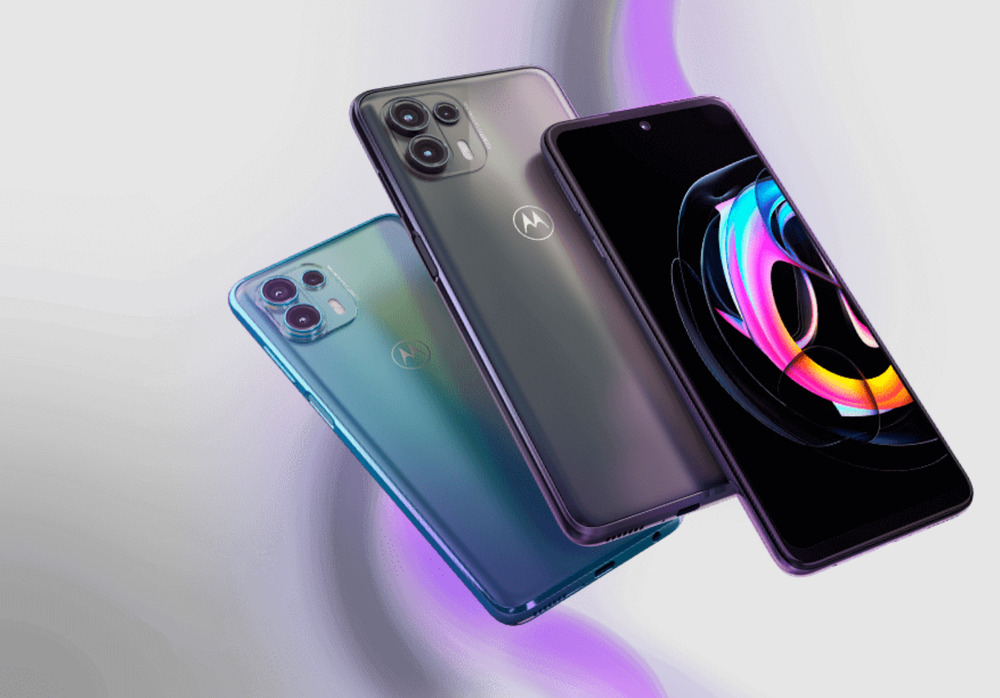
Despite its more modest specifications, the device maintained a premium appearance and supported 5G – a feature that was still uncommon in the sub-$400 segment at the time.
A change in design philosophy
It is also worth noting the shift away from the extreme curved displays that had previously become a hallmark of the Edge series. Following numerous user complaints about accidental touches and edge glare, Motorola moved to flat OLED panels. This decision demonstrated the company’s willingness to listen to the market and prioritize practicality over purely visual effects.
As a result, the Edge 20 lineup was more than just a continuation of its predecessor; it represented a significant update, showing that Motorola can adapt to current trends and deliver technologically competitive smartphones across different price segments – from an affordable 5G device to a true flagship with optical zoom and a premium display.
Read also: Moto Watch Fit Review: A Practical Companion for an Active Lifestyle
Line Expansion: Edge 30 Series (2022)
In 2022, Motorola significantly expanded the Edge series, launching five models at once: Edge 30 Pro, Edge 30, Edge 30 Fusion, Edge 30 Neo, and Edge 30 Ultra. This lineup represented a logical continuation of the strategy introduced the previous year: covering all key price segments – from flagship to mid-range – while retaining recognizable brand characteristics such as stock Android, high-quality OLED displays, and fast charging.
Motorola Edge 30 Ultra – A Breakthrough Setting a New Standard
The Edge 30 Ultra flagship represented Motorola’s most ambitious model in recent years. It was the world’s first smartphone with a 200 MP camera, built on the Samsung ISOCELL HP1 sensor, capable of 8K video recording and pixel-binning up to 2.56 μm for improved low-light performance. The camera system also included a 12 MP telephoto lens with 2× optical zoom and a 50 MP ultra-wide camera with autofocus.
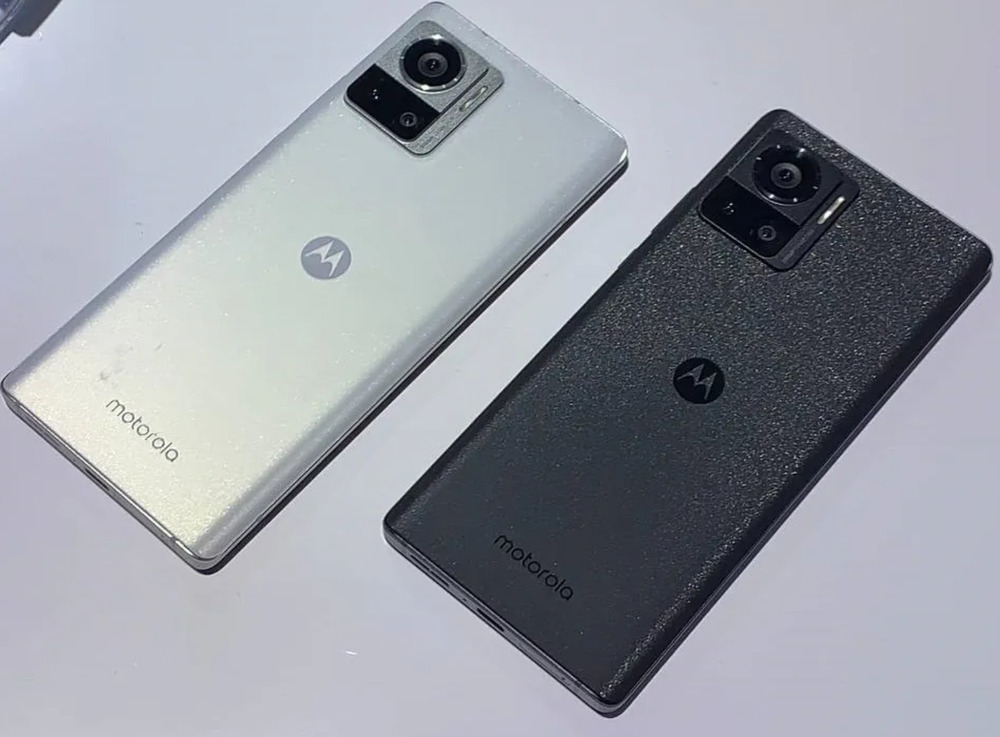
The smartphone was powered by the Snapdragon 8+ Gen 1, Qualcomm’s most powerful processor that year, paired with up to 12 GB of LPDDR5 RAM and 512 GB of UFS 3.1 storage. This configuration delivered flagship-level performance comparable to Samsung and Xiaomi devices, but with lower heat output and more stable operation.
The 6.67-inch OLED display offered Full HD+ resolution, a 144 Hz refresh rate, HDR10+ support, and peak brightness exceeding 1,200 nits. Additional features included 125 W fast charging, which could refill the 4,610 mAh battery in under 20 minutes, and 50 W wireless charging – a capability uncommon even among flagship devices.
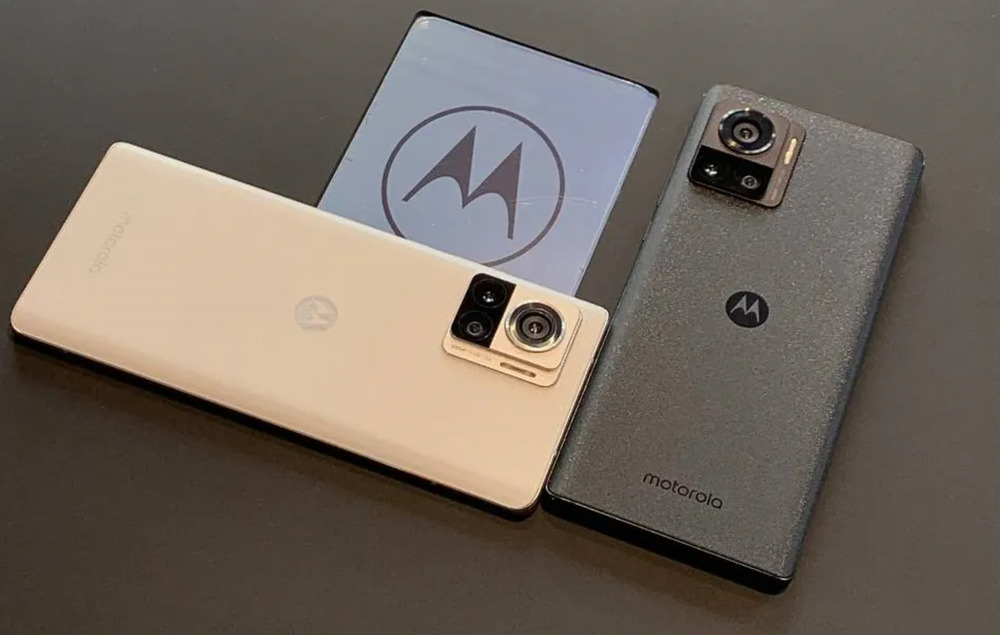
The Edge 30 Ultra effectively became a showcase for Motorola’s capabilities, demonstrating that the company could not only catch up to competitors but also introduce technological innovations ahead of the market.
Motorola Edge 30 Pro – Classic Flagship Without Compromises
The Edge 30 Pro was positioned as the main flagship, offering a more balanced and accessible alternative to the Ultra. It featured the Snapdragon 8 Gen 1, 12 GB of RAM, a 6.7-inch 144 Hz OLED display, and a triple camera setup (50 + 50 + 2 MP) with 8K video recording support.
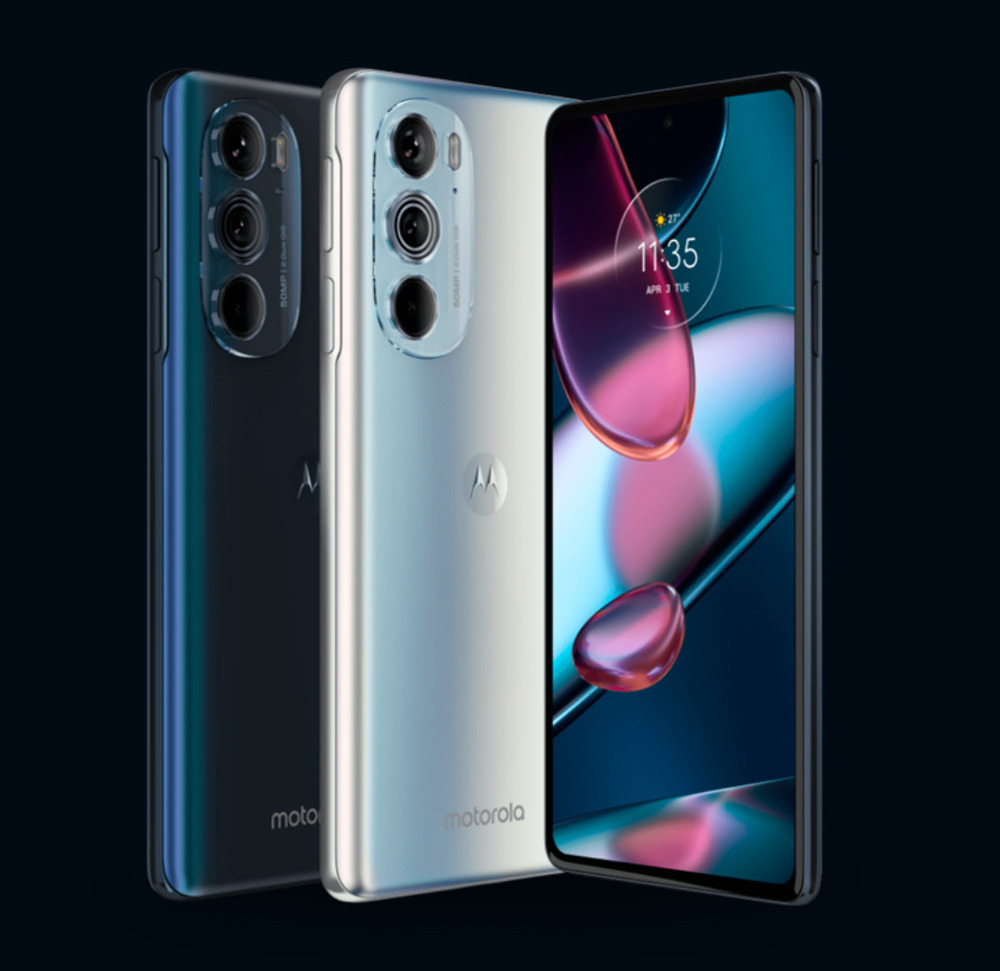
A notable feature of the model was support for the Motorola Smart Stylus and the ability to connect to an external monitor via Ready For mode, effectively turning the smartphone into a desktop-like experience. This approach drew parallels with Samsung’s DeX concept.
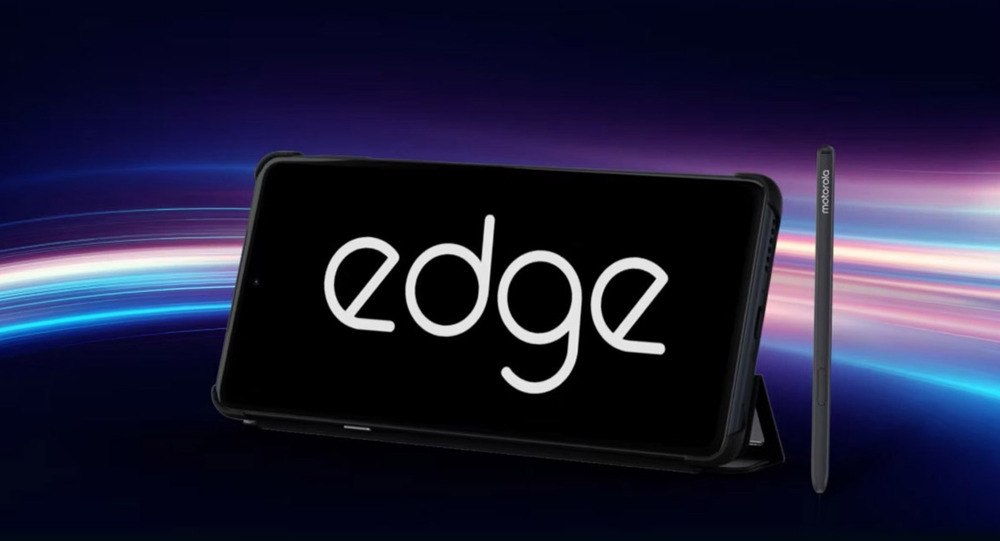
The Edge 30 Pro offered a strong balance of flagship performance and price, making it popular among users seeking high performance without paying a premium.
Read also: Motorola Moto Buds Loop Review: More Than Just a Stylish Accessory
Motorola Edge 30 Fusion – a sophisticated balance
The Edge 30 Fusion turned out to be one of the most successful smartphones in the series. Its design – metal and glass with a matte finish – looked almost identical to the flagships, but the price was significantly lower.
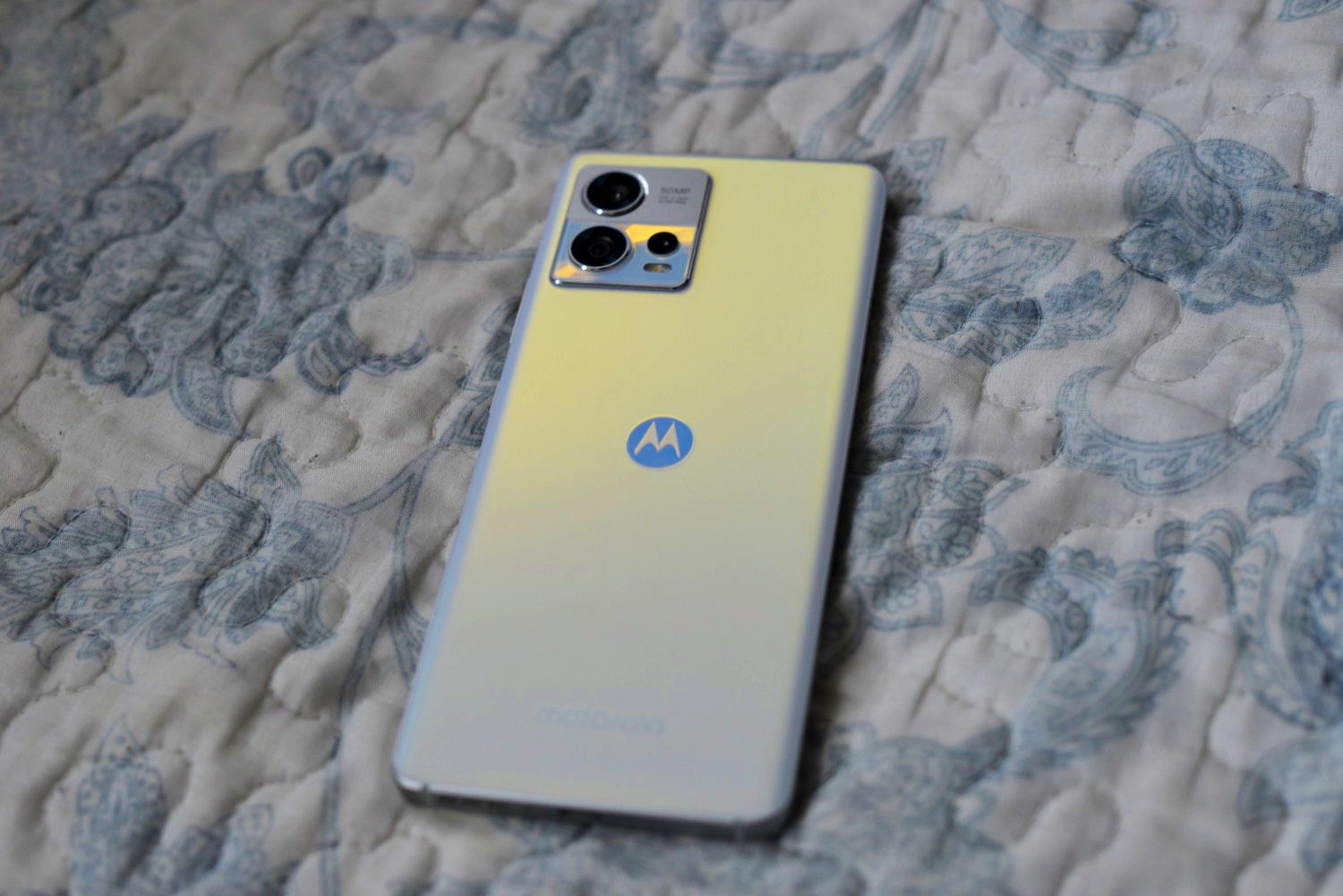
Under the hood, the device featured a Snapdragon 888+, a 6.55-inch OLED display with a 144 Hz refresh rate and HDR10+ support, a 50 MP main camera with optical image stabilization, a 13 MP ultra-wide sensor, and a 2 MP depth sensor.
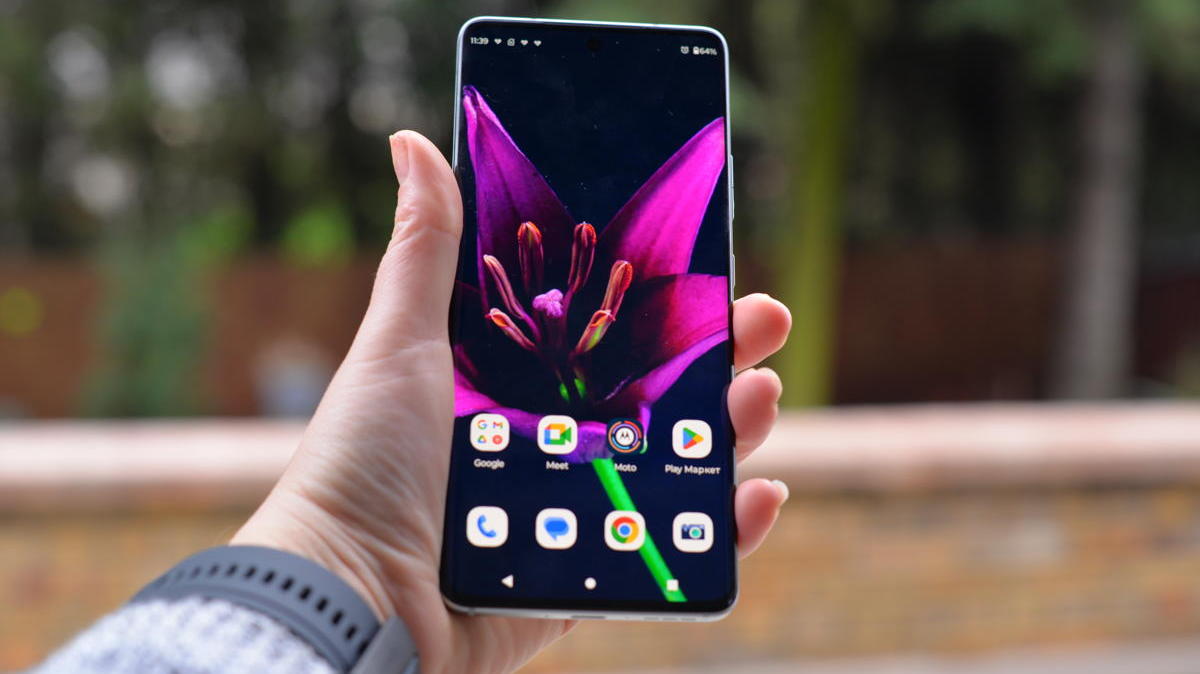
With a 4,400 mAh battery and 68 W fast charging, the Fusion became an optimal choice for users seeking a “near-flagship” experience with a better balance of battery life, performance, and cost.
Motorola Edge 30 – Minimalism and Speed
The standard Edge 30 emerged as one of the thinnest 5G smartphones in the world, measuring just 6.8 mm in thickness. It retained a 6.5-inch 144 Hz OLED display, was powered by the Snapdragon 778G+, and featured a triple camera setup (50 + 50 + 2 MP) capable of 4K video recording.
The smartphone targeted users who prioritize speed, lightweight design, and a clean Android experience without requiring full flagship capabilities. Despite its slim profile, Motorola retained a 4,020 mAh battery with 33 W fast charging support.
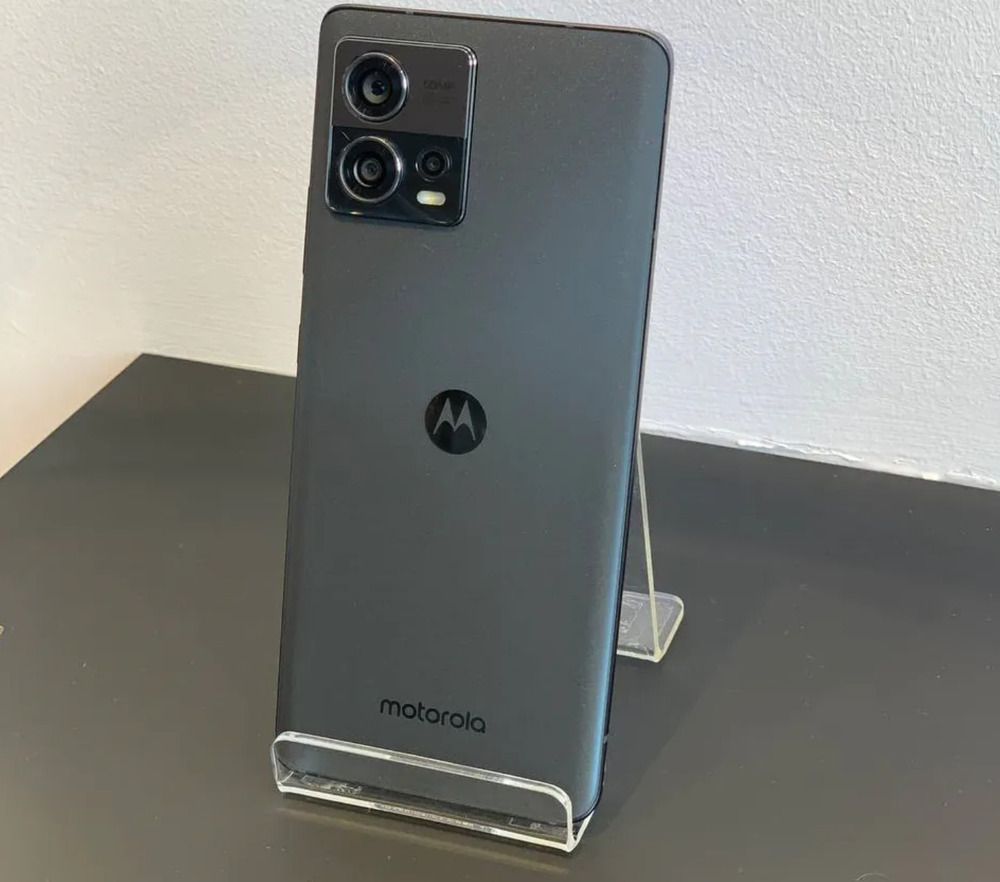
Motorola Edge 30 Neo – Style Above All
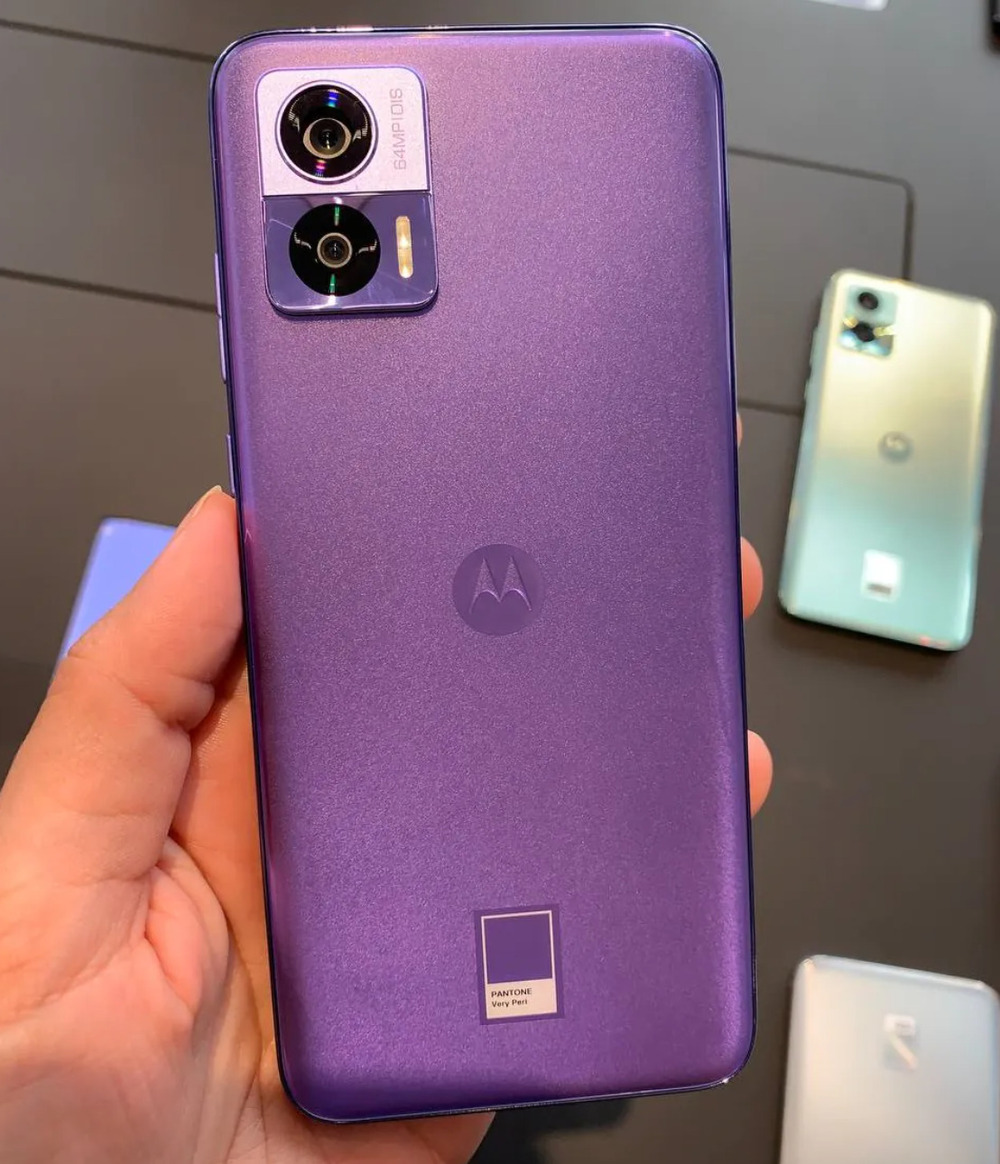
The Edge 30 Neo was the most compact and fashion-oriented model in the lineup. Developed in collaboration with Pantone, each color variant featured a certified Pantone shade, giving the device the feel of a stylish accessory rather than just a gadget.
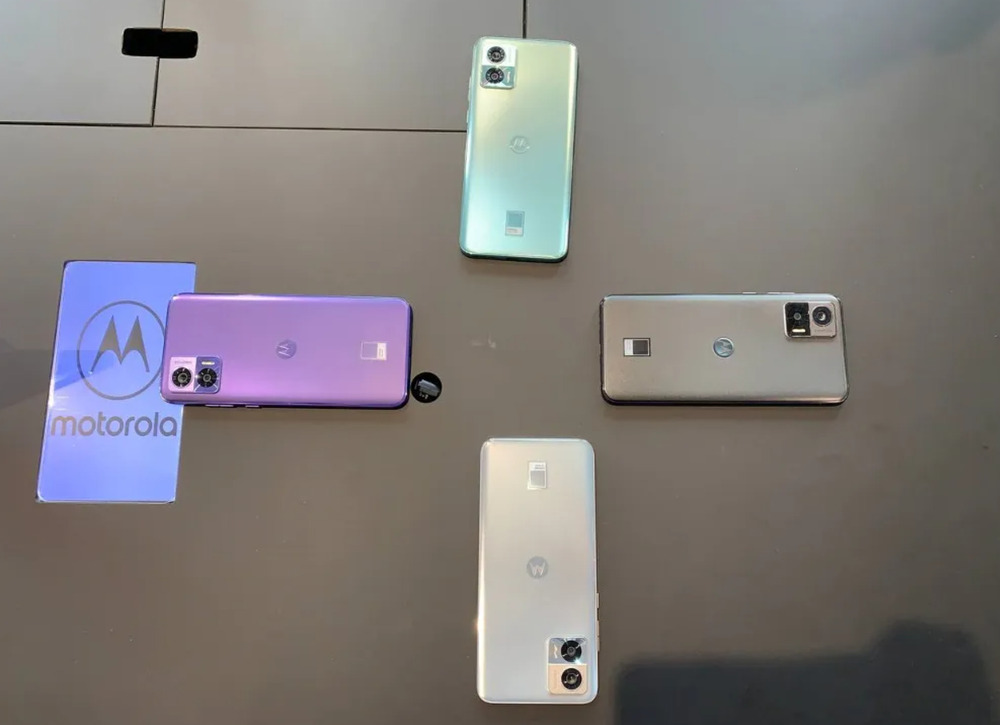
It was powered by the Snapdragon 695 5G, featured a 6.3-inch 120 Hz OLED display, a 64 + 13 MP camera setup, and a 4,020 mAh battery with 68 W fast charging. Weighing just 155 grams, the device was ideal for users seeking a compact smartphone without compromising on quality.
Read also: Motorola Edge 60 Pro Review: Two Steps Forward, One Step Back
Overall, this strategy proved successful. The Edge 30 series marked a turning point for Motorola, showcasing a complete lineup capable of competing across all segments – from affordable 5G models like the Neo to ultra-flagship devices such as the Ultra.
This generation confirmed that Motorola is no longer trying to simply “catch up” with competitors – the company has defined its place in the market and plays by its own rules, focusing on clean Android, fast charging, thoughtful design, and reliable performance.
Strengthening positions: Edge 40 series (2023)
In 2023, Motorola continued the evolution of the Edge series, transforming it from a recognizable lineup into a defining symbol of the refreshed brand. The Edge 40 lineup – consisting of the Edge 40 Pro, Edge 40, and Edge 40 Neo – solidified the company’s presence in the premium and upper mid-range segments. Unlike previous generations, the focus was not only on technical specifications but also on visual identity: sleek design, slim profiles, curved pOLED displays, and premium materials combined to create a cohesive style that sets Motorola apart from competitors.
Motorola Edge 40 Pro – Flagship Without Compromise
The Edge 40 Pro was a true showcase of Motorola’s technological maturity. The device featured the Snapdragon 8 Gen 2 chipset, built on a 4nm process – Qualcomm’s most powerful solution at the time, offering top-tier performance and excellent energy efficiency. Combined with up to 12 GB of LPDDR5X RAM and 256 or 512 GB of UFS 4.0 storage, the smartphone delivered performance on par with flagship models from Samsung and Xiaomi.
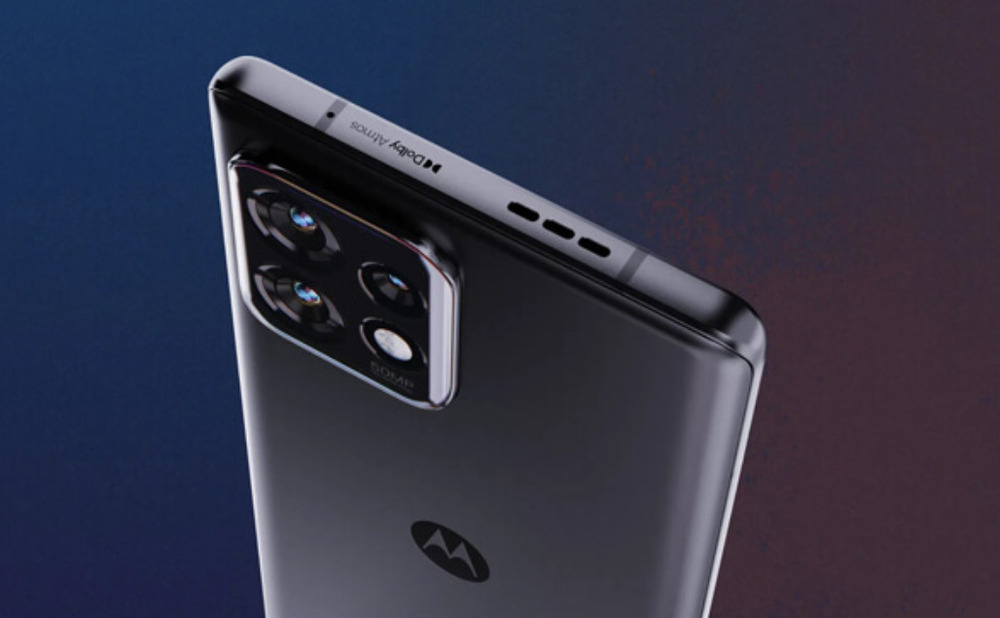
The standout feature of the Edge 40 Pro was its 6.67-inch pOLED display, boasting a 165 Hz refresh rate, Full HD+ resolution, HDR10+, and peak brightness exceeding 1300 nits. The screen delivered exceptional smoothness, while the curved edges created a near “bezel-less” effect.
The camera system also received a major upgrade:
- Main module: 50 MP with optical image stabilization (OIS)
- Ultra-wide: 50 MP with autofocus and macro capabilities
- Telephoto: 12 MP for portrait shots with 2× optical zoom
The 60 MP front-facing camera supported 4K video, appealing especially to bloggers and content creators.
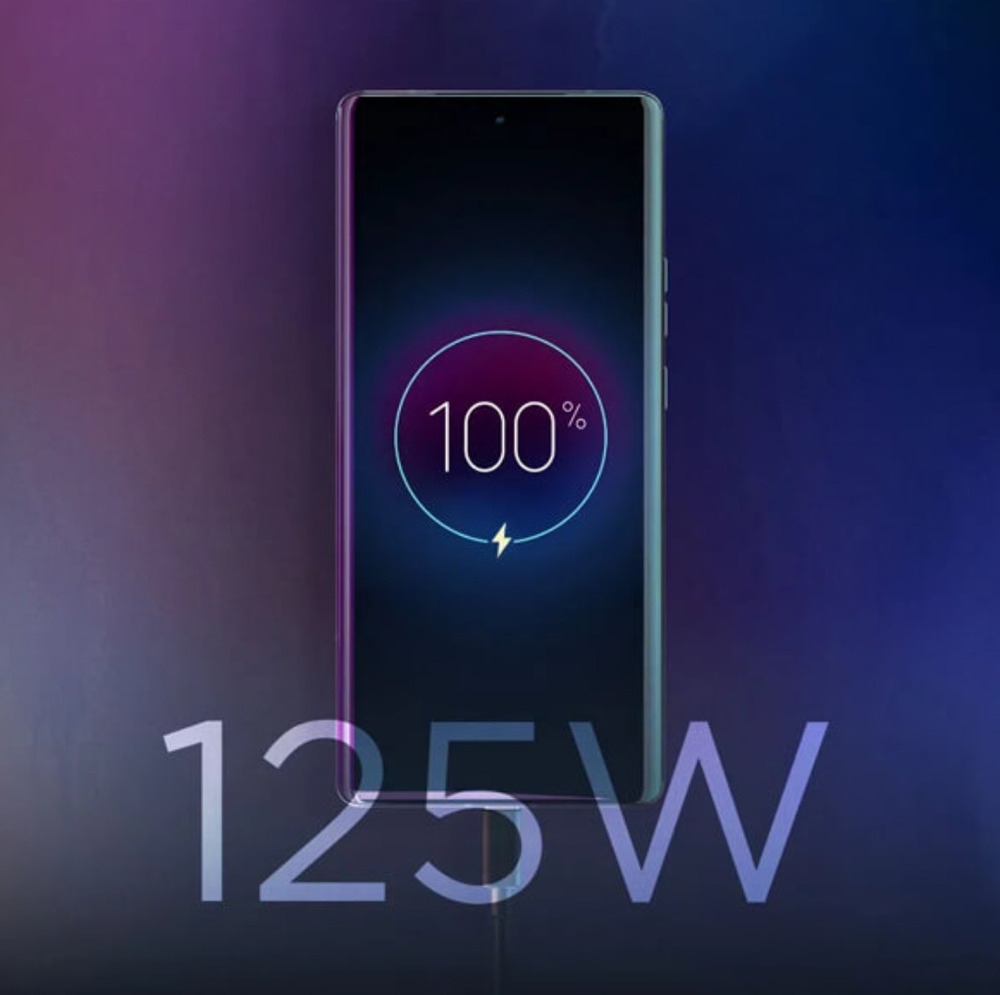
The Edge 40 Pro featured a 4600 mAh battery supporting 125 W fast charging, 15 W wireless charging, and even reverse charging. A full charge took less than 25 minutes. The smartphone also offered IP68 water and dust resistance, a Gorilla Glass Victus body, and support for Motorola’s Ready For platform, which could transform the device into a desktop PC or multimedia hub.
Motorola Edge 40 – slim, stylish, and balanced
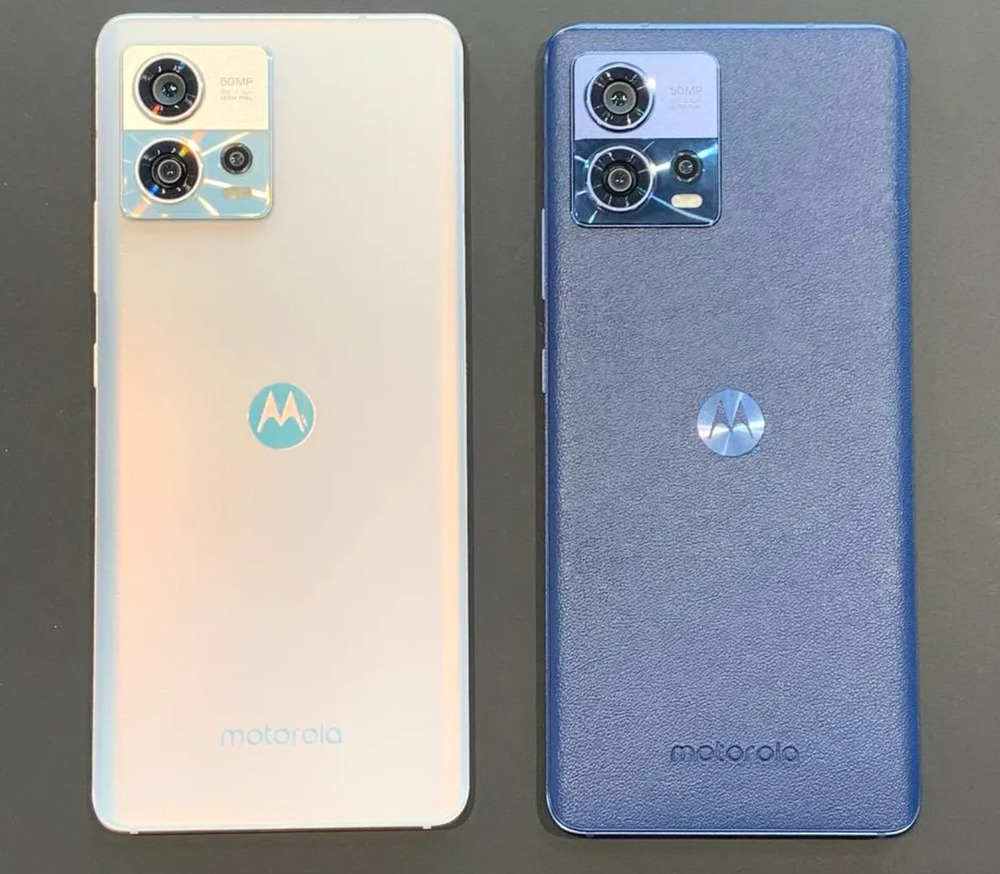
The younger, yet equally appealing model, Edge 40, became a benchmark in aesthetics and ergonomics. With a thickness of just 7.6 mm, the smartphone stood out for its exceptionally thin body featuring eco-leather covering, providing a pleasant tactile feel and scratch protection.
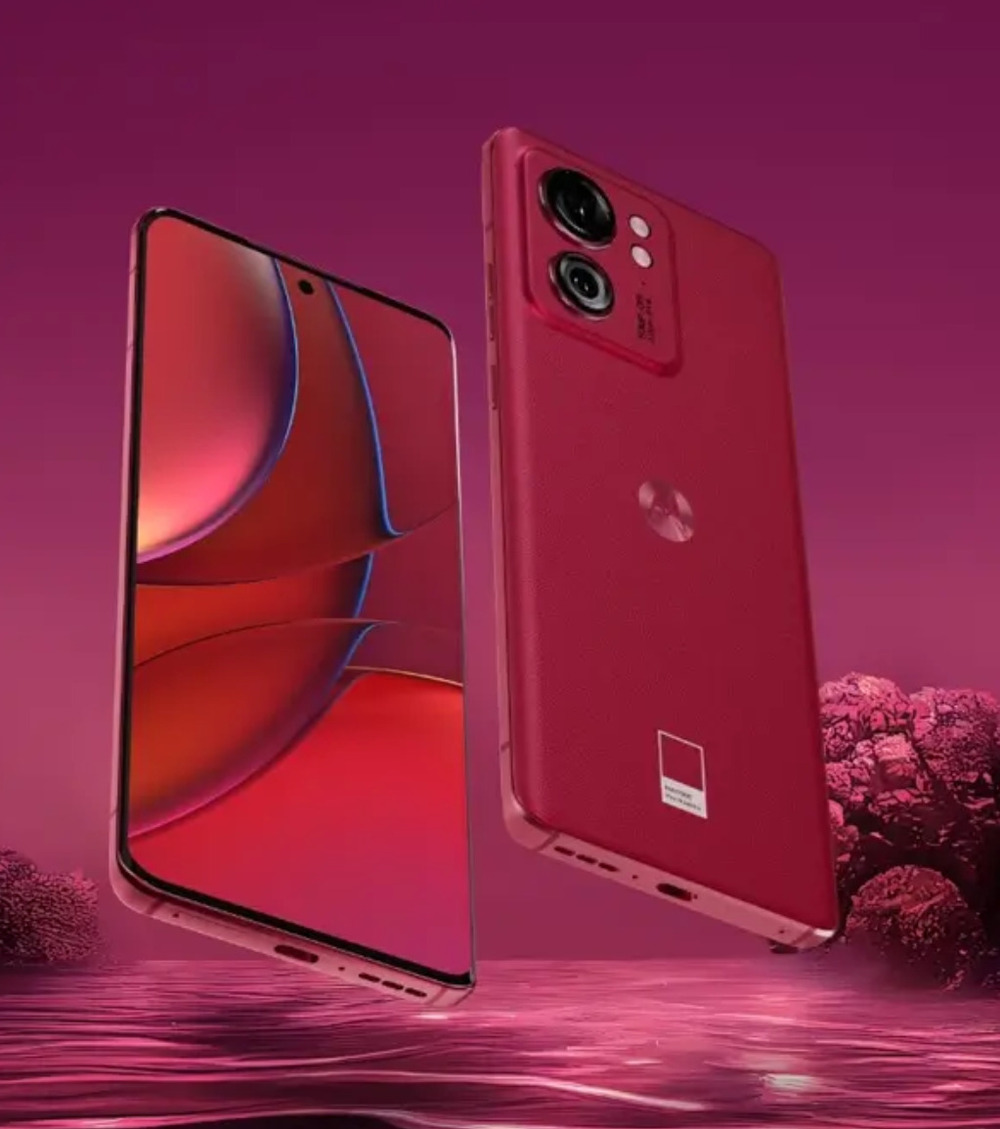
The Edge 40 was powered by the MediaTek Dimensity 8020 chipset, offering high speed and stability for everyday use. Paired with 8 GB of RAM and 256 GB of storage, the smartphone delivered smooth performance across a wide range of tasks – from gaming to multimedia consumption.
Read also: Inside Motorola Solutions: How Trust and Security Are Built
The device features a 6.55-inch pOLED display with a 144 Hz refresh rate, HDR10+ support, and peak brightness of up to 1200 nits. The camera system includes a 50 MP main sensor with optical image stabilization and a 13 MP ultrawide module. Photo and video quality proved to be solid, including in challenging lighting conditions, largely due to Motorola’s image-processing algorithms.
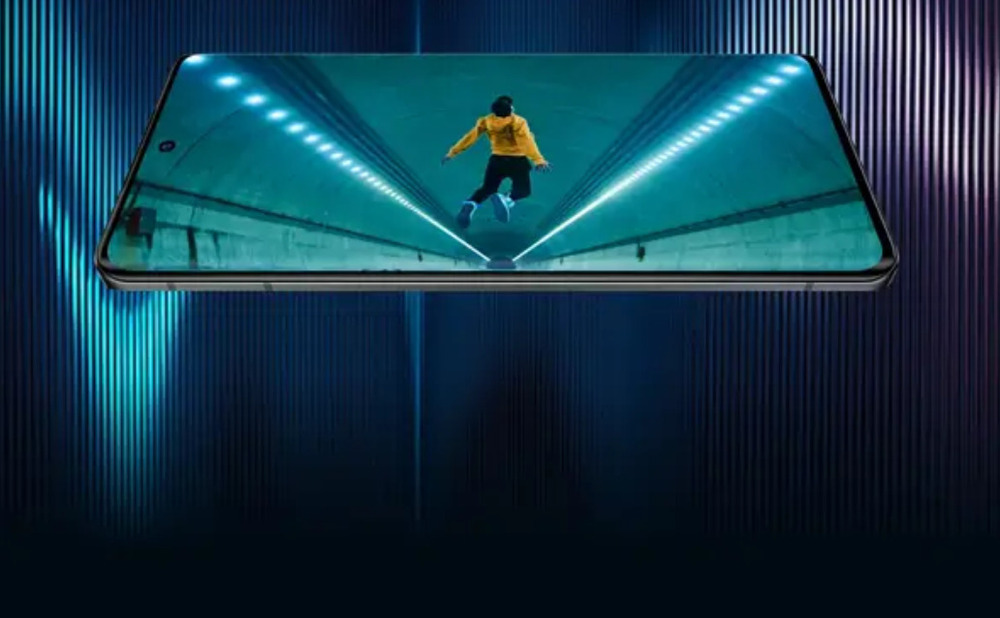
The Edge 40 also supported 68 W wired charging and 15 W wireless charging, which was relatively uncommon in its segment. Its 4400 mAh battery delivered up to a day and a half of use.
The model aimed to provide a “flagship-like experience without a flagship-level price,” which contributed to its strong popularity among Motorola devices in 2023.
Motorola Edge 40 Neo – distinctive design and accessible balance
The Edge 40 Neo once again demonstrated Motorola’s ability to combine design with practical hardware. Developed in collaboration with Pantone, the device features certified color options ranging from the understated Black Beauty to the more vivid Caneel Bay and Soothing Sea. These finishes give the smartphone a more expressive appearance that emphasizes style alongside functionality.
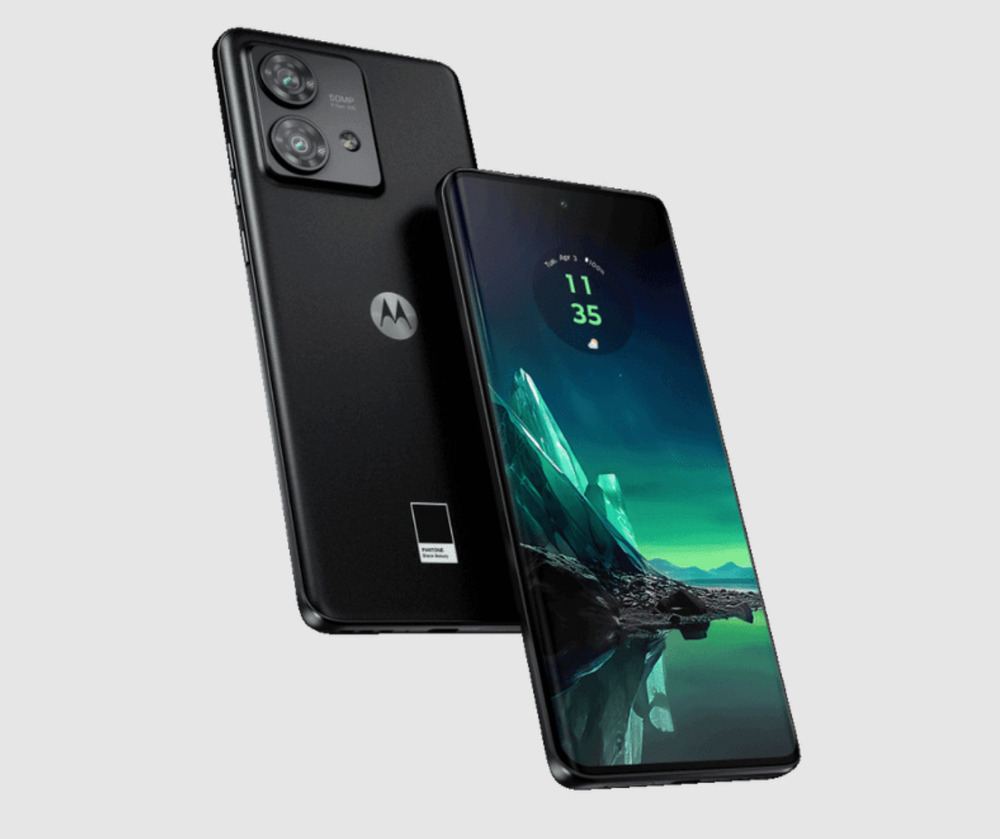
The Edge 40 Neo was equipped with a MediaTek Dimensity 7030 chipset, 8 or 12 GB of RAM, 256 GB of storage, and a 6.55-inch pOLED display with a 144 Hz refresh rate. The camera setup included a 50 MP main module with optical image stabilization and a 13 MP ultrawide unit, delivering competitive image quality for its price range.
The 5000 mAh battery supported 68 W fast charging, allowing the device to reach 50% in about 15 minutes. Despite the battery capacity, the smartphone remained relatively lightweight at 170 grams.
The Edge 40 Neo targeted users seeking a compact, lightweight smartphone with contemporary specifications, without stepping into flagship-level pricing.
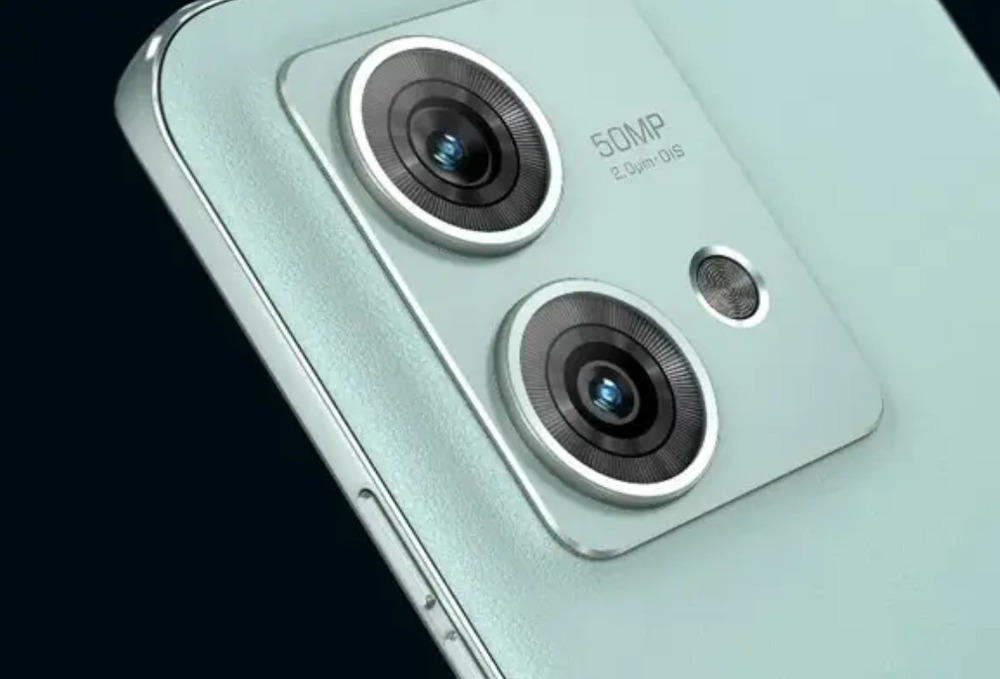
The Edge 40 series reflects the brand’s core approach: restrained design, a near-stock Android experience with minimal additions, pOLED displays, and an emphasis on performance and ease of use.
In 2023, Motorola demonstrated that it can combine style, modern technology, and practical features within a single lineup.
With the Edge 40 Pro, Edge 40, and Edge 40 Neo, the company strengthened its position among leading Android manufacturers. The series not only competes with larger brands but also establishes a recognizable identity of its own – clean design, fast performance, and a distinct Motorola character.
Read also: Motorola Edge 50 Ultra: What the Qualcomm Snapdragon 8s Gen 3 Is Really Capable Of
New Stage: Edge 50 Series (2024)
In 2024, Motorola moved to a higher level of market maturity, transitioning from a “flagship experimenter” to a full participant in the premium segment. The Edge 50 lineup represents the culmination of several years of brand development: instead of following competitors, the company now shapes its own direction, combining design, intelligent features, and strong performance.
The series includes four models – the Edge 50 Ultra, Edge 50 Pro, Edge 50 Fusion, and Edge 50 Neo – covering a range from a high-end flagship to a design-oriented mid-range device.
Motorola Edge 50 Ultra – ambitious flagship without major compromises
The Edge 50 Ultra is the most capable smartphone Motorola has produced to date and is positioned as a direct competitor to devices like the Samsung Galaxy S24 Ultra and Google Pixel 9 Pro.
It is powered by Qualcomm’s Snapdragon 8 Gen 3 chipset, which incorporates the company’s latest AI-focused architecture. This platform enhances tasks such as image processing, real-time translation, and adaptive power management.
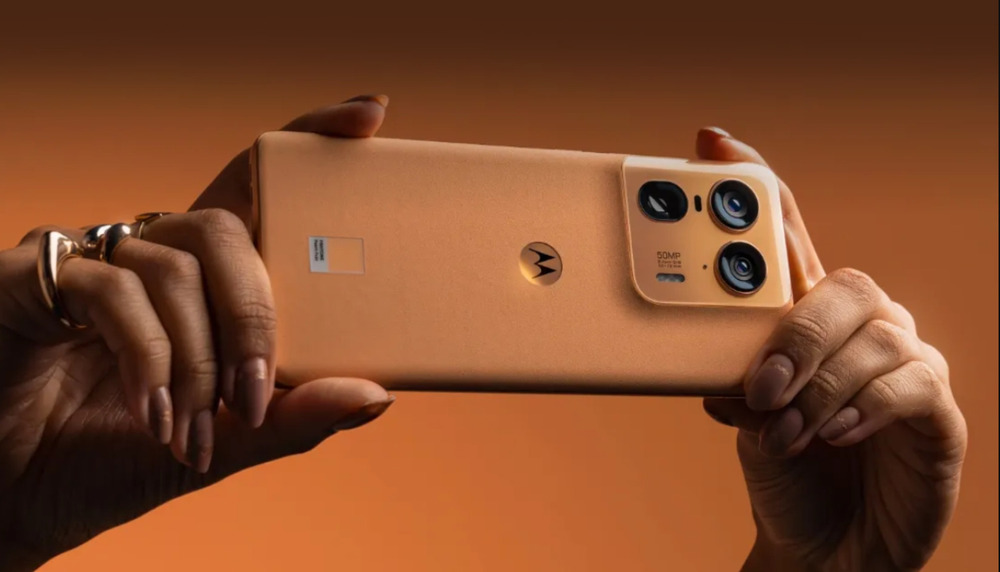
The device uses a 6.67-inch pOLED display with a 1.5K resolution, a 165 Hz refresh rate, peak brightness of 2500 nits, and HDR10+ support. The screen is protected by Gorilla Glass Victus 2 and features curved edges with very slim bezels, contributing to a more immersive viewing experience.
The main camera uses Motorola’s latest generation of AI-based optimization, marketed under the Moto AI name. The system consists of:
- a 200 MP primary module with optical image stabilization and adaptive pixel-binning,
- a 64 MP periscope telephoto lens with 3.5× optical zoom,
- a 50 MP ultrawide camera that also supports macro shooting.
The AI system can automatically identify scenes and adjust exposure, color, and sharpness in real time. It also adapts portrait background blur based on lighting conditions.

The Edge 50 Ultra offers up to 16 GB of LPDDR5X RAM, 1 TB of UFS 4.0 storage, a 5000 mAh battery, 125 W TurboPower fast charging, and 50 W wireless charging. The device also provides IP68 protection, stereo speakers with Dolby Atmos, Lenovo PC integration, and the updated Hello UI – a light Android 14-based interface with customization options and selected AI features.
Overall, the Edge 50 Ultra represents Motorola’s move back into the premium segment with a fully equipped flagship.
Read also: Motorola Edge 60 Fusion Review: Moto AI, MIL-STD 810H and Elegant Design
Motorola Edge 50 Pro – balanced hardware and practical performance
The Edge 50 Pro occupies the position of a “practical flagship” – a device that delivers most high-end features at a more accessible price point.
It is also powered by the Snapdragon 8 Gen 3 platform but comes in configurations with smaller memory options, offering up to 12 GB of RAM and 512 GB of storage.
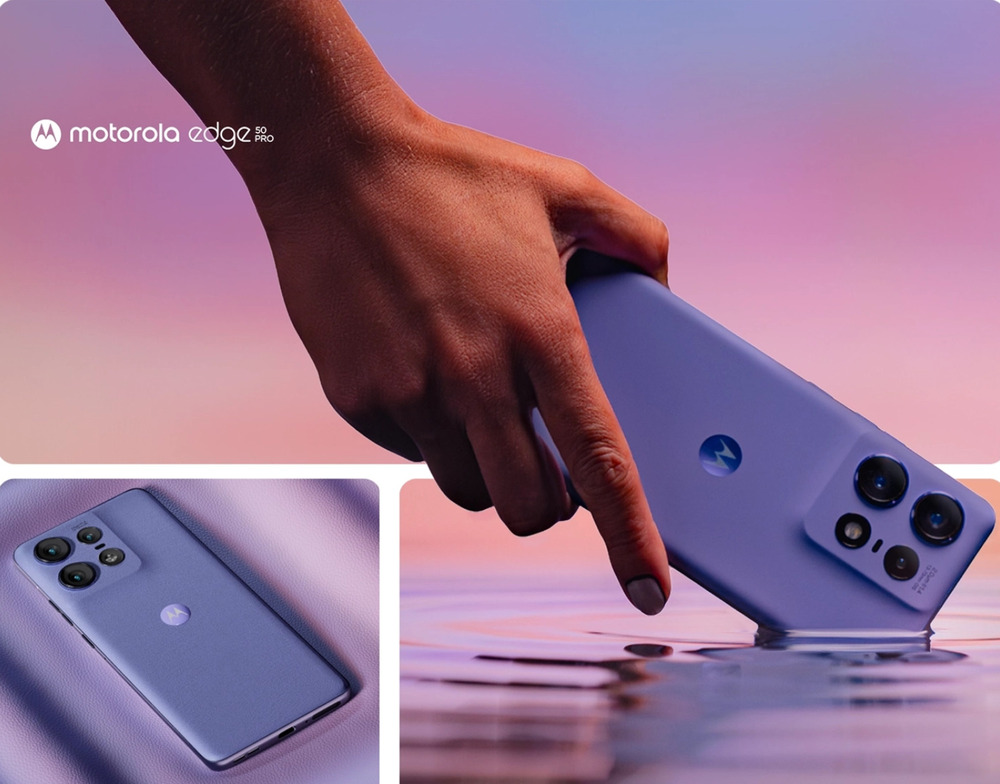
The device features a 6.7-inch pOLED display with a 165 Hz refresh rate, HDR10+ support, peak brightness of 2000 nits, and 10-bit color. Motorola highlights the panel’s Pantone-validated color accuracy, which has become part of the company’s current visual design approach.
The Edge 50 Pro’s camera system includes AI-assisted optimization and consists of:
- a 50 MP main sensor with optical image stabilization,
- a 13 MP ultrawide camera with autofocus,
- a 10 MP telephoto module with 3× optical zoom.
The smartphone supports 125 W wired charging and 50 W wireless charging, includes a 4500 mAh battery, and carries an IP68 rating.
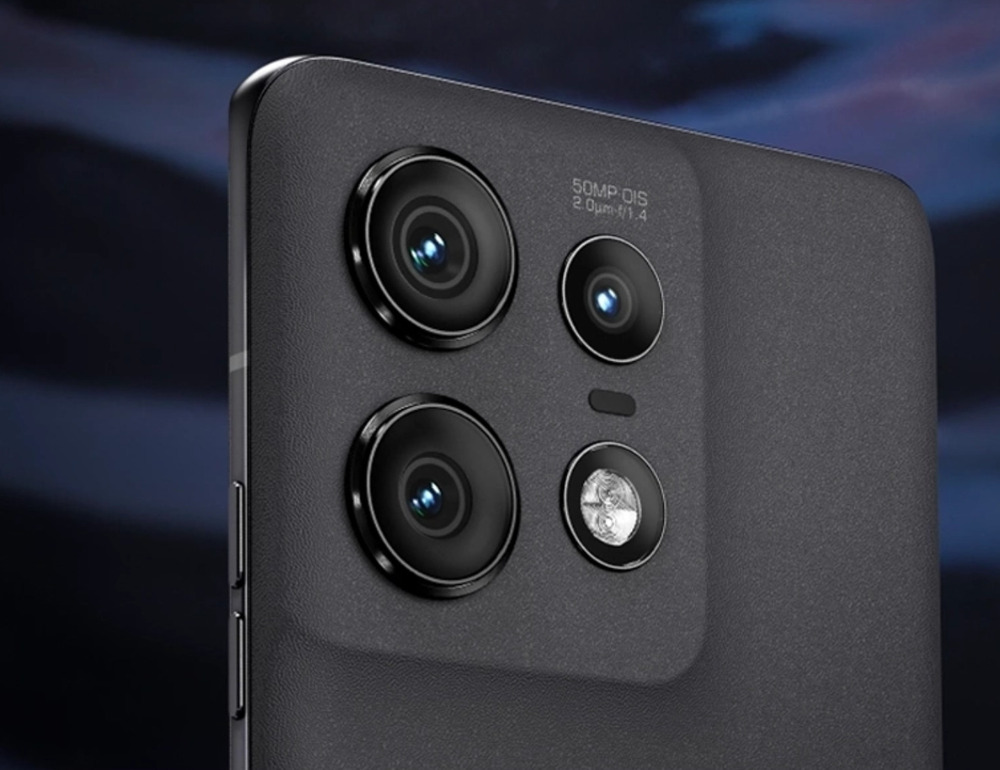
The Hello UI interface with Moto AI offers customization of the visual layout, the ability to generate wallpapers based on user descriptions, and adaptive color themes that match the user’s style.
The Edge 50 Pro is aimed at users who want high-end performance, a premium design, and AI-driven features without paying the higher price of the Ultra model.
Motorola Edge 50 Fusion – premium-leaning experience on reasonable budget
The Edge 50 Fusion is intended for users who want a capable, responsive smartphone without paying for flagship positioning.
It is equipped with the Snapdragon 7s Gen 2 chipset and a 6.7-inch pOLED display with a 144 Hz refresh rate, HDR10+ support, and peak brightness of 1200 nits.
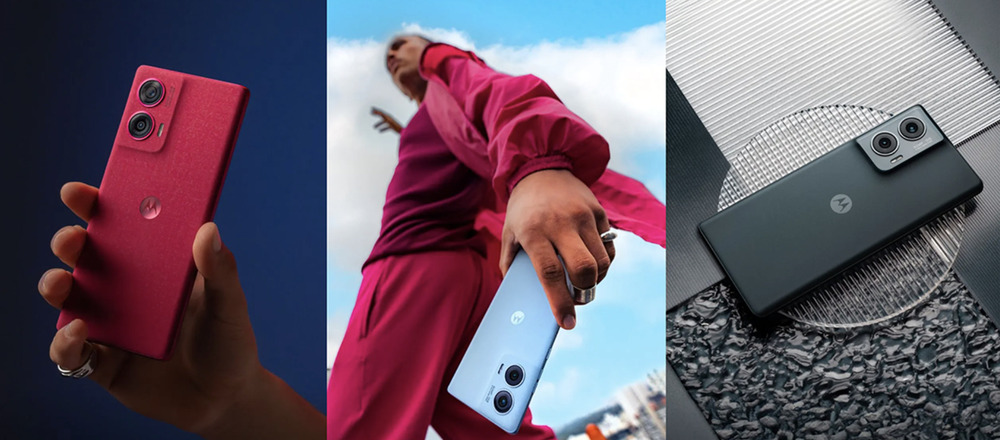
The main camera uses a 50 MP sensor with optical image stabilization and is paired with a 13 MP ultrawide module; the front camera is 32 MP.
Image processing leans on AI-based adjustments that refine color, contrast, and detail. The Edge 50 Fusion includes a 5000 mAh battery, 68 W fast charging, an IP68 rating, and a body finished in either matte glass or eco leather, offered in Pantone-certified colors.
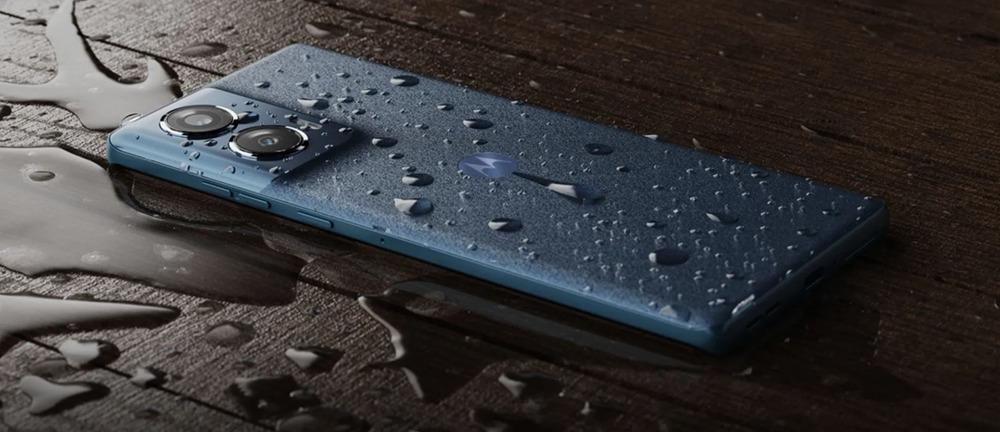
It delivers a near-flagship level of display quality and design while maintaining a noticeably lower price point.
Read also: Motorola Edge 50 Ultra Review: Again the Top? Yes, Again!
Motorola Edge 50 Neo – compact design with a clear focus on style
The Edge 50 Neo continues the idea of a design-oriented mid-range device, targeting users who value color choices, ergonomics, and overall comfort.
It is equipped with a Snapdragon 6 Gen 1 chipset, a 6.55-inch pOLED display with a 120 Hz refresh rate, 8/12 GB of RAM, and 256 GB of storage. The camera system includes a 50 MP main sensor with optical image stabilization and a 13 MP ultrawide module, while the front camera is 32 MP. The 5000 mAh battery supports 68 W fast charging, which is a strong specification for its segment.
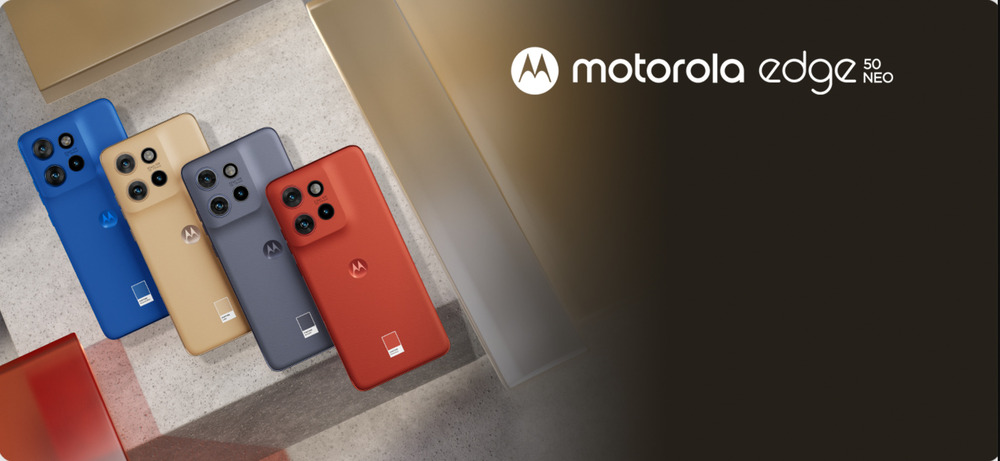
As before, the model is offered in Pantone-certified colors such as Peach Fuzz, Blueberry Frost, and Caneel Bay, giving the device a style-focused presentation in addition to its technical features.
The Edge 50 series underscores Motorola’s return to the upper tier of the mobile market. The brand now delivers a complete lineup across multiple segments while maintaining a consistent identity in design, color choices, software interface, and partnerships.
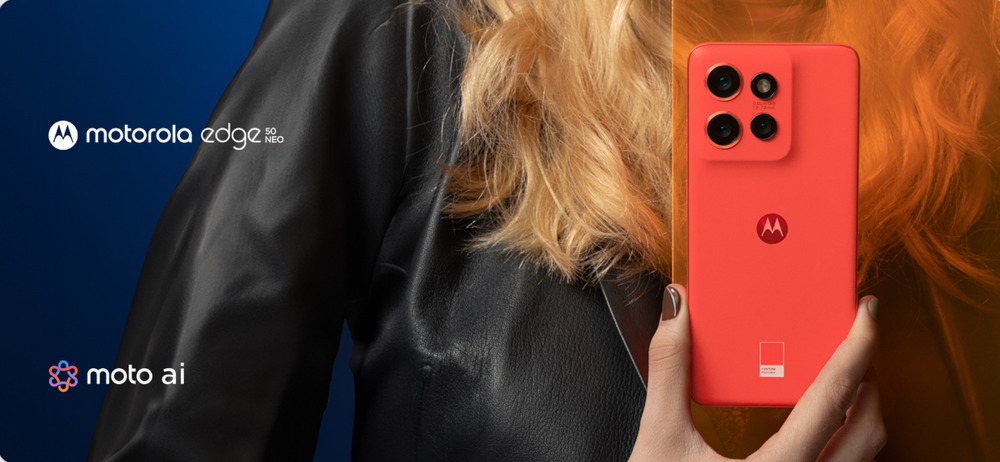
The company’s work with Pantone on color palettes, with Dolby on audio, and with Lenovo on ecosystem integration highlights its updated strategic direction.
Motorola now positions itself as a blend of design, advanced technology, and intelligent features rather than just another Android smartphone maker. In 2024, the brand firmly established its status as a global flagship-level manufacturer.
Read also: Motorola Edge 50 Fusion Review: Beautiful and Successful
Motorola Edge 60 Series (2025)
In 2025, Motorola introduced the Edge 60 series, a continuation of its strategy focused on premium design, modern hardware, and a near-stock Android experience with minimal extras. This generation reinforces the brand’s position in the upper-midrange and flagship segments. The lineup includes several models – the Edge 60, Edge 60 Pro, Edge 60 Fusion, and, in select markets, the Edge 60 Neo.
Motorola Edge 60 – core model of series
The standard Edge 60 features a 6.67-inch pOLED display with a resolution of 2712×1220 pixels, HDR10+ support, 10-bit color, and a 120 Hz refresh rate. The screen is among the brightest in its class, reaching up to 4500 nits, which ensures strong visibility even in direct sunlight.

The device is powered by a MediaTek Dimensity 7300 or 7400 chipset (depending on region), built on a 4 nm process. While not a flagship platform, it delivers stable interface performance, strong power efficiency, and sufficient capability for most tasks, including multimedia and contemporary games.
Memory configurations include 8 or 12 GB of RAM and 256–512 GB of storage, which should be adequate even for demanding users.
The camera system is one of the Edge 60’s stronger components. The main sensor is a 50 MP unit with optical image stabilization, complemented by a 50 MP ultrawide camera and a 10 MP telephoto module with 3× optical zoom. The front camera uses a 50 MP sensor and supports 4K video. This setup makes the device a versatile option for photography, with image detail comparable to higher-priced models.
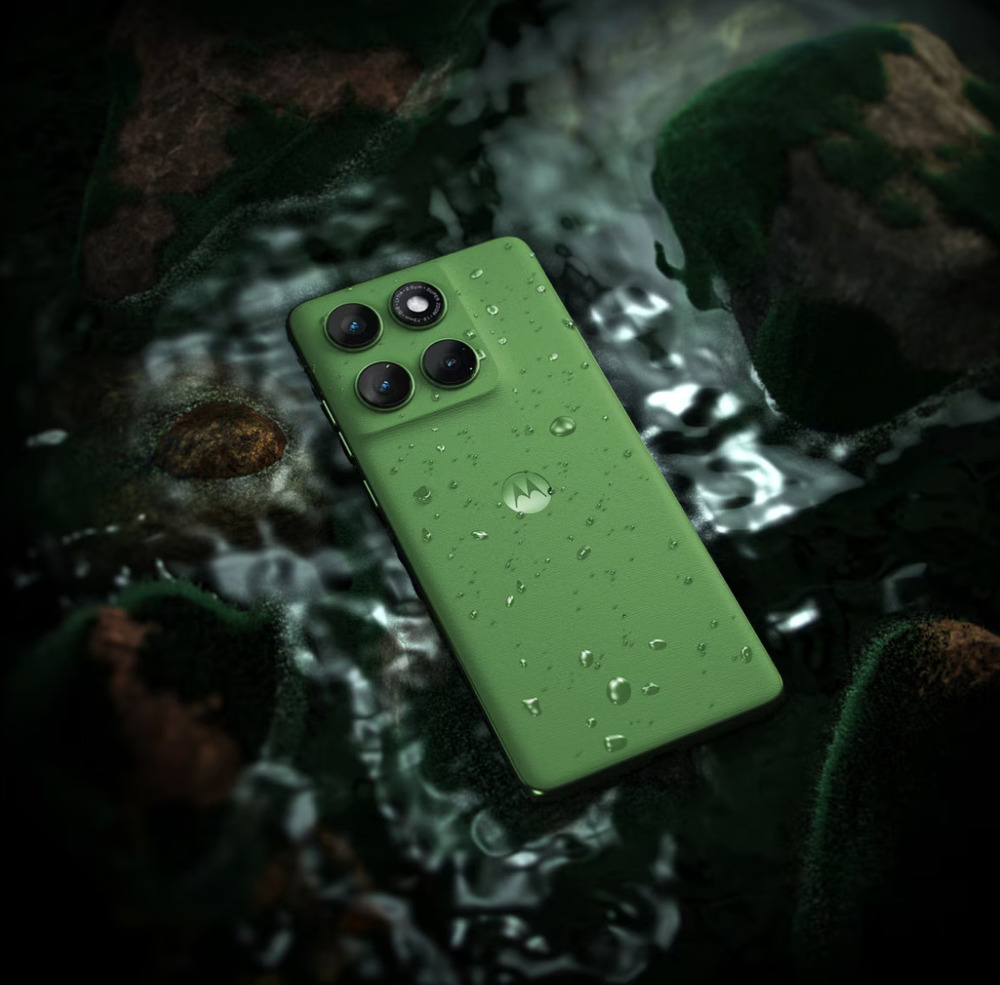
The 5200 mAh battery supports 68 W fast charging, allowing most of the capacity to be replenished in about half an hour. The chassis is rated IP68/IP69, offering resistance to dust, water, and short-term submersion, which adds practical durability for everyday use.
The Edge 60 runs Android 15 with Motorola’s Hello UI, a lightweight interface that maintains a mostly clean system and includes minimal preinstalled apps. Overall, it targets users who want a near-flagship experience without paying flagship-level prices.
Read also: Motorola Razr 50 Review: IPX8 Rating and Huge External Display
Motorola Edge 60 Pro – flagship of lineup
The Edge 60 Pro builds on the standard model, keeping the same refined design and high-brightness display while upgrading core hardware. It comes with a more capable chipset, expanded memory options, and a larger battery. In certain configurations, the device is equipped with a 6000 mAh cell, which can deliver up to two days of use on a single charge.
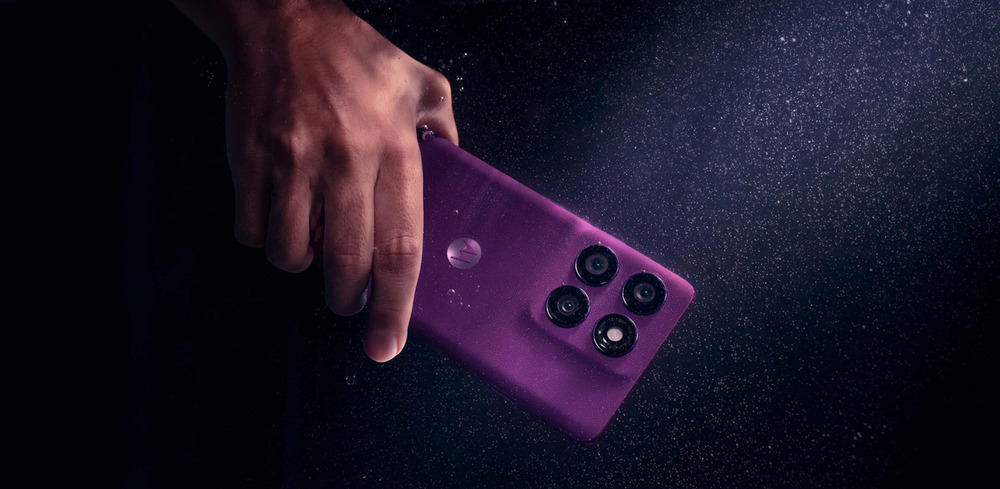
The camera system is either identical to the base model or enhanced, depending on the configuration. The main sensor benefits from expanded AI-based processing, improved low-light performance, and faster autofocus. The Edge 60 Pro also supports advanced video recording features, including resolutions up to 8K.
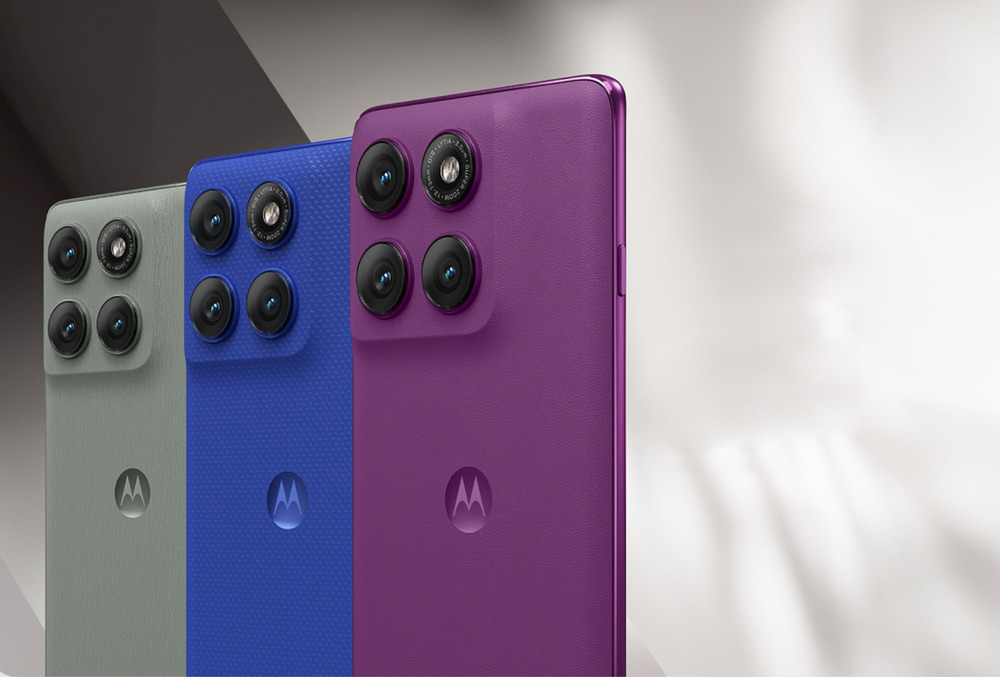
System optimizations and an updated cooling solution help the device maintain stable performance under sustained load, making it suitable for users who need strong processing capability without overheating issues.
Motorola Edge 60 Fusion – style with balanced feature set
The Edge 60 Fusion is the style-focused and practical option within the series. It comes in a slim chassis with premium finishes, including versions with eco-leather or a textured “canvas” surface. The display matches the one used in the standard model, but the Fusion places emphasis on balance – reducing non-essential features while prioritizing everyday comfort and usability.

The processor is more modest than the one in the Pro model, yet it remains sufficiently capable for everyday tasks. The camera system is simplified as well but retains Motorola’s key characteristics: natural color reproduction, AI-assisted enhancements, and stable video performance. This model is aimed at users who value a balance of design, speed, and battery life rather than pursuing top-tier specifications.
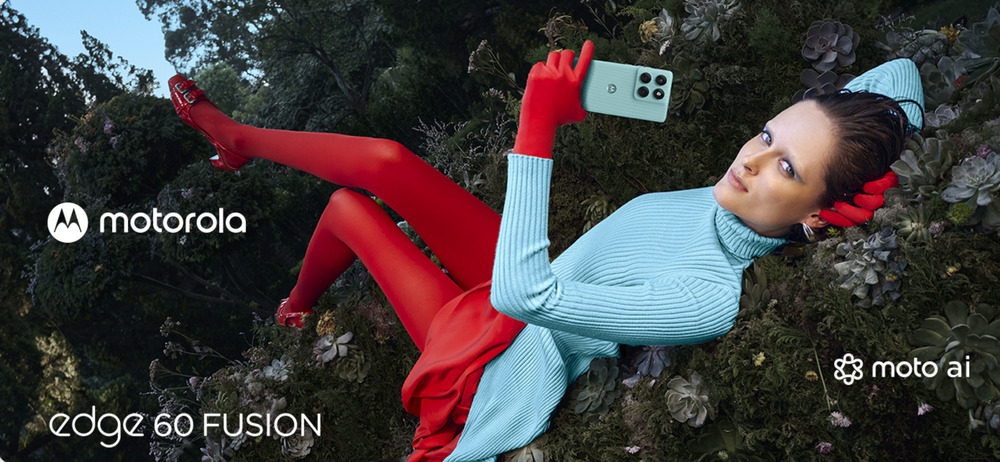
Motorola Edge 60 Neo – the smaller but more expressive option
The entry-level model, the Edge 60 Neo, continues Motorola’s design collaboration with Pantone. It is offered in a range of vivid color options that emphasize its style-oriented positioning.
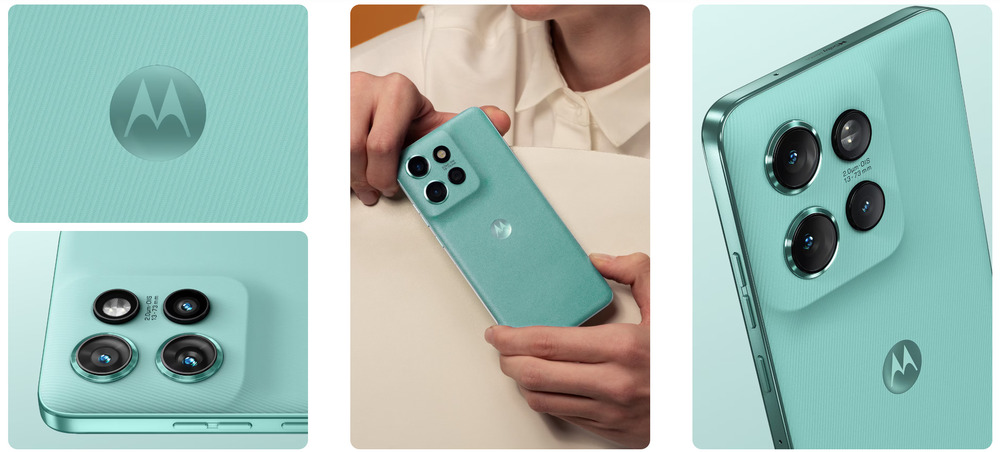
At the same time, it is technically a mid-range device: it uses a MediaTek Dimensity–series processor, a 50 MP main camera, a 120 Hz OLED display, and supports 68 W fast charging.
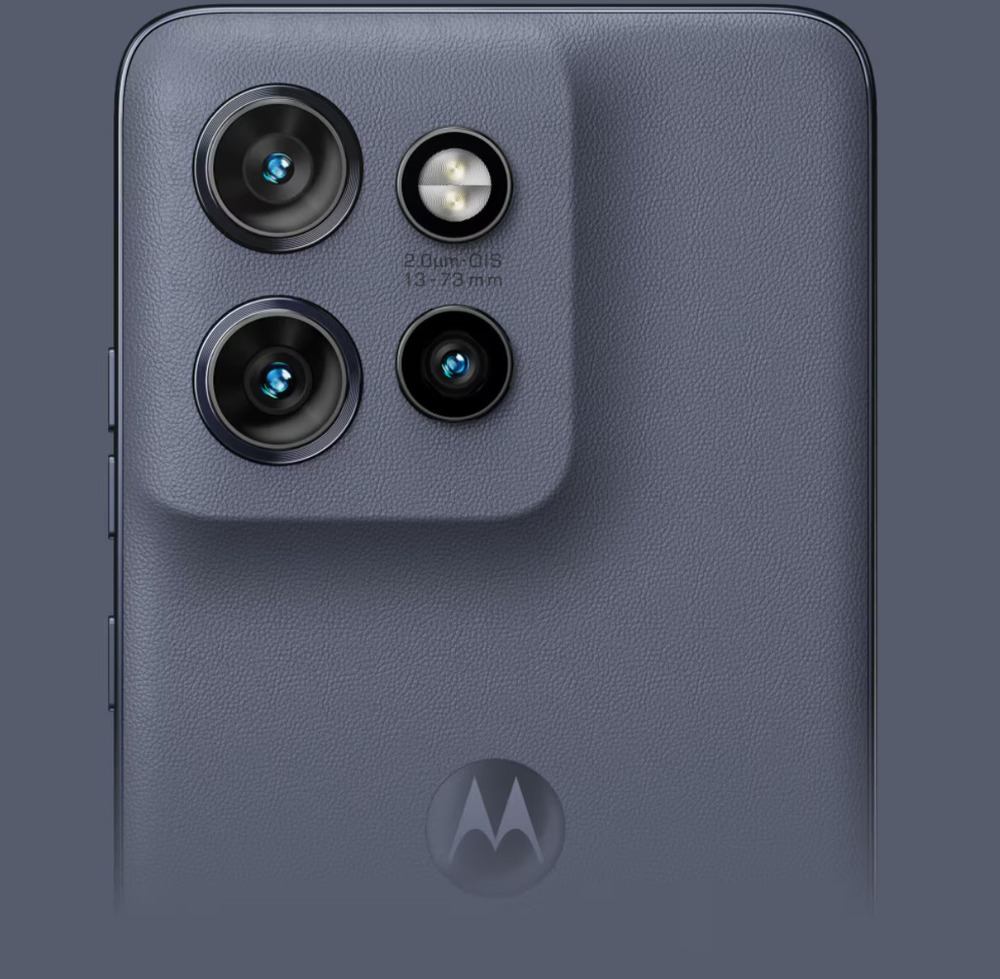
The Neo is positioned for a younger audience – users who want a modern design, a capable camera, and smooth performance without paying a premium.
Common traits and overall strategy
The Edge 60 series reflects a clear stage of Motorola’s evolution. The company is no longer focused primarily on price competition – it now positions itself as a manufacturer with a distinct design language, high-quality displays, fast charging technologies, and a clean Android experience.
Each model has a defined role within the lineup:
- Edge 60 Neo – style and affordability
- Edge 60 Fusion – balance and ergonomics
- Edge 60 – a versatile flagship for a broad user base
- Edge 60 Pro – maximum capability for those who want top-end performance without compromises
All models share Motorola’s core characteristics: high-quality displays, solid battery life, a minimalist Android experience, and a design-forward approach.
The Motorola Edge 60 series is more than a routine update – it reinforces the brand’s position in the premium segment. Motorola now confidently covers all tiers, from style-focused mid-range devices to performance-oriented flagships, demonstrating its ability to compete not only with Samsung and Xiaomi but also with Google and OnePlus in performance, imaging, and overall user experience.
New Motorola Edge 70
The Motorola Edge 70 series marks another step in the brand’s evolution, combining design, modern features, and practicality in a compact form factor. This lineup targets users who want a balance of flagship-level capabilities, refined styling, and a more accessible price point.
Read also: Report from the Motorola Future Express Presentation: Style, Technology, and the Spirit of Modernity
Design and display
The Motorola Edge 70 features a 6.67-inch pOLED display with a 2712×1220 resolution, a 120 Hz refresh rate, and HDR10+ support. Peak brightness reaches 4500 nits, providing clear visibility even in bright outdoor conditions.
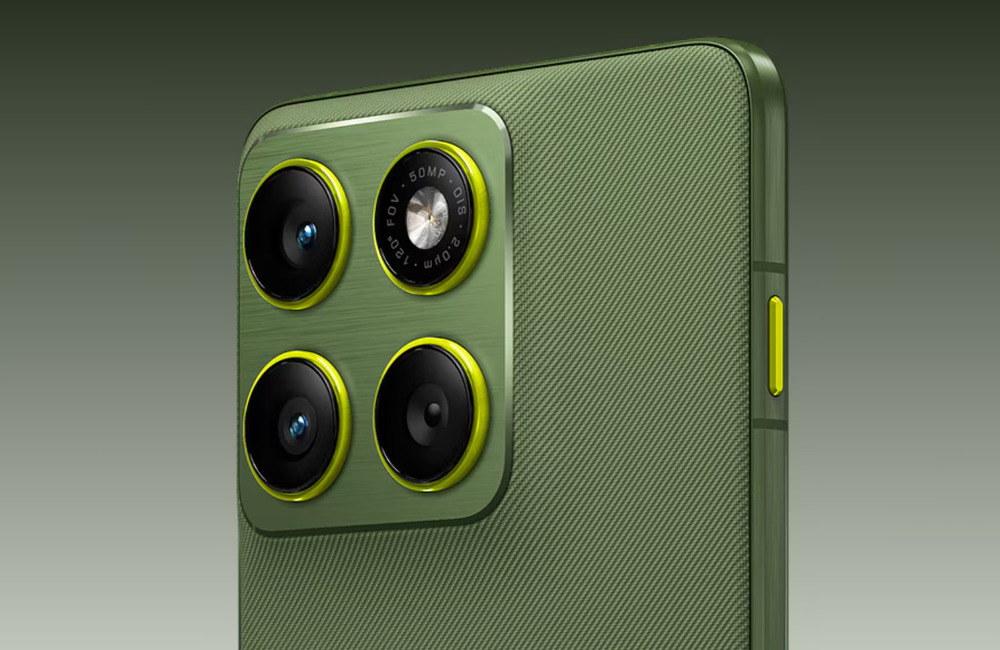
The phone measures just 6 mm thick – making it one of the thinnest devices in its category – and weighs around 160 grams. With Gorilla Glass 7i and an aluminum frame, it offers a solid, premium feel. It also carries IP68/IP69 protection and meets the MIL-STD-810H durability standard, providing resistance to dust, water, and minor impacts.
A key strength of the display is not only its 120 Hz smoothness but also its accurate color reproduction and support for an extended dynamic range, which makes the device well-suited for media consumption and gaming.
Performance and memory
The device is powered by the Snapdragon 7 Gen 4, a 4 nm chipset designed with improved power efficiency. Paired with up to 12 GB of RAM and 512 GB of storage, the Edge 70 delivers responsive app performance, smooth multitasking, and stable gameplay across typical use cases.
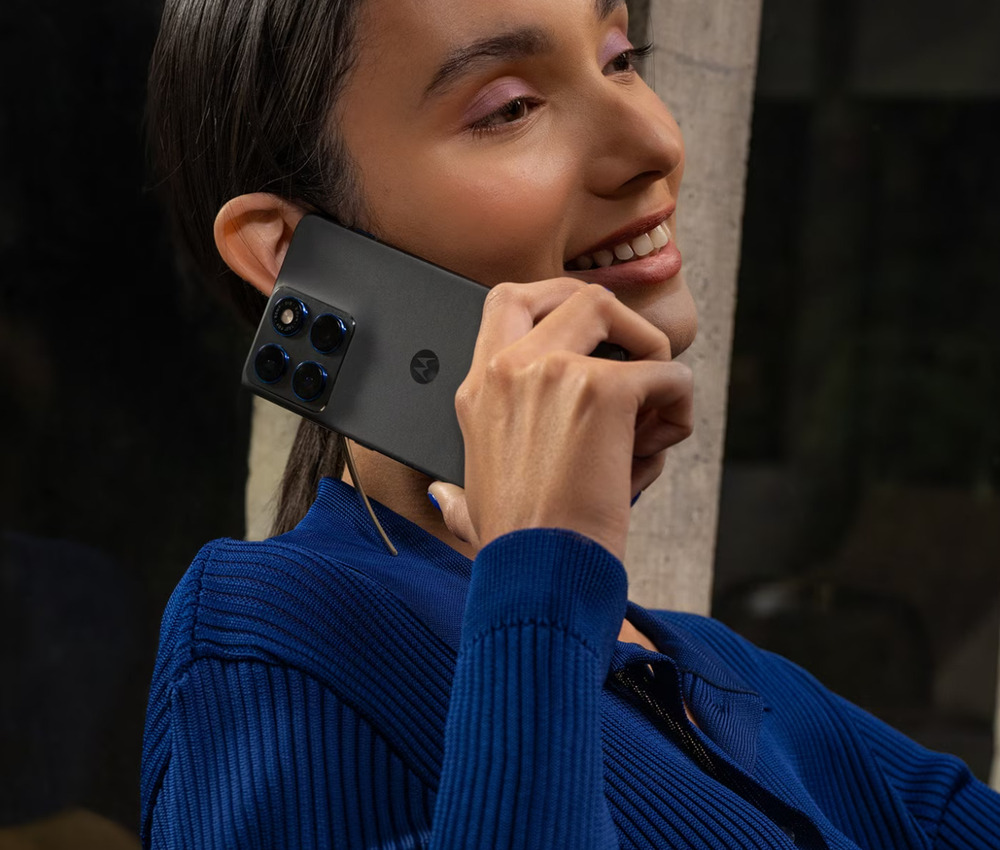
The updated cooling system is a notable addition, helping the device maintain stable performance during heavy workloads such as gaming or high-resolution video recording.
Key performance-related features include:
- 5G and Wi-Fi 7 support for high-speed connectivity
- Bluetooth 5.4 and NFC for modern wireless functions
- virtual RAM expansion of up to an additional 8 GB for enhanced multitasking
Cameras and imaging capabilities
The Motorola Edge 70 offers one of the more capable camera systems in its class:
- a 50 MP main camera with optical image stabilization,
- a 50 MP ultrawide module with a 120° field of view and built-in macro functionality,
- a 50 MP front camera that maintains strong detail even in low-light conditions.
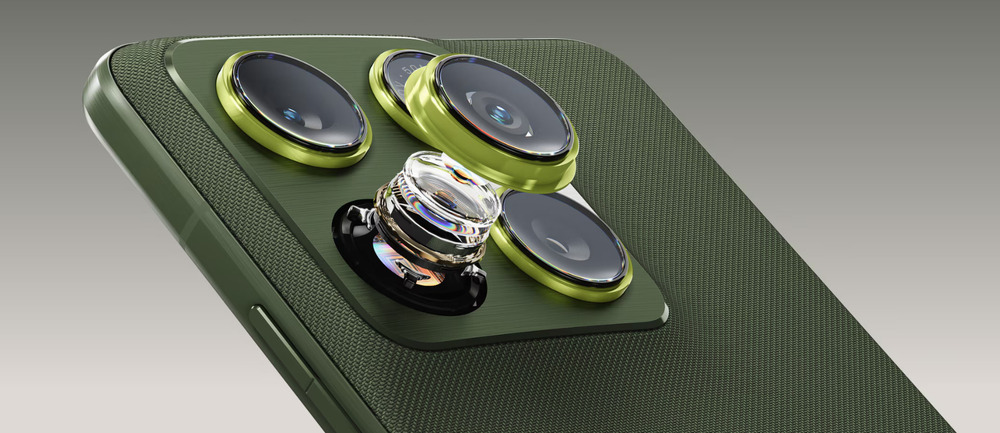
The smartphone supports AI-assisted scene optimization, a night mode with multi-frame processing, 4K 60 fps video recording, and improved HDR rendering.
AI-based algorithms help deliver more accurate exposures, more consistent white balance, and more natural contrast across various lighting conditions.
Battery life and charging
The 4800 mAh battery supports 68 W fast charging, allowing it to reach 50% in under 15 minutes. The device also includes 15 W wireless charging, which remains uncommon in this price category.
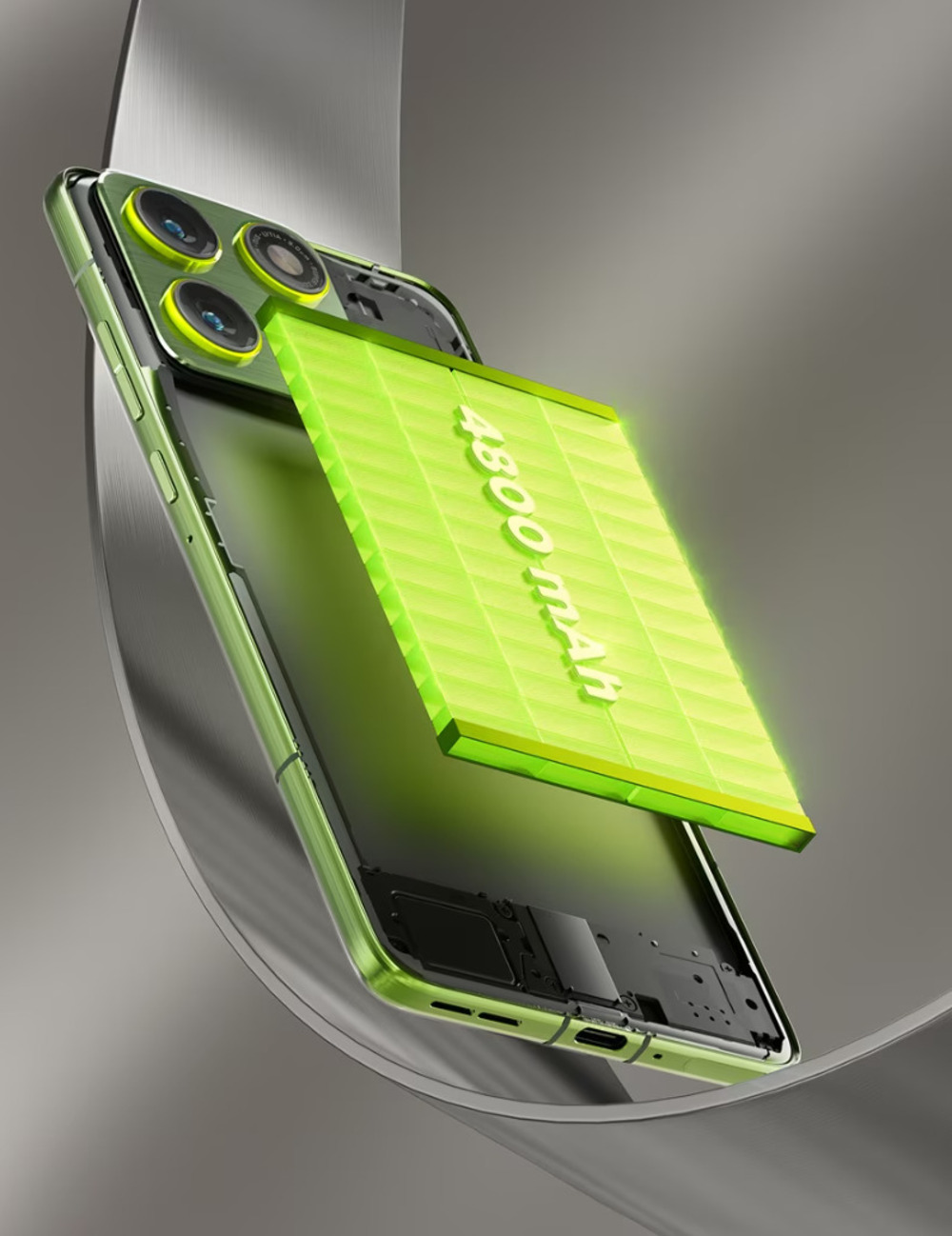
The energy-efficient chipset and Android 16 optimizations provide enough battery life for a full day of active use without recharging.
Software and smart features

The Edge 70 runs Android 16 with a minimal set of Motorola-specific additions, focusing on practical tools rather than heavy customization. Key functions include:
- Moto Gestures – motion-based controls such as a double twist to launch the camera or a shake to activate the flashlight
- Moto Connect – wireless integration with monitors and Lenovo PCs
- Dolby Atmos – enhanced spatial audio
- AI Scene Optimization – real-time image adjustments based on detected scenes
Color options
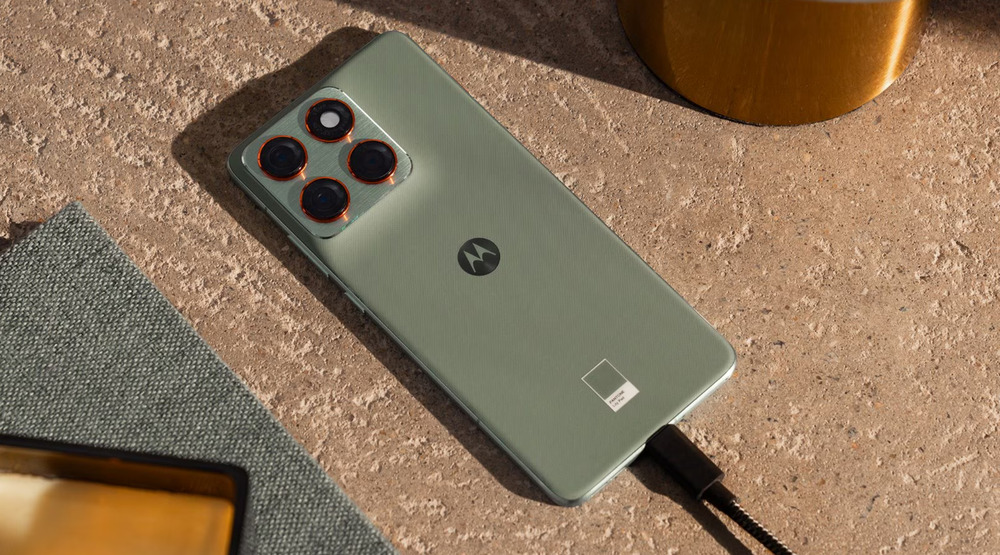
Motorola continues its partnership with Pantone, offering several distinctive finishes such as Bronze Green, Gadget Gray, and Lily Pad. Each variant uses a premium surface treatment, and the overall design remains minimalist with gently curved edges.
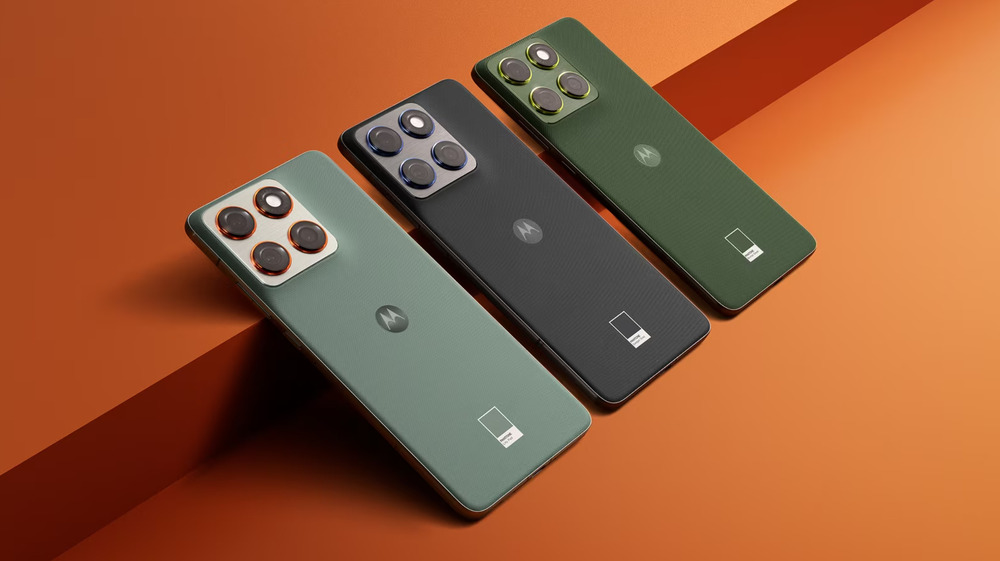
The Motorola Edge 70 positions itself firmly in the premium mid-range category, standing out through three key strengths:
- a high-quality display (pOLED, 120 Hz, HDR10+, 4500 nits),
- a capable camera system with AI-driven optimization,
- a balanced combination of performance, slim design, and solid battery life.
It is well suited for users who want a slim, responsive smartphone with modern features – from Dolby Atmos to wireless charging – without paying the premium associated with top-tier flagship brands.
The Edge 70 series shows that Motorola is no longer merely catching up with competitors. Instead, it is shaping its own direction in the premium segment, focusing on a balanced mix of innovation, design, and practical usability.
At the core of the Edge lineup’s success is Motorola’s strategic effort to re-establish itself among leading technology brands without losing its engineering identity. The series has become a platform for testing and refining modern concepts – from design evolution and upgraded camera systems to the gradual integration of AI into imaging, power management, and the user interface.
Each new Edge generation reflects the company’s shift from purely technical improvements toward a more holistic user experience, where design, performance, and intelligent features operate as a unified system. This is what gives the Edge series its strategic importance: it sets Motorola’s technological direction and forms the competitive foundation for the brand’s continued presence in the premium smartphone segment.
Read also:
- Report from the Motorola Future Express Presentation: Style, Technology, and the Spirit of Modernity
- Motorola Razr 60 Ultra Review: True Flagship Foldable Phone
- Why Motorola makes the most romantic smartphones


Clicked the article because I was interested in the“future plans“ part. Read the article. Disappointed.