




© ROOT-NATION.com - Use of content is permitted with a backlink.
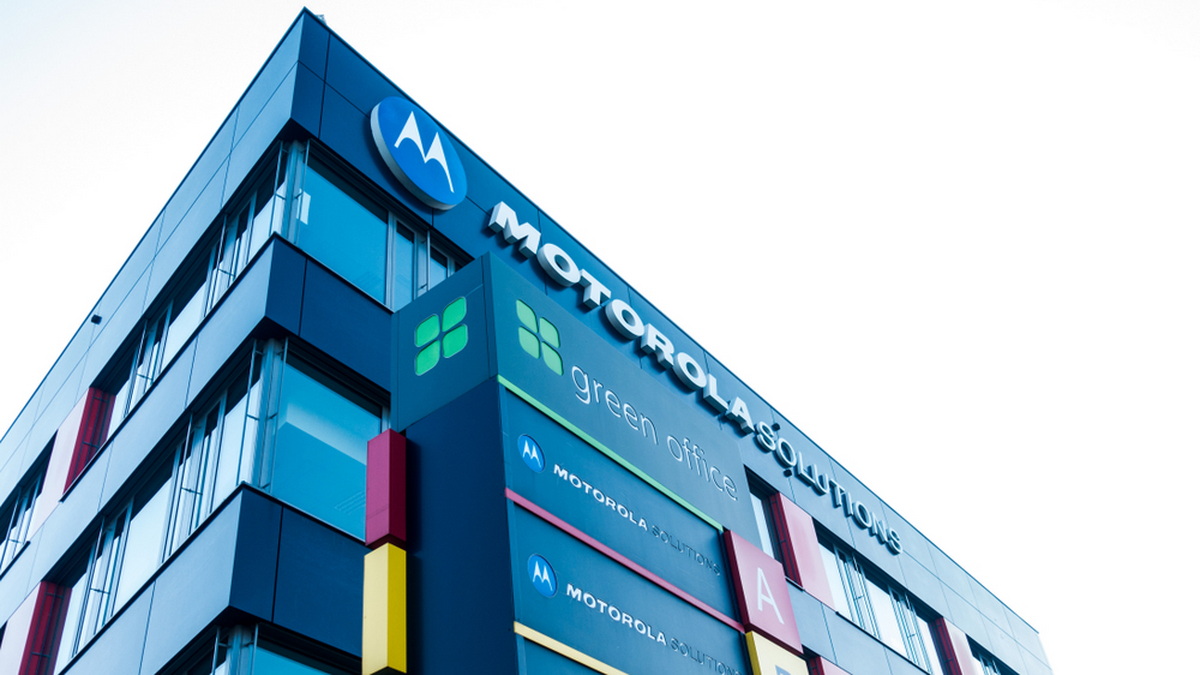
Today’s topic is a bit different – we’re looking at a company that doesn’t make smartphones, laptops, or trendy consumer gadgets. Instead, its products play a critical role in saving lives, keeping cities safe, coordinating emergency services, and even supporting military operations. We’re talking about Motorola Solutions – a U.S.-based company that has undergone significant transformation over the past decade and emerged as a global leader in critical communications and public safety technologies.

This is a story of transformation – from a well-known mobile phone brand to a high-tech company focused on innovative solutions for governments, emergency services, and critical industries. We’ll take a closer look at the key stages of Motorola Solutions’ development, its strategic decisions, partnerships, and technological breakthroughs. And we’ll explore how the company contributes to public safety not only in Ukraine but around the world.
Read also:What is MIL-STD 810H: Standard Characteristics, Testing, and Usage
TABLE OF CONTENTS:
The beginning of transformation (2011)
On January 4, 2011, the larger Motorola corporation split into two independent entities: Motorola Mobility and Motorola Solutions. One continued to focus on consumer products, while the other shifted entirely toward critical communications and safety solutions. As part of this strategic shift, Motorola Solutions exited the telecom infrastructure business by selling it to a third party. This allowed the company to focus more intensively on developing technologies for emergency services and government infrastructure. One of its first major steps in this direction was securing a contract to build a next-generation mobile network for emergency responders in the United States.

Motorola Solutions is headquartered in Chicago, USA. This is where the company’s leadership, core development teams, and strategic decision-making are based. The Chicago office serves as the central hub for managing operations and driving new technology development. Beyond the U.S., Motorola Solutions has a strong global presence with key offices and R\&D centers in various countries. In Canada, several research facilities focus on software and security solutions. In Europe, the company maintains offices in the UK, Germany, France, and the Netherlands, primarily supporting technical and service operations. It also has an active presence in India and Singapore, where it works to expand its reach and tailor solutions to meet regional needs.
After the split, Motorola Solutions began building its own ecosystem of hardware and software solutions focused on digitalization, cybersecurity integration, and reliable performance in extreme conditions. At the same time, the company phased out non-core divisions, redirecting those resources toward innovation. The main objective was to move beyond being just a hardware manufacturer and become a full-scale, end-to-end solutions provider for government and enterprise clients. And – spoiler alert – it succeeded.
Read also: Cryptography: What It Is and How It Works
Innovations in Critical Communication (2012-2013)
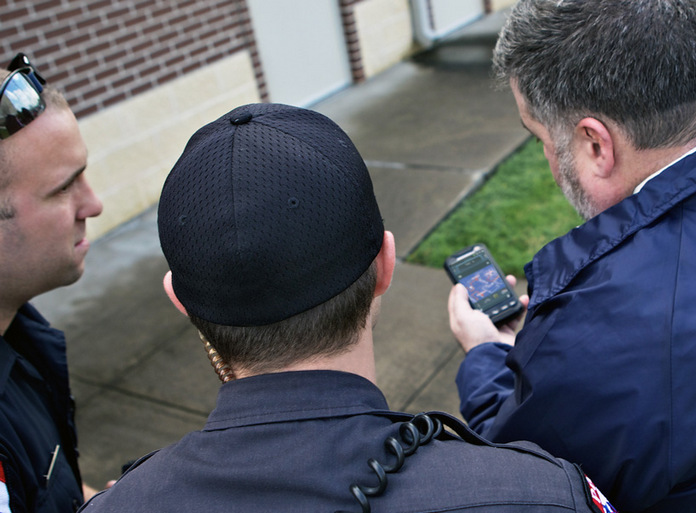
In 2012, Motorola Solutions took a bold step by introducing the first portable devices compatible with high-speed LTE networks. For public safety services, this was a major breakthrough. Until then, radios were primarily voice-only tools. With LTE, first responders – whether police or rescue teams – could now access images, video, and maps directly in the field. Imagine replacing a vague verbal description of a suspect with a photo on-screen, or receiving a live route map instead of static directions. This shift significantly improved decision-making in critical situations.
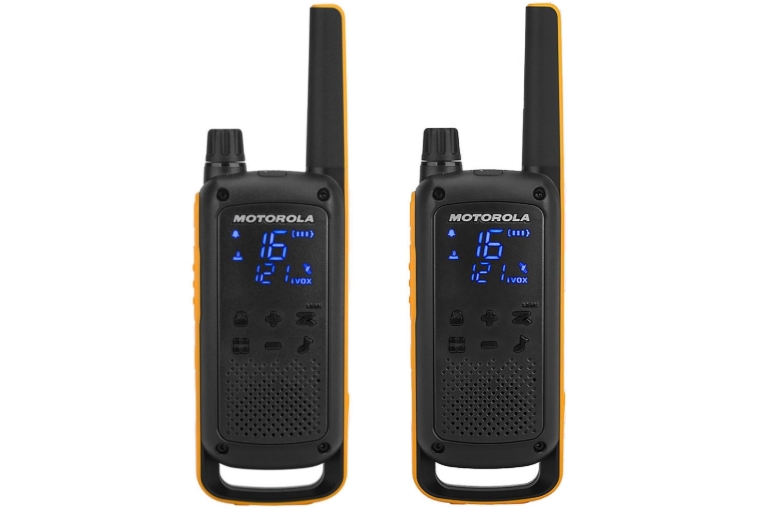
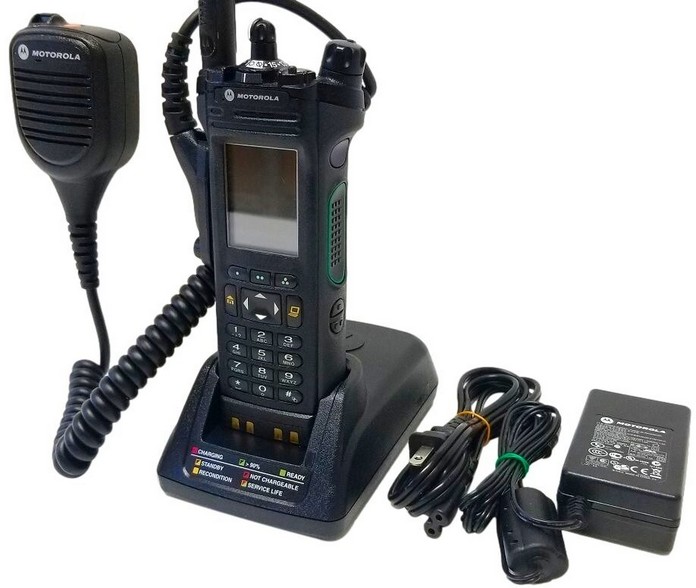
The standout products from this period were the APX series radios, designed with durability as a top priority. Built under the motto “built to withstand anything,” these devices handled rain, dust, drops from height, and operated reliably in temperatures ranging from -30 to +60°C. They also featured AES-256 encryption, ensuring that sensitive communications remained secure and protected from eavesdropping.
At the same time, Motorola was actively developing digital communication standards like P25 and DMR. These technologies allowed for more efficient use of radio networks – doubling the number of voice channels within the same frequency range and significantly reducing data transmission delays. For large cities with heavy communication loads, that improvement was crucial.
Another noteworthy development was system integration. Motorola found a way to bridge older analog radios with newer digital networks and even LTE. This meant agencies didn’t have to replace all their existing equipment at once – legacy devices could continue working alongside modern systems, easing the transition and reducing costs.
Read also: How to Use Microsoft PowerToys
Transition to a service model (2014–2016)
The shift to a service-based model marked a turning point in Motorola Solutions’ strategic direction. During this period, the company exited the commercial device market to focus entirely on the public sector and security-oriented solutions. Selling off its hardware business wasn’t just a market exit – it laid the foundation for building a modern service ecosystem. A key driver of this transformation was significant investment from financial partners, which enabled the company to adopt a “solution as a service” model. This approach moved Motorola away from simply selling hardware and toward offering comprehensive services – monitoring, analytics, communication system integration, and management – delivered as a unified package.
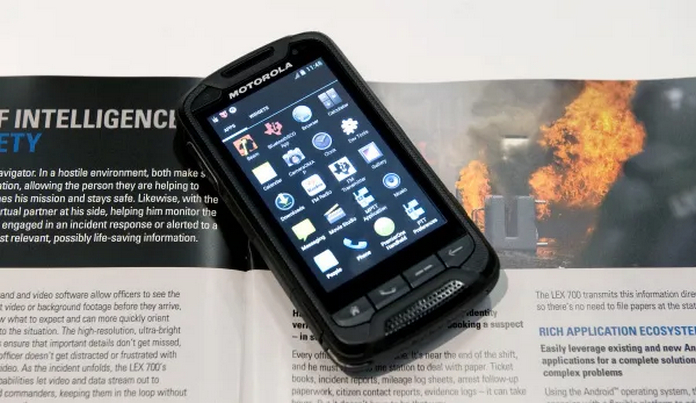
One of the landmark moves for Motorola Solutions was integrating a national emergency communications operator in Western Europe. This gave the company control over critical infrastructure and allowed it to offer clients enhanced capabilities – from guaranteed network availability of 99.999% (the so-called five nines” reliability) to integration with dispatch systems and secure communication channels for police, firefighters, and emergency medical services.
As a result, the period between 2014 and 2016 marked a shift where Motorola Solutions stopped being just a hardware manufacturer and became a provider of strategic services for municipal agencies and government organizations.
Read also:Reliable Driverless Cars: Why Full Autonomy Remains Out of Reach
Legal challenges and technological development (2017-2019)
At that time, the company was actively expanding its business in various countries, and with that, legal risks increased. Disputes over patents and trade secrets began, but the course remained unchanged – to create modern platforms and software solutions for communication and security.
One of the key technical advancements was the introduction of Push-to-Talk over Broadband (PTToB). Previously, instant voice communication was limited to dedicated radios. With PTToB, the same functionality became available on standard smartphones and tablets. Running over LTE or Wi-Fi, the system offers fast connection times (under 300 milliseconds), encrypted communication, and the ability to prioritize calls – features that are especially critical for police, emergency medical services, and security teams. Beyond voice, PTToB supports real-time sharing of video, photos, and GPS coordinates, greatly improving coordination during emergencies.
To strengthen its position in the security sector, Motorola Solutions made several high-profile acquisitions. In 2018, it acquired Avigilon, a Canadian company known for its video surveillance and analytics systems. Avigilon’s technology enables identification of individuals based on appearance and detection of suspicious behavior captured on camera. In 2019, the company added VaaS International Holdings to its portfolio, a specialist in license plate recognition and image analysis. That same year, it also acquired WatchGuard, a manufacturer of police video equipment, including body-worn cameras and in-car video systems for patrol vehicles.
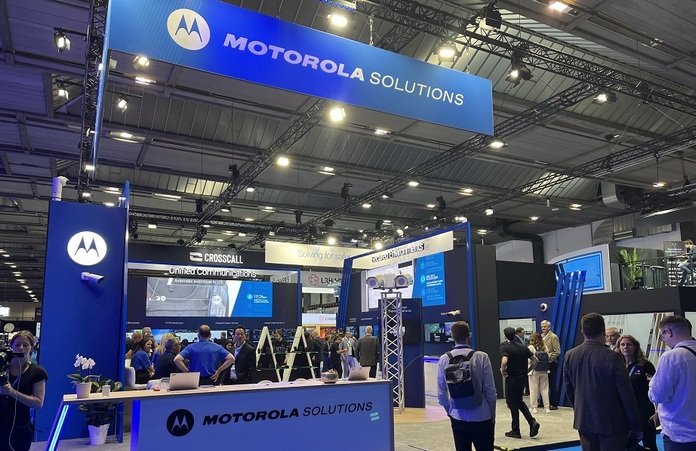
These acquisitions allowed Motorola Solutions to unify communication, video surveillance, and analytics into a single ecosystem. As a result, clients now have access not just to reliable communication tools but also to real-time situational awareness and monitoring capabilities.
Read also: AI in Medicine: Is the Future Already Here?
Scaling up the ecosystem (2020-2022)
Between 2020 and 2022, Motorola Solutions placed a strong emphasis on cloud services and expanded its portfolio through a series of strategic acquisitions. The company acquired IndigoVision, a UK-based provider of end-to-end video surveillance solutions, and Pelco, a California company known for its durable cameras and systems designed for challenging environments. It also acquired Ava Security and Calipsa, both of which brought advanced cloud-based analytics powered by AI. As a result, video surveillance evolved into an intelligent system capable of automatically recognizing faces, license plates, and suspicious activity in real time using cloud-based algorithms.
Motorola Solutions also expanded its footprint in mobile communications and security by acquiring companies like Callyo, Openpath, and Videotec – an Italian manufacturer specializing in explosion-proof and marine-grade cameras.
In addition, the company strengthened its position in high-frequency communications by acquiring TETRA Ireland Communications, a key player in mission-critical radio systems. More recently, in 2025, Motorola Solutions continued its acquisition strategy by adding Theatro Labs Inc., InVisit, RapidDeploy, and Silvus Technologies to its portfolio.
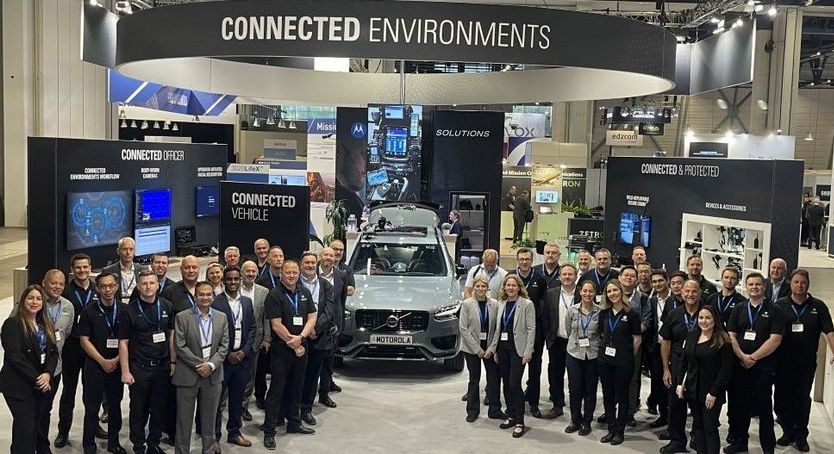
Overall, the period from 2020 to 2022 marked a time of major transformation for the company. Motorola Solutions evolved from a traditional equipment manufacturer and service provider into a cloud-based provider of integrated security solutions. These systems are designed to operate reliably even in the most challenging environments, combining multiple services to enhance the efficiency and effectiveness of their clients’ operations.
Read also: OpenAI’s New Superpower: What Is a ChatGPT Agent?
AI integration and emergency management (2023-2025)
Since 2023, the company has been actively developing cloud platforms that enable real-time situational analysis. These systems are designed to predict potential risks and coordinate the actions of various services through a unified communication network. New features include GPS tracking for precise event location and automation of routine response processes to significantly reduce reaction times.
In addition, new hardware solutions have been introduced – devices that combine video cameras, AI-based situational analysis, and fast operational communication. These innovations have accelerated incident processing by approximately 40%. Examples include:
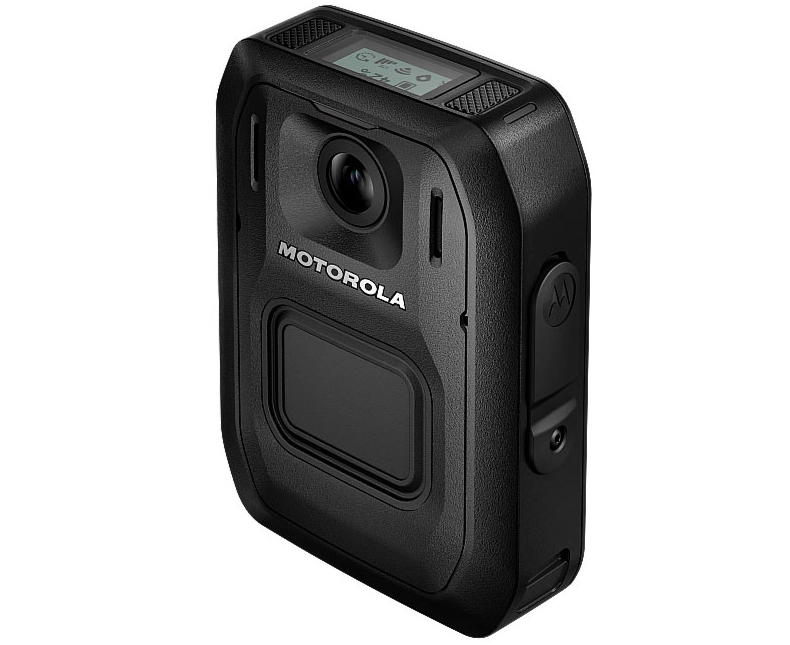
- Body-worn cameras – such as the Axon Body 3 or similar models, equipped with built-in AI for facial recognition and automatic event tagging during recording. These devices also transmit live video over LTE networks in real time.
- Smart vehicle cameras – like the Pelco Video Vehicle Recorder, mounted on service vehicles. These systems combine video capture with GPS tracking and motion analytics to improve coordination between response teams.
- AI-powered edge video analytics devices – such as platforms based on NVIDIA Jetson, which enable real-time video processing directly on-site. These systems automatically detect suspicious behavior or situations without delay.
- Radio and communication terminals – for example, devices based on the Motorola Solutions LEX L10 platform, which ensure rapid data exchange and voice communication during critical situations, with support for LTE and 5G networks.
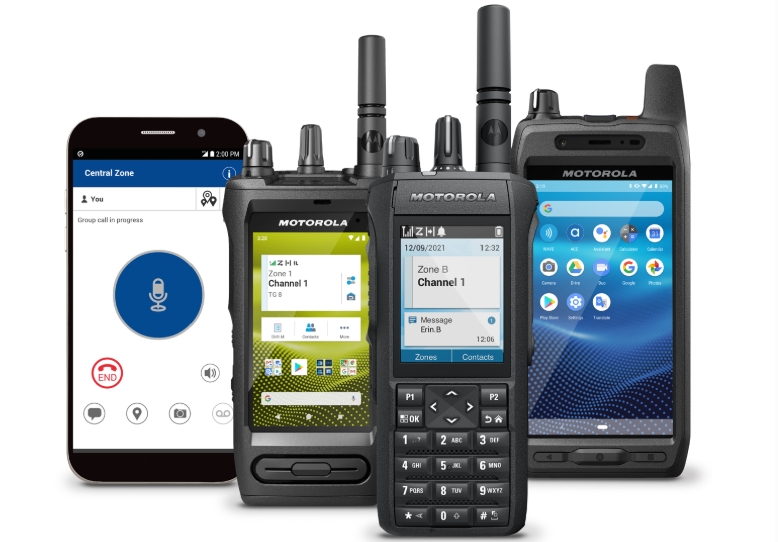
From a technical perspective, the platforms are built on a distributed microservices architecture, enabling system scalability without compromising performance. They leverage machine learning modules to recognize patterns and behaviors in video streams and rely on LTE and 5G protocols to ensure fast and reliable communication. Integrated GPS modules provide location accuracy within a few meters, which is critical for emergency services.
Read also: “Superintelligence” – Breakthrough or Marketing Hype? An Analysis
Motorola Solutions and the legendary Apollo 11 mission
It’s also worth highlighting Motorola’s historic role in the Apollo 11 mission. In 1969, when Neil Armstrong and Buzz Aldrin first set foot on the Moon, cutting-edge technology – some of it developed by Motorola Solutions – played a crucial behind-the-scenes role. The company created key equipment like the S-Band transponder and transceiver, which ensured vital communication between the spacecraft, the lunar module, and Earth. These innovations enabled the transmission of voice, telemetry, television, and even critical data used by the astronauts’ onboard computers.

In addition, Motorola developed several other critical technologies that contributed to the mission’s success. These included lightweight transistors and integrated circuits, which helped reduce the overall weight of the spacecraft and improve flight reliability. Motorola’s receivers and transponders tracked the Saturn V rocket during launch and ensured safe control throughout its ascent. The company also designed the antenna mounted on the astronauts’ backpacks, which transmitted their voices to the lunar module and then back to Earth. Thanks to FM demodulators, people around the world were able to witness the first televised images from the Moon.
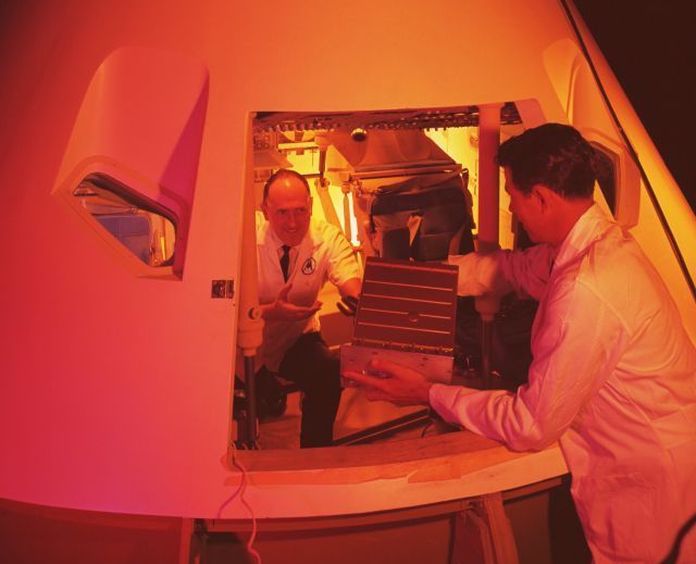
On Earth, Motorola supported the mission with specialized equipment for system diagnostics and precise communication between command centers. These technologies played a vital role in enabling Apollo 11 to complete its mission successfully – from the rocket’s launch on July 16, 1969, to the astronauts’ safe return to Earth after more than eight days in space, including over 21 hours spent on the lunar surface.
Use of Motorola Solutions products on the front lines in Ukraine
On the front lines, Motorola’s portable and mobile radios have become a true lifeline for the Armed Forces of Ukraine and special services. They provide reliable and secure communication that operates independently of traditional mobile networks and remains functional even in the most challenging field conditions.
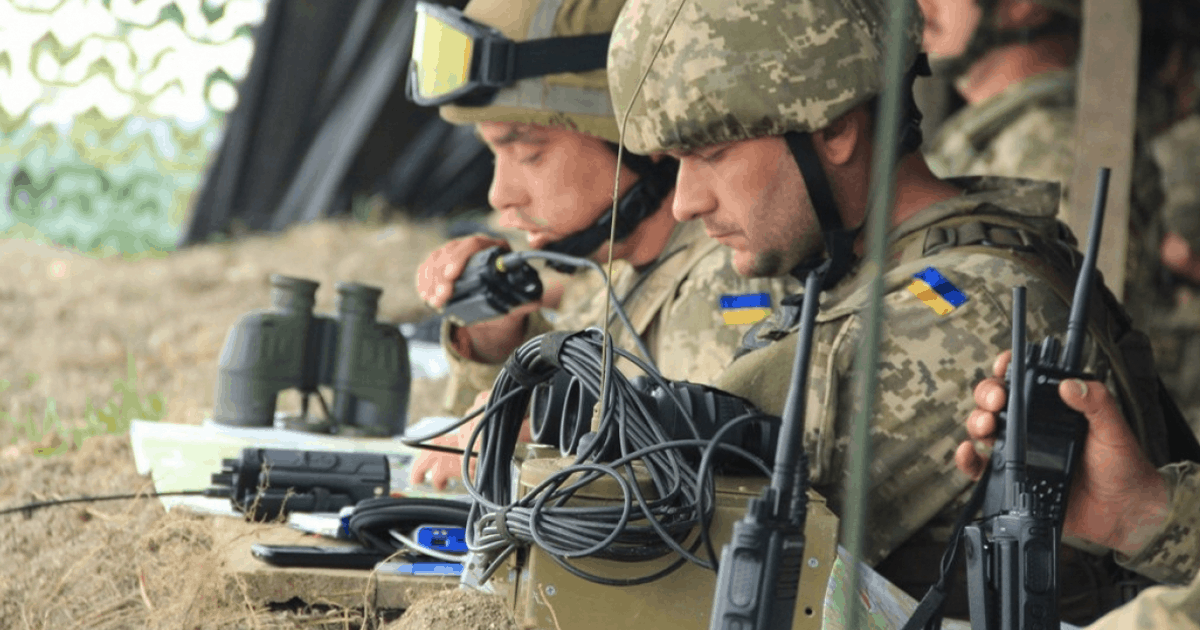
Thanks to charitable initiatives, hundreds of these radios have been delivered to the military. To better suit field operations, they’ve been upgraded – now featuring the ability to charge via power banks and USB-C, which is especially convenient when access to electricity is limited. The MOTOTRBO DP4801 portable radios offer IP67-rated protection against water and dust, along with extended battery life – both crucial for battlefield conditions. Meanwhile, mobile radios like the MOTOTRBO XPR 5550e are installed in armored vehicles, providing wide coverage and supporting both voice and data transmission.
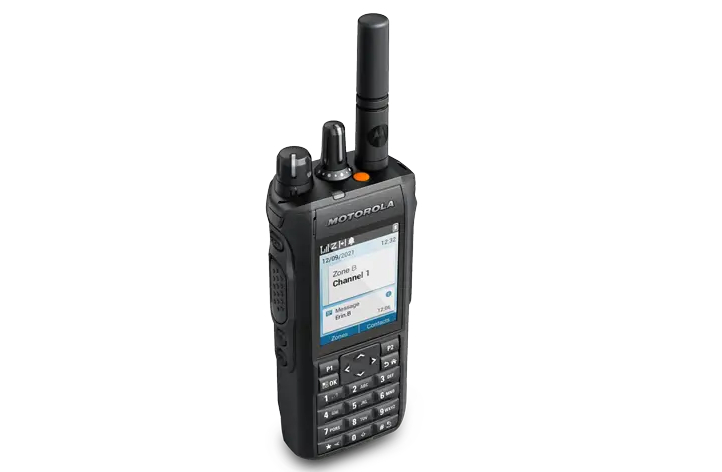
In some cases, frontline units also deploy systems that combine radio communication with internet protocols. This integration allows different types of communication – radio, mobile networks, and the Internet – to be merged into a unified network, enabling rapid information exchange and improved coordination.
Read also: Network-Centric Warfare: How Warfare Is Evolving in the 21st Century
Supporting international missions
Motorola Solutions equipment is widely used by international organizations operating in Ukraine, including the OSCE, the UN, WHO, IOM, and various humanitarian demining missions. For instance, OSCE monitoring teams relied on digital radios to coordinate mobile patrols in conflict zones. Humanitarian organizations used the communication systems for medical evacuations, logistics, and coordination of operations in high-risk areas.
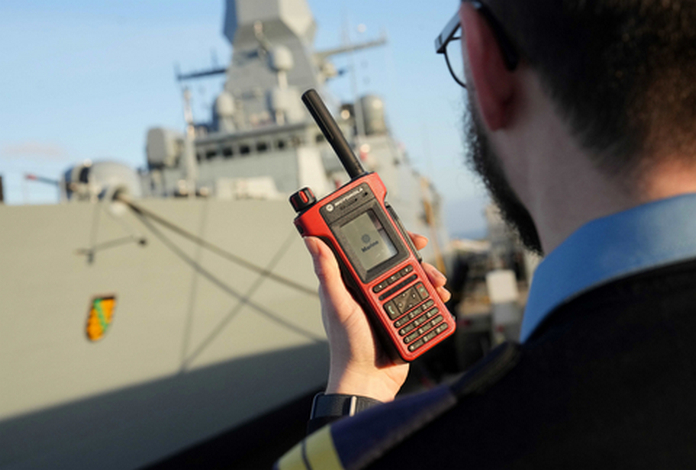
Demining missions have integrated radios into their platform-based solutions to ensure communication in complex and potentially hazardous environments. This highlights the versatility of Motorola Solutions’ technology – it’s essential not only for military use, but also for humanitarian and international organizations operating in crisis situations.
Read also: DLSS vs FSR: It’s Actually Quite Simple
Awards and Recognition for Motorola Solutions
In 2024, Motorola Solutions received several prestigious awards that underscore its leadership in safety and innovation. Among them was inclusion in Fast Company’s World’s Most Innovative Companies 2024, recognized for its safety and communications ecosystem that helps make communities, schools, and businesses safer. The company also won an iF Design Award 2024 for product design, notably for the TLK 25 radio and the L6Q LPR camera system. Additionally, the Red Dot Design Award 2024 honored the design of both the TLK 25 and the V700 camera. Meanwhile, the Good Design Australia Awards 2024 highlighted the TLK 25 radio, the WM800 microphone, and the MXP660 radio.

In 2024, Motorola Solutions was recognized as one of the World’s Best Companies by TIME and was also included in Fast Company’s list of the Most Innovative Companies. These accolades highlight that Motorola Solutions is not just about technology – it’s about people and bold new ideas.
In 2025, Motorola Solutions continued to earn recognition for its products. The TLK 25 radio and the V500 and V200 cameras received Red Dot Awards for their thoughtful and effective design. The company was also listed among America’s Most Trusted Companies by Forbes, and Glassdoor named it one of the best places to work, with employees giving it a strong rating of 4.4 out of 5.
Read also: ChatGPT Destroys the Competition: Era of Super Apps Has Arrived
Conclusions
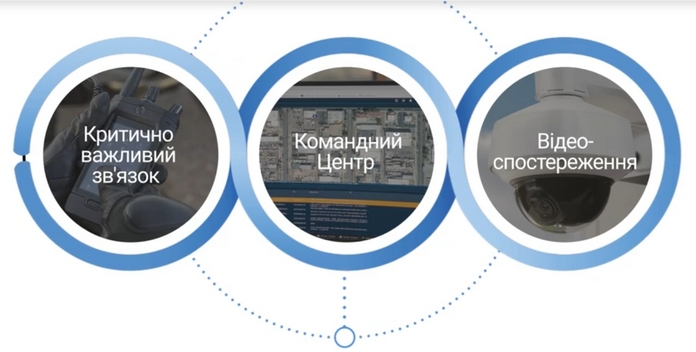
It’s fair to say that Motorola Solutions is a company focused not just on selling hardware, but on ensuring everything works reliably where it matters most. Unlike some larger competitors that offer fragmented solutions, Motorola delivers integrated security systems – combining radio communication, cameras, and smart devices into a single package. This approach is especially practical for emergency services, as it ensures seamless and dependable operation across all components.
It’s also worth noting that Motorola Solutions doesn’t just focus on functionality – they put effort into making their products both attractive and user-friendly, as reflected by the numerous design awards they’ve received. Compared to other large companies that often target general consumers, Motorola Solutions stays committed to its core mission: delivering reliability and speed where it truly matters. This focus is why the company enjoys trust and respect worldwide.
Read also:
- Online Safety: How to Protect Your Data – Even When You Let Your Guard Down
- Use It or Lose It: How AI is Changing Human Thinking

