




© ROOT-NATION.com - Use of content is permitted with a backlink.
The latest generations of NVIDIA and AMD graphics cards have made VRAM a hot topic among PC users. The GeForce RTX 4090 featured 24 GB of GDDR6X, while the new flagship GeForce RTX 5090 comes with 32 GB of modern GDDR7. At the same time, some other models upgraded their memory type but kept the previous capacity – for example, the GeForce RTX 5060 with 8 GB of GDDR7. This raises a logical question: is 8 GB of VRAM really enough in 2025?
Currently, gamers are often advised to choose graphics cards with 16 GB of VRAM. This makes sense for those playing on 1440p monitors, interested in the latest AAA titles, or planning to use their GPU for many years. However, not everyone needs that configuration. For some users, an 8 GB card can still be perfectly adequate – it all depends on gaming preferences, graphics settings, and monitor resolution.
Read also: ASUS Prime RTX 5060 Ti 16GB Review: A Top Performer for the Price?
TABLE OF CONTENTS:
What is VRAM and how does it work?
VRAM is the video memory that temporarily stores graphical data for the GPU to process. The key point to understand is that it’s not the maximum amount of memory that matters, but whether it’s sufficient for a specific task. If a game requires 4 GB of VRAM, there’s no performance difference between having 8 GB or 16 GB.
VRAM usage depends on factors like screen resolution, graphics settings, texture size, the use of upscaling technologies such as DLSS or FSR, and the optimization of the particular game. When the video memory runs out, the GPU starts using the system’s RAM, which can lead to FPS drops, microstutters, or graphical glitches.
When do you need more VRAM?
- Games in 4K or 1440p – high resolution significantly increases the load on video memory
- Maximum graphics settings – ultra presets often require additional gigabytes of VRAM
- High-quality textures – detailed textures significantly increase the load on memory
- Ports from next-generation consoles – many modern games were created for PlayStation 5 and Xbox Series X with their 16 GB of shared memory
- Working with content – video editing, rendering, 3D modelling – requires large amounts of video memory.
- AI applications – local language models and image generation – also consume a lot of VRAM.
When is 8 GB of VRAM enough?
For many users, an 8 GB graphics card remains a sensible choice:
- games in Full HD resolution
- competitive titles such as Fortnite, Rocket League, Valorant
- indie games or classic hits from previous years
- users who play on medium or high settings and do not require ultra graphics
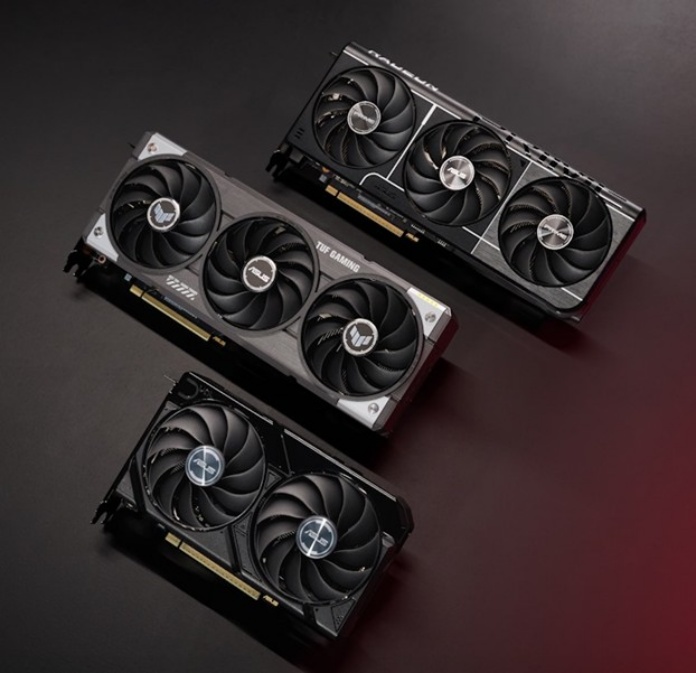
For those on a tighter budget, cards like the GeForce RTX 5050 or 5060 with 8 GB offer a good balance of price and performance. This is especially relevant for users who mainly play popular online games or handle basic creative tasks, and whose primary consideration when choosing a new GPU is cost.
Read also: ASUS TUF RTX 5080 16GB: Is the status quo finally over?
Brief summary by category
- 32 GB VRAM: AI applications, professional content creation, enthusiasts with unlimited budgets
- 16 GB VRAM: a versatile option for modern gaming with room for future growth
- 12 GB VRAM: a compromise between functionality and cost
- 8 GB VRAM: suitable for Full HD, esports and indie games, general-purpose home PCs
Conclusions
There’s no single “right” amount of VRAM for every user. Some might need an ASUS Prime RTX 5060 Ti with 16 GB, while others will find a basic 8 GB model perfectly sufficient. The key is to realistically assess your needs, usage scenarios, and budget. In 2025, 8 GB VRAM cards remain relevant for most everyday tasks and popular games, especially at Full HD resolution.
Read also:
- Microsoft Ends Windows 10 Support: Is There Life After the End?
- Nine of the Strangest and Most Mysterious Weapons

