




© ROOT-NATION.com - Use of content is permitted with a backlink.
China is showcasing its military strength by displaying its latest weapons and equipment, all during a parade in Beijing. Let’s break it down.
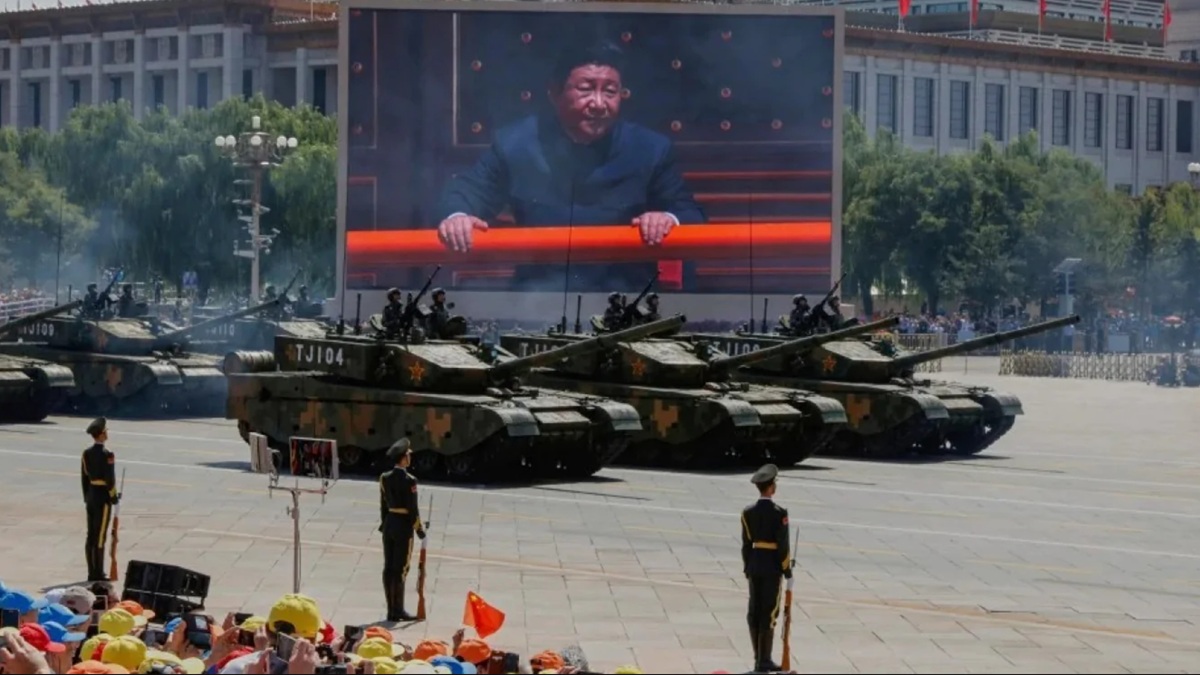
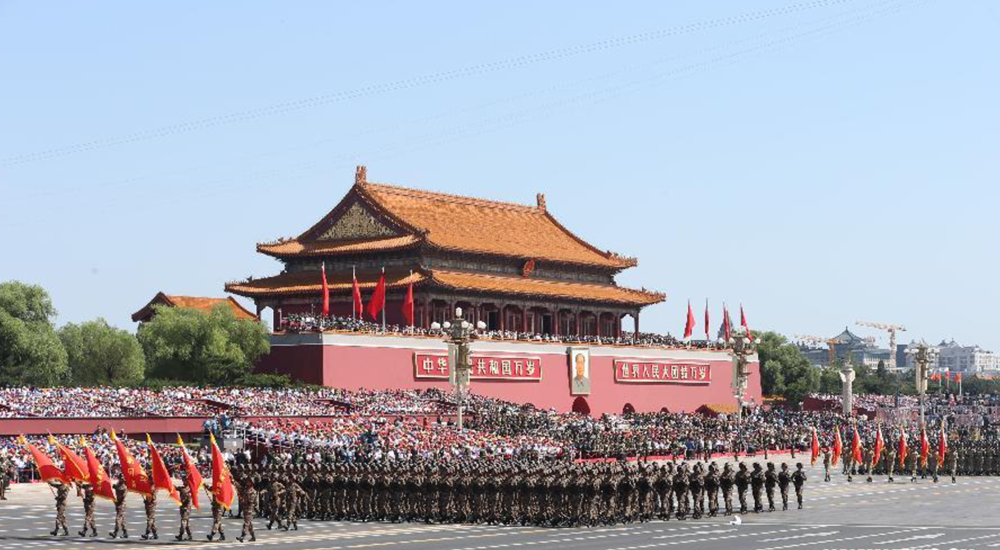
On September 3, Beijing hosted a military parade marking the 80th anniversary of the end of World War II – a historical event with only a tangential connection to modern China, yet one that was turned into a large-scale political spectacle. Tiananmen Square served as the backdrop for ceremonial marches of People’s Liberation Army units, mechanized columns, and flyovers, all intended to signal Beijing’s power and self-sufficiency to the world.
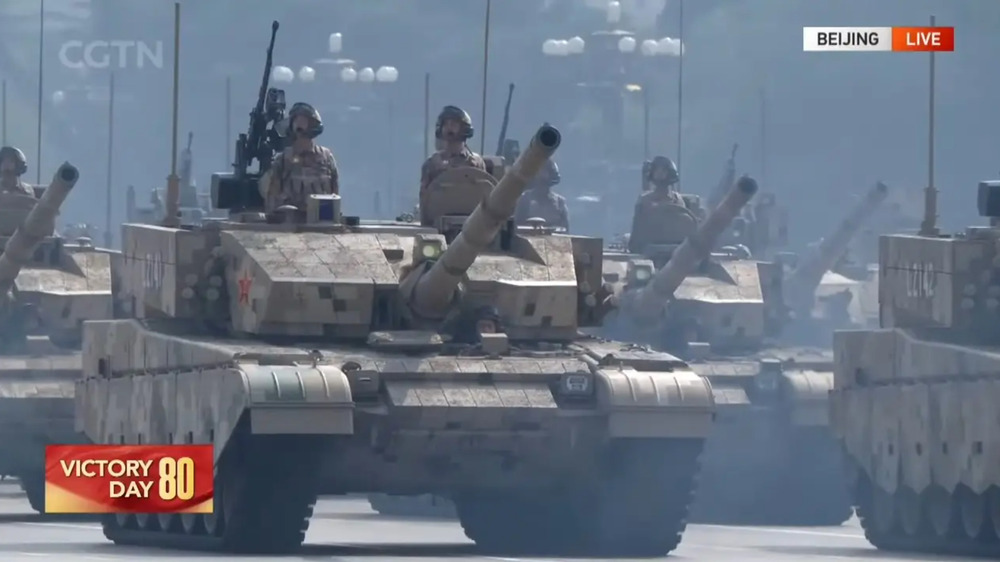
The display of “modern hardware” came across less as a tribute to history and more as a message to potential rivals: we are capable of responding. Particularly notable was that some of the weaponry was shown for the first time – not to conceal it before, but likely to create a sense of surprise. China appears eager to emphasize that its defense industry can produce not just copies, but its own “innovations,” at least in the context of a ceremonial parade.
Read also: How Chinese Companies Circumvent the US Ban on AI Chips
TABLE OF CONTENTS:
‘Special scale’
The anniversary called for a suitably grand display, making the parade strikingly massive. Tens of thousands of PLA personnel marched in unison across Tiananmen Square, creating the impression that China could mobilize an army of clones. Behind them, a mechanized column showcased hundreds of pieces of equipment of every possible type, while dozens of aircraft flew overhead. The entire spectacle lasted around 25 minutes – just enough time for observers in the West to take note of what China currently has in its arsenal.
The column displayed a full range of weaponry: from main battle tanks in multiple variants and armored vehicles of all types to self-propelled artillery, multiple rocket launchers, and tactical missile systems. Platforms carried everything from drones and naval weapons to modern air defense systems. And, of course, there was the “cherry on top” – strategic nuclear forces, including the naval component. After all, what parade would be complete without a reminder: “We’re also in the club of major nuclear powers”?
The aerial segment was equally “impressive and intimidating.” Fighters, including new models, heavy bombers, transport planes, tankers, and other symbols of great power flew over Beijing. Some aircraft even displayed weaponry on external mounts – just in case anyone mistook the parade for a standard air show.
The main highlight was the premieres – equipment the public had never seen before. New tanks, armored vehicles, artillery systems, and even strategic missiles. Beijing clearly wanted to show that its defense industry is not just alive, but actively updating its “catalog” of products. While this sends a message of pride to the domestic audience, for international observers it serves as a reminder: “We haven’t said our last word yet.”
Read also: Can a Modern Human Live to 150 Years?
Armoured novelties
Leading the mechanized column, as tradition dictates, were the tanks – the hallmark of any parade. This time, the upgraded main battle tanks (MBTs) “099B” were presented for the first time. Essentially an evolution of the older “099A,” they feature cosmetic upgrades: slightly enhanced protection, modified equipment, and improved survivability in modern combat. Chinese engineers seem to be signaling: “We haven’t invented the tank of the future yet, but we know how to roll out upgrades almost as smoothly as Apple does with the iPhone.”
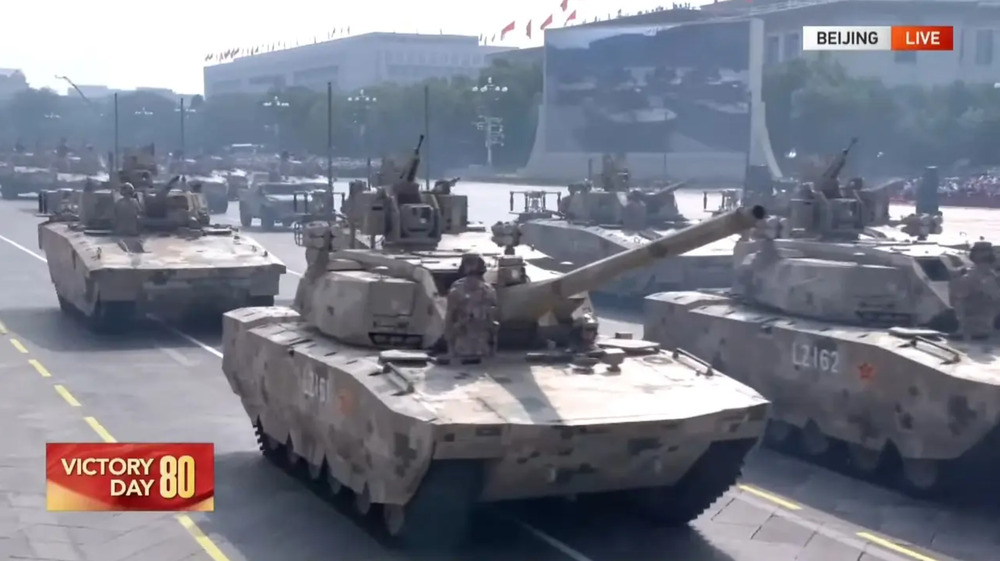
Special attention was given to the premiere of the “Type 100” tank. It is being positioned as a “fourth-generation MBT.” A medium-weight vehicle, it features a crew compartment housed within the hull and an unmanned turret. Its main armament is a 105 mm gun, which seems modest compared to global counterparts but is paired with modern electronics. Chinese media quickly hailed it as a revolution, though Western observers would likely shrug: another attempt to catch up and surpass – at least on the parade ground.
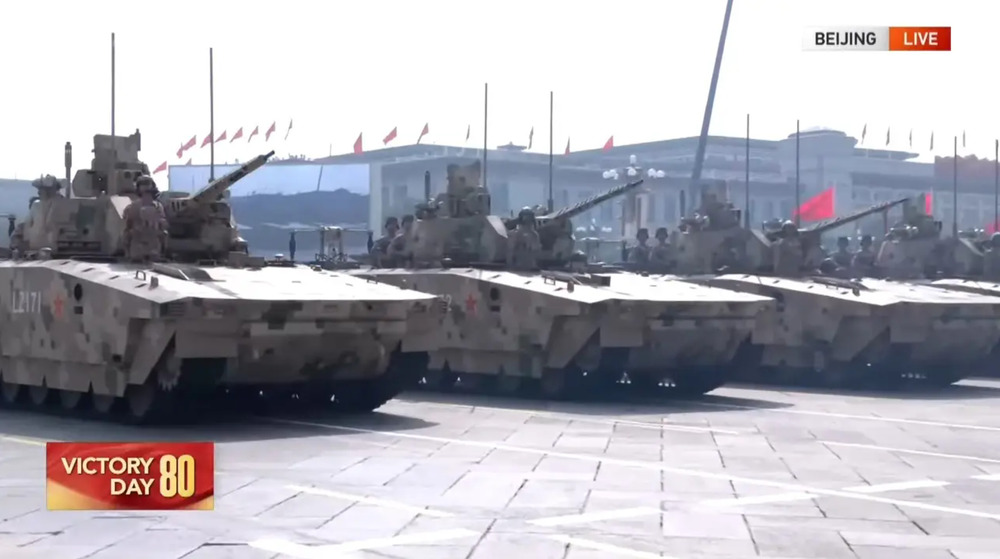
There were also offerings for the infantry – the “Type 100” IFV was unveiled. The design is traditional, with a front-mounted engine and standard gun-and-machine-gun armament. To appear more modern, the vehicle was equipped with a “trendy accessory” – reconnaissance drones that can be launched directly from the roof. It’s a clear attempt to show that Chinese designers are keeping up with trends, aware that in the 2020s, an IFV without drones is like a phone without a camera.
Read also: Weapons of Ukrainian Victory: MAGURA V5 Maritime Drones
Anti-ship developments
Following the ground-force premieres, the parade column traditionally reminded viewers that China also has a navy – and that it too claims modernity. Platforms carried a ceremonial display of naval “souvenirs”: from new missiles and torpedoes to anti-submarine systems and mines. It resembled a showcase of defense-industry achievements, only with military transporters instead of exhibition stands.
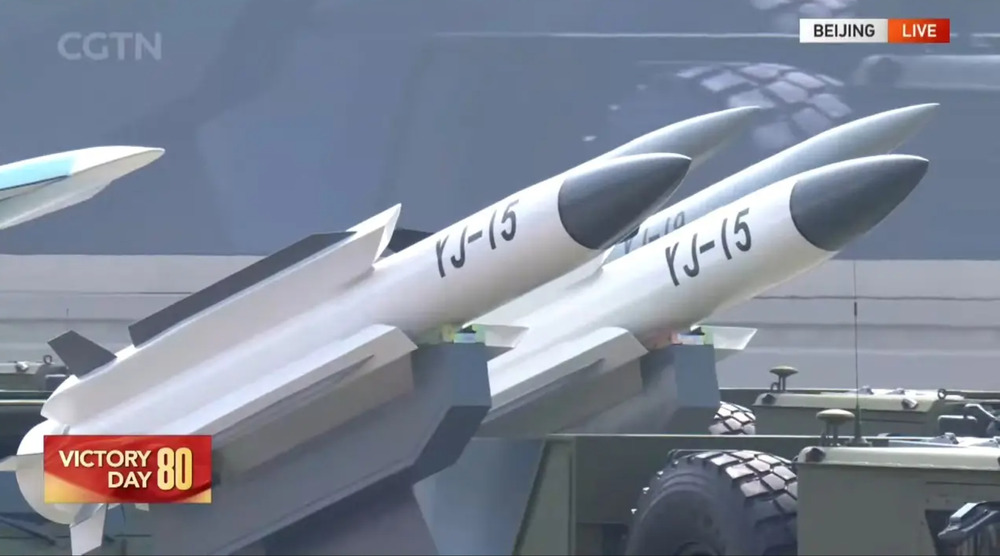
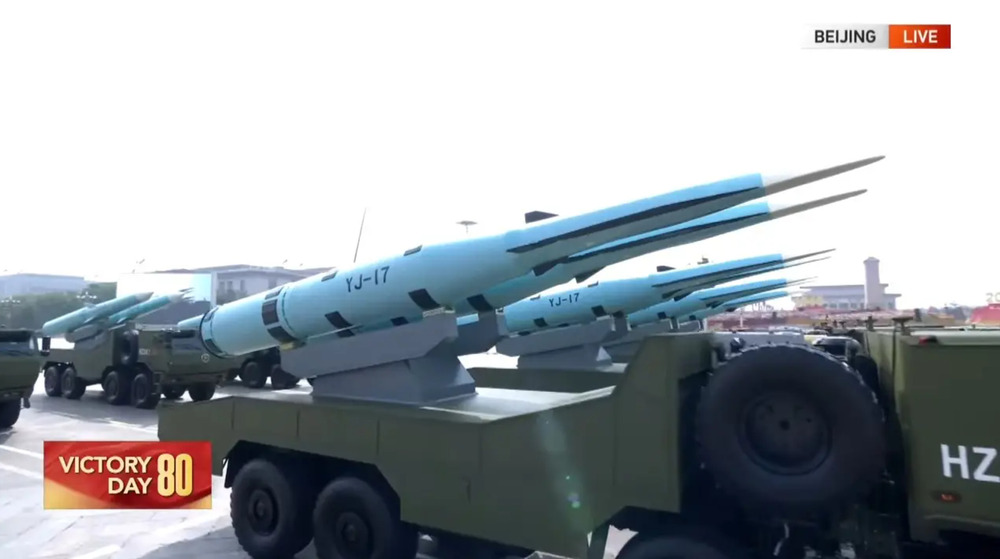
The series of YJ “Inji” anti-ship missiles received the most attention. In theory, they can be launched from both naval and aerial platforms and are designed to strike surface targets. In practice, each missile looks as if it were designed by a separate team without strict standardization: different shapes, capabilities, and concepts. It’s a clear demonstration of the motto: “the more variety, the scarier for the enemy.”
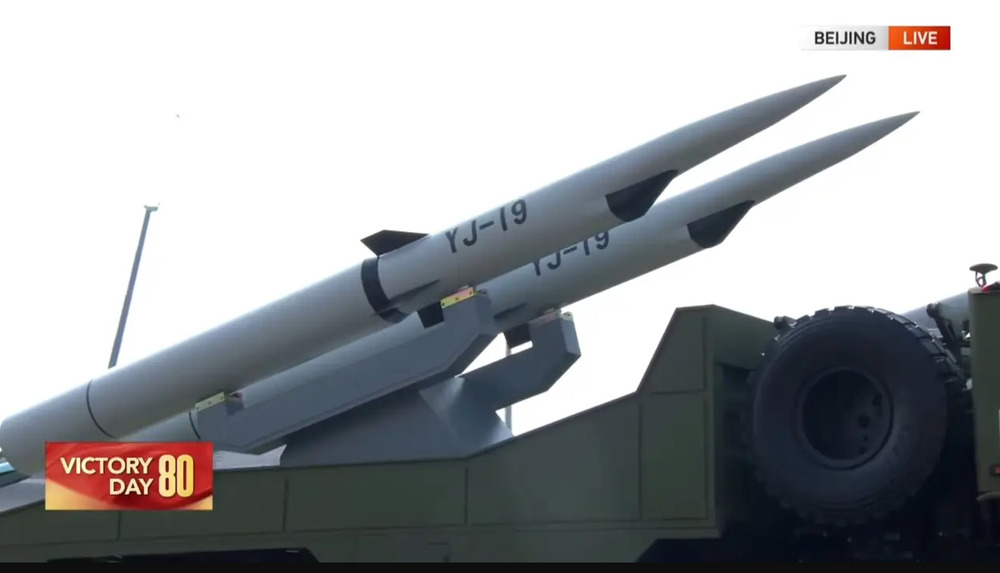
The YJ‑15 is presented as a supersonic missile with a ramjet engine, seemingly signaling: “Yes, we understand ramjet technology too.” Then there’s the YJ‑17, featuring a hypersonic warhead – sounding formidable, though details remain scarce. The YJ‑19 offers its own take on hypersonic propulsion with a ramjet, while the YJ‑20 resembles a classic ballistic missile – nothing particularly innovative, but asserting strategic status.
Beijing, unsurprisingly, did not disclose precise specifications for these “naval beasts.” Their actual deployment numbers and locations remain unknown. Even so, the limited information allows for a few conclusions. First, China is clearly aiming to create the impression of a technological breakthrough.
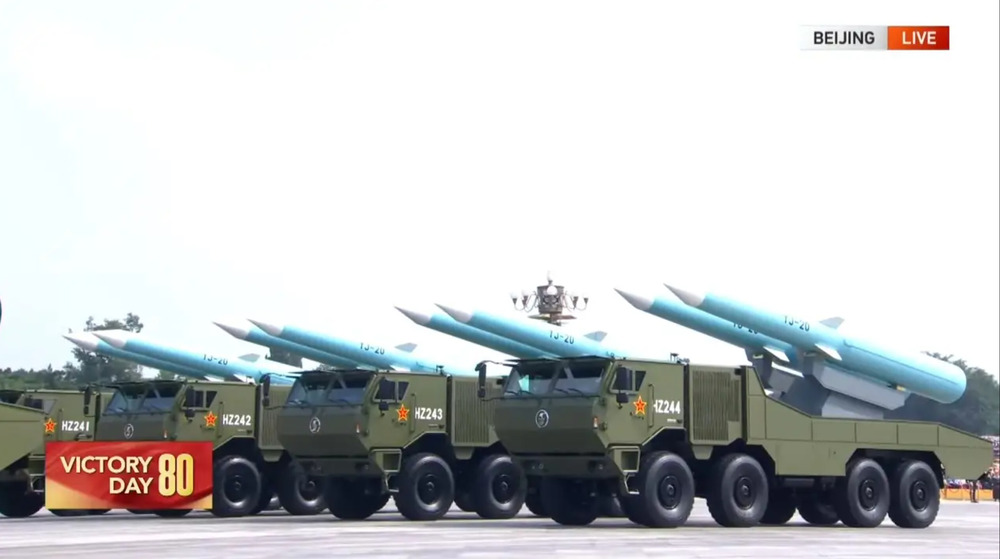
Second, the actual effectiveness of these systems has yet to be proven in practice. Third, the main effect of the parade has been achieved: viewers are meant to believe they are seeing not just missiles, but “weapons of the future.”
Read also: Weapons of Ukraine’s Victory: The Heavy Cruise Missile “Flamingo”
Air defence elements
For the first time, the naval column featured LY‑1 laser systems – a true symbol of “weapons of the future,” albeit only on parade. Formally, these are combat modules for ships, but on the celebratory day they were mounted on multi-axle chassis so the public could see China’s answer to drones and precision missiles. Naturally, the real effectiveness of these lasers remains untested, but the message is striking: “now we shoot down targets with a beam of light.” Hollywood would approve.
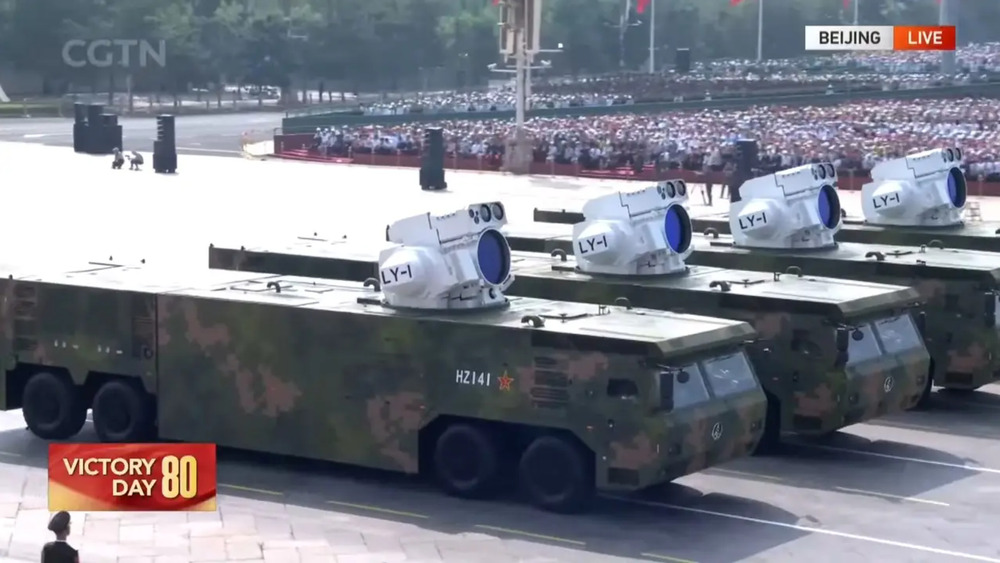
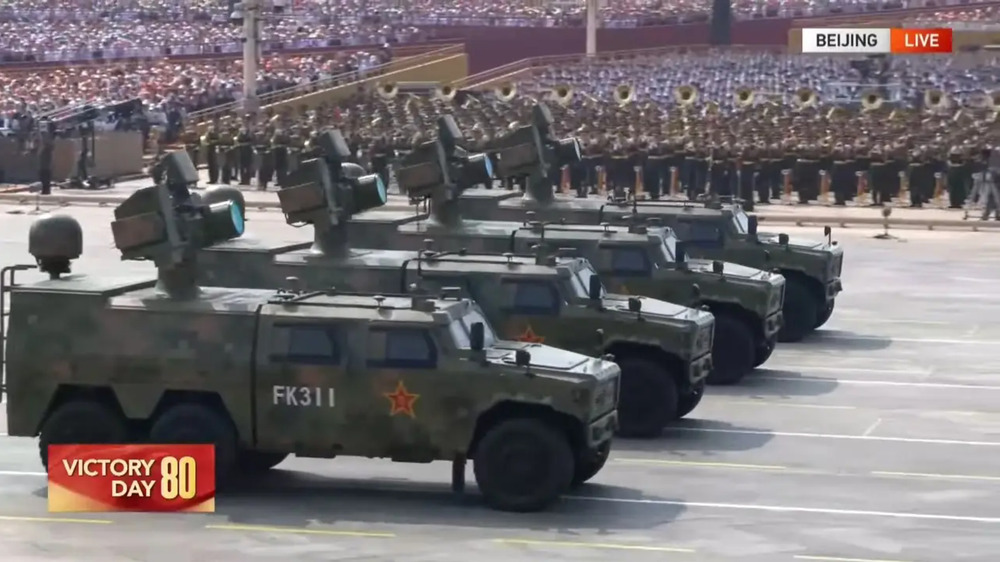
A second type of combat laser, whose name Beijing diplomatically withheld, moved through the parade as part of the ground-based air defense units. Different chassis, a different combat module, a different set of sensors and control systems – but again, no figures or verified specifications were provided. China seems to follow the principle: “Let the opponent guess what it is and what it can do.”
To keep the display balanced, the parade program also included traditional air defense systems. One of the new additions was the HQ‑29 missile system, shown as a self-propelled launcher with two containers – modest, yet hinting at power. Officially, it continues the “Hongqi” series with incremental improvements. Unofficially, it serves as another statement: “we can also shoot down ballistic and even orbital targets.”
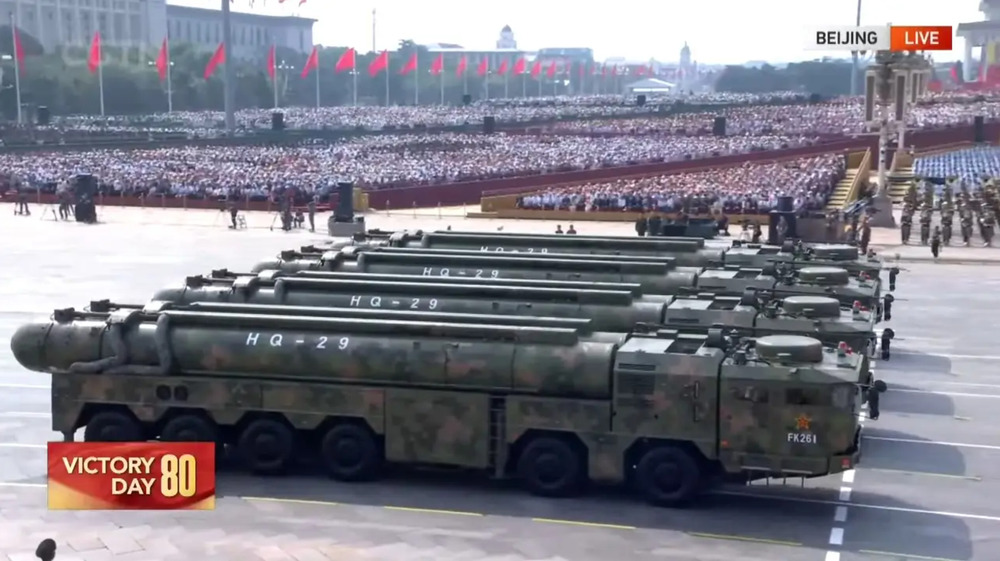
The question remains whether the HQ‑29 can genuinely compete with Western counterparts, or if it is, for now, just an impressive parade prop.
Read also: Weapons of Ukraine’s Victory: AASM/HAMMER Precision-Guided Bombs
Cyber forces on the march
For the first time, China’s PLA cyber forces were showcased in the Beijing parade – a unit that is, by nature, meant to remain invisible. Predictably, a parade requires visuals: instead of hackers in headsets, spectators saw a column of vehicles equipped with “special electronics,” whose main weapon is secrecy. In China, secrecy works simply: reveal nothing concrete, but imply limitless capabilities.
The symbol of this new “shadow army” was the Type 4 system, ceremoniously labeled a cyber operations tool. Its name alone – just a number, as if there are no words in Chinese – reveals little. What it actually does – intercept traffic, disrupt satellites, or just heat the air around its antennas – remains a mystery. Nearby, modern radio communication systems, electronic warfare units, and other “boxes of secrets” rolled by, equipped with crew cabins and antennas of every conceivable shape.
On one hand, it looked like an attempt to convince the world that the PLA has its own cyber shield and sword. On the other, the very act of a parade display raises questions: if a cyber force’s main weapon is invisibility, why participate in a show on the country’s central square? Perhaps simply to signal to rivals that, even in cyberspace, China marches in formation.
Unmanned systems
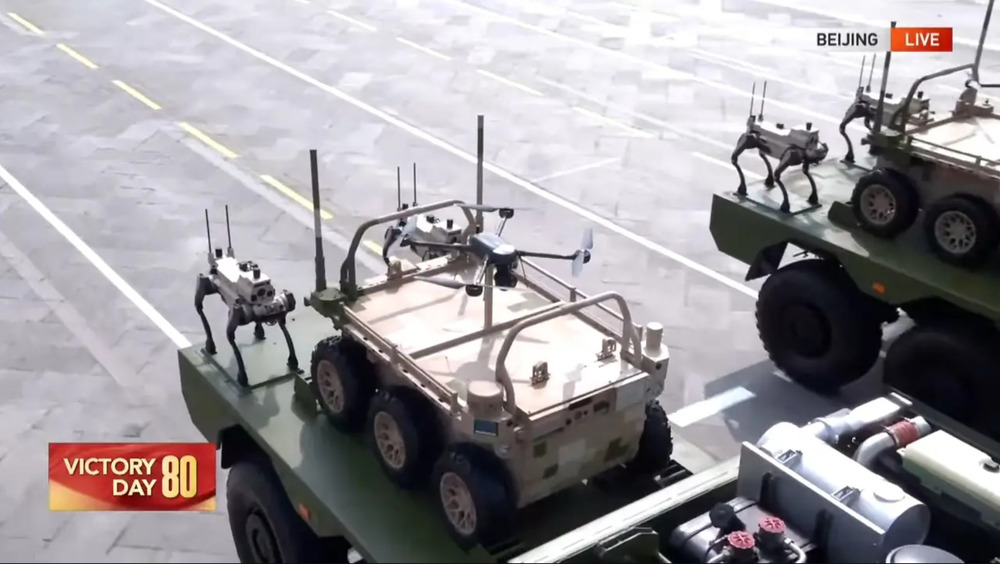
The parade placed special emphasis on unmanned systems of all kinds – from “robot dogs” to massive underwater vehicles. Dozens were displayed, seemingly to highlight a new trend: the future of warfare looks like a drone zoo. Some of the systems were shown to the public for the first time, serving as a reminder that China is also keeping pace with the “robotization” trend.
Across the square, tracked and wheeled ground robotic platforms rolled by. They were equipped with weapon modules, small drones, or demining equipment. To give the display a more futuristic feel, “robot dogs” were also included – though during the parade, they looked more like exhibits in a tech showcase than operational combat systems.
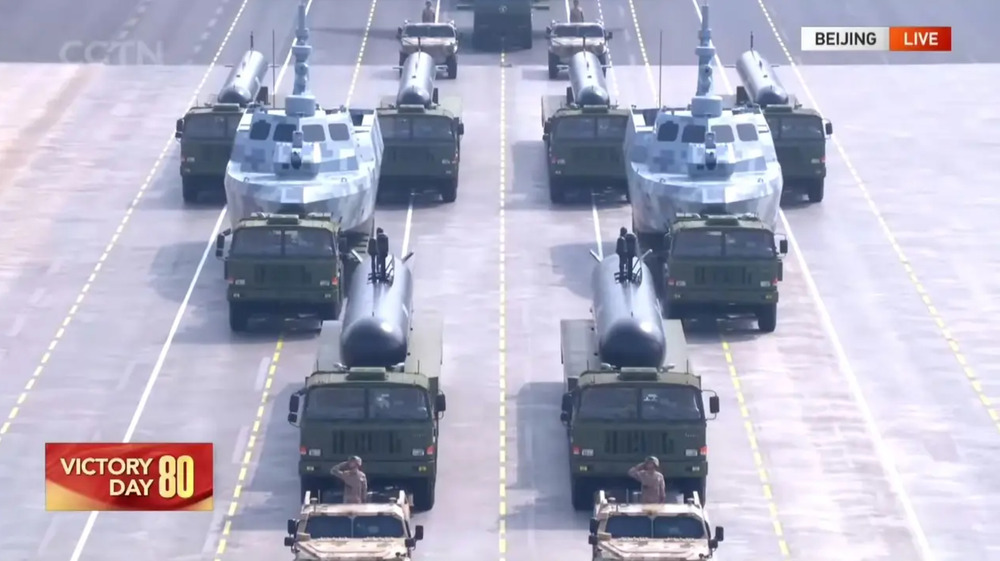
The navy also got its share of attention. For the first time, heavy autonomous underwater vehicles HSU‑100 and AJX‑002 were displayed – up to 20 meters long, with narrow hulls and “mysterious” operational capabilities. Officially, they can carry equipment and perform extended missions. Unofficially, they send another message: “yes, we also build large underwater drones.” Another debut was a medium-sized unmanned surface vessel, armed with a gun and likely equipped with additional sensors – a mobile platform for anything that can be mounted on a deck.
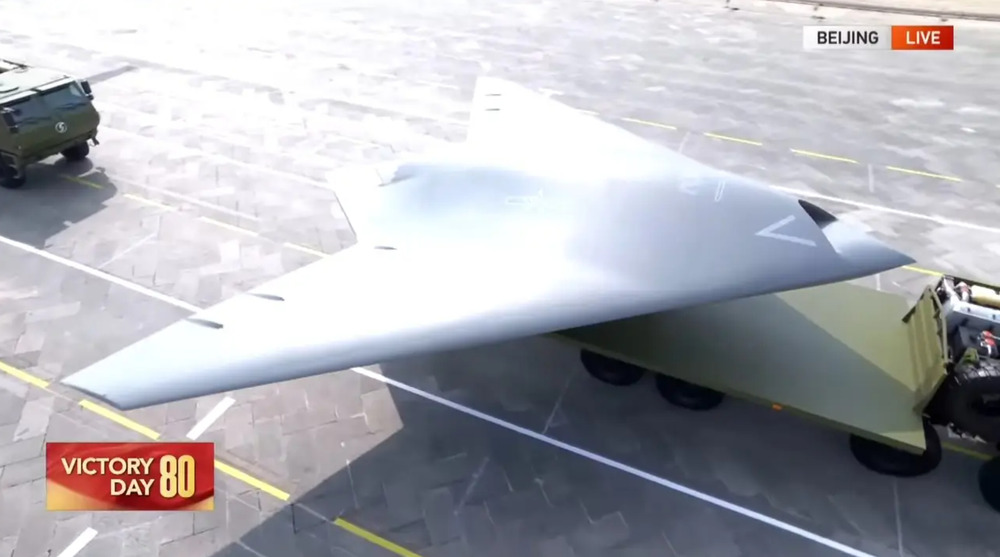
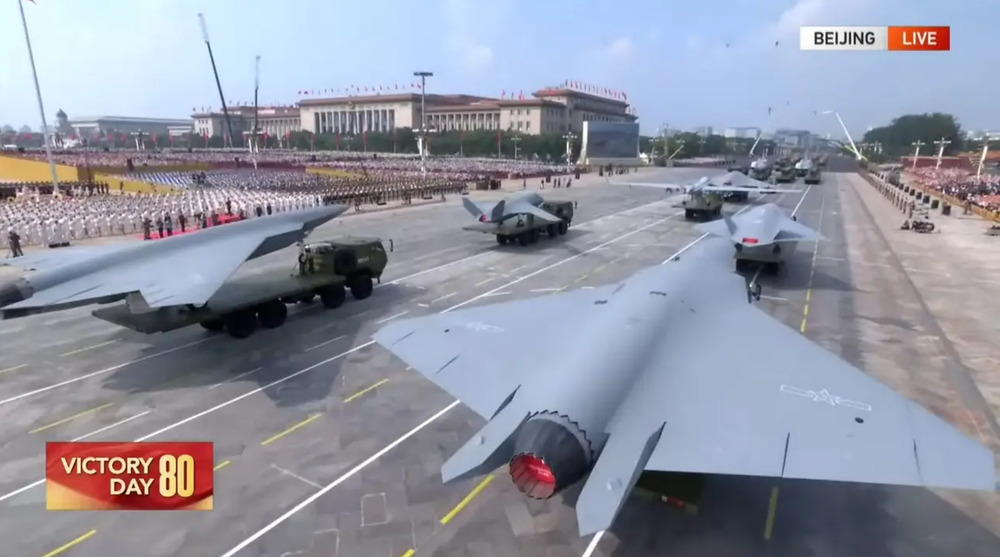
In the air, the main attraction was the GJ‑11 flying-wing drone. Chinese media presented it as a breakthrough in stealth, though visually it resembled little more than another take on American experimental designs from a decade ago. Nearby, several heavy drones flew by, officially capable of operating alongside manned aircraft – a modern “loyal wingman” concept, at least on paper.
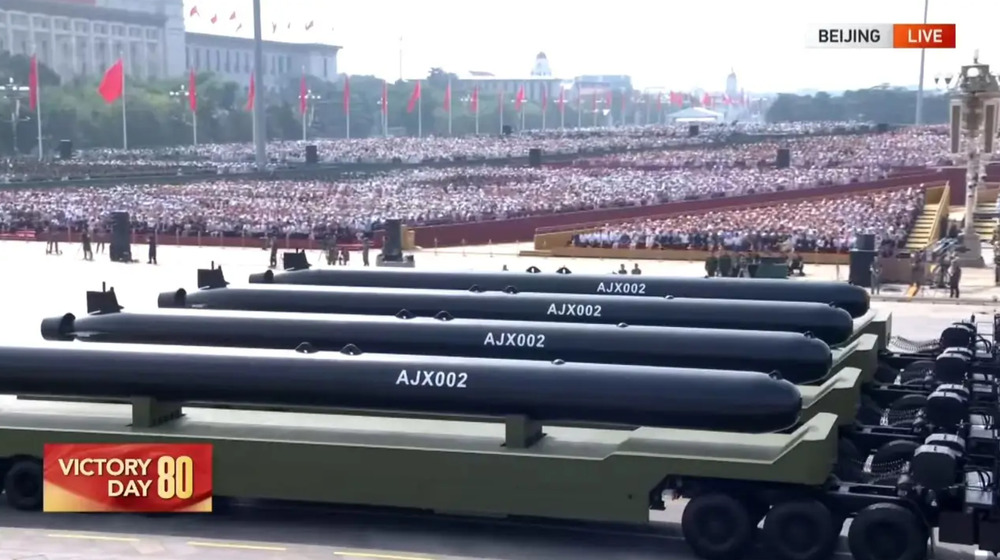
Overall, the unmanned systems segment was meant to showcase a technological breakthrough. In practice, it felt more like a catalog: “robots for every taste” – ranging from toys for the domestic audience to platforms that might one day become a genuine factor on the battlefield.
Read also:Nine of the Strangest and Most Mysterious Weapons
Missile finale of the parade
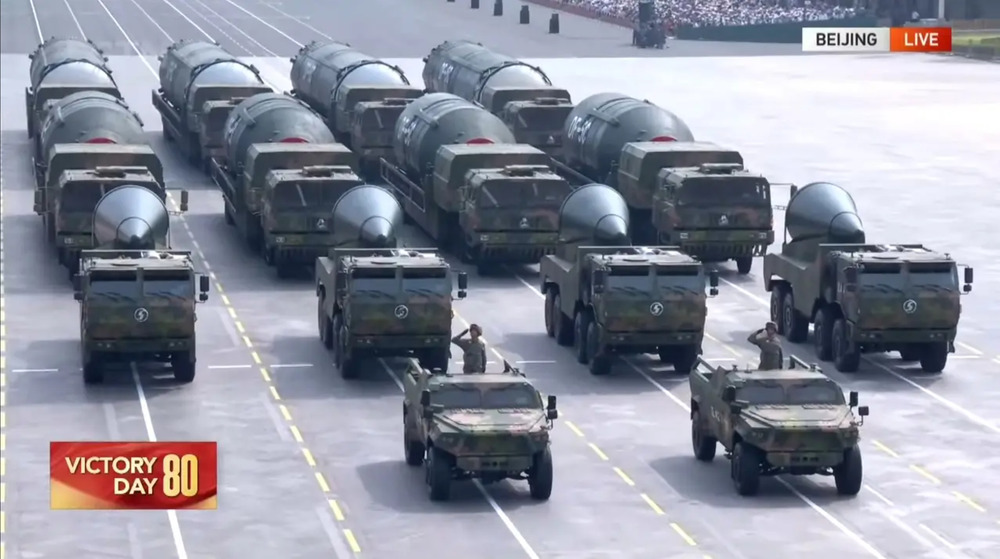
The mechanized column concluded with strategic weapons – the climax of the display, where China traditionally signals: “We also have last-resort options.” New ballistic and cruise missiles were showcased in the open, alongside systems with sealed transport-launch containers, presenting a kind of parade-ready catalog of nuclear capabilities.
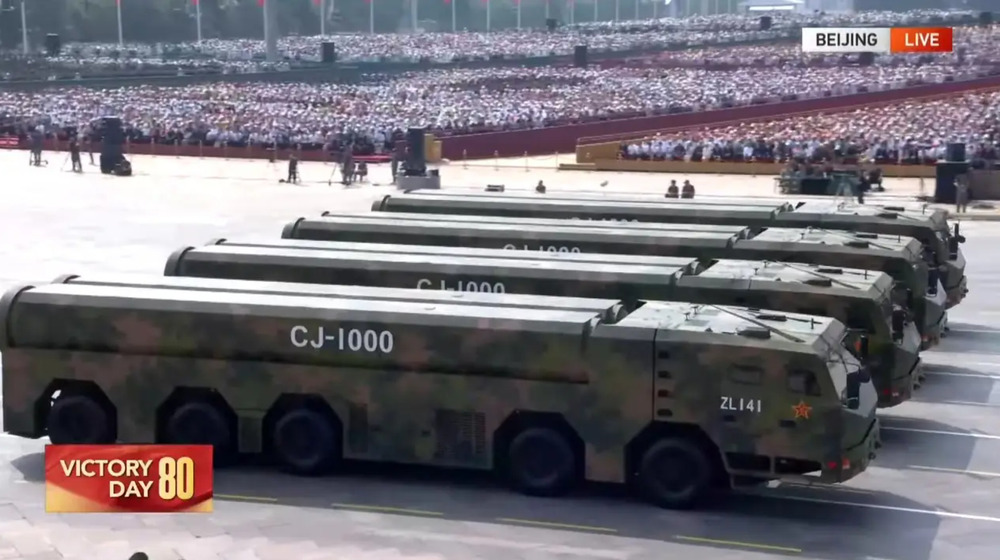
Among the new additions, particular attention was given to the CJ-1000 anti-ship missile system – a self-propelled platform carrying two hypersonic ramjet-powered missiles. The size of the containers suggests a serious capability, though the actual performance details remain undisclosed. Officially, the CJ-1000 is presented as able to reach targets beyond the range of other coastal systems. Unofficially, it reads as a signal to U.S. aircraft carriers: “We know you’re far away, but not that far.”
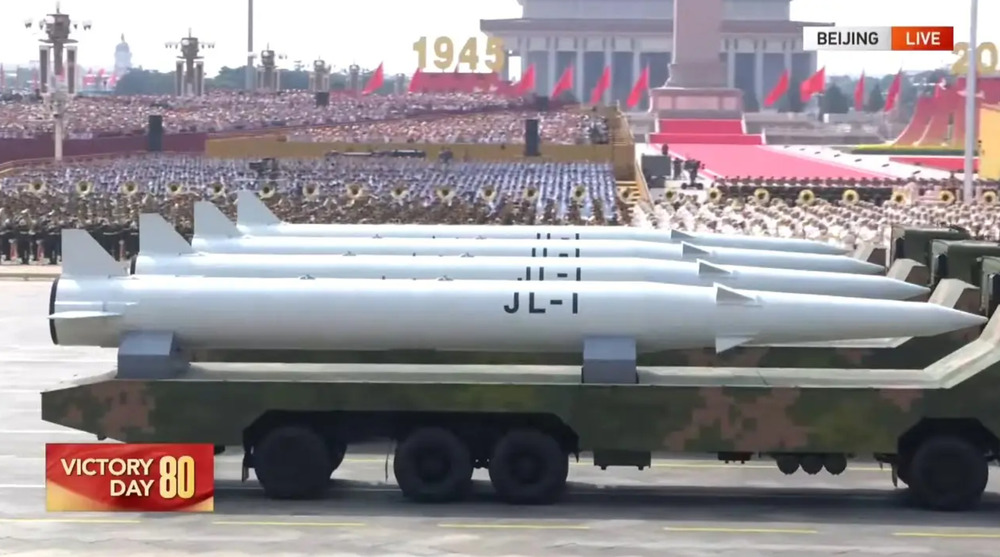
Another premiere was the JL-1 air-launched ballistic missile. Measuring up to 18 meters in length and weighing several tons, it resembled a classic product of the 1970s Soviet school – only now bearing a Chinese emblem. Beijing, of course, disclosed no specifications. And why bother? The key was for potential adversaries to imagine the scariest possible numbers themselves.
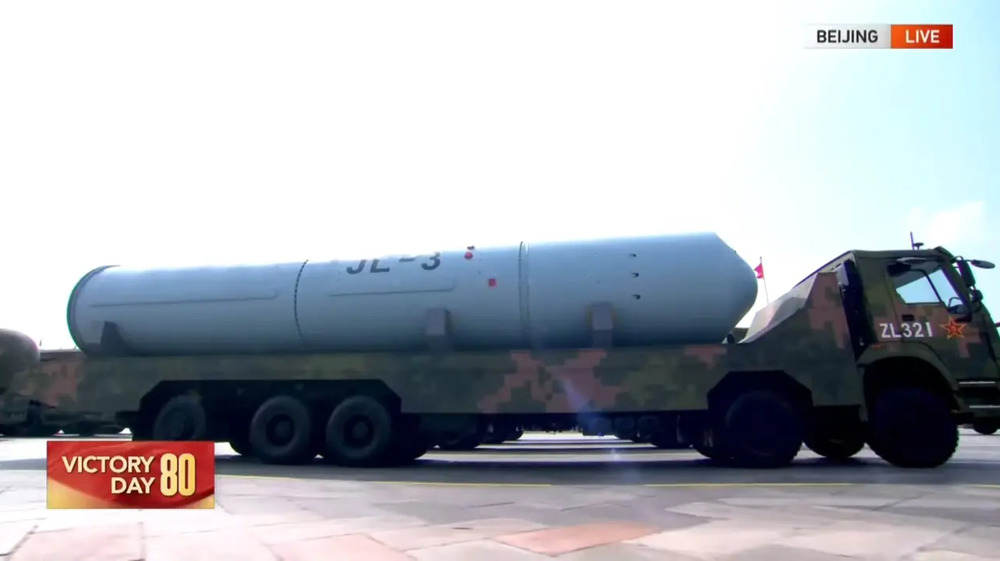
The true highlight was the JL-3 submarine-launched intercontinental missile. It has already undergone testing, is in serial production, and is being deployed on Project 094 nuclear submarines. In other words, China is officially signaling that its nuclear “triad club” is no longer just a symbolic membership – it’s a reality.
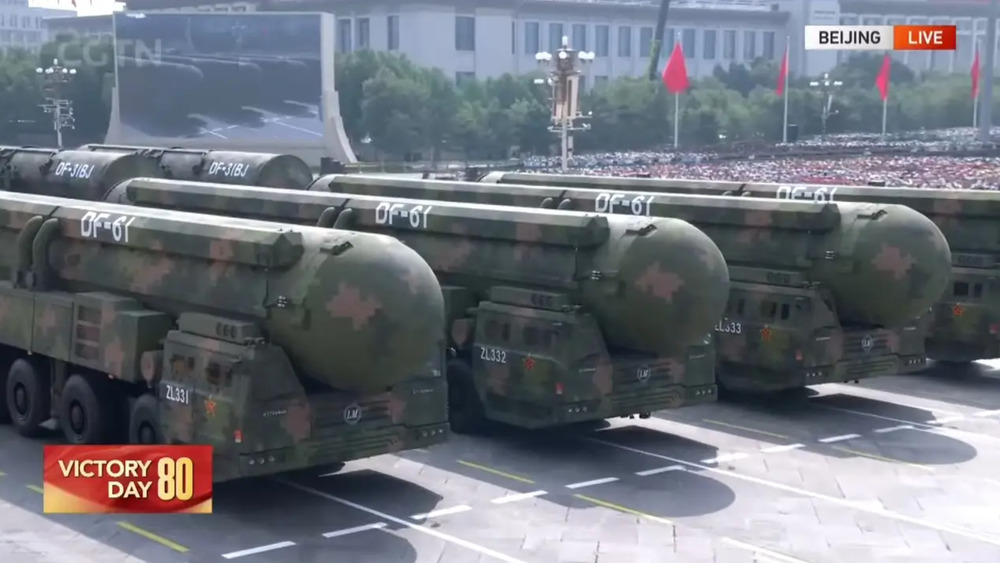
Equally striking was the display of the DF-61 mobile ground-based complexes. Massive multi-axle chassis carrying intercontinental missile containers created the desired psychological effect: nuclear capability can not only be hidden under a mountain of concrete, but also rolled across Tiananmen Square.
At the same time, a modernized version of the Dongfeng-31, designated DF-31BJ, was displayed. The emphasis was, as usual, on “significant upgrades,” though the specifics were left unclear. This is standard practice: let Western analysts puzzle over the details while Chinese media tout a “new quality of deterrence.”
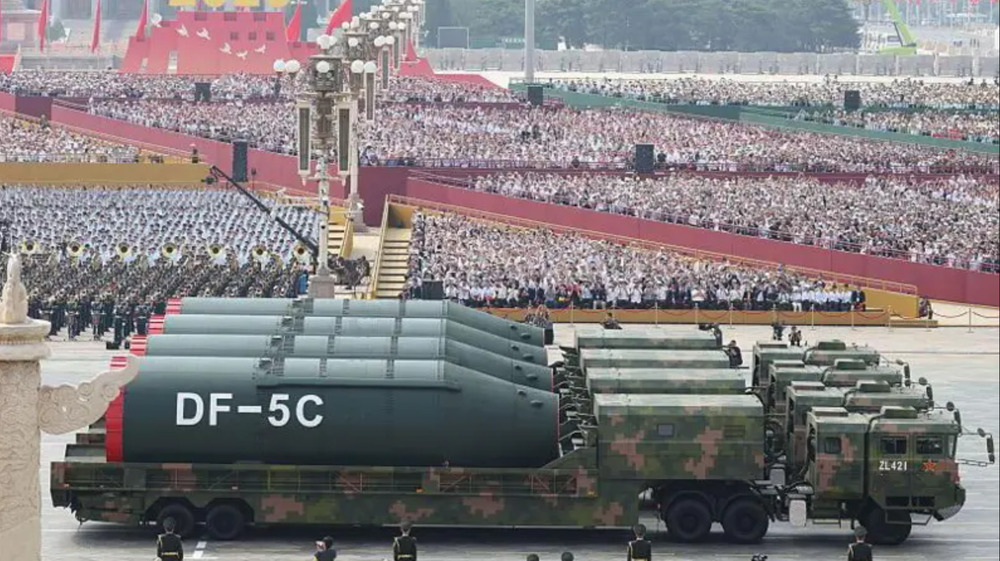
Finally, the veteran of the arsenal, the DF-5, made its appearance. This intercontinental missile dates back to the 1980s, but now appeared in the DF-5C variant. Thanks to modernization, it reportedly gained “global range,” though no exact figures were provided. Due to its size, it couldn’t be shown as a single unit: its main body, stages, and sections moved on three separate platforms, creating the illusion that the missile itself was a small parade within the parade.
Thus, the final segment of the event became the climax not only in terms of sheer firepower but also in political messaging. China demonstrated that – from drones and lasers to intercontinental missiles – it possesses it all. Whether it’s truly as effective as portrayed in the parade is secondary; what matters most is that the spectacle sends a clear signal.
Read also: Weapons of Ukraine’s Victory: SDB Guided Bomb
The aviation section of the parade: from classic to futuristic
The parade also featured the PLA Air Force and Navy aviation, creating a true aerial demonstration of power over Beijing. Nine squadrons and formations, composed of aircraft and helicopters of all possible classes, flew in a display that allowed spectators to see that China “knows how to build an air force.” Nearly every type of aircraft was showcased, including the newest models – from combat jets to transport planes.
The biggest attention went to a mixed fighter squadron. It included the familiar J-16s, as well as modern J-20s in both single- and two-seat versions. For the first time, the public saw the J-20S training-combat variant and the prospective J-35 fighter – technologies that are actively being introduced into the Air Force. It seems China is trying to signal: “We’re not just learning to fly; we’re already in the futuristic segment.”
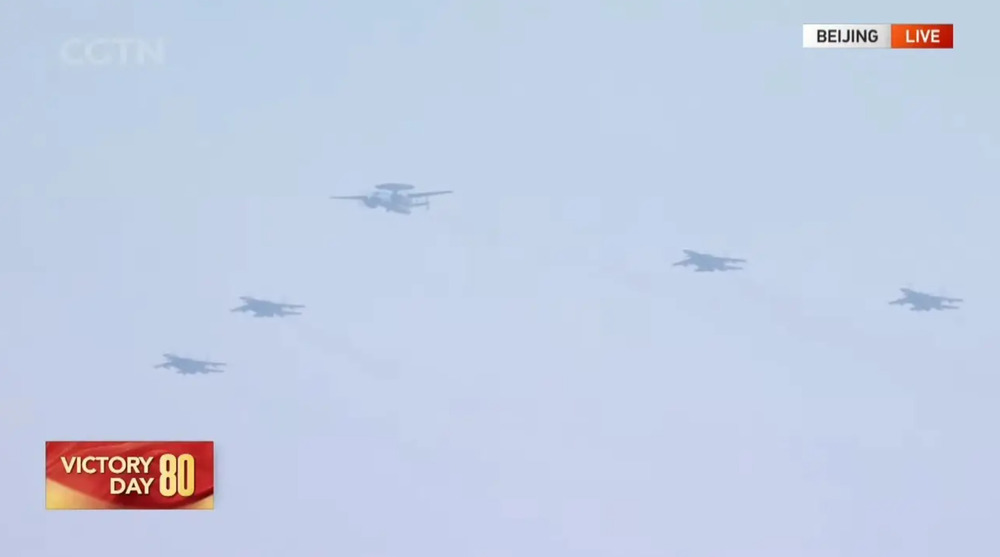
Another highlight was the premiere of the KJ-600 long-range airborne early warning aircraft for carrier-based aviation. The PLA and industry had been talking about it for years, but it was shown publicly only now. Clearly, the public demonstration was meant to reinforce the message: “We’ve already started serial production – and here it is, right before your eyes.”
Transport aviation also made an appearance. Several types were showcased, with the main novelty being the Y-20B. This aircraft is newly developed and is being seen by the public for the first time. It has already entered serial production and is beginning service in the Air Force, signaling both China’s technical achievements and its ability to deliver heavy equipment anywhere in the country – or at least across the parade route.
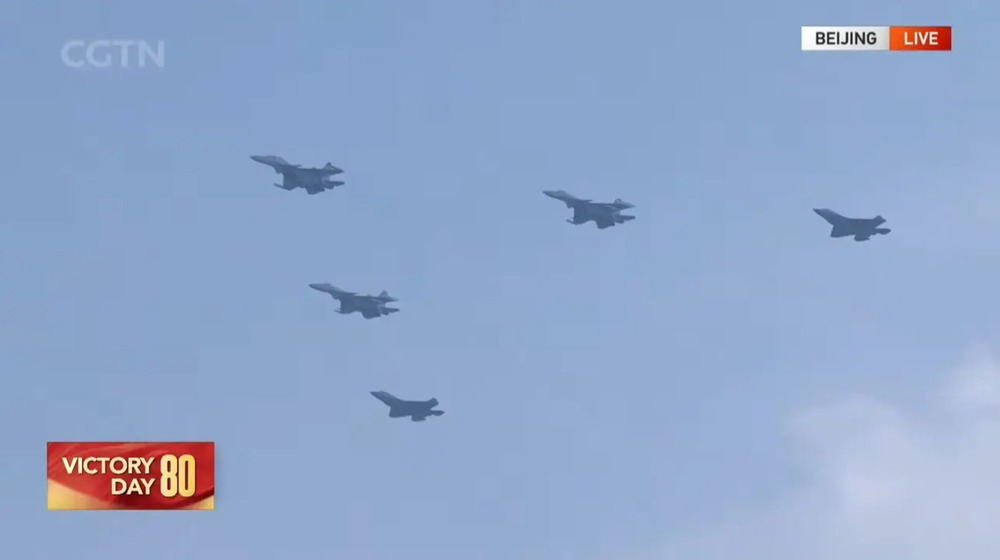
Overall, the aviation segment of the parade appeared as a blend of classic models, new entries, and technological pomp. And while the actual combat capabilities of some aircraft remain behind the scenes, the audience gets the impression that the PLA Air Force is already living in the 21st century.
Read also: Rare Earth Metal Situation: Whoever Controls the Resources, Rules the World
The parade as a demonstration of strength and technology
One of the primary goals of any military parade is to showcase a nation’s military might and the capabilities of its defense industry. Such events typically feature modern and prospective weapon systems – either already in service or soon to be deployed. China follows this tradition, regularly displaying its achievements with all the pomp and spectacle it can muster.
The anniversary parade marking the 80th anniversary of the end of World War II once again showcased not only the disciplined drills of personnel but also a range of the latest developments. The mechanized column, aviation segment, and unmanned systems gave the impression that China can march, fly, and conduct autonomous reconnaissance – all within the scope of a single parade.
The overall idea was simple: to show that China intends to build modern armed forces with all the necessary components. From small UAVs to strategic missile systems, everything is developed and produced domestically. It’s a kind of “full-cycle demonstration of power” – from mini-drones to intercontinental missiles.
It can be assumed that most of the new models have already entered production and are being delivered to the troops. While their numbers are still limited, a significant expansion of fleets and arsenals is only a matter of time. Meanwhile, China continues to prepare advanced developments for future parades – so that the audience always gets the sense: “this is the present of the future, and this is what’s still ahead.”
In the end, the September 3 parade once again confirmed that China’s main weapon is not just tanks and missiles, but also the ability to showcase its achievements to the world with impact. And even if the actual combat capabilities of some systems remain behind the scenes, the visual effect works perfectly.
Read also:
- Cryptography: What It Is and How It Works
- AI in Medicine: Is the Future Already Here?
- JSAUX accessories for portable consoles review, part 2: Backpack, docking station with M.2 SSD and adapters

