





© ROOT-NATION.com - Use of content is permitted with a backlink.
Today, we will try to discuss whether transplantology can prolong human life. Can we really live to be 150 years old?
TABLE OF CONTENTS:
What’s wrong with the idea of extending life?
The concept of organ transplantation as a pathway to significantly extending human life is being discussed more frequently, not only among biohackers but also within political circles. When Xi Jinping and Vladimir Putin met in Beijing this week, most expected the focus to be on energy security or geopolitical competition. Instead, the conversation unexpectedly turned to longevity. Both leaders, now 72, were caught on a “hot mic” discussing the potential of modern medicine to extend human life – even touching on the idea of immortality.
“Biotechnology is advancing. There will be ongoing human organ transplants, and people may even be able to rejuvenate – potentially achieving immortality,” Putin stated. Xi, in response, suggested that “within this century, human life expectancy could reach 150 years.”
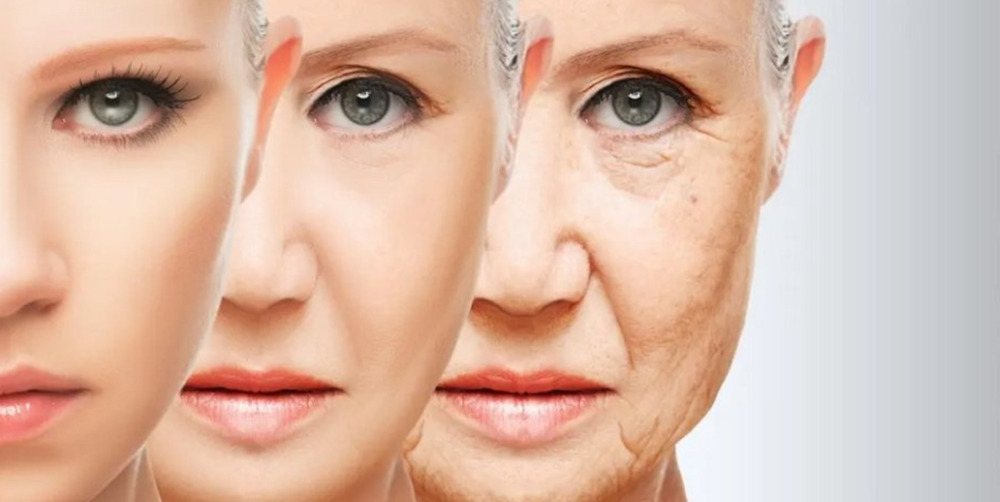
But how realistic is this scenario? Experts remain skeptical. While organ transplantation can indeed save the lives of patients with critical conditions, it is not a universal solution for combating aging. Several fundamental challenges remain:
Limited supply. Even today, there aren’t enough donor organs to meet current needs, let alone to support large-scale “rejuvenation” programs for the entire population.
- Systemic diseases. Aging isn’t just about individual organ failure. Cardiovascular conditions, diabetes, and neurodegenerative disorders affect the body holistically, and transplantation cannot halt these processes.
- Brain transplantation is impossible. One can imagine a body with a new heart or liver but an aging brain – a scenario that highlights the inherent limitations of the idea.
In reality, progress in combating aging is occurring at the molecular level rather than through “parts replacement.” Promising approaches include gene editing, anti-aging drugs, stem cell therapies, and other methods that target the biological mechanisms of aging.
Thus, organ transplantation can extend the life of individual patients, but it is not a strategy for widespread longevity. If reaching 150 years of age is possible, it is more likely to come through next-generation biotechnologies rather than through endless organ replacement.
Read also: Sex Robot Industry: New Rules in the Age of Technology
Increase in the number of organ transplants
For millennia, myths and legends across cultures have described remarkable “transplants” of organs or body parts as symbols of life restoration and health. However, it wasn’t until the latter half of the 20th century that these ideas gained real medical significance. A turning point came in 1954, when surgeons successfully transplanted a kidney from one identical twin to another. This marked the beginning of a new era in medicine. By the late 1960s, the first liver, heart, and pancreas transplants had been performed, followed in the 1980s by lung and intestinal transplants.
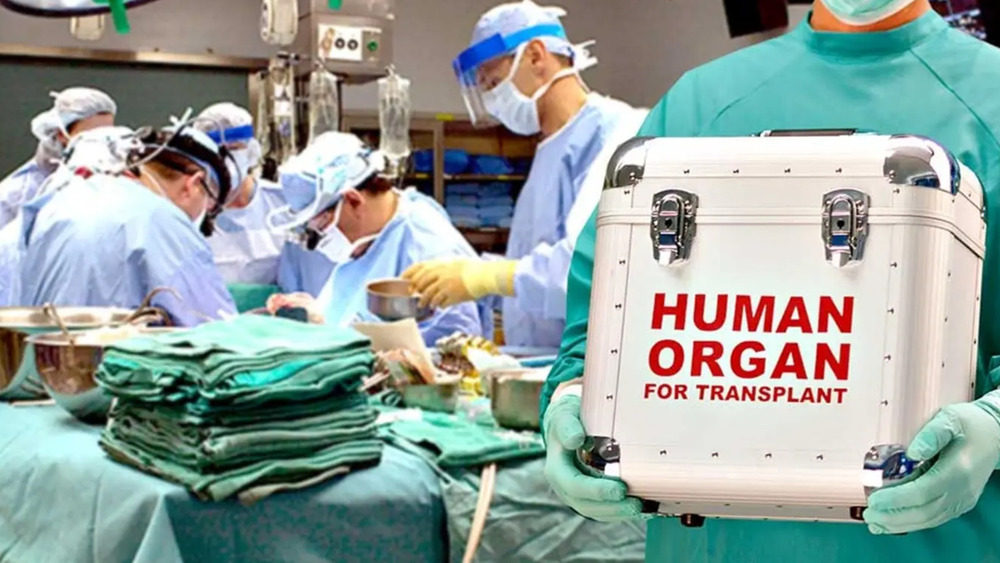
In the following decades, numerous technical and biological challenges were gradually overcome. Medical science made significant progress in three key areas:
- Surgical techniques. Improvements in connecting blood vessels and tissues significantly increased graft survival rates.
- Organ preservation. Technologies were developed to maintain organ function outside the body, allowing for long-distance transport and reducing the risk of damage.
- Immunological control. The introduction of immunosuppressive drugs lowered the incidence of transplant rejection, turning transplantation from a high-risk experiment into a routine medical practice.
The results of this progress are impressive. In the United States alone, official statistics show that since 1988, over 800,000 people have received a chance at life or a significant improvement in quality of life through transplantation. This figure highlights not only the scale of medical achievements but also the growing social importance of transplantation – from emergency life-saving interventions to long-term restoration of functionality and daily activity.
At the same time, the steady increase in transplant procedures underscores a persistent challenge: the chronic shortage of donor organs. Demand consistently exceeds supply, creating ethical dilemmas, fueling “black markets,” and driving the search for alternatives, from xenotransplantation to lab-grown organs through bioengineering.
In summary, the history of transplantation is not only a story of surgical and pharmacological achievements but also an ongoing challenge for society and science: how to meet growing demand while avoiding the ethical pitfalls associated with the “value of the human body.”
Read also: Cryptography: What It Is and How It Works
Can organ replacement ensure eternal life?
Despite significant advances in transplantation, organ transplants remain high-risk medical procedures rather than a universal tool for combating aging.
The main problem is organ rejection.
The immune system recognizes a transplant as a foreign object and attacks it. The introduction of immunosuppressive drugs in the 1980s was a breakthrough, significantly improving surgical success by controlling the body’s immune response. However, this progress comes at a considerable cost.
Immunosuppressants save the transplant, but weaken the person
Long-term suppression of the immune system sharply increases the risk of serious bacterial, viral, and fungal infections. Additionally, these drugs carry significant side effects, including the development of diabetes, high blood pressure, dyslipidemia, and, over the long term, even cancer. Since they must be taken for life, the cumulative impact of multiple transplants only exacerbates these issues.
Ageing limits the effectiveness of transplants
As the body ages, its ability to recover from major surgery declines, tolerance for surgical stress decreases, and susceptibility to infections rises. Even if a transplanted organ functions well, it does not address core age-related issues such as frailty, cognitive decline, or dementia.
Transplantation is not a permanent solution
Although modern technologies allow transplanted organs to function for decades, they rarely last a lifetime. This means a patient may require repeat transplants, each carrying additional risks and complications.
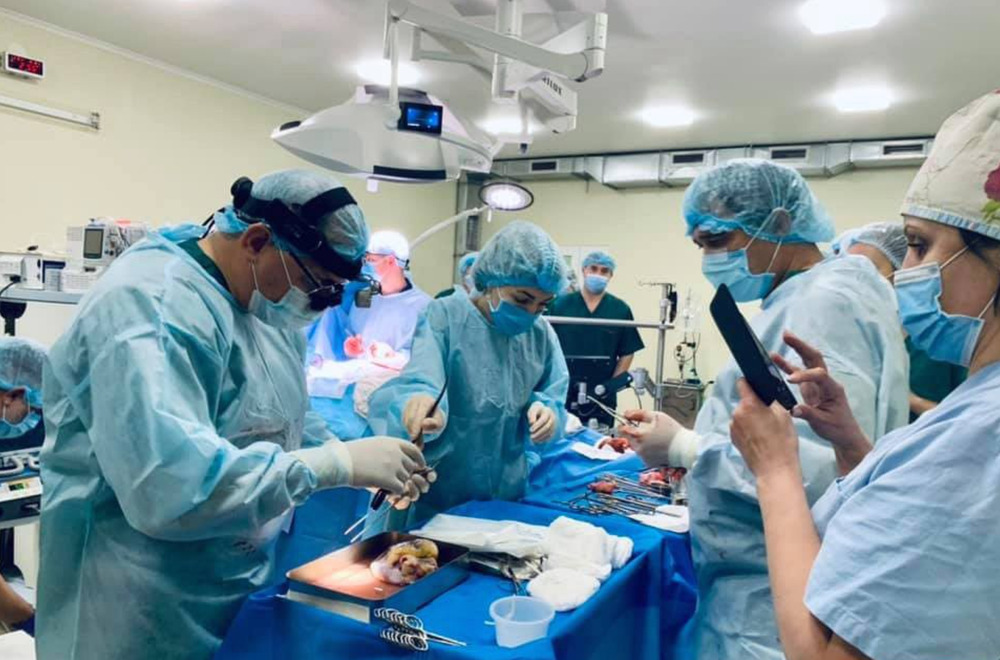
In this context, organ transplantation serves more as a life-extending measure for critical conditions rather than a strategy for radical longevity. It can improve quality of life and delay death but does not change a fundamental biological reality: replacing individual organs cannot stop systemic aging. In other words, even with a “mechanically renewed” body, a person remains mortal.
Read also: AI in Medicine: Is the Future Already Here?
Is continuous organ transplantation even possible?
The demand for transplant organs far exceeds supply, even for patients in critical condition. Estimates suggest that only about 10% of global transplant needs are met, with access varying significantly between countries: patients in wealthier nations have a chance of receiving surgery, while in poorer regions, such opportunities are virtually nonexistent.
This global shortage raises questions not only about the feasibility of “mass organ upgrades” for life extension but also about the ethics of such discussions. While some debate the idea of “immortality,” millions of people die prematurely each year from entirely preventable causes – cardiovascular disease, infections, or complications arising from lack of basic medical care. In this context, the push for radical longevity often seems disconnected from pressing public health challenges.

The financial barrier makes transplantation even less accessible. A kidney transplant can cost over $260,000, while a heart transplant can exceed $1 million, not including the lifelong expenses for immunosuppressive therapy. Globally, this effectively positions transplantation as a privilege for wealthy patients rather than a mass medical strategy.
At the same time, the scientific community is exploring alternatives. Promising approaches include:
- Xenotransplantation. Using gene-editing technologies, particularly CRISPR, to modify animal organs – mainly from pigs – to reduce the risk of rejection. Early clinical cases have already demonstrated the viability of this approach.
- Regenerative medicine. Growing organs from a patient’s own stem cells, potentially eliminating issues with immune compatibility.
- Organoids and bioprinting. Developing “mini-organs” and using 3D bioprinting to create tissues and organs on demand.
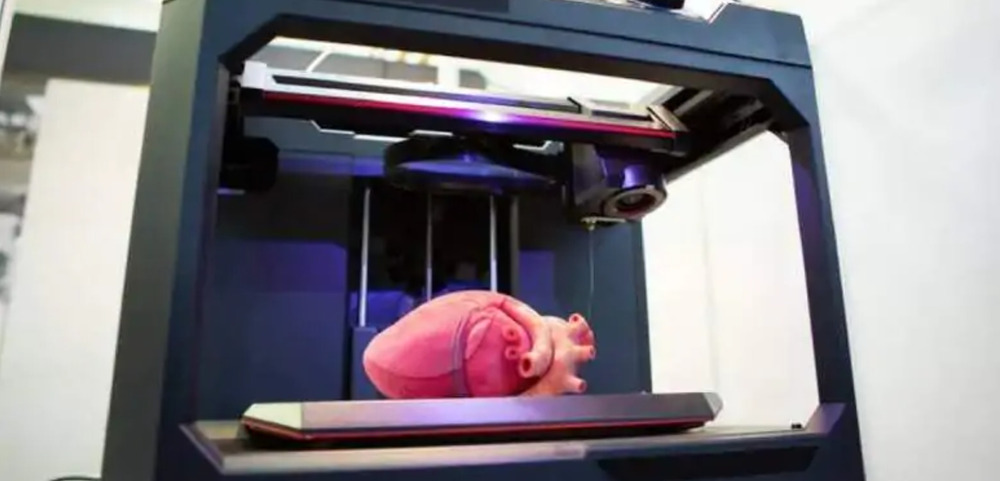
However, none of these technologies are yet ready for large-scale clinical use. Even if they become viable, they are likely to serve more as methods for “repairing” or “maintaining” life rather than radically extending its limits.
Today, organ transplantation often replaces one problem with another: an immediate threat to life is exchanged for lifelong dependence on immunosuppressants. Many researchers argue that the true future of longevity medicine lies not in endless organ replacement but in techniques that reprogram and restore the functions of a person’s own tissues. This represents a shift from “mechanical replacement” toward deep interventions in the biological mechanisms of aging.
Read also: How Chinese Companies Circumvent the US Ban on AI Chips
What other strategies might be more promising for longevity?
Despite advances in xenotransplantation and organ bioengineering, the real breakthrough of the past decade has been transcriptional medicine. This approach uses tools such as mRNA, CRISPR, and cellular reprogramming to modify gene expression and directly influence the biological mechanisms of aging.
A central role in this field is played by Yamanaka factors – proteins capable of reprogramming mature cells into pluripotent stem cells. Research indicates that partial application of these factors can “rejuvenate” cells, restore tissues, and eliminate molecular signs of aging. This is often seen as a kind of “holy grail” of gerontology: if humans were to reach an age of 150, it would likely be in a biologically youthful body rather than a physically worn one.
Today, scientists are already able to partially manipulate cellular aging by:
- Removing senescent cells, which accumulate with age and trigger inflammation
- Rejuvenating tissues using experimental “cocktails” of biological compounds
- Restoring balance in cellular signaling pathways that regulate regeneration
These methods are still far from routine clinical use, but they offer a more systemic approach to addressing aging than organ replacement.

At the same time, there are more practical strategies that already show effectiveness today:
- Lifestyle changes. A diet rich in plant-based foods, regular physical activity, and weight management have been shown to reduce the risk of age-related diseases.
- Pharmacological approaches. Certain FDA-approved drugs for treating specific conditions also show potential in the field of longevity:
– metformin (metabolism control)
– GLP-1 drugs and SGLT2 inhibitors (cardiovascular protection and diabetes control)
– rapamycin (effect on the mTOR signalling pathway)
– bisphosphonates (bone protection).
At the same time, their off-label use requires strict medical supervision, as the long-term risks remain unknown.
The socio-economic dimension is equally important. The global “longevity industry” was valued at over $44 billion in 2020 and continues to grow rapidly. This reflects not only scientific progress but also a cultural obsession with extending life, which in turn drives both serious research and the rise of questionable commercial practices.

In conclusion, the most promising path to significantly extending human life likely lies not in organ replacement but in molecular and cellular interventions – combined with realistic lifestyle changes and cautious use of pharmacology.
Read also: Rare Earth Metal Situation: Whoever Controls the Resources, Rules the World
Are predictions of living to 150 years old realistic?
When it comes to Xi Jinping’s statement about a potential human lifespan of 150 years, the scientific community responds with skepticism. Such predictions are more likely intended as political or cultural inspiration than as reflections of the current state of biomedical research. Most experts consider it a utopian idea at present. At the same time, they note that a more realistic achievement in the coming decades could be that most people consistently reach 95–100 years of age with a relatively high quality of life.
Investments in aging research are already being made on a global scale. China and Russia, despite differing political systems, face similar demographic challenges. China has the world’s largest aging population, while Russia is experiencing a decline in average life expectancy. These pressures are prompting both countries to invest in studies of aging mechanisms, much like leading universities, private investors, and research centers in the U.S. and Europe.

The history of human longevity shows that radical changes are possible. For millennia, average life expectancy hovered around 30 years. It was only through improvements in sanitation, vaccination, food safety, and access to clean water during the Industrial Revolution that this figure doubled, reaching 71 years by the early 21st century. However, the biological upper limit of life remains relatively fixed – around 122 years – and surpassing it will require fundamentally new approaches.
Extending human life also brings new risks. A larger population living for many more decades could lead to the emergence of new diseases or exacerbate existing age-related conditions. For this reason, most researchers focus not on hypothetical “immortality” but on optimizing healthy aging.
Currently, the most reliable strategy remains five well-established factors that directly influence both lifespan and quality of life:
- regular physical activity
- balanced diet
- adequate sleep
- effective stress management
- strong social connections.
Despite pharmaceutical efforts to develop a “magic pill,” no drug matches the effectiveness of these fundamental habits. Their advantage is also that they require neither complex medical interventions nor significant financial investment.
Read also:
- ChatGPT-5 from OpenAI: What the New AI Model Can Do
- How to Spot Fake Photos: New Challenges of the Digital Age
- OpenAI’s New Superpower: What Is a ChatGPT Agent?
- “Superintelligence” – Breakthrough or Marketing Hype? An Analysis


Excellent work. I watch longevity research closely as a retired physician.
This article accurately describes the status of realistic techniques to extend lifespan in humans! Conratultions.