© ROOT-NATION.com - Use of content is permitted with a backlink.
There are products whose arrival you don’t really expect. A new iPhone – expected. Another Galaxy – expected. A portable speaker from Motorola – not so much. However, the company presented one at CES 2026. This is the Moto Sound Flow. It is positioned as a portable speaker with Bose audio tuning, Ultra-Wideband (UWB) support, and a price point that places it in the upper segment of the category. I had the opportunity to test the new device in advance in Ukraine, so this review covers its practical performance and characteristics.
Read also: All reviews of wireless speakers
TABLE OF CONTENTS:
Positioning and Price
The Moto Sound Flow is Motorola’s first portable speaker and part of the new Moto Things ecosystem. Its listed price on Amazon is $279.99.
Read also: AERONAUT – everything that flies above the ground: aviation, UAVs and drones, rockets and space
The pricing is not budget-oriented, which effectively places Motorola in the premium segment from the outset, alongside brands with years of specialization in audio products. It is a bold positioning. At the same time, it makes the speaker more interesting to evaluate, particularly in terms of whether these ambitions are supported by real-world performance.
Moto Sound Flow Specifications
- Audio system: 20 W woofer + 10 W tweeter + two passive radiators, total power 30 W, Sound by Bose
- Protection: IP67
- Battery: 6000 mAh, up to 12 hours of playtime
- Charging: charging dock + USB-C
- Wireless technologies: Bluetooth 5.0, Wi-Fi 5
- Streaming: Spotify Connect, Apple AirPlay, Google Cast
- UWB: Proximity Sensing, Dynamic Stereo, Room Shift
- Microphones: 4
- Controls: capacitive buttons on the top panel + LED ring
- Colours: Pantone Carbon, Pantone Warm Taupe
- App: Android and iOS
Read also: Tronsmart Mirtune H1 Bluetooth Speaker Review: Affordable, Portable, and Long-Lasting
Package contents
The box contains a speaker, a charging dock and a USB-C cable.

The charging dock is a practical addition. Once set up, you simply place the speaker on it and no longer need to think about charging. The base includes a dedicated cable channel, which helps keep the cable organized and prevents clutter. It also looks cleaner compared to a standard loose cable setup. Beyond this, there are no additional accessories in the box, so we can move on.


Design, Build Quality, and Layout
Motorola has executed the design well. The speaker features a twill-style texture, Pantone color options, and a clean cylindrical form factor without unnecessary visual elements. Overall, it has a restrained and premium appearance. The device is available in two color variants: Pantone Carbon (dark gray) and Warm Taupe (beige). Both are neutral tones intended to blend into most interior environments. The unit reviewed here is the Pantone Carbon version.

The top panel houses an LED ring and touch-based control buttons. The USB-C port is located on the lower rear section of the device. The power on/off button is placed on the underside of the speaker.


All controls are touch-based, with no physical buttons. As noted earlier, they are positioned on the top surface of the device. In the center is the Motorola logo, with a “sound by Bose” marking placed below it. A microphone is located at the top, while volume control touch areas are placed on the left and right sides.

The fabric coating is pleasant to the touch and does not noticeably attract dust or dirt. The speaker maintains a restrained, premium appearance. The LED lighting activates during power-on, device pairing, and volume adjustment.
Read also: Motorola Moto G06 Power Review: Budget Smartphone Focused on Extended Battery Life
Sound Performance of Moto Sound Flow
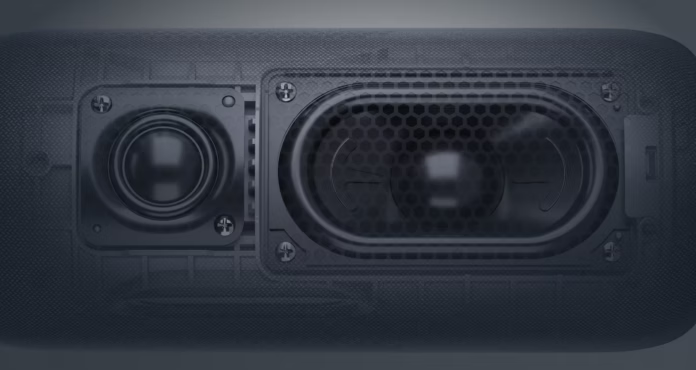
The speaker uses a separate 20 W woofer for low frequencies and a 10 W tweeter for high frequencies. This is a standard and generally effective configuration for this class of portable audio devices. It also includes two passive radiators, which are not electrically driven but respond to internal air pressure changes within the enclosure. This helps extend low-frequency response without additional power consumption. As a result, compact speakers with this type of design can often produce a fuller sound than their size would suggest. The total output power is 30 W, which is solid for this form factor. According to Motorola, the sound profile was tuned with involvement from engineers at Bose.
I did not have particularly high expectations for the Moto Sound Flow. My interest was primarily driven by curiosity, since this is a new category of device for Motorola. In general, portable speakers of this type are not expected to deliver anything exceptional – typically just adequate volume, acceptable balance, and that is sufficient. However, the result from Motorola was somewhat better than expected.

Formally, I consider this the best portable speaker I have used so far. The volume output is strong, and the bass response is deep and well-defined without becoming overly aggressive. The overall sound signature is full and, in a sense, more mature than what is typically expected from this category of devices. Channel separation is clearly perceptible, creating a sense of spatial width and depth. The sound remains balanced while still feeling dynamic and engaging. Performance is consistent both indoors and in open outdoor environments.
App and Connectivity
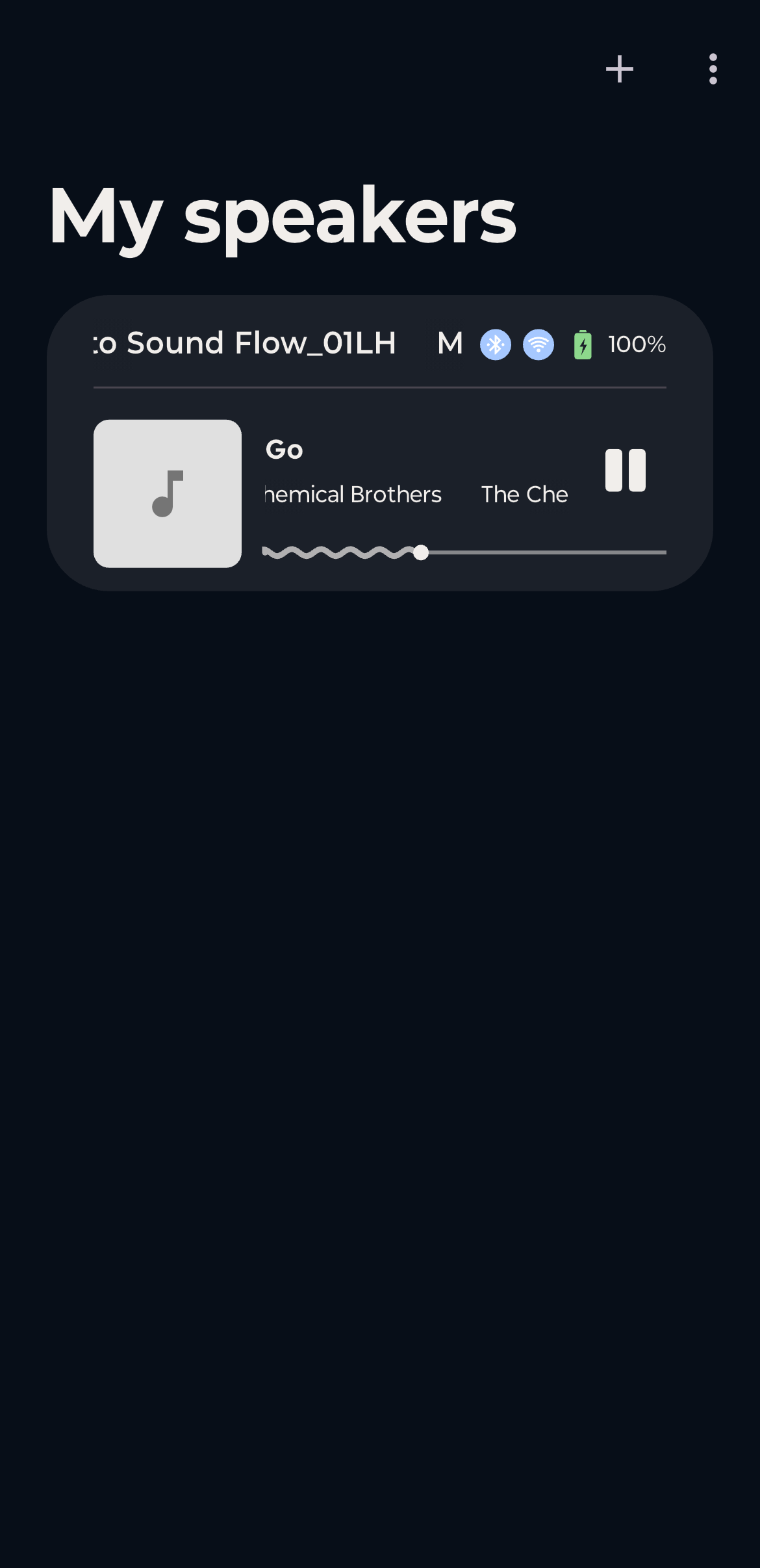
Pairing is handled in a standard way via Bluetooth. The dedicated Motorola Moto Sound Flow app can be installed by scanning the QR code included in the packaging. This directs users to the corresponding page on the App Store or Google Play.
For Android:


For iOS


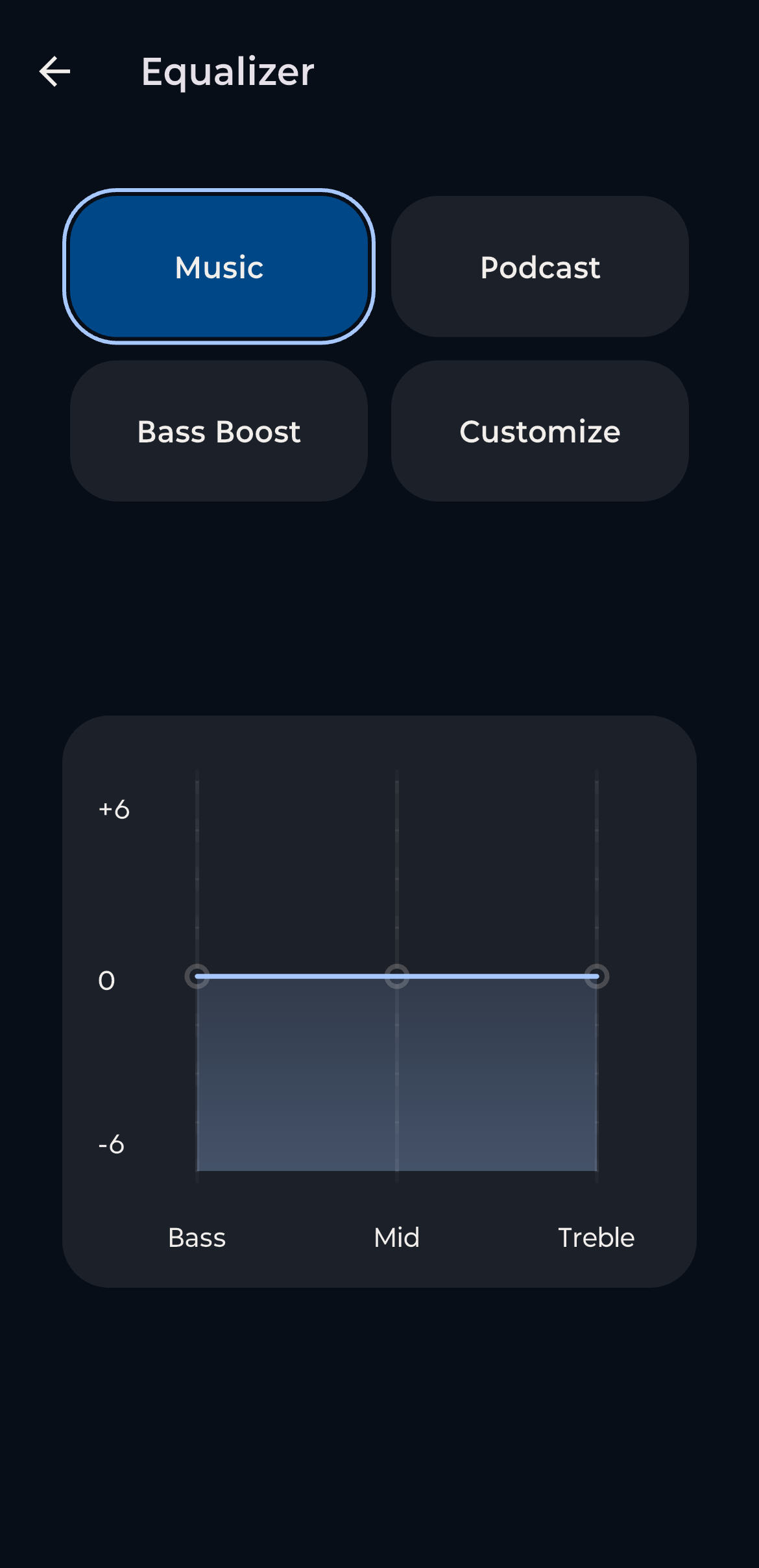
The app itself is relatively simple in structure. It includes an equalizer with four preset modes:
- Music
- Podcast
- Bass boost
- Custom
The custom mode allows manual sound adjustment to suit individual preferences.
There is also a stereo pairing feature for connecting two speakers, as well as a “Do Not Disturb” mode that disables system sounds and notifications, leaving only audio playback active. Additional sections include Google Cast (with options for voice control setup) and Wi-Fi connectivity for network-based use.
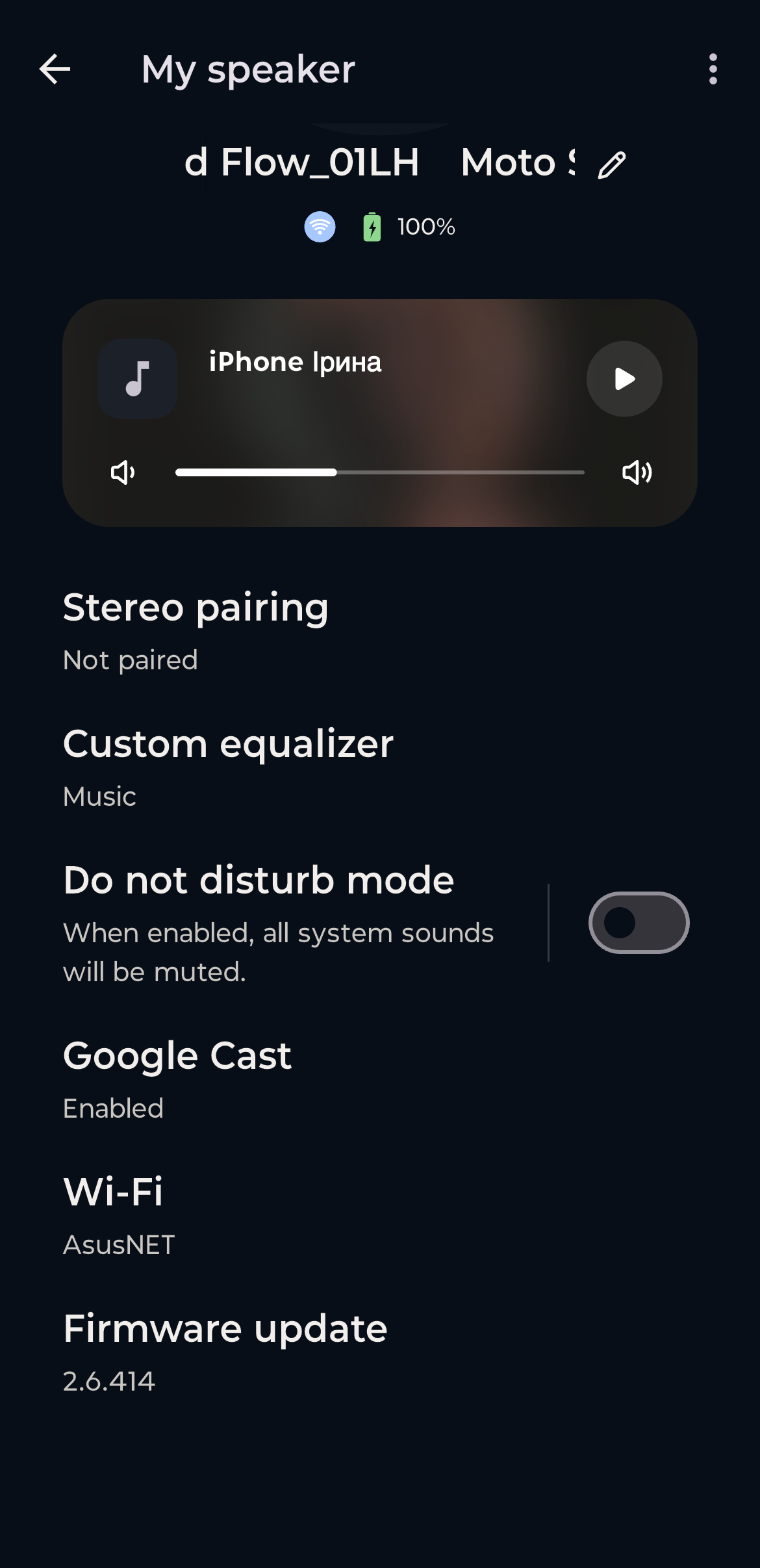
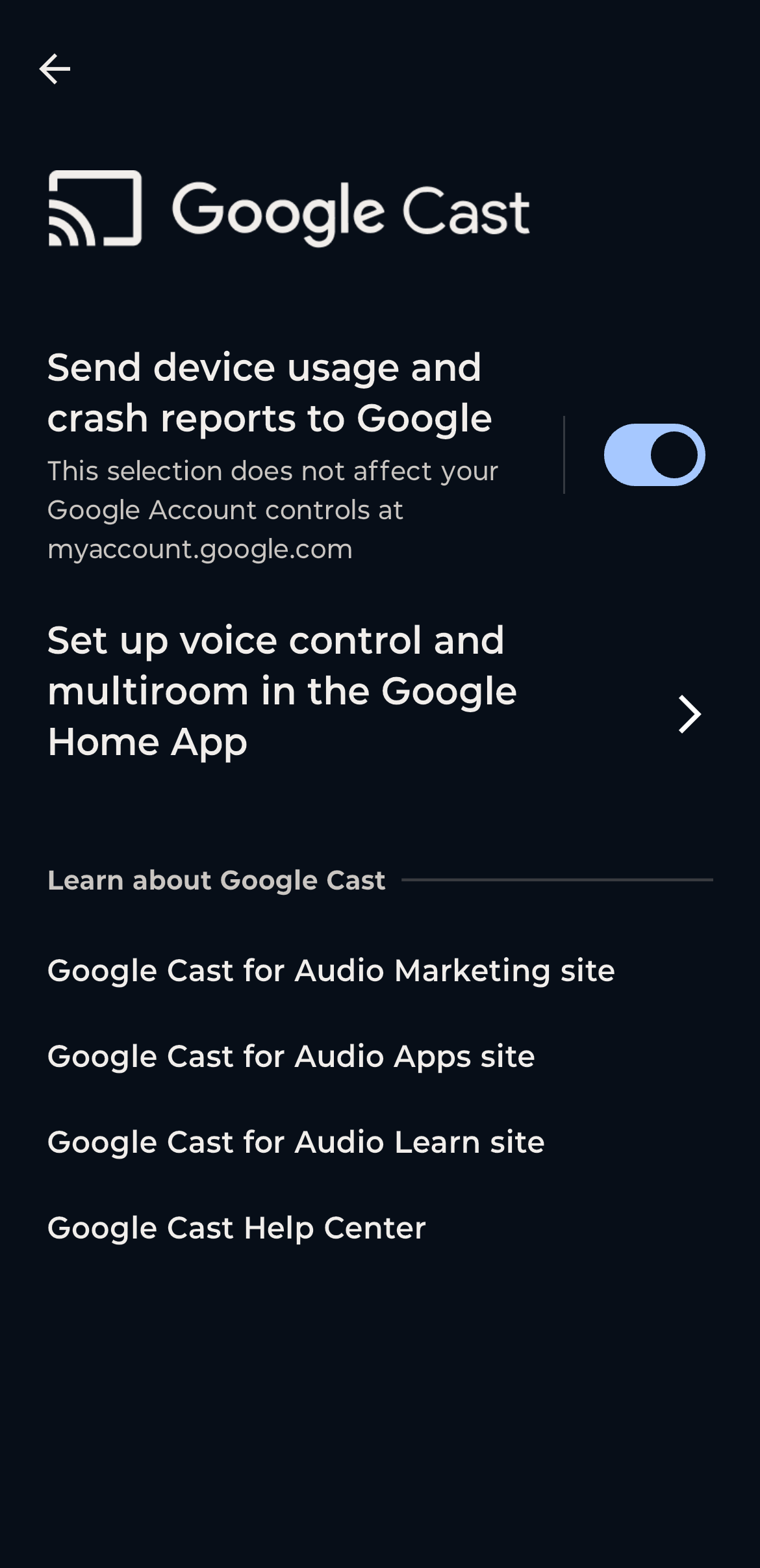
When the speaker is connected directly via the Bluetooth menu without using the app, these additional configuration options are not available. However, the default sound profile remains solid even without customization. If a smartphone has the Dolby Atmos app installed, it may automatically recognize the speaker as an audio output device and offer corresponding sound profile adjustments.
Bluetooth is not the only connection method. The Motorola Moto Sound Flow also supports Wi-Fi and can operate as a networked audio device without an active Bluetooth connection to a smartphone. In this mode, the speaker connects to a home network and can be used via AirPlay, Google Cast, or Spotify Connect, allowing the phone to be effectively removed from the playback chain.
NFC pairing is not supported, which could have been a useful addition.
UWB Technologies
Ultra-Wideband (UWB) enables precise spatial positioning of devices with an accuracy of approximately 5–10 cm. In contrast, Bluetooth only determines whether a device is in proximity, without providing precise location data. UWB can identify the exact position of a device in space, and this enables several interaction scenarios.
- Proximity Sensing / Quick Switch – when a compatible smartphone approaches the speaker, audio playback is automatically transferred to it. This applies to music, podcasts, or active calls without requiring manual intervention.
- Dynamic Stereo – two speakers form a stereo field that adapts based on the user’s position between them. Left and right channels adjust dynamically relative to the listener.
- Room Shift – when multiple speakers are placed in different rooms, playback is transferred to the nearest device as the user moves through the space.
There is an important limitation: all UWB features require a compatible smartphone. In testing, I used an iPhone 13 and a Motorola Razr 40. Only the iPhone 13 supports UWB in this context, so Proximity Sensing was tested only on that device. Dynamic Stereo and Room Shift were not evaluated, as they require at least two speakers operating simultaneously.
Read also: Report from Motorola Booth at #MWC2026: Foldable Smartphones, Mid-Range Performers, and New Earbuds
Battery Life of Moto Sound Flow
The battery capacity is 6000 mAh, with a claimed runtime of up to 12 hours. During testing, after nearly three hours of continuous playback at above-average volume, battery consumption was around 20%. This suggests that real-world performance is broadly consistent with the manufacturer’s claim. For typical home use with the charging dock, battery management is largely not a concern. For outdoor or mobile use cases, the autonomy is also sufficient for a full day of intermittent playback.
Battery level is not displayed on the speaker itself and is only visible in the companion app. When the charger is connected, the LED ring can indicate charge status using color feedback, but this information is not available when the device is operating on battery power alone.

Conclusions
The Motorola Moto Sound Flow is a convincing first entry into a new product category for the brand. Sound quality is its clear strength: deep, well-balanced, and generally lively in character. Build quality and materials are consistent with its price segment.
The UWB features are interesting but are only fully usable with a compatible smartphone, and in some cases require an additional speaker to unlock their full functionality. The lack of an on-device battery indicator is a limitation, although this is partially mitigated by the companion app.
Overall, Motorola has entered a new segment with a product that is competently executed. The Moto Sound Flow can be reasonably recommended within its intended use cases.

Where to buy Moto Sound Flow
Read also:
- Motorola Signature: The Company’s First True Super-Flagship
- SUNRA K6 electric scooter review: Quieter than water, faster than the wind
- Everything About the Chaklun Jet UAV Designed to Intercept the “Geran-3”