





© ROOT-NATION.com - Use of content is permitted with a backlink.
I’ll admit honestly: I’ve never been particularly drawn to smartphones from Xiaomi. Not because of any firm principle – it just happened that way. There was always some reason to choose something else, whether it was the brand’s very assertive marketing, the presence of ads in the interface, or simply the sense that the devices were “not for me.” Biased? Perhaps. But technology reviewers are people too, and everyone has their own preferences.

The first crack in that bias appeared a few months ago, when I reviewed the Xiaomi 15T Pro. It left a very positive impression: a mature, well-assembled upper-midrange device. After spending time with it, I began to think that Xiaomi clearly knows what it’s doing. So when I had the opportunity to test the Xiaomi 17, I approached it with genuine curiosity. What exactly does the manufacturer promise this time?
TABLE OF CONTENTS:
Video about the Xiaomi 17
Read also: XIAOMI smartphone reviews
Positioning and Price
One detail is worth noting at the outset. While it is clearly a marketing decision, it also illustrates the company’s ambitions. Xiaomi skipped the 16th generation in its numbering. Company president Lu Weibing confirmed that the jump directly to 17 was intended to align numerically with the upcoming iPhone 17. In other words, Xiaomi appears to be positioning its flagship devices alongside Apple’s lineup rather than presenting them primarily as a lower-cost alternative. It is a notably bold approach.

Accordingly, the Xiaomi 17 is positioned as the entry model within the brand’s flagship lineup. At the time of publication, the smartphone is available at a promotional price: the 12/256 GB version costs $961 / €831, while the regular price is $1075 / €930. The 12/512 GB configuration is priced at $1030 / €891 with the discount and $1144 / €990 without it. These figures place the device firmly in the premium segment. The key question, therefore, is whether the hardware and overall experience justify the price.
Xiaomi 17 Specifications
- Display: 6.3” CrystalRes-OLED, 2656×1220, 464 ppi, 120 Hz refresh rate, HDR10+, Dolby Vision, DC Dimming support, Xiaomi Shield Glass
- Processor: Snapdragon 8 Elite Gen 5, octa-core (2×4.6 GHz Oryon V3 Phoenix L + 6×3.62 GHz Oryon V3 Phoenix M)
- Graphics: Adreno 840
- RAM: 12 GB
- Storage: 256/512 GB UFS 4.1
- Memory card slot: none
- SIM slot: 2 nano-SIM
- Main camera: 3 modules; main module 50 MP, f/1.67, 23 mm, Light Hunter 950, 1/1.31″, dual pixel PDAF, OIS; ultra-wide lens 50 MP, f/2.4, 17 mm, 102°, OmniVision OV50M, 1/2.88‘; 50 MP telephoto lens, f/2.0, 60 mm, Samsung JN5, 1/2.76’; laser autofocus, colour spectrum sensor, Leica lens, dual dual-tone flash, HDR, panorama; video recording: 8K@30 fps (HDR), 4K@30/60 fps (HDR 10+, 10-bit Dolby Vision HDR, 10-bit LOG), 1080p@30/60/120/240/960 fps, 720p@1920 fps, gyro-EIS
- Front camera: 50 MP, f/2.2, 21 mm (wide-angle), PDAF, 4K@30/60 fps, 1080p@30/60 fps, HDR 10+, gyro-EIS
- Audio: stereo speakers with Dolby Atmos support, 24-bit/192 kHz Hi-Res and Hi-Res Wireless audio, Snapdragon Sound
- Protection rating: IP68
- Operating system: Android 16, HyperOS 3
- Wireless technologies: Wi-Fi 7 (802.11ax), Bluetooth 6.0, NFC, IR port
- Location services: aGPS, GPS module, Dual GPS (L1+L5), GLONASS, Galileo (E1+E5a), digital compass
- Sensors: Fingerprint scanner (under-display, ultrasonic), accelerometer, proximity sensor, gyroscope, compass, barometer
- Battery: 6330 mAh, wired charging 100 W, PD 3.0, QC 3+, 100 W PPS, wireless 50 W, reverse wireless/wired 22.5 W
- Dimensions and weight: 151.10 × 71.80 × 8.06 mm
- Colours: black, Venture Green, Ice Blue, Alpine Pink
Read also: Xiaomi 15T Pro Review: Leica Optics, 144 Hz Display, and MediaTek 9400+
Package Contents
With the specifications outlined, the next step is to examine what the user receives with the device. The package is relatively minimal: the smartphone itself, a USB Type-C cable, a protective case, a SIM tray ejector tool, and documentation. A protective film is also pre-applied to the display. In this configuration, the Xiaomi 17 follows the current industry trend toward simplified packaging.


I tend to view pre-applied protective films with some skepticism, for two main reasons. First, they are often of average quality, with weak or nonexistent oleophobic coating, and they tend to scratch quickly. Second, when dealing with a flagship device whose display is protected by a material comparable to Gorilla Glass – in this case Xiaomi Shield Glass, which the manufacturer claims offers ten times greater drop resistance than Gorilla Glass Victus – the necessity of an additional film becomes questionable. That said, this is somewhat of a digression, so it makes sense to return to the contents of the Xiaomi 17 package.
A charging adapter is not included, which is largely expected today, though somewhat disappointing. This is especially noticeable given the device’s roughly $1,000 price and its support for 100 W fast charging. Users who want to take advantage of this capability will need to purchase a compatible adapter separately – for example, the Xiaomi 120W HyperCharge charger, which costs about $45.

Design and Ergonomics
The Xiaomi 17 has a relatively compact form factor and feels comfortable in the hand. The controls are positioned at a convenient height, making it easy to operate the device with one hand. In terms of dimensions, the smartphone measures 151.1 mm in height, 71.8 mm in width, and 8.06 mm in thickness, with a weight of 191 g. In 2026, when many flagship smartphones exceed 160 mm in height, this more compact size can be considered a practical advantage.

The chassis follows a layout typical of premium smartphones: a flat display, a flat rear panel, and an aluminum side frame. The frame is color-matched to the body, finished with a matte coating, and features symmetrical plastic antenna lines along the perimeter. The corners of the Xiaomi 17 are rounded according to what Xiaomi refers to as a “golden arc” design. The edges of the frame are also slightly curved, which helps the device sit more comfortably in the hand and prevents it from feeling sharp against the palm.

The bezels around the display are nearly imperceptible and symmetrical, measuring 1.18 mm on each side, giving the Xiaomi 17 a screen-to-body ratio of 89.5%. The front-facing camera is small and centered at the top of the display. The power and volume buttons are located on the right edge, while the left and top edges remain clean. On the bottom edge, there is a microphone, the main speaker, a USB Type-C port, and a SIM tray accommodating two nano-SIM cards.


For testing, I had the black version of the Xiaomi 17, though a more accurate description might be graphite or dark gray. Other available color options include Ice Blue, Alpine Pink, and Venture Green.

The camera module is square with rounded corners, color-matched to the body but finished in gloss, which makes it prone to fingerprints and dust. The individual camera lenses protrude noticeably from the back panel, which can be inconvenient at times. Overall, the design is modern, the device is well-assembled, and it has a premium appearance.

Xiaomi 17 Display
One area where I have no complaints is the display. The CrystalRes OLED – a marketing name for an LTPO AMOLED panel – measures 6.3″ diagonally with a resolution of 2656×1220, yielding a pixel density of 464 ppi. It supports HDR10+ and Dolby Vision and is protected by Xiaomi Shield Glass.

The adaptive refresh rate ranges from 1 to 120 Hz and adjusts automatically depending on the content. On static images or text, it drops to conserve battery, while scrolling feeds or playing games activates the full 120 Hz, which is noticeably smooth. Overall, the display feels vibrant and fluid.
The panel’s peak brightness is rated at 3500 nits. In practice, this means the screen remains easily readable outdoors under bright sunlight, without needing to shade it with your hand, as can be necessary on some smartphones.
The display also supports DC Dimming, which adjusts brightness without flickering. This feature can be particularly useful for users whose eyes fatigue quickly.
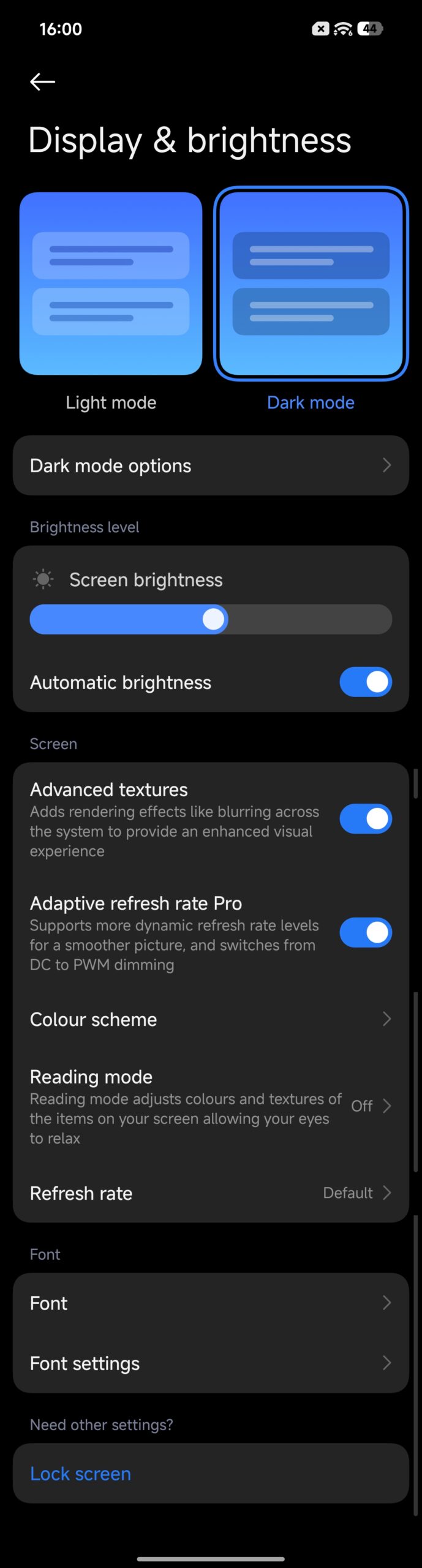
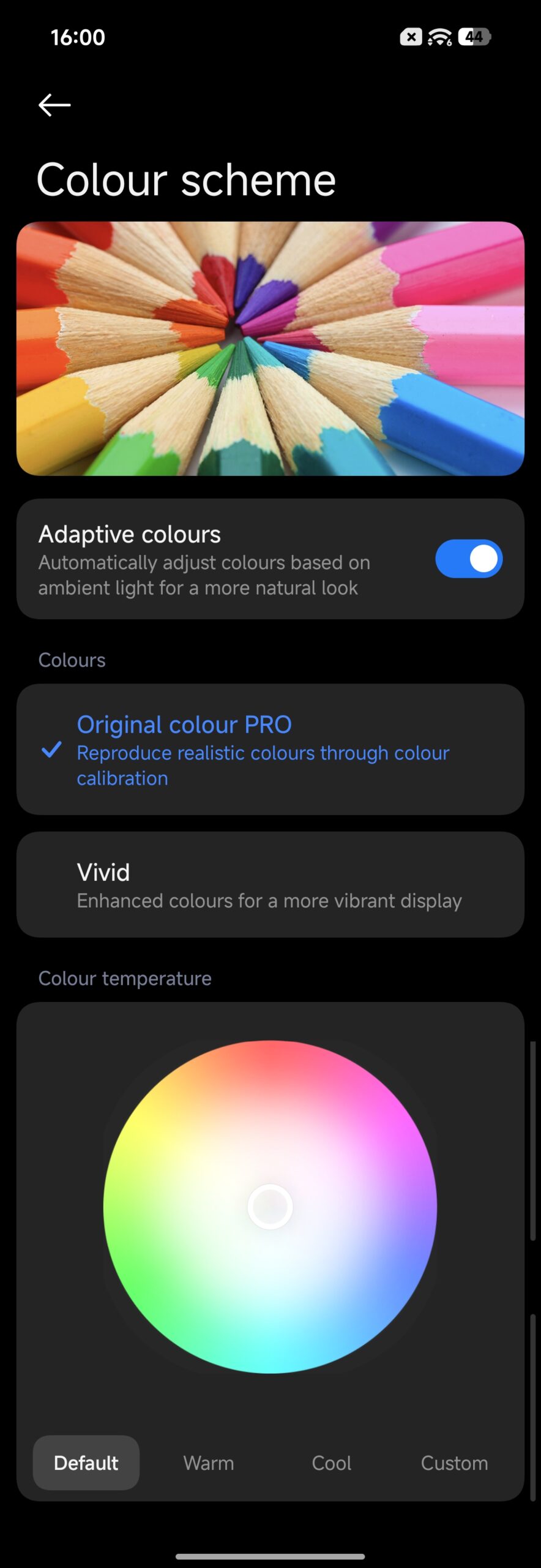

The takeaway is simple: the display is a pleasure to look at. Colors are bright and vivid without being overly saturated, scrolling is smooth, and the touch response is excellent.
Security
The Xiaomi 17 features an in-display ultrasonic fingerprint scanner. Unlike optical sensors, the ultrasonic scanner is faster, more accurate, and, importantly, reliable with wet fingers. Whether after washing dishes or in the rain, it worked consistently. During a week of testing, I never had to place my finger twice to unlock the device.

Face Unlock is also available, but it uses 2D recognition – relying solely on the front camera without additional depth sensors. In good lighting, it works quickly; in low light, it is slightly slower but remains reliable and error-free.
The device also carries an IP68 rating, tested for immersion in fresh water up to 4 m for 30 minutes under laboratory conditions. While it’s not designed for diving, the Xiaomi 17 can handle accidental splashes without issue.
Xiaomi 17 Performance
Inside the Xiaomi 17 is the Snapdragon 8 Elite Gen 5, Qualcomm’s flagship chipset. It features an eight-core architecture: two Prime Oryon V3 cores running up to 4.6 GHz and six performance cores running up to 3.62 GHz, paired with an Adreno 840 GPU and built on TSMC’s 3 nm process. Compared to the previous Snapdragon 8 Elite, the manufacturer promises a 20 % increase in CPU performance and a 23 % boost in GPU performance, along with improved energy efficiency.


In synthetic benchmarks, the performance of the Xiaomi 17 is as follows: Geekbench 6 scores roughly 5,673 for single-core and 10,330 for multi-core tests, while the GPU test yields 23,789 points. For comparison, the Xiaomi 15 scored 2,881 single-core, 8,715 multi-core, and 18,499 in the GPU test. The difference is significant. In AnTuTu, the Xiaomi 17 achieves approximately 3.4 million points.


During testing, the smartphone does heat up, which is expected under load. In everyday use, however, this was not an issue.
Regarding memory: the base version comes with 12 GB of LPDDR5X RAM and 256 GB of internal storage using UFS 4.1 – a fast, modern standard. Storage can be expanded via system allocation of an additional 8 GB of flash memory, bringing the effective available space to 264 GB. There is also a RAM expansion feature, allowing up to 12 GB to be added, effectively doubling the initial RAM and reaching a total of 24 GB. While this technology doesn’t fully replace “real” RAM in all scenarios, it is useful for background tasks and running multiple apps simultaneously.
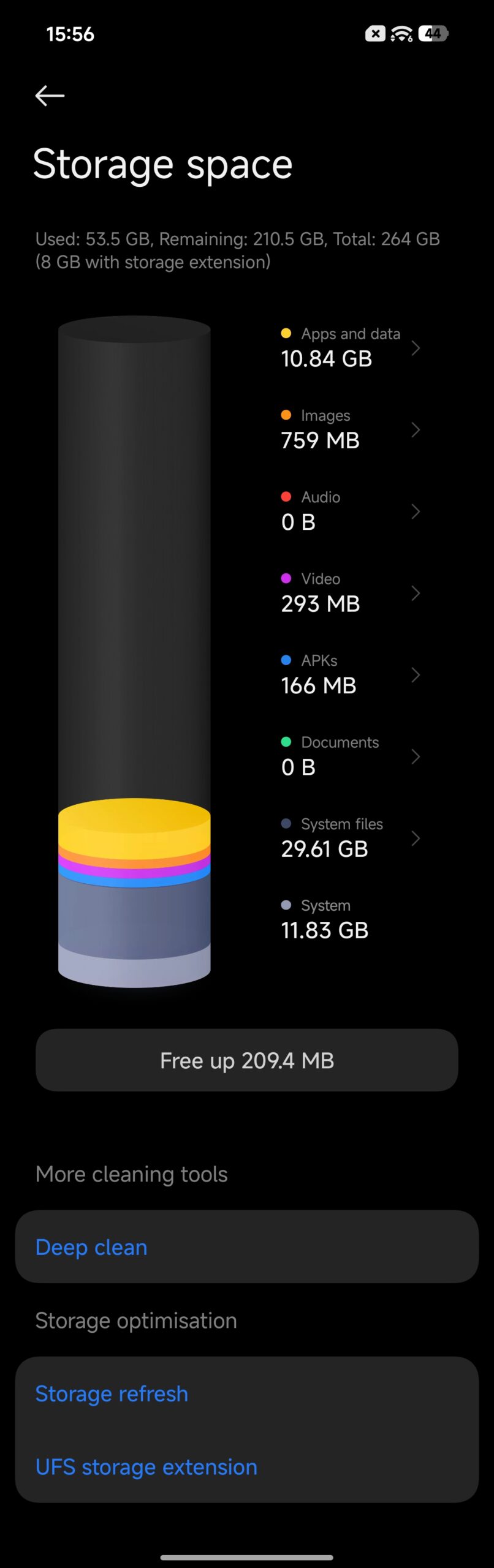

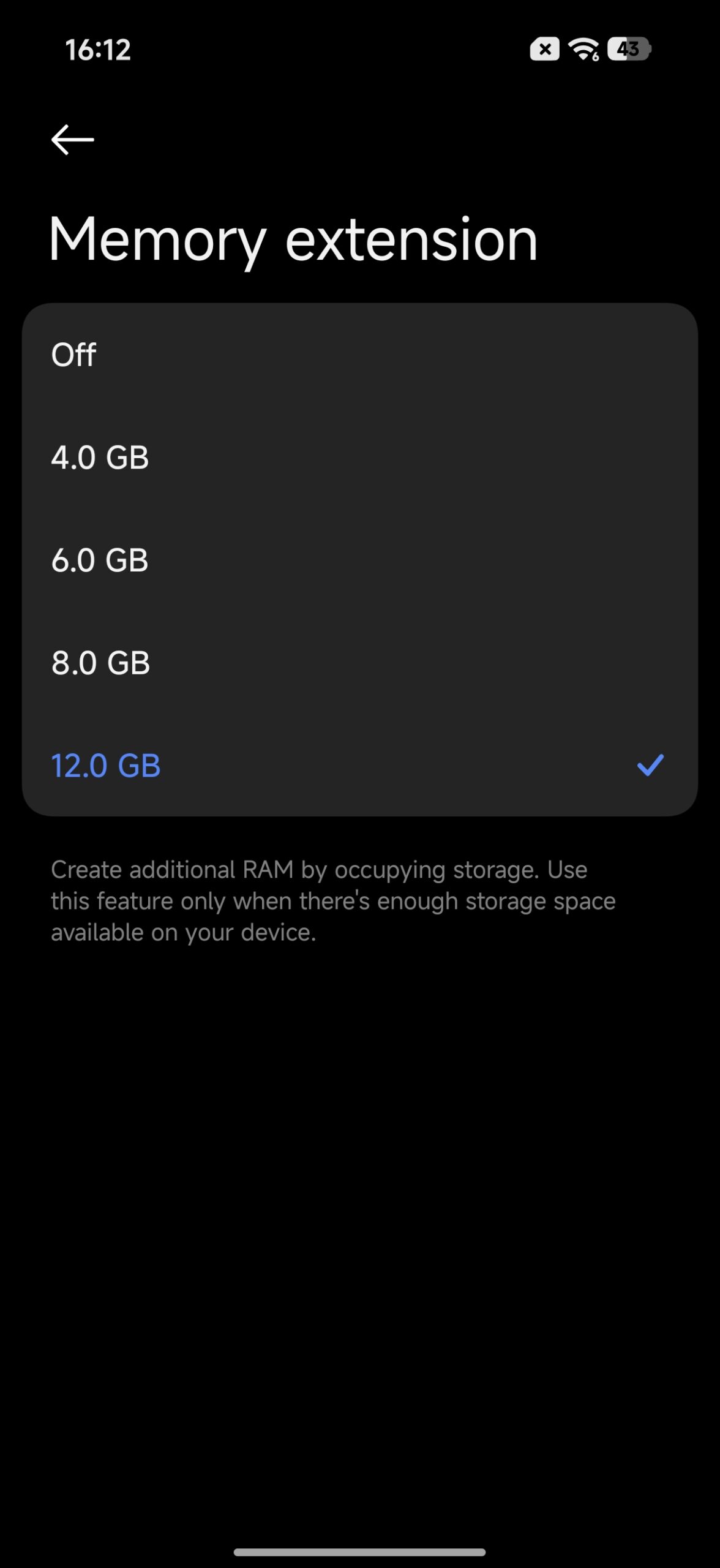
In practice, the Xiaomi 17 feels extremely fast, with a comfortable performance margin. Apps open almost instantly, task switching is seamless, and the device has more than enough power to remain responsive for several years.
Connectivity and Navigation
The Xiaomi 17 offers a full set of modern interfaces. Wi‑Fi 7 (802.11ax) with 2×2 MIMO provides speeds exceeding 1 Gbps on the 6 GHz band. Bluetooth 6.0 supports SBC, AAC, aptX, aptX HD, aptX Adaptive, LDAC, LHDC 5.0, LC3, and MIHC codecs. The device also includes NFC, an IR port, and DisplayPort support.
For navigation, it features dual-band positioning with GPS L1+L5, Galileo, GLONASS, BeiDou, and NavIC.
Read also: Top 10 Smart TVs
Xiaomi 17 Software
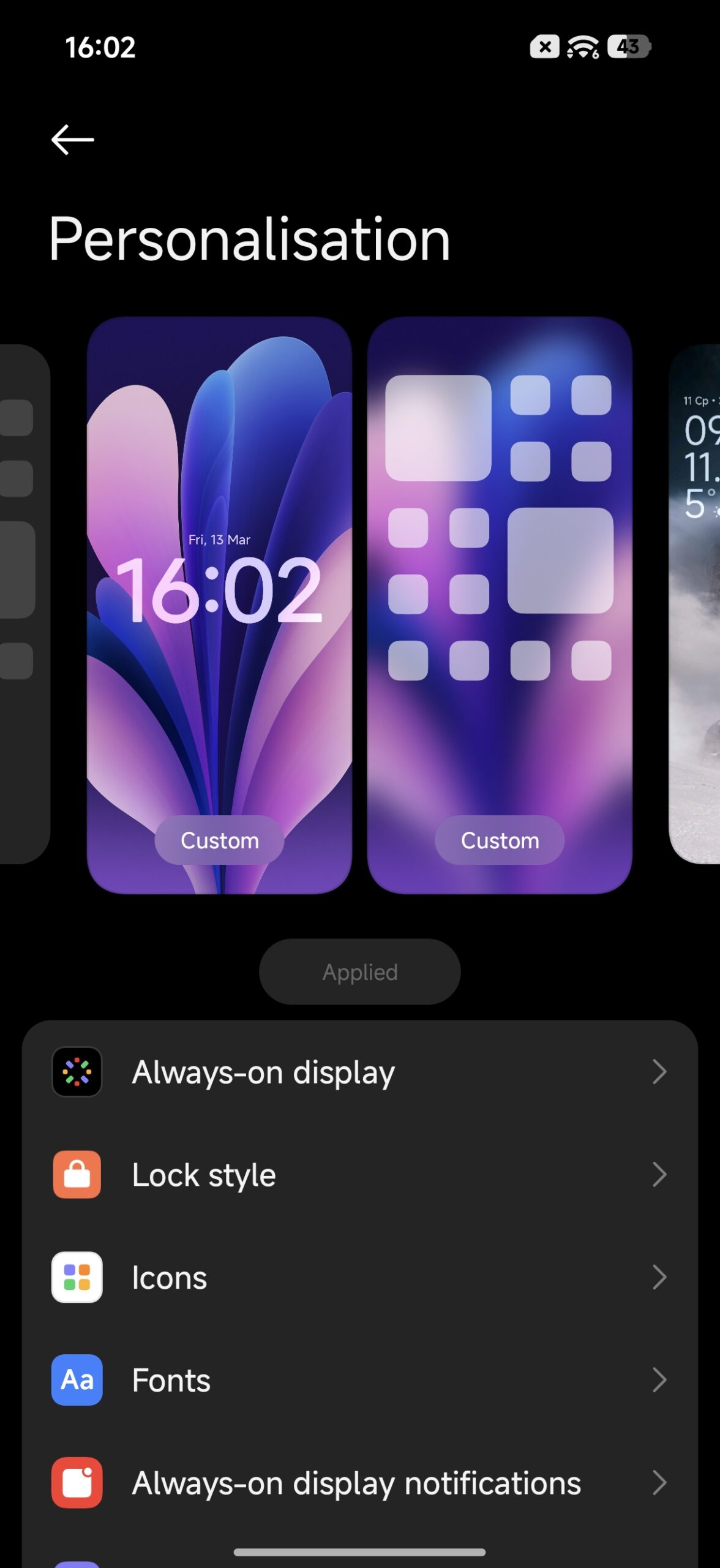
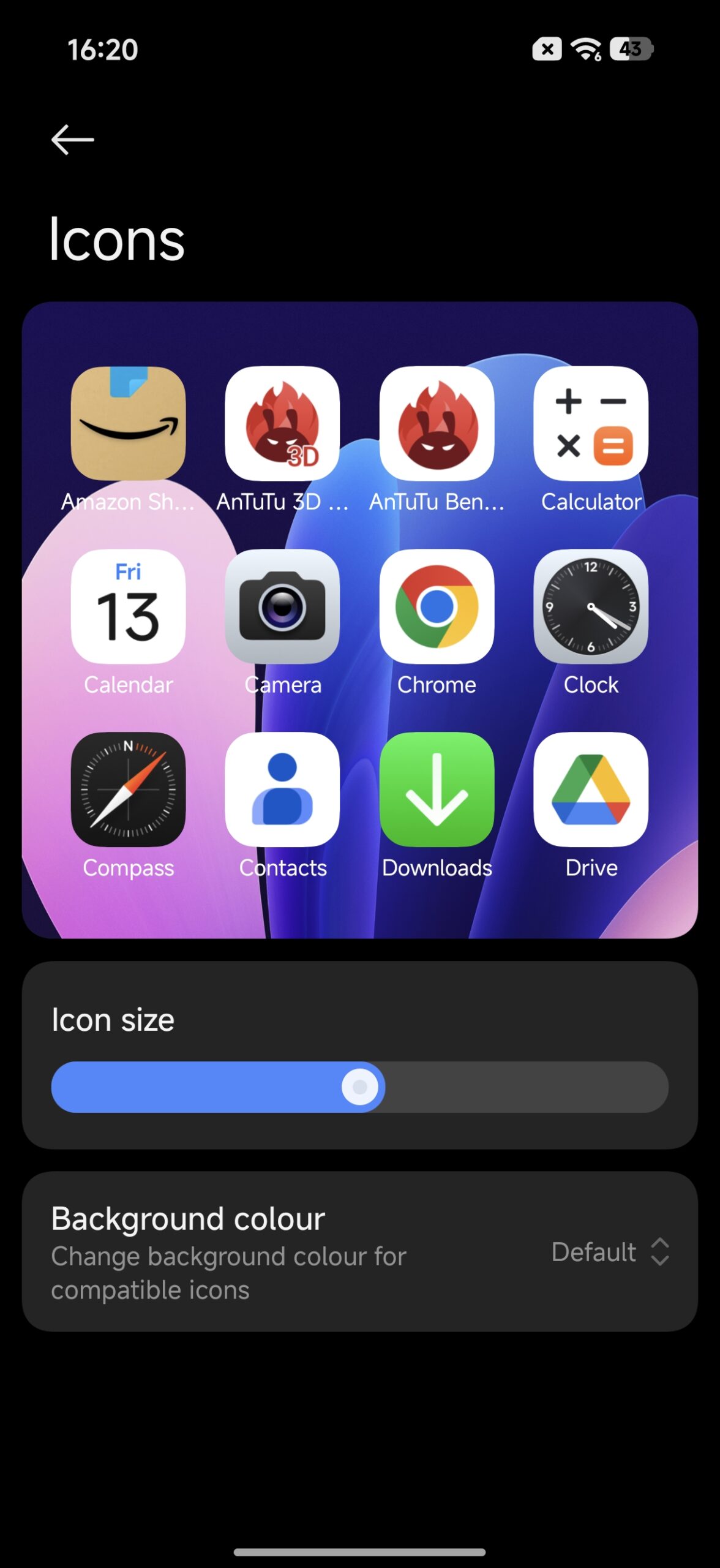
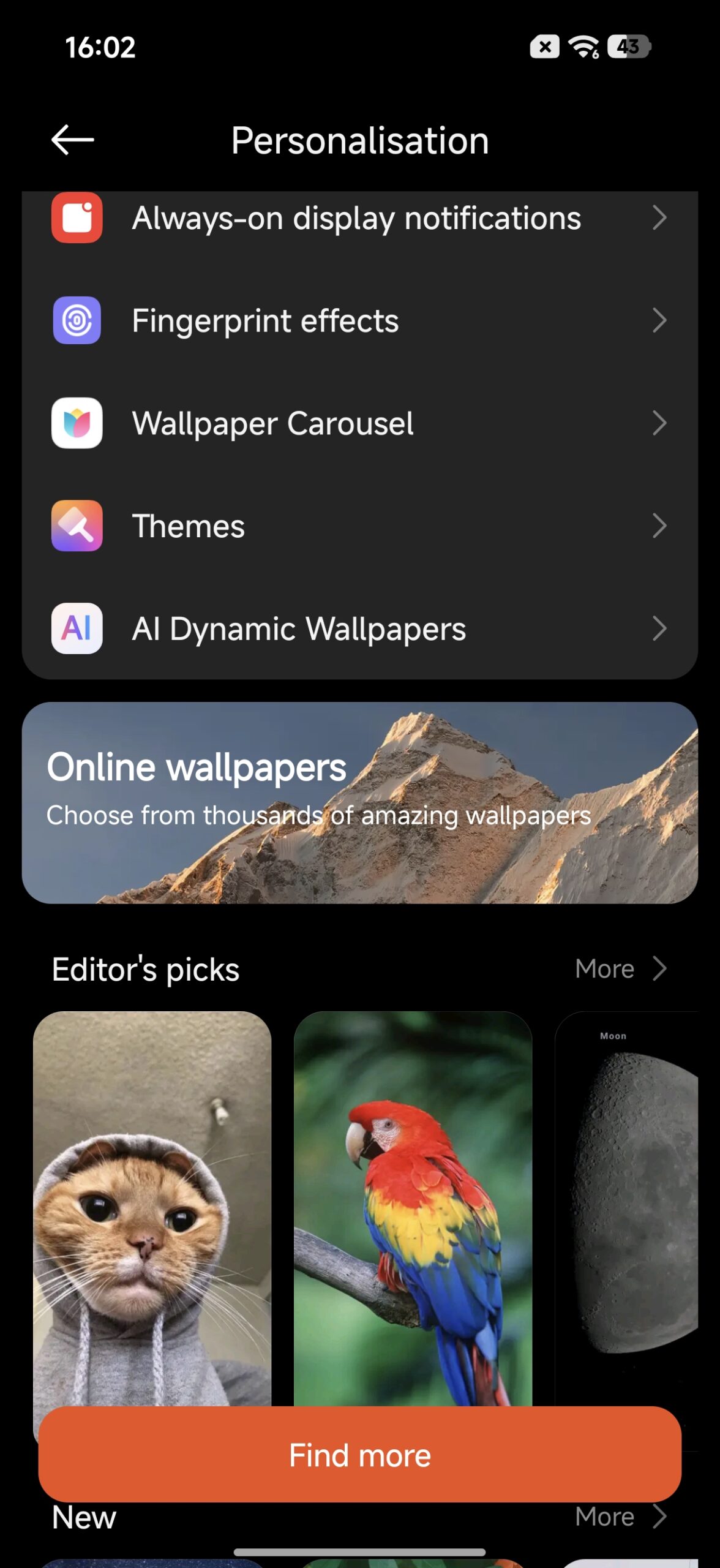
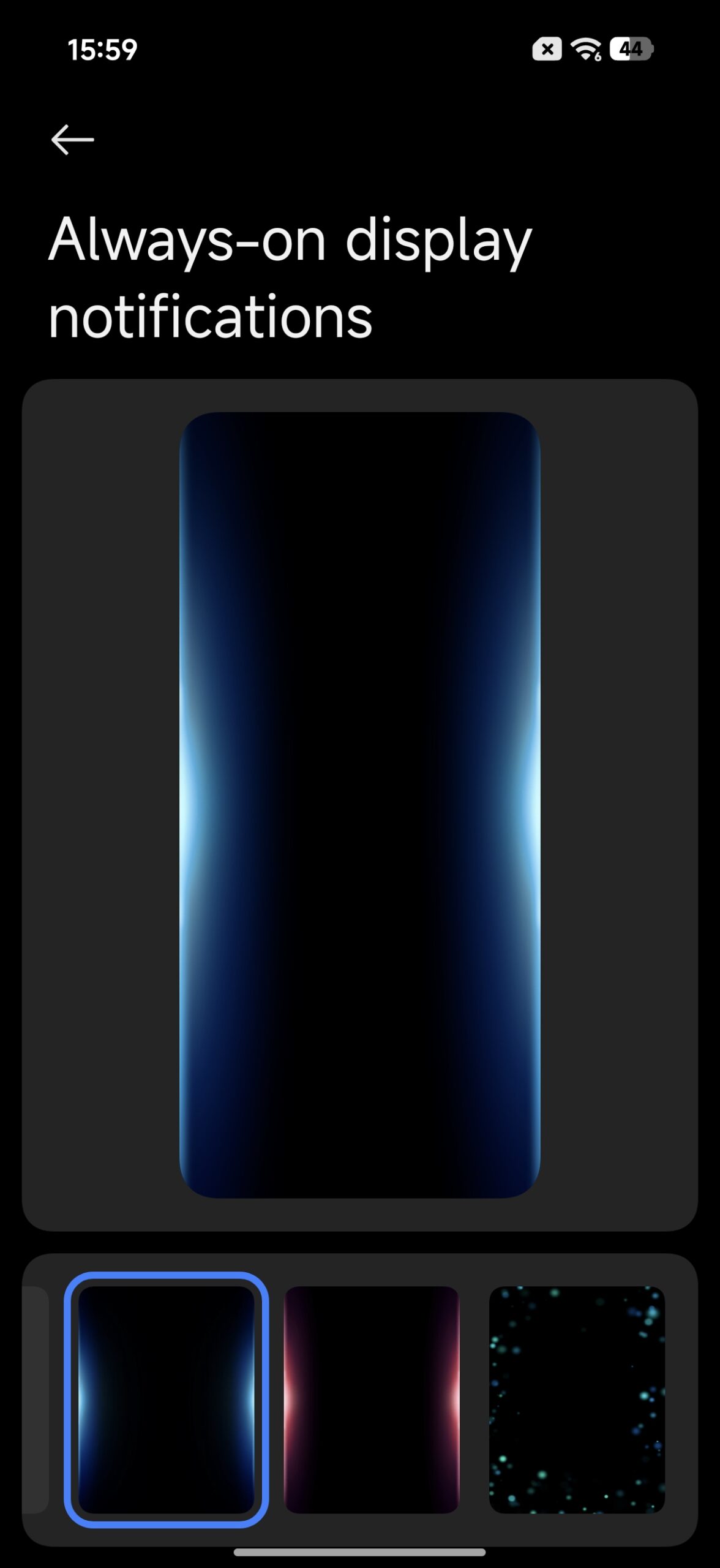
The Xiaomi 17 runs Android 16 with Xiaomi’s HyperOS 3 skin, representing a more mature experience compared to earlier versions. The interface is responsive, animations are smooth, and there are ample personalization options, including themes, icons, gestures, Always-On Display, and enhanced multitasking with floating windows.
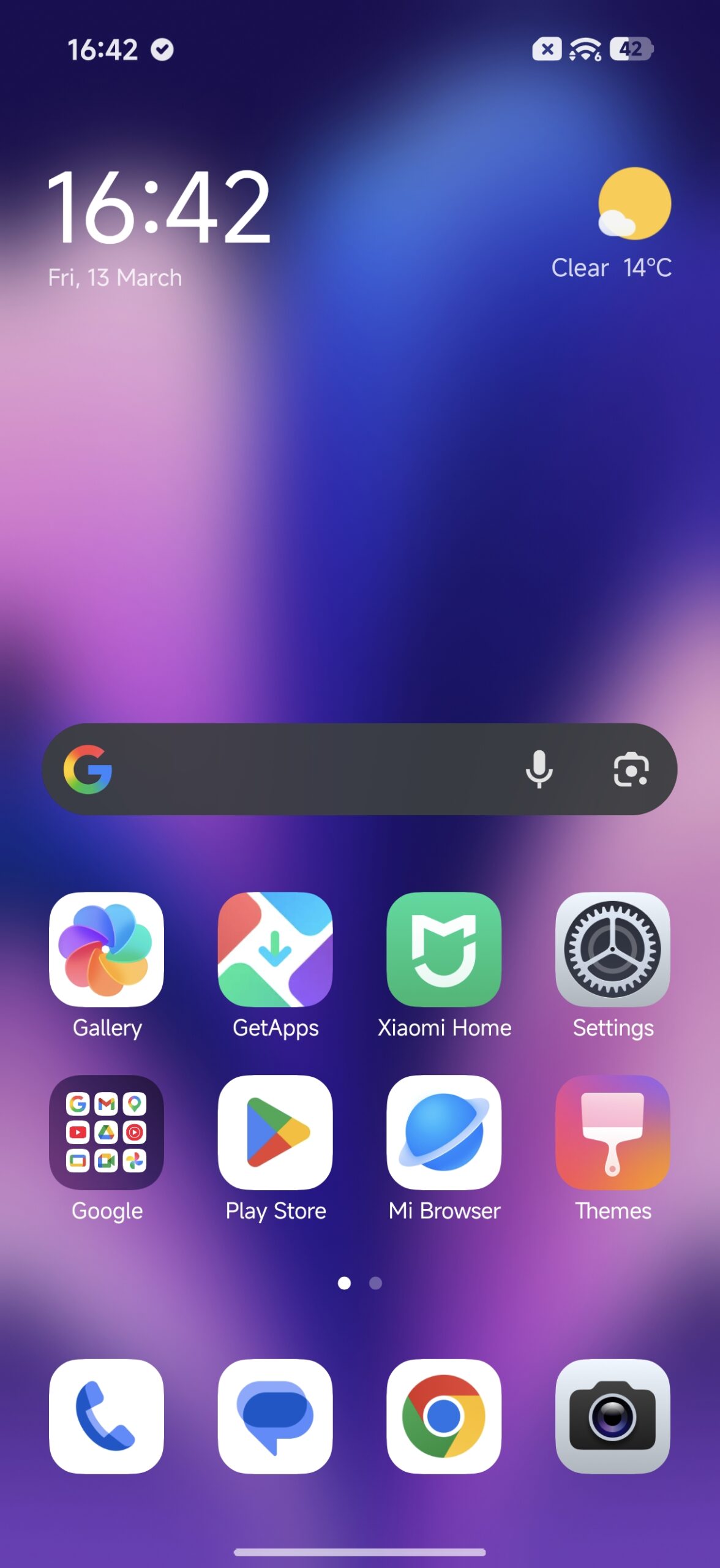
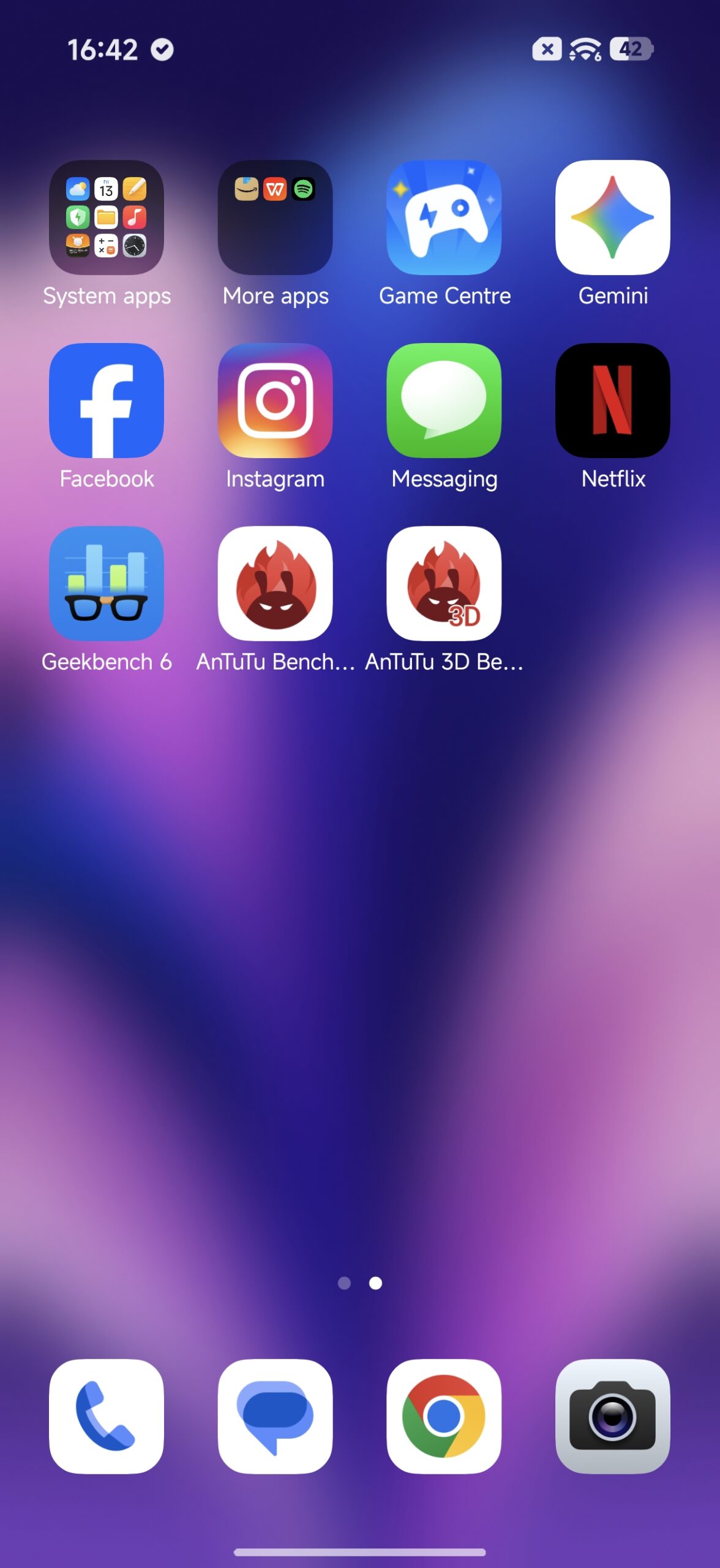
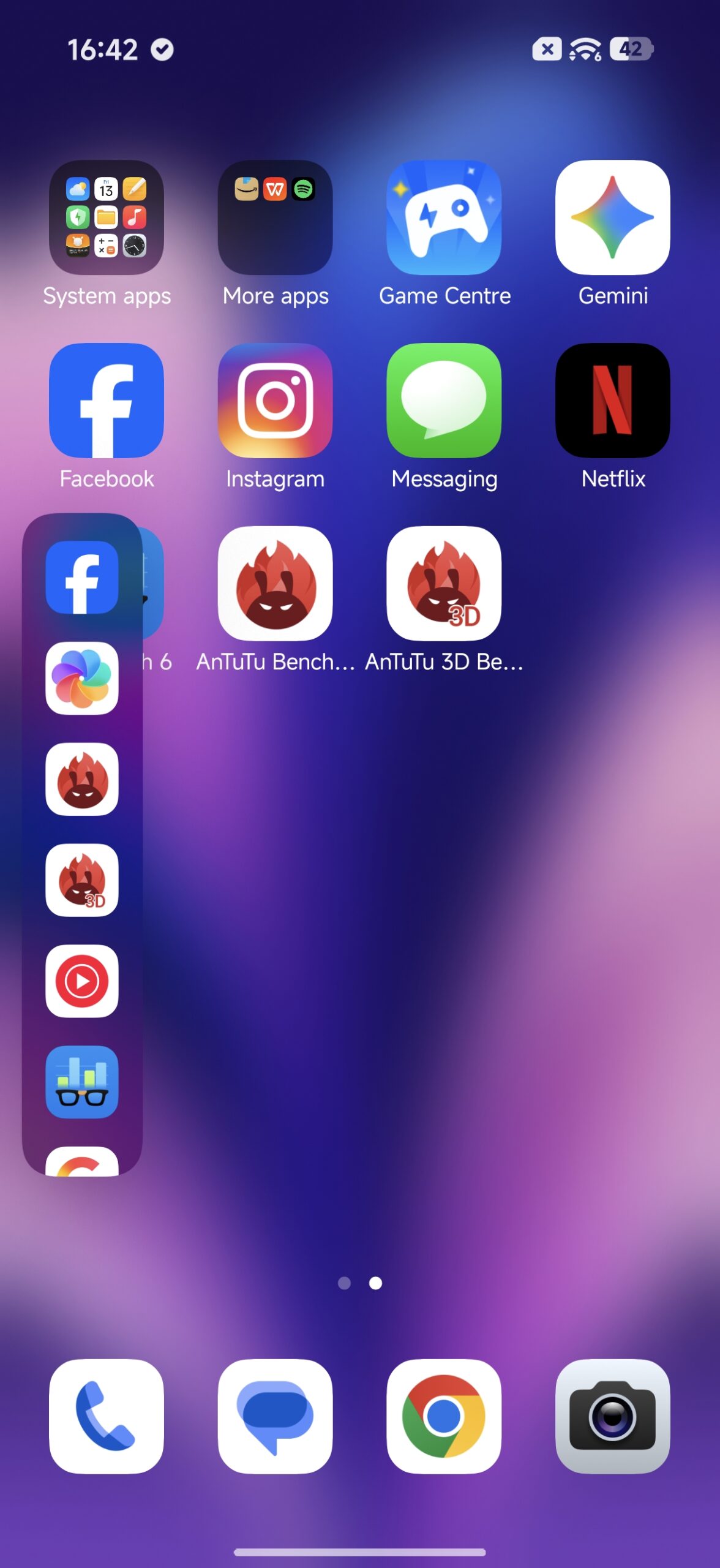
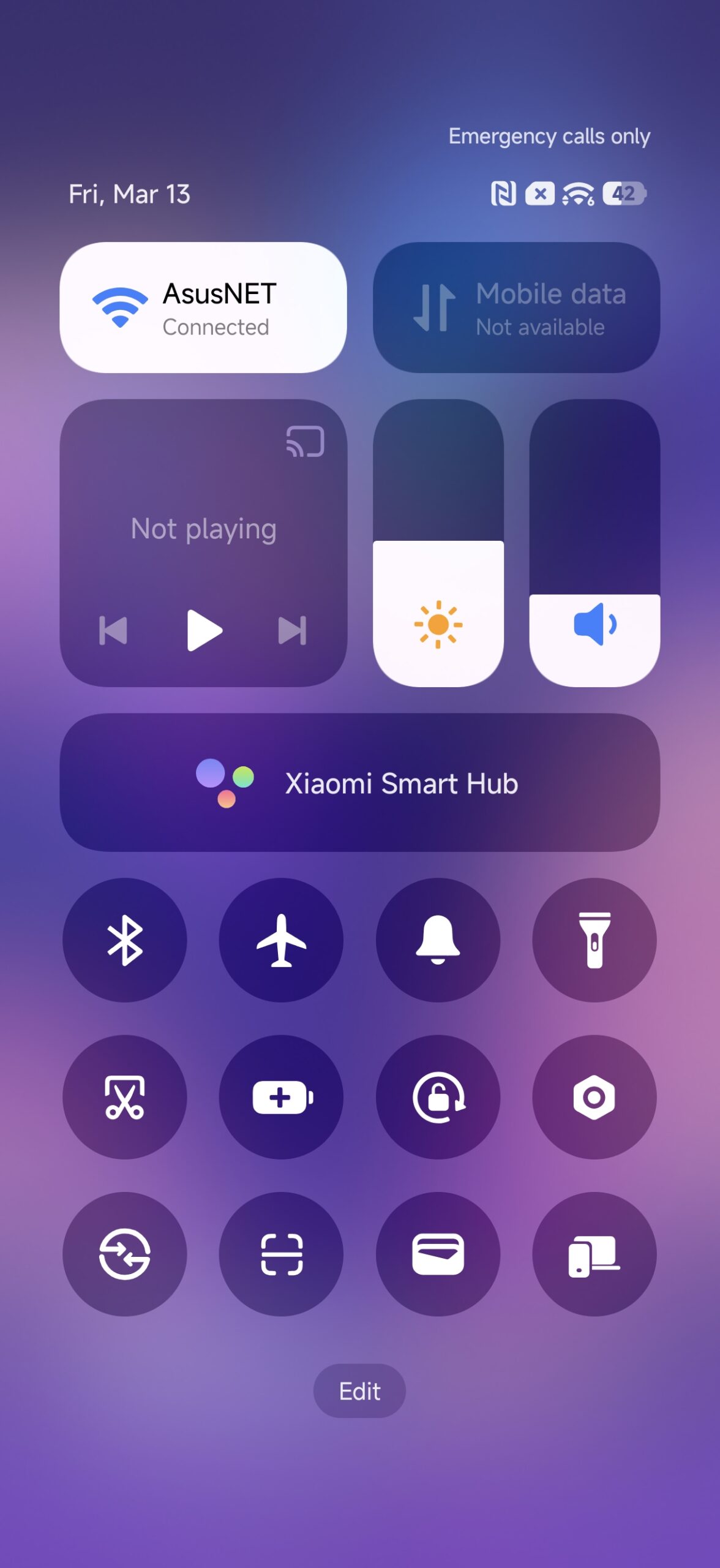
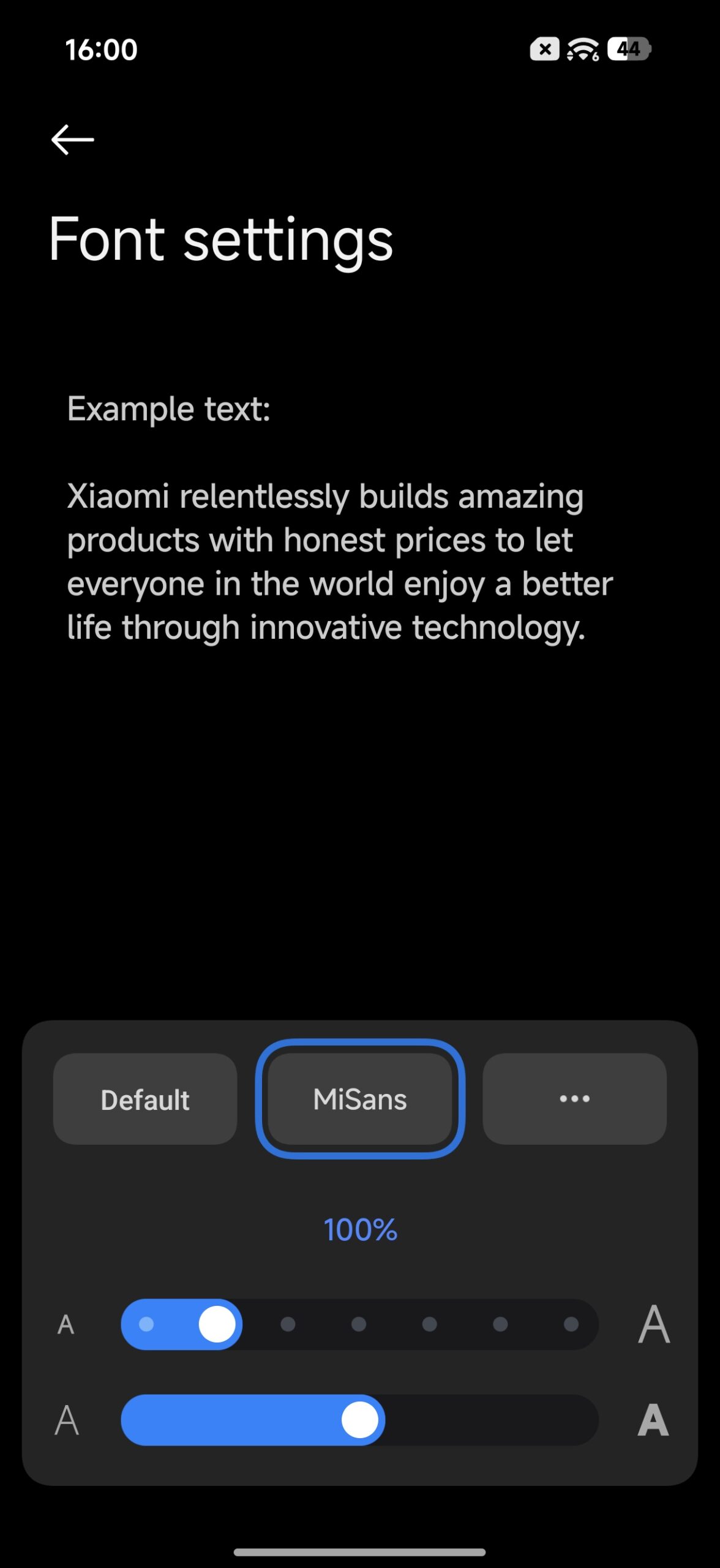
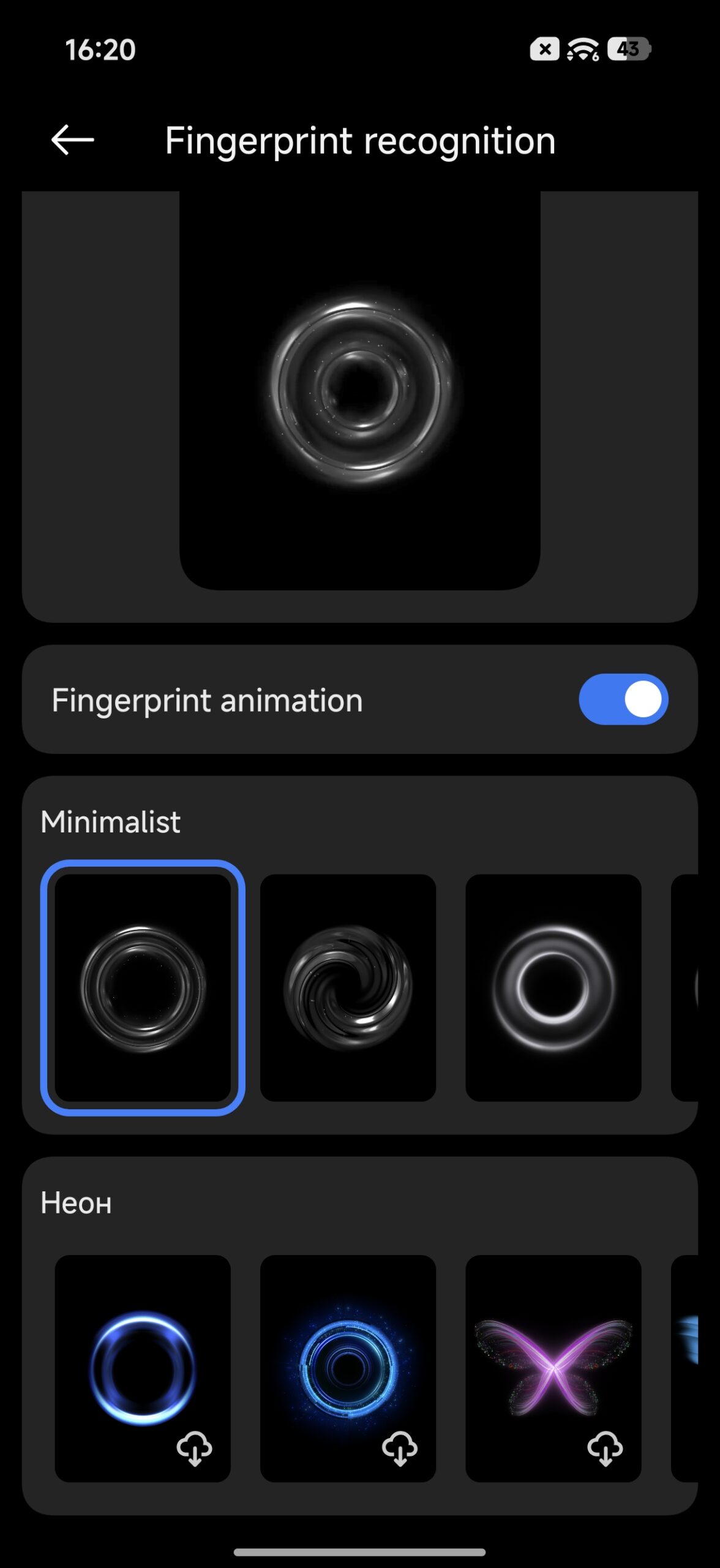
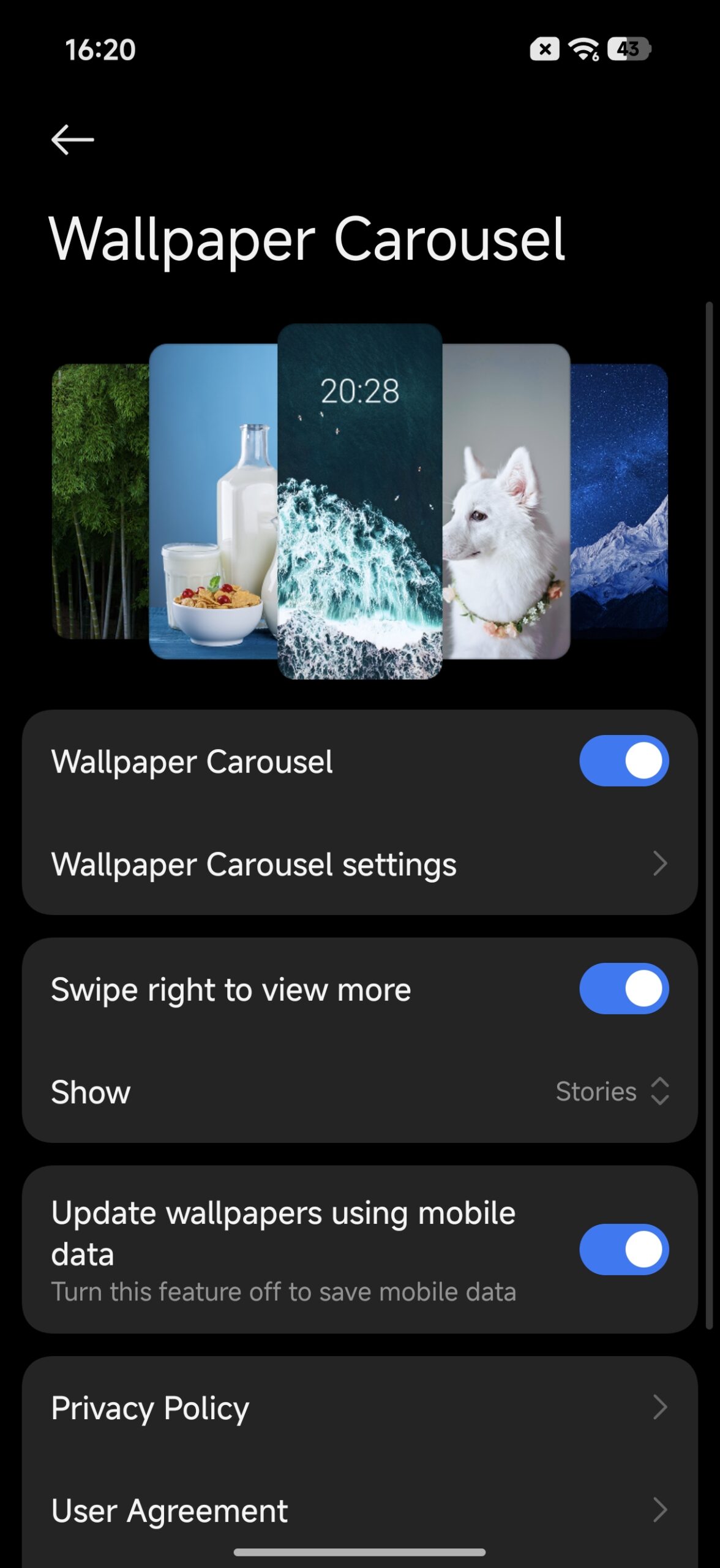
One of the features of HyperOS 3 is HyperIsland, which functions similarly to iOS’s Dynamic Island. It creates an active zone around the front-facing camera that displays ongoing tasks and provides quick access to them without fully unlocking the phone – a very convenient feature. It’s worth noting that HyperIsland has no separate settings menu; it operates automatically and only shows notifications from selected apps.


Within HyperAI, users can access AI-enhanced features for various tasks, including: an AI writer, dynamic AI wallpapers, a creative assistant for photo and video editing, automatic speech recognition with AI-powered translation, an AI translator, AI-generated subtitles, and AI-assisted search. The system also integrates Google Gemini.


The manufacturer promises five major OS updates and six years of security patches – a strong commitment for an Android device, one that few competitors can match.
On the downside, some pre-installed apps still show ads. They are neither aggressive nor intrusive, but their presence in a $1,000 flagship device remains puzzling.
Overall, the system is balanced and intuitive. Besides the proprietary Xiaomi apps and Google services, there are a few pre-installed applications such as Netflix and Instagram, but their number is limited.
Xiaomi 17 Cameras

It’s worth pausing here to look closely at the camera system, as Xiaomi places particular emphasis on it for the Xiaomi 17. On paper, the specs are impressive: three 50 MP rear sensors, Leica optics, and proprietary shooting styles. The real question, of course, is how this performs in practice.
Main Camera
One important detail to note – often questioned by users – is that the camera does not shoot at the full 50 MP by default. Instead, it uses Pixel Binning, combining four adjacent pixels into one larger pixel. This improves light sensitivity and dynamic range. Full 50 MP capture can be enabled manually, but in most situations, the binned 12.5 MP mode delivers better results, especially in low-light conditions, and the resulting files are smaller.
The primary sensor is the Light Hunter 950, measuring 1/1.31″ with 2.4 µm pixels, f/1.67 aperture, OIS, and a 23 mm focal length. Combined with Leica Summilux optics, it produces the kind of quality that often justifies the premium for a flagship device. Daytime shots show high detail and natural color reproduction. In very bright sunlight, highlights can occasionally clip when shooting against the light, though HDR generally compensates well in most scenes.


Two Leica photo styles are available: Authentic and Vibrant. For Xiaomi users, this isn’t new, as the same styles were offered in the previous 15 series. The difference between the modes exists, but it’s subtler than the names might suggest.
- Authentic delivers a more restrained, natural look with a slight “film-like” effect. Colors are realistic and not overly saturated.
- Vibrant produces richer and more contrasty images, yet without becoming aggressive; colors still feel natural.


The telephoto module (Samsung JN5, 1/2.76″, f/2.0, OIS, 60 mm) is one of the strongest portrait cameras in its class. Portrait mode performs well, producing natural-looking bokeh and faces without distortion.


The Xiaomi 17 features a 5× optical zoom. While the number itself isn’t extraordinary, in practice the shots are sharp, preserving textures, fine text, and distant details. There is also a 20× AI Ultra Zoom, but this is purely digital cropping, with the expected drop in quality.


Macro Photography. The telephoto camera features Leica’s moving lens system, and it shows in practice. The minimum focus distance is around 10 cm: central sharpness is excellent, bokeh looks natural, and fine textures are captured with good detail. Autofocus is reliable and shows no issues.


The wide-angle module (OmniVision OV50M, 1/2.88″, f/2.4, 102°, 17 mm) is slightly less capable compared to the other lenses in the system.
Night Photography
Low-light shots are handled well: detail is preserved, and Night mode does not turn images into a “watercolor” effect. There is a slight warm tint in the shadows, but it is not significant. Evening streets, building facades, and illuminated objects are rendered accurately, textures remain clear, shadow details are retained, and light halos around lamps are minimal.


Front Camera
The front-facing camera is a 50 MP OmniVision OV50M, f/2.2, 21 mm, with PDAF. Selfies are excellent, showing natural colors and high detail – making it a strong option for selfie enthusiasts.
VIEW ALL PHOTOS IN FULL RESOLUTION
Video
The main camera supports recording up to 8K @ 30 fps with HDR, which is more than most users need, but the option is there. More practical choices include 4K @ 60 fps with Dolby Vision or a 10-bit LOG format for post-processing and color grading. Standard 1080p @ 30/60 fps and 720p @ 30 fps are also available, along with time-lapse and slow-motion modes. In practice, daytime video is sharp and realistic. Low-light footage shows more noise, slight focus loss, and reduced detail, which is typical for smartphones at night.
The front-facing camera also supports 4K @ 60 fps with HDR10+, which is uncommon for a selfie module. Combined with a quad-microphone setup, EIS stabilization, and 5× optical zoom for video, the system offers a versatile toolkit for recording.
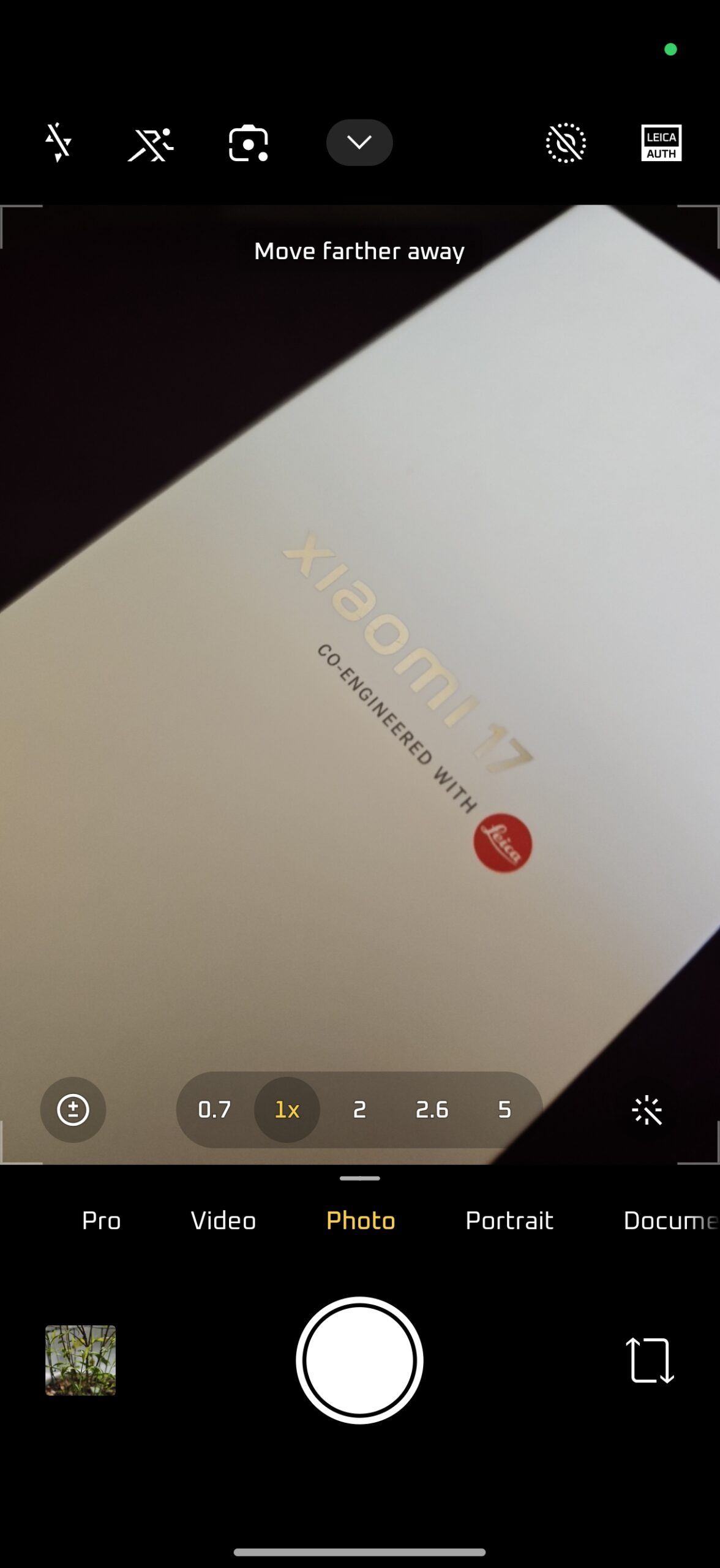
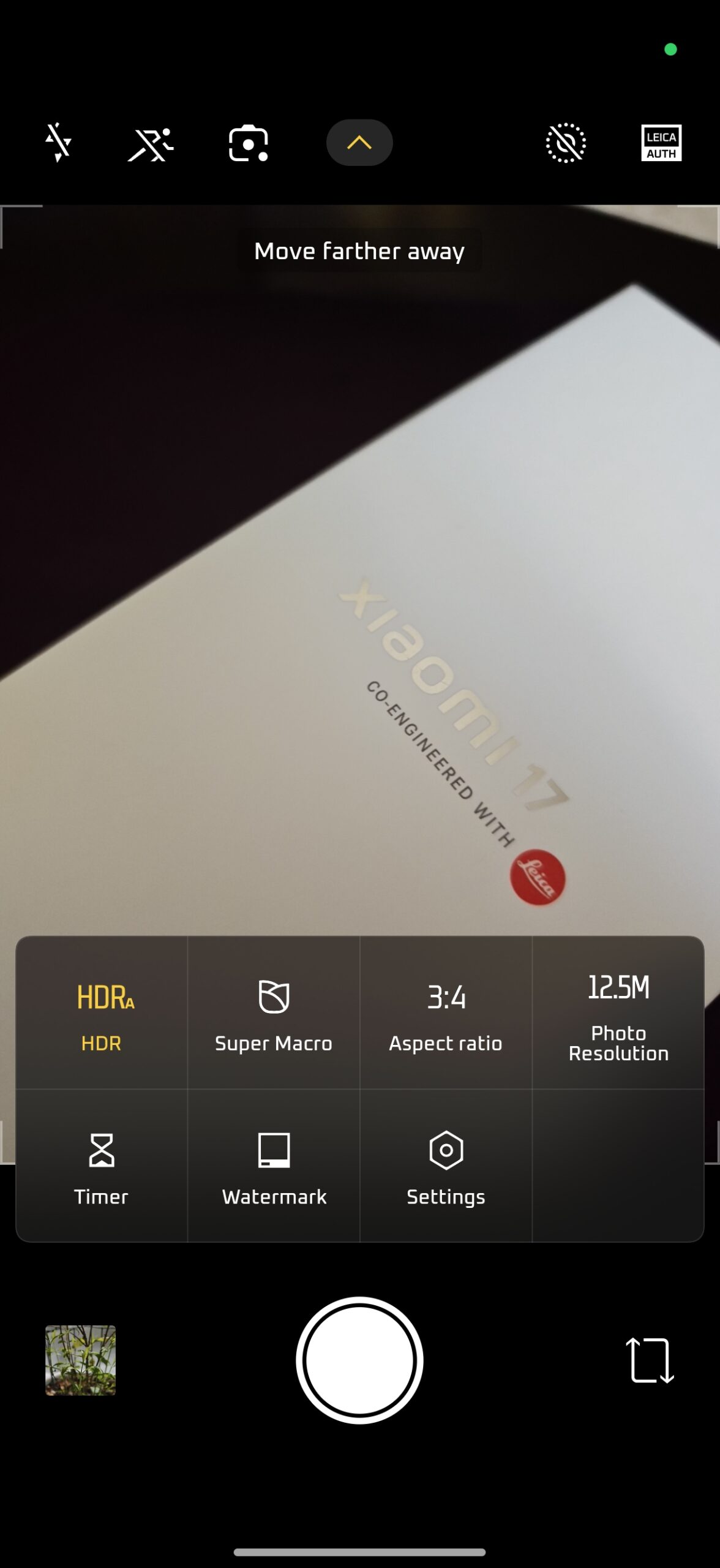
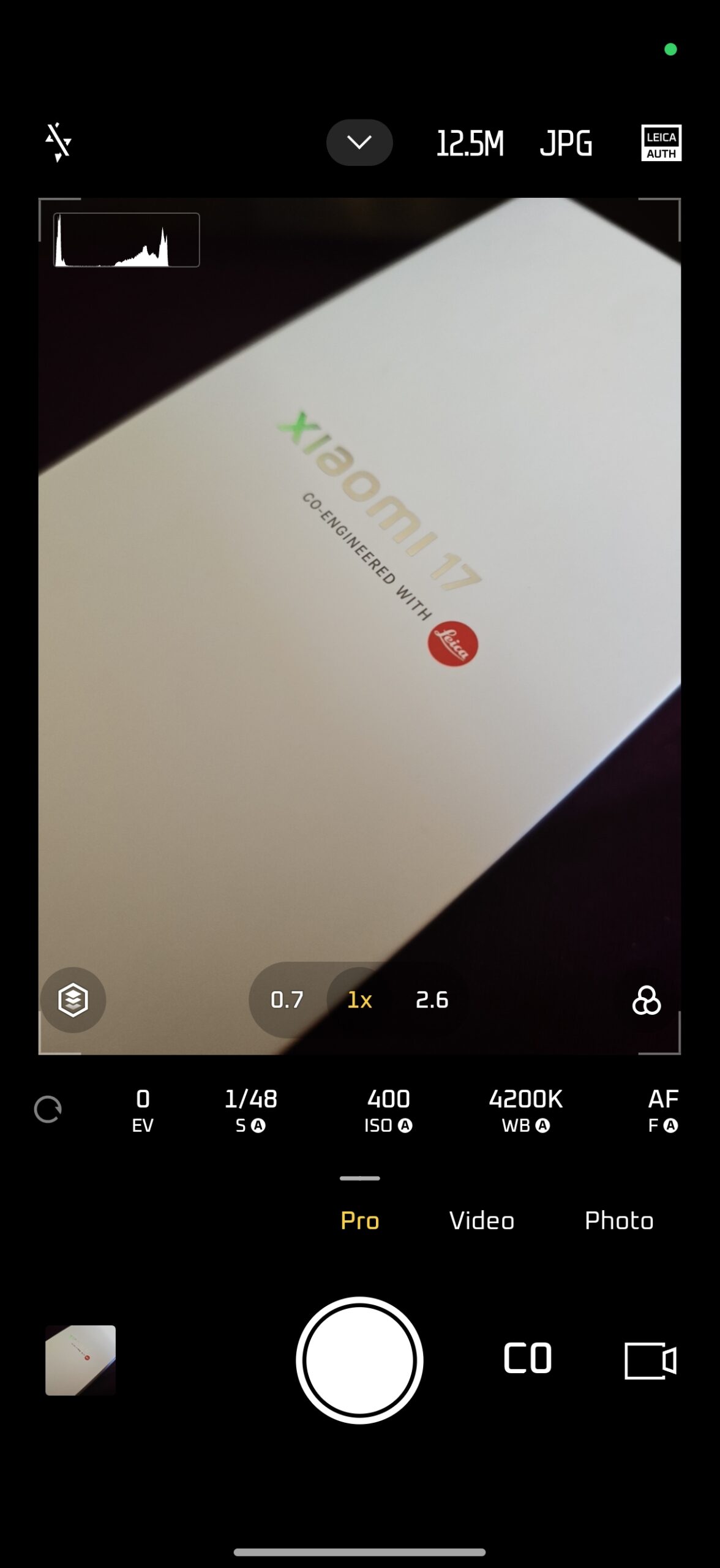
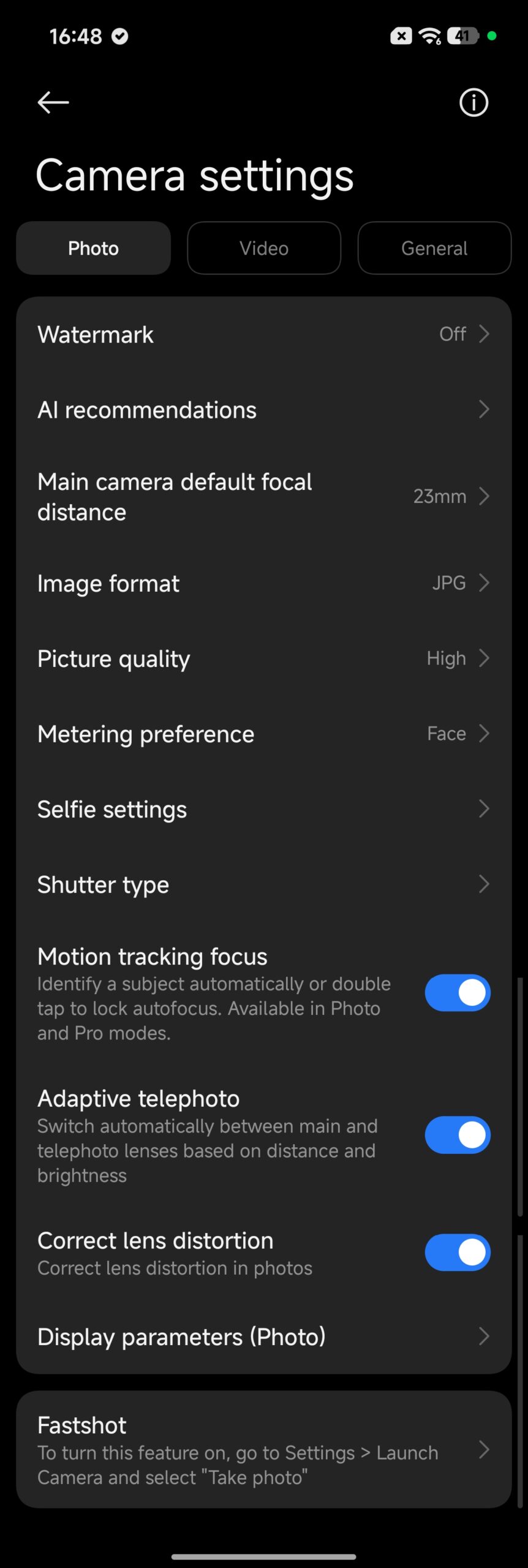
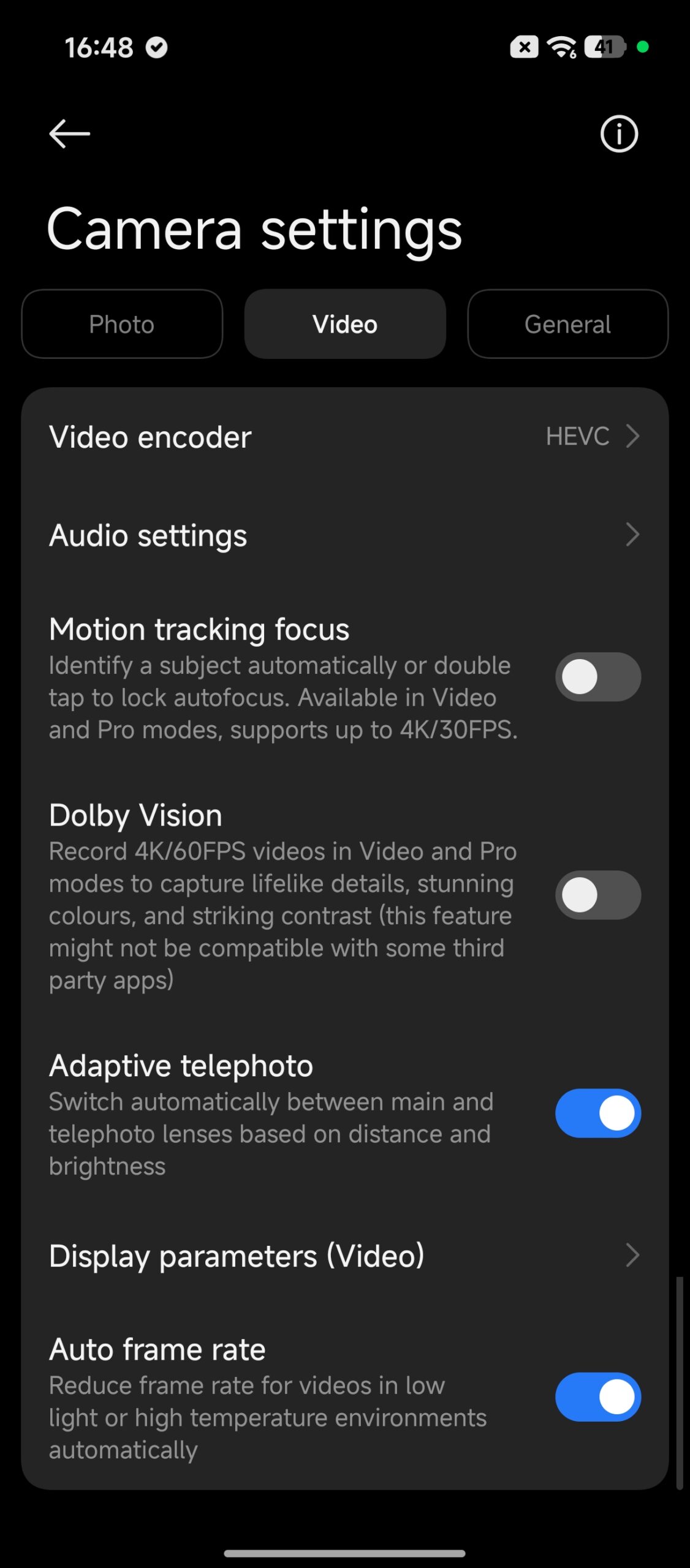
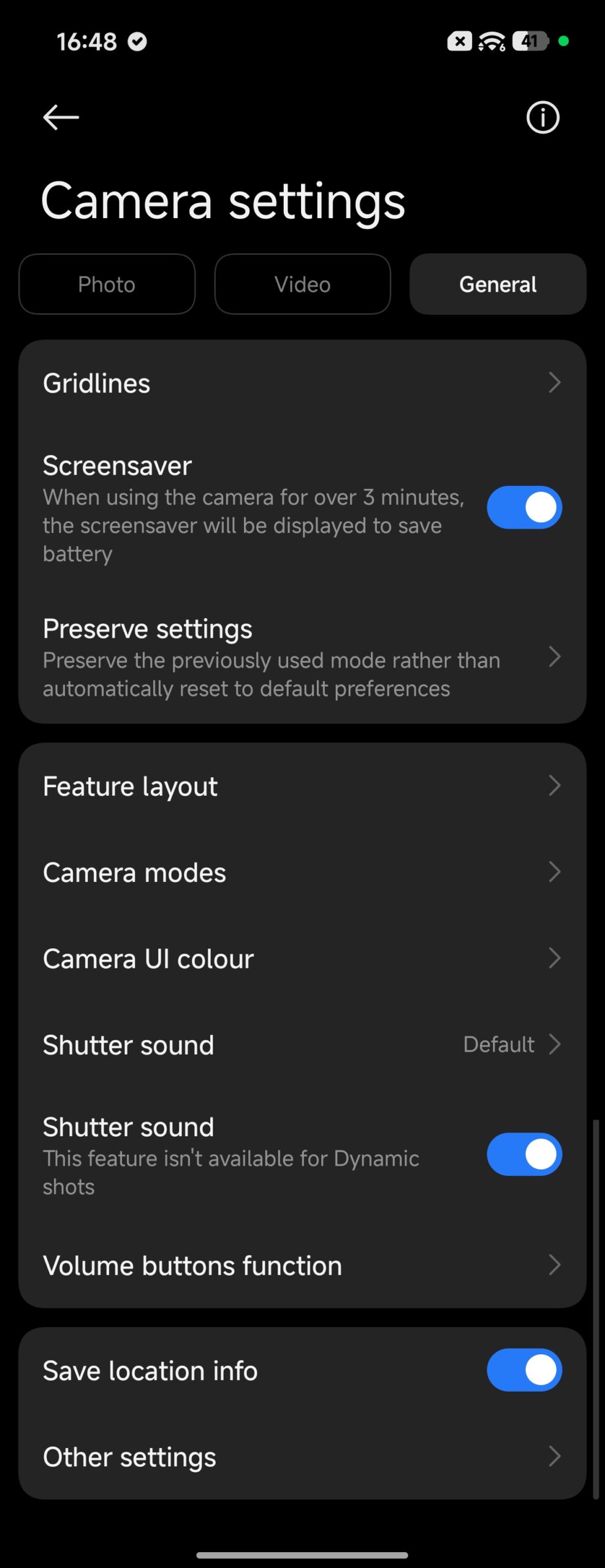
A few words about the camera app: it follows the standard HyperOS interface. Modes include Pro, Portrait, Document Scan, and the usual Photo and Video. The settings allow adjustment of key shooting parameters, as well as AI-based image enhancements, which can also be disabled entirely.
Overall, the Xiaomi 17’s camera leaves a strong impression. Photo quality is genuinely flagship-level. While low-light video performance could be slightly better and the optical zoom could be longer, these limitations are unlikely to be critical for most users.
Sound

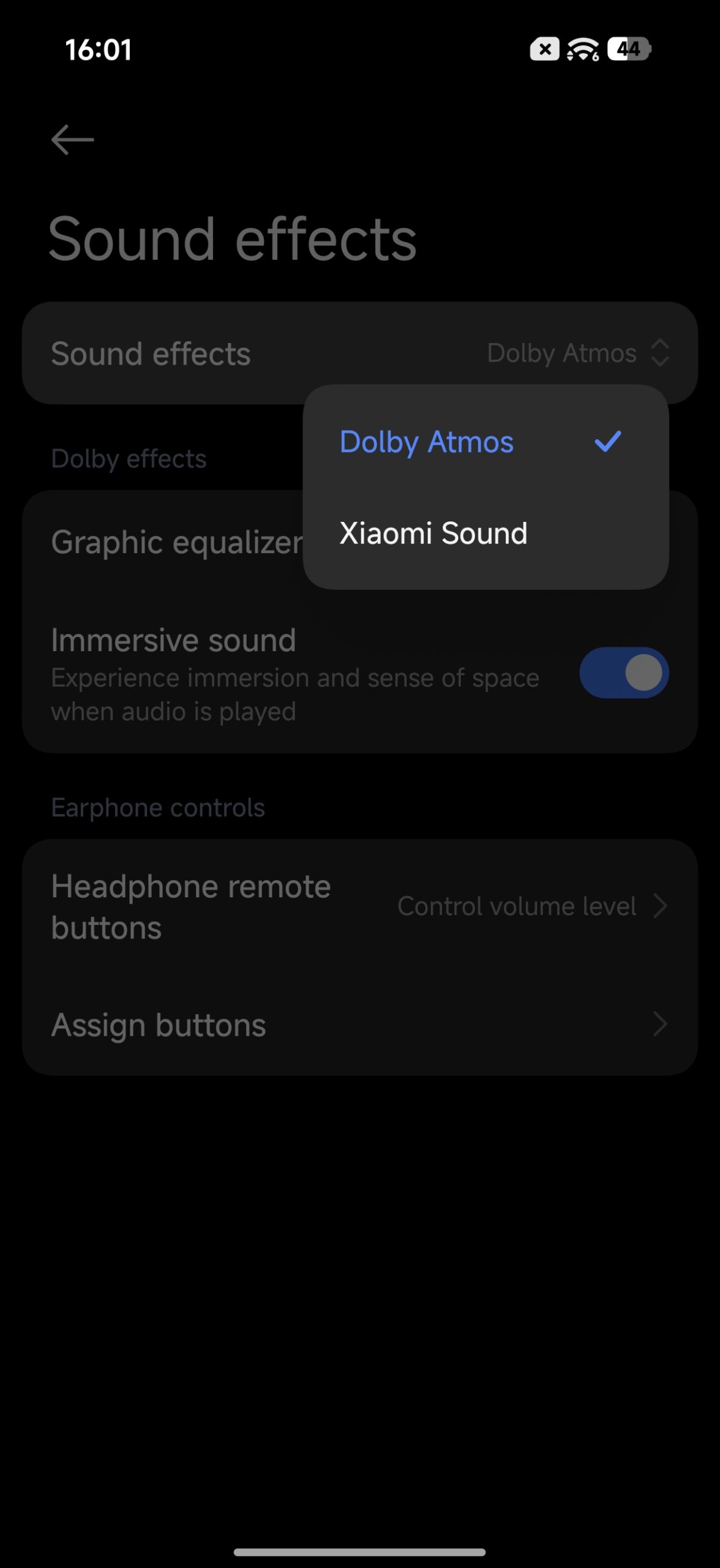
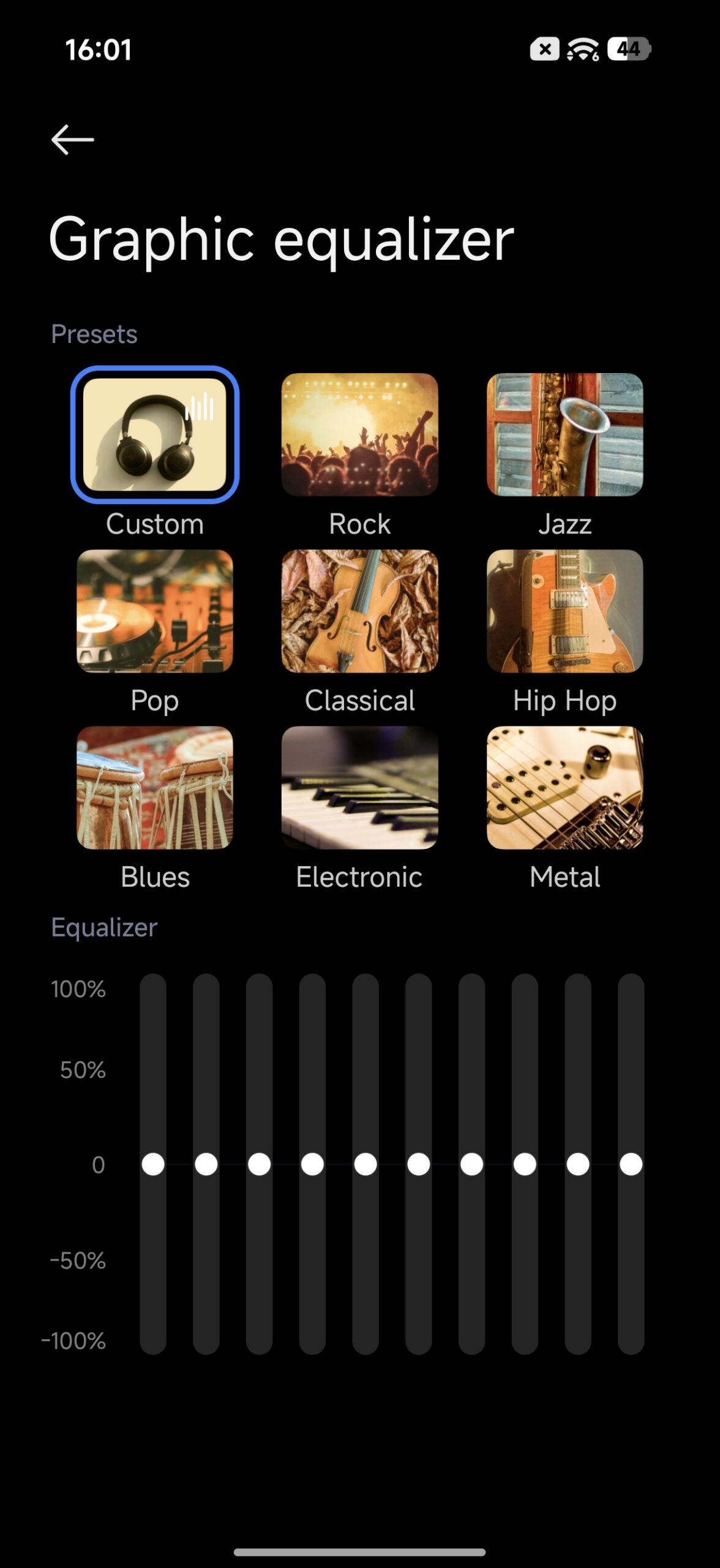
The Xiaomi 17 is equipped with stereo speakers and offers two sound modes: Xiaomi Sound and Dolby Atmos. Switching to Dolby Atmos noticeably enhances spatiality, balances the audio more evenly, and gives stronger bass. A graphic equalizer with presets (Rock, Jazz, Pop, Classical, etc.) and an Immersive Sound mode are also available for further tuning.

The device carries Hi-Res Audio and Hi-Res Wireless certification, ensuring excellent sound quality through headphones. With Bluetooth 6.0 and support for aptX HD, aptX Adaptive, LDAC, and LHDC 5.0, the smartphone can deliver the full potential of high-quality wireless headphones.
Overall, the audio is balanced and loud, with a clear sense of stereo separation, and there’s no distortion at maximum volume. In short, the Xiaomi 17 offers genuinely good sound performance.
Read also: Xiaomi TV S Pro Mini LED 55 (2026) Review: Capabilities of a Modern 4K QLED Television
Battery Life
This is another strong point of the Xiaomi 17. The 6,330 mAh battery fits into an 8 mm-thick chassis thanks to Si/C (silicon–carbon) technology with high energy density. For comparison, the previous Xiaomi 15 had a 5,240 mAh battery – a 20 % increase without changing the form factor.
In real-world use, this translates to nearly two full days of operation under typical conditions: calls, web browsing, social media, YouTube, photography, and music playback. This performance matches the manufacturer’s claims and is genuinely impressive.

The smartphone supports 100 W wired charging via the PPS protocol, with a claimed full charge time of around 40 minutes. This wasn’t tested directly due to the lack of a compatible charger, so we rely on the manufacturer’s specifications.
Additionally, the device offers 50 W wireless charging and 22.5 W reverse wireless charging, the latter being convenient for topping up accessories like earbuds.
Xiaomi also claims that the battery will retain 80 % of its capacity after 2,000 charge cycles, which suggests solid longevity for extended use.
Conclusions
A week with the Xiaomi 17 provides a clear answer to the question posed at the start of this review: is it worth the price? Yes, it is. However, the value depends on understanding what you expect from a smartphone.

If you are looking for a compact flagship that is comfortable to use one-handed, offers around two days of battery life, performs well in most photography scenarios, and features one of the better displays in its class, the Xiaomi 17 presents a strong option.
There are some minor drawbacks: ads appear in the system interface, low-light video quality is not exceptional, and the camera module tends to attract fingerprints and dust. How significant these issues are will depend on the user.
For me personally, as someone who has generally been hesitant about this brand, the Xiaomi 17 was the first model that made me consider purchasing a Xiaomi device. That, perhaps, is the most objective assessment I can provide.
Read also:
- Samsung Galaxy S26 Plus Review: Is It Worth the Price?
- OPPO Reno15 Pro 5G Review: Performance and Capable Camera at Reasonable Price
- Why Your Phone Isn’t Afraid of Water: A Breakdown of Protection Technologies
- Tool of Global Power Projection: All About U.S. Air Force Aerial Refueling Aircraft


Olen nüüd mõned nädalad kasutanud.Hea kompaktne telefon mitmete vigadega.Sõrmejäljesensor ei taha eriti hästi tuvastada.Ekraani nurgad liiga kumerad, osade äppide asjad võivad jääda peitu. Mobiilse levi vastuvõtt ikka suhteliselt kehva, kukub pidevalt Edge võrku.Ostsin välismaalt ja kaasa tuli ka 100w adapter.Laadimine olnud seni kõige kõrgem 13w.Aku peab 2 päeva küll.
Tänan teid kasuliku tagasiside eest!