





© ROOT-NATION.com - Use of content is permitted with a backlink.
Rugged smartphones have always seemed like a highly specialized segment of the gadget market. They were typically perceived as basic communication devices with protection against dust, water, dirt, and impacts, but without additional practical features. The Oukitel WP55 Pro, however, has challenged that perception and demonstrated that the category can offer more than just durability.

Read also: All reviews of protected smartphones
TABLE OF CONTENTS:
Specifications
- Body and display materials: plastic, metal, Gorilla Glass 5
- OS: Android 15
- Processor: MediaTek Dimensity 7025 (8 cores, 2.5 GHz)
- Graphics processor: PowerVR BXM 8-256
- RAM: 16 GB LPDDR5X with expandable memory up to 48 GB
- Storage: 512 GB with expandable memory up to 2 TB
- SIM card slot: 2 nano-SIM
- Memory card slot: combined (up to 2 TB)
- Display: IPS 2408×1080, 6.6″, 120 Hz, brightness 450 cd/m²
- Main camera: 108 MP (Samsung ISOCELL HM6, F/2.2), 8 MP (night vision), 2 MP (macro)
- Front camera: 32 MP
- Privacy and sensors: fingerprint scanner, face unlock, gyroscope, light sensor, proximity sensor, compass
- Protection: IP68/IP69K, MIL-STD-810H
- Navigation: GLONASS, GPS, BeiDou, Galileo
- Wireless modules: Bluetooth 5.2, Wi-Fi 802.11 a/b/g/n/ac 2.4/5 GHz, NFC
- Battery: 11,000 mAh with 33 W fast charging and reverse charging (10 W)
- Dimensions: 172.2×81.0×15.3 mm, 367 g
Positioning and price
In terms of cost, the Oukitel WP55 Pro looks like a typical mid-range rugged smartphone, offered at a price of $250-270 depending on the market, marketplace, availability of discounts or coupons, and the seller’s mood at the time.
Package contents
At first glance, the box is relatively simple, featuring a large Oukitel logo, the model name, memory configuration, and a note indicating 5G support. The orange color scheme combined with carbon-style elements reflects common marketing associations with durability and technology. How closely this presentation aligns with the device itself will become clear over the course of the review.

Inside, there is nothing out of the ordinary at first glance: the smartphone sits in a plastic tray, accompanied by a charger, a USB Type-C cable, documentation, and standard printed materials. A positive detail is that the phone comes with a case pre-installed.


This approach likely reduces the need for additional protective packaging while also improving protection during transport, as the included silicone case is relatively thick. Once removed, the smartphone conveys a sense of solidity and durability. The frame appears to be made of dense rubber or rubberized plastic (the exact material is difficult to determine by touch). Metal inserts are positioned along the sides in the areas of the volume controls, power button, and the customizable shortcut key.

As for the front side, the layout is conventional: a protective film is applied to the display, and the front-facing camera is positioned at the top.

By the way, the red button on the left side is something that many classic smartphones sorely lack. Here, the Smart Key can be configured in three different positions:
- single press
- double press
- long press.

Each shortcut position can be configured for quick access to functions such as the voice recorder, flashlight, camera, Gemini AI, Google apps, contacts, and more – including screenshots. The range of options is fairly broad, which adds practical flexibility to everyday use.

The rear panel is made of plastic. It feels solid overall, although slight creaking can be noticed under firm pressure. The camera module draws particular attention. In addition to its prominent frame, protective glass, primary camera lenses, and standard flash, it also includes two additional LEDs. As will be discussed later, these are infrared emitters intended for night shooting.

The top and bottom edges do not feature anything unusual: there is a primary microphone, a multimedia speaker, a secondary noise-canceling microphone, and visible indications of enhanced dust and water protection. This is reflected in the rubber cover over the USB Type-C port and the IP68 marking on the upper edge of the device. The SIM slot also includes a substantial rubber seal. Additionally, there is a lanyard attachment point located at the lower right corner.


Read also: Oukitel WP27 Review: Solid Rugged Budget Phone
Display
I did not expect anything exceptional from the display, but it turned out to be a pleasant surprise. This may be partly due to modest expectations, or simply because the screen on the Oukitel WP55 Pro is genuinely solid. Color saturation is strong, the image is visually pleasing, and motion appears smooth thanks to the 120 Hz refresh rate.
As for brightness, the manufacturer specifies 450 nits. Independent measurements available online vary, with figures ranging from 350 nits down to 110–120 nits under certain conditions. I was not able to conduct instrument-based testing, but in typical indoor lighting, the brightness is more than sufficient for comfortable use.

Under bright light and direct sunlight, the display remains clear, and text remains legible. This is another positive aspect in favor of the Oukitel WP55 Pro.

One aspect that felt unusual – though not necessarily disappointing – was the relatively wide side bezels. That said, it’s important to remember that this is a rugged, mid-range device, not a flagship. Overall, I would rate the display a solid 8 out of 10.
Audio
At first glance, one might expect the mono speaker to deliver only mediocre sound. In practice, however, it performs quite well for a rugged smartphone. The speaker does not crackle or produce harsh tones, and voices come through clearly and intelligibly. Volume levels are adequate for most everyday situations. Additionally, the device supports advanced Bluetooth audio codecs, which is a welcome feature.
Read also: Oukitel RT8 Rugged Tablet Review
Operating System and Performance
To be clear, this is not a gaming-focused smartphone, but PUBG Mobile runs without issues. Android 15 operates smoothly and responsively, with no noticeable problems. Considering the MediaTek Dimensity 7025 processor, which isn’t particularly high-end, performance turned out to be better than expected.
Some users may be wary of rare graphics solutions; in this case, the phone uses the PowerVR BXM 8-256 GPU. Concerns often arise that the device won’t handle certain tasks, but in practical everyday use, this is largely unfounded. The unusual GPU does not noticeably affect the user experience, so there’s little reason to focus on it.


Yes, if your goal is to run countless benchmarks and stress tests, you might encounter limitations with certain tools. However, for typical everyday use, the Oukitel WP55 Pro with its PowerVR BXM 8-256 GPU does not cause any noticeable inconvenience.
For routine tasks, the device has more than enough performance, as confirmed by Antutu scores.

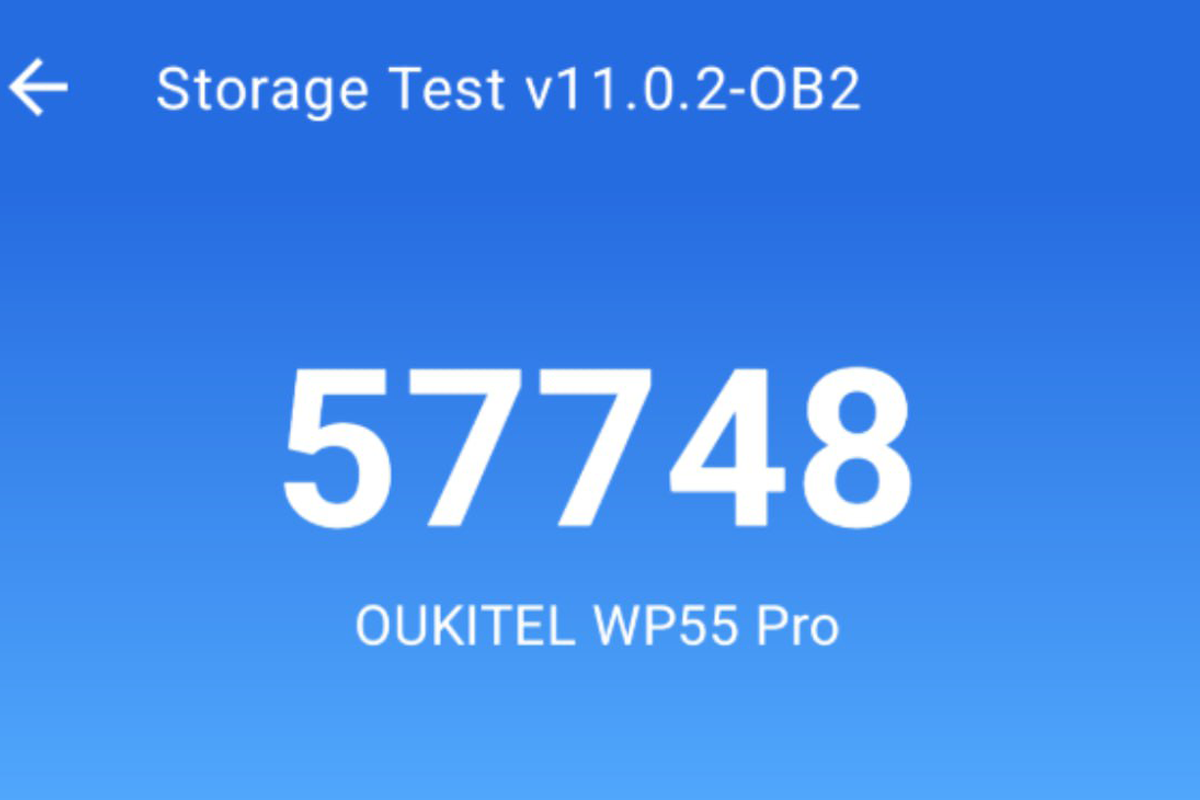
My verdict on performance is 8 out of 10. Considering that this is a rugged smartphone, the performance is very respectable for its category.
Camera

The camera module includes three lenses: a primary Samsung ISOCELL HM6 sensor with 108 MP resolution (f/2.2), an 8 MP secondary lens for night vision, and a 2 MP macro lens.
Exceptional image quality should not be expected, but the Oukitel WP55 Pro is not positioned as a photography-focused device. As a rugged phone, it is more appropriate to evaluate its cameras relative to other devices in the same category rather than flagship models.



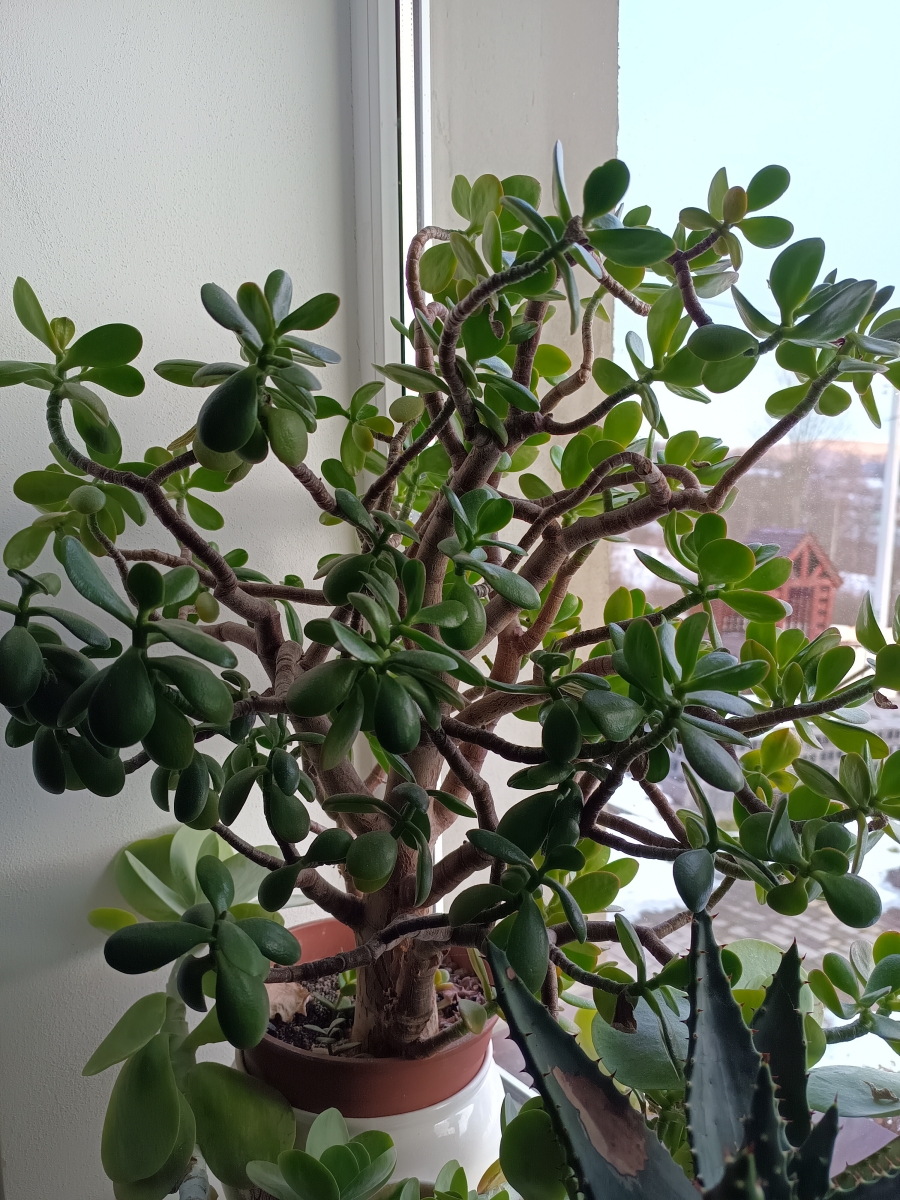


In good lighting conditions, photos turn out to be quite detailed. Fine textures and small elements are clearly captured, and colors appear natural without oversaturation or distortion. Images retain a sense of depth, avoiding a “flat” look, and appear lively and three-dimensional. HDR performance is also noteworthy – the camera handles challenging lighting well, particularly during sunset shots or indoor photography.
Under lower light, some noise may appear, but overall image quality remains acceptable for its category.
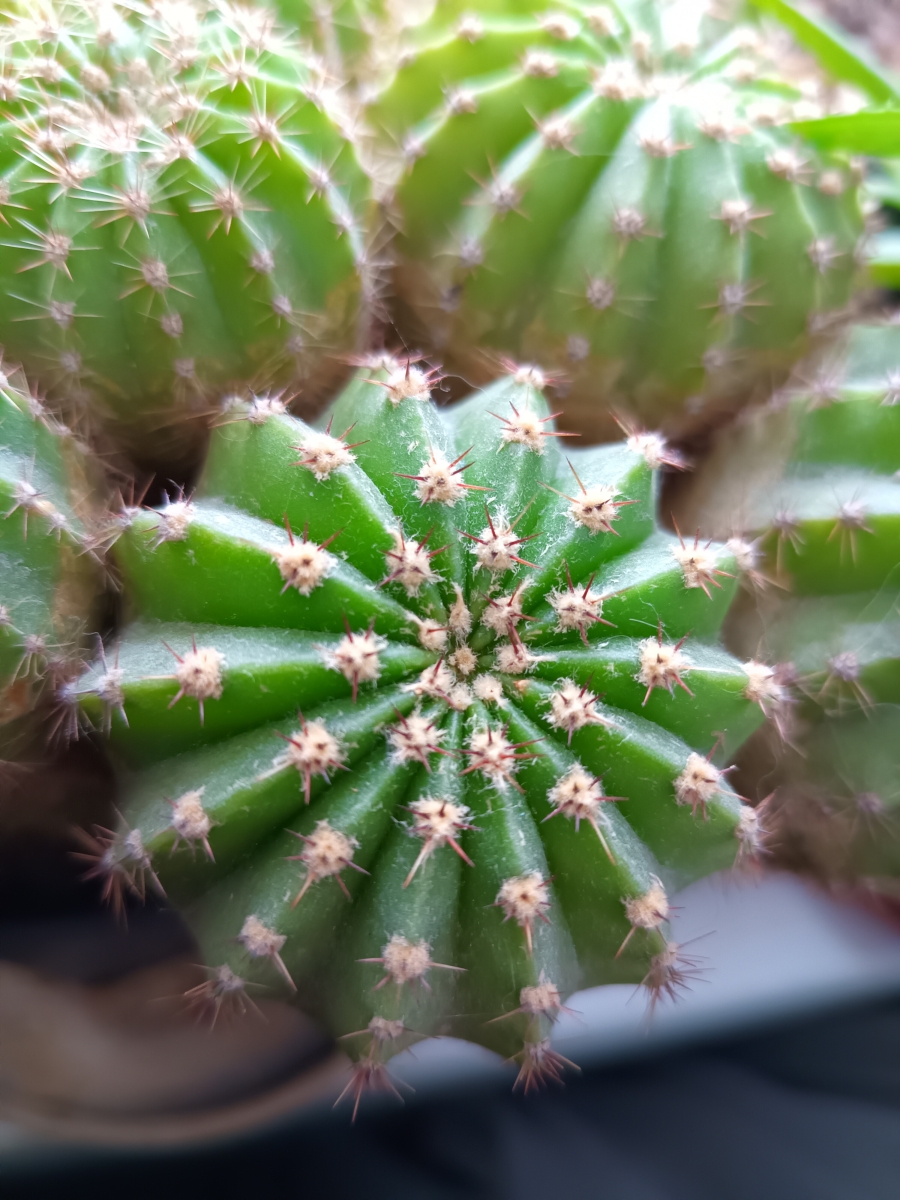
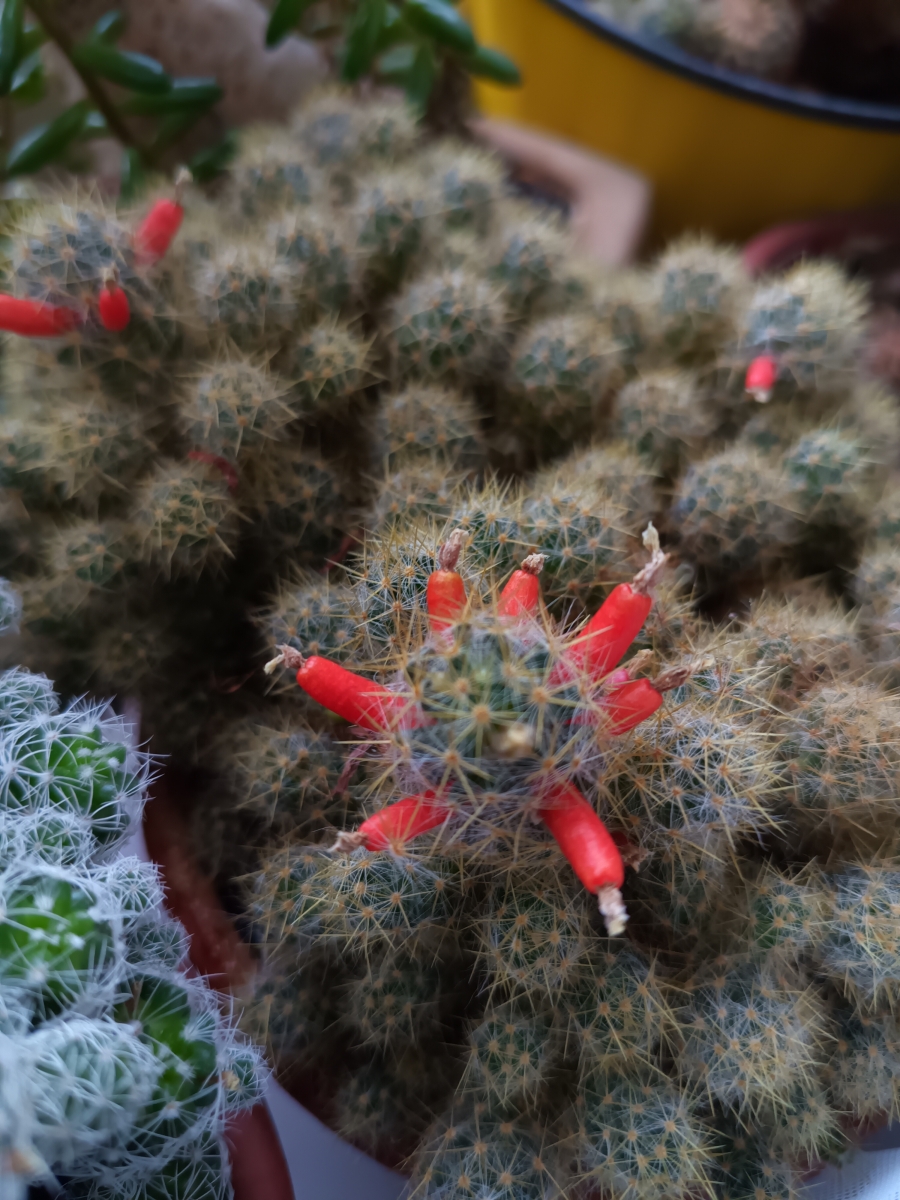
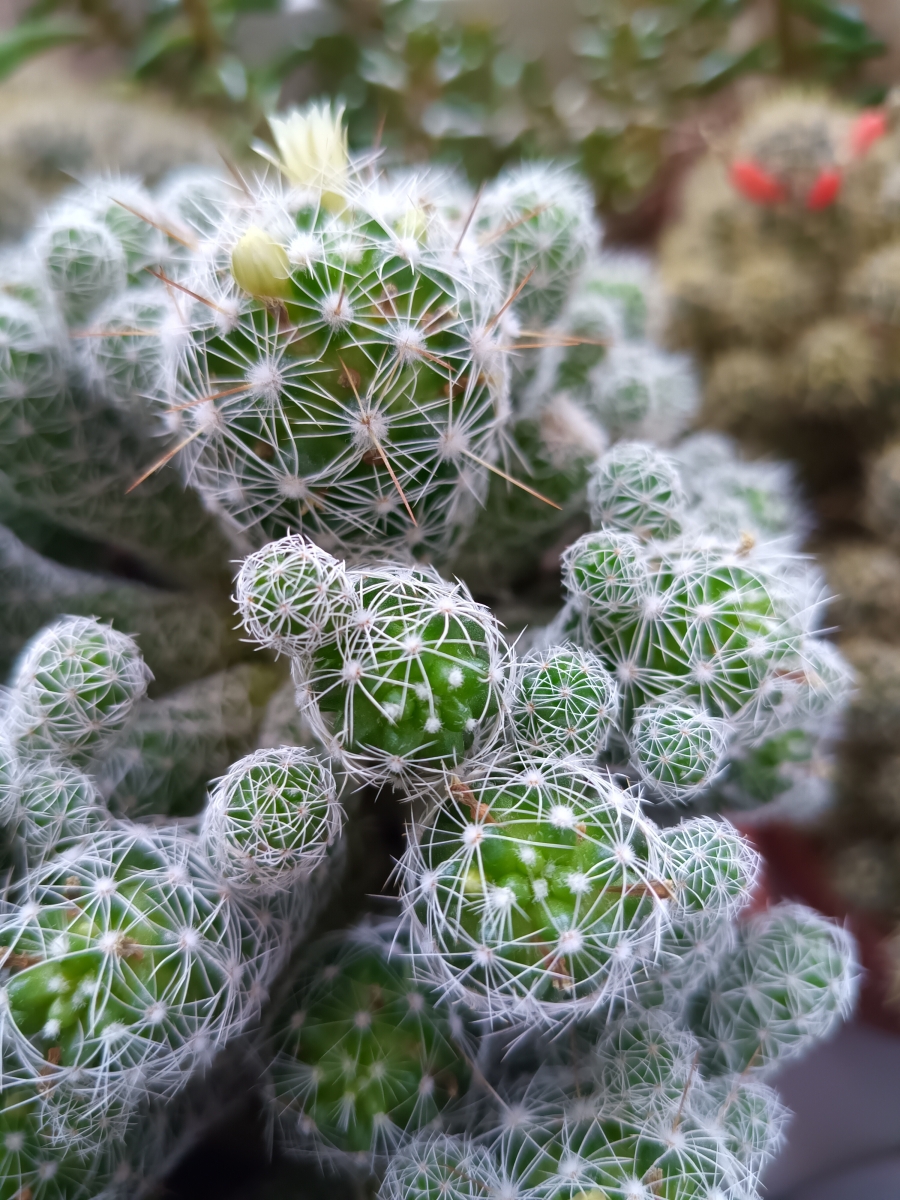


The macro lens performs better than expected. Image quality is quite good, with minimal noise and stable focusing. Naturally, it cannot compete with flagship devices, but for a rugged smartphone, the results are impressive. It’s possible to capture interesting shots of small details, textures, colors, or insects.
The front-facing camera produces natural and clear images. Detail is solid, and colors remain true to life. Beauty mode is implemented thoughtfully – it lightly smooths skin and evens out tone without turning faces into an artificial or waxy appearance. The effect is subtle and aesthetically pleasing, making it more than adequate for video calls, online meetings, or quick selfies.


The night vision mode records only in HD. Its practical use may be limited – perhaps for nighttime activities like hunting or situations requiring low-light visibility – but having the feature is certainly better than not.
Zoom is digital and does not produce impressive results. Detail is quickly lost at higher magnifications, so it is best used only when necessary.





In well-lit conditions, panoramic shots are perfectly usable. There are no major artifacts, breaks, or distortions. The stitching algorithm performs reliably even when shooting handheld, producing smooth images without visible seams. Exposure is maintained consistently across the entire frame.
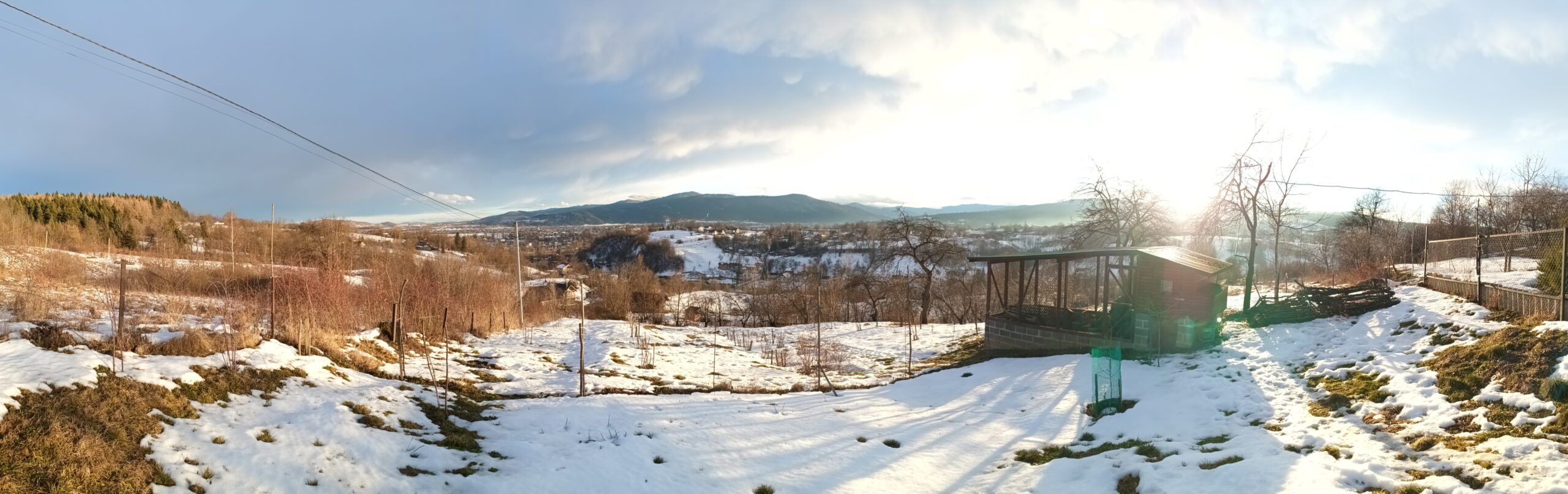
Regarding video, the main camera records at Full HD (1080p) at 30 fps. The quality aligns with the device’s positioning: daytime footage looks decent, though stabilization is minimal.
Looking at images from other rugged smartphones online, it’s clear that photography is generally not their strong point. Compared to those, the Oukitel WP55 Pro’s cameras perform very well, particularly given that it also supports underwater shooting up to 1.5 meters.
Battery
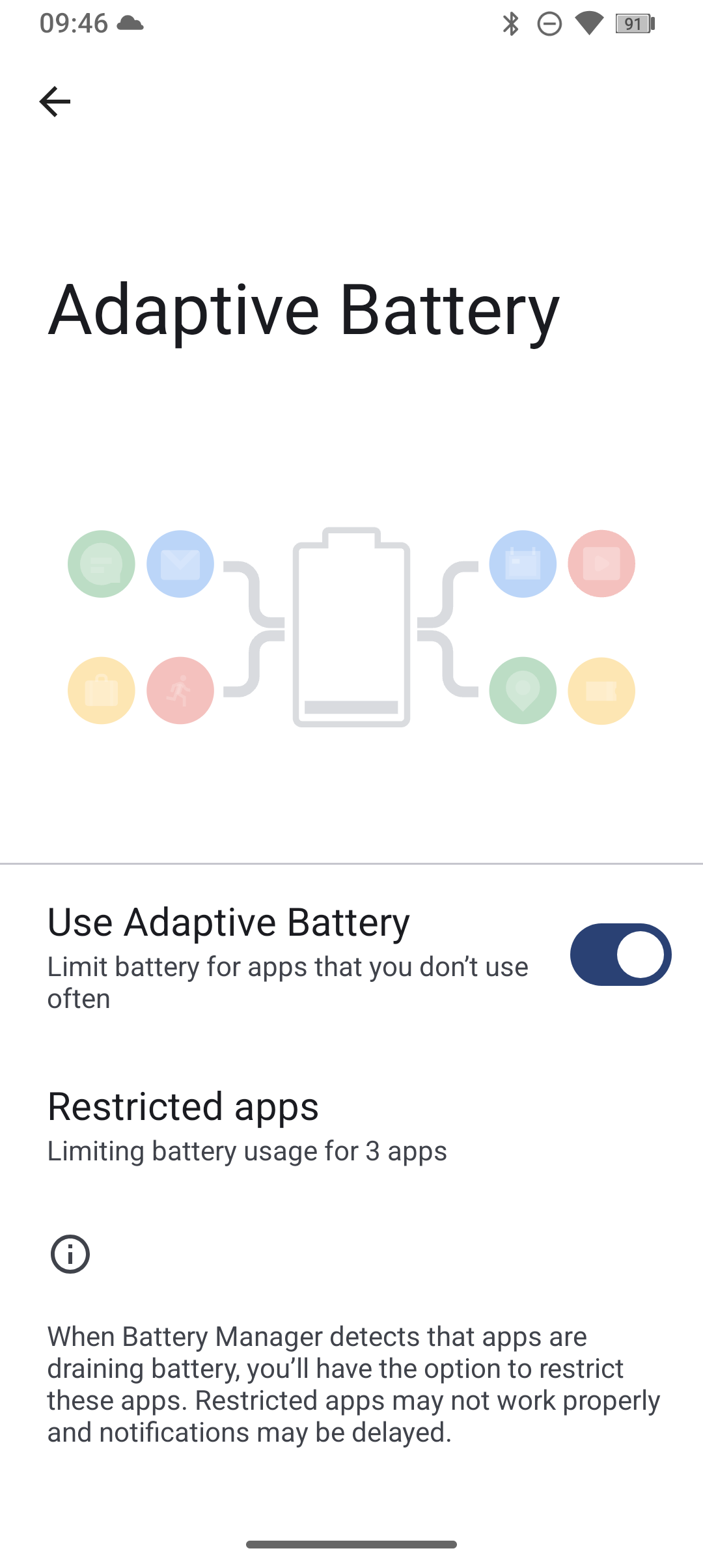
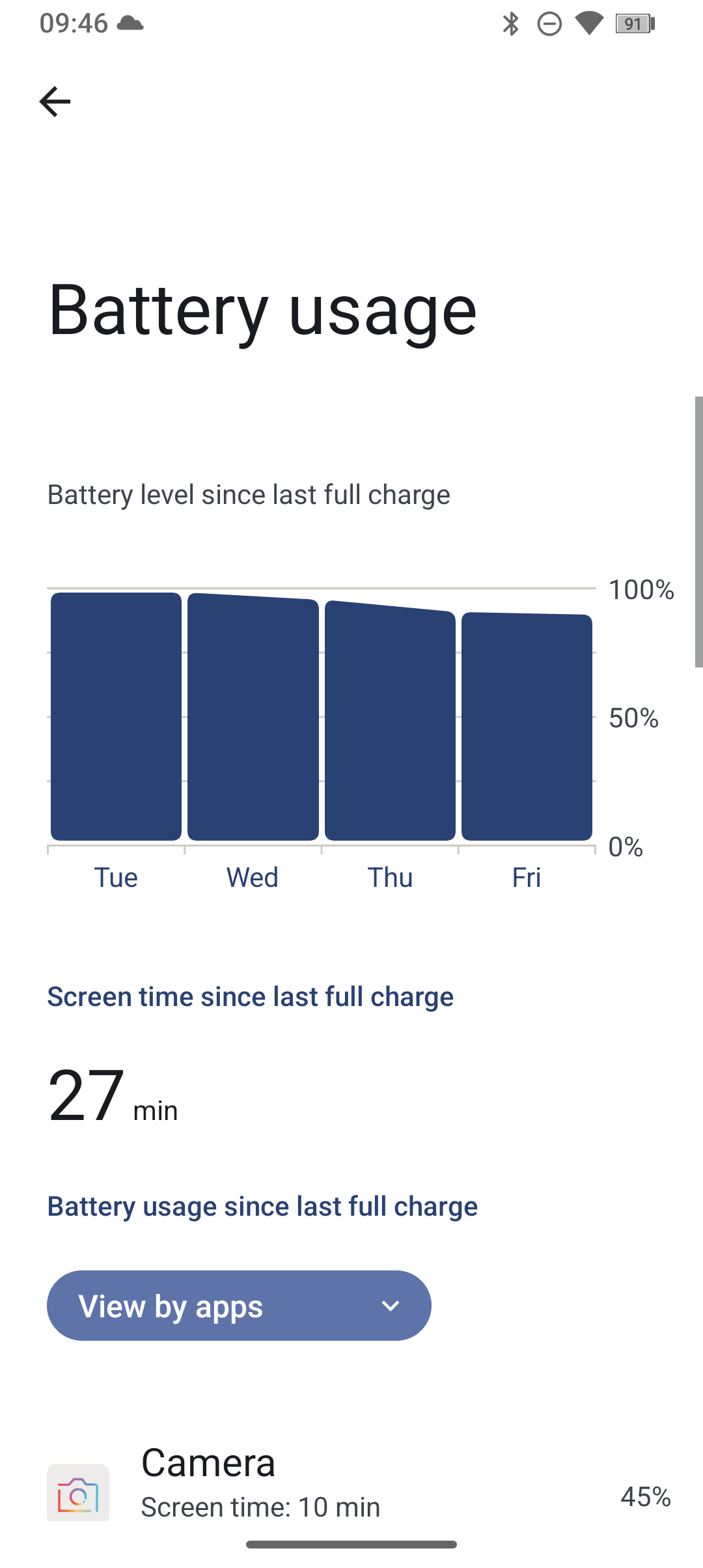
This is arguably the smartphone’s strongest feature. With an 11,000 mAh battery, especially compared to a typical 5,000 mAh device, it feels almost inexhaustible. Usage patterns obviously vary, but in my experience, a single charge lasted four days. With heavy use, it easily covers two full days. In a light usage scenario – just a few calls per day and 30–40 minutes of messaging – 19% battery remained on the seventh day. This is an excellent result. Additionally, the Oukitel WP55 Pro can function as a power bank for other devices.
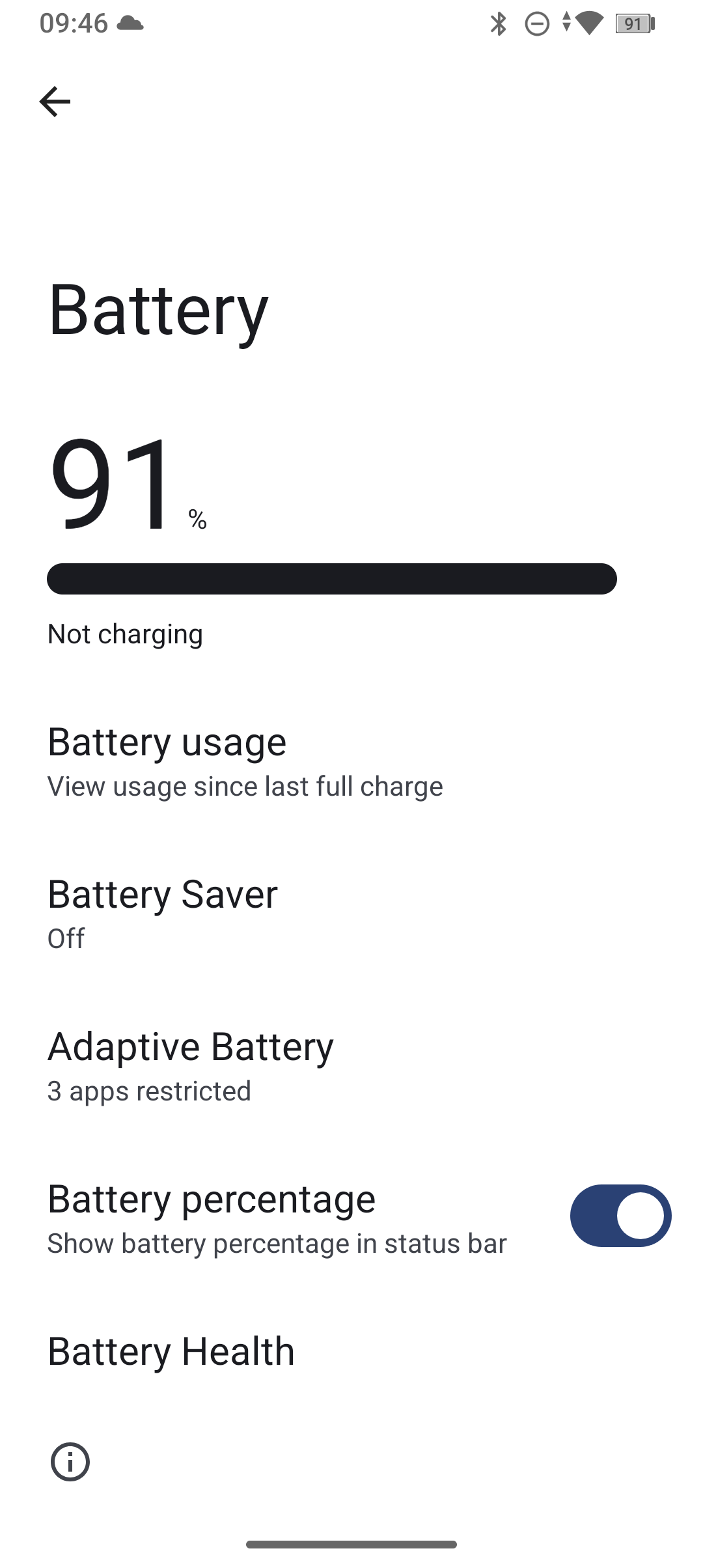
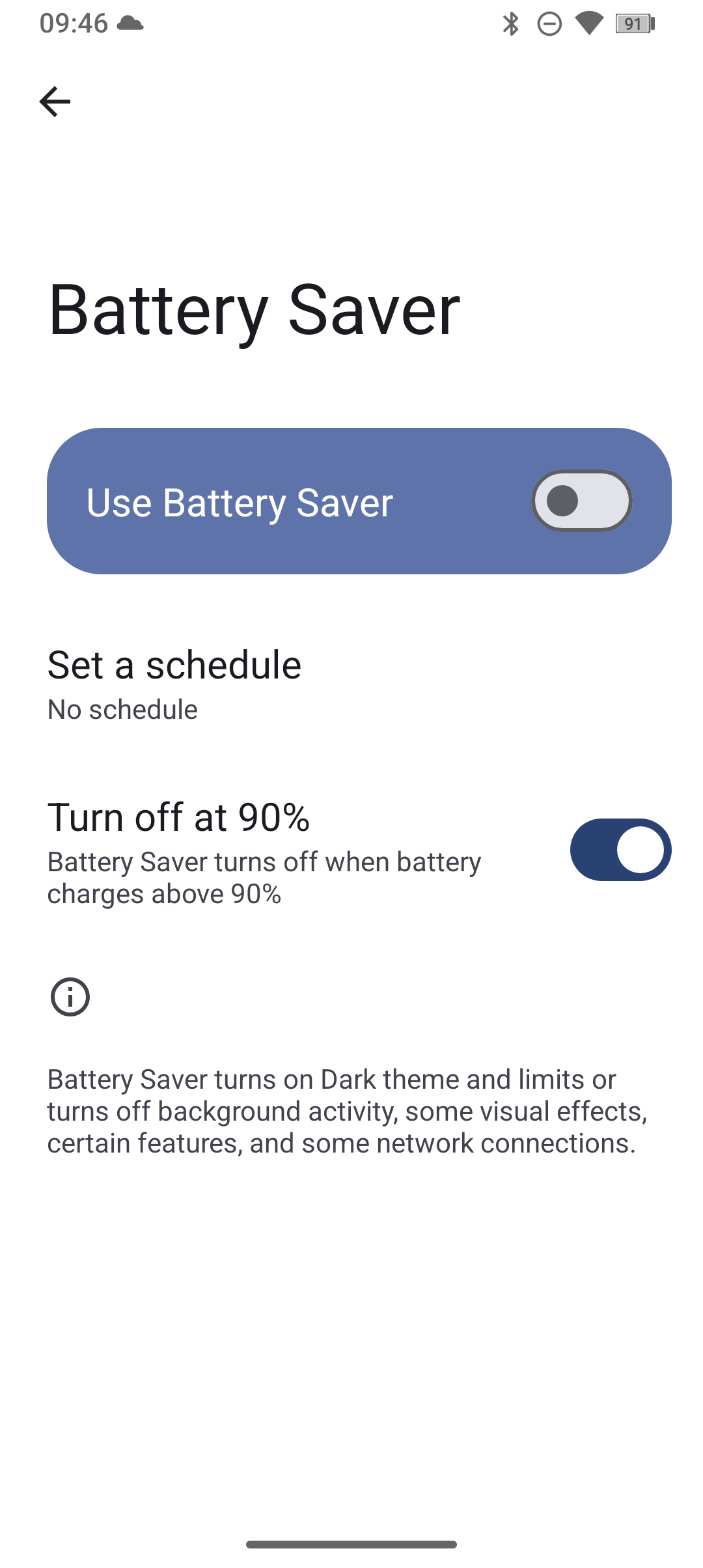
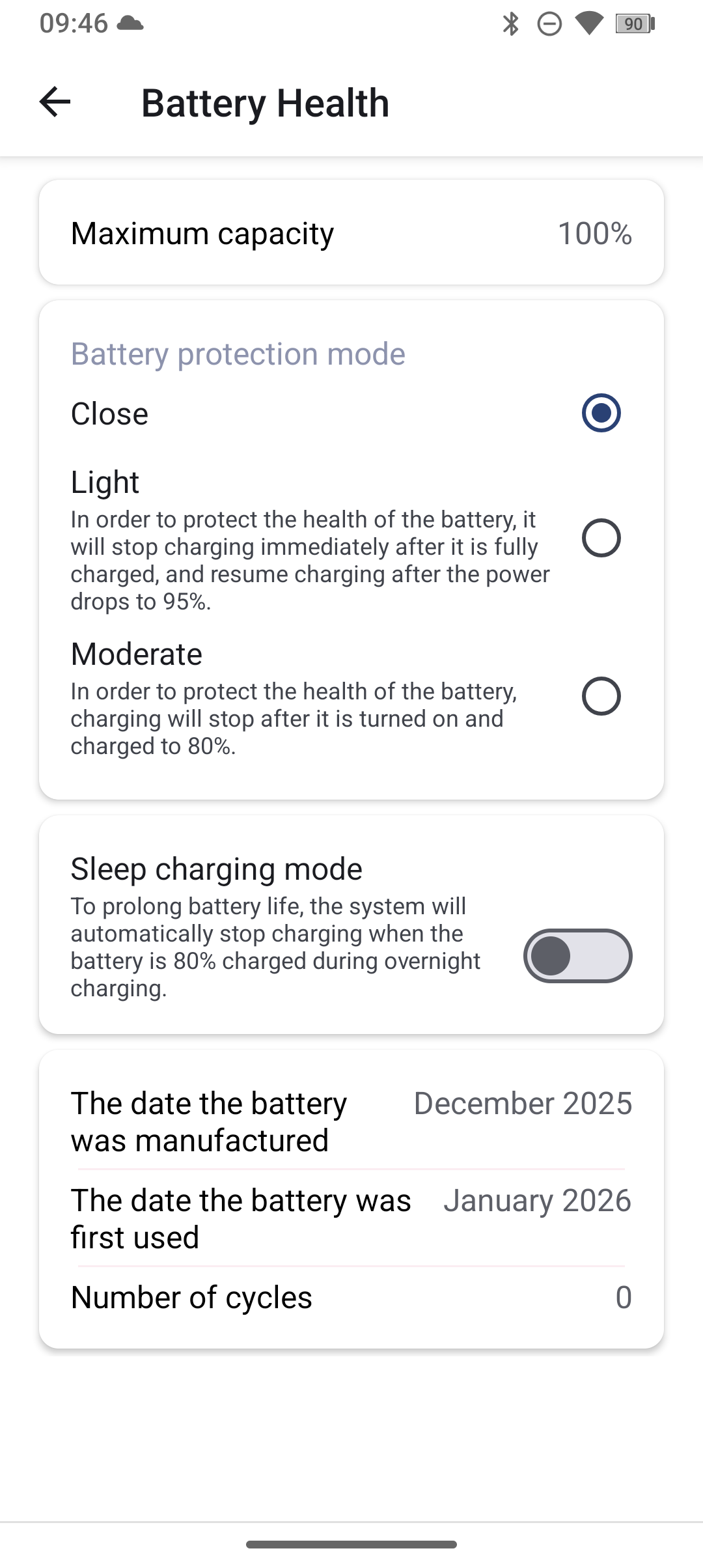
Of course, there is a downside, and it concerns charging. It’s good that the manufacturer includes a power adapter – something not all devices can claim – but 33 W is clearly insufficient for an 11,000 mAh battery. Ideally, a minimum of 67 W would be more appropriate. As it stands, a full charge takes roughly 1.5–2 hours.
Conclusion
The Oukitel WP55 Pro delivers a consistent experience both in appearance and daily use. It offers all the essential smartphone functions while providing clear advantages in areas such as durability, battery life, and practical features for a rugged device.

Strong protection, ample memory, excellent battery life, and specialized features such as night vision, underwater photography, and a programmable shortcut button are clear advantages. The device can even handle casual gaming, and for everyday tasks, its performance is more than sufficient. Charging speed is limited, and camera quality is not exceptional, but rugged smartphones are designed for different priorities, and the Oukitel WP55 Pro meets those requirements effectively.

Read also:
- Garmin Venu 3 User Experience: Is It Worth Buying in 2026?
- Motorola Moto G06 Power Review: Budget Smartphone Focused on Extended Battery Life
- Bigme HiBreak Pro Color Review: Smartphone with E Ink Display
- Prospects for DDR SDRAM: Future Developments and Key Challenges

