



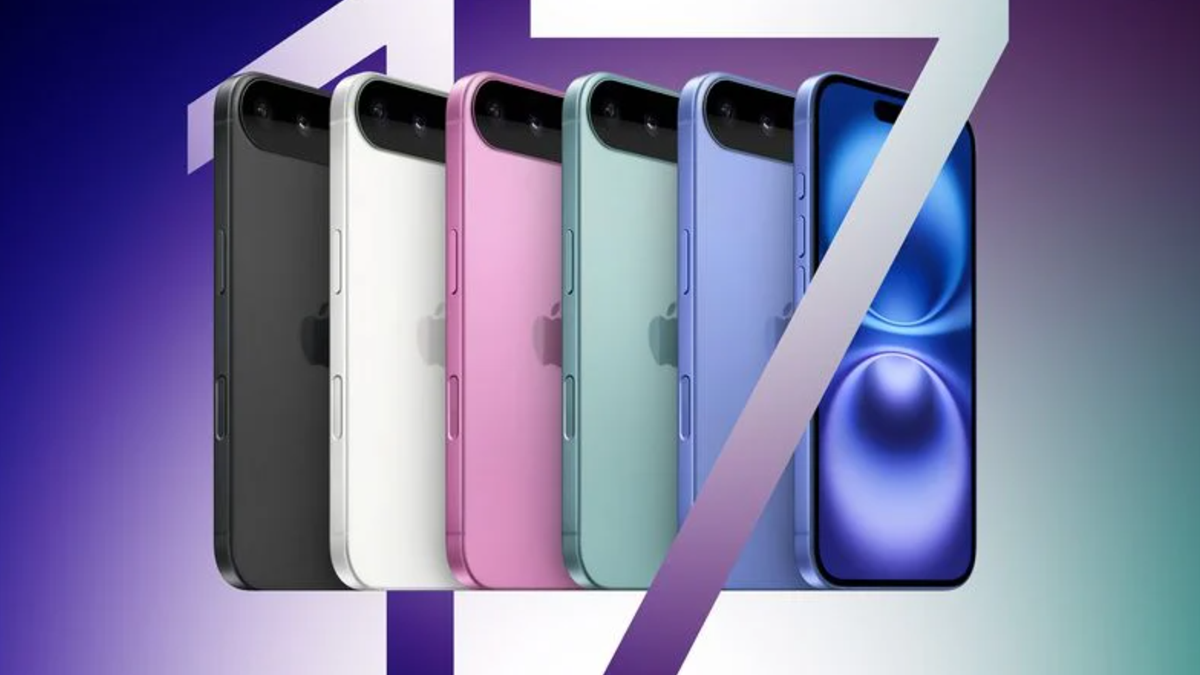

© ROOT-NATION.com - Use of content is permitted with a backlink.
The iPhone 17 is just around the corner, but strangely enough – I’m not looking forward to it. Somehow, Apple’s launch events have lost their spark. What used to feel like major moments in tech now feel more like calendar reminders.
The magic is gone. That’s not to say the iPhone isn’t still a great device – it is. It’s sleek, fast, and well-built. But there was a time when the iPhone was more than just a product. It was a breakthrough, a statement, a benchmark for the entire industry. Now? It feels like a mix between a routine software update and a new wallpaper.
Read also: ChatGPT-5 from OpenAI: What the New AI Model Can Do
I’m looking forward to the iPhone 17 with the same enthusiasm you might feel starting a new season of a once-great show that started going downhill back in season three – but you keep watching out of habit, because, well, you’ve already invested so much time.
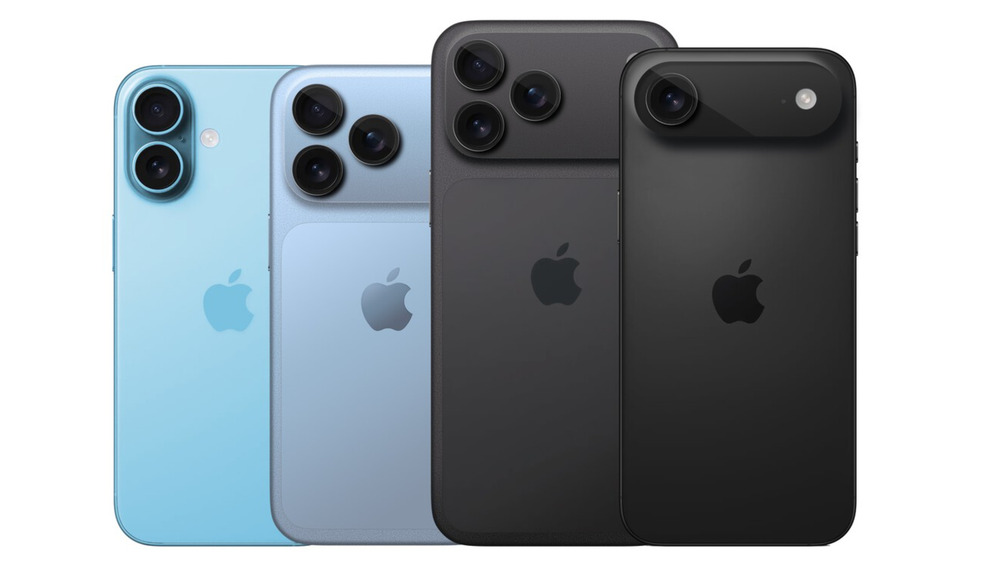
Apple’s financial reports still look impressive: billions in profit, record-breaking buybacks, steady growth in services. But beneath that shine, there’s a shadow. iPhone sales dropped from $205.5 billion in 2022 to $200.6 billion in 2023. It’s not a collapse – it’s a crack in the surface. A sign of fatigue. The iPhone 16, a global bestseller, sold well. But there were no headlines, no overnight lines, no buzz. Just 37 million units in pre-orders – a 12% drop compared to the previous model. People aren’t lining up for the iPhone anymore. They’re just buying it.
And that’s the core issue. Apple didn’t lose – it disappointed. The iPhone no longer delivers that breath-catching “wow” that defined it for over a decade. And it’s that very “wow” that once set it apart from everything else.
Let’s look back at the real milestones.
2007 – multitouch and a complete rethink of how we interact with devices.
2008 – the App Store, which turned the iPhone into a platform, not just a gadget.
2010 – the Retina display, after which every other screen looked like a pixelated relic.
2013 – Touch ID, finally making biometrics reliable.
And now? The biggest innovation is the Action Button.
Yes, it’s convenient. Yes, it’s nice to have. But it’s not magic. It’s an upgrade.
The iPhone 16 doesn’t point to the future – it’s a polished recap of the past.
Apple has stopped leading the way. It’s just keeping pace with those already ahead.
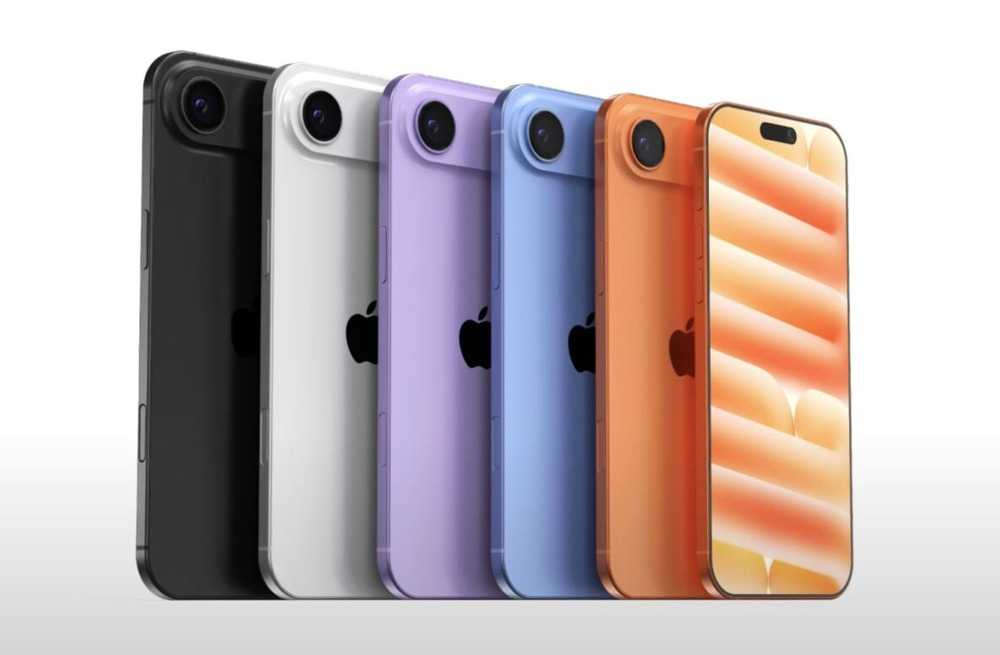
And the most frustrating part? It still works. People keep buying. Profits continue to climb. But it’s happening without vision, without risk, without that sense of revelation. And that’s where the real danger lies – Apple risks becoming the next Nokia. Just sleeker, and with a more expensive subscription plan.
Read also: Windows 11 Open Source: Myth or Reality?
TABLE OF CONTENTS:
Artificial intelligence as an empty glass
Apple Intelligence was supposed to be the company’s answer to the AI revolution. But in the end, it felt more like, “We did something too – almost as good as the others.” In theory, it’s a big step. In practice, it’s another sign that Apple isn’t just losing momentum – it’s losing the drive to lead.
AI features on the iPhone 16 arrived late. Then they showed up. Then some quietly vanished. And frankly, a few probably shouldn’t have launched at all. Take the automatic news summaries, for example – they rephrased headlines so “accurately” that Apple ended up quietly removing the feature. No statement, no update – just gone, like a kid who ruined the birthday cake and was politely sent to their room.
This isn’t just a bug – it’s a symptom of a deeper issue: Apple is releasing unfinished products because the competition is closing in. It’s no longer about surprising the world. It’s about not looking completely behind the curve.
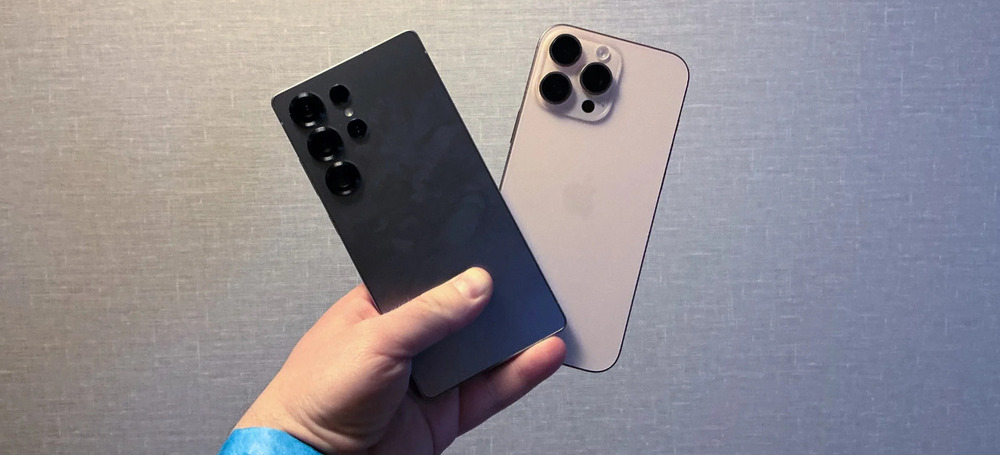
And the competition? They’re not just catching up anymore – they’re setting the pace. The Samsung Galaxy S25 already comes with Gemini Live, Circle to Search, and Audio Eraser. These aren’t prototypes or “coming soon” features – they’re available and functional now. Huawei, despite sanctions, continues to release foldables with cameras that outperform some DSLRs. Xiaomi is linking phones, tablets, vacuums, and even electric cars into a unified ecosystem that actually works – something that felt like science fiction just a year ago.
Meanwhile, Apple is showcasing… a new version of Siri. Promising, once again, that it’s now “contextually smarter.” But Siri still confuses “set an alarm” with “set a house,” and still struggles to keep up with Google Assistant – let alone Alexa.
Apple used to lead revolutions. Now, it’s switched to “don’t forget about us” mode. Apple Intelligence had the potential to mark a new chapter. Instead, it serves as a reminder that even the biggest names in tech can fall behind.
Read also: Rare Earth Metal Situation: Whoever Controls the Resources, Rules the World
Competitions that caught up with the champion
Apple once led the race. Now, it’s glancing over its shoulder. Comparing the iPhone 16 to the Galaxy S25 isn’t about small differences anymore – it’s about a shift in leadership.
Samsung offers a 120Hz refresh rate and 2600 nits of peak brightness. Apple? In 2025, it’s still sticking with 60Hz – comparable to budget phones from years ago. Brightness tops out at 2000 nits. Not terrible, but next to the competition, it feels noticeably dimmer. And when it comes to RAM? 12GB on the Galaxy versus 8GB on the iPhone. That’s not just a performance gap – it’s a difference in philosophy.
Cameras? The Galaxy S25 features three lenses, including a 3x zoom. The iPhone 16 has two. A telephoto lens on the base model? Still a wish, unless you’re willing to pay for the Pro version. But that’s not the main issue. The real gap lies in their approaches to innovation.
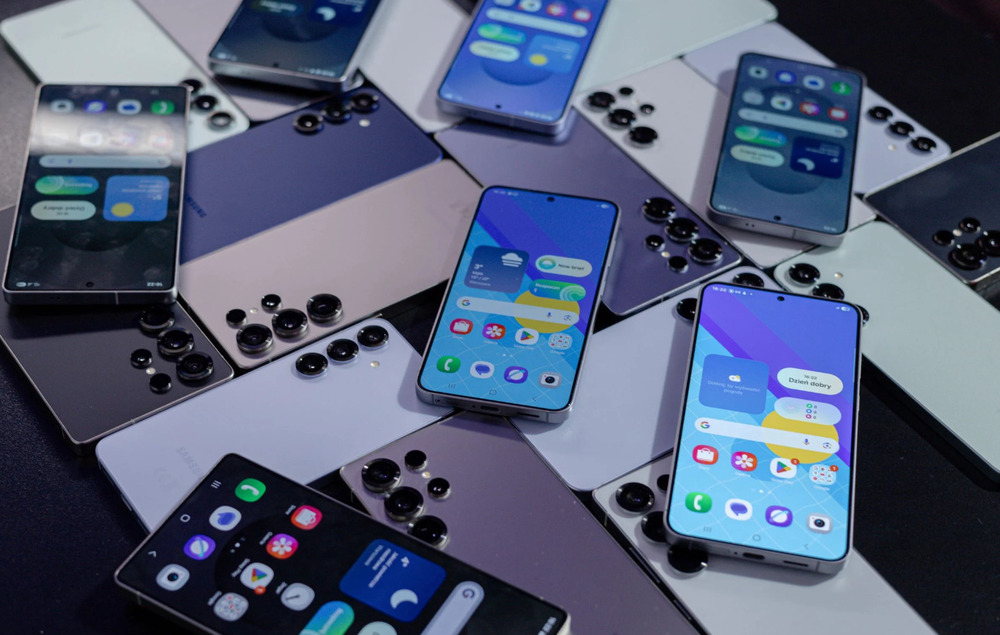
Samsung and other Android manufacturers are experimenting. They’re taking risks. Foldable phones no longer feel like prototypes from trade shows – they’re being sold, carried, used for photography, and tested in the real world. Most importantly, people are buying them. Last year, the foldable market moved from niche to mainstream. This isn’t the future anymore – it’s the present.
And Apple? It’s watching. Carefully polishing a familiar design, adding a new button here, slightly increasing battery life and brightness there. Everything looks good, stable, and recognizable. But it’s not bold. The iPhone 16 isn’t a new direction – it’s just another loop on a well-worn path.
Apple used to set the direction. Today, it copies smartphones that have already charted the course.
Read also: How Chinese Companies Circumvent the US Ban on AI Chips
The paradox of a mature market
We’re entering an era of maturity, where phones are less “wow” and more “okay, it works.” According to IDC, global smartphone shipments grew by 6.2% last year. But don’t pop the champagne just yet – this growth is more of a correction after the pandemic slump than a new trend. Early signs from 2025 suggest double-digit growth rates are unlikely.
Users are holding onto their phones longer. Buying used devices is becoming mainstream in some countries rather than an exception. A well-maintained iPhone 13 looks just as good as a 16, but costs half as much. New features aren’t compelling enough to make people upgrade again. And as the market evolves, so are other companies.
Vuzix is developing smart glasses with augmented reality. Matterport turns regular phones into tools for creating 3D copies of physical objects. Innovative Eyewear integrates ChatGPT directly into the frame. Smart devices are evolving into interfaces for artificial intelligence, rather than just tools for calls and photos.
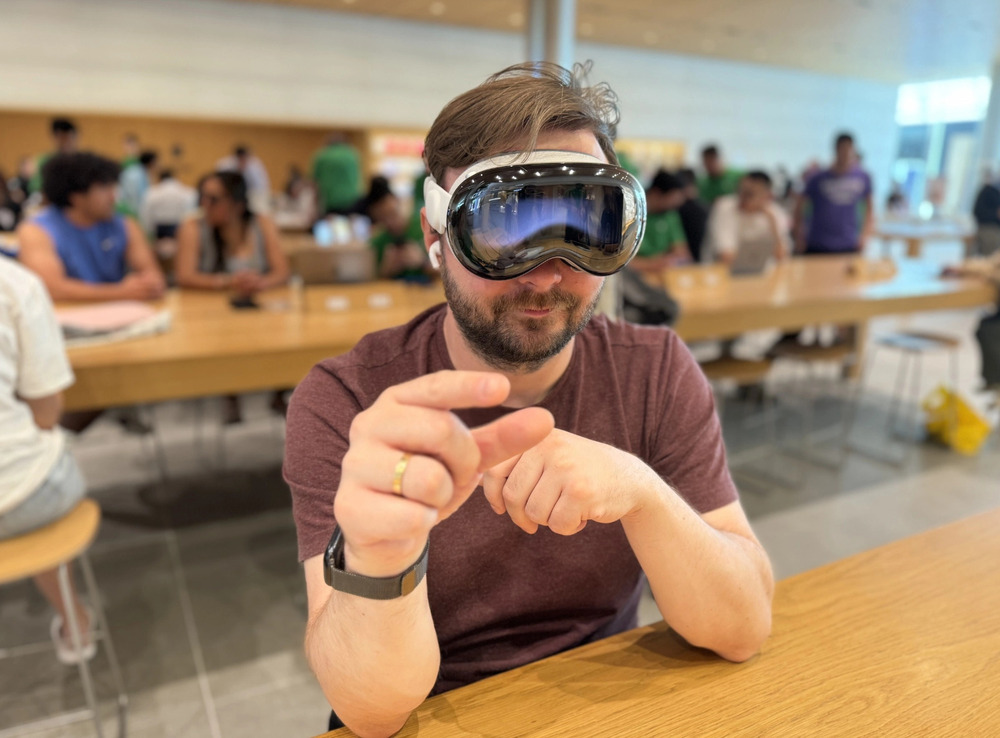
Apple, on the other hand, offers the Vision Pro at \$3,499. A headset that costs as much as three iPhones, weighs like a brick, and requires you to look like you’re playing “Space Invaders.” This isn’t a breakthrough – it’s a tech demo priced like a Tesla Model 3 at launch. Overpriced, inaccessible, and impractical. Even Apple seems to acknowledge this, remaining silent about sales – like a student who flunked their exams.
Instead of creating new categories, Apple plays bingo with a familiar set of features: a bit brighter, a bit faster, a bit more expensive. But the world has changed. The old formulas no longer work. And while some are sketching the future, Apple is still outlining the frame around the past.
Read also: How to Spot Fake Photos: New Challenges of the Digital Age
iPhone 17 predictions: another round of the familiar scenario
Recent leaks about the iPhone 17 offer little hope: Apple appears to be preparing a cosmetic update rather than a revolution. The base model is expected to feature a 120Hz display – something Samsung introduced before the pandemic. The 48MP camera feels more like catching up than leading. The new A19 chip is faster and more powerful, but whether that’s noticeable in everyday use is questionable. For most users, it won’t make much of a difference.
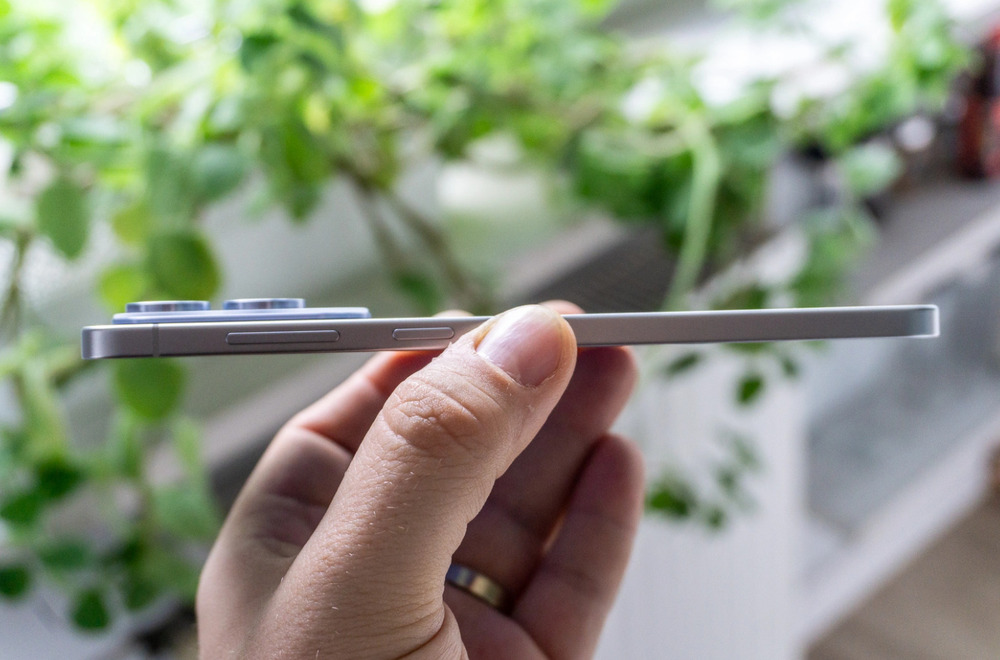
It might not seem like a big deal, but the main “wow” moment in the rumors is the iPhone 17 Air – a new, thinner version of the iPhone. Yes, seriously. The innovation of the year is thickness. Apple seems confident that this alone is enough.
While competitors have long been experimenting with foldable screens, under-display cameras, on-device neural networks, and new form factors, Apple is spending engineering resources just to make the phone a bit slimmer. This isn’t a breakthrough – it’s microscopic tweaking elevated to a strategic level.
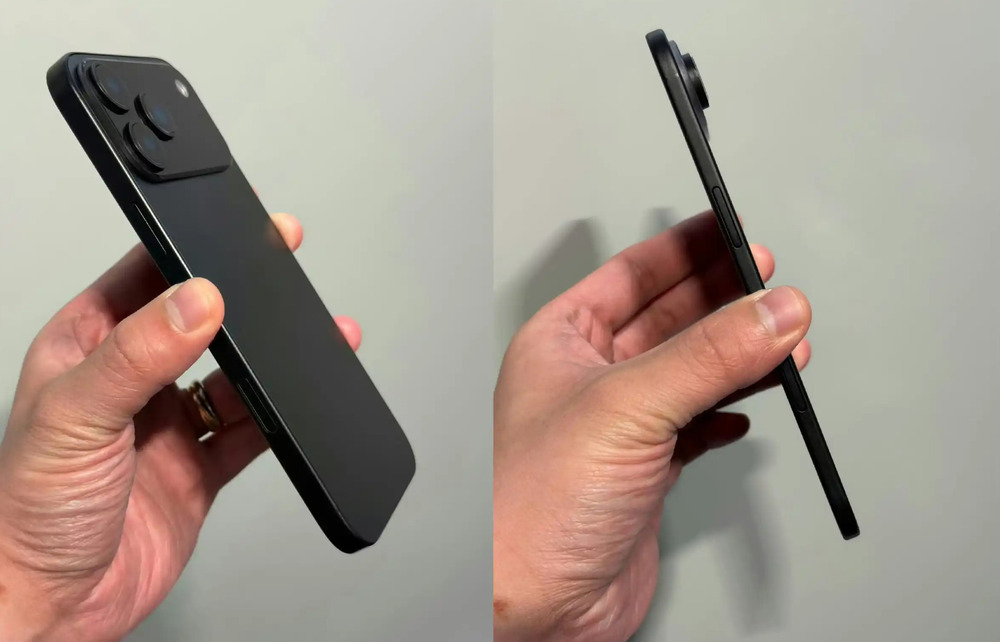
The iPhone 17 Air is almost a metaphor for today’s Apple. Thin, shiny, polished… but empty when it comes to bold ideas. There was a time when Apple broke paradigms. Now, it carefully preserves the old ones.
Read also: Cryptography: What It Is and How It Works
Stagnant economy
Apple continues to generate enormous revenue. In 2023, the iPhone alone brought in over $200 billion. In the U.S., it holds 61.3% of the market – a clear dominance. But while profits remain strong, the company’s strategy is showing cracks.
Success on paper doesn’t always guarantee the future. Take TSMC, Apple’s main chip supplier. Their financial reports reflect broader industry trends. In 2022, smartphones accounted for 39% of their revenue. By 2023, that dropped to 35%. Meanwhile, the high-performance computing (HPC) segment grew to 51%. This isn’t a temporary fluctuation – it’s a tectonic shift.

The world is moving toward AI, cloud computing, data centers, and edge computing. In other words, the focus is shifting to complex computation rather than new phone colors. The future isn’t just in the device itself, but in how it connects to something far smarter.
Apple senses this shift but is responding slowly. The Vision Pro, with its $3,499 price tag and lack of a mass market, feels like a niche experiment. AI in iOS launched with limitations, instability, and the impression of “we’re doing this too.” Meanwhile, competitors are already preparing for life beyond the smartphone era.
Apple’s recent financial reports are a glossy cover. But inside is a book they’re no longer rewriting – just reprinting. It’s not the end yet, but stagnation is clear.
Read also: The Third World War of Browsers: Has It Already Begun?
The future no longer revolves around the iPhone
And that’s the core issue. The iPhone 17 no longer excites the industry – or even fans – the way previous models did. Not just because it’s unlikely to surprise, but because smartphones are no longer at the center of the tech world.
Today, the main directions for the future are artificial intelligence, augmented reality, the Internet of Things, autonomous systems, and spatial computing. These aren’t “add-ons” to the smartphone – they’re alternatives. Different ways to interact, different kinds of devices, different mindsets.
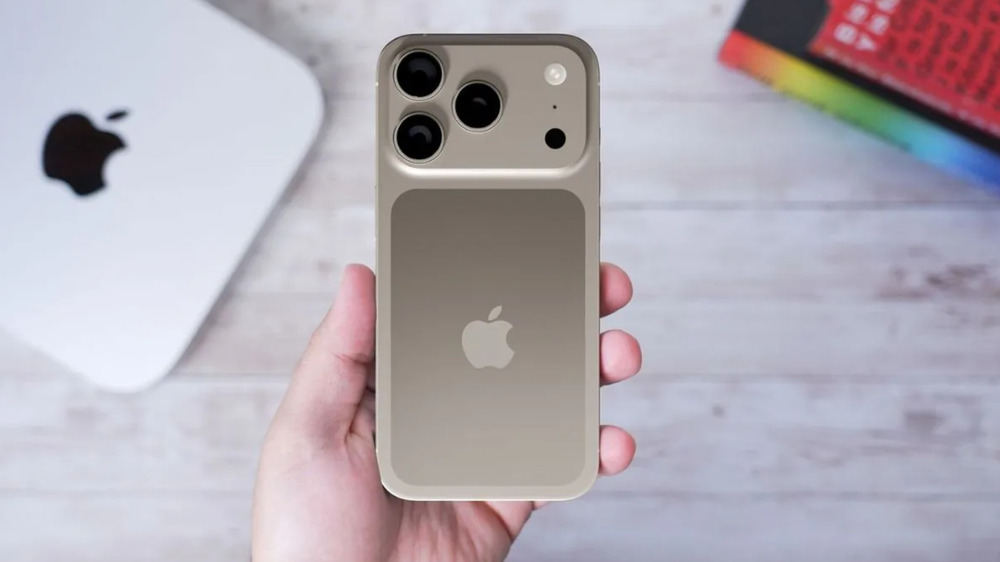
Apple knows this. And yet… it acts as if it doesn’t. The company invested $10 billion in a self-driving car project, only to quietly cancel it later. The shutdown of one of its most ambitious initiatives isn’t just a financial decision – it’s a sign that Apple is no longer exploring new horizons. Instead, it’s filtering out risks and cutting problematic projects.
Here lies the real drama. Apple isn’t just stepping away from new categories. It’s silently admitting it’s no longer leading, only following – at a time when OpenAI, NVIDIA, Google, and even startups are shaping the digital future. Meanwhile, Apple continues to refine… its smartphone, making it thinner and changing its color options.
The iPhone 17 isn’t a product of the future. It’s a ritual of the past. And worse still – the ritual itself is losing its meaning.
Read also: OpenAI’s New Superpower: What Is a ChatGPT Agent?
Conclusions
I’m not looking forward to the iPhone 17. Not because it will be bad, but because it will be predictably bland – another sleek, well-built iteration of a familiar formula. Reliable, powerful, attractive, and painfully predictable.
This isn’t a criticism of quality. Apple still makes excellent smartphones. These devices last for years, take great photos, run smoothly, and rarely cause issues. But the problem isn’t hardware.
There was a time when every iPhone launch was a major event – a show that made the world stop and watch where we were headed next. It wasn’t just about a “new smartphone,” but about new ways of thinking. Multitouch, the App Store, Retina display, Touch ID, Face ID. Apple shaped the future before we even imagined it – and it worked.

Well-polished and refined, but reactive rather than groundbreaking. A company that once made the industry chase it is now catching up – refresh rates, AI features, camera designs, form factors. From Siri to Vision Pro, everything feels like an attempt to prove, “We’re still in the game.”
And that’s why I’m not excited for the iPhone 17. Not because it will be bad, but because I already know what to expect. A bit brighter, a bit faster, a bit thinner. All familiar. All predictable.
The future should surprise us. Make our hearts race. Raise questions and inspire new ways of thinking. The iPhone once did exactly that. Today, it simply performs its duties well. But from the future, we expect more than just functionality. That’s why it feels disappointing. The world is changing, but Apple only pretends to see and feel those changes. The truth is, it doesn’t. The launch of the new iPhone 17 will prove that once again – and we’ll be here to tell you all about it.
Read also:
- AI in Medicine: Is the Future Already Here?
- “Superintelligence” – Breakthrough or Marketing Hype? An Analysis
- When AI Nudges Toward Death: The Illusion of a Safe ChatGPT


I think you need to invest in some anti-depressants. Cell phones, in general, are a pretty mature tech.