





© ROOT-NATION.com - Use of content is permitted with a backlink.
Technological progress has, for centuries, reshaped the structure of labor distribution, with each new wave delegating increasingly complex human functions to machines. Today, we are witnessing a culmination of this process: through the integration of AI, robots are transforming from passive tools into active execution systems.
They no longer merely follow predefined algorithms, but are increasingly capable of perceiving their environment, analyzing it, and performing physical actions in the real world with minimal direct human intervention. By 2026, this transition is often framed as a shift from experimental concepts to large-scale deployment. Robots are moving out of laboratories and into real business and everyday environments, becoming embedded in complex and often invisible infrastructure. In this article, we break the system down into concrete scenarios to identify where new capabilities are emerging, where limitations remain, and how this shift is changing the logic of work and task distribution.
TABLE OF CONTENTS:
Manufacturing: the pioneer of automation and new challenges
The industrial sector was the first large-scale environment for the deployment of robotics. However, current requirements increasingly extend beyond the capabilities of traditional robotic manipulators.

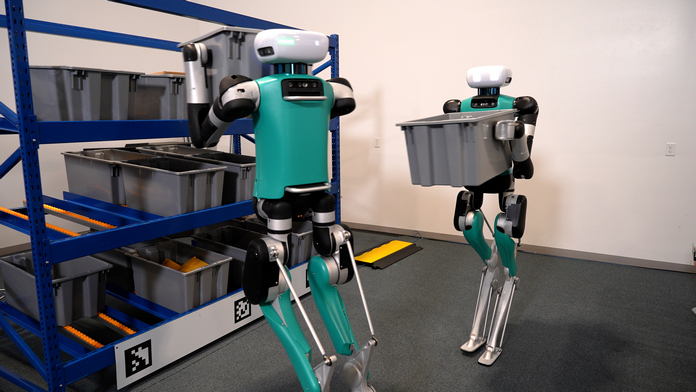
Today, the industry requires systems capable of operating in complex, hazardous, or constrained environments, where high levels of sensing and mobility are necessary. Robots have evolved from performing repetitive tasks to handling intelligent logistics processes: from sorting and palletizing goods at inbound stages to flexible grinding, welding of complex surfaces, and high-precision assembly of electronics or automotive components.
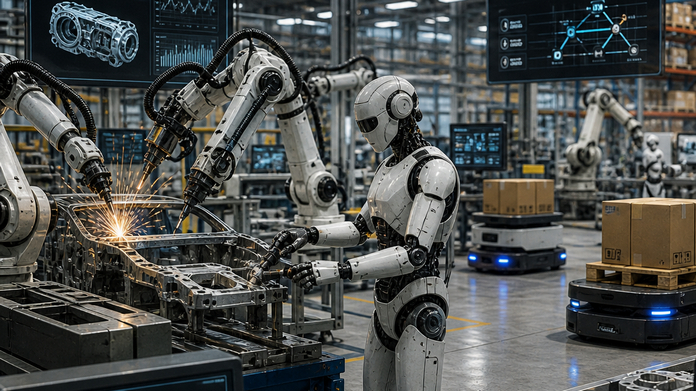
Particular importance is gained by the implementation of machine vision in quality control systems, which enables a shift from sampling-based inspection to continuous monitoring of manufacturing defects. In parallel, warehouse logistics is being transformed: autonomous mobile robots (AMRs) and smart forklifts are forming integrated networks that autonomously optimize the movement of goods from unloading to packaging.
Even in highly specialized industries, such as light manufacturing (for example, automation of embroidery processes with spool replacement), robots are becoming an integral part of customized technological solutions.
Despite the wide range of use cases, the main challenge remains adapting these systems to the unpredictability of the real world. Modern industry is increasingly shifting its focus from speed and precision alone toward autonomy and the ability of machines to transition between different tasks. The ultimate goal is the creation of a stable ecosystem in which AI modules can independently adapt to changes in production processes, maintaining operational efficiency without constant human reprogramming.
Read also: Closer Than Ever: What Is the Dead Internet Theory?
Service sector: dispersion, activity, and new horizons
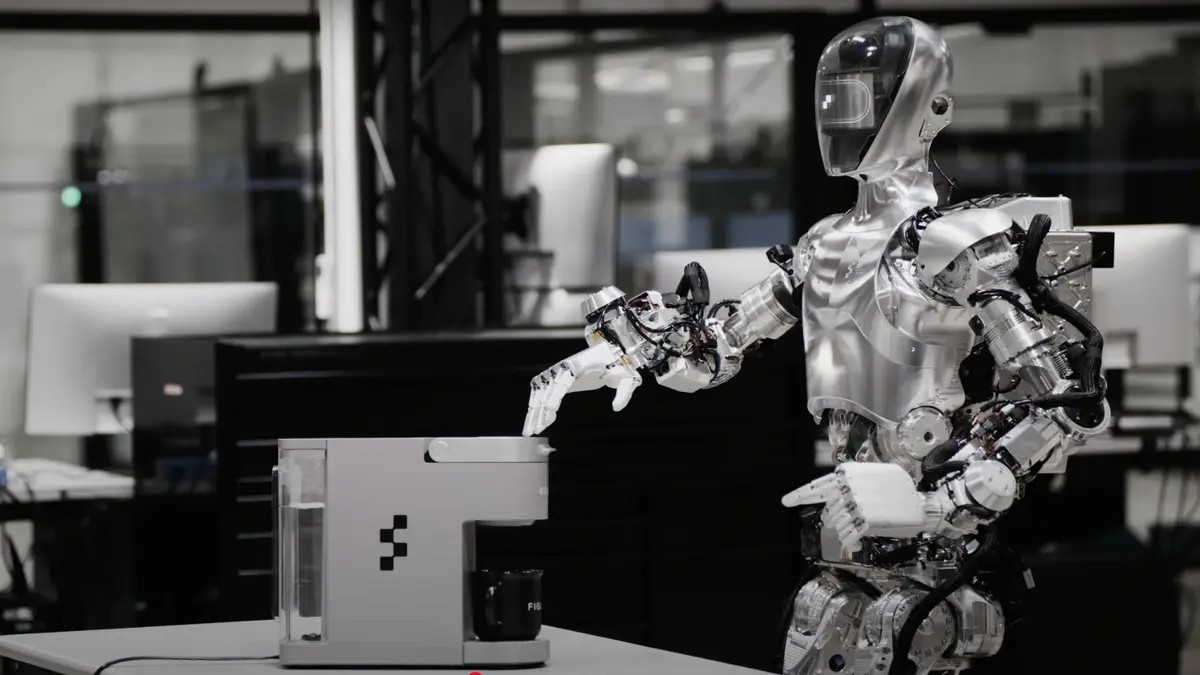
Applications of robotics in the service sector are significantly more diverse than in industry and are much closer to everyday human experience. In retail, AI-based systems no longer only provide assistance or manage product placement; they also generate personalized recommendations similar to those used in e-commerce platforms. The restaurant and hospitality industries are increasingly delegating full operational cycles to machines, ranging from beverage and complex dish preparation to room service operations. The cultural and entertainment sector has become one of the most active testing grounds. Here, robots are used in stage performances, film production, and even as sparring partners in sports that require extremely fast reaction times and rapid decision-making.

The home environment remains the domain of the highest expectations and, at the same time, the largest gap between marketing claims and practical reality. Despite demonstrations of robots capable of cooking or sorting laundry, mass-market consumer products are still largely limited to cleaning, entertainment, and basic companion functions.
The main barriers to a fully functional “home assistant” are not only the complexity of multitasking, but also issues of cost, safety, and privacy. However, within residential complexes and office buildings, service robotics systems are becoming more stable, integrating cleaning, inspection, and customer support into a unified facility infrastructure.

The most complex and sensitive area is elderly care and emotional support. Beyond basic assistance – such as providing water, monitoring medication intake, or helping with mobility – these systems are expected to support physiotherapy functions and detect falls. Because this involves interaction with some of the most vulnerable groups in society, these systems are subject to exceptionally strict requirements regarding reliability, safety, and ethical compliance.
Read also: Computers in Space: Limitations as an Advantage
Medicine: between precision manipulators and the future of microrobotics
Medical robotics is currently transitioning from specialized tools toward intelligent assistants. The most mature segment is surgical robotics, which translates a surgeon’s movements into highly precise manipulations, reducing the human factor in complex laparoscopic and vascular procedures.
In parallel, rehabilitation systems are developing rapidly: the combination of exoskeletons with brain-computer interfaces allows patients to restore mobility by controlling mechanical systems directly through neural signals. The future of the field points toward even deeper integration – from quadruped robotic medics for casualty evacuation to microrobots operating inside the human body, capable of delivering drugs directly to the site of disease.
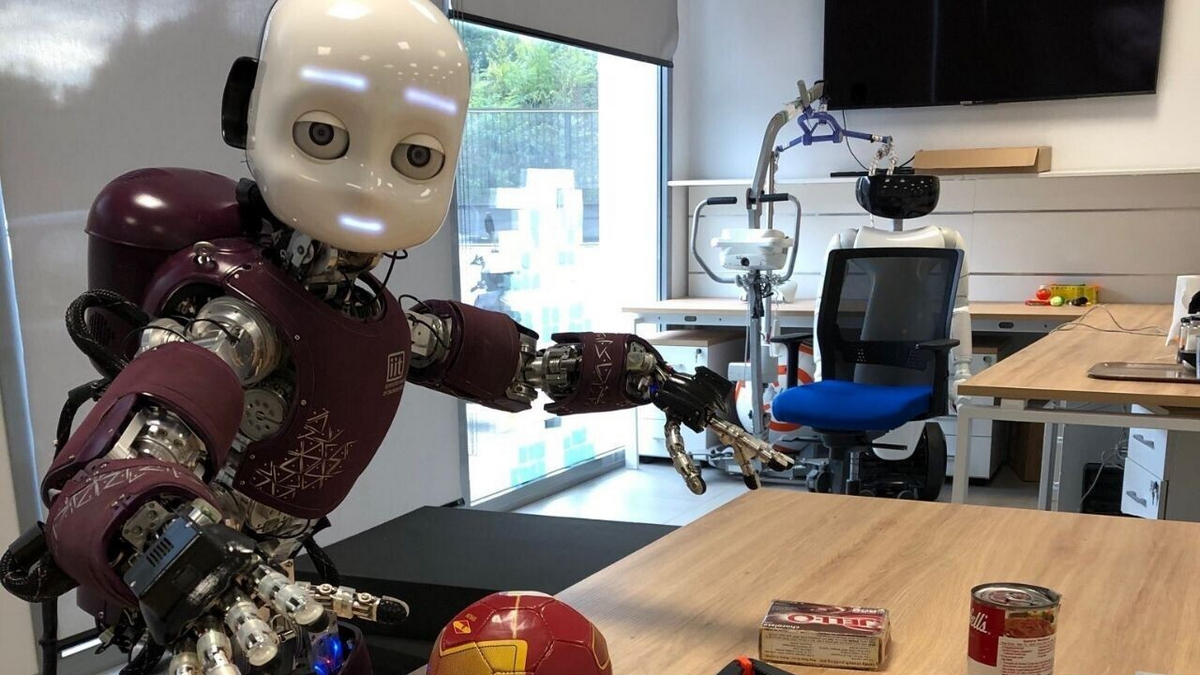
Beyond direct treatment, robots are becoming a core component of hospital logistics, automating routine and hazardous processes. Autonomous systems already transport laboratory samples and medications, perform room disinfection, and handle medical waste disposal, reducing the workload on staff and allowing them to focus more on patient care. This implementation partially addresses the shortage of qualified personnel and creates a foundation for data-driven medicine, where every movement of a surgical manipulator or stage of rehabilitation is recorded for further AI-based analysis.

Despite its clear advantages, the medical sector remains one of the most difficult areas for commercialization. High development costs, long certification cycles, and extremely strict safety standards require developers to have significant patience and long-term investment horizons. However, it is precisely here that technology carries its greatest value: it does not merely optimize expenses, but directly expands the boundaries of human capability in the struggle for life and health.
Read also: AI in Medicine: Is the Future Already Here?
Agriculture: high entry barrier and strategic efficiency
Modern agriculture is increasingly demanding precision-based methods, which opens wide opportunities for automation and robotics. In crop production, automated systems already cover the full cycle – from plowing and seeding to intelligent pollination, weeding, and harvesting. Wheeled robots and drones monitor fields, detecting pests through AI-based vision systems for targeted intervention.
During storage, robotic systems monitor grain quality and perform automated sampling, ensuring consistency and reducing losses. This allows for more stable supply chains of high-quality produce while significantly lowering long-term dependence on human labor.
Livestock farming and aquaculture are also undergoing transformation: on large farms, robots are taking over physically demanding processes such as feeding, milking, and facility disinfection. In fish farming, underwater systems inspect nets, monitor population health, and provide autonomous feeding. This reduces human interference and improves biological safety, turning traditional farming into a data-driven, high-technology production system.
The main barriers to mass adoption of agricultural robotics remain high initial investment costs and the complexity of adopting new technologies. However, in the context of global shifts in labor structure and land consolidation, these obstacles are gradually diminishing. The ability to operate continuously and generate large-scale datasets for yield optimization makes agricultural robotics one of the most promising sectors, with the potential to fundamentally reshape the economics of the industry.
Read also: Quantum Networks as Alternative to Classical Internet: What to Expect
Education and science: intelligence in classrooms and laboratories without humans
In education, robots are evolving from simple learning toys into interactive mentors and learning partners. They are becoming particularly valuable in language learning, basic programming, and emotional development, especially when working with children with special educational needs. With AI integration, a teacher can effectively “summon” a historical figure to explain the laws of physics, embedding gamification directly into the learning process. This not only automates grading but also creates a personalized environment where education adapts to each student’s pace.
The scientific sector receives an even stronger boost through the full automation of laboratory research. Robots handle highly precise and repetitive tasks such as cell cultivation, manipulation of toxic reagents, and large-scale drug screening, significantly reducing the risk of human error. Moreover, robotic systems are expanding the boundaries of scientific exploration in extreme environments – from mapping the ocean floor and conducting polar research to removing space debris and servicing orbital stations, where human presence is too dangerous or impossible.

A true revolution is taking shape through the concept of AI for Science, where a closed-loop discovery cycle emerges: AI designs an experiment, robots execute it, and the resulting data is immediately fed back into the model to optimize the next iteration. However, this level of autonomy introduces new challenges. Over-reliance on algorithms and the “black box effect” can make it harder to understand the underlying mechanisms of scientific discovery. Despite these risks, automated laboratories are becoming a major accelerator of progress, enabling humanity to address problems that previously required decades of research in significantly shorter timeframes.
Read also: Why You Shouldn’t Ask a Chatbot “Where to Hide a Body?”: Top Questions You Should Avoid Asking AI
Transport: testing reliability and safety
Autonomous vehicles are increasingly viewed as a form of embodied intelligence – mobile robotic systems capable of perceiving their environment and making independent decisions. Alongside them, a rapidly growing segment of low-speed autonomous systems is addressing the “last mile” problem. Small delivery robots are becoming familiar on sidewalks and pedestrian zones, handling deliveries within residential areas. At the same time, automated parking systems are optimizing parking infrastructure, independently maneuvering vehicles to maximize space efficiency and reduce congestion.

Experiments in robotics are also extending into the level of urban management: in some megacities, AI humanoids are already being deployed in traffic-related roles, regulating flow and assisting with public guidance for pedestrians. In the longer term, mobile robots could become a new form of foundational infrastructure, fundamentally reshaping logistics and passenger transport systems. This shifts transportation away from a collection of separate vehicles toward a global, real-time intelligent network that continuously coordinates movement across the entire city.
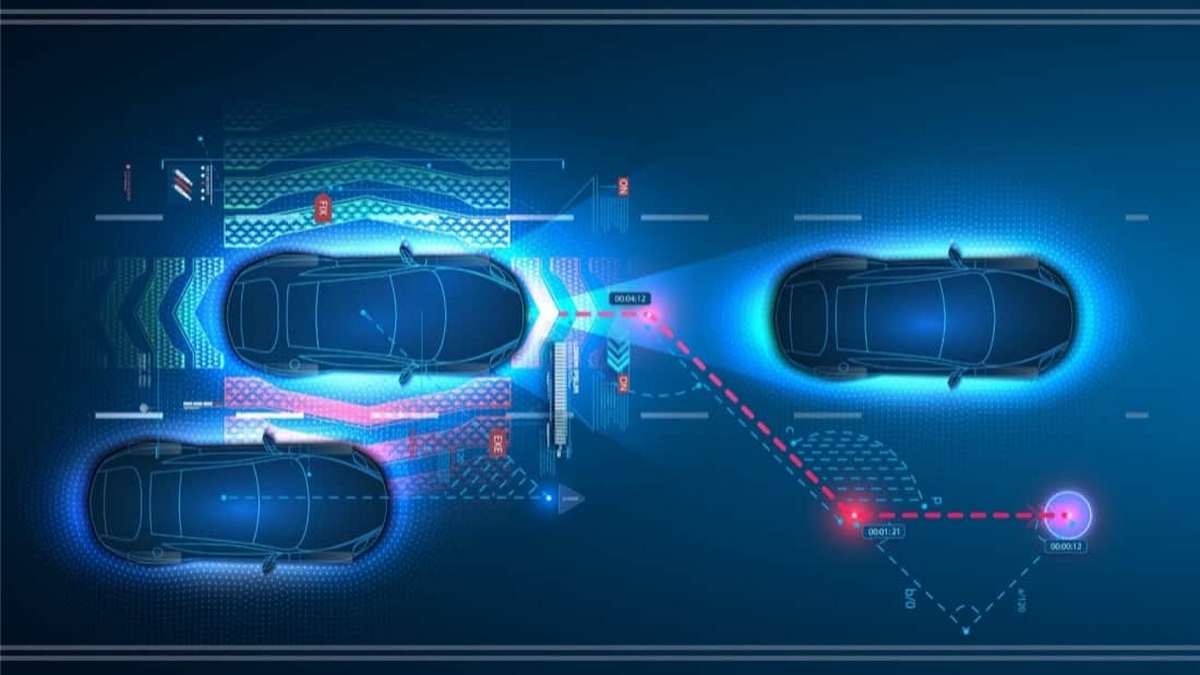
However, the deployment of robots in public road environments still comes with significant reliability challenges. Experience from autonomous driving cannot simply be transferred to sidewalks or unstructured environments; obstacle avoidance in dense pedestrian traffic and safe stopping strategies require fundamentally new engineering approaches. Before these technologies can become part of everyday life, they must undergo rigorous validation, proving their ability to operate safely alongside unpredictable human behavior without causing accidents or systemic risks.
Read also: Reliable Driverless Cars: Why Full Autonomy Remains Out of Reach
Energy: high-responsibility scenarios and extreme environments
The energy sector, by its very nature, concentrates enormous levels of power, making it one of the most hazardous environments for humans. Nuclear power plants, oil and gas platforms, mines, and long-distance pipelines are all characterized by critical risk factors such as extreme temperatures, high pressure, flammability, and radiation. In such conditions, AI-driven robots are transitioning from auxiliary tools to a primary layer of protection and operational support.
In the power industry, substations are evolving toward an “unmanned operation” model: autonomous modules are capable of independently reading instrument data, inspecting infrastructure, performing infrared thermal scanning, and detecting gas leaks, thereby minimizing human presence in hazardous zones.
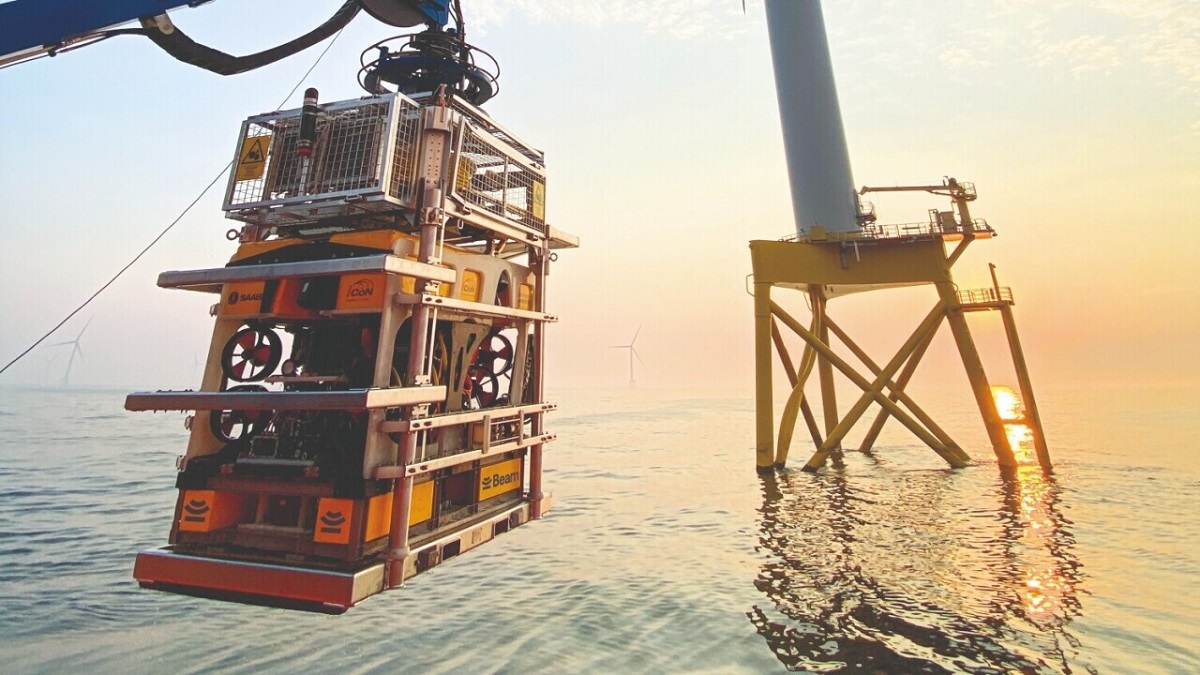
New energy systems are also creating a specific demand for robotics: from automated installation of equipment at photovoltaic power plants to complex maintenance of wind turbines and regular cleaning of solar panels to maintain efficiency. In the petrochemical industry, where vessel hulls and storage tanks are constantly exposed to corrosion, specialized spraying drones and wall-climbing robots are used to apply protective coatings. At the same time, in-pipe inspection robots navigate extensive oil and gas transport networks, monitoring metal integrity and detecting micro-cracks at stages that are inaccessible to external inspection.
A separate front is the exploration of the ocean shelf and deep-sea resources. Underwater autonomous vehicles are becoming the “eyes and hands” of energy companies on the seabed, performing highly complex tasks such as pipeline maintenance and mineral exploration in environments of extreme pressure.
In the mining industry, robotic systems for drilling, crushing, and material transport are enabling the transformation of mines into highly automated extraction hubs. This large-scale integration of robotics into the energy cycle not only improves industrial safety but also lays the foundation for a more resilient future energy system, where the human factor is largely removed from the most critical stages of production.
Read also: Biomimicry: How Nature Inspires Engineers to Innovate
Construction and safety: working in complex environments
The construction industry, long dependent on manual labor, is gradually integrating robotic systems to perform dangerous and repetitive tasks. Modern robots are already capable of bricklaying, drilling, rebar tying, and concrete spraying, while specialized demolition machines enable remote-controlled destruction of structures with reduced noise and dust levels. However, the main challenge remains the unstructured nature of construction sites. High environmental variability requires exceptional adaptability from machines, and uncertain return-on-investment timelines are pushing the market toward equipment leasing models rather than direct ownership.

Beyond construction sites, robots are evolving into an urban service infrastructure that supports the functioning of megacities. They are increasingly taking over the maintenance of underground utilities – from sewer inspection to cable shaft diagnostics – and automating the cleaning of public spaces. The construction and maintenance of tunnels and bridges are also becoming stable areas for robotics adoption, as these structures are highly standardized. This consistency makes it easier for autonomous sensing systems and diagnostic modules to operate reliably and repeatedly in such environments.
The greatest value of robots is realized in scenarios where the risk to human life is critical: from firefighting and chemical spill containment to search and rescue operations after earthquakes. Quadruped robots demonstrate impressive stability on complex terrain, while unmanned platforms can operate continuously in high-temperature or radioactive environments. Acting as a “first wave” in disaster zones, these systems do not merely assist in rescue efforts – they also serve as essential reconnaissance tools, ensuring the safety of human specialists.
Read also: Childbirth in Space: Science Fiction or Biological Catastrophe?
Military sphere: a real-world testbed and frontline autonomy
Ukraine has become a global epicenter for testing embodied intelligence in conditions of conventional warfare, where theoretical concepts are rapidly validated under real combat conditions. Passive surveillance tools are being replaced by ground robotic systems (UGVs) that function as universal execution platforms. These systems are being integrated into unit structures as multifunctional assets: from logistical “mules” that transport ammunition and evacuate wounded personnel under heavy fire, to remotely operated weapon stations capable of holding positions without direct human exposure to danger.
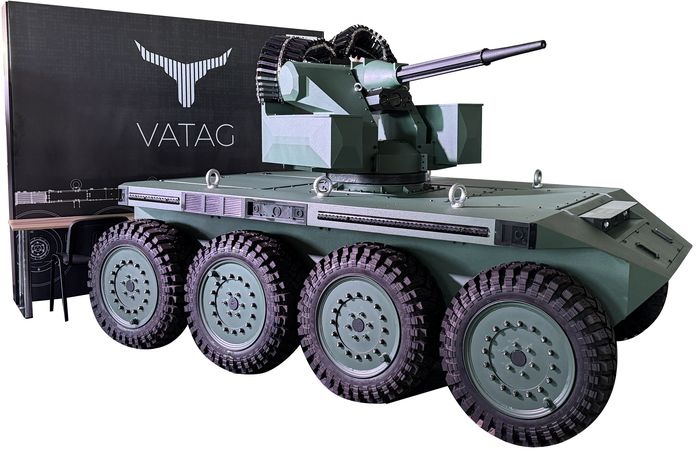
The integration of AI into these systems helps mitigate challenges posed by electronic warfare. By enabling autonomous target recognition and navigation without GPS signals, robots shift from remotely operated tools to independent operational units.
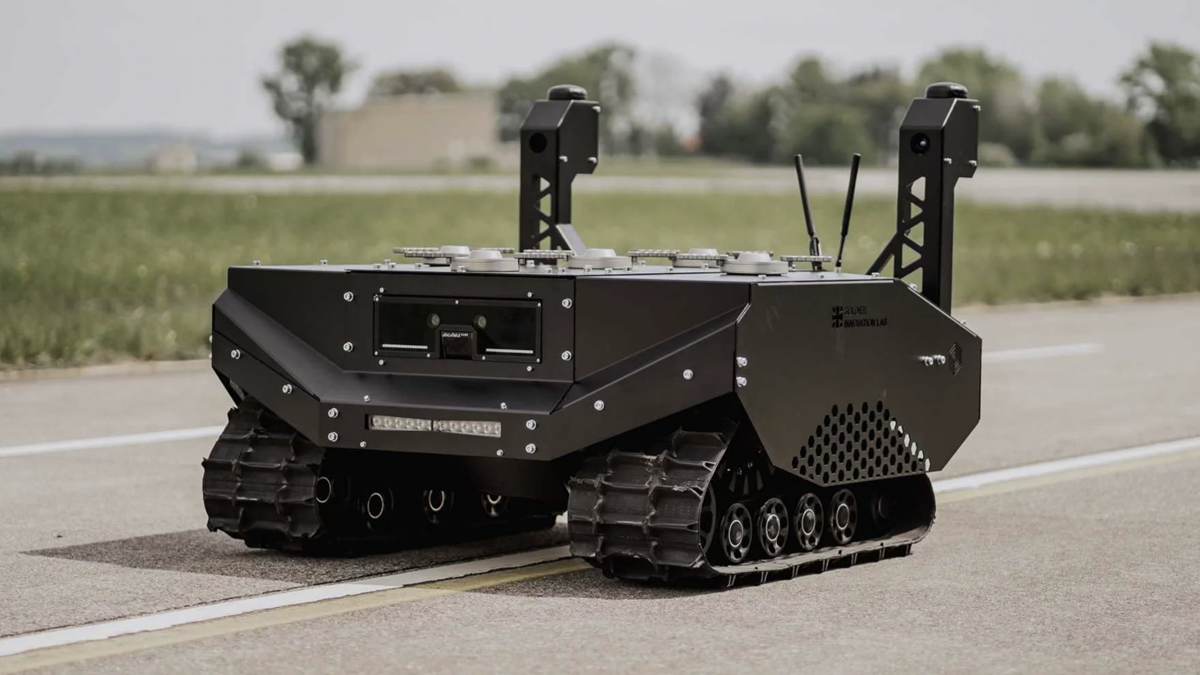
Particular importance is placed on the specialization of platforms for engineering and reconnaissance tasks in highly unpredictable environments. Mine-clearing robots and remote explosive ordnance disposal systems are becoming an important component in breaching layered defensive structures, where high sensor sensitivity enables the detection of threats that are not visible to the human eye. In parallel, quadruped robotic platforms are used for reconnaissance in urban areas and forested terrain, where mobility and the ability to traverse complex ground conditions support the collection of real-time data. Ukraine is emerging as an example of large-scale robotization of the so-called “last mile,” where machines take on the most physically hazardous tasks, thereby changing the operational logic of defensive planning and execution.

However, the large-scale deployment of combat robotics faces challenges typical of the broader industry in 2026, including the need to standardize platforms and establish stable infrastructure for field maintenance. The transition from individual prototypes to serial production requires developers to balance the integration of civilian technologies with military-grade reliability requirements. The ultimate objective of this transformation is the development of a unified network-centric system in which autonomous modules operate as functional partners to human operators, providing tactical advantages through faster data processing and operational endurance that exceeds biological limits.
This is not merely the automation of warfare, but a strategic redefinition of the role of technology in safeguarding sovereignty, where each successful deployment scenario becomes a reference point for future global security standards.
Read also: Weapons of Ukrainian Victory: The Robotic KRAMPUS System
In summary, 2026 marks a period in which the boundary between digital intelligence and the physical world becomes increasingly permeable. Robotics is no longer confined to controlled industrial environments; it is becoming a cross-sector technology spanning healthcare, agriculture, logistics, and even national security. The shift is moving from an era of “tools” that require continuous human supervision to an era of “agents” capable of autonomous perception and adaptation. The main challenge in this transition is not limited to technical maturity or sensor robustness, but also includes the ability of society and industry to integrate these systems into appropriate ethical and legal frameworks.
Future development is likely to depend on ecosystems in which task distribution is based on human–AI complementarity: humans retain strategic goal setting and contextual judgment, while AI-based modules provide high-throughput execution and operational consistency across varying conditions.
Which of these sectors do you think will make the fastest transition to full autonomy?
Read also:

