





© ROOT-NATION.com - Use of content is permitted with a backlink.
Researchers Sound the Alarm: The Rise of AI Sex Robots Poses Growing Psychological and Moral Risks for Individuals and Society.
The vision of androids becoming companions in people’s most intimate moments is no longer confined to science fiction – it is steadily becoming part of our reality. The sex robot market is already valued at $346 million, and by 2031 this figure could grow to $764 million. Meanwhile, the global companion robot sector is projected to exceed $5 billion by 2033.

But behind these dry numbers lie questions with no simple answers. Can “programmed” emotions blur the boundaries of human empathy? Where will we draw the line between a technological toy and a partner? And could the future bring a precedent in which robots demand their own rights and take on responsibilities?
We are approaching a technological revolution that could redefine the very nature of intimacy, consent as the cornerstone of relationships, and the moral foundations on which society stands.
Read also: ChatGPT-5 from OpenAI: What the New AI Model Can Do
TABLE OF CONTENTS:
Sex and technological innovations
Sex has always been a commodity, and the latest technologies are ready to cash in – not only by offering new avenues to pleasure, but also by opening the door to topics that, until recently, remained taboo.
At the end of the 19th century, the vibrator became one of the first five electrified household devices in the world. The invention was intended to ease the workload of male doctors who “treated” female hysteria manually. At the time, it wasn’t considered a sexual practice, but from a historical perspective, it’s clear: technology has always sought – and found – its way into the realm of intimacy.

Sex, as a driver of innovation, is especially potent when it comes to products for personal use. And while the future of sex robots may seem obvious, it will not be limited to the erotic sphere. Humanoid robots could serve as psychological therapists, companions for the lonely, or assistants in caring for the elderly. However, the key difference from other areas of robotics lies in the ambition of sex robots to become not just devices, but an acceptable substitute for human interaction.
We are still far from creating machines that could be easily mistaken for humans. However, the goals behind developing artificial intelligence for sex robots – creating the illusion of emotions, affection, and understanding – are already pushing us toward a dangerous threshold: the moment when users begin attributing human feelings to mere software algorithms.
Read also: How Chinese Companies Circumvent the US Ban on AI Chips
Why do people want to buy sex robots?
Interestingly, most people these products target see them not primarily as sexual objects, but as opportunities for friendship or even emotional connection. The question is less, “Can I have a robot for sex?” and more, “Can I have a robot that will be my companion?”

That’s exactly the focus of the marketing: creating the illusion of closeness, mutual understanding, and friendship – where sex is just a secondary bonus.
People give their dolls names, invent backstories for them, dress them up, and “bring them to life” in their imagination. This isn’t madness – it’s more of a refined dive into a fantasy world, a kind of role-playing game. For some, it’s a way to fulfill unachieved dreams; for others, a collectible item, almost a work of art. And some are interested purely from an engineering perspective, as remarkable examples of technical mastery.
The reasons people become drawn into this world are incredibly diverse – and it’s precisely this complexity that makes the phenomenon even harder to fully understand.
Read also: How to Spot Fake Photos: New Challenges of the Digital Age
Why do some people react negatively to the idea of sex robots?
It’s often said that owning a sex robot might strip a person of the ability to form genuine relationships. But real life shows that this isn’t always the case. There are plenty of people who have dolls and still maintain entirely normal, everyday relationships with real partners.

Personally, I’m not inclined to judge what someone does in their own home as long as it doesn’t harm others. We all have our own fantasies, and for some, it’s natural to want to give those fantasies a tangible form. And if it brings a person pleasure without crossing anyone else’s boundaries – why not?
Read also: Cryptography: What It Is and How It Works
Risks associated with sex robots
The ability of sex robots to physically and emotionally mimic real people – most often idealized, hypersexualized women – is both the technology’s greatest innovation and its most dangerous trait.
By creating a pleasant and “personalized” intimate experience, developers aim to make the user forget they’re interacting with a machine. To achieve this, they may integrate machine learning algorithms designed to build trust between human and robot. Trust naturally fosters intimacy – but this is exactly where the trap lies.
Technologies designed to make us open up and trust could later be integrated not only into sex robots but into any other digital platforms or devices. This means there’s a potential to evoke trust even in situations where it runs counter to the user’s best interests.
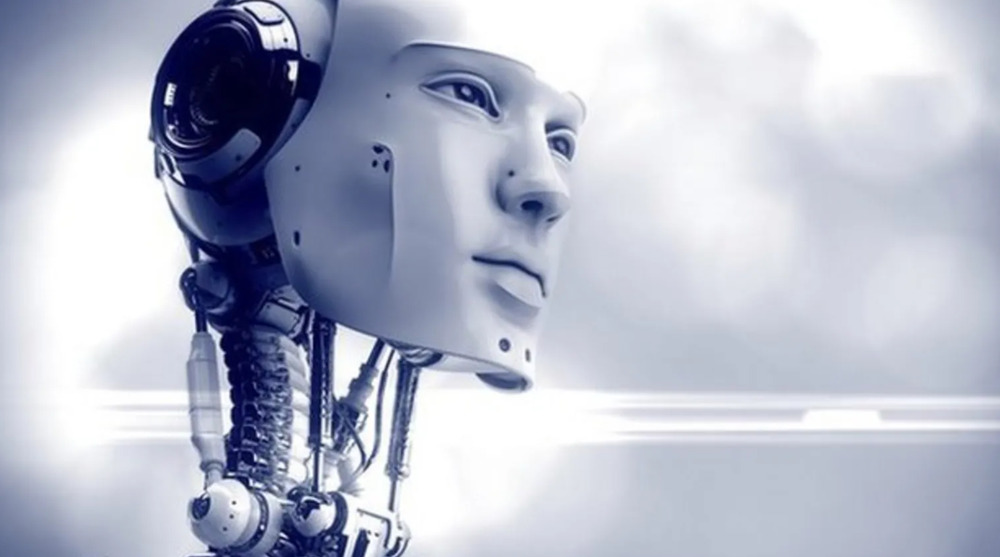
Advanced machine learning can give robots the illusion of love and devotion, the ability to discreetly collect personal information, manipulate behavior, and influence decisions. And while these scenarios may seem hypothetical today, in the world of commercial innovation the key question is not “Is it possible?” but “Is it profitable?” For the AI-driven sex robot industry, the answer is more than profitable.
Read also: Rare Earth Metal Situation: Whoever Controls the Resources, Rules the World
Explosion in the artificial intimacy market
The numbers don’t lie – we’re witnessing a real boom in companion technologies. The global market for companion robots, valued at $1.26 billion just last year, could exceed $5.4 billion by 2033, showing an impressive 17.6% annual growth rate. And this is only the beginning.
The “AI girlfriend” app industry is growing even faster. Forecasts suggest it will jump from the current $2.7 billion to a staggering $24.5 billion by 2034. And these aren’t just dry figures from investor presentations – the trend is already visible. Today, 28% of men aged 18–34 admit to having interacted with a virtual girlfriend, and more than half of them do so daily, spending an average of $47 per month on premium features.

China has become the global leader in this technological–intimate race, with sales of sex robots surpassing the combined figures of the US, Japan, and Germany. There, the company Starpery Technology is already developing the next generation of androids equipped with artificial intelligence that can not only speak but also respond to touch, creating the sensation that “she” is truly alive.
Read also: OpenAI’s New Superpower: What Is a ChatGPT Agent?
Programmed feelings versus human empathy
The central question sounds simple but cuts to the heart of the matter: could relationships with machines capable of imitating empathy gradually dull our own ability to feel it?
Research paints a paradoxical picture. On one hand, modern artificial intelligence can already produce responses that independent observers rate as more empathetic than those of the average person without special training. AI doesn’t get tired, never has bad days, is always available, and says exactly what we want to hear. And that – is its temptation.
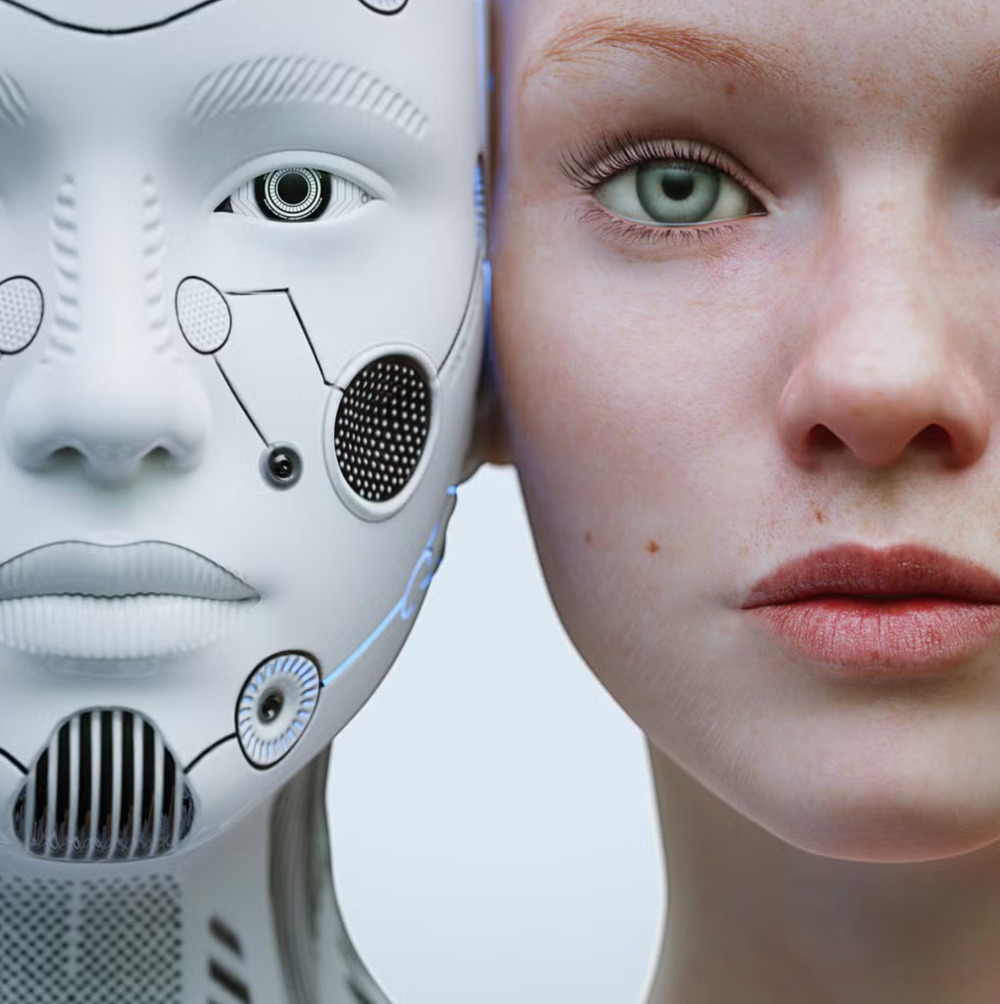
But behind this seemingly perfect “care” lies a fundamental flaw.
True empathy isn’t just the ability to recognize an emotion – it’s the capacity to experience it together with another person and respond sincerely. A machine, no matter how advanced, does not feel – it only calculates.
Studies of long-term interactions between humans and social robots show that over time, users become more emotionally open with machines, beginning to perceive them as “social” and “competent” partners. And here is where the danger lies: we may start expecting the same flawless predictability and convenience from real people that we get from algorithmically perfect machines. And when a living partner turns out to be complex, inconsistent, and… human – the disappointment can be painfully sharp.
Read also: AI in Medicine: Is the Future Already Here?
Toy or partner: border dilemmas
Modern sex robots are no longer just inflatable dolls made of cheap plastic, but complex cybernetic systems with artificial intelligence, capable of learning, adapting to a user’s individual preferences, and even simulating emotional responses. Some models, such as Samantha, can refuse sex if the “partner” behaves aggressively or fails to show enough tenderness. But does this algorithmic “no” really turn the machine into something more than just an object?
The issue becomes even more pressing when looking toward the technological future. Chinese manufacturers are already testing robots capable not only of intimate functions but also of assisting with household chores, caring for the elderly, or supporting people with disabilities. The question is where the boundary will lie between a convenient tool and a quasi-partner seeking a place in a person’s emotional space.
David Levy, author of Love and Sex with Robots, predicts that by 2050 intimate relationships with robots will not only be common but also socially acceptable. Current trends suggest society is moving in that direction. Surveys show that 39% of respondents already see sex robots as an inevitable part of the future, and 36% of Britons believe intimacy with a machine does not constitute infidelity. Social norms are shifting rapidly, forcing us to reconsider where the line is drawn between object and subject.
Read also: “Superintelligence” – Breakthrough or Marketing Hype? An Analysis
Legal perspectives: are we on the way to electronic subjectivity?
One of the most complex and controversial questions for the future is whether robots should be recognized as legal entities. At present, androids are considered mere “objects” in the eyes of the law, but legal discussions have already introduced the concept of a special category – electronic personhood. The European Parliament has even debated a legislative proposal that would require sex robots to have a “right to refuse,” effectively granting them elements of autonomy currently reserved for humans.
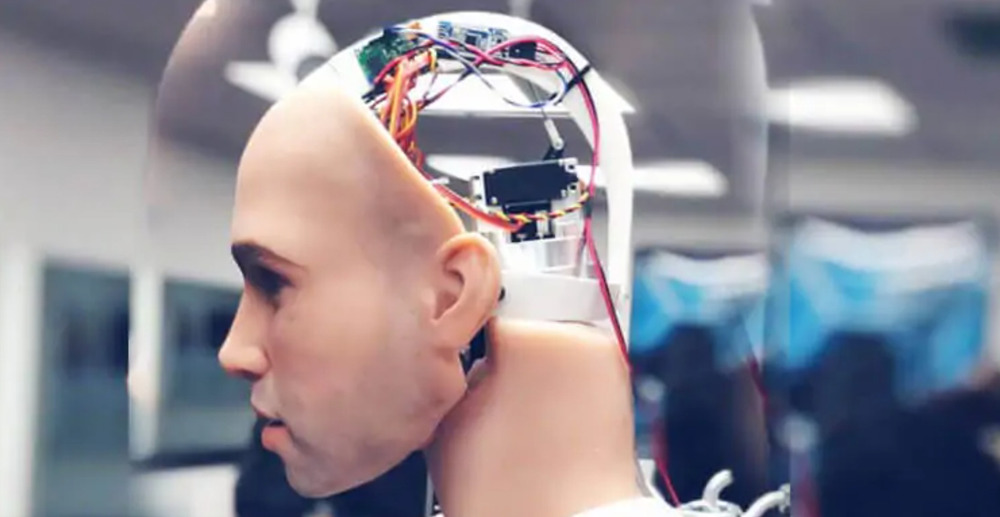
Some European legal experts are exploring hypothetical scenarios that, until recently, belonged firmly in the realm of science fiction. Could a robot be charged with rape? Could an android be held accountable for bigamy if it “married” multiple people at the same time? At first glance, such questions seem absurd. Yet in an era when algorithms are gaining ever greater capacity for self-learning and adaptation, they are no longer purely theoretical.
Philosophers point out that the key criterion for moral subjecthood could be consciousness – the ability to have one’s own subjective experiences. If artificial intelligence were to achieve genuine consciousness rather than simply a convincing simulation of it, that would mark a moral point of no return. From that moment, it could claim a place within the ethical sphere currently occupied by humans and animals. The main challenge, however, lies in an epistemological paradox: how could we ever be certain that a machine truly “feels” rather than flawlessly performing the role of a sentient being?
Read also: Network-Centric Warfare: How Warfare Is Evolving in the 21st Century
Ethical challenges of the future
The debate around sex robots extends well beyond technical or ethical considerations, touching on deeper social structures. The “Campaign Against Sex Robots” argues that such devices risk reinforcing the objectification of women and deepening gender inequality – particularly given that most models are designed with distinctly “feminine” features. From this perspective, a sex robot is not just a piece of technology but also a cultural artifact that reproduces and reinforces existing stereotypes.
On the other hand, some researchers and engineers see sex robots as a potential tool to reduce demand for prostitution, lower risks associated with pedophilia, or provide support for individuals with physical or social limitations. From this perspective, the technology is viewed as a form of “controlled simulation” that could divert harmful or socially undesirable behaviors away from real people.

The issue of robots designed to resemble minors remains particularly contentious. Supporters argue that such devices could provide a safe outlet for dangerous impulses without harming real children. Critics, however, warn that this practice risks normalizing deviant behavior, lowering moral barriers, and increasing the likelihood that simulation could lead to actual crimes.
In conclusion, lawmakers face a complex ethical and legal dilemma. A complete ban may seem like the simplest solution but risks depriving society of a tool that, with proper regulation, could have preventive benefits. Conversely, allowing sex robots – especially without clear rules and boundaries – could create new social and moral challenges. Ultimately, the issue goes beyond whether to prohibit or permit these technologies and instead focuses on how and under what conditions they should be implemented to minimize risks while balancing potential benefits.
Read also: ChatGPT Destroys the Competition: Era of Super Apps Has Arrived
On the path to a responsible future
The boundary between human and machine will continue to blur, and that process can no longer be reversed. The market for sex robots and companion robots is likely to grow regardless of whether we approve of these changes or oppose them. The real question is no longer whether this future will arrive, but what shape it will take – and how prepared we are for its consequences.
An urgent public discussion is needed – not just about the technology itself, but about legal frameworks, ethical standards, and the limits of social acceptability. We must ask ourselves whether we are prepared to let algorithms shape our understanding of love, intimacy, and emotional connection. And if artificial intelligence were to develop advanced consciousness, would it be entitled to basic dignity and freedom? Or should we, as philosopher Thomas Metzinger suggests, impose an early moratorium on creating “conscious” machines to avoid risks we cannot yet foresee?
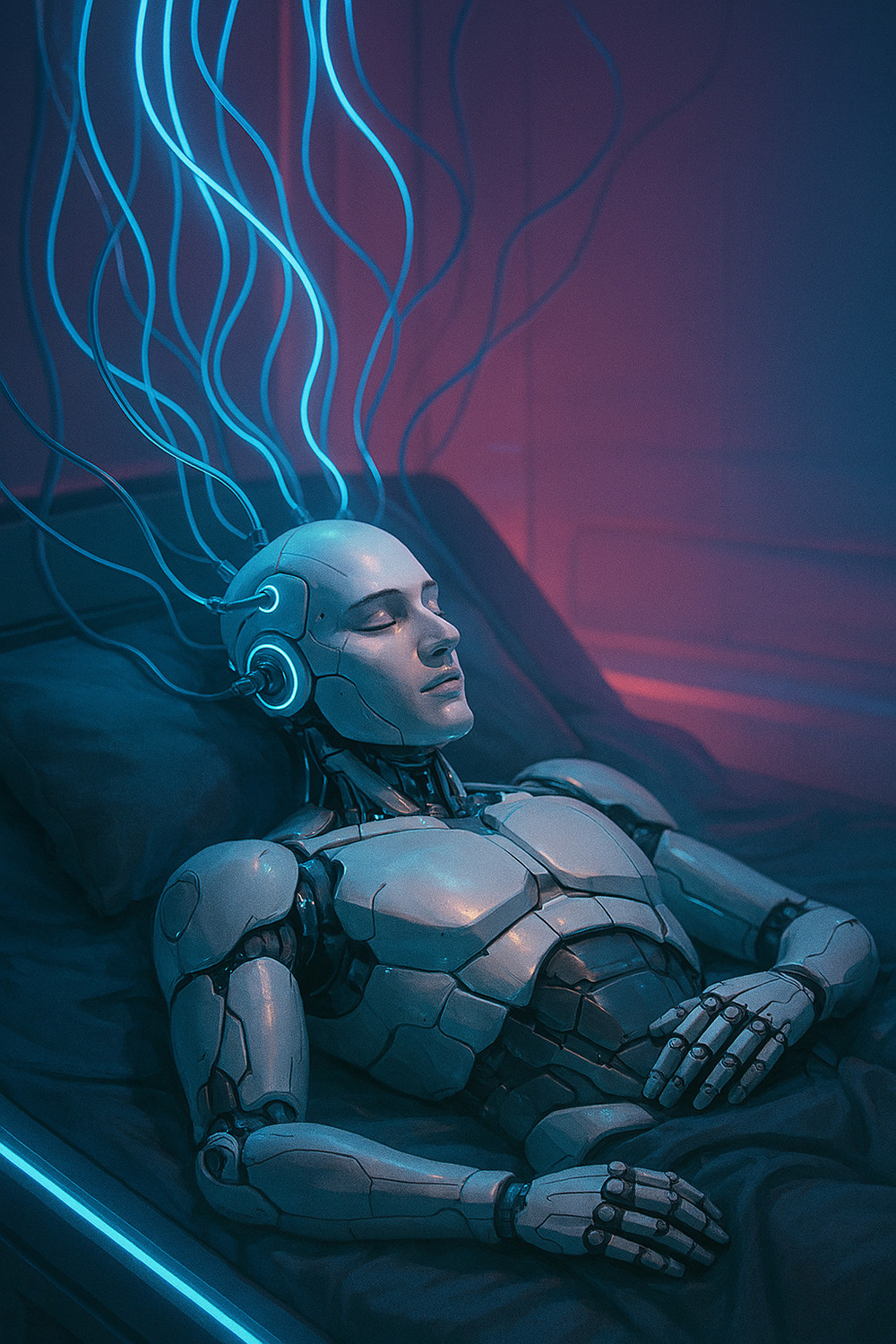
Technology, by its nature, is a tool. How we choose to use it can either elevate us – expanding the boundaries of human experience – or diminish us, eroding the very idea of humanity. In an era where machines can convincingly mimic emotions and relationships, perhaps the most human act is to consciously preserve what remains uniquely ours: genuine love, empathy, and living connection – qualities that no algorithm, regardless of its sophistication, can truly replicate without losing their essence.
Perhaps the most important question for the future is this: do we even want machines to be capable of that? For now, the story remains unresolved.
Read also:
- Gabe Newell’s Starfish Neuroscience Сhallenges Neuralink
- Online Safety: How to Protect Your Data – Even When You Let Your Guard Down
- AI Hallucinations: What They Are and Why They Matter

