




© ROOT-NATION.com - Use of content is permitted with a backlink.
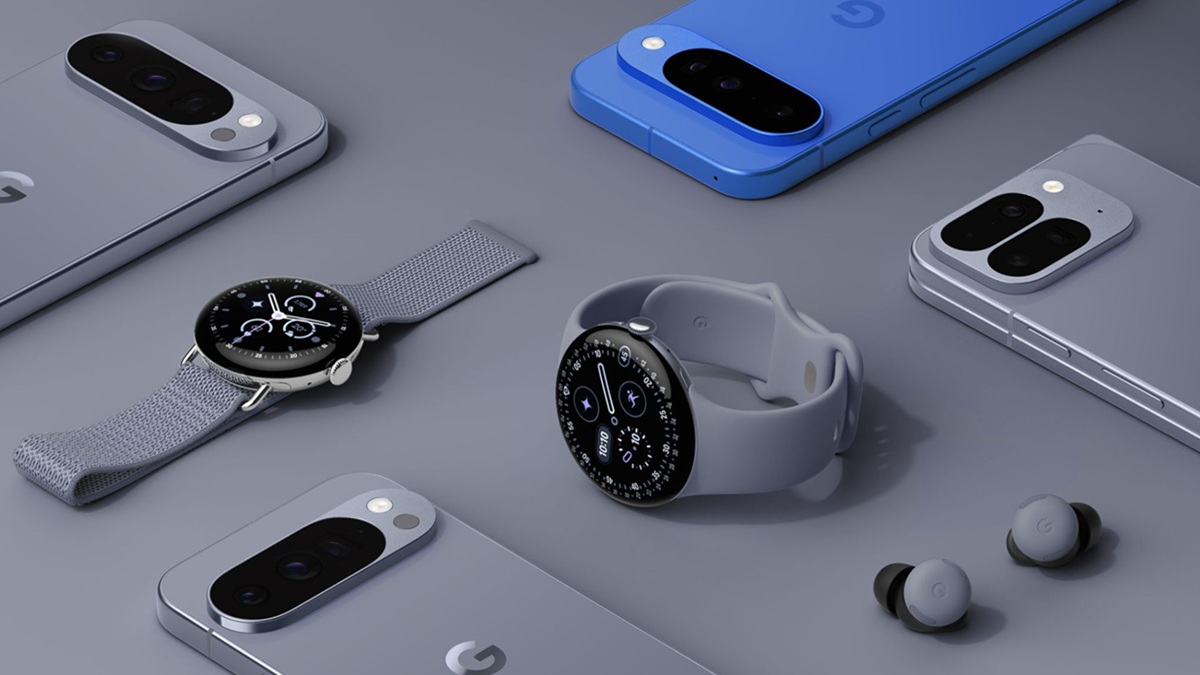
Google has unveiled the Pixel 10 smartphone lineup, the Pixel Watch 4, the Pixel Buds 2a, and a range of AI-driven features. Let’s break down the key announcements.
This year’s Pixel devices were hardly a mystery by the time of the event. Over the past few weeks, detailed leaks revealed nearly everything – from design and color options to core specifications and estimated pricing. For Google, this has become a familiar pattern, as its launches rarely remain secret until the official reveal. Still, this doesn’t necessarily diminish interest. Instead, the focus shifts: rather than waiting for surprises, the spotlight is on confirmation of the leaks and on seeing how Google intends to connect its hardware with its broader ecosystem of services and artificial intelligence.
First, a few thoughts on the presentation itself. Over the years, I’ve watched plenty of tech events, and they rarely manage to surprise. This time, though, Google tried something different. Jimmy Fallon – yes, the comedian and late-night host, not someone you’d expect at a smartphone launch – took the stage. The show then featured several well-known American celebrities, who presented the devices with a straight face, while Fallon added his trademark commentary in the background.
The format was noticeably different from the polished, structured style of Apple or Samsung events. Was it better? That depends – if you enjoy more chatter and less technical detail, then maybe. Personally, it sometimes felt like being at a party where the hosts keep telling jokes instead of finally serving the cake.
On one hand, Fallon’s exaggerated enthusiasm came across as so staged it almost begged for a lie detector test. On the other, the pacing dragged to the point where even performance charts for the new processor felt more engaging. Still, despite the “showbiz meets gadgets” vibe, Google did highlight a number of new features – some of which were genuinely worth paying attention to.
I’ll skip the dry lists of technical specs and features (those who are interested have probably already read them) and instead share my own impressions of the devices. Some of these thoughts may be a bit controversial, but that’s part of the discussion – and the comments are open for different perspectives. So, let’s dive in.
Read also: Wi-Fi 8: What We Know About the New Wireless Standard
TABLE OF CONTENTS:
The design of Google Pixel is disappointing
The design of Google’s smartphones once again “impresses” – and yes, the quotation marks are intentional. You could probably write a thesis on this topic, because year after year Google shows remarkable consistency in its lack of creativity. Apple often gets criticized for being conservative, but Google seems determined to take that idea to the extreme. It’s almost an art form: presenting the same body as if it were a “new, refined, nearly perfect design.”
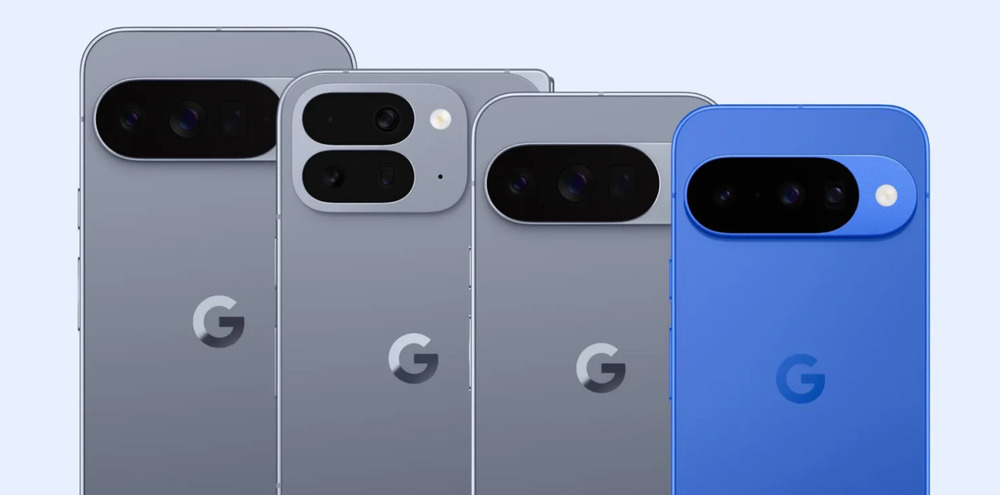
Rounded edges? Really? At this point it doesn’t even feel like a trend anymore – more like an endless remake. Personally, I’ve long preferred sharper, angular designs in smartphones. They look more modern and assertive, whereas the rounded Pixel aesthetic reminds me of a perfectly polished pebble from the beach. Pleasant enough, but hardly something that conveys a sense of technological progress.
The camera island brings no surprises: it’s the same strip across the top of the back that we’ve seen so many times it now feels almost like a signature relic of the series. What’s interesting is that the “10” in the lineup could have been a good excuse for a small design shake-up. Instead, Google seems to think the best way to mark the anniversary is by leaving everything as it is. As a friend told me yesterday: “The Moon is more likely to disappear than Google is to change.”
Some might point out that there have been notable updates, starting with the new color options. From last year, only Obsidian remains, now joined by Indigo, Frost, and Lemongrass (not Limoncello, despite the rumors). But is the color palette really more important than the phone’s design? Most potential buyers will likely put their Pixel 10 in a case and barely notice the color of the back panel.
Read also: Could Thorium Be a Breakthrough in Energy Technology?
New processor and great prospects
All Pixel 10 models come with the new Google Tensor G5 chipset, built on TSMC’s 3nm process. It’s worth noting that Google continues to be notably reserved when it comes to sharing technical details. The company provides very limited information about the CPU architecture or the exact GPU type. This level of secrecy doesn’t seem accidental: the tech community is accustomed to comparing Tensor chips with competitors, and Google appears to be avoiding a direct comparison.
The modem choice is also worth noting. According to early leaks, Google has moved away from Samsung solutions this time and turned to MediaTek instead, which is itself a telling sign. Finding a balance between energy efficiency and connectivity quality seems to be a key challenge for the Pixel lineup. If confirmed, this could indicate a gradual shift in the company’s approach to hardware partnerships.
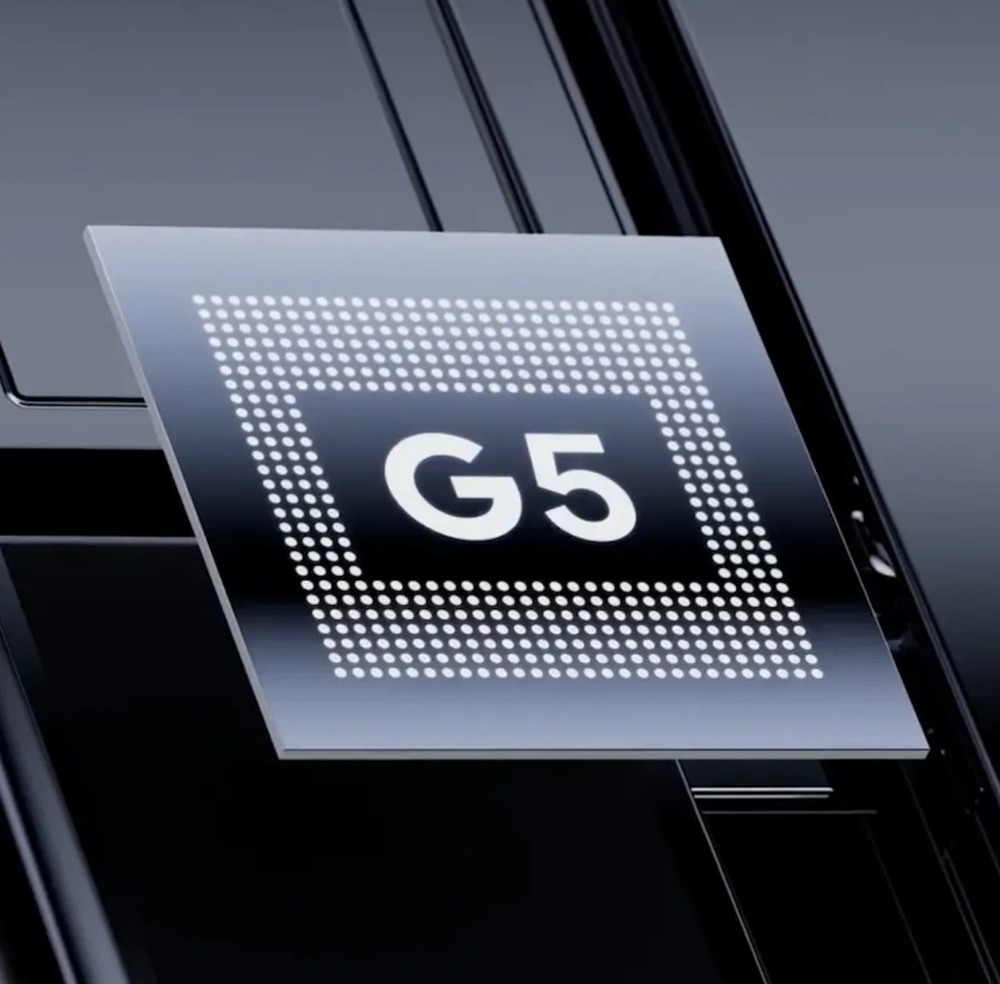
In terms of performance, the Tensor G5 promises a noticeable step forward: higher computing and graphics power, optimization for AI tasks, and integration of a new image sensor along with the Titan M2 security coprocessor. The AI component stands out as the main indicator of progress. Google positions its smartphones less as raw hardware and more as a platform for intelligent use cases – from enhanced photo editing to context-aware suggestions within apps.
The main question is whether the Tensor G5 can finally address longstanding criticism of lagging behind Snapdragon chips. Previous generations faced repeated complaints about inefficiency and excessive heat. With this release, Google is effectively putting its technological capabilities on the line. If the Tensor G5 meets expectations, Google could establish itself not only as a maker of “pure Android” devices but also as a serious player in the mobile processor market with a clear focus on AI.
Read also: Why It’s Unlikely That the iPhone 17 Will Bring Any Significant Innovations
Telephoto lens in more Google Pixel smartphones
It’s well known that Google Pixel phones have consistently stood out for their photo quality, with the company’s image processing algorithms often considered a benchmark. However, Pixel devices frequently fell short of the top spots in camera rankings, mainly due to hardware limitations rather than software. Owners of the standard models have long felt a certain imbalance: Google has effectively restricted their experience, leaving the telephoto lens as a feature exclusive to the Pro models.
The situation has changed with the Pixel 10. For the first time in the series, the base model features a 5x optical zoom – a component that has long been standard even in mid-range Android smartphones. This move can be seen as a strategic decision. Google has likely realized that differentiating models by deliberately limiting the base version was starting to harm the brand more than it encouraged sales of the higher-end variants.
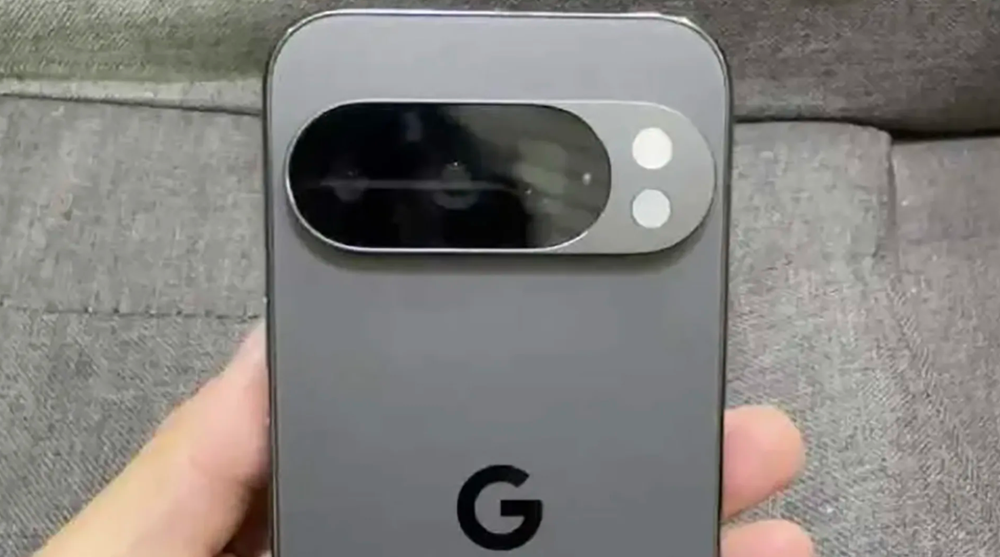
It’s also noteworthy that with the Pixel 10 Pro Fold, Google managed to integrate a 5x zoom into a foldable body without compromising the device’s thickness. This sends an important signal to the market, showing that foldable phones can offer flagship-level cameras without sacrificing ergonomics. In doing so, Google is effectively challenging Samsung, which for years has struggled to balance “foldable flexibility” with “camera capabilities.”
The biggest winners, however, are owners of the standard Pixel 10. They finally get a functional feature that has long been common among competitors but was previously missing from “pure” Pixel devices. For the market, this could mark a new phase: the Pixel is no longer just a “phone with excellent software but mediocre hardware” and can now stake a claim as a more balanced option in the camera-focused smartphone segment.
Read also: Samsung Galaxy Fold4 experience: What makes it a multitasking device?
Google Pixel 10 Pro Fold – an almost perfect foldable smartphone?
I’ll admit: I’m someone who genuinely appreciates foldable smartphones. My personal experience with the Samsung Galaxy Fold4 confirmed that this isn’t just an “experimental” form factor – it’s a viable way to use a phone. At the same time, it clearly showed how challenging it is for manufacturers to strike a balance between innovation and practicality.
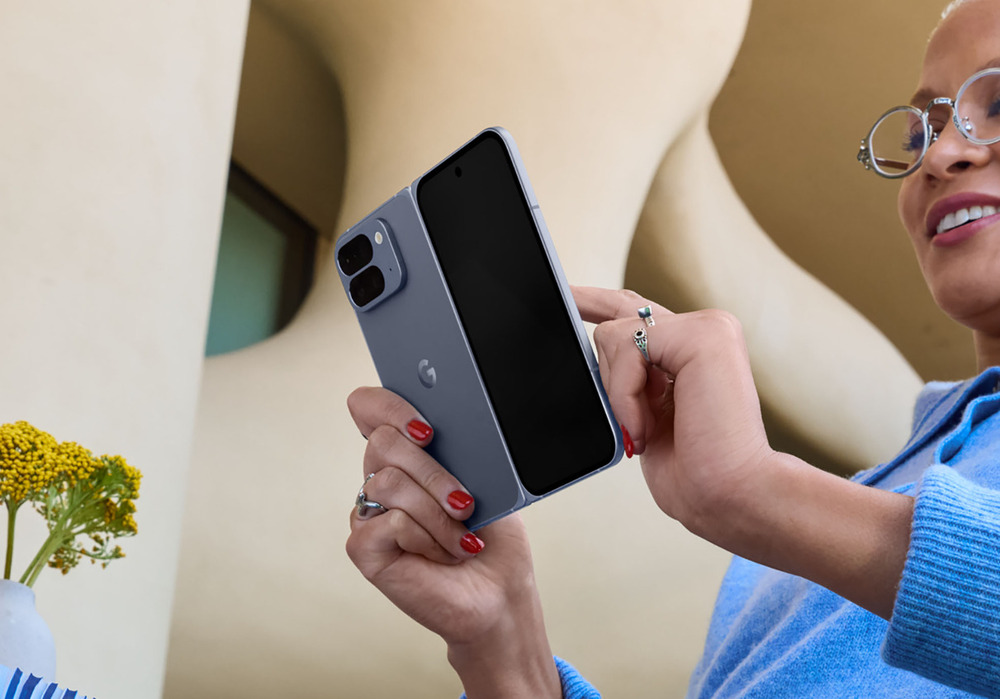
Google entered the segment relatively late – just two years ago – but quickly gained attention from both experts and users. The initial models, the Pixel Fold and Pixel 9 Pro Fold, weren’t revolutionary, but they earned a reputation as reliable and fairly mature devices, which is uncommon for a newcomer in this market. In that context, the release of the Pixel 10 Pro Fold seemed like a logical next step.
This time, Google has genuinely impressed. The Pixel 10 Pro Fold doesn’t feel like an “experimental toy” but rather a full-fledged flagship capable of competing with traditional high-end models. For the first time, I can say that a Google foldable is a device I would personally consider buying.
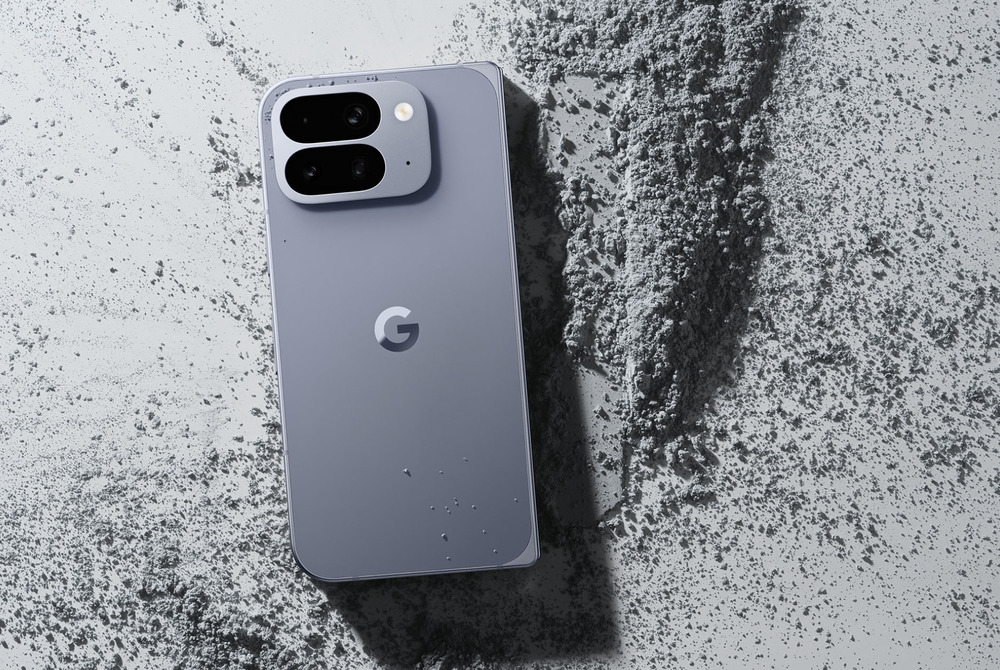
There are, however, important nuances to consider. At first glance, the Pixel 10 Pro Fold looks very similar to its predecessor, including its dimensions. But instead of the expected reduction in weight and thickness, it has moved in the opposite direction: +0.3 mm when folded and +1 g in weight. These changes seem minor, but compared to Samsung, which significantly lightened its Fold this year, Google appears less competitive. The weight, in particular, stands out: 258 g versus 215 g for the Galaxy Fold7 – a noticeable difference. On the other hand, the Pixel gains an edge in areas where competitors are still cautious. Full IP68 water resistance for a foldable device is a genuine breakthrough and a serious competitive advantage.
The cameras also show notable improvements. In addition to the 5x optical zoom, users get laser autofocus, a spectral sensor, and Super Res Zoom up to 20x. The new AI features are particularly noteworthy: Photo Coach analyzes the scene and suggests optimal shooting conditions, while Auto Best Shot combines multiple frames into a single “ideal” image. This clearly illustrates that Google is focusing on the integration of hardware and software, with artificial intelligence emerging as a key competitive factor.
The display also leaves a positive impression. With a peak brightness of 3000 nits, the Pixel 10 Pro Fold is one of the easiest devices to use under direct sunlight. The 5,015 mAh battery is particularly impressive for this form factor – offering over 30 hours of typical use and up to 84 hours in power-saving mode. Add Qi2 wireless charging support, and it sends a clear message to competitors, especially Samsung, which still relies on smaller batteries (the Galaxy Fold7 has just 4,400 mAh).
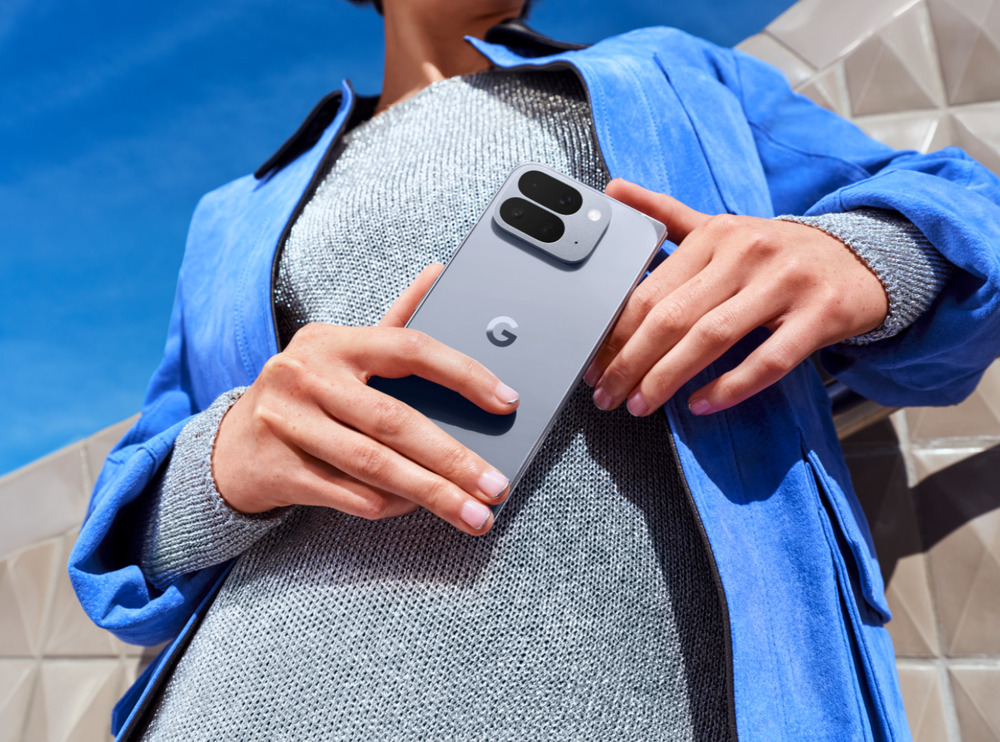
The main limiting factor, however, remains the price. At $1,799 for the base 256 GB model, it sits well above the average market offerings for foldable smartphones. This pricing could restrict demand, particularly in European markets, where customs duties and taxes make the device even less accessible.
Overall, the Pixel 10 Pro Fold demonstrates Google’s maturity and ambition in the foldable segment, while also highlighting strategic challenges: how to balance innovation, battery life, and a premium user experience with reasonable pricing. If the company manages to navigate this dilemma, the Pixel could evolve from a niche experiment into a serious contender against the market leaders.
Read also: Rare Earth Metal Situation: Whoever Controls the Resources, Rules the World
The Pixel Watch 4 is the worst device in the family
The launch of the Google Pixel Watch 4 gives an overall impression of stagnation. While competitors like Samsung and Apple are expanding their lineups with Ultra versions, Google continues to follow a “single universal model” strategy, offering only two sizes. This cautious approach is both understandable and limiting: the company avoids risk but also restricts its ability to appeal to different segments of the audience.

The design remains largely unchanged from the first generation. Google seems to have focused on simplicity: a minimalist round case with a smoothly curved display that blends into the bezel. On paper, it’s a classic and elegant approach, but it doesn’t convey any sense of progress. In a landscape where Apple continually refines details and Samsung experiments with form factors, the Pixel Watch 4 feels stationary.
From a technical perspective, the updates feel more evolutionary than revolutionary. Inside, there’s a Snapdragon W5 Gen 2 paired with the energy-efficient Cortex-M55, enabling AI computations without a significant impact on battery life. It also comes with 2 GB of RAM and 32 GB of storage, which is adequate for a wearable device. But that’s precisely the issue: it’s just “enough.” In a segment where competitors are looking for ways to stand out, Google opts for a cautious, restrained approach.
Even the improved display, with brightness up to 3000 nits, and the new strap options don’t change the overall impression. The Pixel Watch 4 remains largely the same product as before. It doesn’t feel “bad,” but it also doesn’t offer anything that would catch the interest of users looking for something new.
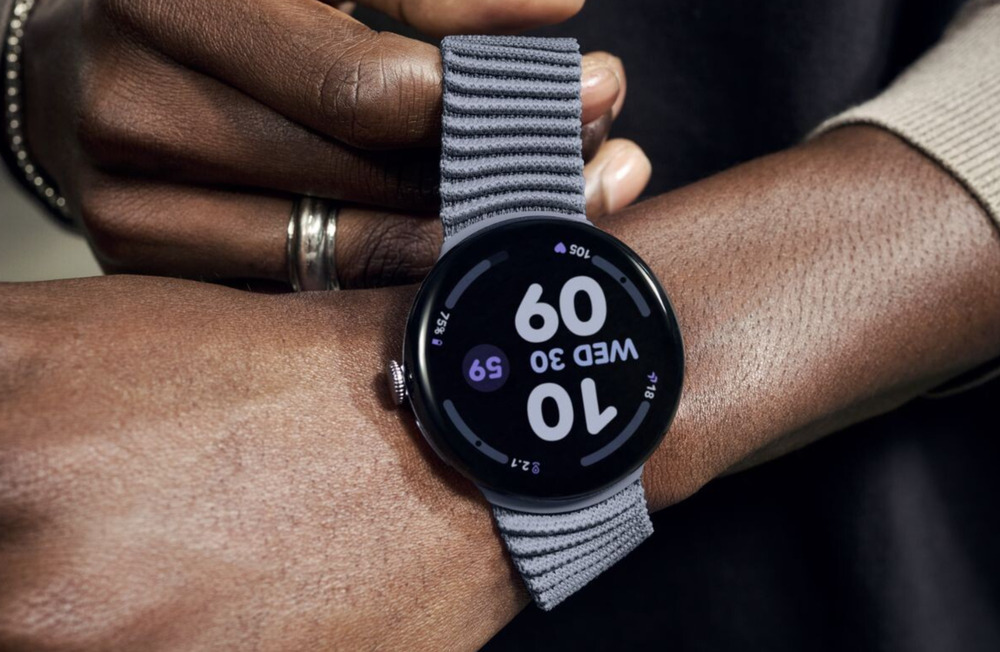
This highlights a key strategic dilemma. Can Google afford such a conservative approach in a market where Apple and Samsung are pushing “super watches” focused on endurance, functionality, and niche use cases? The Pixel Watch 4 feels more like a compromise than an ambitious statement, and that may not be enough to maintain long-term user engagement.
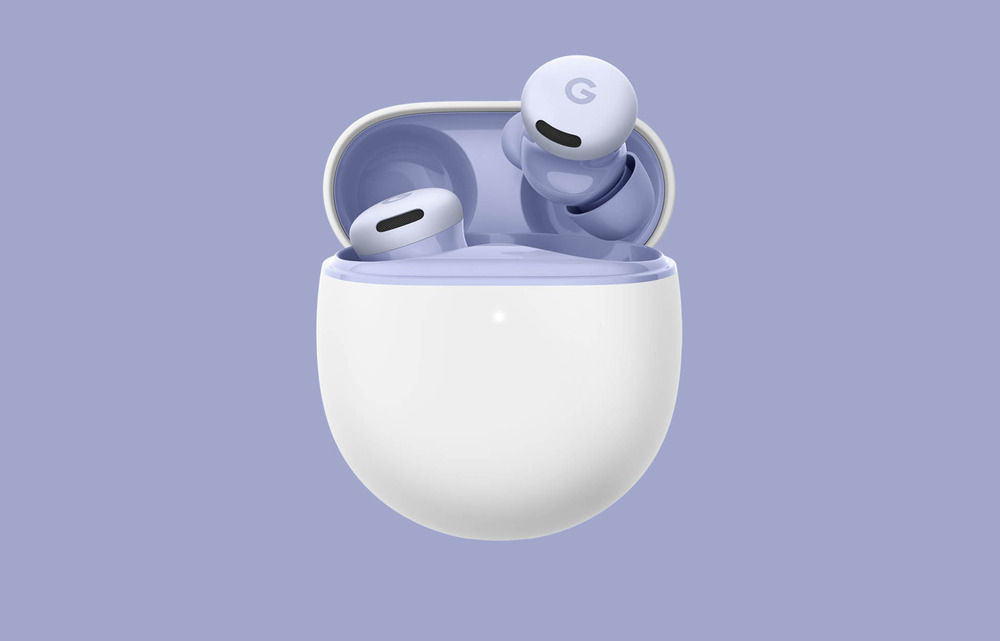
The situation with the Pixel Buds 2a is similar, though with its own nuances. Beyond the attractive price, ANC, the Gemini chip, and a refined design, there’s little else to highlight. That said, fans of the brand might have a different perspective.
Read also: Windows 11 Open Source: Myth or Reality?
Do the new Pixels have their own MagSafe?
Google introduced a new magnetic accessory, the Pixelsnap, which might seem minor at first glance but carries strategic significance. It effectively establishes Google’s own ecosystem of magnetic accessories, directly echoing the Apple MagSafe concept. This move not only enhances the user experience but also opens a new avenue for monetization through additional accessories.
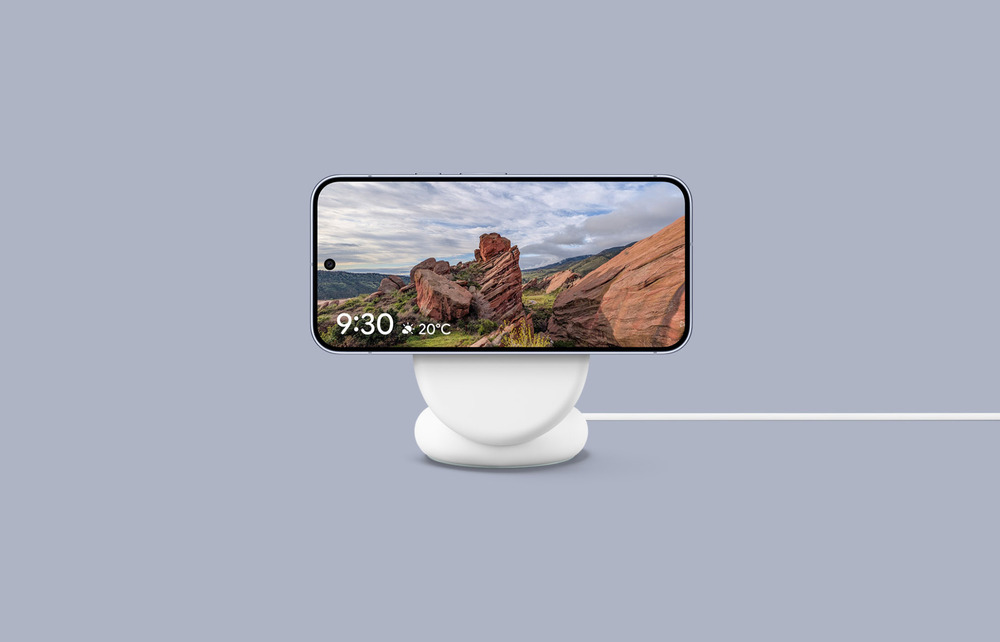
The main advantage of the Pixelsnap is precise alignment of the phone on a wireless charger, addressing the long-standing issue of having to “find the right spot” for charging to start. Google also introduced two proprietary chargers: a compact white puck with a cable and a stand version. The stand is not only functional but also integrates with the smart home ecosystem. In dock mode, the phone can display screensavers, photos, weather forecasts, or act as a controller for smart home devices. This clearly illustrates Google’s attempt to expand Pixel usage beyond the traditional smartphone experience.
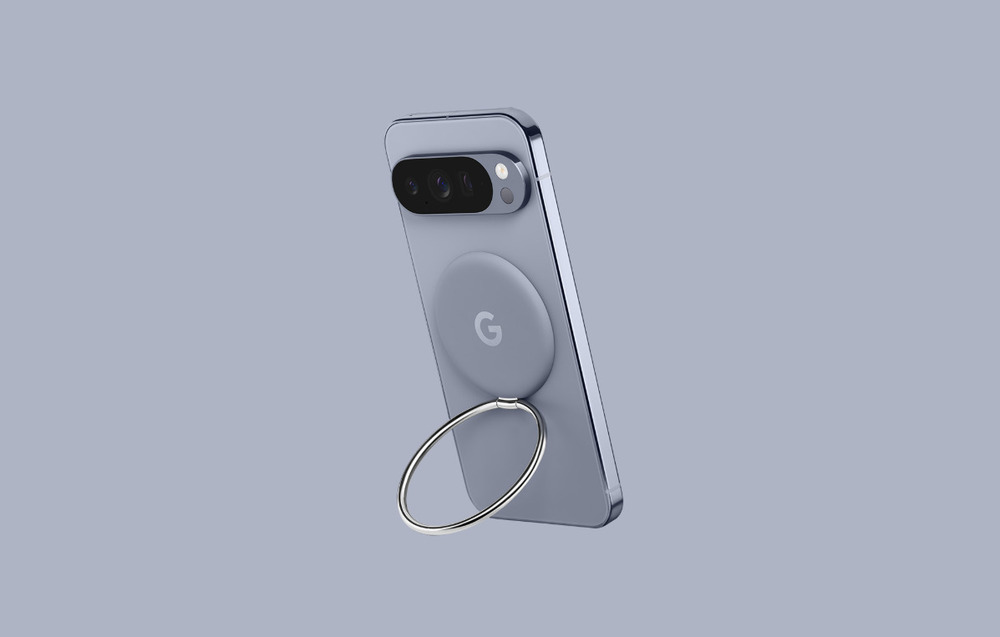
Another notable accessory is the foldable ring stand. It allows the phone to be positioned conveniently in both portrait and landscape orientations. Made from microfiber and metal, it focuses not only on functionality but also on preserving the device’s appearance. This approach aligns with the broader trend of treating gadgets and accessories as a unified ecosystem, a strategy actively pursued by competitors.
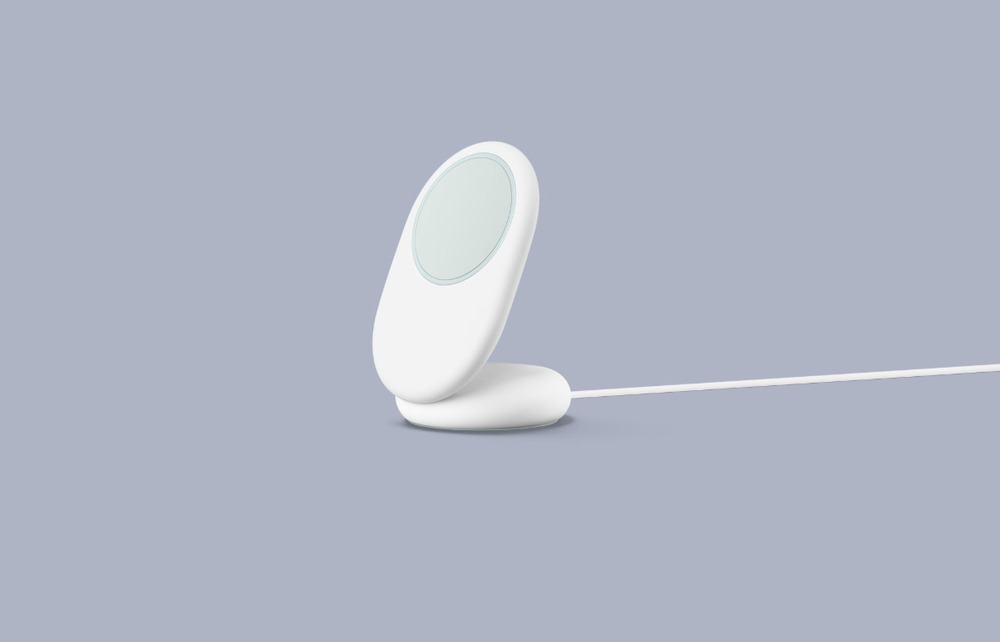
Strategically, Pixelsnap represents Google’s effort to strengthen its position in hardware. While Pixel accessories were previously more of a supplementary element, the company is now effectively establishing its own standard, which could serve as a platform for third-party manufacturers. If the ecosystem develops further, Google gains an additional tool to retain users within its hardware and service environment.
Read also: How to Spot Fake Photos: New Challenges of the Digital Age
Google Pixel’s AI capabilities could be a key factor in the competitive battle
Google is clearly placing a strategic emphasis on artificial intelligence in the Pixel 10 series. The centerpiece is the new Tensor G5 chip, which not only provides computing power but is specifically optimized for AI workloads. This sends a strong signal: the company views the processor not just as general-purpose hardware, but as a foundation for building its own AI ecosystem.
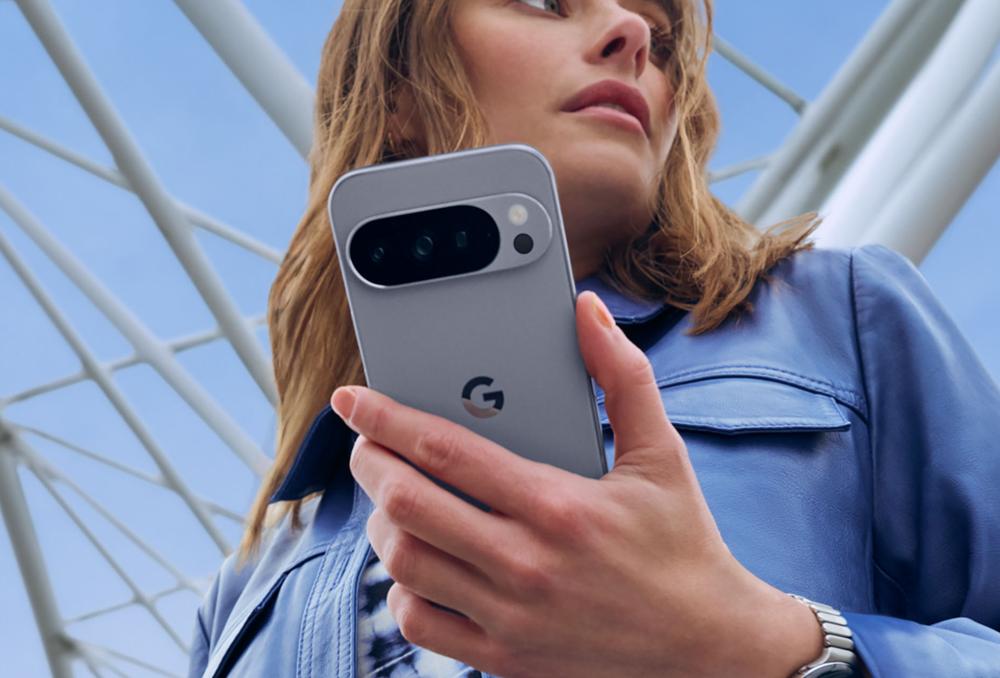
A key innovation is the integration of the Gemini Nano model – a local AI variant that runs directly on the device without constant reliance on cloud services. This not only improves speed and reduces network load but also strengthens Google’s privacy argument: more computations happen on-device, so less data leaves the smartphone.
An additional incentive for users is the free Google AI Pro subscription for Pro model owners. This isn’t just a marketing perk; it represents an attempt to build a personal “AI economy,” where basic features are available to everyone, but advanced capabilities gradually become a subscription-based service. In this way, Google is effectively testing AI monetization on smartphones, which could shape the future direction of the industry.
The question is no longer just about which new features the Pixel 10 offers, but whether Google can set a standard for the future of mobile AI experiences, where hardware, algorithms, and business models merge into a unified ecosystem.
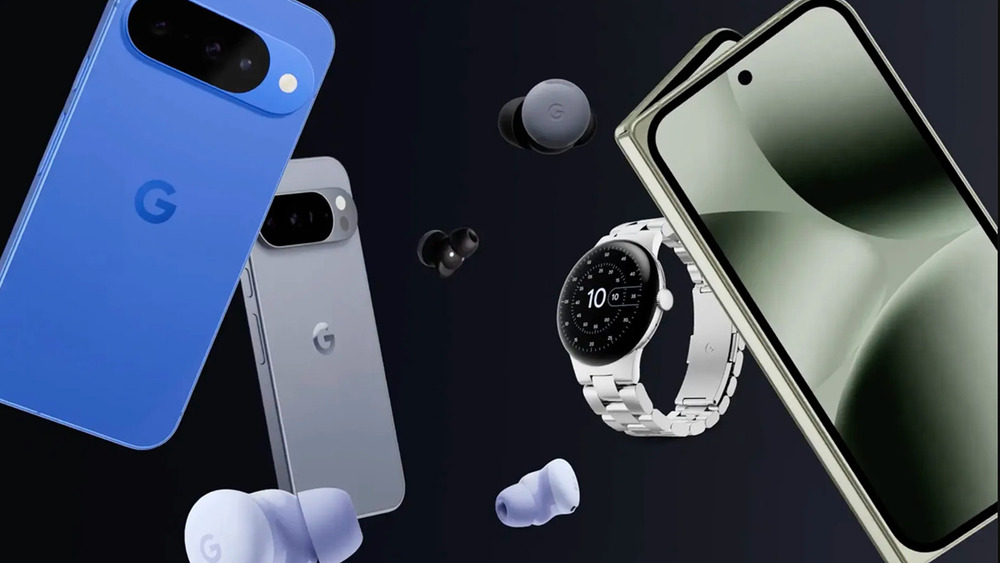
It doesn’t make much sense to go through every AI feature in the new Google Pixel 10 – the list would be longer than the presentation itself. What’s already clear, however, is that Google isn’t just experimenting; it’s fully jumping onto the “artificial intelligence” express that’s sweeping across all segments of the tech market. Whether this is the right move will take time to determine, as there’s always a gap between “trendy” and “truly useful.” For now, all we can do is observe, test the new features, and see whether the algorithms can genuinely become the reason we choose a Pixel.
Read also:
- How Chinese Companies Circumvent the US Ban on AI Chips
- Cryptography: What It Is and How It Works
- The Third World War of Browsers: Has It Already Begun?
- AI in Medicine: Is the Future Already Here?

