
© ROOT-NATION.com - Use of content is permitted with a backlink.
Today, we focus on the POCO M7, a smartphone that prioritizes practicality in an era of all-around versatility. With its 6.9-inch display and a large battery that provides a full day of power, this device is designed for users who value stability and comfort in daily use. We will explore who this model is intended for and how it performs in typical scenarios – from media consumption to mobile gaming and photography.
Read also: Reviews of all POCO smartphones

TABLE OF CONTENTS:
Specifications
- Display: 6.9″, 2340×1080, 374 ppi, IPS, 144 Hz, 700-850 nits, screen-to-body ratio 86%, Gorilla Glass 5
- System: Android 15 with HyperOS shell
- Processor: Snapdragon 685, 2.8 GHz, 8 cores, Adreno 610
- Memory: 6 or 8 GB of LPDDR4X RAM, 128 or 256 GB of UFS 2.2 storage, expandable with microSD up to 1024 GB
- Communications: Wi-Fi 5 (802.11ac), Bluetooth v 5.0, NFC, IR port
- Main camera: 50 MP, f/1.8, Full HD 1080p / 30 fps video, flash
- Front camera: 8 MP, f/2.0, Full HD 1080p video / 30 fps
- Power supply: 7000 mAh, Power Delivery, 33 W, 18 W reverse charging
- Dimensions: 169.48×80.45×8.40 mm, weight 214 g
- Additional features: IP64, side fingerprint scanner, Dolby Atmos, Hi-Res Audio, light sensor.
Positioning and price
The POCO M7 is an entry-level smartphone aimed at a broad audience – those who need an affordable yet versatile device for everyday use. Priced at up to $120 for the base 6/128 GB version, it serves as a practical daily solution for students or users seeking reliable connectivity, social media access, streaming video, or light applications, without requiring top-tier performance or premium features.
In this price segment, it is important for a smartphone to offer good value for money. The POCO M7 has several strengths: a large 6.9-inch display, sufficient memory, microSD support, and decent battery life – features that make it an attractive option among budget devices. Competitors in a similar price range include the Redmi 13C and Realme C53, both of which provide a basic set of features for communication, social media, and video. For those seeking an affordable phone for everyday tasks, the POCO M7 offers a solid balance between price and functionality.
Package contents
The box features the recognisable yellow design that has long been associated with the POCO line. Everything inside is neatly arranged, and it is clear that the manufacturer has not skimped on the necessary details. The presentation itself looks quite neat, and the quality of the components is beyond question.

Inside the box, you’ll find the smartphone, a gray rubber case, a 33 W charger, a USB cable, a SIM eject tool, and the warranty and user manual. The included case is a nice bonus, allowing immediate use of the phone without risking scratches to the body.

The 33 W charger adds a sense of convenience, as not all budget – and, to be honest, even some higher-end – models come with a power adapter these days. Beyond that, there isn’t much more to note about the package contents.
Read also: Smartphone Worth Considering: 5 Key Advantages of the POCO F7
POCO M7 Design
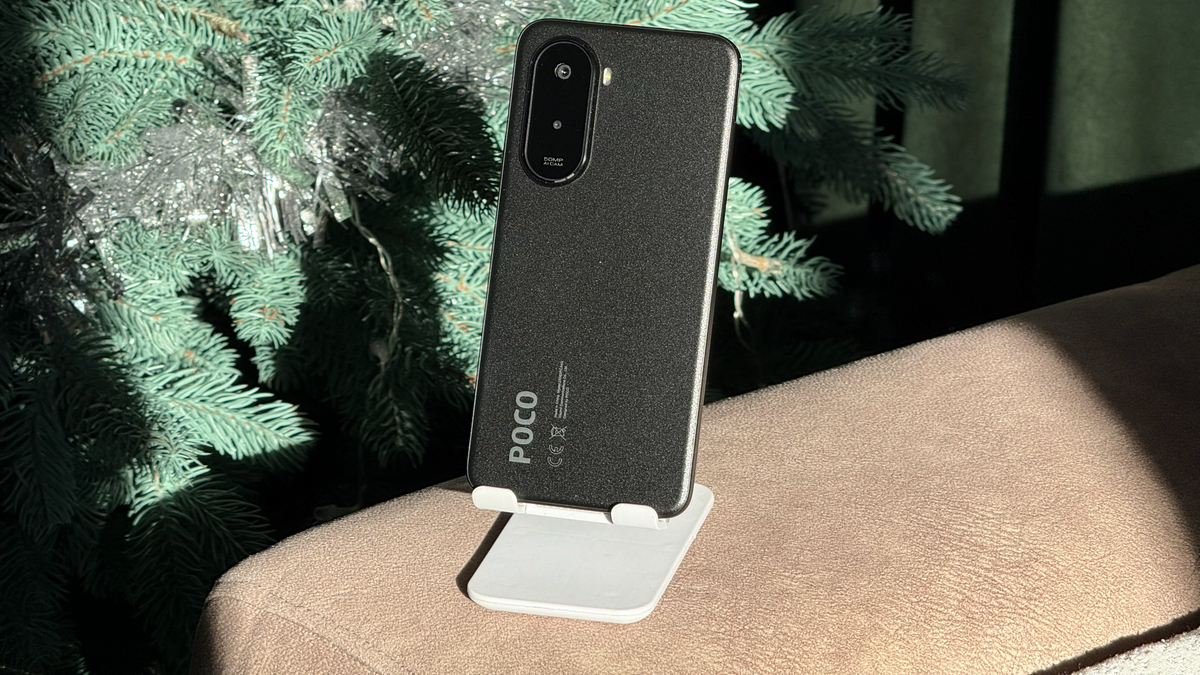
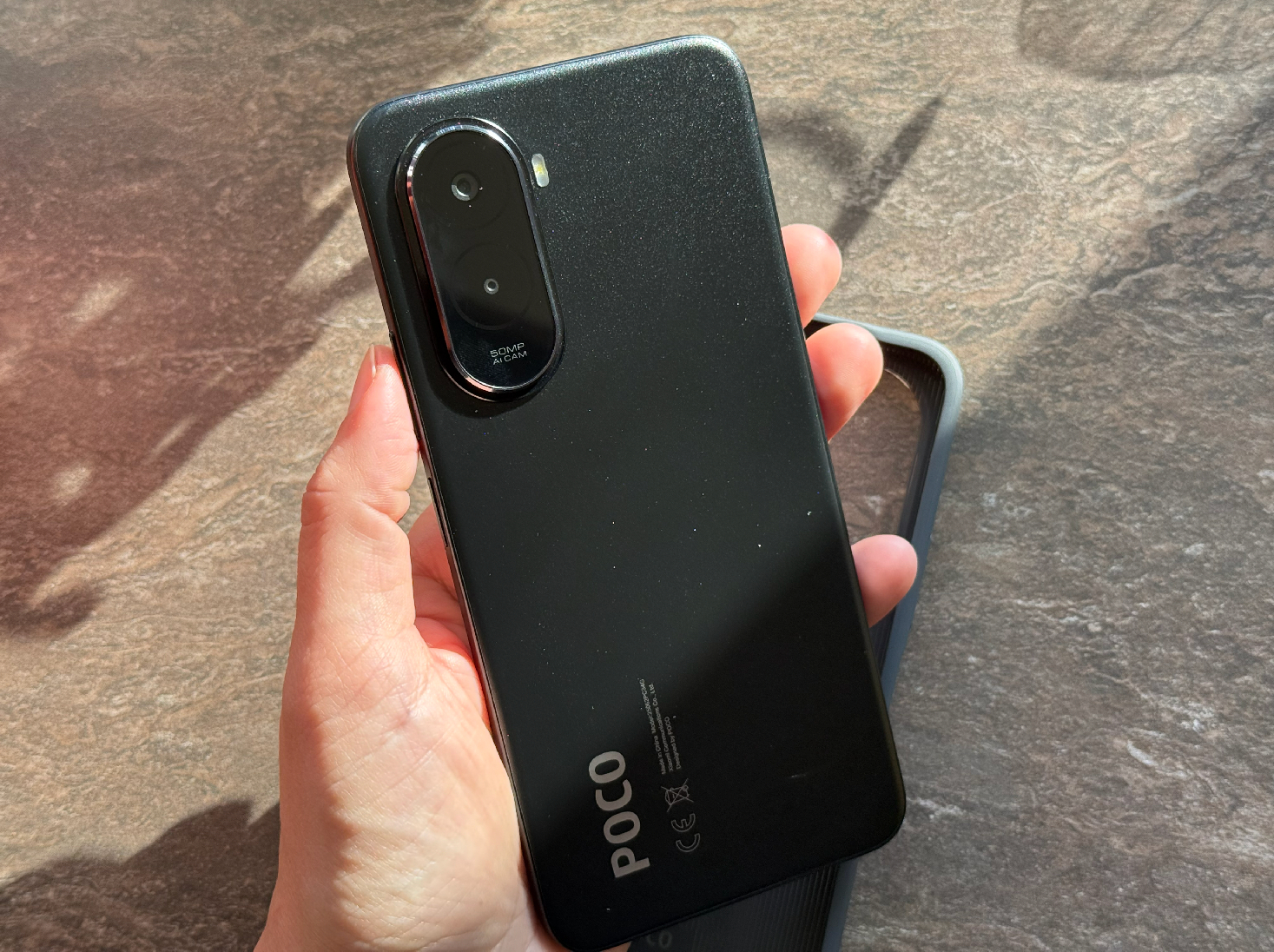
The M7 adopts a noticeably fresher design compared to the M6. The Carbon Black version looks particularly restrained and minimalist, with no unnecessary decorative elements. Visually, the smartphone appears professional – a practical “tool” rather than a flashy device – and the slim vertical camera module immediately draws attention, fitting neatly into the back panel without overwhelming the overall look.

The back panel and frame are made entirely of plastic. While the texture isn’t premium, the main advantage is durability. The body does not flex under pressure, the panels fit tightly, and there is no play. Additionally, the device has an IP64 rating for dust and splash protection, a feature not commonly found in affordable models.
The POCO M7’s size is immediately noticeable: it is longer and wider than many competitors in this segment, which can feel unusual at first. However, at just 224 g and 8.3 mm thick, it is lighter than it appears. The phone feels secure in hand, and once accustomed to its dimensions, the size stops feeling cumbersome.
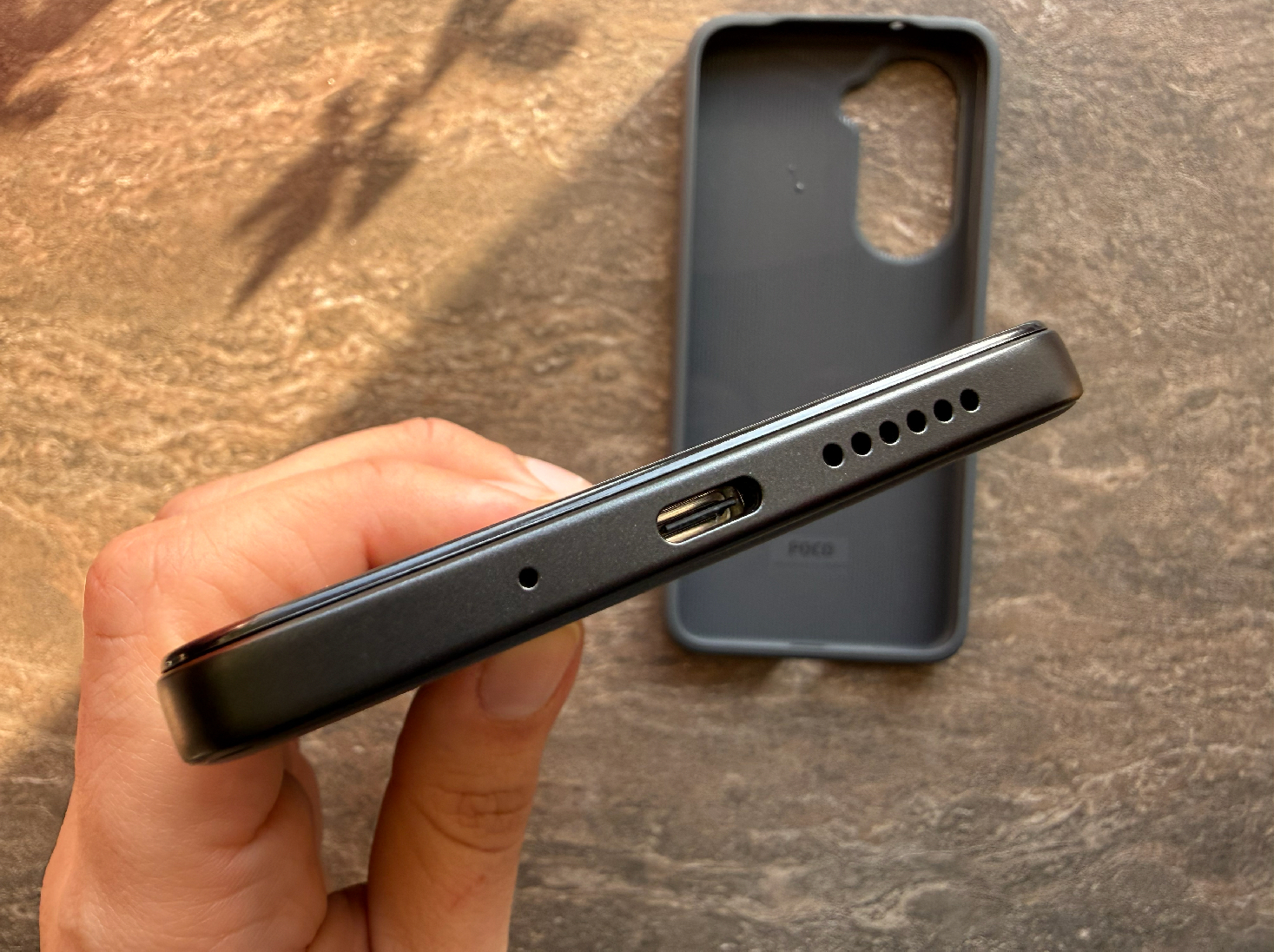
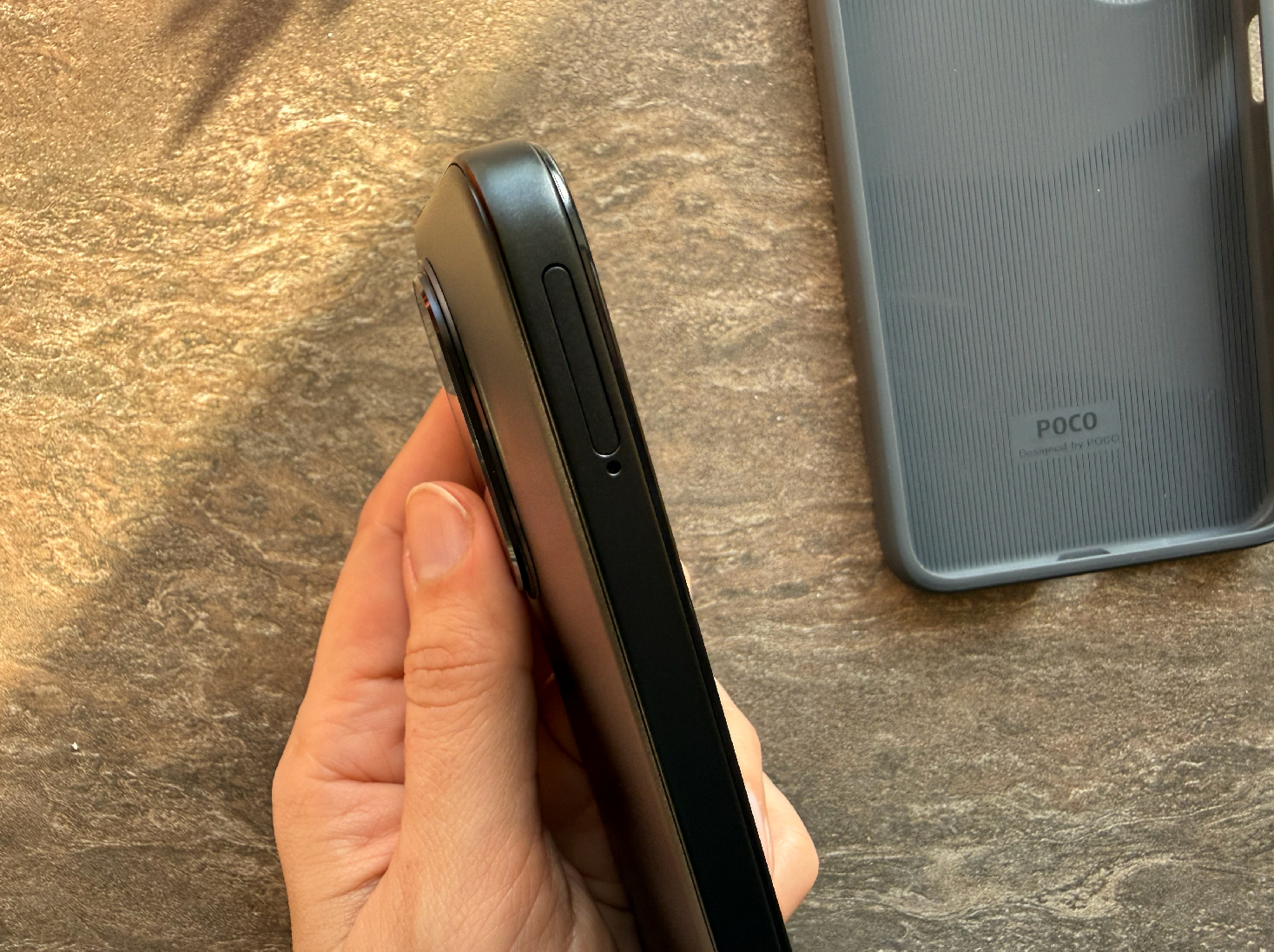
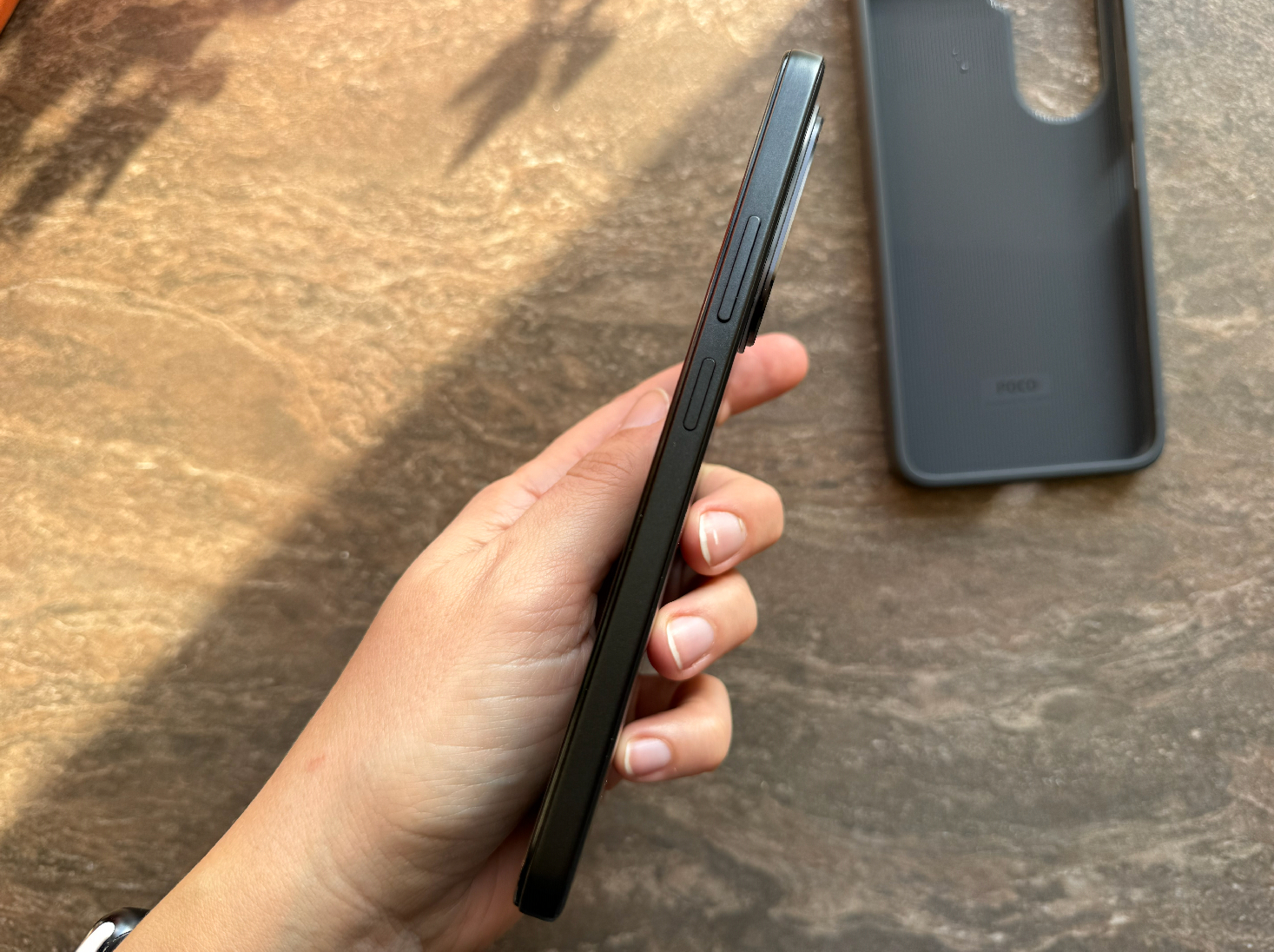
The front is designed simply, with the power and volume buttons positioned at a convenient height on the right side, while the SIM and microSD slot is located on the left edge. At the bottom, there is a USB Type-C port and a single speaker. That said, the black color is somewhat impractical, showing fingerprints and dust easily, so the camera module needs frequent cleaning. The alternative colors – Chrome Silver and Aqua Blue – look more striking in promotional materials, giving those who like to stand out clear options to choose from.
Read also: Poco F7 Pro Review: The New Flagship Killer
Screen
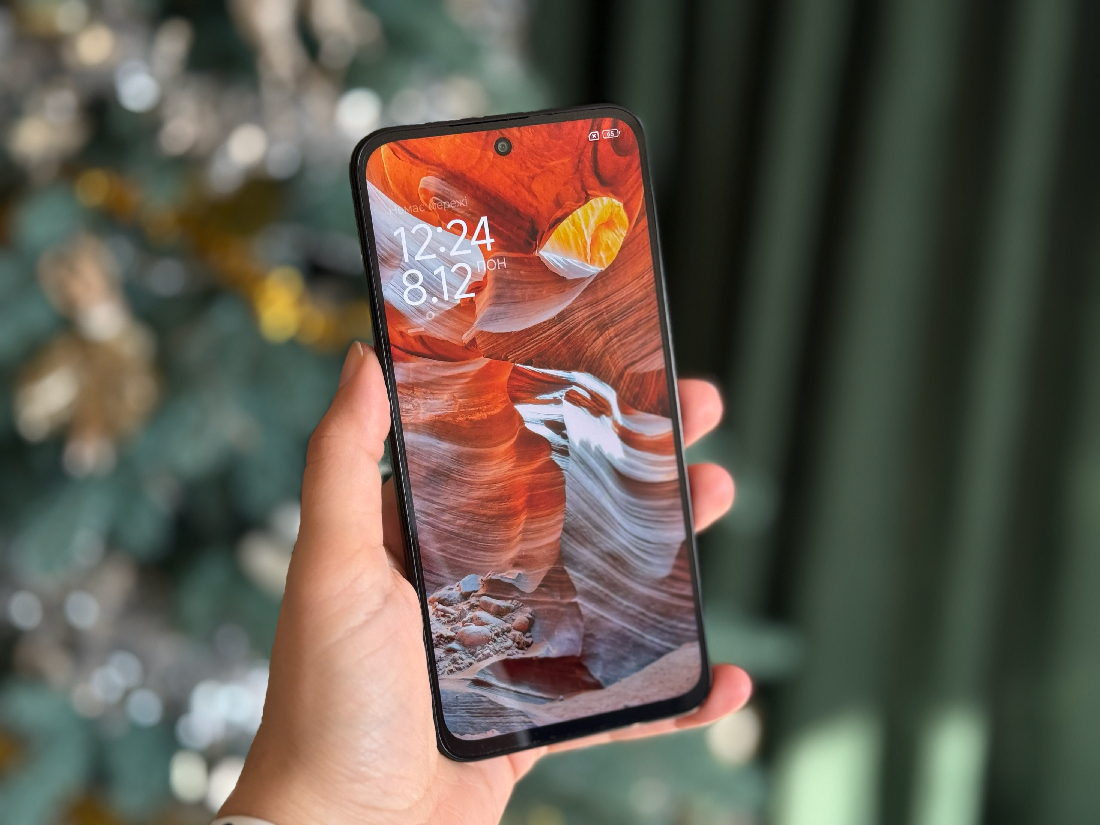
For endless social media scrolling, streaming content and everyday online communication, the POCO M7 is just what you need. The smartphone gains a strong advantage thanks to its huge 6.9-inch FHD+ display with Gorilla Glass 5 protection, although that’s not its only plus.
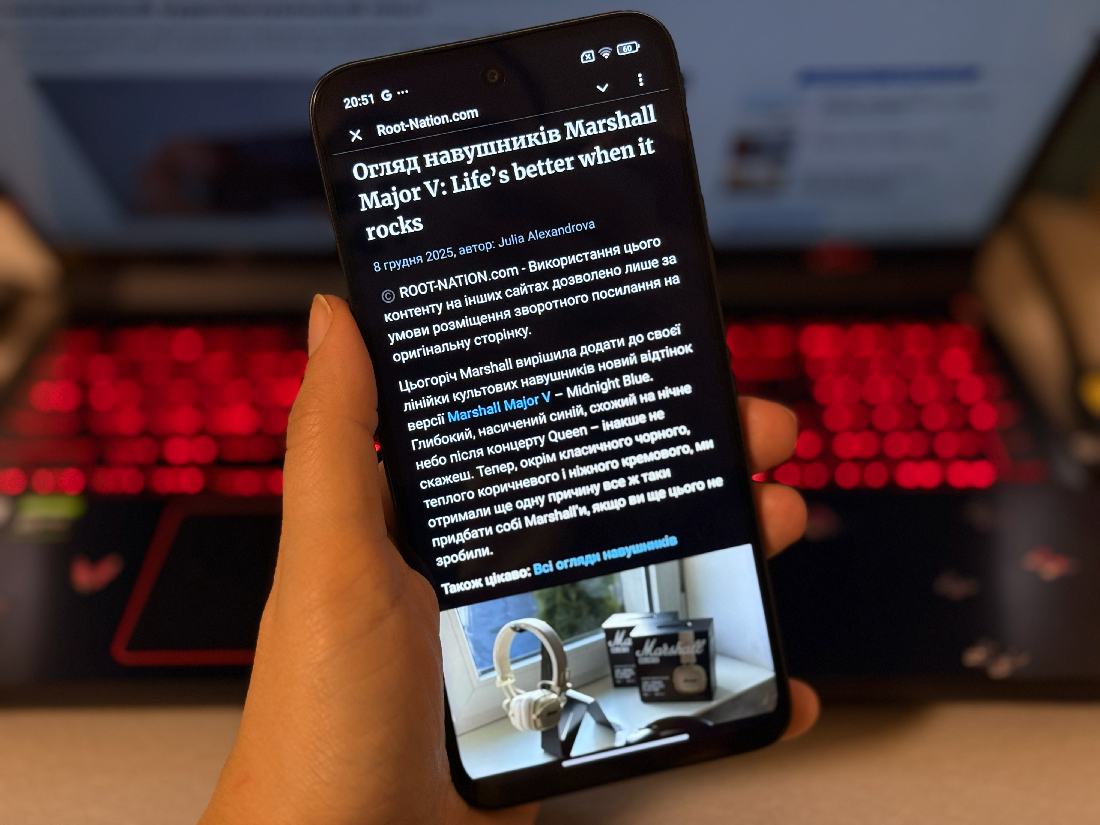
This is effectively the largest screen in the POCO M lineup, and it largely shapes the overall impression of the device. Thanks to AdaptiveSync technology, the refresh rate can adjust up to 144 Hz – the smartphone automatically modifies performance based on usage scenarios. Scrolling through social media, browsing, or navigating menus feels smooth and responsive, while the device conserves battery when high FPS is unnecessary.
Watching videos or movies on this screen is a genuinely pleasant experience. The display size gives a “small tablet” effect, and content on YouTube or Netflix appears clear and comfortable to view. Brightness is sufficient for indoor use or overcast conditions, though direct sunlight can sometimes require a closer look.
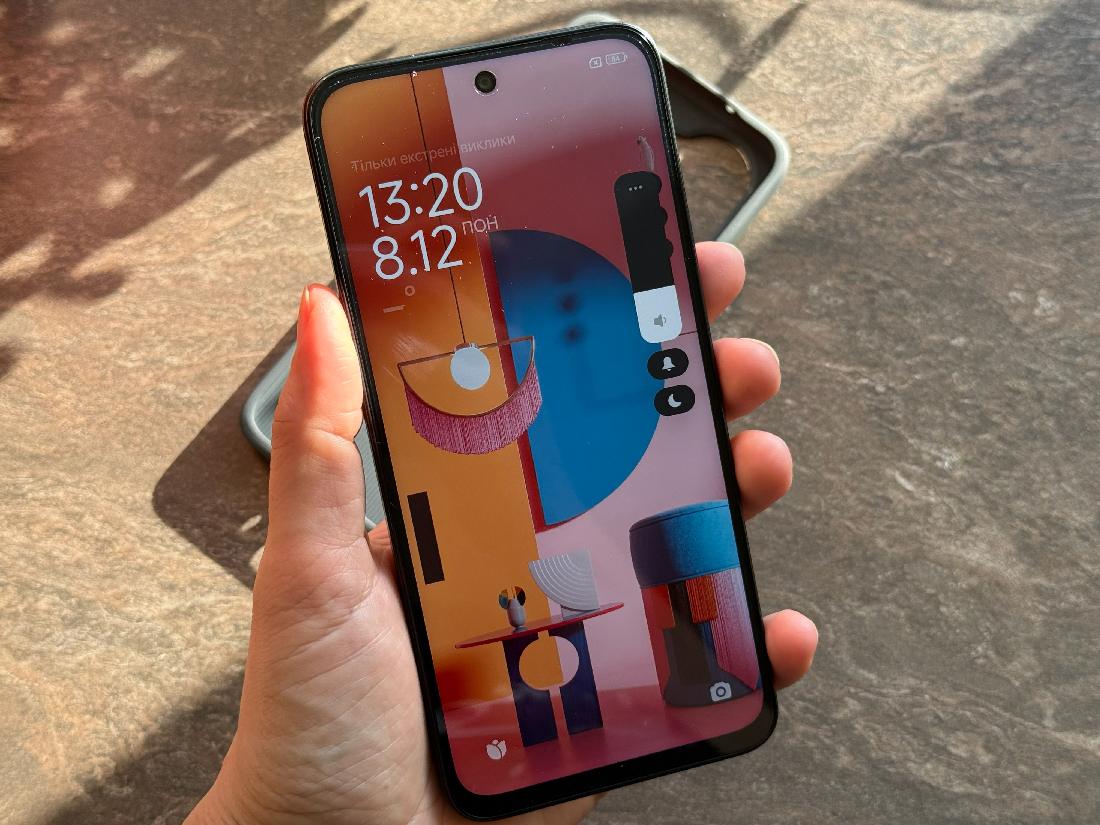
Particular attention has been given to eye comfort. The display is TÜV-certified for reduced blue light, flicker-free performance, and gentler impact on the eyes, which is especially valuable for users who spend extended periods on their smartphones. This is a small but very welcome addition for daily use.
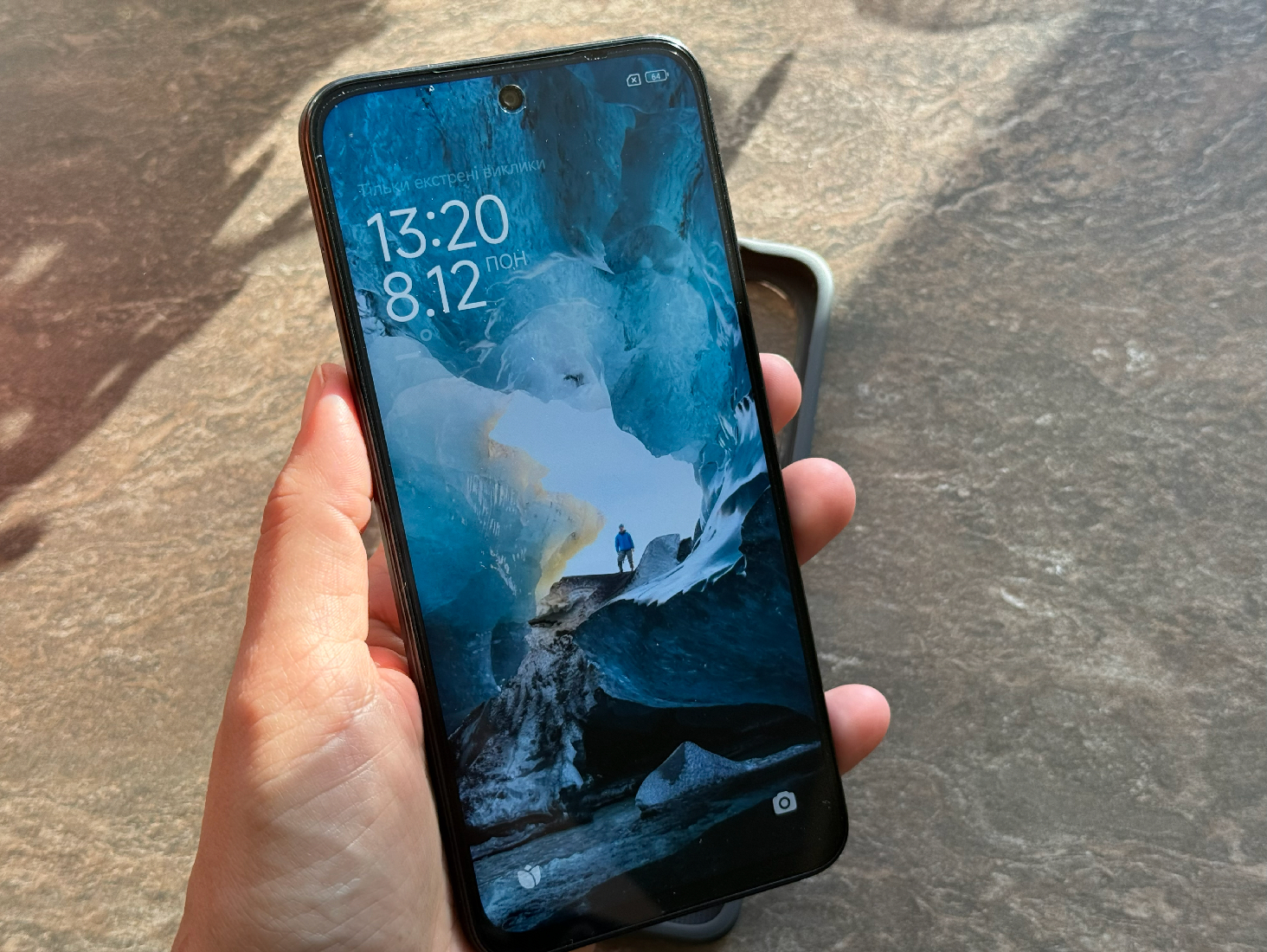
In fast-paced games, the high refresh rate noticeably improves smoothness, although the Snapdragon 685 does not always maintain 144 Hz consistently. As a result, the perceived gaming fluidity depends largely on the specific title.
Sound
The POCO M7 is equipped with a single multimedia speaker, and the mono format is immediately noticeable. It is easy to cover with a finger in landscape orientation, so some adjustment of grip is needed when watching videos or playing games. That said, the volume is more than sufficient – for notifications, calls, loudspeaker use, and everyday media consumption.
At maximum volume, sound quality remains stable: voices are clear, midrange frequencies are clean, and speech is easily understandable. Bass is minimal – the lightweight, thin body limits low-frequency performance. Nevertheless, for a budget device, the audio is respectable, and the POCO M7 delivers more than satisfactory sound in its category.
Read also: POCO F6 Pro Smartphone Review: No Need for Flagships
Performance
The POCO M7 features a hardware platform appropriate for its segment. It is powered by an energy-efficient Snapdragon 685 4G, paired with 6 or 8 GB of LPDDR4X RAM and 128 or 256 GB of UFS 2.2 storage, expandable via microSD. The unit tested was the 8/256 GB configuration, which proved more than sufficient for everyday use.
System responsiveness in everyday scenarios is satisfactory: streaming, messaging, social media apps, and switching between tabs all work predictably and smoothly. Occasionally, AdaptiveSync lowers the refresh rate to 60 Hz, which can make the phone appear slightly slower than it actually is. When the refresh rate runs at 90 or 120 Hz, the interface feels fairly smooth, though these moments are not constant.
During extended use, the smartphone remains relatively cool. The body does not overheat, and performance stays stable without throttling. Gaming performance is average – simple and undemanding titles run well, while more demanding games may require reduced graphics settings.
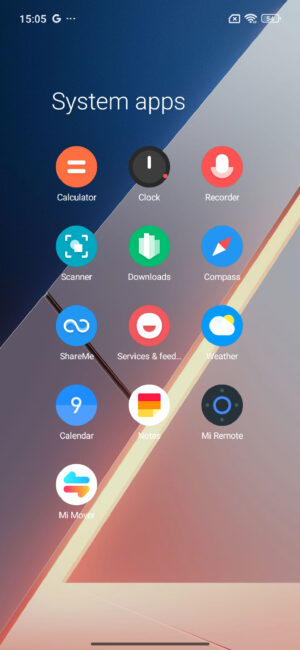
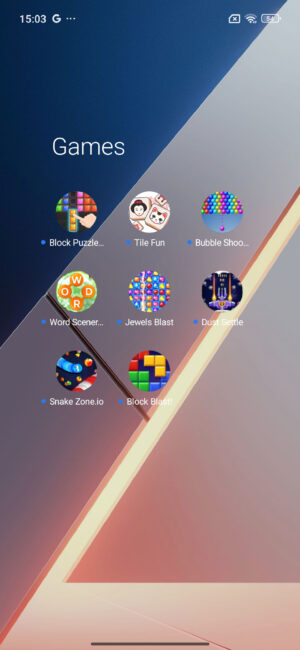
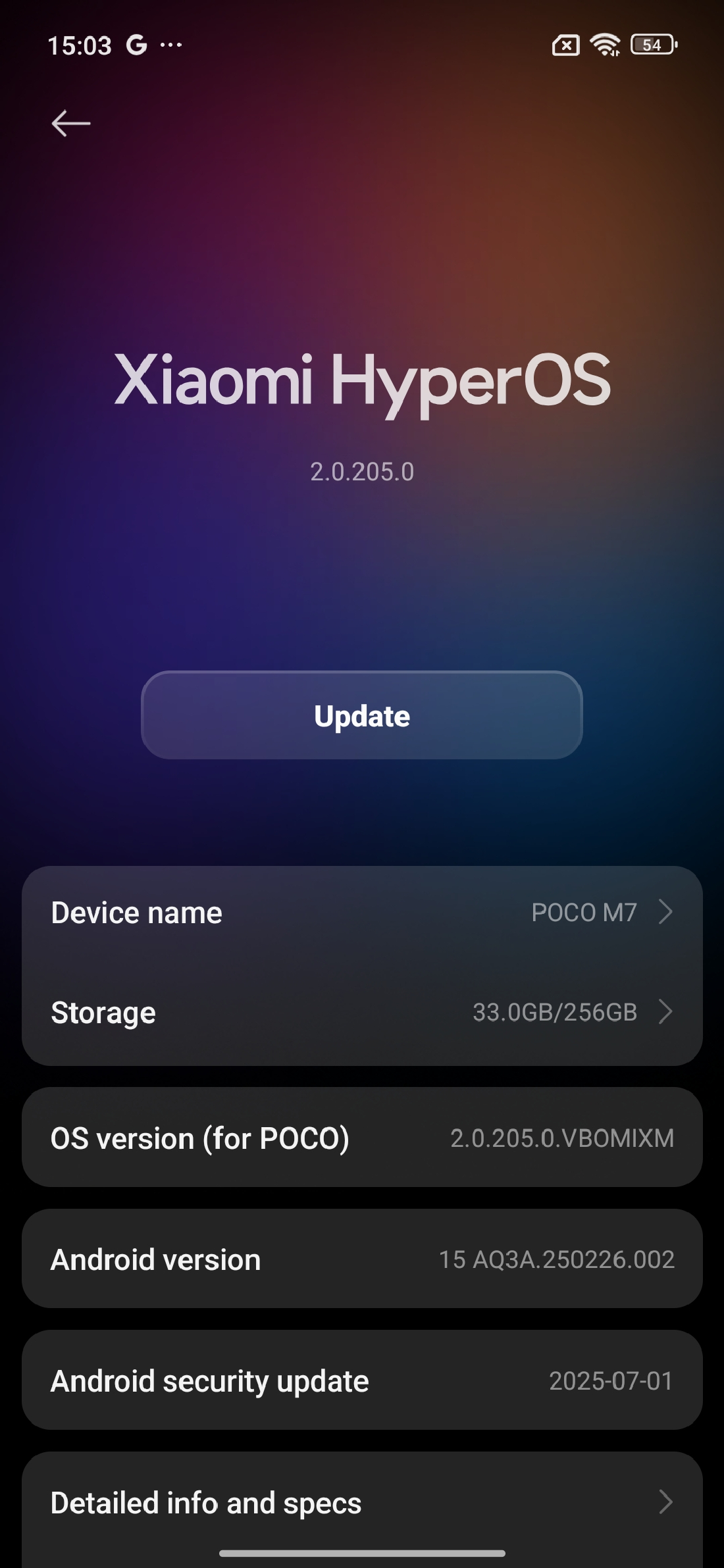
The software also leaves a positive impression. The device runs HyperOS on Android 15, offering customization options – from themes and fonts to animations and icon styles. There are some preinstalled apps that need to be removed manually, but this is typical for the budget segment. POCO promises two years of OS updates and up to four years of security patches, which is fairly reasonable.
Everyday tasks such as browsing the web, messaging, checking email, or switching between multiple apps are handled smoothly and without noticeable lag. There is ample performance headroom for routine scenarios, and the system responds predictably. Real challenges appear only when running demanding games or resource-intensive apps, at which point the smartphone can slow down, and the refresh rate may be lowered to maintain stability.
Read also: POCO Pad Review: First Tablet from the Manufacturer
Battery life
POCO places strong emphasis on the M7’s battery life, and for good reason: the battery is the main highlight in promotional materials, even featured prominently on the product’s homepage. The device is equipped with a 7000 mAh battery, and paired with an energy-efficient chipset, it creates a scenario where running out of charge is rarely an issue.
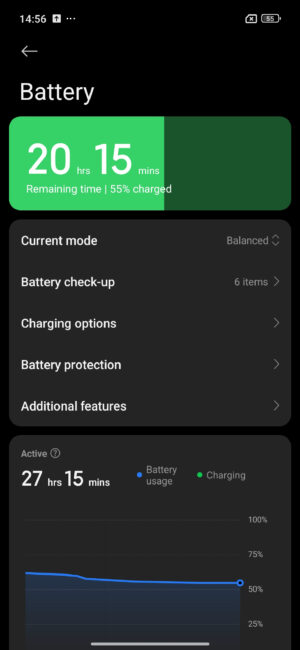
In practical use, the smartphone performs convincingly. Starting the day at 7 a.m. with email checks, calls, about an hour of navigation, video, and short gaming breaks, around 7 p.m. there was still approximately 40% battery remaining. For most usage scenarios, this means the phone easily lasts a full day and can confidently stretch into a second. With moderate use, one can expect up to a day and a half or even two days without charging.
When the battery does run low, the 33 W charger comes into play. While not record-breaking for the segment, it is perfectly practical. A full charge takes roughly an hour, making battery life one of the POCO M7’s strongest advantages and a key reason many users would choose this model.
Read also: POCO F6 Smartphone Review: Extremely powerful mid-ranger
Software
The POCO M7 runs on Xiaomi’s HyperOS 2, a new version of the company’s custom interface that replaces MIUI, though visually and functionally it still closely resembles MIUI’s design approach. HyperOS aims to enhance nearly every aspect of standard Android, from the interface to minor system interactions. In some cases, these changes are effective, while at other times certain choices can feel inconsistent.
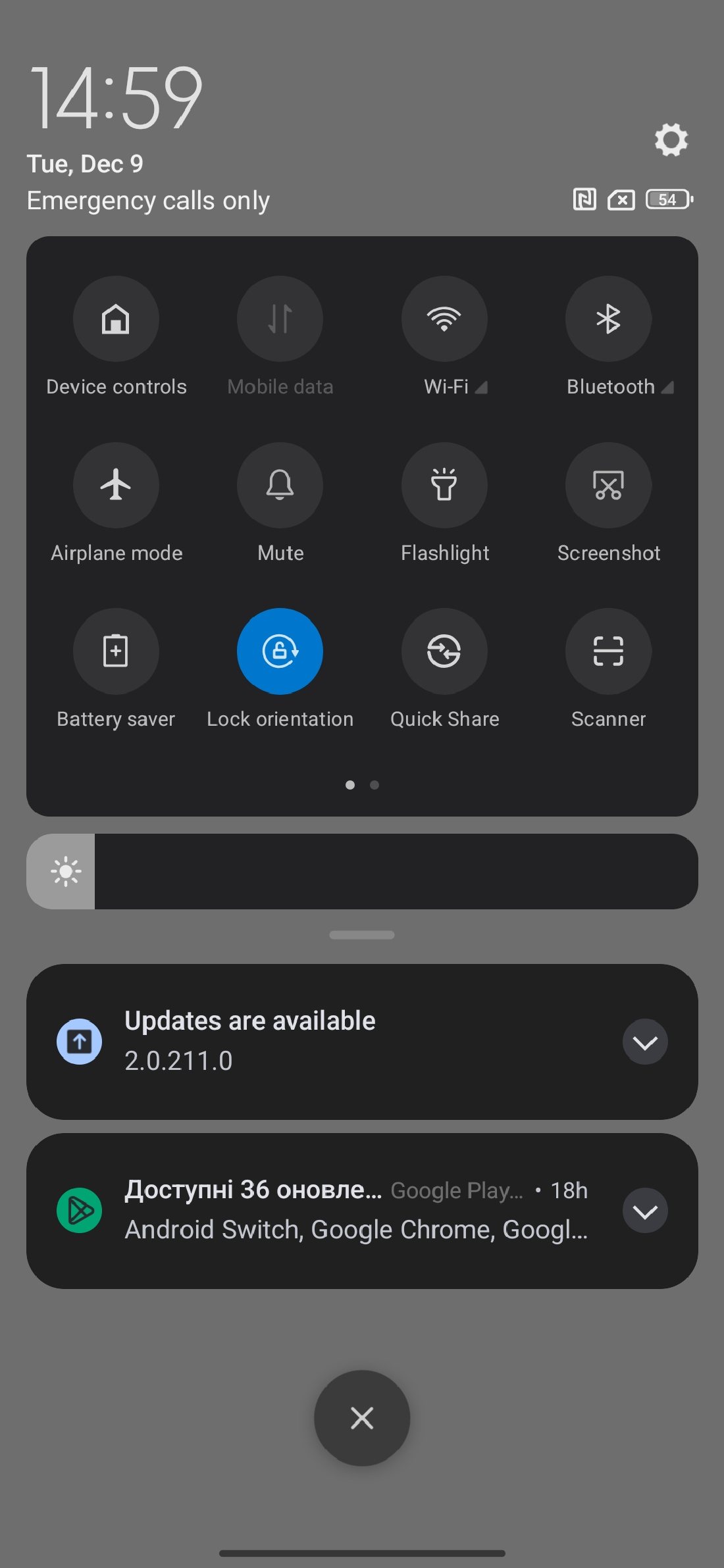
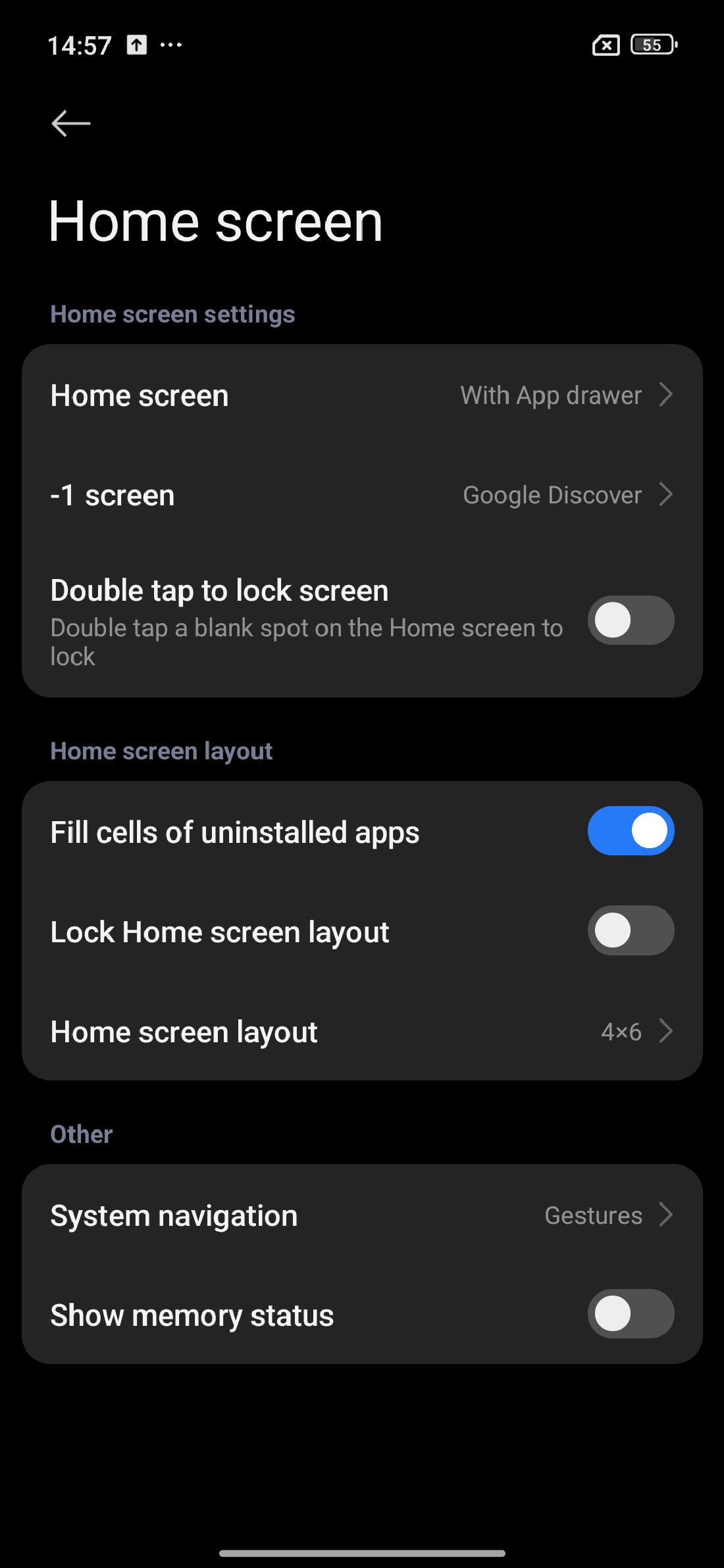
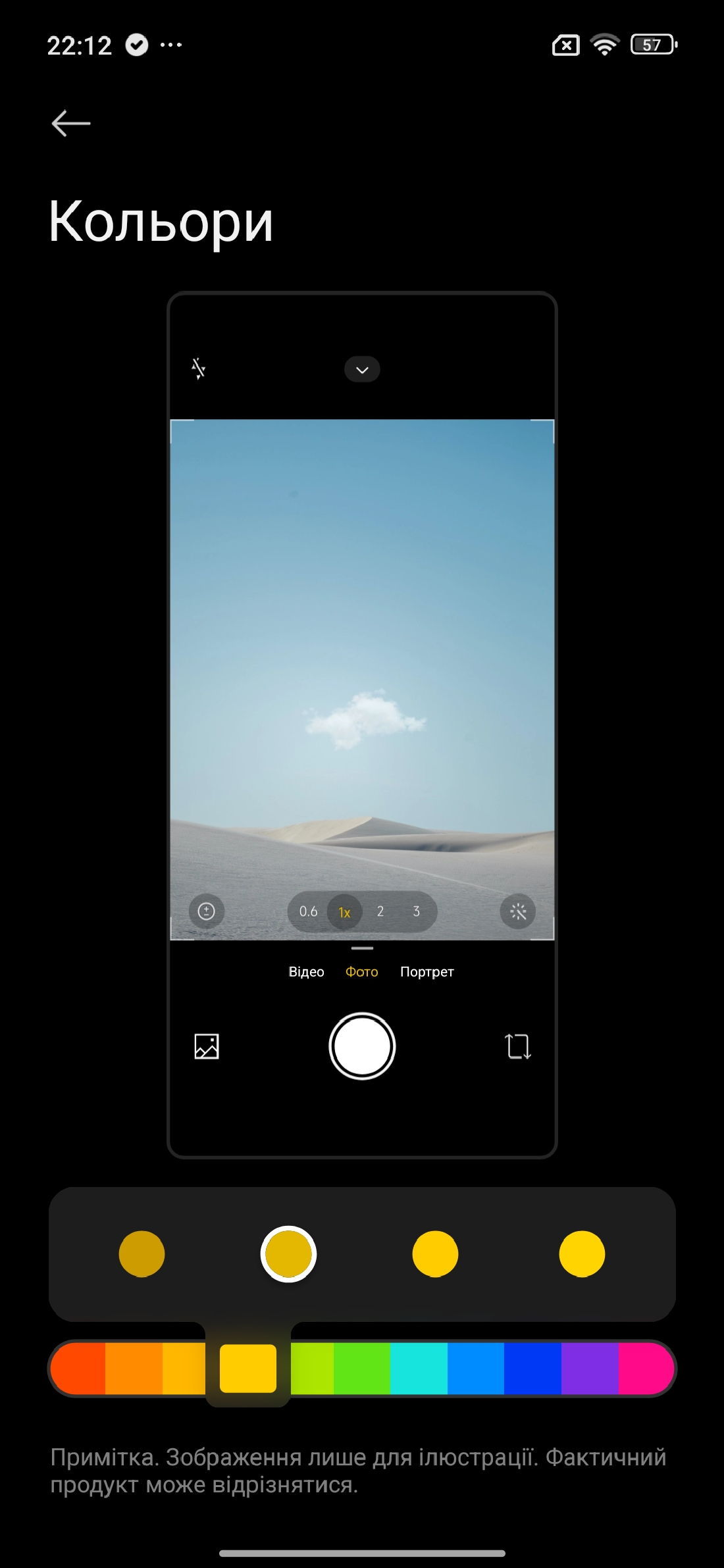
At the same time, the smartphone includes some appealing features from newer models: integration with Google Gemini AI Assistant, Circle to Search with Google, Memory Extension to increase RAM, Zero Power Instant On for quick startup even from zero charge, and Battery Health 4.0 for smarter charging management. These tools genuinely enhance everyday performance, and it’s notable that POCO has brought them to the budget segment.
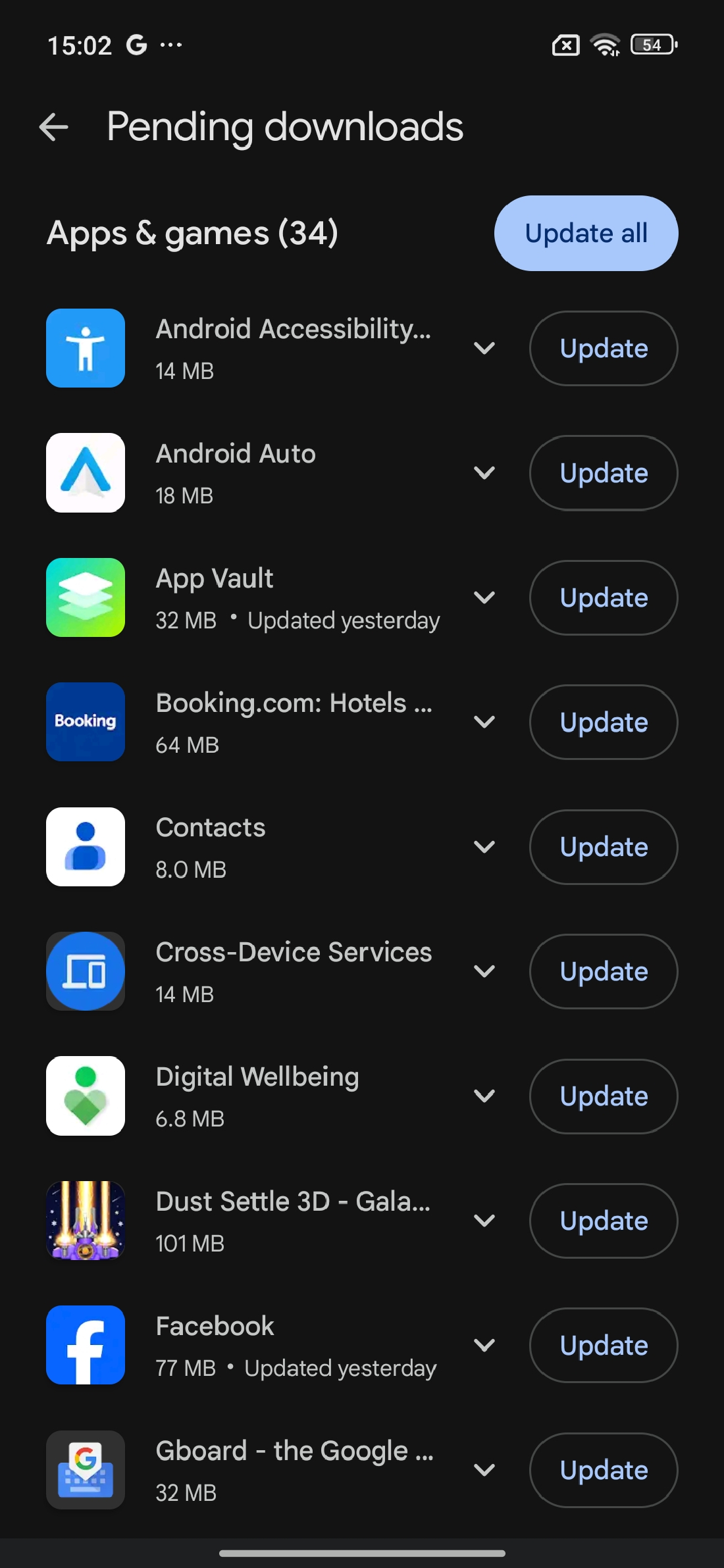
However, the overall experience isn’t flawless. Despite the functionality, the interface occasionally stutters, suggesting that the hardware and software don’t always work perfectly in sync. Added to this is the large number of preinstalled apps – such as App Mall, Mi Video, Music, Bubble Shooter, Block Puzzle, and others – which requires some time to clean up on first use. Some can be removed, while others cannot, which detracts from the user experience.
Despite these issues, POCO guarantees at least four years of security updates, which is a reasonable period of software support for a device in this class. This ensures that, even without major long-term upgrades, the system remains current and protected.
Read also: POCO X6 5G Review: Future Bestseller?
Cameras
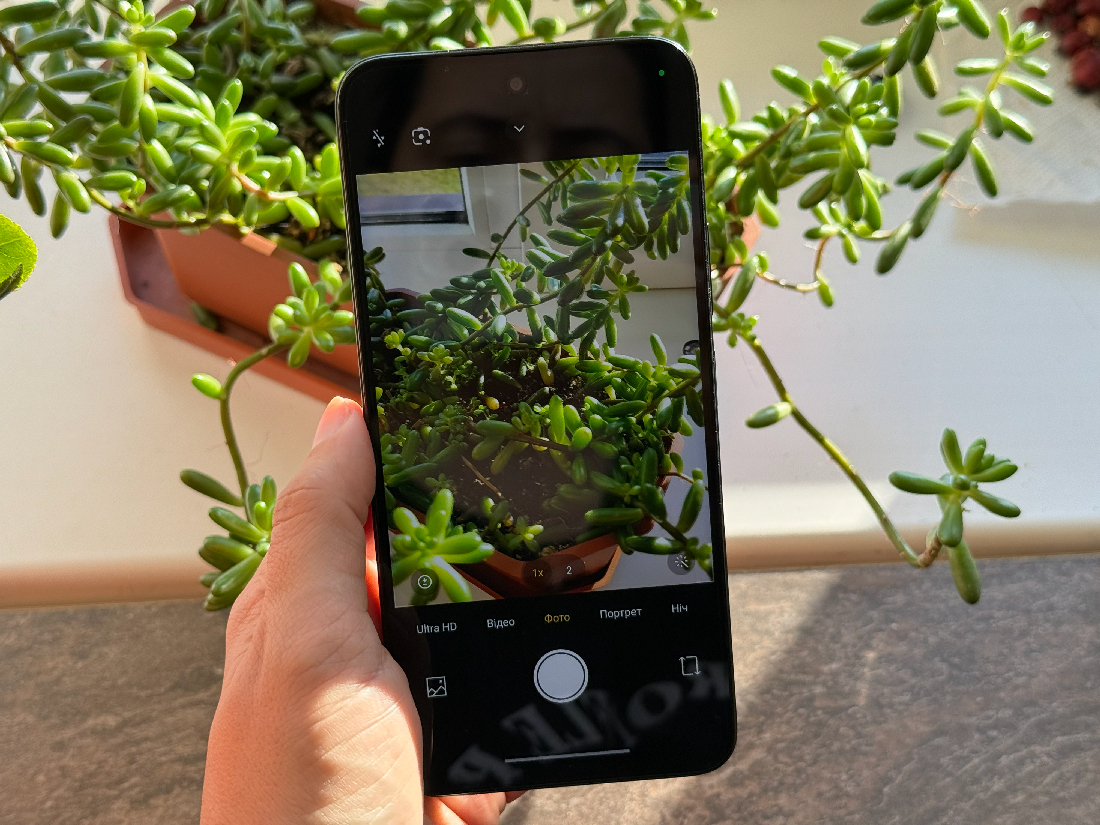
The POCO M7 features a 50‑megapixel main sensor, an additional depth sensor, and a 5 MP front camera. In good lighting, the smartphone is capable of producing fairly acceptable photos, with reasonable detail and natural depth. At the same time, sharpness can occasionally be lacking, and colors tend to be noticeably oversaturated – objects may appear more vivid than they do in reality.






Indoors and in low-light conditions, images show noticeable noise, which is partially mitigated by the night mode, though this often results in less stable and softer photos. Overall, this is not a smartphone designed for nighttime photography. Selfies are of average quality, with limited sharpness and occasional unnatural skin tones. Here is an example demonstrating the main camera’s zoom performance:



A notable issue is the occasional instability of the camera app, which in some cases simply crashes. In such situations, capturing a quick shot becomes impossible, leaving the most conflicting impression of the photography experience. Even the capable main sensor cannot perform at its best when the software prevents immediate capture.



The smartphone records video in Full HD at 30 fps, but without stabilization, so using both hands is recommended for smoother results. Overall, the POCO M7’s cameras are better suited for capturing moments and recording simple videos rather than creative filming or low-light scenes.
Read also: Marshall Major IV headphones review: Rock and roll doesn’t need wires
Conclusions
The POCO M7 is an affordable smartphone built with components from previous mid-range models, resulting in a fairly balanced device. It offers strong battery life, a good display, sufficient performance for everyday tasks, and decent audio quality for its price.
However, the overall design is unremarkable, the cameras need refinement, and HyperOS leaves mixed impressions due to occasional instability and an excess of preinstalled apps. Overall, it is a solid budget option, though there are more compelling alternatives available on the market.
Where to buy POCO M7