© ROOT-NATION.com - Use of content is permitted with a backlink.

What does the base flagship of 2026 from the South Korean company offer? Looking ahead, it’s worth noting that there hasn’t been a major technological breakthrough in the new Galaxy S26 compared to the previous generation. However, there are still some improvements – and, of course, they are for the better. So let’s take a closer look at what Samsung’s most compact flagship smartphone has to offer.
Read also: Samsung smartphone reviews
TABLE OF CONTENTS:
Samsung Galaxy S26 Specifications
- Display: Dynamic AMOLED 2X, 6.3-inch, FHD+ (2340×1080), 19.5:9, 409 ppi, refresh rate up to 120 Hz, HDR10+, brightness up to 2600 nits, Gorilla Glass Victus 2
- Processor: Exynos 2600, 10 cores (1 × C1-Ultra (3.8 GHz), 3 × C1-Pro (3.25 GHz), 6 × C1-Pro (2.75 GHz)), 2 nm
- Graphics processor: Xclipse 960
- RAM: 12 GB LPDDR5X (+12 GB virtual RAM (RAM Plus))
- Storage: 256 GB UFS 4.0
- microSD support: none
- Wireless technologies: Wi-Fi 7 (2.4 GHz + 5 GHz + 6 GHz), Bluetooth 5.4, NFC, GPS, Beidou, Galileo, QZSS
- Operating system: Android 16, One UI 8.5
- Main camera: main module – 50 MP (f/1.8, 1/1.56‘, 1.0µm) with OIS; telephoto – 10 MP (f/2.4, 1/3.94’, 1.0µm, PDAF); ultra-wide – 12 MP (f/2.2, 120° field of view, 1/2.55″, 1.4µm)
- Front camera: 12 MP, f/2.2, 80° field of view
- Battery: 4300 mAh, 45W fast charging, 25W wireless charging, 4.5W reverse wireless charging
- Operating system: Android 16 with One UI 8.5
- Slot: 2 nanoSIM
- Protection: IP68
- Dimensions: 149.6×71,7×7,2 мм
- Weight: 167 g
- Additional features: in-display fingerprint scanner (ultrasonic), AKG stereo sound, Dolby Atmos, Hi-Res Wireless
Price and Positioning
Among Samsung’s flagship Galaxy lineup, the Galaxy S26 is the base and most compact model in the series. It will appeal to those who prefer relatively small devices but still want a top-tier experience with the latest technologies, AI tools, and powerful hardware.
The official price is $1050 or €910. Compared to the previous generation, the Galaxy S25 launched slightly cheaper at $960 or €830. This increase is more likely due to currency fluctuations and global economic factors rather than major changes in the device itself. So, what do you actually get for this fairly substantial price?
What’s Changed from the Previous Generation
Overall, the differences between the base Galaxy S25 and S26 are minimal. The display has grown slightly by 0.1 inches (6.2 vs 6.3 inches), which also led to a small increase in weight and dimensions. However, this doesn’t change the fact that the Galaxy S26 remains the most compact device in the lineup. Another noticeable change is the redesigned rear camera module, which is now placed on an elongated “platform.”

Of course, the chipset and software are the latest, and there are also improvements in battery capacity and charging power – from 4000 mAh to 4300 mAh, and from 25 W to 45 W. Wireless charging has also seen a slight boost, increasing from 15 W to 20 W. Beyond that, there are no major technical changes. So if you’re currently using the previous model and considering an upgrade, it’s worth carefully weighing whether the improvements justify the switch.
Read also:
- Samsung Galaxy Fold7 Review: Slim and Lightweight Foldable Smartphone
- Samsung Galaxy S25 Ultra Review: A Flagship Without Improvements
What’s in the box?
Let’s start with the packaging. You can call it minimalistic, ascetic, or even “quiet luxury” – but this is the direction Samsung has been following in recent years. A neat, fairly slim box without flashy elements, glossy inserts, or any special effects.

Inside, things remain just as minimalistic. You get the device itself, documentation, a charging cable, and a SIM ejector tool. As usual, there is no power adapter included, so you’ll need to purchase one separately – unless you already have a compatible 45 W charger from another Samsung device (it’s best to use official or certified accessories to avoid charging speed limitations).
Read also:
Design, Materials, and Layout
The Galaxy S26 retains Samsung’s recognizable design language. It looks clean and refined, with smooth corners, flat edges, and the signature vertical camera layout on the back. And, of course, it remains a compact device – one of the key features of Samsung’s base flagship. With a 6.3-inch display and dimensions of 149.6 × 71.7 × 7.2 mm, the smartphone weighs just 167 g, making it not only the most compact but also the lightest device in the Galaxy S lineup.

The body combines an Armor Aluminum frame with glass panels on both the front and back. The rear panel has a matte finish, which helps reduce visible signs of use – not completely, of course, but noticeably better than a glossy surface. The cobalt-violet color looks particularly refined: on one hand, it’s practical and versatile, and on the other, it avoids being boring. The Galaxy S26 is also available in classic black and white, as well as a light sky-blue option. While the color selection is more limited this generation, let’s be honest – most people will end up putting a case on it anyway, which can be any color or texture they prefer.

The camera module, as mentioned earlier, follows Samsung’s familiar vertical layout. However, compared to the previous generation, the triple-camera setup now sits on a raised “platform,” lifting it slightly above the body. This causes the device to wobble a bit on flat surfaces – but a case easily eliminates this issue. The flash is positioned slightly to the side of the camera array, while the lower part of the back features a glossy brand logo and subtle regulatory markings that are barely noticeable.

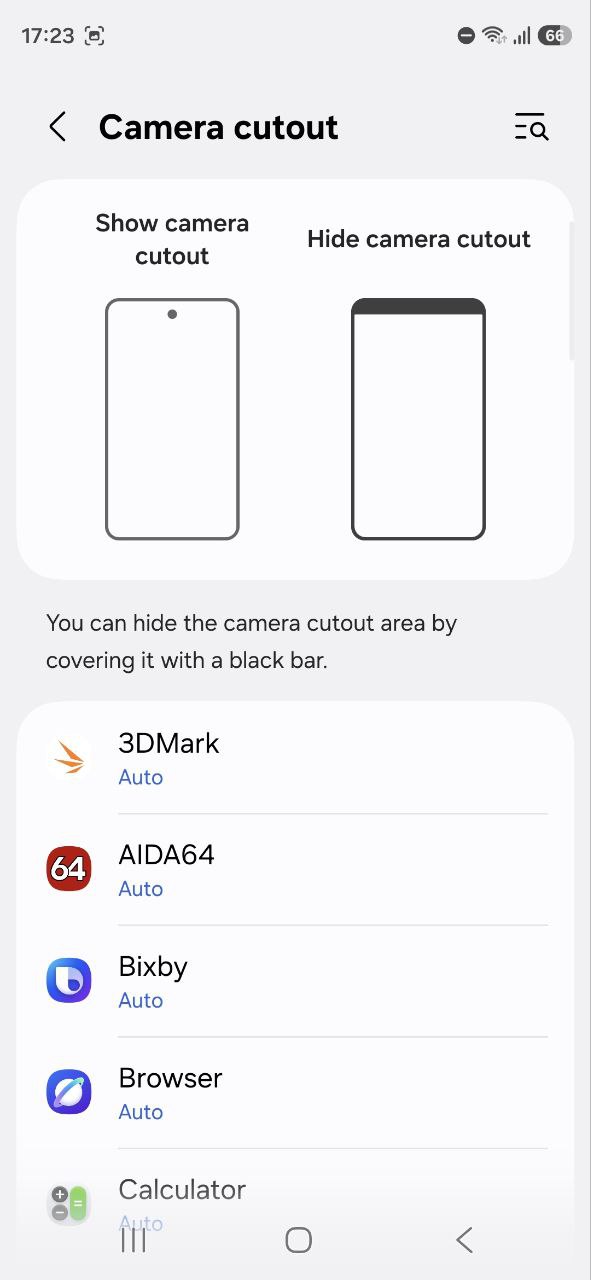
On the front, the Galaxy S26 greets us with a display framed by very slim bezels. There’s a small “island” housing the front-facing camera, along with a minimal cutout for the earpiece speaker.

The control elements follow Samsung’s usual layout. On the right side are the main buttons – volume rocker and power button. The top edge houses two microphone openings, while the bottom features a USB-C port for charging, the SIM tray, and openings for both the primary microphone and speaker. Interestingly, these aren’t a traditional grille like on many phones, but a neat, simple cutout. There’s no headphone jack on this model.


Of course, the build quality and materials leave no room for complaints. In my view, everything here is flawless – which is exactly what you expect from a flagship. Another important detail: water and dust resistance remains at the familiar IP68 rating.
Read also:
Ergonomics
Even though the Galaxy S26 has a slightly larger display compared to its predecessor, it still remains a compact and lightweight device by modern standards. In hand, the flagship feels very comfortable. The non-slippery surface combined with the flat, even edges provides excellent grip, allowing the phone to sit naturally in your palm. Of course, you can’t reach the entire screen with just your thumb, but thanks to its 19.5:9 aspect ratio, the “reach radius” is reasonably generous.

I also usually pay attention to the placement of the power button and the fingerprint scanner, especially when it’s optical like in the Samsung Galaxy S26 and embedded in the display. In both cases, I’d give a perfect 10/10. The power button sits naturally under your thumb, and the fingerprint scanner is positioned at an optimal height, making unlocking simple and comfortable.
Samsung Galaxy S26 Display

The Galaxy S26 is equipped with a 6.3-inch Dynamic AMOLED 2X display with an FHD+ resolution of 2340×1080 and a refresh rate of up to 120 Hz. There are two refresh rate modes: a standard 60 Hz and an adaptive mode that adjusts the rate based on the type of content. This approach aims to balance smoothness and power efficiency. The display has a pixel density of 409 ppi and a peak brightness of 2600 nits. It also supports Always On Display and HDR10+. The screen is protected by Gorilla Glass Victus 2.


In addition to standard features such as adaptive brightness, dark mode, and adjustments for color profile and image temperature, the settings include several notable options. The first is the “Increased Brightness” function, which raises the display’s backlight level. The system notifies the user that this may impact battery life. This mode improves readability in bright outdoor conditions. Another feature is adaptive color tone, which uses the front-facing camera to detect ambient lighting and adjusts the display’s color temperature accordingly.
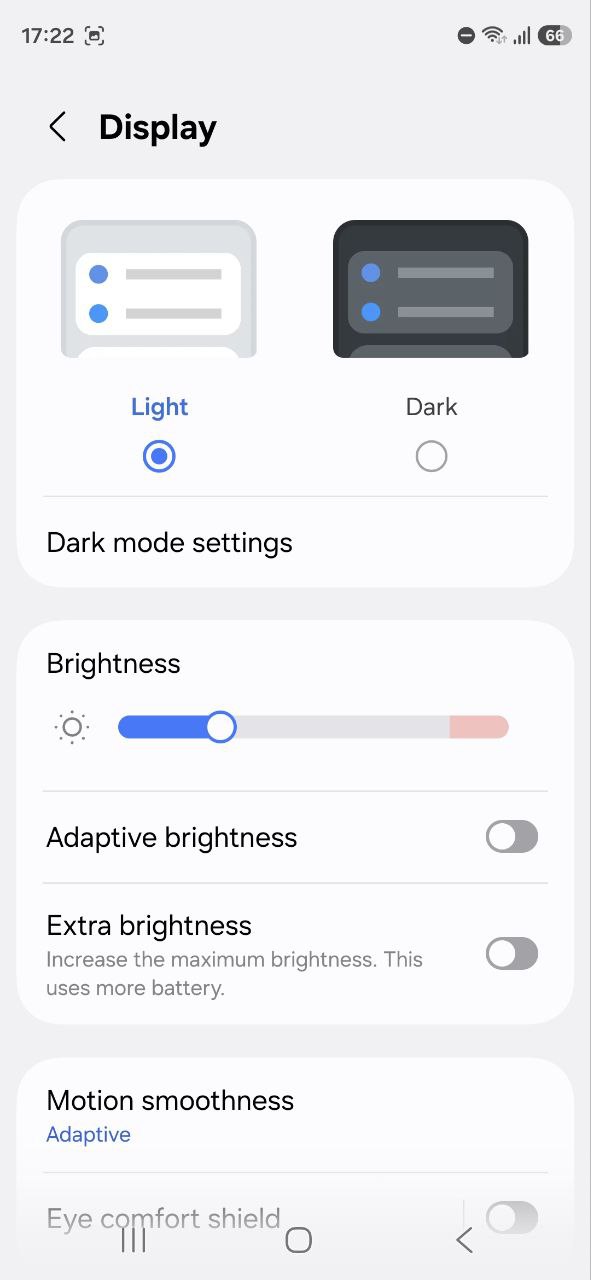
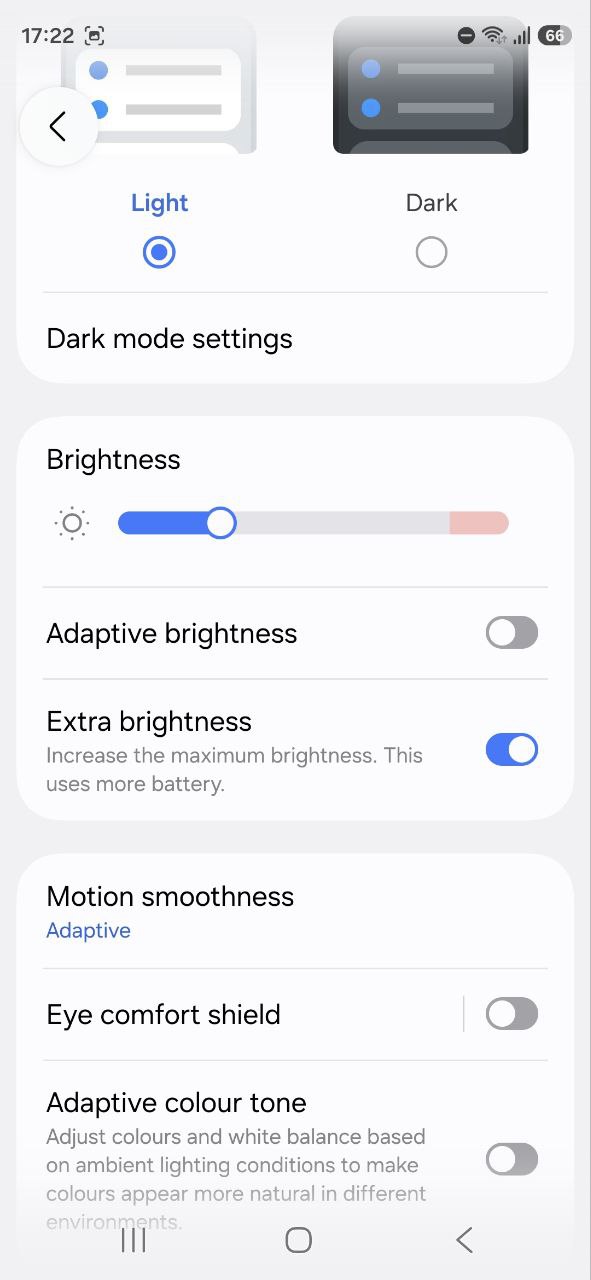
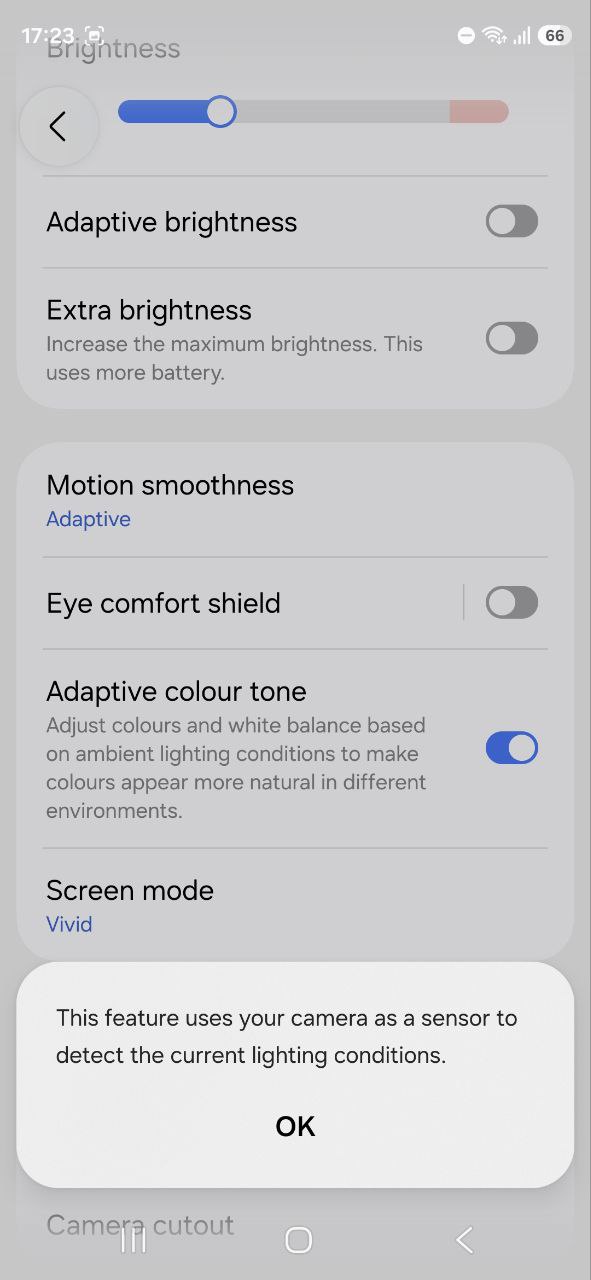
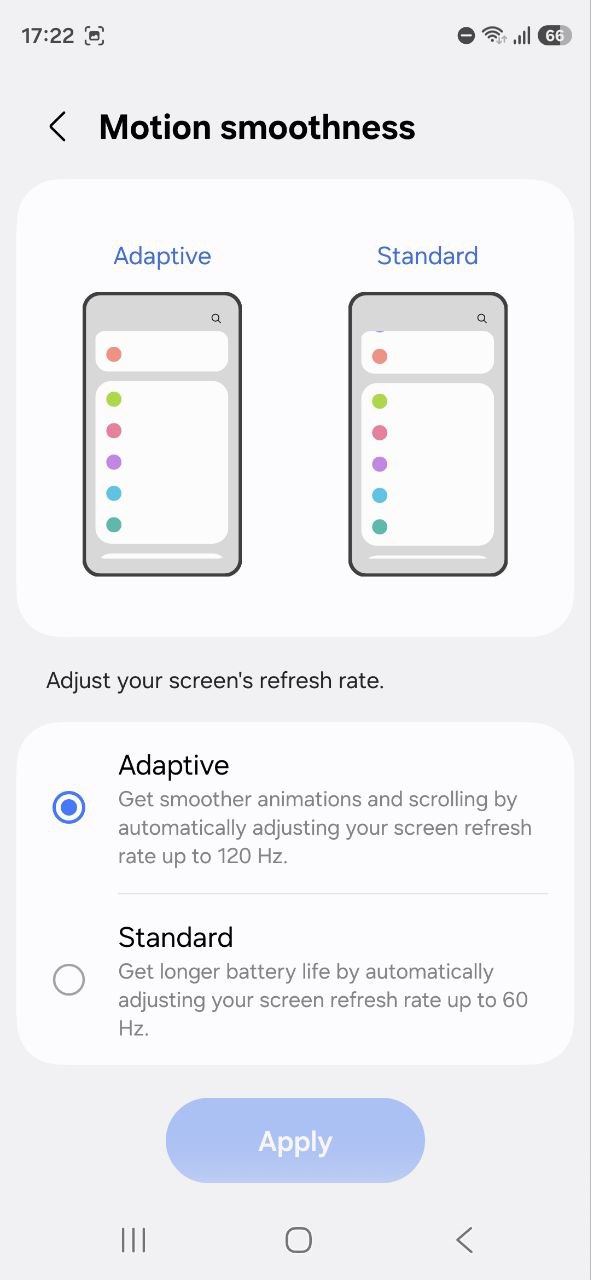
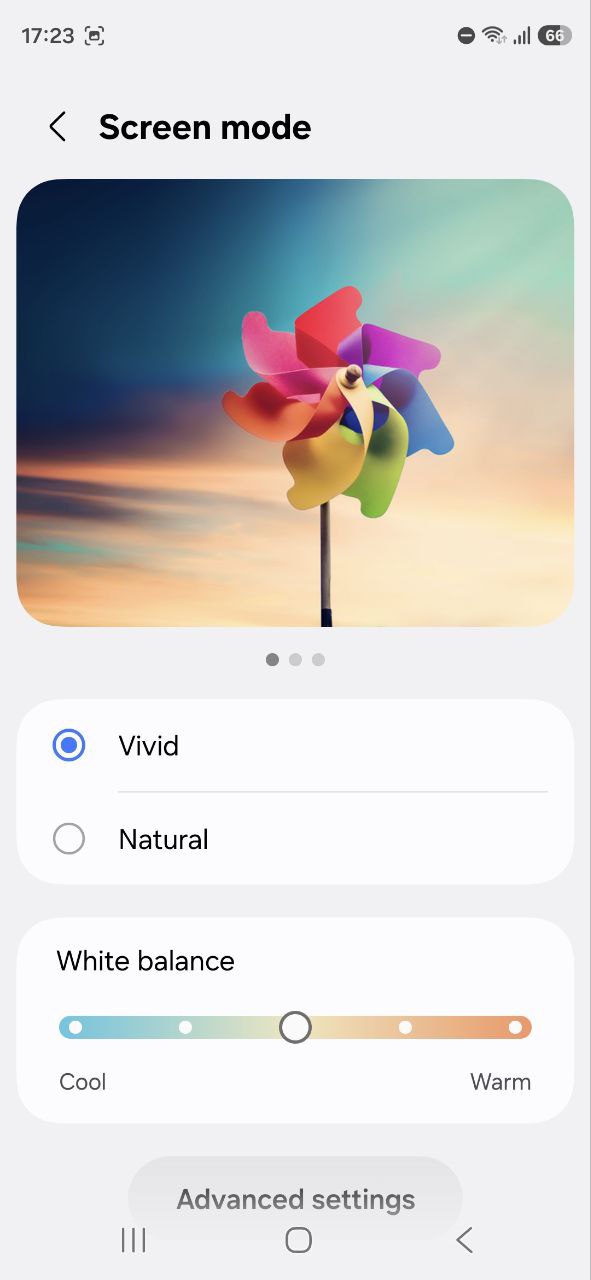
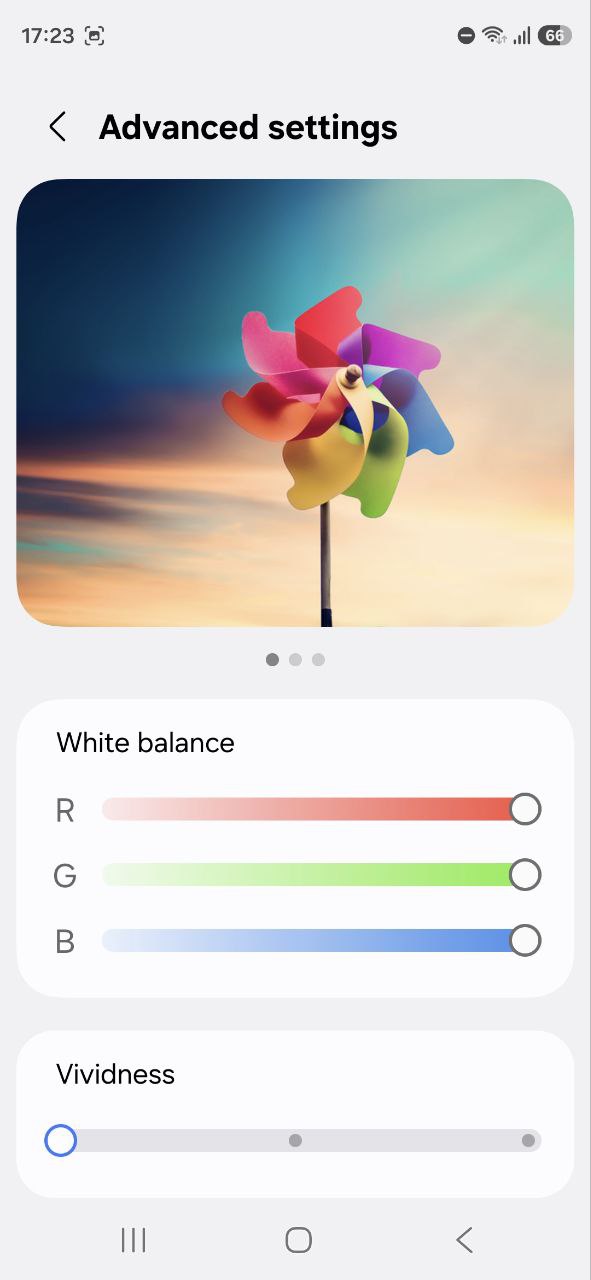
The Samsung Galaxy S26 features a display suitable for a wide range of use cases. It offers wide viewing angles, high resolution, vivid colors, high peak brightness, and smooth performance, along with multiple options for customizing the image output. The display performs consistently across tasks, including text-based work and multimedia consumption, in both bright and low-light conditions.
Read also:
- Review and Comparison of Redmi Note 15 Pro and Redmi Note 15 Pro 5G
- Redmi Note 15 Pro+ 5G Review: Autonomous Sub-Flagship
Performance and Wireless Connectivity
The Galaxy S26 is equipped with high-end internal components. It features the flagship Exynos 2600 processor, although in certain markets this model uses the Snapdragon 8 Elite Gen 5. The Galaxy S26 Ultra, by contrast, exclusively uses a Snapdragon chipset regardless of the region.
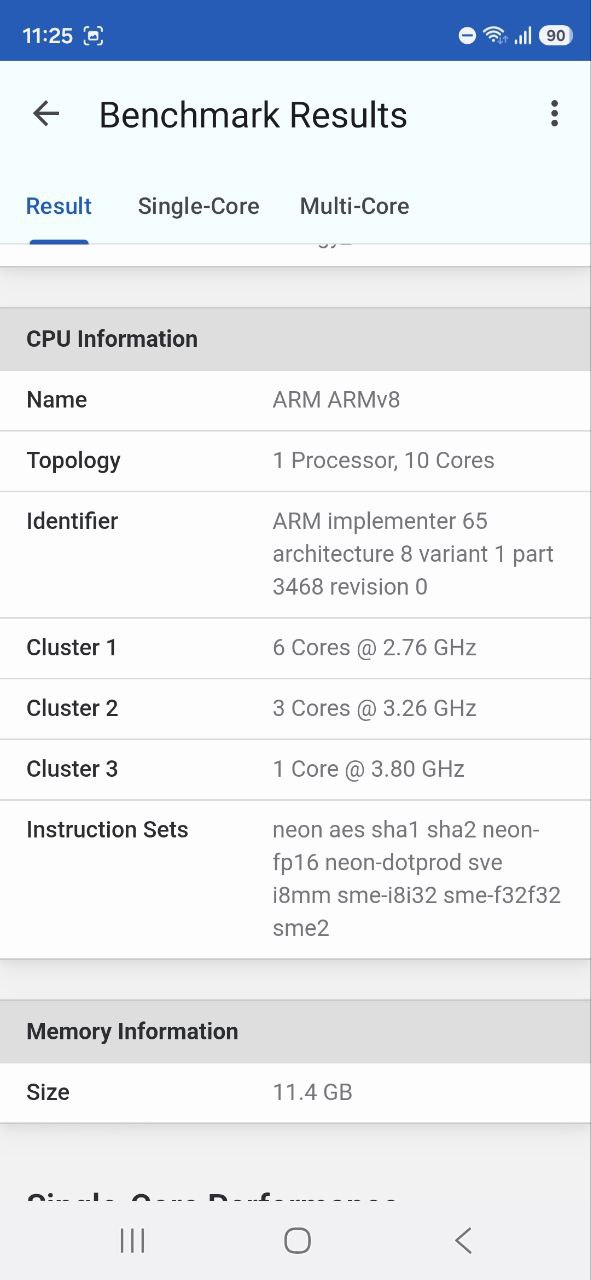
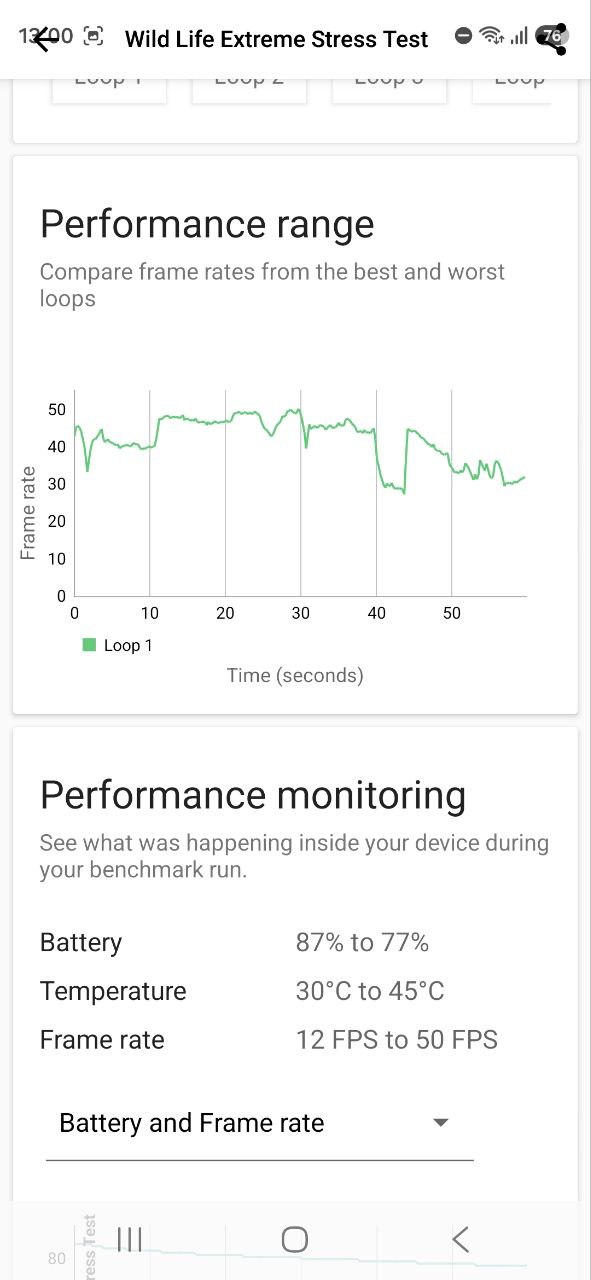
The Exynos 2600 is a 10-core processor with the following configuration: six ARM C1‑Pro cores at 2.75 GHz, three additional C1‑Pro cores up to 3.25 GHz, and a C1‑Ultra core reaching 3.8 GHz. It is manufactured using a 2 nm process, making it one of the first processors built with this technology. The chipset is paired with the Xclipse 960 GPU. To manage thermal output during intensive workloads, the Galaxy S26 incorporates a cooling system that combines a custom thermal interface material with Vulkan optimizations.
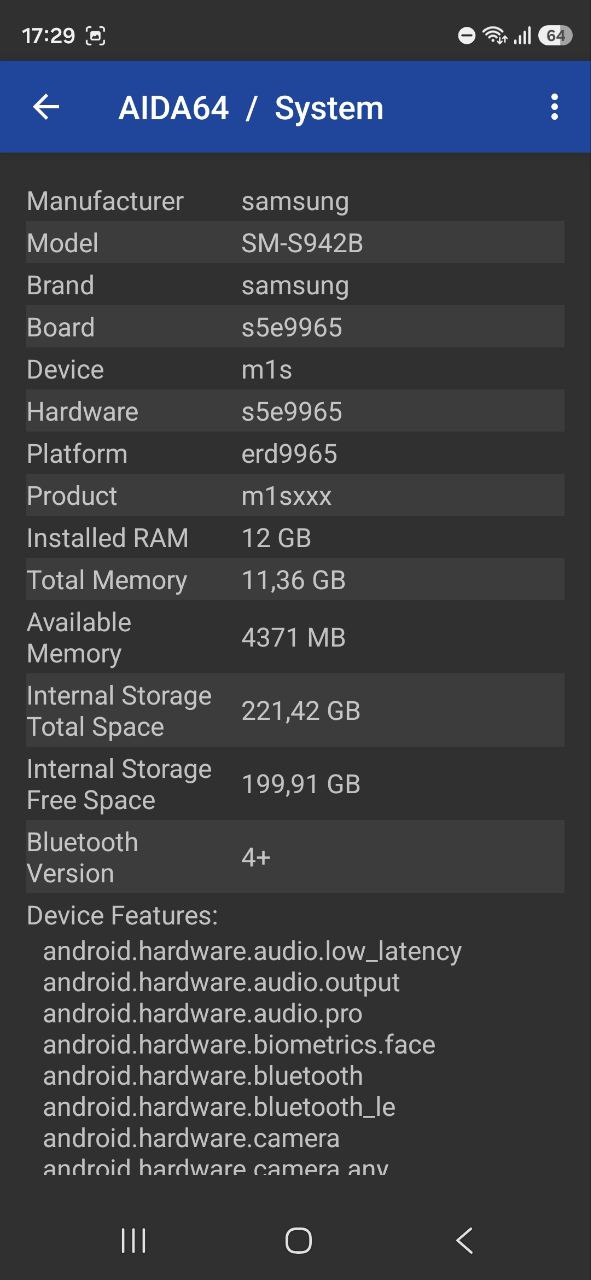
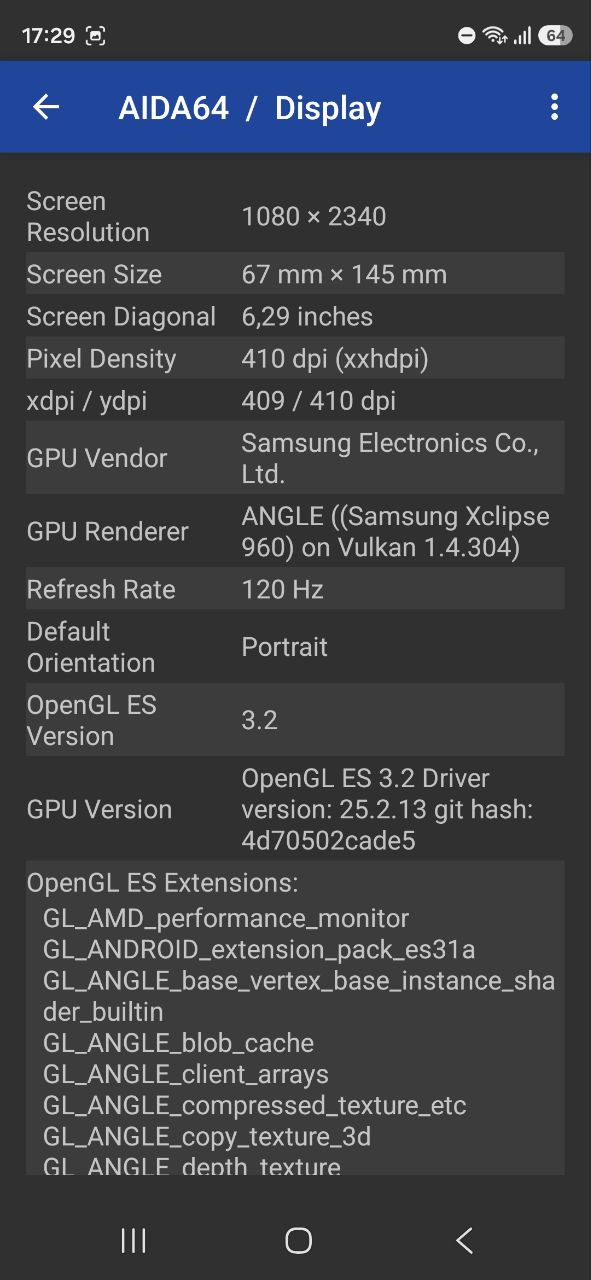
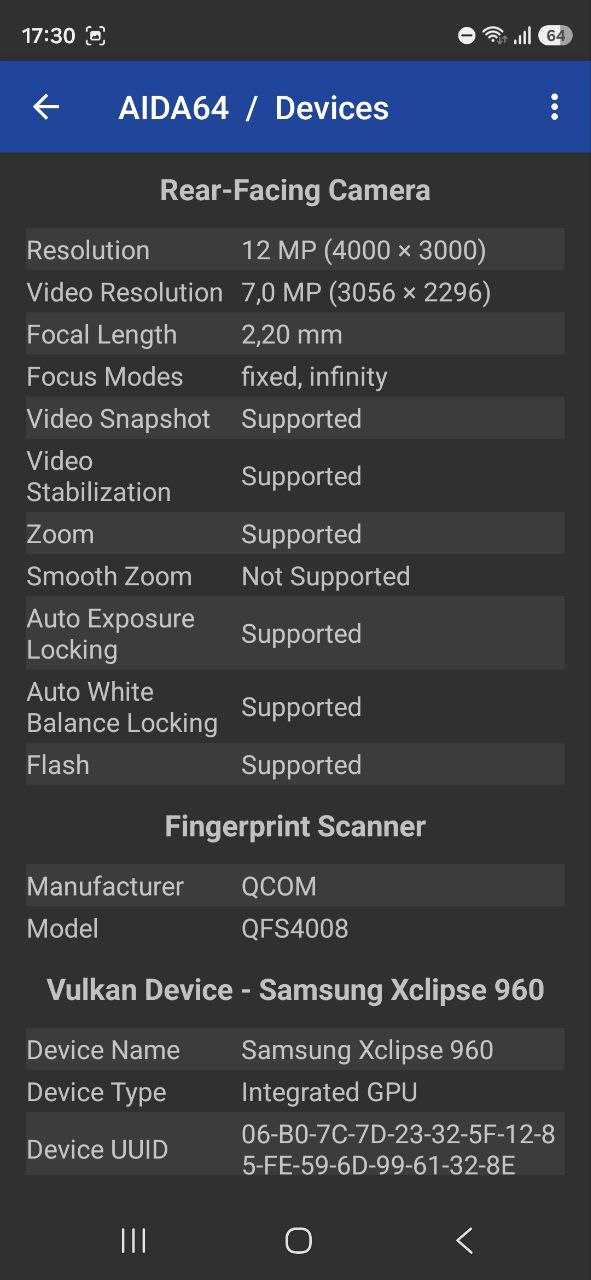
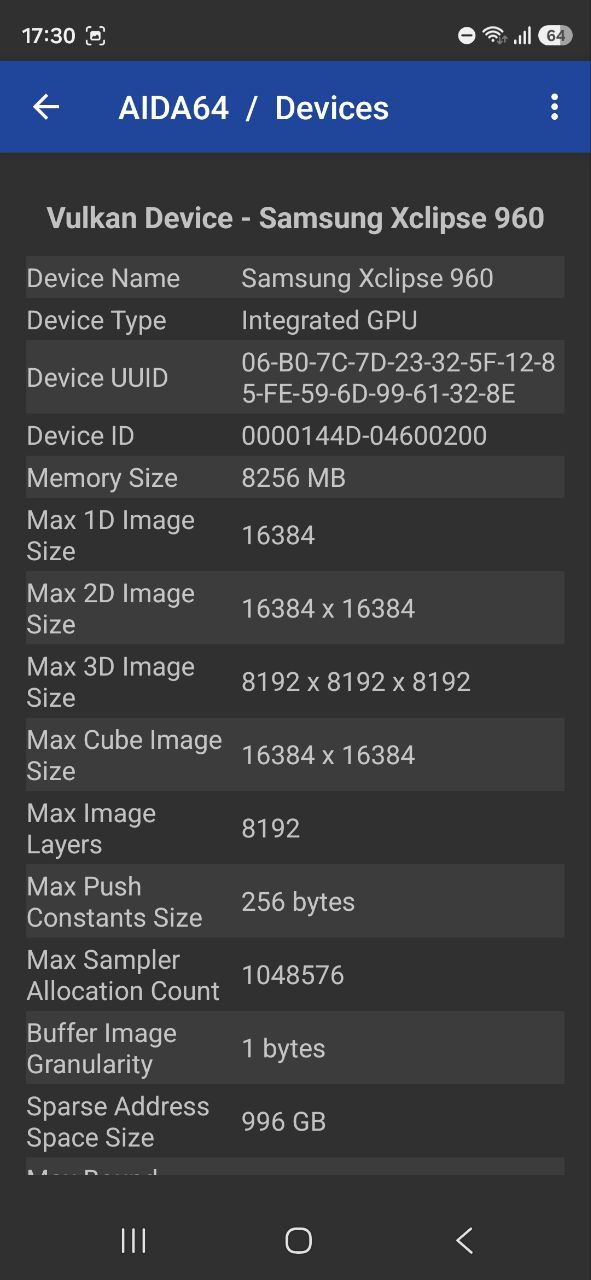
The device offers internal storage options of 256 GB or 512 GB using UFS 4.0, while all configurations include 12 GB of LPDDR5X RAM. An additional 12 GB of virtual memory can be allocated through the RAM Plus feature if needed. The phone does not support expandable storage, so selecting an adequate internal capacity at purchase is necessary. In terms of wireless connectivity, the Galaxy S26 supports Wi‑Fi 7 (2.4 GHz, 5 GHz, and 6 GHz bands), Bluetooth 5.4, NFC, and multiple positioning systems including GPS, Beidou, Galileo, and QZSS.

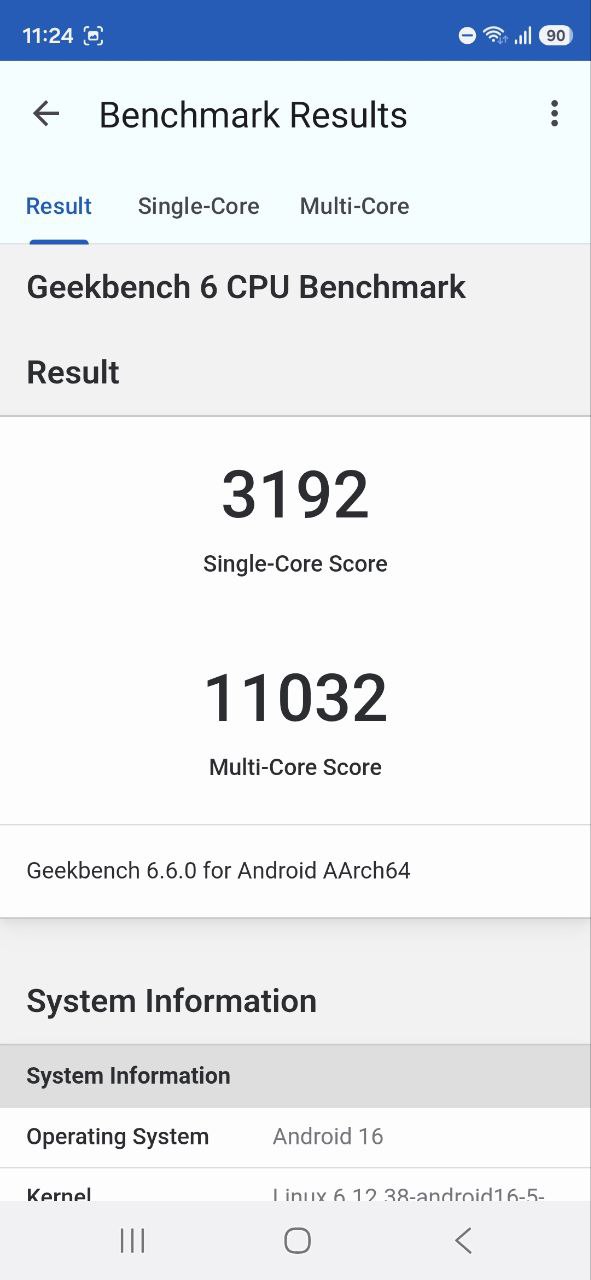
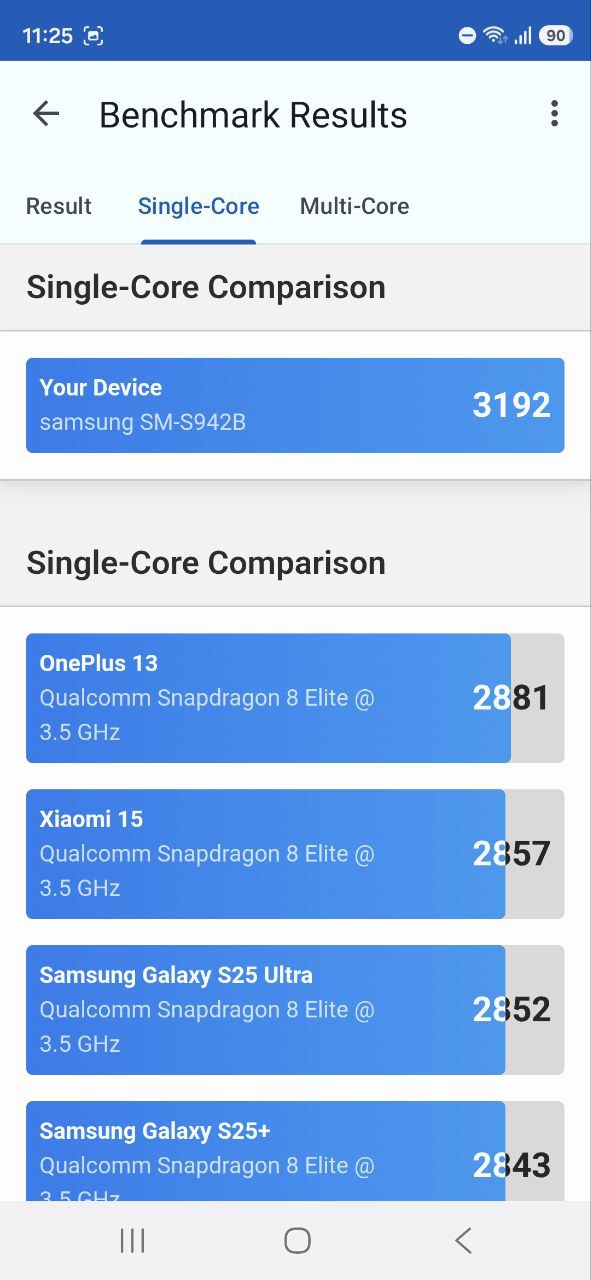
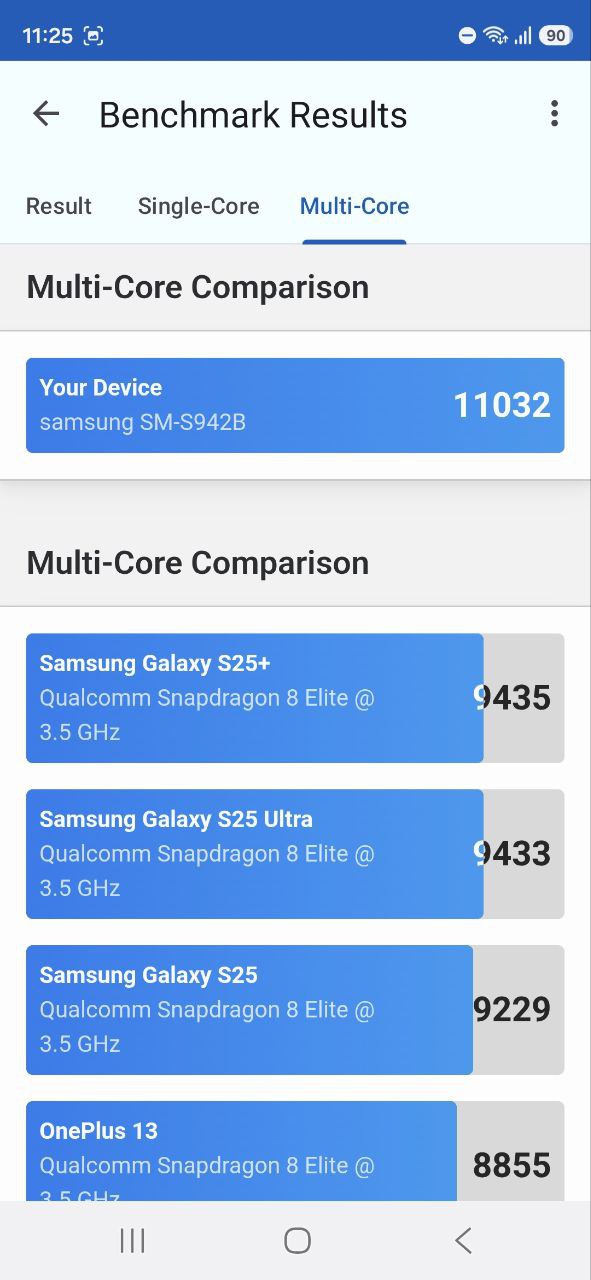
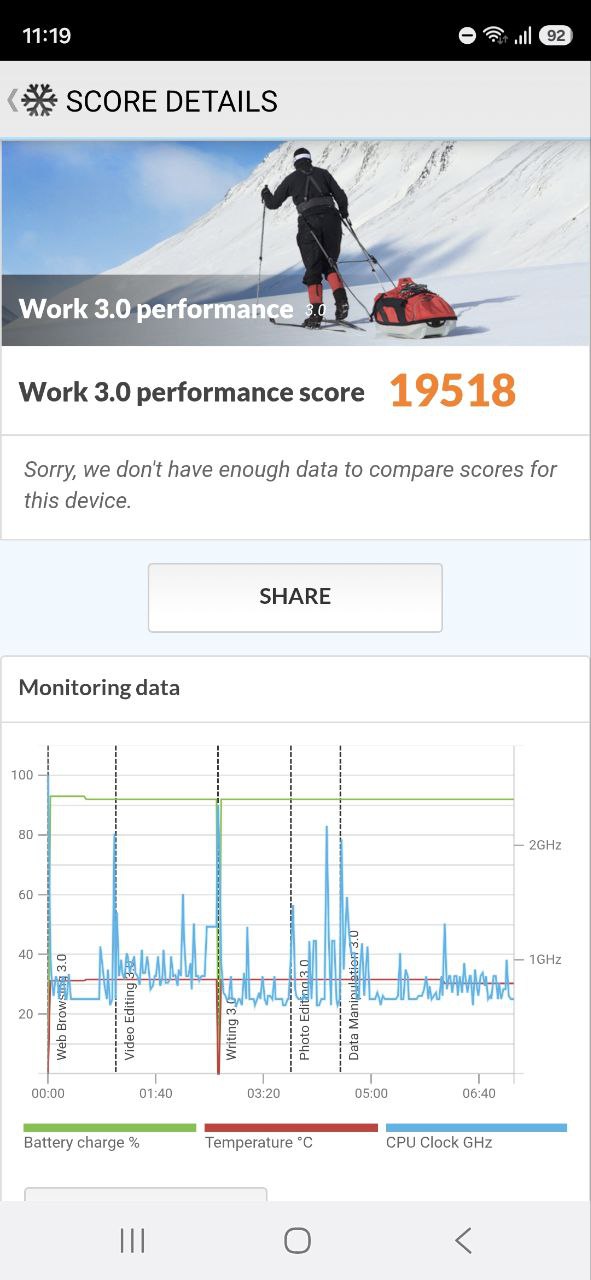
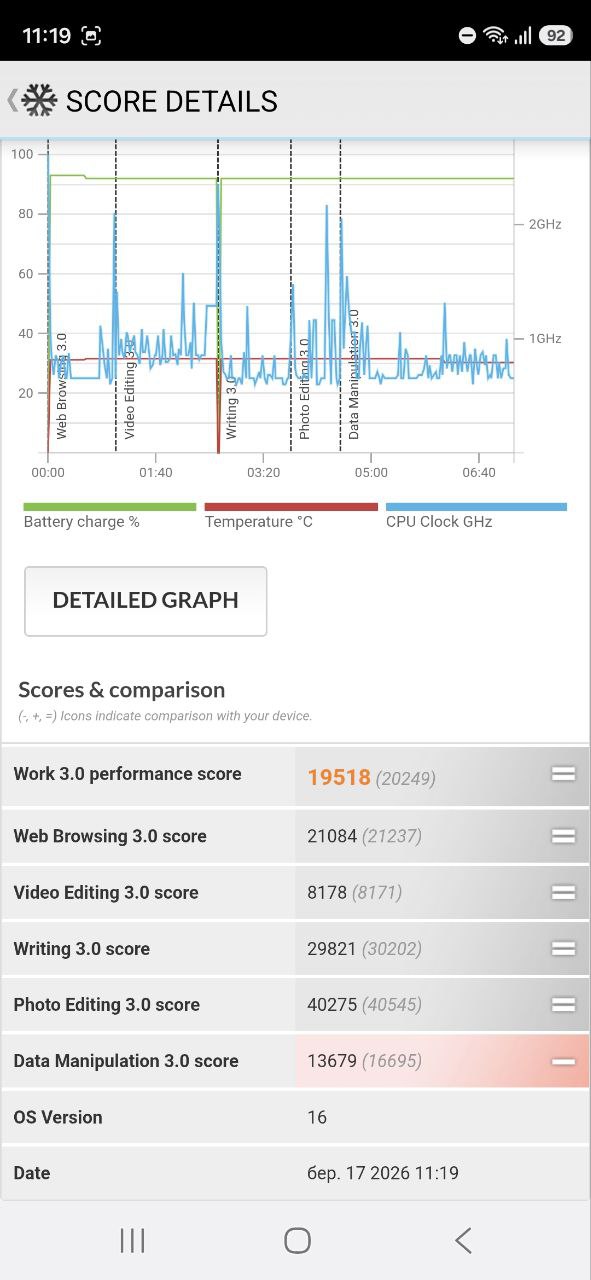
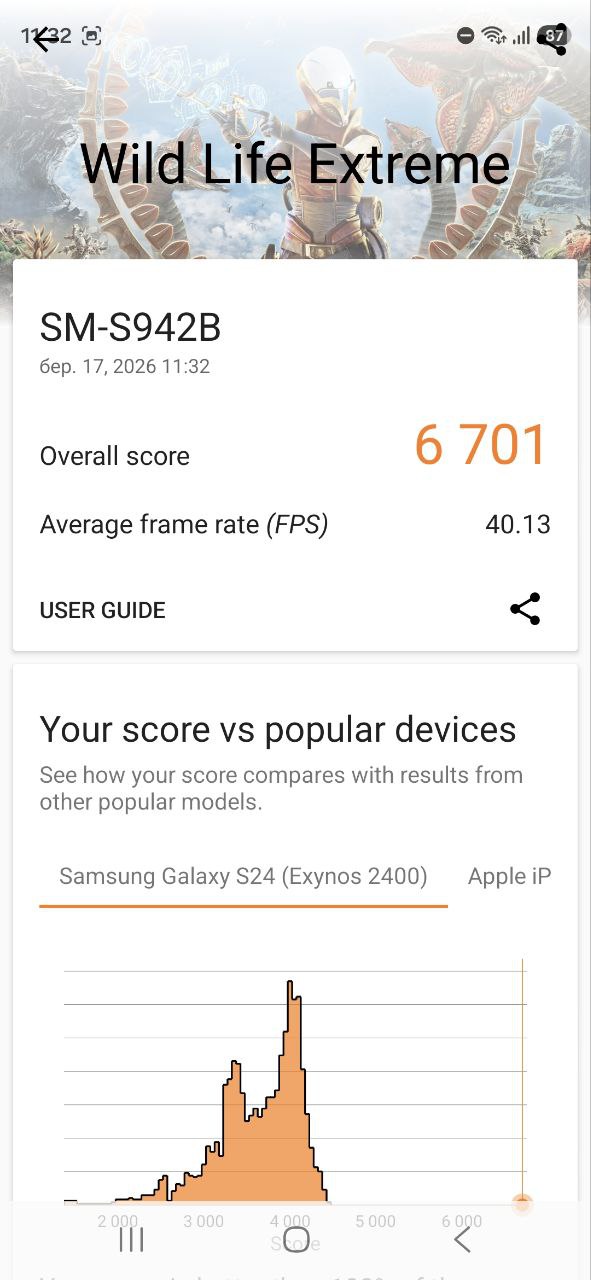
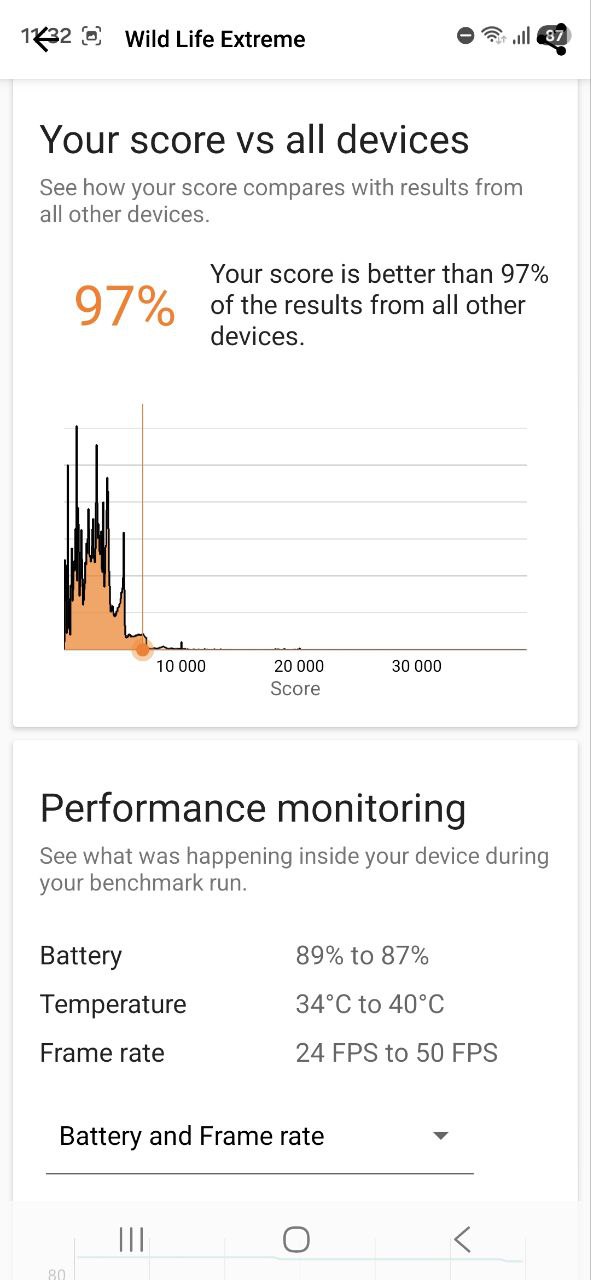
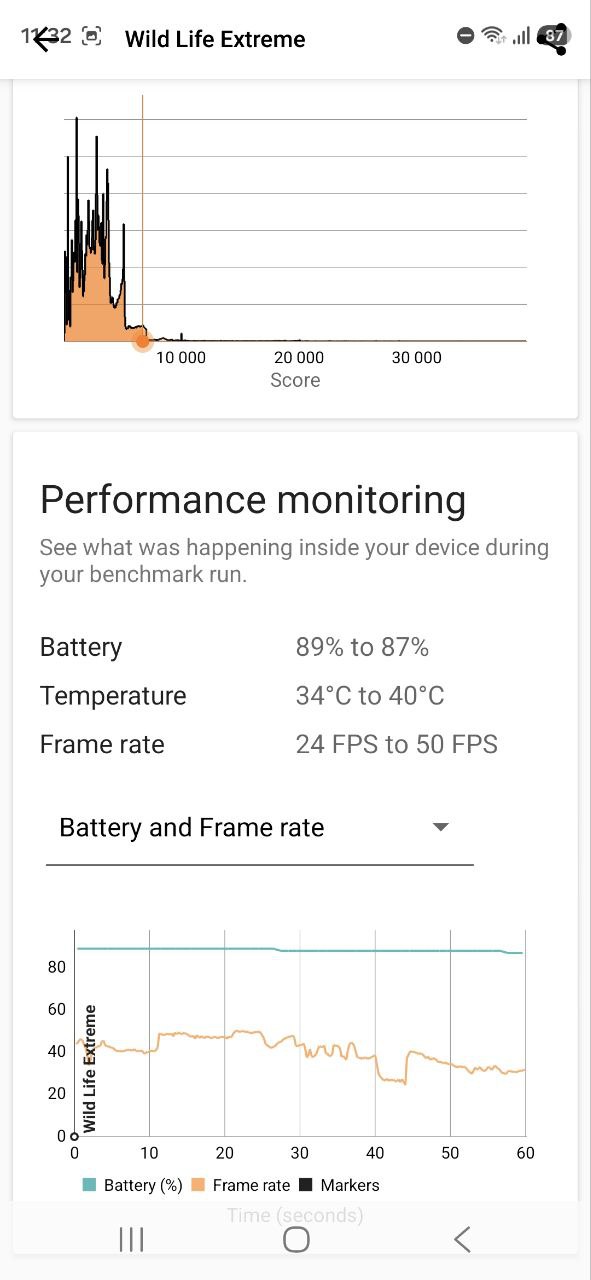
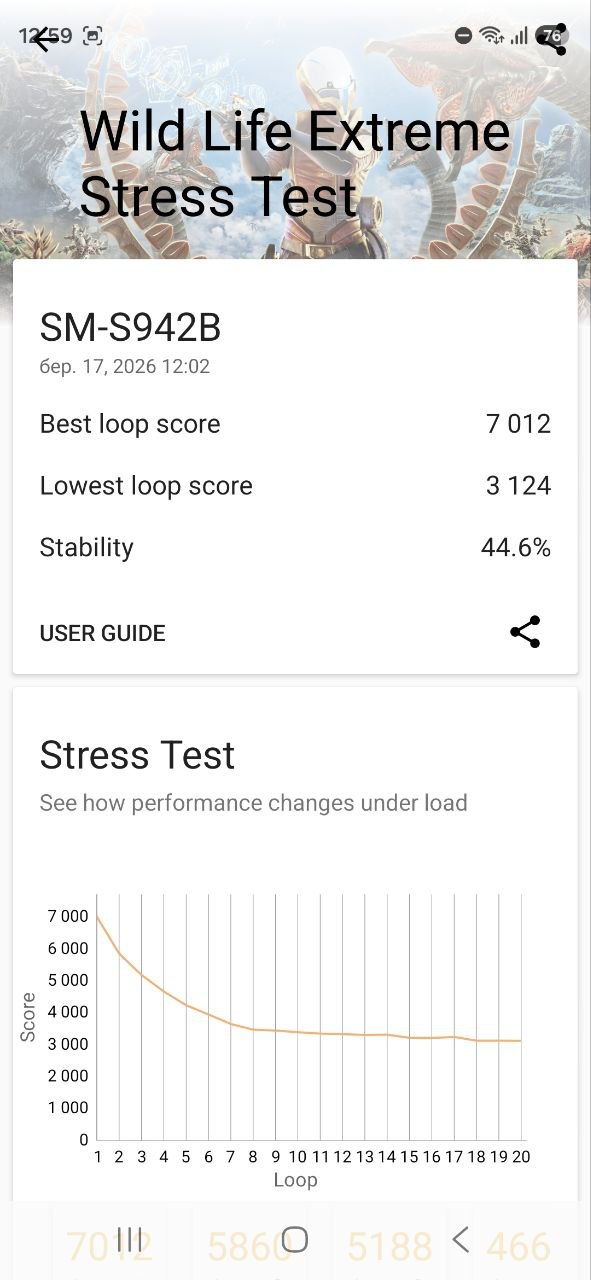
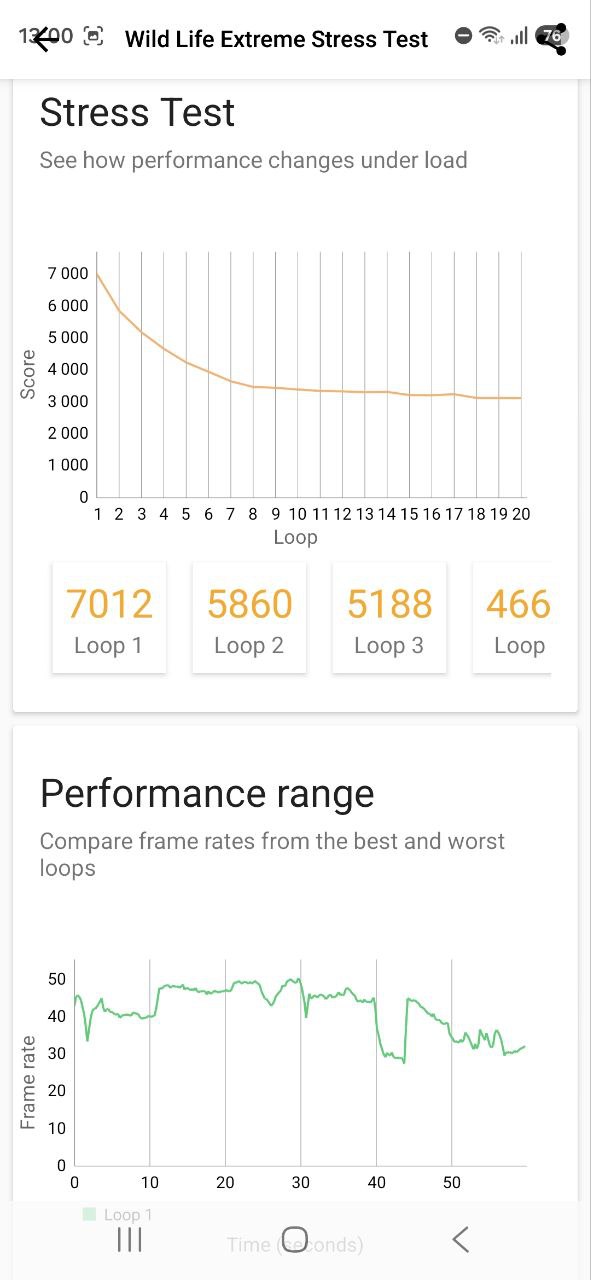
The main advantage of the flagship hardware is the absence of noticeable performance limitations. The combination of a powerful, well-optimized processor and 12 GB of RAM allows the device to handle demanding applications and games without signs of strain. During testing, no stuttering or slowdowns were observed; the Galaxy S26 operates smoothly and consistently across all usage scenarios. Synthetic benchmarks reflect this performance. In Geekbench’s multi-core comparison, the Galaxy S26 outscored not only the previous year’s model and the S26+ but also the S26 Ultra, indicating strong multi-core efficiency.
Samsung Galaxy S26 Software
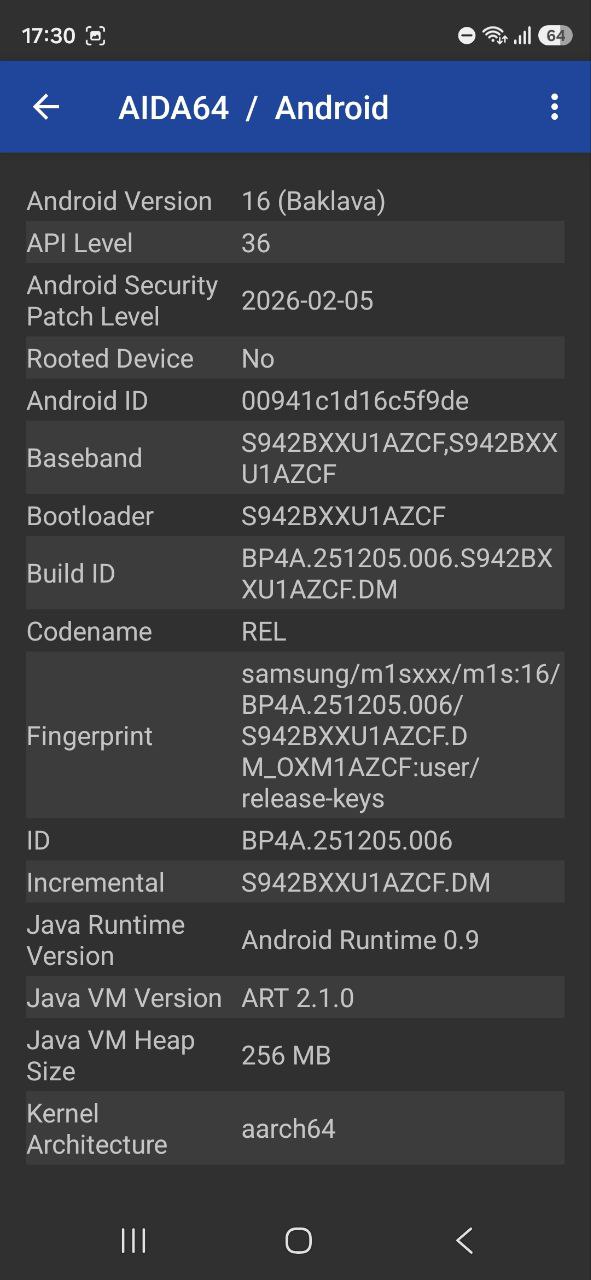
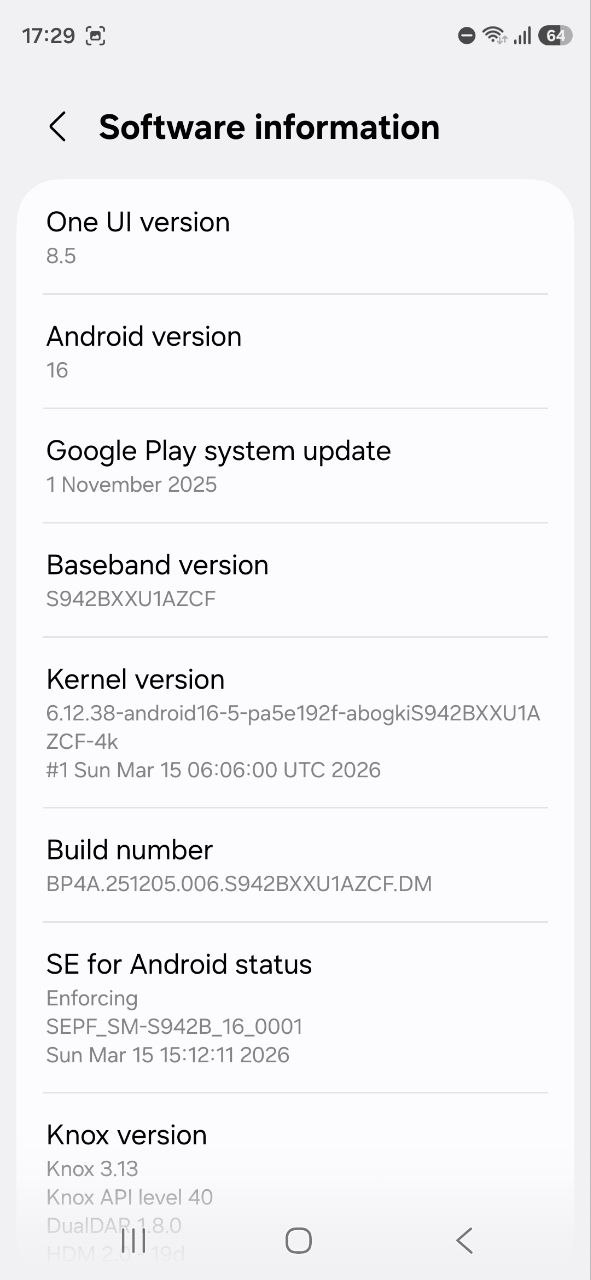
The Galaxy S26 runs on Android 16 with Samsung’s One UI 8.5 interface. Software support is planned through 2033, including regular security patches. The interface is smooth, intuitive, and consistent, particularly for users familiar with Samsung devices. It offers a range of customization options for both appearance and device functionality. Additionally, Samsung continues to integrate AI-based tools into its smartphones across multiple generations.
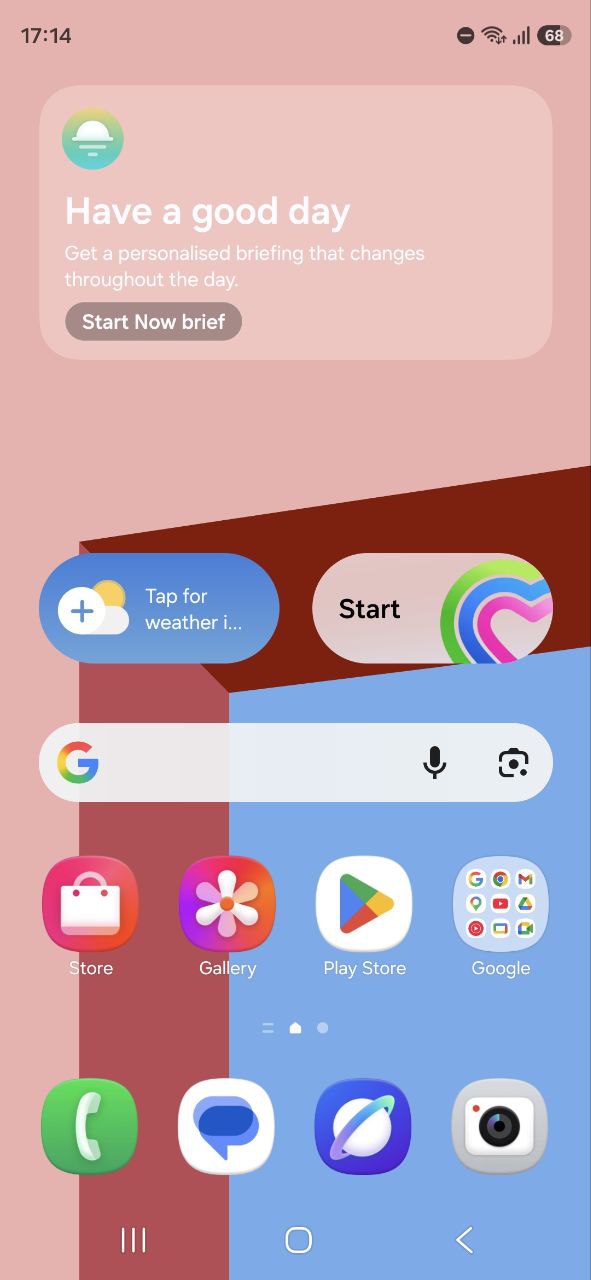
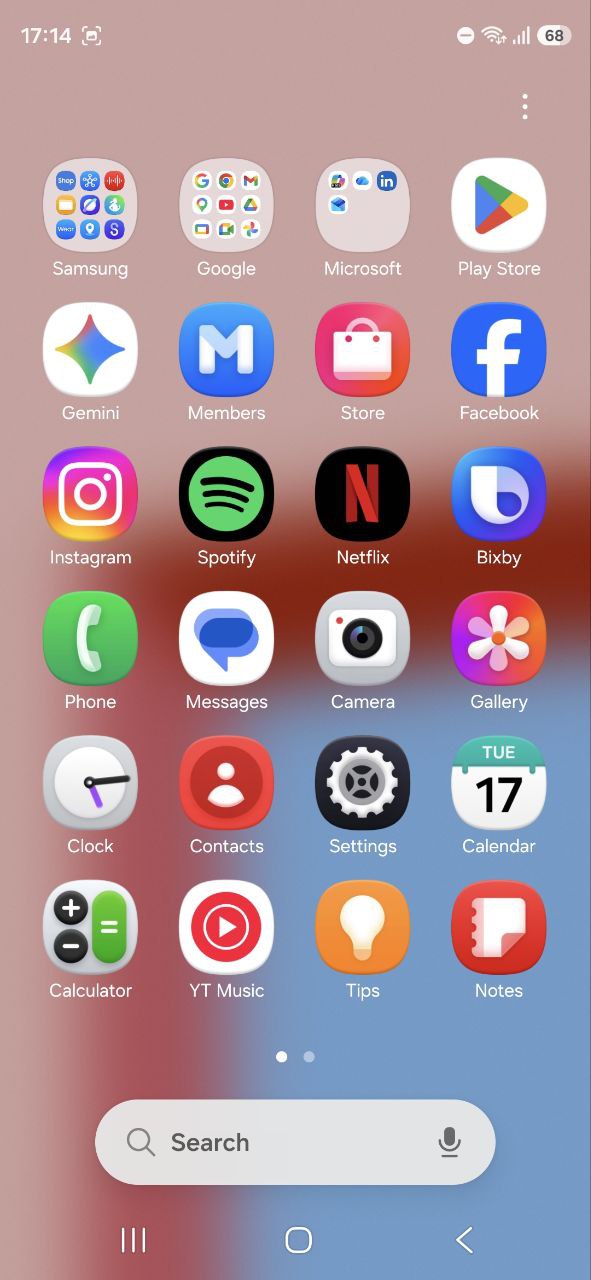
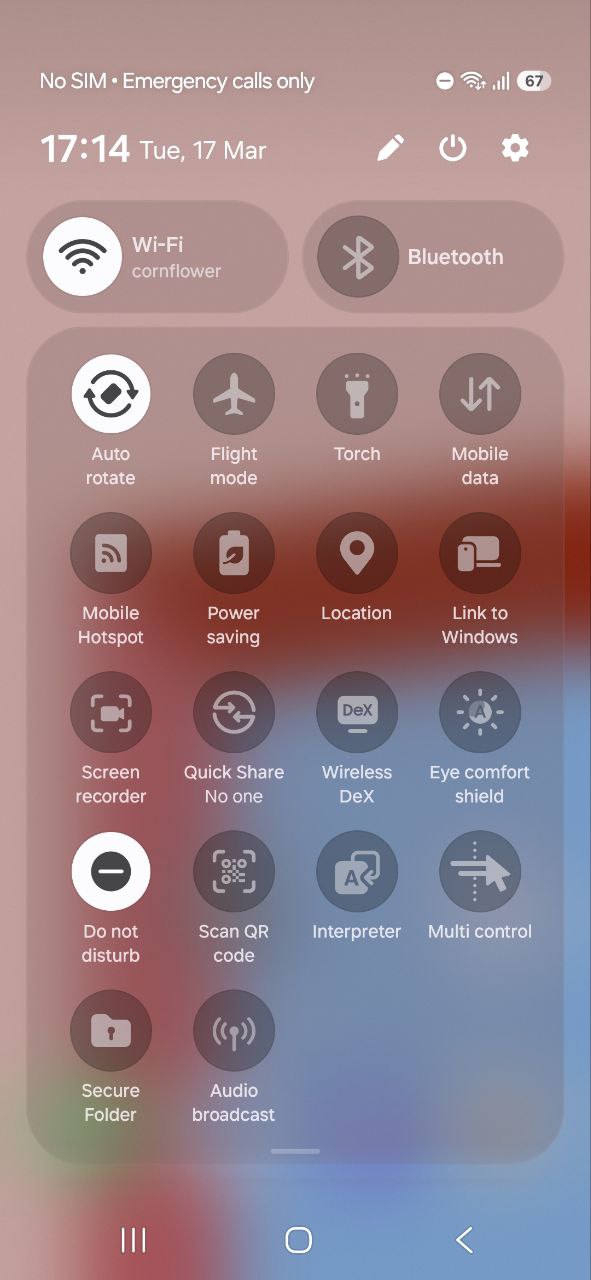
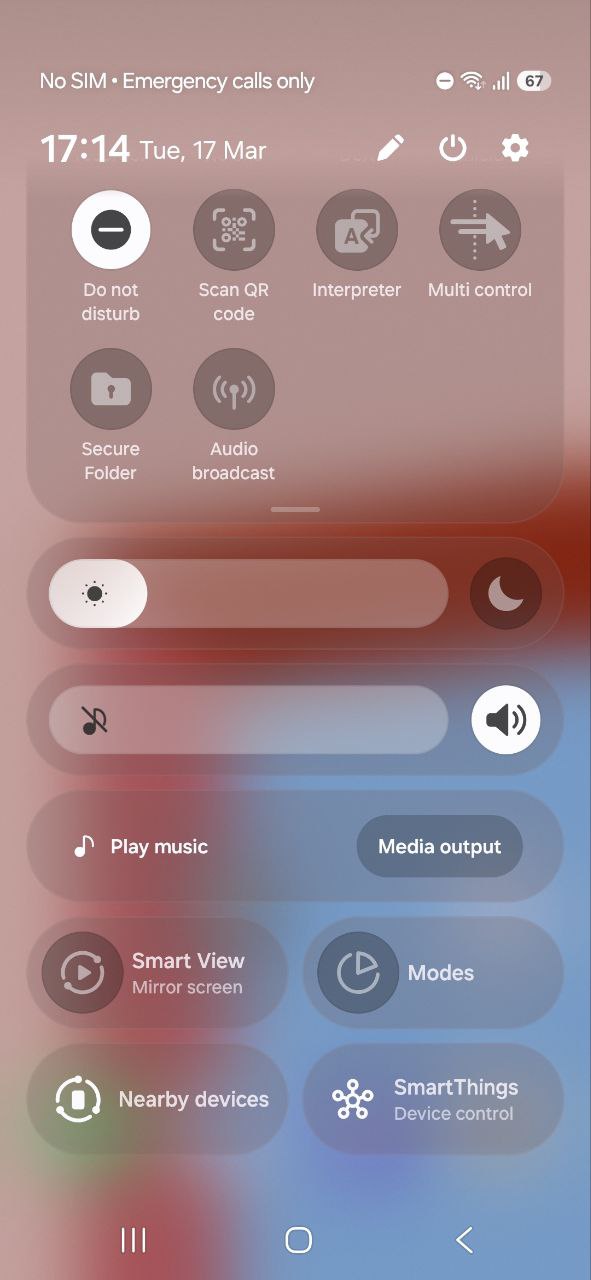
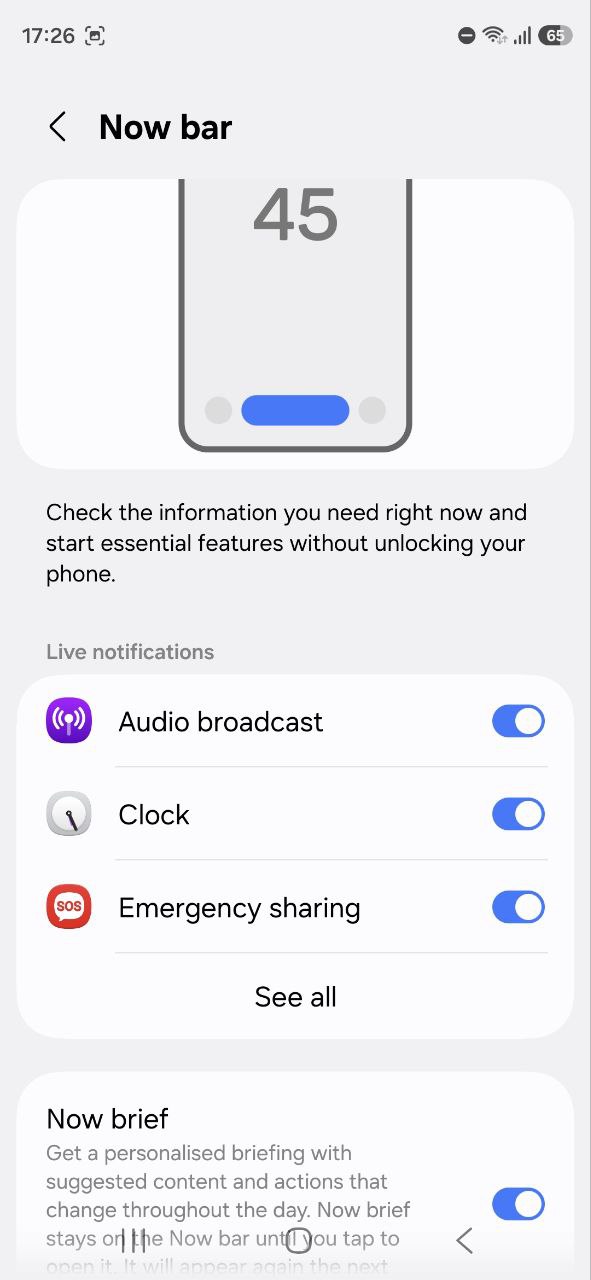
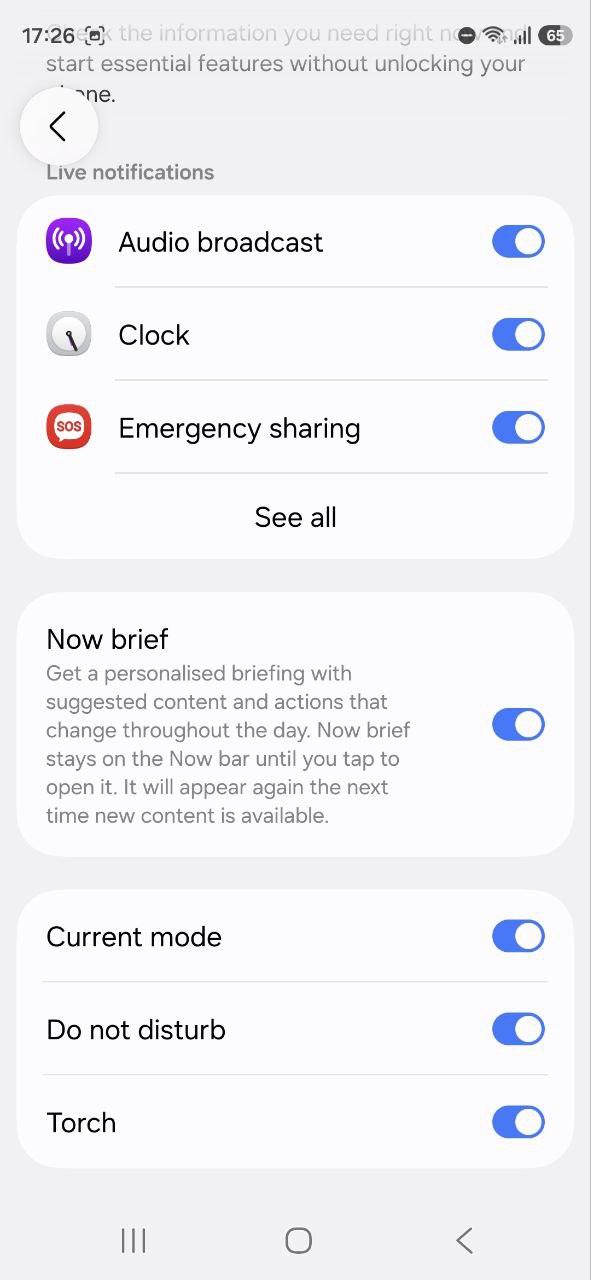
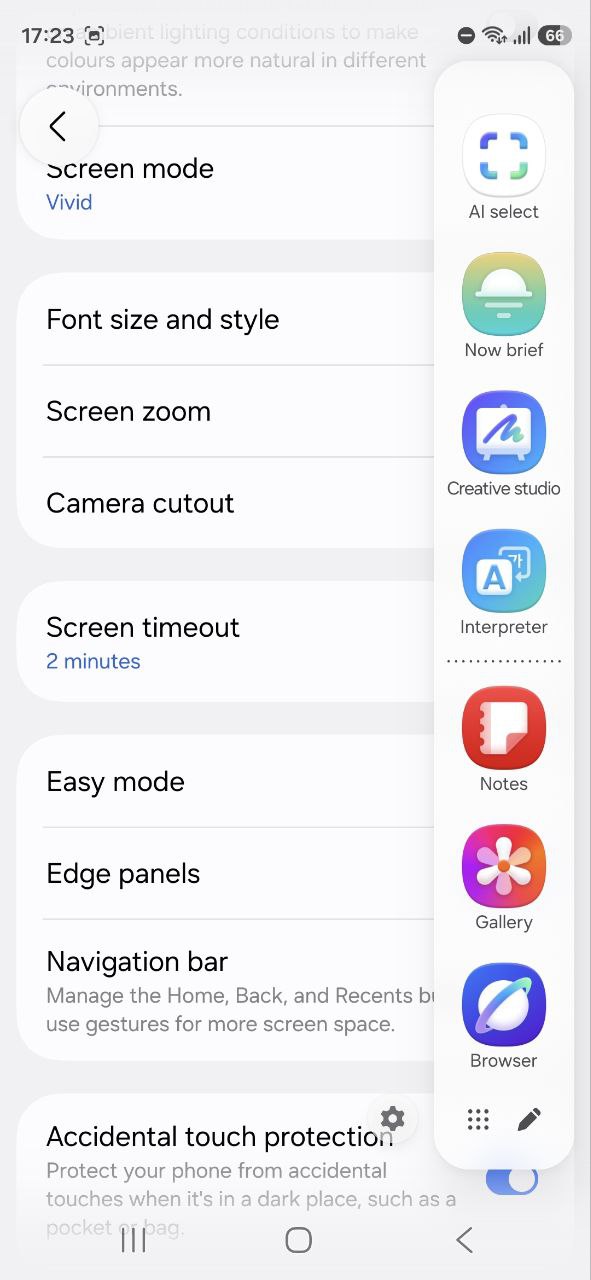
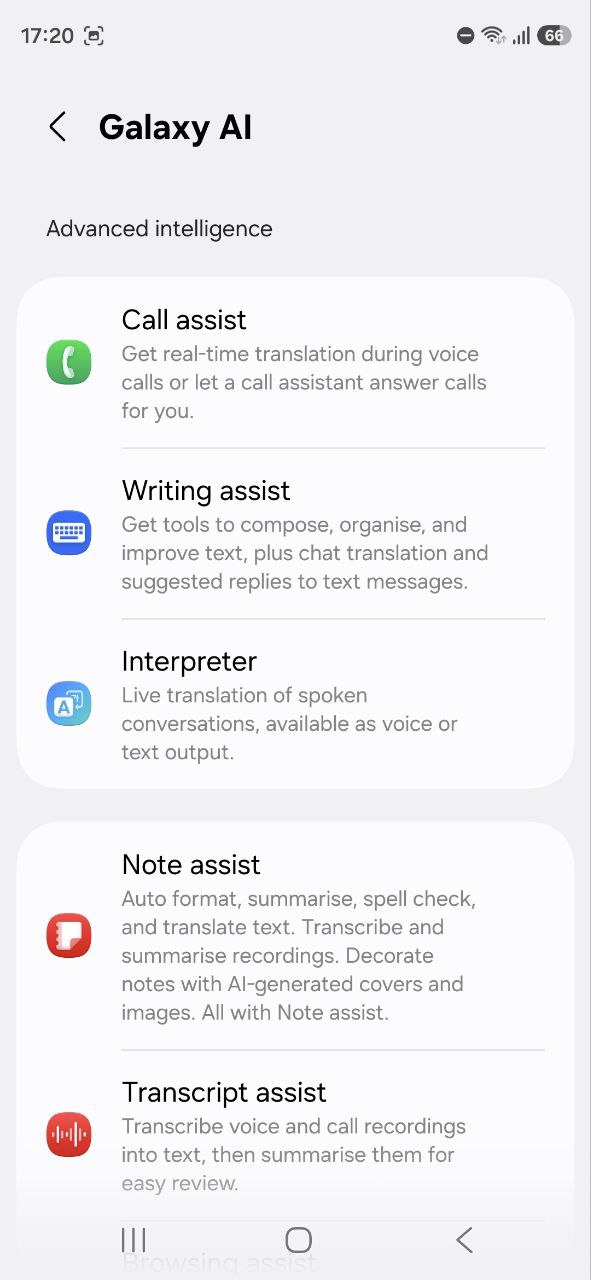
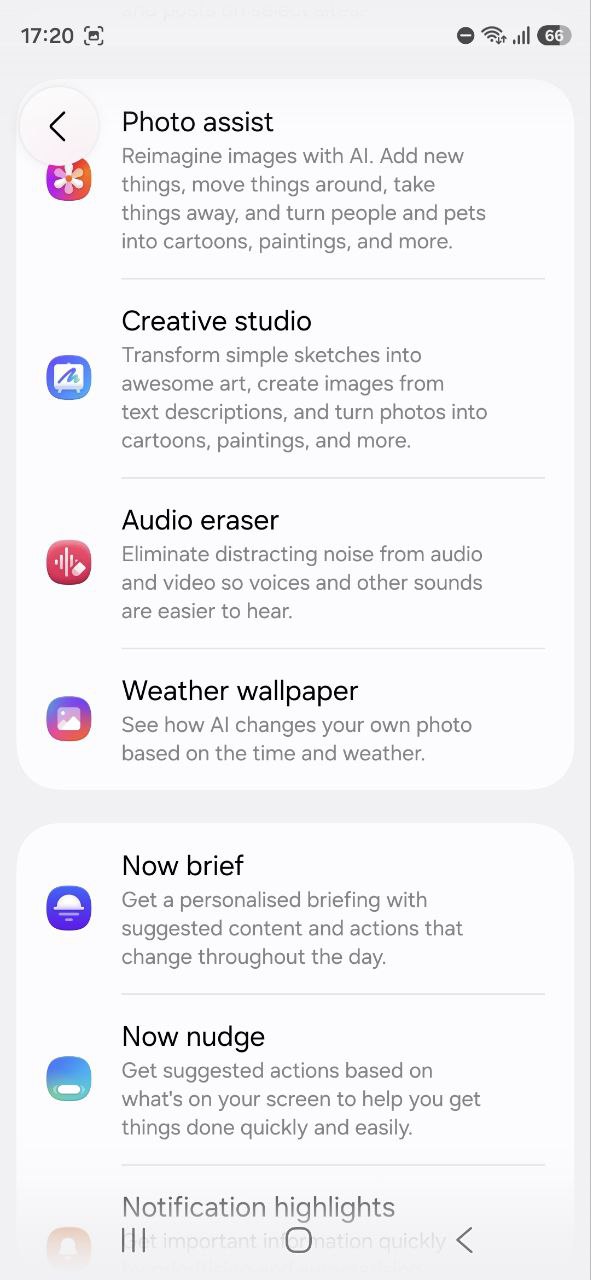
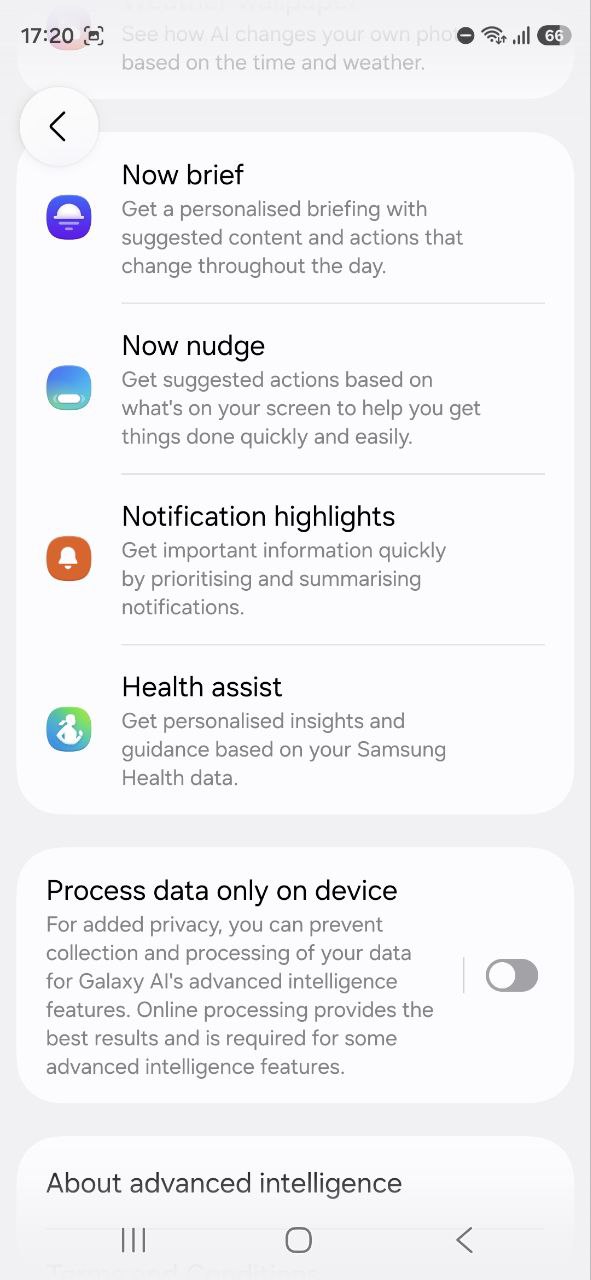
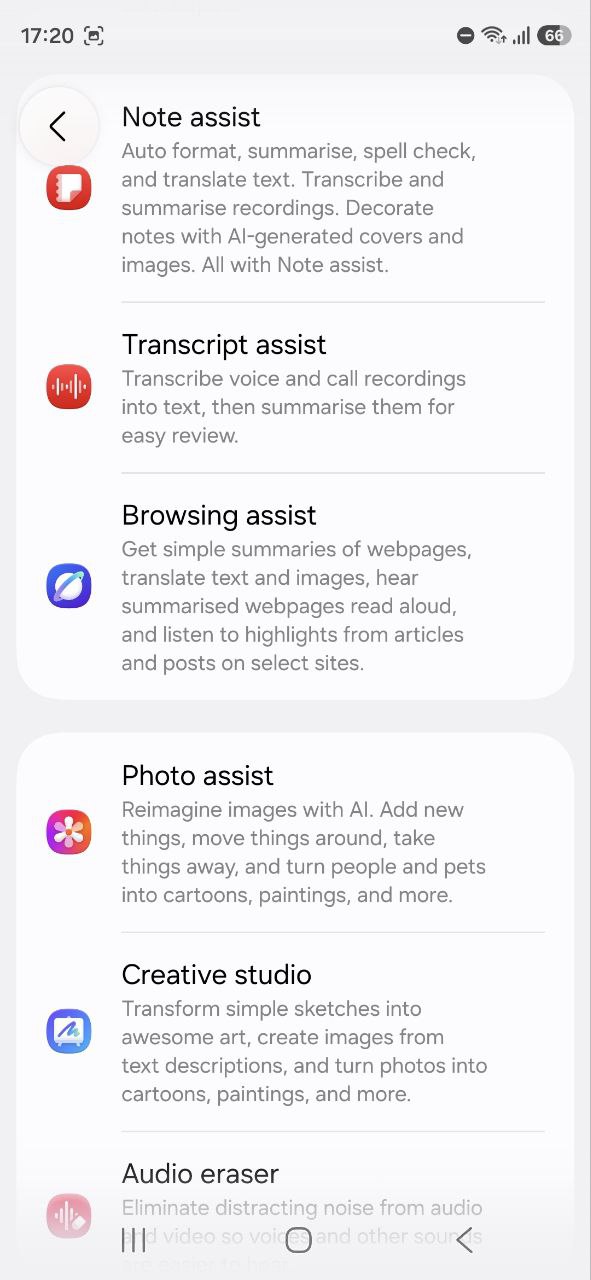
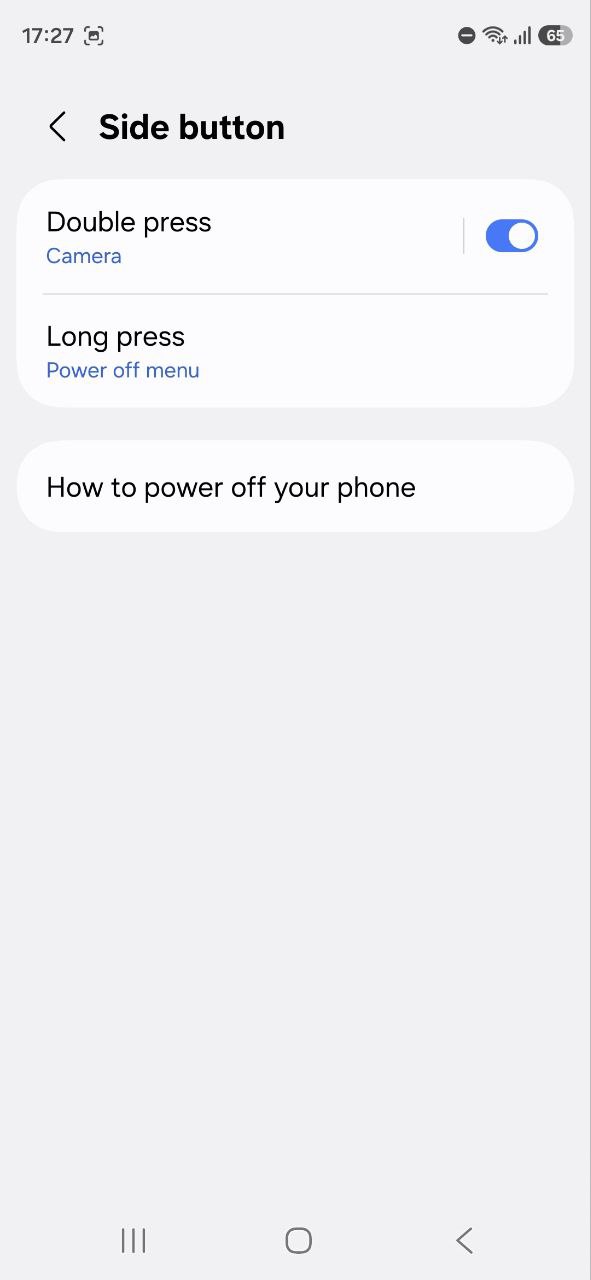
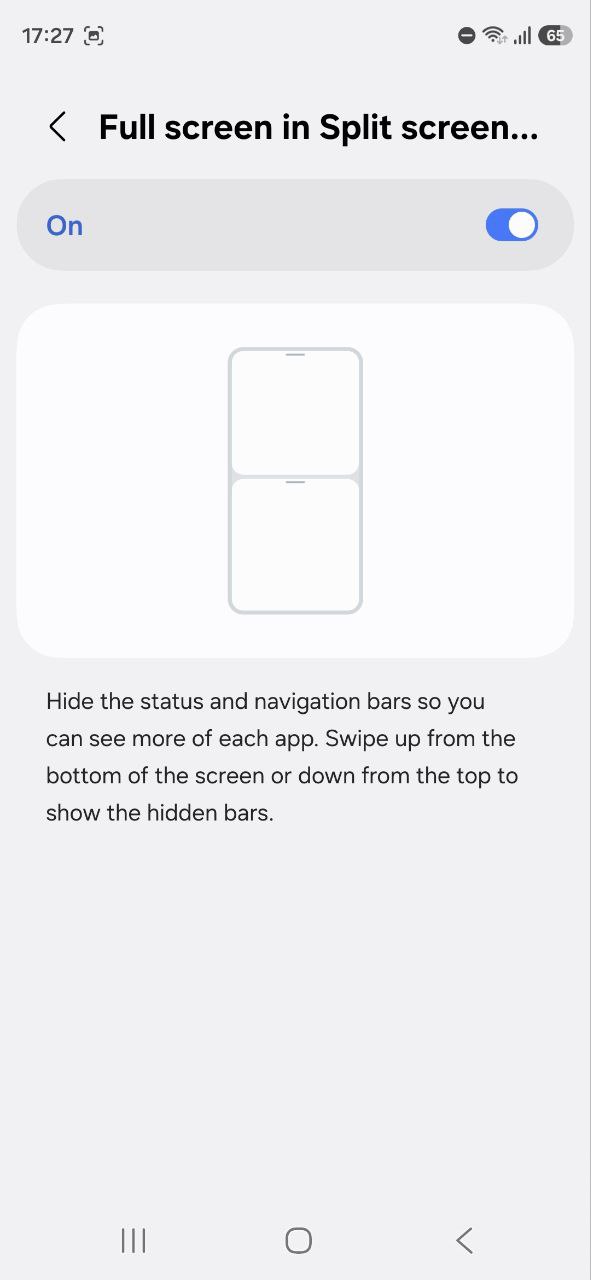
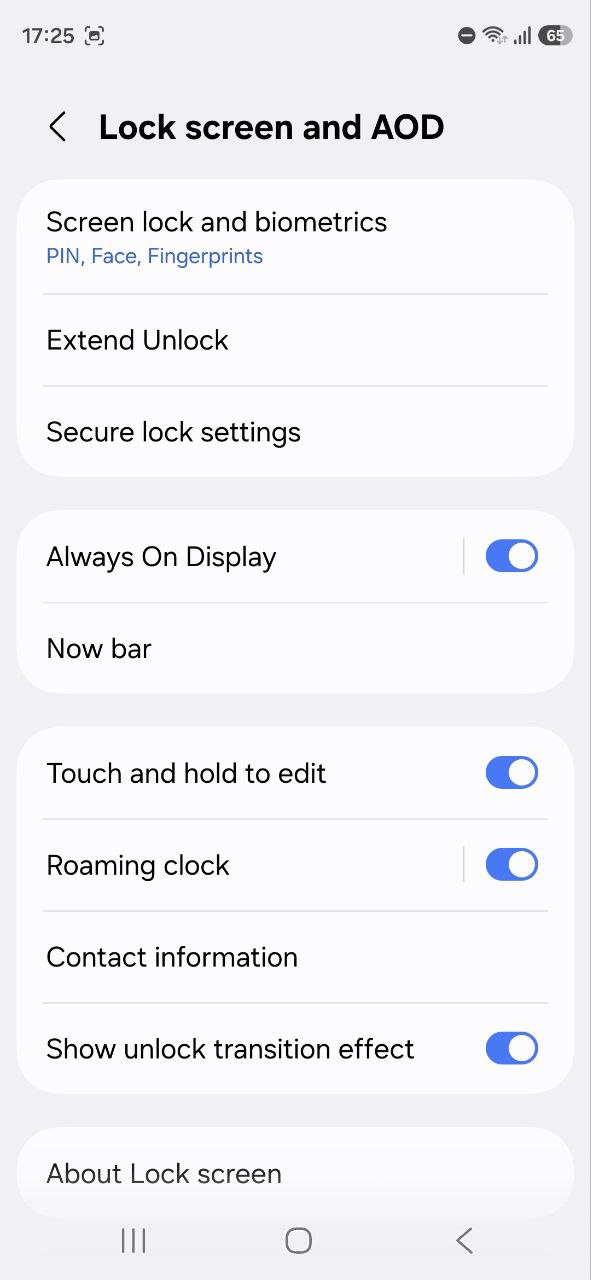
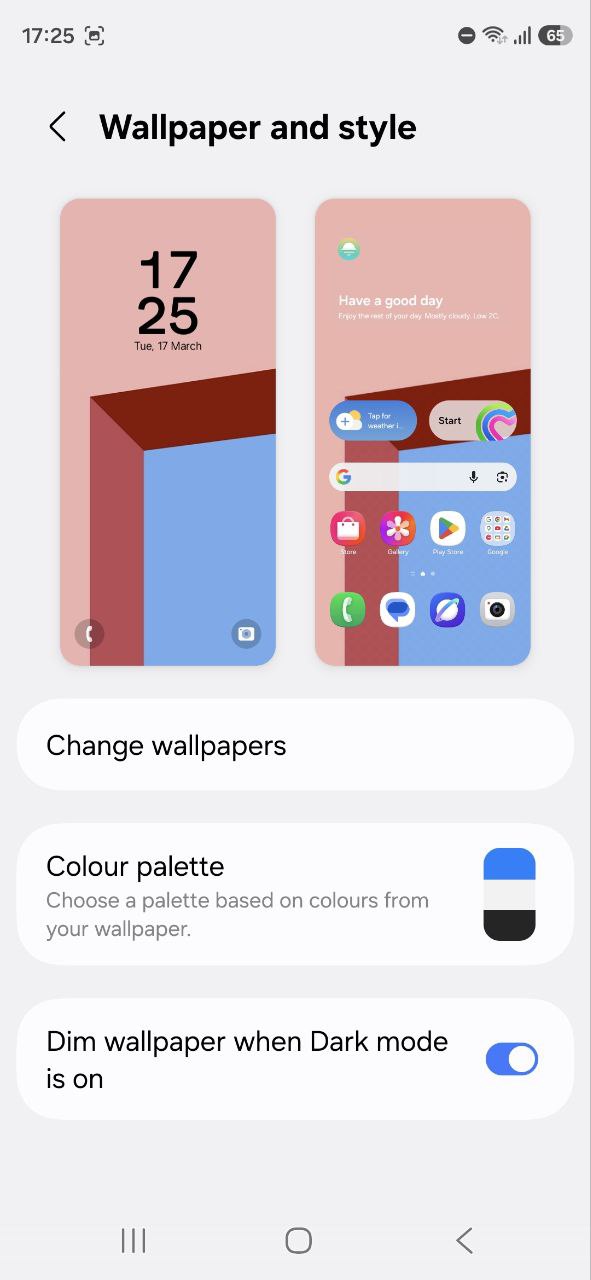
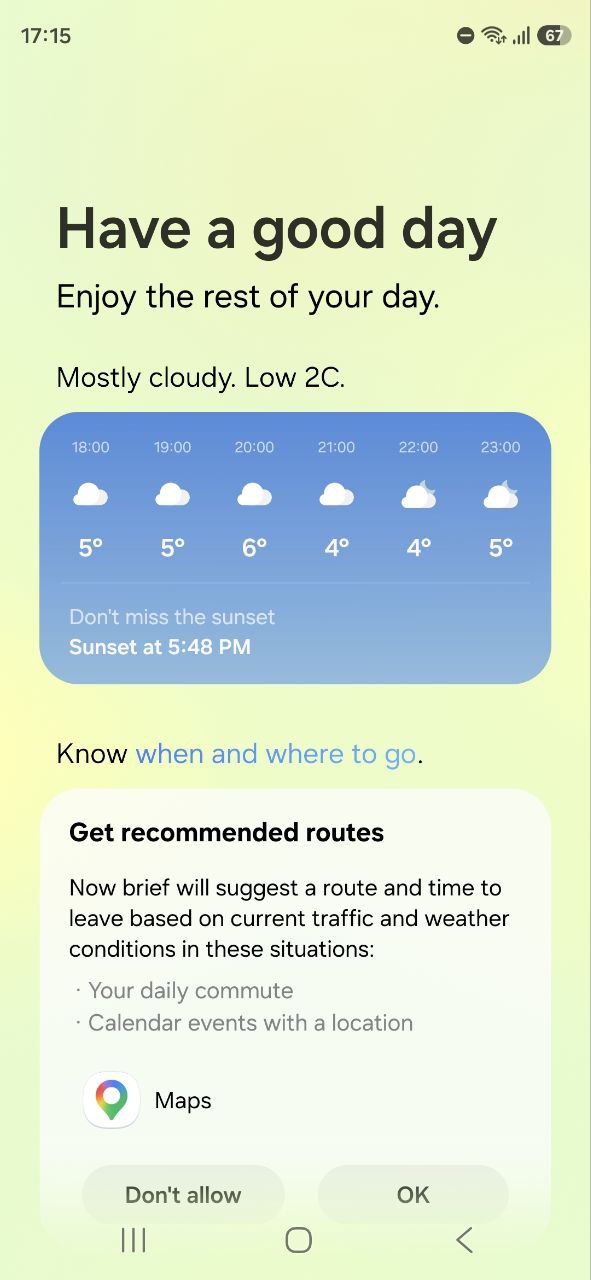
Samsung consolidates its AI features in a single Galaxy AI menu. Available tools include a real-time translator for voice calls or spoken conversations, a text and notes enhancement assistant, a voice-to-text converter, and AI-based photo and audio editors for image enhancement and video sound editing. The interface also includes Now Brief and Now Nudge, which provide personalized recommendations based on user habits or time of day.
In practice, AI-powered photo editing – particularly for removing unwanted objects – performs reliably, with minimal errors or unnatural results. The voice-to-text feature is also useful for quickly extracting key points from messages, even if it is not perfect. Overall, the suite of AI tools offers practical functionality that can support both work-related and everyday tasks.

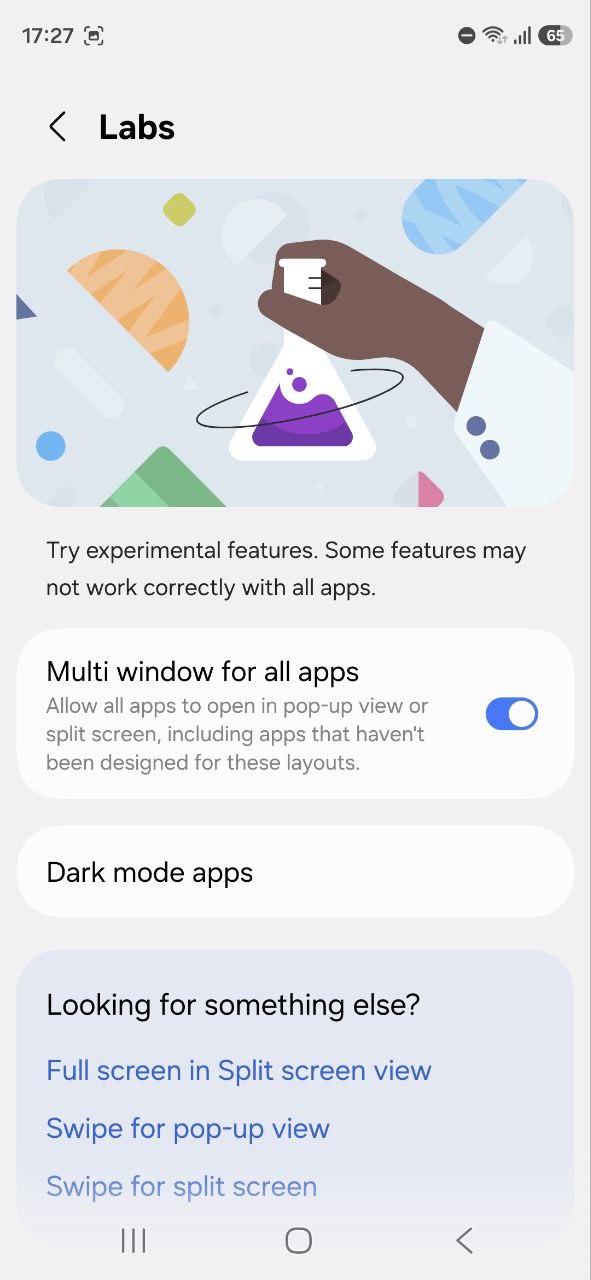
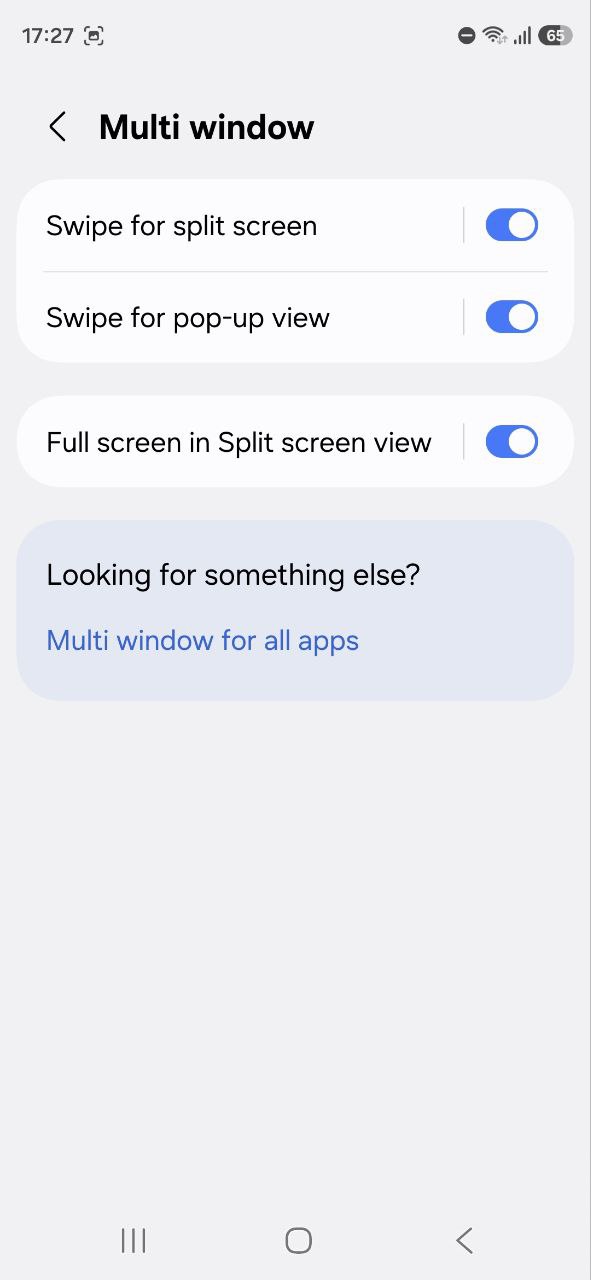
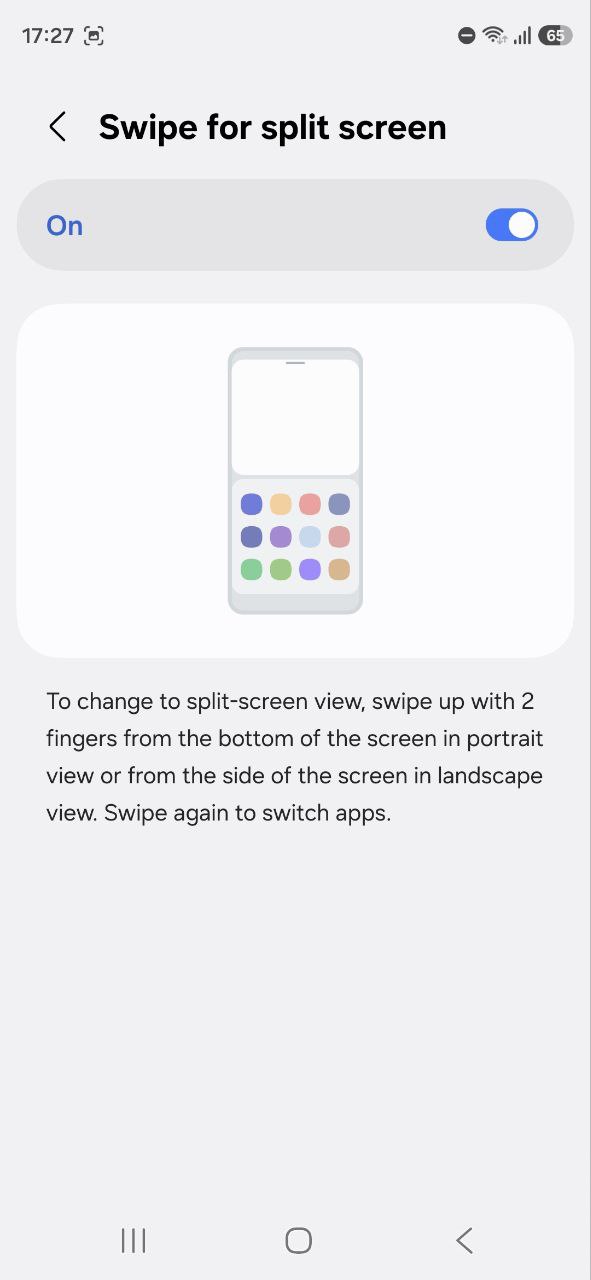
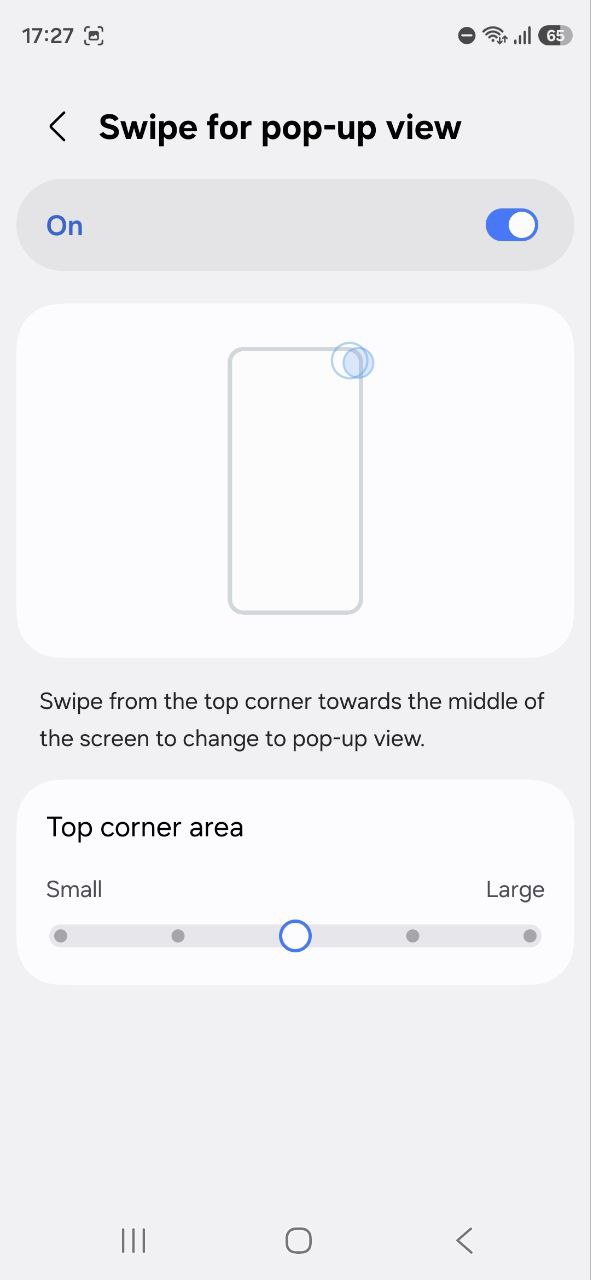
One area that may require adjustment is the gesture controls. For example, taking a screenshot by swiping the edge of the hand across the display can be inconsistent and often requires multiple attempts. Many users may prefer using the physical buttons or the quick settings menu instead. Similarly, activating split-screen mode by swiping upward with two fingers from the bottom of the display can be imprecise, sometimes triggering the app switcher or menu instead. While this may vary between users, the gestures on the Galaxy S26 may feel less reliable in practice.
Read also:
- Bigme HiBreak Pro Color Review: Smartphone with E Ink Display
- Bigme HiBreak S Color review: Smartphone with E ink screen – antidepressant for age of digital overload
Unlocking methods
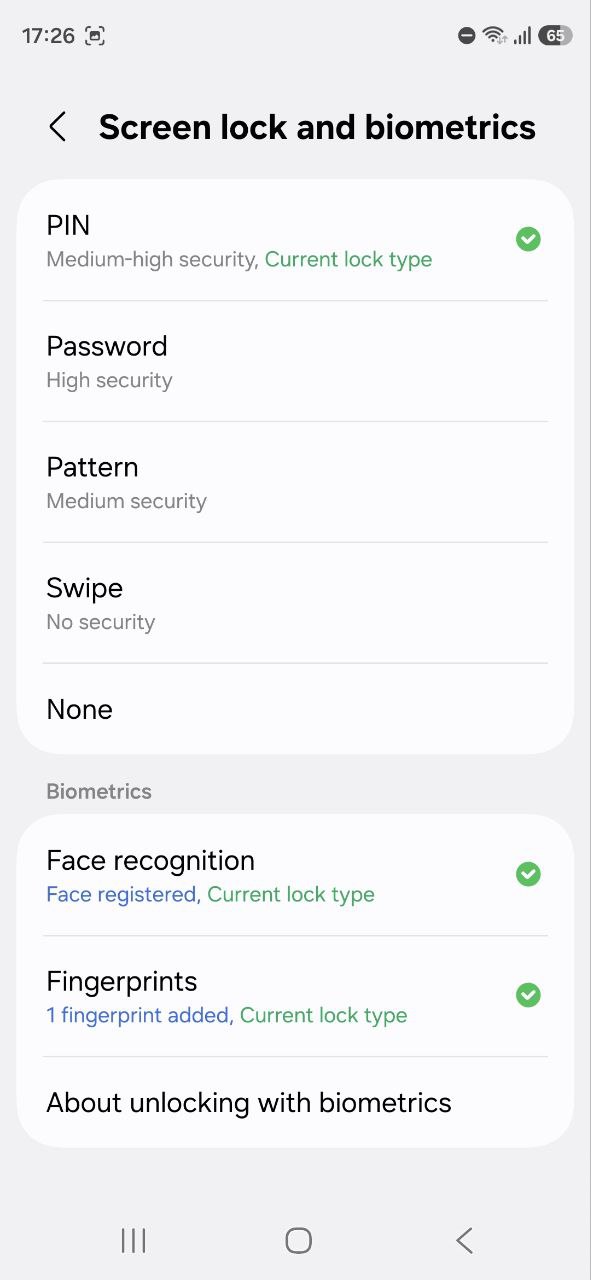
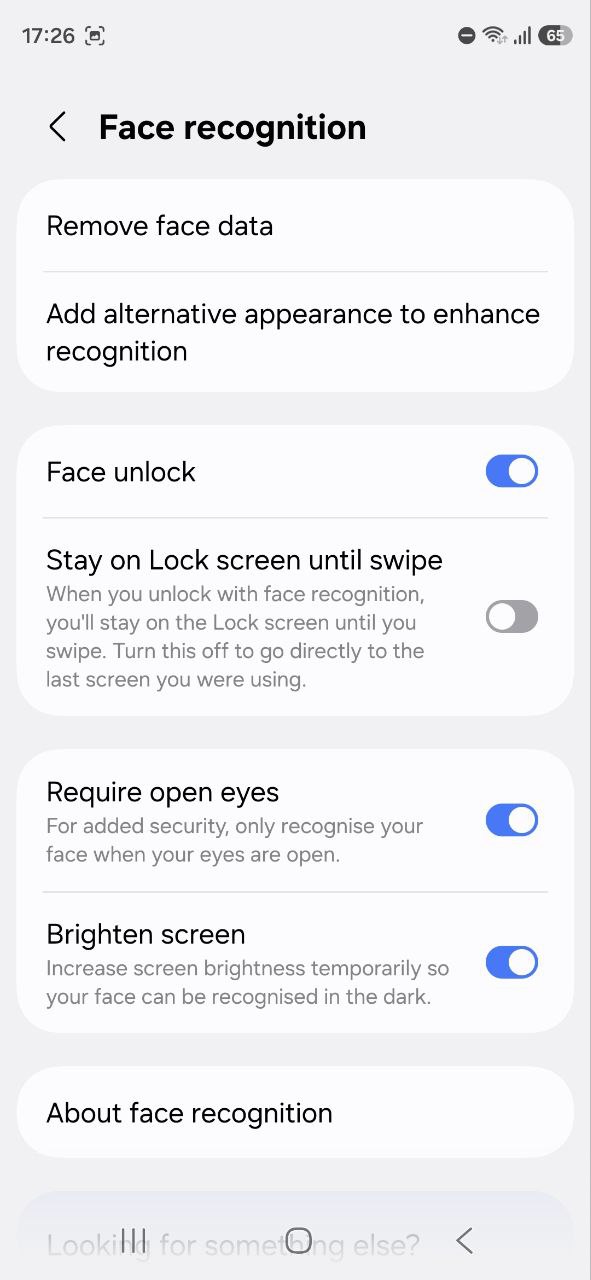
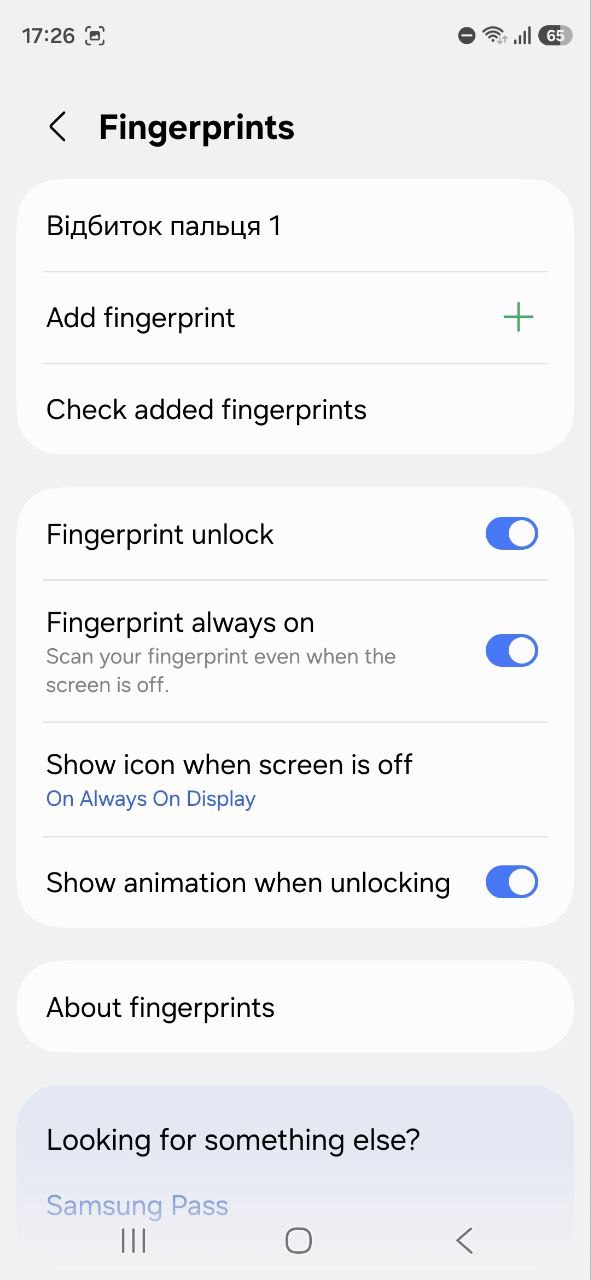
The Galaxy S26 provides a full set of unlocking options, including both fingerprint and facial recognition. The ultrasonic fingerprint sensor performs reliably and can unlock the device even when the screen or Always On Display is off. Facial recognition is also effective, functioning accurately even in complete darkness by briefly increasing the screen brightness. This process is subtle and does not produce a harsh light, and the feature can be disabled in the settings if desired.
Samsung Galaxy S26 Cameras

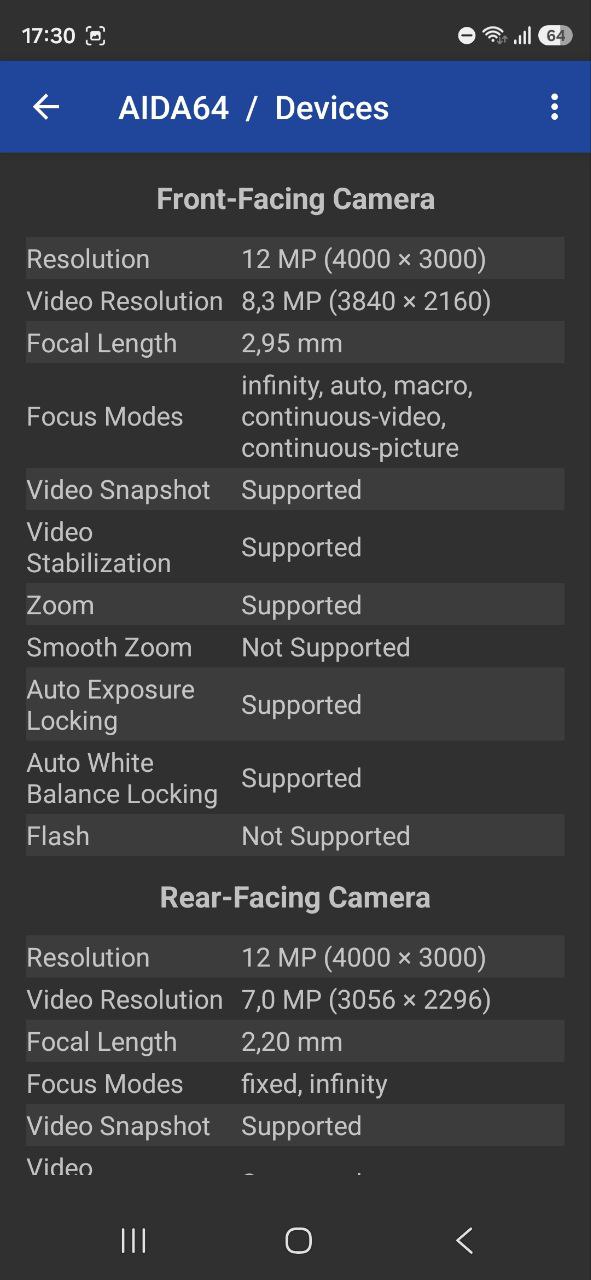
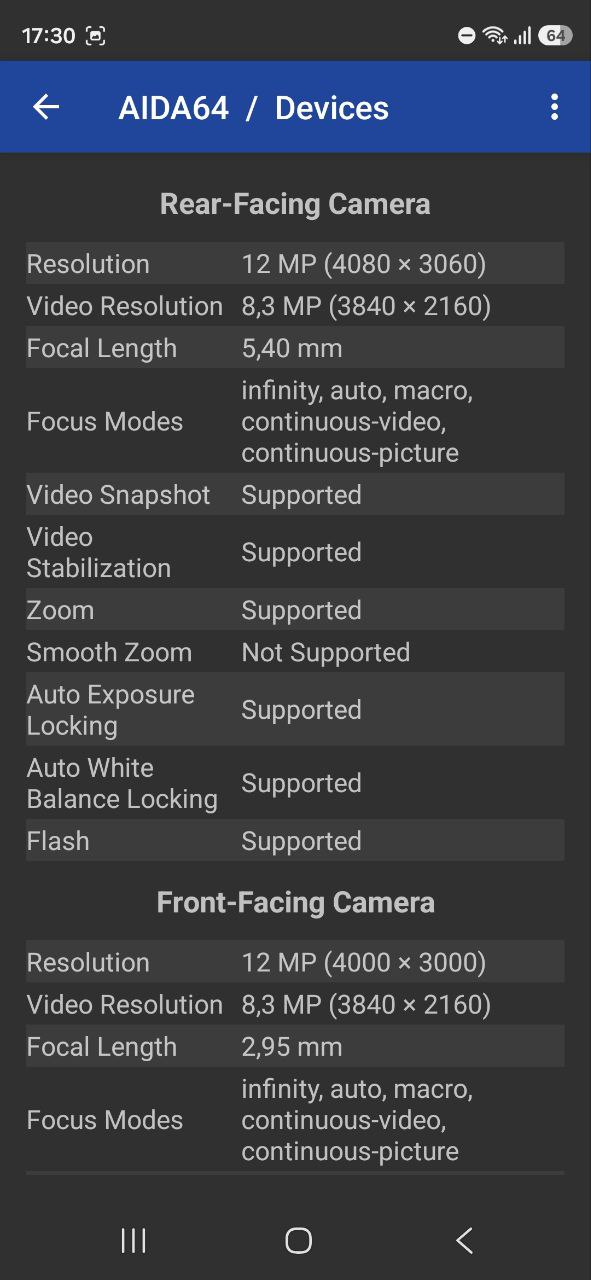
The main camera setup consists of three modules: a primary 50 MP sensor with OIS and an f/1.8 aperture, a 12 MP ultra-wide sensor with an f/2.2 aperture and a 120° field of view, and a 10 MP telephoto lens with an f/2.4 aperture. Together, these cameras support up to 3× optical zoom and 30× digital zoom. The primary sensor can record video at 4K/60 fps and 8K/30 fps. Additional features include text and QR code scanning, professional photo and video modes, panorama, portrait, slow-motion, hyperlapse, as well as built-in filters and image enhancement tools.
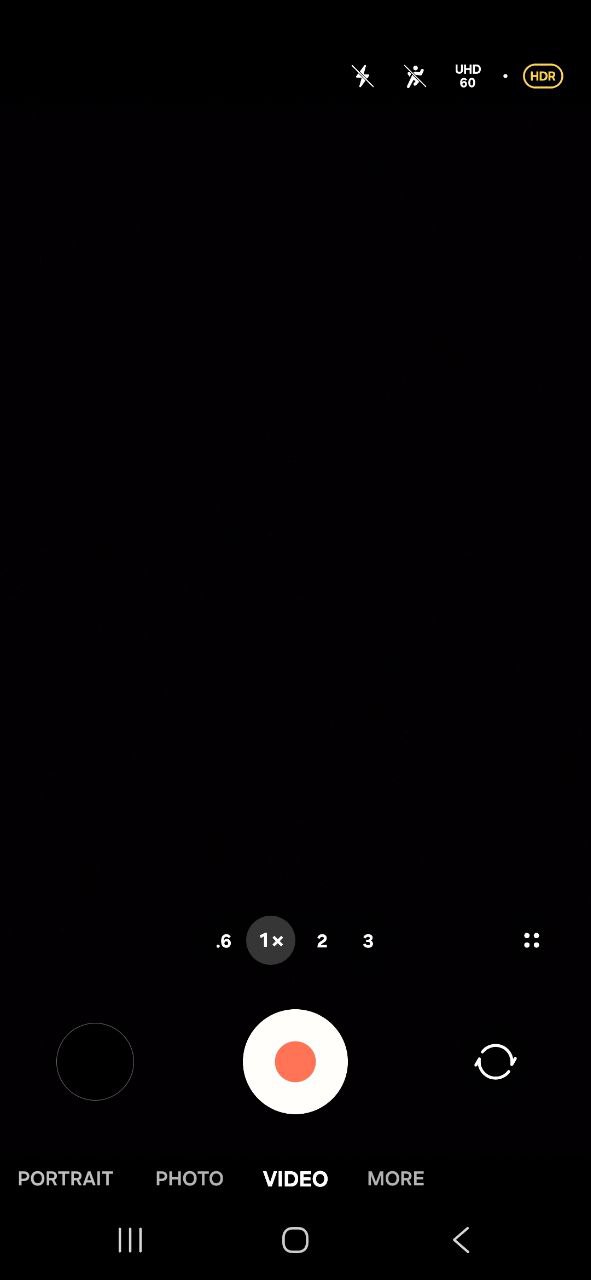
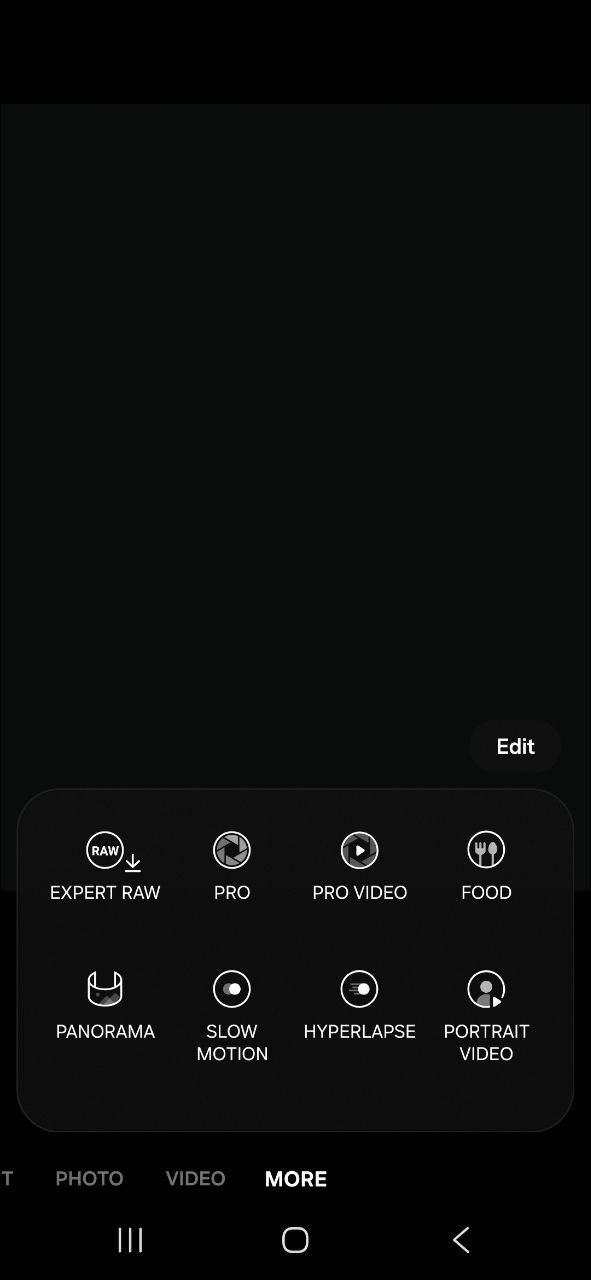
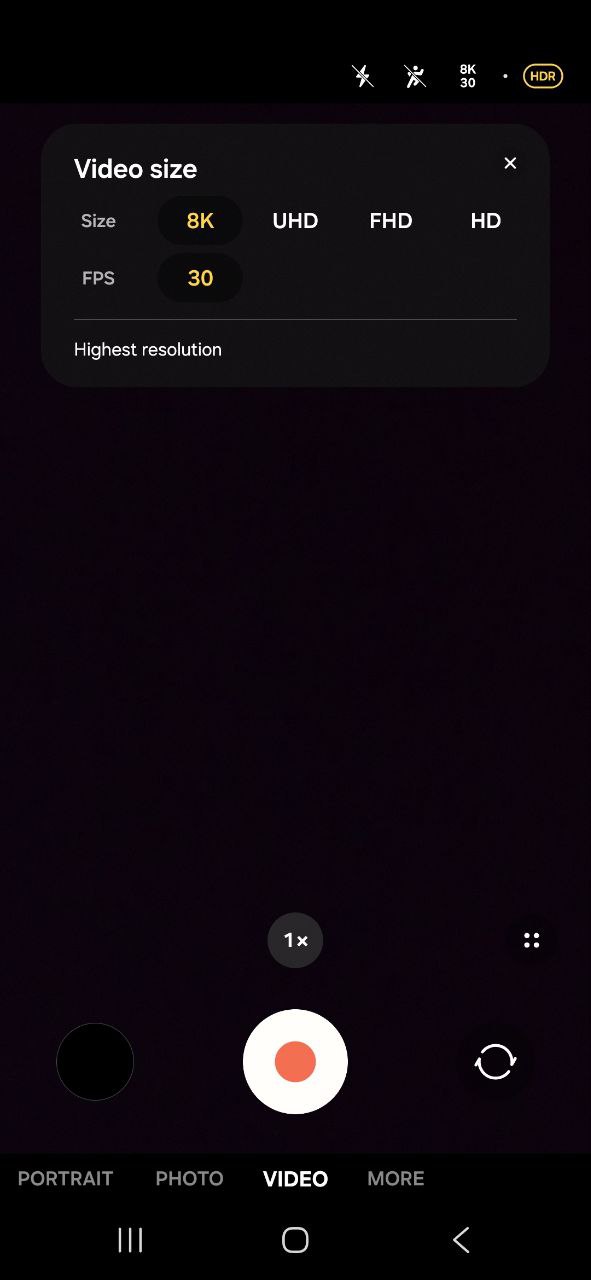
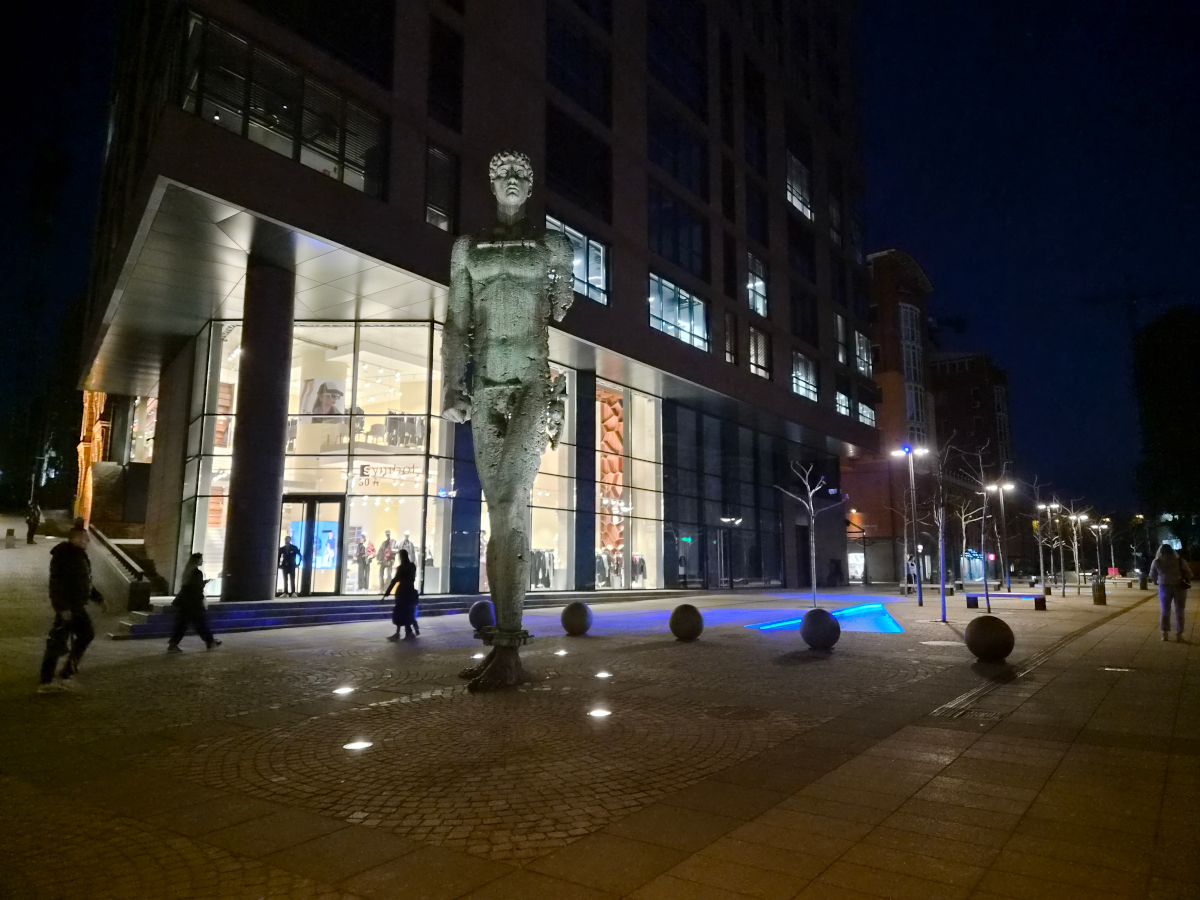
The Galaxy S26 cameras are well-suited for a “point, shoot, and move” approach, minimizing the need for manual adjustments. Daytime image quality is high, with good detail, sharpness, contrast, and color accuracy. The 2× and 3× zoom modes allow for closer shots without noticeable quality loss, which is useful for capturing distant subjects or small details.
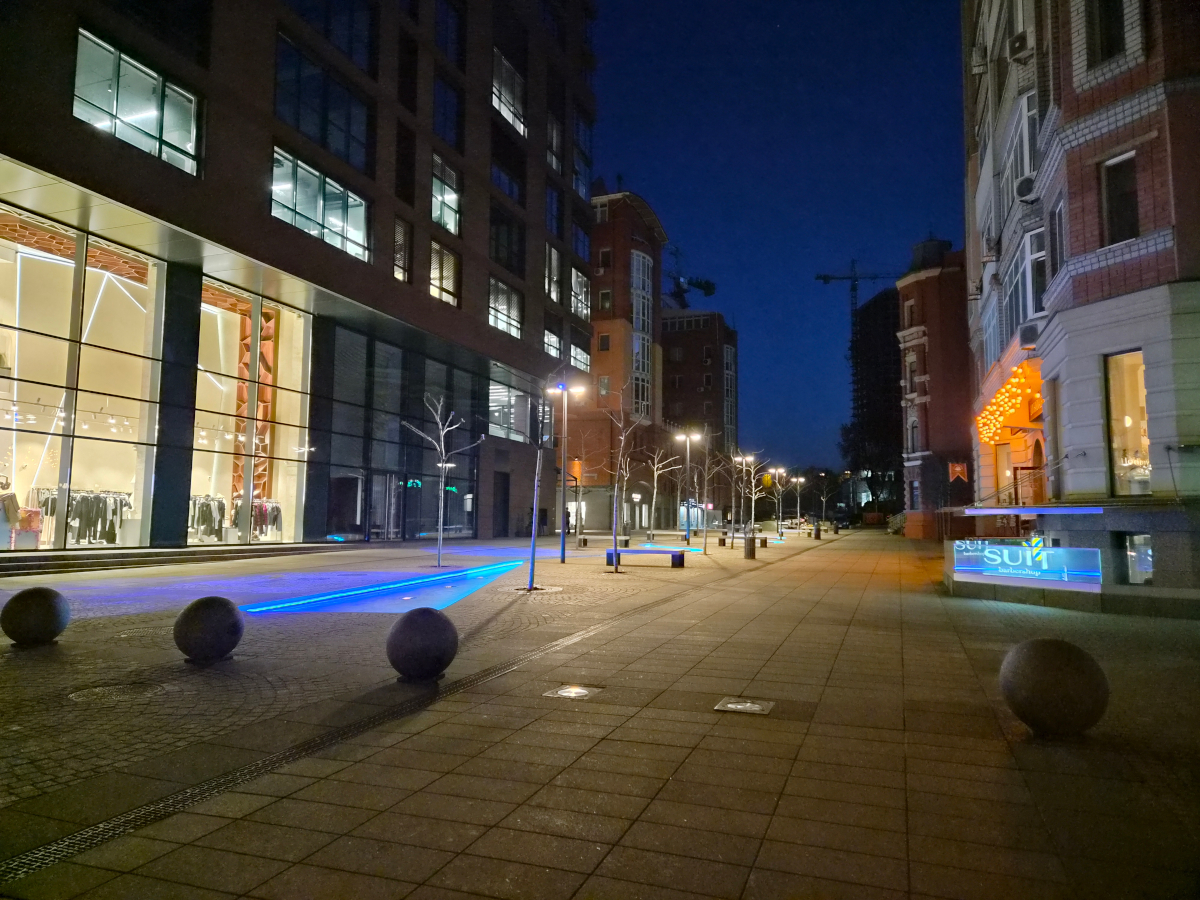
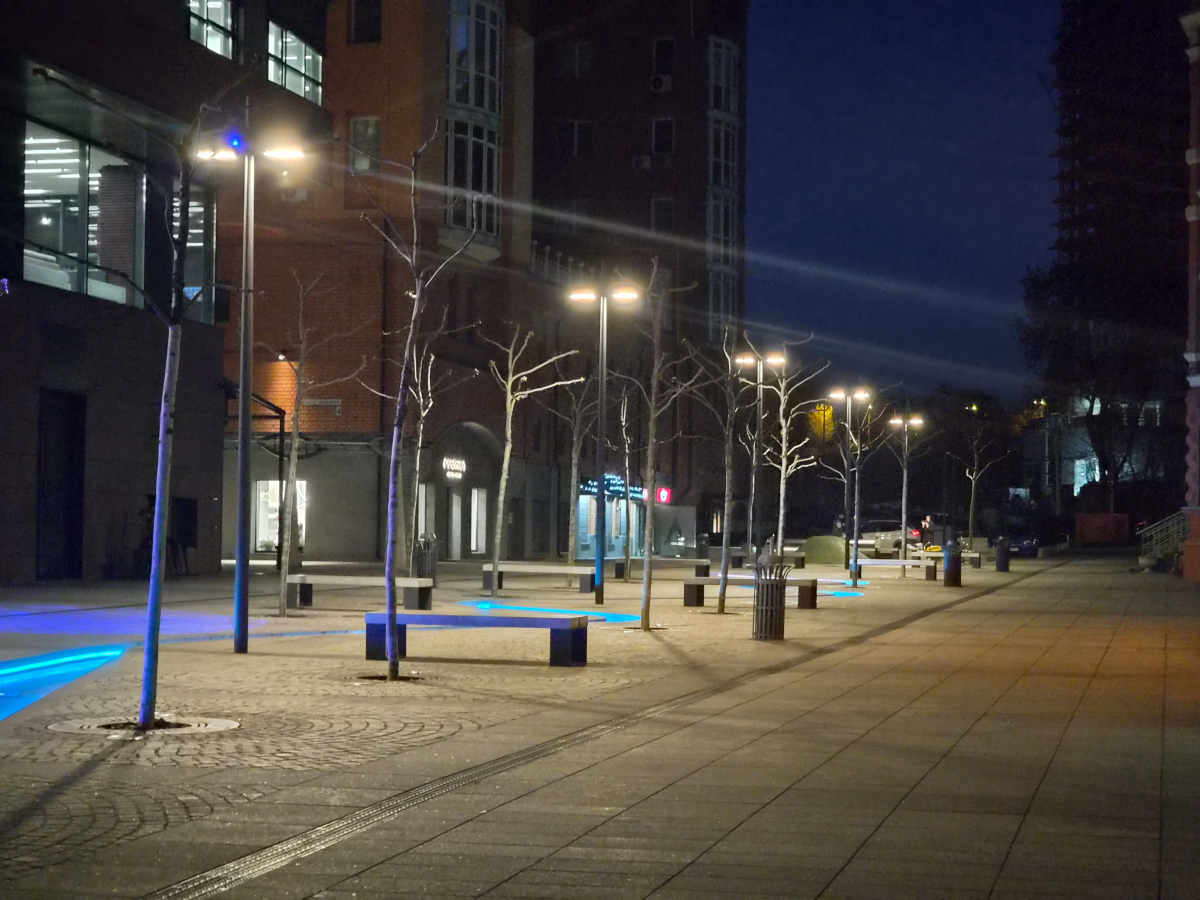
In low-light conditions, the device automatically switches to Night Mode and applies enhanced image processing. This generally preserves contrast and detail, though in some cases – particularly when using zoom – the brightness adjustment can appear excessive, producing slightly artificial results. This is most noticeable in scenes with rapidly changing lighting, such as busy streets with moving vehicles or dynamic light sources. Optimal results are achieved using the main sensor without zoom, where color balance, contrast, and detail are maintained at the highest level.
When shooting in automatic mode, taking multiple shots of the same scene is recommended, as the processing algorithms can yield slightly different results between frames. Selecting the best image from a series ensures the final photo matches the intended view.
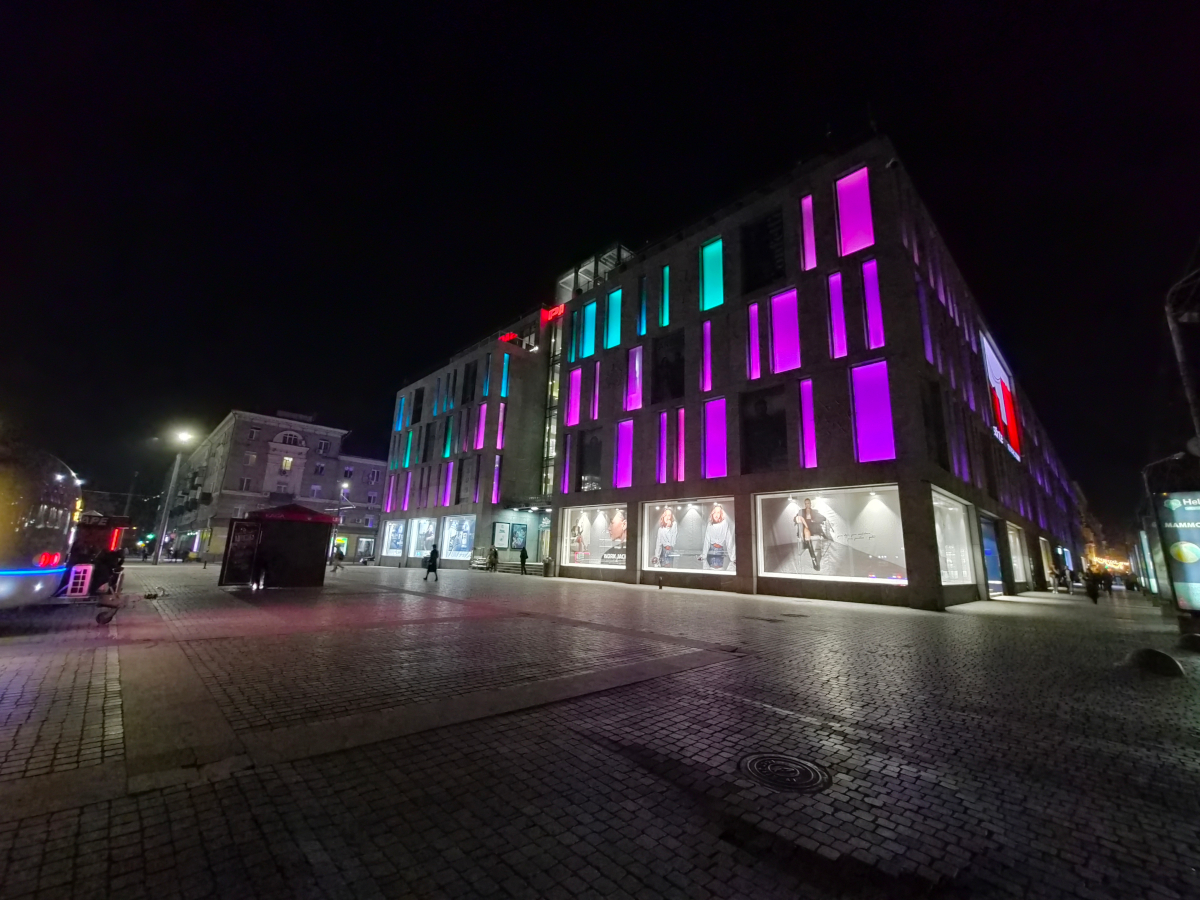
For illustration, sample images taken under various lighting conditions demonstrate the field of view for each module: ultra-wide (0.6×), standard (1×), 2× zoom, and 3× zoom.


Next, we can take a closer look at the main shooting modes, starting with the standard mode, which uses the primary sensor without zoom or the ultra-wide lens.









2x zoom:












3x zoom:









Ultra-wide-angle module:







ALL PHOTOS IN THEIR ORIGINAL RESOLUTION
The Galaxy S26 front-facing camera features a 12 MP sensor with an f/2.2 aperture and an 80° field of view. It supports Ultra HD video recording at 60 fps, matching the video capabilities of the main camera. The image and video quality are sufficient for social media content creation or vlogging, as well as video calls. The camera app includes filters and tools for skin tone adjustment and appearance enhancement, though the default image quality is generally strong, particularly under good lighting conditions.
Read also:
- Motorola Signature: The Company’s First True Super-Flagship
- Motorola Moto G06 Power Review: Budget Smartphone Focused on Extended Battery Life
Sound
The Galaxy S26 features stereo sound produced by a combination of the main speaker and the earpiece. In landscape orientation, the audio quality is notably clear and well-balanced, providing an effective stereo experience despite differences in speaker output. The speakers do not emphasize low frequencies heavily, but overall sound reproduction is clean and sufficiently spacious for a smartphone. Voices, music, and other audio content are clear, especially with Dolby Atmos enabled. The volume is adequate for hearing notifications even when the device is in a bag.


Audio performance through headphones is also solid. When tested with the EarFun Air Pro 4+, no latency was observed during wireless use, and the sound quality was very good. Wired headphones can be used as well, but a 3.5 mm to USB‑C adapter is required, since the device does not include a dedicated audio jack.
Battery life

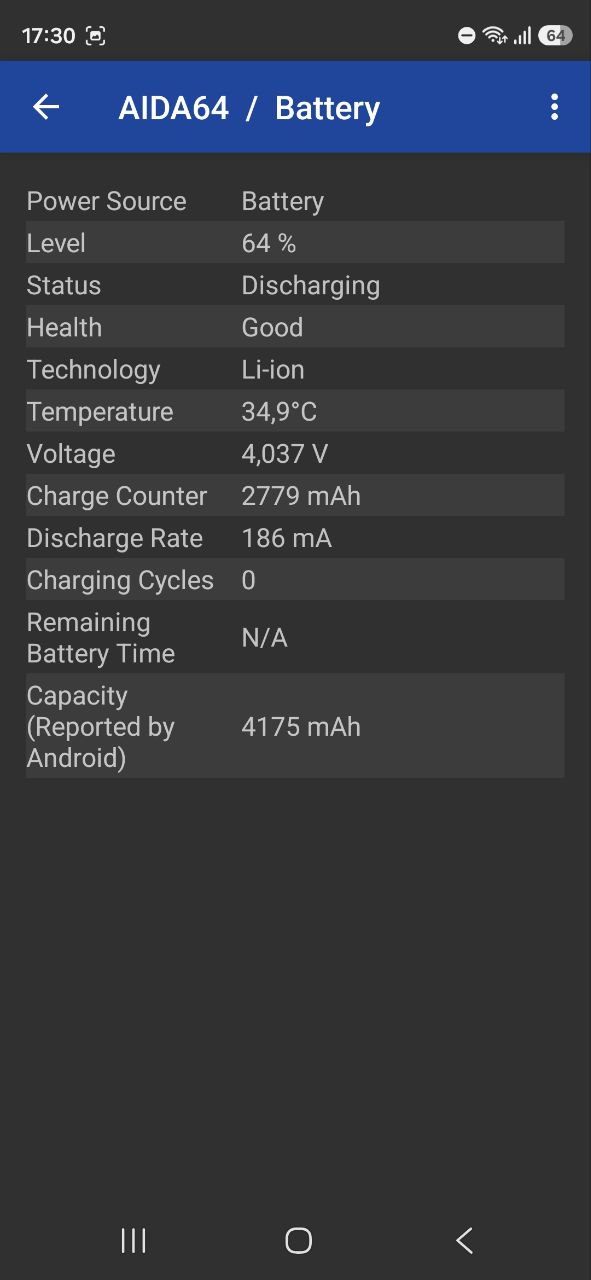
Battery capacity is one of the more modest aspects of Samsung’s most compact flagship, with a rated 4,300 mAh. While this may seem low by current standards, real-world performance is stronger than the number suggests. In PCMark battery tests, the device operated for 15 hours and 20 minutes from 100% to 20% charge, indicating that it can comfortably last through a full day of typical use without requiring a recharge.


Wired charging supports up to 45 W, but this requires Samsung’s proprietary charger with matching specifications. Wireless charging is rated at 25 W and also performs at full speed only with Samsung’s own charging pad. Additionally, the device supports 4.5 W reverse wireless charging for powering accessories such as smartwatches or earbuds.

Summary and Competitors
The Samsung Galaxy S26 remains a strong option for those seeking a compact, reliable flagship device. While the changes compared to the S25 are limited, incremental improvements are typical for 2026, as major breakthroughs in smartphones have become less frequent. The S26 offers a high-performance, well-optimized processor, durable software supported through 2033, one of the market’s better camera systems, a high-quality display, solid battery life, and a variety of AI features that enhance usability. The main drawbacks are the lack of a bundled charger and the increased price compared to the previous generation.

When considering competitors for the Samsung Galaxy S26, two main factors often guide users: alignment with an existing ecosystem or brand preference and trust. Technically, any recent flagship from another manufacturer could be considered a competitor, as most high-end devices now feature similar advanced technologies and specifications. Examples include the Pixel 10, OnePlus 15, Xiaomi 17, and the iPhone 17. From a subjective standpoint, for the best Android experience, Samsung devices remain a strong choice.
For users looking for a capable smartphone without prioritizing compact size and at a lower cost, the “simplified” Samsung Galaxy S25 FE is worth considering. It has a larger 6.7-inch display, weighs 190 g, includes less RAM and a slightly less powerful processor, but offers a 4,900 mAh battery and a significantly lower price – around 30% less for the same storage configuration. This trade-off between performance, size, and cost can make it an appealing alternative.
Read also:
- Logitech Pro X2 Superstrike Review: Esports Mouse with Magnetic Switches
- Kiwi Ears x Z-Reviews Serene Planar Headphones Review: Collaboration with Distinct Tuning
- OPPO Reno15 Pro 5G Review: Performance and Capable Camera at Reasonable Price
- Tool of Global Power Projection: All About U.S. Air Force Aerial Refueling Aircraft
Where to buy the Samsung Galaxy S26